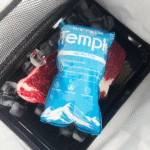
Der Versand gefrorener Waren ist nicht so einfach wie das Werfen einiger Eiswürfel in einen Karton. Um Impfstoffe sicherzustellen, Biologische Proben und Gourmet-Lebensmittel kommen völlig gefroren an ihrem Bestimmungsort an, Sie benötigen ultrakalte Kältemittel, die tagelang zuverlässig funktionieren. Medizinische Qualität Trockeneis wickeln – oft als wiederverwendbare Laken verkauft oder Kryoblock-Packungen – erfüllt diesen Anspruch. Es sorgt für Temperaturen um –78 °C (–109 °F) ohne flüssige Verschmutzungen zu hinterlassen, Behält im gefrorenen Zustand seine Form und kann zugeschnitten werden. Die Verwendung der richtigen Verpackung kann die Haltbarkeit von gefrorenem Eis um das Siebenfache verlängern als bei Wassereis und den Abfall im Vergleich zu herkömmlichen Blöcken oder Eis reduzieren Gelpackungen. In diesem Leitfaden wird erklärt, was eine medizinische Trockeneispackung ist, wie man damit sicher verpackt, und warum es für die moderne Kühlkettenlogistik wichtig ist. Sie werden die wichtigsten Schritte entdecken, die Sie befolgen müssen, regulatorische Überlegungen, Vergleiche mit Alternativen, und neue Innovationen für 2025.

Was ist Trockeneiswickel in medizinischer Qualität und warum es verwenden? Erklärt die Zusammensetzung, Temperaturleistung und Vorteile mithilfe verwandter Longtail-Keywords wie wiederverwendbar Trockeneisblätter Und Ultrakalte Versandverpackung.
Wie verpacken Sie gefrorene Waren mit medizinischer Trockeneisfolie?? Bietet eine praktische, Schritt-für-Schritt-Methode zum Vorgefrieren, PS, Schichtung und Belüftung.
Welche Sicherheits- und Regulierungsvorschriften gelten?? Fasst die Klassifizierungs- und Verpackungsanforderungen für Gefahrstoffe von Universitäten und Sicherheitsorganisationen zusammen.
Wie schneidet die medizinische Trockeneisfolie im Vergleich zu Gelpackungen und anderen Kältemitteln ab?? Präsentiert einen Leistungs- und Sicherheitsvergleich mit Gelpacks, Wassereis und Einwegblöcke.
Wofür gibt es die neuesten Markttrends und Innovationen? 2025? Hebt das Marktwachstum hervor, neue Technologien und Nachhaltigkeitsentwicklungen in der Kühlkette.
Was ist ein medizinischer Trockeneiswickel und warum wird er verwendet??
Definition und Zusammensetzung
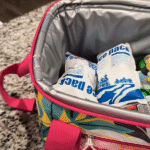
Medizinische Trockeneispackung bezieht sich auf flexible Folien oder mehrzellige Packungen, die enthalten Festes Kohlendioxid eingekapselt in von der FDA zugelassenen Materialien. Im Gegensatz zu losen Pellets oder Platten, Diese Wraps sind in kleine Zellen unterteilt, die gleichmäßig gefrieren und gefrieren können auf Maß zuschneiden und dabei flexibel bleiben. Jede Zelle enthält eine proprietäre Phasenwechselformel, die eine Temperatur von –78 °C aufrechterhält (–109 °F), der Punkt, an dem Kohlendioxid sublimiert. Denn das Trockeneis sublimiert direkt zu Gas, Es gibt Keine Feuchtigkeit oder Rückstände, Verhinderung der Kontamination medizinischer Proben und Lebensmittel.
Ungiftig und von der FDA zugelassen: Verwendung wiederverwendbarer Kryoblock-Packungen ungiftige Inhaltsstoffe und Materialien, die für Lebensmittel und medizinische Zwecke zugelassen sind.
Flexibel und schneidbar: Durch das mehrzellige Design kann die Folie um ungewöhnlich geformte Gegenstände gebogen und auf die richtige Größe zugeschnitten werden, ohne dass die Integrität verloren geht.
Wiederverwendbar: Diese Wraps können wieder eingefroren und mehrmals wiederverwendet werden, ohne dass sie sich verschlechtern, bietet nachhaltige Alternativen zu Einwegblöcken.
Längeres Kaltleben: Laut Dry Chill, Die Packungen können bis zu siebenmal länger gefroren bleiben als Wassereis, Damit eignen sie sich ideal für den Fernversand.
Warum Trockeneiswickel verwenden??
Trockeneiswickel bieten mehrere Vorteile gegenüber losem Trockeneis und Gelpackungen:
Hält ultrakalte Temperaturen für kritische Güter aufrecht. Medikamente wie mRNA-Impfstoffe benötigen Bedingungen bei –70 °C, um lebensfähig zu bleiben. Wrapbasierte Packungen halten über längere Zeiträume eine Temperatur von –78 °C aufrecht, Gewährleistung der Produktstabilität auch bei mehrtägigen Transporten.
Minimiert Produktschäden. Das Wickeldesign verhindert den direkten Kontakt zwischen Trockeneis und Ware, Reduzierung der Gefahr von Erfrierungen oder Gefrierbrand. Die Zellstruktur polstert auch Gegenstände, Verringerung des Bruchs.
Reduziert den Sublimationsverlust. Gebündelte Zellen begrenzen die der Luft ausgesetzte Oberfläche, Er Sublimation verlangsamen. Dadurch wird im Vergleich zu losen Pellets oder Nuggets weniger Kältemittel benötigt.
Weniger Frachtkosten und Abfall. Denn Sie können die Wraps genau auf die benötigte Größe zuschneiden, Sie vermeiden Überpacken und unnötiges Gewicht. Das wiederverwendbare Design reduziert den Abfall zusätzlich.
Konform mit den Lebensmittel- und Arzneimittelvorschriften. Die Materialien sind für den direkten Kontakt mit Lebensmitteln und medizinischen Produkten ausgelegt, Unterstützung der Einhaltung gesetzlicher Vorschriften für Sendungen.
RealWorld-Szenario
Stellen Sie sich vor, Sie verschicken eine Charge genetischer Testkits, die bei –70 °C aufbewahrt werden müssen 72 Std.. Die Verwendung von losen Trockeneispellets kann zu einer ungleichmäßigen Kühlung und zur Verunreinigung der Tupfer durch Trockeneisstaub führen. Gelpacks dürfen nur –15 °C aushalten. Um die Kits herum passt eine 24-Zellen-Trockeneishülle, bleibt flexibel und sorgt für konstante –78 °C Temperaturen für bis zu 120 Std.. Die Kits kommen unversehrt und funktionsfähig an.
So verpacken Sie gefrorene Waren mit MedicalGrade-Trockeneisfolie
Die richtige Verpackung sorgt dafür, dass gefrorene Waren kalt bleiben und das Versandpersonal geschützt ist. Die folgende Methode kombiniert praxiserprobte Best Practices mit neuen Empfehlungen für 2025:
Schrittweise Verpackungsanleitung
Das Produkt vorfrieren. Frieren Sie die Ware auf mindestens –20 °C ein 24 Std.. Wenn Sie mit gefrorenen Waren beginnen, verringert sich die Kühlbelastung der Trockeneisverpackung.
Schutzausrüstung tragen. Trockeneis ist extrem kalt und kann Erfrierungen verursachen. Verwenden Sie isolierte Handschuhe, Schutzbrille und Schürze.
Bereiten Sie den Wrap vor. Legen Sie die medizinische Trockeneisfolie flach in einen handelsüblichen Gefrierschrank (–20 °C bis –30 °C) bis alle Zellen fest sind. Erst gefroren schneiden. Für Sendungen, die eine teilweise Umhüllung erfordern, Schneiden Sie entlang der versiegelten Nähte, um die benötigte Größe zu erhalten.
Den Versandbehälter auskleiden. Wählen Sie einen isolierten Behälter mit ausreichender Festigkeit (Z.B., A 30 mm expandiertes Polystyrol [EPS] Schachtel in einem Wellkarton). Verwenden Sie keine Kunststoffe, die bei niedrigen Temperaturen spröde werden. Füllen Sie leere Stellen mit Pappe oder Polstermaterial.
Platzieren Sie das Produkt in der Mitte. Verpacken Sie temperaturempfindliche Produkte in zwei wasserdichte Plastiktüten oder fügen Sie saugfähiges Material mit einer Plastikfolie hinzu, um Kondensation oder Undichtigkeiten einzudämmen.
Trockeneis einwickeln und von oben laden. Legen Sie die gefrorene Folie um und über das Produkt. Zusätzlich positionieren Trockeneiswickel oder Blöcke auf der Oberseite des Produkts; kalte Luftwaschbecken, Toploading verbessert also die Kühleffizienz. Vermeiden Sie es, Kältemittel unten zu platzieren.
Entlüften und abdichten. Behälter nicht luftdicht verschließen. Die Verpackungen müssen das Entweichen von Kohlendioxidgas ermöglichen. Lassen Sie kleine Löcher (≈6 mm) im Deckel des Behälters oder verwenden Sie belüftete Deckel. Kleben Sie nur die Kartonlaschen ab, nicht die Entlüftungslöcher.
Beschriften und dokumentieren. Beschriften Sie den Umkarton mit der Klasse 9 Geben Sie die Gefahrenraute „Trockeneis“ ein und schreiben Sie „UN 1845, Kohlendioxid, Fest“ plus Nettogewicht in Kilogramm【145967662472752†L114-L121】. Geben Sie Absender- und Empfängeradressen an.
Dokumentation hinzufügen. Für Lufttransporte, Füllen Sie den Luftfrachtbrief oder das Versanddokument aus, Angabe des Gewichts des Trockeneises und der Anzahl der Pakete.
Planen Sie die Transitzeit ein. Nutzen Sie die Faustregel: Trockeneis sublimiert bei etwa 5–10 Pfund (2.3–4,5 kg) jeder 24 Stunden abhängig von der Behälterisolierung. Für längere Reisen, Packen Sie zusätzliche Verpackungen oder Blöcke ein, um Verzögerungen zu berücksichtigen.
Checkliste und Überlegungen zum Packen
| Aktion | Grund | Ihr Vorteil |
| Ware vorfrieren und einpacken | Reduziert die Wärmebelastung des Kältemittels | Maximiert die Wickeleffizienz |
| Verwenden isoliert, starke Behälter | Verhindert Bruch und kontrolliert den Wärmeaustausch | Schützt die Produktintegrität |
| Füllen Sie den leeren Raum mit Polsterung | Minimiert das Luftvolumen, um die Sublimation zu verlangsamen und Bewegungen zu verhindern | Gewährleistet eine konstante Temperatur und Produktstabilität |
| Wickeln Sie das Kältemittel in Papier oder Karton ein | Verlangsamt die Sublimation und verhindert überschüssigen Platz | Verlängert die Kühldauer |
| Behälter entlüften, Vermeiden Sie eine luftdichte Versiegelung | Ermöglicht das Entweichen von CO₂ und verhindert eine Explosion | Verbessert die Sicherheit und die Einhaltung gesetzlicher Vorschriften |
Entscheidungstool: Berechnen Sie die Menge der Trockeneisfolie
Mit einer einfachen Formel können Sie die benötigte Menge an Trockeneisfolie abschätzen. Multiplizieren Sie die Masse Ihrer Tiefkühlware mit 1.1 (um die Schmelzwärme zu berücksichtigen) und nach der Anzahl der Transittage; Dann fügen Sie a hinzu 15 % Sicherheitspuffer:
Dry ice required (kg) = [Produktmasse (kg) × 1.1 × Transittage] × 1.15
Beispiel: Versand 8 kg Insulin für 3 Tage → 8 × 1.1 × 3 × 1.15 ≈ 30 kg Trockeneiswickel. Passen Sie die Menge je nach Isolationsqualität und Umgebungstemperatur an. Dieses Tool hilft, ein Überpacken zu vermeiden (Geld verschwenden) oder Unterpacken (Tauwetter riskieren).
Sicherheits- und behördliche Überlegungen
Medizinische Trockeneisfolie ist bei richtiger Handhabung sicher. Jedoch, Trockeneis wird als klassifiziert Verschiedene gefährliche Stoffe (Klasse 9) und wird von den USA reguliert. Verkehrsministerium (PUNKT) und die International Air Transport Association (Iata). Die Nichteinhaltung kann zu Bußgeldern und Lieferverzögerungen führen.
Mit Trockeneis verbundene Gefahren
Explosionsgefahr: Beim Sublimieren von Trockeneis werden große Mengen CO₂-Gas freigesetzt. Luftdichte Behälter können explodieren, wenn Gas eingeschlossen ist.
Erstickungsgefahr: Kohlendioxid verdrängt Sauerstoff in geschlossenen Räumen, was zur möglichen Erstickung führen kann.
Berührungsgefahr: Direkter Hautkontakt führt zu schweren Erfrierungen.
Wichtige regulatorische Anforderungen
Ausbildung – Jeder, der Trockeneis verpackt oder Versandpapiere unterschreibt, muss eine Schulung zur Gefahrenkommunikation absolvieren. Die Zertifizierung muss alle zwei Jahre oder bei Änderungen der Vorschriften erneuert werden.
Entlüftung – Die Verpackung muss das Entweichen von Gas ermöglichen. Trockeneis nicht in Behältern mit luftdichten Deckeln oder versiegelten Plastiktüten verschließen.
Paketstärke – Container müssen dem Be- und Entladen standhalten, Vibrationen und Temperaturschwankungen.
Materialien – Vermeiden Sie Kunststoffe, die bei –78 °C spröde oder durchlässig werden. Verwenden Sie handelsübliches Trockeneis Versandbehälter.
Hilfreiche Entscheidungshilfen
Überprüfen Sie die Details, bevor Sie sich für die Verpackung entscheiden
Mit diesen schnellen Tools können Sie das Routenrisiko vergleichen, Größenanforderungen, Kühlmittelauswahl, und Verpackungsdetails, bevor Sie ein Angebot anfordern.
Trockeneisrechner
Schätzen Sie vor dem Verpacken den Bedarf an Trockeneis für gefrorene oder ultrakalte Sendungen.
Schätzen Sie TrockeneisRoutenrisiko-Checker
Überprüfen Sie die Fahrspurbedingungen, bevor Sie die Verpackung entsprechend den tatsächlichen Betriebsanforderungen auswählen.
Streckenrisiko prüfenKühlmittel & PCM-Referenz
Vergleichen Sie Kühlmittel- und PCM-Optionen, wenn eine Route zusätzliche Temperaturunterstützung benötigt.
Vergleichen Sie OptionenBeschriftung – Zeigen Sie die Klasse an 9 Hazard -Etikett, Und 1845 und Nettogewicht des Trockeneises. Bringen Sie die Etiketten an einer vertikalen Seite der Verpackung an.
Dokumentation – Auf dem Luftfrachtbrief müssen die Anzahl der Packstücke und das Nettogewicht des Trockeneises angegeben sein.
Mengenbeschränkungen – Die maximal zulässige Nettomenge pro Paket beträgt 200 kg. Einzelne Fluggesellschaften können strengere Grenzwerte festlegen; Überprüfen Sie immer die aktuellen Richtlinien des Mobilfunkanbieters.
Sicherheitstipps für den Umgang mit Trockeneisfolie
Tragen Sie Schutzhandschuhe und Augenschutz wann immer Sie den Wickel berühren.
Niemals Trockeneis konsumieren oder einnehmen; Bei Verschlucken sofort einen Arzt aufsuchen.
In belüfteten Bereichen lagern; Bewahren Sie Trockeneis nicht in unbelüfteten Räumen oder Fahrzeugen auf.
Vermeiden Sie es, Trockeneis direkt auf die Produkte zu legen. Wickeln Sie die Verpackung in Papier ein oder verwenden Sie Trennblätter, um Frostverbrennungen zu vermeiden.
Versenden Sie nicht über Wochenenden wenn mit Lieferverzögerungen zu rechnen ist.
Vergleich medizinischer Trockeneisfolie mit Gelpackungen und anderen Kältemitteln
Die Wahl des richtigen Kältemittels hängt von der Zieltemperatur ab, Versanddauer, Kosten und Sicherheit. Die folgende Tabelle fasst zusammen, wie medizinische Trockeneisfolie im Vergleich zu Gelpackungen abschneidet, Wassereis und Einwegartikel Trockeneisblöcke.
| Kältemittel | Temperaturbereich | Dauer | Zyklen wiederverwenden | Sicherheitsbedenken | Typische Anwendungen |
| Medizinische Trockeneispackung | –78 °C konstant | Bis zu 120 H (kann 7× länger sein als Eis) | 100+ (Wiederverwendung; flexibel) | Erfordert Handschuhe; CO₂-Entlüftung; Vermeiden Sie luftdichte Behälter | Impfungen, Biologika, hochwertige Meeresfrüchte |
| Einweg-Trockeneisblöcke | –78 °C konstant | 24–96 Std. je nach Größe | Einmalgebrauch | Es besteht Erfrierungs- und Erstickungsgefahr; feste Form | Fleischlieferungen, Trockeneisnebeleffekte |
| Gelpackungen | –12 °C bis –18 °C (Gefriertemperatur) | 24–48 h | 30+ Wiederverwendung mit <10 % Kapazitätsverlust | Ungefährlich; sicher in der Handhabung | Lebensmittel Lieferung, Insulintransport |
| Wassereis | 0 °C | 12–24 h | Einmalgebrauch | Schmilzt zu Flüssigkeit und verursacht Undichtigkeiten | Picknick-Kühlboxen, Getränkekühlung |
| PhaseChange-Materialien (PCM) | Brauch (–20 °C bis +25 °C) | 48–144 Std | 100+ | Ungefährlich; einige erfordern Entsorgungsprotokolle | Arzneimitteltransporte, Last-Mile-Lieferung |
Key Takeaways:
Trockeneisfolie hält die kältesten Temperaturen aufrecht und ist für Waren erforderlich, die tiefgefroren werden müssen (–70 °C oder niedriger). Gelpacks können diesen Bereich nicht erreichen.
Gelpacks und PCMs sind sicherer und einfacher zu handhaben, eignen sich jedoch nur für gekühlte oder leicht gefrorene Waren.
Wraps sind wiederverwendbar und flexibel, Reduzierung von Abfall und Kosten im Laufe der Zeit.
Praktische Tipps bei der Auswahl von Kältemitteln
Für Ultrakalte medizinische Sendungen wie mRNA-Impfstoffe oder monoklonale Antikörper, Wählen Sie eine medizinische Trockeneisfolie plus zusätzliche Blöcke.
Für Tiefkühlgerichte und Desserts, Verwenden Sie eine Kombination aus Gelpackungen und kleinen Trockeneiswickel, um die Temperatur auf –20 °C zu halten und gleichzeitig die Kosten zu kontrollieren.
Für Last-Mile-Lieferung in warmen Klimazonen, Phasenwechselmaterialien mit einem Schmelzpunkt von –15 °C können ausreichen. Zur Einhaltung der Vorschriften mit digitalen Temperaturloggern kombinieren.
Fallstudie: Ein Biotechnologieunternehmen musste versenden 2 kg Gentherapieproben von Kalifornien nach Deutschland innerhalb 72 Std.. Sie legten zwei 24-Zellen-Trockeneisfolien in medizinischer Qualität um die Proben und fügten eine hinzu 600 g Kryoblock oben drauf. Durch Entlüften des Behälters und Verwendung eines EPS-Kühlers, Sie hielten während des gesamten Transports eine Temperatur von –75 °C aufrecht. Vorschriftsmäßige Etiketten verhinderten Verzögerungen beim Zoll und alle Proben bestanden bei der Ankunft die Qualitätskontrolle.
Neueste Entwicklungen und Markttrends für 2025
Marktwachstum und Nachfragetreiber
Der Markt für Kühlkettenlogistik wächst rasant, angetrieben durch das globale Pharmawachstum, E-Commerce-Lebensmittellieferung und Impfstoffverteilung. Precedence Research berichtet, dass die globale Marktgröße für Kühlkettenlogistik betrug USD 436.3 Milliarden in 2025 und wird voraussichtlich erreicht werden USD 1,359.78 Milliarden von 2034, eine jährliche Wachstumsrate von 13.46 %. Innerhalb dieses Marktes, Die Das Trockeneissegment hatte den höchsten technologischen Anteil (55.16 % In 2024), Dies spiegelt die anhaltende Abhängigkeit von ultrakalten Versandlösungen wider.
Zu den wichtigsten Wachstumsfaktoren gehören::
Steigende Pharma- und Biotechnologielieferungen. Die Notwendigkeit, Biologika und Gentherapien bei –70 °C oder niedriger zu transportieren, treibt die Nachfrage nach Trockeneiswickel in medizinischer Qualität voran.
Wachstum im E-Commerce für Tiefkühlkost. Verbraucher bestellen zunehmend Tiefkühlgerichte und Meeresfrüchte online; Um die Produktqualität aufrechtzuerhalten, sind zuverlässige Ultrakälteverpackungen erforderlich.
Strenge Lebensmittel- und Arzneimittelvorschriften. Aufsichtsbehörden verlangen eine validierte Temperaturkontrolle; Trockeneiswickel tragen dazu bei, diese Standards zu erfüllen.
Einführung von KI und IoT in der Kühlkette. Echtzeit-Temperaturüberwachung und Routenoptimierung reduzieren Umwege und Verderb.
Innovationen in der Trockeneis-Wickeltechnologie
Jüngste Innovationen verbessern die Leistung und Nachhaltigkeit von Trockeneiswickel:
Selbstheilende Gele und fortschrittliche Filme. Einige Hersteller betten selbstheilende Polymere in die Zellstruktur ein, Verschließt Löcher automatisch, um CO₂-Lecks zu verhindern (experimentell, aber es wird erwartet, dass es kommerziell wird 2025).
Hybride PCM/Trockeneis-Designs. Die Kombination von Phasenwechselmaterialien mit Trockeneis verlangsamt die Sublimation und reduziert das Gewicht des benötigten reinen Trockeneises.
Intelligente Wickel mit Temperaturprotokollierung. Neue Wraps enthalten flache Datenlogger, die die Temperatur verfolgen und Bluetooth-Warnungen bereitstellen. Dies trägt zur Einhaltung der Aufzeichnungsanforderungen der FDA und EMA bei.
Nachhaltige Materialien. Hersteller entwickeln biologisch abbaubare Wickelhüllen aus pflanzlichen Polymeren. Einige Optionen zerfallen innerhalb 90 Tage nach der Entsorgung.
Digitale Rechner und KI-Planungstools. Online-Tools schätzen die erforderliche Trockeneismasse, Routenoptionen und Einhaltung gesetzlicher Vorschriften (wie in der früheren Formel beschrieben). Dadurch werden Versandfehler und Kosten reduziert.
Nachhaltigkeitsüberlegungen
Die Trockeneisproduktion basiert auf der Abscheidung von Kohlendioxid aus industriellen Prozessen. Störungen in der Lieferkette und steigende CO₂-Preise haben zu periodischen Engpässen geführt, Effizienz ist also wichtig. Die Verwendung medizinischer Tücher hilft, den Sublimationsverlust zu reduzieren und die Wiederverwendung zu ermöglichen, Dadurch wird die Gesamtmenge an verbrauchtem Trockeneis gesenkt. Jedoch, Benutzer sollten sich dessen bewusst sein Das Wachstum des CO₂-Angebots bleibt hinter der Nachfrage zurück: Der weltweite Trockeneisverbrauch ist um etwa 10 % gestiegen 5 % jährlich, während das Angebot nur um etwa zunimmt 0.5 %. Investitionen in hybride oder wiederverwendbare Kältemittel können zukünftige Engpässe abmildern.
Häufig gestellte Fragen (FAQ)
Warum sollten Sie sich für eine medizinische Trockeneisfolie statt losem Trockeneis entscheiden??
Wickel sorgen für gleichmäßige Kühlung, verhindern den direkten Kontakt mit Produkten und können individuell zugeschnitten werden. Außerdem reduzieren sie die Sublimation und erhöhen die Sicherheit im Vergleich zu losen Pellets.
Wie lange hält eine medizinische Trockeneisfolie Gegenstände gefroren??
Abhängig von Dicke und Isolierung, Wraps können eine Temperatur von –78 °C halten bis zu 120 Std. – deutlich länger als Wassereis oder Gelpackungen.
Benötige ich eine spezielle Schulung für den Versand mit Trockeneis??
Ja. Sowohl die DOT- als auch die IATA-Vorschriften erfordern eine Schulung, bevor Sie Versanddokumente für Trockeneis verpacken oder unterzeichnen können. Die Ausbildung muss alle zwei Jahre erneuert werden.
Trockeneisfolie kann dazu führen, dass Waren zu kalt werden?
Wenn Gegenstände empfindlich auf ultrakalte Temperaturen reagieren, eine Barriere aufstellen (wie eine Gelpackung oder ein Phasenwechselmaterial) zwischen der Verpackung und dem Produkt. Jedoch, Premium-Wickel halten eine geringe Temperaturschwankung aufrecht (<1 °C) bei –70 °C.
Was soll ich mit gebrauchten Wraps machen??
Restliches Trockeneis in einem belüfteten Bereich sublimieren lassen. Untersuchen Sie die Verpackung auf Undichtigkeiten oder Beschädigungen. Die meisten medizinischen Bandagen können wiederverwendet werden 100 mal; verwerfen, wenn Zellen punktiert sind oder wenn der Gewichtsverlust größer ist 10 %.
Zusammenfassung und Empfehlungen
Medizinische Trockeneisfolie ist ein unverzichtbares Hilfsmittel für den Versand von Tiefkühlwaren, die ultrakalte Temperaturen erfordern. Es ist mehrzellig, Das flexible Design ermöglicht eine präzise Größenanpassung, Wiederverwendbarkeit und lange Haltezeiten. Bei richtiger Anwendung, Es kann Produkte tagelang bei –78 °C aufbewahren, übertrifft Gel-Packs und Wassereis. Um sichere und konforme Sendungen zu gewährleisten:
Befolgen Sie die richtigen Verpackungsschritte: Ware vorfrieren, Schutzausrüstung tragen, verwenden Isolierte Behälter und Entlüftungspakete. Positionieren Sie Trockeneisfolien über den Produkten und vermeiden Sie es, die Behälter luftdicht zu verschließen.
Verwenden Sie die richtige Menge Folie: Schätzen Sie die Trockeneismasse mithilfe der bereitgestellten Formel und passen Sie sie an die Transportzeit an. Übermäßiges Einpacken verschwendet Geld, während zu geringes Einpacken das Risiko birgt, dass es verderbt.
Halten Sie sich an die Vorschriften: Beschriften Sie Pakete mit der Klasse 9 Gefahrendiamant und Rekord-Nettogewicht【145967662472752†L114-L121】. Stellen Sie sicher, dass geschultes Personal mit Verpackung und Dokumentation umgeht.
Vergleichen Sie Alternativen: Für Sendungen, die nur gekühlte Bedingungen erfordern, Gelpacks oder PCMs können ausreichen. Für ultrakalte Sendungen, Trockeneiswickel sind unersetzlich.
Planen Sie Nachhaltigkeit: Verwenden Sie Verpackungen wann immer möglich wieder und erkunden Sie hybride PCM/Trockeneis-Lösungen. Überwachen Sie Trends bei der Trockeneisversorgung und passen Sie die Beschaffungsstrategien entsprechend an.
Über Tempk
Wir sind ein Unternehmen für Kühlkettentechnologie, das sich auf die Entwicklung und Herstellung fortschrittlicher Kältemittel spezialisiert hat Isolierte Verpackung Lösungen. Unsere Trockeneiswickel und Hybrid-PCM-Systeme in medizinischer Qualität werden unter Verwendung proprietärer Phasenwechselformulierungen entwickelt Von der FDA zugelassene Materialien. Wir konzentrieren uns auf Sicherheit, Wiederverwendbarkeit und Umweltschutz. Unsere Produkte helfen Kunden in der Pharmabranche, Lebensmittellogistik und Biotechnologie versenden temperaturempfindliche Güter zuverlässig. Kontaktieren Sie uns, um zu besprechen, wie wir Ihre Kühlkettenanforderungen unterstützen können.
Aufruf zum Handeln: Bereit, Ihre Tiefkühlprodukte sicher aufzubewahren? Kontaktieren Sie unser Team für individuelle Empfehlungen oder fordern Sie noch heute ein Musterpaket an.