Versand von Pilzen per Kurier, Lebensmittelgeschäft, oder E-Commerce-Kanäle erfordern einen produktspezifischen Kühlkettenplan, da der Frischeverlust nicht allein durch die Temperatur verursacht wird. Feuchtigkeit, Kartondruck, Luftstrom, Vorkühlung, Kühlmittelplatzierung, und Verweildauer wirken sich alle auf die Ankunftsqualität aus.
Pilze sind praktisch kälteempfindlich: Sie müssen kalt behandelt werden, Ihre Oberflächenqualität kann jedoch versagen, wenn Feuchtigkeit auf den Kappen sitzt. Eine generische Frischwarenverpackung kann die Schachtel kalt halten, Es kann jedoch trotzdem ausfallen, wenn es zu Kondenswasserbildung kommt, blockiert Lüftungsschlitze, zerdrückt die Einzelhandelsverpackung, oder Kühlmittel verwendet, das für das Produkt zu kalt ist.
Recommended Kühlkette range
Zur Routenplanung, Pilze sollten in der Nähe gehandhabt werden 0-2 C mit relativer Luftfeuchtigkeit um 95% RH. Bei diesen Werten handelt es sich um Planungsbereiche, die auf kommerziellen Lagerungsrichtlinien für Produkte basieren und anhand der Produktspezifikation des Lieferanten überprüft werden sollten, Kartonformat, Reifestadium, und Zielklima.
Die wichtigste praktische Regel besteht darin, die Feldwärme vor dem Packen abzuführen. Ein Isolierter Versender ist so konzipiert, dass die Wärmeentwicklung während des Transports verlangsamt wird; es ist kein Ersatz für das Vorkühlen.
Vergleich mit ähnlichen Frischprodukten
| Produkt | Planungstemperatur | Relative Luftfeuchtigkeit | Schadensempfindlichkeit | Vorkühlung | Packout-Priorität |
|---|---|---|---|---|---|
| Pilze | 0-2 C | 95% | Hoch | Tabletts vorkühlen | Vermeiden Sie nasse Mützen, Geruch, und Komprimierung |
| Himbeeren | 0-1 C | 90-95% | Sehr hoch | Schnelle Zwangsluftkühlung | Sehr geringe Kompression und Leckkontrolle |
| Spargel | 0-2 C | 95-100% | Hoch | Hydrocool oder Vorkühlung | Behalten Sie den Turgor bei, ohne dass der nasse Karton versagt |
Touren- und Verpackungsplanungstabelle
| Routenvariable | Produktspezifische Anforderung | Tempk-Packout-Antwort |
|---|---|---|
| Temperatur | 0-2 C | Wählen Sie die Isolationsstärke und das konditionierte Kühlmittel oder PCM für die getestete Spur. |
| Luftfeuchtigkeit | 95% RH | Verwenden Sie Trennzeichen, Absorptionskontrolle, Entlüftung, oder Feuchtigkeitsbarrieren basierend auf der Einzelhandelsverpackung. |
| Vorkühlung | Kühlen Sie Produkte und Schalen vor dem Verpacken vor; Halten Sie die Einzelhandelsfolie oder die Entlüftung an die Route angepasst. | Verlassen Sie sich nicht darauf, dass der Versender die Feldwärme abführt; Es sollte den Ausgangszustand beibehalten. |
| Verpackungsdruck | Niedrig. Unter der Kompression des Tabletts hinterlassen die Kappen leicht Spuren, enge Leerefüllung, oder schweres Kühlmittelgewicht. | Passen Sie die Kartonunterstützung an, Hohlraumfüllung, und Kühlmittelposition entsprechend der Quetschempfindlichkeit des Produkts. |
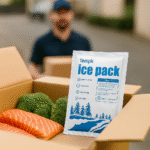
| Kühlmittelposition | Konditionierte Gelpackungen, die mit einem absorbierenden Separator um den Tablettbereich herum platziert werden; Vermeiden Sie den Kontakt gefrorener Packungen mit Einzelhandelstabletts. | Halten Sie das Kühlmittel vom direkten Kontakt mit der Einzelhandelsverpackung fern und testen Sie die Temperatur im Produktraum. |
| Transitdauer | 24-48 Für Paketrouten wird die Angabe von Stunden bevorzugt. Längere Bahnen erfordern sorgfältige Kondensations- und Bräunungstests. | Validieren Sie die Route unter realer Verweilzeit, Depotabwicklung, und Exposition gegenüber der Haustür. |
So wählen Sie ein Paket aus 24, 48, Und 72 Stundenrouten
| Versandart | Packout-Logik | Was zu überprüfen |
|---|---|---|
| Lebensmittellieferung vor Ort | Benutzen Sie eine kühle, isolierte Tragetasche und stellen Sie die Tabletts aufrecht, so dass ausreichend Luft zirkulieren kann. | Überprüfen Sie nach der Lieferung die Feuchtigkeit und den Geruch der Kappe. |
| 24-Stundenkurier | Verwenden Sie einen isolierten Transportbehälter, getrennte Gelpackungen, und Absorptionskontrolle in der Nähe der Tablettzone. | Vermeiden Sie eine Überverpackung, die die Folie des Tabletts zusammendrückt. |
| 24-48 Std. | Überprüfen Sie sowohl die Temperatur als auch die Kondensation nach Übergängen von warm nach kalt. | Bräunung prüfen, Schleim, und Tablettverformung. |
Für längere Strecken, Vermeiden Sie es, jedes Problem zu lösen, indem Sie noch mehr Tiefkühlkost hinzufügen Gelpackungen. Zusätzliches Kühlmittel kann kalte Stellen verursachen, Wasserflecken, blockierter Luftstrom, oder Produktdruck. Der bessere Ansatz besteht darin, die Isolierung anzupassen, Kühlmittelaufbereitung, Separator-Design, Kartonpassend, und Routen-Timing zusammen.
Häufige Verlustmuster
Die wichtigsten zu beobachtenden Transportverluste sind die Bräunung, schleimige Oberflächen, nasser Film, Blutergüsse an der Kappe, offene Schleier, Geruchsabsorption, und verkürzte Haltbarkeit. Diese Probleme entstehen normalerweise durch Warmverweilzeit, unzureichende Vorkühlung, schlechte Kühlmitteltrennung, zerdrückte Kartons, blockierte Belüftung, oder Kondensation in der Einzelhandelsverpackung.
Hilfreiche Entscheidungshilfen
Überprüfen Sie die Details, bevor Sie sich für die Verpackung entscheiden
Mit diesen schnellen Tools können Sie das Routenrisiko vergleichen, Größenanforderungen, Kühlmittelauswahl, und Verpackungsdetails, bevor Sie ein Angebot anfordern.
Eisbeutel-Rechner
Schätzen Sie die Menge an Gel-Eisbeuteln für gekühlte Sendungen und nutzen Sie die praktische Routenplanung.
Schätzen Sie EisbeutelFallfestigkeit des Isolationsmaterials
Überprüfen Sie die Fallfestigkeit und die Handhabungsfaktoren, bevor Sie Isoliermaterialien auswählen.
Widerstand prüfenVerpackungsauswahl
Vergleichen Sie isolierte Verpackungsoptionen nach Produkt, Route, und Temperaturbedarf.
Verpackung findenBei der Überprüfung einer fehlgeschlagenen Sendung, Überprüfen Sie gemeinsam das Produkt und die Verpackung. Nasse Etiketten können auf Kondensation hinweisen; Blutergüsse können auf vertikalen Druck hinweisen; Eine ungleichmäßige Temperatur kann auf eine schlechte Platzierung des Kühlmittels hinweisen; und gute Loggerdaten mit schlechtem Erscheinungsbild können eher auf Verpackungsdruck oder Luftfeuchtigkeit als auf Temperatur hinweisen.
Tempk-Verpackungsempfehlung
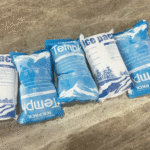
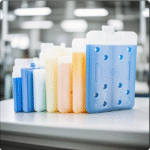
Ein isolierter Versender, belüftete Tabletts, konditionierte Gelpackungen, Saugfähige Einlage, geruchsneutrale Materialien, und ein Logger während der Validierung in der warmen Jahreszeit. Zur kommerziellen Nutzung, Die Verpackung sollte mit dem tatsächlichen Nutzlastgewicht getestet werden, Einzelhandelspackung, Kartongröße, Streckendauer, und die wärmste erwartete Lieferroute.
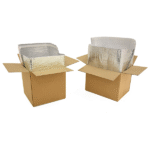
Tempk kann die Packout-Auswahl mit unterstützen Isolierte Kisten, isolierte Liner, Gelpackungen, PCM -Packungen, feuchtigkeitsregulierende Trennschichten, Kartonunterstützung, und Routenvalidierung. Das endgültige Design sollte sowohl den Zieltemperaturbereich als auch die sichtbare Einzelhandelsqualität des Produkts schützen.
Validierungscheckliste vor der Skalierung
- Bestätigen Sie vor dem Verpacken die Ausgangsmasse oder die Produktraumtemperatur des Produkts.
- Platzieren Sie einen Temperaturlogger in der Nähe des Produkts, nicht nur gegen die Außenwand des Verladers.
- Führen Sie den Test über die tatsächliche Lieferspur durch, inklusive Abholung, Depot wohnen, Transporter beladen, und Haustürzeit.
- Feuchtigkeit prüfen, Geruch, Blutergüsse, Zustand des Stiels oder der Spitze, Kartonstärke, Etikettenzustand, und Aussehen der Einzelhandelsverpackung nach dem Auspacken.
- Wiederholen Sie die Validierung nach der Saison, Träger, Kartonanzahl, Nutzlastgewicht, oder Lieferzeitänderungen.
Informationen, die Sie senden müssen, bevor Sie ein Packout anfordern
Zu empfehlen ist eine praktische Tempk-Packung, Teilen Sie das Produktgewicht pro Sendung, Art der Einzelhandelsverpackung, Kartonabmessungen, Starttemperatur, Zielroutendauer, Zielklima, maximal zu erwartende Umgebungstemperatur, und ob es sich bei der Sendung um ein Paket handelt, Lebensmittellieferung, Luftfracht, oder lokaler Kurier.
Datenbasis
Die oben genannten Planungsbereiche basieren auf dem USDA-ARS Agriculture Handbook 66 Anleitung zur Lagerung von Waren, übliche Handhabungspraxis nach der Ernte, und Tempk-Methoden zur Validierung isolierter Verpackungen. Die endgültigen Versandeinstellungen sollten durch Live-Routentests bestätigt werden.
Aufruf zum Handeln
Wenn Sie Pilze per warmem Kurier versenden, Lebensmittelgeschäft, oder E-Commerce-Lanes, Tempk kann Ihre Nutzlast überprüfen, Kartongröße, Lieferzeit, und Klimaeinwirkung, um eine isolierte Verpackung zum Testen zu empfehlen.