Kühlketten-Backlösungen Beschreiben Sie den integrierten Satz von Prozessen und Technologien, die Brot aufbewahren, Kuchen und andere Backwaren frisch vom Moment, wenn sie den Ofen verlassen, bis sie auf Ihrem Teller landen. Aufrechterhaltung einer ungebrochenen, Eine temperaturkontrollierte Lieferkette ist unerlässlich Bewahren Sie die Textur auf, Geschmack und Sicherheit verderblicher Backwaren. In der Bäckereibranche, Die Kühlkette erstreckt sich über die Lagerung der Zutaten, mischen, Proofing, Backen, Kühlung, Verpackung, Lagerung und Transport. Brüche in dieser Kette führen zum Verderb, die Haltbarkeit verkürzen und das Vertrauen der Kunden untergraben. With the global Kühlkette market projected to grow from 278 Milliarden US-Dollar im Jahr 2023 auf 428 Milliarden US-Dollar 2028 und die Nachfrage der Verbraucher nach Clean-Label-Backwaren steigt, Die Beherrschung von Kühlketten-Backlösungen war noch nie so wichtig.
Dieser umfassende Leitfaden, aktualisiert für Dezember 2025, beantwortet Ihre dringendsten Fragen zum Kühlkettenbacken. Sie erfahren, warum Kühlkettenmanagement wichtig ist, wie sich Temperatur und Luftfeuchtigkeit auf Backwaren auswirken, welche Verpackungstechnologien die Haltbarkeit verlängern, und welche Trends die Zukunft prägen werden. Der Inhalt ist in einfacher Sprache verfasst, so dass Bäckereibesitzer, Supply-Chain-Experten und Enthusiasten können die Erkenntnisse sofort anwenden. Alle Behauptungen werden von seriösen Quellen gestützt, um Fachwissen und Vertrauenswürdigkeit zu stärken.
Dieser Leitfaden befasst sich mit:
Why are Kühlkette baking solutions essential? The Kühlkette protects delicate pastries, teig- und sahnegefüllte Kuchen vor dem Verderben.
Which components make up a Kühlkette for bakery goods? Von der Kühllagerung bis zum isolierten Transport, Entdecken Sie die Rolle jedes Elements.
Wie beeinflussen Temperatur und Luftfeuchtigkeit die Brotqualität?? Verstehen Sie die Wissenschaft des Altbackenseins, Empfohlene Lagerbereiche und Haltbarkeitsrichtlinien.
What innovations are transforming Kühlkette baking? Entdecken Sie Verpackungen mit modifizierter Atmosphäre, Automatisierungs- und Mikrofulfilment-Zentren.
Welche Trends werden die Branche prägen? 2025 und darüber hinaus? Erfahren Sie mehr über Nachhaltigkeit, Digitalisierung und veränderte Verbrauchererwartungen.
How can your bakery implement effective Kühlkette strategies? Praxistipps und Fallstudien veranschaulichen Best Practices.
Why Kühlkette Baking Solutions Are Essential
Empfindliche Backwaren erfordern kontrollierte Temperaturen. A Kühlkette is an unbroken, temperaturgesteuerte Lieferkette, die verderbliche Waren von der Produktion bis zum Verbrauch sicher aufbewahrt. Backwaren wie Teig, Gebäck und mit Sahne gefüllte Kuchen verderben schnell, wenn sie Temperaturschwankungen oder Feuchtigkeitsschwankungen ausgesetzt sind. Von der Lagerung der Zutaten bis zum Gären, Backen, Kühlung, Verpackung, Lagerung und Lieferung, In jeder Phase müssen strenge Kontrollen eingehalten werden. Andernfalls kommt es zu mikrobiellem Wachstum, Alterung und Qualitätsverlust, was dem Ruf einer Bäckerei schadet.
Qualitätssicherung und verlängerte Haltbarkeit. Maintaining a consistent Kühlkette ensures that bakery products meet high quality standards and last longer. Durch die richtige Temperaturkontrolle kann die Haltbarkeit verlängert werden, Abfall reduzieren und Rentabilität steigern. Gleichbleibende Frische fördert Folgegeschäfte und stärkt das Vertrauen der Kunden.
Compliance und Lebensmittelsicherheit. Lebensmittelsicherheitsvorschriften verlangen von Bäckereien die Kontrolle von Temperatur und Luftfeuchtigkeit, um Kontamination und Bakterienwachstum zu verhindern. Robust Kühlkette management lowers the risk of health hazards and protects consumers. Es hilft Bäckereien auch bei der Einhaltung von Gesetzen wie dem Food Safety Modernization Act (FSMA), was eine strenge Temperaturüberwachung vorschreibt.
Kostenreduzierung und Nachhaltigkeit. Verdorbene Backwaren bedeuten Umsatzeinbußen und Umweltschäden. Eine zuverlässige Kühlkette minimiert Abfall, senkt den Energieverbrauch und unterstützt Nachhaltigkeitsinitiativen. Die Reduzierung des Verderbs hilft Bäckereien auch dabei, Geld zu sparen, indem nicht verkaufte Lagerbestände und Produktionsüberschreitungen begrenzt werden.
The impact of Kühlkette failures
If the Kühlkette breaks—even briefly—baked goods can stale, austrocknen oder unsicher werden. Ohne effektives Kühlkettenmanagement, Frisch gebackenes Gebäck kann in Cafés altbacken oder trocken ankommen, Dies führt zu Unzufriedenheit der Kunden und geringeren Umsätzen. Verderb löst Beschwerden aus, Abfallentsorgungskosten und mögliche rechtliche Konsequenzen. Im Gegensatz, prioritising Kühlkette management generates several benefits: gleichbleibende Frische, weniger Abfall, verbesserte Effizienz, erhöhte Kundenzufriedenheit und verbesserter Markenruf.
Components of a Kühlkette for Bakery Goods
Kühllagereinrichtungen
Kühllager – normalerweise ein großes, temperaturecontrolled warehouse—is the backbone of the Kühlkette. In diesen Einrichtungen können verderbliche Waren wie Milchprodukte transportiert werden, Proteine und Tiefkühlkost müssen unter Bedingungen gelagert werden, die die Haltbarkeit verlängern. Die Kühllagerung verhindert erhebliche wirtschaftliche Verluste durch Verderb und ermöglicht die ganzjährige Verfügbarkeit von Backzutaten.
A Kühlkette comprises more than just storage; Dazu gehört auch die gekühlte Herstellung, Lager- und Vertriebstätigkeiten. Der Zweck dieser Komponenten besteht darin, die Qualität verderblicher Produkte innerhalb eines gewünschten Niedertemperaturbereichs zu halten. Neben Lagerhallen, Kühlkette logistics involve refrigerated trucks, Gefrierschränke für den Einzelhandel und temperaturgeführte Verpackungen. Zusammen, Diese Elemente stellen sicher, dass Backwaren in einwandfreiem Zustand beim Verbraucher ankommen.
Arten von Kühllagerlösungen
Unterschiedliche Backwaren erfordern unterschiedliche Bedingungen. Schockfroster werden verwendet, um Lebensmittel schnell abzukühlen und über einen längeren Zeitraum aufzubewahren, während plantattached Kühllagereinrichtungen ermöglichen es Herstellern, Produkte über Förderbänder direkt von der Produktion zum Lager zu transportieren. Öffentliche Kühllager oder maßgeschneiderte Einrichtungen Dritter bieten Bäckereien Platz, die nicht in ein eigenes Kühllager investieren können.
Temperaturgeführter Transport
Kühl-LKWs und -Transporter halten während des Transports die Zieltemperaturen aufrecht. Diese Fahrzeuge nutzen häufig GPS-Tracking und Echtzeitüberwachung, um sicherzustellen, dass die Waren im richtigen Temperaturbereich bleiben. Für lokale Lieferungen, kleinere Transporter reichen aus; Für Langstreckentransporte sind möglicherweise größere Kühlfahrzeuge oder intermodale Transporte erforderlich. Effiziente Routenplanung, Lastmanagement und Bestandsverfolgung helfen Bäckereien, die Kapazität mit pünktlichen Lieferungen in Einklang zu bringen.
Verpackung und Isolierung
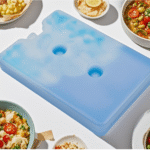
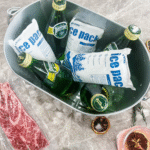
Isolierte Verpackungsmaterialien– wie zum Beispiel vakuumversiegelte Beutel, Gel -Eisbeutel und spezielle Einlagen – schützen Backwaren vor Temperaturschwankungen und Feuchtigkeitsverlust. Verpackung unter modifizierter Atmosphäre (KARTE) kombiniert niedrige Temperaturen mit Gasmischungen wie Kohlendioxid und Stickstoff, um Schimmelbildung und Oxidation zu hemmen. MAP kann die Haltbarkeit von Brot unter typischen Umgebungsbedingungen verlängern (5–6 Tage für weißes Pfannenbrot) bis 14–18 Tage. Auswahl einer Verpackung mit geringer Sauerstoff- und Feuchtigkeitsdurchlässigkeit, Eine angemessene Foliendicke und Nachhaltigkeitsaspekte sind von entscheidender Bedeutung.
Überwachung und Datenprotokollierung
Modern Kühlkette management relies on sensors, Datenlogger und IoT-Geräte zur Überwachung von Temperatur und Luftfeuchtigkeit in Echtzeit. Diese Systeme warnen Bediener, wenn die Bedingungen vom Zielbereich abweichen, um schnelle Korrekturmaßnahmen zu ermöglichen. Die Integration in Lagerverwaltungssysteme trägt zur Optimierung des Energieverbrauchs und zur Einhaltung der Vorschriften bei.
Qualitätskontrolle und Dokumentation
Each step of the Kühlkette requires documentation and adherence to Hazard Analysis and Critical Control Points (Haccp) Prinzipien. Aufzeichnung von Temperaturen, Luftfeuchtigkeitswerte und Transferzeiten helfen Bäckereien dabei, Compliance und Rückverfolgbarkeit nachzuweisen. Regelmäßige Audits und Schulungen stellen sicher, dass die Mitarbeiter die besten Praktiken verstehen.
Temperatur und Luftfeuchtigkeit: Wissenschaft der Brotqualität
Brot und andere Backwaren sind besonders temperaturempfindlich. Verstehen, wie Temperatur und Luftfeuchtigkeit das Altbackenwerden beeinflussen, mold growth and texture helps bakeries design effective Kühlkette strategies.
Empfohlene Lagerbereiche
Untersuchungen zeigen das Brot bei –18 °C gelagert (0 ° F) Bei hoher Luftfeuchtigkeit bleibt die Qualität zwei bis drei Monate erhalten, während Bagels bis zu sechs Monate haltbar sind. Kurzzeitige Lagerung bei 0–4 °C (32–39 °F) verlangsamt das mikrobielle Wachstum ohne einzufrieren und ist ideal für die lokale Verteilung oder kurzfristige Bestandsverwaltung. Jedoch, Kühlung bei Haushaltstemperaturen (typischerweise oben 0 °C) beschleunigt das Altbackenwerden aufgrund der Retrogradation der Stärke.
Die folgende Tabelle fasst die empfohlene Tiefkühllagerdauer und praktische Vorteile für gängige Backwaren zusammen. Diese Richtlinien, based on research from the Global Kühlkette Alliance and industry sources, Helfen Sie Bäckereien bei der Planung von Produktions- und Vertriebsplänen.
| Backprodukt | Typische Haltbarkeit bei –18 °C | Praktischer Nutzen |
| Hefebrote (gebacken) | 2–3 Monate | Frieren Sie Brote nach dem Backen ein, um bei saisonalem Bedarf oder langen Vertriebswegen die Frische zu bewahren |
| Bagels | 6 Monate | Lagern Sie Bagels in großen Mengen ohne Qualitätsverlust |
| Brötchen zum Abendessen | 2–3 Monate | Ideal für Gastronomiebetriebe, die eine gleichbleibende Qualität benötigen |
| Zimtschnecken | 1–2 Monate | Planen Sie den Lagerbestand sorgfältig; Eine kürzere Haltbarkeit erfordert einen schnelleren Umschlag |
| Donuts (Kuchen oder Hefe) | 6–9 Monate | Die erweiterte Tiefkühllagerung eignet sich für Donut-Läden mit hohem Volumen |
Zur kurzzeitigen gekühlten Lagerung bei 0–4 °C, Brot und Brötchen bleiben ungefroren, aber kalt genug, um das mikrobielle Wachstum zu verlangsamen, und können aufbewahrt werden 4–7 Tage. Kuchen und Gebäck bleiben erhalten 3–7 Tage unter diesen Bedingungen. Die relative Luftfeuchtigkeit sollte hoch gehalten werden (oft oben 85 %) um ein Austrocknen der Oberfläche zu verhindern.
Vereisung und Gefahr der Kühlung
Stating tritt auf, wenn sich Stärkemoleküle neu ausrichten (rückläufig), Feuchtigkeit wandert und Aromastoffe verflüchtigen sich. Kühle Temperaturen dazwischen 20 °F und 50 ° F (–7 °C bis 10 °C) beschleunigen diesen Prozess, was zu einer Trockenheit führt, krümelige Textur. Allerdings verlangsamt die Kühlung das mikrobielle Wachstum, es beschleunigt das Altbackenwerden, Deshalb bevorzugen Bäckereien für die Langzeitlagerung das Einfrieren bei –18 °C und liefern das Brot nach dem Auftauen schnell aus.
Feuchtigkeitsmanagement
Die Luftfeuchtigkeit ist ebenso wichtig wie die Temperatur. Tiefkühlkost benötigt im Allgemeinen 60–70 % relative Luftfeuchtigkeit; Gekühlte Backwaren benötigen oft Luftfeuchtigkeit darüber 85 % um ein Austrocknen der Oberfläche zu verhindern. Das Öffnen von Lagertüren bringt Wärme mit sich, feuchte Luft, die das Temperatur- und Feuchtigkeitsgleichgewicht stören kann, Daher sollten bei der Gestaltung des Lagers die Türöffnungen minimiert und Lüftungssysteme zur Kontrolle von Luftfeuchtigkeit und Luftstrom eingesetzt werden.
Verpackungsinnovationen und -technologie in 2025
Verpackung unter modifizierter Atmosphäre (KARTE)
MAP ist eine der vielversprechendsten Technologien zur Verlängerung der Haltbarkeit von Backwaren. Durch Veränderung der Gaszusammensetzung in der Verpackung – normalerweise durch Erhöhung des Kohlendioxids (Co₂) und Stickstoff (N₂) während es den Sauerstoff reduziert – MAP hemmt das mikrobielle Wachstum und verlangsamt die Oxidation. Zum Beispiel, MAP kann die Haltbarkeit von weißem Pfannenbrot bei Raumtemperatur von 5–6 Tagen auf verlängern 14–18 Tage und Waffeln von 3–4 Tagen bis 20 Tage. In Kombination mit Einfrieren, MAP ermöglicht Bäckereien den Versand von Produkten über große Entfernungen ohne Qualitätseinbußen.
Intelligente Verpackungen und Sensoren
Intelligente Verpackungen enthalten Zeit-Temperatur-Indikatoren, Feuchtigkeitssensoren oder Frischedetektoren, die ihre Farbe ändern, wenn die Temperatur schwankt oder wenn mikrobielles Wachstum festgestellt wird. Diese Indikatoren geben Einzelhändlern und Verbrauchern Echtzeit-Feedback und können zur Fernüberwachung in IoT-Systeme integriert werden. Obwohl noch im Entstehen begriffen, Es wird erwartet, dass sich intelligente Verpackungen durchsetzen werden 2025 da die Kosten sinken und der regulatorische Druck für Transparenz zunimmt.
Automatisierung und Energieeffizienz
Modern Kühlkette bread warehouses increasingly rely on automation. Automatisierte Kommissioniersysteme, Robotik und Mikrofulfillment-Zentren verbessern die Effizienz und senken die Arbeitskosten. In Kombination mit energieeffizienten Technologien – etwa LED-Beleuchtung, Solarintegration und fortschrittliche Isolierung – Automatisierung kann die Energiekosten nahezu senken 50 %. Auch mit Brot geht die Robotik schonend um, Schaden reduzieren, während die Echtzeitüberwachung über IoT-Sensoren Daten in Lagerverwaltungssysteme einspeist, um den Energieverbrauch zu optimieren und die Einhaltung von Vorschriften aufrechtzuerhalten.
Mikrofulfilment und urbane Logistik
Als Reaktion auf die rasante Urbanisierung und die Nachfrage nach Lieferungen am selben Tag, Bäckereien richten Mikrofulfilment-Zentren in städtischen Zentren ein. Diese kompakt, Automatisierte Lager verkürzen die Distanz zwischen Produktion und Verbraucher, Verkürzung der Lieferzeiten und Erhaltung der Frische. Durch die Kombination von Mikrofulfilment mit elektrischen Lieferfahrzeugen können CO2-Emissionen und Kraftstoffkosten weiter gesenkt werden.
Hilfreiche Entscheidungshilfen
Überprüfen Sie die Details, bevor Sie sich für die Verpackung entscheiden
Mit diesen schnellen Tools können Sie das Routenrisiko vergleichen, Größenanforderungen, Kühlmittelauswahl, und Verpackungsdetails, bevor Sie ein Angebot anfordern.
Kühlmittel & PCM-Referenz
Vergleichen Sie Kühlmittel- und PCM-Optionen, wenn eine Route zusätzliche Temperaturunterstützung benötigt.
Vergleichen Sie OptionenFallfestigkeit des Isolationsmaterials
Überprüfen Sie die Fallfestigkeit und die Handhabungsfaktoren, bevor Sie Isoliermaterialien auswählen.
Widerstand prüfenRoutenrisiko-Prüfer
Überprüfen Sie die Fahrspurbedingungen, bevor Sie die Verpackung entsprechend den tatsächlichen Betriebsanforderungen auswählen.
Routenrisiko prüfenNachhaltigkeit und umweltfreundliche Materialien
Verbraucher erwarten zunehmend nachhaltige Verpackung und Operationen. Auswahl recycelbarer oder biologisch abbaubarer Materialien für Kühlkettenverpackung reduziert die Umweltauswirkungen. Viele Bäckereien erforschen kompostierbare Einlagen, wiederverwendbare isolierte Behälter und Verpackungen, die aus landwirtschaftlichen Nebenprodukten hergestellt werden. Energieeffiziente Infrastruktur, einschließlich solarbetriebener Kühlung und Gründächern, unterstützt unternehmerische Nachhaltigkeitsziele.
How To Implement Effective Kühlkette Baking Solutions
Implementing an effective Kühlkette requires a holistic approach covering production, Lagerung, Transport und Verkauf. Below are practical tips to optimise your bakery’s Kühlkette operations.
Planen Sie Temperaturzonen in Ihrem Lager
Gestalten Sie Ihren Kühlraum mit unterschiedlichen Kühlzonen (0–4 °C) und gefroren (–18 °C oder kälter) Produkte. Verwenden Sie isolierte Paneele, versiegelte Türen und Luftschleier zur Minimierung von Temperaturschwankungen. Stellen Sie sicher, dass Lüftungssysteme eine konstante Luftfeuchtigkeit aufrechterhalten und Kondensation verhindern.
Schnelles Abkühlen und Schockfrosten
Kühlen Sie Brot und Gebäck unmittelbar nach dem Backen schnell ab, um die Feuchtigkeit einzuschließen und das Wachstum von Mikroben zu verhindern. Zur Langzeitlagerung, Verwenden Sie Schockfroster, um Produkte schnell einzufrieren, Dadurch wird die Bildung von Eiskristallen reduziert und die Textur erhalten. Nach dem Einfrieren, Überführen Sie Waren in ein Tiefkühllager, bis sie zur Verteilung bereit sind.
Verpackung optimieren
Wählen Sie Verpackungsmaterialien mit geringer Sauerstoff- und Feuchtigkeitsdurchlässigkeit, ausreichende Dicke und Kompatibilität mit MAP oder Vakuumversiegelung. Für gefrorenen Teig, Vakuumverpackte Verpackungen sind ideal, um Gefrierbrand zu verhindern. Bewerten Sie nachhaltige Materialien, um sie an die Erwartungen der Verbraucher anzupassen.
Nutzen Sie Echtzeitüberwachung und -analysen
Installieren Sie Sensoren und Datenlogger auf Lagereinheiten, Transportfahrzeuge und Verpackungen zur Überwachung von Temperatur und Luftfeuchtigkeit. Integrieren Sie diese Geräte in ein Lagerverwaltungssystem für Echtzeitanalysen und Warnungen. Die Datenanalyse kann Muster des Wärmeeinbruchs aufdecken und zu Prozessanpassungen führen.
Routenplanung und Last-Mile-Logistik
Verwenden Sie eine fortschrittliche Routenoptimierungssoftware, die den Verkehr berücksichtigt, Lieferfenster und Echtzeitbedingungen, um Transitzeit und Kraftstoffverbrauch zu minimieren. Passen Sie die Lieferpläne an die Verkaufsmuster der Einzelhändler an, um Verschwendung zu reduzieren und sicherzustellen, dass das Brot genau dann ankommt, wenn es am meisten benötigt wird. Für lokale Lieferungen, Erwägen Sie Elektrotransporter oder Lastenräder, um den CO2-Ausstoß zu reduzieren.
Schulung des Personals und Standardarbeitsanweisungen
Mitarbeiter im richtigen Umgang schulen, Temperaturüberwachung und Dokumentation. Entwickeln Sie Standardarbeitsanweisungen (Sops) zum Be-/Entladen, Palettenkonfiguration, Wartung und Reinigung der Ausrüstung. Regelmäßige Audits stellen die Einhaltung sicher und identifizieren Verbesserungspotenziale.
2025 Trends und zukünftige Richtungen
Die Kühlkettenbranche entwickelt sich rasant weiter. Das Erkennen neuer Trends hilft Bäckereien, sich auf zukünftige Herausforderungen und Chancen vorzubereiten.
Marktwachstum und regionale Dynamik
The global Kühlkette market is forecast to grow from 278,2 Milliarden US-Dollar im Jahr 2023 auf 428,4 Milliarden US-Dollar 2028, mit einer durchschnittlichen jährlichen Wachstumsrate (CAGR) von 9 %. Die Region Asien-Pazifik dominiert die Kühllagerung und dürfte aufgrund der Ausweitung der Lebensmittelproduktion und der Investitionen in die Kühllagerinfrastruktur am schnellsten wachsen. Within the Kühlkette market, Das Tiefkühlsegment wird voraussichtlich das höchste Wachstum verzeichnen, während der Markt für gewerbliche Kühlung weiter wachsen wird 45,6 Milliarden US-Dollar im Jahr 2023 auf 62,7 Milliarden US-Dollar 2028.
Digitalisierung und intelligente Kühlketten
Fortschrittliche Sensoren, IoT, artificial intelligence and blockchain are transforming Kühlkette management. Echtzeitüberwachung, Prädiktive Analysen und digitale Zwillinge ermöglichen es Bäckereien, Anlagenausfälle vorherzusehen, Optimieren Sie den Energieverbrauch und verfolgen Sie Produkte von der Quelle bis zum Regal. Blockchain sorgt für manipulationssichere Aufzeichnungen und verbessert die Transparenz.
Lastmile-Innovationen und Microfulfillment
Die Erwartungen der Verbraucher an eine schnelle Lieferung treiben Investitionen in Microfulfillment-Center und Dark Kitchens voran. Diese kleinen Einrichtungen sind innerhalb von Städten tätig, Dies ermöglicht eine Lieferung am selben Tag bei gleichzeitiger Minimierung der Reisewege und Erhaltung der Frische. Die Integration mit On-Demand-Lieferplattformen vereinfacht die Auftragsabwicklung.
Nachhaltigkeit und Kreislaufwirtschaft
Umweltbelange ermutigen Bäckereien, umweltfreundliche Kühltechnologien einzuführen, erneuerbare Energien und wiederverwendbare Verpackungen. Kreislauflogistikmodelle – bei denen Container zurückgegeben werden, Desinfiziert und wiederverwendet – Abfall reduzieren. Innovationen wie natürliche Kältemittel (Z.B., Co₂, Ammoniak) und solarunterstützte Kühlung senken den Energieverbrauch.
Regulierungs- und Sicherheitslandschaft
Die Vorschriften zur Lebensmittelsicherheit werden immer strenger. Einhaltung der FSMA, HACCP und internationale Standards erfordern eine robuste Temperaturüberwachung und -aufzeichnung. Weltweit führen Regierungen neue Regeln ein, um Lebensmittelverschwendung zu reduzieren und die Rückverfolgbarkeit zu verbessern, die digitale Dokumentation und Sensorik unverzichtbar machen.
Fallstudie: Lieferung frischer Backwaren an Cafés
Stellen Sie sich vor, Sie beißen in Ihrem Lieblingscafé in ein flockiges Croissant und fragen sich, wie es so frisch bleiben konnte. Effective Kühlkette logistics ensure that bakery items maintain quality from oven to table. Eine gut verwaltete Lieferkette sorgt dafür, dass die Artikel die richtige Temperatur und Luftfeuchtigkeit haben, was zu einer gleichbleibenden Frische führt. Zum Beispiel, Das Logistikunternehmen JustDeliveries setzt temperaturgesteuerte Systeme ein, um Backwaren vom Produzenten an die Cafés zu liefern. The Kühlkette begins immediately after baking with rapid cooling and continues through warehousing, Transport und Lieferung. Die Aufrechterhaltung optimaler Bedingungen verlängert die Haltbarkeit, reduziert den Abfall und sorgt dafür, dass die Kunden ein frisch gebackenes Erlebnis genießen.
Häufig gestellte Fragen
How does a Kühlkette differ from regular storage?
A Kühlkette is a coordinated network of temperaturecontrolled facilities and transport that preserves the quality, Sicherheit und Haltbarkeit verderblicher Waren. Bei der regulären Lagerung fehlen die strengen Temperatur- und Feuchtigkeitskontrollen, die für empfindliche Produkte wie Brot und Gebäck erforderlich sind.
Reicht die Kühlung zu Hause aus, um Brot aufzubewahren??
NEIN. Das Kühlen von Brot bei Haushaltstemperaturen beschleunigt das Altbackenwerden aufgrund der Retrogradation der Stärke. Zur kurzfristigen Lagerung, Bewahren Sie Brot in einem verschlossenen Behälter bei Raumtemperatur auf. Für längere Lagerung, Bei –18 °C einfrieren und bei Bedarf auftauen.
Why is humidity important in Kühlkette bread storage?
Eine hohe relative Luftfeuchtigkeit verhindert Feuchtigkeitsverlust und erhält die Krustenqualität. Eine unzureichende Luftfeuchtigkeit führt dazu, dass Brote austrocknen oder einen Gefrierbrand entwickeln, während übermäßige Luftfeuchtigkeit zu Kondensation und Schimmelbildung führen kann.
Wofür steht MAP in der Verpackung??
Verpackungen mit modifizierter Atmosphäre verändern die Gaszusammensetzung in einer Verpackung – normalerweise erhöhen sie den Kohlendioxid- und Stickstoffgehalt –, um das mikrobielle Wachstum zu hemmen und die Haltbarkeit zu verlängern. Für eine maximale Wirkung wird es oft mit Einfrieren oder Kühlen kombiniert.
Wie können kleine Bäckereien umsetzen? Kühlkettenlösungen?
Beginnen Sie mit grundlegenden Maßnahmen: schnelles Abkühlen nach dem Backen, Verwenden Sie isolierte Behälter und entscheiden Sie sich für den lokalen Kühltransport. Arbeiten Sie mit Drittanbietern von Kühllagern zusammen, wenn eine Investition in Einrichtungen nicht möglich ist. Nutzen Sie einfache IoT-Sensoren, um Temperatur und Luftfeuchtigkeit während der Lagerung und Lieferung zu überwachen.
Zusammenfassung und Empfehlungen
Um möglichst frische Backwaren zu liefern 2025, bakeries must embrace comprehensive Kühlkette strategies. An unbroken Kühlkette protects product quality, verlängert die Haltbarkeit und sorgt für Lebensmittelsicherheit. Investition in Kühllager, Kühltransport, Fortschrittliche Verpackung und Echtzeitüberwachung verhindern den Verderb und reduzieren den Abfall. Das Verständnis der Auswirkungen von Temperatur und Luftfeuchtigkeit auf Brot – insbesondere der Gefahren der Haushaltskühlung – führt zu besseren Lagerungspraktiken. Verpackungsinnovationen wie MAP und Automatisierungstools wie Robotik und IoT-Sensoren steigern die Effizienz und unterstützen die Nachhaltigkeit. Endlich, Bleiben Sie über Branchentrends auf dem Laufenden, beispielsweise über das Marktwachstum, Digitalisierung und umweltfreundliche Technologien – bereitet Bäckereien auf zukünftige Herausforderungen vor.
Nächste Schritte:
Überprüfen Sie Ihre Kühlkette von der Beschaffung der Zutaten bis zur endgültigen Lieferung. Temperaturschwankungen erkennen, Feuchtigkeitslücken und Verpackungsschwächen.
Investieren Sie in Überwachungstechnik. Erschwingliche Sensoren und Datenlogger liefern Einblicke in Echtzeit und unterstützen die Einhaltung von Vorschriften.
Verbessern Sie Verpackung und Lagerung MAP- oder Vakuumversiegelung einzubeziehen und nachhaltige Materialien in Betracht zu ziehen.
Planen Sie zukünftige Trends. Entdecken Sie Mikrofulfillment, Automatisierung und erneuerbare Energien, um Verbrauchererwartungen und regulatorische Anforderungen zu erfüllen.
Trainiere dein Team zu SOPs, Temperaturüberwachung und Lebensmittelsicherheit. Befähigen Sie sie, bei Abweichungen schnell zu reagieren.
Über Tempk
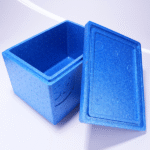
Tempk ist ein führender Anbieter von Kühlkettenverpackungslösungen für Essen, Pharmazeutik und andere temperaturempfindliche Industrien. Unsere Kompetenz liegt im Design Isolierte Kisten, Gel-Eisbeutel und wiederverwendbar Thermobeutel die die Produkte im erforderlichen Temperaturbereich halten. Wir legen Wert auf Nachhaltigkeit und Qualität, Wir bieten umweltfreundliche Materialien und eine strenge Qualitätskontrolle, um Zuverlässigkeit zu gewährleisten. Eine Partnerschaft mit Tempk bedeutet, einen vertrauenswürdigen Verbündeten für die Aufrechterhaltung der Frische zu gewinnen, Reduzieren Sie Verschwendung und steigern Sie die Kundenzufriedenheit.
Machen Sie den nächsten Schritt: Whether you need insulated containers for local deliveries or comprehensive Kühlkette consultation, Unsere Experten stehen Ihnen gerne zur Verfügung. Kontaktieren Sie uns noch heute, um herauszufinden, wie unsere Lösungen Ihre Backwaren länger frisch halten können.