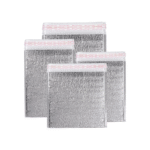
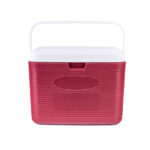
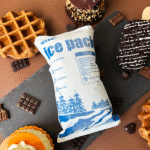
Kühl zu bleiben, wenn es darauf ankommt, ist nicht nur eine Frage des Komforts – es kann darüber entscheiden, ob Lebensmittel sicher bleiben, Impfstoffe bleiben wirksam oder Campingausflüge am Wochenende machen Spaß. Trockeneisbeutel für den Außenbereich Sorgen Sie für ultrakalte Temperaturen ohne die Sauerei von Schmelzwasser, indem Sie festes Kohlendioxid direkt in Gas sublimieren. Jede Packung hält die Ware bis zu gefroren bei etwa –78,5 °C 72 Std., Damit sind sie für Camper unverzichtbar, Angler, medizinische Kuriere und alle, die verderbliche Waren versenden. Dieser Leitfaden erklärt, wie Trockeneisbeutel für den Außenbereich funktionieren, wie man die richtige Größe wählt, und welche Sicherheitsregeln, Innovationen und Nachhaltigkeitstrends, auf die Sie achten sollten 2025.

Erfahren Sie, was Trockeneisbeutel für den Außenbereich sind und wie sie Waren kalt halten unter Verwendung von Feststoff-Kohlendioxid-Sublimation.
Vergleichen Sie Trockeneisbeutel für den Außenbereich mit Gelbeuteln um zu entscheiden, welche Kühlmethode zum Camping geeignet ist, Versand oder Notfallsituationen.
Berechnen Sie die richtige Menge Trockeneis für unterschiedliche Nutzlasten und Reisedauern, inklusive praktischer Größentabelle.
Befolgen Sie die wesentlichen Sicherheitspraktiken für den Umgang mit Trockeneis in Außenumgebungen basierend auf den Richtlinien von Universitäten und Gesundheitsbehörden.
Entdecken Sie Nachhaltigkeit und Markttrends für 2025, inklusive wiederverwendbarer Packungen, IoT -Sensoren, Blockchain-Rückverfolgbarkeit und solarbetriebene Speicherung.
Erhalten Sie Antworten auf häufig gestellte Fragen über Trockeneisbeutel für den Außenbereich, wie zum Beispiel ihre Lebensdauer, Gewichtsanforderungen und sichere Entsorgung.
Was sind Trockeneisbeutel für den Außenbereich und wie funktionieren sie??
Trockeneisbeutel für den Außenbereich sind versiegelte Beutel, die Pellets oder Scheiben festen Kohlendioxids enthalten (Co₂). Weil Trockeneis bei etwa –78,5 °C sublimiert – sich direkt von einem Feststoff in einen Gaszustand umwandelt, Diese Packungen halten extrem niedrige Temperaturen aufrecht, ohne dass Schmelzwasser entsteht. Während der Sublimation, CO₂ absorbiert eine große Menge Wärme, Halten der Waren 24–72 Stunden lang gefroren. Im Gegensatz zu Gelpackungen, die bei etwa 2–8 °C auftauen, Trockeneis verhindert ein Aufweichen der Verpackung und kann Temperaturen aufrechterhalten, die für gefrorenes Fleisch geeignet sind, Meeresfrüchte oder Biologika.
Trockeneisbeutel werden belüftet, um bei Erwärmung des Inhalts allmählich CO₂-Gas freizusetzen. Wenn Sie Rucksäcke über Ihrer Ladung platzieren, kann das schwerere Gas absinken und kalte Luft um den Inhalt zirkulieren lassen. Dieses einfache physikalische Prinzip macht Outdoor-Trockeneisbeutel zu zuverlässigen Camping-Kühlboxen, Angelausflüge, Impfstofftransport oder Notfall-Gefrierschrank-Backups. Wenn Sie meilenweit vom Strom entfernt sind, Die Möglichkeit, Waren tagelang unter –18 °C zu halten, kann bahnbrechend sein.
Sublimation verstehen
Trockeneis schmilzt nicht wie Wasser – es sublimiert. Sublimation tritt auf, wenn CO₂ direkt von einem Feststoff in ein Gas übergeht, Dabei nimmt es Wärme auf. Weil es keine flüssige Phase gibt, Es gibt keine unordentlichen Abflüsse, die Lebensmittel verderben oder die Verpackung beschädigen könnten. Das freigesetzte Gas ist schwerer als Luft, also fällt es nach unten; Aus diesem Grund sollten Sie Trockeneisbeutel über den Gegenständen platzieren, die Sie kalt halten möchten. Für den Außengebrauch, Sublimation hat zwei große Vorteile:
| Nutzen | Erläuterung | Praktische Bedeutung |
| Kein Schmelzwasser | Trockeneis wird direkt zu Gas, Es entstehen keine Pfützen oder Kondenswasser | Das Essen bleibt trocken; Keine undichten Kühlboxen oder durchnässten Verpackungen. |
| Ultrakalte Temperatur | Die Sublimation erfolgt bei –78,5 °C, Absorbiert Wärme und hält extreme Kälte aufrecht | Hält gefrorene Waren deutlich unter Null, Ideal für Eis, Impfstoffe oder Biologika. |
| Vorhersehbare Lebensdauer | Jedes Pfund Trockeneis sublimiert etwa 5–10 Pfund pro Stück 24 Stunden in einem gut isolierten Behälter | Sie können planen, wie viele Pakete Sie für Ihre Reise oder Sendung benötigen. |
Outdoor-Trockeneisbeutel im Vergleich zu Gelbeuteln: Was sollten Sie wählen??
Zwischen Trockeneisbeutel für den Außenbereich und herkömmliche Gelpackungen hängen von der Temperatur ab, die Sie benötigen, die Dauer Ihrer Reise und ob Sie mit regulierten Materialien umgehen können. Trockeneisbeutel halten –78,5 °C aufrecht, Daher sind sie ideal für Tiefkühlwaren wie Fleisch, Meeresfrüchte oder Impfstoffe. Gelpackungen, dagegen, Halten Sie die Temperatur bei 2–8 °C und eignen Sie sich am besten für gekühlte Produkte wie Schokolade, Produkte oder Arzneimittel, die nicht gefrieren dürfen.
Hier ist ein einfacher Vergleich zwischen Trockeneisbeuteln für den Außenbereich und Gelbeuteln:
| Attribut | Gelpackungen | Trockeneisbeutel für den Außenbereich | Bedeutung für Sie |
| Temperaturbereich | Nahe 0 °C bis 2–8 °C | –78,5 °C | Benutzen Sie Gelpacks für gekühlte Waren, Trockeneisbeutel für gefrorene Produkte. |
| Dauer | 12–24 Stunden pro Packung | Bis zu 24 h pro Packung und länger bei größeren Blöcken | Trockeneis ist in isolierten Behältern länger haltbar, Daher ist es besser für mehrtägige Abenteuer geeignet. |
| Rückstand | Schmilzt zu Wasser | Sublimiert zu Gas ohne Flüssigkeit | Trockeneis hält Kühlboxen trocken. |
| Handhabung | Ungefährlich; leicht zu handhaben | Erfordert Handschuhe und Belüftung; als Klasse geregelt 9 Gefahrgut | Gelpackungen sind einfacher; Trockeneis muss trainiert werden, bietet aber kältere Temperaturen. |
| Vorschriften | Nicht reguliert | UN muss angezeigt werden 1845 Beachten Sie die Gefahrenkennzeichnung und beachten Sie die Gewichtsgrenzen | Für Sendungen über 5.5 lb, Befolgen Sie die DOT- und IATA-Regeln. |
In der Praxis, Sie können Trockeneisbeutel auch mit Gelbeuteln kombinieren. Zum Beispiel, Ein Unternehmen für Essenssets verwendete neben Gemüse auch Trockeneis für gefrorene Proteine und Gelpackungen, Dadurch blieben alle Zutaten auf der richtigen Temperatur und die Verwirrung beim Kunden wurde minimiert. Solche Hybrid-Packouts puffern Temperaturschwankungen und verlängern die Kühldauer darüber hinaus 72 Std..
Dimensionierung von Trockeneisbeuteln für den Außenbereich: Wie viel brauchen Sie??
Die richtige Anzahl von Trockeneisbeutel für den Außenbereich hängt vom Gewicht Ihrer Nutzlast ab, Die Isolationsqualität, die Dauer der Fahrt und die Umgebungstemperatur. Eine gängige Faustregel ist die Verwendung von a 1:1 Verhältnis von Trockeneisgewicht zu Produktgewicht für Sendungen bis zu 48 Std.. Für Reisen länger als zwei Tage, A 1.5:1 Verhältnis sorgt für zusätzlichen Puffer. Logistikexperten stellen fest, dass Trockeneis bei ca. sublimiert 5–10 lb per 24 Std. in einem gut isolierten Behälter. 25–35 hinzufügen % Zusätzliches Trockeneis sorgt im Sommer oder bei anspruchsvollen Routen für ausreichend Kühlung.
Größentabelle für Trockeneisbeutel
Nutzen Sie die Tabelle unten, um abzuschätzen, wie viele Pfund Trockeneis im Freien Sie für gängige Nutzlastgrößen benötigen. Die Werte gehen von einer guten Isolierung aus und legen den Großteil des Trockeneises auf die Ladung. Für schwerere Lasten, Teilen Sie das Trockeneis zwischen Ober- und Unterseite auf, um eine gleichmäßige Kühlung zu gewährleisten.
| Nutzlastgewicht (lb) | Trockeneis benötigt für <12 H (lb) | Trockeneis für 24–48 Stunden erforderlich (lb) | Trockeneis für 48–72 Stunden erforderlich (lb) | Praktische Bedeutung |
| 5 | 3 | 5 | 10 | 5 lb Nutzlasten benötigen ca 5 Pfund Trockeneis für einen Tag; doppelt für längere Fahrten. |
| 10 | 5 | 10 | 15 | Verwenden Sie a 1:1 Verhältnis für bis zu zwei Tage und 1.5:1 für 72 H. |
| 15 | 8 | 15 | 23 | Mittelgroße Ladungen erfordern zusätzliches Trockeneis; Sorgen Sie für eine Entlüftung bei Übermengen 20 lb. |
| 20 | 10 | 20 | 30 | Größere Ladung benötigt proportional mehr Trockeneis, um gefroren zu bleiben. |
| 30 | 10 (Spitze)+5 (unten) | 20 (Spitze)+10 (unten) | 30 (Spitze)+15 (unten) | Die Aufteilung von Trockeneis zwischen Ober- und Unterseite sorgt für eine gleichmäßige Kühlung schwerer Sendungen. |
| 40 | 15 (Spitze)+5 (unten) | 25 (Spitze)+15 (unten) | 40 (Spitze)+20 (unten) | Schwere Fracht kann bis zu erfordern 40 LB für 72 H; Plan für die Handhabung und behördliche Grenzwerte. |
Praktische Größentipps
Bewerten Sie die Produktanforderungen: Bestimmen Sie, ob Ihre Waren einer Temperatur von –70 °C standhalten müssen, –20 °C oder 2–8 °C und passen Sie das Trockeneisgewicht entsprechend an.
Berücksichtigen Sie die Komplexität der Route: 10–15 hinzufügen % mehr Trockeneis für Mehrfachübergaberouten oder mögliche Verzögerungen.
Upgrade -Isolierung: Vakuumpaneele oder reflektierende Liner können den Trockeneisbedarf um bis zu senken 25 %.
Verwenden Sie Hybrid-Packouts: Kombination von Trockeneis mit Phasenwechselmaterialien (PCMs) Hilft Temperaturschwankungen abzufedern und verlängert die Kühlung darüber hinaus 72 Std..
Vorkonditionierte Produkte: Kühlen oder gefrieren Sie Waren und Verpackungen vor dem Zusammenbau, um die anfängliche Wärmebelastung zu reduzieren. Ein Exporteur von Meeresfrüchten passte das Trockeneisgewicht an das Produktgewicht an und füllte Hohlräume mit Füllstoffen, Reduzierung des Sendungsgewichts um 30 % und das Einfrieren von Fischfilets 48 H.
Sicherer Umgang mit Trockeneisbeuteln für den Außenbereich
Trockeneis ist extrem kalt und setzt beim Sublimieren große Mengen CO₂-Gas frei. Obwohl festes CO₂ gemäß dem Hazard Communication Standard der OSHA kein gefährlicher Stoff ist, es wird als klassifiziert Klasse 9 Gefahrgut für den Transport, erfordern eine sorgfältige Handhabung und Kennzeichnung. Wenn die richtigen Verfahren nicht befolgt werden, kann es zu Erfrierungen kommen, Erstickung oder Behälterbruch. Die folgenden Richtlinien fassen Empfehlungen des Umweltministeriums der Cornell University zusammen, Abteilung für Gesundheit und Sicherheit und das New York State Department of Health:
Gefahren von Trockeneis
| Gefahr | Erläuterung | Schutzmaßnahmen |
| Berührungsgefahr | Bei –109 °F (–79 °C), Hautkontakt mit Trockeneis kann zu schweren Erfrierungen führen. | Tragen Sie isolierte Handschuhe, Schutzbrille und lange Ärmel; Verwenden Sie zum Umgang mit Trockeneis eine Zange. |
| Erstickungsgefahr | Ein Pfund Trockeneis gibt etwa frei 250 L CO₂-Gas; In engen oder schlecht belüfteten Räumen kann es zu Sauerstoffverdrängung und Schwindelgefühlen kommen, Kopfschmerzen oder Bewusstlosigkeit. | Arbeiten Sie in gut belüfteten Bereichen, Halten Sie die Fahrzeugfenster während des Transports offen und verwenden Sie niemals Trockeneis in begehbaren Gefrierschränken oder geschlossenen Zelten. |
| Gefahr durch Überdruck | In einem geschlossenen Behälter gelagertes Trockeneis kann durch die Bildung von CO₂-Gas unter Druck geraten, was zu einem heftigen Bruch führt. | In Behältern aufbewahren, die eine Entlüftung des Gases ermöglichen; Vermeiden Sie Schraubdeckel und verschließen Sie Trockeneis niemals in luftdichten Kühlboxen. |
Vorsichtsmaßnahmen und Best Practices
Bevor Sie beginnen:
Überprüfen Sie die Sicherheitsdatenblätter und Notfallverfahren.
Verwenden Sie nur die Menge, die Sie benötigen und vermeiden Sie die Lagerung großer Mengen in nicht belüfteten Bereichen.
Während der Handhabung:
Tragen Sie geeignete persönliche Schutzausrüstung (PS)—Isolierte Handschuhe, geschlossene Schuhe, lange Ärmel, Augenschutz und einen Laborkittel oder dicke Kleidung.
In gut belüfteten Bereichen handhaben Um CO₂ -Aufbau zu vermeiden. Platzieren Sie Trockeneis niemals in einem kleinen Zelt, Gefrierschrank, Schrank oder Fahrzeug mit geschlossenen Fenstern.
Belüftete Behälter verwenden wie isolierte Kühlboxen oder Styroporboxen; Lagern Sie Trockeneis niemals in Glas- oder luftdichten Metallbehältern.
Sendungen kennzeichnen und dokumentieren mit der UNO 1845 Gefahrenkennzeichnung und Nettogewicht zur Einhaltung der Transportvorschriften.
Vermeiden Sie die Einnahme oder das Einatmen von Trockeneis; Halten Sie es von Kindern und Haustieren fern.
Nach dem Gebrauch:
Trockeneis sicher entsorgen indem man es in einem gut belüfteten Bereich sublimieren lässt; Entsorgen Sie es niemals in der Spüle, Toiletten oder Mülleimer.
Lagern Sie unbenutztes Trockeneis an einem belüfteten Ort, Nicht in versiegelten Kühl- oder Gefrierschränken.
Erste Hilfe: Wenn Erfrierungen auftreten, Tauchen Sie die betroffene Stelle in warmes Wasser (unten 40 °C) und suchen Sie einen Arzt auf. Bei Einatmen, Bringen Sie die Person an die frische Luft und rufen Sie den Rettungsdienst.
Regulatorische Überlegungen
Trockeneislieferungen vorbei 5.5 lb (2.5 kg) muss dem Titel entsprechen 49 des Code of Federal Regulations oder der IATA-Regeln. Pakete müssen Klasse anzeigen 9 Gefahrenkennzeichnungen und Angabe des Nettogewichts. Viele Fluggesellschaften begrenzen die Menge an Trockeneis auf 5.5 Pfund pro Paket und erfordern Dokumentation. Konsultieren Sie immer die Richtlinien Ihres Transportunternehmens, bevor Sie Trockeneisbeutel für den Außenbereich transportieren.
Optimierung der Nutzung von Trockeneisbeuteln im Freien
Durch die richtige Vorbereitung und Verpackung kann die Lebensdauer verlängert werden Trockeneisbeutel für den Außenbereich und Abfall reduzieren. Hier finden Sie praktische Tipps, wie Sie Ihr Kühlsystem optimal nutzen können:
Vorkonditionieren und einfrieren
Aktivieren Sie Trockeneisplatten, indem Sie die Polymerzellen mit Feuchtigkeit versorgen und sie für mindestens einen Zeitraum einfrieren 24 Std.. Frieren oder kühlen Sie Ihre Produkte vor dem Verpacken ein, um die anfängliche Wärmebelastung zu reduzieren.
Strategisch packen
Legen Sie Trockeneisbeutel auf Ihre Waren, damit das kalte CO₂-Gas absinken und zirkulieren kann. Für lange Reisen oder schwere Lasten, Umgeben Sie Ihre Ladung, indem Sie das Trockeneis zwischen der Ober- und Unterseite des Containers aufteilen. Füllen Sie Hohlräume mit Schaumstoff oder Papier, um warme Taschen zu vermeiden.
Verwenden Sie Hybridkühlung
Kombinieren Sie Trockeneis mit Gelpackungen oder Phasenwechselmaterialien (PCMs). Hybrid-Packouts verlangsamen die Sublimation und puffern Temperaturschwankungen, Ausweitung der Kühlung darüber hinaus 72 Std.. Ein Beispiel für ein Essensset zeigt, dass die Verwendung von Trockeneis für gefrorene Proteine und Gelpackungen für Gemüse jede Komponente innerhalb ihres Zieltemperaturbereichs hält.
Überwachen Sie die Temperatur
Setzen Sie Datenlogger oder IoT-Sensoren ein, um die Innentemperaturen zu verfolgen und die Anzahl der Packungen entsprechend anzupassen. Die Echtzeitüberwachung hilft Ihnen, schnell auf Abweichungen zu reagieren und Verschwendung zu reduzieren. Neue Fortschritte in der Kühlkette integrieren Sensoren, die die Temperatur messen, Luftfeuchtigkeit, Lichteinwirkung und Vibration, Bereitstellung umfassender Transparenz in der gesamten Lieferkette.
Planen Sie die Reisebedingungen
25–35 hinzufügen % Extra Trockeneis beim Versand im Sommer oder durch heiße Regionen. Rüsten Sie auf Vakuumisolationspaneele oder reflektierende Auskleidungen auf, um den Trockeneisverbrauch um bis zu reduzieren 25 %. Für Wintercamping, Möglicherweise benötigen Sie weniger Trockeneis – berücksichtigen Sie jedoch stets Schwankungen der Umgebungstemperatur und mögliche Verzögerungen.
Umweltauswirkungen und Nachhaltigkeit von Trockeneisbeuteln für den Außenbereich
Trockeneis wird aus recyceltem CO₂ hergestellt, das aus industriellen Prozessen gewonnen wird, wie Ammoniaksynthese oder Ethanolfermentation. Denn das CO₂ würde sonst in die Atmosphäre entweichen, Durch die Verwendung von Trockeneis wird vorhandener Kohlenstoff wiederverwendet, anstatt neue Emissionen zu verursachen. Während das Trockeneis sublimiert, es gibt CO₂ wieder an die Luft ab; Daher reduzieren eine effiziente Nutzung und eine verbesserte Isolierung den gesamten ökologischen Fußabdruck.
Best Practices für Nachhaltigkeit
| Messen | Beschreibung | Nutzen |
| Quelle recyceltes CO₂ | Wählen Sie Trockeneislieferanten, die CO₂ aus Bioethanol oder anderen industriellen Prozessen abscheiden | Reduziert die Abhängigkeit von fossilem CO₂ und unterstützt die Kreislaufwirtschaft. |
| Packungsmenge optimieren | Berechnen Sie, wie viel Trockeneis Sie benötigen, und verbessern Sie die Isolierung, um den Verbrauch zu senken | Reduziert Kosten und CO₂-Emissionen. |
| Hybridkühlsysteme | Kombinieren Sie Trockeneis mit PCMs oder Gel-Packs, um die Kühlung zu verlängern, ohne mehr Trockeneis hinzuzufügen | Reduziert den CO2-Fußabdruck bei gleichbleibender Leistung. |
| Wiederverwenden und recyceln | Neue wiederverwendbare Trockeneisbeutel können hunderte Male nachgefüllt werden, Reduzierung des Abfalls um bis zu 20 % | Langfristige Kosteneinsparungen und weniger Müll auf der Deponie. |
| Informieren Sie Ihre Kunden | Geben Sie klare Anweisungen zur sicheren Entsorgung – lassen Sie Trockeneis im Freien sublimieren, anstatt es in Waschbecken oder Müll zu werfen | Verhindert Schäden an den Leitungen und versehentliche Verletzungen, und fördert den verantwortungsvollen Umgang. |
Marktdynamik und Nachhaltigkeitsdruck
Der Trockeneisverbrauch ist etwa gestiegen 5 % pro Jahr, während die CO₂-Versorgung nur etwa wächst 0.5 % jährlich. Dieses Missverhältnis führt zu periodischen Engpässen und Preisvolatilität, wobei die Spotpreise gelegentlich stark ansteigen 300 % bei Versorgungsengpässen. Trotz dieser Herausforderungen, Die Nachfrage steigt weiter: Der globale Trockeneismarkt wurde mit USD bewertet 1.54 Milliarden in 2024 und wird voraussichtlich USD erreichen 2.73 Milliarden bis 2032 – eine jährliche Wachstumsrate von etwa 7.4 %. Lebensmittelversand, Impfstoffverteilung und industrielle Anwendungen treiben dieses Wachstum voran, während Nachhaltigkeitsbedenken Unternehmen dazu ermutigen, biobasierte CO₂-Quellen wie Bioethanolanlagen einzusetzen.
2025 Trends: Innovationen bei Outdoor-Trockeneisbeuteln und Kühlkettenlogistik
Die Kühlkettenbranche entwickelt sich rasant weiter. In 2025 und darüber hinaus, Mehrere Innovationen werden die Art und Weise verändern, wie Trockeneisbeutel für den Außenbereich genutzt und verwaltet werden.
Intelligente Sensoren und IoT-Überwachung
Internet der Dinge (IoT) Technologie und intelligente Sensoren ermöglichen eine Echtzeitüberwachung der Temperatur, Luftfeuchtigkeit, Lichteinwirkung und Vibration. Diese Sensoren verschaffen Logistikteams umfassende Transparenz, So können sie gleichzeitig den Standort der Sendung und die Umgebungsbedingungen verfolgen. Prädiktive Analysen nutzen Sensordaten, um Unregelmäßigkeiten zu antizipieren und Verderb zu verhindern. In pharmazeutischen Kühlketten, IoT-Sensoren mit GPS können Benutzer warnen, wenn die Temperaturwerte von akzeptablen Bereichen abweichen, hilft, Produktschäden zu verhindern und die Einhaltung der Vorschriften sicherzustellen.
Blockchain -Rückverfolgbarkeit
Blockchain ist ein dezentrales digitales Hauptbuch, das jede Transaktion oder Übergabe in einer Lieferkette aufzeichnet. Durch chronologische Verknüpfung von Blöcken, Blockchain erstellt eine dauerhafte und manipulationssichere Aufzeichnung. In der Kaltkette Logistik, Dies verbessert die Sichtbarkeit, ermöglicht eine genaue Vorhersage der Paketankünfte und vereinfacht die Streitbeilegung. Die Technologie sichert sensible Daten und versichert den Interessengruppen, dass Impfstoffe verfügbar sind, Biologika oder verderbliche Lebensmittel blieben innerhalb ihrer erforderlichen Temperaturbereiche.
Fortschrittliche Kühl- und Verpackungstechnologien
Neue Kühlsysteme verwenden umweltfreundliche Kältemittel und Strom anstelle von Diesel, Reduzierung des Energieverbrauchs und der Emissionen. Temperaturgesteuerte Verpackungen entwickeln sich weiter: Vakuumisolationsgremien (VIPs), Aerogele und eutektische Platten bieten eine hervorragende thermische Leistung und reduzieren gleichzeitig die Packungsgröße. Phasenwechselmaterial (PCMs) absorbieren und geben Wärmeenergie ab, um stabile Innentemperaturen aufrechtzuerhalten. Diese Innovationen sorgen dafür, dass Sendungen länger kalt bleiben und die Menge an benötigtem Trockeneis reduziert wird.
Künstliche Intelligenz und Routenoptimierung
Künstliche Intelligenz (Ai) nutzt Echtzeit-Verkehrs- und Wetterdaten, um optimale Routen für temperaturempfindliche Lieferungen zu planen. Durch die Kombination prädiktiver Analysen mit IoT-Sensoren können Unternehmen drohende Temperaturabweichungen erkennen und Korrekturmaßnahmen ergreifen, bevor eine Lieferung gefährdet wird. KI-gestützte Routenoptimierung reduziert die Transitzeit, Kraftstoffverbrauch und Risiko einer Produktverschlechterung, Verbesserung sowohl der Nachhaltigkeit als auch der Servicezuverlässigkeit.
Solarbetriebene Kühllager und tragbare kryogene Gefriergeräte
Solarbetriebene Kühlspeicher bieten eine nachhaltige Lösung in Regionen mit unzuverlässigen Stromnetzen. Kommerzielle Solartarife zwischen 3.2 Und 15.5 Cent pro kWh können im Vergleich zu herkömmlichen Stromtarifen zu erheblichen Kosteneinsparungen führen. Für Biologika und Zelltherapien, die extrem kalte Bedingungen erfordern, werden tragbare Kryo-Gefriergeräte entwickelt, die Temperaturen zwischen –80 °C und –150 °C aufrechterhalten. Zusammen, Diese Technologien ermöglichen einen widerstandsfähigeren Kühlkettenbetrieb im Freien in abgelegenen oder netzunabhängigen Umgebungen.
Wiederverwendbare Trockeneisbeutel und Hybridsysteme
In 2025, Wiederverwendbare Trockeneisbeutel, die hunderte Male nachgefüllt werden können, werden zum Mainstream. Sie reduzieren den Abfall um bis zu 20 % und niedrigere langfristige Kosten. Hybridsysteme, die Trockeneis mit PCMs oder Gel-Packs kombinieren, verlängern die Kühldauer und reduzieren die benötigte Trockeneismenge, Ausrichtung an Nachhaltigkeitszielen.
Markteinsichten: Kühlkettenausblick für 2025
Der Kühlkettenlogistiksektor bewegt sich über die einfache Kühlung hinaus hin zu datengesteuerter Transparenz und umweltfreundlichen Praktiken. Laut Branchenanalysten, Der Kühlkettenmarkt wird von zwei starken Kräften geprägt 2025: explosives Wachstum temperaturempfindlicher Pharmazeutika und der weltweite Vorstoß in Richtung grüner Logistik. Unternehmen, die in IoT-Sensoren investieren, Blockchain-Rückverfolgbarkeit und nachhaltige Verpackungen werden einen Wettbewerbsvorteil erlangen und strengere regulatorische Anforderungen erfüllen. Der Markt für umweltfreundliche Kühltransporte und fortschrittliche Überwachungssysteme wird voraussichtlich schnell wachsen, da Verbraucher und Regulierungsbehörden Transparenz und CO2-Reduzierung priorisieren.
Practical Tips: Verwendung von Trockeneisbeuteln im Freien in realen Situationen
Camping- und Outdoor-Abenteuer
Beim Camping oder Angeln, Packen Sie Ihre Kühlbox mit vorgekühlten Vorräten ein. Verwenden Sie für eine 24-Stunden-Reise einen Outdoor-Trockeneisbeutel pro 5–10 Pfund gefrorener Ware, und auf a erhöhen 1:1 Verhältnis für längere Expeditionen. Stellen Sie die Kühlbox im Schatten auf und öffnen Sie sie nur selten, um die Wärmeentwicklung zu minimieren. Erwägen Sie die Verwendung hybrider Packouts – Trockeneis für Tiefkühlprodukte und Gelpacks für Getränke oder Obst und Gemüse –, damit Sie gemeinsam frische Salate und gefrorene Steaks genießen können.
Versand von gefrorenem Fleisch oder Meeresfrüchten
Für den Transport von Fleisch oder Meeresfrüchten über Nacht, Wählen Sie belüftete Isolierbehälter und verwenden Sie mindestens das gleiche Gewicht Trockeneis wie das Produkt. Umgeben Sie die Waren mit Trockeneisbeuteln und füllen Sie Hohlräume mit Schaumstoff oder Papier, um Lufteinschlüsse zu begrenzen. Beschriften Sie das Paket mit UN 1845 Gefahreninformationen und geben den Empfängern Handhabungsanweisungen.
Transport von Impfstoffen und Biologika
Impfstoffe und Biologika erfordern häufig Temperaturen unter –70 °C. Fläschchen auf –20 °C vorfrieren und vakuumisolierte Platten verwenden, um die Kühleffizienz zu verbessern. Platzieren Sie Trockeneisbeutel über der Nutzlast; für Sommerlieferungen, hinzufügen 30 % zusätzliches Trockeneis, um hohen Umgebungstemperaturen Rechnung zu tragen. IoT-Sensoren können Sie auf Temperaturschwankungen aufmerksam machen und ein Eingreifen in Echtzeit ermöglichen.
Notfall-Freezer-Backup
Bei Stromausfällen, Trockeneisbeutel für den Außenbereich können Gefriergeräte kalt halten, bis der Strom wiederhergestellt ist. Ein Haushaltskühlschrank benötigt möglicherweise ca 10 Pfund Trockeneis pro Tag, um Lebensmittel kühl zu halten; Bei einer Gefriertruhe müssen möglicherweise 40–50 Pfund pro Tag auf die Lebensmittel gelegt werden. Legen Sie das Trockeneis immer darauf und legen Sie die Glasböden mit Zeitungspapier oder Handtüchern aus, um Risse zu vermeiden. Halten Sie die Tür des Gefrier- oder Kühlschranks geschlossen und sorgen Sie für eine ausreichende Belüftung im Raum.
Roadtrips und Lieferfahrzeuge
Bei der Verwendung von Trockeneis in Fahrzeugen, Halten Sie die Fenster offen, um frische Luft hereinzulassen und die Ansammlung von CO₂ zu verhindern. Transportieren Sie Trockeneis niemals in einem Kofferraum oder einem versiegelten Fach. Verwenden Sie belüftete Behälter und sichern Sie die Packungen gegen Verrutschen. Überwachen Sie die Temperaturen nach Möglichkeit mit tragbaren Sensoren, und halten Sie regelmäßig an, um nach Anzeichen einer übermäßigen Sublimation zu suchen.
Kombinierter Versand von Tiefkühl- und Kühlwaren
For mixed loads (Z.B., Mahlzeiten), separate Fächer innerhalb desselben Behälters. Verwenden Sie Trockeneisbeutel für den Außenbereich für gefrorene Komponenten und Gel-Packs für gekühlte Komponenten. Dieser Ansatz verhindert ein Überkühlen empfindlicher Lebensmittel wie Gemüse, während Fleisch oder Desserts fest gefroren bleiben. Fügen Sie den Empfängern klare Anweisungen für den sicheren Umgang mit beiden Kühlelementen bei.
Camping-DIY-Kühlertest
Fall aus der realen Welt: Eine Gruppe von Wanderern testete auf einem dreitägigen Campingausflug Outdoor-Trockeneisbeutel. Sie packten 20 Pfund gefrorenes Fleisch und Gemüse mit 20 Pfund Trockeneis, aufgeteilt auf oberes und unteres Fach. Durch Vorkühlen der Kühlbox und Einwickeln der Gegenstände in Zeitungspapier, Ihr Essen blieb gefroren 60 Std., und gekühlte Artikel blieben frisch. Sie bemerkten das Hinzufügen 5 Ein Pfund Gelpackungen in der Mitte verlangsamte die Sublimation und verhinderte Temperaturspitzen.
2025 Innovationsschnappschuss
Nachfolgend finden Sie eine Momentaufnahme der Innovationen, die die Verwendung von Trockeneisbeuteln im Freien und die Kühlkettenbranche insgesamt prägen werden 2025. Nutzen Sie diese Tabelle, um Innovationen zu vergleichen und zu verstehen, was sie für Ihre Outdoor-Abenteuer oder Ihren Geschäftsbetrieb bedeuten.
| Innovation | Beschreibung | Profitieren Sie davon |
| IoT -Sensoren | Intelligente Sensoren überwachen die Temperatur, Feuchtigkeit und Vibration, Bereitstellung von Echtzeitwarnungen bei Abweichungen | Verhindert Verderb; hilft Ihnen, genau zu wissen, wann Sie Trockeneis ersetzen oder hinzufügen müssen. |
| Rückverfolgbarkeit der Blockchain | Ein dezentrales Hauptbuch zeichnet jede Interaktion in der Lieferkette auf | Gewährleistet Transparenz und Einhaltung gesetzlicher Vorschriften; Reduziert Streitigkeiten und schützt die Produktintegrität. |
| Wiederverwendbare Trockeneisbeutel | Neue Packungen können hunderte Male nachgefüllt werden, Reduzierung des Abfalls um bis zu 20 % | Spart Geld und reduziert die Auswirkungen auf die Deponie. |
| Hybridkühlsysteme | Kombiniert Trockeneis mit Phasenwechselmaterialien oder Gelpackungen | Verlängert die Kühldauer und reduziert den Gesamtverbrauch an Trockeneis. |
| Tragbare kryogene Gefriergeräte | Tragbare Geräte halten –80 °C bis –150 °C für Biologika und Zelltherapien aufrecht | Ermöglicht ultrakalte Lagerung an abgelegenen Standorten. |
| Solarbetriebener Kühlraum | Sonnenkollektoren versorgen Kühllager mit Strom, Senkung der Energiekosten und Ermöglichung eines netzunabhängigen Betriebs | Ideal zum Campen, abgelegene Kliniken oder humanitäre Missionen. |
| KI-Routenoptimierung | Künstliche Intelligenz nutzt Echtzeitdaten, um optimale Routen zu planen und Temperaturschwankungen vorherzusagen | Reduziert die Transitzeit, Treibstoffkosten und Gefahr des Verderbs bei Lieferungen. |
Häufig gestellte Fragen
Q1: Wie lange halten Trockeneisbeutel für den Außenbereich??
In einem gut isolierten Behälter, Ein Pfund Trockeneis sublimiert bei ca 5–10 lb per 24 Std.. Trockeneisbeutel für den Außenbereich sind dafür konzipiert, Waren mindestens einen ganzen Tag lang gefroren zu halten; Größere Blöcke oder zusätzliche Packungen können extrem kalte Temperaturen bis zu 10 Minuten lang aufrechterhalten 72 Std.. Das Vorkühlen Ihrer Produkte und die Verwendung einer guten Isolierung verlängern deren Lebensdauer.
Q2: Wie viel Trockeneis sollte ich für eine 24-Stunden-Lieferung verwenden??
Verwenden Sie für Sendungen darunter etwa das gleiche Gewicht Trockeneis wie das Produkt 48 Std.. Zum Beispiel, A 10 lb Nutzlast erfordert normalerweise 5–10 Pfund Trockeneis. Passen Sie die Umgebungstemperatur und die Qualität der Isolierung an; erhöhen um 25 % bei heißem Wetter.
Q3: Sind Trockeneisbeutel für den Außenbereich sicher zu verwenden??
Ja – bei richtiger Handhabung. Tragen Sie immer isolierte Handschuhe und eine Schutzbrille, Halten Sie die Verpackungen belüftet und kennzeichnen Sie sie mit UN 1845 Gefahrenhinweise. Vermeiden Sie versiegelte Räume und weisen Sie die Empfänger in die sichere Entsorgung ein.
Q4: Kann ich Trockeneisbeutel für den Außenbereich wiederverwenden??
Herkömmliche Einwegverpackungen sind für den einmaligen Gebrauch bestimmt. Jedoch, Wiederverwendbare Trockeneisbeutel entstehen in 2025 das hunderte Male nachgefüllt werden kann, Geld sparen und Abfall reduzieren. Befolgen Sie die Anweisungen des Herstellers zum Aufladen und zur Sicherheit.
Q5: Was ist der Unterschied zwischen Trockeneis und Gel-Packs beim Camping??
Trockeneis hält –78,5 °C aufrecht, Hält die Gegenstände gefroren und erzeugt kein Schmelzwasser. Gelpackungen halten etwa 2–8 °C aufrecht und eignen sich am besten für gekühlte Artikel. Gelpackungen sind ungefährlich und einfacher zu handhaben, während Trockeneis belüftete Behälter und Handschuhe erfordert.
Q6: Kann man an Trockeneis ersticken??
Ja. In engen oder schlecht belüfteten Räumen, CO₂-Gas aus Trockeneis kann sich ansammeln und Sauerstoff verdrängen, Schwindel oder Bewusstlosigkeit verursachen. Verwenden Sie Trockeneis immer im Freien oder in gut belüfteten Bereichen und halten Sie die Fahrzeugfenster während des Transports geöffnet.
Q7: Wie soll ich Trockeneis nach Gebrauch entsorgen??
Lassen Sie das verbleibende Trockeneis im Freien oder in einem gut belüfteten Raum sublimieren; Entsorgen Sie es niemals in der Spüle, Toiletten oder Mülleimer. Unbenutztes Trockeneis sollte in belüfteten Behältern außerhalb der Reichweite von Kindern und Haustieren aufbewahrt werden.
Zusammenfassung und Empfehlungen
Trockeneisbeutel für den Außenbereich bieten eine beispiellose Kälteleistung, indem sie festes CO₂ bei –78,5 °C sublimieren. Sie halten Waren ohne Schmelzwasser gefroren, Damit sind sie ideal zum Campen, Versand von Tiefkühlkost und Transport von Impfstoffen. Die Wahl der richtigen Packgröße hängt vom Zuladungsgewicht ab, Dauer und Isolationsqualität; A 1:1 Das Verhältnis von Trockeneis zu Produktgewicht ist ein guter Ausgangspunkt. Richtiger Umgang – Tragen von PSA, Die Verwendung von belüfteten Behältern und die Sicherstellung der Belüftung sind zur Vermeidung von Erfrierungen unerlässlich, Erstickung und Behälterbruch. Nachhaltigkeitsinitiativen wie die Beschaffung von recyceltem CO₂, Hybridverpackungen und wiederverwendbare Verpackungen reduzieren die Umweltbelastung. Ich schaue nach vorn 2025, Innovationen wie IoT-Sensoren, Blockchain-Rückverfolgbarkeit, Solarbetriebene Speicherung und KI-Routenoptimierung werden Trockeneisbeutel für den Außenbereich intelligenter machen, grüner und sicherer.
Umsetzbare nächste Schritte
Bewerten Sie Ihre Bedürfnisse: Berechnen Sie Ihr Nutzlastgewicht und die gewünschte Dauer. Nutzen Sie die Größentabelle, um abzuschätzen, wie viele Outdoor-Trockeneisbeutel Sie benötigen.
Upgrade -Isolierung: Ziehen Sie Vakuumpaneele in Betracht, Reflektierende Liner oder Aerogele reduzieren den Trockeneisverbrauch um bis zu 25 %.
Trainiere dein Team: Informieren Sie Mitarbeiter oder Familienangehörige über den sicheren Umgang, Kennzeichnung und Entsorgung von Trockeneis.
Entdecken Sie Hybridlösungen: Kombinieren Sie Trockeneis mit Gel-Packs oder PCMs, um die Kühlung zu verlängern und den gesamten CO₂-Verbrauch zu reduzieren.
Überwachen und innovieren: Implementieren Sie IoT-Sensoren oder Datenlogger, um die Temperatur zu verfolgen, und erkunden Sie wiederverwendbare Trockeneisbeutel für langfristige Einsparungen.
Über Tempk
Tempk ist auf innovative Kühlkettenverpackungslösungen spezialisiert. Wir entwerfen und fertigen Trockeneisbeutel, Gelpackungen, Isoliertaschen und Hochleistungs-Boxeinlagen. Unsere Produkte nutzen recyceltes CO₂ und fortschrittliche Isolierung, um eine zuverlässige Leistung zu gewährleisten, umweltfreundliche Kühlung. Mit jahrzehntelanger Erfahrung und einem R&Das D-Zentrum konzentrierte sich auf nachhaltige Materialien, Wir helfen unseren Kunden, verderbliche Waren sicher zu versenden und gleichzeitig Abfall und Kosten zu reduzieren. Egal, ob Sie Trockeneisbeutel für den Außenbereich zum Camping benötigen, Arzneimittelsendungen oder Essenssets, Tempk bietet maßgeschneiderte Lösungen und technischen Support.
Aufruf zum Handeln: Bereit, Ihre Kühlkette zu optimieren? Kontaktieren Sie Tempk noch heute für eine persönliche Beratung. Unser Team hilft Ihnen bei der Auswahl der richtigen Outdoor-Trockeneisbeutel, Berechnen Sie Ihren Trockeneisbedarf und implementieren Sie nachhaltige, auf Ihre Situation zugeschnittene Praktiken.