


So bewerten Sie eine therapeutische Gelpackung in Mexiko im Großhandel für den realen Gebrauch
So bewerten Sie eine therapeutische Gelpackung in Mexiko im Großhandel für den realen Gebrauch

So bewerten Sie eine therapeutische Gelpackung in Mexiko im Großhandel für den realen Gebrauch
The best sourcing decision for therapeutic gel pack Mexico wholesale begins with a boundary: Die therapeutische Gelpackung ist ein Bestandteil eines thermischen oder therapeutischen Systems. Sie kann die Eignung nicht allein feststellen. Ein vertretbarer Kauf verbindet die Nutzlast bzw. den Verwendungszweck, die Konditionierungsmethode, der umliegenden Verpackung, die Route, Verhalten des Bedieners, Qualitätsnachweise, und der Lieferant's Fähigkeit, die genehmigte Spezifikation einzuhalten.
Der zu verhindernde Fehler ist oft kein hoher Stückpreis. Der Verwendungszweck bestimmt die Spezifikation. Es kauft einen industriellen Kühlmittelbeutel und vermarktet ihn für den direkten therapeutischen Einsatz, ohne die Hautkontaktbarrieren zu bewerten, Heizmethode, Temperaturgleichmäßigkeit, Warnungen, und lokale Produktklassifizierung. Eine für den Kühlkettenversand vorgesehene Packung ist nicht automatisch für die direkte Anwendung am Körper geeignet. Dieser Leitfaden zeigt, wie diese Einschränkungen in Beispielspezifikationen umgesetzt werden, Lieferantenfragen, Packout-Versuche, Erhalt von Schecks, und einen kontrollierten Weg vom Pilotauftrag zur Routinelieferung.
Eine Entscheidungsregel, die die meisten Fehler verhindert
Eine passende therapeutische Gelpackung für den Einzelhandel, Klinik, Apotheke, Sport, und die Verteilung der häuslichen Pflege sollte zur physischen Verpackung passen, in einem definierten Zustand in den Prozess eintreten, während der erwarteten Handhabung intakt bleiben, und durch Spezifikationen gestützt sein, die die Produktion reproduzieren kann. Die Verfügbarkeit im Großhandel und eine Eigenmarke beweisen nicht, dass eine Packung für einen bestimmten medizinischen Anspruch zugelassen oder sicher ist. Außerdem sollten dem funktionsübergreifenden Team genügend Informationen beiliegen, um die Reinigung beurteilen zu können, Wiederverwendung, Entsorgung, Rückverfolgbarkeit, und Änderungsrisiko.
Definieren Sie zunächst vier Fragen. Wie lange und durch welche Belichtungen muss das System betrieben werden? Welchen Zustand muss die Nutzlast oder das Benutzererlebnis vermeiden?? Wo kann das Kühlmittel platziert werden, ohne dass es zu Kontaktschäden oder einer kalten Stelle kommt?? Welche Beweise ermöglichen es Qualitäts- und Betriebsteams, dasselbe Produkt zu genehmigen, für das die Beschaffung den Preis festlegt?? Wenn eine dieser Fragen keinen Besitzer hat, Ein niedrigeres Angebot verlagert nur die Kosten in das Testen, nacharbeiten, Ansprüche, oder Notfallersatz.
Der direkte therapeutische Einsatz verändert die Produktanforderungen
Der Verwendungszweck bestimmt die Spezifikation. Eine für den Kühlkettenversand vorgesehene Packung ist nicht automatisch für die direkte Anwendung am Körper geeignet.
Die Verfügbarkeit im Großhandel und eine Eigenmarke beweisen nicht, dass eine Packung für einen bestimmten medizinischen Anspruch zugelassen oder sicher ist.
Für diese Anwendung, Die Annahmeentscheidung sollte vor Eintreffen der Muster schriftlich erfolgen. Testen Sie dann den normalen und glaubwürdigen Worst-Case-Handling. Definieren Sie, was das Produkt unbrauchbar machen würde, welche Nachweise erforderlich sind, und wer eine Abweichung genehmigen kann. Dadurch wird verhindert, dass die Musterbesprechung zu einer subjektiven Diskussion darüber wird, ob die Packung stark aussieht oder sich kalt anfühlt.
Die gleiche Disziplin verbessert die Lieferantenkommunikation. Ein in die engere Wahl gezogener Lieferant, der sorgfältig nachfragt, ist oft nützlicher als einer, der sofort eine feste Laufzeit verspricht, ohne die Nutzlast oder den Container zu sehen. Anstatt nach dem besten Paket zu fragen, Senden Sie ein prägnantes Bewerbungsschreiben und bitten Sie den Lieferanten, Annahmen zu ermitteln, Einschränkungen, und Informationslücken.
Beginnen Sie mit der Nutzlast und der Fehlergrenze
Für Produkte zur Wärme- und Kältetherapie, Die Anforderung sollte als Systembeschreibung verfasst werden. Es sollte auch angegeben werden, ob das Ziel die Produktsicherheit ist, Qualitätssicherung, ein bevorzugtes Liefererlebnis, therapeutischer Komfort, oder eine dokumentierte regulatorische Bedingung. Es sollte den Ausgangszustand der Nutzlast beschreiben, akzeptable Grenzen, Masse und Anordnung der Nutzlast, nutzbarer Innenraum, Isolierung, Streckendauer, erwartete Verzögerungen, Umgebungseinflüsse, und Empfangsprozess. Diese Ziele hängen zusammen, aber sie sind nicht austauschbar.
Eine Kühlpackung absorbiert Wärme, weil sich die Energie von wärmeren Bereichen in kältere Bereiche bewegt. Deshalb ist das Phasenverhalten wichtig. Während eine Formulierung die Phase ändert, Es kann eine bedeutende Energiemenge bei einer geringeren Temperaturänderung absorbieren, als dies bei sensibler Erwärmung allein der Fall wäre. Doch der Phasenpunkt ist nur eine Eigenschaft. Gesamtmasse, latente und fühlbare Wärme, Starttemperatur, Kontaktbereich, Wärmeleck der Isolierung, und Luftspalte beeinflussen das Ergebnis. Ein in die engere Wahl gezogener Lieferant sollte diese Beziehung nicht auf eine ungeklärte Behauptung über die Kühlstunden reduzieren.
Die Geometrie wandelt Materialeigenschaften in Packout-Verhalten um. Anpassungsfähigkeit kann den Kontakt verbessern, kann aber auch zu Druck und ungleichmäßiger Dicke führen. Ein flexibler Beutel passt sich den Wärme- und Kältetherapieprodukten an, während ein starrer Ziegel wiederholbare Abstände schaffen und die Bestandskontrolle erleichtern kann. Starrheit kann zwar das Kühlmittel schützen, aber nutzbaren Raum verbrauchen oder eine konzentrierte Kältebrücke erzeugen. Therapeutische Packungen müssen eine Biegung vertragen, wiederholte Handhabung, Kühl- oder Heizanweisungen, und die Belastungen durch Benutzer, die sie möglicherweise überbiegen oder überhitzen.
Für die endgültige Auswahl, Der kontrollierte Vergleich bezieht sich daher nicht isoliert auf Beutel und Ziegel. Dieser Vergleich zeigt, ob ein scheinbarer Materialvorteil die tatsächliche Geometrie und die tatsächlichen Arbeitsanweisungen überdauert. Es handelt sich um den Kandidaten für Packout A im Vergleich zum Kandidaten für Packout B bei gleicher Nutzlast, Isolierung, Vorkonditionierung, Lademethode, Umgebungsprofil, und Akzeptanzkriterien.
Bauen Sie das Packout auf der Grundlage kontrollierter Variablen auf
Das Kühlmittel, Isolierter Behälter, Nutzlast, Hohlraumfüllung, Separatoren, und Ladesequenz bilden ein thermisches System. Eine von einem anderen Karton übernommene Packungszahl ist aufgrund der Isolationsdicke ein schwacher Beweis, Außenfläche, Kopfspace, thermische Masse der Nutzlast, und Starttemperatur können unterschiedlich sein. Die Verfügbarkeit im Großhandel und eine Eigenmarke beweisen nicht, dass eine Packung für einen bestimmten medizinischen Anspruch zugelassen oder sicher ist. Auch die Orientierung ist wichtig, wenn sich kalte Luft festsetzt, Am Deckel strömt warme Luft ein, oder Packstücke bewegen sich während des Transports.
Konditionierung verdient eine eigene Arbeitsanweisung. Eine Packung mit nominell derselben SKU kann sich anders verhalten, wenn eine Einheit vollständig konditioniert ist, ein anderer hat einen warmen Kern, und ein dritter saß während eines Schichtwechsels auf der Bank. Es sollte den Gefrier- oder Kühlschrankzustand definieren, Anordnung während der Konditionierung, minimale Erholungserwartungen nach der Türöffnung, Transferzeit zur Packstation, und was Bediener mit teilkonditionierten oder auftauenden Einheiten machen.
Die Genehmigungsübung beginnt mit einer dokumentierten Konfiguration und einer repräsentativen Nutzlast. Die Lufttemperatur neben einem Kühlmittel ist nicht unbedingt mit der Produkttemperatur identisch. Sensoren oder Indikatoren, wenn verwendet, zur Beantwortung der Akzeptanzfrage ausgewählt und platziert werden. Der Test sollte wahrscheinlich warme und kalte Standorte erfassen, und es sollte glaubwürdige Umgebungseinflüsse und Handhabungsereignisse darstellen und nicht einen einfachen, konstanten Raumzustand.
Die Ergebnisse sollten mit der genauen Packungscharge aufgezeichnet werden, Konditionierungszustand, Nutzlast, Isolierung, Ladediagramm, Sensorpositionen, Umgebungsprofil, und etwaige Abweichungen. Durch blindes Hinzufügen von Kühlmittel kann sich das nutzbare Volumen verringern, Frachtmasse erhöhen, oder es entsteht eine Unterkühlung, während der ursprüngliche Luftspalt oder das Deckelleck ungelöst bleibt. Wenn die Leistung ausfällt, Ändern Sie nach Möglichkeit jeweils eine Regelvariable.
Lieferantenfragen, die die Entscheidung ändern
| Entscheidungsbereich | Wie gut sieht aus | Aktion des Käufers |
|---|---|---|
| Thermo-Passform | Passende Formulierung, Masse, Geometrie, und Konditionierung der Nutzlast und des Systems. | Fragen Sie nach Daten, Testen Sie dann das vollständige Paket unter einem repräsentativen Profil. |
| Körperliche Fitness | Nutzfläche bestätigen, eingefrorene Dimensionen, Kontaktpunkte, und Bewegung. | Erstellen Sie Proben mit dem tatsächlichen Container, Nutzlast, Separatoren, und Schließung. |
| Integrität | Kontrollfilme oder Muscheln, Nähte, Kappen, Ecken, und gefüllte Masse. | Überprüfen Sie die Freigabeprüfungen, Toleranzen, Beschwerdebearbeitung, und Rückstellproben. |
| Operationen | Machen Sie Konditionierung, Laden, Inspektion, und Ruhestand wiederholbar. | Führen Sie einen Packlinienversuch mit normalen Bedienern und realistischem Zeitdruck durch. |
| Dokumentation | Verknüpfen Sie jede gelieferte Charge mit der genehmigten Spezifikation. | Bestätigen Sie die Chargencodierung, Aufzeichnungen, Sicherheitsinformationen, und Änderungsmitteilung. |
| Ende des Lebens | Unterscheiden Sie die Wiederverwendung, Entsorgung des Inhalts, und Entsorgung der Außenverpackung. | Überprüfen Sie Ansprüche anhand von Formulierungsnachweisen und örtlichen Vorschriften. |
Durch die Entscheidungsmatrix konzentriert sich die Diskussion eher auf Beweise als auf Adjektive. Es ist diejenige, die die angebotene SKU definieren kann, seine Grenzen erklären, reproduzieren Sie es, and cooperate with the cross-functional team's qualification and receiving process. Beim Vergleich einer therapeutischen Gelpackung für den Einzelhandel, Klinik, Apotheke, Sport, und Verteilung von häuslicher Pflege, Der Anbieter mit der höchsten Bewertung ist nicht unbedingt derjenige, der die meisten Optionen bietet.
Benutzen Sie den Tisch zweimal: zuerst die Lieferanten prüfen, Anschließend wird das genehmigte Muster mit dem Produktionsvorschlag verglichen. Diese Differenzen sollten geschlossen werden, bevor die Bestellung zur einzigen Spezifikation in der Beziehung wird. Ein in die engere Wahl gezogener Lieferant kann einen hervorragenden Prototyp liefern, aber eine Produktionskonstruktion anbieten, Druckmethode, Kofferpackung, oder Standort, der von der bewerteten Einheit abweicht.
Ein kontrollierter Rollout-Plan
Beginnen Sie mit einem kleinen, dokumentierter Probensatz. Beziehen Sie in den Test normale Bediener ein. Fotografieren und messen Sie Einheiten, Datensatzidentifikation, Überprüfen Sie Dichtungen und Oberflächen, Konditionieren Sie sie mit der vorgeschlagenen Methode, und bauen Sie das echte Packout. Verpackungen, die nur erfolgreich sind, wenn sie von dem Ingenieur, der sie entworfen hat, zusammengestellt werden, sind nicht für den routinemäßigen Vertrieb geeignet.
Nach thermischer und Handhabungsprüfung, Definieren Sie ein „Golden Sample“ oder eine genehmigte Referenz und setzen Sie die Erkenntnisse in Einkaufsspezifikationen und Arbeitsanweisungen um. Sampling plans should reflect risk and the cross-functional team's quality system. Die Eingangsprüfung kann sich dann auf kritische Merkmale konzentrieren: Identität, Fallzahl, sichtbarer Schaden, Abmessungen, Gegebenenfalls gefüllte Masse, Lesbarkeit des Drucks oder Etiketts, Loskodierung, und ausgewählte Siegel- oder Verschlussprüfungen.
Die Betriebskapazität ist Teil der Produkteignung. Ihr funktionsübergreifendes Team sollte den Gefrier- oder Kühlschrankraum modellieren, Konditionierungszyklus, Inszenierungszeit, Arbeit, Reservebestand, saisonale Spitzenwerte, und was passiert nach einer fehlgeschlagenen Lieferung oder Produktrückgabe. Therapeutische Packungen müssen eine Biegung vertragen, wiederholte Handhabung, Kühl- oder Heizanweisungen, und die Belastungen durch Benutzer, die sie möglicherweise überbiegen oder überhitzen. Diese Kosten können geringfügige Unterschiede im Stückpreis übersteigen.
Sobald die Produktion beginnt, Überwachen Sie Beschwerden nach Fehlerart und nicht anhand einer einzelnen Fehlerrate. Diese Unterscheidung zeigt, ob die Korrekturmaßnahme dem Kühlmittellieferanten obliegt, Packout-Design, Lagerprozess, Träger, oder Empfangsstelle. Separate Lecks, Punktionen, Siegel spaltet sich, Dimensionsprobleme, Druckschäden, unzureichende Konditionierung, Verpackungsfehler, Thermalausflüge, und Schaden erleiden.
Genehmigen Sie das System, Dann Kontrollwechsel
Mexican buyers should verify the product's classification, Beschriftung in spanischer Sprache, Ansprüche, Pflichten des Importeurs, und alle Anforderungen, die für den beabsichtigten Kanal gelten. Aussagen wie „Für alle medizinischen Sendungen geeignet“., Hält Produkte für eine festgelegte Anzahl von Stunden kalt, or environmentally safe everywhere are too broad unless the underlying evidence truly covers the cross-functional team's configuration and market. Die am besten vertretbare Formulierung einer Aussage bezieht sich spezifisch auf das, was getestet wurde, unter welchen Bedingungen, und von wem.
Eine Lieferantendatei, die in die engere Auswahl kommt, kann eine kontrollierte Spezifikation enthalten, Zeichnung, Sicherheitsinformationen, Materialdeklaration, Testzusammenfassungen, Qualitätszertifikate, die für das Fertigungssystem relevant sind, Chargen- oder Chargenaufzeichnungsformat, Beschwerdeverfahren, und Verpflichtung zur Änderungskontrolle. Ein allgemeines Managementsystem-Zertifikat, Zum Beispiel, beweist nicht die thermische Leistung, und ein Migrations- oder Materialbericht qualifiziert keine Versandroute. Diese Dokumente beantworten unterschiedliche Fragen.
Die Sprache des endgültigen Entsorgungs- oder Wiederverwendungspfads erfordert die gleiche Disziplin. Wenn eine Wiederverwendung vorgeschlagen wird, Berechnen Sie, ob Einheiten tatsächlich zurückgegeben werden, gereinigt, inspiziert, generalüberholt, und wieder in Betrieb genommen. Undichte oder kontaminierte Verpackungen sollten nicht ohne Berücksichtigung der Sicherheitsinformationen zur Formulierung und der örtlichen Abfallrichtlinien geleert werden. Eine langlebige Verpackung, die nie zurückgegeben wird, kann mehr Material verbrauchen, ohne den erwarteten Wiederverwendungsvorteil zu bieten. Umgekehrt, Ein Einwegformat kann den Rücktransport reduzieren, verursacht aber einen größeren Entsorgungsaufwand.
Die Änderungskontrolle nach der Genehmigung schützt die in die Genehmigung investierte Arbeit. Ein identisch aussehender Ersatz kann unterschiedliche Flexibilität haben, Gefrierverhalten, thermische Masse, oder Fehlermodus. Ihr funktionsübergreifendes Team sollte Änderungen identifizieren, die einer Benachrichtigung oder Neubewertung bedürfen, wie Gelformulierung, Polymerqualität, Filmschicht, Siegelmuster, Füllmasse, Abmessungen, Produktionsstandort, Druckverfahren, oder Kartonverpackung.
Was sich ändert, wenn das Programm in Mexiko skaliert wird
Die Skalierung fügt Variabilität hinzu, bevor sie Volumen hinzufügt. Ein nationales oder grenzüberschreitendes Programm sollte festlegen, welche Elemente festgelegt sind und welche vor Ort angepasst werden können. Mehr Standorte bedeuten unterschiedliche Gefrierschränke, Schichtmuster, Speicherdichte, Trägerabschaltungen, Rücklaufquoten, Reinigungsmethoden, und Interpretationen derselben Anweisung. Die Kühlmittel-SKU, Konditionierungszustand, Packung, Ladediagramm, und Ruhestandskriterien sind in der Regel schlechte Kandidaten für eine informelle Vertretung.
Auch die Vertriebsgeographie verändert das kommerzielle Risiko. Genehmigungsteams sollten den Weg vom Fertigungslos bis zur Verpackungsstation abbilden, Dazu gehört auch, wer bei Verzögerungen Eigentümer des Inventars ist und wie beschädigte Fälle unter Quarantäne gestellt werden. Vorlaufzeit importieren, Zollabfertigung, lokales Inventar, Sprachbedürfnisse, Gehäusebeschriftung, Ersatzbestand, Durch die Reklamationsbeantwortung kann festgestellt werden, ob ein technisch einwandfreies Produkt betriebsbereit ist.
Ein lokaler Händler kann einen Mehrwert schaffen, indem er Lagerbestände hält, Anweisungen übersetzen, Konsolidierung der Nachfrage, und unterstützende Studien. Wenn der Händler umpackt, Umbenennungen, oder lagert das Produkt, Verantwortlichkeiten für die Rückverfolgbarkeit, Lagerbedingungen, Schadensbesichtigung, und die Änderungskommunikation sollte explizit sein. Dieser Wert sollte in Dienstdefinitionen und Datensätzen sichtbar sein.
Fragen zur Lieferantenbewertung
- Ist die SKU für den direkten therapeutischen Einsatz entwickelt und dokumentiert??
- Welche Heiz- und Kühlmethoden sind zulässig?, und welche Missbrauchswarnungen erforderlich sind?
- Können spanische Anweisungen und Chargenidentifizierung konsistent angewendet werden??
- What evidence supports the film's skin-contact and repeated-flex performance?
Die Antworten sollten sich spezifisch auf die zitierte Konstruktion beziehen. Halten Sie ungelöste Annahmen im Versuchsplan fest, anstatt sie zu stillen Akzeptanzkriterien werden zu lassen. Wenn sich eine Antwort nur auf eine Produktfamilie bezieht, Fragen Sie, ob jede Größe die gleiche Formulierung verwendet, Film, Siegelmethode, Konditionierungsanleitung, und Freigabekontrolle.
Bei Preisvergleichen sollten die gleichen Lieferbedingungen verwendet werden, Fallmenge, Kennzeichnungsumfang, Inspektionsebene, Dokumentationspaket, und Ersatzpolitik. Für internationale Belieferung, Unterscheiden Sie außerdem die Fertigungsdurchlaufzeit von der gesamten Wiederbeschaffungszeit und legen Sie fest, wie mit dringenden Ersatzlieferungen umgegangen wird. Ansonsten, Der niedrigste Einzelpostenpreis kann Arbeiten ausschließen, die ein anderer Anbieter einbezogen hat.
Häufig gestellte Fragen
Kann eine therapeutische Gelpackung eine feste Anzahl an Kühlstunden garantieren??
Nicht von alleine. Betrachten Sie einen Daueranspruch nur dann als sinnvoll, wenn die Testkonfiguration mit Ihrer eigenen vergleichbar ist. Die Dauer hängt von der genauen Rezeptur und Masse ab, Ausgangsbedingung, Isolierung, Nutzlast, Packung, Platzierung, Umgebungsprofil, und Eröffnung oder Abwicklung von Veranstaltungen. Eine repräsentative Bewertung der vollständigen Verpackung ist aussagekräftiger als die Aussage einer einzelnen Packung.
Sollte die Kühlpackung das Produkt direkt berühren?
Das hängt von der Produktempfindlichkeit und dem Verpackungsdesign ab. Der Verwendungszweck bestimmt die Spezifikation. Direkter Kontakt kann die lokale Wärmeübertragung verbessern, Es kann aber auch zu Frost führen, Druck, Kondensation, Abrieb, oder Präsentationsschäden. Eine für den Kühlkettenversand vorgesehene Packung ist nicht automatisch für die direkte Anwendung am Körper geeignet. Verwenden Sie bei Bedarf Trennelemente oder kontrollierte Abstände und berücksichtigen Sie die Platzierung im genehmigten Belastungsdiagramm.
Was sollte ein Käufer prüfen, wenn Großeinheiten eintreffen??
Identität bestätigen, Loscode, Fallzahl, offensichtlicher Transportschaden, Leckage, Siegel- oder Verschlusszustand, Abmessungen, Gegebenenfalls gefüllte Masse, und die Lesbarkeit des Drucks oder Etiketts. Stellen Sie unerklärliche Änderungen unter Quarantäne, anstatt sie direkt in den Konditionierungsbereich zu schicken. Vergleichen Sie ausgewählte Einheiten mit der genehmigten Referenz.
Bedeutet Mehrweg automatisch auch nachhaltiger??
NEIN. Wenn die Retourenquoten niedrig sind oder Reinigung und Transport intensiv sind, Der erwartete Nutzen stellt sich möglicherweise nicht ein. Durch die Wiederverwendung kann der Materialbedarf bei der Rückgabe von Packungen gesenkt werden, gereinigt, inspiziert, generalüberholt, und genug Zeit genutzt, um die Rückwärtslogistik zu rechtfertigen. Vergleichen Sie realistische Programmszenarien und dokumentieren Sie die Annahmen.
Endgültige Beschaffungsentscheidung
Die endgültige Wahl der therapeutischen Gelpackung dürfte vier Rezensionen überstehen: thermische oder anwendungsspezifische Passform, körperliche und betriebliche Eignung, Qualitätsnachweise, und kommerzielle Kontinuität. Ein diszipliniertes Test- und Genehmigungspaket verwandelt einen Wareneinkauf in eine kontrollierbare Systemkomponente. Wenn die vorgeschlagene Einheit nur die Angebotsprüfung besteht, Der Beschaffungsprozess ist unvollständig.
Über Tempk
Tempk, eine Marke von Shanghai Tempk Industrial Co., Ltd., supplies gel ice packs and related cold-chain packaging for food, Gesundheitspflege, Probe, Einzelhandel, und Vertriebsanwendungen. Final suitability should be confirmed against the cross-functional team's payload, Route, Konditionierungsprozess, Handhabungsbedingungen, und erforderliche Nachweise. Für den Einzelhandel, Klinik, Apotheke, Sport, und Verteilung von häuslicher Pflege, Wir können die Packmaße besprechen, gefülltes Gewicht, Film- oder Shell-Format, Drucken, Kartonverpackung, und wie ein mögliches Kühlmittel in eine isolierte Verpackung passen könnte.
Nächster Schritt
Bevor Sie Produktionspreise anfordern, Bereitstellung der Produktanforderung, nutzbarer Packraum, Umgebungsstraße, Betreiberbeschränkungen, und Genehmigungsnachweise, die Sie benötigen. Tempk kann dieses Briefing verwenden, um Proben therapeutischer Gelpackungen für eine funktionsübergreifende Überprüfung zu identifizieren.
So bewerten Sie einen Lieferanten für gekühlte Gelbeutel-Gewebeproben für den realen Einsatz

So bewerten Sie einen Lieferanten für gekühlte Gelbeutel-Gewebeproben für den realen Einsatz
The best sourcing decision for refrigerated gel pouch tissue sample supplier begins with a boundary: Der gekühlte Gelbeutel ist eine Komponente eines thermischen oder therapeutischen Systems. Sie kann die Eignung nicht allein feststellen. Ein vertretbarer Kauf verbindet die Nutzlast bzw. den Verwendungszweck, die Konditionierungsmethode, der umliegenden Verpackung, die Route, Verhalten des Bedieners, Qualitätsnachweise, und der Lieferant's Fähigkeit, die genehmigte Spezifikation einzuhalten.
Der zu verhindernde Fehler ist oft kein hoher Stückpreis. Die Gewebeanforderungen variieren je nach Probentyp, Konservierungsmittel, Testmethode, Protokoll, und Labor. Dabei kann ein Gelbeutel die primären Probenbehälter berühren oder die Kühlung als Ersatz für eine dreifache Eindämmung nutzen, saugfähiges Material, Orientierungskontrollen, und die entsprechende Gefahrgutverpackung. Das empfangende Labor sollte den akzeptablen Zustand und das Transitfenster festlegen. Dieser Leitfaden zeigt, wie diese Einschränkungen in Beispielspezifikationen umgesetzt werden, Lieferantenfragen, Packout-Versuche, Erhalt von Schecks, und einen kontrollierten Weg vom Pilotauftrag zur Routinelieferung.
Eine Entscheidungsregel, die die meisten Fehler verhindert
Ein geeigneter Kühlgelbeutel für den gekühlten Probentransport in einer konformen Sekundär- und Außenverpackung sollte zur physischen Verpackung passen, in einem definierten Zustand in den Prozess eintreten, während der erwarteten Handhabung intakt bleiben, und durch Spezifikationen gestützt sein, die die Produktion reproduzieren kann. Ein gekühlter Gelbeutel ist eine thermische Komponente; es handelt sich nicht um eine primäre Eindämmung, saugfähiges Material, eine konforme Umverpackung, oder ein Temperaturwächter. Außerdem sollten dem funktionsübergreifenden Team genügend Informationen beiliegen, um die Reinigung beurteilen zu können, Wiederverwendung, Entsorgung, Rückverfolgbarkeit, und Änderungsrisiko.
Definieren Sie zunächst vier Fragen. Wie lange und durch welche Belichtungen muss das System betrieben werden? Welchen Zustand muss die Nutzlast oder das Benutzererlebnis vermeiden?? Wo kann das Kühlmittel platziert werden, ohne dass es zu Kontaktschäden oder einer kalten Stelle kommt?? Welche Beweise ermöglichen es Qualitäts- und Betriebsteams, dasselbe Produkt zu genehmigen, für das die Beschaffung den Preis festlegt?? Wenn eine dieser Fragen keinen Besitzer hat, Ein niedrigeres Angebot verlagert nur die Kosten in das Testen, nacharbeiten, Ansprüche, oder Notfallersatz.
Kühlung ersetzt nicht die Probeneindämmung
Die Gewebeanforderungen variieren je nach Probentyp, Konservierungsmittel, Testmethode, Protokoll, und Labor. Das empfangende Labor sollte den akzeptablen Zustand und das Transitfenster festlegen.
Ein gekühlter Gelbeutel ist eine thermische Komponente; es handelt sich nicht um eine primäre Eindämmung, saugfähiges Material, eine konforme Umverpackung, oder ein Temperaturwächter.
Für diese Anwendung, Die Annahmeentscheidung sollte vor Eintreffen der Muster schriftlich erfolgen. Testen Sie dann den normalen und glaubwürdigen Worst-Case-Handling. Definieren Sie, was das Produkt unbrauchbar machen würde, welche Nachweise erforderlich sind, und wer eine Abweichung genehmigen kann. Dadurch wird verhindert, dass die Musterbesprechung zu einer subjektiven Diskussion darüber wird, ob die Packung stark aussieht oder sich kalt anfühlt.
Die gleiche Disziplin verbessert die Lieferantenkommunikation. Ein in die engere Wahl gezogener Lieferant, der sorgfältig nachfragt, ist oft nützlicher als einer, der sofort eine feste Laufzeit verspricht, ohne die Nutzlast oder den Container zu sehen. Anstatt nach dem besten Paket zu fragen, Senden Sie ein prägnantes Bewerbungsschreiben und bitten Sie den Lieferanten, Annahmen zu ermitteln, Einschränkungen, und Informationslücken.
Beginnen Sie mit der Nutzlast und der Fehlergrenze
Für Gewebeproben und zugehörige Diagnosematerialien, Die Anforderung sollte als Systembeschreibung verfasst werden. Es sollte auch angegeben werden, ob das Ziel die Produktsicherheit ist, Qualitätssicherung, ein bevorzugtes Liefererlebnis, therapeutischer Komfort, oder eine dokumentierte regulatorische Bedingung. Es sollte den Ausgangszustand der Nutzlast beschreiben, akzeptable Grenzen, Masse und Anordnung der Nutzlast, nutzbarer Innenraum, Isolierung, Streckendauer, erwartete Verzögerungen, Umgebungseinflüsse, und Empfangsprozess. Diese Ziele hängen zusammen, aber sie sind nicht austauschbar.
Eine Kühlpackung absorbiert Wärme, weil sich die Energie von wärmeren Bereichen in kältere Bereiche bewegt. Deshalb ist das Phasenverhalten wichtig. Während eine Formulierung die Phase ändert, Es kann eine bedeutende Energiemenge bei einer geringeren Temperaturänderung absorbieren, als dies bei sensibler Erwärmung allein der Fall wäre. Doch der Phasenpunkt ist nur eine Eigenschaft. Gesamtmasse, latente und fühlbare Wärme, Starttemperatur, Kontaktbereich, Wärmeleck der Isolierung, und Luftspalte beeinflussen das Ergebnis. Ein in die engere Wahl gezogener Lieferant sollte diese Beziehung nicht auf eine ungeklärte Behauptung über die Kühlstunden reduzieren.
Die Geometrie wandelt Materialeigenschaften in Packout-Verhalten um. Anpassungsfähigkeit kann den Kontakt verbessern, kann aber auch zu Druck und ungleichmäßiger Dicke führen. Ein flexibler Beutel kann sich um Gewebeproben und zugehörige Diagnosematerialien anpassen, während ein starrer Ziegel wiederholbare Abstände schaffen und die Bestandskontrolle erleichtern kann. Starrheit kann zwar das Kühlmittel schützen, aber nutzbaren Raum verbrauchen oder eine konzentrierte Kältebrücke erzeugen. Das Kühlmittel sollte physisch von den Hauptbehältern getrennt sein, damit es gefriert, zerquetschen, Kondensation, oder Leckagen gefährden weder die Probe noch deren Identifizierung.
Für die endgültige Auswahl, Der kontrollierte Vergleich bezieht sich daher nicht isoliert auf Beutel und Ziegel. Dieser Vergleich zeigt, ob ein scheinbarer Materialvorteil die tatsächliche Geometrie und die tatsächlichen Arbeitsanweisungen überdauert. Es handelt sich um den Kandidaten für Packout A im Vergleich zum Kandidaten für Packout B bei gleicher Nutzlast, Isolierung, Vorkonditionierung, Lademethode, Umgebungsprofil, und Akzeptanzkriterien.
Bauen Sie das Packout auf der Grundlage kontrollierter Variablen auf
Das Kühlmittel, Isolierter Behälter, Nutzlast, Hohlraumfüllung, Separatoren, und Ladesequenz bilden ein thermisches System. Eine von einem anderen Karton übernommene Packungszahl ist aufgrund der Isolationsdicke ein schwacher Beweis, Außenfläche, Kopfspace, thermische Masse der Nutzlast, und Starttemperatur können unterschiedlich sein. Ein gekühlter Gelbeutel ist eine thermische Komponente; es handelt sich nicht um eine primäre Eindämmung, saugfähiges Material, eine konforme Umverpackung, oder ein Temperaturwächter. Auch die Orientierung ist wichtig, wenn sich kalte Luft festsetzt, Am Deckel strömt warme Luft ein, oder Packstücke bewegen sich während des Transports.
Konditionierung verdient eine eigene Arbeitsanweisung. Eine Packung mit nominell derselben SKU kann sich anders verhalten, wenn eine Einheit vollständig konditioniert ist, ein anderer hat einen warmen Kern, und ein dritter saß während eines Schichtwechsels auf der Bank. Es sollte den Gefrier- oder Kühlschrankzustand definieren, Anordnung während der Konditionierung, minimale Erholungserwartungen nach der Türöffnung, Transferzeit zur Packstation, und was Bediener mit teilkonditionierten oder auftauenden Einheiten machen.
Die Genehmigungsübung beginnt mit einer dokumentierten Konfiguration und einer repräsentativen Nutzlast. Die Lufttemperatur neben einem Kühlmittel ist nicht unbedingt mit der Produkttemperatur identisch. Sensoren oder Indikatoren, wenn verwendet, zur Beantwortung der Akzeptanzfrage ausgewählt und platziert werden. Der Test sollte wahrscheinlich warme und kalte Standorte erfassen, und es sollte glaubwürdige Umgebungseinflüsse und Handhabungsereignisse darstellen und nicht einen einfachen, konstanten Raumzustand.
Die Ergebnisse sollten mit der genauen Packungscharge aufgezeichnet werden, Konditionierungszustand, Nutzlast, Isolierung, Ladediagramm, Sensorpositionen, Umgebungsprofil, und etwaige Abweichungen. Durch blindes Hinzufügen von Kühlmittel kann sich das nutzbare Volumen verringern, Frachtmasse erhöhen, oder es entsteht eine Unterkühlung, während der ursprüngliche Luftspalt oder das Deckelleck ungelöst bleibt. Wenn die Leistung ausfällt, Ändern Sie nach Möglichkeit jeweils eine Regelvariable.
Lieferantenfragen, die die Entscheidung ändern
| Entscheidungsbereich | Wie gut sieht aus | Aktion des Käufers |
|---|---|---|
| Thermo-Passform | Passende Formulierung, Masse, Geometrie, und Konditionierung der Nutzlast und des Systems. | Fragen Sie nach Daten, Testen Sie dann das vollständige Paket unter einem repräsentativen Profil. |
| Körperliche Fitness | Nutzfläche bestätigen, eingefrorene Dimensionen, Kontaktpunkte, und Bewegung. | Erstellen Sie Proben mit dem tatsächlichen Container, Nutzlast, Separatoren, und Schließung. |
| Integrität | Kontrollfilme oder Muscheln, Nähte, Kappen, Ecken, und gefüllte Masse. | Überprüfen Sie die Freigabeprüfungen, Toleranzen, Beschwerdebearbeitung, und Rückstellproben. |
| Operationen | Machen Sie Konditionierung, Laden, Inspektion, und Ruhestand wiederholbar. | Führen Sie einen Packlinienversuch mit normalen Bedienern und realistischem Zeitdruck durch. |
| Dokumentation | Verknüpfen Sie jede gelieferte Charge mit der genehmigten Spezifikation. | Bestätigen Sie die Chargencodierung, Aufzeichnungen, Sicherheitsinformationen, und Änderungsmitteilung. |
| Ende des Lebens | Unterscheiden Sie die Wiederverwendung, Entsorgung des Inhalts, und Entsorgung der Außenverpackung. | Überprüfen Sie Ansprüche anhand von Formulierungsnachweisen und örtlichen Vorschriften. |
Durch die Entscheidungsmatrix konzentriert sich die Diskussion eher auf Beweise als auf Adjektive. Es ist diejenige, die die angebotene SKU definieren kann, seine Grenzen erklären, reproduzieren Sie es, and cooperate with the cross-functional team's qualification and receiving process. Beim Vergleich eines gekühlten Gelbeutels für den gekühlten Probentransport in einer konformen Sekundär- und Außenverpackung, Der Anbieter mit der höchsten Bewertung ist nicht unbedingt derjenige, der die meisten Optionen bietet.
Benutzen Sie den Tisch zweimal: zuerst die Lieferanten prüfen, Anschließend wird das genehmigte Muster mit dem Produktionsvorschlag verglichen. Diese Differenzen sollten geschlossen werden, bevor die Bestellung zur einzigen Spezifikation in der Beziehung wird. Ein in die engere Wahl gezogener Lieferant kann einen hervorragenden Prototyp liefern, aber eine Produktionskonstruktion anbieten, Druckmethode, Kofferpackung, oder Standort, der von der bewerteten Einheit abweicht.
Ein kontrollierter Rollout-Plan
Beginnen Sie mit einem kleinen, dokumentierter Probensatz. Beziehen Sie in den Test normale Bediener ein. Fotografieren und messen Sie Einheiten, Datensatzidentifikation, Überprüfen Sie Dichtungen und Oberflächen, Konditionieren Sie sie mit der vorgeschlagenen Methode, und bauen Sie das echte Packout. Verpackungen, die nur erfolgreich sind, wenn sie von dem Ingenieur, der sie entworfen hat, zusammengestellt werden, sind nicht für den routinemäßigen Vertrieb geeignet.
Nach thermischer und Handhabungsprüfung, Definieren Sie ein „Golden Sample“ oder eine genehmigte Referenz und setzen Sie die Erkenntnisse in Einkaufsspezifikationen und Arbeitsanweisungen um. Sampling plans should reflect risk and the cross-functional team's quality system. Die Eingangsprüfung kann sich dann auf kritische Merkmale konzentrieren: Identität, Fallzahl, sichtbarer Schaden, Abmessungen, Gegebenenfalls gefüllte Masse, Lesbarkeit des Drucks oder Etiketts, Loskodierung, und ausgewählte Siegel- oder Verschlussprüfungen.
Die Betriebskapazität ist Teil der Produkteignung. Ihr funktionsübergreifendes Team sollte den Gefrier- oder Kühlschrankraum modellieren, Konditionierungszyklus, Inszenierungszeit, Arbeit, Reservebestand, saisonale Spitzenwerte, und was passiert nach einer fehlgeschlagenen Lieferung oder Produktrückgabe. Das Kühlmittel sollte physisch von den Hauptbehältern getrennt sein, damit es gefriert, zerquetschen, Kondensation, oder Leckagen gefährden weder die Probe noch deren Identifizierung. Diese Kosten können geringfügige Unterschiede im Stückpreis übersteigen.
Sobald die Produktion beginnt, Überwachen Sie Beschwerden nach Fehlerart und nicht anhand einer einzelnen Fehlerrate. Diese Unterscheidung zeigt, ob die Korrekturmaßnahme dem Kühlmittellieferanten obliegt, Packout-Design, Lagerprozess, Träger, oder Empfangsstelle. Separate Lecks, Punktionen, Siegel spaltet sich, Dimensionsprobleme, Druckschäden, unzureichende Konditionierung, Verpackungsfehler, Thermalausflüge, und Schaden erleiden.
Genehmigen Sie das System, Dann Kontrollwechsel
Abhängig von der Klassifizierung, Biologische Proben erfordern möglicherweise eine spezielle Verpackung, Markierung, Dokumentation, und Spediteurverfahren. Die am besten vertretbare Formulierung einer Aussage bezieht sich spezifisch auf das, was getestet wurde, unter welchen Bedingungen, und von wem. Es liegt in der Verantwortung des Versenders, zu bestimmen, was gilt. Aussagen wie „Für alle medizinischen Sendungen geeignet“., Hält Produkte für eine festgelegte Anzahl von Stunden kalt, or environmentally safe everywhere are too broad unless the underlying evidence truly covers the cross-functional team's configuration and market.
Eine Lieferantendatei, die in die engere Auswahl kommt, kann eine kontrollierte Spezifikation enthalten, Zeichnung, Sicherheitsinformationen, Materialdeklaration, Testzusammenfassungen, Qualitätszertifikate, die für das Fertigungssystem relevant sind, Chargen- oder Chargenaufzeichnungsformat, Beschwerdeverfahren, und Verpflichtung zur Änderungskontrolle. Ein allgemeines Managementsystem-Zertifikat, Zum Beispiel, beweist nicht die thermische Leistung, und ein Migrations- oder Materialbericht qualifiziert keine Versandroute. Diese Dokumente beantworten unterschiedliche Fragen.
Die Sprache des endgültigen Entsorgungs- oder Wiederverwendungspfads erfordert die gleiche Disziplin. Wenn eine Wiederverwendung vorgeschlagen wird, Berechnen Sie, ob Einheiten tatsächlich zurückgegeben werden, gereinigt, inspiziert, generalüberholt, und wieder in Betrieb genommen. A pouch exposed to specimen leakage should be handled under the organization's biosafety and waste procedure rather than ordinary gel-pack instructions. Eine langlebige Verpackung, die nie zurückgegeben wird, kann mehr Material verbrauchen, ohne den erwarteten Wiederverwendungsvorteil zu bieten. Umgekehrt, Ein Einwegformat kann den Rücktransport reduzieren, verursacht aber einen größeren Entsorgungsaufwand.
Die Änderungskontrolle nach der Genehmigung schützt die in die Genehmigung investierte Arbeit. Ein identisch aussehender Ersatz kann unterschiedliche Flexibilität haben, Gefrierverhalten, thermische Masse, oder Fehlermodus. Ihr funktionsübergreifendes Team sollte Änderungen identifizieren, die einer Benachrichtigung oder Neubewertung bedürfen, wie Gelformulierung, Polymerqualität, Filmschicht, Siegelmuster, Füllmasse, Abmessungen, Produktionsstandort, Druckverfahren, oder Kartonverpackung.
Was sich ändert, wenn das Programm auf Labor- und Gesundheitsmärkte ausgeweitet wird
Die Skalierung fügt Variabilität hinzu, bevor sie Volumen hinzufügt. Ein nationales oder grenzüberschreitendes Programm sollte festlegen, welche Elemente festgelegt sind und welche vor Ort angepasst werden können. Mehr Standorte bedeuten unterschiedliche Gefrierschränke, Schichtmuster, Speicherdichte, Trägerabschaltungen, Rücklaufquoten, Reinigungsmethoden, und Interpretationen derselben Anweisung. Die Kühlmittel-SKU, Konditionierungszustand, Packung, Ladediagramm, und Ruhestandskriterien sind in der Regel schlechte Kandidaten für eine informelle Vertretung.
Auch die Vertriebsgeographie verändert das kommerzielle Risiko. Genehmigungsteams sollten den Weg vom Fertigungslos bis zur Verpackungsstation abbilden, Dazu gehört auch, wer bei Verzögerungen Eigentümer des Inventars ist und wie beschädigte Fälle unter Quarantäne gestellt werden. Vorlaufzeit importieren, Zollabfertigung, lokales Inventar, Sprachbedürfnisse, Gehäusebeschriftung, Ersatzbestand, Durch die Reklamationsbeantwortung kann festgestellt werden, ob ein technisch einwandfreies Produkt betriebsbereit ist.
Ein lokaler Händler kann einen Mehrwert schaffen, indem er Lagerbestände hält, Anweisungen übersetzen, Konsolidierung der Nachfrage, und unterstützende Studien. Wenn der Händler umpackt, Umbenennungen, oder lagert das Produkt, Verantwortlichkeiten für die Rückverfolgbarkeit, Lagerbedingungen, Schadensbesichtigung, und die Änderungskommunikation sollte explizit sein. Dieser Wert sollte in Dienstdefinitionen und Datensätzen sichtbar sein.
Fragen zur Lieferantenbewertung
- Kann der Beutel außerhalb des sekundären Sicherheitsbehälters passen, ohne die Proben zu komprimieren??
- Welche Beweise belegen die Integrität der Dichtung bei den Konditionierungstemperaturen, die wir verwenden möchten??
- Wie werden Chargen identifiziert, wenn die Etiketten nass werden??
- Kann der Lieferant kleine Qualifizierungschargen und spätere Produktionskonsistenz unterstützen??
Die Antworten sollten sich spezifisch auf die zitierte Konstruktion beziehen. Halten Sie ungelöste Annahmen im Versuchsplan fest, anstatt sie zu stillen Akzeptanzkriterien werden zu lassen. Wenn sich eine Antwort nur auf eine Produktfamilie bezieht, Fragen Sie, ob jede Größe die gleiche Formulierung verwendet, Film, Siegelmethode, Konditionierungsanleitung, und Freigabekontrolle.
Bei Preisvergleichen sollten die gleichen Lieferbedingungen verwendet werden, Fallmenge, Kennzeichnungsumfang, Inspektionsebene, Dokumentationspaket, und Ersatzpolitik. Für internationale Belieferung, Unterscheiden Sie außerdem die Fertigungsdurchlaufzeit von der gesamten Wiederbeschaffungszeit und legen Sie fest, wie mit dringenden Ersatzlieferungen umgegangen wird. Ansonsten, Der niedrigste Einzelpostenpreis kann Arbeiten ausschließen, die ein anderer Anbieter einbezogen hat.
Häufig gestellte Fragen
Kann ein gekühlter Gelbeutel eine feste Anzahl an Kühlstunden garantieren??
Nicht von alleine. Betrachten Sie einen Daueranspruch nur dann als sinnvoll, wenn die Testkonfiguration mit Ihrer eigenen vergleichbar ist. Die Dauer hängt von der genauen Rezeptur und Masse ab, Ausgangsbedingung, Isolierung, Nutzlast, Packung, Platzierung, Umgebungsprofil, und Eröffnung oder Abwicklung von Veranstaltungen. Eine repräsentative Bewertung der vollständigen Verpackung ist aussagekräftiger als die Aussage einer einzelnen Packung.
Sollte die Kühlpackung das Produkt direkt berühren?
Das hängt von der Produktempfindlichkeit und dem Verpackungsdesign ab. Die Gewebeanforderungen variieren je nach Probentyp, Konservierungsmittel, Testmethode, Protokoll, und Labor. Direkter Kontakt kann die lokale Wärmeübertragung verbessern, Es kann aber auch zu Frost führen, Druck, Kondensation, Abrieb, oder Präsentationsschäden. Das empfangende Labor sollte den akzeptablen Zustand und das Transitfenster festlegen. Verwenden Sie bei Bedarf Trennelemente oder kontrollierte Abstände und berücksichtigen Sie die Platzierung im genehmigten Belastungsdiagramm.
Was sollte ein Käufer prüfen, wenn Großeinheiten eintreffen??
Identität bestätigen, Loscode, Fallzahl, offensichtlicher Transportschaden, Leckage, Siegel- oder Verschlusszustand, Abmessungen, Gegebenenfalls gefüllte Masse, und die Lesbarkeit des Drucks oder Etiketts. Stellen Sie unerklärliche Änderungen unter Quarantäne, anstatt sie direkt in den Konditionierungsbereich zu schicken. Vergleichen Sie ausgewählte Einheiten mit der genehmigten Referenz.
Bedeutet Mehrweg automatisch auch nachhaltiger??
NEIN. Wenn die Retourenquoten niedrig sind oder Reinigung und Transport intensiv sind, Der erwartete Nutzen stellt sich möglicherweise nicht ein. Durch die Wiederverwendung kann der Materialbedarf bei der Rückgabe von Packungen gesenkt werden, gereinigt, inspiziert, generalüberholt, und genug Zeit genutzt, um die Rückwärtslogistik zu rechtfertigen. Vergleichen Sie realistische Programmszenarien und dokumentieren Sie die Annahmen.
Endgültige Beschaffungsentscheidung
Die endgültige Wahl des Kühlgelbeutels dürfte vier Rezensionen überstehen: thermische oder anwendungsspezifische Passform, körperliche und betriebliche Eignung, Qualitätsnachweise, und kommerzielle Kontinuität. Ein diszipliniertes Test- und Genehmigungspaket verwandelt einen Wareneinkauf in eine kontrollierbare Systemkomponente. Wenn die vorgeschlagene Einheit nur die Angebotsprüfung besteht, Der Beschaffungsprozess ist unvollständig.
Über Tempk
Tempk, eine Marke von Shanghai Tempk Industrial Co., Ltd., supplies gel ice packs and related cold-chain packaging for food, Gesundheitspflege, Probe, Einzelhandel, und Vertriebsanwendungen. Final suitability should be confirmed against the cross-functional team's payload, Route, Konditionierungsprozess, Handhabungsbedingungen, und erforderliche Nachweise. Für den gekühlten Probentransport in konformer Sekundär- und Außenverpackung, Wir können die Packmaße besprechen, gefülltes Gewicht, Film- oder Shell-Format, Drucken, Kartonverpackung, und wie ein mögliches Kühlmittel in eine isolierte Verpackung passen könnte.
Nächster Schritt
Bevor Sie Produktionspreise anfordern, Bereitstellung der Produktanforderung, nutzbarer Packraum, Umgebungsstraße, Betreiberbeschränkungen, und Genehmigungsnachweise, die Sie benötigen. Tempk kann diesen Auftrag nutzen, um gekühlte Gelbeutelproben für eine funktionsübergreifende Überprüfung zu identifizieren.
So bewerten Sie einen PCM-Gel-Pack-Eiscreme-Großhandel für den realen Gebrauch
So bewerten Sie einen PCM-Gel-Pack-Eiscreme-Großhandel für den realen Gebrauch
The best sourcing decision for PCM gel pack ice cream wholesale begins with a boundary: Die PCM-Gelpackung ist eine Komponente eines thermischen oder therapeutischen Systems. Sie kann die Eignung nicht allein feststellen. Ein vertretbarer Kauf verbindet die Nutzlast bzw. den Verwendungszweck, die Konditionierungsmethode, der umliegenden Verpackung, die Route, Verhalten des Bedieners, Qualitätsnachweise, und der Lieferant's Fähigkeit, die genehmigte Spezifikation einzuhalten.
Der zu verhindernde Fehler ist oft kein hoher Stückpreis. Die Qualität von Eis ist empfindlich gegenüber Temperaturschwankungen und teilweisem Schmelzen. Es wird davon ausgegangen, dass eine Standard-Gelpackung auf Wasserbasis für gekühlte Waren das Eis gefroren hält, einfach weil es den Gefrierschrank hart verlässt. Der Produkteigentümer sollte den zulässigen Bereich und die Qualitätsgrenzen festlegen. Dieser Leitfaden zeigt, wie diese Einschränkungen in Beispielspezifikationen umgesetzt werden, Lieferantenfragen, Packout-Versuche, Erhalt von Schecks, und einen kontrollierten Weg vom Pilotauftrag zur Routinelieferung.
Eine Entscheidungsregel, die die meisten Fehler verhindert
Eine geeignete PCM-Gelpackung für den Versand gefrorener Pakete, Nachschub im Einzelhandel, und der isolierte Großhandelsvertrieb sollte zur physischen Verpackung passen, in einem definierten Zustand in den Prozess eintreten, während der erwarteten Handhabung intakt bleiben, und durch Spezifikationen gestützt sein, die die Produktion reproduzieren kann. Ein PCM-Paket mit dem falschen Übergangsbereich kann Wärme an der falschen Stelle absorbieren; Es kann für gekühlte Ladung nützlich sein, für Eiscreme jedoch ungeeignet. Außerdem sollten dem funktionsübergreifenden Team genügend Informationen beiliegen, um die Reinigung beurteilen zu können, Wiederverwendung, Entsorgung, Rückverfolgbarkeit, und Änderungsrisiko.
Definieren Sie zunächst vier Fragen. Wie lange und durch welche Belichtungen muss das System betrieben werden? Welchen Zustand muss die Nutzlast oder das Benutzererlebnis vermeiden?? Wo kann das Kühlmittel platziert werden, ohne dass es zu Kontaktschäden oder einer kalten Stelle kommt?? Welche Beweise ermöglichen es Qualitäts- und Betriebsteams, dasselbe Produkt zu genehmigen, für das die Beschaffung den Preis festlegt?? Wenn eine dieser Fragen keinen Besitzer hat, Ein niedrigeres Angebot verlagert nur die Kosten in das Testen, nacharbeiten, Ansprüche, oder Notfallersatz.
Warum gefrorenes Dessert ein besonderer Thermokoffer ist
Die Qualität von Eis ist empfindlich gegenüber Temperaturschwankungen und teilweisem Schmelzen. Der Produkteigentümer sollte den zulässigen Bereich und die Qualitätsgrenzen festlegen.
Ein PCM-Paket mit dem falschen Übergangsbereich kann Wärme an der falschen Stelle absorbieren; Es kann für gekühlte Ladung nützlich sein, für Eiscreme jedoch ungeeignet.
Für diese Anwendung, Die Annahmeentscheidung sollte vor Eintreffen der Muster schriftlich erfolgen. Testen Sie dann den normalen und glaubwürdigen Worst-Case-Handling. Definieren Sie, was das Produkt unbrauchbar machen würde, welche Nachweise erforderlich sind, und wer eine Abweichung genehmigen kann. Dadurch wird verhindert, dass die Musterbesprechung zu einer subjektiven Diskussion darüber wird, ob die Packung stark aussieht oder sich kalt anfühlt.
Die gleiche Disziplin verbessert die Lieferantenkommunikation. Ein in die engere Wahl gezogener Lieferant, der sorgfältig nachfragt, ist oft nützlicher als einer, der sofort eine feste Laufzeit verspricht, ohne die Nutzlast oder den Container zu sehen. Anstatt nach dem besten Paket zu fragen, Senden Sie ein prägnantes Bewerbungsschreiben und bitten Sie den Lieferanten, Annahmen zu ermitteln, Einschränkungen, und Informationslücken.
Beginnen Sie mit der Nutzlast und der Fehlergrenze
Für Eis und andere gefrorene Desserts, Die Anforderung sollte als Systembeschreibung verfasst werden. Es sollte auch angegeben werden, ob das Ziel die Produktsicherheit ist, Qualitätssicherung, ein bevorzugtes Liefererlebnis, therapeutischer Komfort, oder eine dokumentierte regulatorische Bedingung. Es sollte den Ausgangszustand der Nutzlast beschreiben, akzeptable Grenzen, Masse und Anordnung der Nutzlast, nutzbarer Innenraum, Isolierung, Streckendauer, erwartete Verzögerungen, Umgebungseinflüsse, und Empfangsprozess. Diese Ziele hängen zusammen, aber sie sind nicht austauschbar.
Eine Kühlpackung absorbiert Wärme, weil sich die Energie von wärmeren Bereichen in kältere Bereiche bewegt. Deshalb ist das Phasenverhalten wichtig. Während eine Formulierung die Phase ändert, Es kann eine bedeutende Energiemenge bei einer geringeren Temperaturänderung absorbieren, als dies bei sensibler Erwärmung allein der Fall wäre. Doch der Phasenpunkt ist nur eine Eigenschaft. Gesamtmasse, latente und fühlbare Wärme, Starttemperatur, Kontaktbereich, Wärmeleck der Isolierung, und Luftspalte beeinflussen das Ergebnis. Ein in die engere Wahl gezogener Lieferant sollte diese Beziehung nicht auf eine ungeklärte Behauptung über die Kühlstunden reduzieren.
Die Geometrie wandelt Materialeigenschaften in Packout-Verhalten um. Anpassungsfähigkeit kann den Kontakt verbessern, kann aber auch zu Druck und ungleichmäßiger Dicke führen. Ein flexibler Beutel passt sich Eiscreme und anderen gefrorenen Desserts an, während ein starrer Ziegel wiederholbare Abstände schaffen und die Bestandskontrolle erleichtern kann. Starrheit kann zwar das Kühlmittel schützen, aber nutzbaren Raum verbrauchen oder eine konzentrierte Kältebrücke erzeugen. Tiefkühlverpackungen können starr und schwer sein; Eine schlechte Platzierung kann zur Beschädigung der Kartons führen, Schleifwannen, oder lassen Sie warme Lücken in der Nähe des Deckels und der Ecken.
Für die endgültige Auswahl, Der kontrollierte Vergleich bezieht sich daher nicht isoliert auf Beutel und Ziegel. Dieser Vergleich zeigt, ob ein scheinbarer Materialvorteil die tatsächliche Geometrie und die tatsächlichen Arbeitsanweisungen überdauert. Es handelt sich um den Kandidaten für Packout A im Vergleich zum Kandidaten für Packout B bei gleicher Nutzlast, Isolierung, Vorkonditionierung, Lademethode, Umgebungsprofil, und Akzeptanzkriterien.
Bauen Sie das Packout auf der Grundlage kontrollierter Variablen auf
Das Kühlmittel, Isolierter Behälter, Nutzlast, Hohlraumfüllung, Separatoren, und Ladesequenz bilden ein thermisches System. Eine von einem anderen Karton übernommene Packungszahl ist aufgrund der Isolationsdicke ein schwacher Beweis, Außenfläche, Kopfspace, thermische Masse der Nutzlast, und Starttemperatur können unterschiedlich sein. Ein PCM-Paket mit dem falschen Übergangsbereich kann Wärme an der falschen Stelle absorbieren; Es kann für gekühlte Ladung nützlich sein, für Eiscreme jedoch ungeeignet. Auch die Orientierung ist wichtig, wenn sich kalte Luft festsetzt, Am Deckel strömt warme Luft ein, oder Packstücke bewegen sich während des Transports.
Konditionierung verdient eine eigene Arbeitsanweisung. Eine Packung mit nominell derselben SKU kann sich anders verhalten, wenn eine Einheit vollständig konditioniert ist, ein anderer hat einen warmen Kern, und ein dritter saß während eines Schichtwechsels auf der Bank. Es sollte den Gefrier- oder Kühlschrankzustand definieren, Anordnung während der Konditionierung, minimale Erholungserwartungen nach der Türöffnung, Transferzeit zur Packstation, und was Bediener mit teilkonditionierten oder auftauenden Einheiten machen.
Die Genehmigungsübung beginnt mit einer dokumentierten Konfiguration und einer repräsentativen Nutzlast. Die Lufttemperatur neben einem Kühlmittel ist nicht unbedingt mit der Produkttemperatur identisch. Sensoren oder Indikatoren, wenn verwendet, zur Beantwortung der Akzeptanzfrage ausgewählt und platziert werden. Der Test sollte wahrscheinlich warme und kalte Standorte erfassen, und es sollte glaubwürdige Umgebungseinflüsse und Handhabungsereignisse darstellen und nicht einen einfachen, konstanten Raumzustand.
Die Ergebnisse sollten mit der genauen Packungscharge aufgezeichnet werden, Konditionierungszustand, Nutzlast, Isolierung, Ladediagramm, Sensorpositionen, Umgebungsprofil, und etwaige Abweichungen. Durch blindes Hinzufügen von Kühlmittel kann sich das nutzbare Volumen verringern, Frachtmasse erhöhen, oder es entsteht eine Unterkühlung, während der ursprüngliche Luftspalt oder das Deckelleck ungelöst bleibt. Wenn die Leistung ausfällt, Ändern Sie nach Möglichkeit jeweils eine Regelvariable.
Lieferantenfragen, die die Entscheidung ändern
| Entscheidungsbereich | Wie gut sieht aus | Aktion des Käufers |
|---|---|---|
| Thermo-Passform | Passende Formulierung, Masse, Geometrie, und Konditionierung der Nutzlast und des Systems. | Fragen Sie nach Daten, Testen Sie dann das vollständige Paket unter einem repräsentativen Profil. |
| Körperliche Fitness | Nutzfläche bestätigen, eingefrorene Dimensionen, Kontaktpunkte, und Bewegung. | Erstellen Sie Proben mit dem tatsächlichen Container, Nutzlast, Separatoren, und Schließung. |
| Integrität | Kontrollfilme oder Muscheln, Nähte, Kappen, Ecken, und gefüllte Masse. | Überprüfen Sie die Freigabeprüfungen, Toleranzen, Beschwerdebearbeitung, und Rückstellproben. |
| Operationen | Machen Sie Konditionierung, Laden, Inspektion, und Ruhestand wiederholbar. | Führen Sie einen Packlinienversuch mit normalen Bedienern und realistischem Zeitdruck durch. |
| Dokumentation | Verknüpfen Sie jede gelieferte Charge mit der genehmigten Spezifikation. | Bestätigen Sie die Chargencodierung, Aufzeichnungen, Sicherheitsinformationen, und Änderungsmitteilung. |
| Ende des Lebens | Unterscheiden Sie die Wiederverwendung, Entsorgung des Inhalts, und Entsorgung der Außenverpackung. | Überprüfen Sie Ansprüche anhand von Formulierungsnachweisen und örtlichen Vorschriften. |
Durch die Entscheidungsmatrix konzentriert sich die Diskussion eher auf Beweise als auf Adjektive. Es ist diejenige, die die angebotene SKU definieren kann, seine Grenzen erklären, reproduzieren Sie es, and cooperate with the cross-functional team's qualification and receiving process. Beim Vergleich einer PCM-Gelpackung für die Zustellung von Tiefkühlpaketen, Nachschub im Einzelhandel, und isolierter Großhandelsvertrieb, Der Anbieter mit der höchsten Bewertung ist nicht unbedingt derjenige, der die meisten Optionen bietet.
Benutzen Sie den Tisch zweimal: zuerst die Lieferanten prüfen, Anschließend wird das genehmigte Muster mit dem Produktionsvorschlag verglichen. Diese Differenzen sollten geschlossen werden, bevor die Bestellung zur einzigen Spezifikation in der Beziehung wird. Ein in die engere Wahl gezogener Lieferant kann einen hervorragenden Prototyp liefern, aber eine Produktionskonstruktion anbieten, Druckmethode, Kofferpackung, oder Standort, der von der bewerteten Einheit abweicht.
Ein kontrollierter Rollout-Plan
Beginnen Sie mit einem kleinen, dokumentierter Probensatz. Beziehen Sie in den Test normale Bediener ein. Fotografieren und messen Sie Einheiten, Datensatzidentifikation, Überprüfen Sie Dichtungen und Oberflächen, Konditionieren Sie sie mit der vorgeschlagenen Methode, und bauen Sie das echte Packout. Verpackungen, die nur erfolgreich sind, wenn sie von dem Ingenieur, der sie entworfen hat, zusammengestellt werden, sind nicht für den routinemäßigen Vertrieb geeignet.
Nach thermischer und Handhabungsprüfung, Definieren Sie ein „Golden Sample“ oder eine genehmigte Referenz und setzen Sie die Erkenntnisse in Einkaufsspezifikationen und Arbeitsanweisungen um. Sampling plans should reflect risk and the cross-functional team's quality system. Die Eingangsprüfung kann sich dann auf kritische Merkmale konzentrieren: Identität, Fallzahl, sichtbarer Schaden, Abmessungen, Gegebenenfalls gefüllte Masse, Lesbarkeit des Drucks oder Etiketts, Loskodierung, und ausgewählte Siegel- oder Verschlussprüfungen.
Die Betriebskapazität ist Teil der Produkteignung. Ihr funktionsübergreifendes Team sollte den Gefrier- oder Kühlschrankraum modellieren, Konditionierungszyklus, Inszenierungszeit, Arbeit, Reservebestand, saisonale Spitzenwerte, und was passiert nach einer fehlgeschlagenen Lieferung oder Produktrückgabe. Tiefkühlverpackungen können starr und schwer sein; Eine schlechte Platzierung kann zur Beschädigung der Kartons führen, Schleifwannen, oder lassen Sie warme Lücken in der Nähe des Deckels und der Ecken. Diese Kosten können geringfügige Unterschiede im Stückpreis übersteigen.
Sobald die Produktion beginnt, Überwachen Sie Beschwerden nach Fehlerart und nicht anhand einer einzelnen Fehlerrate. Diese Unterscheidung zeigt, ob die Korrekturmaßnahme dem Kühlmittellieferanten obliegt, Packout-Design, Lagerprozess, Träger, oder Empfangsstelle. Separate Lecks, Punktionen, Siegel spaltet sich, Dimensionsprobleme, Druckschäden, unzureichende Konditionierung, Verpackungsfehler, Thermalausflüge, und Schaden erleiden.
Genehmigen Sie das System, Dann Kontrollwechsel
Richtlinien zur Lebensmittelsicherheit erkennen gefrorene Gelpackungen als Kältequellen an, Aber für den kommerziellen Weg von Tiefkühlkost ist immer noch ein Produkt erforderlich- und routenspezifisches Design statt eines generischen Anspruchs. Aussagen wie „Für alle medizinischen Sendungen geeignet“., Hält Produkte für eine festgelegte Anzahl von Stunden kalt, or environmentally safe everywhere are too broad unless the underlying evidence truly covers the cross-functional team's configuration and market. Die am besten vertretbare Formulierung einer Aussage bezieht sich spezifisch auf das, was getestet wurde, unter welchen Bedingungen, und von wem.
Eine Lieferantendatei, die in die engere Auswahl kommt, kann eine kontrollierte Spezifikation enthalten, Zeichnung, Sicherheitsinformationen, Materialdeklaration, Testzusammenfassungen, Qualitätszertifikate, die für das Fertigungssystem relevant sind, Chargen- oder Chargenaufzeichnungsformat, Beschwerdeverfahren, und Verpflichtung zur Änderungskontrolle. Ein allgemeines Managementsystem-Zertifikat, Zum Beispiel, beweist nicht die thermische Leistung, und ein Migrations- oder Materialbericht qualifiziert keine Versandroute. Diese Dokumente beantworten unterschiedliche Fragen.
Die Sprache des endgültigen Entsorgungs- oder Wiederverwendungspfads erfordert die gleiche Disziplin. Durch die Wiederverwendung kann der Abfall nur bei der Rückgabe reduziert werden, Reinigung, Inspektion, und Wiedereinfrieren betriebsbereit sind. Die Anweisungen zum endgültigen Entsorgungs- oder Wiederverwendungsweg müssen durch Formulierungsdaten unterstützt werden. Wenn eine Wiederverwendung vorgeschlagen wird, Berechnen Sie, ob Einheiten tatsächlich zurückgegeben werden, gereinigt, inspiziert, generalüberholt, und wieder in Betrieb genommen. Eine langlebige Verpackung, die nie zurückgegeben wird, kann mehr Material verbrauchen, ohne den erwarteten Wiederverwendungsvorteil zu bieten. Umgekehrt, Ein Einwegformat kann den Rücktransport reduzieren, verursacht aber einen größeren Entsorgungsaufwand.
Die Änderungskontrolle nach der Genehmigung schützt die in die Genehmigung investierte Arbeit. Ein identisch aussehender Ersatz kann unterschiedliche Flexibilität haben, Gefrierverhalten, thermische Masse, oder Fehlermodus. Ihr funktionsübergreifendes Team sollte Änderungen identifizieren, die einer Benachrichtigung oder Neubewertung bedürfen, wie Gelformulierung, Polymerqualität, Filmschicht, Siegelmuster, Füllmasse, Abmessungen, Produktionsstandort, Druckverfahren, oder Kartonverpackung.
Was sich ändert, wenn das Programm auf Tiefkühlmärkte ausgeweitet wird
Die Skalierung fügt Variabilität hinzu, bevor sie Volumen hinzufügt. Ein nationales oder grenzüberschreitendes Programm sollte festlegen, welche Elemente festgelegt sind und welche vor Ort angepasst werden können. Mehr Standorte bedeuten unterschiedliche Gefrierschränke, Schichtmuster, Speicherdichte, Trägerabschaltungen, Rücklaufquoten, Reinigungsmethoden, und Interpretationen derselben Anweisung. Die Kühlmittel-SKU, Konditionierungszustand, Packung, Ladediagramm, und Ruhestandskriterien sind in der Regel schlechte Kandidaten für eine informelle Vertretung.
Auch die Vertriebsgeographie verändert das kommerzielle Risiko. Genehmigungsteams sollten den Weg vom Fertigungslos bis zur Verpackungsstation abbilden, Dazu gehört auch, wer bei Verzögerungen Eigentümer des Inventars ist und wie beschädigte Fälle unter Quarantäne gestellt werden. Vorlaufzeit importieren, Zollabfertigung, lokales Inventar, Sprachbedürfnisse, Gehäusebeschriftung, Ersatzbestand, Durch die Reklamationsbeantwortung kann festgestellt werden, ob ein technisch einwandfreies Produkt betriebsbereit ist.
Ein lokaler Händler kann einen Mehrwert schaffen, indem er Lagerbestände hält, Anweisungen übersetzen, Konsolidierung der Nachfrage, und unterstützende Studien. Wenn der Händler umpackt, Umbenennungen, oder lagert das Produkt, Verantwortlichkeiten für die Rückverfolgbarkeit, Lagerbedingungen, Schadensbesichtigung, und die Änderungskommunikation sollte explizit sein. Dieser Wert sollte in Dienstdefinitionen und Datensätzen sichtbar sein.
Fragen zur Lieferantenbewertung
- Welches Phasenwechselverhalten ist für die genaue Formulierung dokumentiert??
- Welches Testprofil, Nutzlastmasse, Isolierung, und Packungsanzahl untermauern jeden Leistungsanspruch?
- Wie wird Produktkontakt verhindert und wie wird mit Leckagen umgegangen??
- Kann die Packung nach wiederholtem Einfrieren ihre Form behalten??
Die Antworten sollten sich spezifisch auf die zitierte Konstruktion beziehen. Halten Sie ungelöste Annahmen im Versuchsplan fest, anstatt sie zu stillen Akzeptanzkriterien werden zu lassen. Wenn sich eine Antwort nur auf eine Produktfamilie bezieht, Fragen Sie, ob jede Größe die gleiche Formulierung verwendet, Film, Siegelmethode, Konditionierungsanleitung, und Freigabekontrolle.
Bei Preisvergleichen sollten die gleichen Lieferbedingungen verwendet werden, Fallmenge, Kennzeichnungsumfang, Inspektionsebene, Dokumentationspaket, und Ersatzpolitik. Für internationale Belieferung, Unterscheiden Sie außerdem die Fertigungsdurchlaufzeit von der gesamten Wiederbeschaffungszeit und legen Sie fest, wie mit dringenden Ersatzlieferungen umgegangen wird. Ansonsten, Der niedrigste Einzelpostenpreis kann Arbeiten ausschließen, die ein anderer Anbieter einbezogen hat.
Häufig gestellte Fragen
Kann ein PCM-Gelpack eine feste Anzahl an Kühlstunden garantieren??
Nicht von alleine. Betrachten Sie einen Daueranspruch nur dann als sinnvoll, wenn die Testkonfiguration mit Ihrer eigenen vergleichbar ist. Die Dauer hängt von der genauen Rezeptur und Masse ab, Ausgangsbedingung, Isolierung, Nutzlast, Packung, Platzierung, Umgebungsprofil, und Eröffnung oder Abwicklung von Veranstaltungen. Eine repräsentative Bewertung der vollständigen Verpackung ist aussagekräftiger als die Aussage einer einzelnen Packung.
Sollte die Kühlpackung das Produkt direkt berühren?
Das hängt von der Produktempfindlichkeit und dem Verpackungsdesign ab. Die Qualität von Eis ist empfindlich gegenüber Temperaturschwankungen und teilweisem Schmelzen. Direkter Kontakt kann die lokale Wärmeübertragung verbessern, Es kann aber auch zu Frost führen, Druck, Kondensation, Abrieb, oder Präsentationsschäden. Der Produkteigentümer sollte den zulässigen Bereich und die Qualitätsgrenzen festlegen. Verwenden Sie bei Bedarf Trennelemente oder kontrollierte Abstände und berücksichtigen Sie die Platzierung im genehmigten Belastungsdiagramm.
Was sollte ein Käufer prüfen, wenn Großeinheiten eintreffen??
Identität bestätigen, Loscode, Fallzahl, offensichtlicher Transportschaden, Leckage, Siegel- oder Verschlusszustand, Abmessungen, Gegebenenfalls gefüllte Masse, und die Lesbarkeit des Drucks oder Etiketts. Stellen Sie unerklärliche Änderungen unter Quarantäne, anstatt sie direkt in den Konditionierungsbereich zu schicken. Vergleichen Sie ausgewählte Einheiten mit der genehmigten Referenz.
Bedeutet Mehrweg automatisch auch nachhaltiger??
NEIN. Wenn die Retourenquoten niedrig sind oder Reinigung und Transport intensiv sind, Der erwartete Nutzen stellt sich möglicherweise nicht ein. Durch die Wiederverwendung kann der Materialbedarf bei der Rückgabe von Packungen gesenkt werden, gereinigt, inspiziert, generalüberholt, und genug Zeit genutzt, um die Rückwärtslogistik zu rechtfertigen. Vergleichen Sie realistische Programmszenarien und dokumentieren Sie die Annahmen.
Endgültige Beschaffungsentscheidung
Die endgültige Wahl des PCM-Gelpacks dürfte vier Rezensionen überstehen: thermische oder anwendungsspezifische Passform, körperliche und betriebliche Eignung, Qualitätsnachweise, und kommerzielle Kontinuität. Ein diszipliniertes Test- und Genehmigungspaket verwandelt einen Wareneinkauf in eine kontrollierbare Systemkomponente. Wenn die vorgeschlagene Einheit nur die Angebotsprüfung besteht, Der Beschaffungsprozess ist unvollständig.
Über Tempk
Tempk, eine Marke von Shanghai Tempk Industrial Co., Ltd., supplies gel ice packs and related cold-chain packaging for food, Gesundheitspflege, Probe, Einzelhandel, und Vertriebsanwendungen. Final suitability should be confirmed against the cross-functional team's payload, Route, Konditionierungsprozess, Handhabungsbedingungen, und erforderliche Nachweise. Für den Versand gefrorener Pakete, Nachschub im Einzelhandel, und isolierter Großhandelsvertrieb, Wir können die Packmaße besprechen, gefülltes Gewicht, Film- oder Shell-Format, Drucken, Kartonverpackung, und wie ein mögliches Kühlmittel in eine isolierte Verpackung passen könnte.
Nächster Schritt
Bevor Sie Produktionspreise anfordern, Bereitstellung der Produktanforderung, nutzbarer Packraum, Umgebungsstraße, Betreiberbeschränkungen, und Genehmigungsnachweise, die Sie benötigen. Tempk kann dieses Briefing verwenden, um PCM-Gelpackungsproben für eine funktionsübergreifende Überprüfung zu identifizieren.
So bewerten Sie einen Ice Gel Pack India-Händler für den realen Einsatz
So bewerten Sie einen Ice Gel Pack India-Händler für den realen Einsatz
Die beste Beschaffungsentscheidung für einen Vertriebshändler für Eis-Gel-Packs in Indien beginnt mit einer Grenze: Die Eisgelpackung ist ein Bestandteil eines thermischen oder therapeutischen Systems. Sie kann die Eignung nicht allein feststellen. Ein vertretbarer Kauf verbindet die Nutzlast bzw. den Verwendungszweck, die Konditionierungsmethode, der umliegenden Verpackung, die Route, Verhalten des Bedieners, Qualitätsnachweise, und der Lieferant's Fähigkeit, die genehmigte Spezifikation einzuhalten.
Der zu verhindernde Fehler ist oft kein hoher Stückpreis. Erforderliche Bedingungen hängen von der Nutzlast ab. Dabei wird eine Stichprobe, die in einer Stadt oder Saison funktioniert, als Beweis für jede indische Route betrachtet, Lager, Fahrzeug, und Übergabe der Lieferung. Hohe Umgebungsbelastung, Verweilzeit, und die Handhabung auf der letzten Meile sollte im zur Auswertung verwendeten Streckenprofil dargestellt werden. Dieser Leitfaden zeigt, wie diese Einschränkungen in Beispielspezifikationen umgesetzt werden, Lieferantenfragen, Packout-Versuche, Erhalt von Schecks, und einen kontrollierten Weg vom Pilotauftrag zur Routinelieferung.
Eine Entscheidungsregel, die die meisten Fehler verhindert
Ein passender Eis-Gel-Pack für die lokale Inventur, Nachschub auf der letzten Meile, und importierte oder lokal verpackte Kühlmittelprogramme sollten zur physischen Verpackung passen, in einem definierten Zustand in den Prozess eintreten, während der erwarteten Handhabung intakt bleiben, und durch Spezifikationen gestützt sein, die die Produktion reproduzieren kann. Ein Händler's local stock position does not establish thermal performance; Die vollständig isolierte Verpackung muss noch auf Route und Nutzlast untersucht werden. Außerdem sollten dem funktionsübergreifenden Team genügend Informationen beiliegen, um die Reinigung beurteilen zu können, Wiederverwendung, Entsorgung, Rückverfolgbarkeit, und Änderungsrisiko.
Definieren Sie zunächst vier Fragen. Wie lange und durch welche Belichtungen muss das System betrieben werden? Welchen Zustand muss die Nutzlast oder das Benutzererlebnis vermeiden?? Wo kann das Kühlmittel platziert werden, ohne dass es zu Kontaktschäden oder einer kalten Stelle kommt?? Welche Beweise ermöglichen es Qualitäts- und Betriebsteams, dasselbe Produkt zu genehmigen, für das die Beschaffung den Preis festlegt?? Wenn eine dieser Fragen keinen Besitzer hat, Ein niedrigeres Angebot verlagert nur die Kosten in das Testen, nacharbeiten, Ansprüche, oder Notfallersatz.
Die lokale Verfügbarkeit muss weiterhin mit der technischen Kontrolle verbunden sein
Erforderliche Bedingungen hängen von der Nutzlast ab. Hohe Umgebungsbelastung, Verweilzeit, und die Handhabung auf der letzten Meile sollte im zur Auswertung verwendeten Streckenprofil dargestellt werden.
Ein Händler's local stock position does not establish thermal performance; Die vollständig isolierte Verpackung muss noch auf Route und Nutzlast untersucht werden.
Für diese Anwendung, Die Annahmeentscheidung sollte vor Eintreffen der Muster schriftlich erfolgen. Testen Sie dann den normalen und glaubwürdigen Worst-Case-Handling. Definieren Sie, was das Produkt unbrauchbar machen würde, welche Nachweise erforderlich sind, und wer eine Abweichung genehmigen kann. Dadurch wird verhindert, dass die Musterbesprechung zu einer subjektiven Diskussion darüber wird, ob die Packung stark aussieht oder sich kalt anfühlt.
Die gleiche Disziplin verbessert die Lieferantenkommunikation. Ein in die engere Wahl gezogener Lieferant, der sorgfältig nachfragt, ist oft nützlicher als einer, der sofort eine feste Laufzeit verspricht, ohne die Nutzlast oder den Container zu sehen. Anstatt nach dem besten Paket zu fragen, Senden Sie ein prägnantes Bewerbungsschreiben und bitten Sie den Lieferanten, Annahmen zu ermitteln, Einschränkungen, und Informationslücken.
Beginnen Sie mit der Nutzlast und der Fehlergrenze
Für Essen, Gesundheitspflege, Labor, und Einzelhandel mit Kaltpaketen, Die Anforderung sollte als Systembeschreibung verfasst werden. Es sollte auch angegeben werden, ob das Ziel die Produktsicherheit ist, Qualitätssicherung, ein bevorzugtes Liefererlebnis, therapeutischer Komfort, oder eine dokumentierte regulatorische Bedingung. Es sollte den Ausgangszustand der Nutzlast beschreiben, akzeptable Grenzen, Masse und Anordnung der Nutzlast, nutzbarer Innenraum, Isolierung, Streckendauer, erwartete Verzögerungen, Umgebungseinflüsse, und Empfangsprozess. Diese Ziele hängen zusammen, aber sie sind nicht austauschbar.
Eine Kühlpackung absorbiert Wärme, weil sich die Energie von wärmeren Bereichen in kältere Bereiche bewegt. Deshalb ist das Phasenverhalten wichtig. Während eine Formulierung die Phase ändert, Es kann eine bedeutende Energiemenge bei einer geringeren Temperaturänderung absorbieren, als dies bei sensibler Erwärmung allein der Fall wäre. Doch der Phasenpunkt ist nur eine Eigenschaft. Gesamtmasse, latente und fühlbare Wärme, Starttemperatur, Kontaktbereich, Wärmeleck der Isolierung, und Luftspalte beeinflussen das Ergebnis. Ein in die engere Wahl gezogener Lieferant sollte diese Beziehung nicht auf eine ungeklärte Behauptung über die Kühlstunden reduzieren.
Die Geometrie wandelt Materialeigenschaften in Packout-Verhalten um. Anpassungsfähigkeit kann den Kontakt verbessern, kann aber auch zu Druck und ungleichmäßiger Dicke führen. Ein flexibler Beutel passt sich den Lebensmitteln an, Gesundheitspflege, Labor, und Einzelhandel mit Kaltpaketen, während ein starrer Ziegel wiederholbare Abstände schaffen und die Bestandskontrolle erleichtern kann. Starrheit kann zwar das Kühlmittel schützen, aber nutzbaren Raum verbrauchen oder eine konzentrierte Kältebrücke erzeugen. Lokale Betriebe benötigen ausreichend Gefrierraum, Luftstrom, Erholungszeit, und Rotationsdisziplin, um Packungen vor dem Versand konsistent zu konditionieren.
Für die endgültige Auswahl, Der kontrollierte Vergleich bezieht sich daher nicht isoliert auf Beutel und Ziegel. Dieser Vergleich zeigt, ob ein scheinbarer Materialvorteil die tatsächliche Geometrie und die tatsächlichen Arbeitsanweisungen überdauert. Es handelt sich um den Kandidaten für Packout A im Vergleich zum Kandidaten für Packout B bei gleicher Nutzlast, Isolierung, Vorkonditionierung, Lademethode, Umgebungsprofil, und Akzeptanzkriterien.
Bauen Sie das Packout auf der Grundlage kontrollierter Variablen auf
Das Kühlmittel, Isolierter Behälter, Nutzlast, Hohlraumfüllung, Separatoren, und Ladesequenz bilden ein thermisches System. Eine von einem anderen Karton übernommene Packungszahl ist aufgrund der Isolationsdicke ein schwacher Beweis, Außenfläche, Kopfspace, thermische Masse der Nutzlast, und Starttemperatur können unterschiedlich sein. Ein Händler's local stock position does not establish thermal performance; Die vollständig isolierte Verpackung muss noch auf Route und Nutzlast untersucht werden. Auch die Orientierung ist wichtig, wenn sich kalte Luft festsetzt, Am Deckel strömt warme Luft ein, oder Packstücke bewegen sich während des Transports.
Konditionierung verdient eine eigene Arbeitsanweisung. Eine Packung mit nominell derselben SKU kann sich anders verhalten, wenn eine Einheit vollständig konditioniert ist, ein anderer hat einen warmen Kern, und ein dritter saß während eines Schichtwechsels auf der Bank. Es sollte den Gefrier- oder Kühlschrankzustand definieren, Anordnung während der Konditionierung, minimale Erholungserwartungen nach der Türöffnung, Transferzeit zur Packstation, und was Bediener mit teilkonditionierten oder auftauenden Einheiten machen.
Die Genehmigungsübung beginnt mit einer dokumentierten Konfiguration und einer repräsentativen Nutzlast. Die Lufttemperatur neben einem Kühlmittel ist nicht unbedingt mit der Produkttemperatur identisch. Sensoren oder Indikatoren, wenn verwendet, zur Beantwortung der Akzeptanzfrage ausgewählt und platziert werden. Der Test sollte wahrscheinlich warme und kalte Standorte erfassen, und es sollte glaubwürdige Umgebungseinflüsse und Handhabungsereignisse darstellen und nicht einen einfachen, konstanten Raumzustand.
Die Ergebnisse sollten mit der genauen Packungscharge aufgezeichnet werden, Konditionierungszustand, Nutzlast, Isolierung, Ladediagramm, Sensorpositionen, Umgebungsprofil, und etwaige Abweichungen. Durch blindes Hinzufügen von Kühlmittel kann sich das nutzbare Volumen verringern, Frachtmasse erhöhen, oder es entsteht eine Unterkühlung, während der ursprüngliche Luftspalt oder das Deckelleck ungelöst bleibt. Wenn die Leistung ausfällt, Ändern Sie nach Möglichkeit jeweils eine Regelvariable.
Lieferantenfragen, die die Entscheidung ändern
| Entscheidungsbereich | Wie gut sieht aus | Aktion des Käufers |
|---|---|---|
| Thermo-Passform | Passende Formulierung, Masse, Geometrie, und Konditionierung der Nutzlast und des Systems. | Fragen Sie nach Daten, Testen Sie dann das vollständige Paket unter einem repräsentativen Profil. |
| Körperliche Fitness | Nutzfläche bestätigen, eingefrorene Dimensionen, Kontaktpunkte, und Bewegung. | Erstellen Sie Proben mit dem tatsächlichen Container, Nutzlast, Separatoren, und Schließung. |
| Integrität | Kontrollfilme oder Muscheln, Nähte, Kappen, Ecken, und gefüllte Masse. | Überprüfen Sie die Freigabeprüfungen, Toleranzen, Beschwerdebearbeitung, und Rückstellproben. |
| Operationen | Machen Sie Konditionierung, Laden, Inspektion, und Ruhestand wiederholbar. | Führen Sie einen Packlinienversuch mit normalen Bedienern und realistischem Zeitdruck durch. |
| Dokumentation | Verknüpfen Sie jede gelieferte Charge mit der genehmigten Spezifikation. | Bestätigen Sie die Chargencodierung, Aufzeichnungen, Sicherheitsinformationen, und Änderungsmitteilung. |
| Ende des Lebens | Unterscheiden Sie die Wiederverwendung, Entsorgung des Inhalts, und Entsorgung der Außenverpackung. | Überprüfen Sie Ansprüche anhand von Formulierungsnachweisen und örtlichen Vorschriften. |
Durch die Entscheidungsmatrix konzentriert sich die Diskussion eher auf Beweise als auf Adjektive. Es ist diejenige, die die angebotene SKU definieren kann, seine Grenzen erklären, reproduzieren Sie es, and cooperate with the cross-functional team's qualification and receiving process. Beim Vergleich eines Eis-Gel-Packs für den lokalen Bestand, Nachschub auf der letzten Meile, und importierte oder lokal gepackte Kühlmittelprogramme, Der Anbieter mit der höchsten Bewertung ist nicht unbedingt derjenige, der die meisten Optionen bietet.
Benutzen Sie den Tisch zweimal: zuerst die Lieferanten prüfen, Anschließend wird das genehmigte Muster mit dem Produktionsvorschlag verglichen. Diese Differenzen sollten geschlossen werden, bevor die Bestellung zur einzigen Spezifikation in der Beziehung wird. Ein in die engere Wahl gezogener Lieferant kann einen hervorragenden Prototyp liefern, aber eine Produktionskonstruktion anbieten, Druckmethode, Kofferpackung, oder Standort, der von der bewerteten Einheit abweicht.
Ein kontrollierter Rollout-Plan
Beginnen Sie mit einem kleinen, dokumentierter Probensatz. Beziehen Sie in den Test normale Bediener ein. Fotografieren und messen Sie Einheiten, Datensatzidentifikation, Überprüfen Sie Dichtungen und Oberflächen, Konditionieren Sie sie mit der vorgeschlagenen Methode, und bauen Sie das echte Packout. Verpackungen, die nur erfolgreich sind, wenn sie von dem Ingenieur, der sie entworfen hat, zusammengestellt werden, sind nicht für den routinemäßigen Vertrieb geeignet.
Nach thermischer und Handhabungsprüfung, Definieren Sie ein „Golden Sample“ oder eine genehmigte Referenz und setzen Sie die Erkenntnisse in Einkaufsspezifikationen und Arbeitsanweisungen um. Sampling plans should reflect risk and the cross-functional team's quality system. Die Eingangsprüfung kann sich dann auf kritische Merkmale konzentrieren: Identität, Fallzahl, sichtbarer Schaden, Abmessungen, Gegebenenfalls gefüllte Masse, Lesbarkeit des Drucks oder Etiketts, Loskodierung, und ausgewählte Siegel- oder Verschlussprüfungen.
Die Betriebskapazität ist Teil der Produkteignung. Ihr funktionsübergreifendes Team sollte den Gefrier- oder Kühlschrankraum modellieren, Konditionierungszyklus, Inszenierungszeit, Arbeit, Reservebestand, saisonale Spitzenwerte, und was passiert nach einer fehlgeschlagenen Lieferung oder Produktrückgabe. Lokale Betriebe benötigen ausreichend Gefrierraum, Luftstrom, Erholungszeit, und Rotationsdisziplin, um Packungen vor dem Versand konsistent zu konditionieren. Diese Kosten können geringfügige Unterschiede im Stückpreis übersteigen.
Sobald die Produktion beginnt, Überwachen Sie Beschwerden nach Fehlerart und nicht anhand einer einzelnen Fehlerrate. Diese Unterscheidung zeigt, ob die Korrekturmaßnahme dem Kühlmittellieferanten obliegt, Packout-Design, Lagerprozess, Träger, oder Empfangsstelle. Separate Lecks, Punktionen, Siegel spaltet sich, Dimensionsprobleme, Druckschäden, unzureichende Konditionierung, Verpackungsfehler, Thermalausflüge, und Schaden erleiden.
Genehmigen Sie das System, Dann Kontrollwechsel
Für Gesundheits- und Lebensmittelanwendungen gelten möglicherweise unterschiedliche indische Anforderungen, Kundenspezifikationen, und Qualitätsüberwachung; Der Händler sollte sie nicht in einem allgemeinen Anspruch zusammenfassen. Aussagen wie „Für alle medizinischen Sendungen geeignet“., Hält Produkte für eine festgelegte Anzahl von Stunden kalt, or environmentally safe everywhere are too broad unless the underlying evidence truly covers the cross-functional team's configuration and market. Die am besten vertretbare Formulierung einer Aussage bezieht sich spezifisch auf das, was getestet wurde, unter welchen Bedingungen, und von wem.
Eine Lieferantendatei, die in die engere Auswahl kommt, kann eine kontrollierte Spezifikation enthalten, Zeichnung, Sicherheitsinformationen, Materialdeklaration, Testzusammenfassungen, Qualitätszertifikate, die für das Fertigungssystem relevant sind, Chargen- oder Chargenaufzeichnungsformat, Beschwerdeverfahren, und Verpflichtung zur Änderungskontrolle. Ein allgemeines Managementsystem-Zertifikat, Zum Beispiel, beweist nicht die thermische Leistung, und ein Migrations- oder Materialbericht qualifiziert keine Versandroute. Diese Dokumente beantworten unterschiedliche Fragen.
Die Sprache des endgültigen Entsorgungs- oder Wiederverwendungspfads erfordert die gleiche Disziplin. Wenn eine Wiederverwendung vorgeschlagen wird, Berechnen Sie, ob Einheiten tatsächlich zurückgegeben werden, gereinigt, inspiziert, generalüberholt, und wieder in Betrieb genommen. Entsorgungsanweisungen sollten die Formulierung und die Vorschriften des Bestimmungsstaates oder der Bestimmungsgemeinde widerspiegeln; Allgemeine Aussagen zur Abflusssicherheit reichen nicht aus. Eine langlebige Verpackung, die nie zurückgegeben wird, kann mehr Material verbrauchen, ohne den erwarteten Wiederverwendungsvorteil zu bieten. Umgekehrt, Ein Einwegformat kann den Rücktransport reduzieren, verursacht aber einen größeren Entsorgungsaufwand.
Die Änderungskontrolle nach der Genehmigung schützt die in die Genehmigung investierte Arbeit. Ein identisch aussehender Ersatz kann unterschiedliche Flexibilität haben, Gefrierverhalten, thermische Masse, oder Fehlermodus. Ihr funktionsübergreifendes Team sollte Änderungen identifizieren, die einer Benachrichtigung oder Neubewertung bedürfen, wie Gelformulierung, Polymerqualität, Filmschicht, Siegelmuster, Füllmasse, Abmessungen, Produktionsstandort, Druckverfahren, oder Kartonverpackung.
Was sich ändert, wenn das Programm in Indien skaliert wird
Die Skalierung fügt Variabilität hinzu, bevor sie Volumen hinzufügt. Ein nationales oder grenzüberschreitendes Programm sollte festlegen, welche Elemente festgelegt sind und welche vor Ort angepasst werden können. Mehr Standorte bedeuten unterschiedliche Gefrierschränke, Schichtmuster, Speicherdichte, Trägerabschaltungen, Rücklaufquoten, Reinigungsmethoden, und Interpretationen derselben Anweisung. Die Kühlmittel-SKU, Konditionierungszustand, Packung, Ladediagramm, und Ruhestandskriterien sind in der Regel schlechte Kandidaten für eine informelle Vertretung.
Auch die Vertriebsgeographie verändert das kommerzielle Risiko. Genehmigungsteams sollten den Weg vom Fertigungslos bis zur Verpackungsstation abbilden, Dazu gehört auch, wer bei Verzögerungen Eigentümer des Inventars ist und wie beschädigte Fälle unter Quarantäne gestellt werden. Vorlaufzeit importieren, Zollabfertigung, lokales Inventar, Sprachbedürfnisse, Gehäusebeschriftung, Ersatzbestand, Durch die Reklamationsbeantwortung kann festgestellt werden, ob ein technisch einwandfreies Produkt betriebsbereit ist.
Ein lokaler Händler kann einen Mehrwert schaffen, indem er Lagerbestände hält, Anweisungen übersetzen, Konsolidierung der Nachfrage, und unterstützende Studien. Wenn der Händler umpackt, Umbenennungen, oder lagert das Produkt, Verantwortlichkeiten für die Rückverfolgbarkeit, Lagerbedingungen, Schadensbesichtigung, und die Änderungskommunikation sollte explizit sein. Dieser Wert sollte in Dienstdefinitionen und Datensätzen sichtbar sein.
Fragen zur Lieferantenbewertung
- Welche Stadt verfügt über Lagerbestände und wie erfolgt die Grundstücksrotation??
- Can documents and labels support the cross-functional team's language and traceability needs?
- Wie regelt der Verteiler die Speicherwärme?, Palettenkomprimierung, und Transportschäden?
- Können Pilot-Packouts für repräsentative Hot-Route-Bedingungen durchgeführt werden??
Die Antworten sollten sich spezifisch auf die zitierte Konstruktion beziehen. Halten Sie ungelöste Annahmen im Versuchsplan fest, anstatt sie zu stillen Akzeptanzkriterien werden zu lassen. Wenn sich eine Antwort nur auf eine Produktfamilie bezieht, Fragen Sie, ob jede Größe die gleiche Formulierung verwendet, Film, Siegelmethode, Konditionierungsanleitung, und Freigabekontrolle.
Bei Preisvergleichen sollten die gleichen Lieferbedingungen verwendet werden, Fallmenge, Kennzeichnungsumfang, Inspektionsebene, Dokumentationspaket, und Ersatzpolitik. Für internationale Belieferung, Unterscheiden Sie außerdem die Fertigungsdurchlaufzeit von der gesamten Wiederbeschaffungszeit und legen Sie fest, wie mit dringenden Ersatzlieferungen umgegangen wird. Ansonsten, Der niedrigste Einzelpostenpreis kann Arbeiten ausschließen, die ein anderer Anbieter einbezogen hat.
Häufig gestellte Fragen
Kann ein Eis-Gel-Pack eine feste Anzahl an Kühlstunden garantieren??
Nicht von alleine. Betrachten Sie einen Daueranspruch nur dann als sinnvoll, wenn die Testkonfiguration mit Ihrer eigenen vergleichbar ist. Die Dauer hängt von der genauen Rezeptur und Masse ab, Ausgangsbedingung, Isolierung, Nutzlast, Packung, Platzierung, Umgebungsprofil, und Eröffnung oder Abwicklung von Veranstaltungen. Eine repräsentative Bewertung der vollständigen Verpackung ist aussagekräftiger als die Aussage einer einzelnen Packung.
Sollte die Kühlpackung das Produkt direkt berühren?
Das hängt von der Produktempfindlichkeit und dem Verpackungsdesign ab. Erforderliche Bedingungen hängen von der Nutzlast ab. Direkter Kontakt kann die lokale Wärmeübertragung verbessern, Es kann aber auch zu Frost führen, Druck, Kondensation, Abrieb, oder Präsentationsschäden. Hohe Umgebungsbelastung, Verweilzeit, und die Handhabung auf der letzten Meile sollte im zur Auswertung verwendeten Streckenprofil dargestellt werden. Verwenden Sie bei Bedarf Trennelemente oder kontrollierte Abstände und berücksichtigen Sie die Platzierung im genehmigten Belastungsdiagramm.
Was sollte ein Käufer prüfen, wenn Großeinheiten eintreffen??
Identität bestätigen, Loscode, Fallzahl, offensichtlicher Transportschaden, Leckage, Siegel- oder Verschlusszustand, Abmessungen, Gegebenenfalls gefüllte Masse, und die Lesbarkeit des Drucks oder Etiketts. Stellen Sie unerklärliche Änderungen unter Quarantäne, anstatt sie direkt in den Konditionierungsbereich zu schicken. Vergleichen Sie ausgewählte Einheiten mit der genehmigten Referenz.
Bedeutet Mehrweg automatisch auch nachhaltiger??
NEIN. Wenn die Retourenquoten niedrig sind oder Reinigung und Transport intensiv sind, Der erwartete Nutzen stellt sich möglicherweise nicht ein. Durch die Wiederverwendung kann der Materialbedarf bei der Rückgabe von Packungen gesenkt werden, gereinigt, inspiziert, generalüberholt, und genug Zeit genutzt, um die Rückwärtslogistik zu rechtfertigen. Vergleichen Sie realistische Programmszenarien und dokumentieren Sie die Annahmen.
Endgültige Beschaffungsentscheidung
Die endgültige Wahl des Eis-Gel-Packs dürfte vier Rezensionen überstehen: thermische oder anwendungsspezifische Passform, körperliche und betriebliche Eignung, Qualitätsnachweise, und kommerzielle Kontinuität. Ein diszipliniertes Test- und Genehmigungspaket verwandelt einen Wareneinkauf in eine kontrollierbare Systemkomponente. Wenn die vorgeschlagene Einheit nur die Angebotsprüfung besteht, Der Beschaffungsprozess ist unvollständig.
Über Tempk
Tempk, eine Marke von Shanghai Tempk Industrial Co., Ltd., supplies gel ice packs and related cold-chain packaging for food, Gesundheitspflege, Probe, Einzelhandel, und Vertriebsanwendungen. Final suitability should be confirmed against the cross-functional team's payload, Route, Konditionierungsprozess, Handhabungsbedingungen, und erforderliche Nachweise. Für lokales Inventar, Nachschub auf der letzten Meile, und importierte oder lokal gepackte Kühlmittelprogramme, Wir können die Packmaße besprechen, gefülltes Gewicht, Film- oder Shell-Format, Drucken, Kartonverpackung, und wie ein mögliches Kühlmittel in eine isolierte Verpackung passen könnte.
Nächster Schritt
Bevor Sie Produktionspreise anfordern, Bereitstellung der Produktanforderung, nutzbarer Packraum, Umgebungsstraße, Betreiberbeschränkungen, und Genehmigungsnachweise, die Sie benötigen. Tempk kann dieses Briefing nutzen, um Eis-Gel-Pack-Proben für eine funktionsübergreifende Überprüfung zu identifizieren.
So bewerten Sie eine Gel-Eiskissen-Masse für den realen Einsatz

So bewerten Sie eine Gel-Eiskissen-Masse für den realen Einsatz
The best sourcing decision for gel ice pillow bulk begins with a boundary: Das Gel-Eiskissen ist Bestandteil eines thermischen oder therapeutischen Systems. Sie kann die Eignung nicht allein feststellen. Ein vertretbarer Kauf verbindet die Nutzlast bzw. den Verwendungszweck, die Konditionierungsmethode, der umliegenden Verpackung, die Route, Verhalten des Bedieners, Qualitätsnachweise, und der Lieferant's Fähigkeit, die genehmigte Spezifikation einzuhalten.
Der zu verhindernde Fehler ist oft kein hoher Stückpreis. Der Eigentümer der Nutzlast sollte die erforderlichen Temperaturbedingungen festlegen und der Verpackungsingenieur sollte den tatsächlich nutzbaren Platz nach dem Einfrieren des Kissens bewerten. Es wird nur nach Nenngewicht ausgewählt und die ausgefüllten Abmessungen werden nicht berücksichtigt, Dickenverteilung, Siegelbereich, Gefrierverhalten, und wie das Kissen unter Belastung seine Form verändert. Dieser Leitfaden zeigt, wie diese Einschränkungen in Beispielspezifikationen umgesetzt werden, Lieferantenfragen, Packout-Versuche, Erhalt von Schecks, und einen kontrollierten Weg vom Pilotauftrag zur Routinelieferung.
Eine Entscheidungsregel, die die meisten Fehler verhindert
Ein passendes Gel-Eiskissen zum flexiblen Einwickeln, Toplader, and void-filling inside insulated packaging should fit the physical packout, in einem definierten Zustand in den Prozess eintreten, während der erwarteten Handhabung intakt bleiben, und durch Spezifikationen gestützt sein, die die Produktion reproduzieren kann. Mehr Kontakt ist nicht immer besser; Direkter Kontakt kann zu lokaler Unterkühlung führen oder zerbrechliche Verpackungen beschädigen. Außerdem sollten dem funktionsübergreifenden Team genügend Informationen beiliegen, um die Reinigung beurteilen zu können, Wiederverwendung, Entsorgung, Rückverfolgbarkeit, und Änderungsrisiko.
Definieren Sie zunächst vier Fragen. Wie lange und durch welche Belichtungen muss das System betrieben werden? Welchen Zustand muss die Nutzlast oder das Benutzererlebnis vermeiden?? Wo kann das Kühlmittel platziert werden, ohne dass es zu Kontaktschäden oder einer kalten Stelle kommt?? Welche Beweise ermöglichen es Qualitäts- und Betriebsteams, dasselbe Produkt zu genehmigen, für das die Beschaffung den Preis festlegt?? Wenn eine dieser Fragen keinen Besitzer hat, Ein niedrigeres Angebot verlagert nur die Kosten in das Testen, nacharbeiten, Ansprüche, oder Notfallersatz.
Flexibler Kontakt hat Vorteile und Grenzen
Der Eigentümer der Nutzlast sollte die erforderlichen Temperaturbedingungen festlegen und der Verpackungsingenieur sollte den tatsächlich nutzbaren Platz nach dem Einfrieren des Kissens bewerten.
Mehr Kontakt ist nicht immer besser; Direkter Kontakt kann zu lokaler Unterkühlung führen oder zerbrechliche Verpackungen beschädigen.
Für diese Anwendung, Die Annahmeentscheidung sollte vor Eintreffen der Muster schriftlich erfolgen. Testen Sie dann den normalen und glaubwürdigen Worst-Case-Handling. Definieren Sie, was das Produkt unbrauchbar machen würde, welche Nachweise erforderlich sind, und wer eine Abweichung genehmigen kann. Dadurch wird verhindert, dass die Musterbesprechung zu einer subjektiven Diskussion darüber wird, ob die Packung stark aussieht oder sich kalt anfühlt.
Die gleiche Disziplin verbessert die Lieferantenkommunikation. Ein in die engere Wahl gezogener Lieferant, der sorgfältig nachfragt, ist oft nützlicher als einer, der sofort eine feste Laufzeit verspricht, ohne die Nutzlast oder den Container zu sehen. Anstatt nach dem besten Paket zu fragen, Senden Sie ein prägnantes Bewerbungsschreiben und bitten Sie den Lieferanten, Annahmen zu ermitteln, Einschränkungen, und Informationslücken.
Beginnen Sie mit der Nutzlast und der Fehlergrenze
Für Kühlgut- und Mehrwegkühlerprogramme, Die Anforderung sollte als Systembeschreibung verfasst werden. Es sollte auch angegeben werden, ob das Ziel die Produktsicherheit ist, Qualitätssicherung, ein bevorzugtes Liefererlebnis, therapeutischer Komfort, oder eine dokumentierte regulatorische Bedingung. Es sollte den Ausgangszustand der Nutzlast beschreiben, akzeptable Grenzen, Masse und Anordnung der Nutzlast, nutzbarer Innenraum, Isolierung, Streckendauer, erwartete Verzögerungen, Umgebungseinflüsse, und Empfangsprozess. Diese Ziele hängen zusammen, aber sie sind nicht austauschbar.
Eine Kühlpackung absorbiert Wärme, weil sich die Energie von wärmeren Bereichen in kältere Bereiche bewegt. Deshalb ist das Phasenverhalten wichtig. Während eine Formulierung die Phase ändert, Es kann eine bedeutende Energiemenge bei einer geringeren Temperaturänderung absorbieren, als dies bei sensibler Erwärmung allein der Fall wäre. Doch der Phasenpunkt ist nur eine Eigenschaft. Gesamtmasse, latente und fühlbare Wärme, Starttemperatur, Kontaktbereich, Wärmeleck der Isolierung, und Luftspalte beeinflussen das Ergebnis. Ein in die engere Wahl gezogener Lieferant sollte diese Beziehung nicht auf eine ungeklärte Behauptung über die Kühlstunden reduzieren.
Die Geometrie wandelt Materialeigenschaften in Packout-Verhalten um. Anpassungsfähigkeit kann den Kontakt verbessern, kann aber auch zu Druck und ungleichmäßiger Dicke führen. Ein flexibler Beutel passt sich gekühlten Waren und wiederverwendbaren Kühlprogrammen an, während ein starrer Ziegel wiederholbare Abstände schaffen und die Bestandskontrolle erleichtern kann. Starrheit kann zwar das Kühlmittel schützen, aber nutzbaren Raum verbrauchen oder eine konzentrierte Kältebrücke erzeugen. Flexible Kissen passen sich den Produkten an, aber scharfe Ecken, Kabelbinder, Heftklammern, und überpackte Kartons können die Belastung auf die Folie konzentrieren.
Für die endgültige Auswahl, Der kontrollierte Vergleich bezieht sich daher nicht isoliert auf Beutel und Ziegel. Dieser Vergleich zeigt, ob ein scheinbarer Materialvorteil die tatsächliche Geometrie und die tatsächlichen Arbeitsanweisungen überdauert. Es handelt sich um den Kandidaten für Packout A im Vergleich zum Kandidaten für Packout B bei gleicher Nutzlast, Isolierung, Vorkonditionierung, Lademethode, Umgebungsprofil, und Akzeptanzkriterien.
Bauen Sie das Packout auf der Grundlage kontrollierter Variablen auf
Das Kühlmittel, Isolierter Behälter, Nutzlast, Hohlraumfüllung, Separatoren, und Ladesequenz bilden ein thermisches System. Eine von einem anderen Karton übernommene Packungszahl ist aufgrund der Isolationsdicke ein schwacher Beweis, Außenfläche, Kopfspace, thermische Masse der Nutzlast, und Starttemperatur können unterschiedlich sein. Mehr Kontakt ist nicht immer besser; Direkter Kontakt kann zu lokaler Unterkühlung führen oder zerbrechliche Verpackungen beschädigen. Auch die Orientierung ist wichtig, wenn sich kalte Luft festsetzt, Am Deckel strömt warme Luft ein, oder Packstücke bewegen sich während des Transports.
Konditionierung verdient eine eigene Arbeitsanweisung. Eine Packung mit nominell derselben SKU kann sich anders verhalten, wenn eine Einheit vollständig konditioniert ist, ein anderer hat einen warmen Kern, und ein dritter saß während eines Schichtwechsels auf der Bank. Es sollte den Gefrier- oder Kühlschrankzustand definieren, Anordnung während der Konditionierung, minimale Erholungserwartungen nach der Türöffnung, Transferzeit zur Packstation, und was Bediener mit teilkonditionierten oder auftauenden Einheiten machen.
Die Genehmigungsübung beginnt mit einer dokumentierten Konfiguration und einer repräsentativen Nutzlast. Die Lufttemperatur neben einem Kühlmittel ist nicht unbedingt mit der Produkttemperatur identisch. Sensoren oder Indikatoren, wenn verwendet, zur Beantwortung der Akzeptanzfrage ausgewählt und platziert werden. Der Test sollte wahrscheinlich warme und kalte Standorte erfassen, und es sollte glaubwürdige Umgebungseinflüsse und Handhabungsereignisse darstellen und nicht einen einfachen, konstanten Raumzustand.
Die Ergebnisse sollten mit der genauen Packungscharge aufgezeichnet werden, Konditionierungszustand, Nutzlast, Isolierung, Ladediagramm, Sensorpositionen, Umgebungsprofil, und etwaige Abweichungen. Durch blindes Hinzufügen von Kühlmittel kann sich das nutzbare Volumen verringern, Frachtmasse erhöhen, oder es entsteht eine Unterkühlung, während der ursprüngliche Luftspalt oder das Deckelleck ungelöst bleibt. Wenn die Leistung ausfällt, Ändern Sie nach Möglichkeit jeweils eine Regelvariable.
Lieferantenfragen, die die Entscheidung ändern
| Entscheidungsbereich | Wie gut sieht aus | Aktion des Käufers |
|---|---|---|
| Thermo-Passform | Passende Formulierung, Masse, Geometrie, und Konditionierung der Nutzlast und des Systems. | Fragen Sie nach Daten, Testen Sie dann das vollständige Paket unter einem repräsentativen Profil. |
| Körperliche Fitness | Nutzfläche bestätigen, eingefrorene Dimensionen, Kontaktpunkte, und Bewegung. | Erstellen Sie Proben mit dem tatsächlichen Container, Nutzlast, Separatoren, und Schließung. |
| Integrität | Kontrollfilme oder Muscheln, Nähte, Kappen, Ecken, und gefüllte Masse. | Überprüfen Sie die Freigabeprüfungen, Toleranzen, Beschwerdebearbeitung, und Rückstellproben. |
| Operationen | Machen Sie Konditionierung, Laden, Inspektion, und Ruhestand wiederholbar. | Führen Sie einen Packlinienversuch mit normalen Bedienern und realistischem Zeitdruck durch. |
| Dokumentation | Verknüpfen Sie jede gelieferte Charge mit der genehmigten Spezifikation. | Bestätigen Sie die Chargencodierung, Aufzeichnungen, Sicherheitsinformationen, und Änderungsmitteilung. |
| Ende des Lebens | Unterscheiden Sie die Wiederverwendung, Entsorgung des Inhalts, und Entsorgung der Außenverpackung. | Überprüfen Sie Ansprüche anhand von Formulierungsnachweisen und örtlichen Vorschriften. |
Durch die Entscheidungsmatrix konzentriert sich die Diskussion eher auf Beweise als auf Adjektive. Es ist diejenige, die die angebotene SKU definieren kann, seine Grenzen erklären, reproduzieren Sie es, and cooperate with the cross-functional team's qualification and receiving process. Beim Vergleich eines Gel-Eiskissens zur flexiblen Umhüllung, Toplader, und Hohlraumfüllung in isolierten Verpackungen, Der Anbieter mit der höchsten Bewertung ist nicht unbedingt derjenige, der die meisten Optionen bietet.
Benutzen Sie den Tisch zweimal: zuerst die Lieferanten prüfen, Anschließend wird das genehmigte Muster mit dem Produktionsvorschlag verglichen. Diese Differenzen sollten geschlossen werden, bevor die Bestellung zur einzigen Spezifikation in der Beziehung wird. Ein in die engere Wahl gezogener Lieferant kann einen hervorragenden Prototyp liefern, aber eine Produktionskonstruktion anbieten, Druckmethode, Kofferpackung, oder Standort, der von der bewerteten Einheit abweicht.
Ein kontrollierter Rollout-Plan
Beginnen Sie mit einem kleinen, dokumentierter Probensatz. Beziehen Sie in den Test normale Bediener ein. Fotografieren und messen Sie Einheiten, Datensatzidentifikation, Überprüfen Sie Dichtungen und Oberflächen, Konditionieren Sie sie mit der vorgeschlagenen Methode, und bauen Sie das echte Packout. Verpackungen, die nur erfolgreich sind, wenn sie von dem Ingenieur, der sie entworfen hat, zusammengestellt werden, sind nicht für den routinemäßigen Vertrieb geeignet.
Nach thermischer und Handhabungsprüfung, Definieren Sie ein „Golden Sample“ oder eine genehmigte Referenz und setzen Sie die Erkenntnisse in Einkaufsspezifikationen und Arbeitsanweisungen um. Sampling plans should reflect risk and the cross-functional team's quality system. Die Eingangsprüfung kann sich dann auf kritische Merkmale konzentrieren: Identität, Fallzahl, sichtbarer Schaden, Abmessungen, Gegebenenfalls gefüllte Masse, Lesbarkeit des Drucks oder Etiketts, Loskodierung, und ausgewählte Siegel- oder Verschlussprüfungen.
Die Betriebskapazität ist Teil der Produkteignung. Ihr funktionsübergreifendes Team sollte den Gefrier- oder Kühlschrankraum modellieren, Konditionierungszyklus, Inszenierungszeit, Arbeit, Reservebestand, saisonale Spitzenwerte, und was passiert nach einer fehlgeschlagenen Lieferung oder Produktrückgabe. Flexible Kissen passen sich den Produkten an, aber scharfe Ecken, Kabelbinder, Heftklammern, und überpackte Kartons können die Belastung auf die Folie konzentrieren. Diese Kosten können geringfügige Unterschiede im Stückpreis übersteigen.
Sobald die Produktion beginnt, Überwachen Sie Beschwerden nach Fehlerart und nicht anhand einer einzelnen Fehlerrate. Diese Unterscheidung zeigt, ob die Korrekturmaßnahme dem Kühlmittellieferanten obliegt, Packout-Design, Lagerprozess, Träger, oder Empfangsstelle. Separate Lecks, Punktionen, Siegel spaltet sich, Dimensionsprobleme, Druckschäden, unzureichende Konditionierung, Verpackungsfehler, Thermalausflüge, und Schaden erleiden.
Genehmigen Sie das System, Dann Kontrollwechsel
Wo die Ladung reguliert ist, Auch wenn es sich bei dem Kissen selbst um einen einfachen Artikel handelt, können eine Verpackungsqualifizierung und kontrollierte Arbeitsanweisungen erforderlich sein. Aussagen wie „Für alle medizinischen Sendungen geeignet“., Hält Produkte für eine festgelegte Anzahl von Stunden kalt, or environmentally safe everywhere are too broad unless the underlying evidence truly covers the cross-functional team's configuration and market. Die am besten vertretbare Formulierung einer Aussage bezieht sich spezifisch auf das, was getestet wurde, unter welchen Bedingungen, und von wem.
Eine Lieferantendatei, die in die engere Auswahl kommt, kann eine kontrollierte Spezifikation enthalten, Zeichnung, Sicherheitsinformationen, Materialdeklaration, Testzusammenfassungen, Qualitätszertifikate, die für das Fertigungssystem relevant sind, Chargen- oder Chargenaufzeichnungsformat, Beschwerdeverfahren, und Verpflichtung zur Änderungskontrolle. Ein allgemeines Managementsystem-Zertifikat, Zum Beispiel, beweist nicht die thermische Leistung, und ein Migrations- oder Materialbericht qualifiziert keine Versandroute. Diese Dokumente beantworten unterschiedliche Fragen.
Die Sprache des endgültigen Entsorgungs- oder Wiederverwendungspfads erfordert die gleiche Disziplin. Wenn eine Wiederverwendung vorgeschlagen wird, Berechnen Sie, ob Einheiten tatsächlich zurückgegeben werden, gereinigt, inspiziert, generalüberholt, und wieder in Betrieb genommen. Großabnehmer sollten Formulierungs- und Entsorgungshinweise einholen und Umweltpräferenzen von geprüften End-of-Life-Optionen trennen. Eine langlebige Verpackung, die nie zurückgegeben wird, kann mehr Material verbrauchen, ohne den erwarteten Wiederverwendungsvorteil zu bieten. Umgekehrt, Ein Einwegformat kann den Rücktransport reduzieren, verursacht aber einen größeren Entsorgungsaufwand.
Die Änderungskontrolle nach der Genehmigung schützt die in die Genehmigung investierte Arbeit. Ein identisch aussehender Ersatz kann unterschiedliche Flexibilität haben, Gefrierverhalten, thermische Masse, oder Fehlermodus. Ihr funktionsübergreifendes Team sollte Änderungen identifizieren, die einer Benachrichtigung oder Neubewertung bedürfen, wie Gelformulierung, Polymerqualität, Filmschicht, Siegelmuster, Füllmasse, Abmessungen, Produktionsstandort, Druckverfahren, oder Kartonverpackung.
Was sich ändert, wenn das Programm auf globale Großhandelsmärkte ausgeweitet wird
Die Skalierung fügt Variabilität hinzu, bevor sie Volumen hinzufügt. Ein nationales oder grenzüberschreitendes Programm sollte festlegen, welche Elemente festgelegt sind und welche vor Ort angepasst werden können. Mehr Standorte bedeuten unterschiedliche Gefrierschränke, Schichtmuster, Speicherdichte, Trägerabschaltungen, Rücklaufquoten, Reinigungsmethoden, und Interpretationen derselben Anweisung. Die Kühlmittel-SKU, Konditionierungszustand, Packung, Ladediagramm, und Ruhestandskriterien sind in der Regel schlechte Kandidaten für eine informelle Vertretung.
Auch die Vertriebsgeographie verändert das kommerzielle Risiko. Genehmigungsteams sollten den Weg vom Fertigungslos bis zur Verpackungsstation abbilden, Dazu gehört auch, wer bei Verzögerungen Eigentümer des Inventars ist und wie beschädigte Fälle unter Quarantäne gestellt werden. Vorlaufzeit importieren, Zollabfertigung, lokales Inventar, Sprachbedürfnisse, Gehäusebeschriftung, Ersatzbestand, Durch die Reklamationsbeantwortung kann festgestellt werden, ob ein technisch einwandfreies Produkt betriebsbereit ist.
Ein lokaler Händler kann einen Mehrwert schaffen, indem er Lagerbestände hält, Anweisungen übersetzen, Konsolidierung der Nachfrage, und unterstützende Studien. Wenn der Händler umpackt, Umbenennungen, oder lagert das Produkt, Verantwortlichkeiten für die Rückverfolgbarkeit, Lagerbedingungen, Schadensbesichtigung, und die Änderungskommunikation sollte explizit sein. Dieser Wert sollte in Dienstdefinitionen und Datensätzen sichtbar sein.
Fragen zur Lieferantenbewertung
- Sind Abmessungen, die im eingefrorenen und ungefrorenen Zustand angegeben sind?
- Welche Füllgewichtstoleranz und Dichtungsbreitetoleranz werden kontrolliert??
- Halten die Folie und die Ecken unseren Verpackungsvorrichtungen stand??
- Wie werden Kissen verpackt, damit sich die Dichtungen bei längerem Stapeln nicht verformen oder beschädigen??
Die Antworten sollten sich spezifisch auf die zitierte Konstruktion beziehen. Halten Sie ungelöste Annahmen im Versuchsplan fest, anstatt sie zu stillen Akzeptanzkriterien werden zu lassen. Wenn sich eine Antwort nur auf eine Produktfamilie bezieht, Fragen Sie, ob jede Größe die gleiche Formulierung verwendet, Film, Siegelmethode, Konditionierungsanleitung, und Freigabekontrolle.
Bei Preisvergleichen sollten die gleichen Lieferbedingungen verwendet werden, Fallmenge, Kennzeichnungsumfang, Inspektionsebene, Dokumentationspaket, und Ersatzpolitik. Für internationale Belieferung, Unterscheiden Sie außerdem die Fertigungsdurchlaufzeit von der gesamten Wiederbeschaffungszeit und legen Sie fest, wie mit dringenden Ersatzlieferungen umgegangen wird. Ansonsten, Der niedrigste Einzelpostenpreis kann Arbeiten ausschließen, die ein anderer Anbieter einbezogen hat.
Häufig gestellte Fragen
Kann ein Gel-Eiskissen eine feste Anzahl an Kühlstunden garantieren??
Nicht von alleine. Betrachten Sie einen Daueranspruch nur dann als sinnvoll, wenn die Testkonfiguration mit Ihrer eigenen vergleichbar ist. Die Dauer hängt von der genauen Rezeptur und Masse ab, Ausgangsbedingung, Isolierung, Nutzlast, Packung, Platzierung, Umgebungsprofil, und Eröffnung oder Abwicklung von Veranstaltungen. Eine repräsentative Bewertung der vollständigen Verpackung ist aussagekräftiger als die Aussage einer einzelnen Packung.
Sollte die Kühlpackung das Produkt direkt berühren?
Das hängt von der Produktempfindlichkeit und dem Verpackungsdesign ab. Der Eigentümer der Nutzlast sollte die erforderlichen Temperaturbedingungen festlegen und der Verpackungsingenieur sollte den tatsächlich nutzbaren Platz nach dem Einfrieren des Kissens bewerten. Direkter Kontakt kann die lokale Wärmeübertragung verbessern, Es kann aber auch zu Frost führen, Druck, Kondensation, Abrieb, oder Präsentationsschäden. Verwenden Sie bei Bedarf Trennelemente oder kontrollierte Abstände und berücksichtigen Sie die Platzierung im genehmigten Belastungsdiagramm.
Was sollte ein Käufer prüfen, wenn Großeinheiten eintreffen??
Identität bestätigen, Loscode, Fallzahl, offensichtlicher Transportschaden, Leckage, Siegel- oder Verschlusszustand, Abmessungen, Gegebenenfalls gefüllte Masse, und die Lesbarkeit des Drucks oder Etiketts. Stellen Sie unerklärliche Änderungen unter Quarantäne, anstatt sie direkt in den Konditionierungsbereich zu schicken. Vergleichen Sie ausgewählte Einheiten mit der genehmigten Referenz.
Bedeutet Mehrweg automatisch auch nachhaltiger??
NEIN. Wenn die Retourenquoten niedrig sind oder Reinigung und Transport intensiv sind, Der erwartete Nutzen stellt sich möglicherweise nicht ein. Durch die Wiederverwendung kann der Materialbedarf bei der Rückgabe von Packungen gesenkt werden, gereinigt, inspiziert, generalüberholt, und genug Zeit genutzt, um die Rückwärtslogistik zu rechtfertigen. Vergleichen Sie realistische Programmszenarien und dokumentieren Sie die Annahmen.
Endgültige Beschaffungsentscheidung
Die endgültige Wahl des Gel-Eiskissens sollte vier Bewertungen überstehen: thermische oder anwendungsspezifische Passform, körperliche und betriebliche Eignung, Qualitätsnachweise, und kommerzielle Kontinuität. Ein diszipliniertes Test- und Genehmigungspaket verwandelt einen Wareneinkauf in eine kontrollierbare Systemkomponente. Wenn die vorgeschlagene Einheit nur die Angebotsprüfung besteht, Der Beschaffungsprozess ist unvollständig.
Über Tempk
Tempk, eine Marke von Shanghai Tempk Industrial Co., Ltd., supplies gel ice packs and related cold-chain packaging for food, Gesundheitspflege, Probe, Einzelhandel, und Vertriebsanwendungen. Final suitability should be confirmed against the cross-functional team's payload, Route, Konditionierungsprozess, Handhabungsbedingungen, und erforderliche Nachweise. Für flexible Verpackung, Toplader, und Hohlraumfüllung in isolierten Verpackungen, Wir können die Packmaße besprechen, gefülltes Gewicht, Film- oder Shell-Format, Drucken, Kartonverpackung, und wie ein mögliches Kühlmittel in eine isolierte Verpackung passen könnte.
Nächster Schritt
Bevor Sie Produktionspreise anfordern, Bereitstellung der Produktanforderung, nutzbarer Packraum, Umgebungsstraße, Betreiberbeschränkungen, und Genehmigungsnachweise, die Sie benötigen. Tempk kann dieses Briefing verwenden, um Geleiskissenproben für eine funktionsübergreifende Überprüfung zu identifizieren.
So bewerten Sie einen Gel-Eisstein-Körperpflegegroßhandel für den realen Gebrauch

So bewerten Sie einen Gel-Eisstein-Körperpflegegroßhandel für den realen Gebrauch
The best sourcing decision for gel ice brick personal care wholesale begins with a boundary: the gel ice brick is one component of a thermal or therapeutic system. Sie kann die Eignung nicht allein feststellen. Ein vertretbarer Kauf verbindet die Nutzlast bzw. den Verwendungszweck, die Konditionierungsmethode, der umliegenden Verpackung, die Route, Verhalten des Bedieners, Qualitätsnachweise, und der Lieferant's Fähigkeit, die genehmigte Spezifikation einzuhalten.
Der zu verhindernde Fehler ist oft kein hoher Stückpreis. Temperature limits should come from finished-product stability and packaging compatibility work, not from the freezing point of the brick. It is choosing a large brick for perceived cooling power while overlooking usable volume, cold bridges, package scuffing, and the stability limits of the cosmetic formula. Dieser Leitfaden zeigt, wie diese Einschränkungen in Beispielspezifikationen umgesetzt werden, Lieferantenfragen, Packout-Versuche, Erhalt von Schecks, und einen kontrollierten Weg vom Pilotauftrag zur Routinelieferung.
Eine Entscheidungsregel, die die meisten Fehler verhindert
A suitable gel ice brick for rigid packouts for creams, Masken, Bausätze, and salon distribution should fit the physical packout, in einem definierten Zustand in den Prozess eintreten, während der erwarteten Handhabung intakt bleiben, und durch Spezifikationen gestützt sein, die die Produktion reproduzieren kann. A rigid ice brick may be operationally stable yet thermally wrong for a product that is sensitive to freezing or local cold contact. Außerdem sollten dem funktionsübergreifenden Team genügend Informationen beiliegen, um die Reinigung beurteilen zu können, Wiederverwendung, Entsorgung, Rückverfolgbarkeit, und Änderungsrisiko.
Definieren Sie zunächst vier Fragen. Wie lange und durch welche Belichtungen muss das System betrieben werden? Welchen Zustand muss die Nutzlast oder das Benutzererlebnis vermeiden?? Wo kann das Kühlmittel platziert werden, ohne dass es zu Kontaktschäden oder einer kalten Stelle kommt?? Welche Beweise ermöglichen es Qualitäts- und Betriebsteams, dasselbe Produkt zu genehmigen, für das die Beschaffung den Preis festlegt?? Wenn eine dieser Fragen keinen Besitzer hat, Ein niedrigeres Angebot verlagert nur die Kosten in das Testen, nacharbeiten, Ansprüche, oder Notfallersatz.
Kosmetische Stabilität und Präsentation können in entgegengesetzte Richtungen wirken
Temperature limits should come from finished-product stability and packaging compatibility work, not from the freezing point of the brick.
A rigid ice brick may be operationally stable yet thermally wrong for a product that is sensitive to freezing or local cold contact.
Für diese Anwendung, Die Annahmeentscheidung sollte vor Eintreffen der Muster schriftlich erfolgen. Testen Sie dann den normalen und glaubwürdigen Worst-Case-Handling. Definieren Sie, was das Produkt unbrauchbar machen würde, welche Nachweise erforderlich sind, und wer eine Abweichung genehmigen kann. Dadurch wird verhindert, dass die Musterbesprechung zu einer subjektiven Diskussion darüber wird, ob die Packung stark aussieht oder sich kalt anfühlt.
Die gleiche Disziplin verbessert die Lieferantenkommunikation. Ein in die engere Wahl gezogener Lieferant, der sorgfältig nachfragt, ist oft nützlicher als einer, der sofort eine feste Laufzeit verspricht, ohne die Nutzlast oder den Container zu sehen. Anstatt nach dem besten Paket zu fragen, Senden Sie ein prägnantes Bewerbungsschreiben und bitten Sie den Lieferanten, Annahmen zu ermitteln, Einschränkungen, und Informationslücken.
Beginnen Sie mit der Nutzlast und der Fehlergrenze
Für temperaturempfindliche Körperpflegeprodukte, Die Anforderung sollte als Systembeschreibung verfasst werden. Es sollte auch angegeben werden, ob das Ziel die Produktsicherheit ist, Qualitätssicherung, ein bevorzugtes Liefererlebnis, therapeutischer Komfort, oder eine dokumentierte regulatorische Bedingung. Es sollte den Ausgangszustand der Nutzlast beschreiben, akzeptable Grenzen, Masse und Anordnung der Nutzlast, nutzbarer Innenraum, Isolierung, Streckendauer, erwartete Verzögerungen, Umgebungseinflüsse, und Empfangsprozess. Diese Ziele hängen zusammen, aber sie sind nicht austauschbar.
Eine Kühlpackung absorbiert Wärme, weil sich die Energie von wärmeren Bereichen in kältere Bereiche bewegt. Deshalb ist das Phasenverhalten wichtig. Während eine Formulierung die Phase ändert, Es kann eine bedeutende Energiemenge bei einer geringeren Temperaturänderung absorbieren, als dies bei sensibler Erwärmung allein der Fall wäre. Doch der Phasenpunkt ist nur eine Eigenschaft. Gesamtmasse, latente und fühlbare Wärme, Starttemperatur, Kontaktbereich, Wärmeleck der Isolierung, und Luftspalte beeinflussen das Ergebnis. Ein in die engere Wahl gezogener Lieferant sollte diese Beziehung nicht auf eine ungeklärte Behauptung über die Kühlstunden reduzieren.
Die Geometrie wandelt Materialeigenschaften in Packout-Verhalten um. Anpassungsfähigkeit kann den Kontakt verbessern, kann aber auch zu Druck und ungleichmäßiger Dicke führen. Ein flexibler Beutel passt sich temperaturempfindlichen Körperpflegeprodukten an, während ein starrer Ziegel wiederholbare Abstände schaffen und die Bestandskontrolle erleichtern kann. Starrheit kann zwar das Kühlmittel schützen, aber nutzbaren Raum verbrauchen oder eine konzentrierte Kältebrücke erzeugen. Rigid bricks should be restrained and separated from breakable jars, Pumps, and decorated cartons; caps and closures need impact protection.
Für die endgültige Auswahl, Der kontrollierte Vergleich bezieht sich daher nicht isoliert auf Beutel und Ziegel. Dieser Vergleich zeigt, ob ein scheinbarer Materialvorteil die tatsächliche Geometrie und die tatsächlichen Arbeitsanweisungen überdauert. Es handelt sich um den Kandidaten für Packout A im Vergleich zum Kandidaten für Packout B bei gleicher Nutzlast, Isolierung, Vorkonditionierung, Lademethode, Umgebungsprofil, und Akzeptanzkriterien.
Bauen Sie das Packout auf der Grundlage kontrollierter Variablen auf
Das Kühlmittel, Isolierter Behälter, Nutzlast, Hohlraumfüllung, Separatoren, und Ladesequenz bilden ein thermisches System. Eine von einem anderen Karton übernommene Packungszahl ist aufgrund der Isolationsdicke ein schwacher Beweis, Außenfläche, Kopfspace, thermische Masse der Nutzlast, und Starttemperatur können unterschiedlich sein. A rigid ice brick may be operationally stable yet thermally wrong for a product that is sensitive to freezing or local cold contact. Auch die Orientierung ist wichtig, wenn sich kalte Luft festsetzt, Am Deckel strömt warme Luft ein, oder Packstücke bewegen sich während des Transports.
Konditionierung verdient eine eigene Arbeitsanweisung. Eine Packung mit nominell derselben SKU kann sich anders verhalten, wenn eine Einheit vollständig konditioniert ist, ein anderer hat einen warmen Kern, und ein dritter saß während eines Schichtwechsels auf der Bank. Es sollte den Gefrier- oder Kühlschrankzustand definieren, Anordnung während der Konditionierung, minimale Erholungserwartungen nach der Türöffnung, Transferzeit zur Packstation, und was Bediener mit teilkonditionierten oder auftauenden Einheiten machen.
Die Genehmigungsübung beginnt mit einer dokumentierten Konfiguration und einer repräsentativen Nutzlast. Die Lufttemperatur neben einem Kühlmittel ist nicht unbedingt mit der Produkttemperatur identisch. Sensoren oder Indikatoren, wenn verwendet, zur Beantwortung der Akzeptanzfrage ausgewählt und platziert werden. Der Test sollte wahrscheinlich warme und kalte Standorte erfassen, und es sollte glaubwürdige Umgebungseinflüsse und Handhabungsereignisse darstellen und nicht einen einfachen, konstanten Raumzustand.
Die Ergebnisse sollten mit der genauen Packungscharge aufgezeichnet werden, Konditionierungszustand, Nutzlast, Isolierung, Ladediagramm, Sensorpositionen, Umgebungsprofil, und etwaige Abweichungen. Durch blindes Hinzufügen von Kühlmittel kann sich das nutzbare Volumen verringern, Frachtmasse erhöhen, oder es entsteht eine Unterkühlung, während der ursprüngliche Luftspalt oder das Deckelleck ungelöst bleibt. Wenn die Leistung ausfällt, Ändern Sie nach Möglichkeit jeweils eine Regelvariable.
Lieferantenfragen, die die Entscheidung ändern
| Entscheidungsbereich | Wie gut sieht aus | Aktion des Käufers |
|---|---|---|
| Thermo-Passform | Passende Formulierung, Masse, Geometrie, und Konditionierung der Nutzlast und des Systems. | Fragen Sie nach Daten, Testen Sie dann das vollständige Paket unter einem repräsentativen Profil. |
| Körperliche Fitness | Nutzfläche bestätigen, eingefrorene Dimensionen, Kontaktpunkte, und Bewegung. | Erstellen Sie Proben mit dem tatsächlichen Container, Nutzlast, Separatoren, und Schließung. |
| Integrität | Kontrollfilme oder Muscheln, Nähte, Kappen, Ecken, und gefüllte Masse. | Überprüfen Sie die Freigabeprüfungen, Toleranzen, Beschwerdebearbeitung, und Rückstellproben. |
| Operationen | Machen Sie Konditionierung, Laden, Inspektion, und Ruhestand wiederholbar. | Führen Sie einen Packlinienversuch mit normalen Bedienern und realistischem Zeitdruck durch. |
| Dokumentation | Verknüpfen Sie jede gelieferte Charge mit der genehmigten Spezifikation. | Bestätigen Sie die Chargencodierung, Aufzeichnungen, Sicherheitsinformationen, und Änderungsmitteilung. |
| Ende des Lebens | Unterscheiden Sie die Wiederverwendung, Entsorgung des Inhalts, und Entsorgung der Außenverpackung. | Überprüfen Sie Ansprüche anhand von Formulierungsnachweisen und örtlichen Vorschriften. |
Durch die Entscheidungsmatrix konzentriert sich die Diskussion eher auf Beweise als auf Adjektive. Es ist diejenige, die die angebotene SKU definieren kann, seine Grenzen erklären, reproduzieren Sie es, and cooperate with the cross-functional team's qualification and receiving process. When comparing a gel ice brick for rigid packouts for creams, Masken, Bausätze, and salon distribution, Der Anbieter mit der höchsten Bewertung ist nicht unbedingt derjenige, der die meisten Optionen bietet.
Benutzen Sie den Tisch zweimal: zuerst die Lieferanten prüfen, Anschließend wird das genehmigte Muster mit dem Produktionsvorschlag verglichen. Diese Differenzen sollten geschlossen werden, bevor die Bestellung zur einzigen Spezifikation in der Beziehung wird. Ein in die engere Wahl gezogener Lieferant kann einen hervorragenden Prototyp liefern, aber eine Produktionskonstruktion anbieten, Druckmethode, Kofferpackung, oder Standort, der von der bewerteten Einheit abweicht.
Ein kontrollierter Rollout-Plan
Beginnen Sie mit einem kleinen, dokumentierter Probensatz. Beziehen Sie in den Test normale Bediener ein. Fotografieren und messen Sie Einheiten, Datensatzidentifikation, Überprüfen Sie Dichtungen und Oberflächen, Konditionieren Sie sie mit der vorgeschlagenen Methode, und bauen Sie das echte Packout. Verpackungen, die nur erfolgreich sind, wenn sie von dem Ingenieur, der sie entworfen hat, zusammengestellt werden, sind nicht für den routinemäßigen Vertrieb geeignet.
Nach thermischer und Handhabungsprüfung, Definieren Sie ein „Golden Sample“ oder eine genehmigte Referenz und setzen Sie die Erkenntnisse in Einkaufsspezifikationen und Arbeitsanweisungen um. Sampling plans should reflect risk and the cross-functional team's quality system. Die Eingangsprüfung kann sich dann auf kritische Merkmale konzentrieren: Identität, Fallzahl, sichtbarer Schaden, Abmessungen, Gegebenenfalls gefüllte Masse, Lesbarkeit des Drucks oder Etiketts, Loskodierung, und ausgewählte Siegel- oder Verschlussprüfungen.
Die Betriebskapazität ist Teil der Produkteignung. Ihr funktionsübergreifendes Team sollte den Gefrier- oder Kühlschrankraum modellieren, Konditionierungszyklus, Inszenierungszeit, Arbeit, Reservebestand, saisonale Spitzenwerte, und was passiert nach einer fehlgeschlagenen Lieferung oder Produktrückgabe. Rigid bricks should be restrained and separated from breakable jars, Pumps, and decorated cartons; caps and closures need impact protection. Diese Kosten können geringfügige Unterschiede im Stückpreis übersteigen.
Sobald die Produktion beginnt, Überwachen Sie Beschwerden nach Fehlerart und nicht anhand einer einzelnen Fehlerrate. Diese Unterscheidung zeigt, ob die Korrekturmaßnahme dem Kühlmittellieferanten obliegt, Packout-Design, Lagerprozess, Träger, oder Empfangsstelle. Separate Lecks, Punktionen, Siegel spaltet sich, Dimensionsprobleme, Druckschäden, unzureichende Konditionierung, Verpackungsfehler, Thermalausflüge, und Schaden erleiden.
Genehmigen Sie das System, Dann Kontrollwechsel
Personal-care regulatory obligations and environmental claims vary by market; the pack should support, nicht kompliziert, die Marke's documented handling and safety approach. Aussagen wie „Für alle medizinischen Sendungen geeignet“., Hält Produkte für eine festgelegte Anzahl von Stunden kalt, or environmentally safe everywhere are too broad unless the underlying evidence truly covers the cross-functional team's configuration and market. Die am besten vertretbare Formulierung einer Aussage bezieht sich spezifisch auf das, was getestet wurde, unter welchen Bedingungen, und von wem.
Eine Lieferantendatei, die in die engere Auswahl kommt, kann eine kontrollierte Spezifikation enthalten, Zeichnung, Sicherheitsinformationen, Materialdeklaration, Testzusammenfassungen, Qualitätszertifikate, die für das Fertigungssystem relevant sind, Chargen- oder Chargenaufzeichnungsformat, Beschwerdeverfahren, und Verpflichtung zur Änderungskontrolle. Ein allgemeines Managementsystem-Zertifikat, Zum Beispiel, beweist nicht die thermische Leistung, und ein Migrations- oder Materialbericht qualifiziert keine Versandroute. Diese Dokumente beantworten unterschiedliche Fragen.
Die Sprache des endgültigen Entsorgungs- oder Wiederverwendungspfads erfordert die gleiche Disziplin. Approval teams should request material identification and avoid unsupported recyclability claims. The rigid shell and internal gel may require separate disposal decisions. Wenn eine Wiederverwendung vorgeschlagen wird, Berechnen Sie, ob Einheiten tatsächlich zurückgegeben werden, gereinigt, inspiziert, generalüberholt, und wieder in Betrieb genommen. Eine langlebige Verpackung, die nie zurückgegeben wird, kann mehr Material verbrauchen, ohne den erwarteten Wiederverwendungsvorteil zu bieten. Umgekehrt, Ein Einwegformat kann den Rücktransport reduzieren, verursacht aber einen größeren Entsorgungsaufwand.
Die Änderungskontrolle nach der Genehmigung schützt die in die Genehmigung investierte Arbeit. Ein identisch aussehender Ersatz kann unterschiedliche Flexibilität haben, Gefrierverhalten, thermische Masse, oder Fehlermodus. Ihr funktionsübergreifendes Team sollte Änderungen identifizieren, die einer Benachrichtigung oder Neubewertung bedürfen, wie Gelformulierung, Polymerqualität, Filmschicht, Siegelmuster, Füllmasse, Abmessungen, Produktionsstandort, Druckverfahren, oder Kartonverpackung.
Was sich ändert, wenn das Programm auf die Märkte für Körperpflegeprodukte ausgeweitet wird
Die Skalierung fügt Variabilität hinzu, bevor sie Volumen hinzufügt. Ein nationales oder grenzüberschreitendes Programm sollte festlegen, welche Elemente festgelegt sind und welche vor Ort angepasst werden können. Mehr Standorte bedeuten unterschiedliche Gefrierschränke, Schichtmuster, Speicherdichte, Trägerabschaltungen, Rücklaufquoten, Reinigungsmethoden, und Interpretationen derselben Anweisung. Die Kühlmittel-SKU, Konditionierungszustand, Packung, Ladediagramm, und Ruhestandskriterien sind in der Regel schlechte Kandidaten für eine informelle Vertretung.
Auch die Vertriebsgeographie verändert das kommerzielle Risiko. Genehmigungsteams sollten den Weg vom Fertigungslos bis zur Verpackungsstation abbilden, Dazu gehört auch, wer bei Verzögerungen Eigentümer des Inventars ist und wie beschädigte Fälle unter Quarantäne gestellt werden. Vorlaufzeit importieren, Zollabfertigung, lokales Inventar, Sprachbedürfnisse, Gehäusebeschriftung, Ersatzbestand, Durch die Reklamationsbeantwortung kann festgestellt werden, ob ein technisch einwandfreies Produkt betriebsbereit ist.
Ein lokaler Händler kann einen Mehrwert schaffen, indem er Lagerbestände hält, Anweisungen übersetzen, Konsolidierung der Nachfrage, und unterstützende Studien. Wenn der Händler umpackt, Umbenennungen, oder lagert das Produkt, Verantwortlichkeiten für die Rückverfolgbarkeit, Lagerbedingungen, Schadensbesichtigung, und die Änderungskommunikation sollte explizit sein. Dieser Wert sollte in Dienstdefinitionen und Datensätzen sichtbar sein.
Fragen zur Lieferantenbewertung
- Are external dimensions and filled mass controlled tightly enough for automated packing?
- How are caps or welds leak-tested?
- What barriers are recommended around glass or decorated primary packs?
- Can color, Formen, Beschriftung, and carton packing remain consistent across wholesale lots?
Die Antworten sollten sich spezifisch auf die zitierte Konstruktion beziehen. Halten Sie ungelöste Annahmen im Versuchsplan fest, anstatt sie zu stillen Akzeptanzkriterien werden zu lassen. Wenn sich eine Antwort nur auf eine Produktfamilie bezieht, Fragen Sie, ob jede Größe die gleiche Formulierung verwendet, Film, Siegelmethode, Konditionierungsanleitung, und Freigabekontrolle.
Bei Preisvergleichen sollten die gleichen Lieferbedingungen verwendet werden, Fallmenge, Kennzeichnungsumfang, Inspektionsebene, Dokumentationspaket, und Ersatzpolitik. Für internationale Belieferung, Unterscheiden Sie außerdem die Fertigungsdurchlaufzeit von der gesamten Wiederbeschaffungszeit und legen Sie fest, wie mit dringenden Ersatzlieferungen umgegangen wird. Ansonsten, Der niedrigste Einzelpostenpreis kann Arbeiten ausschließen, die ein anderer Anbieter einbezogen hat.
Häufig gestellte Fragen
Can a gel ice brick guarantee a fixed number of cooling hours?
Nicht von alleine. Betrachten Sie einen Daueranspruch nur dann als sinnvoll, wenn die Testkonfiguration mit Ihrer eigenen vergleichbar ist. Die Dauer hängt von der genauen Rezeptur und Masse ab, Ausgangsbedingung, Isolierung, Nutzlast, Packung, Platzierung, Umgebungsprofil, und Eröffnung oder Abwicklung von Veranstaltungen. Eine repräsentative Bewertung der vollständigen Verpackung ist aussagekräftiger als die Aussage einer einzelnen Packung.
Sollte die Kühlpackung das Produkt direkt berühren?
Das hängt von der Produktempfindlichkeit und dem Verpackungsdesign ab. Temperature limits should come from finished-product stability and packaging compatibility work, not from the freezing point of the brick. Direkter Kontakt kann die lokale Wärmeübertragung verbessern, Es kann aber auch zu Frost führen, Druck, Kondensation, Abrieb, oder Präsentationsschäden. Verwenden Sie bei Bedarf Trennelemente oder kontrollierte Abstände und berücksichtigen Sie die Platzierung im genehmigten Belastungsdiagramm.
Was sollte ein Käufer prüfen, wenn Großeinheiten eintreffen??
Identität bestätigen, Loscode, Fallzahl, offensichtlicher Transportschaden, Leckage, Siegel- oder Verschlusszustand, Abmessungen, Gegebenenfalls gefüllte Masse, und die Lesbarkeit des Drucks oder Etiketts. Stellen Sie unerklärliche Änderungen unter Quarantäne, anstatt sie direkt in den Konditionierungsbereich zu schicken. Vergleichen Sie ausgewählte Einheiten mit der genehmigten Referenz.
Bedeutet Mehrweg automatisch auch nachhaltiger??
NEIN. Wenn die Retourenquoten niedrig sind oder Reinigung und Transport intensiv sind, Der erwartete Nutzen stellt sich möglicherweise nicht ein. Durch die Wiederverwendung kann der Materialbedarf bei der Rückgabe von Packungen gesenkt werden, gereinigt, inspiziert, generalüberholt, und genug Zeit genutzt, um die Rückwärtslogistik zu rechtfertigen. Vergleichen Sie realistische Programmszenarien und dokumentieren Sie die Annahmen.
Endgültige Beschaffungsentscheidung
The final choice of gel ice brick should survive four reviews: thermische oder anwendungsspezifische Passform, körperliche und betriebliche Eignung, Qualitätsnachweise, und kommerzielle Kontinuität. Ein diszipliniertes Test- und Genehmigungspaket verwandelt einen Wareneinkauf in eine kontrollierbare Systemkomponente. Wenn die vorgeschlagene Einheit nur die Angebotsprüfung besteht, Der Beschaffungsprozess ist unvollständig.
Über Tempk
Tempk, eine Marke von Shanghai Tempk Industrial Co., Ltd., supplies gel ice packs and related cold-chain packaging for food, Gesundheitspflege, Probe, Einzelhandel, und Vertriebsanwendungen. Final suitability should be confirmed against the cross-functional team's payload, Route, Konditionierungsprozess, Handhabungsbedingungen, und erforderliche Nachweise. For rigid packouts for creams, Masken, Bausätze, and salon distribution, Wir können die Packmaße besprechen, gefülltes Gewicht, Film- oder Shell-Format, Drucken, Kartonverpackung, und wie ein mögliches Kühlmittel in eine isolierte Verpackung passen könnte.
Nächster Schritt
Bevor Sie Produktionspreise anfordern, Bereitstellung der Produktanforderung, nutzbarer Packraum, Umgebungsstraße, Betreiberbeschränkungen, und Genehmigungsnachweise, die Sie benötigen. Tempk can use that brief to identify gel ice brick samples for a cross-functional review.
So bewerten Sie einen Großhändler für Gel-Gefrierbeutel und Körperpflegeprodukte für den realen Gebrauch

So bewerten Sie einen Großhändler für Gel-Gefrierbeutel und Körperpflegeprodukte für den realen Gebrauch
The best sourcing decision for gel freezer pack personal care wholesaler begins with a boundary: Der Gel-Gefrierbeutel ist ein Bestandteil eines thermischen oder therapeutischen Systems. Sie kann die Eignung nicht allein feststellen. Ein vertretbarer Kauf verbindet die Nutzlast bzw. den Verwendungszweck, die Konditionierungsmethode, der umliegenden Verpackung, die Route, Verhalten des Bedieners, Qualitätsnachweise, und der Lieferant's Fähigkeit, die genehmigte Spezifikation einzuhalten.
Der zu verhindernde Fehler ist oft kein hoher Stückpreis. The finished product's stability and packaging studies should determine whether refrigeration, Coole Unterstützung, oder nur eine Wärmepufferung ist sinnvoll. Dies bedeutet, dass ein kälteres Ausgangspaket einen besseren Schutz bietet, selbst wenn das Produkt möglicherweise empfindlich auf Phasentrennung reagiert, Kristallisation, Fehlfunktion der Pumpe, oder Etikettenschäden. Dieser Leitfaden zeigt, wie diese Einschränkungen in Beispielspezifikationen umgesetzt werden, Lieferantenfragen, Packout-Versuche, Erhalt von Schecks, und einen kontrollierten Weg vom Pilotauftrag zur Routinelieferung.
Eine Entscheidungsregel, die die meisten Fehler verhindert
Ein geeigneter Gel-Gefrierbeutel für den Versand bei warmem Wetter, Influencer-Kits, Salonbedarf, und der Nachschub im Einzelhandel sollte zur physischen Verpackung passen, in einem definierten Zustand in den Prozess eintreten, während der erwarteten Handhabung intakt bleiben, und durch Spezifikationen gestützt sein, die die Produktion reproduzieren kann. Durch die Gefrierkonditionierung kann ein kälterer Kontakt entstehen, als das Kosmetikum verträgt, Daher müssen möglicherweise Barrieren und alternative Konditionierungszustände evaluiert werden. Außerdem sollten dem funktionsübergreifenden Team genügend Informationen beiliegen, um die Reinigung beurteilen zu können, Wiederverwendung, Entsorgung, Rückverfolgbarkeit, und Änderungsrisiko.
Definieren Sie zunächst vier Fragen. Wie lange und durch welche Belichtungen muss das System betrieben werden? Welchen Zustand muss die Nutzlast oder das Benutzererlebnis vermeiden?? Wo kann das Kühlmittel platziert werden, ohne dass es zu Kontaktschäden oder einer kalten Stelle kommt?? Welche Beweise ermöglichen es Qualitäts- und Betriebsteams, dasselbe Produkt zu genehmigen, für das die Beschaffung den Preis festlegt?? Wenn eine dieser Fragen keinen Besitzer hat, Ein niedrigeres Angebot verlagert nur die Kosten in das Testen, nacharbeiten, Ansprüche, oder Notfallersatz.
Kosmetische Stabilität und Präsentation können in entgegengesetzte Richtungen wirken
The finished product's stability and packaging studies should determine whether refrigeration, Coole Unterstützung, oder nur eine Wärmepufferung ist sinnvoll.
Durch die Gefrierkonditionierung kann ein kälterer Kontakt entstehen, als das Kosmetikum verträgt, Daher müssen möglicherweise Barrieren und alternative Konditionierungszustände evaluiert werden.
Für diese Anwendung, Die Annahmeentscheidung sollte vor Eintreffen der Muster schriftlich erfolgen. Testen Sie dann den normalen und glaubwürdigen Worst-Case-Handling. Definieren Sie, was das Produkt unbrauchbar machen würde, welche Nachweise erforderlich sind, und wer eine Abweichung genehmigen kann. Dadurch wird verhindert, dass die Musterbesprechung zu einer subjektiven Diskussion darüber wird, ob die Packung stark aussieht oder sich kalt anfühlt.
Die gleiche Disziplin verbessert die Lieferantenkommunikation. Ein in die engere Wahl gezogener Lieferant, der sorgfältig nachfragt, ist oft nützlicher als einer, der sofort eine feste Laufzeit verspricht, ohne die Nutzlast oder den Container zu sehen. Anstatt nach dem besten Paket zu fragen, Senden Sie ein prägnantes Bewerbungsschreiben und bitten Sie den Lieferanten, Annahmen zu ermitteln, Einschränkungen, und Informationslücken.
Beginnen Sie mit der Nutzlast und der Fehlergrenze
Für Körperpflegeprodukte und Beauty-Sets, Die Anforderung sollte als Systembeschreibung verfasst werden. Es sollte auch angegeben werden, ob das Ziel die Produktsicherheit ist, Qualitätssicherung, ein bevorzugtes Liefererlebnis, therapeutischer Komfort, oder eine dokumentierte regulatorische Bedingung. Es sollte den Ausgangszustand der Nutzlast beschreiben, akzeptable Grenzen, Masse und Anordnung der Nutzlast, nutzbarer Innenraum, Isolierung, Streckendauer, erwartete Verzögerungen, Umgebungseinflüsse, und Empfangsprozess. Diese Ziele hängen zusammen, aber sie sind nicht austauschbar.
Eine Kühlpackung absorbiert Wärme, weil sich die Energie von wärmeren Bereichen in kältere Bereiche bewegt. Deshalb ist das Phasenverhalten wichtig. Während eine Formulierung die Phase ändert, Es kann eine bedeutende Energiemenge bei einer geringeren Temperaturänderung absorbieren, als dies bei sensibler Erwärmung allein der Fall wäre. Doch der Phasenpunkt ist nur eine Eigenschaft. Gesamtmasse, latente und fühlbare Wärme, Starttemperatur, Kontaktbereich, Wärmeleck der Isolierung, und Luftspalte beeinflussen das Ergebnis. Ein in die engere Wahl gezogener Lieferant sollte diese Beziehung nicht auf eine ungeklärte Behauptung über die Kühlstunden reduzieren.
Die Geometrie wandelt Materialeigenschaften in Packout-Verhalten um. Anpassungsfähigkeit kann den Kontakt verbessern, kann aber auch zu Druck und ungleichmäßiger Dicke führen. Ein flexibler Beutel passt sich an Körperpflegeprodukte und Beauty-Sets an, während ein starrer Ziegel wiederholbare Abstände schaffen und die Bestandskontrolle erleichtern kann. Starrheit kann zwar das Kühlmittel schützen, aber nutzbaren Raum verbrauchen oder eine konzentrierte Kältebrücke erzeugen. Die Packung sollte in den Hohlraum passen und von empfindlichen Gläsern getrennt bleiben, Tropfer, Pumps, und dekorative Oberflächen.
Für die endgültige Auswahl, Der kontrollierte Vergleich bezieht sich daher nicht isoliert auf Beutel und Ziegel. Dieser Vergleich zeigt, ob ein scheinbarer Materialvorteil die tatsächliche Geometrie und die tatsächlichen Arbeitsanweisungen überdauert. Es handelt sich um den Kandidaten für Packout A im Vergleich zum Kandidaten für Packout B bei gleicher Nutzlast, Isolierung, Vorkonditionierung, Lademethode, Umgebungsprofil, und Akzeptanzkriterien.
Bauen Sie das Packout auf der Grundlage kontrollierter Variablen auf
Das Kühlmittel, Isolierter Behälter, Nutzlast, Hohlraumfüllung, Separatoren, und Ladesequenz bilden ein thermisches System. Eine von einem anderen Karton übernommene Packungszahl ist aufgrund der Isolationsdicke ein schwacher Beweis, Außenfläche, Kopfspace, thermische Masse der Nutzlast, und Starttemperatur können unterschiedlich sein. Durch die Gefrierkonditionierung kann ein kälterer Kontakt entstehen, als das Kosmetikum verträgt, Daher müssen möglicherweise Barrieren und alternative Konditionierungszustände evaluiert werden. Auch die Orientierung ist wichtig, wenn sich kalte Luft festsetzt, Am Deckel strömt warme Luft ein, oder Packstücke bewegen sich während des Transports.
Konditionierung verdient eine eigene Arbeitsanweisung. Eine Packung mit nominell derselben SKU kann sich anders verhalten, wenn eine Einheit vollständig konditioniert ist, ein anderer hat einen warmen Kern, und ein dritter saß während eines Schichtwechsels auf der Bank. Es sollte den Gefrier- oder Kühlschrankzustand definieren, Anordnung während der Konditionierung, minimale Erholungserwartungen nach der Türöffnung, Transferzeit zur Packstation, und was Bediener mit teilkonditionierten oder auftauenden Einheiten machen.
Die Genehmigungsübung beginnt mit einer dokumentierten Konfiguration und einer repräsentativen Nutzlast. Die Lufttemperatur neben einem Kühlmittel ist nicht unbedingt mit der Produkttemperatur identisch. Sensoren oder Indikatoren, wenn verwendet, zur Beantwortung der Akzeptanzfrage ausgewählt und platziert werden. Der Test sollte wahrscheinlich warme und kalte Standorte erfassen, und es sollte glaubwürdige Umgebungseinflüsse und Handhabungsereignisse darstellen und nicht einen einfachen, konstanten Raumzustand.
Die Ergebnisse sollten mit der genauen Packungscharge aufgezeichnet werden, Konditionierungszustand, Nutzlast, Isolierung, Ladediagramm, Sensorpositionen, Umgebungsprofil, und etwaige Abweichungen. Durch blindes Hinzufügen von Kühlmittel kann sich das nutzbare Volumen verringern, Frachtmasse erhöhen, oder es entsteht eine Unterkühlung, während der ursprüngliche Luftspalt oder das Deckelleck ungelöst bleibt. Wenn die Leistung ausfällt, Ändern Sie nach Möglichkeit jeweils eine Regelvariable.
Lieferantenfragen, die die Entscheidung ändern
| Entscheidungsbereich | Wie gut sieht aus | Aktion des Käufers |
|---|---|---|
| Thermo-Passform | Passende Formulierung, Masse, Geometrie, und Konditionierung der Nutzlast und des Systems. | Fragen Sie nach Daten, Testen Sie dann das vollständige Paket unter einem repräsentativen Profil. |
| Körperliche Fitness | Nutzfläche bestätigen, eingefrorene Dimensionen, Kontaktpunkte, und Bewegung. | Erstellen Sie Proben mit dem tatsächlichen Container, Nutzlast, Separatoren, und Schließung. |
| Integrität | Kontrollfilme oder Muscheln, Nähte, Kappen, Ecken, und gefüllte Masse. | Überprüfen Sie die Freigabeprüfungen, Toleranzen, Beschwerdebearbeitung, und Rückstellproben. |
| Operationen | Machen Sie Konditionierung, Laden, Inspektion, und Ruhestand wiederholbar. | Führen Sie einen Packlinienversuch mit normalen Bedienern und realistischem Zeitdruck durch. |
| Dokumentation | Verknüpfen Sie jede gelieferte Charge mit der genehmigten Spezifikation. | Bestätigen Sie die Chargencodierung, Aufzeichnungen, Sicherheitsinformationen, und Änderungsmitteilung. |
| Ende des Lebens | Unterscheiden Sie die Wiederverwendung, Entsorgung des Inhalts, und Entsorgung der Außenverpackung. | Überprüfen Sie Ansprüche anhand von Formulierungsnachweisen und örtlichen Vorschriften. |
Durch die Entscheidungsmatrix konzentriert sich die Diskussion eher auf Beweise als auf Adjektive. Es ist diejenige, die die angebotene SKU definieren kann, seine Grenzen erklären, reproduzieren Sie es, and cooperate with the cross-functional team's qualification and receiving process. Beim Vergleich eines Gel-Gefrierbeutels für den Versand bei warmem Wetter, Influencer-Kits, Salonbedarf, und Nachschub im Einzelhandel, Der Anbieter mit der höchsten Bewertung ist nicht unbedingt derjenige, der die meisten Optionen bietet.
Benutzen Sie den Tisch zweimal: zuerst die Lieferanten prüfen, Anschließend wird das genehmigte Muster mit dem Produktionsvorschlag verglichen. Diese Differenzen sollten geschlossen werden, bevor die Bestellung zur einzigen Spezifikation in der Beziehung wird. Ein in die engere Wahl gezogener Lieferant kann einen hervorragenden Prototyp liefern, aber eine Produktionskonstruktion anbieten, Druckmethode, Kofferpackung, oder Standort, der von der bewerteten Einheit abweicht.
Ein kontrollierter Rollout-Plan
Beginnen Sie mit einem kleinen, dokumentierter Probensatz. Beziehen Sie in den Test normale Bediener ein. Fotografieren und messen Sie Einheiten, Datensatzidentifikation, Überprüfen Sie Dichtungen und Oberflächen, Konditionieren Sie sie mit der vorgeschlagenen Methode, und bauen Sie das echte Packout. Verpackungen, die nur erfolgreich sind, wenn sie von dem Ingenieur, der sie entworfen hat, zusammengestellt werden, sind nicht für den routinemäßigen Vertrieb geeignet.
Nach thermischer und Handhabungsprüfung, Definieren Sie ein „Golden Sample“ oder eine genehmigte Referenz und setzen Sie die Erkenntnisse in Einkaufsspezifikationen und Arbeitsanweisungen um. Sampling plans should reflect risk and the cross-functional team's quality system. Die Eingangsprüfung kann sich dann auf kritische Merkmale konzentrieren: Identität, Fallzahl, sichtbarer Schaden, Abmessungen, Gegebenenfalls gefüllte Masse, Lesbarkeit des Drucks oder Etiketts, Loskodierung, und ausgewählte Siegel- oder Verschlussprüfungen.
Die Betriebskapazität ist Teil der Produkteignung. Ihr funktionsübergreifendes Team sollte den Gefrier- oder Kühlschrankraum modellieren, Konditionierungszyklus, Inszenierungszeit, Arbeit, Reservebestand, saisonale Spitzenwerte, und was passiert nach einer fehlgeschlagenen Lieferung oder Produktrückgabe. Die Packung sollte in den Hohlraum passen und von empfindlichen Gläsern getrennt bleiben, Tropfer, Pumps, und dekorative Oberflächen. Diese Kosten können geringfügige Unterschiede im Stückpreis übersteigen.
Sobald die Produktion beginnt, Überwachen Sie Beschwerden nach Fehlerart und nicht anhand einer einzelnen Fehlerrate. Diese Unterscheidung zeigt, ob die Korrekturmaßnahme dem Kühlmittellieferanten obliegt, Packout-Design, Lagerprozess, Träger, oder Empfangsstelle. Separate Lecks, Punktionen, Siegel spaltet sich, Dimensionsprobleme, Druckschäden, unzureichende Konditionierung, Verpackungsfehler, Thermalausflüge, und Schaden erleiden.
Genehmigen Sie das System, Dann Kontrollwechsel
Großhändler sollten die Produktsicherheit angleichen, Etikettenansprüche, Aufbewahrungshinweise, und Vertriebskontrollen; Ein Gel-Gefrierbeutel ist nur ein Teil dieses Systems. Aussagen wie „Für alle medizinischen Sendungen geeignet“., Hält Produkte für eine festgelegte Anzahl von Stunden kalt, or environmentally safe everywhere are too broad unless the underlying evidence truly covers the cross-functional team's configuration and market. Die am besten vertretbare Formulierung einer Aussage bezieht sich spezifisch auf das, was getestet wurde, unter welchen Bedingungen, und von wem.
Eine Lieferantendatei, die in die engere Auswahl kommt, kann eine kontrollierte Spezifikation enthalten, Zeichnung, Sicherheitsinformationen, Materialdeklaration, Testzusammenfassungen, Qualitätszertifikate, die für das Fertigungssystem relevant sind, Chargen- oder Chargenaufzeichnungsformat, Beschwerdeverfahren, und Verpflichtung zur Änderungskontrolle. Ein allgemeines Managementsystem-Zertifikat, Zum Beispiel, beweist nicht die thermische Leistung, und ein Migrations- oder Materialbericht qualifiziert keine Versandroute. Diese Dokumente beantworten unterschiedliche Fragen.
Die Sprache des endgültigen Entsorgungs- oder Wiederverwendungspfads erfordert die gleiche Disziplin. Wiederverwendbare Ansprüche sollten einen realistischen Rückgabe- oder Haushaltsnutzungsweg beinhalten. Entsorgungsanweisungen für Verbraucher erfordern Formulierungsnachweise und lokale Relevanz. Wenn eine Wiederverwendung vorgeschlagen wird, Berechnen Sie, ob Einheiten tatsächlich zurückgegeben werden, gereinigt, inspiziert, generalüberholt, und wieder in Betrieb genommen. Eine langlebige Verpackung, die nie zurückgegeben wird, kann mehr Material verbrauchen, ohne den erwarteten Wiederverwendungsvorteil zu bieten. Umgekehrt, Ein Einwegformat kann den Rücktransport reduzieren, verursacht aber einen größeren Entsorgungsaufwand.
Die Änderungskontrolle nach der Genehmigung schützt die in die Genehmigung investierte Arbeit. Ein identisch aussehender Ersatz kann unterschiedliche Flexibilität haben, Gefrierverhalten, thermische Masse, oder Fehlermodus. Ihr funktionsübergreifendes Team sollte Änderungen identifizieren, die einer Benachrichtigung oder Neubewertung bedürfen, wie Gelformulierung, Polymerqualität, Filmschicht, Siegelmuster, Füllmasse, Abmessungen, Produktionsstandort, Druckverfahren, oder Kartonverpackung.
Was sich ändert, wenn das Programm auf die Märkte für Körperpflegeprodukte ausgeweitet wird
Die Skalierung fügt Variabilität hinzu, bevor sie Volumen hinzufügt. Ein nationales oder grenzüberschreitendes Programm sollte festlegen, welche Elemente festgelegt sind und welche vor Ort angepasst werden können. Mehr Standorte bedeuten unterschiedliche Gefrierschränke, Schichtmuster, Speicherdichte, Trägerabschaltungen, Rücklaufquoten, Reinigungsmethoden, und Interpretationen derselben Anweisung. Die Kühlmittel-SKU, Konditionierungszustand, Packung, Ladediagramm, und Ruhestandskriterien sind in der Regel schlechte Kandidaten für eine informelle Vertretung.
Auch die Vertriebsgeographie verändert das kommerzielle Risiko. Genehmigungsteams sollten den Weg vom Fertigungslos bis zur Verpackungsstation abbilden, Dazu gehört auch, wer bei Verzögerungen Eigentümer des Inventars ist und wie beschädigte Fälle unter Quarantäne gestellt werden. Vorlaufzeit importieren, Zollabfertigung, lokales Inventar, Sprachbedürfnisse, Gehäusebeschriftung, Ersatzbestand, Durch die Reklamationsbeantwortung kann festgestellt werden, ob ein technisch einwandfreies Produkt betriebsbereit ist.
Ein lokaler Händler kann einen Mehrwert schaffen, indem er Lagerbestände hält, Anweisungen übersetzen, Konsolidierung der Nachfrage, und unterstützende Studien. Wenn der Händler umpackt, Umbenennungen, oder lagert das Produkt, Verantwortlichkeiten für die Rückverfolgbarkeit, Lagerbedingungen, Schadensbesichtigung, und die Änderungskommunikation sollte explizit sein. Dieser Wert sollte in Dienstdefinitionen und Datensätzen sichtbar sein.
Fragen zur Lieferantenbewertung
- Können wir gefrierkonditioniert testen?, gekühlt, und alternative Packzustände?
- Welche Folienoberfläche scheuert am wenigsten ab oder überträgt Feuchtigkeit auf Kartons??
- Wie werden Füllgewicht und Versiegelungen bei Großaufträgen kontrolliert??
- Können Anweisungen angepasst werden, ohne unbestätigte Umwelt- oder Leistungsaussagen zu machen??
Die Antworten sollten sich spezifisch auf die zitierte Konstruktion beziehen. Halten Sie ungelöste Annahmen im Versuchsplan fest, anstatt sie zu stillen Akzeptanzkriterien werden zu lassen. Wenn sich eine Antwort nur auf eine Produktfamilie bezieht, Fragen Sie, ob jede Größe die gleiche Formulierung verwendet, Film, Siegelmethode, Konditionierungsanleitung, und Freigabekontrolle.
Bei Preisvergleichen sollten die gleichen Lieferbedingungen verwendet werden, Fallmenge, Kennzeichnungsumfang, Inspektionsebene, Dokumentationspaket, und Ersatzpolitik. Für internationale Belieferung, Unterscheiden Sie außerdem die Fertigungsdurchlaufzeit von der gesamten Wiederbeschaffungszeit und legen Sie fest, wie mit dringenden Ersatzlieferungen umgegangen wird. Ansonsten, Der niedrigste Einzelpostenpreis kann Arbeiten ausschließen, die ein anderer Anbieter einbezogen hat.
Häufig gestellte Fragen
Kann ein Gel-Gefrierakku eine feste Anzahl an Kühlstunden garantieren??
Nicht von alleine. Betrachten Sie einen Daueranspruch nur dann als sinnvoll, wenn die Testkonfiguration mit Ihrer eigenen vergleichbar ist. Die Dauer hängt von der genauen Rezeptur und Masse ab, Ausgangsbedingung, Isolierung, Nutzlast, Packung, Platzierung, Umgebungsprofil, und Eröffnung oder Abwicklung von Veranstaltungen. Eine repräsentative Bewertung der vollständigen Verpackung ist aussagekräftiger als die Aussage einer einzelnen Packung.
Sollte die Kühlpackung das Produkt direkt berühren?
Das hängt von der Produktempfindlichkeit und dem Verpackungsdesign ab. The finished product's stability and packaging studies should determine whether refrigeration, Coole Unterstützung, oder nur eine Wärmepufferung ist sinnvoll. Direkter Kontakt kann die lokale Wärmeübertragung verbessern, Es kann aber auch zu Frost führen, Druck, Kondensation, Abrieb, oder Präsentationsschäden. Verwenden Sie bei Bedarf Trennelemente oder kontrollierte Abstände und berücksichtigen Sie die Platzierung im genehmigten Belastungsdiagramm.
Was sollte ein Käufer prüfen, wenn Großeinheiten eintreffen??
Identität bestätigen, Loscode, Fallzahl, offensichtlicher Transportschaden, Leckage, Siegel- oder Verschlusszustand, Abmessungen, Gegebenenfalls gefüllte Masse, und die Lesbarkeit des Drucks oder Etiketts. Stellen Sie unerklärliche Änderungen unter Quarantäne, anstatt sie direkt in den Konditionierungsbereich zu schicken. Vergleichen Sie ausgewählte Einheiten mit der genehmigten Referenz.
Bedeutet Mehrweg automatisch auch nachhaltiger??
NEIN. Wenn die Retourenquoten niedrig sind oder Reinigung und Transport intensiv sind, Der erwartete Nutzen stellt sich möglicherweise nicht ein. Durch die Wiederverwendung kann der Materialbedarf bei der Rückgabe von Packungen gesenkt werden, gereinigt, inspiziert, generalüberholt, und genug Zeit genutzt, um die Rückwärtslogistik zu rechtfertigen. Vergleichen Sie realistische Programmszenarien und dokumentieren Sie die Annahmen.
Endgültige Beschaffungsentscheidung
Die endgültige Wahl des Gel-Gefrierbeutels sollte vier Bewertungen überstehen: thermische oder anwendungsspezifische Passform, körperliche und betriebliche Eignung, Qualitätsnachweise, und kommerzielle Kontinuität. Ein diszipliniertes Test- und Genehmigungspaket verwandelt einen Wareneinkauf in eine kontrollierbare Systemkomponente. Wenn die vorgeschlagene Einheit nur die Angebotsprüfung besteht, Der Beschaffungsprozess ist unvollständig.
Über Tempk
Tempk, eine Marke von Shanghai Tempk Industrial Co., Ltd., supplies gel ice packs and related cold-chain packaging for food, Gesundheitspflege, Probe, Einzelhandel, und Vertriebsanwendungen. Final suitability should be confirmed against the cross-functional team's payload, Route, Konditionierungsprozess, Handhabungsbedingungen, und erforderliche Nachweise. Für den Versand bei warmem Wetter, Influencer-Kits, Salonbedarf, und Nachschub im Einzelhandel, Wir können die Packmaße besprechen, gefülltes Gewicht, Film- oder Shell-Format, Drucken, Kartonverpackung, und wie ein mögliches Kühlmittel in eine isolierte Verpackung passen könnte.
Nächster Schritt
Bevor Sie Produktionspreise anfordern, Bereitstellung der Produktanforderung, nutzbarer Packraum, Umgebungsstraße, Betreiberbeschränkungen, und Genehmigungsnachweise, die Sie benötigen. Tempk kann dieses Briefing verwenden, um Proben von Gel-Gefrierbeuteln für eine funktionsübergreifende Überprüfung zu identifizieren.
How to Evaluate a Gel Cooling Battery Temperature Sensitive Supplier for Real-World Use

How to Evaluate a Gel Cooling Battery Temperature Sensitive Supplier for Real-World Use
The best sourcing decision for gel cooling battery temperature sensitive supplier begins with a boundary: Die Gel-Kühlbatterie ist ein Bestandteil eines thermischen oder therapeutischen Systems. Sie kann die Eignung nicht allein feststellen. Ein vertretbarer Kauf verbindet die Nutzlast bzw. den Verwendungszweck, die Konditionierungsmethode, der umliegenden Verpackung, die Route, Verhalten des Bedieners, Qualitätsnachweise, und der Lieferant's Fähigkeit, die genehmigte Spezifikation einzuhalten.
Der zu verhindernde Fehler ist oft kein hoher Stückpreis. Die Nutzlastspezifikation bestimmt die zulässigen Bedingungen und damit den relevanten Phasenbereich und das Packout-Design. Die Kühlleistung wird als eine von der Starttemperatur unabhängige Angabe auf dem Etikett behandelt, Phasenverhalten, Nutzlastmasse, Isolierung, Platzierung, und Wärmeleck. Dieser Leitfaden zeigt, wie diese Einschränkungen in Beispielspezifikationen umgesetzt werden, Lieferantenfragen, Packout-Versuche, Erhalt von Schecks, und einen kontrollierten Weg vom Pilotauftrag zur Routinelieferung.
Eine Entscheidungsregel, die die meisten Fehler verhindert
A suitable gel cooling battery for passive thermal packaging, wiederverwendbare Tragetaschen, und die kontrollierte Paketverteilung sollte zur physischen Paketierung passen, in einem definierten Zustand in den Prozess eintreten, während der erwarteten Handhabung intakt bleiben, und durch Spezifikationen gestützt sein, die die Produktion reproduzieren kann. Das Wort Batterie beschreibt gespeicherte Wärmeenergie, keine Garantie für die Dauer oder einen universellen Temperaturbereich. Außerdem sollten dem funktionsübergreifenden Team genügend Informationen beiliegen, um die Reinigung beurteilen zu können, Wiederverwendung, Entsorgung, Rückverfolgbarkeit, und Änderungsrisiko.
Definieren Sie zunächst vier Fragen. Wie lange und durch welche Belichtungen muss das System betrieben werden? Welchen Zustand muss die Nutzlast oder das Benutzererlebnis vermeiden?? Wo kann das Kühlmittel platziert werden, ohne dass es zu Kontaktschäden oder einer kalten Stelle kommt?? Welche Beweise ermöglichen es Qualitäts- und Betriebsteams, dasselbe Produkt zu genehmigen, für das die Beschaffung den Preis festlegt?? Wenn eine dieser Fragen keinen Besitzer hat, Ein niedrigeres Angebot verlagert nur die Kosten in das Testen, nacharbeiten, Ansprüche, oder Notfallersatz.
Die Kühlleistung lässt sich nicht allein aus der Größe ablesen
Die Nutzlastspezifikation bestimmt die zulässigen Bedingungen und damit den relevanten Phasenbereich und das Packout-Design.
Das Wort Batterie beschreibt gespeicherte Wärmeenergie, keine Garantie für die Dauer oder einen universellen Temperaturbereich.
Für diese Anwendung, Die Annahmeentscheidung sollte vor Eintreffen der Muster schriftlich erfolgen. Testen Sie dann den normalen und glaubwürdigen Worst-Case-Handling. Definieren Sie, was das Produkt unbrauchbar machen würde, welche Nachweise erforderlich sind, und wer eine Abweichung genehmigen kann. Dadurch wird verhindert, dass die Musterbesprechung zu einer subjektiven Diskussion darüber wird, ob die Packung stark aussieht oder sich kalt anfühlt.
Die gleiche Disziplin verbessert die Lieferantenkommunikation. Ein in die engere Wahl gezogener Lieferant, der sorgfältig nachfragt, ist oft nützlicher als einer, der sofort eine feste Laufzeit verspricht, ohne die Nutzlast oder den Container zu sehen. Anstatt nach dem besten Paket zu fragen, Senden Sie ein prägnantes Bewerbungsschreiben und bitten Sie den Lieferanten, Annahmen zu ermitteln, Einschränkungen, und Informationslücken.
Beginnen Sie mit der Nutzlast und der Fehlergrenze
Für temperaturempfindliche Produkte, Die Anforderung sollte als Systembeschreibung verfasst werden. Es sollte auch angegeben werden, ob das Ziel die Produktsicherheit ist, Qualitätssicherung, ein bevorzugtes Liefererlebnis, therapeutischer Komfort, oder eine dokumentierte regulatorische Bedingung. Es sollte den Ausgangszustand der Nutzlast beschreiben, akzeptable Grenzen, Masse und Anordnung der Nutzlast, nutzbarer Innenraum, Isolierung, Streckendauer, erwartete Verzögerungen, Umgebungseinflüsse, und Empfangsprozess. Diese Ziele hängen zusammen, aber sie sind nicht austauschbar.
Eine Kühlpackung absorbiert Wärme, weil sich die Energie von wärmeren Bereichen in kältere Bereiche bewegt. Deshalb ist das Phasenverhalten wichtig. Während eine Formulierung die Phase ändert, Es kann eine bedeutende Energiemenge bei einer geringeren Temperaturänderung absorbieren, als dies bei sensibler Erwärmung allein der Fall wäre. Doch der Phasenpunkt ist nur eine Eigenschaft. Gesamtmasse, latente und fühlbare Wärme, Starttemperatur, Kontaktbereich, Wärmeleck der Isolierung, und Luftspalte beeinflussen das Ergebnis. Ein in die engere Wahl gezogener Lieferant sollte diese Beziehung nicht auf eine ungeklärte Behauptung über die Kühlstunden reduzieren.
Die Geometrie wandelt Materialeigenschaften in Packout-Verhalten um. Anpassungsfähigkeit kann den Kontakt verbessern, kann aber auch zu Druck und ungleichmäßiger Dicke führen. Ein flexibler Beutel passt sich temperaturempfindlichen Produkten an, während ein starrer Ziegel wiederholbare Abstände schaffen und die Bestandskontrolle erleichtern kann. Starrheit kann zwar das Kühlmittel schützen, aber nutzbaren Raum verbrauchen oder eine konzentrierte Kältebrücke erzeugen. Starre oder halbstarre Batterien benötigen Maßhaltigkeit und Begrenzung; Flexible Batterien benötigen Pannenschutz und Formkontrolle.
Für die endgültige Auswahl, Der kontrollierte Vergleich bezieht sich daher nicht isoliert auf Beutel und Ziegel. Dieser Vergleich zeigt, ob ein scheinbarer Materialvorteil die tatsächliche Geometrie und die tatsächlichen Arbeitsanweisungen überdauert. Es handelt sich um den Kandidaten für Packout A im Vergleich zum Kandidaten für Packout B bei gleicher Nutzlast, Isolierung, Vorkonditionierung, Lademethode, Umgebungsprofil, und Akzeptanzkriterien.
Bauen Sie das Packout auf der Grundlage kontrollierter Variablen auf
Das Kühlmittel, Isolierter Behälter, Nutzlast, Hohlraumfüllung, Separatoren, und Ladesequenz bilden ein thermisches System. Eine von einem anderen Karton übernommene Packungszahl ist aufgrund der Isolationsdicke ein schwacher Beweis, Außenfläche, Kopfspace, thermische Masse der Nutzlast, und Starttemperatur können unterschiedlich sein. Das Wort Batterie beschreibt gespeicherte Wärmeenergie, keine Garantie für die Dauer oder einen universellen Temperaturbereich. Auch die Orientierung ist wichtig, wenn sich kalte Luft festsetzt, Am Deckel strömt warme Luft ein, oder Packstücke bewegen sich während des Transports.
Konditionierung verdient eine eigene Arbeitsanweisung. Eine Packung mit nominell derselben SKU kann sich anders verhalten, wenn eine Einheit vollständig konditioniert ist, ein anderer hat einen warmen Kern, und ein dritter saß während eines Schichtwechsels auf der Bank. Es sollte den Gefrier- oder Kühlschrankzustand definieren, Anordnung während der Konditionierung, minimale Erholungserwartungen nach der Türöffnung, Transferzeit zur Packstation, und was Bediener mit teilkonditionierten oder auftauenden Einheiten machen.
Die Genehmigungsübung beginnt mit einer dokumentierten Konfiguration und einer repräsentativen Nutzlast. Die Lufttemperatur neben einem Kühlmittel ist nicht unbedingt mit der Produkttemperatur identisch. Sensoren oder Indikatoren, wenn verwendet, zur Beantwortung der Akzeptanzfrage ausgewählt und platziert werden. Der Test sollte wahrscheinlich warme und kalte Standorte erfassen, und es sollte glaubwürdige Umgebungseinflüsse und Handhabungsereignisse darstellen und nicht einen einfachen, konstanten Raumzustand.
Die Ergebnisse sollten mit der genauen Packungscharge aufgezeichnet werden, Konditionierungszustand, Nutzlast, Isolierung, Ladediagramm, Sensorpositionen, Umgebungsprofil, und etwaige Abweichungen. Durch blindes Hinzufügen von Kühlmittel kann sich das nutzbare Volumen verringern, Frachtmasse erhöhen, oder es entsteht eine Unterkühlung, während der ursprüngliche Luftspalt oder das Deckelleck ungelöst bleibt. Wenn die Leistung ausfällt, Ändern Sie nach Möglichkeit jeweils eine Regelvariable.
Lieferantenfragen, die die Entscheidung ändern
| Entscheidungsbereich | Wie gut sieht aus | Aktion des Käufers |
|---|---|---|
| Thermo-Passform | Passende Formulierung, Masse, Geometrie, und Konditionierung der Nutzlast und des Systems. | Fragen Sie nach Daten, Testen Sie dann das vollständige Paket unter einem repräsentativen Profil. |
| Körperliche Fitness | Nutzfläche bestätigen, eingefrorene Dimensionen, Kontaktpunkte, und Bewegung. | Erstellen Sie Proben mit dem tatsächlichen Container, Nutzlast, Separatoren, und Schließung. |
| Integrität | Kontrollfilme oder Muscheln, Nähte, Kappen, Ecken, und gefüllte Masse. | Überprüfen Sie die Freigabeprüfungen, Toleranzen, Beschwerdebearbeitung, und Rückstellproben. |
| Operationen | Machen Sie Konditionierung, Laden, Inspektion, und Ruhestand wiederholbar. | Führen Sie einen Packlinienversuch mit normalen Bedienern und realistischem Zeitdruck durch. |
| Dokumentation | Verknüpfen Sie jede gelieferte Charge mit der genehmigten Spezifikation. | Bestätigen Sie die Chargencodierung, Aufzeichnungen, Sicherheitsinformationen, und Änderungsmitteilung. |
| Ende des Lebens | Unterscheiden Sie die Wiederverwendung, Entsorgung des Inhalts, und Entsorgung der Außenverpackung. | Überprüfen Sie Ansprüche anhand von Formulierungsnachweisen und örtlichen Vorschriften. |
Durch die Entscheidungsmatrix konzentriert sich die Diskussion eher auf Beweise als auf Adjektive. Es ist diejenige, die die angebotene SKU definieren kann, seine Grenzen erklären, reproduzieren Sie es, and cooperate with the cross-functional team's qualification and receiving process. Beim Vergleich einer Gel-Kühlbatterie für passive Thermoverpackungen, wiederverwendbare Tragetaschen, und kontrollierte Paketverteilung, Der Anbieter mit der höchsten Bewertung ist nicht unbedingt derjenige, der die meisten Optionen bietet.
Benutzen Sie den Tisch zweimal: zuerst die Lieferanten prüfen, Anschließend wird das genehmigte Muster mit dem Produktionsvorschlag verglichen. Diese Differenzen sollten geschlossen werden, bevor die Bestellung zur einzigen Spezifikation in der Beziehung wird. Ein in die engere Wahl gezogener Lieferant kann einen hervorragenden Prototyp liefern, aber eine Produktionskonstruktion anbieten, Druckmethode, Kofferpackung, oder Standort, der von der bewerteten Einheit abweicht.
Ein kontrollierter Rollout-Plan
Beginnen Sie mit einem kleinen, dokumentierter Probensatz. Beziehen Sie in den Test normale Bediener ein. Fotografieren und messen Sie Einheiten, Datensatzidentifikation, Überprüfen Sie Dichtungen und Oberflächen, Konditionieren Sie sie mit der vorgeschlagenen Methode, und bauen Sie das echte Packout. Verpackungen, die nur erfolgreich sind, wenn sie von dem Ingenieur, der sie entworfen hat, zusammengestellt werden, sind nicht für den routinemäßigen Vertrieb geeignet.
Nach thermischer und Handhabungsprüfung, Definieren Sie ein „Golden Sample“ oder eine genehmigte Referenz und setzen Sie die Erkenntnisse in Einkaufsspezifikationen und Arbeitsanweisungen um. Sampling plans should reflect risk and the cross-functional team's quality system. Die Eingangsprüfung kann sich dann auf kritische Merkmale konzentrieren: Identität, Fallzahl, sichtbarer Schaden, Abmessungen, Gegebenenfalls gefüllte Masse, Lesbarkeit des Drucks oder Etiketts, Loskodierung, und ausgewählte Siegel- oder Verschlussprüfungen.
Die Betriebskapazität ist Teil der Produkteignung. Ihr funktionsübergreifendes Team sollte den Gefrier- oder Kühlschrankraum modellieren, Konditionierungszyklus, Inszenierungszeit, Arbeit, Reservebestand, saisonale Spitzenwerte, und was passiert nach einer fehlgeschlagenen Lieferung oder Produktrückgabe. Starre oder halbstarre Batterien benötigen Maßhaltigkeit und Begrenzung; Flexible Batterien benötigen Pannenschutz und Formkontrolle. Diese Kosten können geringfügige Unterschiede im Stückpreis übersteigen.
Sobald die Produktion beginnt, Überwachen Sie Beschwerden nach Fehlerart und nicht anhand einer einzelnen Fehlerrate. Diese Unterscheidung zeigt, ob die Korrekturmaßnahme dem Kühlmittellieferanten obliegt, Packout-Design, Lagerprozess, Träger, oder Empfangsstelle. Separate Lecks, Punktionen, Siegel spaltet sich, Dimensionsprobleme, Druckschäden, unzureichende Konditionierung, Verpackungsfehler, Thermalausflüge, und Schaden erleiden.
Genehmigen Sie das System, Dann Kontrollwechsel
Für pharmazeutische Zwecke, Eine Kühlbatterie sollte als Komponente innerhalb eines qualifizierten Versandsystems mit dokumentierten Konditionierungs- und Ladeverfahren bewertet werden. Aussagen wie „Für alle medizinischen Sendungen geeignet“., Hält Produkte für eine festgelegte Anzahl von Stunden kalt, or environmentally safe everywhere are too broad unless the underlying evidence truly covers the cross-functional team's configuration and market. Die am besten vertretbare Formulierung einer Aussage bezieht sich spezifisch auf das, was getestet wurde, unter welchen Bedingungen, und von wem.
Eine Lieferantendatei, die in die engere Auswahl kommt, kann eine kontrollierte Spezifikation enthalten, Zeichnung, Sicherheitsinformationen, Materialdeklaration, Testzusammenfassungen, Qualitätszertifikate, die für das Fertigungssystem relevant sind, Chargen- oder Chargenaufzeichnungsformat, Beschwerdeverfahren, und Verpflichtung zur Änderungskontrolle. Ein allgemeines Managementsystem-Zertifikat, Zum Beispiel, beweist nicht die thermische Leistung, und ein Migrations- oder Materialbericht qualifiziert keine Versandroute. Diese Dokumente beantworten unterschiedliche Fragen.
Die Sprache des endgültigen Entsorgungs- oder Wiederverwendungspfads erfordert die gleiche Disziplin. Wenn eine Wiederverwendung vorgeschlagen wird, Berechnen Sie, ob Einheiten tatsächlich zurückgegeben werden, gereinigt, inspiziert, generalüberholt, und wieder in Betrieb genommen. Materialdeklarationen und Entsorgungshinweise sollten sich sowohl auf das Kühlmittel als auch auf das Gehäuse beziehen; Die beiden können unterschiedliche Wege am Lebensende einschlagen. Eine langlebige Verpackung, die nie zurückgegeben wird, kann mehr Material verbrauchen, ohne den erwarteten Wiederverwendungsvorteil zu bieten. Umgekehrt, Ein Einwegformat kann den Rücktransport reduzieren, verursacht aber einen größeren Entsorgungsaufwand.
Die Änderungskontrolle nach der Genehmigung schützt die in die Genehmigung investierte Arbeit. Ein identisch aussehender Ersatz kann unterschiedliche Flexibilität haben, Gefrierverhalten, thermische Masse, oder Fehlermodus. Ihr funktionsübergreifendes Team sollte Änderungen identifizieren, die einer Benachrichtigung oder Neubewertung bedürfen, wie Gelformulierung, Polymerqualität, Filmschicht, Siegelmuster, Füllmasse, Abmessungen, Produktionsstandort, Druckverfahren, oder Kartonverpackung.
Was sich ändert, wenn das Programm auf globale Kühlkettenmärkte ausgeweitet wird
Die Skalierung fügt Variabilität hinzu, bevor sie Volumen hinzufügt. Ein nationales oder grenzüberschreitendes Programm sollte festlegen, welche Elemente festgelegt sind und welche vor Ort angepasst werden können. Mehr Standorte bedeuten unterschiedliche Gefrierschränke, Schichtmuster, Speicherdichte, Trägerabschaltungen, Rücklaufquoten, Reinigungsmethoden, und Interpretationen derselben Anweisung. Die Kühlmittel-SKU, Konditionierungszustand, Packung, Ladediagramm, und Ruhestandskriterien sind in der Regel schlechte Kandidaten für eine informelle Vertretung.
Auch die Vertriebsgeographie verändert das kommerzielle Risiko. Genehmigungsteams sollten den Weg vom Fertigungslos bis zur Verpackungsstation abbilden, Dazu gehört auch, wer bei Verzögerungen Eigentümer des Inventars ist und wie beschädigte Fälle unter Quarantäne gestellt werden. Vorlaufzeit importieren, Zollabfertigung, lokales Inventar, Sprachbedürfnisse, Gehäusebeschriftung, Ersatzbestand, Durch die Reklamationsbeantwortung kann festgestellt werden, ob ein technisch einwandfreies Produkt betriebsbereit ist.
Ein lokaler Händler kann einen Mehrwert schaffen, indem er Lagerbestände hält, Anweisungen übersetzen, Konsolidierung der Nachfrage, und unterstützende Studien. Wenn der Händler umpackt, Umbenennungen, oder lagert das Produkt, Verantwortlichkeiten für die Rückverfolgbarkeit, Lagerbedingungen, Schadensbesichtigung, und die Änderungskommunikation sollte explizit sein. Dieser Wert sollte in Dienstdefinitionen und Datensätzen sichtbar sein.
Fragen zur Lieferantenbewertung
- Welche Enthalpie- oder Phasenänderungsdaten liegen für die genaue Formulierung vor??
- Welcher Konditionierungszustand ist vor dem Verpacken erforderlich??
- Wie ist Masse, Füllstand, Geometrie, und Verschlussintegrität kontrolliert?
- Kann der Lieferant eine Änderungskontrolle und Chargenrückverfolgbarkeit für Qualifizierungsprogramme bereitstellen??
Die Antworten sollten sich spezifisch auf die zitierte Konstruktion beziehen. Halten Sie ungelöste Annahmen im Versuchsplan fest, anstatt sie zu stillen Akzeptanzkriterien werden zu lassen. Wenn sich eine Antwort nur auf eine Produktfamilie bezieht, Fragen Sie, ob jede Größe die gleiche Formulierung verwendet, Film, Siegelmethode, Konditionierungsanleitung, und Freigabekontrolle.
Bei Preisvergleichen sollten die gleichen Lieferbedingungen verwendet werden, Fallmenge, Kennzeichnungsumfang, Inspektionsebene, Dokumentationspaket, und Ersatzpolitik. Für internationale Belieferung, Unterscheiden Sie außerdem die Fertigungsdurchlaufzeit von der gesamten Wiederbeschaffungszeit und legen Sie fest, wie mit dringenden Ersatzlieferungen umgegangen wird. Ansonsten, Der niedrigste Einzelpostenpreis kann Arbeiten ausschließen, die ein anderer Anbieter einbezogen hat.
Häufig gestellte Fragen
Kann eine Gel-Kühlbatterie eine feste Anzahl an Kühlstunden garantieren??
Nicht von alleine. Betrachten Sie einen Daueranspruch nur dann als sinnvoll, wenn die Testkonfiguration mit Ihrer eigenen vergleichbar ist. Die Dauer hängt von der genauen Rezeptur und Masse ab, Ausgangsbedingung, Isolierung, Nutzlast, Packung, Platzierung, Umgebungsprofil, und Eröffnung oder Abwicklung von Veranstaltungen. Eine repräsentative Bewertung der vollständigen Verpackung ist aussagekräftiger als die Aussage einer einzelnen Packung.
Sollte die Kühlpackung das Produkt direkt berühren?
Das hängt von der Produktempfindlichkeit und dem Verpackungsdesign ab. Die Nutzlastspezifikation bestimmt die zulässigen Bedingungen und damit den relevanten Phasenbereich und das Packout-Design. Direkter Kontakt kann die lokale Wärmeübertragung verbessern, Es kann aber auch zu Frost führen, Druck, Kondensation, Abrieb, oder Präsentationsschäden. Verwenden Sie bei Bedarf Trennelemente oder kontrollierte Abstände und berücksichtigen Sie die Platzierung im genehmigten Belastungsdiagramm.
Was sollte ein Käufer prüfen, wenn Großeinheiten eintreffen??
Identität bestätigen, Loscode, Fallzahl, offensichtlicher Transportschaden, Leckage, Siegel- oder Verschlusszustand, Abmessungen, Gegebenenfalls gefüllte Masse, und die Lesbarkeit des Drucks oder Etiketts. Stellen Sie unerklärliche Änderungen unter Quarantäne, anstatt sie direkt in den Konditionierungsbereich zu schicken. Vergleichen Sie ausgewählte Einheiten mit der genehmigten Referenz.
Bedeutet Mehrweg automatisch auch nachhaltiger??
NEIN. Wenn die Retourenquoten niedrig sind oder Reinigung und Transport intensiv sind, Der erwartete Nutzen stellt sich möglicherweise nicht ein. Durch die Wiederverwendung kann der Materialbedarf bei der Rückgabe von Packungen gesenkt werden, gereinigt, inspiziert, generalüberholt, und genug Zeit genutzt, um die Rückwärtslogistik zu rechtfertigen. Vergleichen Sie realistische Programmszenarien und dokumentieren Sie die Annahmen.
Endgültige Beschaffungsentscheidung
Die endgültige Wahl der Gel-Kühlbatterie dürfte vier Rezensionen überstehen: thermische oder anwendungsspezifische Passform, körperliche und betriebliche Eignung, Qualitätsnachweise, und kommerzielle Kontinuität. Ein diszipliniertes Test- und Genehmigungspaket verwandelt einen Wareneinkauf in eine kontrollierbare Systemkomponente. Wenn die vorgeschlagene Einheit nur die Angebotsprüfung besteht, Der Beschaffungsprozess ist unvollständig.
Über Tempk
Tempk, eine Marke von Shanghai Tempk Industrial Co., Ltd., supplies gel ice packs and related cold-chain packaging for food, Gesundheitspflege, Probe, Einzelhandel, und Vertriebsanwendungen. Final suitability should be confirmed against the cross-functional team's payload, Route, Konditionierungsprozess, Handhabungsbedingungen, und erforderliche Nachweise. Für passive Thermoverpackungen, wiederverwendbare Tragetaschen, und kontrollierte Paketverteilung, Wir können die Packmaße besprechen, gefülltes Gewicht, Film- oder Shell-Format, Drucken, Kartonverpackung, und wie ein mögliches Kühlmittel in eine isolierte Verpackung passen könnte.
Nächster Schritt
Bevor Sie Produktionspreise anfordern, Bereitstellung der Produktanforderung, nutzbarer Packraum, Umgebungsstraße, Betreiberbeschränkungen, und Genehmigungsnachweise, die Sie benötigen. Tempk kann diesen Auftrag nutzen, um Proben von Gel-Kühlbatterien für eine funktionsübergreifende Überprüfung zu identifizieren.
So bewerten Sie einen Gel-Kühlakkumulator in den USA für den realen Einsatz
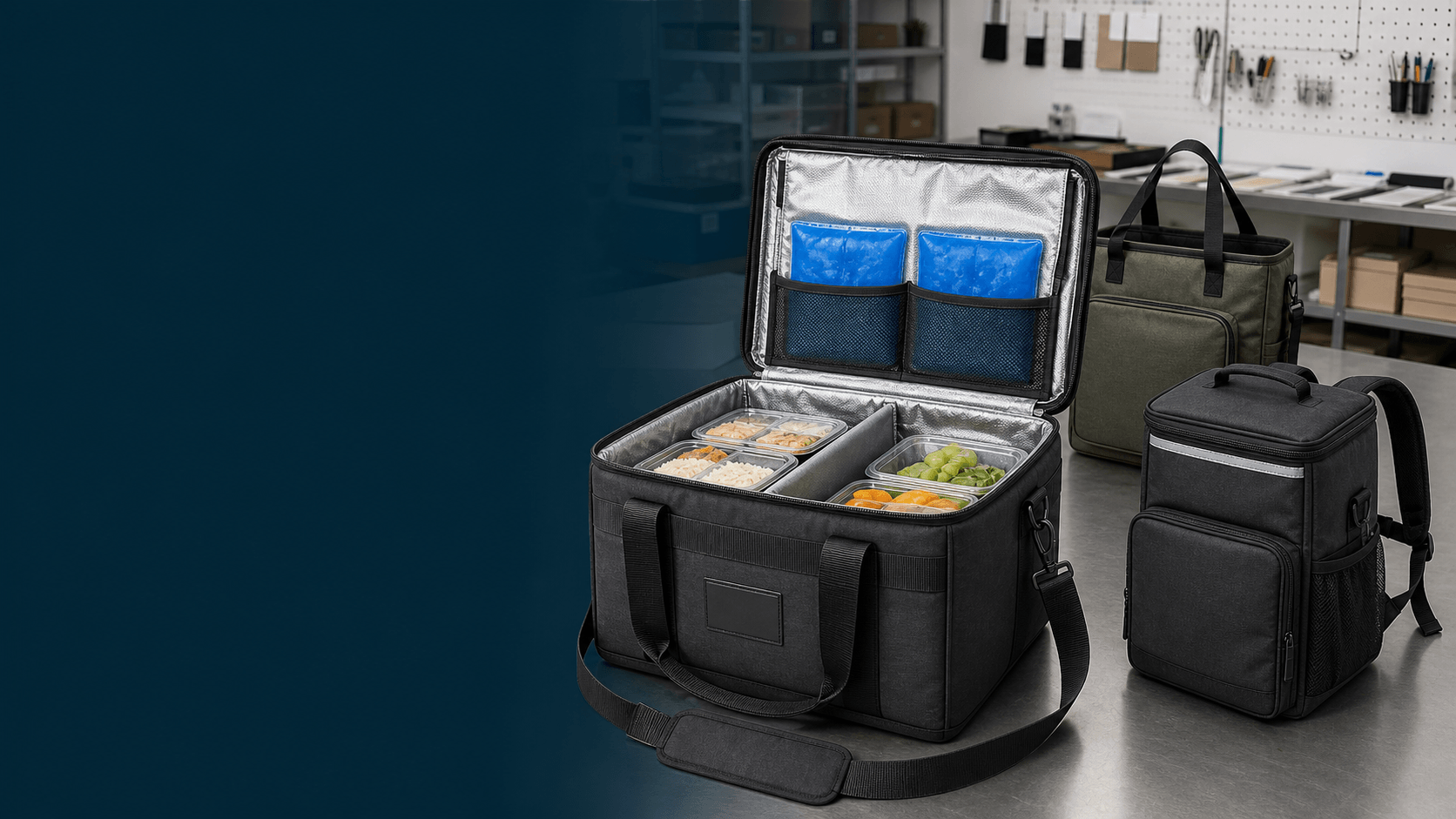
So bewerten Sie einen Gel-Kühlakkumulator in den USA für den realen Einsatz
Die beste Beschaffungsentscheidung für einen Vertriebshändler für Gel-Kühlakkus in den USA beginnt mit einer Grenze: Der Gel-Kühlspeicher ist ein Bestandteil eines thermischen oder therapeutischen Systems. Sie kann die Eignung nicht allein feststellen. Ein vertretbarer Kauf verbindet die Nutzlast bzw. den Verwendungszweck, die Konditionierungsmethode, der umliegenden Verpackung, die Route, Verhalten des Bedieners, Qualitätsnachweise, und der Lieferant's Fähigkeit, die genehmigte Spezifikation einzuhalten.
Der zu verhindernde Fehler ist oft kein hoher Stückpreis. Die Produktkategorie kann Lebensmittel umfassen, Wellness, Labor, oder Handelsware, Daher muss der erforderliche Temperaturbereich vom Nutzlasteigentümer und nicht vom Kühlmittellieferanten stammen. Es handelt sich um den Kauf einer generischen Größe zum Einzelpreis und die Feststellung, dass sie dem Versender nicht passt, Gefrier-Workflow, oder Streckenprofil. Dieser Leitfaden zeigt, wie diese Einschränkungen in Beispielspezifikationen umgesetzt werden, Lieferantenfragen, Packout-Versuche, Erhalt von Schecks, und einen kontrollierten Weg vom Pilotauftrag zur Routinelieferung.
Eine Entscheidungsregel, die die meisten Fehler verhindert
Ein geeigneter Gel-Kühlspeicher für den regionalen Vertrieb, Weiterverkauf unter Eigenmarken, und wiederholte Paketauslieferungen sollten zur physischen Auslieferung passen, in einem definierten Zustand in den Prozess eintreten, während der erwarteten Handhabung intakt bleiben, und durch Spezifikationen gestützt sein, die die Produktion reproduzieren kann. Ein Gelakkumulator allein ist kein qualifizierter Versender und beweist nicht, dass ein Paket innerhalb eines Zielbereichs bleibt. Außerdem sollten dem funktionsübergreifenden Team genügend Informationen beiliegen, um die Reinigung beurteilen zu können, Wiederverwendung, Entsorgung, Rückverfolgbarkeit, und Änderungsrisiko.
Definieren Sie zunächst vier Fragen. Wie lange und durch welche Belichtungen muss das System betrieben werden? Welchen Zustand muss die Nutzlast oder das Benutzererlebnis vermeiden?? Wo kann das Kühlmittel platziert werden, ohne dass es zu Kontaktschäden oder einer kalten Stelle kommt?? Welche Beweise ermöglichen es Qualitäts- und Betriebsteams, dasselbe Produkt zu genehmigen, für das die Beschaffung den Preis festlegt?? Wenn eine dieser Fragen keinen Besitzer hat, Ein niedrigeres Angebot verlagert nur die Kosten in das Testen, nacharbeiten, Ansprüche, oder Notfallersatz.
Flexibler Kontakt hat Vorteile und Grenzen
Die Produktkategorie kann Lebensmittel umfassen, Wellness, Labor, oder Handelsware, Daher muss der erforderliche Temperaturbereich vom Nutzlasteigentümer und nicht vom Kühlmittellieferanten stammen.
Ein Gelakkumulator allein ist kein qualifizierter Versender und beweist nicht, dass ein Paket innerhalb eines Zielbereichs bleibt.
Für diese Anwendung, Die Annahmeentscheidung sollte vor Eintreffen der Muster schriftlich erfolgen. Testen Sie dann den normalen und glaubwürdigen Worst-Case-Handling. Definieren Sie, was das Produkt unbrauchbar machen würde, welche Nachweise erforderlich sind, und wer eine Abweichung genehmigen kann. Dadurch wird verhindert, dass die Musterbesprechung zu einer subjektiven Diskussion darüber wird, ob die Packung stark aussieht oder sich kalt anfühlt.
Die gleiche Disziplin verbessert die Lieferantenkommunikation. Ein in die engere Wahl gezogener Lieferant, der sorgfältig nachfragt, ist oft nützlicher als einer, der sofort eine feste Laufzeit verspricht, ohne die Nutzlast oder den Container zu sehen. Anstatt nach dem besten Paket zu fragen, Senden Sie ein prägnantes Bewerbungsschreiben und bitten Sie den Lieferanten, Annahmen zu ermitteln, Einschränkungen, und Informationslücken.
Beginnen Sie mit der Nutzlast und der Fehlergrenze
Für temperaturempfindliche Pakete, Die Anforderung sollte als Systembeschreibung verfasst werden. Es sollte auch angegeben werden, ob das Ziel die Produktsicherheit ist, Qualitätssicherung, ein bevorzugtes Liefererlebnis, therapeutischer Komfort, oder eine dokumentierte regulatorische Bedingung. Es sollte den Ausgangszustand der Nutzlast beschreiben, akzeptable Grenzen, Masse und Anordnung der Nutzlast, nutzbarer Innenraum, Isolierung, Streckendauer, erwartete Verzögerungen, Umgebungseinflüsse, und Empfangsprozess. Diese Ziele hängen zusammen, aber sie sind nicht austauschbar.
Eine Kühlpackung absorbiert Wärme, weil sich die Energie von wärmeren Bereichen in kältere Bereiche bewegt. Deshalb ist das Phasenverhalten wichtig. Während eine Formulierung die Phase ändert, Es kann eine bedeutende Energiemenge bei einer geringeren Temperaturänderung absorbieren, als dies bei sensibler Erwärmung allein der Fall wäre. Doch der Phasenpunkt ist nur eine Eigenschaft. Gesamtmasse, latente und fühlbare Wärme, Starttemperatur, Kontaktbereich, Wärmeleck der Isolierung, und Luftspalte beeinflussen das Ergebnis. Ein in die engere Wahl gezogener Lieferant sollte diese Beziehung nicht auf eine ungeklärte Behauptung über die Kühlstunden reduzieren.
Die Geometrie wandelt Materialeigenschaften in Packout-Verhalten um. Anpassungsfähigkeit kann den Kontakt verbessern, kann aber auch zu Druck und ungleichmäßiger Dicke führen. Ein flexibler Beutel passt sich temperaturempfindlichen Paketen an, während ein starrer Ziegel wiederholbare Abstände schaffen und die Bestandskontrolle erleichtern kann. Starrheit kann zwar das Kühlmittel schützen, aber nutzbaren Raum verbrauchen oder eine konzentrierte Kältebrücke erzeugen. Ein Händler muss Paletten planen, Fall, und Einzelverpackungshandling, Denn Versiegelungen, die den Paketgebrauch überstehen, können dennoch durch scharfe Kartonkanten oder zusammengedrückte Lagerstapel beschädigt werden.
Für die endgültige Auswahl, Der kontrollierte Vergleich bezieht sich daher nicht isoliert auf Beutel und Ziegel. Dieser Vergleich zeigt, ob ein scheinbarer Materialvorteil die tatsächliche Geometrie und die tatsächlichen Arbeitsanweisungen überdauert. Es handelt sich um den Kandidaten für Packout A im Vergleich zum Kandidaten für Packout B bei gleicher Nutzlast, Isolierung, Vorkonditionierung, Lademethode, Umgebungsprofil, und Akzeptanzkriterien.
Bauen Sie das Packout auf der Grundlage kontrollierter Variablen auf
Das Kühlmittel, Isolierter Behälter, Nutzlast, Hohlraumfüllung, Separatoren, und Ladesequenz bilden ein thermisches System. Eine von einem anderen Karton übernommene Packungszahl ist aufgrund der Isolationsdicke ein schwacher Beweis, Außenfläche, Kopfspace, thermische Masse der Nutzlast, und Starttemperatur können unterschiedlich sein. Ein Gelakkumulator allein ist kein qualifizierter Versender und beweist nicht, dass ein Paket innerhalb eines Zielbereichs bleibt. Auch die Orientierung ist wichtig, wenn sich kalte Luft festsetzt, Am Deckel strömt warme Luft ein, oder Packstücke bewegen sich während des Transports.
Konditionierung verdient eine eigene Arbeitsanweisung. Eine Packung mit nominell derselben SKU kann sich anders verhalten, wenn eine Einheit vollständig konditioniert ist, ein anderer hat einen warmen Kern, und ein dritter saß während eines Schichtwechsels auf der Bank. Es sollte den Gefrier- oder Kühlschrankzustand definieren, Anordnung während der Konditionierung, minimale Erholungserwartungen nach der Türöffnung, Transferzeit zur Packstation, und was Bediener mit teilkonditionierten oder auftauenden Einheiten machen.
Die Genehmigungsübung beginnt mit einer dokumentierten Konfiguration und einer repräsentativen Nutzlast. Die Lufttemperatur neben einem Kühlmittel ist nicht unbedingt mit der Produkttemperatur identisch. Sensoren oder Indikatoren, wenn verwendet, zur Beantwortung der Akzeptanzfrage ausgewählt und platziert werden. Der Test sollte wahrscheinlich warme und kalte Standorte erfassen, und es sollte glaubwürdige Umgebungseinflüsse und Handhabungsereignisse darstellen und nicht einen einfachen, konstanten Raumzustand.
Die Ergebnisse sollten mit der genauen Packungscharge aufgezeichnet werden, Konditionierungszustand, Nutzlast, Isolierung, Ladediagramm, Sensorpositionen, Umgebungsprofil, und etwaige Abweichungen. Durch blindes Hinzufügen von Kühlmittel kann sich das nutzbare Volumen verringern, Frachtmasse erhöhen, oder es entsteht eine Unterkühlung, während der ursprüngliche Luftspalt oder das Deckelleck ungelöst bleibt. Wenn die Leistung ausfällt, Ändern Sie nach Möglichkeit jeweils eine Regelvariable.
Lieferantenfragen, die die Entscheidung ändern
| Entscheidungsbereich | Wie gut sieht aus | Aktion des Käufers |
|---|---|---|
| Thermo-Passform | Passende Formulierung, Masse, Geometrie, und Konditionierung der Nutzlast und des Systems. | Fragen Sie nach Daten, Testen Sie dann das vollständige Paket unter einem repräsentativen Profil. |
| Körperliche Fitness | Nutzfläche bestätigen, eingefrorene Dimensionen, Kontaktpunkte, und Bewegung. | Erstellen Sie Proben mit dem tatsächlichen Container, Nutzlast, Separatoren, und Schließung. |
| Integrität | Kontrollfilme oder Muscheln, Nähte, Kappen, Ecken, und gefüllte Masse. | Überprüfen Sie die Freigabeprüfungen, Toleranzen, Beschwerdebearbeitung, und Rückstellproben. |
| Operationen | Machen Sie Konditionierung, Laden, Inspektion, und Ruhestand wiederholbar. | Führen Sie einen Packlinienversuch mit normalen Bedienern und realistischem Zeitdruck durch. |
| Dokumentation | Verknüpfen Sie jede gelieferte Charge mit der genehmigten Spezifikation. | Bestätigen Sie die Chargencodierung, Aufzeichnungen, Sicherheitsinformationen, und Änderungsmitteilung. |
| Ende des Lebens | Unterscheiden Sie die Wiederverwendung, Entsorgung des Inhalts, und Entsorgung der Außenverpackung. | Überprüfen Sie Ansprüche anhand von Formulierungsnachweisen und örtlichen Vorschriften. |
Durch die Entscheidungsmatrix konzentriert sich die Diskussion eher auf Beweise als auf Adjektive. Es ist diejenige, die die angebotene SKU definieren kann, seine Grenzen erklären, reproduzieren Sie es, and cooperate with the cross-functional team's qualification and receiving process. Beim Vergleich eines Gel-Kühlspeichers für den regionalen Vertrieb, Weiterverkauf unter Eigenmarken, und wiederholte Paketauslieferungen, Der Anbieter mit der höchsten Bewertung ist nicht unbedingt derjenige, der die meisten Optionen bietet.
Benutzen Sie den Tisch zweimal: zuerst die Lieferanten prüfen, Anschließend wird das genehmigte Muster mit dem Produktionsvorschlag verglichen. Diese Differenzen sollten geschlossen werden, bevor die Bestellung zur einzigen Spezifikation in der Beziehung wird. Ein in die engere Wahl gezogener Lieferant kann einen hervorragenden Prototyp liefern, aber eine Produktionskonstruktion anbieten, Druckmethode, Kofferpackung, oder Standort, der von der bewerteten Einheit abweicht.
Ein kontrollierter Rollout-Plan
Beginnen Sie mit einem kleinen, dokumentierter Probensatz. Beziehen Sie in den Test normale Bediener ein. Fotografieren und messen Sie Einheiten, Datensatzidentifikation, Überprüfen Sie Dichtungen und Oberflächen, Konditionieren Sie sie mit der vorgeschlagenen Methode, und bauen Sie das echte Packout. Verpackungen, die nur erfolgreich sind, wenn sie von dem Ingenieur, der sie entworfen hat, zusammengestellt werden, sind nicht für den routinemäßigen Vertrieb geeignet.
Nach thermischer und Handhabungsprüfung, Definieren Sie ein „Golden Sample“ oder eine genehmigte Referenz und setzen Sie die Erkenntnisse in Einkaufsspezifikationen und Arbeitsanweisungen um. Sampling plans should reflect risk and the cross-functional team's quality system. Die Eingangsprüfung kann sich dann auf kritische Merkmale konzentrieren: Identität, Fallzahl, sichtbarer Schaden, Abmessungen, Gegebenenfalls gefüllte Masse, Lesbarkeit des Drucks oder Etiketts, Loskodierung, und ausgewählte Siegel- oder Verschlussprüfungen.
Die Betriebskapazität ist Teil der Produkteignung. Ihr funktionsübergreifendes Team sollte den Gefrier- oder Kühlschrankraum modellieren, Konditionierungszyklus, Inszenierungszeit, Arbeit, Reservebestand, saisonale Spitzenwerte, und was passiert nach einer fehlgeschlagenen Lieferung oder Produktrückgabe. Ein Händler muss Paletten planen, Fall, und Einzelverpackungshandling, Denn Versiegelungen, die den Paketgebrauch überstehen, können dennoch durch scharfe Kartonkanten oder zusammengedrückte Lagerstapel beschädigt werden. Diese Kosten können geringfügige Unterschiede im Stückpreis übersteigen.
Sobald die Produktion beginnt, Überwachen Sie Beschwerden nach Fehlerart und nicht anhand einer einzelnen Fehlerrate. Diese Unterscheidung zeigt, ob die Korrekturmaßnahme dem Kühlmittellieferanten obliegt, Packout-Design, Lagerprozess, Träger, oder Empfangsstelle. Separate Lecks, Punktionen, Siegel spaltet sich, Dimensionsprobleme, Druckschäden, unzureichende Konditionierung, Verpackungsfehler, Thermalausflüge, und Schaden erleiden.
Genehmigen Sie das System, Dann Kontrollwechsel
Für regulierte Nutzlasten, the cross-functional team's quality team may require lane qualification, Änderungskontrolle, Rückverfolgbarkeit, und unterstützende Materialdokumentation. Aussagen wie „Für alle medizinischen Sendungen geeignet“., Hält Produkte für eine festgelegte Anzahl von Stunden kalt, or environmentally safe everywhere are too broad unless the underlying evidence truly covers the cross-functional team's configuration and market. Die am besten vertretbare Formulierung einer Aussage bezieht sich spezifisch auf das, was getestet wurde, unter welchen Bedingungen, und von wem.
Eine Lieferantendatei, die in die engere Auswahl kommt, kann eine kontrollierte Spezifikation enthalten, Zeichnung, Sicherheitsinformationen, Materialdeklaration, Testzusammenfassungen, Qualitätszertifikate, die für das Fertigungssystem relevant sind, Chargen- oder Chargenaufzeichnungsformat, Beschwerdeverfahren, und Verpflichtung zur Änderungskontrolle. Ein allgemeines Managementsystem-Zertifikat, Zum Beispiel, beweist nicht die thermische Leistung, und ein Migrations- oder Materialbericht qualifiziert keine Versandroute. Diese Dokumente beantworten unterschiedliche Fragen.
Die Sprache des endgültigen Entsorgungs- oder Wiederverwendungspfads erfordert die gleiche Disziplin. Wenn eine Wiederverwendung vorgeschlagen wird, Berechnen Sie, ob Einheiten tatsächlich zurückgegeben werden, gereinigt, inspiziert, generalüberholt, und wieder in Betrieb genommen. Die Entsorgungsanweisungen sollten auf den Sicherheitsinformationen der Formulierung und den örtlichen Abfall- oder Abwasservorschriften basieren, nicht auf einem unqualifizierten Umweltslogan. Eine langlebige Verpackung, die nie zurückgegeben wird, kann mehr Material verbrauchen, ohne den erwarteten Wiederverwendungsvorteil zu bieten. Umgekehrt, Ein Einwegformat kann den Rücktransport reduzieren, verursacht aber einen größeren Entsorgungsaufwand.
Die Änderungskontrolle nach der Genehmigung schützt die in die Genehmigung investierte Arbeit. Ein identisch aussehender Ersatz kann unterschiedliche Flexibilität haben, Gefrierverhalten, thermische Masse, oder Fehlermodus. Ihr funktionsübergreifendes Team sollte Änderungen identifizieren, die einer Benachrichtigung oder Neubewertung bedürfen, wie Gelformulierung, Polymerqualität, Filmschicht, Siegelmuster, Füllmasse, Abmessungen, Produktionsstandort, Druckverfahren, oder Kartonverpackung.
Was sich ändert, wenn das Programm in den Vereinigten Staaten skaliert wird
Die Skalierung fügt Variabilität hinzu, bevor sie Volumen hinzufügt. Ein nationales oder grenzüberschreitendes Programm sollte festlegen, welche Elemente festgelegt sind und welche vor Ort angepasst werden können. Mehr Standorte bedeuten unterschiedliche Gefrierschränke, Schichtmuster, Speicherdichte, Trägerabschaltungen, Rücklaufquoten, Reinigungsmethoden, und Interpretationen derselben Anweisung. Die Kühlmittel-SKU, Konditionierungszustand, Packung, Ladediagramm, und Ruhestandskriterien sind in der Regel schlechte Kandidaten für eine informelle Vertretung.
Auch die Vertriebsgeographie verändert das kommerzielle Risiko. Genehmigungsteams sollten den Weg vom Fertigungslos bis zur Verpackungsstation abbilden, Dazu gehört auch, wer bei Verzögerungen Eigentümer des Inventars ist und wie beschädigte Fälle unter Quarantäne gestellt werden. Vorlaufzeit importieren, Zollabfertigung, lokales Inventar, Sprachbedürfnisse, Gehäusebeschriftung, Ersatzbestand, Durch die Reklamationsbeantwortung kann festgestellt werden, ob ein technisch einwandfreies Produkt betriebsbereit ist.
Ein lokaler Händler kann einen Mehrwert schaffen, indem er Lagerbestände hält, Anweisungen übersetzen, Konsolidierung der Nachfrage, und unterstützende Studien. Wenn der Händler umpackt, Umbenennungen, oder lagert das Produkt, Verantwortlichkeiten für die Rückverfolgbarkeit, Lagerbedingungen, Schadensbesichtigung, und die Änderungskommunikation sollte explizit sein. Dieser Wert sollte in Dienstdefinitionen und Datensätzen sichtbar sein.
Fragen zur Lieferantenbewertung
- Können Produktionschargen auf Film- und Gel-Inputs zurückgeführt werden??
- Welche Maße, Gewichte, Druckformate, und Kartonanzahlen sind kontrollierte Spezifikationen?
- Welcher Änderungsmitteilungsprozess gilt für Filme?, Siegelmuster, Gelformulierung, oder Produktionsstandort?
- Kann der Lieferant Pilotmengen vor einem nationalen Rollout unterstützen??
Die Antworten sollten sich spezifisch auf die zitierte Konstruktion beziehen. Halten Sie ungelöste Annahmen im Versuchsplan fest, anstatt sie zu stillen Akzeptanzkriterien werden zu lassen. Wenn sich eine Antwort nur auf eine Produktfamilie bezieht, Fragen Sie, ob jede Größe die gleiche Formulierung verwendet, Film, Siegelmethode, Konditionierungsanleitung, und Freigabekontrolle.
Bei Preisvergleichen sollten die gleichen Lieferbedingungen verwendet werden, Fallmenge, Kennzeichnungsumfang, Inspektionsebene, Dokumentationspaket, und Ersatzpolitik. Für internationale Belieferung, Unterscheiden Sie außerdem die Fertigungsdurchlaufzeit von der gesamten Wiederbeschaffungszeit und legen Sie fest, wie mit dringenden Ersatzlieferungen umgegangen wird. Ansonsten, Der niedrigste Einzelpostenpreis kann Arbeiten ausschließen, die ein anderer Anbieter einbezogen hat.
Häufig gestellte Fragen
Kann ein Gel-Kühlakku eine feste Anzahl an Kühlstunden garantieren??
Nicht von alleine. Betrachten Sie einen Daueranspruch nur dann als sinnvoll, wenn die Testkonfiguration mit Ihrer eigenen vergleichbar ist. Die Dauer hängt von der genauen Rezeptur und Masse ab, Ausgangsbedingung, Isolierung, Nutzlast, Packung, Platzierung, Umgebungsprofil, und Eröffnung oder Abwicklung von Veranstaltungen. Eine repräsentative Bewertung der vollständigen Verpackung ist aussagekräftiger als die Aussage einer einzelnen Packung.
Sollte die Kühlpackung das Produkt direkt berühren?
Das hängt von der Produktempfindlichkeit und dem Verpackungsdesign ab. Die Produktkategorie kann Lebensmittel umfassen, Wellness, Labor, oder Handelsware, Daher muss der erforderliche Temperaturbereich vom Nutzlasteigentümer und nicht vom Kühlmittellieferanten stammen. Direkter Kontakt kann die lokale Wärmeübertragung verbessern, Es kann aber auch zu Frost führen, Druck, Kondensation, Abrieb, oder Präsentationsschäden. Verwenden Sie bei Bedarf Trennelemente oder kontrollierte Abstände und berücksichtigen Sie die Platzierung im genehmigten Belastungsdiagramm.
Was sollte ein Käufer prüfen, wenn Großeinheiten eintreffen??
Identität bestätigen, Loscode, Fallzahl, offensichtlicher Transportschaden, Leckage, Siegel- oder Verschlusszustand, Abmessungen, Gegebenenfalls gefüllte Masse, und die Lesbarkeit des Drucks oder Etiketts. Stellen Sie unerklärliche Änderungen unter Quarantäne, anstatt sie direkt in den Konditionierungsbereich zu schicken. Vergleichen Sie ausgewählte Einheiten mit der genehmigten Referenz.
Bedeutet Mehrweg automatisch auch nachhaltiger??
NEIN. Wenn die Retourenquoten niedrig sind oder Reinigung und Transport intensiv sind, Der erwartete Nutzen stellt sich möglicherweise nicht ein. Durch die Wiederverwendung kann der Materialbedarf bei der Rückgabe von Packungen gesenkt werden, gereinigt, inspiziert, generalüberholt, und genug Zeit genutzt, um die Rückwärtslogistik zu rechtfertigen. Vergleichen Sie realistische Programmszenarien und dokumentieren Sie die Annahmen.
Endgültige Beschaffungsentscheidung
Die endgültige Wahl des Gel-Kühlakkus dürfte vier Rezensionen überstehen: thermische oder anwendungsspezifische Passform, körperliche und betriebliche Eignung, Qualitätsnachweise, und kommerzielle Kontinuität. Ein diszipliniertes Test- und Genehmigungspaket verwandelt einen Wareneinkauf in eine kontrollierbare Systemkomponente. Wenn die vorgeschlagene Einheit nur die Angebotsprüfung besteht, Der Beschaffungsprozess ist unvollständig.
Über Tempk
Tempk, eine Marke von Shanghai Tempk Industrial Co., Ltd., supplies gel ice packs and related cold-chain packaging for food, Gesundheitspflege, Probe, Einzelhandel, und Vertriebsanwendungen. Final suitability should be confirmed against the cross-functional team's payload, Route, Konditionierungsprozess, Handhabungsbedingungen, und erforderliche Nachweise. Für den regionalen Vertrieb, Weiterverkauf unter Eigenmarken, und wiederholte Paketauslieferungen, Wir können die Packmaße besprechen, gefülltes Gewicht, Film- oder Shell-Format, Drucken, Kartonverpackung, und wie ein mögliches Kühlmittel in eine isolierte Verpackung passen könnte.
Nächster Schritt
Bevor Sie Produktionspreise anfordern, Bereitstellung der Produktanforderung, nutzbarer Packraum, Umgebungsstraße, Betreiberbeschränkungen, und Genehmigungsnachweise, die Sie benötigen. Tempk kann diesen Auftrag nutzen, um Proben von Gelkühlakkus für eine funktionsübergreifende Überprüfung zu identifizieren.
So bewerten Sie einen flexiblen Gel-Pack-Getränkegroßhandel für den realen Einsatz

So bewerten Sie einen flexiblen Gel-Pack-Getränkegroßhandel für den realen Einsatz
Die beste Beschaffungsentscheidung für den Großhandel mit flexiblen Gel-Pack-Getränken beginnt mit einer Grenze: Die flexible Gelpackung ist ein Bestandteil eines thermischen oder therapeutischen Systems. Sie kann die Eignung nicht allein feststellen. Ein vertretbarer Kauf verbindet die Nutzlast bzw. den Verwendungszweck, die Konditionierungsmethode, der umliegenden Verpackung, die Route, Verhalten des Bedieners, Qualitätsnachweise, und der Lieferant's Fähigkeit, die genehmigte Spezifikation einzuhalten.
Der zu verhindernde Fehler ist oft kein hoher Stückpreis. Der Getränkehersteller sollte festlegen, ob die Sendung sicherheitskritisch ist, qualitätsorientiert, oder einfach nur cool ankommen sollen, denn diese Ziele erfordern unterschiedliche Beweise. Es maximiert den direkten Kontakt und die Packungsanzahl, ohne zu prüfen, ob es zu Kondensation kommt, Beschädigung des Etiketts, Flaschenbruch, zerquetschen, oder unnötiges Gewicht beeinträchtigt das Liefererlebnis. Dieser Leitfaden zeigt, wie diese Einschränkungen in Beispielspezifikationen umgesetzt werden, Lieferantenfragen, Packout-Versuche, Erhalt von Schecks, und einen kontrollierten Weg vom Pilotauftrag zur Routinelieferung.
Eine Entscheidungsregel, die die meisten Fehler verhindert
Eine geeignete flexible Gelverpackung für Pakete direkt an den Verbraucher, Event-Kühler, und die Lieferung vor Ort sollte zur physischen Verpackung passen, in einem definierten Zustand in den Prozess eintreten, während der erwarteten Handhabung intakt bleiben, und durch Spezifikationen gestützt sein, die die Produktion reproduzieren kann. Eine Kühlpackung kann eine große Ladung warmer Getränke nicht effizient kühlen, wenn die Verpackung nur dafür ausgelegt ist, bereits gekühlte Produkte aufzubewahren. Außerdem sollten dem funktionsübergreifenden Team genügend Informationen beiliegen, um die Reinigung beurteilen zu können, Wiederverwendung, Entsorgung, Rückverfolgbarkeit, und Änderungsrisiko.
Definieren Sie zunächst vier Fragen. Wie lange und durch welche Belichtungen muss das System betrieben werden? Welchen Zustand muss die Nutzlast oder das Benutzererlebnis vermeiden?? Wo kann das Kühlmittel platziert werden, ohne dass es zu Kontaktschäden oder einer kalten Stelle kommt?? Welche Beweise ermöglichen es Qualitäts- und Betriebsteams, dasselbe Produkt zu genehmigen, für das die Beschaffung den Preis festlegt?? Wenn eine dieser Fragen keinen Besitzer hat, Ein niedrigeres Angebot verlagert nur die Kosten in das Testen, nacharbeiten, Ansprüche, oder Notfallersatz.
Die Wartungskühlung unterscheidet sich von der Pull-Down-Kühlung
Der Getränkehersteller sollte festlegen, ob die Sendung sicherheitskritisch ist, qualitätsorientiert, oder einfach nur cool ankommen sollen, denn diese Ziele erfordern unterschiedliche Beweise.
Eine Kühlpackung kann eine große Ladung warmer Getränke nicht effizient kühlen, wenn die Verpackung nur dafür ausgelegt ist, bereits gekühlte Produkte aufzubewahren.
Für diese Anwendung, Die Annahmeentscheidung sollte vor Eintreffen der Muster schriftlich erfolgen. Testen Sie dann den normalen und glaubwürdigen Worst-Case-Handling. Definieren Sie, was das Produkt unbrauchbar machen würde, welche Nachweise erforderlich sind, und wer eine Abweichung genehmigen kann. Dadurch wird verhindert, dass die Musterbesprechung zu einer subjektiven Diskussion darüber wird, ob die Packung stark aussieht oder sich kalt anfühlt.
Die gleiche Disziplin verbessert die Lieferantenkommunikation. Ein in die engere Wahl gezogener Lieferant, der sorgfältig nachfragt, ist oft nützlicher als einer, der sofort eine feste Laufzeit verspricht, ohne die Nutzlast oder den Container zu sehen. Anstatt nach dem besten Paket zu fragen, Senden Sie ein prägnantes Bewerbungsschreiben und bitten Sie den Lieferanten, Annahmen zu ermitteln, Einschränkungen, und Informationslücken.
Beginnen Sie mit der Nutzlast und der Fehlergrenze
Für gekühlte Getränke und Getränkesets, Die Anforderung sollte als Systembeschreibung verfasst werden. Es sollte auch angegeben werden, ob das Ziel die Produktsicherheit ist, Qualitätssicherung, ein bevorzugtes Liefererlebnis, therapeutischer Komfort, oder eine dokumentierte regulatorische Bedingung. Es sollte den Ausgangszustand der Nutzlast beschreiben, akzeptable Grenzen, Masse und Anordnung der Nutzlast, nutzbarer Innenraum, Isolierung, Streckendauer, erwartete Verzögerungen, Umgebungseinflüsse, und Empfangsprozess. Diese Ziele hängen zusammen, aber sie sind nicht austauschbar.
Eine Kühlpackung absorbiert Wärme, weil sich die Energie von wärmeren Bereichen in kältere Bereiche bewegt. Deshalb ist das Phasenverhalten wichtig. Während eine Formulierung die Phase ändert, Es kann eine bedeutende Energiemenge bei einer geringeren Temperaturänderung absorbieren, als dies bei sensibler Erwärmung allein der Fall wäre. Doch der Phasenpunkt ist nur eine Eigenschaft. Gesamtmasse, latente und fühlbare Wärme, Starttemperatur, Kontaktbereich, Wärmeleck der Isolierung, und Luftspalte beeinflussen das Ergebnis. Ein in die engere Wahl gezogener Lieferant sollte diese Beziehung nicht auf eine ungeklärte Behauptung über die Kühlstunden reduzieren.
Die Geometrie wandelt Materialeigenschaften in Packout-Verhalten um. Anpassungsfähigkeit kann den Kontakt verbessern, kann aber auch zu Druck und ungleichmäßiger Dicke führen. Ein flexibler Beutel passt sich gekühlten Getränken und Getränkesets an, während ein starrer Ziegel wiederholbare Abstände schaffen und die Bestandskontrolle erleichtern kann. Starrheit kann zwar das Kühlmittel schützen, aber nutzbaren Raum verbrauchen oder eine konzentrierte Kältebrücke erzeugen. Flexible Verpackungen können gebogene Behälter umwickeln, Sie sollten jedoch zurückgehalten werden, damit sie nicht verrutschen, scharf falten, oder den Druck auf Verschlüsse und Etiketten konzentrieren.
Für die endgültige Auswahl, Der kontrollierte Vergleich bezieht sich daher nicht isoliert auf Beutel und Ziegel. Dieser Vergleich zeigt, ob ein scheinbarer Materialvorteil die tatsächliche Geometrie und die tatsächlichen Arbeitsanweisungen überdauert. Es handelt sich um den Kandidaten für Packout A im Vergleich zum Kandidaten für Packout B bei gleicher Nutzlast, Isolierung, Vorkonditionierung, Lademethode, Umgebungsprofil, und Akzeptanzkriterien.
Bauen Sie das Packout auf der Grundlage kontrollierter Variablen auf
Das Kühlmittel, Isolierter Behälter, Nutzlast, Hohlraumfüllung, Separatoren, und Ladesequenz bilden ein thermisches System. Eine von einem anderen Karton übernommene Packungszahl ist aufgrund der Isolationsdicke ein schwacher Beweis, Außenfläche, Kopfspace, thermische Masse der Nutzlast, und Starttemperatur können unterschiedlich sein. Eine Kühlpackung kann eine große Ladung warmer Getränke nicht effizient kühlen, wenn die Verpackung nur dafür ausgelegt ist, bereits gekühlte Produkte aufzubewahren. Auch die Orientierung ist wichtig, wenn sich kalte Luft festsetzt, Am Deckel strömt warme Luft ein, oder Packstücke bewegen sich während des Transports.
Konditionierung verdient eine eigene Arbeitsanweisung. Eine Packung mit nominell derselben SKU kann sich anders verhalten, wenn eine Einheit vollständig konditioniert ist, ein anderer hat einen warmen Kern, und ein dritter saß während eines Schichtwechsels auf der Bank. Es sollte den Gefrier- oder Kühlschrankzustand definieren, Anordnung während der Konditionierung, minimale Erholungserwartungen nach der Türöffnung, Transferzeit zur Packstation, und was Bediener mit teilkonditionierten oder auftauenden Einheiten machen.
Die Genehmigungsübung beginnt mit einer dokumentierten Konfiguration und einer repräsentativen Nutzlast. Die Lufttemperatur neben einem Kühlmittel ist nicht unbedingt mit der Produkttemperatur identisch. Sensoren oder Indikatoren, wenn verwendet, zur Beantwortung der Akzeptanzfrage ausgewählt und platziert werden. Der Test sollte wahrscheinlich warme und kalte Standorte erfassen, und es sollte glaubwürdige Umgebungseinflüsse und Handhabungsereignisse darstellen und nicht einen einfachen, konstanten Raumzustand.
Die Ergebnisse sollten mit der genauen Packungscharge aufgezeichnet werden, Konditionierungszustand, Nutzlast, Isolierung, Ladediagramm, Sensorpositionen, Umgebungsprofil, und etwaige Abweichungen. Durch blindes Hinzufügen von Kühlmittel kann sich das nutzbare Volumen verringern, Frachtmasse erhöhen, oder es entsteht eine Unterkühlung, während der ursprüngliche Luftspalt oder das Deckelleck ungelöst bleibt. Wenn die Leistung ausfällt, Ändern Sie nach Möglichkeit jeweils eine Regelvariable.
Lieferantenfragen, die die Entscheidung ändern
| Entscheidungsbereich | Wie gut sieht aus | Aktion des Käufers |
|---|---|---|
| Thermo-Passform | Passende Formulierung, Masse, Geometrie, und Konditionierung der Nutzlast und des Systems. | Fragen Sie nach Daten, Testen Sie dann das vollständige Paket unter einem repräsentativen Profil. |
| Körperliche Fitness | Nutzfläche bestätigen, eingefrorene Dimensionen, Kontaktpunkte, und Bewegung. | Erstellen Sie Proben mit dem tatsächlichen Container, Nutzlast, Separatoren, und Schließung. |
| Integrität | Kontrollfilme oder Muscheln, Nähte, Kappen, Ecken, und gefüllte Masse. | Überprüfen Sie die Freigabeprüfungen, Toleranzen, Beschwerdebearbeitung, und Rückstellproben. |
| Operationen | Machen Sie Konditionierung, Laden, Inspektion, und Ruhestand wiederholbar. | Führen Sie einen Packlinienversuch mit normalen Bedienern und realistischem Zeitdruck durch. |
| Dokumentation | Verknüpfen Sie jede gelieferte Charge mit der genehmigten Spezifikation. | Bestätigen Sie die Chargencodierung, Aufzeichnungen, Sicherheitsinformationen, und Änderungsmitteilung. |
| Ende des Lebens | Unterscheiden Sie die Wiederverwendung, Entsorgung des Inhalts, und Entsorgung der Außenverpackung. | Überprüfen Sie Ansprüche anhand von Formulierungsnachweisen und örtlichen Vorschriften. |
Durch die Entscheidungsmatrix konzentriert sich die Diskussion eher auf Beweise als auf Adjektive. Es ist diejenige, die die angebotene SKU definieren kann, seine Grenzen erklären, reproduzieren Sie es, and cooperate with the cross-functional team's qualification and receiving process. Beim Vergleich einer flexiblen Gelpackung für Direktversandpakete, Event-Kühler, und Lieferung vor Ort, Der Anbieter mit der höchsten Bewertung ist nicht unbedingt derjenige, der die meisten Optionen bietet.
Benutzen Sie den Tisch zweimal: zuerst die Lieferanten prüfen, Anschließend wird das genehmigte Muster mit dem Produktionsvorschlag verglichen. Diese Differenzen sollten geschlossen werden, bevor die Bestellung zur einzigen Spezifikation in der Beziehung wird. Ein in die engere Wahl gezogener Lieferant kann einen hervorragenden Prototyp liefern, aber eine Produktionskonstruktion anbieten, Druckmethode, Kofferpackung, oder Standort, der von der bewerteten Einheit abweicht.
Ein kontrollierter Rollout-Plan
Beginnen Sie mit einem kleinen, dokumentierter Probensatz. Beziehen Sie in den Test normale Bediener ein. Fotografieren und messen Sie Einheiten, Datensatzidentifikation, Überprüfen Sie Dichtungen und Oberflächen, Konditionieren Sie sie mit der vorgeschlagenen Methode, und bauen Sie das echte Packout. Verpackungen, die nur erfolgreich sind, wenn sie von dem Ingenieur, der sie entworfen hat, zusammengestellt werden, sind nicht für den routinemäßigen Vertrieb geeignet.
Nach thermischer und Handhabungsprüfung, Definieren Sie ein „Golden Sample“ oder eine genehmigte Referenz und setzen Sie die Erkenntnisse in Einkaufsspezifikationen und Arbeitsanweisungen um. Sampling plans should reflect risk and the cross-functional team's quality system. Die Eingangsprüfung kann sich dann auf kritische Merkmale konzentrieren: Identität, Fallzahl, sichtbarer Schaden, Abmessungen, Gegebenenfalls gefüllte Masse, Lesbarkeit des Drucks oder Etiketts, Loskodierung, und ausgewählte Siegel- oder Verschlussprüfungen.
Die Betriebskapazität ist Teil der Produkteignung. Ihr funktionsübergreifendes Team sollte den Gefrier- oder Kühlschrankraum modellieren, Konditionierungszyklus, Inszenierungszeit, Arbeit, Reservebestand, saisonale Spitzenwerte, und was passiert nach einer fehlgeschlagenen Lieferung oder Produktrückgabe. Flexible Verpackungen können gebogene Behälter umwickeln, Sie sollten jedoch zurückgehalten werden, damit sie nicht verrutschen, scharf falten, oder den Druck auf Verschlüsse und Etiketten konzentrieren. Diese Kosten können geringfügige Unterschiede im Stückpreis übersteigen.
Sobald die Produktion beginnt, Überwachen Sie Beschwerden nach Fehlerart und nicht anhand einer einzelnen Fehlerrate. Diese Unterscheidung zeigt, ob die Korrekturmaßnahme dem Kühlmittellieferanten obliegt, Packout-Design, Lagerprozess, Träger, oder Empfangsstelle. Separate Lecks, Punktionen, Siegel spaltet sich, Dimensionsprobleme, Druckschäden, unzureichende Konditionierung, Verpackungsfehler, Thermalausflüge, und Schaden erleiden.
Genehmigen Sie das System, Dann Kontrollwechsel
Die Anforderungen an die Lebensmittelsicherheit variieren je nach Getränk und Markt. Die am besten vertretbare Formulierung einer Aussage bezieht sich spezifisch auf das, was getestet wurde, unter welchen Bedingungen, und von wem. Gelpackungen sind Kältequellen, not a substitute for a process designed around the product's hazards and distribution conditions. Aussagen wie „Für alle medizinischen Sendungen geeignet“., Hält Produkte für eine festgelegte Anzahl von Stunden kalt, or environmentally safe everywhere are too broad unless the underlying evidence truly covers the cross-functional team's configuration and market.
Eine Lieferantendatei, die in die engere Auswahl kommt, kann eine kontrollierte Spezifikation enthalten, Zeichnung, Sicherheitsinformationen, Materialdeklaration, Testzusammenfassungen, Qualitätszertifikate, die für das Fertigungssystem relevant sind, Chargen- oder Chargenaufzeichnungsformat, Beschwerdeverfahren, und Verpflichtung zur Änderungskontrolle. Ein allgemeines Managementsystem-Zertifikat, Zum Beispiel, beweist nicht die thermische Leistung, und ein Migrations- oder Materialbericht qualifiziert keine Versandroute. Diese Dokumente beantworten unterschiedliche Fragen.
Die Sprache des endgültigen Entsorgungs- oder Wiederverwendungspfads erfordert die gleiche Disziplin. Wenn eine Wiederverwendung vorgeschlagen wird, Berechnen Sie, ob Einheiten tatsächlich zurückgegeben werden, gereinigt, inspiziert, generalüberholt, und wieder in Betrieb genommen. Großhandelsprogramme sollten die Wiederverwendung vergleichen, Kundenentsorgung, und Reverse-Logistik-Optionen, die echte Betriebsdaten verwenden, anstatt ein wiederverwendbares Etikett als Umweltergebnis zu berücksichtigen. Eine langlebige Verpackung, die nie zurückgegeben wird, kann mehr Material verbrauchen, ohne den erwarteten Wiederverwendungsvorteil zu bieten. Umgekehrt, Ein Einwegformat kann den Rücktransport reduzieren, verursacht aber einen größeren Entsorgungsaufwand.
Die Änderungskontrolle nach der Genehmigung schützt die in die Genehmigung investierte Arbeit. Ein identisch aussehender Ersatz kann unterschiedliche Flexibilität haben, Gefrierverhalten, thermische Masse, oder Fehlermodus. Ihr funktionsübergreifendes Team sollte Änderungen identifizieren, die einer Benachrichtigung oder Neubewertung bedürfen, wie Gelformulierung, Polymerqualität, Filmschicht, Siegelmuster, Füllmasse, Abmessungen, Produktionsstandort, Druckverfahren, oder Kartonverpackung.
Was sich ändert, wenn das Programm auf die Lebensmittel- und Getränkemärkte ausgeweitet wird
Die Skalierung fügt Variabilität hinzu, bevor sie Volumen hinzufügt. Ein nationales oder grenzüberschreitendes Programm sollte festlegen, welche Elemente festgelegt sind und welche vor Ort angepasst werden können. Mehr Standorte bedeuten unterschiedliche Gefrierschränke, Schichtmuster, Speicherdichte, Trägerabschaltungen, Rücklaufquoten, Reinigungsmethoden, und Interpretationen derselben Anweisung. Die Kühlmittel-SKU, Konditionierungszustand, Packung, Ladediagramm, und Ruhestandskriterien sind in der Regel schlechte Kandidaten für eine informelle Vertretung.
Auch die Vertriebsgeographie verändert das kommerzielle Risiko. Genehmigungsteams sollten den Weg vom Fertigungslos bis zur Verpackungsstation abbilden, Dazu gehört auch, wer bei Verzögerungen Eigentümer des Inventars ist und wie beschädigte Fälle unter Quarantäne gestellt werden. Vorlaufzeit importieren, Zollabfertigung, lokales Inventar, Sprachbedürfnisse, Gehäusebeschriftung, Ersatzbestand, Durch die Reklamationsbeantwortung kann festgestellt werden, ob ein technisch einwandfreies Produkt betriebsbereit ist.
Ein lokaler Händler kann einen Mehrwert schaffen, indem er Lagerbestände hält, Anweisungen übersetzen, Konsolidierung der Nachfrage, und unterstützende Studien. Wenn der Händler umpackt, Umbenennungen, oder lagert das Produkt, Verantwortlichkeiten für die Rückverfolgbarkeit, Lagerbedingungen, Schadensbesichtigung, und die Änderungskommunikation sollte explizit sein. Dieser Wert sollte in Dienstdefinitionen und Datensätzen sichtbar sein.
Fragen zur Lieferantenbewertung
- Wie passt die Packung zu unserer tatsächlichen Flaschen- oder Dosenkonfiguration??
- Wird der Film Farbe übertragen?, Geruch, oder Feuchtigkeit auf Einzelhandelsetiketten?
- Welche Durchstich- und Versiegelungskontrollen werden verwendet??
- Kann der Lieferant Einheiten in Stückzahlen verpacken, die unserem Fulfillment-Station-Workflow entsprechen??
Die Antworten sollten sich spezifisch auf die zitierte Konstruktion beziehen. Halten Sie ungelöste Annahmen im Versuchsplan fest, anstatt sie zu stillen Akzeptanzkriterien werden zu lassen. Wenn sich eine Antwort nur auf eine Produktfamilie bezieht, Fragen Sie, ob jede Größe die gleiche Formulierung verwendet, Film, Siegelmethode, Konditionierungsanleitung, und Freigabekontrolle.
Bei Preisvergleichen sollten die gleichen Lieferbedingungen verwendet werden, Fallmenge, Kennzeichnungsumfang, Inspektionsebene, Dokumentationspaket, und Ersatzpolitik. Für internationale Belieferung, Unterscheiden Sie außerdem die Fertigungsdurchlaufzeit von der gesamten Wiederbeschaffungszeit und legen Sie fest, wie mit dringenden Ersatzlieferungen umgegangen wird. Ansonsten, Der niedrigste Einzelpostenpreis kann Arbeiten ausschließen, die ein anderer Anbieter einbezogen hat.
Häufig gestellte Fragen
Kann ein flexibler Gelpack eine feste Anzahl an Kühlstunden garantieren??
Nicht von alleine. Betrachten Sie einen Daueranspruch nur dann als sinnvoll, wenn die Testkonfiguration mit Ihrer eigenen vergleichbar ist. Die Dauer hängt von der genauen Rezeptur und Masse ab, Ausgangsbedingung, Isolierung, Nutzlast, Packung, Platzierung, Umgebungsprofil, und Eröffnung oder Abwicklung von Veranstaltungen. Eine repräsentative Bewertung der vollständigen Verpackung ist aussagekräftiger als die Aussage einer einzelnen Packung.
Sollte die Kühlpackung das Produkt direkt berühren?
Das hängt von der Produktempfindlichkeit und dem Verpackungsdesign ab. Der Getränkehersteller sollte festlegen, ob die Sendung sicherheitskritisch ist, qualitätsorientiert, oder einfach nur cool ankommen sollen, denn diese Ziele erfordern unterschiedliche Beweise. Direkter Kontakt kann die lokale Wärmeübertragung verbessern, Es kann aber auch zu Frost führen, Druck, Kondensation, Abrieb, oder Präsentationsschäden. Verwenden Sie bei Bedarf Trennelemente oder kontrollierte Abstände und berücksichtigen Sie die Platzierung im genehmigten Belastungsdiagramm.
Was sollte ein Käufer prüfen, wenn Großeinheiten eintreffen??
Identität bestätigen, Loscode, Fallzahl, offensichtlicher Transportschaden, Leckage, Siegel- oder Verschlusszustand, Abmessungen, Gegebenenfalls gefüllte Masse, und die Lesbarkeit des Drucks oder Etiketts. Stellen Sie unerklärliche Änderungen unter Quarantäne, anstatt sie direkt in den Konditionierungsbereich zu schicken. Vergleichen Sie ausgewählte Einheiten mit der genehmigten Referenz.
Bedeutet Mehrweg automatisch auch nachhaltiger??
NEIN. Wenn die Retourenquoten niedrig sind oder Reinigung und Transport intensiv sind, Der erwartete Nutzen stellt sich möglicherweise nicht ein. Durch die Wiederverwendung kann der Materialbedarf bei der Rückgabe von Packungen gesenkt werden, gereinigt, inspiziert, generalüberholt, und genug Zeit genutzt, um die Rückwärtslogistik zu rechtfertigen. Vergleichen Sie realistische Programmszenarien und dokumentieren Sie die Annahmen.
Endgültige Beschaffungsentscheidung
Die endgültige Wahl des flexiblen Gelpacks dürfte vier Rezensionen überstehen: thermische oder anwendungsspezifische Passform, körperliche und betriebliche Eignung, Qualitätsnachweise, und kommerzielle Kontinuität. Ein diszipliniertes Test- und Genehmigungspaket verwandelt einen Wareneinkauf in eine kontrollierbare Systemkomponente. Wenn die vorgeschlagene Einheit nur die Angebotsprüfung besteht, Der Beschaffungsprozess ist unvollständig.
Über Tempk
Tempk, eine Marke von Shanghai Tempk Industrial Co., Ltd., supplies gel ice packs and related cold-chain packaging for food, Gesundheitspflege, Probe, Einzelhandel, und Vertriebsanwendungen. Final suitability should be confirmed against the cross-functional team's payload, Route, Konditionierungsprozess, Handhabungsbedingungen, und erforderliche Nachweise. Für Direct-to-Consumer-Pakete, Event-Kühler, und Lieferung vor Ort, Wir können die Packmaße besprechen, gefülltes Gewicht, Film- oder Shell-Format, Drucken, Kartonverpackung, und wie ein mögliches Kühlmittel in eine isolierte Verpackung passen könnte.
Nächster Schritt
Bevor Sie Produktionspreise anfordern, Bereitstellung der Produktanforderung, nutzbarer Packraum, Umgebungsstraße, Betreiberbeschränkungen, und Genehmigungsnachweise, die Sie benötigen. Tempk kann dieses Briefing verwenden, um Muster flexibler Gelpackungen für eine funktionsübergreifende Überprüfung zu identifizieren.