


Best Insulated Cooler Bag Distributor Buying Guide
Best Insulated Cooler Bag Distributor Buying Guide

insulated cooler bag distributor should be chosen with a simple rule: buy for the real route, the real product, and the real buyer expectation. The best results come when you combine buyer-guide discipline, Materialwissenschaft, Und 2026 market context in one decision process. This optimized article brings those pieces together so you can choose a better bag and a better partner with less guesswork.
Dieser Artikel hilft Ihnen bei der Beantwortung
- Why route-based buying improves insulated cooler bag distributor outcomes
- Welche Materialien, Merkmale, and packout choices create reliable hold time
- What tests and compliance records prove the bag is ready
- Wie 2026 market and sustainability changes should affect your sourcing plan
- What questions help you choose the right long-term partner
Why Should You Buy Insulated Cooler Bag Distributor From Route Truth?
The best insulated cooler bag distributor choice starts with route truth. You do not buy a bag to own a bag. You buy it to protect a product through a specific trip, in a specific climate, with a specific handling rhythm. When buyers skip that definition, they often pay for the wrong features twice: first in the quote and then again in complaints, Abfall, or emergency replacements.
That is why the first sourcing question should not be 'What is your cheapest option?' It should be 'What exactly must this bag do by the end of the route?' If you can define payload, target condition, Streckendauer, and load behavior in plain language, you immediately make supplier comparison more meaningful. You also make it easier to build one program that operations, Beschaffung, and QA can all understand.
Start With One Clear Definition of Success
Für viele Käufer, success can be written in one short paragraph. It says what product is carried, how long the route lasts, what outside conditions matter, how often the bag is opened, and what condition is acceptable at delivery. That short paragraph becomes the foundation for material choice, Testen, and supplier discussion.
| Buying Level | Route Reality | Recommended Focus | Was Sie gewinnen |
| Stock economy line | Immediate availability | Basic retail and promo use | Fast turnover |
| Core distributor line | Balanced price and performance | Most wholesale accounts | Best margin stability |
| Premium private-label line | Custom features and branding | Key accounts and chains | Higher loyalty potential |
- Write the route first, then review the bag.
- Keep performance promises tied to a defined use case.
- Segment low-risk, Kern, and premium routes before ordering samples.
What Material Stack Works Best for Your Real Use Case?
A reliable cooler backpack is a layer system. The outer layer manages appearance and wear. The insulation core slows heat flow. The liner manages cleaning, Feuchtigkeit, and user confidence. If you want better performance, ask how those layers work together instead of asking for more insulation as a default answer.
Matching material to use case is the key. Daily supermarket use, industrial transport, corporate gifting, and export distribution do not ask for the same balance of price, Haltbarkeit, and finish. The right stack is the one that protects the product without creating unnecessary weight, cleaning trouble, or cost. That is why simple, honest material selection usually beats impressive but poorly matched complexity.
Choose Materials for Behavior, Not for Brochure Language
If the bag will be reused often, prioritize stronger outer fabric, Verstärkung, and a cleanable liner. If branding matters most, print quality and appearance still need to be checked after moisture and handling exposure. If the project is sustainability-led, verify how the claim is supported and whether the material story stays credible in the real use case.
| Material Stack | Am besten für | Watch-Out | Praktischer Wert |
| Nonwoven PP + EPE + HEUTE | Cost-sensitive retail and promotion | Moderate abrasion resistance | Good balance of price, printability, and short-route insulation |
| RPET-Gewebe + XPE foam + PE lining | Premium reusable programs | Höhere Stückkosten | Stronger feel, saubereres Branding, and better sustainability messaging |
| Polyester + Aluminiumfolie + Hungrig | Meal delivery and grocery | Foil can crease over time | Reflective inner layer and dependable daily use |
| Kraft paper outer + insulated inner liner | Paper-forward branding | Paper needs moisture control | Natural look that fits low-plastic or premium gifting programs |
- Ask for exact layer names and nominal thickness ranges.
- Review liner choice together with cleaning method and food-contact expectations.
- Test paper-forward or recycled-content concepts under the same conditions users will see.
What Tests and Documents Prove the Bag Is Ready?
Testing proves whether the design story holds together. A serious thermal claim should always come with route conditions: Nutzlast, Starttemperatur, Kühlmittel, Umgebungsbereich, and opening pattern. If those details are missing, you are not looking at a decision tool. You are looking at marketing language.
Compliance logic matters too. The FDA position is straightforward: food-contact substances used through packaging, Lagerung, or handling must be authorized for the intended use. In einfachen Worten, your liner is not food-safe just because a seller says so; das Material, its migration behavior, and the actual use condition all matter. Im Klartext, a liner is not 'food safe' because a seller says so; das Material, its migration behavior, and the intended use condition all matter. If your program touches the EU market, food-contact materials also need to align with EU safety and GMP expectations, plus traceability and compliance documentation. In beiden Fällen, the simpler rule is that production version should match the exact version you intend to buy.
Use Recognized Validation Logic to Ask Better Questions
For higher-risk shipping programs, buyers often lean on the logic behind ISTA Standard 20 and 7E to structure package qualification, while ASTM D3103 remains a practical reference for evaluating thermal insulation performance. Air transport rules also push buyers toward documented packaging procurement. The point is not to sound technical. The point is to make your buying evidence stronger.
| Proof Item | What It Should Show | What Weak Evidence Looks Like | Warum Sie es brauchen |
| Incoming batch verification | Process consistency | Method and acceptance criteria should be clear | Creates confidence before scale-up |
| Shelf presentation review | Process consistency | Method and acceptance criteria should be clear | Creates confidence before scale-up |
| Periodic thermal sample tests | Real hold-time behavior | Test without route detail is weak | Lets you compare claims with evidence |
| Traceable batch records | Documented suitability or traceability | Generic statements are not enough | Helps procurement and QA sign off faster |
| Destination-market material paperwork | Documented suitability or traceability | Generic statements are not enough | Helps procurement and QA sign off faster |
- Ask for the method behind every number that affects the PO.
- Link compliance paperwork to the exact liner or coating version.
- Treat approved samples, Unterlagen, and change-control rules as one package.
Was tun 2026 Market and Sustainability Shifts Mean for Buying?
2026 buying decisions are shaped by both demand growth and sustainability pressure. Industry forecasts published in late 2025 estimated the global cold chain packaging market at about USD 35.3 Milliarden in 2025 and projected it to reach roughly USD 52.2 Milliarden von 2030. Even if exact forecasts differ by analyst, Die Richtung ist klar: more temperature-sensitive trade is creating more pressure on soft-sided packaging performance. Even if exact forecasts differ by analyst, Die Richtung ist klar: more temperature-sensitive trade is creating more pressure on soft-sided packaging performance. Gleichzeitig, buyers are being asked to explain reuse, materielle Klarheit, Dokumentation, und Abfallreduzierung.
Nach Angaben der Europäischen Kommission ist die Verordnung über Verpackungen und Verpackungsabfälle am in Kraft getreten 11 Februar 2025 and will generally apply from 12 August 2026. Für Käufer, that means packaging design, Materialeffizienz, Logik wiederverwenden, and documentation are moving from a nice-to-have topic to a buying criterion. Für dich, that means packaging design, Materialeffizienz, Logik wiederverwenden, and documentation are moving from nice to have to buying criteria. The practical takeaway is that a credible packaging story now needs to cover performance and sustainability together. A bag that looks green but performs poorly is weak. A bag that performs well but comes with vague material claims also creates risk.
The Strongest Programs Make Performance and Sustainability Work Together
Distributors gain more from durable, well-documented core lines than from a broad range full of weak low-price variants. That usually means simpler segmentation, clearer material choices, stärkere Dokumentation, and honest communication about expected service life. You do not need a perfect bag for every possible future route. You need a well-defined bag range that fits your actual business and can evolve without losing control of quality.
| 2026 Shift | What Buyers Are Asking | What Good Suppliers Provide | Warum ist es wichtig |
| Growth in delivery and cold chain | Can this bag fit real service levels? | Route-based recommendations | Reduces mismatch |
| Nachhaltigkeitsdruck | What is the material story and proof? | Clear declarations and honest trade-offs | Supports procurement approval |
| Higher documentation expectations | Can QA trust this version? | Traceable specs and change control | Schützt Nachbestellungen |
| Cost pressure | Where can we save without weakening the bag? | Cube-efficient and tiered designs | Improves total cost |
- Pair every sustainability claim with a performance check.
- Verwenden 2026 market growth to simplify your bag range, not to multiply SKUs.
- Keep documentation aligned with the exact version being quoted.
How Do You Choose the Right Partner and Next Step?
The right partner helps you make fewer decisions twice. A capable supplier explains route fit clearly, shows the material stack openly, documents tests honestly, and manages change before it becomes a problem. That kind of partner saves time because your team spends less energy rechecking the same basics on every order.
Before you move ahead, align on the approved sample, the bill of materials, the test logic, the lead-time plan, and the claim-handling process. If any of those points feel vague, slow down and fix the gap early. In sourcing, clarity is almost always cheaper before the PO than after the complaint.
Your Next-Step Checklist
If you want a stronger insulated cooler bag distributor result, ask for a sample that matches your real route, request the supporting documents behind the quote, and score the supplier on repeatability as well as price. That simple process gives you a better bag, a safer order, and a more stable long-term sourcing model.
| Decision Checkpoint | Was zu bestätigen ist | Why It Protects You | Best Action |
| Route definition | Nutzlast, Dauer, Umgebungsprofil, and opening pattern | Stops generic quoting | Write it before final RFQ |
| Material lock | Approved layer stack and tolerances | Prevents hidden changes | Store with the sample |
| Evidence pack | Thermal method, Unterlagen, Inspektionsplan | Strengthens sign-off | Review before PO |
| Commercial control | Vorlaufzeit, Ansprüche, Änderungsmitteilung | Improves long-term supply | Put it in writing |
- Choose the partner who gives the clearest evidence, not only the lowest first quote.
- Pilot high-risk applications before large-scale rollout.
- Protect repeatability with written change-control rules.
2026 Trends Shaping the Cooler Bag Market
2026 is pushing buyers toward more specific, more documented, and more sustainable insulated cooler bag programs. Industry forecasts published in late 2025 estimated the global cold chain packaging market at about USD 35.3 Milliarden in 2025 and projected it to reach roughly USD 52.2 Milliarden von 2030. Even if exact forecasts differ by analyst, Die Richtung ist klar: more temperature-sensitive trade is creating more pressure on soft-sided packaging performance. Distributors are simplifying assortments and asking for stronger evidence packages so sales teams can explain value faster.
Neueste Entwicklungen auf einen Blick
- Cold-chain growth: Industry forecasts published in late 2025 estimated the global cold chain packaging market at about USD 35.3 Milliarden in 2025 and projected it to reach roughly USD 52.2 Milliarden von 2030. Even if exact forecasts differ by analyst, Die Richtung ist klar: more temperature-sensitive trade is creating more pressure on soft-sided packaging performance.
- Validation mindset: For higher-risk shipping programs, buyers often lean on the logic behind ISTA Standard 20 and 7E to structure package qualification. The lesson is simple: validate the actual pack, not a marketing sketch. ASTM D3103 remains a practical reference for evaluating thermal insulation performance. You do not need to be a lab expert to use the lesson behind it: insulation should be described with method, Bedingungen, and comparable results.
- Rule pressure on packaging: Nach Angaben der Europäischen Kommission ist die Verordnung über Verpackungen und Verpackungsabfälle am in Kraft getreten 11 Februar 2025 and will generally apply from 12 August 2026. Für Käufer, that means packaging design, Materialeffizienz, Logik wiederverwenden, and documentation are moving from a nice-to-have topic to a buying criterion.
From a market point of view, this means buyers are narrowing their preferred partners to those who can combine clear material explanations, realistische Tests, and practical commercial support. Mit anderen Worten, the future belongs less to the supplier with the biggest promise and more to the partner with the clearest evidence.
Häufig gestellte Fragen
What is the smartest first step in buying insulated cooler bag distributor?
Define the real route and the target condition at the end of that route. That one step improves material selection, testing requests, and supplier comparison immediately.
Which part of the bag most often causes failure?
Schließungen, Nähte, stress points, and poor packout often cause failure before the body panel does. These details deserve more attention than they usually get.
How do you balance performance and sustainability in 2026?
Choose the simplest design that still meets the route, then support any sustainability claim with clear material and compliance information. Honest trade-offs beat vague promises.
What makes a supplier the right long-term partner?
Clear route-based recommendations, stable repeat quality, honest documentation, und schriftliche Änderungskontrolle. Der Preis ist wichtig, but repeatability matters more.
When should you pilot before full rollout?
Pilot whenever the application is new, the climate is harsh, the product is high value, or the performance promise is tied closely to brand or compliance risk.
Zusammenfassung und Empfehlungen
The strongest insulated cooler bag distributor programs are built on five clear ideas. Erste, define the real route. Zweite, match the material stack to actual use instead of generic claims. Dritte, protect critical details such as closures, Basen, Nähte, and liners. Vierte, ask for testing and documentation that match the production version. Fifth, choose a partner who can repeat quality as reliably as they can win a first order.
If you are planning your next project, start with a route description, a sample request tied to that route, and a short supplier scorecard. That gives you a practical next step without overcomplicating the process. For high-risk or high-visibility programs, add a pilot run before full rollout so your team can confirm the bag under real operating conditions.
Über Tempk
Und Tempk, we focus on cold-chain packaging solutions designed around real routes and real operating pressure. We work on practical insulated cooler bag programs that balance insulation, Haltbarkeit, Reinigbarkeit, Branding, and scalable production. Our team pays close attention to material selection, Validierungslogik, and repeat-order consistency so buyers can make decisions with more confidence and less guesswork.
Der nächste Schritt ist einfach: share your route details, Zielhaltezeit, Nutzlast, and order goals. We can then help you narrow the right structure, testing approach, and commercial path for a stronger project.
Bester Kaufratgeber für isolierte Unternehmenstaschen in der Türkei

insulated bag corporate turkey should be chosen with a simple rule: buy for the real route, the real product, and the real buyer expectation. The best results come when you combine buyer-guide discipline, Materialwissenschaft, Und 2026 market context in one decision process. This optimized article brings those pieces together so you can choose a better bag and a better partner with less guesswork.
Dieser Artikel hilft Ihnen bei der Beantwortung
- Why route-based buying improves insulated bag corporate turkey outcomes
- Welche Materialien, Merkmale, and packout choices create reliable hold time
- What tests and compliance records prove the bag is ready
- Wie 2026 market and sustainability changes should affect your sourcing plan
- What questions help you choose the right long-term partner
Why Should You Buy Insulated Bag Corporate Turkey From Route Truth?
The best insulated bag corporate turkey choice starts with route truth. You do not buy a bag to own a bag. You buy it to protect a product through a specific trip, in a specific climate, with a specific handling rhythm. When buyers skip that definition, they often pay for the wrong features twice: first in the quote and then again in complaints, Abfall, or emergency replacements.
That is why the first sourcing question should not be 'What is your cheapest option?' It should be 'What exactly must this bag do by the end of the route?' If you can define payload, target condition, Streckendauer, and load behavior in plain language, you immediately make supplier comparison more meaningful. You also make it easier to build one program that operations, Beschaffung, and QA can all understand.
Start With One Clear Definition of Success
Für viele Käufer, success can be written in one short paragraph. It says what product is carried, how long the route lasts, what outside conditions matter, how often the bag is opened, and what condition is acceptable at delivery. That short paragraph becomes the foundation for material choice, Testen, and supplier discussion.
| Buying Level | Route Reality | Recommended Focus | Was Sie gewinnen |
| Promo lunch bag | Light corporate gifting | Events and staff programs | Best for cost control |
| Premium branded cooler | Employee wellness and client kits | Longer use and stronger brand image | Higher perceived value |
| Retail-ready reusable bag | Corporate plus supermarket crossover | Branch distribution and resale | Useful beyond the campaign |
- Write the route first, then review the bag.
- Keep performance promises tied to a defined use case.
- Segment low-risk, Kern, and premium routes before ordering samples.
What Material Stack Works Best for Your Real Use Case?
A reliable cooler backpack is a layer system. The outer layer manages appearance and wear. The insulation core slows heat flow. The liner manages cleaning, Feuchtigkeit, and user confidence. If you want better performance, ask how those layers work together instead of asking for more insulation as a default answer.
Matching material to use case is the key. Daily supermarket use, industrial transport, corporate gifting, and export distribution do not ask for the same balance of price, Haltbarkeit, and finish. The right stack is the one that protects the product without creating unnecessary weight, cleaning trouble, or cost. That is why simple, honest material selection usually beats impressive but poorly matched complexity.
Choose Materials for Behavior, Not for Brochure Language
If the bag will be reused often, prioritize stronger outer fabric, Verstärkung, and a cleanable liner. If branding matters most, print quality and appearance still need to be checked after moisture and handling exposure. If the project is sustainability-led, verify how the claim is supported and whether the material story stays credible in the real use case.
| Material Stack | Am besten für | Watch-Out | Praktischer Wert |
| Nonwoven PP + EPE + HEUTE | Cost-sensitive retail and promotion | Moderate abrasion resistance | Good balance of price, printability, and short-route insulation |
| RPET-Gewebe + XPE foam + PE lining | Premium reusable programs | Höhere Stückkosten | Stronger feel, saubereres Branding, and better sustainability messaging |
| Polyester + Aluminiumfolie + Hungrig | Meal delivery and grocery | Foil can crease over time | Reflective inner layer and dependable daily use |
| Kraft paper outer + insulated inner liner | Paper-forward branding | Paper needs moisture control | Natural look that fits low-plastic or premium gifting programs |
- Ask for exact layer names and nominal thickness ranges.
- Review liner choice together with cleaning method and food-contact expectations.
- Test paper-forward or recycled-content concepts under the same conditions users will see.
What Tests and Documents Prove the Bag Is Ready?
Testing proves whether the design story holds together. A serious thermal claim should always come with route conditions: Nutzlast, Starttemperatur, Kühlmittel, Umgebungsbereich, and opening pattern. If those details are missing, you are not looking at a decision tool. You are looking at marketing language.
Compliance logic matters too. The FDA position is straightforward: food-contact substances used through packaging, Lagerung, or handling must be authorized for the intended use. In einfachen Worten, your liner is not food-safe just because a seller says so; das Material, its migration behavior, and the actual use condition all matter. Im Klartext, a liner is not 'food safe' because a seller says so; das Material, its migration behavior, and the intended use condition all matter. If your program touches the EU market, food-contact materials also need to align with EU safety and GMP expectations, plus traceability and compliance documentation. In beiden Fällen, the simpler rule is that production version should match the exact version you intend to buy.
Use Recognized Validation Logic to Ask Better Questions
For higher-risk shipping programs, buyers often lean on the logic behind ISTA Standard 20 and 7E to structure package qualification, while ASTM D3103 remains a practical reference for evaluating thermal insulation performance. Air transport rules also push buyers toward documented packaging procurement. The point is not to sound technical. The point is to make your buying evidence stronger.
| Proof Item | What It Should Show | What Weak Evidence Looks Like | Warum Sie es brauchen |
| Print rub test | Process consistency | Method and acceptance criteria should be clear | Creates confidence before scale-up |
| Summer ambient thermal check | Real hold-time behavior | Test without route detail is weak | Lets you compare claims with evidence |
| Handle load test for gift packs | Mechanical durability | Short tests can hide fatigue issues | Cuts field failures on repeat-use SKUs |
| Food-contact suitability where food is placed directly | Documented suitability or traceability | Generic statements are not enough | Helps procurement and QA sign off faster |
| EU-facing packaging planning for cross-border business | Documented suitability or traceability | Generic statements are not enough | Helps procurement and QA sign off faster |
- Ask for the method behind every number that affects the PO.
- Link compliance paperwork to the exact liner or coating version.
- Treat approved samples, Unterlagen, and change-control rules as one package.
Was tun 2026 Market and Sustainability Shifts Mean for Buying?
2026 buying decisions are shaped by both demand growth and sustainability pressure. Industry forecasts published in late 2025 estimated the global cold chain packaging market at about USD 35.3 Milliarden in 2025 and projected it to reach roughly USD 52.2 Milliarden von 2030. Even if exact forecasts differ by analyst, Die Richtung ist klar: more temperature-sensitive trade is creating more pressure on soft-sided packaging performance. Even if exact forecasts differ by analyst, Die Richtung ist klar: more temperature-sensitive trade is creating more pressure on soft-sided packaging performance. Gleichzeitig, buyers are being asked to explain reuse, materielle Klarheit, Dokumentation, und Abfallreduzierung.
Nach Angaben der Europäischen Kommission ist die Verordnung über Verpackungen und Verpackungsabfälle am in Kraft getreten 11 Februar 2025 and will generally apply from 12 August 2026. Für Käufer, that means packaging design, Materialeffizienz, Logik wiederverwenden, and documentation are moving from a nice-to-have topic to a buying criterion. Für dich, that means packaging design, Materialeffizienz, Logik wiederverwenden, and documentation are moving from nice to have to buying criteria. The practical takeaway is that a credible packaging story now needs to cover performance and sustainability together. A bag that looks green but performs poorly is weak. A bag that performs well but comes with vague material claims also creates risk.
The Strongest Programs Make Performance and Sustainability Work Together
Corporate gifting in Turkey is shifting away from throwaway promo items toward designs that people will actually keep and reuse. That usually means simpler segmentation, clearer material choices, stärkere Dokumentation, and honest communication about expected service life. You do not need a perfect bag for every possible future route. You need a well-defined bag range that fits your actual business and can evolve without losing control of quality.
| 2026 Shift | What Buyers Are Asking | What Good Suppliers Provide | Warum ist es wichtig |
| Growth in delivery and cold chain | Can this bag fit real service levels? | Route-based recommendations | Reduces mismatch |
| Nachhaltigkeitsdruck | What is the material story and proof? | Clear declarations and honest trade-offs | Supports procurement approval |
| Higher documentation expectations | Can QA trust this version? | Traceable specs and change control | Schützt Nachbestellungen |
| Cost pressure | Where can we save without weakening the bag? | Cube-efficient and tiered designs | Improves total cost |
- Pair every sustainability claim with a performance check.
- Verwenden 2026 market growth to simplify your bag range, not to multiply SKUs.
- Keep documentation aligned with the exact version being quoted.
How Do You Choose the Right Partner and Next Step?
The right partner helps you make fewer decisions twice. A capable supplier explains route fit clearly, shows the material stack openly, documents tests honestly, and manages change before it becomes a problem. That kind of partner saves time because your team spends less energy rechecking the same basics on every order.
Before you move ahead, align on the approved sample, the bill of materials, the test logic, the lead-time plan, and the claim-handling process. If any of those points feel vague, slow down and fix the gap early. In sourcing, clarity is almost always cheaper before the PO than after the complaint.
Your Next-Step Checklist
If you want a stronger insulated bag corporate turkey result, ask for a sample that matches your real route, request the supporting documents behind the quote, and score the supplier on repeatability as well as price. That simple process gives you a better bag, a safer order, and a more stable long-term sourcing model.
| Decision Checkpoint | Was zu bestätigen ist | Why It Protects You | Best Action |
| Route definition | Nutzlast, Dauer, Umgebungsprofil, and opening pattern | Stops generic quoting | Write it before final RFQ |
| Material lock | Approved layer stack and tolerances | Prevents hidden changes | Store with the sample |
| Evidence pack | Thermal method, Unterlagen, Inspektionsplan | Strengthens sign-off | Review before PO |
| Commercial control | Vorlaufzeit, Ansprüche, Änderungsmitteilung | Improves long-term supply | Put it in writing |
- Choose the partner who gives the clearest evidence, not only the lowest first quote.
- Pilot high-risk applications before large-scale rollout.
- Protect repeatability with written change-control rules.
2026 Trends Shaping the Cooler Bag Market
2026 is pushing buyers toward more specific, more documented, and more sustainable insulated bag programs. Industry forecasts published in late 2025 estimated the global cold chain packaging market at about USD 35.3 Milliarden in 2025 and projected it to reach roughly USD 52.2 Milliarden von 2030. Even if exact forecasts differ by analyst, Die Richtung ist klar: more temperature-sensitive trade is creating more pressure on soft-sided packaging performance. In Turkey, buyers increasingly want reusable branded bags that support both campaign visibility and everyday utility. Turkey continues to combine strong e-commerce adoption with a large organized grocery market, so branded reusable insulated bags increasingly sit at the intersection of promotion and practical use.
Neueste Entwicklungen auf einen Blick
- Cold-chain growth: Industry forecasts published in late 2025 estimated the global cold chain packaging market at about USD 35.3 Milliarden in 2025 and projected it to reach roughly USD 52.2 Milliarden von 2030. Even if exact forecasts differ by analyst, Die Richtung ist klar: more temperature-sensitive trade is creating more pressure on soft-sided packaging performance.
- Validation mindset: For higher-risk shipping programs, buyers often lean on the logic behind ISTA Standard 20 and 7E to structure package qualification. The lesson is simple: validate the actual pack, not a marketing sketch. ASTM D3103 remains a practical reference for evaluating thermal insulation performance. You do not need to be a lab expert to use the lesson behind it: insulation should be described with method, Bedingungen, and comparable results.
- Rule pressure on packaging: Nach Angaben der Europäischen Kommission ist die Verordnung über Verpackungen und Verpackungsabfälle am in Kraft getreten 11 Februar 2025 and will generally apply from 12 August 2026. Für Käufer, that means packaging design, Materialeffizienz, Logik wiederverwenden, and documentation are moving from a nice-to-have topic to a buying criterion.
From a market point of view, this means buyers are narrowing their preferred partners to those who can combine clear material explanations, realistische Tests, and practical commercial support. Mit anderen Worten, the future belongs less to the supplier with the biggest promise and more to the partner with the clearest evidence.
Häufig gestellte Fragen
What is the smartest first step in buying insulated bag corporate turkey?
Define the real route and the target condition at the end of that route. That one step improves material selection, testing requests, and supplier comparison immediately.
Which part of the bag most often causes failure?
Schließungen, Nähte, stress points, and poor packout often cause failure before the body panel does. These details deserve more attention than they usually get.
How do you balance performance and sustainability in 2026?
Choose the simplest design that still meets the route, then support any sustainability claim with clear material and compliance information. Honest trade-offs beat vague promises.
What makes a supplier the right long-term partner?
Clear route-based recommendations, stable repeat quality, honest documentation, und schriftliche Änderungskontrolle. Der Preis ist wichtig, but repeatability matters more.
When should you pilot before full rollout?
Pilot whenever the application is new, the climate is harsh, the product is high value, or the performance promise is tied closely to brand or compliance risk.
Zusammenfassung und Empfehlungen
The strongest insulated bag corporate turkey programs are built on five clear ideas. Erste, define the real route. Zweite, match the material stack to actual use instead of generic claims. Dritte, protect critical details such as closures, Basen, Nähte, and liners. Vierte, ask for testing and documentation that match the production version. Fifth, choose a partner who can repeat quality as reliably as they can win a first order.
If you are planning your next project, start with a route description, a sample request tied to that route, and a short supplier scorecard. That gives you a practical next step without overcomplicating the process. For high-risk or high-visibility programs, add a pilot run before full rollout so your team can confirm the bag under real operating conditions.
Über Tempk
Und Tempk, we focus on cold-chain packaging solutions designed around real routes and real operating pressure. We work on practical insulated bag programs that balance insulation, Haltbarkeit, Reinigbarkeit, Branding, and scalable production. Our team pays close attention to material selection, Validierungslogik, and repeat-order consistency so buyers can make decisions with more confidence and less guesswork.
Der nächste Schritt ist einfach: share your route details, Zielhaltezeit, Nutzlast, and order goals. We can then help you narrow the right structure, testing approach, and commercial path for a stronger project.
Kaufratgeber für den besten Hersteller von Kühltaschenpapier
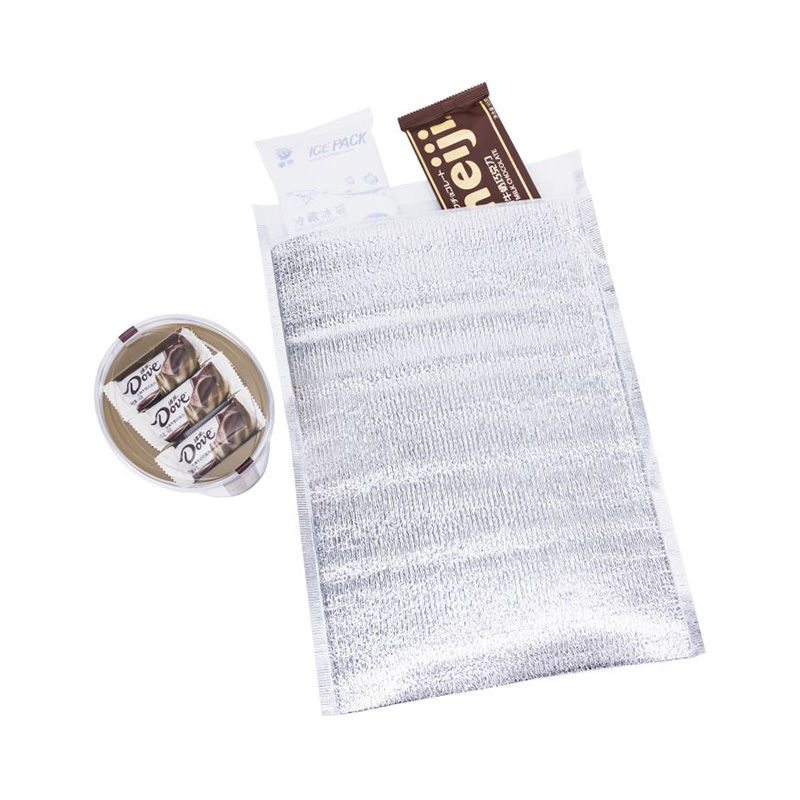
cooler bag paper manufacturer should be chosen with a simple rule: buy for the real route, the real product, and the real buyer expectation. The best results come when you combine buyer-guide discipline, Materialwissenschaft, Und 2026 market context in one decision process. This optimized article brings those pieces together so you can choose a better bag and a better partner with less guesswork.
Dieser Artikel hilft Ihnen bei der Beantwortung
- Why route-based buying improves cooler bag paper manufacturer outcomes
- Welche Materialien, Merkmale, and packout choices create reliable hold time
- What tests and compliance records prove the bag is ready
- Wie 2026 market and sustainability changes should affect your sourcing plan
- What questions help you choose the right long-term partner
Why Should You Buy Cooler Bag Paper Manufacturer From Route Truth?
The best cooler bag paper manufacturer choice starts with route truth. You do not buy a bag to own a bag. You buy it to protect a product through a specific trip, in a specific climate, with a specific handling rhythm. When buyers skip that definition, they often pay for the wrong features twice: first in the quote and then again in complaints, Abfall, or emergency replacements.
That is why the first sourcing question should not be 'What is your cheapest option?' It should be 'What exactly must this bag do by the end of the route?' If you can define payload, target condition, Streckendauer, and load behavior in plain language, you immediately make supplier comparison more meaningful. You also make it easier to build one program that operations, Beschaffung, and QA can all understand.
Start With One Clear Definition of Success
Für viele Käufer, success can be written in one short paragraph. It says what product is carried, how long the route lasts, what outside conditions matter, how often the bag is opened, and what condition is acceptable at delivery. That short paragraph becomes the foundation for material choice, Testen, and supplier discussion.
| Buying Level | Route Reality | Recommended Focus | Was Sie gewinnen |
| Paper-look short route bag | 1-3 hours with light coolant | Store pickup and gifting | Best visual sustainability message |
| Hybrid paper insulated bag | 3-5 hours with optimized packout | Meal kits and premium takeaway | Better performance without losing paper appeal |
| Paper shell with removable insert | Variable by insert | Programs that value reuse | Flexible and easier material storytelling |
- Write the route first, then review the bag.
- Keep performance promises tied to a defined use case.
- Segment low-risk, Kern, and premium routes before ordering samples.
What Material Stack Works Best for Your Real Use Case?
A reliable cooler backpack is a layer system. The outer layer manages appearance and wear. The insulation core slows heat flow. The liner manages cleaning, Feuchtigkeit, and user confidence. If you want better performance, ask how those layers work together instead of asking for more insulation as a default answer.
Matching material to use case is the key. Daily supermarket use, industrial transport, corporate gifting, and export distribution do not ask for the same balance of price, Haltbarkeit, and finish. The right stack is the one that protects the product without creating unnecessary weight, cleaning trouble, or cost. That is why simple, honest material selection usually beats impressive but poorly matched complexity.
Choose Materials for Behavior, Not for Brochure Language
If the bag will be reused often, prioritize stronger outer fabric, Verstärkung, and a cleanable liner. If branding matters most, print quality and appearance still need to be checked after moisture and handling exposure. If the project is sustainability-led, verify how the claim is supported and whether the material story stays credible in the real use case.
| Material Stack | Am besten für | Watch-Out | Praktischer Wert |
| Kraft paper outer + EPE + PE inner | Affordable paper-forward bags | Paper surface needs dry handling | Natural look with useful insulation |
| Kraft + metallized barrier + E film | Better short-term temperature hold | Harder material separation | Improved reflective performance |
| Paper outer + removable insulated insert | Reuse or material separation programs | More assembly complexity | Better sustainability story |
| Recycled paper board shell + weicher Liner | Premium corporate gift packs | Not ideal for rough wet routes | Strong shelf appeal |
- Ask for exact layer names and nominal thickness ranges.
- Review liner choice together with cleaning method and food-contact expectations.
- Test paper-forward or recycled-content concepts under the same conditions users will see.
What Tests and Documents Prove the Bag Is Ready?
Testing proves whether the design story holds together. A serious thermal claim should always come with route conditions: Nutzlast, Starttemperatur, Kühlmittel, Umgebungsbereich, and opening pattern. If those details are missing, you are not looking at a decision tool. You are looking at marketing language.
Compliance logic matters too. The FDA position is straightforward: food-contact substances used through packaging, Lagerung, or handling must be authorized for the intended use. In einfachen Worten, your liner is not food-safe just because a seller says so; das Material, its migration behavior, and the actual use condition all matter. Im Klartext, a liner is not 'food safe' because a seller says so; das Material, its migration behavior, and the intended use condition all matter. If your program touches the EU market, food-contact materials also need to align with EU safety and GMP expectations, plus traceability and compliance documentation. In beiden Fällen, the simpler rule is that production version should match the exact version you intend to buy.
Use Recognized Validation Logic to Ask Better Questions
For higher-risk shipping programs, buyers often lean on the logic behind ISTA Standard 20 and 7E to structure package qualification, while ASTM D3103 remains a practical reference for evaluating thermal insulation performance. Air transport rules also push buyers toward documented packaging procurement. The point is not to sound technical. The point is to make your buying evidence stronger.
| Proof Item | What It Should Show | What Weak Evidence Looks Like | Warum Sie es brauchen |
| Wet strength and handle pull test | Mechanical durability | Short tests can hide fatigue issues | Cuts field failures on repeat-use SKUs |
| Short-route thermal retention check | Real hold-time behavior | Test without route detail is weak | Lets you compare claims with evidence |
| Grease and condensation resistance review | Process consistency | Method and acceptance criteria should be clear | Creates confidence before scale-up |
| FDA food-contact suitability for intended food | Documented suitability or traceability | Generic statements are not enough | Helps procurement and QA sign off faster |
| PFAS-free packaging strategy where destination markets ask for it | Documented suitability or traceability | Generic statements are not enough | Helps procurement and QA sign off faster |
- Ask for the method behind every number that affects the PO.
- Link compliance paperwork to the exact liner or coating version.
- Treat approved samples, Unterlagen, and change-control rules as one package.
Was tun 2026 Market and Sustainability Shifts Mean for Buying?
2026 buying decisions are shaped by both demand growth and sustainability pressure. Industry forecasts published in late 2025 estimated the global cold chain packaging market at about USD 35.3 Milliarden in 2025 and projected it to reach roughly USD 52.2 Milliarden von 2030. Even if exact forecasts differ by analyst, Die Richtung ist klar: more temperature-sensitive trade is creating more pressure on soft-sided packaging performance. Even if exact forecasts differ by analyst, Die Richtung ist klar: more temperature-sensitive trade is creating more pressure on soft-sided packaging performance. Gleichzeitig, buyers are being asked to explain reuse, materielle Klarheit, Dokumentation, und Abfallreduzierung.
Nach Angaben der Europäischen Kommission ist die Verordnung über Verpackungen und Verpackungsabfälle am in Kraft getreten 11 Februar 2025 and will generally apply from 12 August 2026. Für Käufer, that means packaging design, Materialeffizienz, Logik wiederverwenden, and documentation are moving from a nice-to-have topic to a buying criterion. Für dich, that means packaging design, Materialeffizienz, Logik wiederverwenden, and documentation are moving from nice to have to buying criteria. The practical takeaway is that a credible packaging story now needs to cover performance and sustainability together. A bag that looks green but performs poorly is weak. A bag that performs well but comes with vague material claims also creates risk.
The Strongest Programs Make Performance and Sustainability Work Together
Paper-forward packaging only works when the moisture story, food-contact story, and real use case are honest. That usually means simpler segmentation, clearer material choices, stärkere Dokumentation, and honest communication about expected service life. You do not need a perfect bag for every possible future route. You need a well-defined bag range that fits your actual business and can evolve without losing control of quality.
| 2026 Shift | What Buyers Are Asking | What Good Suppliers Provide | Warum ist es wichtig |
| Growth in delivery and cold chain | Can this bag fit real service levels? | Route-based recommendations | Reduces mismatch |
| Nachhaltigkeitsdruck | What is the material story and proof? | Clear declarations and honest trade-offs | Supports procurement approval |
| Higher documentation expectations | Can QA trust this version? | Traceable specs and change control | Schützt Nachbestellungen |
| Cost pressure | Where can we save without weakening the bag? | Cube-efficient and tiered designs | Improves total cost |
- Pair every sustainability claim with a performance check.
- Verwenden 2026 market growth to simplify your bag range, not to multiply SKUs.
- Keep documentation aligned with the exact version being quoted.
How Do You Choose the Right Partner and Next Step?
The right partner helps you make fewer decisions twice. A capable supplier explains route fit clearly, shows the material stack openly, documents tests honestly, and manages change before it becomes a problem. That kind of partner saves time because your team spends less energy rechecking the same basics on every order.
Before you move ahead, align on the approved sample, the bill of materials, the test logic, the lead-time plan, and the claim-handling process. If any of those points feel vague, slow down and fix the gap early. In sourcing, clarity is almost always cheaper before the PO than after the complaint.
Your Next-Step Checklist
If you want a stronger cooler bag paper manufacturer result, ask for a sample that matches your real route, request the supporting documents behind the quote, and score the supplier on repeatability as well as price. That simple process gives you a better bag, a safer order, and a more stable long-term sourcing model.
| Decision Checkpoint | Was zu bestätigen ist | Why It Protects You | Best Action |
| Route definition | Nutzlast, Dauer, Umgebungsprofil, and opening pattern | Stops generic quoting | Write it before final RFQ |
| Material lock | Approved layer stack and tolerances | Prevents hidden changes | Store with the sample |
| Evidence pack | Thermal method, Unterlagen, Inspektionsplan | Strengthens sign-off | Review before PO |
| Commercial control | Vorlaufzeit, Ansprüche, Änderungsmitteilung | Improves long-term supply | Put it in writing |
- Choose the partner who gives the clearest evidence, not only the lowest first quote.
- Pilot high-risk applications before large-scale rollout.
- Protect repeatability with written change-control rules.
2026 Trends Shaping the Cooler Bag Market
2026 is pushing buyers toward more specific, more documented, and more sustainable paper cooler bag programs. Industry forecasts published in late 2025 estimated the global cold chain packaging market at about USD 35.3 Milliarden in 2025 and projected it to reach roughly USD 52.2 Milliarden von 2030. Even if exact forecasts differ by analyst, Die Richtung ist klar: more temperature-sensitive trade is creating more pressure on soft-sided packaging performance. Interest in paper-look insulated packaging is rising, especially where brands want visible sustainability cues without dropping all thermal performance.
Neueste Entwicklungen auf einen Blick
- Cold-chain growth: Industry forecasts published in late 2025 estimated the global cold chain packaging market at about USD 35.3 Milliarden in 2025 and projected it to reach roughly USD 52.2 Milliarden von 2030. Even if exact forecasts differ by analyst, Die Richtung ist klar: more temperature-sensitive trade is creating more pressure on soft-sided packaging performance.
- Validation mindset: For higher-risk shipping programs, buyers often lean on the logic behind ISTA Standard 20 and 7E to structure package qualification. The lesson is simple: validate the actual pack, not a marketing sketch. ASTM D3103 remains a practical reference for evaluating thermal insulation performance. You do not need to be a lab expert to use the lesson behind it: insulation should be described with method, Bedingungen, and comparable results.
- Rule pressure on packaging: Nach Angaben der Europäischen Kommission ist die Verordnung über Verpackungen und Verpackungsabfälle am in Kraft getreten 11 Februar 2025 and will generally apply from 12 August 2026. Für Käufer, that means packaging design, Materialeffizienz, Logik wiederverwenden, and documentation are moving from a nice-to-have topic to a buying criterion.
- Paper packaging watchpoint: For paper-forward packaging, buyers also need to watch PFAS policy and customer expectations. The market direction is moving away from PFAS in food packaging, which means paper-based cooler formats need honest barrier and moisture stories, keine vagen Behauptungen.
From a market point of view, this means buyers are narrowing their preferred partners to those who can combine clear material explanations, realistische Tests, and practical commercial support. Mit anderen Worten, the future belongs less to the supplier with the biggest promise and more to the partner with the clearest evidence.
Häufig gestellte Fragen
What is the smartest first step in buying cooler bag paper manufacturer?
Define the real route and the target condition at the end of that route. That one step improves material selection, testing requests, and supplier comparison immediately.
Which part of the bag most often causes failure?
Schließungen, Nähte, stress points, and poor packout often cause failure before the body panel does. These details deserve more attention than they usually get.
How do you balance performance and sustainability in 2026?
Choose the simplest design that still meets the route, then support any sustainability claim with clear material and compliance information. Honest trade-offs beat vague promises.
What makes a supplier the right long-term partner?
Clear route-based recommendations, stable repeat quality, honest documentation, und schriftliche Änderungskontrolle. Der Preis ist wichtig, but repeatability matters more.
When should you pilot before full rollout?
Pilot whenever the application is new, the climate is harsh, the product is high value, or the performance promise is tied closely to brand or compliance risk.
Zusammenfassung und Empfehlungen
The strongest cooler bag paper manufacturer programs are built on five clear ideas. Erste, define the real route. Zweite, match the material stack to actual use instead of generic claims. Dritte, protect critical details such as closures, Basen, Nähte, and liners. Vierte, ask for testing and documentation that match the production version. Fifth, choose a partner who can repeat quality as reliably as they can win a first order.
If you are planning your next project, start with a route description, a sample request tied to that route, and a short supplier scorecard. That gives you a practical next step without overcomplicating the process. For high-risk or high-visibility programs, add a pilot run before full rollout so your team can confirm the bag under real operating conditions.
Über Tempk
Und Tempk, we focus on cold-chain packaging solutions designed around real routes and real operating pressure. We work on practical paper cooler bag programs that balance insulation, Haltbarkeit, Reinigbarkeit, Branding, and scalable production. Our team pays close attention to material selection, Validierungslogik, and repeat-order consistency so buyers can make decisions with more confidence and less guesswork.
Der nächste Schritt ist einfach: share your route details, Zielhaltezeit, Nutzlast, and order goals. We can then help you narrow the right structure, testing approach, and commercial path for a stronger project.
Bester Kaufratgeber für Kühltaschen für Unternehmen in Indonesien

cooler bag corporate indonesia should be chosen with a simple rule: buy for the real route, the real product, and the real buyer expectation. The best results come when you combine buyer-guide discipline, Materialwissenschaft, Und 2026 market context in one decision process. This optimized article brings those pieces together so you can choose a better bag and a better partner with less guesswork.
Dieser Artikel hilft Ihnen bei der Beantwortung
- Why route-based buying improves cooler bag corporate indonesia outcomes
- Welche Materialien, Merkmale, and packout choices create reliable hold time
- What tests and compliance records prove the bag is ready
- Wie 2026 market and sustainability changes should affect your sourcing plan
- What questions help you choose the right long-term partner
Why Should You Buy Cooler Bag Corporate Indonesia From Route Truth?
The best cooler bag corporate indonesia choice starts with route truth. You do not buy a bag to own a bag. You buy it to protect a product through a specific trip, in a specific climate, with a specific handling rhythm. When buyers skip that definition, they often pay for the wrong features twice: first in the quote and then again in complaints, Abfall, or emergency replacements.
That is why the first sourcing question should not be 'What is your cheapest option?' It should be 'What exactly must this bag do by the end of the route?' If you can define payload, target condition, Streckendauer, and load behavior in plain language, you immediately make supplier comparison more meaningful. You also make it easier to build one program that operations, Beschaffung, and QA can all understand.
Start With One Clear Definition of Success
Für viele Käufer, success can be written in one short paragraph. It says what product is carried, how long the route lasts, what outside conditions matter, how often the bag is opened, and what condition is acceptable at delivery. That short paragraph becomes the foundation for material choice, Testen, and supplier discussion.
| Buying Level | Route Reality | Recommended Focus | Was Sie gewinnen |
| Event cooler bag | Short campaign use | Trade shows and gifting | Fast and affordable |
| Daily-use branded cooler | Repeat commuter use | Employee or customer retention | Better long-term visibility |
| Delivery-inspired cooler bag | Tropical route stress | Food promotions and urban retail | Most practical in hot, humid cities |
- Write the route first, then review the bag.
- Keep performance promises tied to a defined use case.
- Segment low-risk, Kern, and premium routes before ordering samples.
What Material Stack Works Best for Your Real Use Case?
A reliable cooler backpack is a layer system. The outer layer manages appearance and wear. The insulation core slows heat flow. The liner manages cleaning, Feuchtigkeit, and user confidence. If you want better performance, ask how those layers work together instead of asking for more insulation as a default answer.
Matching material to use case is the key. Daily supermarket use, industrial transport, corporate gifting, and export distribution do not ask for the same balance of price, Haltbarkeit, and finish. The right stack is the one that protects the product without creating unnecessary weight, cleaning trouble, or cost. That is why simple, honest material selection usually beats impressive but poorly matched complexity.
Choose Materials for Behavior, Not for Brochure Language
If the bag will be reused often, prioritize stronger outer fabric, Verstärkung, and a cleanable liner. If branding matters most, print quality and appearance still need to be checked after moisture and handling exposure. If the project is sustainability-led, verify how the claim is supported and whether the material story stays credible in the real use case.
| Material Stack | Am besten für | Watch-Out | Praktischer Wert |
| Nonwoven PP + EPE + HEUTE | Cost-sensitive retail and promotions | Moderate abrasion resistance | Good balance of price, printability, and short-route insulation |
| RPET-Gewebe + XPE foam + PE lining | Premium reusable programs | Höhere Stückkosten | Stronger feel, saubereres Branding, and better sustainability messaging |
| Polyester + Aluminiumfolie + Hungrig | Meal delivery and grocery | Foil can crease over time | Reflective inner layer and dependable daily use |
| Kraft paper outer + insulated inner liner | Paper-forward branding | Paper needs moisture control | Natural look that fits low-plastic or premium gifting programs |
- Ask for exact layer names and nominal thickness ranges.
- Review liner choice together with cleaning method and food-contact expectations.
- Test paper-forward or recycled-content concepts under the same conditions users will see.
What Tests and Documents Prove the Bag Is Ready?
Testing proves whether the design story holds together. A serious thermal claim should always come with route conditions: Nutzlast, Starttemperatur, Kühlmittel, Umgebungsbereich, and opening pattern. If those details are missing, you are not looking at a decision tool. You are looking at marketing language.
Compliance logic matters too. The FDA position is straightforward: food-contact substances used through packaging, Lagerung, or handling must be authorized for the intended use. In einfachen Worten, your liner is not food-safe just because a seller says so; das Material, its migration behavior, and the actual use condition all matter. Im Klartext, a liner is not 'food safe' because a seller says so; das Material, its migration behavior, and the intended use condition all matter. If your program touches the EU market, food-contact materials also need to align with EU safety and GMP expectations, plus traceability and compliance documentation. In beiden Fällen, the simpler rule is that production version should match the exact version you intend to buy.
Use Recognized Validation Logic to Ask Better Questions
For higher-risk shipping programs, buyers often lean on the logic behind ISTA Standard 20 and 7E to structure package qualification, while ASTM D3103 remains a practical reference for evaluating thermal insulation performance. Air transport rules also push buyers toward documented packaging procurement. The point is not to sound technical. The point is to make your buying evidence stronger.
| Proof Item | What It Should Show | What Weak Evidence Looks Like | Warum Sie es brauchen |
| High-humidity storage review | Process consistency | Method and acceptance criteria should be clear | Creates confidence before scale-up |
| Thermal check at tropical ambient conditions | Real hold-time behavior | Test without route detail is weak | Lets you compare claims with evidence |
| Handle and zipper fatigue test | Mechanical durability | Short tests can hide fatigue issues | Cuts field failures on repeat-use SKUs |
| Food-contact suitability documentation | Documented suitability or traceability | Generic statements are not enough | Helps procurement and QA sign off faster |
| Local partner coordination or distribution handover approval | Documented suitability or traceability | Generic statements are not enough | Helps procurement and QA sign off faster |
- Ask for the method behind every number that affects the PO.
- Link compliance paperwork to the exact liner or coating version.
- Treat approved samples, Unterlagen, and change-control rules as one package.
Was tun 2026 Market and Sustainability Shifts Mean for Buying?
2026 buying decisions are shaped by both demand growth and sustainability pressure. Industry forecasts published in late 2025 estimated the global cold chain packaging market at about USD 35.3 Milliarden in 2025 and projected it to reach roughly USD 52.2 Milliarden von 2030. Even if exact forecasts differ by analyst, Die Richtung ist klar: more temperature-sensitive trade is creating more pressure on soft-sided packaging performance. Even if exact forecasts differ by analyst, Die Richtung ist klar: more temperature-sensitive trade is creating more pressure on soft-sided packaging performance. Gleichzeitig, buyers are being asked to explain reuse, materielle Klarheit, Dokumentation, und Abfallreduzierung.
Nach Angaben der Europäischen Kommission ist die Verordnung über Verpackungen und Verpackungsabfälle am in Kraft getreten 11 Februar 2025 and will generally apply from 12 August 2026. Für Käufer, that means packaging design, Materialeffizienz, Logik wiederverwenden, and documentation are moving from a nice-to-have topic to a buying criterion. Für dich, that means packaging design, Materialeffizienz, Logik wiederverwenden, and documentation are moving from nice to have to buying criteria. The practical takeaway is that a credible packaging story now needs to cover performance and sustainability together. A bag that looks green but performs poorly is weak. A bag that performs well but comes with vague material claims also creates risk.
The Strongest Programs Make Performance and Sustainability Work Together
In Indonesien, a reusable cooler bag earns more trust when it survives humidity, Verkehr, and repeated handling rather than only carrying a sustainability slogan. That usually means simpler segmentation, clearer material choices, stärkere Dokumentation, and honest communication about expected service life. You do not need a perfect bag for every possible future route. You need a well-defined bag range that fits your actual business and can evolve without losing control of quality.
| 2026 Shift | What Buyers Are Asking | What Good Suppliers Provide | Warum ist es wichtig |
| Growth in delivery and cold chain | Can this bag fit real service levels? | Route-based recommendations | Reduces mismatch |
| Nachhaltigkeitsdruck | What is the material story and proof? | Clear declarations and honest trade-offs | Supports procurement approval |
| Higher documentation expectations | Can QA trust this version? | Traceable specs and change control | Schützt Nachbestellungen |
| Cost pressure | Where can we save without weakening the bag? | Cube-efficient and tiered designs | Improves total cost |
- Pair every sustainability claim with a performance check.
- Verwenden 2026 market growth to simplify your bag range, not to multiply SKUs.
- Keep documentation aligned with the exact version being quoted.
How Do You Choose the Right Partner and Next Step?
The right partner helps you make fewer decisions twice. A capable supplier explains route fit clearly, shows the material stack openly, documents tests honestly, and manages change before it becomes a problem. That kind of partner saves time because your team spends less energy rechecking the same basics on every order.
Before you move ahead, align on the approved sample, the bill of materials, the test logic, the lead-time plan, and the claim-handling process. If any of those points feel vague, slow down and fix the gap early. In sourcing, clarity is almost always cheaper before the PO than after the complaint.
Your Next-Step Checklist
If you want a stronger cooler bag corporate indonesia result, ask for a sample that matches your real route, request the supporting documents behind the quote, and score the supplier on repeatability as well as price. That simple process gives you a better bag, a safer order, and a more stable long-term sourcing model.
| Decision Checkpoint | Was zu bestätigen ist | Why It Protects You | Best Action |
| Route definition | Nutzlast, Dauer, Umgebungsprofil, and opening pattern | Stops generic quoting | Write it before final RFQ |
| Material lock | Approved layer stack and tolerances | Prevents hidden changes | Store with the sample |
| Evidence pack | Thermal method, Unterlagen, Inspektionsplan | Strengthens sign-off | Review before PO |
| Commercial control | Vorlaufzeit, Ansprüche, Änderungsmitteilung | Improves long-term supply | Put it in writing |
- Choose the partner who gives the clearest evidence, not only the lowest first quote.
- Pilot high-risk applications before large-scale rollout.
- Protect repeatability with written change-control rules.
2026 Trends Shaping the Cooler Bag Market
2026 is pushing buyers toward more specific, more documented, and more sustainable cooler bag programs. Industry forecasts published in late 2025 estimated the global cold chain packaging market at about USD 35.3 Milliarden in 2025 and projected it to reach roughly USD 52.2 Milliarden von 2030. Even if exact forecasts differ by analyst, Die Richtung ist klar: more temperature-sensitive trade is creating more pressure on soft-sided packaging performance. Tropical durability, compact portability, and reusable brand value are shaping cooler bag decisions in Indonesia. Indonesia combines dense urban mobility, strong e-commerce activity, and warm humid conditions, which makes practical branded cooler bags more attractive than one-time promotional packaging.
Neueste Entwicklungen auf einen Blick
- Cold-chain growth: Industry forecasts published in late 2025 estimated the global cold chain packaging market at about USD 35.3 Milliarden in 2025 and projected it to reach roughly USD 52.2 Milliarden von 2030. Even if exact forecasts differ by analyst, Die Richtung ist klar: more temperature-sensitive trade is creating more pressure on soft-sided packaging performance.
- Validation mindset: For higher-risk shipping programs, buyers often lean on the logic behind ISTA Standard 20 and 7E to structure package qualification. The lesson is simple: validate the actual pack, not a marketing sketch. ASTM D3103 remains a practical reference for evaluating thermal insulation performance. You do not need to be a lab expert to use the lesson behind it: insulation should be described with method, Bedingungen, and comparable results.
- Rule pressure on packaging: Nach Angaben der Europäischen Kommission ist die Verordnung über Verpackungen und Verpackungsabfälle am in Kraft getreten 11 Februar 2025 and will generally apply from 12 August 2026. Für Käufer, that means packaging design, Materialeffizienz, Logik wiederverwenden, and documentation are moving from a nice-to-have topic to a buying criterion.
From a market point of view, this means buyers are narrowing their preferred partners to those who can combine clear material explanations, realistische Tests, and practical commercial support. Mit anderen Worten, the future belongs less to the supplier with the biggest promise and more to the partner with the clearest evidence.
Häufig gestellte Fragen
What is the smartest first step in buying cooler bag corporate indonesia?
Define the real route and the target condition at the end of that route. That one step improves material selection, testing requests, and supplier comparison immediately.
Which part of the bag most often causes failure?
Schließungen, Nähte, stress points, and poor packout often cause failure before the body panel does. These details deserve more attention than they usually get.
How do you balance performance and sustainability in 2026?
Choose the simplest design that still meets the route, then support any sustainability claim with clear material and compliance information. Honest trade-offs beat vague promises.
What makes a supplier the right long-term partner?
Clear route-based recommendations, stable repeat quality, honest documentation, und schriftliche Änderungskontrolle. Der Preis ist wichtig, but repeatability matters more.
When should you pilot before full rollout?
Pilot whenever the application is new, the climate is harsh, the product is high value, or the performance promise is tied closely to brand or compliance risk.
Zusammenfassung und Empfehlungen
The strongest cooler bag corporate indonesia programs are built on five clear ideas. Erste, define the real route. Zweite, match the material stack to actual use instead of generic claims. Dritte, protect critical details such as closures, Basen, Nähte, and liners. Vierte, ask for testing and documentation that match the production version. Fifth, choose a partner who can repeat quality as reliably as they can win a first order.
If you are planning your next project, start with a route description, a sample request tied to that route, and a short supplier scorecard. That gives you a practical next step without overcomplicating the process. For high-risk or high-visibility programs, add a pilot run before full rollout so your team can confirm the bag under real operating conditions.
Über Tempk
Und Tempk, we focus on cold-chain packaging solutions designed around real routes and real operating pressure. We work on practical cooler bag programs that balance insulation, Haltbarkeit, Reinigbarkeit, Branding, and scalable production. Our team pays close attention to material selection, Validierungslogik, and repeat-order consistency so buyers can make decisions with more confidence and less guesswork.
Der nächste Schritt ist einfach: share your route details, Zielhaltezeit, Nutzlast, and order goals. We can then help you narrow the right structure, testing approach, and commercial path for a stronger project.
Bester Kühlrucksack-Exporteur-Supermarkt-Kaufratgeber
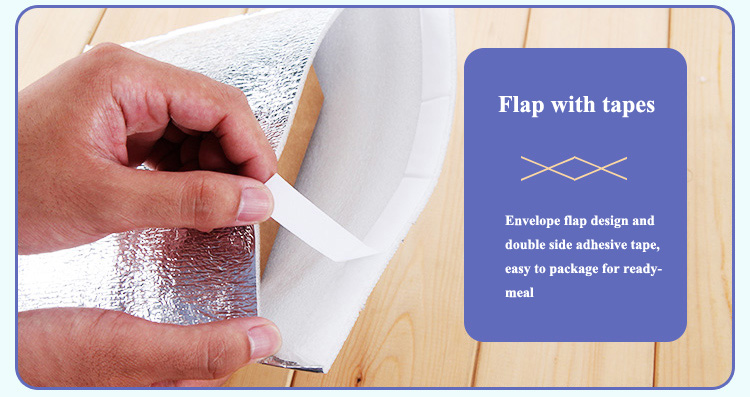
cooler backpack exporter supermarket should be chosen with a simple rule: buy for the real route, the real product, and the real buyer expectation. The best results come when you combine buyer-guide discipline, Materialwissenschaft, Und 2026 market context in one decision process. This optimized article brings those pieces together so you can choose a better bag and a better partner with less guesswork.
Dieser Artikel hilft Ihnen bei der Beantwortung
- Why route-based buying improves cooler backpack exporter supermarket outcomes
- Welche Materialien, Merkmale, and packout choices create reliable hold time
- What tests and compliance records prove the bag is ready
- Wie 2026 market and sustainability changes should affect your sourcing plan
- What questions help you choose the right long-term partner
Why Should You Buy Cooler Backpack Exporter Supermarket From Route Truth?
The best cooler backpack exporter supermarket choice starts with route truth. You do not buy a bag to own a bag. You buy it to protect a product through a specific trip, in a specific climate, with a specific handling rhythm. When buyers skip that definition, they often pay for the wrong features twice: first in the quote and then again in complaints, Abfall, or emergency replacements.
That is why the first sourcing question should not be 'What is your cheapest option?' It should be 'What exactly must this bag do by the end of the route?' If you can define payload, target condition, Streckendauer, and load behavior in plain language, you immediately make supplier comparison more meaningful. You also make it easier to build one program that operations, Beschaffung, and QA can all understand.
Start With One Clear Definition of Success
Für viele Käufer, success can be written in one short paragraph. It says what product is carried, how long the route lasts, what outside conditions matter, how often the bag is opened, and what condition is acceptable at delivery. That short paragraph becomes the foundation for material choice, Testen, and supplier discussion.
| Buying Level | Route Reality | Recommended Focus | Was Sie gewinnen |
| Entry backpack | 15-20 kg route load | Short urban runs | Good for pilot programs |
| Reinforced backpack | 20-25 kg route load | Dense supermarket delivery | Better comfort and SKU protection |
| Multi-zone backpack | 20-25 kg with separation | Frozen plus chilled orders | Lower temperature mix-up risk |
- Write the route first, then review the bag.
- Keep performance promises tied to a defined use case.
- Segment low-risk, Kern, and premium routes before ordering samples.
What Material Stack Works Best for Your Real Use Case?
A reliable cooler backpack is a layer system. The outer layer manages appearance and wear. The insulation core slows heat flow. The liner manages cleaning, Feuchtigkeit, and user confidence. If you want better performance, ask how those layers work together instead of asking for more insulation as a default answer.
Matching material to use case is the key. Daily supermarket use, industrial transport, corporate gifting, and export distribution do not ask for the same balance of price, Haltbarkeit, and finish. The right stack is the one that protects the product without creating unnecessary weight, cleaning trouble, or cost. That is why simple, honest material selection usually beats impressive but poorly matched complexity.
Choose Materials for Behavior, Not for Brochure Language
If the bag will be reused often, prioritize stronger outer fabric, Verstärkung, and a cleanable liner. If branding matters most, print quality and appearance still need to be checked after moisture and handling exposure. If the project is sustainability-led, verify how the claim is supported and whether the material story stays credible in the real use case.
| Material Stack | Am besten für | Watch-Out | Praktischer Wert |
| 420D/600D polyester + thick EPE | Daily delivery routes | Needs reinforced stress points | Good durability at export-friendly cost |
| RPET-Gewebe + XPE + HEUTE | Premium supermarket brand programs | Higher MOQ for color matching | Strong brand story and repeat use |
| Woven fabric + rigid base panel | Heavy basket-style orders | Etwas schwerer | Better load stability for bottles and dairy |
| Foil-lined backpack with divider panels | Mixed chilled orders | Divider setup must fit SKU mix | Less product crush and better organization |
- Ask for exact layer names and nominal thickness ranges.
- Review liner choice together with cleaning method and food-contact expectations.
- Test paper-forward or recycled-content concepts under the same conditions users will see.
What Tests and Documents Prove the Bag Is Ready?
Testing proves whether the design story holds together. A serious thermal claim should always come with route conditions: Nutzlast, Starttemperatur, Kühlmittel, Umgebungsbereich, and opening pattern. If those details are missing, you are not looking at a decision tool. You are looking at marketing language.
Compliance logic matters too. The FDA position is straightforward: food-contact substances used through packaging, Lagerung, or handling must be authorized for the intended use. In einfachen Worten, your liner is not food-safe just because a seller says so; das Material, its migration behavior, and the actual use condition all matter. Im Klartext, a liner is not 'food safe' because a seller says so; das Material, its migration behavior, and the intended use condition all matter. If your program touches the EU market, food-contact materials also need to align with EU safety and GMP expectations, plus traceability and compliance documentation. In beiden Fällen, the simpler rule is that production version should match the exact version you intend to buy.
Use Recognized Validation Logic to Ask Better Questions
For higher-risk shipping programs, buyers often lean on the logic behind ISTA Standard 20 and 7E to structure package qualification, while ASTM D3103 remains a practical reference for evaluating thermal insulation performance. Air transport rules also push buyers toward documented packaging procurement. The point is not to sound technical. The point is to make your buying evidence stronger.
| Proof Item | What It Should Show | What Weak Evidence Looks Like | Warum Sie es brauchen |
| Back panel load test | Process consistency | Method and acceptance criteria should be clear | Creates confidence before scale-up |
| Strap fatigue test | Mechanical durability | Short tests can hide fatigue issues | Cuts field failures on repeat-use SKUs |
| Thermal retention on a full grocery order | Real hold-time behavior | Test without route detail is weak | Lets you compare claims with evidence |
| Food-contact suitability for inner liner | Documented suitability or traceability | Generic statements are not enough | Helps procurement and QA sign off faster |
| Country-specific import labeling | Documented suitability or traceability | Generic statements are not enough | Helps procurement and QA sign off faster |
- Ask for the method behind every number that affects the PO.
- Link compliance paperwork to the exact liner or coating version.
- Treat approved samples, Unterlagen, and change-control rules as one package.
Was tun 2026 Market and Sustainability Shifts Mean for Buying?
2026 buying decisions are shaped by both demand growth and sustainability pressure. Industry forecasts published in late 2025 estimated the global cold chain packaging market at about USD 35.3 Milliarden in 2025 and projected it to reach roughly USD 52.2 Milliarden von 2030. Even if exact forecasts differ by analyst, Die Richtung ist klar: more temperature-sensitive trade is creating more pressure on soft-sided packaging performance. Even if exact forecasts differ by analyst, Die Richtung ist klar: more temperature-sensitive trade is creating more pressure on soft-sided packaging performance. Gleichzeitig, buyers are being asked to explain reuse, materielle Klarheit, Dokumentation, und Abfallreduzierung.
Nach Angaben der Europäischen Kommission ist die Verordnung über Verpackungen und Verpackungsabfälle am in Kraft getreten 11 Februar 2025 and will generally apply from 12 August 2026. Für Käufer, that means packaging design, Materialeffizienz, Logik wiederverwenden, and documentation are moving from a nice-to-have topic to a buying criterion. Für dich, that means packaging design, Materialeffizienz, Logik wiederverwenden, and documentation are moving from nice to have to buying criteria. The practical takeaway is that a credible packaging story now needs to cover performance and sustainability together. A bag that looks green but performs poorly is weak. A bag that performs well but comes with vague material claims also creates risk.
The Strongest Programs Make Performance and Sustainability Work Together
A backpack that lasts longer and cleans faster often beats a backpack with a vague recycled-content claim but weak seams. That usually means simpler segmentation, clearer material choices, stärkere Dokumentation, and honest communication about expected service life. You do not need a perfect bag for every possible future route. You need a well-defined bag range that fits your actual business and can evolve without losing control of quality.
| 2026 Shift | What Buyers Are Asking | What Good Suppliers Provide | Warum ist es wichtig |
| Growth in delivery and cold chain | Can this bag fit real service levels? | Route-based recommendations | Reduces mismatch |
| Nachhaltigkeitsdruck | What is the material story and proof? | Clear declarations and honest trade-offs | Supports procurement approval |
| Higher documentation expectations | Can QA trust this version? | Traceable specs and change control | Schützt Nachbestellungen |
| Cost pressure | Where can we save without weakening the bag? | Cube-efficient and tiered designs | Improves total cost |
- Pair every sustainability claim with a performance check.
- Verwenden 2026 market growth to simplify your bag range, not to multiply SKUs.
- Keep documentation aligned with the exact version being quoted.
How Do You Choose the Right Partner and Next Step?
The right partner helps you make fewer decisions twice. A capable supplier explains route fit clearly, shows the material stack openly, documents tests honestly, and manages change before it becomes a problem. That kind of partner saves time because your team spends less energy rechecking the same basics on every order.
Before you move ahead, align on the approved sample, the bill of materials, the test logic, the lead-time plan, and the claim-handling process. If any of those points feel vague, slow down and fix the gap early. In sourcing, clarity is almost always cheaper before the PO than after the complaint.
Your Next-Step Checklist
If you want a stronger cooler backpack exporter supermarket result, ask for a sample that matches your real route, request the supporting documents behind the quote, and score the supplier on repeatability as well as price. That simple process gives you a better bag, a safer order, and a more stable long-term sourcing model.
| Decision Checkpoint | Was zu bestätigen ist | Why It Protects You | Best Action |
| Route definition | Nutzlast, Dauer, Umgebungsprofil, and opening pattern | Stops generic quoting | Write it before final RFQ |
| Material lock | Approved layer stack and tolerances | Prevents hidden changes | Store with the sample |
| Evidence pack | Thermal method, Unterlagen, Inspektionsplan | Strengthens sign-off | Review before PO |
| Commercial control | Vorlaufzeit, Ansprüche, Änderungsmitteilung | Improves long-term supply | Put it in writing |
- Choose the partner who gives the clearest evidence, not only the lowest first quote.
- Pilot high-risk applications before large-scale rollout.
- Protect repeatability with written change-control rules.
2026 Trends Shaping the Backpack Market
2026 is pushing buyers toward more specific, more documented, and more sustainable cooler backpack programs. Industry forecasts published in late 2025 estimated the global cold chain packaging market at about USD 35.3 Milliarden in 2025 and projected it to reach roughly USD 52.2 Milliarden von 2030. Even if exact forecasts differ by analyst, Die Richtung ist klar: more temperature-sensitive trade is creating more pressure on soft-sided packaging performance. Supermarkets want cooler backpacks that work in real rider conditions, not only in catalog photos.
Neueste Entwicklungen auf einen Blick
- Cold-chain growth: Industry forecasts published in late 2025 estimated the global cold chain packaging market at about USD 35.3 Milliarden in 2025 and projected it to reach roughly USD 52.2 Milliarden von 2030. Even if exact forecasts differ by analyst, Die Richtung ist klar: more temperature-sensitive trade is creating more pressure on soft-sided packaging performance.
- Validation mindset: For higher-risk shipping programs, buyers often lean on the logic behind ISTA Standard 20 and 7E to structure package qualification. The lesson is simple: validate the actual pack, not a marketing sketch. ASTM D3103 remains a practical reference for evaluating thermal insulation performance. You do not need to be a lab expert to use the lesson behind it: insulation should be described with method, Bedingungen, and comparable results.
- Rule pressure on packaging: Nach Angaben der Europäischen Kommission ist die Verordnung über Verpackungen und Verpackungsabfälle am in Kraft getreten 11 Februar 2025 and will generally apply from 12 August 2026. Für Käufer, that means packaging design, Materialeffizienz, Logik wiederverwenden, and documentation are moving from a nice-to-have topic to a buying criterion.
From a market point of view, this means buyers are narrowing their preferred partners to those who can combine clear material explanations, realistische Tests, and practical commercial support. Mit anderen Worten, the future belongs less to the supplier with the biggest promise and more to the partner with the clearest evidence.
Häufig gestellte Fragen
What is the smartest first step in buying cooler backpack exporter supermarket?
Define the real route and the target condition at the end of that route. That one step improves material selection, testing requests, and supplier comparison immediately.
Which part of the bag most often causes failure?
Schließungen, Nähte, stress points, and poor packout often cause failure before the body panel does. These details deserve more attention than they usually get.
How do you balance performance and sustainability in 2026?
Choose the simplest design that still meets the route, then support any sustainability claim with clear material and compliance information. Honest trade-offs beat vague promises.
What makes a supplier the right long-term partner?
Clear route-based recommendations, stable repeat quality, honest documentation, und schriftliche Änderungskontrolle. Der Preis ist wichtig, but repeatability matters more.
When should you pilot before full rollout?
Pilot whenever the application is new, the climate is harsh, the product is high value, or the performance promise is tied closely to brand or compliance risk.
Zusammenfassung und Empfehlungen
The strongest cooler backpack exporter supermarket programs are built on five clear ideas. Erste, define the real route. Zweite, match the material stack to actual use instead of generic claims. Dritte, protect critical details such as closures, Basen, Nähte, and liners. Vierte, ask for testing and documentation that match the production version. Fifth, choose a partner who can repeat quality as reliably as they can win a first order.
If you are planning your next project, start with a route description, a sample request tied to that route, and a short supplier scorecard. That gives you a practical next step without overcomplicating the process. For high-risk or high-visibility programs, add a pilot run before full rollout so your team can confirm the bag under real operating conditions.
Über Tempk
Und Tempk, we focus on cold-chain packaging solutions designed around real routes and real operating pressure. We work on practical cooler backpack programs that balance insulation, Haltbarkeit, Reinigbarkeit, Branding, and scalable production. Our team pays close attention to material selection, Validierungslogik, and repeat-order consistency so buyers can make decisions with more confidence and less guesswork.
Der nächste Schritt ist einfach: share your route details, Zielhaltezeit, Nutzlast, and order goals. We can then help you narrow the right structure, testing approach, and commercial path for a stronger project.
Thermal Shipping Bag Promotional: Komplette Anleitung 2026
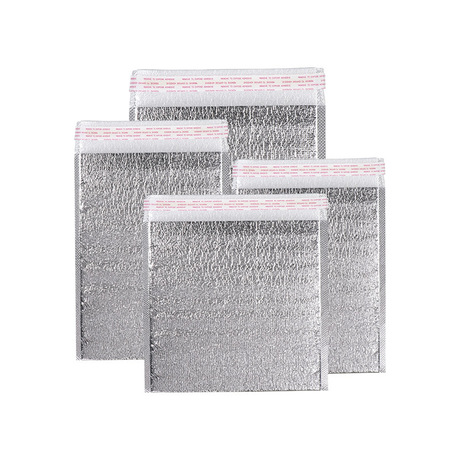
The best thermal shipping bag promotional strategy in 2026 vereint drei Dinge: richtiges Produktdesign, dokumentierte Einhaltung, und ein Beschaffungsmodell, das Sie ohne Qualitätsschwankungen skalieren können. Sie benötigen die praktische Käuferlogik eines Handelsführers, der Beweis einer technischen Überprüfung, und die Marktbekanntheit eines Trendberichts. Dieser optimierte Artikel vereint diese Stärken, sodass Sie schneller und mit weniger Risiko einkaufen können.
Was dieser Artikel Ihnen bei der Beantwortung helfen wird
- So wählen Sie die richtige Thermo-Versandtaschenkonfiguration für Ihre Nutzlast aus, Route, und Budget.
- Welche Materialien, Compliance-Dokumente, und Validierungstests trennen sichere Taschen von riskanten Taschen.
- So reduzieren Sie Abfall, Kontrollkosten, and future-proof your bag program for 2026.
- Was der neueste Markt, Verordnung, und Nachhaltigkeitssignale bedeuten für Ihre nächste Bestellung.
Thermal Shipping Bag Promotional: Was ist die beste Kaufstrategie? 2026?
The best thermal shipping bag promotional decision starts with route truth. Sie müssen wissen, was Sie tragen, wie lange du es trägst, Wie oft öffnet sich die Tüte?, und welcher Zustand muss geschützt werden, wenn die Route endet. Nur dann können Sie die richtige Thermo-Versandtaschengröße auswählen, Isolationsklasse, Liner, und Lieferantenmodell. Das klingt einfach, Aber es ist der Schritt, den viele Käufer überspringen, wenn sie direkt zum Angebot eilen.
In 2026, Starke Beschaffungsteams behandeln die Tasche als Teil eines Betriebssystems. Sie verbinden die Tasche mit der Zuladungsdisziplin, Auswahl des Kältemittels, Eingangskontrolle, Reinigung, und Nachbestellungsplanung. That system view creates better performance and better SEO-style content because it answers the buyer's real question: Wie wird mir dieses Produkt zum Erfolg verhelfen?? Für die meisten Projekte, the answer lives in route fit, not in a dramatic headline claim.
Warum verbessert das Route-First-Denken die Beschaffung von Thermo-Versandtaschen??
For thermal shipping bag promotional, the right target is a design that protects short to medium controlled-temperature routes, bleibt für den Anwender praktisch, und bleibt kommerziell wiederholbar. Wenn eine Tasche technisch beeindruckend, aber schwer zu reinigen ist, umständlich zu tragen, oder in der Massenproduktion instabil, es ist keine gute Lösung. Ebenfalls, wenn es günstig und attraktiv ist, aber bei der realen Handhabung versagt, es wird sehr schnell teuer. The winning option is the one that balances performance, Benutzerfreundlichkeit, and supply stability.
Route-First-Entscheidungsrahmen
| Eingang | Warum ist es wichtig | Was es verändert | Bedeutung für Sie |
| Payload and temperature target | Sets the protection goal | Taschengröße, Liner, and refrigerant choice | Stops you from buying a bag that solves the wrong problem |
| Route duration and openings | Shapes real heat gain | Insulation level and closure strategy | Turns hold-time claims into useful decisions |
| User handling pattern | Changes wear and cleaning burden | Außenschale, Hardware, und Ergonomie | Protects daily service quality |
| Reorder plan | Controls scaling risk | Supplier model and documentation | Keeps success repeatable after the pilot |
Umsetzbare Tipps für Käufer
- Write a one-page route brief before requesting quotations for thermal shipping bag promotional.
- Wählen Sie zuerst die Tasche um die wichtigste Spur aus, Dann passen Sie sich nur dann nach außen an, wenn die Daten dies unterstützen.
- Halten Sie Ihre Kaufkriterien sichtbar: Route fit, Einhaltung, Lebensdauer, und die Gesamtkosten sollten alle bewertet werden.
Beispiel für einen optimierten Ansatz: Ein Käufer reduzierte die Verwirrung, indem er eine Kernroute definierte, eine Nutzlast, und einen Akzeptanzstandard, bevor wir über Dekoration sprechen. Sobald sich das Team auf diese Grundlagen geeinigt hatte, Der Lieferantenvergleich wurde schneller und objektiver.
Thermal Shipping Bag Promotional: welche Spezifikationen sichere Taschen von riskanten Taschen unterscheiden??
Sobald die Route klar ist, Die nächste Aufgabe besteht darin, sinnvolle Spezifikationen vom dekorativen Rauschen zu trennen. For thermal shipping bag promotional, the critical specification layers are the outer shell, Isolationskern, Innenfutter, Verschlusssystem, und Tragestruktur. Diese fünf Bereiche entscheiden darüber, ob sich die Tasche stabil anfühlt, reinigt leicht, und hält die Temperatur lange genug unter Kontrolle, um die Aufgabe zu erfüllen. Alles andere sollte diesen Grundlagen dienen, nicht von ihnen ablenken.
In praktischer Hinsicht, common material combinations such as printed outer shell, Isolationskern, liner matched to food or product contact needs, and closure selected for one-way or reusable use are popular because they give buyers room to balance cost and performance. Aber kein einzelner Materialname garantiert den Erfolg. Ein besserer Schaum kann durch einen schwachen Reißverschluss verschwendet werden. Eine haltbare Schale kann durch eine schlechte Auskleidung untergraben werden. Deshalb bitten kluge Einkäufer die Lieferanten, die Funktion jeder Schicht im Klartext zu erklären.
Wie überprüfen Sie die tatsächliche Verarbeitungsqualität einer Thermo-Versandtasche??
Your inspection should also focus on the common failure zones: promotional budgets can push specs too low, branding ink and material selection need compatibility, one-time campaigns often under-plan lead time, and thermal claims must be validated, nicht angenommen. Wenn diese Bereiche in der Probe schwach aussehen, Die Waage wird sie später nicht reparieren. Dagegen, wenn das Muster eine durchdachte Verstärkung und einen sauberen Innenaufbau aufweist, Normalerweise sehen Sie eine bessere Leistung auf der Strecke und weniger Beschwerden nach der Einführung. Specification clarity is one of the fastest ways to improve both buying outcomes and content quality.
Spezifikations-Checkliste, die zählt
| Komponente | Was es kontrolliert | Operativer Effekt | Praktische Bedeutung |
| Outer shell and coating | Controls wear, Feuchtigkeitsbeständigkeit, and print result | Daily handling and brand presentation | Helps the bag survive and still look professional |
| Isolationsschicht | Controls heat flow rate | Route hold time and temperature stability | Affects whether the bag fits the lane |
| Liner-Qualität | Controls leakage, Reinigbarkeit, and contact suitability | Hygiene and service life | Reduces hidden operational cost |
| Closure and reinforcement | Controls air exchange and structural failure | Thermal loss and durability | Protects performance in real use |
Umsetzbare Tipps für Käufer
- Ask for a bill of materials or layer description simple enough that non-engineers on your team can review it.
- Compare samples under handling, Laden, and cleaning conditions rather than only under static office inspection.
- Protect the functional specification first when you need to lower cost.
Spezifikationsbeispiel: one team removed extra decorative trims but kept the stronger liner and reinforced handle points. The bag still delivered the required user experience because the functional layers remained intact.
Thermal Shipping Bag Promotional: how do you qualify suppliers and compliance faster?
Qualification is where commercial confidence becomes operational confidence. For thermal shipping bag promotional, you need a compact approval pack that covers materials, Verwendungszweck, sample version control, test evidence, and supplier process discipline. This does not need to be bureaucratic. It needs to be clear enough that your quality, Einkauf, and operations teams are all approving the same bag, not three different assumptions.
For food-contact builds, US buyers usually ask whether liners, Beschichtungen, Klebstoffe, and inks fit the applicable FDA food-contact pathway. Materials used in compliance with the relevant 21 CFR 174 Zu 179 provisions usually form the starting point of that conversation, and buyers also ask for migration and intended-use clarity. In healthcare and pharmaceutical routes, EU Good Distribution Practice treats temperature protection as a controlled process rather than a product brochure claim. Supplier qualification, dokumentierte Verfahren, correct storage conditions, and retained records all matter when the bag supports medicinal-product distribution. Thermal claims are stronger when they are linked to recognized validation language. Buyers commonly reference ASTM D3103 for thermal insulation performance and ASTM D4169 for distribution hazards such as drops, Vibration, Stapelung, und Umgang mit Stress.
What should be in the approval pack for a thermal shipping bag?
For monitored healthcare routes, the market is also moving toward better temperature visibility. Hospital and vaccine projects now expect better monitoring discipline. CDC guidance continues to favor continuous digital data loggers that record at least every 30 Minuten, use a buffered probe, and provide current, Minimum, and maximum readings with calibration evidence. Even outside healthcare, the broader lesson applies: evidence lowers approval friction. When you can show what was tested, how it was tested, and what revision was approved, reorders become far easier to defend.
Fast qualification framework
| Element | Was es abdeckt | Warum ist es wichtig | Was es für Sie bedeutet |
| Use-case definition | Essen, Gesundheitspflege, Einzelhandel, Export, or general delivery | Clarifies which rules and documents matter | Stops generic claims from derailing the review |
| Materialdeklarationen | Liner, Stoff, Beschichtung, ink, Klebstoff | Supports food-contact and suitability questions | Helps quality teams review faster |
| Test evidence | Thermal setup and handling validation | Builds trust in real-world performance | Turns sales language into decision-ready evidence |
| Supplier process control | Sample approval and change control | Protects batch consistency | Makes the first successful order repeatable |
Umsetzbare Tipps für Käufer
- Keep the approval file short but complete: route brief, Beispielfotos, revision notes, Materialdeklarationen, and test summary are the essentials.
- Do not accept a thermal claim unless the supplier explains payload, Umgebungsbedingungen, Kältemittel, und Dauer.
- Use the same qualification file for reorders so you can spot drift before it reaches the field.
Qualification example: a buyer shortened internal approval time by storing every sample revision, material note, and test summary in one shared file. The next reorder took less effort because the team was not rebuilding the decision from memory.
Thermal Shipping Bag Promotional: how do you reduce cost and improve sustainability?
Der Stärkste 2026 sourcing plans reduce cost and environmental pressure at the same time. For thermal shipping bag promotional, that usually means right-sizing the bag, simplifying unnecessary decoration, improving reuse cycles, and controlling damage or complaint rates. A bag that lasts longer and fits the route better often creates less waste and less hidden cost. That is why sustainability works best when it is built into the operating model.
EU packaging policy is already changing buyer behavior. The Packaging and Packaging Waste Regulation entered into force in February 2025 und gilt grundsätzlich ab August 12, 2026, so EU buyers increasingly ask for recyclable-ready designs, niedrigere Verpackungsabfälle, and clearer material declarations. Sustainability is no longer just a story on the sales sheet. Buyers increasingly compare single-use and reusable systems by cost per trip, Schadensrate, Reinigungsaufwand, and waste reduction rather than by unit price alone. This does not mean every project should become complex or expensive. It means buyers should ask whether the bag design helps reduce dead space, avoid unnecessary replacement, and support a clearer material story.
Which sustainability choices actually change the economics of a thermal shipping bag?
From a financial view, the key metric is not unit price alone. It is total cost over the life of the program, inklusive Fracht, Misserfolge, Arbeit, and reorder stability. Für dieses Stichwort, the sourcing emphasis is brand visibility, event timing, perceived value, and practical thermal function, so your sustainability plan should support that commercial reality instead of fighting it. When operational logic and sustainability logic move together, decision-making gets much easier.
Cost and sustainability together
| Auswahl | Nutzen | Abtausch | Praktische Bedeutung |
| Right-sized design | Lower dead space and fewer wasted materials | May reduce SKU flexibility | Improves both thermal efficiency and resource use |
| Stronger reusable build | More trips per bag | Higher unit cost upfront | Can lower total cost over time |
| Simplified decoration | Less complexity and lower scrap risk | Less visual flair | Protects functional value at a better cost |
| Clear material story | Faster buyer acceptance | Needs disciplined documentation | Unterstützt 2026 compliance and sustainability discussions |
Umsetzbare Tipps für Käufer
- Track complaint rate and replacement rate as sustainability metrics, not just as service metrics.
- Choose the simplest bag specification that still protects the real route and expected service life.
- Treat waste reduction as a design and forecasting problem, not only as a recycled-material problem.
Optimization example: a buyer lowered replacement frequency and cut receiving issues by standardizing one stronger specification for the highest-volume route. The result was less waste, weniger Überraschungen, and a cleaner total-cost picture.
2026 trends for Thermal Shipping Bag Promotional
The market outlook for thermal shipping bag promotional remains positive, but the quality of buyer demand is changing faster than the size of demand. Published 2025 Zu 2026 market outlooks point in the same direction even when exact figures vary: insulated food delivery bags and reusable cold-chain packaging are still growing, with many forecasts clustering in the mid- to high-single-digit range and broader cold-chain packaging sometimes growing faster because pharma and biologics pull demand upward. In der Praxis, that means more buyers are entering the category with clearer requirements, tighter approval logic, and less tolerance for unsupported claims. Suppliers that educate well are outperforming suppliers that only quote quickly.
Three forces are shaping 2026 most strongly. Erste, regulatory and sustainability pressure is pushing buyers toward clearer material stories and lower-waste designs. Zweite, digital traceability and simple monitoring features are becoming more common. Dritte, the market now values proven platforms with controlled customization over endless one-off experimentation. Those shifts reward disciplined manufacturers, exporters, and distributors.
Neueste Entwicklungen auf einen Blick
2026 market and sourcing signals
| Signal | What is happening | Warum ist es wichtig | Bedeutung für Sie |
| Proof over promises | More test-backed and document-backed buying | Raises the bar for suppliers | Makes strong suppliers easier to identify |
| Reuse and waste reduction | More cost-per-use thinking | Requires route and service-life data | Rewards durable and right-sized designs |
| Digitale Sichtbarkeit | Growing interest in batch traceability and logger-ready details | Needs better process discipline | Improves trust in sensitive routes |
| Platform-based customization | Faster launches with fewer quality surprises | Less freedom for constant redesign | Supports scale with control |
Umsetzbare Tipps für Käufer
- Verwenden 2026 trends to sharpen your scorecard, not to chase every new feature.
- Favor suppliers that can explain how a trend changes your route performance or total cost.
- Keep your final buying language practical: measurable performance, measurable service life, measurable documentation quality.
Trend example: companies that standardize a proven bag platform and then customize only the outer layer are often scaling faster than companies that rebuild the entire bag for every new request.
The opportunity for buyers is strong if you move early with a structured scorecard. Choose suppliers that can teach, prüfen, und Dokument. Use one validated route as your proof point. Then scale only when the bag, Verfahren, and reorder model all show the same level of control. That is the cleanest way to win with thermal shipping bag in 2026.
Häufig gestellte Fragen
Is a cheaper thermal shipping bag always the better buy?
NEIN. A lower-priced bag can create higher costs through weak zippers, liner failure, short service life, or product loss. Compare the bag by route fit, expected reuse, Reklamationsrisiko, und Anschaffungsnebenkosten, not by unit price alone.
How do I choose the right size for thermal shipping bag promotional?
Start with your real payload, Kältemittel, and loading method. The right size leaves enough room for organized pack-out but avoids too much empty air. Oversized bags often waste cooling capacity and make handling harder.
What should I ask a supplier before approving samples?
Ask for the layer description, critical dimensions, expected use case, thermal test setup, Verpackungsmethode, and change-control process. A supplier that can explain those clearly is usually easier to work with after the order is placed.
Are reusable bags always more sustainable?
Nicht automatisch. Reuse only works when the bag survives enough trips, can be cleaned practically, and does not create high return or replacement waste. Measure sustainability by actual service life and operational fit.
Do I need thermal testing for every project?
Not every project needs a complex laboratory program, but serious commercial use should still be validated in a way that matches the route. Even a simple pilot test with defined conditions is better than relying on a generic claim.
How can I reduce risk on the first order?
Freeze the specification before mass production, approve one sample file in writing, run a pilot if the route matters, and score suppliers on documentation and response quality as well as on price.
Should I favor customization or a proven platform?
In den meisten Fällen, start from a proven platform and customize the outer expression. That approach shortens development time, protects functional quality, and makes future reorders easier to control.
How do sustainability rules affect future bag design?
They push buyers toward clearer material declarations, weniger Abfall, and more defensible reuse or recyclability conversations. The best response is to simplify the design where possible and document the material story honestly.
Zusammenfassung und Empfehlungen
The optimized view of thermal shipping bag promotional is clear. The best bag is the one that matches route reality, uses meaningful specifications, passes a practical approval process, and stays commercially stable as demand grows. When those elements come together, Leistung, Kostenkontrolle, Nachhaltigkeit, and SEO value all improve.
Your next step is to create one route brief, one sample approval file, and one supplier scorecard. Use them together. That simple framework is usually enough to improve buying quality faster than adding more theory.
Über Tempk
Und Tempk, Wir konzentrieren uns auf Kühlkettenverpackungen mit praktischer Routenlogik hinter jeder Empfehlung. Wir arbeiten an isolierten Taschen, Kältemittel, und Versandlösungen, die Käufern helfen, die Leistung zu vergleichen, Compliance-Fragen, und Betriebskosten mit mehr Klarheit. Unsere Stärke besteht darin, technische Verpackungsentscheidungen in klare Entscheidungen umzuwandeln, auf die Teams reagieren können.
If you are evaluating a thermal shipping bag promotional project, Der nächste sinnvolle Schritt ist eine routenbasierte Diskussion: Nutzlast, Zieltemperaturband, Dauer, Eröffnungsmuster, and reuse plan. Mit diesen Details, Es wird viel einfacher, eine Spezifikation für eine Thermoversandtasche zu empfehlen, die zur Aufgabe passt.
Thermal Lunch Bag Bulk: Komplette Anleitung 2026
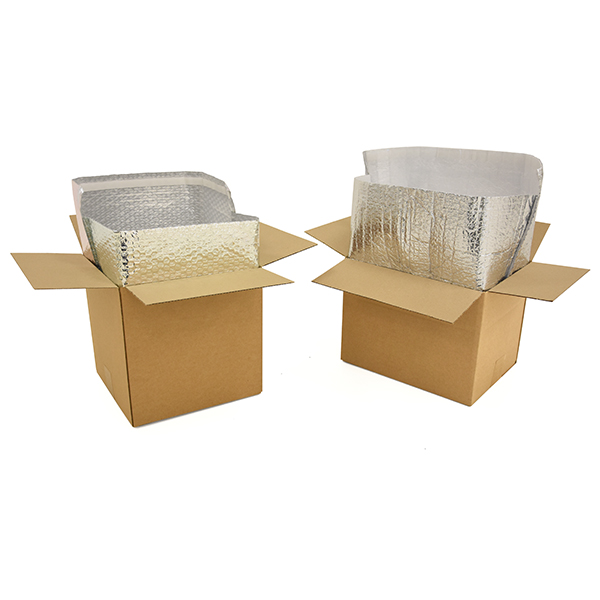
The best thermal lunch bag bulk strategy in 2026 vereint drei Dinge: richtiges Produktdesign, dokumentierte Einhaltung, und ein Beschaffungsmodell, das Sie ohne Qualitätsschwankungen skalieren können. Sie benötigen die praktische Käuferlogik eines Handelsführers, der Beweis einer technischen Überprüfung, und die Marktbekanntheit eines Trendberichts. Dieser optimierte Artikel vereint diese Stärken, sodass Sie schneller und mit weniger Risiko einkaufen können.
Was dieser Artikel Ihnen bei der Beantwortung helfen wird
- How to choose the right thermal lunch bag configuration for your payload, Route, und Budget.
- Welche Materialien, Compliance-Dokumente, und Validierungstests trennen sichere Taschen von riskanten Taschen.
- So reduzieren Sie Abfall, Kontrollkosten, and future-proof your bag program for 2026.
- Was der neueste Markt, Verordnung, und Nachhaltigkeitssignale bedeuten für Ihre nächste Bestellung.
Thermal Lunch Bag Bulk: Was ist die beste Kaufstrategie? 2026?
The best thermal lunch bag bulk decision starts with route truth. Sie müssen wissen, was Sie tragen, wie lange du es trägst, Wie oft öffnet sich die Tüte?, und welcher Zustand muss geschützt werden, wenn die Route endet. Only then can you choose the right thermal lunch bag size, Isolationsklasse, Liner, und Lieferantenmodell. Das klingt einfach, Aber es ist der Schritt, den viele Käufer überspringen, wenn sie direkt zum Angebot eilen.
In 2026, Starke Beschaffungsteams behandeln die Tasche als Teil eines Betriebssystems. Sie verbinden die Tasche mit der Zuladungsdisziplin, Auswahl des Kältemittels, Eingangskontrolle, Reinigung, und Nachbestellungsplanung. That system view creates better performance and better SEO-style content because it answers the buyer's real question: Wie wird mir dieses Produkt zum Erfolg verhelfen?? Für die meisten Projekte, the answer lives in route fit, not in a dramatic headline claim.
Why does route-first thinking improve thermal lunch bag sourcing?
For thermal lunch bag bulk, the right target is a design that protects cold meals, fresh items, or short hot-hold routes depending on the pack-out, bleibt für den Anwender praktisch, und bleibt kommerziell wiederholbar. Wenn eine Tasche technisch beeindruckend, aber schwer zu reinigen ist, umständlich zu tragen, oder in der Massenproduktion instabil, es ist keine gute Lösung. Ebenfalls, wenn es günstig und attraktiv ist, aber bei der realen Handhabung versagt, es wird sehr schnell teuer. The winning option is the one that balances performance, Benutzerfreundlichkeit, and supply stability.
Route-First-Entscheidungsrahmen
| Eingang | Warum ist es wichtig | Was es verändert | Bedeutung für Sie |
| Payload and temperature target | Sets the protection goal | Taschengröße, Liner, and refrigerant choice | Stops you from buying a bag that solves the wrong problem |
| Route duration and openings | Shapes real heat gain | Insulation level and closure strategy | Turns hold-time claims into useful decisions |
| User handling pattern | Changes wear and cleaning burden | Außenschale, Hardware, und Ergonomie | Protects daily service quality |
| Reorder plan | Controls scaling risk | Supplier model and documentation | Keeps success repeatable after the pilot |
Umsetzbare Tipps für Käufer
- Write a one-page route brief before requesting quotations for thermal lunch bag bulk.
- Wählen Sie zuerst die Tasche um die wichtigste Spur aus, Dann passen Sie sich nur dann nach außen an, wenn die Daten dies unterstützen.
- Halten Sie Ihre Kaufkriterien sichtbar: Route fit, Einhaltung, Lebensdauer, und die Gesamtkosten sollten alle bewertet werden.
Beispiel für einen optimierten Ansatz: Ein Käufer reduzierte die Verwirrung, indem er eine Kernroute definierte, eine Nutzlast, und einen Akzeptanzstandard, bevor wir über Dekoration sprechen. Sobald sich das Team auf diese Grundlagen geeinigt hatte, Der Lieferantenvergleich wurde schneller und objektiver.
Thermal Lunch Bag Bulk: welche Spezifikationen sichere Taschen von riskanten Taschen unterscheiden??
Sobald die Route klar ist, Die nächste Aufgabe besteht darin, sinnvolle Spezifikationen vom dekorativen Rauschen zu trennen. For thermal lunch bag bulk, the critical specification layers are the outer shell, Isolationskern, Innenfutter, Verschlusssystem, und Tragestruktur. Diese fünf Bereiche entscheiden darüber, ob sich die Tasche stabil anfühlt, reinigt leicht, und hält die Temperatur lange genug unter Kontrolle, um die Aufgabe zu erfüllen. Alles andere sollte diesen Grundlagen dienen, nicht von ihnen ablenken.
In praktischer Hinsicht, common material combinations such as polyester, canvas, or nonwoven outer shell, PE foam or EPE insulation, PEVA or aluminum-style inner lining, and simple zipper or hook-and-loop closure are popular because they give buyers room to balance cost and performance. Aber kein einzelner Materialname garantiert den Erfolg. Ein besserer Schaum kann durch einen schwachen Reißverschluss verschwendet werden. Eine haltbare Schale kann durch eine schlechte Auskleidung untergraben werden. Deshalb bitten kluge Einkäufer die Lieferanten, die Funktion jeder Schicht im Klartext zu erklären.
How do you inspect the real build quality of a thermal lunch bag?
Your inspection should also focus on the common failure zones: Bei kostengünstigen Konstruktionen reißen dünne Liner, Ein Zusammenbruch der Form kann den wahrgenommenen Wert verringern, Die Geruchskontrolle hängt von der Qualität der Auskleidung ab, und die Nähte an den Griffen können bei starker Beanspruchung versagen. Wenn diese Bereiche in der Probe schwach aussehen, Die Waage wird sie später nicht reparieren. Dagegen, wenn das Muster eine durchdachte Verstärkung und einen sauberen Innenaufbau aufweist, Normalerweise sehen Sie eine bessere Leistung auf der Strecke und weniger Beschwerden nach der Einführung. Specification clarity is one of the fastest ways to improve both buying outcomes and content quality.
Spezifikations-Checkliste, die zählt
| Komponente | Was es kontrolliert | Operativer Effekt | Praktische Bedeutung |
| Outer shell and coating | Controls wear, Feuchtigkeitsbeständigkeit, and print result | Daily handling and brand presentation | Helps the bag survive and still look professional |
| Isolationsschicht | Controls heat flow rate | Route hold time and temperature stability | Affects whether the bag fits the lane |
| Liner-Qualität | Controls leakage, Reinigbarkeit, and contact suitability | Hygiene and service life | Reduces hidden operational cost |
| Closure and reinforcement | Controls air exchange and structural failure | Thermal loss and durability | Protects performance in real use |
Umsetzbare Tipps für Käufer
- Ask for a bill of materials or layer description simple enough that non-engineers on your team can review it.
- Compare samples under handling, Laden, and cleaning conditions rather than only under static office inspection.
- Protect the functional specification first when you need to lower cost.
Spezifikationsbeispiel: one team removed extra decorative trims but kept the stronger liner and reinforced handle points. The bag still delivered the required user experience because the functional layers remained intact.
Thermal Lunch Bag Bulk: how do you qualify suppliers and compliance faster?
Qualification is where commercial confidence becomes operational confidence. For thermal lunch bag bulk, you need a compact approval pack that covers materials, Verwendungszweck, sample version control, test evidence, and supplier process discipline. This does not need to be bureaucratic. It needs to be clear enough that your quality, Einkauf, and operations teams are all approving the same bag, not three different assumptions.
For food-contact builds, US buyers usually ask whether liners, Beschichtungen, Klebstoffe, and inks fit the applicable FDA food-contact pathway. Materials used in compliance with the relevant 21 CFR 174 Zu 179 provisions usually form the starting point of that conversation, and buyers also ask for migration and intended-use clarity. In healthcare and pharmaceutical routes, EU Good Distribution Practice treats temperature protection as a controlled process rather than a product brochure claim. Supplier qualification, dokumentierte Verfahren, correct storage conditions, and retained records all matter when the bag supports medicinal-product distribution. Thermal claims are stronger when they are linked to recognized validation language. Buyers commonly reference ASTM D3103 for thermal insulation performance and ASTM D4169 for distribution hazards such as drops, Vibration, Stapelung, und Umgang mit Stress.
What should be in the approval pack for a thermal lunch bag?
For monitored healthcare routes, the market is also moving toward better temperature visibility. Hospital and vaccine projects now expect better monitoring discipline. CDC guidance continues to favor continuous digital data loggers that record at least every 30 Minuten, use a buffered probe, and provide current, Minimum, and maximum readings with calibration evidence. Even outside healthcare, the broader lesson applies: evidence lowers approval friction. When you can show what was tested, how it was tested, and what revision was approved, reorders become far easier to defend.
Fast qualification framework
| Element | Was es abdeckt | Warum ist es wichtig | Was es für Sie bedeutet |
| Use-case definition | Essen, Gesundheitspflege, Einzelhandel, Export, or general delivery | Clarifies which rules and documents matter | Stops generic claims from derailing the review |
| Materialdeklarationen | Liner, Stoff, Beschichtung, ink, Klebstoff | Supports food-contact and suitability questions | Helps quality teams review faster |
| Test evidence | Thermal setup and handling validation | Builds trust in real-world performance | Turns sales language into decision-ready evidence |
| Supplier process control | Sample approval and change control | Protects batch consistency | Makes the first successful order repeatable |
Umsetzbare Tipps für Käufer
- Keep the approval file short but complete: route brief, Beispielfotos, revision notes, Materialdeklarationen, and test summary are the essentials.
- Do not accept a thermal claim unless the supplier explains payload, Umgebungsbedingungen, Kältemittel, und Dauer.
- Use the same qualification file for reorders so you can spot drift before it reaches the field.
Qualification example: a buyer shortened internal approval time by storing every sample revision, material note, and test summary in one shared file. The next reorder took less effort because the team was not rebuilding the decision from memory.
Thermal Lunch Bag Bulk: how do you reduce cost and improve sustainability?
Der Stärkste 2026 sourcing plans reduce cost and environmental pressure at the same time. For thermal lunch bag bulk, that usually means right-sizing the bag, simplifying unnecessary decoration, improving reuse cycles, and controlling damage or complaint rates. A bag that lasts longer and fits the route better often creates less waste and less hidden cost. That is why sustainability works best when it is built into the operating model.
EU packaging policy is already changing buyer behavior. The Packaging and Packaging Waste Regulation entered into force in February 2025 und gilt grundsätzlich ab August 12, 2026, so EU buyers increasingly ask for recyclable-ready designs, niedrigere Verpackungsabfälle, and clearer material declarations. Sustainability is no longer just a story on the sales sheet. Buyers increasingly compare single-use and reusable systems by cost per trip, Schadensrate, Reinigungsaufwand, and waste reduction rather than by unit price alone. This does not mean every project should become complex or expensive. It means buyers should ask whether the bag design helps reduce dead space, avoid unnecessary replacement, and support a clearer material story.
Which sustainability choices actually change the economics of a thermal lunch bag?
From a financial view, the key metric is not unit price alone. It is total cost over the life of the program, inklusive Fracht, Misserfolge, Arbeit, and reorder stability. Für dieses Stichwort, the sourcing emphasis is carton efficiency, stable quality at scale, and predictable landed cost, so your sustainability plan should support that commercial reality instead of fighting it. When operational logic and sustainability logic move together, decision-making gets much easier.
Cost and sustainability together
| Auswahl | Nutzen | Abtausch | Praktische Bedeutung |
| Right-sized design | Lower dead space and fewer wasted materials | May reduce SKU flexibility | Improves both thermal efficiency and resource use |
| Stronger reusable build | More trips per bag | Higher unit cost upfront | Can lower total cost over time |
| Simplified decoration | Less complexity and lower scrap risk | Less visual flair | Protects functional value at a better cost |
| Clear material story | Faster buyer acceptance | Needs disciplined documentation | Unterstützt 2026 compliance and sustainability discussions |
Umsetzbare Tipps für Käufer
- Track complaint rate and replacement rate as sustainability metrics, not just as service metrics.
- Choose the simplest bag specification that still protects the real route and expected service life.
- Treat waste reduction as a design and forecasting problem, not only as a recycled-material problem.
Optimization example: a buyer lowered replacement frequency and cut receiving issues by standardizing one stronger specification for the highest-volume route. The result was less waste, weniger Überraschungen, and a cleaner total-cost picture.
2026 trends for Thermal Lunch Bag Bulk
The market outlook for thermal lunch bag bulk remains positive, but the quality of buyer demand is changing faster than the size of demand. Published 2025 Zu 2026 market outlooks point in the same direction even when exact figures vary: insulated food delivery bags and reusable cold-chain packaging are still growing, with many forecasts clustering in the mid- to high-single-digit range and broader cold-chain packaging sometimes growing faster because pharma and biologics pull demand upward. In der Praxis, that means more buyers are entering the category with clearer requirements, tighter approval logic, and less tolerance for unsupported claims. Suppliers that educate well are outperforming suppliers that only quote quickly.
Three forces are shaping 2026 most strongly. Erste, regulatory and sustainability pressure is pushing buyers toward clearer material stories and lower-waste designs. Zweite, digital traceability and simple monitoring features are becoming more common. Dritte, the market now values proven platforms with controlled customization over endless one-off experimentation. Those shifts reward disciplined manufacturers, exporters, and distributors.
Neueste Entwicklungen auf einen Blick
2026 market and sourcing signals
| Signal | What is happening | Warum ist es wichtig | Bedeutung für Sie |
| Proof over promises | More test-backed and document-backed buying | Raises the bar for suppliers | Makes strong suppliers easier to identify |
| Reuse and waste reduction | More cost-per-use thinking | Requires route and service-life data | Rewards durable and right-sized designs |
| Digitale Sichtbarkeit | Growing interest in batch traceability and logger-ready details | Needs better process discipline | Improves trust in sensitive routes |
| Platform-based customization | Faster launches with fewer quality surprises | Less freedom for constant redesign | Supports scale with control |
Umsetzbare Tipps für Käufer
- Verwenden 2026 trends to sharpen your scorecard, not to chase every new feature.
- Favor suppliers that can explain how a trend changes your route performance or total cost.
- Keep your final buying language practical: measurable performance, measurable service life, measurable documentation quality.
Trend example: companies that standardize a proven bag platform and then customize only the outer layer are often scaling faster than companies that rebuild the entire bag for every new request.
The opportunity for buyers is strong if you move early with a structured scorecard. Choose suppliers that can teach, prüfen, und Dokument. Use one validated route as your proof point. Then scale only when the bag, Verfahren, and reorder model all show the same level of control. That is the cleanest way to win with thermal lunch bag in 2026.
Häufig gestellte Fragen
Is a cheaper thermal lunch bag always the better buy?
NEIN. A lower-priced bag can create higher costs through weak zippers, liner failure, short service life, or product loss. Compare the bag by route fit, expected reuse, Reklamationsrisiko, und Anschaffungsnebenkosten, not by unit price alone.
How do I choose the right size for thermal lunch bag bulk?
Start with your real payload, Kältemittel, and loading method. The right size leaves enough room for organized pack-out but avoids too much empty air. Oversized bags often waste cooling capacity and make handling harder.
What should I ask a supplier before approving samples?
Ask for the layer description, critical dimensions, expected use case, thermal test setup, Verpackungsmethode, and change-control process. A supplier that can explain those clearly is usually easier to work with after the order is placed.
Are reusable bags always more sustainable?
Nicht automatisch. Reuse only works when the bag survives enough trips, can be cleaned practically, and does not create high return or replacement waste. Measure sustainability by actual service life and operational fit.
Do I need thermal testing for every project?
Not every project needs a complex laboratory program, but serious commercial use should still be validated in a way that matches the route. Even a simple pilot test with defined conditions is better than relying on a generic claim.
How can I reduce risk on the first order?
Freeze the specification before mass production, approve one sample file in writing, run a pilot if the route matters, and score suppliers on documentation and response quality as well as on price.
Should I favor customization or a proven platform?
In den meisten Fällen, start from a proven platform and customize the outer expression. That approach shortens development time, protects functional quality, and makes future reorders easier to control.
How do sustainability rules affect future bag design?
They push buyers toward clearer material declarations, weniger Abfall, and more defensible reuse or recyclability conversations. The best response is to simplify the design where possible and document the material story honestly.
Zusammenfassung und Empfehlungen
The optimized view of thermal lunch bag bulk is clear. The best bag is the one that matches route reality, uses meaningful specifications, passes a practical approval process, and stays commercially stable as demand grows. When those elements come together, Leistung, Kostenkontrolle, Nachhaltigkeit, and SEO value all improve.
Your next step is to create one route brief, one sample approval file, and one supplier scorecard. Use them together. That simple framework is usually enough to improve buying quality faster than adding more theory.
Über Tempk
Und Tempk, Wir konzentrieren uns auf Kühlkettenverpackungen mit praktischer Routenlogik hinter jeder Empfehlung. Wir arbeiten an isolierten Taschen, Kältemittel, und Versandlösungen, die Käufern helfen, die Leistung zu vergleichen, Compliance-Fragen, und Betriebskosten mit mehr Klarheit. Unsere Stärke besteht darin, technische Verpackungsentscheidungen in klare Entscheidungen umzuwandeln, auf die Teams reagieren können.
If you are evaluating a thermal lunch bag bulk project, Der nächste sinnvolle Schritt ist eine routenbasierte Diskussion: Nutzlast, Zieltemperaturband, Dauer, Eröffnungsmuster, and reuse plan. Mit diesen Details, it becomes much easier to recommend a thermal lunch bag specification that fits the job.
Thermo-Lunch-Tasche B2B: Komplette Anleitung 2026

The best thermal lunch bag B2B strategy in 2026 vereint drei Dinge: richtiges Produktdesign, dokumentierte Einhaltung, und ein Beschaffungsmodell, das Sie ohne Qualitätsschwankungen skalieren können. Sie benötigen die praktische Käuferlogik eines Handelsführers, der Beweis einer technischen Überprüfung, und die Marktbekanntheit eines Trendberichts. Dieser optimierte Artikel vereint diese Stärken, sodass Sie schneller und mit weniger Risiko einkaufen können.
Was dieser Artikel Ihnen bei der Beantwortung helfen wird
- How to choose the right thermal lunch bag configuration for your payload, Route, und Budget.
- Welche Materialien, Compliance-Dokumente, und Validierungstests trennen sichere Taschen von riskanten Taschen.
- So reduzieren Sie Abfall, Kontrollkosten, and future-proof your bag program for 2026.
- Was der neueste Markt, Verordnung, und Nachhaltigkeitssignale bedeuten für Ihre nächste Bestellung.
Thermo-Lunch-Tasche B2B: Was ist die beste Kaufstrategie? 2026?
The best thermal lunch bag B2B decision starts with route truth. Sie müssen wissen, was Sie tragen, wie lange du es trägst, Wie oft öffnet sich die Tüte?, und welcher Zustand muss geschützt werden, wenn die Route endet. Only then can you choose the right thermal lunch bag size, Isolationsklasse, Liner, und Lieferantenmodell. Das klingt einfach, Aber es ist der Schritt, den viele Käufer überspringen, wenn sie direkt zum Angebot eilen.
In 2026, Starke Beschaffungsteams behandeln die Tasche als Teil eines Betriebssystems. Sie verbinden die Tasche mit der Zuladungsdisziplin, Auswahl des Kältemittels, Eingangskontrolle, Reinigung, und Nachbestellungsplanung. That system view creates better performance and better SEO-style content because it answers the buyer's real question: Wie wird mir dieses Produkt zum Erfolg verhelfen?? Für die meisten Projekte, the answer lives in route fit, not in a dramatic headline claim.
Why does route-first thinking improve thermal lunch bag sourcing?
For thermal lunch bag B2B, the right target is a design that protects cold meals, fresh items, or short hot-hold routes depending on the pack-out, bleibt für den Anwender praktisch, und bleibt kommerziell wiederholbar. Wenn eine Tasche technisch beeindruckend, aber schwer zu reinigen ist, umständlich zu tragen, oder in der Massenproduktion instabil, es ist keine gute Lösung. Ebenfalls, wenn es günstig und attraktiv ist, aber bei der realen Handhabung versagt, es wird sehr schnell teuer. The winning option is the one that balances performance, Benutzerfreundlichkeit, and supply stability.
Route-First-Entscheidungsrahmen
| Eingang | Warum ist es wichtig | Was es verändert | Bedeutung für Sie |
| Payload and temperature target | Sets the protection goal | Taschengröße, Liner, and refrigerant choice | Stops you from buying a bag that solves the wrong problem |
| Route duration and openings | Shapes real heat gain | Insulation level and closure strategy | Turns hold-time claims into useful decisions |
| User handling pattern | Changes wear and cleaning burden | Außenschale, Hardware, und Ergonomie | Protects daily service quality |
| Reorder plan | Controls scaling risk | Supplier model and documentation | Keeps success repeatable after the pilot |
Umsetzbare Tipps für Käufer
- Write a one-page route brief before requesting quotations for thermal lunch bag B2B.
- Wählen Sie zuerst die Tasche um die wichtigste Spur aus, Dann passen Sie sich nur dann nach außen an, wenn die Daten dies unterstützen.
- Halten Sie Ihre Kaufkriterien sichtbar: Route fit, Einhaltung, Lebensdauer, und die Gesamtkosten sollten alle bewertet werden.
Beispiel für einen optimierten Ansatz: Ein Käufer reduzierte die Verwirrung, indem er eine Kernroute definierte, eine Nutzlast, und einen Akzeptanzstandard, bevor wir über Dekoration sprechen. Sobald sich das Team auf diese Grundlagen geeinigt hatte, Der Lieferantenvergleich wurde schneller und objektiver.
Thermo-Lunch-Tasche B2B: welche Spezifikationen sichere Taschen von riskanten Taschen unterscheiden??
Sobald die Route klar ist, Die nächste Aufgabe besteht darin, sinnvolle Spezifikationen vom dekorativen Rauschen zu trennen. For thermal lunch bag B2B, the critical specification layers are the outer shell, Isolationskern, Innenfutter, Verschlusssystem, und Tragestruktur. Diese fünf Bereiche entscheiden darüber, ob sich die Tasche stabil anfühlt, reinigt leicht, und hält die Temperatur lange genug unter Kontrolle, um die Aufgabe zu erfüllen. Alles andere sollte diesen Grundlagen dienen, nicht von ihnen ablenken.
In praktischer Hinsicht, common material combinations such as polyester, canvas, or nonwoven outer shell, PE foam or EPE insulation, PEVA or aluminum-style inner lining, and simple zipper or hook-and-loop closure are popular because they give buyers room to balance cost and performance. Aber kein einzelner Materialname garantiert den Erfolg. Ein besserer Schaum kann durch einen schwachen Reißverschluss verschwendet werden. Eine haltbare Schale kann durch eine schlechte Auskleidung untergraben werden. Deshalb bitten kluge Einkäufer die Lieferanten, die Funktion jeder Schicht im Klartext zu erklären.
How do you inspect the real build quality of a thermal lunch bag?
Your inspection should also focus on the common failure zones: Bei kostengünstigen Konstruktionen reißen dünne Liner, Ein Zusammenbruch der Form kann den wahrgenommenen Wert verringern, Die Geruchskontrolle hängt von der Qualität der Auskleidung ab, und die Nähte an den Griffen können bei starker Beanspruchung versagen. Wenn diese Bereiche in der Probe schwach aussehen, Die Waage wird sie später nicht reparieren. Dagegen, wenn das Muster eine durchdachte Verstärkung und einen sauberen Innenaufbau aufweist, Normalerweise sehen Sie eine bessere Leistung auf der Strecke und weniger Beschwerden nach der Einführung. Specification clarity is one of the fastest ways to improve both buying outcomes and content quality.
Spezifikations-Checkliste, die zählt
| Komponente | Was es kontrolliert | Operativer Effekt | Praktische Bedeutung |
| Outer shell and coating | Controls wear, Feuchtigkeitsbeständigkeit, and print result | Daily handling and brand presentation | Helps the bag survive and still look professional |
| Isolationsschicht | Controls heat flow rate | Route hold time and temperature stability | Affects whether the bag fits the lane |
| Liner-Qualität | Controls leakage, Reinigbarkeit, and contact suitability | Hygiene and service life | Reduces hidden operational cost |
| Closure and reinforcement | Controls air exchange and structural failure | Thermal loss and durability | Protects performance in real use |
Umsetzbare Tipps für Käufer
- Ask for a bill of materials or layer description simple enough that non-engineers on your team can review it.
- Compare samples under handling, Laden, and cleaning conditions rather than only under static office inspection.
- Protect the functional specification first when you need to lower cost.
Spezifikationsbeispiel: one team removed extra decorative trims but kept the stronger liner and reinforced handle points. The bag still delivered the required user experience because the functional layers remained intact.
Thermo-Lunch-Tasche B2B: how do you qualify suppliers and compliance faster?
Qualification is where commercial confidence becomes operational confidence. For thermal lunch bag B2B, you need a compact approval pack that covers materials, Verwendungszweck, sample version control, test evidence, and supplier process discipline. This does not need to be bureaucratic. It needs to be clear enough that your quality, Einkauf, and operations teams are all approving the same bag, not three different assumptions.
For food-contact builds, US buyers usually ask whether liners, Beschichtungen, Klebstoffe, and inks fit the applicable FDA food-contact pathway. Materials used in compliance with the relevant 21 CFR 174 Zu 179 provisions usually form the starting point of that conversation, and buyers also ask for migration and intended-use clarity. In healthcare and pharmaceutical routes, EU Good Distribution Practice treats temperature protection as a controlled process rather than a product brochure claim. Supplier qualification, dokumentierte Verfahren, correct storage conditions, and retained records all matter when the bag supports medicinal-product distribution. Thermal claims are stronger when they are linked to recognized validation language. Buyers commonly reference ASTM D3103 for thermal insulation performance and ASTM D4169 for distribution hazards such as drops, Vibration, Stapelung, und Umgang mit Stress.
What should be in the approval pack for a thermal lunch bag?
For monitored healthcare routes, the market is also moving toward better temperature visibility. Hospital and vaccine projects now expect better monitoring discipline. CDC guidance continues to favor continuous digital data loggers that record at least every 30 Minuten, use a buffered probe, and provide current, Minimum, and maximum readings with calibration evidence. Even outside healthcare, the broader lesson applies: evidence lowers approval friction. When you can show what was tested, how it was tested, and what revision was approved, reorders become far easier to defend.
Fast qualification framework
| Element | Was es abdeckt | Warum ist es wichtig | Was es für Sie bedeutet |
| Use-case definition | Essen, Gesundheitspflege, Einzelhandel, Export, or general delivery | Clarifies which rules and documents matter | Stops generic claims from derailing the review |
| Materialdeklarationen | Liner, Stoff, Beschichtung, ink, Klebstoff | Supports food-contact and suitability questions | Helps quality teams review faster |
| Test evidence | Thermal setup and handling validation | Builds trust in real-world performance | Turns sales language into decision-ready evidence |
| Supplier process control | Sample approval and change control | Protects batch consistency | Makes the first successful order repeatable |
Umsetzbare Tipps für Käufer
- Keep the approval file short but complete: route brief, Beispielfotos, revision notes, Materialdeklarationen, and test summary are the essentials.
- Do not accept a thermal claim unless the supplier explains payload, Umgebungsbedingungen, Kältemittel, und Dauer.
- Use the same qualification file for reorders so you can spot drift before it reaches the field.
Qualification example: a buyer shortened internal approval time by storing every sample revision, material note, and test summary in one shared file. The next reorder took less effort because the team was not rebuilding the decision from memory.
Thermo-Lunch-Tasche B2B: how do you reduce cost and improve sustainability?
Der Stärkste 2026 sourcing plans reduce cost and environmental pressure at the same time. For thermal lunch bag B2B, that usually means right-sizing the bag, simplifying unnecessary decoration, improving reuse cycles, and controlling damage or complaint rates. A bag that lasts longer and fits the route better often creates less waste and less hidden cost. That is why sustainability works best when it is built into the operating model.
EU packaging policy is already changing buyer behavior. The Packaging and Packaging Waste Regulation entered into force in February 2025 und gilt grundsätzlich ab August 12, 2026, so EU buyers increasingly ask for recyclable-ready designs, niedrigere Verpackungsabfälle, and clearer material declarations. Sustainability is no longer just a story on the sales sheet. Buyers increasingly compare single-use and reusable systems by cost per trip, Schadensrate, Reinigungsaufwand, and waste reduction rather than by unit price alone. This does not mean every project should become complex or expensive. It means buyers should ask whether the bag design helps reduce dead space, avoid unnecessary replacement, and support a clearer material story.
Which sustainability choices actually change the economics of a thermal lunch bag?
From a financial view, the key metric is not unit price alone. It is total cost over the life of the program, inklusive Fracht, Misserfolge, Arbeit, and reorder stability. Für dieses Stichwort, the sourcing emphasis is contract supply, qualification speed, and total cost of ownership, so your sustainability plan should support that commercial reality instead of fighting it. When operational logic and sustainability logic move together, decision-making gets much easier.
Cost and sustainability together
| Auswahl | Nutzen | Abtausch | Praktische Bedeutung |
| Right-sized design | Lower dead space and fewer wasted materials | May reduce SKU flexibility | Improves both thermal efficiency and resource use |
| Stronger reusable build | More trips per bag | Higher unit cost upfront | Can lower total cost over time |
| Simplified decoration | Less complexity and lower scrap risk | Less visual flair | Protects functional value at a better cost |
| Clear material story | Faster buyer acceptance | Needs disciplined documentation | Unterstützt 2026 compliance and sustainability discussions |
Umsetzbare Tipps für Käufer
- Track complaint rate and replacement rate as sustainability metrics, not just as service metrics.
- Choose the simplest bag specification that still protects the real route and expected service life.
- Treat waste reduction as a design and forecasting problem, not only as a recycled-material problem.
Optimization example: a buyer lowered replacement frequency and cut receiving issues by standardizing one stronger specification for the highest-volume route. The result was less waste, weniger Überraschungen, and a cleaner total-cost picture.
2026 trends for Thermal Lunch Bag B2B
The market outlook for thermal lunch bag B2B remains positive, but the quality of buyer demand is changing faster than the size of demand. Published 2025 Zu 2026 market outlooks point in the same direction even when exact figures vary: insulated food delivery bags and reusable cold-chain packaging are still growing, with many forecasts clustering in the mid- to high-single-digit range and broader cold-chain packaging sometimes growing faster because pharma and biologics pull demand upward. In der Praxis, that means more buyers are entering the category with clearer requirements, tighter approval logic, and less tolerance for unsupported claims. Suppliers that educate well are outperforming suppliers that only quote quickly.
Three forces are shaping 2026 most strongly. Erste, regulatory and sustainability pressure is pushing buyers toward clearer material stories and lower-waste designs. Zweite, digital traceability and simple monitoring features are becoming more common. Dritte, the market now values proven platforms with controlled customization over endless one-off experimentation. Those shifts reward disciplined manufacturers, exporters, and distributors.
Neueste Entwicklungen auf einen Blick
2026 market and sourcing signals
| Signal | What is happening | Warum ist es wichtig | Bedeutung für Sie |
| Proof over promises | More test-backed and document-backed buying | Raises the bar for suppliers | Makes strong suppliers easier to identify |
| Reuse and waste reduction | More cost-per-use thinking | Requires route and service-life data | Rewards durable and right-sized designs |
| Digitale Sichtbarkeit | Growing interest in batch traceability and logger-ready details | Needs better process discipline | Improves trust in sensitive routes |
| Platform-based customization | Faster launches with fewer quality surprises | Less freedom for constant redesign | Supports scale with control |
Umsetzbare Tipps für Käufer
- Verwenden 2026 trends to sharpen your scorecard, not to chase every new feature.
- Favor suppliers that can explain how a trend changes your route performance or total cost.
- Keep your final buying language practical: measurable performance, measurable service life, measurable documentation quality.
Trend example: companies that standardize a proven bag platform and then customize only the outer layer are often scaling faster than companies that rebuild the entire bag for every new request.
The opportunity for buyers is strong if you move early with a structured scorecard. Choose suppliers that can teach, prüfen, und Dokument. Use one validated route as your proof point. Then scale only when the bag, Verfahren, and reorder model all show the same level of control. That is the cleanest way to win with thermal lunch bag in 2026.
Häufig gestellte Fragen
Is a cheaper thermal lunch bag always the better buy?
NEIN. A lower-priced bag can create higher costs through weak zippers, liner failure, short service life, or product loss. Compare the bag by route fit, expected reuse, Reklamationsrisiko, und Anschaffungsnebenkosten, not by unit price alone.
How do I choose the right size for thermal lunch bag B2B?
Start with your real payload, Kältemittel, and loading method. The right size leaves enough room for organized pack-out but avoids too much empty air. Oversized bags often waste cooling capacity and make handling harder.
What should I ask a supplier before approving samples?
Ask for the layer description, critical dimensions, expected use case, thermal test setup, Verpackungsmethode, and change-control process. A supplier that can explain those clearly is usually easier to work with after the order is placed.
Are reusable bags always more sustainable?
Nicht automatisch. Reuse only works when the bag survives enough trips, can be cleaned practically, and does not create high return or replacement waste. Measure sustainability by actual service life and operational fit.
Do I need thermal testing for every project?
Not every project needs a complex laboratory program, but serious commercial use should still be validated in a way that matches the route. Even a simple pilot test with defined conditions is better than relying on a generic claim.
How can I reduce risk on the first order?
Freeze the specification before mass production, approve one sample file in writing, run a pilot if the route matters, and score suppliers on documentation and response quality as well as on price.
Should I favor customization or a proven platform?
In den meisten Fällen, start from a proven platform and customize the outer expression. That approach shortens development time, protects functional quality, and makes future reorders easier to control.
How do sustainability rules affect future bag design?
They push buyers toward clearer material declarations, weniger Abfall, and more defensible reuse or recyclability conversations. The best response is to simplify the design where possible and document the material story honestly.
Zusammenfassung und Empfehlungen
The optimized view of thermal lunch bag B2B is clear. The best bag is the one that matches route reality, uses meaningful specifications, passes a practical approval process, and stays commercially stable as demand grows. When those elements come together, Leistung, Kostenkontrolle, Nachhaltigkeit, and SEO value all improve.
Your next step is to create one route brief, one sample approval file, and one supplier scorecard. Use them together. That simple framework is usually enough to improve buying quality faster than adding more theory.
Über Tempk
Und Tempk, Wir konzentrieren uns auf Kühlkettenverpackungen mit praktischer Routenlogik hinter jeder Empfehlung. Wir arbeiten an isolierten Taschen, Kältemittel, und Versandlösungen, die Käufern helfen, die Leistung zu vergleichen, Compliance-Fragen, und Betriebskosten mit mehr Klarheit. Unsere Stärke besteht darin, technische Verpackungsentscheidungen in klare Entscheidungen umzuwandeln, auf die Teams reagieren können.
If you are evaluating a thermal lunch bag B2B project, Der nächste sinnvolle Schritt ist eine routenbasierte Diskussion: Nutzlast, Zieltemperaturband, Dauer, Eröffnungsmuster, and reuse plan. Mit diesen Details, it becomes much easier to recommend a thermal lunch bag specification that fits the job.
Thermo-Tragetasche OEM: Komplette Anleitung 2026
The best thermal carry bag OEM strategy in 2026 vereint drei Dinge: richtiges Produktdesign, dokumentierte Einhaltung, und ein Beschaffungsmodell, das Sie ohne Qualitätsschwankungen skalieren können. Sie benötigen die praktische Käuferlogik eines Handelsführers, der Beweis einer technischen Überprüfung, und die Marktbekanntheit eines Trendberichts. Dieser optimierte Artikel vereint diese Stärken, sodass Sie schneller und mit weniger Risiko einkaufen können.
Was dieser Artikel Ihnen bei der Beantwortung helfen wird
- How to choose the right thermal carry bag configuration for your payload, Route, und Budget.
- Welche Materialien, Compliance-Dokumente, und Validierungstests trennen sichere Taschen von riskanten Taschen.
- So reduzieren Sie Abfall, Kontrollkosten, and future-proof your bag program for 2026.
- Was der neueste Markt, Verordnung, und Nachhaltigkeitssignale bedeuten für Ihre nächste Bestellung.
Thermo-Tragetasche OEM: Was ist die beste Kaufstrategie? 2026?
The best thermal carry bag OEM decision starts with route truth. Sie müssen wissen, was Sie tragen, wie lange du es trägst, Wie oft öffnet sich die Tüte?, und welcher Zustand muss geschützt werden, wenn die Route endet. Only then can you choose the right thermal carry bag size, Isolationsklasse, Liner, und Lieferantenmodell. Das klingt einfach, Aber es ist der Schritt, den viele Käufer überspringen, wenn sie direkt zum Angebot eilen.
In 2026, Starke Beschaffungsteams behandeln die Tasche als Teil eines Betriebssystems. Sie verbinden die Tasche mit der Zuladungsdisziplin, Auswahl des Kältemittels, Eingangskontrolle, Reinigung, und Nachbestellungsplanung. That system view creates better performance and better SEO-style content because it answers the buyer's real question: Wie wird mir dieses Produkt zum Erfolg verhelfen?? Für die meisten Projekte, the answer lives in route fit, not in a dramatic headline claim.
Why does route-first thinking improve thermal carry bag sourcing?
For thermal carry bag OEM, the right target is a design that protects short to medium controlled-temperature routes, bleibt für den Anwender praktisch, und bleibt kommerziell wiederholbar. Wenn eine Tasche technisch beeindruckend, aber schwer zu reinigen ist, umständlich zu tragen, oder in der Massenproduktion instabil, es ist keine gute Lösung. Ebenfalls, wenn es günstig und attraktiv ist, aber bei der realen Handhabung versagt, es wird sehr schnell teuer. The winning option is the one that balances performance, Benutzerfreundlichkeit, and supply stability.
Route-First-Entscheidungsrahmen
| Eingang | Warum ist es wichtig | Was es verändert | Bedeutung für Sie |
| Payload and temperature target | Sets the protection goal | Taschengröße, Liner, and refrigerant choice | Stops you from buying a bag that solves the wrong problem |
| Route duration and openings | Shapes real heat gain | Insulation level and closure strategy | Turns hold-time claims into useful decisions |
| User handling pattern | Changes wear and cleaning burden | Außenschale, Hardware, und Ergonomie | Protects daily service quality |
| Reorder plan | Controls scaling risk | Supplier model and documentation | Keeps success repeatable after the pilot |
Umsetzbare Tipps für Käufer
- Write a one-page route brief before requesting quotations for thermal carry bag OEM.
- Wählen Sie zuerst die Tasche um die wichtigste Spur aus, Dann passen Sie sich nur dann nach außen an, wenn die Daten dies unterstützen.
- Halten Sie Ihre Kaufkriterien sichtbar: Route fit, Einhaltung, Lebensdauer, und die Gesamtkosten sollten alle bewertet werden.
Beispiel für einen optimierten Ansatz: Ein Käufer reduzierte die Verwirrung, indem er eine Kernroute definierte, eine Nutzlast, und einen Akzeptanzstandard, bevor wir über Dekoration sprechen. Sobald sich das Team auf diese Grundlagen geeinigt hatte, Der Lieferantenvergleich wurde schneller und objektiver.
Thermo-Tragetasche OEM: welche Spezifikationen sichere Taschen von riskanten Taschen unterscheiden??
Sobald die Route klar ist, Die nächste Aufgabe besteht darin, sinnvolle Spezifikationen vom dekorativen Rauschen zu trennen. For thermal carry bag OEM, the critical specification layers are the outer shell, Isolationskern, Innenfutter, Verschlusssystem, und Tragestruktur. Diese fünf Bereiche entscheiden darüber, ob sich die Tasche stabil anfühlt, reinigt leicht, und hält die Temperatur lange genug unter Kontrolle, um die Aufgabe zu erfüllen. Alles andere sollte diesen Grundlagen dienen, nicht von ihnen ablenken.
In praktischer Hinsicht, common material combinations such as 600D polyester or laminated nonwoven outer shell, EPE or XPE foam insulation, aluminum foil or food-safe lining, and zipper closure and reinforced handles are popular because they give buyers room to balance cost and performance. Aber kein einzelner Materialname garantiert den Erfolg. Ein besserer Schaum kann durch einen schwachen Reißverschluss verschwendet werden. Eine haltbare Schale kann durch eine schlechte Auskleidung untergraben werden. Deshalb bitten kluge Einkäufer die Lieferanten, die Funktion jeder Schicht im Klartext zu erklären.
How do you inspect the real build quality of a thermal carry bag?
Your inspection should also focus on the common failure zones: seam leakage can reduce hold time, zipper quality matters, overpacking reduces airflow, and thin foam can look good in photos but perform poorly on route. Wenn diese Bereiche in der Probe schwach aussehen, Die Waage wird sie später nicht reparieren. Dagegen, wenn das Muster eine durchdachte Verstärkung und einen sauberen Innenaufbau aufweist, Normalerweise sehen Sie eine bessere Leistung auf der Strecke und weniger Beschwerden nach der Einführung. Specification clarity is one of the fastest ways to improve both buying outcomes and content quality.
Spezifikations-Checkliste, die zählt
| Komponente | Was es kontrolliert | Operativer Effekt | Praktische Bedeutung |
| Outer shell and coating | Controls wear, Feuchtigkeitsbeständigkeit, and print result | Daily handling and brand presentation | Helps the bag survive and still look professional |
| Isolationsschicht | Controls heat flow rate | Route hold time and temperature stability | Affects whether the bag fits the lane |
| Liner-Qualität | Controls leakage, Reinigbarkeit, and contact suitability | Hygiene and service life | Reduces hidden operational cost |
| Closure and reinforcement | Controls air exchange and structural failure | Thermal loss and durability | Protects performance in real use |
Umsetzbare Tipps für Käufer
- Ask for a bill of materials or layer description simple enough that non-engineers on your team can review it.
- Compare samples under handling, Laden, and cleaning conditions rather than only under static office inspection.
- Protect the functional specification first when you need to lower cost.
Spezifikationsbeispiel: one team removed extra decorative trims but kept the stronger liner and reinforced handle points. The bag still delivered the required user experience because the functional layers remained intact.
Thermo-Tragetasche OEM: how do you qualify suppliers and compliance faster?
Qualification is where commercial confidence becomes operational confidence. For thermal carry bag OEM, you need a compact approval pack that covers materials, Verwendungszweck, sample version control, test evidence, and supplier process discipline. This does not need to be bureaucratic. It needs to be clear enough that your quality, Einkauf, and operations teams are all approving the same bag, not three different assumptions.
For food-contact builds, US buyers usually ask whether liners, Beschichtungen, Klebstoffe, and inks fit the applicable FDA food-contact pathway. Materials used in compliance with the relevant 21 CFR 174 Zu 179 provisions usually form the starting point of that conversation, and buyers also ask for migration and intended-use clarity. In healthcare and pharmaceutical routes, EU Good Distribution Practice treats temperature protection as a controlled process rather than a product brochure claim. Supplier qualification, dokumentierte Verfahren, correct storage conditions, and retained records all matter when the bag supports medicinal-product distribution. Thermal claims are stronger when they are linked to recognized validation language. Buyers commonly reference ASTM D3103 for thermal insulation performance and ASTM D4169 for distribution hazards such as drops, Vibration, Stapelung, und Umgang mit Stress.
What should be in the approval pack for a thermal carry bag?
For monitored healthcare routes, the market is also moving toward better temperature visibility. Hospital and vaccine projects now expect better monitoring discipline. CDC guidance continues to favor continuous digital data loggers that record at least every 30 Minuten, use a buffered probe, and provide current, Minimum, and maximum readings with calibration evidence. Even outside healthcare, the broader lesson applies: evidence lowers approval friction. When you can show what was tested, how it was tested, and what revision was approved, reorders become far easier to defend.
Fast qualification framework
| Element | Was es abdeckt | Warum ist es wichtig | Was es für Sie bedeutet |
| Use-case definition | Essen, Gesundheitspflege, Einzelhandel, Export, or general delivery | Clarifies which rules and documents matter | Stops generic claims from derailing the review |
| Materialdeklarationen | Liner, Stoff, Beschichtung, ink, Klebstoff | Supports food-contact and suitability questions | Helps quality teams review faster |
| Test evidence | Thermal setup and handling validation | Builds trust in real-world performance | Turns sales language into decision-ready evidence |
| Supplier process control | Sample approval and change control | Protects batch consistency | Makes the first successful order repeatable |
Umsetzbare Tipps für Käufer
- Keep the approval file short but complete: route brief, Beispielfotos, revision notes, Materialdeklarationen, and test summary are the essentials.
- Do not accept a thermal claim unless the supplier explains payload, Umgebungsbedingungen, Kältemittel, und Dauer.
- Use the same qualification file for reorders so you can spot drift before it reaches the field.
Qualification example: a buyer shortened internal approval time by storing every sample revision, material note, and test summary in one shared file. The next reorder took less effort because the team was not rebuilding the decision from memory.
Thermo-Tragetasche OEM: how do you reduce cost and improve sustainability?
Der Stärkste 2026 sourcing plans reduce cost and environmental pressure at the same time. For thermal carry bag OEM, that usually means right-sizing the bag, simplifying unnecessary decoration, improving reuse cycles, and controlling damage or complaint rates. A bag that lasts longer and fits the route better often creates less waste and less hidden cost. That is why sustainability works best when it is built into the operating model.
EU packaging policy is already changing buyer behavior. The Packaging and Packaging Waste Regulation entered into force in February 2025 und gilt grundsätzlich ab August 12, 2026, so EU buyers increasingly ask for recyclable-ready designs, niedrigere Verpackungsabfälle, and clearer material declarations. Sustainability is no longer just a story on the sales sheet. Buyers increasingly compare single-use and reusable systems by cost per trip, Schadensrate, Reinigungsaufwand, and waste reduction rather than by unit price alone. This does not mean every project should become complex or expensive. It means buyers should ask whether the bag design helps reduce dead space, avoid unnecessary replacement, and support a clearer material story.
Which sustainability choices actually change the economics of a thermal carry bag?
From a financial view, the key metric is not unit price alone. It is total cost over the life of the program, inklusive Fracht, Misserfolge, Arbeit, and reorder stability. Für dieses Stichwort, the sourcing emphasis is custom development, brand control, and production feasibility, so your sustainability plan should support that commercial reality instead of fighting it. When operational logic and sustainability logic move together, decision-making gets much easier.
Cost and sustainability together
| Auswahl | Nutzen | Abtausch | Praktische Bedeutung |
| Right-sized design | Lower dead space and fewer wasted materials | May reduce SKU flexibility | Improves both thermal efficiency and resource use |
| Stronger reusable build | More trips per bag | Higher unit cost upfront | Can lower total cost over time |
| Simplified decoration | Less complexity and lower scrap risk | Less visual flair | Protects functional value at a better cost |
| Clear material story | Faster buyer acceptance | Needs disciplined documentation | Unterstützt 2026 compliance and sustainability discussions |
Umsetzbare Tipps für Käufer
- Track complaint rate and replacement rate as sustainability metrics, not just as service metrics.
- Choose the simplest bag specification that still protects the real route and expected service life.
- Treat waste reduction as a design and forecasting problem, not only as a recycled-material problem.
Optimization example: a buyer lowered replacement frequency and cut receiving issues by standardizing one stronger specification for the highest-volume route. The result was less waste, weniger Überraschungen, and a cleaner total-cost picture.
2026 trends for Thermal Carry Bag OEM
The market outlook for thermal carry bag OEM remains positive, but the quality of buyer demand is changing faster than the size of demand. Published 2025 Zu 2026 market outlooks point in the same direction even when exact figures vary: insulated food delivery bags and reusable cold-chain packaging are still growing, with many forecasts clustering in the mid- to high-single-digit range and broader cold-chain packaging sometimes growing faster because pharma and biologics pull demand upward. In der Praxis, that means more buyers are entering the category with clearer requirements, tighter approval logic, and less tolerance for unsupported claims. Suppliers that educate well are outperforming suppliers that only quote quickly.
Three forces are shaping 2026 most strongly. Erste, regulatory and sustainability pressure is pushing buyers toward clearer material stories and lower-waste designs. Zweite, digital traceability and simple monitoring features are becoming more common. Dritte, the market now values proven platforms with controlled customization over endless one-off experimentation. Those shifts reward disciplined manufacturers, exporters, and distributors.
Neueste Entwicklungen auf einen Blick
2026 market and sourcing signals
| Signal | What is happening | Warum ist es wichtig | Bedeutung für Sie |
| Proof over promises | More test-backed and document-backed buying | Raises the bar for suppliers | Makes strong suppliers easier to identify |
| Reuse and waste reduction | More cost-per-use thinking | Requires route and service-life data | Rewards durable and right-sized designs |
| Digitale Sichtbarkeit | Growing interest in batch traceability and logger-ready details | Needs better process discipline | Improves trust in sensitive routes |
| Platform-based customization | Faster launches with fewer quality surprises | Less freedom for constant redesign | Supports scale with control |
Umsetzbare Tipps für Käufer
- Verwenden 2026 trends to sharpen your scorecard, not to chase every new feature.
- Favor suppliers that can explain how a trend changes your route performance or total cost.
- Keep your final buying language practical: measurable performance, measurable service life, measurable documentation quality.
Trend example: companies that standardize a proven bag platform and then customize only the outer layer are often scaling faster than companies that rebuild the entire bag for every new request.
The opportunity for buyers is strong if you move early with a structured scorecard. Choose suppliers that can teach, prüfen, und Dokument. Use one validated route as your proof point. Then scale only when the bag, Verfahren, and reorder model all show the same level of control. That is the cleanest way to win with thermal carry bag in 2026.
Häufig gestellte Fragen
Is a cheaper thermal carry bag always the better buy?
NEIN. A lower-priced bag can create higher costs through weak zippers, liner failure, short service life, or product loss. Compare the bag by route fit, expected reuse, Reklamationsrisiko, und Anschaffungsnebenkosten, not by unit price alone.
How do I choose the right size for thermal carry bag OEM?
Start with your real payload, Kältemittel, and loading method. The right size leaves enough room for organized pack-out but avoids too much empty air. Oversized bags often waste cooling capacity and make handling harder.
What should I ask a supplier before approving samples?
Ask for the layer description, critical dimensions, expected use case, thermal test setup, Verpackungsmethode, and change-control process. A supplier that can explain those clearly is usually easier to work with after the order is placed.
Are reusable bags always more sustainable?
Nicht automatisch. Reuse only works when the bag survives enough trips, can be cleaned practically, and does not create high return or replacement waste. Measure sustainability by actual service life and operational fit.
Do I need thermal testing for every project?
Not every project needs a complex laboratory program, but serious commercial use should still be validated in a way that matches the route. Even a simple pilot test with defined conditions is better than relying on a generic claim.
How can I reduce risk on the first order?
Freeze the specification before mass production, approve one sample file in writing, run a pilot if the route matters, and score suppliers on documentation and response quality as well as on price.
Should I favor customization or a proven platform?
In den meisten Fällen, start from a proven platform and customize the outer expression. That approach shortens development time, protects functional quality, and makes future reorders easier to control.
How do sustainability rules affect future bag design?
They push buyers toward clearer material declarations, weniger Abfall, and more defensible reuse or recyclability conversations. The best response is to simplify the design where possible and document the material story honestly.
Zusammenfassung und Empfehlungen
The optimized view of thermal carry bag OEM is clear. The best bag is the one that matches route reality, uses meaningful specifications, passes a practical approval process, and stays commercially stable as demand grows. When those elements come together, Leistung, Kostenkontrolle, Nachhaltigkeit, and SEO value all improve.
Your next step is to create one route brief, one sample approval file, and one supplier scorecard. Use them together. That simple framework is usually enough to improve buying quality faster than adding more theory.
Über Tempk
Und Tempk, Wir konzentrieren uns auf Kühlkettenverpackungen mit praktischer Routenlogik hinter jeder Empfehlung. Wir arbeiten an isolierten Taschen, Kältemittel, und Versandlösungen, die Käufern helfen, die Leistung zu vergleichen, Compliance-Fragen, und Betriebskosten mit mehr Klarheit. Unsere Stärke besteht darin, technische Verpackungsentscheidungen in klare Entscheidungen umzuwandeln, auf die Teams reagieren können.
If you are evaluating a thermal carry bag OEM project, Der nächste sinnvolle Schritt ist eine routenbasierte Diskussion: Nutzlast, Zieltemperaturband, Dauer, Eröffnungsmuster, and reuse plan. Mit diesen Details, it becomes much easier to recommend a thermal carry bag specification that fits the job.
Thermal Carry Bag Exporter: Komplette Anleitung 2026
The best thermal carry bag exporter strategy in 2026 vereint drei Dinge: richtiges Produktdesign, dokumentierte Einhaltung, und ein Beschaffungsmodell, das Sie ohne Qualitätsschwankungen skalieren können. Sie benötigen die praktische Käuferlogik eines Handelsführers, der Beweis einer technischen Überprüfung, und die Marktbekanntheit eines Trendberichts. Dieser optimierte Artikel vereint diese Stärken, sodass Sie schneller und mit weniger Risiko einkaufen können.
Was dieser Artikel Ihnen bei der Beantwortung helfen wird
- How to choose the right thermal carry bag configuration for your payload, Route, und Budget.
- Welche Materialien, Compliance-Dokumente, und Validierungstests trennen sichere Taschen von riskanten Taschen.
- So reduzieren Sie Abfall, Kontrollkosten, and future-proof your bag program for 2026.
- Was der neueste Markt, Verordnung, und Nachhaltigkeitssignale bedeuten für Ihre nächste Bestellung.
Thermal Carry Bag Exporter: Was ist die beste Kaufstrategie? 2026?
The best thermal carry bag exporter decision starts with route truth. Sie müssen wissen, was Sie tragen, wie lange du es trägst, Wie oft öffnet sich die Tüte?, und welcher Zustand muss geschützt werden, wenn die Route endet. Only then can you choose the right thermal carry bag size, Isolationsklasse, Liner, und Lieferantenmodell. Das klingt einfach, Aber es ist der Schritt, den viele Käufer überspringen, wenn sie direkt zum Angebot eilen.
In 2026, Starke Beschaffungsteams behandeln die Tasche als Teil eines Betriebssystems. Sie verbinden die Tasche mit der Zuladungsdisziplin, Auswahl des Kältemittels, Eingangskontrolle, Reinigung, und Nachbestellungsplanung. That system view creates better performance and better SEO-style content because it answers the buyer's real question: Wie wird mir dieses Produkt zum Erfolg verhelfen?? Für die meisten Projekte, the answer lives in route fit, not in a dramatic headline claim.
Why does route-first thinking improve thermal carry bag sourcing?
For thermal carry bag exporter, the right target is a design that protects cold meals, fresh items, or short hot-hold routes depending on the pack-out, bleibt für den Anwender praktisch, und bleibt kommerziell wiederholbar. Wenn eine Tasche technisch beeindruckend, aber schwer zu reinigen ist, umständlich zu tragen, oder in der Massenproduktion instabil, es ist keine gute Lösung. Ebenfalls, wenn es günstig und attraktiv ist, aber bei der realen Handhabung versagt, es wird sehr schnell teuer. The winning option is the one that balances performance, Benutzerfreundlichkeit, and supply stability.
Route-First-Entscheidungsrahmen
| Eingang | Warum ist es wichtig | Was es verändert | Bedeutung für Sie |
| Payload and temperature target | Sets the protection goal | Taschengröße, Liner, and refrigerant choice | Stops you from buying a bag that solves the wrong problem |
| Route duration and openings | Shapes real heat gain | Insulation level and closure strategy | Turns hold-time claims into useful decisions |
| User handling pattern | Changes wear and cleaning burden | Außenschale, Hardware, und Ergonomie | Protects daily service quality |
| Reorder plan | Controls scaling risk | Supplier model and documentation | Keeps success repeatable after the pilot |
Umsetzbare Tipps für Käufer
- Write a one-page route brief before requesting quotations for thermal carry bag exporter.
- Wählen Sie zuerst die Tasche um die wichtigste Spur aus, Dann passen Sie sich nur dann nach außen an, wenn die Daten dies unterstützen.
- Halten Sie Ihre Kaufkriterien sichtbar: Route fit, Einhaltung, Lebensdauer, und die Gesamtkosten sollten alle bewertet werden.
Beispiel für einen optimierten Ansatz: Ein Käufer reduzierte die Verwirrung, indem er eine Kernroute definierte, eine Nutzlast, und einen Akzeptanzstandard, bevor wir über Dekoration sprechen. Sobald sich das Team auf diese Grundlagen geeinigt hatte, Der Lieferantenvergleich wurde schneller und objektiver.
Thermal Carry Bag Exporter: welche Spezifikationen sichere Taschen von riskanten Taschen unterscheiden??
Sobald die Route klar ist, Die nächste Aufgabe besteht darin, sinnvolle Spezifikationen vom dekorativen Rauschen zu trennen. For thermal carry bag exporter, the critical specification layers are the outer shell, Isolationskern, Innenfutter, Verschlusssystem, und Tragestruktur. Diese fünf Bereiche entscheiden darüber, ob sich die Tasche stabil anfühlt, reinigt leicht, und hält die Temperatur lange genug unter Kontrolle, um die Aufgabe zu erfüllen. Alles andere sollte diesen Grundlagen dienen, nicht von ihnen ablenken.
In praktischer Hinsicht, common material combinations such as 600D polyester or laminated nonwoven outer shell, EPE or XPE foam insulation, aluminum foil or food-safe lining, and zipper closure and reinforced handles are popular because they give buyers room to balance cost and performance. Aber kein einzelner Materialname garantiert den Erfolg. Ein besserer Schaum kann durch einen schwachen Reißverschluss verschwendet werden. Eine haltbare Schale kann durch eine schlechte Auskleidung untergraben werden. Deshalb bitten kluge Einkäufer die Lieferanten, die Funktion jeder Schicht im Klartext zu erklären.
How do you inspect the real build quality of a thermal carry bag?
Your inspection should also focus on the common failure zones: seam leakage can reduce hold time, zipper quality matters, overpacking reduces airflow, and thin foam can look good in photos but perform poorly on route. Wenn diese Bereiche in der Probe schwach aussehen, Die Waage wird sie später nicht reparieren. Dagegen, wenn das Muster eine durchdachte Verstärkung und einen sauberen Innenaufbau aufweist, Normalerweise sehen Sie eine bessere Leistung auf der Strecke und weniger Beschwerden nach der Einführung. Specification clarity is one of the fastest ways to improve both buying outcomes and content quality.
Spezifikations-Checkliste, die zählt
| Komponente | Was es kontrolliert | Operativer Effekt | Praktische Bedeutung |
| Outer shell and coating | Controls wear, Feuchtigkeitsbeständigkeit, and print result | Daily handling and brand presentation | Helps the bag survive and still look professional |
| Isolationsschicht | Controls heat flow rate | Route hold time and temperature stability | Affects whether the bag fits the lane |
| Liner-Qualität | Controls leakage, Reinigbarkeit, and contact suitability | Hygiene and service life | Reduces hidden operational cost |
| Closure and reinforcement | Controls air exchange and structural failure | Thermal loss and durability | Protects performance in real use |
Umsetzbare Tipps für Käufer
- Ask for a bill of materials or layer description simple enough that non-engineers on your team can review it.
- Compare samples under handling, Laden, and cleaning conditions rather than only under static office inspection.
- Protect the functional specification first when you need to lower cost.
Spezifikationsbeispiel: one team removed extra decorative trims but kept the stronger liner and reinforced handle points. The bag still delivered the required user experience because the functional layers remained intact.
Thermal Carry Bag Exporter: how do you qualify suppliers and compliance faster?
Qualification is where commercial confidence becomes operational confidence. For thermal carry bag exporter, you need a compact approval pack that covers materials, Verwendungszweck, sample version control, test evidence, and supplier process discipline. This does not need to be bureaucratic. It needs to be clear enough that your quality, Einkauf, and operations teams are all approving the same bag, not three different assumptions.
For food-contact builds, US buyers usually ask whether liners, Beschichtungen, Klebstoffe, and inks fit the applicable FDA food-contact pathway. Materials used in compliance with the relevant 21 CFR 174 Zu 179 provisions usually form the starting point of that conversation, and buyers also ask for migration and intended-use clarity. In healthcare and pharmaceutical routes, EU Good Distribution Practice treats temperature protection as a controlled process rather than a product brochure claim. Supplier qualification, dokumentierte Verfahren, correct storage conditions, and retained records all matter when the bag supports medicinal-product distribution. Thermal claims are stronger when they are linked to recognized validation language. Buyers commonly reference ASTM D3103 for thermal insulation performance and ASTM D4169 for distribution hazards such as drops, Vibration, Stapelung, und Umgang mit Stress.
What should be in the approval pack for a thermal carry bag?
For monitored healthcare routes, the market is also moving toward better temperature visibility. Hospital and vaccine projects now expect better monitoring discipline. CDC guidance continues to favor continuous digital data loggers that record at least every 30 Minuten, use a buffered probe, and provide current, Minimum, and maximum readings with calibration evidence. Even outside healthcare, the broader lesson applies: evidence lowers approval friction. When you can show what was tested, how it was tested, and what revision was approved, reorders become far easier to defend.
Fast qualification framework
| Element | Was es abdeckt | Warum ist es wichtig | Was es für Sie bedeutet |
| Use-case definition | Essen, Gesundheitspflege, Einzelhandel, Export, or general delivery | Clarifies which rules and documents matter | Stops generic claims from derailing the review |
| Materialdeklarationen | Liner, Stoff, Beschichtung, ink, Klebstoff | Supports food-contact and suitability questions | Helps quality teams review faster |
| Test evidence | Thermal setup and handling validation | Builds trust in real-world performance | Turns sales language into decision-ready evidence |
| Supplier process control | Sample approval and change control | Protects batch consistency | Makes the first successful order repeatable |
Umsetzbare Tipps für Käufer
- Keep the approval file short but complete: route brief, Beispielfotos, revision notes, Materialdeklarationen, and test summary are the essentials.
- Do not accept a thermal claim unless the supplier explains payload, Umgebungsbedingungen, Kältemittel, und Dauer.
- Use the same qualification file for reorders so you can spot drift before it reaches the field.
Qualification example: a buyer shortened internal approval time by storing every sample revision, material note, and test summary in one shared file. The next reorder took less effort because the team was not rebuilding the decision from memory.
Thermal Carry Bag Exporter: how do you reduce cost and improve sustainability?
Der Stärkste 2026 sourcing plans reduce cost and environmental pressure at the same time. For thermal carry bag exporter, that usually means right-sizing the bag, simplifying unnecessary decoration, improving reuse cycles, and controlling damage or complaint rates. A bag that lasts longer and fits the route better often creates less waste and less hidden cost. That is why sustainability works best when it is built into the operating model.
EU packaging policy is already changing buyer behavior. The Packaging and Packaging Waste Regulation entered into force in February 2025 und gilt grundsätzlich ab August 12, 2026, so EU buyers increasingly ask for recyclable-ready designs, niedrigere Verpackungsabfälle, and clearer material declarations. Sustainability is no longer just a story on the sales sheet. Buyers increasingly compare single-use and reusable systems by cost per trip, Schadensrate, Reinigungsaufwand, and waste reduction rather than by unit price alone. This does not mean every project should become complex or expensive. It means buyers should ask whether the bag design helps reduce dead space, avoid unnecessary replacement, and support a clearer material story.
Which sustainability choices actually change the economics of a thermal carry bag?
From a financial view, the key metric is not unit price alone. It is total cost over the life of the program, inklusive Fracht, Misserfolge, Arbeit, and reorder stability. Für dieses Stichwort, the sourcing emphasis is cross-border sourcing, Dokumentation, batch consistency, Incoterms planning, und Lieferantenzuverlässigkeit, so your sustainability plan should support that commercial reality instead of fighting it. When operational logic and sustainability logic move together, decision-making gets much easier.
Cost and sustainability together
| Auswahl | Nutzen | Abtausch | Praktische Bedeutung |
| Right-sized design | Lower dead space and fewer wasted materials | May reduce SKU flexibility | Improves both thermal efficiency and resource use |
| Stronger reusable build | More trips per bag | Higher unit cost upfront | Can lower total cost over time |
| Simplified decoration | Less complexity and lower scrap risk | Less visual flair | Protects functional value at a better cost |
| Clear material story | Faster buyer acceptance | Needs disciplined documentation | Unterstützt 2026 compliance and sustainability discussions |
Umsetzbare Tipps für Käufer
- Track complaint rate and replacement rate as sustainability metrics, not just as service metrics.
- Choose the simplest bag specification that still protects the real route and expected service life.
- Treat waste reduction as a design and forecasting problem, not only as a recycled-material problem.
Optimization example: a buyer lowered replacement frequency and cut receiving issues by standardizing one stronger specification for the highest-volume route. The result was less waste, weniger Überraschungen, and a cleaner total-cost picture.
2026 trends for Thermal Carry Bag Exporter
The market outlook for thermal carry bag exporter remains positive, but the quality of buyer demand is changing faster than the size of demand. Published 2025 Zu 2026 market outlooks point in the same direction even when exact figures vary: insulated food delivery bags and reusable cold-chain packaging are still growing, with many forecasts clustering in the mid- to high-single-digit range and broader cold-chain packaging sometimes growing faster because pharma and biologics pull demand upward. In der Praxis, that means more buyers are entering the category with clearer requirements, tighter approval logic, and less tolerance for unsupported claims. Suppliers that educate well are outperforming suppliers that only quote quickly.
Three forces are shaping 2026 most strongly. Erste, regulatory and sustainability pressure is pushing buyers toward clearer material stories and lower-waste designs. Zweite, digital traceability and simple monitoring features are becoming more common. Dritte, the market now values proven platforms with controlled customization over endless one-off experimentation. Those shifts reward disciplined manufacturers, exporters, and distributors.
Neueste Entwicklungen auf einen Blick
2026 market and sourcing signals
| Signal | What is happening | Warum ist es wichtig | Bedeutung für Sie |
| Proof over promises | More test-backed and document-backed buying | Raises the bar for suppliers | Makes strong suppliers easier to identify |
| Reuse and waste reduction | More cost-per-use thinking | Requires route and service-life data | Rewards durable and right-sized designs |
| Digitale Sichtbarkeit | Growing interest in batch traceability and logger-ready details | Needs better process discipline | Improves trust in sensitive routes |
| Platform-based customization | Faster launches with fewer quality surprises | Less freedom for constant redesign | Supports scale with control |
Umsetzbare Tipps für Käufer
- Verwenden 2026 trends to sharpen your scorecard, not to chase every new feature.
- Favor suppliers that can explain how a trend changes your route performance or total cost.
- Keep your final buying language practical: measurable performance, measurable service life, measurable documentation quality.
Trend example: companies that standardize a proven bag platform and then customize only the outer layer are often scaling faster than companies that rebuild the entire bag for every new request.
The opportunity for buyers is strong if you move early with a structured scorecard. Choose suppliers that can teach, prüfen, und Dokument. Use one validated route as your proof point. Then scale only when the bag, Verfahren, and reorder model all show the same level of control. That is the cleanest way to win with thermal carry bag in 2026.
Häufig gestellte Fragen
Is a cheaper thermal carry bag always the better buy?
NEIN. A lower-priced bag can create higher costs through weak zippers, liner failure, short service life, or product loss. Compare the bag by route fit, expected reuse, Reklamationsrisiko, und Anschaffungsnebenkosten, not by unit price alone.
How do I choose the right size for thermal carry bag exporter?
Start with your real payload, Kältemittel, and loading method. The right size leaves enough room for organized pack-out but avoids too much empty air. Oversized bags often waste cooling capacity and make handling harder.
What should I ask a supplier before approving samples?
Ask for the layer description, critical dimensions, expected use case, thermal test setup, Verpackungsmethode, and change-control process. A supplier that can explain those clearly is usually easier to work with after the order is placed.
Are reusable bags always more sustainable?
Nicht automatisch. Reuse only works when the bag survives enough trips, can be cleaned practically, and does not create high return or replacement waste. Measure sustainability by actual service life and operational fit.
Do I need thermal testing for every project?
Not every project needs a complex laboratory program, but serious commercial use should still be validated in a way that matches the route. Even a simple pilot test with defined conditions is better than relying on a generic claim.
How can I reduce risk on the first order?
Freeze the specification before mass production, approve one sample file in writing, run a pilot if the route matters, and score suppliers on documentation and response quality as well as on price.
Should I favor customization or a proven platform?
In den meisten Fällen, start from a proven platform and customize the outer expression. That approach shortens development time, protects functional quality, and makes future reorders easier to control.
How do sustainability rules affect future bag design?
They push buyers toward clearer material declarations, weniger Abfall, and more defensible reuse or recyclability conversations. The best response is to simplify the design where possible and document the material story honestly.
Zusammenfassung und Empfehlungen
The optimized view of thermal carry bag exporter is clear. The best bag is the one that matches route reality, uses meaningful specifications, passes a practical approval process, and stays commercially stable as demand grows. When those elements come together, Leistung, Kostenkontrolle, Nachhaltigkeit, and SEO value all improve.
Your next step is to create one route brief, one sample approval file, and one supplier scorecard. Use them together. That simple framework is usually enough to improve buying quality faster than adding more theory.
Über Tempk
Und Tempk, Wir konzentrieren uns auf Kühlkettenverpackungen mit praktischer Routenlogik hinter jeder Empfehlung. Wir arbeiten an isolierten Taschen, Kältemittel, und Versandlösungen, die Käufern helfen, die Leistung zu vergleichen, Compliance-Fragen, und Betriebskosten mit mehr Klarheit. Unsere Stärke besteht darin, technische Verpackungsentscheidungen in klare Entscheidungen umzuwandeln, auf die Teams reagieren können.
If you are evaluating a thermal carry bag exporter project, Der nächste sinnvolle Schritt ist eine routenbasierte Diskussion: Nutzlast, Zieltemperaturband, Dauer, Eröffnungsmuster, and reuse plan. Mit diesen Details, it becomes much easier to recommend a thermal carry bag specification that fits the job.
















