


Qualifizierungsprotokoll für Thermoverpackungen und Überprüfung des Berichts
Qualifizierungsprotokoll für Thermoverpackungen und Überprüfung des Berichts
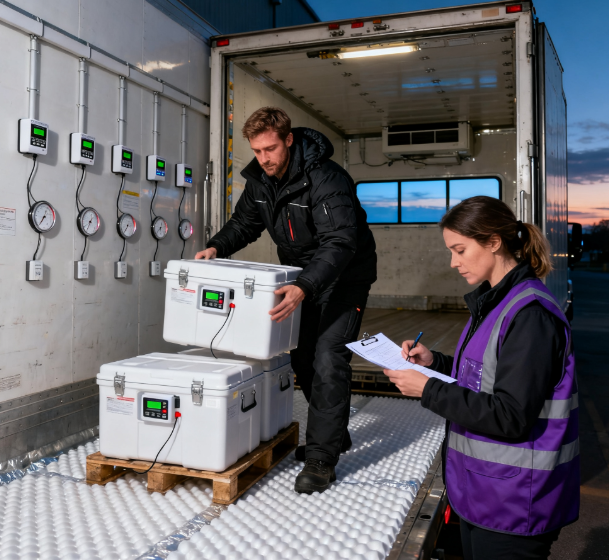
Qualifizierungsprotokoll für Thermoverpackungen und Überprüfung des Berichts
Die Qualifizierung von Thermoverpackungen liefert den dokumentierten Nachweis, dass eine bestimmte Versandkonfiguration definierte Temperaturanforderungen unter den bewerteten Bedingungen erfüllen kann. Das qualifizierte Objekt ist die vollständige Verpackung, inklusive Isolierung, Kältemittel, Anordnung und Vorbereitung der Nutzlast. Die Schlussfolgerung ist durch den Testumfang begrenzt. Ein bestandener Bericht für eine Konfiguration stellt nicht die Eignung für jede Nutzlast fest, Route oder Betriebsmethode.
Für Qualitätsprüfer und technische Einkäufer, Die Aufgabe besteht darin, Anforderungen mit Messungen und dann mit der routinemäßigen Verwendung zu verbinden. Der Bericht soll diesen Zusammenhang sichtbar machen. Wenn ein Prüfer die getestete Konfiguration nicht identifizieren kann, relevante Grenzwerte oder Grundlagen für das Engagement, eine Haltezeitangabe reicht für die beabsichtigte Genehmigungsentscheidung nicht aus.
Beginnen Sie die Überprüfung mit der Entscheidung, die der Bericht unterstützt
Stellen Sie fest, ob es sich bei der Arbeit um Entwicklungstests handelt, formelle Qualifikation oder Feldbestätigung. Die Entwicklung kann Designs vergleichen oder einen Fehlermechanismus lokalisieren. Bei der Qualifizierung wird eine identifizierte Konfiguration anhand vorab genehmigter Kriterien bewertet. Der Feldnachweis befasst sich mit dem Verhalten der Anordnung unter den dargestellten Betriebsbedingungen. Jede Aktivität kann nützlich sein, ohne austauschbar zu sein.
Suchen Sie das Anforderungsdokument und das Protokoll. Sie sollten die Produktbedingungen identifizieren, Nutzlastgrenzen, Starttemperatur, Schutzintervall und wichtige Handhabungseinschränkungen. Bestätigen Sie vor dem Test, dass die Akzeptanzkriterien genehmigt wurden. Kriterien, die nach Bekanntwerden der Ergebnisse eingeführt werden, können die Grundlage für die Schlussfolgerung schwächen.
WER's shipping-container guidance describes design, Betriebs- und Leistungsqualifizierung als unterschiedliche Stufen. Sein zweckmäßiger Ansatz ist nützlich für die Strukturierung von Überprüfungen. Terminology should also follow the organization's quality system and applicable requirements; Informelle Probentests sollten nicht allein durch Präsentation formale Zulassungskennzeichen erhalten.
Fragen Sie, ob vorhandene Lieferantennachweise einen Teil der Bewertung stützen können. Die Antwort kann „Ja“ lauten, wenn Umfang und Konfiguration dem Verwendungszweck entsprechen. Durch die automatische Wiederholung von Arbeiten können Ressourcen verschwendet werden, Die Annahme eines Berichts ohne Vergleich seines Umfangs kann jedoch eine wichtige Lücke hinterlassen. Dokumentieren Sie den Vergleich und den verbleibenden Beweisbedarf.
Legen Sie fest, wem die endgültige Genehmigung gehört. Ein Lieferant kann Labornachweise und technische Empfehlungen vorlegen, während der Produkteigentümer über die Akzeptanz seiner Anwendung entscheidet. Beschaffung und Betrieb sollten ihre Anforderungen einbringen, ohne diese Qualitätsentscheidung zu ersetzen.
Identifizieren Sie die Verpackung, damit ein anderes Team sie reproduzieren kann
Der Bericht sollte das Versendermodell angeben, Deckel, Außenkarton, Isolierkomponenten, Kältemittel, Separatoren, Nutzlastanordnung und -schließung. Geben Sie ggf. Komponentenidentität und Revision an. Ein Foto ist hilfreich, Es kann jedoch sein, dass die Materialqualität nicht angezeigt wird, Abmessungen, Kältemittelformulierung oder Vorbereitungszustand.
Dokumentenaufbereitung getrennt vom Komponentenspeicher. Ein Gerätesollwert allein beweist nicht, dass Komponenten den beabsichtigten Zustand erreicht haben. Das Verfahren sollte die Zubereitungsmethode angeben, Verifizierungsansatz und Handhabungssequenz, die die Bediener reproduzieren müssen. Wo sich die Inszenierung auf die Leistung auswirkt, Halten Sie es in der Spezifikation fest.
Definieren Sie die Produktzone und die nutzbaren Nutzlastabmessungen nach der Installation von Kühl- und Schutzkomponenten. Das Nennvolumen ist eine unvollständige Angabe. Die qualifizierte Anordnung kann Platz für Kältemittel reservieren, Abscheider und Überwachung, und erlaubt möglicherweise nur bestimmte Lademuster.
Beschreiben Sie die Startbedingungen und die Ausrichtung der Nutzlast. Kleine Platzierungsänderungen können ein Produkt in die Nähe einer wärmeren Grenze oder einer kälteren Kältemittelschnittstelle bringen. Ein Belastungsdiagramm sollte die zulässige Anordnung erkennen lassen, einschließlich aller erforderlichen Freigabe- und Hohlraummanagementmaterialien. Überlassen Sie es den Bedienern nicht, die Anordnung aus einer leeren Containerzeichnung abzuleiten.
Untersuchen Sie die während der Studie vorgenommenen Änderungen. Eine Ersatzpackung, Ein zusätzliches Trennzeichen oder ein geänderter Abschluss gehören in den Abweichungsdatensatz. Wenn die endgültige Konfiguration von der ursprünglich geplanten abweicht, Aus der Schlussfolgerung muss eindeutig hervorgehen, welche Vereinbarung durch die Beweise gestützt wird.
Prüfen Sie, ob die Belichtung die beabsichtigte Frage beantwortet
Die thermische Leistung hängt von der externen Zeit-Temperatur-Einwirkung ab. Überprüfen Sie das verwendete Profil, wie es ausgewählt wurde und in welcher Beziehung es zur beabsichtigten Verbreitung steht. Eine ständige Exposition kann eine Entwicklungsfrage beantworten. Ein sich änderndes Profil kann andere Bedingungen darstellen. Keiner von beiden verdient einen universellen Leistungsanspruch.
ISTA identifiziert Standard 20 as a design and qualification process for insulated shipping containers and 7E as thermal profiles for parcel delivery systems. Die Dokumente haben verwandte, aber unterschiedliche Rollen. Überprüfen Sie den genauen Standard oder das genaue Verfahren, Revision, Profil und beanspruchte Zertifizierungsbasis, anstatt eine ungeklärte ISTA-Referenz zu akzeptieren.
Standardisierte Profile unterstützen eine einheitliche Testbasis. Dabei handelt es sich nicht automatisch um angepasste Worst-Case-Daten für eine bestimmte Fahrspur. Wenn die tatsächliche Route ein ungewöhnlich langes Räumungsintervall beinhaltet, eine nicht unterstützte Empfangsverzögerung oder ein anderer Transportmodus, beurteilen Sie, ob das Standardprofil eine angemessene Herausforderung für diese Verwendung darstellt.
Der Bericht sollte die Umweltbelastung von der Versanddauer trennen. Zwei Belichtungen gleicher Dauer können zu unterschiedlichen Ergebnissen führen. Behalten Sie beim Vergleichen von Berichten Zeitsequenz- und Profildetails bei. Eine längere beanspruchte Dauer unter einer weniger anspruchsvollen Exposition ist möglicherweise nicht die bessere Option für den vorgeschlagenen Antrag.
Berücksichtigen Sie beabsichtigte Interventionen. Öffnung, Das Nachfüllen oder Umfüllen von Kühlmittel in einen anderen Behälter kann das Systemverhalten verändern. Beziehen Sie eine genehmigte Version des Ereignisses in die Bewertung ein, wenn es Teil der Routineanwendung ist. Ansonsten, Geben Sie die Einschränkung deutlich an. Beweise für eine versiegelte Verpackung sollten nicht als Beweis für eine unkontrollierte Inspektion angesehen werden.
Bewerten Sie gemeinsam Nutzlastgrenzen und Messrelevanz
Identifizieren Sie das verwendete Produkt oder Ersatzprodukt. Ein Ersatz sollte die für die Studie relevanten thermischen und geometrischen Eigenschaften darstellen. Eine ähnliche Masse allein stellt keine Äquivalenz her. Seine Form, Verpackung, Starttemperatur und -position können die Beziehung zwischen der gemessenen Reaktion und dem beabsichtigten Produkt beeinflussen.
Überprüfen Sie die Gründe für die Auswahl von Nutzlastkonfigurationen. Niedrige und hohe Belastungen können unterschiedliche Risiken bergen, und eine Variation der Reihenfolge kann den Innenraum und den Kontakt mit Komponenten verändern. Wobei nur eine Anordnung getestet wird, beurteilen, ob der Antrag eingeschränkt werden sollte oder ob weitere Nachweise erforderlich sind.
Die Temperaturkartierung untersucht Unterschiede zwischen relevanten Positionen. Prüfen Sie, ob die ausgewählten Standorte die Produktrisiken unter der gewählten Konfiguration lösen können. Ein Sensor in der geometrischen Mitte kann nützlich sein, für ein Grenzprodukt in der Nähe des Deckels oder des Kältemittels jedoch nicht ausreichen. Kartierung und Qualifizierungsmessungen sollten durch eine explizite Begründung verbunden sein.
Bestimmen Sie, was tatsächlich gemessen wird: Luft, Produkt, Ersatz oder eine nahegelegene Oberfläche. Diese Aufzeichnungen können unterschiedlichen Zwecken dienen. Ein Sensor direkt neben dem Kühlmittel sollte nicht stillschweigend als Temperatur jedes Nutzlastelements betrachtet werden. Der Bericht benötigt eine Platzierungszeichnung und eine Erläuterung der Messfunktion.
Messgeräte sollten über einen geeigneten Bereich und eine geeignete Kalibrierung für die Studienbedingungen verfügen. Überprüfen Sie die Probenahme, Antwortverhalten, Batteriekapazität, Speicher und Datenwiederherstellung. Die Auflösung ist die angezeigte Schrittweite, kein Beweis für die Richtigkeit. Ein für den Kühlversand geeigneter Logger ist möglicherweise nicht für eine Anwendung bei viel niedrigeren Temperaturen geeignet.
Verwenden Sie eine definierte Entscheidungsregel, wenn sich die Messungen einem Grenzwert nähern. Berücksichtigen Sie relevante Messunsicherheiten durch den genehmigten Qualitätsprozess. Verbessern Sie das Ergebnis nicht, indem Sie nach der Untersuchung nach innen runden oder die Alarmeinstellungen ändern. Ein Betriebsalarm und ein Produktakzeptanzkriterium dienen unterschiedlichen Zwecken.
Überprüfen Sie vor der Zusammenfassung einzelne Läufe und Abweichungen
Beginnen Sie mit den Temperaturverläufen, not the supplier's pass statement. Untersuchen Sie relevante Positionen anhand der Ober- und Untergrenzen, sofern beide zutreffen. Identifizieren Sie, wann sich eine Position zum ersten Mal einem Limit nähert und ob sich das Muster wiederholt. Eine Mittelkurve oder ein Mittelwert kann eine fehlgeschlagene Position verbergen.
Die Replikation sollte dem geltenden Protokoll folgen, standards or guidance and the project's risk rationale. Ein einzelner erfolgreicher Lauf kann ein nützlicher Entwicklungsbeweis sein, ohne dass eine wiederholbare qualifizierte Leistung nachgewiesen werden kann. Wenn der Bericht auf Replikation basiert, die einzelnen Ergebnisse müssen zur Einsicht verfügbar bleiben.
Überprüfen Sie die aktuelle Umgebungsaufzeichnung sowie das programmierte Profil. Ein Kammersollwert beschreibt den beabsichtigten Befehl, während die Expositionsaufzeichnung dabei hilft, festzustellen, was der Testartikel erfahren hat. Unerklärliche Unterschiede, Unterbrechungen oder fehlende Intervalle müssen vor der Annahme des Ergebnisses beurteilt werden.
| Befund melden | Interpretation zur Untersuchung | Aktion des Rezensenten |
|---|---|---|
| Eine Position weicht von der Mitte ab | Problem mit Abweichungen in der Produktzone oder bei der Platzierung | Überprüfen Sie die Zuordnung und Positionsrelevanz |
| Ein Lauf schlägt fehl, während der Mittelwert durchläuft | Mittelwertbildung verbirgt Schwankungen | Bewerten Sie den individuellen Fehler |
| Temperaturschwankungen nach dem Öffnen | Ein Eingriff verändert die thermische Mission | Überprüfen Sie den genehmigten Eingriffsumfang |
| Datenstopp vor dem Endpunkt | Der Schutz über das gesamte Intervall hinweg ist nicht nachgewiesen | Bewerten Sie die fehlenden Beweise |
| Komponenten weichen vom Protokoll ab | Die Ergebnisse unterstützen möglicherweise eine andere Konfiguration | Überprüfen Sie die Abweichung und Konfigurationsidentität |
Bei diesen Erkenntnissen handelt es sich eher um Aufforderungen zur Untersuchung als um automatische Diagnosen. Ein Sensorproblem, Vorbereitungsfehler und Designbeschränkungen erfordern unterschiedliche Korrekturen. Der Bericht sollte zeigen, wie das Team zu seiner Erklärung kam und welche Beweise die überarbeitete Schlussfolgerung stützen.
Behalten Sie fehlgeschlagene Tests und außergewöhnliche Bedingungen im Protokoll. Ein erfolgreicher erneuter Test löscht sie nicht. Stellen Sie fest, ob eine Korrektur das System verändert, das Protokoll oder die zulässige Nutzung. Die endgültige Genehmigung sollte die Konfiguration und Kontrollen beschreiben, die tatsächlich zu den akzeptierten Beweisen geführt haben.
Unterscheiden Sie die Paketleistung von der Routen- und Produktgenehmigung
Ein Laborqualifizierungsbericht legt die Leistung innerhalb seines Testumfangs fest. Die Routenbewertung verbindet diesen Umfang mit dem tatsächlichen Service, Transfers, Verzögerungsbedingungen und Empfang. Dies sind verwandte Schritte, und ein Paketbericht sollte nicht den Anspruch erheben, Übergaben ausgewertet zu haben, die nie Teil der Studie waren.
Die Produktdisposition ist eine weitere Grenze. Temperaturnachweise unterstützen eine Qualitätsentscheidung, Ein Verpackungslieferant gewährt jedoch keine Produktstabilitätszuschläge. Wo ein Ausflug stattfindet, Der Produkteigentümer sollte es anhand autorisierter Informationen und Verfahren beurteilen. Eine spätere Rückkehr zur akzeptablen Temperatur allein löst die frühere Belastung nicht aus.
Ähnlich, Material, Sicherheits- und Transportdokumente dienen ihrem eigenen Zweck. Eine Aussage zum Lebensmittelkontakt gibt keinen Hinweis auf die Haltezeit. Das Ergebnis eines thermischen Profils stellt keinen Nachweis für die Annahme gefährlicher Güter dar. Eine Laborzertifizierung erweitert den Bericht nicht auf ungetestete Konfigurationen. Überprüfen Sie jeden Anspruch anhand des Dokuments, das ihn belegen kann.
Bitten Sie einen Lieferanten, den vorqualifizierten Begriff zu verwenden, seine Bedeutung zu definieren. Bestimmen Sie die Konfiguration, Anforderungen, Profile und Bedingungen abgedeckt, und ob eine Zertifizierung beansprucht wird. Der Begriff kann sich auf wertvolle vorhandene Beweise beziehen, Aber der Käufer braucht diesen Beweis und nicht nur das Etikett.
Wenn der vorgeschlagene Antrag vom Bericht abweicht, Dokumentieren Sie die Lücke. Zu den möglichen Reaktionen gehört die Einschränkung der Nutzung, Einholen zusätzlicher Beweise oder die Wahl eines anderen Systems. Ziel ist eine explizite Entscheidung auf Basis der Differenz, Keine umfassende Zusicherung, dass das Paket funktionieren sollte, weil es anderswo funktioniert hat.
Überführen Sie die Beweise in einen reproduzierbaren Verpackungsprozess
Wandeln Sie die genehmigte Konfiguration in eine klare Bedienungsanleitung um. Beziehen Sie die Vorbereitung mit ein, Komponentenidentifikation, Laden, Schließung, Überwachung und Versandzeitpunkt. Geben Sie den Mitarbeitern ein Diagramm, das zur getesteten Anordnung passt, und erklären Sie, wie Sie die richtige Version erkennen.
Stellen Sie sicher, dass die Verpackungsstelle den Vorgang durchführen kann. Konditionierungsausrüstung, Inszenierungsraum, Arbeitsbelastung und Schulung können Einfluss darauf haben, ob Laboranweisungen anwendbar sind. Ein beispielhafter Standort verfügt möglicherweise über genügend Ausrüstung für die Probenvorbereitung, aber nicht über ausreichende Kapazitäten während der Spitzenlast. Lösen Sie diese Einschränkung, bevor Sie den Prozess in großem Maßstab übernehmen.
Definieren Sie Aktionen für die verzögerte Abholung, beschädigte Komponenten und Aufträge außerhalb der Nutzlastgrenze. Der Bediener benötigt eher einen Entscheidungsweg als eine Anweisung, das Produkt kalt zu halten. Das Umpacken oder alternative Komponenten müssen möglicherweise überprüft werden, da sie die vom Bericht unterstützte Konfiguration ändern können.
Eine routinemäßige Überwachung kann Feedback zur Leistung und Ausführung liefern. Überprüfen Sie wiederholte Ergebnisse nahe dem Grenzwert, fehlende Aufzeichnungen und Abweichungen bei der Vorbereitung. Diese Beobachtungen können ein Prozessproblem aufdecken, bevor es zu einer Lieferung außerhalb des Limits kommt. Die Überwachung ergänzt das bewährte System; Ein Logger bietet keine Kühlleistung.
Der Erhalt von Anweisungen sollte die sichere Überführung in eine geeignete Lagerung unterstützen, Datenabruf und Ausnahmebehandlung. Verknüpfen Sie die Produktakzeptanz mit dem autorisierten Überprüfungsprozess. Ein Paket, das sich bei der Ankunft kalt anfühlt, ist kein Ersatz für die erforderliche Temperaturaufzeichnung.
Behalten Sie die qualifizierte Konfiguration im Zusammenhang mit Einkäufen und Änderungen bei
Die Einkaufsspezifikation sollte auf den genehmigten Komponentensatz verweisen. Definieren Sie, wie sich die Abmessungen ändern, Deckel, Material, Kühlmittel, Schließung, Nutzlast oder Vorbereitung beurteilt werden. Ein Austausch mit gleichem Nenngewicht oder ähnlichem Aussehen kann dennoch Auswirkungen auf das Verhalten haben.
Für Mehrwegsysteme, Legen Sie Prüf- und Freigabekriterien fest, die auf die Anweisungen des Lieferanten und den genehmigten Leistungsumfang abgestimmt sind. Reinigung, Lagerung und Komponentenaustausch erfordern Kontrolle. Interpretieren Sie eine Wiederverwendbarkeitsbezeichnung nicht als unbegrenzte Lebensdauer und gehen Sie nicht davon aus, dass eine intakte Hülle den Zustand jeder thermischen Komponente bestätigt.
Geben Sie den Berichtseigentum an, Zugang zu Beweismitteln und der kommerzielle Umfang zusätzlicher Tests. Einige Lieferanten stellen zu vereinbarten Konditionen Zusammenfassungen zur Überprüfung und eine umfassendere Dokumentation zur Verfügung. Damit die Überprüfung am Ende der Beschaffung nicht blockiert wird, ist ein Lösungszugriff vor der Genehmigung erforderlich.
Tempk's public validation and packout-testing resources can help organize product conditions, Routenannahmen und Vorbereitungsdetails für ein technisches Gespräch. Bestätigen Sie den projektspezifischen Testumfang, Lieferungen und Verantwortlichkeiten, anstatt sie von einer allgemeinen Serviceseite abzuleiten.
Nutzen Sie die Thermoverpackungsqualifizierung, um ein definiertes System zu genehmigen, das reproduziert und gewartet werden kann. Nehmen Sie die Produktanforderungen, Nutzlastkonfigurationen und melden Sie Lücken in der Lieferantenbewertung, Zeichnen Sie dann die unterstützte Verwendung und alle weiteren erforderlichen Nachweise vor der routinemäßigen Freigabe auf.
Qualifizierung der Kühlkettenroute von der Profilerstellung bis zur Genehmigung

Qualifizierung der Kühlkettenroute von der Profilerstellung bis zur Genehmigung
Cold chain route qualification establishes documented confidence that a defined transport arrangement can protect the intended temperature-sensitive product under the conditions represented by the assessment. Im Arrangement ist die Speditionsleistung enthalten, Verpackungs- oder Transportgeräte, Vorbereitung, Übergaben, Überwachung und Empfangskontrollen. Ein Ursprungs- und Zielort definieren diese Vereinbarung nicht ausreichend, um eine sinnvolle Qualifikationsschlussfolgerung zu stützen.
Die wesentliche Entscheidung besteht darin, ob die geplante Fahrspur für den routinemäßigen Gebrauch geeignet ist, nur mit Einschränkungen bereit, oder es fehlen noch Beweise. Die Beantwortung dieser Frage erfordert einen Zusammenhang zwischen der tatsächlichen Exposition, Leistung und Betriebsfähigkeit der Produktzone. Eine Temperaturspur ist Teil dieses Beweises. Der Trace wird viel nützlicher, wenn er mit den Ereignissen und Verantwortlichkeiten verknüpft wird, die ihn erzeugt haben.
Entscheiden Sie, was die Streckenstudie beweisen muss
Begin with the product's genehmigten Transportbedingungen, die vorgesehene Nutzlast und die geplante Betriebsanordnung. Identifizieren Sie, wer die Studie genehmigen wird und wer für die Produktdisposition verantwortlich ist. Das Logistikteam sollte nach Abschluss der Feldlieferungen keine Produktstabilitätsgrenzen mehr interpretieren müssen.
Trennen Sie drei Aktivitäten, die oft in Gesprächen kombiniert werden. Die Risikobewertung identifiziert Gefahren und Annahmen. Die Erstellung von Umgebungsroutenprofilen charakterisiert die externe Exposition, die im Vertrieb auftritt. Die Leistungsbewertung vor Ort bewertet die ausgewählte Versandvereinbarung in der dargestellten Betriebsumgebung. Sie informieren sich gegenseitig, aber ihre Schlussfolgerungen beantworten unterschiedliche Fragen.
WER's transport-route profiling supplement explains that actual distribution temperature data can support representative ambient profiles. Das macht die Profilerstellung zu einem Input für die Bewertung des Versandsystems. Eine Umgebungsaufzeichnung ist kein Beweis dafür, dass das Produkt weiterhin geschützt ist. Für diese separate Fragestellung werden Produktzonenmessungen und die entsprechenden Betriebsaufzeichnungen benötigt.
Vor der Auswahl eines endgültigen Pakets kann eine frühzeitige Routenstudie erforderlich sein. In diesem Fall, Beschreiben Sie es als Profilierung oder Risikocharakterisierung und entwickeln Sie daraus die Verpackungsanforderungen. Spätere Nachweise können das gewählte System beurteilen. Vermeiden Sie eine breite Qualifikationsbezeichnung, die unvollendete Arbeit verbirgt.
Definieren Sie die Spur durch die endgültige Speicherübergabe
Ordnen Sie die Reihenfolge von der Vorbereitung bis zur Ziellagerung zu. Beziehen Sie die Versandbereitstellung mit ein, Spediteur-Sammlung, Ursprungsdepot, Transfers, Grenzabfertigung, Zieldepot, Letzte Meile und Empfang. Notieren Sie, ob jedes Segment über eine Temperaturregelung verfügt, wie lange es normalerweise dauert und welche glaubwürdigen Störungen es verlängern können.
Identifizieren Sie den Anbieterdienst und nicht nur den Anbieternamen. Express- und Standarddienste können unterschiedliche Netzwerke nutzen. Die gleiche Route kann sich auch mit dem Versandtag ändern, Saisonplanung oder Lieferung per Subunternehmer. Beweise für eine Dienstleistung sollten nicht stillschweigend eine andere autorisieren.
Specify the study's time boundaries. Schließung, Abholung und Abreise sind unterschiedliche Ereignisse. Am Ziel, Lieferscan, Auch das Auspacken und die Lagerung in geeigneter Weise sind unterschiedliche Vorgänge. Das jeweilige Schutzintervall sollte den Produkt- und Versandsystemanforderungen entsprechen, Dabei werden die Vorbereitungsbedingungen dort erfasst, wo sie die Leistung beeinflussen.
Fügen Sie Informationen hinzu, die den Empfangsplan ändern: Arbeitszeit, Terminvoraussetzungen, Verfügbarkeit von Gefrier- oder Kühlschränken, Zugangsbeschränkungen und die Person, die zur Annahme der Sendung berechtigt ist. Eine Fahrspur, die während der normalen Empfangszeiten zufriedenstellend ist, kann an Wochenenden oder Feiertagen Einschränkungen erfordern.
| Segment | Beweislücke, die es zu untersuchen gilt | Zuzuweisende Steuerung |
|---|---|---|
| Versandwarteschlange | Wie viel Zeit vergeht nach der Vorbereitung?? | Release-Timing und Reaktion bei verpasster Abholung |
| Transfermöglichkeit | Wird die Speicherung während Verbindungsverzögerungen gesteuert?? | Speicherzugriffs- und Eskalationsbesitzer |
| Zoll | Kann eine Freigabe oder Inspektion die Exposition verlängern?? | Dokumentieren Sie die Bereitschaft und den genehmigten Eingriff |
| Letzte Meile | Unterscheidet sich der Routineservice vom Test?? | Leistungsbeschreibung und Anweisungen des örtlichen Spediteurs |
| Empfang | Was passiert nach dem Lieferscan?? | Speicherübertragung, Datenabruf und Akzeptanzprüfung |
Mithilfe der Tabelle können Sie feststellen, wo zusätzliche Nachweise erforderlich sind. Es ist kein Ersatz für einen Streckenplan oder eine Betriebsvereinbarung. Die Studie sollte die tatsächliche Reihenfolge verwenden, einschließlich aller Segmente, die im Transportangebot ausgelassen werden.
Sammeln Sie Exposition und Produktreaktion als separate Beweise
Ein Umgebungsmonitor charakterisiert die Bedingungen außerhalb des Temperaturschutzsystems. Ein Produktzonenmonitor beurteilt die für die Nutzlast relevanten Bedingungen. Positioning a sensor inside an insulated box and labeling its reading ambient would blur those roles. Dokumentieren Sie jede Platzierung und die Frage, die sie beantwortet.
Wo beide Arten von Messungen erfasst werden, Verknüpfen Sie sie mit einer gemeinsamen Sendungskennung und konsistenten Zeitstempeln. Der Unterschied zwischen externer Exposition und interner Reaktion kann erklären, warum ein Paket bei einem Ereignis innerhalb der Grenzen bleibt, sich bei einem anderen jedoch einem Limit nähert. Keiner der Datensätze sollte ohne seine Position und Startbedingungen interpretiert werden.
Wählen Sie Geräte mit geeigneten Messbereichen und Kalibrierung für die aufgezeichneten Bedingungen. Legen Sie das Protokollierungsintervall so fest, dass für die Studie relevante Ereignisse aufgelöst werden können, und sorgt gleichzeitig für ausreichend Speicher und Akkulaufzeit für Verzögerungen. Start definieren, Stopp- und Wiederherstellungsverfahren. Stellen Sie sicher, dass die gewählte Platzierung die Verpackung nicht stört oder einen irreführenden Eindruck von einer Produktgrenze vermittelt.
Zur Übertragung von Monitoren, eine Kommunikationslücke von einer Messlücke unterscheiden. Ein Gerät kann die lokale Aufzeichnung fortsetzen, während keine Verbindung verfügbar ist. Bestätigen Sie, wie diese Datensätze wiederhergestellt werden und wie sich das Fehlen von Live-Daten auf den Reaktionsplan auswirkt. Betrachten Sie einen erfolgreichen Upload nicht als Beweis für die korrekte Platzierung oder Kalibrierung.
Sammeln Sie neben der Temperatur auch Ereignisinformationen. Zu den relevanten Aufzeichnungen gehört auch die Vorbereitung, Schließung, abholen, Abfahrt, überweisen, Spielraum, Öffnung, Lieferung und Lagerung. Die Zeitstempel von Spediteuren und Maklern können unterschiedliche Zeitzonen verwenden; Normalisieren Sie sie sorgfältig und bewahren Sie die Originalaufzeichnungen auf. Dadurch wird verhindert, dass ein scheinbares Temperaturereignis der falschen Übergabe zugeordnet wird.
Stellen Sie Variationen dar, anstatt praktische Sendungen zu wiederholen
Der Probenahmeplan sollte die Bedingungen widerspiegeln, die die Entscheidung ändern können. Berücksichtigen Sie das Serviceniveau, Versandtag, Übertragungsweg, Jahreszeit, Herkunfts- und Zieleinrichtungen, Nutzlastanordnung und Empfangsbeschränkungen. Berücksichtigen Sie glaubwürdige widrige Umstände durch ein begründetes Studiendesign oder eine ergänzende kontrollierte Bewertung.
Setzen Sie Datensatzgröße nicht mit Repräsentativität gleich. Viele Reisen in einer günstigen Jahreszeit können ein Winterrisiko unbeantwortet lassen. Wiederholte Versuche, die von einem speziellen Projektteam durchgeführt werden, stellen möglicherweise nicht den routinemäßigen Einsatz dar. Der Bericht sollte erläutern, was die gesammelten Daten abdecken und was sie nicht belegen können.
Es gibt keine universelle Sendungszählung, die jede Spur automatisch qualifiziert. Bestimmen Sie die Studiengröße und die Replikation anhand des geltenden Protokolls, Qualitätssystem, Anleitung und Risikobegründung. Eine eingeschränkte Schlussfolgerung kann angebracht sein, wenn die Daten begrenzt sind. Für eine umfassendere Nutzung sind Nachweise oder eine dokumentierte Begründung für die Ausweitung des Anwendungsbereichs erforderlich.
Berücksichtigen Sie Routenfamilien, bei denen dadurch unnötige Duplikate reduziert werden können. Eine Familie sollte auf einer sinnvollen Äquivalenz in der Dienststruktur basieren, Belichtung, Dauer, Übergaben und Kontrollen. Ein gemeinsames Zielland oder eine ähnliche Entfernung allein reicht nicht aus. Notieren Sie die Begründung und identifizieren Sie Bedingungen, die eine individuelle Fahrspurbewertung erfordern würden.
Bei der Planung sollte auch zwischen routinemäßiger Nutzung und vorhersehbaren Störungen unterschieden werden. Eine verpasste Anschluss- oder Abfertigungsverzögerung muss möglicherweise gesondert berücksichtigt werden, auch wenn sie während der untersuchten Fahrten nicht auftritt. Das Fehlen eines unerwünschten Ereignisses in einem kleinen Felddatensatz beweist nicht, dass es irrelevant ist.
Legen Sie vor der Feldarbeit Entscheidungsregeln fest
Genehmigen Sie die Produktkriterien, Studienumfang, Datenüberprüfungsregeln und Behandlung von Abweichungen vor den Versuchen. Identifizieren Sie die genaue Verpackungsausführung bzw. Transportausrüstung, Nutzlastgrenzen und Vorbereitungsverfahren. Bestimmen Sie, was einen gültigen Lauf ausmacht und welche Nachweise für die beabsichtigte Genehmigung erforderlich sind.
Legen Sie Regeln für fehlende Messungen fest, verlorene Geräte, verzögerte Starts und Sensorbewegung. Diese Ereignisse können dazu führen, dass das Ergebnis nicht eindeutig ist, selbst wenn die verfügbare Ablaufverfolgung akzeptabel erscheint. Ein nicht schlüssiges Ergebnis sollte nicht durch die Annahme, dass das nicht aufgezeichnete Intervall dem aufgezeichneten ähnelte, in einen Pass umgewandelt werden.
Berücksichtigen Sie die Messunsicherheit, wenn sich die Messwerte einem Grenzwert nähern. Die Entscheidungsregel sollte dem genehmigten Qualitätsprozess und den Fähigkeiten des Messsystems folgen. Das Aufrunden eines Grenzwerts nach innen ist kein vertretbarer Ersatz für diese Regel.
Trennen Sie die Produktannahme von betrieblichen Auslösern. Ein verpasster Meilenstein erfordert möglicherweise ein Eingreifen, bevor die Temperatur einen Grenzwert erreicht. Ein Temperaturalarm kann eingestellt werden, um Zeit für eine genehmigte Reaktion zu geben. Diese Steuerungen können die Fahrspur unterstützen, but their triggers should not be presented as the product's stability limits.
Legen Sie fest, wie Abweichungen untersucht werden und wer Änderungen genehmigen kann. Durch erneute Tests nach einer Korrekturmaßnahme kann der überarbeitete Prozess nachgewiesen werden, während der ursprüngliche Fehler Teil der Aufzeichnung bleibt. Als Beweis für diese geänderte Vereinbarung muss ein Test mit geänderter Verpackung oder Leistung angegeben werden.
Machen Sie Wiederherstellungsmaßnahmen zu einem Teil der bewerteten Vereinbarung
Ordnen Sie die Verantwortung zu, wo immer eine Sendung warten kann. Ein Träger, Makler und Empfänger haben möglicherweise jeweils ein klares internes Verfahren, während die Verantwortung für die Temperaturkontrolle zwischen ihnen ungewiss bleibt. Der Fahrspurplan sollte den Eigentümer jeder relevanten Übergabe und die Person benennen, die einen Eingriff genehmigen kann.
Testen Sie den Kommunikationspfad über Zeitzonen und arbeitsfreie Zeiten hinweg. Identifizieren Sie Ersatzkontakte, die Informationen, die sie erhalten, und die Maßnahmen, die sie ergreifen können. Eine Echtzeitwarnung kann keinen Zugang zu einem sicheren Frachtbereich ermöglichen oder einen Empfangs-Gefrierschrank verfügbar machen. Bestätigen Sie die körperliche Leistungsfähigkeit hinter der Eskalationsanweisung.
Zum Beispiel, Ein Zielmakler kann möglicherweise eine beispielhafte Sendung abfertigen, aber keine produktkompatible Lagerung bereitstellen. Ein Plan, der besagt, dass Sie sich bei Verzögerungen an den Makler wenden sollen, ist dann unvollständig. Die Reaktion erfordert eine unterstützte Einrichtung, ein anderer Dienst oder eine Versandbeschränkung, die den nicht unterstützten Zustand verhindert.
Das Nachfüllen und Umpacken von Kältemittel erfordert besondere Sorgfalt. Sie können die genehmigte Verpackung verändern und das Produkt während der Handhabung freilegen. Identifizieren Sie geschultes Personal, Materialverfügbarkeit, geeignete Arbeitsbedingungen und Aufzeichnungen über die Aktion. Das Wiederherstellungsverfahren sollte den resultierenden Schutzumfang erläutern und nicht davon ausgehen, dass die thermische Uhr neu startet.
Wenn eine Inspektion vorhersehbar ist, Beurteilung der Eröffnung und Restaurierung. Eine versiegelte Verpackung wurde nicht automatisch durch eine Inspektion nachgewiesen. Stellen Sie fest, ob das System über eine genehmigte Interventionsmethode verfügt oder ob die Inspektion eine Eskalation an den Produkteigentümer erfordert.
Wandeln Sie die Ergebnisse in eine begrenzte Genehmigung um
Review each shipment's full temperature history with its event record. Untersuchen Sie, ob bei einem bestimmten Depot eine wiederkehrende Annäherung an ein Limit beginnt, Zollintervall oder Empfangswarteschlange. Eine Prozesskorrektur kann effektiver sein als das Hinzufügen einer Isolierung, Vor allem, wenn das Hauptproblem unkontrolliertes Warten ist.
Behalten Sie die einzelnen Ergebnisse bei. Die Durchschnittstemperatur kann Abweichungen verbergen, während eine Endpunktbeobachtung eine frühere Exposition übersehen kann. Wo unterschiedliche Messpositionen verwendet werden, Untersuchen Sie Unterschiede, anstatt sie zu einer einzigen beruhigenden Kurve zusammenzufassen. Geben Sie an, welche Messungen die Produktbewertung unterstützen und welche die Exposition charakterisieren.
Der Bericht sollte den genehmigten Dienst identifizieren, Jahreszeit oder Expositionsumfang, Nutzlast, Paketversion, Vorbereitung, Überwachungs- und Empfangsbedingungen. Beschreiben Sie Abweichungen, Einschränkungen und ungelöste Fragen. Die Schlussfolgerung sollte sagen, was unterstützt wird: routinemäßiger Gebrauch im definierten Umfang, eingeschränkte Verwendung mit angegebenen Kontrollen, oder zusätzliche Arbeiten vor der Genehmigung.
Ein erfolgreicher Qualifikationslauf garantiert nicht jede zukünftige Lieferung. Routinekontrollen bleiben weiterhin notwendig. Legen Sie fest, wer die Überwachungsaufzeichnungen prüft, wie Ausnahmen eskaliert werden und wie eine Lieferung mit fragwürdigen Beweisen zur Produktentsorgung zurückgehalten wird. Die Bestätigung der Zustellung durch den Spediteur sollte diese Qualitätsentscheidung nicht ersetzen.
Neubewertung, wenn sich die Betriebsannahmen ändern
Definieren Sie Änderungen, die überprüft werden müssen, inklusive Speditionsservice, Transferknotenpunkt, Transitplan, Verpackung, Kühlmittel, Nutzlast, Vorbereitung und Empfangsmodalitäten. Eine Änderungsprüfung kann eine weitere Nutzung rechtfertigen, fokussierte zusätzliche Beweise oder eine neue Bewertung. Die Reaktion sollte sich an Risiko und Evidenz orientieren und nicht automatisch jede Studie wiederholen oder davon ausgehen, dass keine erforderlich ist.
Verwenden Sie Routineinformationen, um Abweichungen zu erkennen. Längere Warteschlangen, wiederholte verspätete Freigabe, Ein verpasster Datenabruf und steigende Ergebnisse nahe dem Grenzwert können darauf hinweisen, dass die ursprünglichen Annahmen die Fahrspur nicht mehr beschreiben. Überprüfen Sie die Ursachen, auch wenn einzelne Sendungen noch akzeptabel sind.
Beziehen Sie den Zugang zu Beweismitteln in die laufende Vereinbarung mit den Dienstleistern ein. Eine Routenüberprüfung kann sich bei Depotereignissen verzögern, Interventionsaufzeichnungen oder Subunternehmerdetails sind nicht verfügbar. Geben Sie die benötigten Datensätze an, der verantwortliche Anbieter und wie diese beliefert werden. Dadurch wird aus einer allgemeinen Verpflichtung zur Zusammenarbeit eine praktische Grundlage für die Prüfung von Änderungen und die Einhaltung des genehmigten Umfangs.
Pflegen Sie den Genehmigungsdatensatz mit der Betriebsversion, die er abdeckt. Die Mitarbeiter sollten in der Lage sein, den zulässigen Service und das Packout zu identifizieren, ohne das Projekt anhand von E-Mails rekonstruieren zu müssen. Ausbildung, Aufzeichnungen und Änderungskontrolle machen die Studie in der täglichen Arbeit nutzbar.
Tempk's public Route Risk Checker can help organize an initial lane screen, und es unterscheidet diesen Bildschirm ausdrücklich von der zertifizierten Spurqualifikation. Nutzen Sie das Ergebnis, um die Routenbesprechung vorzubereiten und Lücken zu identifizieren, unter gesonderter Bestätigung des tatsächlichen Studien- und Dokumentationsumfangs.
Beginnen Sie mit der Qualifizierung der Kühlkettenroute mit einer vollständigen Karte der Warenwege und Produktkriterien. Nehmen Sie die Belichtungsdaten, Betriebsaufzeichnungen und vorgeschlagene Wiederherstellungskontrollen an das zuständige Qualitätsteam weiterleiten, sodass die Genehmigung die Vereinbarung widerspiegelt, die tatsächlich verwendet wird.
Gefrorene Versandverpackungen, die auf die Ankunftsanforderungen abgestimmt sind
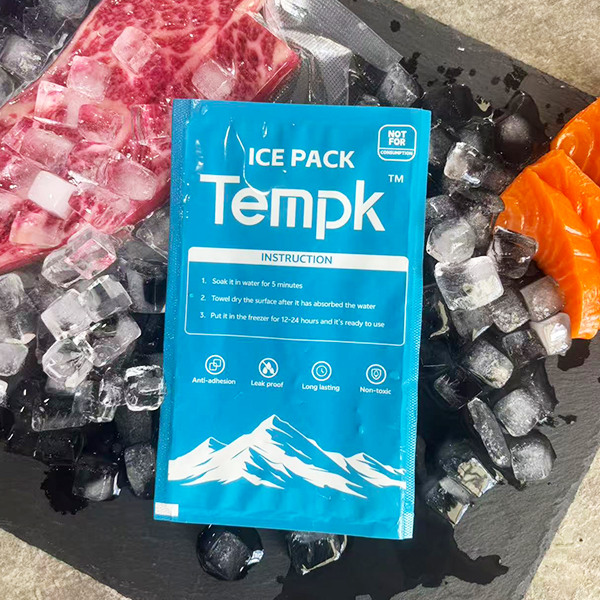
Gefrorene Versandverpackungen, die auf die Ankunftsanforderungen abgestimmt sind
Bei einer Bestellung, die in einem kalten Karton ankommt, kann es trotzdem sein, dass die Tiefkühlspezifikation fehlt. Die Tiefkühl-Versandverpackung sollte entsprechend dem erforderlichen Produktzustand und dem gesamten Zeitraum von der Verpackung bis zur Wareneingangslagerung ausgewählt werden. Dafür ist ein kompatibles Kühlmittel erforderlich, ein isoliertes Gehäuse, physikalischer und Feuchtigkeitsschutz, und Nachweise für die komplette Montage. Für Käufer von Lebensmitteln und Meeresfrüchten, Der nützlichste Ausgangspunkt ist eine messbare Ankunftsanforderung, gefolgt von einem Test der tatsächlichen Nutzlast, Route und Verpackungsprozess.
Legen Sie einen Empfangsstandard fest, der getestet werden kann
Ersetzen Sie Anweisungen wie „Gefroren aufbewahren“ durch eine produktspezifische Anforderung. Identifizieren Sie die Temperaturgrenze, zulässige Variation, Qualitätskontrollen und Methode zur Beurteilung des Empfangs. Der Grenzwert sollte vom Produktbesitzer und den geltenden Marktanforderungen festgelegt werden. Ein Verpackungslieferant kann dabei helfen, den Schutz entsprechend zu gestalten, but should not invent the product's acceptance standard.
Für tiefgekühlte Lebensmittel innerhalb seines Geltungsbereichs, Codex beschreibt die Wartung bei –18 °C oder kälter, vorbehaltlich zulässiger Toleranzen. Der Code schließt essbares Speiseeis aus, Eis und Milch. Wenden Sie diesen Verweis nicht an, ohne den Produktumfang zu prüfen, und behandeln Sie ihn nicht als universelles Gesetz für jeden Bestimmungsort. Gefrorenes pharmazeutisches Material, Lebensmittel- und Laborproben können unterschiedliche Anforderungen haben.
Notieren Sie die Ausgangsbedingung zusammen mit der Empfangsanforderung. Produkte, die wärmer als vorgesehen in den Versandbehälter gelangen, erzeugen eine andere thermische Belastung. Auf Verpackungen, die für die Aufbewahrung gefrorener Waren ausgelegt sind, sollte man sich nicht verlassen, um den Gefriervorgang während des Transports abzuschließen, es sei denn, diese Verwendung wurde ausdrücklich geprüft und akzeptiert.
Definieren Sie, wie die Empfangsentscheidung Messungen verwenden wird. Eine Kartonluftablesung, Produktoberflächenmessung und Produktkernmessung beantworten unterschiedliche Fragen. Wählen Sie die für das Produkt und das zugelassene Verfahren geeignete Methode aus. Aussehen, Das verbleibende Kühlmittel und eine Anzeige am Ankunftsort können zur Inspektion beitragen, Sie ermitteln jedoch nicht allein den gesamten Temperaturverlauf.
Vereinbaren Sie den Endpunkt des Schutzes. Die Lieferung an eine Laderampe oder an die Haustür kann vor der Verbringung in ein geeignetes Lager erfolgen. Wenn die Verpackung dieses Intervall überbrücken soll, Beziehen Sie es in den Entwurf und die Erprobung ein. Wenn der Empfänger die Verantwortung früher übernimmt, Machen Sie die Handhabungsanforderungen deutlich und überprüfen Sie, ob die Vereinbarung praktikabel ist.
Wählen Sie das Kühlmittel nach seiner Funktion und seinen Einschränkungen aus
Eisbeutel auf Wasserbasis, subzero phase change materials and dry ice should be compared as different options. Die Entscheidung hängt vom erforderlichen Produktzustand ab, Belichtung, Kompatibilität, Vorbereitungsprozess und Carrier-Akzeptanz. A generic description such as frozen gel pack does not identify the temperature behavior needed for the shipment.
Wassereis, das nahe 0 °C schmilzt, kann nicht die gleiche Phasenwechselpufferung bieten wie ein Material, das für eine niedrigere Gefriertemperatur ausgewählt wurde. Eine tiefgefrorene Wasserpackung kann beim Erwärmen Energie absorbieren, aber diese anfängliche Reserve ist endlich. Es rechtfertigt nicht die allgemeine Behauptung, dass gewöhnliche Kühlakkus den Gefrierbedarf für eine angegebene Reise aufrechterhalten.
Ein Minus-PCM kann geeignet sein, wenn sein dokumentiertes Verhalten und das Gesamtsystem die Anwendung unterstützen. Fordern Sie die entsprechenden Daten und Zubereitungshinweise an. Prüfen Sie, welche Gefrier- oder Klimatisierungsgeräte benötigt werden, wie die Bereitschaft hergestellt wird und wie lange vorbereitete Komponenten vor der Verwendung bereitgehalten werden können. Ein nominaler Phasenpunkt ist kein Ersatz für den Nachweis der Nutzlastleistung.
Trockeneis bietet einen weiteren Ansatz für kompatible Anwendungen. Es wird Kohlendioxidgas, Schaffung von Anforderungen für die Gasfreisetzung und den sicheren Umgang. The FAA's guidance for US air shipments states that dry ice packaging must allow the gas to escape, und betreiberspezifische Vereinbarungen müssen ebenfalls berücksichtigt werden. Bestätigen Sie die Transportmodi, Informieren Sie sich vor der Auswahl der Verpackung über die Abnahme und die geltenden Vorbereitungspflichten.
| Kühlmittelansatz | Entscheidung, die es unterstützen kann | Beschränkung zur Lösung |
|---|---|---|
| Gewöhnlicher Eisbeutel auf Wasserbasis | Anwendungen unterstützt durch sein tatsächliches Temperaturverhalten | Keine automatische Dauerregelung bei unterem Gefriergrenzwert |
| PCM unter Null | Definierter eingefrorener Bereich in einem bewerteten passiven System | Formulierung, Konditionierungs- und Packout-Beweis müssen übereinstimmen |
| Trockeneis | Kompatible Tiefkühl- oder Kühltransportanforderungen | Annahme durch den Spediteur, Gasfreisetzung, Handhabung und Produktkompatibilität |
| Temperaturkontrollierter Transport mit Schutzverpackung | Routen, die durch eine geeignete kontrollierte Infrastruktur unterstützt werden | Transferrisiken und Eventualverbindlichkeiten bleiben weiterhin relevant |
Machen Sie eine Auswahl möglicher Ansätze, bevor Sie fragen, welcher am günstigsten ist. Ein durch die Transportregelung ausgeschlossenes Kühlmittel kann durch eine bessere Isolierung nicht zu einer praktikablen Wahl werden. Umgekehrt, Ein zugelassenes Kühlmittel muss in der vorgesehenen Box noch den Schutz bei tatsächlicher Belastung nachweisen.
Gestalten Sie die Einhausung rund um die geladene Sendung
Vergleichen Sie den nutzbaren Produktraum nach dem Platzieren des Kühlmittels, Paneele, Abscheider und Eindämmung. Das Nennvolumen ist ein schlechter Kaufmaßstab, wenn thermische Komponenten einen Teil des Gehäuses einnehmen. Geben Sie die Abmessungen des verpackten Produkts an und überprüfen Sie das fertige Layout physisch, bevor Sie eine Zeichnung genehmigen.
Berücksichtigen Sie Produktmasse und -form. Eine starke Belastung kann den Boden und den Umkarton belasten; Unregelmäßige Packungen können den Deckel beeinträchtigen oder schwierige Kontaktpunkte schaffen. Dünne Produktportionen und dichte Großpackungen können unterschiedlich auf Hitze reagieren. Die Verpackungsbeschreibung sollte diese Unterschiede identifizieren, anstatt sie in eine nicht repräsentative Reihenfolge zu bringen.
Bewerten Sie die angebotene Isolierbaugruppe, anstatt nur den Materialnamen zu beurteilen. A carton with an insulated liner, a rigid foam box and a protected vacuum-panel shipper can each be appropriate under supported conditions. Wandkonstruktion, Deckel passt, Gelenke, Verschluss und Haltbarkeit tragen zum Ergebnis bei. Fragen Sie, welche Beweise auf die tatsächlich vorgeschlagene Struktur zutreffen.
Reflektierende Folie ist ein Merkmal innerhalb eines Gehäuses, kein Nachweis der thermischen Dauer oder Leckfestigkeit. Confirm the liner's full construction, Nähte und Verschluss im Muster. Wenn ein Lieferant den Liner ändert, um ein Preisziel zu erreichen, Bewerten Sie den Effekt, anstatt davon auszugehen, dass eine ähnlich aussehende Oberfläche die ursprüngliche Leistung beibehält.
Halten Sie die Produktbewegung unter Kontrolle. Partitionen, Separatoren und Hohlraummanagement sollen Primärverpackungen schützen und die beabsichtigte Anordnung während der Handhabung aufrechterhalten. Übermäßige Kompression kann einen Beutel beschädigen oder den korrekten Verschluss verhindern. Leere Räume sollten gemäß dem bewerteten Design behandelt werden und nicht mit dem Material gefüllt werden, das in der Linie verfügbar ist.
Geben Sie der Eindämmung von Meeresfrüchten eine gesonderte Aufgabe
Bei der Verpackung von Meeresfrüchten müssen versiegelte Produktverpackungen berücksichtigt werden, scharfe Schalenkanten, Verglasung, Abrieb und mögliche Flüssigkeitsfreisetzung. Definieren Sie, welche Schicht das Produkt enthält und welche den Karton schützt. Ein isolierter Liner, Saugeinlage und versiegelter Primärbeutel erfüllen unterschiedliche Funktionen und sollten nicht als austauschbar betrachtet werden.
Überprüfen Sie Primärverpackungen nach repräsentativer Beladung und Handhabung. Vakuumverpackungen oder Beutel, die im Ruhezustand passen, können durch Bewegung beschädigt werden, Ecken oder ein angrenzendes eingefrorenes Bauteil. Passen Sie den Schutz oder die Vorkehrung basierend auf den beobachteten Risiken an, Bewerten Sie dann die gesamte Konfiguration erneut, wenn sich die Änderung auf das thermische Design auswirkt.
Geben Sie sekundäres Eindämmungs- und Absorptionsmaterial an, wenn das Produkt und die Gefahrenbewertung dies erfordern. Halten Sie Leckagen vom Umkarton und benachbarten Waren fern. Nasse Verpackungen können zu Handhabungs- und Festigkeitsproblemen führen, selbst wenn das thermische Ergebnis akzeptabel ist. Das Feuchtigkeitsmanagement sollte im Rahmen desselben Praxisversuchs evaluiert werden, nicht nachträglich hinzugefügt.
Für ein Trockeneissystem, Stellen Sie sicher, dass sich im Produktbehälter kein entstehendes Gas in einem abgedichteten Fach einschließt. Wärmespeicherung, Leckkontrolle und Gasfreisetzung müssen in der zugelassenen Baugruppe zusammenarbeiten. Befolgen Sie die geltenden Verpackungsanweisungen und die Designbewertung des Lieferanten, anstatt einen versiegelten Innenbeutel um den gesamten Inhalt herum zu improvisieren.
Auch die Eignung für den Lebensmittelkontakt sollte für die relevanten Materialien und vorgesehenen Kontaktbedingungen überprüft werden. Fordern Sie entsprechende Unterlagen an, anstatt davon auszugehen, dass alle thermischen Komponenten für den direkten Kontakt geeignet sind. Bei der Verpackung sollten die Lebensmittelsicherheitskontrollen sowie Temperatur und Aussehen gewährleistet sein.
Probieren Sie die Auftragsmuster aus, die auf andere Weise fehlschlagen könnten
Stellen Sie sich ein hypothetisches Programm für gefrorene Meeresfrüchte mit kleinen Nachschubbestellungen und größeren Kartons beim gleichen Paketdienst vor. Die kleinere Ladung kann eine geringere Masse an kaltem Produkt enthalten; Die größere Last kann den Kühlmittelraum verstopfen oder das Schließen erschweren. Keines der Muster sollte allein aufgrund einer Prüfung des anderen genehmigt werden.
Definieren Sie den relevanten Auftragsumschlag, einschließlich Produktformate und Startbedingungen. Wählen Sie anhand einer Risikoprüfung repräsentative und anspruchsvolle Konfigurationen aus. Wenn eine Ersatznutzlast verwendet wird, Erklären Sie, wie es die für das Ergebnis wichtigen Eigenschaften und Anordnungen darstellt. Praktische Testinhalte sind nicht automatisch repräsentative Inhalte.
Wenden Sie eine dem Verwendungszweck entsprechende Außenbelichtung an und protokollieren Sie diese. Standardisierte Paket-Wärmeprofile können eine dokumentierte Referenz liefern, aber das konkrete Verfahren und die Beziehung zur Fahrspur sollten klar sein. Fügen Sie Routenversuche oder weitere Bewertungen hinzu, wenn die beabsichtigten Bedingungen weiterhin nicht unterstützt werden. Eine unter einer Exposition getestete Box verfügt nicht über eine universelle Dauer für alle Versandprogramme.
Platzieren Sie Sensoren, um wahrscheinlich gefährdete Produktbereiche zu untersuchen. Erklären Sie, ob jeder Luft aufnimmt, eine Oberfläche oder ein interner Ort, und stellen Sie sicher, dass die Ausrüstung für die auftretenden Tiefsttemperaturen geeignet ist. Überprüfen Sie die Kalibrierung, Protokollierungsintervall und Messunsicherheit als Teil der Methode. Do not place a sensor against coolant and then describe that record as every product unit's temperature.
Überprüfen Sie die körperliche Verfassung sowie die thermischen Ergebnisse. Leckage aufzeichnen, Beutelschaden, Bewegung, Deckel passt, Benetzung des Kartons und einfache Handhabung beim Empfang. Eine zufriedenstellende Temperaturverfolgung kann einen fehlerhaften Primärbehälter nicht kompensieren. Der Versuch soll klären, ob die fertige Sendung insgesamt die vereinbarten Abnahmekriterien erfüllt.
Sorgen Sie dafür, dass die Verpackungslinie das Ergebnis wiederholen kann
Übersetzen Sie den bewerteten Entwurf in Anweisungen, die Komponenten identifizieren, Vorbereitung, Ladereihenfolge, Separatoren, Verschluss und Monitorplatzierung. Verwenden Sie eine Stückliste und einen Revisionscode, die sowohl der Einkauf als auch die Abwicklung erkennen können. Fotos oder Zeichnungen der genehmigten Vereinbarung können den Mitarbeitern dabei helfen, Abweichungen zu erkennen, ohne sich auf ihr Gedächtnis verlassen zu müssen.
Überprüfen Sie vor dem Laden die Konditionierungsbereitschaft. Ein Gefriersollwert allein beweist nicht, dass ein überfüllter Stapel PCM-Packungen seinen erforderlichen Zustand erreicht hat. Das Verfahren sollte Vorbereitungs- und Bereitschaftsprüfungen für die tatsächliche Ausrüstungs- und Komponentenlast definieren. Passen Sie die Konditionierungskapazität an den Bestellplan an, sodass ein dringender Versand nicht zu einer vorzeitigen Inanspruchnahme führt.
Verwalten Sie die Produktbereitstellung zwischen Tiefkühllagerung und Kartonverschluss. Bereiten Sie verfügbare Materialien vor, bevor Sie die Bestellung freigeben, sofern dies praktisch ist, und messen Sie den realen Prozess während eines Pilotprojekts. Wenn eine Komponente fehlt, Eine verzögerte Beschriftung oder eine unterbrochene Zeile ändert die Startbedingung, Die Mitarbeiter benötigen einen Eskalationsweg und eine genehmigte Maßnahme.
Richten Sie ein Verfahren für die versäumte Abholung ein. Ein fertiger Karton, der auf eine weitere Sammlung wartet, hat bereits einen Teil seiner geplanten Geschichte hinter sich. Durch erneutes Drucken des Etiketts wird die Wärmereserve nicht zurückgesetzt. Entscheiden Sie, wie das Produkt gehalten wird, überprüft und bei Bedarf im Rahmen des produktspezifischen Prozesses neu verpackt.
Kontrollsubstitutionen. Another coolant pack of similar size may have different thermal behavior; Ein Ersatzliner kann andere Nähte oder eine andere Dicke haben. Selbst zusätzliches Kühlmittel kann die Passform der Nutzlast verändern, Kontakt und Gewicht. Erfordern Sie eine Bewertung relevanter Änderungen, anstatt jede kältere oder schwerere Anordnung automatisch als besser zu behandeln.
Vergleichen Sie die Kosten erst, wenn der Umfang gleichwertig ist
Bitten Sie jeden Lieferanten, ein Angebot für die vollständige Baugruppe zu machen und Ausnahmen zu benennen. Kühlmittel einschließen, Separatoren, Eindämmung, Etiketten, Umkarton und Zubereitungsmittel im Vergleich. Ein niedriger Paketpreis kann die Kosten verbergen, die für die Bereitstellung der unterstützten Konfiguration erforderlich sind.
Use external dimensions and actual packed weight with the chosen carrier's current charging rules. Bewerten Sie die Arbeit, Konditionierungsraum, Nachschub, beschädigte Komponenten und ggf. Rücksendung. Diese Betriebskosten können die Kaufentscheidung beeinflussen, selbst wenn zwei Proben ähnliche thermische Ergebnisse aufweisen.
Für wiederverwendbare Verpackungen, Bestätigen Sie, wer zurückkommt, reinigt, prüft und bereitet das System vor. Für ein Rückführungsprogramm ist beim Versand ausreichend nutzbare Ausrüstung erforderlich, nicht nur genügend Einheiten gekauft. Umweltbezogene Angaben sollten den tatsächlichen Rückgabe- und Wiederverwendungsprozess und die entsprechenden Nachweise widerspiegeln, statt der Annahme, dass jedes wiederverwendbare Gehäuse automatisch vorzuziehen ist.
Senden Sie ein kurzes Angebot, das die Produktanforderung enthält, Ausgangsbedingung, Umschlag laden, Route, Service, Belichtung verzögern, Empfangsvereinbarung, Leckagerisiken, Menge und Mustertermin. Bitten Sie Lieferanten, die Geschäftsbedingungen und den vorgeschlagenen Nachweisumfang zu bestätigen. Trennen Sie das, was jetzt verfügbar ist, von dem, was Entwicklung oder Tests erfordern würde.
Tempk's published frozen food and seafood offering describes configuration discussions covering insulated shipper formats, Kühlmittelanordnungen und Eindämmung von Meeresfrüchten. Diese Optionen bieten einen Ausgangspunkt für eine Musteranfrage. Die Durchführung eines einzelnen Auftrages bedarf noch der Unterstützung durch die ermittelte Konfiguration und deren Auswertung; Eine Beschreibung des öffentlichen Dienstes legt keine allgemeine Haltezeit fest.
Gefrorene Versandverpackungen sind bei Ankunft einsatzbereit, Geladener Design- und Versandprozess stehen in einer vertretbaren Verbindung. Genehmigen Sie die Konfigurationen, die die Beweise unterstützen, Definieren Sie, wie Ausnahmen behandelt werden, und bewahren Sie die Baugruppe durch Nachbestellungen auf.
Bereiten Sie Ihr Produktlimit vor, Nutzlastabmessungen, Routen- und Empfangsanforderungen, Dann fordern Sie eine komplette Musterverpackung an. Verwenden Sie den Test, um den Temperaturschutz zu bestätigen, Eindämmung und wiederholbare Verpackung vor der Freigabe der Produktionsspezifikation.
15–25 °C Versandverpackung und CRT-Auswahl
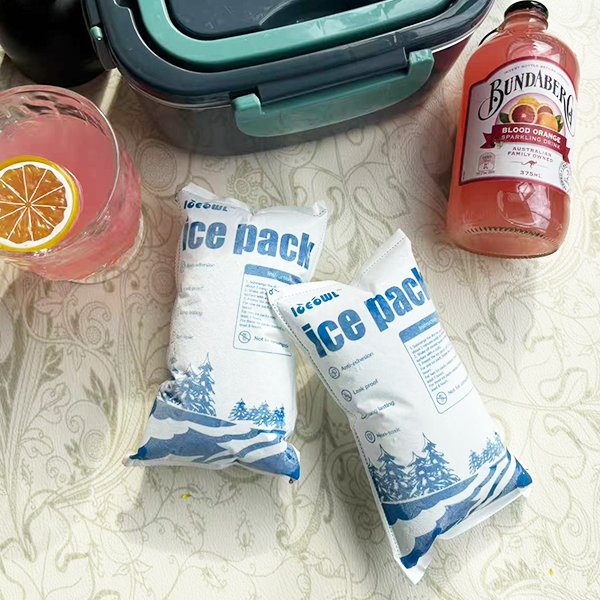
15–25 °C Versandverpackung und kontrollierte Raumtemperaturauswahl
15–25°C shipping packaging is appropriate when the product's approved transport requirement calls for that range and the complete packout supports the expected journey. Verpackungen mit kontrollierter Raumtemperatur sollten entsprechend einer schriftlichen Produktanforderung ausgewählt werden, rather than a supplier's category name. Für einen Käufer, Der entscheidende Beweis verbindet die Nutzlast, thermischer Stabilisator, Isoliertes Gehäuse, Zubereitungsmethode und äußere Einwirkung. Nutzen Sie diese Verbindungen, um festzustellen, ob ein vorgeschlagenes System zur Sendung passt und ob Ihr Team es zuverlässig bedienen kann.
Konvertieren Sie die Produktanforderung in eine Versandspezifikation
Beginnen Sie mit dem Product Owner. Ermitteln Sie den zulässigen Temperaturbereich, Ausgangsbedingung, relevante Stabilitätsinformationen und Hinweise zum Umgang mit Exkursionen. Unterscheiden Sie normale Betriebsgrenzen von Genehmigungen, die erst nach einer Exkursionsbewertung gelten. Eine erlaubte Ausnahme sollte nicht zum Standard-Designziel werden, nur weil sie die Verpackung kostengünstiger macht.
Die Terminologie bedarf der Pflege. Öffentliches USP-Material beschreibt eine kontrollierte Raumtemperatur um 20–25 °C mit bedingten Abweichungen; Dieses Konzept sollte nicht auf eine bedingungslose 15–25°C-Transportregel reduziert werden. Verschiedene Referenzen und kommerzielle Portfolios können Raumtemperaturbegriffe unterschiedlich verwenden. Bestätigen Sie den geltenden offiziellen Standard und die Produktkennzeichnung mit dem Qualitätsteam, bevor Sie die Spezifikation festlegen.
Für ein Produkt mit einer ausdrücklich genehmigten Versandanforderung von 15–25 °C, Notieren Sie diesen Bereich als Akzeptanzkriterium. Geben Sie an, was gemessen wird und in welchem Intervall. Ein Grenzwert für das Produkt während des Transports unterscheidet sich von dem Wert, der bei der Lieferung im Karton gemessen wird. Ein Bericht, der ein Kriterium verwendet, kann das andere nicht stillschweigend unterstützen.
Beschreiben Sie die Last als eine Hülle zulässiger Konfigurationen. Geben Sie die Abmessungen der Produktverpackung an, Menge, verpackte Masse, Starttemperatur und der verfügbare Platz nach dem Einbau der thermischen Komponenten. Wenn Ihr Unternehmen sowohl kleine Nachschubbestellungen als auch volle Kartons versendet, beide Situationen sichtbar machen. Der Lieferant benötigt genügend Informationen, um sinnvoll auswertbare Konfigurationen vorschlagen zu können.
Identifizieren Sie auch den Endpunkt des Schutzes. Der Träger's delivery confirmation may precede receiving inspection or placement into controlled storage. Verpackungs- und Servicevereinbarungen sollen den Zeitraum überbrücken, für den tatsächlich Schutz erforderlich ist. Weisen Sie die Verantwortung für alle Intervalle außerhalb dieses Zeitraums zu, damit der Plan keine undefinierte Übergabe aufweist.
Diagnostizieren Sie, wo sich die Sendung einem der beiden Grenzwerte nähern kann
Erstellen Sie eine Expositionskarte vom Verpacken bis zum Empfang. Denken Sie an die Packbank, Abholwarteschlange, Transportfahrzeug, Transferknotenpunkt, Zollprozess, Zieldock und Empfangslager. Markieren Sie, welche Stufen über eine verifizierte Temperaturkontrolle verfügen und welche auf der Verpackung basieren. Verwenden Sie nach Möglichkeit Routenaufzeichnungen; Das Wetter im Freien allein beschreibt nicht alle diese Umgebungen.
Für einen Bereich mit einer unteren und oberen Grenze, Beurteilen Sie sowohl die Erwärmung als auch die Abkühlung. Sommerhitze ist ein offensichtliches Problem, Aber auch Wintereinwirkung und überkühlte Komponenten können dazu führen, dass die Nutzlast außerhalb ihrer Spezifikation liegt. Ein Versender's success under a warm profile does not answer the cold exposure question.
Besondere Aufmerksamkeit verdient die Vorbereitungsphase. Wenn das Produkt außerhalb seines genehmigten Ausgangszustands in die Box gelangt, Das System verwendet möglicherweise einen Teil seiner Reserve, um diesen Zustand zu korrigieren. Wenn ein Thermopaneel falsch vorbereitet ist, Das Panel selbst kann zu unerwünschter Belichtung führen. Diese Risiken erfordern Vorbereitungskontrollen, nicht nur ein stärkerer Außenkarton.
Ordnen Sie die Zeit ebenso sorgfältig zu wie die Temperatur. Beginnen Sie das vorgeschlagene Schutzfenster an der dokumentierten Stelle, die in der Bewertung verwendet wurde, Fügen Sie dann die tatsächlichen Erfassungs- und Empfangsintervalle hinzu. Establish a delay allowance based on the route's credible failure modes. Vermeiden Sie die Wahl eines willkürlichen Prozentsatzes, der keinen Bezug zum Versandvorgang hat.
Wenn unsichere Etappen die Reise dominieren, Erwägen Sie eine Änderung des Dienstes oder Zeitplans, bevor Sie die Auslastung erhöhen. Eine betreute Empfangsvereinbarung, Ein anderer Versandtag oder eine verifizierte kontrollierte Lagerung an einem Hub können die Ursache der Gefährdung beheben. Die Verpackung ist ein Teil der Routengestaltung, und zusätzliches Material können nicht jede Verzögerung akzeptabel machen.
Wählen Sie ein System aus, das Ihr Versandbetrieb reproduzieren kann
Ein isoliertes Gehäuse reduziert den Wärmeaustausch; Ein thermischer Stabilisator bietet eine definierte Fähigkeit, Energie aufzunehmen oder abzugeben. Ein passives Versandsystem kombiniert diese Komponenten mit einer festgelegten Ladeanordnung. Ein aktiver Container nutzt eine elektrische Regelung und benötigt eine eigene Betriebsunterstützung. Ein Logger liefert eine Aufzeichnung der Bedingungen und sollte getrennt vom Schutzsystem behandelt werden.
Für ein passives CRT-Design, Fragen Sie, warum der vorgeschlagene Stabilisator für die Anforderung geeignet ist. Eine PCM-Übergangstemperatur ist eine nützliche technische Information, aber es handelt sich nicht um eine Nutzlasthaltezeit. Die Summe, Ausgangszustand, Anordnung und Einfassung bestimmen, welchen Beitrag das Material im zusammengebauten Transportbehälter leistet. Überprüfen Sie die relevanten Systemnachweise, anstatt Produkte nur nach Phasenpunkt zu ordnen.
Ordinary frozen gel packs require particular caution. Wenn man sie in ein CRT-Packout einbaut, können kalte Kontaktzonen entstehen, auch wenn der breitere Hohlraum in Reichweite bleibt. Verwenden Sie nur ein Kühlmittel und eine Vorbereitungsmethode, die für die Konstruktion geeignet sind. Wenn der Lieferant eine alternative Verpackung vorschlägt, Holen Sie eine dokumentierte Bewertung ein, bevor Sie es als austauschbar behandeln.
Vergleichen Sie Architekturen mit dem Dispatch-Vorgang. Ein Karton und eine Auskleidung können für einen etablierten Paket-Workflow geeignet sein, wenn die getestete Baugruppe die Anforderungen erfüllt. Ein starrer wiederverwendbarer Versandbehälter kann in eine verwaltete Rücksendeschleife passen, erfordert jedoch eine Wiederherstellung, Inspektion und Aufarbeitung. Vakuumisolierte Paneele können bei Platzmangel hilfreich sein, Gleichzeitig wird die Notwendigkeit eingeführt, Gremien zu schützen und Ablehnungskriterien festzulegen. Eine aktive Lösung kann für bestimmte kontrollierte Logistikdienste geeignet sein, sofern die Infrastruktur und Eventualitäten vorhanden sind.
Lassen Sie das Lagerpersonal vor der kommerziellen Genehmigung eine repräsentative Bestellung verpacken. Identifikation beachten, Stabilisatorvorbereitung, Produkt laden, Schließung, Beschriftung und Monitorplatzierung. Ein Versuch, der bei jedem Schritt das Eingreifen eines Experten erfordert, legt ein Bereitstellungsproblem offen, auch wenn das technische Design solide ist. Die gewählte Konfiguration sollte von geschultem Personal mit den verfügbaren Ressourcen an normalen Versandtagen nutzbar sein.
Fragen Sie, was der Leistungsbericht eigentlich abdeckt
Fordern Sie den Bericht für die genau angebotene Montage und Revision an. Die Beweise sollten die äußere Belastung offenlegen, Nutzlast, Komponentenvorbereitung, Sensorpositionen, Annahmegrenzen und -dauer. Überprüfen Sie die vollständigen Ablaufverfolgungen und Ausnahmen und nicht die Überschrift „pass“-Anweisung. Prüfen Sie, ob die gekaufte Konfiguration mit der im Bericht abgebildeten und beschriebenen übereinstimmt.
| Frage an den Lieferanten | Für die Entscheidung erforderliche Beweise |
|---|---|
| Welche Baugruppe wurde bewertet? | Komponentenbezeichner, Zeichnung, Schließung und Überarbeitung |
| Welche Produktladungen waren vertreten?? | Umschlag einlegen, Abmessungen und Ausgangszustand |
| Welche äußeren Bedingungen wurden angewendet?? | Benanntes Profil oder dokumentierte Exposition mit Dauer |
| Welche Temperaturen wurden aufgezeichnet? | Sensorzweck, Position, Kalibrierung und vollständige Spuren |
| Wie wurden die Komponenten vorbereitet?? | Konditionierungsverfahren und Anfangszustandsaufzeichnungen |
| Was geschah außerhalb normaler Bedingungen?? | Abweichungen, Fehler und überprüfte Einschränkungen |
Verwenden Sie die Tabelle, um spezifische Beweislücken zu identifizieren. Zum Beispiel, Ein Bericht, der nur eine Vollladung abdeckt, gibt keinen Aufschluss darüber, ob eine Kleinbestellung in den Umfang fällt. Ein Verweis auf dieselbe Boxenfamilie beweist nicht, dass eine andere Größe die gleiche Leistung erbringt. Fordern Sie die fehlende Bewertung an oder beschränken Sie die vorgeschlagene Anwendung auf die unterstützte Konfiguration.
Die Qualifizierungsleitlinien der WHO unterscheiden die beabsichtigten Anforderungen, kontrollierte Auswertung und Leistung in der Betriebsumgebung. BELIEBIG's Standard 20 befasst sich mit einem Design- und Qualifizierungsprozess, während 7E thermische Profile für Pakete bereitstellt. Dies sind nützliche Evidenzrahmen; neither a standard name nor a supplier's prequalified label removes the need to establish applicability to your product and route.
Definieren Sie die Messfrage, bevor Sie Diagramme überprüfen. Eine Sonde in Hohlraumluft, An der Produktoberfläche oder im Inneren eines Simulans werden verschiedene Dinge gemessen. Für Entwicklungstests sind möglicherweise mehrere Positionen erforderlich, um gefährdete Bereiche zu lokalisieren. Der Routinemonitor sollte dann gemäß der genehmigten Strategie positioniert werden, mit einer klaren Erklärung dessen, was seine Aufzeichnung darstellt.
Berücksichtigen Sie beim Festlegen von Akzeptanz- und Alarmregeln die Instrumentierung. Review the monitor's working range, Kalibrierungsnachweis, Probenahmeintervall und relevante Unsicherheit. Vermeiden Sie es, eine unqualifizierte Geräteablesung als genaue Produkthistorie zu interpretieren. Umgekehrt, Das Fehlen von Alarmen ist nicht aussagekräftig, wenn die Alarmeinstellungen nicht den Versandanforderungen entsprechen.
Kontrollieren Sie die Vorbereitung und den Austausch ebenso sorgfältig wie das Design
Die Konditionierung ist ein Produktionsschritt mit einem zu überprüfenden Ergebnis. Die Geräteeinstellungen allein zeigen nicht, dass die Komponenten ihre erforderliche Temperatur und ihren erforderlichen Phasenzustand erreicht haben. Fragen Sie nach Anweisungen zur Lastanordnung, Vorbereitungsdauer, Bereitschaftsprüfungen und der zulässige Zeitraum vor der Verwendung. Bestätigen Sie, dass die Konditionierungskapazität mit dem geplanten Versandvolumen übereinstimmt.
Stellen Sie fest, was passiert, wenn eine Komponente zu spät kommt, beschädigt oder unsicher. Das Personal benötigt eine definierte Stopp-Entscheidung und Zugang zu einer genehmigten Alternative. Eine dringende Lieferung sollte nicht zu einem improvisierten Stabilisatoraustausch führen, Entfernen von Trennstegen oder ein verändertes Produktlayout ohne Begutachtung. Diese Handlungen können die Grundlage des Leistungsanspruchs verändern.
Erstellen Sie eine genehmigte Stückliste und Verpackungsanweisung mit einer Revisionskennung. Verknüpfen Sie Einkaufscodes mit der Baugruppe, sodass bei einer Nachbestellung die vorgesehenen Komponenten geliefert werden. Bitten Sie den Lieferanten, Sie über Materialänderungen zu informieren, Abmessungen, Plattenkonstruktion, Stabilisatorformulierung oder Bedienungsanleitung. Das Qualitätsteam kann dann entscheiden, ob die vorhandenen Beweise weiterhin anwendbar sind.
Für ein wiederverwendbares Programm, Definieren Sie die Verantwortlichkeiten für Wiederherstellung und Inspektion vor dem Einsatz. Fügen Sie fehlende Komponenten hinzu, Reinigung, beschädigte Oberflächen, ungeeignete Lagerungs- und Ruhestandsentscheidungen. Verfolgen Sie den verfügbaren Pool getrennt von der Gesamtkaufzahl; units in transit or awaiting preparation cannot support today's dispatch. Ein wiederverwendbares System liefert nur dann seine beabsichtigten Betriebsvorteile, wenn dieser Kreislauf funktioniert.
Führen Sie Vorbereitungs- und Versandaufzeichnungen auf einem Niveau, das im Verhältnis zum Produkt- und Qualitätssystem steht. Sie sollen eine Untersuchung zur Rekonstruktion der Versammlung ermöglichen, Komponentenzustand, Auftragsabwicklung und tatsächlicher Zeitplan. Die Rückverfolgbarkeit ist am nützlichsten, wenn sie erklärt, was passiert ist, anstatt Felder hinzuzufügen, die niemand überprüft.
Verwenden Sie eine abgestufte Entscheidung für gemischte Auftragsgrößen und Routen
Stellen Sie sich einen hypothetischen Händler vor, dessen genehmigte Produktanforderung 15–25 °C beträgt. Der Distributor versendet kleine Nachschubbestellungen und größere Sendungen, mit saisonaler Exposition an einem Zwischenknotenpunkt. Bei der Kaufentscheidung sollten die Lastkonfigurationen und die saisonalen Routenbedingungen getrennt werden, bevor ein einziges System für das gesamte Programm angefordert wird.
Erste, Legen Sie die Belastungs- und Belichtungshüllkurven fest. Nächste, Vergleichen Sie die Lieferantennachweise mit jedem Umschlag. Wo die Beweise passen, Führen Sie die erforderliche Implementierungsüberprüfung und den kontrollierten Test durch. Wo es nicht der Fall ist, Wählen Sie eine bewertete Alternative aus oder beschränken Sie die Verwendung, bis die weitere Bewertung abgeschlossen ist. Dies macht die verbleibende Unsicherheit sichtbar, anstatt ein erfolgreiches Ergebnis auf nicht unterstützte Sendungen zu verteilen.
Ein Produktionsversuch sollte mehr als nur die Temperaturspur untersuchen. Rekordvorbereitungskapazität, Packzeit, Materialidentifikation, Verschluss passt, Versandzeitstempel und Empfangsverhalten. Wenn das thermische Design funktioniert, die Linie es jedoch nicht konsistent vorbereiten kann, den Betriebsprozess überarbeiten oder die Architektur überdenken. Das Hinzufügen von Inventar kann bei Kapazitätsengpässen helfen, aber unklare Anweisungen werden dadurch nicht korrigiert.
Vergleichen Sie die Gesamtbetriebskosten, nachdem die unterstützten Optionen identifiziert wurden. Fügen Sie das Gehäuse hinzu, Stabilisatoren, Konditionierungsressourcen, Arbeit, Fracht, Rückgaberegelungen und Komponentenverluste. Use the carrier's actual commercial rules for external dimensions and packed weight. Halten Sie Ihre Nachhaltigkeitsaussagen konkret: a returnable box needs real return and reuse records before broad environmental benefits can be asserted.
Geben Sie das Programm in definierten Schritten frei. Genehmigen Sie die anfänglichen Ziele und laden Sie Konfigurationen, Überprüfen Sie die Pilotenaufzeichnungen, Entscheiden Sie dann, für welche Erweiterungen zusätzliche Nachweise erforderlich sind. Dadurch wird verhindert, dass eine kommerzielle Einführung schneller expandiert als der unterstützte Betriebsbereich. Führen Sie ein Verzeichnis der genehmigten Konfigurationen, das das Personal einsehen kann, wenn eine neue Bestellung oder Route nicht dem festgelegten Muster entspricht.
Machen Sie die Empfangsentscheidung zum Bestandteil der Spezifikation
Senden Sie Empfangsanweisungen, die den erwarteten Lagerzustand angeben, Inspektionsschritte, Abruf- und Eskalationskontakt überwachen. Vereinbaren Sie, wie das Produkt bis zur Überprüfung aufbewahrt wird, wenn Datensätze fehlen oder außerhalb der Grenzwerte liegen. Die Person, die den Karton entlädt, sollte keine Dispositionsentscheidung erfinden müssen.
Eine akzeptable Ankunftsanzeige beweist nicht, dass die frühere Geschichte akzeptabel war. Ebenfalls, Eine Temperaturabweichungsaufzeichnung allein stellt nicht die Auswirkung auf das Produkt dar. Das verantwortliche Qualitätsteam sollte die Historie anhand produktspezifischer Nachweise und des genehmigten Verfahrens überprüfen. Mittlere kinetische Temperatur, gegebenenfalls zutreffend, sollten im entsprechenden Rahmen genutzt werden; es entschuldigt nicht automatisch ein Einfrieren oder jedes Ereignis außerhalb des zulässigen Bereichs.
Für 15–25°C Versandverpackung, Die stärkste Kaufentscheidung verbindet eine präzise Anforderung mit einer wiederholbaren Montage und einem unterstützten Betriebsbereich. Stellen Sie diese Links fertig, bevor Sie eine Großbestellung aufgeben, dann konservieren Sie sie durch Vorbereitung, versenden, Empfangs- und Änderungskontrolle.
Senden Sie Ihrem Lieferanten die genehmigten Temperaturanforderungen, Nutzlasthülle, Routenexpositionen und Konditionierungsressourcen. Fordern Sie eine identifizierte Verpackung und die erforderlichen Nachweise an, um deren Verwendung in Ihrem Versandprogramm zu bewerten.
Kühlkettenverpackung für Impfstoffe: Frostsicheres Design und streckensicher
Kühlkettenverpackung für Impfstoffe: Von der Impfstoffkennzeichnung bis zur Empfangsentscheidung
The hardest part of vaccine cold chain packaging is often preventing a package from becoming zu kalt während es für die gesamte Strecke kühl genug bleibt. Ein gefrorenes Kältemittel in der Nähe eines frostempfindlichen Impfstoffs kann ein ebenso ernstes Risiko darstellen wie eine verspätete Lieferung im Sommer. That is why a credible vaccine shipper is not simply an insulated box, und warum die von einem Lieferanten angegebene Haltezeit kein ausreichender Beweis für deren Nutzung ist.
Ein komplettes Impfstoffversandsystem umfasst das isolierte Gehäuse, thermische Medien, definierte Nutzlast, Frostschutzschichten, Handhabungsanweisungen und Überwachungsprozess. Seine Eignung kann nur anhand der spezifischen Impfstoffanforderungen und des Verwendungswegs beurteilt werden. In diesem Leitfaden wird erläutert, wie Sie diese Anforderungen in ein testbares Packout umwandeln, ohne verwirrende Materialien gekauft und wiederholt betrieben, Gerätezertifizierungen und Versandqualifizierung.
Beginnen Sie mit der zugelassenen Bedingung des Impfstoffs – nicht mit einer universellen Temperaturangabe
Viele häufig verwendete gekühlte Impfstoffe werden bei +2 °C bis +8 °C gelagert, Aber Nicht jeder Impfstoff wird unter dieser Bedingung transportiert. Einige Produkte müssen gefroren oder bei extrem niedrigen Temperaturen gehandhabt werden; andere haben produktspezifische Auftauzeiten, B. Lichtschutzanforderungen oder Vorschriften zu Verdünnungsmitteln. Die zugelassenen Produktinformationen und das geltende Impfprogramm bestimmen die Akzeptanzgrenzen. Eine Temperaturanforderung auf dem Etikett darf der Verpackungslieferant nicht durch eine allgemeine Spezifikation für „Impfstoffqualität“ ersetzen.
Für Impfstoffanbieter in den USA, das im Juli aktualisierte CDC Vaccine Storage and Handling Toolkit 14, 2026, verweist Benutzer auf die Packungsbeilage des Herstellers für von der FDA zugelassene Produkte und auf das relevante Informationsblatt des Anbieters für Produkte, die im Rahmen eines Notfallpfads zugelassen sind. Siebte Ausgabe der Leitlinien der WHO für die internationale Verpackung und den Versand von Impfstoffen, im Juli veröffentlicht 2025, bietet Orientierung für einen anderen Kontext: Internationaler Versand, vorwiegend auf dem Luftweg. Diese Quellen ergänzen sich im Rahmen ihres vorgesehenen Umfangs, kein austauschbarer Ersatz für die Anweisungen des jeweiligen Impfstoffs.
Der erste Schritt eines Käufers ist die Ausstellung eines Produktzustandsaufzeichnung mit der genauen Bezeichnung und Aufmachung des Impfstoffs, genehmigten Transportbedingungen, Gefrierempfindlichkeit, leichte Überlegungen, Umgang mit Verdünnungsmitteln, Temperaturüberwachungsanforderungen und Empfangs- und Freigabebefugnis. Wenn ein Händler mehrere Impfstoffe zusammen versendet, Sein Qualitätsteam muss feststellen, ob seine Anforderungen eine gemeinsame Ladung tatsächlich zulassen. Ähnlich aussehende Fläschchen stellen keine kompatiblen Temperatur- oder Handhabungsanforderungen dar.
Warum der Frostschutz eine eigene Zeile in der Spezifikation verdient
Die klinischen Leitlinien des CDC weisen darauf hin, dass flüssige Impfstoffe, die Aluminium-Adjuvantien enthalten, nach dem Einfrieren dauerhaft an Wirksamkeit verlieren können. Eine gekühlte Sendung kann nicht einfach deshalb als sicher erklärt werden, weil ihr zentraler Logger nie eine warme Abweichung aufgezeichnet hat. In der Nähe von Kühlmittelflächen können kalte Stellen entstehen, Ecken und eng anliegende Kartons. Die relevante Frage ist, ob die Impfstoffprodukt vor Temperaturen außerhalb des zulässigen Bereichs geschützt ist, auch am kältesten plausiblen Nutzlastort.
Die Verwendung zusätzlicher gefrorener Kühlflüssigkeit kann die Widerstandsfähigkeit gegen Sommerhitze verbessern, kann jedoch das Gefrierrisiko erhöhen. Eine Reduzierung des Kühlmittels kann eine Tiefenkühlung verhindern, jedoch den Schutz während der Verzögerung verkürzen. Die Technik muss die beiden Fehlerarten gemeinsam bewältigen; Eine einzige Übertemperatur oder mehr Eis sind keine adäquate Lösung.
Behandeln Sie den Versender als sechsteiliges Regelsystem
The insulated container, Wärmemasse und Überwachungsgerät erfüllen unterschiedliche Aufgaben. Durch die Trennung ihrer Rollen werden Zitate und Testergebnisse aussagekräftiger.
1. Isolierte Schale. EPS, EVP, Isolierte Kartons und vakuumisolierte Plattenbaugruppen begrenzen die Wärmeübertragungsrate. Ihre nutzbare Leistung hängt von den Wänden ab, Ecken, Deckelgelenke, Schließungen und Schadenszustände – nicht nur auf einem Materialdatenblatt. Ein VIP-System kann die Isolierung in einer geeigneten Architektur verbessern, erhöht jedoch die Notwendigkeit, die Integrität und Handhabung des Panels zu kontrollieren.
2. Wärmemedium. Gefrorene oder konditionierte Wasserpackungen, Gelpackungen, rigid ice bricks and selected phase change materials absorb or release heat. Ein PCM wird aufgrund seines definierten Phasenwechselverhaltens ausgewählt; a generic gel ice pack should not be assumed to behave like a specific PCM. Die Leistung des Kältemittels hängt von seiner Formulierung ab, Masse, Geometrie und thermischer Ausgangszustand.
3. Frostschutzstruktur. Abstandshalter, Ein gut gestalteter Laderaum oder eine technische Barriere können den direkten Kontakt mit gefrorenen Packungen verringern. Eine provisorische Barriere ohne Beweise ist kein Beweis dafür, dass Impfstofffläschchen über ihrer unteren zulässigen Temperatur bleiben.
4. Echte Nutzlast. Abmessungen des Impfstoffkartons, Menge, Masse und Stapelanordnung beeinflussen das thermische Feld. Eine Nennmenge von „10 l“ oder eine andere Volumenangabe sagt einem Käufer nicht aus, wie viel Impfstoff nach dem Kühlmittel hineinpasst, Trenner, Logger und Schutzschichten werden eingebaut.
5. Überwachungsgeräte. Ein Temperaturdatenlogger zeichnet die Bedingungen an seinem Sondenstandort auf. Es kann das Produkt nicht kühlen oder erhitzen und kann nicht unabhängig entscheiden, ob ein Impfstoff weiterhin gebrauchsfähig bleibt. Sensorposition, Kalibrierungsnachweis, Alarme und Datenabruf müssen definiert werden.
6. Kontrolliertes Verfahren. Eine Verpackungsanweisung definiert die Kühlmittelaufbereitung, Montageauftrag, zulässige offene Zeit, Konfiguration laden, Schließung, Etikettieren und Empfangen von Schecks. Ohne wiederholbare Ausführung, Ein erfolgreicher Kammertest stellt möglicherweise keine routinemäßigen Produktionslieferungen dar.
Die WHO IMD-PQS E004-Kategorie bietet eine wichtige Unterscheidung für öffentliche Käufer von Impfungen. Es handelt sich um Kühlboxen, Impfstoffträger und andere passive Geräte, die beim Impfstofftransport verwendet werden. Für ein Modell, das eine WHO-Präqualifikation beansprucht, Überprüfen Sie die genaues Modell und zutreffende Kategorie, kein ähnlich aussehendes Design. Eine maßgeschneiderte medizinische Kühlbox sollte den PQS-Anspruch nicht von einem anderen Produkt übernehmen.
Wählen Sie eine Kühlmittelstrategie entsprechend dem Risiko beider Temperaturgrenzen
Die relevante Frage ist nicht, ob ein Kühlmittel kalt werden kann; Es geht darum, ob das vollständig verpackte System den spezifischen Impfstoff während der erwarteten Exposition schützt. In den Richtlinien der WHO zu Kühlkettengeräten für Impfstoffe werden gefrorene Wasserpackungen unterschieden, properly conditioned ice packs, Kühlakkus und spezielle Frostschutzträger. Die richtige Kombination hängt vom Programm ab, Produkt und genaue Trägeranweisungen.
Gefrierschutzimpfstoffträger verfügen über eine speziell entwickelte Barriere zwischen dem Lagerfach und den gefrorenen Packungen. Die Leitlinien der WHO erklären, dass kompatible gefrorene Wasserbeutel geladen werden können, ohne dass die herkömmliche Konditionierung erforderlich ist spezifizierte Frostschutzkonstruktionen. Dieser betriebliche Vorteil lässt sich nicht auf herkömmliche Transportunternehmen übertragen. Die Barrieregeometrie kann auch das nutzbare Lagervolumen verringern. Befolgen Sie die überprüften Ladeanweisungen des jeweiligen Trägers, anstatt eine Technik zu verwenden, die von einem anderen Modell übernommen wurde.
Für einen kundenspezifischen Pharmaversand, Der Einkauf sollte den Lieferanten bitten, jeden Konditionierungsschritt zu definieren: Startort und Temperatur, Bereitschaftsprüfung, zulässige Bereitstellungszeit, Packungsausrichtung, Trennungsgebot und Umschaltkontrolle. Der Ausdruck „vorgefrorene Packungen verwenden“ ist zu vage, um als geregelte Verpackungsanweisung zu dienen.
| Versandsituation | Vorherrschendes technisches Problem | Design- oder Verifizierungsfrage |
| Gekühlt, frostempfindlichen Impfstoff auf kurzem Paketweg | Kalter Kontakt in der Nähe von gefrorenen Medien | Sind die kältesten Ladepositionen durch die genehmigte Verpackungs-SOP geschützt?? |
| Gekühlter Impfstoff durch eine lange warme Übergabe | Wärmeeinbruch und erschöpfte Wärmereserve | Beinhaltet die Umgebungsherausforderung die Verweildauer und die glaubwürdige Verzögerung?? |
| Gekühlter Versand in einer kalten Winterspur | Umgebungsunterkühlung und Kühlmittelstartzustand | Wurde ein kaltes Saisonprofil getestet?, nicht nur ein Sommermodell? |
| Feldimmunisierung mit wiederholtem Zugriff | Wärmegewinn beim Öffnen und möglicher direkter Packungskontakt | Ist das Gerät für einen Outreach-Nutzungszyklus vorgesehen und bewertet?? |
| Produkt, das gefroren oder bei extrem niedrigen Temperaturen gehandhabt werden muss | Inkompatible Temperaturarchitektur | Wurden der produktspezifische Versender und die Transportart gesondert bewertet?? |
Diese Tabelle ist eine Entscheidungskarte, kein universelles Verpackungsrezept. Temperaturbedingungen und akzeptable Methoden müssen aus dem tatsächlichen Impfstoff und dem verantwortlichen Programm stammen.
Definieren Sie das Belichtungsfenster vom endgültigen Verschließen der Verpackung bis zur kontrollierten Empfangslagerung
Eine Route ist mehr als Reisezeit. Für eine internationale Luftfrachtsendung, Das geschützte Intervall kann die Montage umfassen, abholen, Exportlager wohnen, Laden, Flüge, Transferflughäfen, Zoll und Empfangsstelle. Für eine regionale Kliniklieferung, Dazu gehört auch die Fahrzeuginszenierung, erfolglose Zustellversuche und die Minuten vor der Einlagerung in die genehmigte Lagerung. Die schwerwiegendste Exposition kann bei einer kurzen unkontrollierten Übergabe und nicht bei der längsten Etappe auftreten.
Wer ist 2025 In den internationalen Leitlinien für den Versand von Impfstoffen werden ausdrücklich die Herausforderungen der Größe erörtert, Gewicht, Entgegennahme von Schecks und Aufrechterhaltung der Temperaturen während der Luftfracht und damit verbundenen Bodenbewegungen. Auch die EU-Leitlinien zur Guten Vertriebspraxis für Arzneimittel betonen den risikobasierten Transport, produktdefinierte Temperaturbedingungen, vorhersehbare Umgebungsextreme, Transitlagerung und Untersuchung von Abweichungen innerhalb ihres EU-Vertriebsbereichs.
Bevor Sie einen Versender auswählen, Zeichnen Sie eine Übergabekarte, in der alle verantwortlichen Parteien und kontrollierten Einrichtungen aufgeführt sind. Notieren Sie, wann das Paket den geschützten Lagerraum verlassen darf, die längste glaubwürdige Transitdauer, Wochenendschließungen, erwartete heiße und kalte Umgebungsexpositionen, und Aktionskontakte, wenn eine Route fehlschlägt. Die Qualifikationsdauer sollte unterstützt werden durch a definierte Herausforderung und expliziter Spielraum, nicht nur durch Subtrahieren der Abfahrtszeit von der Ankunftszeit in einem Best-Case-Zeitplan.
Stellen Sie sich einen hypothetischen Vertriebshändler vor, der mehrere regionale Impfstellen beliefert. Eine Einrichtung erhält Pakete sofort; Ein anderes Unternehmen nimmt Lieferungen nur während begrenzter Geschäftszeiten an. Der gleiche Fahrzeugabstand erzeugt nicht das gleiche geschützte Fenster. Für das zweite Ziel, Die richtige Änderung könnte eine kontrollierte Übergabevereinbarung oder eine Anpassung des Lieferplans sein, kein schwererer Gelpack. Die Verpackung ist ein Teil der Routenrisikokontrolle.
Wenn passive Verpackung nicht die einzige Antwort ist
Passive Systeme sind dann attraktiv, wenn Expositionsdauer und Handhabung begrenzt werden können und das Packout zuverlässig konditioniert und wiederholt werden kann. Sie füllen die Wärmeenergie nach dem Abflug nicht aktiv wieder auf. Lang, unsichere Routen, Bei stark schwankenden Lagerbedingungen oder großen Sendungen können Kühlfahrzeuge erforderlich sein, kontrollierte Laderäume, angetriebene Container oder zuverlässigere Übergabepunkte. Ein aktiver Container ist nicht automatisch überlegen; es bringt Ausrüstung mit, Leistung, Wartungs- und Verwahrungsabhängigkeiten, die ebenfalls einer Verwaltung bedürfen.
Trockeneis kann besonders leicht missverstanden werden. Bei geeigneter Luftfracht mit Impfstoffen bei extrem niedrigen Temperaturen kann Trockeneis verwendet werden, wenn dies durch die genehmigte Produktanleitung und die geltenden Vorschriften der Fluggesellschaft und der Gefahrgüter unterstützt wird. Das ist ein anderer Fall als bei routinemäßigen gekühlten Kliniktransporten. Die CDCs 2026 Das Toolkit des Anbieters warnt in seinen Leitlinien für den Transport von Impfstoffen außerhalb von Notfällen ausdrücklich vor Trockeneis. Übertragen Sie keine Regeln zwischen diesen verschiedenen Vorgängen.
Lesen Sie Qualifikationsnachweise als eine Reihe von Bedingungen, kein Zertifikat universeller Leistung
Ein nützlicher thermischer Bericht beantwortet eine eng gefasste Frage: Hat ein identifizierter Packout eine bestimmte repräsentative Nutzlast während einer definierten Umgebungsbelastung unter kontrollierten Startbedingungen innerhalb der angegebenen Akzeptanzgrenzen gehalten?? Das tut es nicht beweisen automatisch alle Jahreszeiten, Impfstofftypen, Kartongrößen oder Verpackungsvarianten. Die Entscheidungsgrenze sollte im Bericht sichtbar sein.
Ein technisches Genehmigungspaket sollte die Stückliste und Revisionen enthalten, eine dimensionierte, beladene Verpackung, das gewählte Kühlmittel- und Konditionierungsverfahren, Anfangstemperaturen, Grundprinzip der Nutzlastsimulation, Sensorpositionen, Umgebungstestprofil, Zeit-Temperatur-Aufzeichnungen, Akzeptanzkriterien und Beobachtungen. Wenn in einem Bericht „72-Stunden-Schutz“ ohne diese Bedingungen steht, Behandeln Sie die Dauer als unbestätigte Marketingaussage, bis die unterstützenden Beweise überprüft wurden.
ISTA-Standard 20 describes a process for designing and qualifying insulated shipping containers, und ISTA 7E bietet thermische Expositionsprofile für Paketversandtests. Dabei handelt es sich um Bewertungsinstrumente; Ein Test, der ein ISTA-Profil verwendet, allein reicht nicht aus, um einen Impfstoff für den Vertrieb freizugeben oder nachzuweisen, dass ein bestimmtes Produkt nach einer Exkursion weiterhin wirksam ist. Eine WHO-PQS-Geräteliste und die Transportqualifikation einer Organisation sind ebenfalls unterschiedliche Entscheidungen.
Auch unterschiedliche Lastzustände spielen eine Rolle. Ein vollgepackter Transporter hat eine andere thermische Masse und Luftverteilung als ein fast leerer. Eine geänderte Kartonhöhe kann den Abstand zum Deckel verändern oder Fläschchen näher an die Kühlmitteloberfläche bringen. Ein Wechsel des Kühlmittellieferanten oder der Gelformulierung kann den Ausgangszustand und das thermische Verhalten verändern. Das Qualitätspersonal sollte festlegen, welche Änderungen mit begründeten Nachweisen überbrückt werden können und welche eine erneute Prüfung erfordern.
Bei einer betrieblichen Designüberprüfung sollte auch der kälteste Teil einer Box hinterfragt werden. Wenn nur der wärmste zentrale Punkt kartiert wird, kann eine lokale Frostgefahr übersehen werden. Während der Entwicklung, Mehrere Sensoren können dabei helfen, thermische Extreme zu erkennen und eine begründete Position für die routinemäßige Sendungsüberwachung festzulegen. Der endgültige Überwachungsplan sollte genau beschreiben, was der Feldlogger darstellt und was nicht.
Planen Sie die Empfangs- und Ausflugsabwicklung vor dem Kauf der ersten Box
Der letzte Schritt in der temperaturgeführten Kette ist die Annahme durch einen geschulten Empfänger. Ein gutes Empfangsverfahren legt fest, was vor dem Öffnen überprüft werden muss, Wo finde ich den Logger?, wie man seine Zeitspur überprüft, wie schnell der Impfstoff in die zugelassene Lagerung gelangen muss, und welche Aufzeichnungen aufbewahrt werden. Das Verfahren sollte beschädigte Dichtungen abdecken, nasse Etiketten, fehlende Sensoren, unerwarteter Kühlmittelkontakt und verspätete Lieferungen.
Ein Messwert außerhalb des zulässigen Bereichs muss den vereinbarten Qualitäts- und Programmprozess auslösen und nicht eine schnelle Entscheidung, die darauf basiert, ob die Fläschchen noch akzeptabel aussehen. Die CDC-Richtlinien warnen davor, Impfstoffe zu verwenden, die Bedingungen außerhalb der empfohlenen Temperaturen ausgesetzt sind, bis die Eignung durch entsprechende Behörden- oder Herstellerangaben festgestellt wurde. Der Verpackungsverkäufer kann die Wirksamkeit des Impfstoffs nicht anhand eines Kartonmodells oder einer Gelpackungsspezifikation bestimmen.
Mehrwegverpackungen bringen zusätzliche Kontrollen mit sich: Komponenteninspektion, Reinigung, Siegelprüfungen, Kühlmittelidentifizierung, Rückgabeabwicklung und Ruhestandskriterien. Ein Versender kann über wiederholte Zyklen nur dann wirtschaftlich sein, wenn er die Logistik umkehrt, Schäden und Wartung werden berücksichtigt. Der stärkste Anspruch auf wiederholte Verwendung wird durch kontrollierte Inspektionen und Leistungsnachweise innerhalb der definierten Nutzungsdauer gestützt.
Erstellen Sie eine Ausschreibung, die vergleichbare Antworten erzwingt
Angebote fair vergleichen, Bereitstellung der folgenden Informationen in einer einzigen kontrollierten Spezifikation:
- Produktzustand: genauer Impfstoff, gekennzeichnete Temperaturgrenzen, Gefrierempfindlichkeit, besondere Anweisungen für Licht oder Verdünnungsmittel, und Freigabebefugnis.
- Umschlag einlegen: Mindest- und Höchstkartons, reale Dimensionen, Masse, Präsentation und akzeptable Orientierung.
- Transportumschlag: Dauer von Tür zu Tür, alle Übergaben, heiße und kalte saisonale Expositionen, Verzögerungsrisiko und Empfangsbetriebszeiten.
- Systemarchitektur: akzeptable Außenmaße, Isolierformate, Kühlmitteloptionen, Barrieren, Anforderungen an die Integration und Wiederverwendung von Loggern.
- Beweispflicht: erforderliches thermisches Profil, repräsentative Nutzlast, Worst-Case-Positionen, Berichtsformat und anwendbare Qualitätsprüfung.
- Produktionskontrollen: Stückliste, Toleranzkriterien, Rückverfolgbarkeit der Komponenten, Änderungsmitteilung, Probenahme und Handhabung von SOP.
Bitten Sie darum, dass in jedem Zitat das angegeben wird Genaue getestete Konfiguration, nutzbare Impfstoffkapazität, Belastung durch betriebliche Konditionierung, bekannte Einschränkungen und was ausgeschlossen ist. Der Preisvergleich sollte den Frachtwürfel umfassen, Kühlmittelaufbereitungsraum, Verpackungsarbeit, Überwachung, Schadensersatz und ggf. Rücksendungen. Die kostengünstigste leere Hülle kann die teuerste kontrollierte Route sein.
Die öffentliche Produktpalette von Tempk umfasst Gel- und Phasenwechsel-Kühlmedien, Eisziegel, insulated bags and medical EPP/VIP packaging, zusammen mit Unterstützung bei der Packout-Planung. Dies sind Kandidatenbausteine, Es wird nicht behauptet, dass eine bestimmte Versammlung automatisch von der WHO präqualifiziert oder für jeden Impfstoff qualifiziert ist. Eine sinnvolle Lieferantendiskussion beginnt mit der Impfstoffanforderung, Routenübergabekarte, repräsentative Kartons und die Testnachweise, die Ihr Qualitätsteam benötigt.
Die Entscheidung, die zählt
Good vaccine cold chain packaging is produktspezifisch, frostbewusst, streckentauglich und wiederholbar. Es muss eine unzulässige Erwärmung verhindern, ohne dass unzulässige Kältestellen entstehen, Und es muss dem Empfänger die nötigen Beweise und Verfahren liefern, um zu entscheiden, was als nächstes passiert. Wählen Sie das gesamte System und seine Betriebsgrenzen aus, bevor Sie sich für eine Box oder einen Kühlmitteltyp entscheiden. Entwicklung eines Kandidatenpakets mit Tempk, Teilen Sie die Produktbedingungen mit, Nutzlastzeichnung, Annahmen zur Routenexposition und geplanter Qualifizierungsansatz; Bewerten Sie dann die resultierende Probe anhand der angegebenen Bedingungen.
Temperaturkontrollierte Versandlösungen: Ein Auswahlrahmen
Temperaturkontrollierte Versandlösungen: Wählen Sie das Steuerelement vor dem Container
The best temperature controlled shipping solutions do not begin with a cooler box. Sie beginnen mit der Identifizierung wo das Produkt seinen genehmigten Zustand verlassen könnte, Welcher Teil der Transportkette kann diese Exposition verhindern?, und welche Beweise der Empfänger benötigt. Ein isoliertes Paket, ein Kühlwagen, Ein angetriebener Luftfrachtcontainer und eine thermische Palettenabdeckung mögen alle nützlich sein – aber sie lösen verschiedene Teile des Problems.
Eine Sendung kann einen thermischen Labortest bestehen und betriebsmäßig scheitern, weil ein Paket beim Zoll wartet, Ein Lager hat das Kühlmittel nicht richtig konditioniert, oder die Empfangsstelle kann die Ware nicht annehmen. Zu einer Lösung gehört daher auch die Ausstattung, Verpackung, Streckengestaltung, Überwachung, Verfahren und einen Ausnahmeplan. Käufer sollten den Mindestsatz an Kontrollen auswählen, die nachweislich für das tatsächliche Produkt und Vertriebsnetzwerk zusammenarbeiten.
Definieren Sie den Produktzustandsvertrag, bevor Sie die Technologie auswählen
Temperaturkontrolle ist immer produktspezifisch. Viele gekühlte Impfstoffe und einige Arzneimittel nutzen den Bereich von +2 °C bis +8 °C, Es gibt aber auch raumtemperierte Zimmer, Tiefkühl- und Ultratieftemperaturprodukte, sowie Lebensmittel und Kosmetika, die sehr unterschiedliche Verträglichkeiten haben. Die genehmigte Produktkennzeichnung, Stabilitätsinformationen, Eine Qualitätsvereinbarung oder eine entsprechende Handhabungsspezifikation legt fest, was akzeptabel ist. Der Anbieter der Versandlösung kann diese Quelle nicht durch ein universelles Sortiment ersetzen.
Beginnen Sie mit einem Anforderungsdatensatz, der das Produkt und die Präsentation enthält, Temperaturgrenzen, alle vom Produktbesitzer genehmigten Zeit- und Belichtungsvorgaben, Gegebenenfalls Schutz vor Frost oder Licht, Nutzlastgröße, Ladetemperatur, Bestimmungsort und Annahmeregel. For mixed loads, Überprüfen Sie, ob die Inhalte eine gemeinsame Temperaturbedingung aufweisen können und ob physische Trennungs- oder Ausrichtungsbeschränkungen andere Konflikte verursachen.
Eine gute Spezifikation identifiziert auch was gilt als erfolgreiche Zustellung. Wenn die empfangende Einrichtung keinen Zugriff auf Temperaturdaten hat, reicht es nicht aus, innerhalb einer geplanten Stundenzahl einzutreffen, Die Nutzlast ist beschädigt, oder das Produkt befindet sich außerhalb seines genehmigten Zustands. Legen Sie fest, wer eine Sendung freigeben kann und was nach einem Alarm passiert. Im Gesundheitsvertrieb, Diese Befugnis liegt normalerweise im Rahmen der entsprechenden Qualität, klinische oder Programmvereinbarungen und nicht durch den Verpackungsverkäufer.
Die Routenuhr sollte fortgesetzt werden, bis das Produkt wieder ordnungsgemäß gelagert oder kontrolliert verwendet wird. Es darf nicht an der Laderampe des Kunden anhalten, nur weil das Sendungsverfolgungssystem des Kuriers das gelieferte Paket markiert.
Ordnen Sie die Route kontrolliert zu, gepufferte und exponierte Bühnen
Zeichnen Sie die tatsächliche Sendung als Abfolge von Etappen: Herkunftsinventar, Vorbereitung, Montage, Inszenierung, Sammlung, Sortierung oder Konsolidierung, Linientransport, Transfers, Zoll ggf, Verteilung und Empfang auf der letzten Meile. Markieren Sie jede Phase kontrolliert wenn eine aktive Kühlung oder eine geeignete kontrollierte Lagerung das Produkt schützt, gepuffert wenn die Nutzlast auf ihre Verpackungsreserve angewiesen ist, oder ausgesetzt wenn keine ausreichende Kontrolle gewährleistet ist.
Das Risiko konzentriert sich häufig an Schnittstellen. Eine lange gekühlte Straßenfahrt kann vorhersehbar sein, das Entladen an einem warmen Cross-Dock hingegen nicht. Ein gut verpacktes Luftpaket kann bei der Einfuhrabfertigung viel länger warten als erwartet. Eine Temperaturüberwachungswarnung, zu deren Eingreifen niemand befugt ist, löst keines der beiden Probleme.
Weisen Sie jeder exponierten Phase einen Eigentümer und eine Kontingenz zu. Kann die Übertragung verkürzt werden?? Kann die Ladung in einen klimatisierten Raum gelangen?? Könnte die Abreise verschoben werden, um eine Schließung am Wochenende zu vermeiden?? Ist eine zuverlässigere Kurierklasse verfügbar?? Eine Neugestaltung der Verpackung ist dann angebracht, wenn der Belichtungszeitraum weiterhin erforderlich ist; Eine Prozessverbesserung kann besser sein, wenn die Belastung vermeidbar ist.
Für den Arzneimittelvertrieb in der Europäischen Union, Die EU-Leitlinien zur guten Vertriebspraxis betonen einen risikobasierten Transportansatz, produktdefinierte Lagerbedingungen, geeignete Behälter und Kontrollen auf Abweichungen. Sie machen auf das Entladen aufmerksam, Umladen und Zwischenlagern. Hierbei handelt es sich um einen branchenspezifischen Qualitätsrahmen, keine allgemeingültige gesetzliche Anforderung für alle Lebensmittel, Kosmetika und Verpackungen. Dennoch verdeutlicht es, warum eine echte Versandlösung benannte operative Verantwortlichkeiten haben muss.
Wählen Sie die Architektur danach aus, was gesteuert werden muss
Vier Hauptarchitekturen decken viele Geschäftsfälle ab. Sie sollten als Betriebssysteme und nicht als Katalogelemente verglichen werden.
Passive Paketverpackung verwendet Isolierung und vorkonditioniertes Kühlmittel, wie zum Beispiel Gelpackungen, ice bricks or a specified PCM, zur Pufferung einer einzelnen Sendung ohne bordeigene Stromversorgung. Es kann für begrenzte Kurierrouten oder kontrollierte Last-Mile-Transfers geeignet sein, wenn die Verpackung für ihre Nutzlast und Exposition geeignet ist. Seine endliche Wärmereserve, Der Konditionierungsaufwand und das begrenzte nutzbare Volumen müssen berücksichtigt werden.
Kühlfahrzeuge und Lagereinrichtungen Kontrollieren Sie die Umgebung um viele Gegenstände herum. Sie können das Rückgrat der Paletten- und Distributionszentrumsbewegungen sein, Sie erfordern aber dennoch eine entsprechende Belastung, Luftstrom, Türöffnungsmanagement, Überwachung und Kontingenz. Das Vorhandensein einer Kühleinheit ist kein Beweis für eine gleichmäßige Ladungstemperatur an jeder Position.
Active temperature-controlled containers Verwenden Sie angetriebene Heiz- oder Kühlgeräte und können ausgewählte hochwertige oder anspruchsvolle Frachtrouten angehen. Sie fügen Ausrüstungsbuchung hinzu, Energie, Wartung, Serviceabdeckung, Verwahrungs- und etwaige Rückgabepflichten. Ohne zuverlässige Infrastruktur, Eine aktive Lösung kann einen anderen Fehlermodus einführen, anstatt das Risiko zu beseitigen.
Thermopalettenabdeckungen, Decken und Einlagen Umwelteinflüsse auf die Fracht während bestimmter Phasen reduzieren oder verzögern, wie Bodenabfertigung oder ein kontrollierter Transfer. Eine Palettenabdeckung ist weder ein eigenständiger Kühlschrank noch ein vollständiger Beweis dafür, dass alle Kartons innerhalb ihres zulässigen Bereichs geblieben sind. Seine Rolle sollte durch eine Expositionsstudie und den restlichen Transportprozess definiert werden.
| Versandherausforderung | Wahrscheinliche Kontrollstrategie | Wichtiger Nachweis, den Sie anfordern sollten |
| Einzelne Pakete über ein Standardkuriernetzwerk | Qualifiziertes passives Packout mit kontrollierter Konditionierung | Nutzlastspezifisches Wärmeprofil, SOP und Erhalt von Beweisen |
| Konsolidierte Paletten zwischen verwalteten Depots | Kühltransport und kontrollierte Bereitstellung | Eignung der Ausrüstung, Ladungstemperaturabdeckung und Übergabeplan |
| Anspruchsvolle Luftfracht mit ungewissen Transferzeiten | Geeignete passive oder angetriebene Frachtlösung plus Hubsteuerung | Komplette Reiseroute, Umgebungsannahmen, Ausrüstung oder Verpackungsbeweis |
| Kurze Belichtung während des Palettentransfers | Prozessverbesserung und, wo gerechtfertigt, thermischer Palettenschutz | Nachweisliche Expositionsreduzierung und klare Schutzgrenzen |
| Variable Route mit häufigen Ausnahmen | Neugestaltung des Dienstes, Notfallspeicher und mehrschichtiger Schutz | Dokumentierter Entscheidungsbaum und Fähigkeit zur Durchführung von Interventionen |
Ein mehrschichtiges System ist oft stärker als die Wahl einer Technologie, die alles erledigt. Zum Beispiel, Eine gekühlte Hauptroute kann passive Kartons auf der letzten Meile transportieren, so dass diese Kartons nach der Abfahrt aus einem kontrollierten Depot gepuffert bleiben. Die korrekten Grenzen jeder Technologie sollten im Routenplan angegeben werden.
Die Produktkategorie verändert, wie „gut“ aussieht
Pharmazeutika und Biologika kann einen strengen Schutz vor Erwärmung erfordern, Einfrieren oder beides, zusammen mit einer dokumentierten Geschichte und einem formellen Exkursions-Review-Prozess. Das BIP der EU bietet einen relevanten Verteilungsrahmen; Die Anforderungen variieren je nach Produkt und Gerichtsbarkeit. Überwachungssysteme unterstützen die Rückverfolgbarkeit und Untersuchung, keine automatische Freigabe von Medizinprodukten.
Impfungen haben zusätzliches Programm- und produktspezifische Einschränkungen. Die WHO-Richtlinien für die internationale Verpackung und den Versand von Impfstoffen, siebte Auflage veröffentlicht in 2025, befasst sich mit der Komplexität internationaler Sendungen, einschließlich Ultratieftemperaturgehäusen. Das CDC-Toolkit zur Lagerung und Handhabung von Impfstoffen wurde im Juli aktualisiert 2026 für US-amerikanische Anbieterkontexte und leitet Benutzer zu herstellerspezifischen Produktinformationen weiter. Es unterscheidet auch den routinemäßigen Anbietertransport vom Notfalltransport. Eine Trockeneislösung, die für eine bestimmte Lieferung mit extrem niedrigem Impfstoffgehalt geeignet ist, darf nicht auf gewöhnliche gekühlte Kliniklieferungen übertragen werden.
Frisch, gekühlte und gefrorene Lebensmittel haben unterschiedliche Temperaturen, Hygiene, Feuchtigkeits- und Haltbarkeitsanforderungen. Eine Exportladung von gefrorenen Meeresfrüchten und ein gekühltes Mahlzeitenset sollten keine allgemeine Empfehlung für Kältemittel haben. Einige Gefahren werden durch die richtige Lagerung und Handhabung verringert; andere erfordern geeignete Isolierung und Wärmemedien. Die Anforderungen müssen anhand des Produkts und der geltenden Lebensmittelvorschriften überprüft werden, nicht aus einem Marketingbereich abgeleitet.
Klinische Proben, Diagnostik- und Forschungsmaterialien kann eine besondere Sicherheitsverpackung erforderlich sein, sekundäre Eindämmung, Rückverfolgbarkeit und Transportklassifizierung sowie Temperaturkontrolle. A thermal shipper alone does not resolve dangerous-goods or biological-substance packing requirements where they apply.
Kosmetika und Spezialmaterialien kann sowohl auf übermäßige Hitze als auch auf Frost empfindlich reagieren, ohne unbedingt eine kontinuierliche Kühlung zu erfordern. Für diese Sendungen, Das Design sollte auf die tatsächlich zulässige Exposition und das Produktverhalten abzielen. Das Hinzufügen tiefgefrorener Packungen zu einer hitzeempfindlichen Formulierung kann zu einem unnötigen Problem bei niedrigen Temperaturen führen.
Bewerten Sie Qualifikationsnachweise auf dem richtigen Niveau
Hinter der Aussage, dass eine Sendung „validiert“ sei, stecken verschiedene Fragen. Die erste ist, ob die Produktzustand wird von einer autorisierten Quelle definiert. Die zweite Frage ist, ob a Komponente hat bekannte Eigenschaften. Die dritte ist, ob die Komplett geladenes System erfüllt eine besondere thermische Herausforderung. Die vierte ist, ob die realer Betriebsablauf kann dieses Ergebnis reproduzieren. Die fünfte Frage ist, ob tatsächliche Sendungsaufzeichnungen eine Empfangsentscheidung unterstützen.
Für ein Passivpaket, Fordern Sie die genaue Beilage an, Kühlmittelidentität und -masse, Konditionierungsschritte, Nutzlast minimal und maximal, Zeichnung, thermisches Profil, Messpositionen, Gerätestatus, Abnahmekriterien und Prüfprotokolle. Für einen aktiven Container, den geregelten Betriebsmodus auswerten, geladene Verteilung, Servicevereinbarungen und Eventualverbindlichkeiten, falls Energie oder Ausrüstung nicht verfügbar sind. Für ein Kühlfahrzeug, Überprüfen Sie die relevanten Ladungsbedingungen, Lademuster, Umgang mit Türen und Überwachungsstrategie.
ISTA-Standard 20 Bietet einen Prozessrahmen für die Konstruktion und Qualifizierung von isolierten Versandbehältern; ISTA 7E liefert standardisierte Profile für die thermische Belastung von Paketen. Ihre Anwendbarkeit hängt von der Sendung und dem genehmigten Prüfprogramm ab. Ein erfolgreicher Standardprofiltest ist kein Beweis für die universelle Leistungsfähigkeit, die Verwendbarkeit eines einzelnen Produkts nach der Exkursion oder die rechtliche Zulassung in verschiedenen Gerichtsbarkeiten.
Ein Umweltprofil beschreibt, was das Paket erlebt hat draußen. Ein Nutzlastlogger zeichnet auf, was ein Sensor gemessen hat innerhalb oder neben der Ladung. Keines der Diagramme sollte falsch beschriftet sein. Während der Entwicklung, Mehrere Positionen können dabei helfen, die heißesten und kältesten Bereiche zu identifizieren; Routineüberwachungsstandorte sollten einem klaren Grundprinzip folgen. Ein elektronischer Logger ist ein Beweismittel, keine Temperaturregelungskomponente.
Eine Qualifikation hat Grenzen. Neue Kartonmaße, geänderte Gelformulierung, zusätzliches Kühlmittel, eine überarbeitete Operatorsequenz, Unterschiedliche saisonale Routen oder ein neu ausgelagerter Hub erfordern möglicherweise eine Bewertung. Definieren Sie einen Änderungskontrollprozess, anstatt alte Testergebnisse stillschweigend auf neue Vereinbarungen auszuweiten.
Verwandeln Sie die Überwachung in einen Aktionsplan
Eine Temperaturaufzeichnung hat nur dann einen Wert, wenn jemand weiß, was damit zu tun ist. Im Überwachungsplan ist der Verantwortliche zu benennen, Staatsinstrument, Sondenstandort, wie Messwerte erfasst werden, wie Alarme eskaliert werden, und wer die Produktdispositionsentscheidung trifft. Für vernetzte Telemetrie, Geben Sie die Verfügbarkeit der Kommunikation und die möglichen Maßnahmen während des Transports an. Eine Benachrichtigung von einem Flugzeug oder einem versiegelten Container, der nicht zugänglich ist, kann eine andere operative Funktion haben als ein Alarm auf einem Kühllastwagen, dessen Fahrer Korrekturmaßnahmen ergreifen kann.
Bei Erhalt, Das Personal sollte die Paketintegrität überprüfen, Identität, Logger-Zustand, aufgezeichnete Temperaturen, Anzeichen von austretendem oder beschädigtem Kühlmittel, und sofortige Übertragung an den akzeptierten Speicher. Mutmaßliche Abweichungen sollten dem produktspezifischen Qualitäts- oder Sicherheitsprozess folgen. Betrachten Sie das Fehlen eines Logger-Alarms oder das verbleibende Kältegefühl einer Packung nicht als universellen Beweis für die Produktsicherheit.
Für Lieferungen über mehrere Auftragnehmer hinweg, Betriebsbedingungen in den Transportvertrag aufnehmen: zulässige Umschlagplätze, Lagerumgebung bei Verzögerungen, Dokumentationsübertragung, Berichterstattungsfristen und Verfügungsbefugnis. Dadurch wird verhindert, dass aus einem Temperaturproblem ein Eigentumsstreit wird.
Vergleichen Sie die Gesamtbetriebskosten, nicht Ausstattungspreis
Eine Passivbox ist zwar kostengünstig in der Anschaffung, erfordert aber viel Platz im Gefrierschrank, Konditionierungsarbeit, Kühlmittelbestand und Frachtvolumen. Eine aktive Frachteinheit kostet möglicherweise im Vorfeld mehr, reduziert jedoch den Verbrauch an Verbrauchsmaterialien auf einer bestimmten Route, beim Hinzufügen von Ausrüstungsverleih, Leistungs- und Servicepflichten. Der Kühlvertrieb kann von einer Konsolidierung profitieren, Aber feste Fahrzeugpläne und Leerfahrten wirken sich auf die Wirtschaftlichkeit aus. Palettenabdeckungen und Mehrwegbehälter sorgen für mehr Sauberkeit, Erholung, ggf. Schadens- und Inspektionsfragen.
Verwenden Kosten pro Sendung, die unter den erforderlichen Bedingungen akzeptiert wird als Organisationsmaßstab, anstatt davon auszugehen, dass das kostengünstigste Paket das wirtschaftlichste ist. Dazu ist es nicht erforderlich, eine branchenweite Ausfallrate zu erfinden. Es ist erforderlich, die tatsächlichen Verpackungskosten zu berücksichtigen, Transport, Arbeit, Ausnahmen und Verluste in den unternehmenseigenen Aufzeichnungen.
Stellen Sie sich ein hypothetisches zweistufiges Arzneimittelvertriebsnetzwerk vor. Ein zentrales Depot versendet Sammelkartons per Kühlfahrzeug an regionale Einrichtungen, die dann kleine Bestellungen per Paketkurier ausliefern. Eine einheitliche Stromversorgungslösung ist für Pakete auf der letzten Meile möglicherweise nicht praktikabel, während ungeschützte Kartons bei Verzögerungen vor der Haustür versagen könnten. Ein qualifiziertes passives Packout für die letzte Stufe, gepaart mit einer kontrollierten Vorlagerung und geschultem Empfangspersonal, kann klarere Grenzen und weniger Übergabeannahmen schaffen. Seine Eignung hängt immer noch von Produkt- und Routennachweisen ab.
Schreiben Sie eine Ausschreibung, die vergleichbare Vorschläge erstellt
Fordern Sie von Lieferanten und Spediteuren ein gemeinsames Antwortformat an. Es sollte den Produktzustand dokumentieren, Streckenkarte, erwartete Worst-Case-Exposition, Menge und Nutzlastform, Architektur, Komponenten- oder Gerätemodell, Betriebsablauf, Nachweis der thermischen oder gerätetechnischen Qualifikation, Überwachungsstrategie, Umfangsbeschränkungen, Notfallplan, Produktions- oder Wartungsänderungen und Gesamtbetriebskostenannahmen.
Separate etablierte Fähigkeit aus vorgeschlagene Entwicklung. Die Katalogkomponente eines Herstellers kann ein Kandidat sein, ohne dass es sich um ein qualifiziertes System für Ihre Route handelt. Der beworbene Kühldienst eines Kuriers kann nützlich sein, ohne nachzuweisen, dass jede Übergabe kontrolliert wird. Ein seriöser Vorschlag sollte zeigen, welche Elemente bereits durch Beweise gestützt werden und welche einen Pilot- oder Validierungsplan benötigen.
Tempk publicly describes gel ice packs, PCM-Medien, Isoliertaschen, EPP/VIP-Medizinkühler und Paletten-Wärmeschutz, mit Packout-Planungsunterstützung. Dies sind potenzielle Teile einer temperaturgesteuerten Versandlösung; Ihre Anwendbarkeit hängt von der Produktanforderung und der weiteren Route ab. Ein gezielter nächster Schritt besteht darin, eine vollständige Versandbeschreibung bereitzustellen und nach einer Architektur zu fragen, Musterkonfiguration und Testnachweisplan anstelle einer universellen Versanddauerzusage.
Die kommerzielle Entscheidung
Wählen Sie die Versandkontrolle aus, die das Problem anspricht am wenigsten kontrollierter Abschnitt der tatsächlichen Route, Überprüfen Sie dann die gesamte Kette von der Vorbereitung bis zum Empfang. Eine vertrauenswürdige Lösung definiert, was geschützt ist, für wie lange und unter welchen Bedingungen, Wer führt jeden Vorgang aus und was passiert, wenn sich diese Bedingungen ändern?. Das ist sinnvoller, als beim Verlassen des Transfers einen hochwertigen Container zu kaufen, Überwachung und Ausnahmeentscheidungen ungelöst.
Passiv temperaturgesteuerte Verpackung: Design und Auswahl
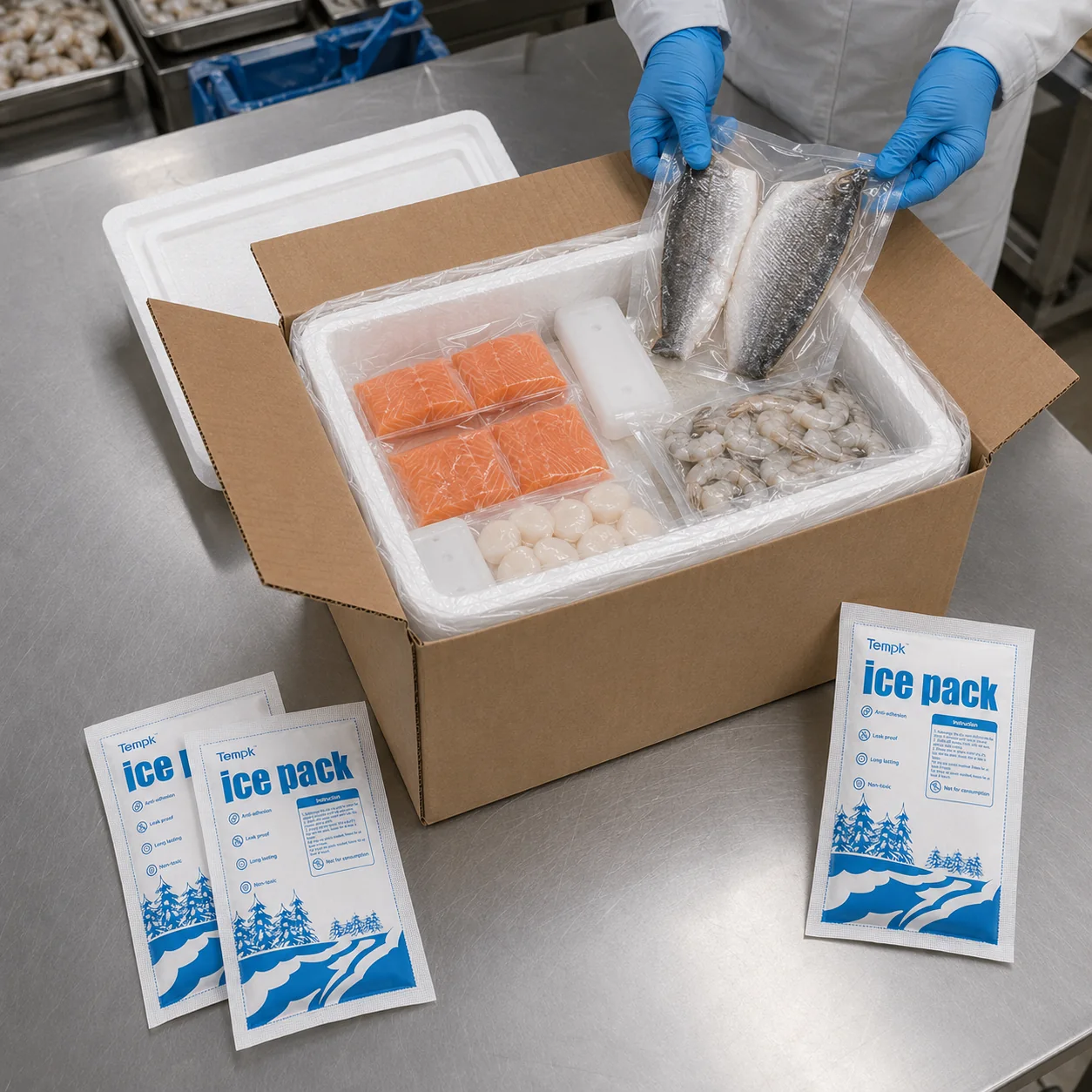
Passiv temperaturgesteuerte Verpackung: So wählen Sie ein überprüfbares Versandsystem aus
Passive temperature controlled packaging protects a product for a definierten Zeitraum ohne auf eine elektrische Kühl- oder Heizeinheit im Versandpaket angewiesen zu sein. Es verwendet eine Isolierung, um die Wärmeübertragung zu verlangsamen, und vorkonditionierte Wärmemedien, um Wärme aufzunehmen oder abzugeben. Dieses einfache Prinzip unterstützt viele Pakete, pharmazeutisch, Diagnose- und Lebensmitteltransporte. Dies bedeutet nicht, dass die leere Box temperaturkontrolliert ist, dass das Kühlmittel automatisch die richtige Temperatur wählt, oder dass für jede Strecke eine deklarierte Stundenzahl gilt.
Der nützlichste Weg, einen passiven Versender auszuwählen, besteht darin, drei miteinander verbundene Fragen zu bewerten: Welche Hitze- oder Kälteeinwirkung wird die Route mit sich bringen?? Welche vollgepackte Verpackung kann dieser Belastung standhalten?? Welche Beweise zeigen, dass Menschen seine Leistung reproduzieren können?? Die Antworten bestimmen die Wahl der Isolierung, thermische Medien, nutzbare Kapazität, Qualifizierung und Betriebskosten zuverlässiger als ein Katalogvergleich von Materialien.
Entscheiden Sie, ob ein passives System zum Verteilungsprozess passt
Ein passives System transportiert eine endliche Menge an Wärmeenergie, die vor dem Versand vorbereitet wird. Es ist normalerweise ein guter Kandidat, wenn die Transportexposition begrenzt ist, Die Nutzlast ist mit einem standardisierten Lademuster kompatibel, und das Lager kann die Kühlmittelaufbereitung steuern. Ein offensichtlicher Anwendungsfall sind Pakete, die ohne kontinuierliche Stromversorgung über Transportnetzwerke transportiert werden, Passive Lösungen sind jedoch nicht auf kurze Distanzen beschränkt. Für längere Strecken können ordnungsgemäß konzipierte und qualifizierte Passivtransporter im Rahmen ihrer dokumentierten Betriebsbedingungen in Betracht gezogen werden.
Aktive Temperaturkontrollausrüstung nutzt angetriebene Kühlung oder Heizung. Bei großem Nutzlastvolumen kann dies vorzuziehen sein, Die Fahrtdauer ist höchst ungewiss oder die erforderliche passive Kühlmittelmasse ist unpraktisch. Aktive Systeme stellen Anforderungen an die Energieversorgung, Wartung, Aufbewahrung und Wartung der Ausrüstung. Ein Kühlwagen mit isolierten Passivverpackungen ist eine Kombination aus Umgebungskontrolle und lokaler Wärmepufferung; it does not make every insulated box an active system.
A pallet thermal cover is another separate entity. Es kann die Wärmeentwicklung oder -exposition während bestimmter Handhabungsintervalle reduzieren, Eine Abdeckung allein kann jedoch nicht beweisen, dass jeder Karton auf einer Palette in einem bestimmten Temperaturbereich bleibt. Überwachungsgeräte sind wieder getrennt: Sie liefern Beweise an Messpunkten, erhöhen jedoch nicht die Kühlleistung. Durch die Unterscheidung dieser Kontrollen werden Ausschreibungen verhindert, die eine Komponente anfordern und die Leistung eines gesamten Transportvorgangs erwarten.
Passen Sie die Isolationsarchitektur an die Versandgeometrie und die Rücksendelogistik an
Die Isolierung verlangsamt den Wärmetransport durch das Gehäuse, aber der Wärmepfad umfasst die Wände, Deckel, Nähte, Ecken, Fugen und Öffnungen. Ein Materialdatenblatt kann nicht alle diese Pfade charakterisieren. Der äußere Fußabdruck, interner Nutzraum, Auch das Nutzlastgewicht und die Handhabung der Box haben Einfluss darauf, welche Architektur praktisch ist.
EPS -Schaum is a familiar rigid insulated container material that may suit one-way distribution where the chosen design and material handling process fit the application. Bei der Auswahl sollte die Haltbarkeit in der Schifffahrtsroute berücksichtigt werden, Bruchgefahr, Abschlussqualität und die Wiederherstellungsmöglichkeiten der Destination. EVP wird in langlebigen Formbehältern verwendet und eignet sich für den Mehrwegbetrieb bei der Reinigung, Inspektion und Rückführungslogistik sind tatsächlich vorhanden. Seine strukturelle Haltbarkeit bedeutet nicht, dass dieselbe Verpackung automatisch für immer thermisch qualifiziert bleibt.
Vakuumisolierte Paneele (VIPs) kann die Wärmeübertragung durch gut integrierte Paneelbereiche reduzieren. Jedoch, Kanten, Fugen und Bautenschutz bleiben relevant, und Beschädigungen des Panels können die erwartete Leistung beeinträchtigen. Ein VIP-erweiterter Verlader bietet oft ein anderes Gleichgewicht beim Wärmeschutz, nutzbares Volumen, Kosten- und Prüfanforderungen. Ein Käufer sollte die veröffentlichte Wärmeleitfähigkeit eines VIP nicht mit der Gesamtleistung eines EPS-Systems vergleichen und daraus direkt auf die relative Versanddauer schließen.
Insulated bags and liners kann einfacher in bestimmte Vertriebsformate oder Rückströme integriert werden. Ihre flexible Geometrie, Faltlinien, Verschlussmethode und Stützstruktur können zu einem anderen thermischen Verhalten als bei einer starren Formschachtel führen. Für die vorgeschlagene Nutzlast und Route sind noch umfassende Systemtests erforderlich.
| Verpackungsarchitektur | Entscheidungsstärke | Zu überprüfende Grenze |
| EPS-isolierter Karton | Einfache starre Einwegverpackung | Mechanischer Schaden, Abfallhandhabung und Testergebnisse der vollständigen Verpackung |
| EPP isolierte Box | Langlebiges Format für ein kontrolliertes Wiederverwendungsnetzwerk | Sammlung, Reinigung, Verschlusszustand und Inspektion nach Zyklen |
| VIP-erweiterter Versender | Reduzierte Wärmeübertragung durch geeignete Panelbereiche | Panelschutz, Kantenverluste, Integritätsprüfungen und Kosten |
| Isolierte Tasche oder Liner | Flexible Integration und ggf. kompakte Logistik | Formkontrolle, Naht- und Verschlussleistung, geladenes thermisches Profil |
| Aktive oder kontrollierte Transportalternative | Gesteuerte Temperaturversorgung für ausgewählte anspruchsvolle Spuren | Leistung, Handhabung, Wartung, Sorgerecht und Notfallverfahren |
Die Auswahl der Architektur ist ein Optimierungsproblem. Ein schwerer, Eine besser isolierte Wand kann die Frachtkosten erhöhen und die interne Kapazität verringern; Ein wiederverwendbares Format kann den Kauf von Verpackungen einsparen, verursacht jedoch erhebliche Kosten für die Rückführungslogistik. Bewerten Sie die Kosten und Durchführbarkeit der geladenen Sendung, nicht nur das gekaufte Gehäuse.
Wählen Sie Wärmemedien entsprechend den Produktgrenzen aus, nicht das Wort „kalt“
Das Wärmemedium schafft einen weiteren wichtigen Unterschied. Gel -Eisbeutel, Wasserbasierte Ziegel und andere Kältemittelformate liefern nützliche thermische Masse, aber ihr Verhalten hängt von der Formulierung ab, Konditionierung und Platzierung. Phasenwechselmaterial (PCMs) werden aufgrund ihres Verhaltens beim Phasenwechsel innerhalb einer bestimmten Betriebsregion ausgewählt. Nicht jede Gelformulierung ist ein PCM, das für eine genau definierte Bande entwickelt wurde, und ein nominaler PCM-Phasenpunkt entspricht nicht der Temperatur an jedem Produktstandort.
Die Produktspezifikation legt sowohl Ober- als auch Untergrenzen fest. Ein gekühltes Arzneimittel kann einfrieren, während eine Tiefkühlkost-Nutzlast unterschiedliche physikalische und qualitative Ziele verfolgt. Manche Kosmetikprodukte werden durch übermäßige Hitze und Gefrieren beschädigt. Entsprechend, Die Auswahl eines Wärmemediums allein nach maximaler Kühldauer kann ein anderes Ausfallrisiko erhöhen.
Ein korrekter Vergleich sollte die Energiekapazität des Kühlmittels im jeweiligen Zustand berücksichtigen, tatsächlicher Ausgangszustand, Masse, Oberfläche, Position, Kontaktbarrieren und Bezug zur geladenen Nutzlast. Mehr gefrorene Masse kann die Widerstandsfähigkeit gegen Wärmeeinwirkung verbessern, erhöht jedoch das lokale Kälterisiko. Ein formuliertes PCM kann eine bestimmte Temperaturstrategie vereinfachen, erfordert jedoch strengere Beschaffungs- und Konditionierungskontrollen. Keine der Entscheidungen kann bestätigt werden, ohne die gesamte beabsichtigte Konfiguration zu testen.
Die Konditionierung ist ein Herstellungsschritt, keine vage Anweisung
Passive Systeme sind auf die Energie angewiesen, die vor dem Versand in die Medien geladen wird. Dafür braucht es Infrastruktur und ein reproduzierbares Vorgehen. Definieren Sie, wo Packungen konditioniert werden, ihr Bereitschaftskriterium, wie lange sie in einem Bereitstellungsbereich sitzen dürfen, wie sie identifiziert werden und was passiert, wenn eine Charge falsch zubereitet wird. „Über Nacht einfrieren“ ist keine kontrollierte Spezifikation der Ausrüstung, Packungsgeometrie und Belastung können variieren.
Auch der Versender und die Nutzlast haben Starttemperaturen. Ein vorkonditioniertes Kühlmittel, das in einer heißen Box um warme Kartons herum platziert wird, kann eine andere anfängliche Flugbahn verfolgen als dasselbe Kühlmittel, das mit den angegebenen gekühlten Komponenten verwendet wird. Die zulässige Montagezeit und die Einwirkungszeit bei geöffnetem Deckel sollten daher in der Betriebsanweisung angegeben werden, nicht nur im Labornotizbuch.
Im Maßstab, Konditionierungskapazität wird zu einem wichtigen Kaufparameter. Ein Lager benötigt möglicherweise ausreichend Kühl- oder Gefrierraum, Verkehr, Bereitstellungsorte und Zeit des Personals zur Vorbereitung des Tagesvolumens. Die Kühlmitteloption mit dem niedrigsten Preis kann mehr Energie kosten, Arbeitsaufwand und zurückgewiesene Sendungen, wenn die Vorbereitung schwer zu kontrollieren ist.
Entwerfen Sie die tatsächlich nutzbare Last und ihre heißen und kalten Stellen
Das Nennvolumen eines leeren Isolierbehälters entspricht nicht dem nutzbaren Fassungsvermögen nach Kühlmittel, Tablett, Separatoren, Monitor und Polsterung sind verbaut. Lieferanten sollten Zeichnungen davon zur Verfügung stellen komplett beladene Baugruppe, mit Außenfläche, Innenabstände und praktische Kartonanzahl. Auch Gewichtsbeschränkungen und Zugangsvoraussetzungen spielen bei der manuellen Handhabung und der Annahme von Paketdienstleistern eine Rolle.
Eine Full-Box und eine Sparse-Box können sich unterschiedlich verhalten. Die Masse der Nutzlast verändert die thermische Reaktion des Systems; Lufträume verändern die Wärmebewegung; Kontaktbereich mit Kühlmedien verschiebt sich; und eine interne Trennwand kann einen empfindlichen Karton näher an einen Deckel oder eine Seitenwand rücken. Wenn die Bestellgrößen variieren, Bei der Qualifizierung sollten begründete Mindest- und Höchstkonfigurationen berücksichtigt werden. Bei einigen Operationen, Eine kleine Anzahl standardisierter Versandbehältergrößen bietet mehr Kontrolle als das wiederholte Improvisieren von Füllmaterialien in einem übergroßen Karton.
Heiße und kalte Standorte müssen nicht unbedingt übereinstimmen. Bei einer warmen Herausforderung könnte eine Deckelecke zuerst die Obergrenze erreichen, während ein Karton neben einem gefrorenen Ziegel beim Start möglicherweise zuerst die Untergrenze erreicht. Eine technische Studie kann mehrere Sonden verwenden, um diese Standorte zu identifizieren und dann festzustellen, wo routinemäßige Überwachungen aussagekräftige Beweise liefern. Eine einzelne zentrale Temperaturkurve kann nicht nachweisen, dass jede Schnittstelle in der Box die gleiche Temperatur hatte.
Diese Unterscheidung ist besonders wichtig für gefrierempfindliche medizinische Güter. Eine isolierte Wand kann die Erwärmung von außen sehr gut verlangsamen, während der direkte Kontakt mit einem zu kalten Kältemittel zu einer lokalen Kälteauslenkung führt. Eine bessere Isolierung heilt nicht automatisch eine falsche Auswahl oder Geometrie des Kühlmittels.
Übersetzen Sie die Transportspur in ein vertretbares Testprofil
Starten Sie die Routenuhr, wenn die Sendung von ihrer Schutzverpackung abhängig wird, in der Regel nach Montage und Verschluss, und stoppen Sie es, wenn die Nutzlast in einen geeigneten kontrollierten Speicher gelangt. Beziehen Sie das Ursprungs-Staging mit ein, Fahrzeugsammlung, Sortierung, Transferknotenpunkte, Zoll, wenn relevant, verpasste Lieferungen und Empfangsverzögerungen. Eine Route, die als „nächster Tag“ beschrieben wird, kann ein wesentlich anderes Expositionsfenster als die nominelle Bewegungszeit erfordern.
Herausforderungen bei warmer und kalter Umgebung sollten gesondert betrachtet werden. Eine Sommergasse testet die Kühlreserve und den Widerstand gegen Wärmeeinbruch; Eine Winterstraße kann Mindesttemperaturen herausfordern, insbesondere wenn Kältemittel kälter als das Produkt sind. Für gemischte saisonale Netzwerke, Für ein Verpackungsrezept ist möglicherweise eine dokumentierte saisonale Variante erforderlich. Eine an der Behälterwand oder in der Kammer aufgezeichnete Temperaturspur ist die Umgebungsherausforderung, nicht unbedingt die Produkttemperatur.
ISTA-Standard 20 establishes a framework for insulated shipper qualification, und ISTA Standard 7E bietet Standard-Wärmeprofile, die für Expositionen bei der Paketzustellung entwickelt wurden. Hierbei handelt es sich um Tools zum Testen eines definierten Versandsystems. Sie bieten keine universelle sichere Dauer für jedes Produkt oder jede Route, Sie begründen auch nicht die Akzeptanz eines einzelnen Arzneimittels nach einer Abweichung. Ein streckenspezifisches Profil kann auch gerechtfertigt sein, wenn die Organisation über glaubwürdige Spurennachweise und eine kontrollierte Testmethode verfügt.
Ein sinnvoller Leistungsanspruch klingt daher bedingt: der angegebene Versender, Kühlmittel, Nutzlast und Verpackungsanweisung erfüllten während einer angegebenen thermischen Herausforderung einen angegebenen Produktzustand. Der Satz „hält die Temperatur für 72 Stunden“ ohne Testbedingungen ist unvollständig, auch wenn eine Grafik beruhigend aussieht.
Überprüfen Sie die Beweise von der Komponente bis zum Betrieb
Bei der Lieferantenbewertung sollten verschiedene Arten von Dokumenten unterschieden werden, die häufig in Marketingbeschreibungen verwendet werden.
A Materialdatenblatt kann Schaum beschreiben, Film, Gel- oder Paneleigenschaften. A Komponententest kann Eigenschaften eines einzelnen Pakets oder Panels festlegen. A Kompletter thermischer Test demonstriert eine bestimmte Baugruppe unter einer bestimmten Herausforderung. A Qualifizierungspaket kann die Begründung für die Designauswahl und die repräsentative Testabdeckung enthalten. A Sendungslogger-Datensatz zeigt gemessene Temperaturen an seinen Instrumentenstandorten in der Routineverteilung an. A Prozess- oder Qualitätsaufzeichnung zeigt, ob Betreiber ein genehmigtes Verfahren befolgt haben und was passierte, wenn sie es nicht taten.
Keines dieser Artefakte ersetzt die anderen vollständig. Für die geregelte Medikamentenverteilung, Die GDP-Richtlinien der Europäischen Union erfordern ein risikobewusstes Transportmanagement und eine sorgfältige Beachtung der produktdefinierten Temperaturen, passende Verpackung, Routenextreme und Exkursionen im relevanten EU-Geltungsbereich. Eine generische Behauptung einer „GDP-genehmigten Box“ ohne identifizierten Bewertungs- und Qualitätssystemkontext sollte angefochten werden.
Eine nützliche Beweisanforderung enthält die Konfigurationsrevision, Stückliste, geladene Passzeichnung, Kühlmittelspezifikation, Konditionierungs-SOP, thermisches Profil, Begründung der Sensorplatzierung, gemessene Ergebnisse, Akzeptanzkriterien und Umfangsbeschränkungen. Käufer sollten fragen, welche Änderungen eine Überprüfung auslösen würden: neue Schaumdichte, PCM-Lieferant gewechselt, überarbeitete Kartonhöhe, unterschiedliche Gelmasse, Eine veränderte Packungsausrichtung oder ein zusätzliches Distributionszentrum können sich jeweils auf das genehmigte Design auswirken.
Berücksichtigen Sie die tatsächlichen Betriebskosten des Systems
Die Kosten pro leerer Kiste entsprechen selten den Kosten pro angenommener Sendung. Kühlmittel kaufen oder auffüllen, konditionierende Energie, Stauraum, Verpackungsarbeit, Nutzlastkapazität geht durch Isolierung verloren, Gewicht und Würfel der ausgehenden Fracht, Temperaturinstrumentierung, Inspektion und wahrscheinliche Ausnahmebehandlung. Für wiederverwendbare Verpackungen, inklusive Rückfracht, Reinigung, Lagerung, Verlust, Schaden und die Anzahl der tatsächlich erreichten erfolgreichen Zyklen.
Umweltentscheidungen erfordern auch eine vollständige Systemgrenze. Ein Mehrwegbehälter kann die Entsorgung in einem dichten geschlossenen Netzwerk reduzieren; Derselbe Container kann einen unnötigen Rücktransport erfordern, wenn die Rückholung schwierig ist. „Recycelbar“ erfordert lokalen Zugriff auf eine geeignete Wiederherstellungsinfrastruktur, während „wiederverwendbar“ eine praktische Sammel- und Inspektionsschleife erfordert. Vermeiden Sie die Behauptung universeller CO2-Einsparungen ohne Angabe eines Umfangs und einer unterstützenden Bewertung.
Betrachten Sie zwei hypothetische Verteilungsmodelle. Das erste Unternehmen versendet einzelne Kühlpakete an viele unabhängige Kunden. Es könnte eine kompakte Einweglösung bevorzugen, die konsistent verpackt werden kann. Der zweite liefert wiederholt zwischen denselben Depots und hat garantierte Rücksendungen. Es könnte ein EPP-Mehrwegsystem rechtfertigen, selbst wenn der Anschaffungspreis höher ist. Beide benötigen noch thermische Beweise für ihre Nutzlasten; Der Unterschied liegt im Betriebsmodell, kein universelles Materialranking.
Verwandeln Sie die Spezifikation in einen kontrollierten Kauf
Für ein nützliches Zitat, Geben Sie die genauen Produktgrenzen an, Nutzlastabmessungen und -masse, minimale und maximale Füllzustände, Transitzeitplan mit Verzögerungen, saisonale Umgebungsexposition, Zielannahmeprozess und angestrebtes Wiederverwendungsmodell. Bitten Sie jeden Lieferanten, eine zurückzusenden geladene Verpackungszeichnung, angegebene Konditionierungsverfahren und den Testumschlag, der seine Behauptung stützt. Fordern Sie die Offenlegung dessen, was nicht bewertet wurde.
Lieferantenkontrollen sollten Materialrevisionen berücksichtigen, Maßprüfung, Kühlmittelidentität, Rückverfolgbarkeit, Konsistenz von der Probe bis zur Produktion, vereinbarte Ersatzpersonen und Änderungsmitteilung. Ein Entwurf, der einen streng überwachten Test bestanden hat, kann für ein Lager mit hohem Volumen ungeeignet sein, wenn das Verfahren zu leicht missverstanden werden kann. Wählen Sie eine Vereinbarung aus, die das Personal tatsächlich umsetzen kann, ohne sich auf undokumentierte Urteile verlassen zu müssen.
Tempk bietet öffentlich isolierte Taschen an, EPP/VIP-Medizinboxen, Gel -Eisbeutel, Eisziegel, Unterstützung für PCM-bezogene Medien und individuelle Packout-Planung. Dies sind mögliche Bausteine; Sie sind keine Garantie dafür, dass jede Kombination die Temperaturbedingungen oder formalen Qualifikationsanforderungen eines Produkts erfüllt. Teilen Sie Ihre Sendungsspezifikation mit und fordern Sie einen Muster- und Beweisplan für die tatsächliche Route an.
Die Passivsystem-Entscheidung in einem Satz
Die richtige passiv temperaturgesteuerte Verpackung ist die Komplettverpackung mit der geringsten Komplexität, die das definierte Produkt nachweislich über das definierte Expositionsfenster hinweg schützt und unter kontrollierten Anweisungen wiederholt werden kann. Bei der notwendigen thermischen Masse, nutzbarer Raum, Unsicherheit oder Handhabungsaufwand werden unzumutbar, Verbessern Sie die Streckensteuerung oder vergleichen Sie aktive Alternativen, anstatt einfach mehr Eis oder Isolierung hinzuzufügen.
Design der Kühlkettenverpackung: Von der Geometrie bis zur Verpackungs-SOP
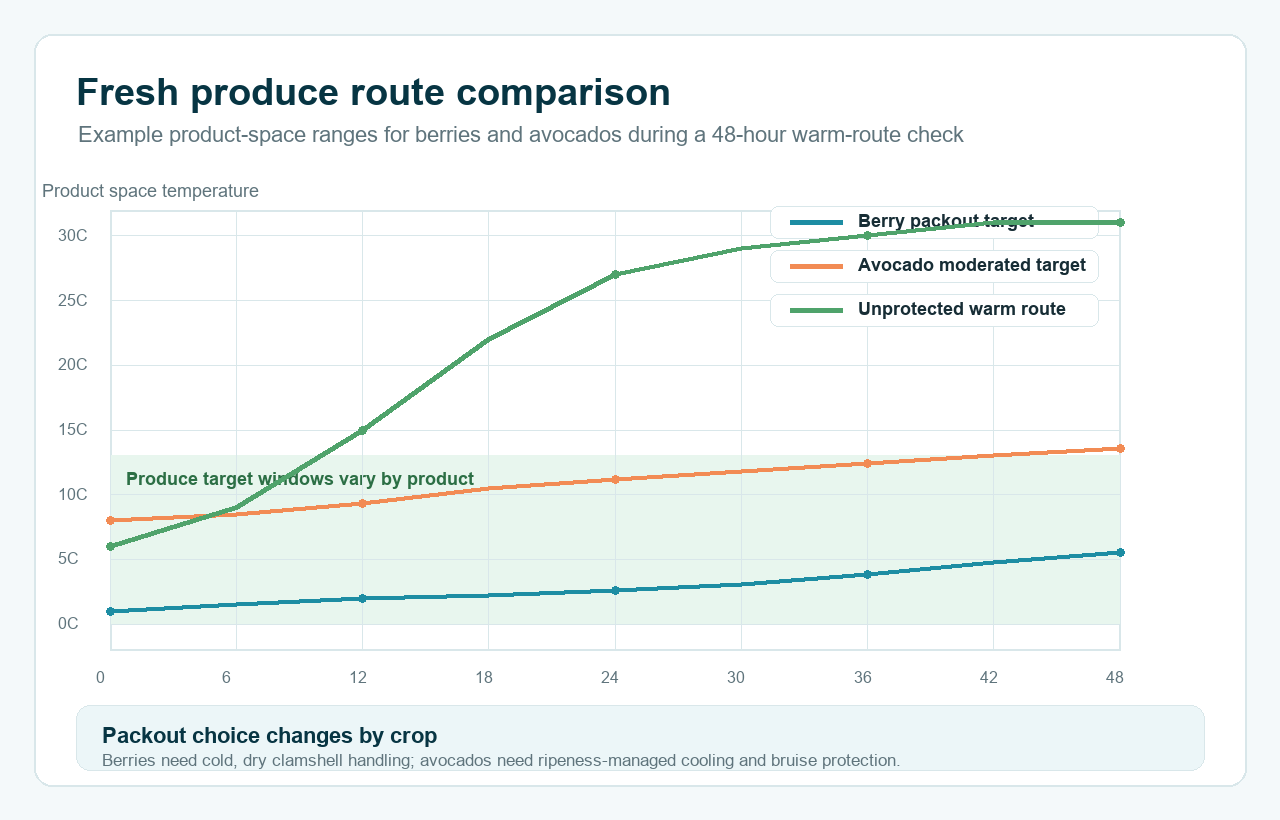
Design der Kühlkettenverpackung: Von der Geometrie bis zur Verpackungs-SOP
Das Design der Kühlkettenverpackung definiert, wie das Produkt funktioniert, Kühlmittel, Isolierung, Schutzteile und Überwachungsgeräte bilden eine reproduzierbare Versandbaugruppe. Außerdem werden die Vorbereitungs- und Arbeitsabläufe definiert, die erforderlich sind, um die Baugruppe in den vorgesehenen Ausgangszustand zu versetzen.
Der fertige Entwurf ist also mehr als ein Layout. Es handelt sich um einen zusammenhängenden Satz von Spezifikationen, Zeichnungen, Anweisungen und unterstützende Beweise. Ein nützlicher Designprozess verläuft von der Produktschnittstelle nach außen, prüft die Grenzen der gewöhnlichen Produktion und Verpackung, und gibt nur die Konfigurationen frei, die der Vorgang identifizieren und reproduzieren kann.
Zeichnen Sie drei Grenzen um die geplante Sendung
Die erste Grenze ist thermisch. Stellen Sie die erforderlichen Temperaturbedingungen für das Produkt her, Zustand beim Verpacken und vorgesehenes Schutzintervall. Berücksichtigen Sie die relevanten externen Expositions- und Handhabungsannahmen. Diese Eingaben stammen aus den Produkt- und Vertriebsanforderungen; Sie sollten nicht aus einer generischen Beschreibung wie „medizinischer Kühler“ abgeleitet werden.
Die zweite Grenze ist räumlich. Beschreiben Sie die tatsächliche Produktpräsentation, Orientierung, Versandmengen und Schutzverpackung. Identifizieren Sie den nutzbaren Produktraum nach dem Kühlmittel, Barrieren, Halterungen und Überwachungseinrichtungen sind installiert. Das nominale Innenvolumen ist nicht dasselbe wie die nutzbare Nutzlastkapazität.
Die dritte Grenze ist betriebsbereit. Identifizieren Sie die Vorbereitungsausrüstung, verfügbare Inszenierung, Verpackungsreihenfolge, Betreiberaufgaben und Empfangsvereinbarungen. Ein Design, das von einem Prozess abhängt, den die Versandstelle nicht ausführen kann, ist kein geeigneter Kandidat, auch wenn das Laborkonzept vielversprechend ist.
Bewerten Sie diese Grenzen gemeinsam. Ein kompaktes Layout lässt möglicherweise zu wenig Toleranz für Produktionsschwankungen. Für eine thermische Lösung sind möglicherweise Vorbereitungskapazitäten erforderlich, über die das Lager nicht verfügt. Bei einem einfachen Zusammenbau kann es sein, dass die für ein empfindliches Produkt erforderliche Trennung nicht gewährleistet ist. Der relevante Kompromiss besteht zwischen den vollständigen Alternativen, nicht isolierte Komponentenvorteile.
Notieren Sie Annahmen, die noch ungelöst sind. Eine unsichere Routenbelichtung, Eine unbestätigte Produktpräsentation oder eine nicht definierte Vorbereitungsfähigkeit sollten ein offener Design-Input bleiben. Weisen Sie einen Eigentümer und eine Abschlussmethode zu, anstatt zuzulassen, dass eine optimistische Annahme zu einem versteckten Leistungsanspruch wird.
Definieren Sie auch, was das Design nicht abdeckt. Eine geschlossene Paketkonfiguration sollte nicht als für eine wiederholte Öffnung geeignet angesehen werden, eine andere Temperaturkategorie oder ein uneingeschränkter Belastungsbereich ohne Beurteilung. Explizite Grenzen helfen dem Bestellsystem, nicht unterstützte Kombinationen abzulehnen, bevor sie den Packtisch erreichen.
Bauen Sie die physische Definition von der Produktschnittstelle nach außen auf
Beginnen Sie mit dem Produktstandort und den Beziehungen, die erhalten bleiben müssen. Identifizieren Sie die Oberflächen, mit denen das Produkt in Berührung kommen kann, die Orientierung, die es beibehalten muss, und die Bewegung, die verhindert werden muss. Definieren Sie dann die Teile, die diese Beziehungen herstellen.
Wo eine Trennung vom Kühlmittel erforderlich ist, Geben Sie an, wie diese Trennung erreicht und aufrechterhalten wird. Das Material einer Barriere, Geometrie und Position können eine Rolle spielen; Eine allgemeine Anweisung, eine Schutzverpackung hinzuzufügen, lässt diese Variablen unkontrolliert. Schreiben Sie keine universelle Barrieredicke oder Kühlmittelplatzierung ohne Nachweis für das jeweilige System vor.
Wählen Sie eine Rückhaltevorrichtung, die der tatsächlichen Ladungsanordnung entspricht. Die kleinste Sendung benötigt möglicherweise eine andere Ortungsfunktion als die größte. Lose Spachtelmassen sollten nicht als informeller Ersatz für eine definierte Anordnung verwendet werden, insbesondere dort, wo durch Bewegung ein neuer Kontakt zwischen Produkt und Kühlmittel entstehen kann.
Kühlmittel entsprechend der vorgesehenen thermischen Funktion und verfügbaren Nachweisen lokalisieren. Eine gleiche Kühlmittelmasse führt nicht dazu, dass zwei Anordnungen gleichwertig sind: Form, Kontaktbereich, Entfernung und Vorbereitungszustand können unterschiedlich sein. Mehr Kühlmittel ist nicht automatisch sicherer, wenn übermäßige lokale Kühlung ein relevantes Risiko darstellt.
Fahren Sie weiter nach außen durch die Isolierung, Gelenke, Deckel und Außenschutz. Prüfen Sie, wie sich Innenteile auf den Verschluss auswirken. Ein gefalteter Liner, Ein zu hoher Einsatz oder Instrumentenkabel kann das vorgesehene Einrasten des Deckels verhindern. Das Design sollte einen normalen Schließzustand definieren und nicht davon abhängig sein, dass Bediener die Verpackung gewaltsam schließen.
Überprüfen Sie die Dimensionsabweichungen im gesamten zusammengebauten Stapel. Einzelne Komponenten innerhalb ihrer Kauftoleranzen können dennoch zu einer Baugruppe zusammengefügt werden, die nicht genügend Spiel oder übermäßige Kompression aufweist. Identifizieren Sie die wichtigen Kombinationen und überprüfen Sie die resultierende Passung anhand repräsentativer Teile oder einer begründeten Dimensionsanalyse.
Eine hypothetische Low-Fill-Bestellung veranschaulicht die Designentscheidung. Durch die Entnahme mehrerer Kartons aus einer zugelassenen Volllastanordnung entsteht Freiraum und verändert sich die Rückhaltung. Die Antwort besteht darin, die kleinere Anordnung zu definieren und zu bewerten, Es ist nicht davon auszugehen, dass weniger Kartons das ursprüngliche Design automatisch geeignet machen. Das Beispiel identifiziert eine Frage; es erhebt keinen Anspruch auf ein geprüftes Ergebnis.
Verwenden Sie eine Stückliste, die bis zum Funktionszubehör reicht. Ein Abstandshalter oder Positionierer sollte nicht aus der Konfigurationskontrolle verschwinden, weil er weniger kostet als das Gehäuse. Seine Rolle bei der Aufrechterhaltung einer wichtigen Schnittstelle bestimmt die erforderliche Kontrolle.
Geben Sie den Ausgangszustand ebenso sorgfältig an wie die Zeichnung
Ein Layout beschreibt, wohin die Komponenten gehen; Die Vorbereitung bestimmt den thermischen Zustand, in dem sie ankommen. Beide gehören zur Packout-Definition. Dieselbe physische Baugruppe kann sich unterschiedlich verhalten, wenn Produkt oder Kühlmittel unter unterschiedlichen Bedingungen in sie eindringt.
Fordern Sie die mit dem Kandidatensystem verbundene Vorbereitungsmethode an. Identifizieren Sie relevante Gerätefähigkeiten, Ladeanordnung, Freigabekriterien und Handhabung nach der Freigabe. Genaue Temperaturen, Zeiten und Kühlmittelmengen sollten der jeweiligen Systemspezifikation und -bewertung entnommen werden, nicht aus einem nicht verwandten Beispiel.
Unterscheiden Sie die materielle Identität des Kühlmittels von seiner Bereitschaft. Die richtige Teilenummer kann dennoch für den sofortigen Einsatz ungeeignet sein, wenn ihre Vorbereitung unvollständig ist oder ihre Historie ungewiss ist. Umgekehrt, Eine vorbereitet aussehende Packung mit der falschen Formulierung ist kein akzeptabler Ersatz, nur weil sie in den vorgesehenen Raum passt.
Überprüfen Sie, ob routinemäßige Vorbereitungschargen den bei der Entwicklung berücksichtigten Prozess darstellen. Laden von mehr Material in die Ausrüstung, Eine Änderung der Packungstrennung oder die Einführung eines weiteren Transferschritts kann sich auf die Ausgangsbedingungen auswirken. Bewerten Sie sinnvolle Unterschiede, anstatt den Gerätesollwert als vollständige Beschreibung des Prozesses zu betrachten.
Definieren Sie den Statusfluss zwischen Vorbereitung und Montage. Unvorbereitet, in Bearbeitung, Bereite und unsichere Komponenten sollten während ihrer Bewegung unterscheidbar bleiben. Das Packteam benötigt eine zuverlässige Annahmekontrolle, und das Vorbereitungsteam benötigt eine Aufzeichnung dessen, was es veröffentlicht hat.
Beziehen Sie Pausen und ungenutztes Material in die Methode ein. Geben Sie an, wie es zu einer verspäteten Versammlung kam, unterbrochener Aufbereitungszyklus oder rückgeführte Kühlmittelcharge verarbeitet wird. Gehen Sie nicht davon aus, dass das Zurückbringen von Material in einen Konditionierungsbereich sofort den erforderlichen Zustand wiederherstellt oder einen zulässigen Zeitraum neu startet.
Die Produktvorbereitung verdient die gleiche Aufmerksamkeit. Kommissionierung, Durch die Bereitstellung und Beladung sollte der beabsichtigte Ausgangszustand erhalten bleiben. Es sollte nicht davon ausgegangen werden, dass eine Verpackung zur Aufrechterhaltung eines Produktzustands in der Lage ist, ein Produkt zu korrigieren, das außerhalb dieses Zustands beginnt.
Entfernen Sie die Abhängigkeit vom Speicher, Urteil und unsichtbare Korrekturen
Bauen Sie Kandidatenversammlungen mit den Personen auf, die die Anleitung anwenden werden. Beobachten Sie, wo sie zögern, Eine Komponente wiederholt drehen, Drücken Sie einen Deckel fest oder bitten Sie einen Spezialisten, Ihre Wahl zu bestätigen. Diese Beobachtungen identifizieren Designfragen, die ein fertiges Foto verbergen könnte.
Bevorzugen Sie einen physischen Standort und eine eindeutige Identifizierung, wo sie eine wiederholte Beurteilung ersetzen können. Eine geformte Halterung kann die Position festlegen; Eindeutige Komponentenkennzeichnungen können eine Verwechslung ähnlicher Kühlmittel verhindern; Durch eine sichtbare Verschlussfunktion können unvollständige Sitzpositionen leichter erkannt werden. Alle beibehaltenen Funktionen müssen in der bewerteten Konfiguration enthalten sein.
Definieren Sie Prüfungen in dem Moment, in dem das relevante Merkmal noch sichtbar ist. Eine untere Barriere sollte überprüft werden, bevor sie abgedeckt wird. Ein Logger sollte identifiziert und montiert werden, bevor der Deckel den Zugang blockiert. Eine End-of-Line-Inspektion allein kann nicht jedes versteckte Montagedetail zuverlässig ermitteln.
Entwerfen Sie die Anleitung für normale Arbeitsbedingungen. Ziehen Sie Handschuhe in Betracht, Kondensation, begrenzter Platz auf der Arbeitsfläche und die Notwendigkeit, Etiketten zu lesen. Verwenden Sie klare Ansichten und Kennzeichnungen, anstatt sich nur auf die Farbe oder einen Winkel zu verlassen, der den Unterschied zwischen Teilen verdeckt.
Testen Sie die Ausnahmeerkennung sowie die normale Assembly. Präsentieren Sie kontrollierte Trainingsbeispiele einer fehlenden Einlage, eine nicht unterstützte Menge oder ein unsicherer Vorbereitungsstatus. Der Bediener sollte wissen, wann er anhalten muss und an welchen Entscheidungseigentümer er sich wenden muss, anstatt dass von ihr erwartet wird, dass sie eine technische Korrektur erfindet.
Bleiben Sie bei Ihren Entwicklungsbeobachtungen ehrlich. Bei einer erfolgreichen Montage, die wiederholte undokumentierte Experteneingriffe erforderte, konnte noch nicht nachgewiesen werden, dass die Anleitung ausreichend war. Überarbeiten Sie das Design oder Verfahren, Anschließend beobachten Sie die überarbeitete Fassung unter repräsentativen Bedingungen.
Erwägen Sie den Erhalt einer Benutzerfreundlichkeit, bevor Sie den Kandidaten einfrieren. Die Öffnungssequenz sollte die Entnahme des Produkts und den Zugriff auf Überwachungsinformationen ohne vermeidbare Störungen ermöglichen. Für Mehrwegsysteme, Identifizieren Sie, welche Komponenten zurückkommen und wie ihre Identität nach dem Auspacken erkennbar bleibt.
Bitten Sie den Prototyp um Beweise, um spezifische Designfragen zu beantworten
Separate Passformdemonstrationen, thermische Entwicklung, Umgang mit Evaluierung und formaler Qualifizierung. Jeder hat einen anderen Zweck. Eine erfolgreiche Passprüfung stellt keinen Temperaturschutz dar, und ein günstiger Temperaturverlauf führt nicht unabhängig zu einer wiederholbaren Montage oder einer Beständigkeit gegenüber relevanter Handhabung.
Nutzen Sie Entwicklungstests, um die vorgeschlagenen Mechanismen zu hinterfragen. Untersuchen Sie gefährdete Produktpositionen, entsprechende Nutzlastregelungen, Anfangsbedingungen und die Belichtungssequenz. Berücksichtigen Sie die Möglichkeit, dass durch die Handhabung eine Schnittstelle verändert wird. Wählen Sie gemeinsam mit den Technik- und Qualitätsteams den erforderlichen Umfang und die angewandte Methode aus.
Identifizieren Sie, was das Messsystem tatsächlich misst. Externe Belichtung, Innenluft, Produktoberfläche und ein repräsentatives Produktsurrogat sind unterschiedliche Größen. Wählen Sie Standorte und Geräteeigenschaften aus, um die Designfrage zu beantworten, dokumentieren Sie dann ihre physikalische Bedeutung.
Stellen Sie sicher, dass die Instrumentierung nicht ohne Erkennung ein besseres oder schlechteres Paket als das beabsichtigte erstellt. Ein Kabel kann einen Schließweg öffnen; Ein großer Holzfäller kann einen Karton ersetzen; Eine Sondenhalterung kann die Last versehentlich festhalten. Erfassen und bewerten Sie unvermeidbare Unterschiede zwischen instrumentierten und gewöhnlichen Baugruppen.
Bewahren Sie erfolglose Beobachtungen auf. Eine lokale Kältereaktion oder eine verschobene Einfügung kann Aufschluss darüber geben, warum eine Designbeziehung einer stärkeren Kontrolle bedarf. Solche Beobachtungen sind Anhaltspunkte für Ermittlungen, keine automatischen Diagnosen. Überprüfen Sie die Vorbereitung, Setup und Aufzeichnungen, bevor Sie entscheiden, welche Änderung den Mechanismus behebt.
Wenn der Entwurf zur formellen Bewertung bereit ist, die relevanten Revisionen einfrieren. Die Container-Qualifizierungsleitlinien der WHO verbinden die Bewertung mit der angegebenen Zusammensetzung. Die praktische Gestaltungsanforderung ist die Konfiguration im Bericht, Es kann nachgewiesen werden, dass die bestellten Komponenten und die Anleitung am Prüfstand übereinstimmen.
Erweitern Sie die Beweise nicht über ihre unterstützte Verwendung hinaus. Eine veränderte Ladung, Ein ersetztes Kühlmittel oder ein überarbeiteter Vorbereitungsprozess erfordern möglicherweise eine weitere Beurteilung. Die angemessene Reaktion hängt von der betroffenen Beziehung und den geltenden Anforderungen ab, nicht nur darauf, ob die äußere Hülle unverändert aussieht.
Geben Sie ein verbundenes Designpaket frei, keine separaten Dateien, die nicht übereinstimmen
Die Übergabe des Entwurfs sollte einem anderen qualifizierten Team ermöglichen, zu verstehen, was zu kaufen ist, vorbereiten, montieren, inspizieren und beurteilen. Außerdem sollte es einem Bediener ermöglichen, die anwendbare Konfiguration zu identifizieren, ohne einen technischen Bericht am Packtisch interpretieren zu müssen.
| Kontrollierte Lieferung | Was es eindeutig machen soll | Verbindung zu bewahren |
| Bestimmung des Verwendungszwecks | Produkt, Betrieb und durch die Konstruktion abgedeckte Grenzen | Anforderungen und Genehmigungsumfang |
| Stückliste | Identität und Spezifikation funktionaler Komponenten | Einkauf und Eingangskontrolle |
| Montagezeichnungen | Position, Orientierung, Schnittstellen und Schließung | Genehmigte Komponenten- und Zeichnungsrevisionen |
| Leitfaden zur zulässigen Belastung | Produktarrangements, Mengengrenzen und Füller | Auftragsauswahl und bewertete Konfigurationen |
| Vorbereitungsanleitung | Erforderlicher Ausgangszustand und wie er hergestellt wird | Geräteprozess- und Freigabeaufzeichnungen |
| Verpackungs-SOP | Sequenz, Prüfungen, Identifikations- und Stoppbedingungen | Ausführungs- und Versandaufzeichnung durch den Betreiber |
| Überwachungsanweisung | Gerätezweck, Standort, Aktivierung und Abruf | Messnachweise und Empfangsworkflow |
| Unterstützende Beurteilung | Was wurde ausgewertet und welche Einschränkungen bleiben bestehen | Freigegebener Entwurfs- und Änderungskontrollbericht |
Diese Dokumente können kombiniert werden, wenn dies die Benutzerfreundlichkeit verbessert. Der wichtige Punkt ist Konsistenz, nicht die Anzahl der Dateien. Eine einzelne kontrollierte Anweisung kann besser sein als mehrere getrennte Dokumente, vorausgesetzt, es enthält die notwendigen Definitionen und Links zu den unterstützenden Unterlagen.
Vergleichen Sie das Release-Paket mit einem physischen Build. Verwenden Sie die angegebenen produktionsrepräsentativen Komponenten und die zulässige Lastanordnung. Notieren Sie Abweichungen zwischen der Zeichnung, schriftliche Schritte, Materialliste und tatsächliche Montage, Lösen Sie sie dann vor der Veröffentlichung.
Definieren Sie die Konfigurationsidentifikation auf Sendungsebene. Ein allgemeiner Handelskastenname reicht nicht aus, wenn sich mehrere interne Anordnungen das Gehäuse teilen. Die Aufzeichnung sollte es einem späteren Prüfer ermöglichen, festzustellen, welche Entwurfsrevision und zulässige Anordnung tatsächlich verwendet wurde.
Vereinbaren Sie die Benachrichtigung über Lieferantenänderungen und eingehende Akzeptanzkriterien. Die Kontrolle sollte die Funktionen erreichen, die wichtige Beziehungen aufrechterhalten, einschließlich relevanter Abmessungen, Materialien, Retentions- und Vorbereitungseigenschaften. Die Behauptung eines Lieferanten, dass eine Alternative gleichwertig sei, sollte dahingehend beurteilt werden, ob sie diese Merkmale beeinträchtigt.
Überprüfen Sie spätere Änderungen anhand der Beziehungen, die sie stören könnten
Wenn eine Änderung vorgeschlagen wird, Identifizieren Sie seinen Weg durch das Design. Ein neuer Produktkarton kann den Abstand und die thermische Reaktion verändern. Ein überarbeiteter Kühlmittelbeutel kann die Passform und den Kontakt beeinträchtigen. Eine andere Vorbereitungsstelle kann den Ausgangszustand des Prozesses ändern. Diese Mechanismen sind aussagekräftiger als die Kennzeichnung einer Änderung als geringfügig oder schwerwiegend ohne Erklärung.
Bewahren Sie Beweise auf, die weiterhin anwendbar sind, und ermitteln Sie, wo zusätzliche Arbeit erforderlich ist. Je nach Anforderungen und Unsicherheit, Die Antwort kann eine Dokumentenprüfung umfassen, gezielte Auswertung, überarbeitete Anleitung oder eine neue Konfiguration. Notieren Sie die Begründung und veröffentlichen Sie eine identifizierbare Überarbeitung, wenn sich das Design ändert.
Für Mehrwegsysteme, Beziehen Sie den Zustand und die Reparatur in diese Bewertung ein. Zugelassene Ersatzteile, Prüfkriterien und der Umgang mit unsicheren Komponenten tragen zur Erhaltung der bewerteten Anordnung bei. Lassen Sie nicht zu, dass durch wiederholte Rücksendungen nach und nach Mischversionen oder undokumentierte Reparaturen entstehen.
Kann dieselbe Shell mehrere Packouts unterstützen??
Ja, potenziell, aber jede erlaubte interne Konfiguration benötigt eine eindeutige Identität, Auswahlregel und entsprechende unterstützende Beurteilung. Gemeinsame Außenmaße machen die Innenanordnung nicht austauschbar. Der Inventarvorteil sollte gegen den zusätzlichen Auswahl- und Schulungsaufwand abgewogen werden.
Sollte eine verspätete Lieferung zusätzliches Kühlmittel erhalten??
Gegebenenfalls nur durch ein speziell bewertetes und genehmigtes Verfahren. Das Hinzufügen von Kühlmittel verändert die Konfiguration und kann zu lokalen Temperaturrisiken führen. Nutzen Sie den bewährten Verzögerungsreaktions- und Produktqualitätsprozess, anstatt überschüssiges Kühlmittel als universelle Rückgewinnungsmethode zu verwenden.
Das Design der Kühlkettenverpackung ist mit der Geometrie für die Implementierung bereit, Vorbereitung, Anweisungen und Beweise beschreiben dasselbe System. Stellen Sie Tempk die eigentliche Produktpräsentation zur Verfügung, Lastvariationen und Pack-Site-Funktionen, um eine Kandidatenkonfiguration zu besprechen, Bestätigen Sie anschließend die zulässige Verwendung durch die zuständige technische und Qualitätsprüfung.
Validierung der Kühlkettenverpackung: Nachweis der genehmigten Verwendung

Validierung der Kühlkettenverpackung: Nachweis der genehmigten Verwendung
The question behind cold chain packaging validation is not simply whether a package passed a test. Es geht darum, ob die verfügbaren Beweise einen definierten Versandvorgang unterstützen, und ob dieser Vorgang weiterhin die Bedingungen reproduzieren kann, von denen die Beweise abhängen.
Ein nützliches Validierungspaket verbindet Produktanforderungen, eine bestimmte Baugruppe, berechtigte Herausforderungen, zuverlässige Messungen und einen autorisierten Einsatzbereich. Wenn eine Verbindung fehlt, Die Antwort könnte eine zusätzliche Dokumentation sein, gezielte Evaluierung oder Neugestaltung. Der Kauf eines weiteren Tests ohne Identifizierung der fehlenden Verbindung kann zu höheren Kosten führen, während die ursprüngliche Unsicherheit ungelöst bleibt.
Entscheiden Sie genau, was die Organisation genehmigen muss
Beginnen Sie mit der vorgeschlagenen Verwendung und nicht mit der Behauptung des Lieferanten. Identifizieren Sie die Produktpräsentation, erforderlichen Temperaturbedingungen, Mengenbereich, Versandstellen, Vertriebsdienstleistungen und Empfangsprozess. Geben Sie an, wann der Verpackungsschutz voraussichtlich beginnen und enden soll. Identifizieren Sie auch die Handhabung außerhalb dieses Intervalls, die eine gesonderte Kontrolle erfordert.
Trennen Sie die komplette Versandbaugruppe von ihren Einzelteilen. Eine Isolationsspezifikation betrifft ein Gehäusematerial oder eine Gehäusekonstruktion. Ein Kühlmitteldatenblatt betrifft eine thermische Komponente. Der Nachweis des zusammengebauten Systems muss diese Teile mit der Nutzlast verbinden, Vorbereitung, Zurückhaltung, Abschluss- und Überwachungsvereinbarung, die bei der Bewertung verwendet wurde.
Verwenden Sie die Qualifizierungs- und Validierungsterminologie konsistent im geltenden Qualitätssystem. Der WHO-Leitfaden für Schiffscontainer beschreibt einen abgestuften Qualifikationsrahmen; Die Terminologie allein bestimmt nicht den Umfang oder die Angemessenheit der Beweise eines bestimmten Lieferanten. Fragen Sie, was die Arbeit gezeigt hat, nicht nur, welche Abkürzung auf dem Cover steht.
Übersetzen Sie den Verwendungszweck vor der formellen Ausführung in Akzeptanzkriterien. Der Produkteigentümer sollte die relevanten Temperaturanforderungen und alle gerechtfertigten produktspezifischen Toleranzen festlegen. Physischer Schutz, Datenverfügbarkeit und betriebliche Einschränkungen können sich ebenfalls auf die Genehmigung auswirken. Vermeiden Sie es, dem Testanbieter zu gestatten, diese Anforderungen aus einer generischen Anfrage für Arzneimittelverpackungen abzuleiten.
Definieren Sie die Genehmigungsgrenze in praktischer Sprache. Zum Beispiel, Die Entscheidung könnte eine bestimmte Überarbeitung der Verpackung betreffen, die an identifizierten Standorten mit zulässigen Produktanordnungen und einer definierten Zubereitungsmethode verwendet wird. Dies sollte nicht bedeuten, dass jede Ladung, die innerhalb derselben Schale angebracht ist, abgedeckt ist.
Eine nützliche Grenze gibt auch Ausschlüsse an. Wiederholtes Öffnen, Eine andere Kühlmittelformulierung oder ein nicht überprüfter Trägerdienst liegen möglicherweise außerhalb der vorgeschlagenen Verwendung. Eindeutige Ausschlüsse sind einer breiten Zustimmung vorzuziehen, die das Lagerpersonal erraten lässt, wo die Beweise aufhören.
Sortieren Sie vorhandene Beweise nach Akzeptanz, zusätzliche Arbeit oder Neugestaltung
Überprüfen Sie vorhandene Berichte, bevor Sie ein neues Programm in Auftrag geben. Lieferantenstudien, wesentliche Informationen, Entwicklungsbeobachtungen und Betriebsaufzeichnungen können jeweils einen unterschiedlichen Beitrag leisten. Die Aufgabe besteht darin, zu bestimmen, welche Frage jedes Element beantwortet und ob sie auf die betrachtete Konfiguration zutrifft.
Behandeln Sie die Präqualifikation nicht als Erlaubnis, die Prüfung der Anwendbarkeit zu überspringen. Gleichermaßen, Gehen Sie nicht davon aus, dass an anderer Stelle vorgelegte Beweise keinen Wert haben. Erhalten Sie genügend Informationen, um das getestete System zu identifizieren, Verfahren, gemessene Ergebnisse, Ausnahmen und Einschränkungen, Vergleichen Sie dann diesen Umfang mit der vorgeschlagenen Verwendung.
| Entscheidungsweg | Wenn der Weg angemessen sein kann | Was die Rezension ergeben soll |
| Akzeptieren Sie relevante bestehende Arbeiten | Konfiguration und Studienumfang entsprechen nachweislich der beabsichtigten Anforderung | Eine dokumentierte Anwendbarkeitsentscheidung und die verbleibenden Verantwortlichkeiten des Benutzers |
| Besorgen Sie fehlende Unterlagen | Die zugrunde liegende Arbeit erscheint relevant, aber Identitäts- oder Methodendetails sind unvollständig | Nachvollziehbare Aufzeichnungen, die die konkrete Unsicherheit ausschließen |
| Führen Sie eine gezielte Auswertung durch | Eine definierte Belastung, Prozess- oder Betriebsunterschiede sind nicht abgedeckt | Ein genehmigter Plan, der diesen Unterschied und seine Wechselwirkungen berücksichtigt |
| Neugestaltung vor der Qualifizierung | Die vorgeschlagene Konfiguration oder das vorgeschlagene Verfahren kann eine notwendige Betriebsbedingung nicht erfüllen | Ein überarbeiteter Entwurf oder Prozess, der für eine formelle Bewertung geeignet ist |
| Beschränken Sie den Verwendungszweck | Es gibt Belege für eine engere Anwendung als ursprünglich vorgeschlagen | Explizite Grenzwerte, die Vorgänge durchsetzen können |
Es handelt sich um Überprüfungsergebnisse, keine automatischen Ausnahmen von einer angenommenen Norm oder Qualitätsanforderung. Das verantwortliche Team sollte seine Begründung dokumentieren und den erforderlichen Umfang der zusätzlichen Arbeit festlegen. Kommerzielle Ähnlichkeit allein ist kein Beweis für technische Gleichwertigkeit.
Verwenden Sie eine Lückenaussage, die beantwortet werden kann. „Mehr Tests sind nötig“ ist zu vage. „Die vorgeschlagene kleinste Last verwendet eine andere Rückhalteanordnung als die bewertete Konfiguration“ identifiziert eine spezifische Anwendbarkeitsfrage. Dadurch lässt sich die vorgeschlagene Abschlussmethode auch einfacher überprüfen und genehmigen.
Beheben Sie Einschränkungen beim Zugriff auf Dokumente frühzeitig. Ein zusammenfassendes Zertifikat kann ein erfolgreiches Ergebnis identifizieren, ohne offenzulegen, ob die Nutzlast vorhanden ist, Vorbereitungs- oder Messpositionen relevant waren. Vereinbaren Sie den Zugang zu den erforderlichen Beweisen, bevor Kaufverpflichtungen von einem Anspruch abhängen, den der Benutzer nicht ausreichend prüfen kann.
Wählen Sie Herausforderungen, die die relevanten Fehlermechanismen offenlegen
Nach Identifizierung der ungelösten Fragen, Bauen Sie die Teststrategie darauf auf. Überlegen Sie, wie das System durch interne Unterkühlung ausfallen könnte, äußere Hitze oder Kälte, übermäßige Dauer, Bauteilbewegung, unvollständige Vorbereitung oder fehlerhafte Montage. Die ausgewählten Bedingungen sollten mit diesen Mechanismen in Verbindung stehen.
Nutzlastgrenzen erfordern mehr als eine prozentuale Füllbezeichnung. Definieren Sie die tatsächlichen Anordnungen und erklären Sie, wie sie die thermische Masse darstellen, Geometrie und Produktposition. Eine kleine Ladung kann empfindlich auf eine nahegelegene kalte Oberfläche reagieren; Eine große Ladung kann zu Verschluss- oder Abstandsproblemen führen. Eine Zwischenpräsentation kann eine andere Geometrie einführen, die eine gesonderte Bewertung verdient.
Definieren Sie Ausgangsbedingungen für das Produkt und relevante Verpackungskomponenten. Startbedingungen sind Teil des bewerteten Systems, keine Hintergrundinformationen. Es sollte ein zulässiger Präparationsbereich beurteilt werden, dessen Variation die Schlussfolgerung verändern könnte. Verlassen Sie sich nicht auf den Sollwert der Konditionierungsanlage als einzigen Beweis für die Bereitschaft der Komponente.
Wählen Sie eine externe Belichtung mit einer expliziten Grundlage. Routendaten, Ein anwendbares standardisiertes Profil oder ein anderer begründeter Ansatz kann die Herausforderung beeinflussen. ISTA beschreibt Standard 7E als einen Standard für die thermische Belastung bei der Paketzustellung; Ihr Anwendungsbereich sollte nicht stillschweigend auf alle Verkehrsträger oder Betriebsmuster ausgeweitet werden.
Physischer und thermischer Schutz können interagieren. Durch die Handhabung kann eine Barriere verschoben werden, Lösen Sie einen Verschluss oder beschädigen Sie ein Gehäuse. Bestimmen Sie die entsprechende mechanische Bewertung und Reihenfolge anhand des Produkts, Verbreitungsgefahren und angewandte Methoden. Ein ungestörter thermischer Test stellt nicht nach jedem Handhabungsereignis unabhängig die Leistung fest.
Legen Sie Wiederholungs- und Probenahmeanforderungen durch das genehmigte Protokoll und die anwendbare Methodik fest. Wiederholung hilft nur dann, Konsistenz zu charakterisieren, wenn die Bedingungen und Messungen aussagekräftig sind. Die Wiederholung einer nicht repräsentativen Ladung erweitert nicht die Produktpalette, die durch die Beweise unterstützt wird.
Halten Sie die explorative Arbeit sichtbar von der formalen Qualifikation getrennt. Entwicklungsexperimente können Einflussgrößen identifizieren und einen Prototyp verbessern. Sobald die formellen Tests beginnen, die Konfiguration, Verfahren und Behandlung von Abweichungen sollten kontrolliert werden. Eine Reihe erfolgreicher Iterationen ist nicht dasselbe wie die wiederholbare Leistung eines eingefrorenen Designs.
Sorgen Sie dafür, dass die Messungen die Entscheidung unterstützen
Vor der Geräteauswahl, Geben Sie an, was gemessen werden muss. Unterscheiden Sie die äußere Einwirkung, Innenluft, Produktoberfläche und eine begründete Darstellung der Produkttemperatur. Das Messziel sollte die Position und Montage des Sensors bestimmen, eher als Komfort oder der einfachste Ort, an dem ein Kabel eingeführt werden kann.
Nutzen Sie thermische Überlegungen und Entwicklungsbeobachtungen, um gefährdete Standorte zu identifizieren. Eine zentral platzierte Sonde zeigt möglicherweise kein Verhalten in der Nähe einer Kältequelle oder eines schwachen Verschlusses an. Wo mehrere Messungen erforderlich sind, Notieren Sie ihre Identität und Position, sodass jede Spur eine interpretierbare Bedeutung hat.
Die Gerätespezifikation sollte die beabsichtigte Bewertung unterstützen. Berücksichtigen Sie Kalibrierungsinformationen, Antwortverhalten, Auflösung, Aufzeichnungsintervall und Datenkapazität. Diese Eigenschaften sind nicht austauschbar. Fein angezeigte Inkremente beseitigen keine Messunsicherheit, und häufiges Protokollieren führt nicht dazu, dass ein langsamer Sensor sofort reagiert.
Definieren Sie die Entscheidungsregel für Messwerte in der Nähe einer Akzeptanzgrenze. Die Regel muss möglicherweise der Unsicherheit Rechnung tragen, Korrekturen oder andere Bedingungen innerhalb des Qualitätssystems. Führen Sie keine günstige Rundung oder Mittelung ein, nachdem ein Ergebnis bekannt ist. Die Grundlage für die Interpretation eines grenzwertigen Ergebnisses sollte ebenso überprüfbar sein wie die Temperaturdaten selbst.
Bewahren Sie die eigentliche Herausforderungsaufzeichnung zusammen mit den Paketmaßen auf. Ein Kammerprogramm gibt an, welche Aufgaben die Ausrüstung erfüllen sollte; Die aufgezeichneten Umgebungsbedingungen zeigen, welche Exposition stattgefunden hat. Verknüpfen Sie beide mit der Baugruppe, Übertragung und Handhabung von Ereignissen durch einen konsistenten Zeitbezug.
Planen Sie unvollständige oder fragwürdige Daten ein. Ein ausgefallener Sensor, Ein unerklärlicher Taktversatz oder das Fehlen eines kritischen Intervalls stellt ein Beweisproblem dar, das eine dokumentierte Lösung erfordert. Andere Messungen können zur Erklärung des Ereignisses beitragen, Ihre Verfügbarkeit führt jedoch nicht automatisch dazu, dass aus der fehlenden Beobachtung ein vorübergehendes Ergebnis wird.
Überprüfen Sie den Bericht, ohne drei verschiedene Entscheidungen zu verwechseln
Die erste Entscheidung ist, ob die Studie akzeptabel durchgeführt und interpretiert wurde. Überprüfen Sie die Konfigurationsidentität, Instrumentenaufzeichnungen, tatsächliche Belichtung, Abweichungen und die Anwendung vordefinierter Kriterien. Behalten Sie erfolglose oder unterbrochene Läufe mit ihren Erklärungen bei, anstatt nur den positiven Teil der Geschichte darzustellen.
Die zweite Entscheidung ist, ob die Ergebnisse die vorgeschlagene Verpackungsverwendung unterstützen. Für eine andere Produktanordnung oder einen anderen Betrieb kann eine technisch valide Studie nicht ausreichen. Im Genehmigungsschluss sollten die unterstützte Konfiguration und Einschränkungen angegeben werden, einschließlich aller ungelösten Lücken, die eine breitere Nutzung verhindern.
Die dritte Entscheidung betrifft eine einzelne Sendung oder ein einzelnes Produkt nach einem Ereignis. Die Verpackungsgenehmigung berechtigt nicht zur Freigabe temperaturexponierter Arzneimittel. Die Produktdisposition hängt von geeigneten Produktinformationen und einer autorisierten Qualitätsbewertung ab. Die Trennung dieser Entscheidungen verhindert, dass ein Anspruch auf thermische Leistung über seinen eigentlichen Zweck hinaus verwendet wird.
Stellen Sie sich eine hypothetische Einkaufsbewertung vor, bei der ein Lieferant eine erfolgreiche Studie für eine eng verwandte Ladung vorlegt. Das vorgeschlagene Produkt verwendet eine weitere Schutzschale, und die Versandstelle folgt einem anderen Vorbereitungsprozess. Es wird kein Ausfall angenommen. Bei der Überprüfung sollte festgestellt werden, welche Beziehungen sich geändert haben und welche zusätzlichen Beweise die Anwendbarkeit belegen würden.
Die daraus resultierende Entscheidung könnte darin bestehen, relevante Zuliefererarbeiten beizubehalten und gleichzeitig die Unterschiede zwischen Tablett und Zubereitung zu bewerten. Es könnte auch sein, den vorgeschlagenen Vorgang so zu ändern, dass er den unterstützten Bedingungen entspricht. Weder die automatische Annahme noch die vollständige Wiederholung werden allein durch das Vorliegen eines ähnlichen Berichts gerechtfertigt.
Machen Sie die Schlussfolgerung nachvollziehbar. Ein Prüfer sollte in der Lage sein, von einem genehmigten Betriebsgrenzwert zu den Anforderungen und Nachweisen zu gelangen, die diesen belegen. Wo eine technische Bewertung einen Unterschied überbrückt, Notieren Sie die Annahmen und den Umfang dieser Bewertung, anstatt die Begründung in einem E-Mail-Austausch zu belassen.
Wandeln Sie Genehmigungen in Kontrollen um, die das Versandteam nutzen kann
Ein genehmigter Betriebsbereich ist nur dann sinnvoll, wenn normale Sendungen innerhalb dieses Bereichs verbleiben können. Übertragen Sie die Konfiguration in eine kontrollierte Stückliste, Verpackungsanweisung, Vorbereitungsverfahren und Leitfaden zur zulässigen Nutzlast. Halten Sie ihre Revisionskennungen mit den unterstützenden Beweisen in Verbindung.
Definieren Sie sichtbare Stoppbedingungen. Das Personal muss wissen, was zu tun ist, wenn die Kühlmittelbereitschaft unsicher ist, Eine erforderliche Beilage ist nicht verfügbar, Das Produkt passt nicht zur genehmigten Vereinbarung oder zu den geplanten Kollektionsänderungen. Eine Anweisung zur Aufrechterhaltung der Qualität ist keine umsetzbare Reaktion auf eine bestimmte Verpackungsausnahme.
Überprüfen Sie den Empfangsprozess vor dem routinemäßigen Versand. Der Empfänger sollte in der Lage sein, die Sendung zu identifizieren, Überprüfen Sie den Zustand, Produkt ordnungsgemäß transportieren und Überwachungsinformationen abrufen oder kommunizieren. Die Ankunft an einer Adresse und die Überführung in ein geeignetes Lager sind unterschiedliche betriebliche Ereignisse.
Beobachten Sie die Umsetzung an den vorgesehenen Standorten. Überprüfen Sie, ob Bediener undokumentierte Unterstützung benötigen, ob vorbereitete Komponenten identifizierbar bleiben und ob die verfügbare Ausrüstung den genehmigten Prozess bei normaler Auslastung unterstützt. Ein Verfahren, das nur unter fachkundiger Aufsicht funktioniert, muss weiterentwickelt werden, bevor es den routinemäßigen Einsatz unterstützen kann.
Behalten Sie die Rückverfolgbarkeit auf Sendungsebene bis zur tatsächlich verwendeten Konfiguration bei. Dies ist besonders wichtig, wenn sich mehrere Packouts eine Hülle teilen, wenn es saisonale Varianten gibt oder wiederverwendbare Komponenten zwischen Standorten zirkulieren. Bei einer späteren Untersuchung sollte die Baugruppe nicht aus einem generischen Produktfamiliennamen abgeleitet werden müssen.
Definieren Sie, wer nach Abschluss des Projekts die Kontrolle behält. Beschaffung, Lagerbetrieb, Technisches Personal und Qualität können unterschiedliche Teile des Systems besitzen. Durch die Zuweisung des Eigentums wird verhindert, dass eine Änderung einer Lieferantenkomponente den Betrieb erreicht, ohne dass die für die Genehmigung verantwortlichen Personen informiert werden.
Überprüfen Sie die Anwendbarkeit neu, wenn sich die Grundlage der Genehmigung ändert
Die Änderungskontrolle sollte fragen, ob die neue Bedingung innerhalb der unterstützten Verwendung bleibt. Relevante Änderungen können die Produktpräsentation betreffen, Komponentenspezifikation, Lastgeometrie, Vorbereitungsausrüstung, Versandstelle, Transportunternehmen oder Empfangsvereinbarungen. Bewerten Sie den betroffenen Mechanismus, anstatt sich auf den kommerziellen Umfang der Änderung zu verlassen.
Nutzen Sie Routinebeobachtungen, um zu erkennen, wann ein scheinbar unveränderter Prozess ins Wanken gerät. Längere Transportzeiten, häufigere Packeingriffe oder wiederkehrende fehlende Daten können eine Überprüfung rechtfertigen, noch bevor ein einzelnes Ergebnis eine kritische Grenze überschreitet. Die Antwort sollte die Bedeutung und Zuverlässigkeit der Beobachtungen widerspiegeln.
Für Mehrwegsysteme, Definieren Sie, wie Inspektion, Bei Reparatur und Austausch bleibt die ausgewertete Konfiguration erhalten. Das Aussehen allein kann nicht den Zustand jeder Komponente bestimmen. Geben Sie an, was überprüft wird, was repariert werden kann und wann ein unsicheres Gerät von der Nutzung ausgeschlossen wird.
Weisen Sie der Validierungsdatei keinen erfundenen universellen Ablaufzeitraum zu. Befolgen Sie die geltenden Anforderungen und das Überprüfungsprogramm der Organisation, unter Berücksichtigung von Änderungen und der fortdauernden Anwendbarkeit von Beweisen. Eine kalenderbasierte Überprüfung kann Teil dieses Programms sein, Ein Datum allein beweist jedoch nicht, dass das System weiterhin geeignet ist.
Reicht für die Lieferantenfreigabe ein Validierungszertifikat aus??
Es kann Teil der Aufzeichnung sein, Ihr Nutzen hängt jedoch von den darin enthaltenen Informationen und der getroffenen Entscheidung ab. Fordern Sie die zur Festlegung des Umfangs erforderlichen Details an, Konfigurationsidentität und Anwendbarkeit. Die Lieferantenfreigabe umfasst auch Verantwortlichkeiten, die über die Durchführung einer Versandmontage hinausgehen.
Kann eine Änderung genehmigt werden, ohne das gesamte Programm zu wiederholen??
Potenziell, wenn die geltenden Anforderungen dies zulassen und eine dokumentierte Bewertung ergibt, dass die aufbewahrten Beweise sowie etwaige gezielte Arbeiten ausreichend sind. Die Beurteilung muss die betroffenen Zusammenhänge und Unsicherheiten berücksichtigen. Die Inanspruchnahme eines Ersatzäquivalents ohne diese Grundlage ist keine Änderungskontrollentscheidung.
Eine nützliche Validierung verbindet Beweise mit einer Operation, die sie reproduzieren kann. Besprechen Sie die vorgeschlagenen Lasten und Betriebsbeschränkungen mit Tempk; Bewahren Sie Konfigurationsgenehmigungen und Produktdispositionsentscheidungen beim zuständigen Qualitätsteam auf.
2-8°C Versandverpackung: Passen Sie das System an die Sendung an

2-8°C Versandverpackung: Passen Sie das System an die Sendung an
Choose 2-8°C shipping packaging by the conditions it can demonstrably support, nicht um die längste Dauer, die auf einem Datenblatt angegeben ist. Die Einkaufseinheit ist die komplette Versandkonfiguration: Gehäuse, Kühlmittel, Zubereitungsmethode, Nutzlastanordnung, Schutzkomponenten und Bedienungsanleitung. Wenn Sie eine davon ändern, kann sich die Beweislage ändern.
Die Entscheidung besteht aus zwei Teilen. Erste, Stellen Sie fest, ob ein Kandidatensystem zum Produkt und zur beabsichtigten Vertriebspräsenz passt. Stellen Sie anschließend sicher, dass die Anwender die erforderliche Vorbereitung und Montage nachvollziehen können. Ein Paket, das die erste Prüfung besteht, die zweite jedoch nicht besteht, ist nicht für die routinemäßige Bereitstellung bereit.
Definieren Sie die Grenzen, die ein Kandidat erfüllen muss
Beginnen Sie mit einer genehmigten Produktanforderung. Nutzen Sie die geltenden Produktinformationen des Herstellers und die Transportspezifikationen des Qualitätsteams, um die akzeptablen Bedingungen zu bestätigen. Der Begriff „gekühlte Medizin“ reicht nicht aus, um eine universelle Temperaturregel festzulegen, und ein Verpackungslieferant sollte keine produktspezifischen Abweichungszuschläge festlegen.
Für einen Versand, der 2–8 °C erfordert, Definieren Sie, was geschützt wird und für welches Intervall. Zeichnen Sie die Produktpräsentation auf, zulässige Ausrichtung, Mindest- und Höchstbestellgrößen, erwartete Ausgangsbedingungen und etwaiger zusätzlicher physischer Schutz. Zu diesen Angaben gehört auch der Temperaturbereich, nicht in einer separaten Zeile in einer Angebotsanfrage.
Nächste, Definieren Sie das Verteilungsexposure. Identifizieren Sie die gewöhnliche Route, plausible Verzögerungsszenarien und der Zeitpunkt, an dem das Produkt ein geeignetes Ziellager erreicht. Unterscheiden Sie die Zeit vor dem Verschließen der Verpackung, Verweildauer im versiegelten Versandkarton und Handhabung nach dem Öffnen. Jedes Intervall benötigt eine Kontrolle, even when only one is covered by the thermal packaging test.
Beschreiben Sie den verfügbaren Vorbereitungsprozess mit gleicher Präzision. Listen Sie die Konditionierungsgeräte und Arbeitspraktiken auf, die der Standort tatsächlich aufrechterhalten kann. Erkundigen Sie sich, ob die benötigten Materialien bei Bedarfsspitzen bereitgestellt werden können, nicht nur für ein einzelnes Demonstrationsmuster.
Eine nützliche Grenzaussage liest sich wie eine Betriebsbeschreibung: Diese Konfiguration ist für diese Produktpräsentationen und Bestellgrößen vorgesehen, durch dieses Verfahren hergestellt, diesen Bedingungen ausgesetzt sind, und durch dieses Verfahren erhalten. Unbekannte Elemente sollten als zu schließende Lücken sichtbar bleiben. Sie sollten im Lieferantenvergleich nicht stillschweigend zu optimistischen Annahmen werden.
Dieser Ansatz schafft auch eine praktische Ablehnungsregel. Entfernen Sie einen Kandidaten aus der Auswahlliste, wenn seine erforderliche Vorbereitung nicht unterstützt werden kann, sein nutzbarer Hohlraum kann die geschützte Produktpräsentation nicht aufnehmen, oder sein Nachweis schließt einen normalen Versandzustand aus. Es ist wenig sinnvoll, die Preise für eine Konfiguration zu vergleichen, die den vorgesehenen Verwendungszweck nicht erfüllt.
Wählen Sie eine Architektur, ohne Komponenten mit Systemen zu verwechseln
Ein isoliertes Gehäuse verlangsamt den Wärmeaustausch. Ein Kühlmittel stellt eine vorbereitete thermische Ressource bereit. Halterungen halten Komponenten an den vorgesehenen Stellen. Das Monitoring liefert Informationen über Zustände. Diese Rollen ergänzen sich; Keines sollte als Ersatz für die anderen präsentiert werden.
Passive Verpackungen arbeiten mit endlicher bereitgestellter Wärmekapazität. Angetriebene Geräte verwenden eine aktive Steuerung, sind jedoch auf die entsprechende Leistung angewiesen, Einstellungen, Abwicklung und Notfallvorkehrungen. Die Wahl sollte den gesamten Betrieb widerspiegeln und nicht die Bevorzugung einer bestimmten Technologiebezeichnung.
In passiver Verpackung, Bewerten Sie das Gehäuse und das Kühlmittel gemeinsam. Eine vakuumisolierte Konstruktion, molded foam box or lined carton can only be evaluated meaningfully when its configuration and intended use are known. Materialbeschreibungen allein geben keinen Aufschluss über den Nutzlastschutz oder die zulässige Transportdauer.
| Auswahlpriorität | Was zu vergleichen ist | Was sollte Beweise nicht ersetzen? |
| Produkt passt | Geschützter Nutzlastraum mit allen erforderlichen Komponenten installiert | Leerkartonvolumen bzw. Außenabmessungen |
| Thermische Eignung | Getestete Konfiguration unter relevanten Herausforderungen | Allein Kühlmittelmasse oder Isolationsart |
| Machbarkeit der Vorbereitung | Ein wiederholbarer Konditionierungs- und Montageprozess | Ein Gefriersollwert ohne Bereitschaftskriterium |
| Umgang mit Resilienz | Schließung, Aufbewahrung und physischer Schutz im vorgesehenen Verteilungsmodus | Ein unbeschädigtes Muster, ausgestellt in einem Ausstellungsraum |
| Machbarkeit der wiederholten Verwendung | Zurückkehren, Inspektions- und Überholungsvereinbarungen | Ein wiederverwendbares Etikett ohne Lebenszykluskontrollen |
| Eignung für angetriebene Systeme | Betriebsgrenzen und Kontinuität der Kontrolle bei Übergaben | Ein nominaler Gerätesollwert |
Nutzen Sie diese Vergleiche, um herauszufinden, was die vorgeschlagene Architektur tatsächlich löst. Ein kompakteres System kann nützlich sein, wenn das Versandvolumen begrenzt ist, jedoch erst, nachdem die Vorbereitungs- und Handhabungsanforderungen verstanden wurden. Eine einfachere Konfiguration kann nützlich sein, wenn mehrere Standorte dieselben Anweisungen verwenden müssen, aber nur in seinem nachgewiesenen Umfang.
Die gewählte Architektur sollte einen glaubwürdigen Betriebspfad hinterlassen, nicht nur eine attraktive Komponentenliste. Bitten Sie den Lieferanten, zu zeigen, wie die angebotenen Teile zu einer identifizierbaren Baugruppe werden, die bestellt werden kann, geprüft und reproduziert.
Beurteilen Sie eine übermäßige Kühlung, bevor Sie einen Hitzeschutzspielraum hinzufügen
Gekühlte Produkte können sowohl einer ungeeigneten Tieftemperatur als auch einer ungeeignet hohen Temperatur ausgesetzt sein. Die Untergrenze verdient daher eine eigene Designüberprüfung. Extra gefrorene Packungen sind keine uneingeschränkte Sicherheitsmaßnahme für eine verspätete Lieferung.
Betrachten Sie den Beginn der Reise. Kaltes Kühlmittel und ein vorkonditioniertes Produkt tauschen nach der Montage Wärme aus. Ein Produkt in der Nähe einer kalten Oberfläche kann sich anders verhalten als ein Produkt in der Nähe der Mitte, noch bevor äußere Hitze zur dominierenden Herausforderung wird. Barrieren und Abstände können dabei helfen, diese Beziehung zu bewältigen, Für ihre Gestaltung und Platzierung sind jedoch Belege erforderlich.
Die nominale Übergangstemperatur eines PCM ist nicht dieselbe wie sein Zustand beim Packen. Fragen Sie nach, welches Material verwendet wird, wie es vorbereitet wird und wie die Bereitschaft bestätigt wird. Die Arbeitsanweisungen des Lieferanten sollten mit dem für die gemeldeten thermischen Ergebnisse verwendeten Präparat übereinstimmen.
Überprüfen Sie auch die äußere Einwirkung von Kälte. Die Isolierung reduziert den Austausch, macht eine Verpackung jedoch nicht immun gegen eine längere Kälteumgebung. Die Konfiguration muss die relevante Richtung des Wärmeflusses berücksichtigen, nicht einfach Widerstand gegen eine heiße Kammer zeigen.
Für Impfoperationen, Behalten Sie eine separate Anwendungsgrenze bei. Das CDC-Toolkit zur Lagerung und Handhabung von Impfstoffen enthält spezifische Anweisungen für den routinemäßigen Transport durch Anbieter, including a warning against repacking refrigerated vaccines with frozen gel packs. Kommerzielle Versanddesigns und Verpackungsverfahren der Anbieter sollten nicht ohne die verantwortliche Produkt- und Programmprüfung ausgetauscht werden.
Die praktische Regel besteht darin, nach dem Mechanismus hinter jeder vorgeschlagenen Sicherheitsmarge zu fragen. Mehr Kühlmittel, Ein dickerer Abstandshalter und mehr Isolierung verändern andere Beziehungen. Wählen Sie Änderungen aus, die ein identifiziertes Risiko beheben, Bewerten Sie dann die überarbeitete Baugruppe, anstatt davon auszugehen, dass jede Ergänzung schützend ist.
Lassen Sie konkurrierende Berichte dieselbe Frage beantworten
Vor dem Vergleich von Haltezeitansprüchen, Normalisieren Sie die Vergleichsbasis. Legen Sie die gleichen Produktgrenzen fest, einen entsprechenden Nutzlastumschlag, eine definierte externe Herausforderung, bekannte Startbedingungen und ein äquivalenter Endpunkt. Ein längeres Ergebnis unter anderen Bedingungen ist nicht automatisch ein besserer Kandidat.
Fordern Sie zuerst die Konfigurationsidentität an. Der Bericht sollte das getestete Gehäuse verbinden, Kühlmittel, Beilagen und Verpackungsanweisungen zu den angebotenen Artikeln. Wo Revisionen unterschiedlich sind, Bitten Sie um eine Erläuterung, wie die Anwendbarkeit beurteilt wurde.
Dann überprüfen Sie die Messungen. Identifizieren Sie, was jeder Sensor darstellt, wo es platziert wurde und wie potenziell gefährdete Produktstandorte ausgewählt wurden. Eine Darstellung von einer geeigneten Position aus ist keine Karte der gesamten Nutzlast. Fragen Sie, ob sich die Beweise sowohl auf eine frühe Unterkühlung als auch auf eine spätere Erwärmung beziehen.
Prüfen Sie die Herausforderung, anstatt sich auf den Namen eines Standards zu verlassen. ISTA identifiziert 7E mit thermischer Belastung bei der Paketzustellung. Ein Bericht, der dieses Profil verwendet, erfordert noch eine Überprüfung der Anwendbarkeit für die vorgeschlagene Route, Nutzlast und Betriebsbedingungen; Bei der Kennzeichnung handelt es sich nicht um eine streckenunabhängige Zulassung.
WHO’s Qualification of Shipping Containers, Technische Ergänzung 13, trennt Design, Betriebs- und Leistungsqualifizierung. Diese Unterscheidung hilft zu erklären, warum die Labornachweise des Lieferanten und die Nachweise aus dem beabsichtigten Betrieb unterschiedlichen Zwecken dienen. Definieren Sie, welche Arbeiten akzeptiert werden können und welche noch vorzuweisen sind.
Ein hypothetischer Zitatvergleich
Angenommen, ein Käufer erhält zwei Angebote für dasselbe Kühlprodukt. Ein Vorschlag wirbt mit einer längeren Dauer, liefert aber nur ein Diagramm mit der durchschnittlichen Auslastung. Der andere bietet eine kürzere angegebene Dauer mit klaren Belastungsgrenzen, Vorbereitungsanweisungen und Messungen an relevanten Nutzlaststandorten.
Es liegen nicht genügend Informationen vor, um einen der Vorschläge zum Gewinner zu erklären. Das erste erfordert ein umfassenderes Beweispaket; Bei der zweiten muss bestätigt werden, dass die nachgewiesenen Bedingungen die erforderliche Exposition abdecken. Der richtige nächste Schritt besteht darin, diese spezifischen Lücken zu schließen, Wählen Sie nicht die größere Anzahl oder setzen Sie mehr Dokumentation mit ausreichender thermischer Belastbarkeit gleich.
Nachdem die Lücken behoben sind, Vergleichen Sie die Kandidaten anhand der vereinbarten Grenzaussage. Notieren Sie alle Einschränkungen, wie zulässige Ladungsanordnungen oder Versandbedingungen. Dadurch wird aus einem Verkaufsvergleich eine überprüfbare Auswahlentscheidung, ohne Leistungsergebnisse zu erfinden.
Prüfen Sie, ob die Konfiguration normale Packarbeiten übersteht
Ein Labortechniker kann einen komplizierten Prototyp sorgfältig zusammenbauen. Die routinemäßige Erfüllung führt zu Schichtwechseln, Bestandsersetzungen, Gerätebelastung und Zeitdruck. Prüfen Sie, ob die vorgeschlagenen Anweisungen unter diesen Bedingungen eindeutig bleiben, bevor Sie sich zu einem Mengeneinkauf verpflichten.
Testen Sie die Anweisungen mit den Personen, die sie verwenden werden. Komponentenauswahl beachten, Orientierung, Vorbereitungskontrollen, Produktbeschränkung, Aktivierung und Schließung des Loggers. Die während dieser Übung aufgeworfenen Fragen zeigen, wo das Verfahren auf unausgesprochenem Wissen beruht.
Machen Sie die kleinste Sendung zu einem bewussten Bestandteil dieser Überprüfung. Wenn ein Auftrag mit geringer Auslastung zusätzliches Staumaterial erfordert, Geben Sie das genehmigte Material und die genehmigte Anordnung an. Lassen Sie nicht zu, dass Bediener Füllmuster erfinden, um eine Bestellung sicher erscheinen zu lassen. Überprüfen Sie auch die größte Ladung, vor allem, wenn es die Abstände verändert oder das Schließen erschwert.
Durch einen unterstützten Packprozess soll eine fehlerhafte Montage erkennbar gemacht werden. Eindeutige Komponentenidentifizierung, Eine klare Zeichnung und eine definierte Stoppbedingung können nützlicher sein als ein weiterer Absatz, der den Mitarbeitern sagt, sie sollen „sorgfältig packen“. Legen Sie kein improvisiertes visuelles Kriterium fest, wo ein technisches Vorbereitungskriterium erforderlich ist.
Berücksichtigen Sie Versandunterbrechungen. Entscheiden Sie, was passiert, wenn konditionierte Materialien warten, Die Montage wird unterbrochen oder der Spediteur versäumt die Abholung. Eine versiegelte Verpackung, die wieder in den Kühlschrank gestellt wird, wird nicht automatisch in ihren qualifizierten Ausgangszustand zurückversetzt. Für die Wiederherstellung oder den Wiederaufbau ist ein genehmigter Prozess erforderlich.
Für wiederverwendbare Geräte, Befolgen Sie die Inspektion und Vorbereitung eines zurückgegebenen Geräts. Stellen Sie sicher, dass es nicht mit einem nicht identifizierten Deckel wieder in den Versandbestand gelangen kann, Kühlmittel oder Einsatz. Das wiederverwendbare System ist der Regelkreis, nicht nur die robuste Außenhülle.
Bewerten Sie die Lieferkosten zusammen mit der Konfigurationskontrolle
Vergleichen Sie die Ressourcen, die für den Betrieb jedes akzeptablen Kandidaten erforderlich sind. Geben Sie die zusammengebaute Größe und Masse an, Fracht, Lagerung, Konditionierungskapazität, Packzeit, Verbrauchsmaterial, Überwachung der Arbeiten und gegebenenfalls Bearbeitung der Rücksendungen. Verwenden Sie das beabsichtigte Bestellmuster und Netzwerk anstelle einer generischen prozentualen Ersparnisaussage.
Berücksichtigen Sie die Kosten der Variation. Mehrere Konfigurationen können die Passform über einen breiten Bestellbereich hinweg verbessern, Sie erfordern aber auch mehr Identifikation, Inventar und Schulung. Eine einzige Anordnung kann die Arbeit vereinfachen, Es muss jedoch den ihm zugewiesenen Belastungen und Expositionsbedingungen tatsächlich standhalten. Ziel ist eine überschaubare Abdeckung, Nicht die wenigsten Teilenummern um jeden Preis.
Lieferantenkontrollen beeinflussen diesen Vergleich. Bestätigen Sie, wie Komponentenspezifikationen beibehalten werden, wie eingehende Teile identifiziert werden können und wie Änderungen kommuniziert werden. Ein preisgünstigerer Ersatz ist nicht gleichwertig, nur weil er die gleichen Außenabmessungen hat oder unter dem gleichen kommerziellen Produktnamen erhältlich ist.
Fordern Sie Kontinuität zwischen Muster und Produktion an. Die Zeichnung, Die genehmigte Komponentenliste und die Kaufspezifikation sollten beschreiben, was überprüft wurde. Fragen Sie nach, welche Merkmale der Lieferant prüft und welche Prüfungen der Wareneingang durchführen muss. Sorgen Sie dafür, dass die Verantwortlichkeiten klar definiert sind, damit kritische Funktionen nicht zwischen Organisationen liegen.
Behandeln Sie die Beschaffungsgenehmigung nicht als Autorität zur Produktfreigabe. Mit der Verpackungsentscheidung wird ein zugelassener Werkzeug- und Betriebsumfang festgelegt. Entscheidungen über ein bestimmtes Arzneimittel nach einer Exkursion gehören zum vorgesehenen Qualitätsprozess anhand der relevanten Produktinformationen.
Starten Sie mit einem Empfangsprozess, nicht nur eine Versandanweisung
Bevor Routinesendungen beginnen, Legen Sie fest, wie das Ziel damit umgeht. Bestätigen Sie die Empfangszeiten, Lagerbereitschaft, Zugriff auf Überwachungsdaten und die Person, die für ein Temperatur- oder Schadensproblem verantwortlich ist. Ein Paket kann an der richtigen Adresse ankommen, ohne dass die vorgesehene Lagerübergabe abgeschlossen werden muss.
Legen Sie fest, welche Ereignisse mit der Temperaturaufzeichnung einhergehen müssen. Paketverschluss, versenden, Lieferung, Das Öffnen und Einlagern kann zur Aufklärung einer Spur beitragen. Wählen Sie die für den Vorgang relevanten Ereignisse aus und vermeiden Sie Datenfelder, die niemand zuverlässig erfassen kann.
Eine akzeptable Ankunftsanzeige rekonstruiert nicht die vorherige Reise. Bewahren Sie die erforderliche Überwachungsaufzeichnung auf und untersuchen Sie Alarme oder Datenlücken mithilfe des genehmigten Prozesses. Nutzen Sie die auf der Verpackung angegebene Haltbarkeitsdauer nicht dazu, widersprüchliche Beweise aus einer tatsächlichen Lieferung auszuschließen.
Überprüfen Sie den frühen Betrieb anhand der für die Auswahl verwendeten Annahmen. Suchen Sie nach unerwartetem Warten, Montageschwierigkeiten, Lastkombinationen oder Empfangsverhalten. Ein Anliegen sollte zu einer identifizierten Entscheidung führen: Anweisungen verbessern, die Route überarbeiten, Sammeln Sie weitere Beweise oder bewerten Sie eine andere Konfiguration.
Halten Sie die genehmigte Verwendung auf dem neuesten Stand, wenn sich etwas ändert. Ein neuer Konsolidierungspunkt, Eine andere Produktpräsentation oder ein überarbeitetes Kühlmittel können die ursprüngliche Auswahlgrundlage verändern. Bewerten Sie den betroffenen Mechanismus, bevor Sie entscheiden, ob die vorhandenen Beweise weiterhin ausreichend sind.
Fragen, die nach der Auswahl offen bleiben
Kann der Versender das Produkt auf den angegebenen Bereich abkühlen??
Nur wenn diese Funktion explizit für die beabsichtigte Last entwickelt und unterstützt wurde. Einem System, das eine vorbereitete gekühlte Nutzlast bereithalten soll, sollte nicht nur deshalb eine Pulldown-Aufgabe zugewiesen werden, weil es gefrorenes Kühlmittel enthält. Geben Sie den Ausgangszustand des Produkts separat an.
Ist eine universelle saisonale Konfiguration immer vorzuziehen??
NEIN. Eine einzige Anordnung kann Auswahlfehler reduzieren, während separate Konfigurationen unterschiedliche Expositionen berücksichtigen können. Vergleichen Sie den thermischen Nachweis und die Möglichkeit, die Konfigurationsauswahl zu steuern. „Universal“ sollte den nachgewiesenen Umfang beschreiben, nicht uneingeschränkte Eignung.
Kann die bestehende Lieferantenqualifizierung alle Benutzertests ersetzen??
Vorhandene Beweise können Teile der Bewertung stützen, wenn ihr Umfang mit der beabsichtigten Verwendung übereinstimmt. Das Qualitätsteam des Benutzers sollte die Anwendbarkeit dokumentieren und bestimmen, welche zusätzlichen Betriebs- oder Streckennachweise erforderlich sind. Weder automatische Annahme noch automatische Wiederholung sind eine vernünftige Vorgabe.
Die richtige 2-8°C-Versandverpackung ist eine Konfiguration, deren Grenzen bekannt sind und deren Vorbereitung wiederholt werden kann. Senden Sie Tempk Ihre Produktpräsentation, Bestellbereich, Routen- und Konditionierungsbeschränkungen, um eine Verpackungsüberprüfung basierend auf diesen Bedingungen zu beginnen.