


Hersteller medizinischer Eisboxen aus lebensmittelechtem Material: Vollständiges Käufer-Framework
Hersteller medizinischer Eisboxen aus lebensmittelechtem Material: Vollständiges Käufer-Framework
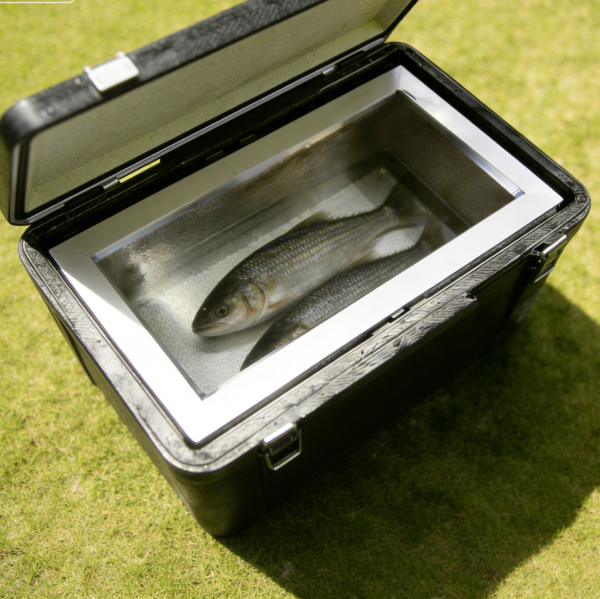
Hersteller medizinischer Eisboxen aus lebensmittelechtem Material: Ein praktischer Spezifikations- und Beschaffungsrahmen
A good medical ice box using food-contact-suitable materials is one whose claims can be traced to a defined configuration. Käufer sollten in der Lage sein, zu erkennen, was sich auf Materialebene bewährt hat, was auf der Ebene der fertigen Box getestet wird, was zu einem kompletten Packout gehört, und was noch einer spurspezifischen Bestätigung bedarf. Dieser Umfangsunterschied verhindert die häufigsten Beschaffungsfehler: unklare Kapazität, unbestätigte Dauer, fehlgeleitete Compliance-Ansprüche, und Muster, die nicht repräsentativ für die Massenproduktion sind.
Das praktische Ziel besteht darin, die Materialsicherheit zu trennen, Hygienisches Design, thermische Qualifizierung, medizinische Logistikverfahren, und produktspezifische Konformität, anstatt ein Zertifikat als Beweis für alles zu betrachten. Der folgende Entscheidungsrahmen stellt das nützlichste Produkt zusammen, technisch, Einhaltung, operativ, und Kaufüberlegungen, während alle Leistungsaussagen an die Bedingungen geknüpft sind, die sie tatsächlich unterstützen.
Schreiben Sie die Betriebsanforderung in einfacher Sprache
Die erste Spezifikation sollte die Betriebsaufgabe beschreiben: Verwenden Sie Materialien, die für die vorgesehenen Kontaktbedingungen geeignet sind, und erfüllen Sie gleichzeitig die separaten Betriebskontrollen, die für die Medizin- oder Gesundheitslogistik erforderlich sind. Es sollte die Benutzer identifizieren, der Ladeort, der Empfangsort, die erwarteten Übergaben, und der Moment, in dem sich die Temperaturverantwortung ändert. Dies verhindert, dass der Lieferant Unbekannte mit Annahmen füllt. Es ermöglicht auch Operationen, Qualität, und Beschaffungsteams, die gleiche Anforderung zu überprüfen, anstatt separate informelle Versionen zu verwalten. In der endgültigen Entscheidung, Geben Sie in der Antwort des Lieferanten die geltenden Bedingungen für die Überprüfung des Lebensmittelkontakts und der medizinischen Verwendung an.
Die Definition der Nutzlast erfordert mehr Details als ein Gewicht oder ein Nennvolumen. Die geplante Ladung kann Medikamente umfassen, Impfungen, Proben, Ernährungsprodukte, versiegelte Mahlzeiten, oder gemischte institutionelle Lieferungen, die unterschiedliche Kontaminations- und Temperaturrisiken aufweisen können. Notieren Sie die Abmessungen des Primärpakets, Orientierungsgrenzen, Anzahl der Einheiten, thermischer Zustand beim Verpacken, Kopfspace, fragile Bereiche, und ob die Last vom Kühlmittel getrennt bleiben muss. Ein ausreichend groß erscheinender Hohlraum kann bei enger Öffnung unbrauchbar werden, Ecken sind stark abgerundet, oder ein Korb und eine Trennwand nehmen die kritischen Abmessungen ein. Vor der endgültigen Veröffentlichung, Überprüfen Sie diesen Punkt für die Überprüfung des Lebensmittelkontakts und der medizinischen Verwendung mit Betriebsabläufen und Qualität.
Ebenso wichtig ist die Routenplanung. Für Krankenhausgelände, Laborkuriere, Apothekenvertrieb, klinische Standorte, häusliche Krankenpflege, und institutioneller Foodservice, Beachten Sie die geplante Transitzeit, wahrscheinliche Verzögerung, Staging-Temperatur, direkte Sonne, Luftzirkulation im Fahrzeug, wiederholtes Öffnen, Übertragung zwischen Trägern, und Eingangskontrolle. Diese Eingaben allein führen nicht zu einer garantierten Haltezeit, Sie definieren jedoch die Bedingungen, die ein Lieferant oder ein Prüflabor reproduzieren muss. Ohne sie, Ein Angebot kann sich nur auf eine generische Box beziehen, kein verlässlicher Verteilungsprozess. Beim Produktionsstart, Erfassen Sie diesen Punkt für die Überprüfung des Lebensmittelkontakts und der medizinischen Verwendung als kontrollierte Anforderung.
Die Materialauswahl sollte dem Fehlermodus folgen
Eine typische Isolierbox kann Polymere kombinieren, Schäume, Dichtungen, Pigmente, Klebstoffe, Liner, und Etiketten werden auf ihre beabsichtigten Kontaktbedingungen und Reinigungsumgebung hin bewertet. Die äußere Struktur schützt vor Stößen und bietet Befestigungspunkte. Die Isolierung verlangsamt die Leitung und Konvektion. Das Deckelgelenk, Abfluss, Umgang mit Chefs, Verbindungselemente, und Plattenkanten können Wärmebrücken oder Leckagepfade bilden. Aus diesem Grund, Ein Materialname allein sagt noch nichts über die Leistung aus. Zwei aus demselben Nennpolymer hergestellte Kästen können sich aufgrund der Wandstärke unterschiedlich verhalten, Schaumqualität, Geometrie, und Montage. Zur Lieferantenfreigabe, Schützen Sie die Entscheidung für die Überprüfung des Lebensmittelkontakts und der medizinischen Verwendung durch Änderungskontrolle.
Gemeinsame Optionen bringen unterschiedliche Kompromisse mit sich. Harte Polymerschalen können reinigbar und langlebig sein, Sie erhöhen jedoch das Gewicht und erfordern eine kontrollierte Formung. EPP kann ein Leichtgewicht sein, belastbare Struktur für wiederholte Handhabung, während freiliegende Schaumstoffoberflächen möglicherweise eine sorgfältige Hygiene- und Schadensprüfung erfordern. EPS kann für den geschützten Einweggebrauch kostengünstig sein, kann jedoch bei wiederholter grober Handhabung abplatzen. PU-Schaum kann innerhalb einer Schale für eine starre Isolierung sorgen. Vakuumisolierte Paneele können die Wärmeübertragung über große Flächen reduzieren, aber Randeffekte, Pannenschutz, und Fertigungskontrolle werden von entscheidender Bedeutung. Vor der endgültigen Veröffentlichung, Erfassen Sie diesen Punkt für die Überprüfung des Lebensmittelkontakts und der medizinischen Verwendung als kontrollierte Anforderung.
Die Materialspezifikation sollte die beabsichtigten Risiken identifizieren: Materialrückverfolgbarkeit, Oberflächenbeschaffenheit, Geruch, Dichtungs- und Ablaufdesign, Reinigungsverträglichkeit, Dimensionskontrolle, Konfigurationsdatensätze, und Änderungsmitteilung. Es sollte die Qualität des Basisharzes oder -schaums steuern, Pigmente, Zusatzstoffe, Dichtungsmaterial, Klebstoffe, Hardware, und jegliche Innenbeschichtung oder Beschriftung. Wenn Auswechslungen erlaubt sind, Definieren Sie den Genehmigungsnachweis. Ansonsten, Eine Produktionsänderung, die kommerziell unbedeutend erscheint, kann den Lebensmittelkontaktstatus verändern, Geruch, Flexibilität, Wärmeleitfähigkeit, fit, oder langfristige Haltbarkeit. Vor der endgültigen Veröffentlichung, Weisen Sie einen Eigentümer und eine Akzeptanzmethode für die Überprüfung des Lebensmittelkontakts und der medizinischen Verwendung zu.
Wo das Produkt endet und das thermische System beginnt
Die medizinische Eisbox besteht aus Materialien, die für den Kontakt mit Lebensmitteln geeignet sind, und bietet eine Barriere gegen den Wärmefluss und eine schützende Hülle. Es erzeugt selbst keine kontrollierte Temperatur. Die passive Leistung hängt von der Isolierung ab, Kühlmitteltyp und Konditionierung, Kühlmittelmasse, Nutzlastmasse, Produktstarttemperatur, interne Anordnung, Umgebungsprofil, Öffnungsverhalten, und Akzeptanzkriterien. Eine Änderung an einem dieser Punkte kann zu veränderten Ergebnissen führen, selbst wenn die äußere Box unverändert bleibt.
Diese Unterscheidung ist besonders wichtig für Lebensmittel, pharmazeutisch, Impfstoff, und klinische Studienanwendungen. Eine Materialdeklaration kann zeigen, dass ein Bauteil für eine vorgesehene Kontaktbedingung geeignet ist. Ein Strukturtest kann zeigen, dass ein Griff oder Schlitz einer definierten Belastung standhält. Ein thermischer Bericht kann zeigen, wie sich ein Packout unter einem Profil verhält. Eine Streckenqualifizierung kann dann die Betriebsspur beurteilen. Diese Dokumente beantworten unterschiedliche Fragen und sollten nicht untereinander ersetzt werden. In der endgültigen Entscheidung, Weisen Sie einen Eigentümer und eine Akzeptanzmethode für die Überprüfung des Lebensmittelkontakts und der medizinischen Verwendung zu.
Bitten Sie den Lieferanten, jeden Leistungsanspruch bei seiner Konfiguration anzugeben. In der Erklärung sollten die Boxgröße und die Revision angegeben werden, Nutzlast, Kühlmittel, Konditionierung, Ladediagramm, Monitorposition, Umgebungsprofil, Dauer, und Akzeptanzbereich. Wenn der Lieferant diesen Kontext nicht bereitstellen kann, Betrachten Sie den Anspruch lediglich als Screening-Indikator. Das nützliche Ergebnis besteht darin, nicht für jedes erste Gespräch einen Laborbericht zu verlangen, sondern um zu verhindern, dass eine nicht unterstützte Überschrift zu einer Kaufspezifikation wird. In der endgültigen Entscheidung, Schützen Sie die Entscheidung für die Überprüfung des Lebensmittelkontakts und der medizinischen Verwendung durch Änderungskontrolle.
„Lebensmittelqualität,„„Medizinischer Grad,„ und „Qualifiziert“ sind nicht austauschbar
Der relevante Nachweis hängt gegebenenfalls von den Lebensmittelkontaktvorschriften für Materialien ab, plus BIP, GCP, Produktkennzeichnung, Biosicherheit, oder Gesundheitsverfahren, soweit sie für die medizinische Verwendung anwendbar sind; Diese Beweisströme sind nicht austauschbar. In den Vereinigten Staaten, Der Lebensmittelkontaktstatus ist an zugelassene Stoffe und die vorgesehenen Verwendungsbedingungen gebunden, einschließlich Lebensmittelart und Temperatur. In der Europäischen Union, Lebensmittelkontaktmaterialien, die in Verkehr gebracht werden, fallen unter die Rahmenverordnung und die Anforderungen der guten Herstellungspraxis, mit zusätzlichen Regelungen für bestimmte Materialgruppen. A generic declaration that a plastic is 'Lebensmittelqualität' is therefore only a starting point. Zur Lieferantenfreigabe, Bestätigen Sie, dass die Produktionskontrollen diesen Punkt für die Überprüfung des Lebensmittelkontakts und der medizinischen Verwendung berücksichtigen.
Medizinische und pharmazeutische Anwendungen fügen eine weitere Ebene hinzu. Produktkennzeichnung und Sponsor- oder Qualitätsverfahren definieren den erforderlichen Zustand. BIP, GCP, Impfberatung, Luftfrachtregeln, Je nach Sendung können nationale oder nationale Programmvorgaben gelten. Die Box ist nicht nur deshalb konform, weil ihr Polymer für den Kontakt mit Lebensmitteln geeignet ist oder weil sie wiederverwendbar ist. Für den gesamten Vorgang sind möglicherweise qualifizierte Verpackungsanweisungen erforderlich, kalibrierte Überwachung, Abweichungsbehandlung, Ausbildung, und dokumentierte Produktkette. In der endgültigen Entscheidung, Überprüfen Sie diesen Punkt für die Überprüfung des Lebensmittelkontakts und der medizinischen Verwendung mit Betriebsabläufen und Qualität.
Erstellen Sie eine Beweiskarte mit vier Spalten: beanspruchen, Objekt, Zustand, und Dokument. Zum Beispiel, Ein Materialanspruch bezieht sich auf ein benanntes Harz und einen beabsichtigten Verwendungszweck; Ein Strukturanspruch gehört zu einem fertigen Design und einer Lastmethode; Ein thermischer Anspruch gehört zu einer vollständigen Konfiguration und einem vollständigen Profil; Ein Routenanspruch gehört zu einer Betriebsspur. Diese Karte deckt Lücken auf und verhindert, dass ein Zertifikat über seinen Geltungsbereich hinaus ausgedehnt wird. Beim Produktionsstart, Bestätigen Sie vor dem Kauf den Beweisumfang für die Überprüfung des Lebensmittelkontakts und der medizinischen Verwendung.
Eine Release-Checkliste für die ausgewählte Konfiguration
| Tor | Frage | Beweise freigeben |
|---|---|---|
| Anwendungsfall-Gate | Ist die Nutzlast, Route, Zustand, und Abwicklungsprozess definiert? | Genehmigte Benutzeranforderung |
| Tor montieren | Passt die endgültige Verpackung mit sicherem Anheben und Verschließen?? | Verpackungszeichnung und gemessenes Muster |
| Beweistor | Sind Ansprüche an das richtige Material gebunden?, Kasten, Auspacken, oder Spur? | Beweiskarte und Testberichte |
| Qualitätstor | Kann die Produktion die genehmigte Konfiguration reproduzieren?? | Überprüfung und Inspektionsplan für Pilotlose |
| Kostentor | Es handelt sich um Angebote, die auf den gleichen Umfang und die gleiche Lieferbasis normiert sind? | Anschaffungs- und Lebenszykluskostenmodell |
| Einsatztor | Können Benutzer packen?, erhalten, sauber, überprüfen, und schicke es korrekt zurück? | Kontrollierte Anweisungen und Trainingsplan |
| Tor wechseln | Müssen Auswechslungen überprüft werden?? | Stückliste und Änderungskontrollvereinbarung |
| Bewerbungsportal | So trennen Sie die Materialsicherheit, Hygienisches Design, thermische Qualifizierung, medizinische Logistikverfahren, und produktspezifische Konformität, anstatt ein Zertifikat als Beweis für alles zu betrachten | Unterzeichnete Anforderung und Liste ungelöster Annahmen |
Nutzen Sie diese Tabelle als gemeinsame Überprüfung zwischen der Beschaffung, Operationen, Maschinenbau, und Qualität. Es wandelt allgemeine Präferenzen in überprüfbare Beweise um und deckt fehlende Annahmen vor der Preisverhandlung auf. Nicht jedes Projekt benötigt die gleiche Tiefe, Aber jeder kritische Anspruch sollte einen Eigentümer und eine definierte Möglichkeit haben, ihn zu überprüfen. In der endgültigen Entscheidung, Bestätigen Sie vor dem Kauf den Beweisumfang für die Überprüfung des Lebensmittelkontakts und der medizinischen Verwendung.
Vom Katalogmuster bis zur kontrollierten Produktion
Die zentrale Lieferantenfrage ist, wie man die Materialsicherheit trennen kann, Hygienisches Design, thermische Qualifizierung, medizinische Logistikverfahren, und produktspezifische Konformität, anstatt ein Zertifikat als Beweis für alles zu betrachten. Das Gespräch sollte von allgemeinen Behauptungen zu kontrollierten Details übergehen. Ein seriöser Hersteller sollte in der Lage sein, diese Anforderung in Zeichnungen umzusetzen, Materialdefinitionen, Inspektionspunkte, und ein Testplan. Fragen Sie, wem die Form gehört, welche Vorgänge intern durchgeführt werden, wie kritische Komponentenlieferanten zugelassen werden, und wie die Stückliste gepflegt wird. Ein umfassender Katalog kann hilfreich sein, aber es ist kein Beweis für die Prozesskontrolle. In der endgültigen Entscheidung, Lösen Sie diesen Punkt für die Überprüfung des Lebensmittelkontakts und der medizinischen Verwendung vor der thermischen Qualifizierung.
Bauen Sie den Genehmigungsprozess auf der Grundlage einer fortschreitenden Probenreife auf. Das erste Muster bestätigt grundlegende Abmessungen und Ergonomie. Ein überarbeitetes technisches Muster bestätigt Materialien, Beschläge, Etiketten, und Packout-Passform. Ein Pilotlos prüft Produktionswerkzeuge, Montage, Inspektion, Verpackung, und Variation über mehrere Einheiten hinweg. Das genehmigte goldene Muster sollte mit Zeichnungen und messbaren Akzeptanzkriterien verknüpft sein. Die Genehmigung eines speziell vorbereiteten Musters ohne diese Brücke ist eine häufige Quelle für Überraschungen bei der Massenproduktion. Beim Produktionsstart, Dokumentieren Sie die Einschränkung für die Überprüfung des Lebensmittelkontakts und der medizinischen Verwendung, anstatt eine universelle Eignung zu implizieren.
Die Qualitätsprüfung sollte sich auf die Rückverfolgbarkeit des Materials konzentrieren, Oberflächenbeschaffenheit, Geruch, Dichtungs- und Ablaufdesign, Reinigungsverträglichkeit, Dimensionskontrolle, Konfigurationsdatensätze, und Änderungsmitteilung. Fragen Sie, wie fehlerhafte Einheiten identifiziert werden, ob Messungen aufgezeichnet werden, wie Beschwerden untersucht werden, und wie technische Änderungen kommuniziert werden. Für Programme mit hoher Kontrolle, Für Auswechslungen ist eine vorherige Genehmigung erforderlich. Für den Verbrauchergebrauch mit geringerem Risiko, Das System kann einfacher sein, aber kritische Dimensionen, Materialien, und Sicherheitsmerkmale benötigen weiterhin objektive Akzeptanzkriterien. Zur Lieferantenfreigabe, Verknüpfen Sie diese Entscheidung für die Überprüfung des Lebensmittelkontakts und der medizinischen Verwendung mit der genehmigten Zeichnung und Verpackung.
Woher die Kosten für die Kühlbox eigentlich kommen
Die Kostenstruktur umfasst kontrollierte Materialien, Dokumentation, Reinigbares Design, Validierung, Reinigungsarbeiten, Abgrenzung, Überwachung, und Qualitätsprüfung. Unterschiede können durch die Dämmstärke bedingt sein, Materialqualität, Verfahren, Hardware, Inspektion, Verpackung, oder einfach aus ausgeschlossenen Artikeln. Anbieter können sehr unterschiedliche Preise angeben, obwohl alle scheinbar die gleiche Größe anbieten. Für einen fairen Vergleich sind ein Konfigurationsblatt und eine kommerzielle Vergleichstabelle erforderlich.
Trennen Sie einmalige Kosten von wiederkehrenden Kosten. Einheitenbau, Zubehör, Inspektion, Kartons, und Fracht wiederkehren. Werkzeuge, Formen, Kunstwerk, Maschinenbau, und einige Tests können einmalig oder amortisiert sein. Dann trennen Sie die Anschaffungskosten von den Betriebskosten: Konditionierungskühlmittel, Waschen, Trocknen, Lagerung, Vermögensverfolgung, Rücktransport, Schaden, reparieren, und Ersatz. Die beste Messgröße sind möglicherweise die Kosten pro erfolgreicher Route und nicht der Kaufpreis pro Box. Zur Lieferantenfreigabe, Bestätigen Sie vor dem Kauf den Beweisumfang für die Überprüfung des Lebensmittelkontakts und der medizinischen Verwendung.
Der Transport von Gütern verdient frühzeitige Aufmerksamkeit, da Isolierboxen sperrig sein können. Außenmaße, Verschachtelung, Zusammenklappbarkeit, Kartonmenge, Palettenmuster, und die Containerbeladung kann die Gesamtkosten um mehr als einen kleinen Unterschied zum Fabrikpreis verändern. Bitten Sie Lieferanten, die gleichen Lieferbedingungen und Verpackungskonfigurationen anzugeben. Wenn Mehrwegboxen leer zurückkommen, Der umgekehrte Würfel und die Handhabungsarbeit sollten ebenfalls in das Modell einfließen. Vor der endgültigen Veröffentlichung, Erfassen Sie diesen Punkt für die Überprüfung des Lebensmittelkontakts und der medizinischen Verwendung als kontrollierte Anforderung.
Entwerfen Sie den täglichen Prozess entlang der Box
Eine Kiste bewegt sich durch Menschen und Orte, nicht nur durch eine Wärmekammer. Der Betriebsplan sollte die Vorkonditionierung abdecken, Verpackung, Schließung, Beschriftung, Aktivierung überwachen, aushändigen, Empfang, Entladung, Reinigung, Trocknen, Inspektion, Lagerung, und zurück. Für Krankenhausgelände, Laborkuriere, Apothekenvertrieb, klinische Standorte, häusliche Krankenpflege, und institutioneller Foodservice, Das größte Risiko kann eine Laderampe oder eine fehlgeschlagene Lieferung anstelle der geplanten Fahrzeugzeit sein.
Anweisungen sollten visuell und konfigurationsspezifisch sein. Kühlmittelposition anzeigen, Produktorientierung, Platzierung der Teiler, Standort überwachen, Abschlusssequenz, und Ablehnungskriterien. Verwenden Sie Etiketten, die der Reinigungs- und Routenumgebung standhalten. Wenn der Kasten Abflüsse hat, Riemen, Räder, austauschbare Dichtungen, oder Seilgriffe, Prüfpunkte für diese Komponenten einschließen. Die Komplexität sollte nach Möglichkeit reduziert werden, da sich gelegentliche Benutzer lange Vorgänge nicht merken können. Vor der endgültigen Veröffentlichung, Weisen Sie einen Eigentümer und eine Akzeptanzmethode für die Überprüfung des Lebensmittelkontakts und der medizinischen Verwendung zu.
Empfangende Teams benötigen einen Entscheidungsweg. Sie sollten wissen, wie man das Siegel prüft, Lesen Sie den Monitor, Schäden erkennen, einen Ausflug aufzeichnen, die Nutzlast unter Quarantäne stellen, und wenden Sie sich an den zuständigen Qualitätsbeauftragten. Zurückgegebene Kartons sollten nicht automatisch wieder in die saubere Flotte aufgenommen werden. Ein einfacher Quarantäne- und Inspektionsschritt verhindert rissige Schalen, fehlende Stecker, verschmutzte Griffe, oder ein Kühlmittelwechsel führt zu einer stillschweigenden Schwächung des Systems. Zur Lieferantenfreigabe, Vergleichen Sie den Punkt für die Überprüfung des Lebensmittelkontakts und der medizinischen Verwendung mit der tatsächlichen Nutzlast.
Die Wiederverwendung funktioniert nur, wenn die Box zurückkommt
Die relevante Nachhaltigkeitsfrage ist die Wiederverwendung nur bei der Dekontamination, Inspektion, Rückverfolgbarkeit, und Rücklaufkontrollen verhindern Kreuzkontaminationen und bewahren die qualifizierte Konfiguration. Eine wiederverwendbare Box kann den Verpackungsverbrauch in einem stabilen geschlossenen Kreislauf reduzieren, aber es erfordert auch mehr Material, Reinigung, Lagerung, und Rücktransport. Auf einer verteilten Fahrspur, wo die Rücklaufquoten gering sind, kann ein leichtes Einbahnsystem vorzuziehen sein. Die Auswahl sollte anhand des Betriebsnetzwerks und nicht anhand eines einzelnen Marketingmerkmals getroffen werden. In der endgültigen Entscheidung, Schützen Sie die Entscheidung für die Überprüfung des Lebensmittelkontakts und der medizinischen Verwendung durch Änderungskontrolle.
Die richtige Dimensionierung ist oft die schnellste Verbesserung. Überschüssiges Volumen vergrößert die Isolationsfläche, Kühlmittelbedarf, Frachtwürfel, und Lagerfläche. Überdimensionierte Hardware erhöht die Masse. Unterbaute Produkte fallen frühzeitig aus und erzeugen Ersatzabfall. Ein gutes Design verwendet genügend Material an den richtigen Stellen, schützt austauschbare Verschleißteile, und ermöglicht eine Inspektion, bevor ein beschädigtes Gerät wieder in Betrieb genommen wird. Vor der endgültigen Veröffentlichung, Überprüfen Sie diesen Punkt für die Überprüfung des Lebensmittelkontakts und der medizinischen Verwendung mit Betriebsabläufen und Qualität.
Verfolgen Sie eine kleine Reihe praktischer Indikatoren: Rücklaufquote, Fahrten pro Anlage, Schadensgrund, Waschzeit, Trocknungszeit, verlorene Komponenten, Leerer Rückgabewürfel, und Ruhestandsroute. Diese Daten zeigen, ob sich das System verbessert. Nachhaltigkeitsaussagen sollten bei Änderungen der Route aktualisiert werden. Ein Karton, der für fünfzig kontrollierte lokale Fahrten verwendet wird, hat eine andere Grundfläche als derselbe Karton, der einmal über eine internationale Route transportiert und nie zurückgegeben wurde. In der endgültigen Entscheidung, Bestätigen Sie, dass die Produktionskontrollen diesen Punkt für die Überprüfung des Lebensmittelkontakts und der medizinischen Verwendung berücksichtigen.
Eine typische Routenübersicht
Betrachten Sie diese typische Situation: Ein Lieferant legt eine Erklärung zum Lebensmittelkontakt für die Innenschale vor, Der Käufer benötigt jedoch auch eine medizinische Packout-Qualifikation, Reinigungsvorgang, Rückkehrquarantäne, und nachvollziehbare Änderungskontrolle. Die erste Antwort sollte nicht darin bestehen, eine Kataloggröße auszuwählen. Das Team sollte die Nutzlast messen, Erstellen Sie das vorgeschlagene Packout, die Route kartieren, und beobachten Sie, wie Benutzer heben, sicher, offen, sauber, und die Box zurückschicken. Dadurch entsteht eine gemeinsame Aufzeichnung der tatsächlichen Einschränkungen. Zur Lieferantenfreigabe, Nehmen Sie diese Anforderung für die Überprüfung des Lebensmittelkontakts und der medizinischen Verwendung in die Empfangscheckliste auf.
Danach, Der Käufer sollte statt eines langen Katalogs zwei oder drei kontrollierte Alternativen anfordern. Eine Option könnte einem geringeren Gewicht Vorrang einräumen, eine weitere wiederholte Haltbarkeit, und ein weiterer höherer Wärmewiderstand oder mehr nutzbares Volumen. Bei jeder Option sollte aufgeführt sein, was enthalten ist, Welche Beweise gibt es?, was noch getestet werden muss, und welche Betriebsänderungen es erfordert. Das Team kann dann Kompromisse vergleichen, anstatt über isolierte Funktionen zu streiten. In der endgültigen Entscheidung, Bestätigen Sie vor dem Kauf den Beweisumfang für die Überprüfung des Lebensmittelkontakts und der medizinischen Verwendung.
Vervollständigen Sie die Sequenz durch ein technisches Beispiel, Packout-Testversion, Pilotproduktion, und formelle Freilassung. Für temperaturempfindliche Anwendungen, Bestätigen Sie die vollständige Paketierung unter einem entsprechenden Profil und legen Sie fest, wie Ausflüge abgewickelt werden. Zeichnen Sie Dimensionsmessungen auf und verarbeiten Sie Beobachtungen, nicht nur Fotos. Das Ergebnis ist eine beweis- und arbeitsablauforientierte Beschaffungsentscheidung, nicht auf ein Versprechen, das später nicht reproduziert werden kann. Vor der endgültigen Veröffentlichung, Geben Sie in der Antwort des Lieferanten die geltenden Bedingungen für die Überprüfung des Lebensmittelkontakts und der medizinischen Verwendung an.
Fünf Fehler, die kostspielige Nacharbeiten verursachen
Die folgenden Punkte sollten vor der Werkzeugherstellung oder Massenproduktion überprüft werden. Jeder einzelne davon kann zu vermeidbarer Nacharbeit führen, wenn er bei der Lieferantenauswahl ungelöst bleibt. Vor der endgültigen Veröffentlichung, Lösen Sie diesen Punkt für die Überprüfung des Lebensmittelkontakts und der medizinischen Verwendung vor der thermischen Qualifizierung.
- Blocker freigeben: Gleichsetzung der Eignung für den Lebensmittelkontakt mit medizinischer Compliance.
- Blocker freigeben: Wiederverwendung von Boxen für inkompatible Nutzlasten ohne Trennung.
- Blocker freigeben: Ignorieren von Etiketten, Klebstoffe, Dichtungen, und internes Zubehör.
- Blocker freigeben: Qualifizieren einer Verpackung und anschließendes Ändern der Materialqualität.
- Blocker freigeben: Verwendung eines schwer zu reinigenden Designs in einer Umgebung mit hoher Kontrolle.
Ein Warnzeichen schließt einen Anbieter nicht zwangsläufig aus der Überlegung aus. Es sollte eine konkrete Aufklärung auslösen, Stichprobenprüfung, oder Beweisanfrage. Ziel ist es, Unsicherheiten zu beseitigen, während Änderungen noch kostengünstig sind. Ein Lieferant, der mit Zeichnungen antwortet, Bedingungen, und Korrekturmaßnahmen sind nützlicher als eine, die eine allgemeine Behauptung wiederholt.
Was eine nützliche Lieferantenantwort abdecken sollte
Für diese medizinische Kühlbox werden Materialien verwendet, die für den Kontakt mit Lebensmitteln geeignet sind, Die folgenden Fragen sind wertvoller als die Frage, ob der Lieferant zuverlässig ist. Sie drängen die Diskussion auf den Verwendungszweck, messbare Spezifikationen, und Beweise. In der endgültigen Entscheidung, Testen Sie diese Annahme für die Überprüfung des Lebensmittelkontakts und der medizinischen Verwendung anhand der beabsichtigten Route.
- Freigabefrage: Welche Oberflächen können mit Lebensmitteln in Kontakt kommen?, Medikamentenverpackung, Proben, oder Reinigungsflüssigkeiten?
- Freigabefrage: Welche vorgesehenen Bedingungen werden durch die Materialdokumentation abgedeckt??
- Freigabefrage: Welche medizinischen oder klinischen Verfahren gelten für die Route und die Nutzlast??
- Freigabefrage: Wie sind sauber?, gebraucht, und Quarantäneboxen getrennt?
- Freigabefrage: Dosendichtungen, Abflüsse, und Trennwände überprüft und ersetzt werden?
- Freigabefrage: Welche Beweise gehören zum Material und welche zur Komplettverpackung??
Eine vollständige Antwort kann eine Zeichnung sein, Tisch, Probe, Testplan, oder dokumentierte Einschränkung. Die zu prüfende Fabrik muss nicht über jeden Abschlussbericht vor der frühen Entwicklung verfügen, aber es sollte in der Lage sein, anzugeben, was bekannt ist, was angenommen wird, was kann angepasst werden, und was muss getestet werden. Diese Transparenz ist ein besseres Risikosignal als eine lange Liste nicht unterstützter Zertifizierungen. Vor der endgültigen Veröffentlichung, Überprüfen Sie diesen Punkt für die Überprüfung des Lebensmittelkontakts und der medizinischen Verwendung mit Betriebsabläufen und Qualität.
So dokumentieren Sie Annahmen und Einschränkungen
Geben Sie keine neue Charge allein aufgrund ihres Erscheinens frei. Wählen Sie mehrere Einheiten aus verschiedenen Kartons aus. Bestätigen Sie kritische Innenmaße, Deckelverschluss, Hardware, Etiketten, Zubehör, und Verpackung entsprechend der genehmigten Spezifikation. Zeichnen Sie Ergebnisse auf, damit spätere Reklamationen mit der Originalcharge und nicht mit dem Speicher oder einer einzelnen Probe verglichen werden können. Beim Produktionsstart, Dokumentieren Sie die Einschränkung für die Überprüfung des Lebensmittelkontakts und der medizinischen Verwendung, anstatt eine universelle Eignung zu implizieren.
Vereinbaren Sie Schadenskriterien, bevor die Boxen in Betrieb genommen werden. Risse, deformierte Dichtungen, fehlende Stecker, ausgefranste Griffe, lose Anker, kontaminierte Oberflächen, Durchstochene Platten, oder nicht zugelassenes Kühlmittel sollte eine Quarantäne auslösen. Einige Artikel können mit kontrollierten Teilen repariert werden; andere sollten in den Ruhestand gehen. Eine klare Regelung verhindert, dass Nutzer eine sichtbar beschädigte Box weiterbenutzen, nur weil sie noch schließt. Zur Lieferantenfreigabe, Geben Sie in der Antwort des Lieferanten die geltenden Bedingungen für die Überprüfung des Lebensmittelkontakts und der medizinischen Verwendung an.
Verwenden Sie ein einfaches Änderungsregister für Material, Anbieter, Schimmel, Verfahren, Abmessungen, Etiketten, Verpackung, und Auspacken. Überprüfen Sie, ob sich jede Änderung auf den Kontaktstatus auswirkt, thermischer Beweis, Strukturprüfungen, Fracht, Reinigung, oder Benutzeranweisungen. Diese Disziplin ist nicht auf regulierte Programme beschränkt. Es schützt jeden Käufer vor einer allmählichen Konfigurationsabweichung bei wiederholten Bestellungen. Beim Produktionsstart, Vergleichen Sie den Punkt für die Überprüfung des Lebensmittelkontakts und der medizinischen Verwendung mit der tatsächlichen Nutzlast.
Fragen, die Käufer oft stellen
Ist eine medizinische Kühlbox mit für den Kontakt mit Lebensmitteln geeigneten Materialien ausreichend, um die Temperatur zu kontrollieren??
NEIN. Die Box verlangsamt die Wärmeübertragung, aber das Gesamtergebnis hängt vom Kühlmittel ab, Nutzlast, Starttemperatur, Lademuster, Umgebungseinflüsse, Handhabung, und Überwachung. Jede angegebene Dauer sollte die getestete Konfiguration und die Akzeptanzkriterien angeben. Für regulierte oder hochwertige Produkte, Möglicherweise ist eine zusätzliche Packout- oder Lane-Qualifizierung erforderlich. Beim Produktionsstart, Nehmen Sie diesen Grenzwert in die Betriebsanweisung für die Überprüfung des Lebensmittelkontakts und der medizinischen Verwendung auf.
Was bedeutet Lebensmittelqualität für eine Eisbox??
Die sinnvolle Frage ist, ob jede relevante Komponente für die vorgesehene Lebensmittelart geeignet ist, Kontaktzustand, Temperatur, and duration under the target market's rules. Ein Basisharz-Zertifikat oder eine BPA-Freiheitserklärung deckt Pigmente nicht automatisch ab, Dichtungen, Klebstoffe, Etiketten, oder der fertige Artikel. Beim Produktionsstart, Dokumentieren Sie die Einschränkung für die Überprüfung des Lebensmittelkontakts und der medizinischen Verwendung, anstatt eine universelle Eignung zu implizieren.
Kann für jede Route ein Labor-Haltezeitergebnis verwendet werden??
NEIN, nicht als allgemeingültige Regel. Für das getestete Umgebungsprofil gilt ein Laborergebnis, Nutzlast, Kühlmittel, Positionen überwachen, und Akzeptanzbereich. Es kann die Routenplanung unterstützen, aber erhebliche Unterschiede in der Verzögerung, direkte Sonne, Öffnungshäufigkeit, Fahrzeugbedingungen, oder Nutzlast erfordern möglicherweise eine weitere Beurteilung oder Qualifizierung. Beim Produktionsstart, Verknüpfen Sie diese Entscheidung für die Überprüfung des Lebensmittelkontakts und der medizinischen Verwendung mit der genehmigten Zeichnung und Verpackung.
Was ist der beste Erstmustertest??
Die früheste praktische Prüfung ist eine volldimensionale Verpackung. Verschluss prüfen, Heben, Zugang, Reinigung, und Packzeit. Laden Sie die tatsächliche Nutzlast, Kühlmittel, Teiler, Monitor, Etiketten, und Zubehör. Sobald die physische Konfiguration stabil ist, Thermische und strukturelle Tests werden aussagekräftiger und die Wahrscheinlichkeit einer Wiederholung nach einer Designänderung ist geringer. Zur Lieferantenfreigabe, Vergleichen Sie den Punkt für die Überprüfung des Lebensmittelkontakts und der medizinischen Verwendung mit der tatsächlichen Nutzlast.
Abschluss
The final selection for food grade material medical ice box manufacturer should pass six tests: Anwendungsfall passend, nutzbare Kapazität, Beweis, Produktionskonsistenz, einfache Bedienung, und Gesamtkosten. Ein Lieferant, der Annahmen angibt, Einschränkungen für Dokumente, und die Pilotverifizierung unterstützt, ist wertvoller als eine, die universelle Ansprüche bietet. Geben Sie den Auftrag erst frei, wenn die Konfiguration und die Verantwortlichkeiten klar genug sind, dass eine Wiederholung möglich ist.
Über Tempk
Tempk, eine Marke von Shanghai Tempk Industrial Co., Ltd., works across passive cold-chain packaging categories such as coolant packs, starre PCM-Steine, Isoliertaschen, EPP-Behälter, medizinische Kühlboxen, Liner, und Thermoabdeckungen. Seine Rolle bei einem Box-Projekt besteht darin, dabei zu helfen, Routen- und Nutzlastanforderungen in eine praktische Produkt- und Verpackungsrichtung umzusetzen. Endgültige Abmessungen, Materialien, Zubehör, Testbedingungen, und Dokumentation sollten vor der Produktion in einer kontrollierten Spezifikation vereinbart werden. Beim Produktionsstart, Überprüfen Sie diesen Punkt für die Überprüfung des Lebensmittelkontakts und der medizinischen Verwendung mit Betriebsabläufen und Qualität.
Nächster Schritt
Vor der endgültigen Lieferantenauswahl, die Nutzlast teilen, Kontaktflächen, Reinigungsmethode, medizinische Qualitätsanforderungen, Route, und Zielmarkt, damit Tempk die Material- und Systembeweise korrekt trennen kann.
Lieferant von Eisboxen aus lebensmittelechtem Material: Vollständiges Käufer-Framework
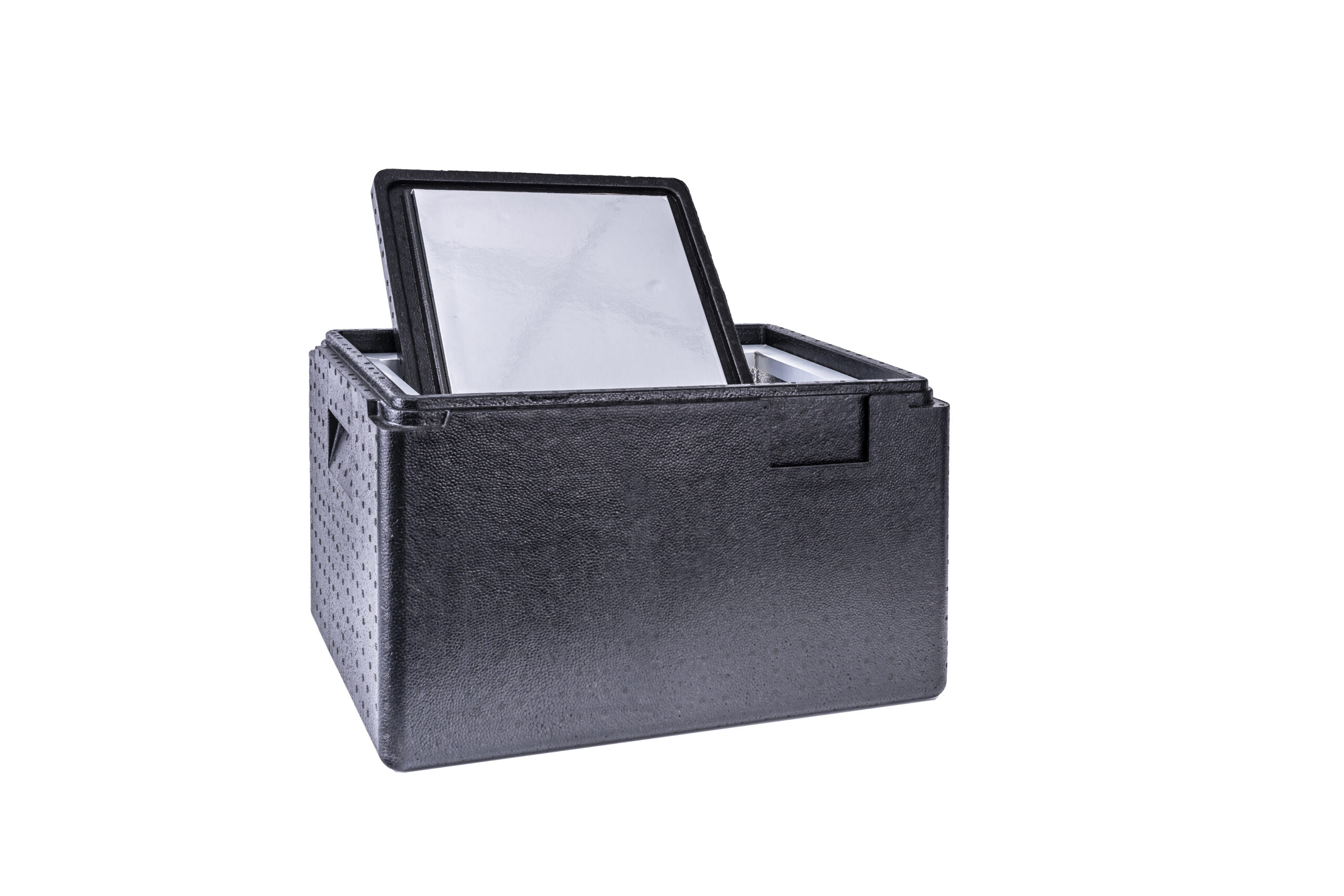
Lieferant von Eisboxen aus lebensmittelechtem Material: Ein praktischer Spezifikations- und Beschaffungsrahmen
A good ice box made with food-contact-suitable materials is one whose claims can be traced to a defined configuration. Käufer sollten in der Lage sein, zu erkennen, was sich auf Materialebene bewährt hat, was auf der Ebene der fertigen Box getestet wird, was zu einem kompletten Packout gehört, und was noch einer spurspezifischen Bestätigung bedarf. Diese Unterscheidung verhindert die häufigsten Beschaffungsfehler: unklare Kapazität, unbestätigte Dauer, fehlgeleitete Compliance-Ansprüche, und Muster, die nicht repräsentativ für die Massenproduktion sind.
Das praktische Ziel besteht darin, ob der Lieferant den Status des gesamten Lebensmittelkontaktartikels nachweisen kann, anstatt sich auf eine allgemeine Aussage zur „Lebensmittelqualität“ zu verlassen. Der folgende Entscheidungsrahmen stellt das nützlichste Produkt zusammen, technisch, Einhaltung, operativ, und Kaufüberlegungen, während alle Leistungsaussagen an die Bedingungen geknüpft sind, die sie tatsächlich unterstützen.
Aus einer vagen Anfrage eine testbare Spezifikation machen
Betrachten Sie diese typische Situation: Ein Käufer von Tiefkühlkost erhält eine Schalenharz-Deklaration, aber keine Informationen über das farbige Masterbatch, Abflussdichtung, bedrucktes Etikett, oder Klebstoff, der im Kontaktbereich verwendet wird. Die erste Antwort sollte nicht darin bestehen, eine Kataloggröße auszuwählen. Das Team sollte die Nutzlast messen, Erstellen Sie das vorgeschlagene Packout, die Route kartieren, und beobachten Sie, wie Benutzer heben, sicher, offen, sauber, und die Box zurückschicken. Dadurch entsteht eine gemeinsame Aufzeichnung der tatsächlichen Einschränkungen. In der endgültigen Entscheidung, Geben Sie in der Lieferantenantwort die geltenden Bedingungen für die Überprüfung von Lebensmittelkontaktmaterialien an.
Von dort, Der Käufer sollte statt eines langen Katalogs zwei oder drei kontrollierte Alternativen anfordern. Eine Option könnte einem geringeren Gewicht Vorrang einräumen, eine weitere wiederholte Haltbarkeit, und ein weiterer höherer Wärmewiderstand oder mehr nutzbares Volumen. Bei jeder Option sollte aufgeführt sein, was enthalten ist, Welche Beweise gibt es?, was noch getestet werden muss, und welche Betriebsänderungen es erfordert. Das Team kann dann Kompromisse vergleichen, anstatt über isolierte Funktionen zu streiten. In der endgültigen Entscheidung, Lösen Sie diesen Punkt für die Überprüfung des Lebensmittelkontaktmaterials vor der thermischen Qualifizierung.
Vervollständigen Sie die Sequenz durch ein technisches Beispiel, Packout-Testversion, Pilotproduktion, und formelle Freilassung. Zeichnen Sie Dimensionsmessungen auf und verarbeiten Sie Beobachtungen, nicht nur Fotos. Für temperaturempfindliche Anwendungen, Bestätigen Sie die vollständige Paketierung unter einem entsprechenden Profil und legen Sie fest, wie Ausflüge abgewickelt werden. Das Ergebnis ist eine beweis- und arbeitsablauforientierte Beschaffungsentscheidung, nicht auf ein Versprechen, das später nicht reproduziert werden kann. Vor der endgültigen Veröffentlichung, Geben Sie in der Lieferantenantwort die geltenden Bedingungen für die Überprüfung von Lebensmittelkontaktmaterialien an.
Beginnen Sie mit der Ladung, Route, und Übergabepunkte
Die erste Spezifikation sollte die Betriebsaufgabe beschreiben: Lagern oder transportieren Sie verpackte oder unverpackte Lebensmittel in einem Behälter, dessen Materialien für den vorgesehenen Kontakt geeignet sind, Zeit, Temperatur, Lebensmitteltyp, und Reinigungsbedingungen. Es sollte die Benutzer identifizieren, der Ladeort, der Empfangsort, die erwarteten Übergaben, und der Moment, in dem sich die Temperaturverantwortung ändert. Dies verhindert, dass der Anbieter Unbekannte mit Annahmen füllt. Es ermöglicht auch Operationen, Qualität, und Beschaffungsteams können die gleiche Anforderung überprüfen, anstatt separate informelle Versionen zu verwalten.
Die Definition der Nutzlast erfordert mehr Details als ein Gewicht oder ein Nennvolumen. Die geplante Beladung kann Trockenfutter umfassen, fetthaltige Lebensmittel, saure Lebensmittel, Milchprodukte, Meeresfrüchte, Getränke, Zubereitete Mahlzeiten, oder versiegelte Packungen, jeweils mit unterschiedlichen möglichen Kontaktbedingungen. Notieren Sie die Abmessungen des Primärpakets, Orientierungsgrenzen, Anzahl der Einheiten, thermischer Zustand beim Verpacken, Kopfspace, fragile Bereiche, und ob die Last vom Kühlmittel getrennt bleiben muss. Ein ausreichend groß erscheinender Hohlraum kann bei enger Öffnung unbrauchbar werden, Ecken sind stark abgerundet, oder ein Korb und eine Trennwand nehmen die kritischen Abmessungen ein. Beim Produktionsstart, Bestätigen Sie vor dem Kauf den Beweisumfang für die Lebensmittelkontaktmaterialprüfung.
Ebenso wichtig ist die Routenplanung. Für den Fabrikumschlag, Kühlräume, Kühlfahrzeuge, Catering-Routen, Fischereinutzung, und wiederholtes Waschen, bei dem die chemische und physikalische Belastung unterschiedlich ist, Beachten Sie die geplante Transitzeit, wahrscheinliche Verzögerung, Staging-Temperatur, direkte Sonne, Luftzirkulation im Fahrzeug, wiederholtes Öffnen, Übertragung zwischen Trägern, und Eingangskontrolle. Diese Eingaben allein führen nicht zu einer garantierten Haltezeit, Sie definieren jedoch die Bedingungen, die ein Lieferant oder ein Prüflabor reproduzieren muss. Ohne sie, Ein Angebot kann sich nur auf eine generische Box beziehen, kein verlässlicher Verteilungsprozess. In der endgültigen Entscheidung, Bestätigen Sie, dass die Produktionskontrollen diesen Punkt für die Überprüfung von Lebensmittelkontaktmaterialien berücksichtigen.
Verwandeln Sie eine Komponente nicht in ein universelles Leistungsversprechen
Die aus für den Lebensmittelkontakt geeigneten Materialien hergestellte Eisbox bietet eine Barriere gegen den Wärmefluss und eine schützende Hülle. Es erzeugt selbst keine kontrollierte Temperatur. Die passive Leistung hängt von der Isolierung ab, Kühlmitteltyp und Konditionierung, Kühlmittelmasse, Nutzlastmasse, Produktstarttemperatur, interne Anordnung, Umgebungsprofil, Öffnungsverhalten, und Akzeptanzkriterien. Eine Änderung an einem dieser Punkte kann zu veränderten Ergebnissen führen, selbst wenn die äußere Box unverändert bleibt. In der endgültigen Entscheidung, Nehmen Sie diese Anforderung für die Überprüfung von Lebensmittelkontaktmaterialien in die Empfangscheckliste auf.
Diese Unterscheidung ist besonders wichtig für Lebensmittel, pharmazeutisch, Impfstoff, und klinische Studienanwendungen. Eine Materialdeklaration kann zeigen, dass ein Bauteil für eine vorgesehene Kontaktbedingung geeignet ist. Ein Strukturtest kann zeigen, dass ein Griff oder Schlitz einer definierten Belastung standhält. Ein thermischer Bericht kann zeigen, wie sich ein Packout unter einem Profil verhält. Eine Streckenqualifizierung kann dann die Betriebsspur beurteilen. Diese Dokumente beantworten unterschiedliche Fragen und sollten nicht untereinander ersetzt werden. In der endgültigen Entscheidung, Geben Sie in der Lieferantenantwort die geltenden Bedingungen für die Überprüfung von Lebensmittelkontaktmaterialien an.
Bitten Sie den Lieferanten, jeden Leistungsanspruch bei seiner Konfiguration anzugeben. Wenn der Lieferant diesen Kontext nicht bereitstellen kann, Betrachten Sie den Anspruch lediglich als Screening-Indikator. In der Erklärung sollten die Boxgröße und die Revision angegeben werden, Nutzlast, Kühlmittel, Konditionierung, Ladediagramm, Monitorposition, Umgebungsprofil, Dauer, und Akzeptanzbereich. Das nützliche Ergebnis besteht darin, nicht für jedes erste Gespräch einen Laborbericht zu verlangen, sondern um zu verhindern, dass eine nicht unterstützte Überschrift zu einer Kaufspezifikation wird. Vor der endgültigen Veröffentlichung, Nehmen Sie diese Anforderung für die Überprüfung von Lebensmittelkontaktmaterialien in die Empfangscheckliste auf.
Von der Polymerqualität bis zur fertigen isolierten Baugruppe
Eine typische Isolierbox kann HDPE kombinieren, Pp, geschäumte Polymere, Elastomere, Beschichtungen, Klebstoffe, Farbstoffe, und isolierte Baugruppen, die als vollständige Konstruktion für den vorgesehenen Verwendungszweck bewertet werden. Die äußere Struktur schützt vor Stößen und bietet Befestigungspunkte. Die Isolierung verlangsamt die Leitung und Konvektion. Das Deckelgelenk, Abfluss, Umgang mit Chefs, Verbindungselemente, und Plattenkanten können Wärmebrücken oder Leckagepfade bilden. Aus diesem Grund, Ein Materialname allein sagt noch nichts über die Leistung aus. Zwei aus demselben Nennpolymer hergestellte Kästen können sich aufgrund der Wandstärke unterschiedlich verhalten, Schaumqualität, Geometrie, und Montage. Vor der endgültigen Veröffentlichung, Weisen Sie einen Eigentümer und eine Akzeptanzmethode für die Überprüfung von Materialien mit Lebensmittelkontakt zu.
Gemeinsame Optionen bringen unterschiedliche Kompromisse mit sich. Harte Polymerschalen können reinigbar und langlebig sein, Sie erhöhen jedoch das Gewicht und erfordern eine kontrollierte Formung. EPP kann ein Leichtgewicht sein, belastbare Struktur für wiederholte Handhabung, während freiliegende Schaumstoffoberflächen möglicherweise eine sorgfältige Hygiene- und Schadensprüfung erfordern. EPS kann für den geschützten Einweggebrauch kostengünstig sein, kann jedoch bei wiederholter grober Handhabung abplatzen. PU-Schaum kann innerhalb einer Schale für eine starre Isolierung sorgen. Vakuumisolierte Paneele können die Wärmeübertragung über große Flächen reduzieren, aber Randeffekte, Pannenschutz, und Fertigungskontrolle werden von entscheidender Bedeutung. In der endgültigen Entscheidung, Überprüfen Sie diesen Punkt an repräsentativen Einheiten, die für die Überprüfung von Materialien mit Lebensmittelkontakt verwendet werden.
Die Materialspezifikation sollte die beabsichtigten Risiken identifizieren: materielle Identität, Chargenrückverfolgbarkeit, Pigmentkontrolle, Geruch und Aussehen, Oberflächenbeschaffenheit, Schweiß- oder Formfehler, Zusammensetzung der Dichtung, und kontrollierte Substitutionen. Es sollte die Qualität des Basisharzes oder -schaums steuern, Pigmente, Zusatzstoffe, Dichtungsmaterial, Klebstoffe, Hardware, und jegliche Innenbeschichtung oder Beschriftung. Wenn Auswechslungen erlaubt sind, Definieren Sie den Genehmigungsnachweis. Ansonsten, Eine Produktionsänderung, die kommerziell unbedeutend erscheint, kann den Lebensmittelkontaktstatus verändern, Geruch, Flexibilität, Wärmeleitfähigkeit, fit, oder langfristige Haltbarkeit. In der endgültigen Entscheidung, Nehmen Sie diesen Grenzwert in die Betriebsanleitung für die Überprüfung von Lebensmittelkontaktmaterialien auf.
Erstellen Sie eine Beweiskarte, anstatt Abzeichen zu sammeln
Der relevante Nachweis hängt von den von der FDA zugelassenen Lebensmittelkontaktstoffen und den Verwendungsbedingungen für die Vereinigten Staaten ab, oder der EU-Rahmen für Lebensmittelkontaktmaterialien und GMP, wenn Produkte auf den europäischen Markt gebracht werden. In der Europäischen Union, Lebensmittelkontaktmaterialien, die in Verkehr gebracht werden, fallen unter die Rahmenverordnung und die Anforderungen der guten Herstellungspraxis, mit zusätzlichen Regelungen für bestimmte Materialgruppen. In den Vereinigten Staaten, Der Lebensmittelkontaktstatus ist an zugelassene Stoffe und die vorgesehenen Verwendungsbedingungen gebunden, einschließlich Lebensmittelart und Temperatur. A generic declaration that a plastic is 'Lebensmittelqualität' is therefore only a starting point. Zur Lieferantenfreigabe, Nehmen Sie diesen Grenzwert in die Betriebsanleitung für die Überprüfung von Lebensmittelkontaktmaterialien auf.
Medizinische und pharmazeutische Anwendungen fügen eine weitere Ebene hinzu. Produktkennzeichnung und Sponsor- oder Qualitätsverfahren definieren den erforderlichen Zustand. BIP, GCP, Impfberatung, Luftfrachtregeln, Je nach Sendung können nationale oder nationale Programmvorgaben gelten. Die Box ist nicht nur deshalb konform, weil ihr Polymer für den Kontakt mit Lebensmitteln geeignet ist oder weil sie wiederverwendbar ist. Für den gesamten Vorgang sind möglicherweise qualifizierte Verpackungsanweisungen erforderlich, kalibrierte Überwachung, Abweichungsbehandlung, Ausbildung, und dokumentierte Produktkette. Zur Lieferantenfreigabe, Lösen Sie diesen Punkt für die Überprüfung des Lebensmittelkontaktmaterials vor der thermischen Qualifizierung.
Erstellen Sie eine Beweiskarte mit vier Spalten: beanspruchen, Objekt, Zustand, und Dokument. Zum Beispiel, Ein Materialanspruch bezieht sich auf ein benanntes Harz und einen beabsichtigten Verwendungszweck; Ein Strukturanspruch gehört zu einem fertigen Design und einer Lastmethode; Ein thermischer Anspruch gehört zu einer vollständigen Konfiguration und einem vollständigen Profil; Ein Routenanspruch gehört zu einer Betriebsspur. Diese Karte deckt Lücken auf und verhindert, dass ein Zertifikat über seinen Geltungsbereich hinaus ausgedehnt wird. Zur Lieferantenfreigabe, Bestätigen Sie vor dem Kauf den Beweisumfang für die Lebensmittelkontaktmaterialprüfung.
Empfang, Reinigung, Inspektion, und Rückgabe sind Produktanforderungen
Eine Kiste bewegt sich durch Menschen und Orte, nicht nur durch eine Wärmekammer. Der Betriebsplan sollte die Vorkonditionierung abdecken, Verpackung, Schließung, Beschriftung, Aktivierung überwachen, aushändigen, Empfang, Entladung, Reinigung, Trocknen, Inspektion, Lagerung, und zurück. Für den Fabrikumschlag, Kühlräume, Kühlfahrzeuge, Catering-Routen, Fischereinutzung, und wiederholtes Waschen, bei dem die chemische und physikalische Belastung unterschiedlich ist, Das größte Risiko besteht möglicherweise eher in einer Laderampe oder einer fehlgeschlagenen Lieferung als in der geplanten Fahrzeugzeit. In der endgültigen Entscheidung, Nehmen Sie diese Anforderung für die Überprüfung von Lebensmittelkontaktmaterialien in die Empfangscheckliste auf.
Anweisungen sollten visuell und konfigurationsspezifisch sein. Kühlmittelposition anzeigen, Produktorientierung, Platzierung der Teiler, Standort überwachen, Abschlusssequenz, und Ablehnungskriterien. Verwenden Sie Etiketten, die der Reinigungs- und Routenumgebung standhalten. Wenn der Kasten Abflüsse hat, Riemen, Räder, austauschbare Dichtungen, oder Seilgriffe, Prüfpunkte für diese Komponenten einschließen. Die Komplexität sollte nach Möglichkeit reduziert werden, da sich gelegentliche Benutzer lange Vorgänge nicht merken können. Vor der endgültigen Veröffentlichung, Testen Sie diese Annahme für die Überprüfung von Materialien mit Lebensmittelkontakt anhand des vorgesehenen Weges.
Empfangende Teams benötigen einen Entscheidungsweg. Sie sollten wissen, wie man das Siegel prüft, Lesen Sie den Monitor, Schäden erkennen, einen Ausflug aufzeichnen, die Nutzlast unter Quarantäne stellen, und wenden Sie sich an den zuständigen Qualitätsbeauftragten. Zurückgegebene Kartons sollten nicht automatisch wieder in die saubere Flotte aufgenommen werden. Ein einfacher Quarantäne- und Inspektionsschritt verhindert rissige Schalen, fehlende Stecker, verschmutzte Griffe, oder ein Kühlmittelwechsel führt zu einer stillschweigenden Schwächung des Systems. Beim Produktionsstart, Weisen Sie einen Eigentümer und eine Akzeptanzmethode für die Überprüfung von Materialien mit Lebensmittelkontakt zu.
Eine Release-Checkliste für die ausgewählte Konfiguration
| Tor | Frage | Beweise freigeben |
|---|---|---|
| Anwendungsfall-Gate | Ist die Nutzlast, Route, Zustand, und Abwicklungsprozess definiert? | Genehmigte Benutzeranforderung |
| Tor montieren | Passt die endgültige Verpackung mit sicherem Anheben und Verschließen?? | Verpackungszeichnung und gemessenes Muster |
| Beweistor | Sind Ansprüche an das richtige Material gebunden?, Kasten, Auspacken, oder Spur? | Beweiskarte und Testberichte |
| Qualitätstor | Kann die Produktion die genehmigte Konfiguration reproduzieren?? | Überprüfung und Inspektionsplan für Pilotlose |
| Kostentor | Es handelt sich um Angebote, die auf den gleichen Umfang und die gleiche Lieferbasis normiert sind? | Anschaffungs- und Lebenszykluskostenmodell |
| Einsatztor | Können Benutzer packen?, erhalten, sauber, überprüfen, und schicke es korrekt zurück? | Kontrollierte Anweisungen und Trainingsplan |
| Tor wechseln | Müssen Auswechslungen überprüft werden?? | Stückliste und Änderungskontrollvereinbarung |
| Bewerbungsportal | Ob der Lieferant den Status des gesamten Lebensmittelkontaktartikels nachweisen kann, anstatt sich auf eine allgemeine Aussage zur „Lebensmittelqualität“ zu verlassen | Unterzeichnete Anforderung und Liste ungelöster Annahmen |
Nutzen Sie diese Tabelle als gemeinsame Überprüfung zwischen der Beschaffung, Operationen, Maschinenbau, und Qualität. Es wandelt allgemeine Präferenzen in überprüfbare Beweise um und deckt fehlende Annahmen vor der Preisverhandlung auf. Nicht jedes Projekt benötigt die gleiche Tiefe, Aber jeder kritische Anspruch sollte einen Eigentümer und eine definierte Möglichkeit haben, ihn zu überprüfen. Beim Produktionsstart, Nehmen Sie diesen Grenzwert in die Betriebsanleitung für die Überprüfung von Lebensmittelkontaktmaterialien auf.
Normalisieren Sie Angebote vor der Verhandlung
Die Kostenstruktur umfasst eine dokumentierte Harz- und Additivkontrolle, Rückverfolgbarkeit der Lieferanten, Migration oder andere Tests, sofern zutreffend, reinigbare Konstruktion, und Produktionstrennung. Anbieter können sehr unterschiedliche Preise angeben, obwohl alle scheinbar die gleiche Größe anbieten. Unterschiede können durch die Dämmstärke bedingt sein, Materialqualität, Verfahren, Hardware, Inspektion, Verpackung, oder einfach aus ausgeschlossenen Artikeln. Für einen fairen Vergleich sind ein Konfigurationsblatt und eine kommerzielle Vergleichstabelle erforderlich.
Trennen Sie einmalige Kosten von wiederkehrenden Kosten. Werkzeuge, Formen, Kunstwerk, Maschinenbau, und einige Tests können einmalig oder amortisiert sein. Einheitenbau, Zubehör, Inspektion, Kartons, und Fracht wiederkehren. Dann trennen Sie die Anschaffungskosten von den Betriebskosten: Konditionierungskühlmittel, Waschen, Trocknen, Lagerung, Vermögensverfolgung, Rücktransport, Schaden, reparieren, und Ersatz. Die beste Messgröße sind möglicherweise die Kosten pro erfolgreicher Route und nicht der Kaufpreis pro Box. In der endgültigen Entscheidung, Bestätigen Sie vor dem Kauf den Beweisumfang für die Lebensmittelkontaktmaterialprüfung.
Der Transport von Gütern verdient frühzeitige Aufmerksamkeit, da Isolierboxen sperrig sein können. Außenmaße, Verschachtelung, Zusammenklappbarkeit, Kartonmenge, Palettenmuster, und die Containerbeladung kann die Gesamtkosten um mehr als einen kleinen Unterschied zum Fabrikpreis verändern. Bitten Sie Lieferanten, die gleichen Lieferbedingungen und Verpackungskonfigurationen anzugeben. Wenn Mehrwegboxen leer zurückkommen, Der umgekehrte Würfel und die Handhabungsarbeit sollten ebenfalls in das Modell einfließen. Vor der endgültigen Veröffentlichung, Erfassen Sie diesen Punkt für die Überprüfung von Lebensmittelkontaktmaterialien als kontrollierte Anforderung.
So nehmen Sie einen Hersteller in die engere Auswahl, ohne zu raten
Die zentrale Lieferantenfrage ist, ob der Lieferant den Status des gesamten Lebensmittelkontaktartikels nachweisen kann, anstatt sich auf eine allgemeine Aussage zur „Lebensmittelqualität“ zu verlassen. Ein seriöser Hersteller sollte in der Lage sein, diese Anforderung in Zeichnungen umzusetzen, Materialdefinitionen, Inspektionspunkte, und ein Testplan. Das Gespräch sollte von allgemeinen Behauptungen zu kontrollierten Details übergehen. Fragen Sie, wem die Form gehört, welche Vorgänge intern durchgeführt werden, wie kritische Komponentenlieferanten zugelassen werden, und wie die Stückliste gepflegt wird. Ein umfassender Katalog kann einen Mehrwert schaffen, aber es ist kein Beweis für die Prozesskontrolle.
Bewegen Sie sich in kontrollierten Schritten durch die Proben. Das erste Muster bestätigt grundlegende Abmessungen und Ergonomie. Ein überarbeitetes technisches Muster bestätigt Materialien, Beschläge, Etiketten, und Packout-Passform. Ein Pilotlos prüft Produktionswerkzeuge, Montage, Inspektion, Verpackung, und Variation über mehrere Einheiten hinweg. Das genehmigte goldene Muster sollte mit Zeichnungen und messbaren Akzeptanzkriterien verknüpft sein. Die Genehmigung eines speziell vorbereiteten Musters ohne diese Brücke ist eine häufige Quelle für Überraschungen bei der Massenproduktion. In der endgültigen Entscheidung, Lösen Sie diesen Punkt für die Überprüfung des Lebensmittelkontaktmaterials vor der thermischen Qualifizierung.
Die Qualitätsprüfung sollte sich auf die Materialidentität konzentrieren, Chargenrückverfolgbarkeit, Pigmentkontrolle, Geruch und Aussehen, Oberflächenbeschaffenheit, Schweiß- oder Formfehler, Zusammensetzung der Dichtung, und kontrollierte Substitutionen. Fragen Sie, wie fehlerhafte Einheiten identifiziert werden, ob Messungen aufgezeichnet werden, wie Beschwerden untersucht werden, und wie technische Änderungen kommuniziert werden. Für Programme mit hoher Kontrolle, Für Auswechslungen ist eine vorherige Genehmigung erforderlich. Für den Verbrauchergebrauch mit geringerem Risiko, Das System kann einfacher sein, aber kritische Dimensionen, Materialien, und Sicherheitsmerkmale benötigen weiterhin objektive Akzeptanzkriterien. In der endgültigen Entscheidung, Verknüpfen Sie diese Entscheidung für die Überprüfung von Lebensmittelkontaktmaterialien mit der genehmigten Zeichnung und Verpackung.
Beschaffungshinweise für die Abschlussprüfung
Für diese Eisbox aus Materialien, die für den Kontakt mit Lebensmitteln geeignet sind, Die folgenden Fragen sind wertvoller als die Frage, ob der Lieferant zuverlässig ist. Sie drängen die Diskussion auf den Verwendungszweck, messbare Spezifikationen, und Beweise. In der endgültigen Entscheidung, Nehmen Sie diese Anforderung für die Überprüfung von Lebensmittelkontaktmaterialien in die Empfangscheckliste auf.
- Freigabefrage: Kommen Lebensmittel direkt mit der Box in Kontakt?, durch einen Liner, oder nur durch versiegelte Primärverpackung?
- Freigabefrage: Welche Lebensmittelarten und Verwendungstemperaturen werden in der Lieferantendokumentation abgedeckt??
- Freigabefrage: Sind Pigmente, Dichtungen, Klebstoffe, und interne Labels, die in die Compliance-Bewertung einbezogen werden?
- Freigabefrage: Wie verhindert der Lieferant nicht genehmigte Harz- oder Additivsubstitutionen??
- Freigabefrage: Kann der Karton nach der Reinigung einer Sichtprüfung unterzogen und vollständig getrocknet werden??
- Freigabefrage: Welche Aufzeichnungen verbinden Produktionschargen mit Materialzertifikaten??
Eine vollständige Antwort kann eine Zeichnung sein, Tisch, Probe, Testplan, oder dokumentierte Einschränkung. Ein potenzieller Anbieter muss nicht jeden Abschlussbericht vor der frühen Entwicklung haben, aber es sollte in der Lage sein, anzugeben, was bekannt ist, was angenommen wird, was kann angepasst werden, und was muss getestet werden. Diese Transparenz ist ein besseres Risikosignal als eine lange Liste nicht unterstützter Zertifizierungen. Vor der endgültigen Veröffentlichung, Dokumentieren Sie die Einschränkung für die Überprüfung von Materialien mit Lebensmittelkontakt, anstatt eine universelle Eignung zu implizieren.
Material messen, Fracht, Reinigung, und Lebensdauer gemeinsam
Die relevante Nachhaltigkeitsfrage ist langlebig, reparierbar, Reinigbares Design, das eine vorzeitige Entsorgung vermeidet und gleichzeitig die Kontaktflächen bei wiederholtem Gebrauch sicher hält. Eine wiederverwendbare Box kann den Verpackungsverbrauch in einem stabilen geschlossenen Kreislauf reduzieren, aber es erfordert auch mehr Material, Reinigung, Lagerung, und Rücktransport. Auf einer verteilten Fahrspur, wo die Rücklaufquoten gering sind, kann ein leichtes Einbahnsystem vorzuziehen sein. Die Auswahl sollte anhand des Betriebsnetzwerks und nicht anhand eines einzelnen Marketingmerkmals getroffen werden.
Die richtige Dimensionierung ist oft die schnellste Verbesserung. Überschüssiges Volumen vergrößert die Isolationsfläche, Kühlmittelbedarf, Frachtwürfel, und Lagerfläche. Überdimensionierte Hardware erhöht die Masse. Unterbaute Produkte fallen frühzeitig aus und erzeugen Ersatzabfall. Ein gutes Design verwendet genügend Material an den richtigen Stellen, schützt austauschbare Verschleißteile, und ermöglicht eine Inspektion, bevor ein beschädigtes Gerät wieder in Betrieb genommen wird. Zur Lieferantenfreigabe, Erfassen Sie diesen Punkt für die Überprüfung von Lebensmittelkontaktmaterialien als kontrollierte Anforderung.
Verfolgen Sie eine kleine Reihe praktischer Indikatoren: Rücklaufquote, Fahrten pro Anlage, Schadensgrund, Waschzeit, Trocknungszeit, verlorene Komponenten, Leerer Rückgabewürfel, und Ruhestandsroute. Diese Daten zeigen, ob sich das System verbessert. Nachhaltigkeitsaussagen sollten bei Änderungen der Route aktualisiert werden. Ein Karton, der für fünfzig kontrollierte lokale Fahrten verwendet wird, hat eine andere Grundfläche als derselbe Karton, der einmal über eine internationale Route transportiert und nie zurückgegeben wurde. Beim Produktionsstart, Erfassen Sie diesen Punkt für die Überprüfung von Lebensmittelkontaktmaterialien als kontrollierte Anforderung.
Warnsignale, die Sie vor dem Kauf erkennen sollten
Die folgenden Punkte sollten vor der Werkzeugherstellung oder Massenproduktion überprüft werden. Jeder einzelne davon kann zu vermeidbarer Nacharbeit führen, wenn er bei der Lieferantenauswahl ungelöst bleibt. Beim Produktionsstart, Verbinden Sie diesen Punkt für die Überprüfung von Lebensmittelkontaktmaterialien mit einem messbaren Akzeptanzkriterium.
- Blocker freigeben: „BPA-frei“ wird als vollständiger Lebensmittelkontaktbeweis behandelt.
- Blocker freigeben: Überprüfung nur des Basispolymers.
- Blocker freigeben: Fett ignorieren, sauer, gefroren, oder wiederholte Verwendungsbedingungen.
- Blocker freigeben: vorausgesetzt, dass ein Zertifikat für Rohharz automatisch den fertigen Artikel abdeckt.
- Blocker freigeben: Verwendung rauer Aussparungen, die trotz akzeptabler Materialchemie schwer zu reinigen sind.
Eine rote Fahne ist keine automatische Ablehnung eines Lieferanten. Es sollte eine konkrete Aufklärung auslösen, Stichprobenprüfung, oder Beweisanfrage. Das praktische Ziel besteht darin, Unsicherheiten zu beseitigen, während Änderungen noch kostengünstig sind. Ein in die engere Wahl gezogener Hersteller, der mit Zeichnungen antwortet, Bedingungen, und Korrekturmaßnahmen sind nützlicher als eine, die eine allgemeine Behauptung wiederholt.
Ein einfacher interner Genehmigungsworkflow
Beim Chargeneingang, Überprüfen Sie die kontrollierte Spezifikation sowie das Erscheinungsbild. Bestätigen Sie kritische Innenmaße, Deckelverschluss, Hardware, Etiketten, Zubehör, und Verpackung entsprechend der genehmigten Spezifikation. Wählen Sie mehrere Einheiten aus verschiedenen Kartons aus. Zeichnen Sie Ergebnisse auf, damit spätere Reklamationen mit der Originalcharge und nicht mit dem Speicher oder einer einzelnen Probe verglichen werden können. Beim Produktionsstart, Nehmen Sie diese Anforderung für die Überprüfung von Lebensmittelkontaktmaterialien in die Empfangscheckliste auf.
Legen Sie im Voraus Grenzen für die Gebrauchstauglichkeit fest. Risse, deformierte Dichtungen, fehlende Stecker, ausgefranste Griffe, lose Anker, kontaminierte Oberflächen, Durchstochene Platten, oder nicht zugelassenes Kühlmittel sollte eine Quarantäne auslösen. Einige Artikel können mit kontrollierten Teilen repariert werden; andere sollten in den Ruhestand gehen. Eine klare Regelung verhindert, dass Nutzer eine sichtbar beschädigte Box weiterbenutzen, nur weil sie noch schließt. In der endgültigen Entscheidung, Testen Sie diese Annahme für die Überprüfung von Materialien mit Lebensmittelkontakt anhand des vorgesehenen Weges.
Notieren Sie genehmigte Materialänderungen, Anbieter, Schimmel, Verfahren, Abmessungen, Etiketten, Verpackung, und Auspacken. Überprüfen Sie, ob sich jede Änderung auf den Kontaktstatus auswirkt, thermischer Beweis, Strukturprüfungen, Fracht, Reinigung, oder Benutzeranweisungen. Diese Disziplin ist nicht auf regulierte Programme beschränkt. Es schützt jeden Käufer vor einer allmählichen Konfigurationsabweichung bei wiederholten Bestellungen. Vor der endgültigen Veröffentlichung, Geben Sie in der Lieferantenantwort die geltenden Bedingungen für die Überprüfung von Lebensmittelkontaktmaterialien an.
Fragen, die Käufer oft stellen
Reicht eine Eisbox aus Materialien, die für den Kontakt mit Lebensmitteln geeignet sind, aus, um die Temperatur zu kontrollieren??
NEIN. Die Box verlangsamt die Wärmeübertragung, aber das Gesamtergebnis hängt vom Kühlmittel ab, Nutzlast, Starttemperatur, Lademuster, Umgebungseinflüsse, Handhabung, und Überwachung. Jede angegebene Dauer muss die getestete Konfiguration und die Akzeptanzkriterien angeben. Für regulierte oder hochwertige Produkte, Möglicherweise ist eine zusätzliche Packout- oder Lane-Qualifizierung erforderlich. Beim Produktionsstart, Bestätigen Sie vor dem Kauf den Beweisumfang für die Lebensmittelkontaktmaterialprüfung.
Was bedeutet Lebensmittelqualität für eine Eisbox??
Die sinnvolle Frage ist, ob jede relevante Komponente für die vorgesehene Lebensmittelart geeignet ist, Kontaktzustand, Temperatur, and duration under the target market's rules. Ein Basisharz-Zertifikat oder eine BPA-Freiheitserklärung deckt Pigmente nicht automatisch ab, Dichtungen, Klebstoffe, Etiketten, oder der fertige Artikel. In der endgültigen Entscheidung, Vergleichen Sie den Punkt für die Überprüfung des Lebensmittelkontaktmaterials mit der tatsächlichen Nutzlast.
Kann für jede Route ein Labor-Haltezeitergebnis verwendet werden??
NEIN, nicht als allgemeingültige Regel. Für das getestete Umgebungsprofil gilt ein Laborergebnis, Nutzlast, Kühlmittel, Positionen überwachen, und Akzeptanzbereich. Es kann die Routenplanung unterstützen, aber erhebliche Unterschiede in der Verzögerung, direkte Sonne, Öffnungshäufigkeit, Fahrzeugbedingungen, oder Nutzlast erfordern möglicherweise eine weitere Beurteilung oder Qualifizierung. In der endgültigen Entscheidung, Geben Sie in der Lieferantenantwort die geltenden Bedingungen für die Überprüfung von Lebensmittelkontaktmaterialien an.
Was ist der beste Erstmustertest??
Verwenden Sie „Physical Fit“ als ersten Beispielanschnitt. Laden Sie die tatsächliche Nutzlast, Kühlmittel, Teiler, Monitor, Etiketten, und Zubehör. Verschluss prüfen, Heben, Zugang, Reinigung, und Packzeit. Sobald die physische Konfiguration stabil ist, Thermische und strukturelle Tests werden aussagekräftiger und die Wahrscheinlichkeit einer Wiederholung nach einer Designänderung ist geringer. Beim Produktionsstart, Nehmen Sie diese Anforderung für die Überprüfung von Lebensmittelkontaktmaterialien in die Empfangscheckliste auf.
Wie sollten Einkäufer mit Produktionsänderungen umgehen??
In der genehmigten Stückliste sollte jedes kritische Material aufgeführt sein, Dimension, und Komponente. Fordern Sie den Hersteller auf, Änderungen vor der Implementierung mitzuteilen und Nachweise zur Überprüfung vorzulegen. Änderungen an der Isolierung, Kühlmittel, Dichtungen, Pigmente, Etiketten, Griffe, oder der Herstellungsprozess können die Passform beeinflussen, Kontaktstatus, Haltbarkeit, oder qualifizierte Leistung. Zur Lieferantenfreigabe, Überprüfen Sie diesen Punkt an repräsentativen Einheiten, die für die Überprüfung von Materialien mit Lebensmittelkontakt verwendet werden.
Endgültige Kaufperspektive
The final selection for food grade material ice box supplier should pass six tests: Anwendungsfall passend, nutzbare Kapazität, Beweis, Produktionskonsistenz, einfache Bedienung, und Gesamtkosten. Ein Lieferant, der Annahmen angibt, Einschränkungen für Dokumente, und die Pilotverifizierung unterstützt, ist wertvoller als eine, die universelle Ansprüche bietet. Geben Sie den Auftrag erst frei, wenn die Konfiguration und die Verantwortlichkeiten klar genug sind, dass eine Wiederholung möglich ist.
Über Tempk
Tempk, eine Marke von Shanghai Tempk Industrial Co., Ltd., works across passive cold-chain packaging categories such as coolant packs, starre PCM-Steine, Isoliertaschen, EPP-Behälter, medizinische Kühlboxen, Liner, und Thermoabdeckungen. Seine Rolle bei einem Box-Projekt besteht darin, dabei zu helfen, Routen- und Nutzlastanforderungen in eine praktische Produkt- und Verpackungsrichtung umzusetzen. Endgültige Abmessungen, Materialien, Zubehör, Testbedingungen, und Dokumentation sollten vor der Produktion in einer kontrollierten Spezifikation vereinbart werden. In der endgültigen Entscheidung, Testen Sie diese Annahme für die Überprüfung von Materialien mit Lebensmittelkontakt anhand des vorgesehenen Weges.
Nächster Schritt
Vor der endgültigen Lieferantenauswahl, Teilen Sie die Lebensmittelart, Direktkontaktbedingung, Temperatur, Reinigungsprozess, und Zielmarkt, damit Tempk das geeignete Material- und Dokumentenpaket besprechen kann.
Lieferant von Kühlketten-Eisboxen für Ablassstopfen: Vollständiges Käufer-Framework
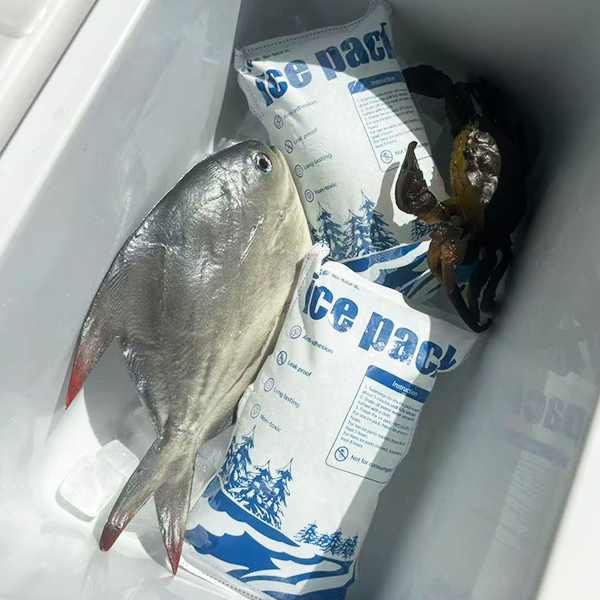
Lieferant von Kühlketten-Eisboxen für Ablassstopfen: Wie man wählt, Verifizieren, und skalieren Sie das richtige System
Für die meisten Käufer, the search term drain plug cold chain ice box supplier hides four separate decisions: Produkt passt, Beweis, Lieferantenkontrolle, und Wirtschaft. Die getrennte Behandlung dieser Entscheidungen führt zu einer klareren Angebotsanfrage und einem sichereren Produktionsstart. Die Behandlung als eine Frage führt normalerweise zu vagen Vergleichen und einer späten Neugestaltung.
Das praktische Ziel besteht darin, ob es sich bei dem Abfluss um eine nützliche Betriebsfunktion für die eigentliche Entleerung oder um eine unnötige Durchdringung handelt, die zu Undichtigkeiten führt, Reinigung, und Wartungsrisiko. Der folgende Entscheidungsrahmen stellt das nützlichste Produkt zusammen, technisch, Einhaltung, operativ, und Kaufüberlegungen, während alle Leistungsaussagen an die Bedingungen geknüpft sind, die sie tatsächlich unterstützen.
Eine Isolierbox ist nur ein Teil der Temperaturkontrolle
Die Kühlketten-Eisbox mit Ablassstopfen bietet eine Barriere gegen den Wärmefluss und ein Schutzgehäuse. Es erzeugt selbst keine kontrollierte Temperatur. Die passive Leistung hängt von der Isolierung ab, Kühlmitteltyp und Konditionierung, Kühlmittelmasse, Nutzlastmasse, Produktstarttemperatur, interne Anordnung, Umgebungsprofil, Öffnungsverhalten, und Akzeptanzkriterien. Eine Änderung an einem dieser Punkte kann zu veränderten Ergebnissen führen, selbst wenn die äußere Box unverändert bleibt.
Diese Unterscheidung ist besonders wichtig für Lebensmittel, pharmazeutisch, Impfstoff, und klinische Studienanwendungen. Eine Materialdeklaration kann zeigen, dass ein Bauteil für eine vorgesehene Kontaktbedingung geeignet ist. Ein Strukturtest kann zeigen, dass ein Griff oder Schlitz einer definierten Belastung standhält. Ein thermischer Bericht kann zeigen, wie sich ein Packout unter einem Profil verhält. Eine Streckenqualifizierung kann dann die Betriebsspur beurteilen. Diese Dokumente beantworten unterschiedliche Fragen und sollten nicht untereinander ersetzt werden. Vor der endgültigen Veröffentlichung, Sehen Sie sich diesen Punkt für das mit Abflüssen ausgestattete Kühlkettendesign mit Betrieb und Qualität an.
Bitten Sie den Lieferanten, jeden Leistungsanspruch bei seiner Konfiguration anzugeben. Wenn der Lieferant diesen Kontext nicht bereitstellen kann, Betrachten Sie den Anspruch lediglich als Screening-Indikator. In der Erklärung sollten die Boxgröße und die Revision angegeben werden, Nutzlast, Kühlmittel, Konditionierung, Ladediagramm, Monitorposition, Umgebungsprofil, Dauer, und Akzeptanzbereich. Das nützliche Ergebnis besteht darin, nicht für jedes erste Gespräch einen Laborbericht zu verlangen, sondern um zu verhindern, dass eine nicht unterstützte Überschrift zu einer Kaufspezifikation wird. Zur Lieferantenfreigabe, Schützen Sie die Entscheidung für das Kühlkettendesign mit Abfluss durch Änderungskontrolle.
Der regulatorische Geltungsbereich beginnt bei den Kontakt- und Produktbedingungen
Der relevante Nachweis hängt von Lebensmittelkontakt- und Hygienenachweisen für jede Komponente ab, die mit Lebensmitteln oder Schmelzwasser in Kontakt kommen kann, nicht nur eine Erklärung für das Hauptschalenharz. In den Vereinigten Staaten, Der Lebensmittelkontaktstatus ist an zugelassene Stoffe und die vorgesehenen Verwendungsbedingungen gebunden, einschließlich Lebensmittelart und Temperatur. In der Europäischen Union, Lebensmittelkontaktmaterialien, die in Verkehr gebracht werden, fallen unter die Rahmenverordnung und die Anforderungen der guten Herstellungspraxis, mit zusätzlichen Regelungen für bestimmte Materialgruppen. A generic declaration that a plastic is 'Lebensmittelqualität' is therefore only a starting point.
Medizinische und pharmazeutische Anwendungen fügen eine weitere Ebene hinzu. Produktkennzeichnung und Sponsor- oder Qualitätsverfahren definieren den erforderlichen Zustand. BIP, GCP, Impfberatung, Luftfrachtregeln, Je nach Sendung können nationale oder nationale Programmvorgaben gelten. Die Box ist nicht nur deshalb konform, weil ihr Polymer für den Kontakt mit Lebensmitteln geeignet ist oder weil sie wiederverwendbar ist. Für den gesamten Vorgang sind möglicherweise qualifizierte Verpackungsanweisungen erforderlich, kalibrierte Überwachung, Abweichungsbehandlung, Ausbildung, und dokumentierte Produktkette. In der endgültigen Entscheidung, Tragen Sie diese Anforderung für die Kühlkettenkonstruktion mit Abfluss in die Empfangscheckliste ein.
Erstellen Sie eine Beweiskarte mit vier Spalten: beanspruchen, Objekt, Zustand, und Dokument. Zum Beispiel, Ein Materialanspruch bezieht sich auf ein benanntes Harz und einen beabsichtigten Verwendungszweck; Ein Strukturanspruch gehört zu einem fertigen Design und einer Lastmethode; Ein thermischer Anspruch gehört zu einer vollständigen Konfiguration und einem vollständigen Profil; Ein Routenanspruch gehört zu einer Betriebsspur. Diese Karte deckt Lücken auf und verhindert, dass ein Zertifikat über seinen Geltungsbereich hinaus ausgedehnt wird. In der endgültigen Entscheidung, Notieren Sie diesen Punkt für die Kühlkettenkonstruktion mit Abfluss als kontrollierte Anforderung.
Die Box-Spezifikation beginnt außerhalb der Box
Die erste Spezifikation sollte die Betriebsaufgabe beschreiben: ermöglichen eine kontrollierte Entfernung von Wasser oder Reinigungsflüssigkeit, ohne dass eine beladene oder kürzlich verwendete Kiste umkippt, unter Wahrung der Hygiene, strukturelle Integrität, und Isolationsleistung. Es sollte die Benutzer identifizieren, der Ladeort, der Empfangsort, die erwarteten Übergaben, und der Moment, in dem sich die Temperaturverantwortung ändert. Dies verhindert, dass der Lieferant Unbekannte mit Annahmen füllt. Es ermöglicht auch Operationen, Qualität, und Beschaffungsteams können die gleiche Anforderung überprüfen, anstatt separate informelle Versionen zu verwalten.
Die Definition der Nutzlast erfordert mehr Details als ein Gewicht oder ein Nennvolumen. Die geplante Ladung kann versiegelte Lebensmittelverpackungen umfassen, lose Eisanwendungen, Behälter für Meeresfrüchte, Getränkeladungen, reusable coolant packs, oder Geräte, die Kondenswasser und Waschwasser erzeugen können. Notieren Sie die Abmessungen des Primärpakets, Orientierungsgrenzen, Anzahl der Einheiten, thermischer Zustand beim Verpacken, Kopfspace, fragile Bereiche, und ob die Last vom Kühlmittel getrennt bleiben muss. Ein ausreichend groß erscheinender Hohlraum kann bei enger Öffnung unbrauchbar werden, Ecken sind stark abgerundet, oder ein Korb und eine Trennwand nehmen die kritischen Abmessungen ein. Beim Produktionsstart, Lösen Sie diesen Punkt für das Kühlkettendesign mit Abfluss vor der thermischen Qualifizierung.
Ebenso wichtig ist die Routenplanung. Für Nasshandhabung, häufiges Reinigen, Angel- und Gastronomierouten, Feldverteilung, und wiederholte Wiederverwendung, bei der durch Entwässerung Arbeit gespart werden kann, Beachten Sie die geplante Transitzeit, wahrscheinliche Verzögerung, Staging-Temperatur, direkte Sonne, Luftzirkulation im Fahrzeug, wiederholtes Öffnen, Übertragung zwischen Trägern, und Eingangskontrolle. Diese Eingaben allein führen nicht zu einer garantierten Haltezeit, Sie definieren jedoch die Bedingungen, die ein Lieferant oder ein Prüflabor reproduzieren muss. Ohne sie, Ein Angebot kann sich nur auf eine generische Box beziehen, kein verlässlicher Verteilungsprozess. Beim Produktionsstart, Sehen Sie sich diesen Punkt für das mit Abflüssen ausgestattete Kühlkettendesign mit Betrieb und Qualität an.
Entwässerungsgeometrie ist mehr als ein Loch und eine Kappe
Ein Abfluss ist nützlich, wenn mit Flüssigkeit zu rechnen ist und das Kippen der Kiste schwierig oder unsicher ist. Loses Eis, Fischereinutzung, Kondensation, und Abwaschen kann es rechtfertigen. Ein Kasten mit versiegelten PCM-Steinen produziert möglicherweise wenig freies Wasser, wodurch die Penetration unnötig wird. Die erste Designfrage ist daher die Flüssigkeitsquelle, nicht der Steckerstil. In der endgültigen Entscheidung, Lösen Sie diesen Punkt für das Kühlkettendesign mit Abfluss vor der thermischen Qualifizierung.
Für eine gute Entwässerung ist ein durchgehendes Gefälle oder ein Sumpf erforderlich, eine erreichbare Öffnung, und ein Stecker, der überprüft werden kann. Der Stecker muss befestigt bleiben oder leicht austauschbar sein, und die Dichtung muss den tatsächlichen Reinigungschemikalien und Temperaturzyklen standhalten. Tiefe Vertiefungen und schmale Kanäle können Erde zurückhalten, selbst nachdem Wasser den Hohlraum verlassen hat. Die Außengeometrie sollte Spielraum lassen, wenn der Container auf einer Palette steht, Fahrzeugboden, oder Gestell.
Der Ablaufstutzen ist auch ein lokales strukturelles und thermisches Merkmal. Material wird von der Wand entfernt, die Isolierung kann unterbrochen sein, und der Aufprall kann sich um die Öffnung herum konzentrieren. Eine Designüberprüfung sollte daher Leckagen nach Aufprall und Kältezyklen berücksichtigen, nicht nur ein Wassertest bei Raumtemperatur an einer neuen Probe. Käufer sollten außerdem festlegen, ob der Stecker manipulationssicher sein muss, Werkzeugbetätigt, oder gegen unbeabsichtigtes Öffnen geschützt. In der endgültigen Entscheidung, Weisen Sie einen Eigentümer und eine Akzeptanzmethode für das Kühlkettendesign mit Abfluss zu.
Was vor der Bestellung klar sein muss
| Tor | Frage | Beweise freigeben |
|---|---|---|
| Anwendungsfall-Gate | Ist die Nutzlast, Route, Zustand, und Abwicklungsprozess definiert? | Genehmigte Benutzeranforderung |
| Tor montieren | Passt die endgültige Verpackung mit sicherem Anheben und Verschließen?? | Verpackungszeichnung und gemessenes Muster |
| Beweistor | Sind Ansprüche an das richtige Material gebunden?, Kasten, Auspacken, oder Spur? | Beweiskarte und Testberichte |
| Qualitätstor | Kann die Produktion die genehmigte Konfiguration reproduzieren?? | Überprüfung und Inspektionsplan für Pilotlose |
| Kostentor | Es handelt sich um Angebote, die auf den gleichen Umfang und die gleiche Lieferbasis normiert sind? | Anschaffungs- und Lebenszykluskostenmodell |
| Einsatztor | Können Benutzer packen?, erhalten, sauber, überprüfen, und schicke es korrekt zurück? | Kontrollierte Anweisungen und Trainingsplan |
| Tor wechseln | Müssen Auswechslungen überprüft werden?? | Stückliste und Änderungskontrollvereinbarung |
| Bewerbungsportal | Ob es sich bei dem Abfluss um eine nützliche Betriebsfunktion für die eigentliche Entleerung handelt oder um eine unnötige Durchdringung, die zu Undichtigkeiten führt, Reinigung, und Wartungsrisiko | Unterzeichnete Anforderung und Liste ungelöster Annahmen |
Den größten Wert hat die Tabelle, wenn sie die Beschaffung zusammenfasst, Operationen, Maschinenbau, und Qualität. Es wandelt allgemeine Präferenzen in überprüfbare Beweise um und deckt fehlende Annahmen vor der Preisverhandlung auf. Nicht jedes Projekt benötigt die gleiche Tiefe, Aber jeder kritische Anspruch sollte einen Eigentümer und eine definierte Möglichkeit haben, ihn zu überprüfen. Zur Lieferantenfreigabe, Verbinden Sie diesen Punkt für das Kühlkettendesign mit Abfluss mit einem messbaren Akzeptanzkriterium.
Der Preis ist die Ausgabe einer Konfiguration
Die Kostenstruktur umfasst zusätzliche Werkzeuge, geformte Einsätze, Stecker- und Dichtungsteile, Montagekontrolle, Ersatzkomponenten, Dichtheitsprüfung, und mögliche Änderungen der Kartonabmessungen. Anbieter können sehr unterschiedliche Preise angeben, obwohl alle scheinbar die gleiche Größe anbieten. Unterschiede können durch die Dämmstärke bedingt sein, Materialqualität, Verfahren, Hardware, Inspektion, Verpackung, oder einfach aus ausgeschlossenen Artikeln. Für einen fairen Vergleich sind ein Konfigurationsblatt und eine kommerzielle Vergleichstabelle erforderlich. Beim Produktionsstart, Verknüpfen Sie diese Entscheidung für das Kühlkettendesign mit Abfluss mit der genehmigten Zeichnung und Verpackung.
Trennen Sie einmalige Kosten von wiederkehrenden Kosten. Werkzeuge, Formen, Kunstwerk, Maschinenbau, und einige Tests können einmalig oder amortisiert sein. Einheitenbau, Zubehör, Inspektion, Kartons, und Fracht wiederkehren. Dann trennen Sie die Anschaffungskosten von den Betriebskosten: Konditionierungskühlmittel, Waschen, Trocknen, Lagerung, Vermögensverfolgung, Rücktransport, Schaden, reparieren, und Ersatz. Die beste Messgröße sind möglicherweise die Kosten pro erfolgreicher Route und nicht der Kaufpreis pro Box. In der endgültigen Entscheidung, Notieren Sie diesen Punkt für die Kühlkettenkonstruktion mit Abfluss als kontrollierte Anforderung.
Der Transport von Gütern verdient frühzeitige Aufmerksamkeit, da Isolierboxen sperrig sein können. Außenmaße, Verschachtelung, Zusammenklappbarkeit, Kartonmenge, Palettenmuster, und die Containerbeladung kann die Gesamtkosten um mehr als einen kleinen Unterschied zum Fabrikpreis verändern. Bitten Sie Lieferanten, die gleichen Lieferbedingungen und Verpackungskonfigurationen anzugeben. Wenn Mehrwegboxen leer zurückkommen, Der umgekehrte Würfel und die Handhabungsarbeit sollten ebenfalls in das Modell einfließen. In der endgültigen Entscheidung, Verknüpfen Sie diese Entscheidung für das Kühlkettendesign mit Abfluss mit der genehmigten Zeichnung und Verpackung.
Ein praktisches Kaufszenario
Betrachten Sie diese typische Situation: Ein Fischhändler wäscht Kartons nach jeder Route und möchte eine schnellere Entwässerung, Der vorgeschlagene Stopfen sitzt jedoch in einer tiefen äußeren Aussparung, die Erde einfängt und schwer zu inspizieren ist. Die erste Antwort sollte nicht darin bestehen, eine Kataloggröße auszuwählen. Das Team sollte die Nutzlast messen, Erstellen Sie das vorgeschlagene Packout, die Route kartieren, und beobachten Sie, wie Benutzer heben, sicher, offen, sauber, und den Behälter zurückgeben. Dadurch entsteht eine gemeinsame Aufzeichnung der tatsächlichen Einschränkungen. Vor der endgültigen Veröffentlichung, Geben Sie in der Antwort des Lieferanten die geltenden Bedingungen für die Kühlkettenkonstruktion mit Abfluss an.
Nächste, Der Käufer sollte anstelle eines langen Katalogs zwei oder drei kontrollierte Alternativen anfordern. Eine Option könnte einem geringeren Gewicht Vorrang einräumen, eine weitere wiederholte Haltbarkeit, und ein weiterer höherer Wärmewiderstand oder mehr nutzbares Volumen. Bei jeder Option sollte aufgeführt sein, was enthalten ist, Welche Beweise gibt es?, was noch getestet werden muss, und welche Betriebsänderungen es erfordert. Das Team kann dann Kompromisse vergleichen, anstatt über isolierte Funktionen zu streiten. In der endgültigen Entscheidung, Notieren Sie diesen Punkt für die Kühlkettenkonstruktion mit Abfluss als kontrollierte Anforderung.
Vervollständigen Sie die Sequenz durch ein technisches Beispiel, Packout-Testversion, Pilotproduktion, und formelle Freilassung. Zeichnen Sie Dimensionsmessungen auf und verarbeiten Sie Beobachtungen, nicht nur Fotos. Für temperaturempfindliche Anwendungen, Bestätigen Sie die vollständige Paketierung unter einem entsprechenden Profil und legen Sie fest, wie Ausflüge abgewickelt werden. Das Ergebnis ist eine beweis- und arbeitsablauforientierte Beschaffungsentscheidung, nicht auf ein Versprechen, das später nicht reproduziert werden kann. Zur Lieferantenfreigabe, Lösen Sie diesen Punkt für das Kühlkettendesign mit Abfluss vor der thermischen Qualifizierung.
Betriebsdisziplin schützt die qualifizierte Konfiguration
Eine Kiste bewegt sich durch Menschen und Orte, nicht nur durch eine Wärmekammer. Der Betriebsplan sollte die Vorkonditionierung abdecken, Verpackung, Schließung, Beschriftung, Aktivierung überwachen, aushändigen, Empfang, Entladung, Reinigung, Trocknen, Inspektion, Lagerung, und zurück. Für Nasshandhabung, häufiges Reinigen, Angel- und Gastronomierouten, Feldverteilung, und wiederholte Wiederverwendung, bei der durch Entwässerung Arbeit gespart werden kann, Das größte Risiko kann eine Laderampe oder eine fehlgeschlagene Lieferung anstelle der geplanten Fahrzeugzeit sein.
Anweisungen sollten visuell und konfigurationsspezifisch sein. Verwenden Sie Etiketten, die der Reinigungs- und Routenumgebung standhalten. Kühlmittelposition anzeigen, Produktorientierung, Platzierung der Teiler, Standort überwachen, Abschlusssequenz, und Ablehnungskriterien. Wenn der Kasten Abflüsse hat, Riemen, Räder, austauschbare Dichtungen, oder Seilgriffe, Prüfpunkte für diese Komponenten einschließen. Die Komplexität sollte nach Möglichkeit reduziert werden, da sich gelegentliche Benutzer lange Vorgänge nicht merken können. In der endgültigen Entscheidung, Lösen Sie diesen Punkt für das Kühlkettendesign mit Abfluss vor der thermischen Qualifizierung.
Empfangende Teams benötigen einen Entscheidungsweg. Sie sollten wissen, wie man das Siegel prüft, Lesen Sie den Monitor, Schäden erkennen, einen Ausflug aufzeichnen, die Nutzlast unter Quarantäne stellen, und wenden Sie sich an den zuständigen Qualitätsbeauftragten. Zurückgegebene Kartons sollten nicht automatisch wieder in die saubere Flotte aufgenommen werden. Ein einfacher Quarantäne- und Inspektionsschritt verhindert rissige Schalen, fehlende Stecker, verschmutzte Griffe, oder ein Kühlmittelwechsel führt zu einer stillschweigenden Schwächung des Systems. Vor der endgültigen Veröffentlichung, Notieren Sie diesen Punkt für die Kühlkettenkonstruktion mit Abfluss als kontrollierte Anforderung.
Die Werksüberprüfung sollte die kritischen Risiken berücksichtigen
Die zentrale Frage des Anbieters ist, ob der Abfluss ein nützliches Betriebsmerkmal für die eigentliche Entleerung ist oder ob es sich um eine unnötige Durchdringung handelt, die zu Undichtigkeiten führt, Reinigung, und Wartungsrisiko. Ein seriöser Hersteller sollte in der Lage sein, diese Anforderung in Zeichnungen umzusetzen, Materialdefinitionen, Inspektionspunkte, und ein Testplan. Das Gespräch sollte von allgemeinen Behauptungen zu kontrollierten Details übergehen. Fragen Sie, wem die Form gehört, welche Vorgänge intern durchgeführt werden, wie kritische Komponentenlieferanten zugelassen werden, und wie die Stückliste gepflegt wird. Ein umfassender Katalog kann hilfreich sein, aber es ist kein Beweis für die Prozesskontrolle. In der endgültigen Entscheidung, Verknüpfen Sie diese Entscheidung für das Kühlkettendesign mit Abfluss mit der genehmigten Zeichnung und Verpackung.
Verwenden Sie mehr als ein Sample-Gate. Ein überarbeitetes technisches Muster bestätigt Materialien, Beschläge, Etiketten, und Packout-Passform. Das erste Muster bestätigt grundlegende Abmessungen und Ergonomie. Ein Pilotlos prüft Produktionswerkzeuge, Montage, Inspektion, Verpackung, und Variation über mehrere Einheiten hinweg. Das genehmigte goldene Muster lässt sich am besten mit Zeichnungen und messbaren Akzeptanzkriterien verbinden. Die Genehmigung eines speziell vorbereiteten Musters ohne diese Brücke ist eine häufige Quelle für Überraschungen bei der Massenproduktion. Zur Lieferantenfreigabe, Dokumentieren Sie die Einschränkung für das Kühlkettendesign mit Abfluss, anstatt eine universelle Eignung zu implizieren.
Bei der Qualitätsprüfung sollte der Schwerpunkt auf der Steckerretention liegen, Leckage bei Neigung und Vibration, wiederholte Öffnungszyklen, Dichtungskompression, Belichtung einfrieren, Aufprall in der Nähe des Abflussstutzens, und Reinigbarkeit von Aussparungen. Fragen Sie, wie fehlerhafte Einheiten identifiziert werden, ob Messungen aufgezeichnet werden, wie Beschwerden untersucht werden, und wie technische Änderungen kommuniziert werden. Für Programme mit hoher Kontrolle, Für Auswechslungen ist eine vorherige Genehmigung erforderlich. Für den Verbrauchergebrauch mit geringerem Risiko, Das System kann einfacher sein, aber kritische Dimensionen, Materialien, und Sicherheitsmerkmale benötigen weiterhin objektive Akzeptanzkriterien. In der endgültigen Entscheidung, Verbinden Sie diesen Punkt für das Kühlkettendesign mit Abfluss mit einem messbaren Akzeptanzkriterium.
Ein recycelbares Harz vervollständigt den Lebenszyklus nicht
Die relevante Nachhaltigkeitsfrage ist, ob austauschbare Stopfen und Dichtungen die Lebensdauer verlängern, und ob die Konstruktion den Wasser- und Arbeitsaufwand reduziert, ohne dass sich die Verluste durch fehlende Teile erhöhen. Auf einer verteilten Fahrspur, wo die Rücklaufquoten gering sind, kann ein leichtes Einbahnsystem vorzuziehen sein. Eine wiederverwendbare Box kann den Verpackungsverbrauch in einem stabilen geschlossenen Kreislauf reduzieren, aber es erfordert auch mehr Material, Reinigung, Lagerung, und Rücktransport. Die Auswahl sollte anhand des Betriebsnetzwerks und nicht anhand eines einzelnen Marketingmerkmals getroffen werden.
Die richtige Dimensionierung ist oft die schnellste Verbesserung. Überdimensionierte Hardware erhöht die Masse. Überschüssiges Volumen vergrößert die Isolationsfläche, Kühlmittelbedarf, Frachtwürfel, und Lagerfläche. Unterbaute Produkte fallen frühzeitig aus und erzeugen Ersatzabfall. Ein gutes Design verwendet genügend Material an den richtigen Stellen, schützt austauschbare Verschleißteile, und ermöglicht eine Inspektion, bevor ein beschädigtes Gerät wieder in Betrieb genommen wird. Beim Produktionsstart, Dokumentieren Sie die Einschränkung für das Kühlkettendesign mit Abfluss, anstatt eine universelle Eignung zu implizieren.
Verfolgen Sie eine kleine Reihe praktischer Indikatoren: Rücklaufquote, Fahrten pro Anlage, Schadensgrund, Waschzeit, Trocknungszeit, verlorene Komponenten, Leerer Rückgabewürfel, und Ruhestandsroute. Diese Daten zeigen, ob sich das System verbessert. Nachhaltigkeitsaussagen sollten bei Änderungen der Route aktualisiert werden. Ein Karton, der für fünfzig kontrollierte lokale Fahrten verwendet wird, hat eine andere Grundfläche als derselbe Karton, der einmal über eine internationale Route transportiert und nie zurückgegeben wurde. Zur Lieferantenfreigabe, Sehen Sie sich diesen Punkt für das mit Abflüssen ausgestattete Kühlkettendesign mit Betrieb und Qualität an.
Empfangsinspektion und Flottenfreigabe
Eine Eingangskontrolle sollte über das bloße Erscheinungsbild hinausgehen. Bestätigen Sie kritische Innenmaße, Deckelverschluss, Hardware, Etiketten, Zubehör, und Verpackung entsprechend der genehmigten Spezifikation. Wählen Sie mehrere Einheiten aus verschiedenen Kartons aus. Zeichnen Sie Ergebnisse auf, damit spätere Reklamationen mit der Originalcharge verglichen werden können, anstatt mit dem Speicher oder einer einzelnen Probe. Beim Produktionsstart, Schützen Sie die Entscheidung für das Kühlkettendesign mit Abfluss durch Änderungskontrolle.
Legen Sie im Voraus Grenzen für die Gebrauchstauglichkeit fest. Risse, deformierte Dichtungen, fehlende Stecker, ausgefranste Griffe, lose Anker, kontaminierte Oberflächen, Durchstochene Platten, oder nicht zugelassenes Kühlmittel sollte eine Quarantäne auslösen. Einige Artikel können mit kontrollierten Teilen repariert werden; andere sollten in den Ruhestand gehen. Eine klare Regelung verhindert, dass Nutzer eine sichtbar beschädigte Box weiterbenutzen, nur weil sie noch schließt. Vor der endgültigen Veröffentlichung, Sehen Sie sich diesen Punkt für das mit Abflüssen ausgestattete Kühlkettendesign mit Betrieb und Qualität an.
Verwenden Sie ein einfaches Änderungsregister für Material, Anbieter, Schimmel, Verfahren, Abmessungen, Etiketten, Verpackung, und Auspacken. Überprüfen Sie, ob sich jede Änderung auf den Kontaktstatus auswirkt, thermischer Beweis, Strukturprüfungen, Fracht, Reinigung, oder Benutzeranweisungen. Diese Disziplin ist nicht auf regulierte Programme beschränkt. Es schützt jeden Käufer vor einer allmählichen Konfigurationsabweichung bei wiederholten Bestellungen. Zur Lieferantenfreigabe, Bestätigen Sie, dass die Produktionskontrollen diesen Punkt für das Kühlkettendesign mit Abfluss gewährleisten.
Fragen, die Sie vor der Bestellung stellen sollten
Für diese Kühlketten-Eisbox mit Ablassstopfen, Die folgenden Fragen sind wertvoller als die Frage, ob der Lieferant zuverlässig ist. Sie drängen die Diskussion auf den Verwendungszweck, messbare Spezifikationen, und Beweise. In der endgültigen Entscheidung, Bestätigen Sie vor dem Kauf den Nachweisumfang für das mit Abflüssen ausgestattete Kühlkettendesign.
- Freigabefrage: Enthält die Box loses Eis?, versiegelte Kühlmittelpakete, oder nur Kondensation?
- Freigabefrage: Kann Flüssigkeit in den Abfluss gelangen, ohne dass eine Stagnation im Behälter entsteht?
- Freigabefrage: Ist der Stecker unverlierbar oder geht er leicht verloren?, und sind Ersatz verfügbar?
- Freigabefrage: Welche Materialien werden für Stopfen und Dichtung verwendet?, und wie reagieren sie auf den Reinigungsprozess??
- Freigabefrage: Wie wird die Leckage nach Temperaturwechsel und Stößen geprüft??
- Freigabefrage: Führt die Durchdringung des Abflusses zu einer Wärmebrücke oder verringert sie die Wandstärke??
Eine vollständige Antwort kann eine Zeichnung sein, Tisch, Probe, Testplan, oder dokumentierte Einschränkung. Ein Lieferant muss nicht jeden Abschlussbericht vor der frühen Entwicklung haben, aber es sollte in der Lage sein, anzugeben, was bekannt ist, was angenommen wird, was kann angepasst werden, und was muss getestet werden. Diese Transparenz ist ein besseres Risikosignal als eine lange Liste nicht unterstützter Zertifizierungen. Vor der endgültigen Veröffentlichung, Sehen Sie sich diesen Punkt für das mit Abflüssen ausgestattete Kühlkettendesign mit Betrieb und Qualität an.
Wo sonst gute Projekte schief gehen
Die folgenden Punkte sollten vor der Werkzeugherstellung oder Massenproduktion überprüft werden. Jeder einzelne davon kann zu vermeidbarer Nacharbeit führen, wenn er bei der Lieferantenauswahl ungelöst bleibt. In der endgültigen Entscheidung, Sehen Sie sich diesen Punkt für das mit Abflüssen ausgestattete Kühlkettendesign mit Betrieb und Qualität an.
- Blocker freigeben: Einen Abfluss hinzufügen, weil die Konkurrenz einen hat.
- Blocker freigeben: Platzieren Sie den Abfluss dort, wo Paletten oder Transporterböden den Zugang versperren.
- Blocker freigeben: Verwendung eines engen Hohlraums, der nicht gebürstet oder visuell überprüft werden kann.
- Blocker freigeben: Akzeptieren eines Stopfens, der im Neuzustand abdichtet, sich aber nach dem Kaltwechsel löst.
- Blocker freigeben: Behandlung der Entwässerung als Ersatz für ein dokumentiertes Reinigungsverfahren.
Ein Lieferant kann ein Warnzeichen mit einem Klartext beheben, überprüfbare Reaktion. Es sollte eine konkrete Aufklärung auslösen, Stichprobenprüfung, oder Beweisanfrage. Ziel ist es, Unsicherheiten zu beseitigen, während Änderungen noch kostengünstig sind. Ein Lieferant, der mit Zeichnungen antwortet, Bedingungen, und Korrekturmaßnahmen sind nützlicher als eine, die eine allgemeine Behauptung wiederholt. In der endgültigen Entscheidung, Nehmen Sie diesen Grenzwert in die Betriebsanleitung für die Kühlkettenkonstruktion mit Abfluss auf.
Praktische Antworten für Beschaffung und Betrieb
Ist ein Kühlketten-Eiskasten mit einer Ablassschraube ausreichend, um die Temperatur zu kontrollieren??
NEIN. Die isolierte Einheit verlangsamt die Wärmeübertragung, aber das Gesamtergebnis hängt vom Kühlmittel ab, Nutzlast, Starttemperatur, Lademuster, Umgebungseinflüsse, Handhabung, und Überwachung. Jede angegebene Dauer sollte die getestete Konfiguration und die Akzeptanzkriterien angeben. Für regulierte oder hochwertige Produkte, Möglicherweise ist eine zusätzliche Packout- oder Lane-Qualifizierung erforderlich. Zur Lieferantenfreigabe, Testen Sie diese Annahme für das Kühlkettendesign mit Abfluss anhand der vorgesehenen Route.
Sollte jeder Kühlkettenkasten über eine Ablassschraube verfügen??
NEIN. Bei losem Eis ist ein Abfluss sinnvoll, Kondensation, oder Waschwasser muss entfernt werden, ohne dass die Box umkippt. Bei versiegelten Kühlmittelpaketen kann dies unnötig sein und zu Undichtigkeiten führen, Reinigung, und Wärmebrückenrisiko. Die Entscheidung sollte sich an der Flüssigkeitsquelle und dem Reinigungsablauf orientieren. Vor der endgültigen Veröffentlichung, Testen Sie diese Annahme für das Kühlkettendesign mit Abfluss anhand der vorgesehenen Route.
Kann für jede Route ein Labor-Haltezeitergebnis verwendet werden??
Kein einzelnes Ergebnis deckt jede Spur ab. Für das getestete Umgebungsprofil gilt ein Laborergebnis, Nutzlast, Kühlmittel, Positionen überwachen, und Akzeptanzbereich. Es kann die Routenplanung unterstützen, aber erhebliche Unterschiede in der Verzögerung, direkte Sonne, Öffnungshäufigkeit, Fahrzeugbedingungen, oder Nutzlast erfordern möglicherweise eine weitere Beurteilung oder Qualifizierung. In der endgültigen Entscheidung, Vergleichen Sie den Punkt für die Kühlkettenkonstruktion mit Abfluss mit der tatsächlichen Nutzlast.
Was ist der beste Erstmustertest??
Die erste Musterprüfung sollte sich auf die Passform und den Benutzer-Workflow konzentrieren. Laden Sie die tatsächliche Nutzlast, Kühlmittel, Teiler, Monitor, Etiketten, und Zubehör. Verschluss prüfen, Heben, Zugang, Reinigung, und Packzeit. Sobald die physische Konfiguration stabil ist, Thermische und strukturelle Tests werden aussagekräftiger und die Wahrscheinlichkeit einer Wiederholung nach einer Designänderung ist geringer. In der endgültigen Entscheidung, Überprüfen Sie diesen Punkt an repräsentativen Einheiten, die für die Kühlkettenkonstruktion mit Abfluss verwendet werden.
Der praktische Imbiss
The final selection for drain plug cold chain ice box supplier should pass six tests: Anwendungsfall passend, nutzbare Kapazität, Beweis, Produktionskonsistenz, einfache Bedienung, und Gesamtkosten. Ein Lieferant, der Annahmen angibt, Einschränkungen für Dokumente, und die Pilotverifizierung unterstützt, ist wertvoller als eine, die universelle Ansprüche bietet. Geben Sie den Auftrag erst frei, wenn die Konfiguration und die Verantwortlichkeiten klar genug sind, dass eine Wiederholung möglich ist.
Über Tempk
Shanghai Tempk Industrial Co., Ltd. supplies cold-chain packaging under the Tempk brand. Das Portfolio umfasst gel- und wasserbasierte Packungen, Eisziegel, Isoliertaschen, EPP-Isolierboxen, medizinische Kühlformate, Liner, und Palettenabdeckungen. Für individuelle oder große Eisbox-Programme, Tempk kann das beabsichtigte Produkt bewerten, Temperaturzustand, Route, Handhabung, Reinigung, und kommerzielles Volumen. Käufer sollten die endgültige Konfiguration dennoch für ihre eigenen Anwendungs- und Marktanforderungen qualifizieren. Beim Produktionsstart, Lösen Sie diesen Punkt für das Kühlkettendesign mit Abfluss vor der thermischen Qualifizierung.
Nächster Schritt
Vor der endgültigen Lieferantenauswahl, Beschreiben Sie die Flüssigkeitsquelle, Reinigungsmethode, Boxausrichtung, und Wiederverwendungszyklus, damit Tempk prüfen kann, ob eine Ablassschraube enthalten sein sollte und wie diese spezifiziert werden sollte.
Kühlbox-Lieferantenpreis: Vollständiges Käufer-Framework
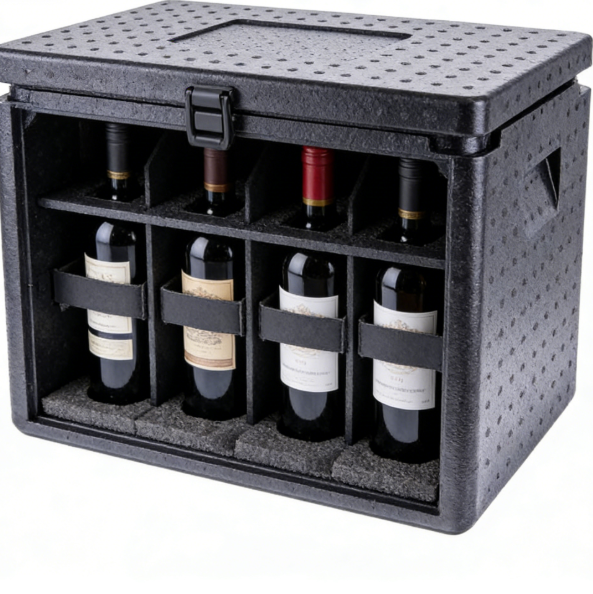
Kühlbox-Lieferantenpreis: Ein evidenzbasiertes Rahmenwerk für die Lieferantenauswahl
Die richtige Antwort auf den Preis eines Kühlboxlieferanten beginnt mit einem kontrollierten Anwendungsfall, kein Katalogmodell. Definieren Sie die Nutzlast, erforderliche Bedingung, Route, Umgebungseinflüsse, Auspacken, Handhabung, Reinigung, Beweis, und Handelsvolumen, bevor Sie sich für die Box entscheiden. Das Endprodukt sollte anhand der nutzbaren Kapazität beurteilt werden, Konstruktion, betriebstauglich, Produktionskonsistenz, und Gesamtlieferkosten.
Das praktische Ziel besteht darin, ob die angegebenen Preise vergleichbar sind und ob der Lieferant die Risiken bepreist hat, die für die Produktionskonsistenz und die Anschaffungskosten von Bedeutung sind. Der folgende Entscheidungsrahmen stellt das nützlichste Produkt zusammen, technisch, Einhaltung, operativ, und Kaufüberlegungen, während alle Leistungsaussagen an die Bedingungen geknüpft sind, die sie tatsächlich unterstützen.
Schreiben Sie die Betriebsanforderung in einfacher Sprache
Die erste Spezifikation sollte die Betriebsaufgabe beschreiben: Erhalten Sie ein Angebot, das die genaue Produktkonfiguration widerspiegelt, Qualitätsniveau, Verpackung, Dokumentation, und Lieferbedingungen erforderlich. Es sollte die Benutzer identifizieren, der Ladeort, der Empfangsort, die erwarteten Übergaben, und der Moment, in dem sich die Temperaturverantwortung ändert. Dies verhindert, dass der Anbieter Unbekannte mit Annahmen füllt. Es ermöglicht auch Operationen, Qualität, und Beschaffungsteams, die gleiche Anforderung zu überprüfen, anstatt separate informelle Versionen zu verwalten.
Die Definition der Nutzlast erfordert mehr Details als ein Gewicht oder ein Nennvolumen. Die geplante Ladung kann Lebensmittel enthalten, Getränk, medizinisch, Einzelhandel, oder industrielle Lasten, die unterschiedliche Konstruktions- und Zubehöranforderungen mit sich bringen. Notieren Sie die Abmessungen des Primärpakets, Orientierungsgrenzen, Anzahl der Einheiten, thermischer Zustand beim Verpacken, Kopfspace, fragile Bereiche, und ob die Last vom Kühlmittel getrennt bleiben muss. Ein ausreichend groß erscheinender Hohlraum kann bei enger Öffnung unbrauchbar werden, Ecken sind stark abgerundet, oder ein Korb und eine Trennwand nehmen die kritischen Abmessungen ein. Zur Lieferantenfreigabe, Ordnen Sie einen Eigentümer und eine Akzeptanzmethode für den Lieferanten-Preisvergleich zu.
Ebenso wichtig ist die Routenplanung. Für inländische Beschaffung, Import aus Übersee, Vertriebsprogramme, Einzelhandelseinführungen, und wiederholter B2B-Nachschub, Beachten Sie die geplante Transitzeit, wahrscheinliche Verzögerung, Staging-Temperatur, direkte Sonne, Luftzirkulation im Fahrzeug, wiederholtes Öffnen, Übertragung zwischen Trägern, und Eingangskontrolle. Diese Eingaben allein führen nicht zu einer garantierten Haltezeit, Sie definieren jedoch die Bedingungen, die ein Lieferant oder ein Prüflabor reproduzieren muss. Ohne sie, Ein Angebot kann sich nur auf eine generische Box beziehen, kein verlässlicher Verteilungsprozess. Vor der endgültigen Veröffentlichung, Bestätigen Sie den Nachweisumfang für den Lieferanten-Preisvergleich vor dem Kauf.
Die Materialauswahl sollte dem Fehlermodus folgen
Eine typische Isolierbox kann bestimmtes Harz kombinieren, Schaum, Panel, Elastomer, Metall, und Verpackungskomponenten, deren Qualität und Herkunft sich auf Preis und Konsistenz auswirken. Die äußere Struktur schützt vor Stößen und bietet Befestigungspunkte. Die Isolierung verlangsamt die Leitung und Konvektion. Das Deckelgelenk, Abfluss, Umgang mit Chefs, Verbindungselemente, und Plattenkanten können Wärmebrücken oder Leckagepfade bilden. Aus diesem Grund, Ein Materialname allein sagt noch nichts über die Leistung aus. Zwei aus demselben Nennpolymer hergestellte Kästen können sich aufgrund der Wandstärke unterschiedlich verhalten, Schaumqualität, Geometrie, und Montage. In der endgültigen Entscheidung, Überprüfen Sie diesen Punkt anhand repräsentativer Einheiten, die für den Anbieter-Preis-Vergleich verwendet werden.
Gemeinsame Optionen bringen unterschiedliche Kompromisse mit sich. Harte Polymerschalen können reinigbar und langlebig sein, Sie erhöhen jedoch das Gewicht und erfordern eine kontrollierte Formung. EPP kann ein Leichtgewicht sein, belastbare Struktur für wiederholte Handhabung, während freiliegende Schaumstoffoberflächen möglicherweise eine sorgfältige Hygiene- und Schadensprüfung erfordern. EPS kann für den geschützten Einweggebrauch kostengünstig sein, kann jedoch bei wiederholter grober Handhabung abplatzen. PU-Schaum kann innerhalb einer Schale für eine starre Isolierung sorgen. Vakuumisolierte Paneele können die Wärmeübertragung über große Flächen reduzieren, aber Randeffekte, Pannenschutz, und Fertigungskontrolle werden von entscheidender Bedeutung. Beim Produktionsstart, Geben Sie in der Lieferantenantwort die geltenden Bedingungen für den Lieferanten-Preisvergleich an.
Die Materialspezifikation sollte die beabsichtigten Risiken identifizieren: Angebotsrevisionskontrolle, genehmigte Spezifikation, Toleranzen, Inspektionsplan, Fehlerdefinitionen, Änderungskontrolle, und Streitbeilegung. Es sollte die Qualität des Basisharzes oder -schaums steuern, Pigmente, Zusatzstoffe, Dichtungsmaterial, Klebstoffe, Hardware, und jegliche Innenbeschichtung oder Beschriftung. Wenn Auswechslungen erlaubt sind, Definieren Sie den Genehmigungsnachweis. Ansonsten, Eine Produktionsänderung, die kommerziell unbedeutend erscheint, kann den Lebensmittelkontaktstatus ändern, Geruch, Flexibilität, Wärmeleitfähigkeit, fit, oder langfristige Haltbarkeit. Vor der endgültigen Veröffentlichung, Nehmen Sie diese Anforderung für den Lieferanten-Preisvergleich in die Wareneingangs-Checkliste auf.
Wo das Produkt endet und das thermische System beginnt
Die Kühlbox eines Lieferanten bietet eine Barriere gegen den Wärmefluss und eine schützende Hülle. Es erzeugt selbst keine kontrollierte Temperatur. Die passive Leistung hängt von der Isolierung ab, Kühlmitteltyp und Konditionierung, Kühlmittelmasse, Nutzlastmasse, Produktstarttemperatur, interne Anordnung, Umgebungsprofil, Öffnungsverhalten, und Akzeptanzkriterien. Eine Änderung an einem dieser Punkte kann zu veränderten Ergebnissen führen, selbst wenn die äußere Box unverändert bleibt.
Diese Unterscheidung ist besonders wichtig für Lebensmittel, pharmazeutisch, Impfstoff, und klinische Studienanwendungen. Eine Materialdeklaration kann zeigen, dass ein Bauteil für eine vorgesehene Kontaktbedingung geeignet ist. Ein Strukturtest kann zeigen, dass ein Griff oder Schlitz einer definierten Belastung standhält. Ein thermischer Bericht kann zeigen, wie sich ein Packout unter einem Profil verhält. Eine Streckenqualifizierung kann dann die Betriebsspur beurteilen. Diese Dokumente beantworten unterschiedliche Fragen und sollten nicht untereinander ersetzt werden. In der endgültigen Entscheidung, Erfassen Sie diesen Punkt für den Lieferanten-Preisvergleich als kontrollierte Anforderung.
Fordern Sie den Lieferanten auf, bei seiner Konfiguration jeden Leistungsanspruch anzugeben. In der Erklärung sollten die Boxgröße und die Revision angegeben werden, Nutzlast, Kühlmittel, Konditionierung, Ladediagramm, Monitorposition, Umgebungsprofil, Dauer, und Akzeptanzbereich. Wenn der Lieferant diesen Kontext nicht bereitstellen kann, Betrachten Sie den Anspruch lediglich als Screening-Indikator. Ziel ist es nicht, für jedes Erstgespräch einen Laborbericht einzufordern, sondern um zu verhindern, dass eine nicht unterstützte Überschrift zu einer Kaufspezifikation wird. Vor der endgültigen Veröffentlichung, Schützen Sie die Entscheidung für den Lieferanten-Preisvergleich durch Änderungskontrolle.
„Lebensmittelqualität,„„Medizinischer Grad,„ und „Qualifiziert“ sind nicht austauschbar
Die entsprechenden Nachweise richten sich nach den angeforderten Erklärungen, Testen, Inspektion, und Dokumentation, die im kommerziellen Angebot enthalten oder ausgeschlossen sind. In den Vereinigten Staaten, Der Lebensmittelkontaktstatus ist an zugelassene Stoffe und die vorgesehenen Verwendungsbedingungen gebunden, einschließlich Lebensmittelart und Temperatur. In der Europäischen Union, Lebensmittelkontaktmaterialien, die in Verkehr gebracht werden, fallen unter die Rahmenverordnung und die Anforderungen der guten Herstellungspraxis, mit zusätzlichen Regelungen für bestimmte Materialgruppen. A generic declaration that a plastic is 'Lebensmittelqualität' is therefore only a starting point. Beim Produktionsstart, Schützen Sie die Entscheidung für den Lieferanten-Preisvergleich durch Änderungskontrolle.
Medizinische und pharmazeutische Anwendungen fügen eine weitere Ebene hinzu. Produktkennzeichnung und Sponsor- oder Qualitätsverfahren definieren den erforderlichen Zustand. BIP, GCP, Impfberatung, Luftfrachtregeln, Je nach Sendung können nationale oder nationale Programmvorgaben gelten. Die isolierte Einheit ist nicht nur deshalb konform, weil ihr Polymer für den Kontakt mit Lebensmitteln geeignet ist oder weil sie wiederverwendbar ist. Für den gesamten Vorgang sind möglicherweise qualifizierte Verpackungsanweisungen erforderlich, kalibrierte Überwachung, Abweichungsbehandlung, Ausbildung, und dokumentierte Produktkette. Beim Produktionsstart, Nehmen Sie diese Grenze in die Bedienungsanleitung für den Lieferanten-Preisvergleich auf.
Erstellen Sie eine Beweiskarte mit vier Spalten: beanspruchen, Objekt, Zustand, und Dokument. Zum Beispiel, Ein Materialanspruch bezieht sich auf ein benanntes Harz und einen beabsichtigten Verwendungszweck; Ein Strukturanspruch gehört zu einem fertigen Design und einer Lastmethode; Ein thermischer Anspruch gehört zu einer vollständigen Konfiguration und einem vollständigen Profil; Ein Routenanspruch gehört zu einer Betriebsspur. Diese Karte deckt Lücken auf und verhindert, dass ein Zertifikat über seinen Geltungsbereich hinaus ausgedehnt wird. In der endgültigen Entscheidung, Ordnen Sie einen Eigentümer und eine Akzeptanzmethode für den Lieferanten-Preisvergleich zu.
Der endgültige Entscheidungsrahmen
| Tor | Frage | Beweise freigeben |
|---|---|---|
| Anwendungsfall-Gate | Ist die Nutzlast, Route, Zustand, und Abwicklungsprozess definiert? | Genehmigte Benutzeranforderung |
| Tor montieren | Passt die endgültige Verpackung mit sicherem Anheben und Verschließen?? | Verpackungszeichnung und gemessenes Muster |
| Beweistor | Sind Ansprüche an das richtige Material gebunden?, Kasten, Auspacken, oder Spur? | Beweiskarte und Testberichte |
| Qualitätstor | Kann die Produktion die genehmigte Konfiguration reproduzieren?? | Überprüfung und Inspektionsplan für Pilotlose |
| Kostentor | Es handelt sich um Angebote, die auf den gleichen Umfang und die gleiche Lieferbasis normiert sind? | Anschaffungs- und Lebenszykluskostenmodell |
| Einsatztor | Können Benutzer packen?, erhalten, sauber, überprüfen, und schicke es korrekt zurück? | Kontrollierte Anweisungen und Trainingsplan |
| Tor wechseln | Müssen Auswechslungen überprüft werden?? | Stückliste und Änderungskontrollvereinbarung |
| Bewerbungsportal | Ob die angegebenen Preise vergleichbar sind und ob der Lieferant die Risiken bepreist hat, die für die Produktionskonsistenz und die Anschaffungskosten von Bedeutung sind | Unterzeichnete Anforderung und Liste ungelöster Annahmen |
Diese Matrix funktioniert am besten, wenn sie vom Einkauf gemeinsam vervollständigt wird, Operationen, Maschinenbau, und Qualität. Es wandelt allgemeine Präferenzen in überprüfbare Beweise um und deckt fehlende Annahmen vor der Preisverhandlung auf. Nicht jedes Projekt benötigt die gleiche Tiefe, Aber jeder kritische Anspruch sollte einen Eigentümer und eine definierte Möglichkeit haben, ihn zu überprüfen. In der endgültigen Entscheidung, bestätigen, dass die Produktionskontrollen diesen Punkt für den Lieferanten-Preis-Vergleich berücksichtigen.
Vom Katalogmuster bis zur kontrollierten Produktion
Die zentrale Frage des Lieferanten ist, ob die angebotenen Preise vergleichbar sind und ob die Fabrik die Risiken, die für die Produktionskonsistenz und die Anschaffungskosten von Bedeutung sind, eingepreist hat. Das Gespräch sollte von allgemeinen Behauptungen zu kontrollierten Details übergehen. Ein seriöser Hersteller sollte in der Lage sein, diese Anforderung in Zeichnungen umzusetzen, Materialdefinitionen, Inspektionspunkte, und ein Testplan. Fragen Sie, wem die Form gehört, welche Vorgänge intern durchgeführt werden, wie kritische Komponentenlieferanten zugelassen werden, und wie die Stückliste gepflegt wird. Ein umfassender Katalog kann hilfreich sein, aber es ist kein Beweis für die Prozesskontrolle.
Separates Konzept, Maschinenbau, und Pilotmuster. Das erste Muster bestätigt grundlegende Abmessungen und Ergonomie. Ein überarbeitetes technisches Muster bestätigt Materialien, Beschläge, Etiketten, und Packout-Passform. Ein Pilotlos prüft Produktionswerkzeuge, Montage, Inspektion, Verpackung, und Variation über mehrere Einheiten hinweg. Das genehmigte goldene Muster lässt sich am besten mit Zeichnungen und messbaren Akzeptanzkriterien verbinden. Die Genehmigung eines speziell vorbereiteten Musters ohne diese Brücke ist eine häufige Quelle für Überraschungen bei der Massenproduktion. Zur Lieferantenfreigabe, verknüpfen Sie diese Entscheidung für den Lieferanten-Preisvergleich mit der genehmigten Zeichnung und Verpackung.
Die Qualitätsprüfung sollte sich auf die Kontrolle der Angebotsüberarbeitung konzentrieren, genehmigte Spezifikation, Toleranzen, Inspektionsplan, Fehlerdefinitionen, Änderungskontrolle, und Streitbeilegung. Fragen Sie, wie fehlerhafte Einheiten identifiziert werden, ob Messungen aufgezeichnet werden, wie Beschwerden untersucht werden, und wie technische Änderungen kommuniziert werden. Für Programme mit hoher Kontrolle, Für Auswechslungen ist eine vorherige Genehmigung erforderlich. Für den Verbrauchergebrauch mit geringerem Risiko, Das System kann einfacher sein, aber kritische Dimensionen, Materialien, und Sicherheitsmerkmale benötigen weiterhin objektive Akzeptanzkriterien. Vor der endgültigen Veröffentlichung, Lösen Sie diesen Punkt für den Lieferanten-Preisvergleich vor der thermischen Qualifizierung.
Woher die Kosten für die Kühlbox eigentlich kommen
Die Kostenstruktur umfasst das Basisprodukt, Werkzeuge, Proben, Kunstwerk, Testen, Inspektion, Kartons, Paletten, Fracht, Aufgaben, Lagerung, Mängel, und Nachschubrisiko. Anbieter können sehr unterschiedliche Preise angeben, obwohl alle scheinbar die gleiche Größe anbieten. Unterschiede können durch die Dämmstärke bedingt sein, Materialqualität, Verfahren, Hardware, Inspektion, Verpackung, oder einfach aus ausgeschlossenen Artikeln. Für einen fairen Vergleich sind ein Konfigurationsblatt und eine kommerzielle Vergleichstabelle erforderlich. In der endgültigen Entscheidung, Lösen Sie diesen Punkt für den Lieferanten-Preisvergleich vor der thermischen Qualifizierung.
Trennen Sie einmalige Kosten von wiederkehrenden Kosten. Einheitenbau, Zubehör, Inspektion, Kartons, und Fracht wiederkehren. Werkzeuge, Formen, Kunstwerk, Maschinenbau, und einige Tests können einmalig oder amortisiert sein. Dann trennen Sie die Anschaffungskosten von den Betriebskosten: Konditionierungskühlmittel, Waschen, Trocknen, Lagerung, Vermögensverfolgung, Rücktransport, Schaden, reparieren, und Ersatz. Die beste Messgröße sind möglicherweise die Kosten pro erfolgreicher Route anstelle des Kaufpreises pro Box.
Der Transport von Gütern verdient frühzeitige Aufmerksamkeit, da Isolierboxen sperrig sein können. Bitten Sie Lieferanten, die gleichen Lieferbedingungen und Verpackungskonfigurationen anzugeben. Außenmaße, Verschachtelung, Zusammenklappbarkeit, Kartonmenge, Palettenmuster, und die Containerbeladung kann die Gesamtkosten um mehr als einen kleinen Unterschied zum Fabrikpreis verändern. Wenn Mehrwegboxen leer zurückkommen, Der umgekehrte Würfel und die Handhabungsarbeit sollten ebenfalls in das Modell einfließen. Beim Produktionsstart, Nehmen Sie diese Anforderung für den Lieferanten-Preisvergleich in die Wareneingangs-Checkliste auf.
Entwerfen Sie den täglichen Prozess entlang der Box
Eine Kiste bewegt sich durch Menschen und Orte, nicht nur durch eine Wärmekammer. Der Betriebsplan sollte die Vorkonditionierung abdecken, Verpackung, Schließung, Beschriftung, Aktivierung überwachen, aushändigen, Empfang, Entladung, Reinigung, Trocknen, Inspektion, Lagerung, und zurück. Für inländische Beschaffung, Import aus Übersee, Vertriebsprogramme, Einzelhandelseinführungen, und wiederholter B2B-Nachschub, Das größte Risiko besteht möglicherweise eher in einer Laderampe oder einer fehlgeschlagenen Lieferung als in der geplanten Fahrzeugzeit. In der endgültigen Entscheidung, Ordnen Sie einen Eigentümer und eine Akzeptanzmethode für den Lieferanten-Preisvergleich zu.
Anweisungen sollten visuell und konfigurationsspezifisch sein. Kühlmittelposition anzeigen, Produktorientierung, Platzierung der Teiler, Standort überwachen, Abschlusssequenz, und Ablehnungskriterien. Verwenden Sie Etiketten, die der Reinigungs- und Routenumgebung standhalten. Wenn der Behälter Abflüsse hat, Riemen, Räder, austauschbare Dichtungen, oder Seilgriffe, Prüfpunkte für diese Komponenten einschließen. Die Komplexität sollte nach Möglichkeit reduziert werden, da sich gelegentliche Benutzer lange Vorgänge nicht merken können. Vor der endgültigen Veröffentlichung, bestätigen, dass die Produktionskontrollen diesen Punkt für den Lieferanten-Preis-Vergleich berücksichtigen.
Empfangende Teams benötigen einen Entscheidungsweg. Sie sollten wissen, wie man das Siegel prüft, Lesen Sie den Monitor, Schäden erkennen, einen Ausflug aufzeichnen, die Nutzlast unter Quarantäne stellen, und wenden Sie sich an den zuständigen Qualitätsbeauftragten. Zurückgegebene Kartons sollten nicht automatisch wieder in die saubere Flotte aufgenommen werden. Ein einfacher Quarantäne- und Inspektionsschritt verhindert rissige Schalen, fehlende Stecker, verschmutzte Griffe, oder ein Kühlmittelwechsel führt zu einer stillschweigenden Schwächung des Systems. Zur Lieferantenfreigabe, Überprüfen Sie den Punkt für den Anbieter-Preisvergleich mit der tatsächlichen Nutzlast.
Die Wiederverwendung funktioniert nur, wenn die Box zurückkommt
Die relevante Nachhaltigkeitsfrage ist Preisstabilität und Lebenszyklusunterstützung, inklusive Ersatzteile, reparierbare Beschläge, Materialkonsistenz, und Verpackungseffizienz. Eine wiederverwendbare Box kann den Verpackungsverbrauch in einem stabilen geschlossenen Kreislauf reduzieren, aber es erfordert auch mehr Material, Reinigung, Lagerung, und Rücktransport. Auf einer verteilten Fahrspur, wo die Rücklaufquoten gering sind, kann ein leichtes Einbahnsystem vorzuziehen sein. Die Auswahl sollte anhand des Betriebsnetzwerks und nicht anhand eines einzelnen Marketingmerkmals getroffen werden.
Die richtige Dimensionierung ist oft die schnellste Verbesserung. Überschüssiges Volumen vergrößert die Isolationsfläche, Kühlmittelbedarf, Frachtwürfel, und Lagerfläche. Überdimensionierte Hardware erhöht die Masse. Unterbaute Produkte fallen frühzeitig aus und erzeugen Ersatzabfall. Ein gutes Design verwendet genügend Material an den richtigen Stellen, schützt austauschbare Verschleißteile, und ermöglicht eine Inspektion, bevor ein beschädigtes Gerät wieder in Betrieb genommen wird. Vor der endgültigen Veröffentlichung, Erfassen Sie diesen Punkt für den Lieferanten-Preisvergleich als kontrollierte Anforderung.
Verfolgen Sie eine kleine Reihe praktischer Indikatoren: Rücklaufquote, Fahrten pro Anlage, Schadensgrund, Waschzeit, Trocknungszeit, verlorene Komponenten, Leerer Rückgabewürfel, und Ruhestandsroute. Diese Daten zeigen, ob sich das System verbessert. Nachhaltigkeitsaussagen sollten bei Änderungen der Route aktualisiert werden. Ein Karton, der für fünfzig kontrollierte lokale Fahrten verwendet wird, hat eine andere Grundfläche als derselbe Karton, der einmal über eine internationale Route transportiert und nie zurückgegeben wurde. Zur Lieferantenfreigabe, Lösen Sie diesen Punkt für den Lieferanten-Preisvergleich vor der thermischen Qualifizierung.
Eine typische Routenübersicht
Betrachten Sie diese typische Situation: Drei Anbieter bieten eine 30-Liter-Kühlbox an, sondern ihre inneren Abmessungen, Isolationsdicke, Riegeltyp, Kartonmenge, und Dokumentenpaket sind alle unterschiedlich. Die erste Antwort sollte nicht darin bestehen, eine Kataloggröße auszuwählen. Das Team sollte die Nutzlast messen, Erstellen Sie das vorgeschlagene Packout, die Route kartieren, und beobachten Sie, wie Benutzer heben, sicher, offen, sauber, und die Box zurückschicken. Dadurch entsteht eine gemeinsame Aufzeichnung der tatsächlichen Einschränkungen. Vor der endgültigen Veröffentlichung, Bestätigen Sie den Nachweisumfang für den Lieferanten-Preisvergleich vor dem Kauf.
Nächste, Der Käufer sollte statt eines langen Katalogs zwei oder drei kontrollierte Alternativen anfordern. Eine Option könnte einem geringeren Gewicht Vorrang einräumen, eine weitere wiederholte Haltbarkeit, und ein weiterer höherer Wärmewiderstand oder mehr nutzbares Volumen. Bei jeder Option sollte aufgeführt sein, was enthalten ist, Welche Beweise gibt es?, was noch getestet werden muss, und welche Betriebsänderungen es erfordert. Das Team kann dann Kompromisse vergleichen, anstatt über isolierte Funktionen zu streiten. In der endgültigen Entscheidung, Erfassen Sie diesen Punkt für den Lieferanten-Preisvergleich als kontrollierte Anforderung.
Vervollständigen Sie die Sequenz durch ein technisches Beispiel, Packout-Testversion, Pilotproduktion, und formelle Freilassung. Zeichnen Sie Dimensionsmessungen auf und verarbeiten Sie Beobachtungen, nicht nur Fotos. Für temperaturempfindliche Anwendungen, Bestätigen Sie die vollständige Paketierung unter einem entsprechenden Profil und legen Sie fest, wie Ausflüge abgewickelt werden. Das Ergebnis ist eine beweis- und arbeitsablauforientierte Beschaffungsentscheidung, nicht auf ein Versprechen, das später nicht reproduziert werden kann. Vor der endgültigen Veröffentlichung, Überprüfen Sie diesen Punkt für den Lieferanten-Preis-Vergleich mit Betrieb und Qualität.
Fünf Fehler, die kostspielige Nacharbeiten verursachen
Die folgenden Punkte sollten vor der Werkzeugherstellung oder Massenproduktion überprüft werden. Jeder einzelne davon kann zu vermeidbarer Nacharbeit führen, wenn er bei der Lieferantenauswahl ungelöst bleibt. Vor der endgültigen Veröffentlichung, Erfassen Sie diesen Punkt für den Lieferanten-Preisvergleich als kontrollierte Anforderung.
- Blocker freigeben: Verwendung einer verbalen Konfiguration zum Preisvergleich.
- Blocker freigeben: Kartonmenge und Frachtwürfel werden ignoriert.
- Blocker freigeben: Vorausgesetzt, das mitgelieferte Zubehör ist identisch.
- Blocker freigeben: Akzeptieren eines Preises ohne Qualitätsakzeptanzkriterien.
- Blocker freigeben: Vergleich der Zahlungsbedingungen, als wären es Produktkosten.
Ein Beschaffungsproblem wird beherrschbar, wenn der Lieferant die Antwort dokumentieren kann. Es sollte eine konkrete Aufklärung auslösen, Stichprobenprüfung, oder Beweisanfrage. Ziel ist es, Unsicherheiten zu beseitigen, während Änderungen noch kostengünstig sind. Ein Lieferant, der mit Zeichnungen antwortet, Bedingungen, und Korrekturmaßnahmen sind nützlicher als eine, die eine allgemeine Behauptung wiederholt. Beim Produktionsstart, Bestätigen Sie den Nachweisumfang für den Lieferanten-Preisvergleich vor dem Kauf.
Was eine nützliche Lieferantenantwort abdecken sollte
Für diese Kühlbox von einem Lieferanten, Die folgenden Fragen sind wertvoller als die Frage, ob der Lieferant zuverlässig ist. Sie drängen die Diskussion auf den Verwendungszweck, messbare Spezifikationen, und Beweise. Beim Produktionsstart, Testen Sie diese Annahme für den Anbieter-Preis-Vergleich mit der geplanten Route.
- Freigabefrage: Welche Zeichnungs- und Spezifikationsrevision deckt der Preis ab??
- Freigabefrage: Sind Innenmaße und Dämmkonstruktion gleichwertig??
- Freigabefrage: Welches Zubehör, Verpackung, Tests, und Unterlagen liegen bei?
- Freigabefrage: Welche Mengen- und Prognoseannahmen stützen den Preis??
- Freigabefrage: Was sind die Formen?, Probe, Kunstwerk, und Inspektionsgebühren?
- Freigabefrage: Wie werden Preisänderungen bei Harz gehandhabt?, Fracht, oder Designänderungen?
Eine vollständige Antwort kann eine Zeichnung sein, Tisch, Probe, Testplan, oder dokumentierte Einschränkung. Ein Lieferant muss nicht jeden Abschlussbericht vor der frühen Entwicklung haben, aber es sollte in der Lage sein, anzugeben, was bekannt ist, was angenommen wird, was kann angepasst werden, und was muss getestet werden. Diese Transparenz ist ein besseres Risikosignal als eine lange Liste nicht unterstützter Zertifizierungen. Zur Lieferantenfreigabe, Nehmen Sie diese Grenze in die Bedienungsanleitung für den Lieferanten-Preisvergleich auf.
Wartungs- und Ersatzteilplanung
Neue Produktionseinheiten benötigen eine dokumentierte Eingangskontrolle, nicht nur ein optischer Blick. Wählen Sie mehrere Einheiten aus verschiedenen Kartons aus. Bestätigen Sie kritische Innenmaße, Deckelverschluss, Hardware, Etiketten, Zubehör, und Verpackung entsprechend der genehmigten Spezifikation. Zeichnen Sie Ergebnisse auf, damit spätere Reklamationen mit der Originalcharge und nicht mit dem Speicher oder einer einzelnen Probe verglichen werden können. Vor der endgültigen Veröffentlichung, Nehmen Sie diese Grenze in die Bedienungsanleitung für den Lieferanten-Preisvergleich auf.
Serviceteams benötigen vordefinierte Schadensgrenzen. Risse, deformierte Dichtungen, fehlende Stecker, ausgefranste Griffe, lose Anker, kontaminierte Oberflächen, Durchstochene Platten, oder nicht zugelassenes Kühlmittel sollte eine Quarantäne auslösen. Einige Artikel können mit kontrollierten Teilen repariert werden; andere sollten in den Ruhestand gehen. Eine klare Regelung verhindert, dass Nutzer eine sichtbar beschädigte Box weiterbenutzen, nur weil sie noch schließt. Vor der endgültigen Veröffentlichung, Überprüfen Sie diesen Punkt für den Lieferanten-Preis-Vergleich mit Betrieb und Qualität.
Verwenden Sie ein einfaches Änderungsregister für Material, Anbieter, Schimmel, Verfahren, Abmessungen, Etiketten, Verpackung, und Auspacken. Überprüfen Sie, ob sich jede Änderung auf den Kontaktstatus auswirkt, thermischer Beweis, Strukturprüfungen, Fracht, Reinigung, oder Benutzeranweisungen. Diese Disziplin ist nicht auf regulierte Programme beschränkt. Es schützt jeden Käufer vor einer allmählichen Konfigurationsabweichung bei wiederholten Bestellungen. Beim Produktionsstart, Bestätigen Sie den Nachweisumfang für den Lieferanten-Preisvergleich vor dem Kauf.
Häufig gestellte Fragen
Reicht eine Kühlbox eines Lieferanten aus, um die Temperatur zu kontrollieren??
NEIN. Die Box verlangsamt die Wärmeübertragung, aber das Gesamtergebnis hängt vom Kühlmittel ab, Nutzlast, Starttemperatur, Lademuster, Umgebungseinflüsse, Handhabung, und Überwachung. Jede angegebene Dauer sollte die getestete Konfiguration und die Akzeptanzkriterien angeben. Für regulierte oder hochwertige Produkte, Möglicherweise ist eine zusätzliche Packout- oder Lane-Qualifizierung erforderlich. Beim Produktionsstart, Testen Sie diese Annahme für den Anbieter-Preis-Vergleich mit der geplanten Route.
Warum weichen die Angebote für ähnliche Kühlboxen so stark voneinander ab??
Die Produkte sind möglicherweise nicht gleichwertig. Materialqualität, Isolierung, Innenmaße, Hardware, Werkzeuge, Inspektion, Anpassung, Unterlagen, Exportverpackung, und kommerzielle Bedingungen können alle unterschiedlich sein. Normalisieren Sie die technische Konfiguration und die Lieferbasis, bevor Sie die Stückpreise vergleichen. Vor der endgültigen Veröffentlichung, Geben Sie in der Lieferantenantwort die geltenden Bedingungen für den Lieferanten-Preisvergleich an.
Kann für jede Route ein Labor-Haltezeitergebnis verwendet werden??
Kein einzelnes Ergebnis deckt jede Spur ab. Für das getestete Umgebungsprofil gilt ein Laborergebnis, Nutzlast, Kühlmittel, Positionen überwachen, und Akzeptanzbereich. Es kann die Routenplanung unterstützen, aber erhebliche Unterschiede in der Verzögerung, direkte Sonne, Öffnungshäufigkeit, Fahrzeugbedingungen, oder Nutzlast erfordern möglicherweise eine weitere Beurteilung oder Qualifizierung. Vor der endgültigen Veröffentlichung, Überprüfen Sie diesen Punkt für den Lieferanten-Preis-Vergleich mit Betrieb und Qualität.
Was ist der beste Erstmustertest??
Bestätigen Sie die Nutzlast und den Betriebsablauf, bevor Sie tiefergehende Tests durchführen. Laden Sie die tatsächliche Nutzlast, Kühlmittel, Teiler, Monitor, Etiketten, und Zubehör. Verschluss prüfen, Heben, Zugang, Reinigung, und Packzeit. Sobald die physische Konfiguration stabil ist, Thermische und strukturelle Tests werden aussagekräftiger und die Wahrscheinlichkeit einer Wiederholung nach einer Designänderung ist geringer. In der endgültigen Entscheidung, Nehmen Sie diese Grenze in die Bedienungsanleitung für den Lieferanten-Preisvergleich auf.
Abschluss
Die endgültige Auswahl des Lieferantenpreises für Kühlboxen sollte sechs Tests bestehen: Anwendungsfall passend, nutzbare Kapazität, Beweis, Produktionskonsistenz, einfache Bedienung, und Gesamtkosten. Ein potenzieller Anbieter, der Annahmen darlegt, Einschränkungen für Dokumente, und die Pilotverifizierung unterstützt, ist wertvoller als eine, die universelle Ansprüche bietet. Geben Sie den Auftrag erst frei, wenn die Konfiguration und die Verantwortlichkeiten klar genug sind, dass eine Wiederholung möglich ist.
Über Tempk
Tempk ist die Kühlkettenverpackungsmarke von Shanghai Tempk Industrial Co., Ltd. The company develops and supplies products including gel packs, starre Eissteine, Isoliertaschen, EPP -Boxen, medizinische Kühlboxen, isolierte Liner, und Palettenabdeckungen. Für Projekte mit Isolierboxen, Tempk kann die Kapazität besprechen, Isolationsstruktur, Kühlmittelkompatibilität, benutzerdefinierte Funktionen, und Verpackungsanforderungen. Die Eignung und Leistung des Produkts sollte anhand der spezifischen Nutzlast bestätigt werden, Route, Temperaturzustand, und vom Käufer geforderte Nachweise. Vor der endgültigen Veröffentlichung, Nehmen Sie diese Anforderung für den Lieferanten-Preisvergleich in die Wareneingangs-Checkliste auf.
Nächster Schritt
Vor der endgültigen Lieferantenauswahl, Senden Sie die kontrollierte Zeichnung, Menge, Ziel, Zubehörliste, Verpackungsanforderung, und Dokumentanforderungen, damit Tempk eine transparente Lieferantenpreisbasis bereitstellen kann.
Hersteller von Kühlboxen: Vollständiges Käufer-Framework
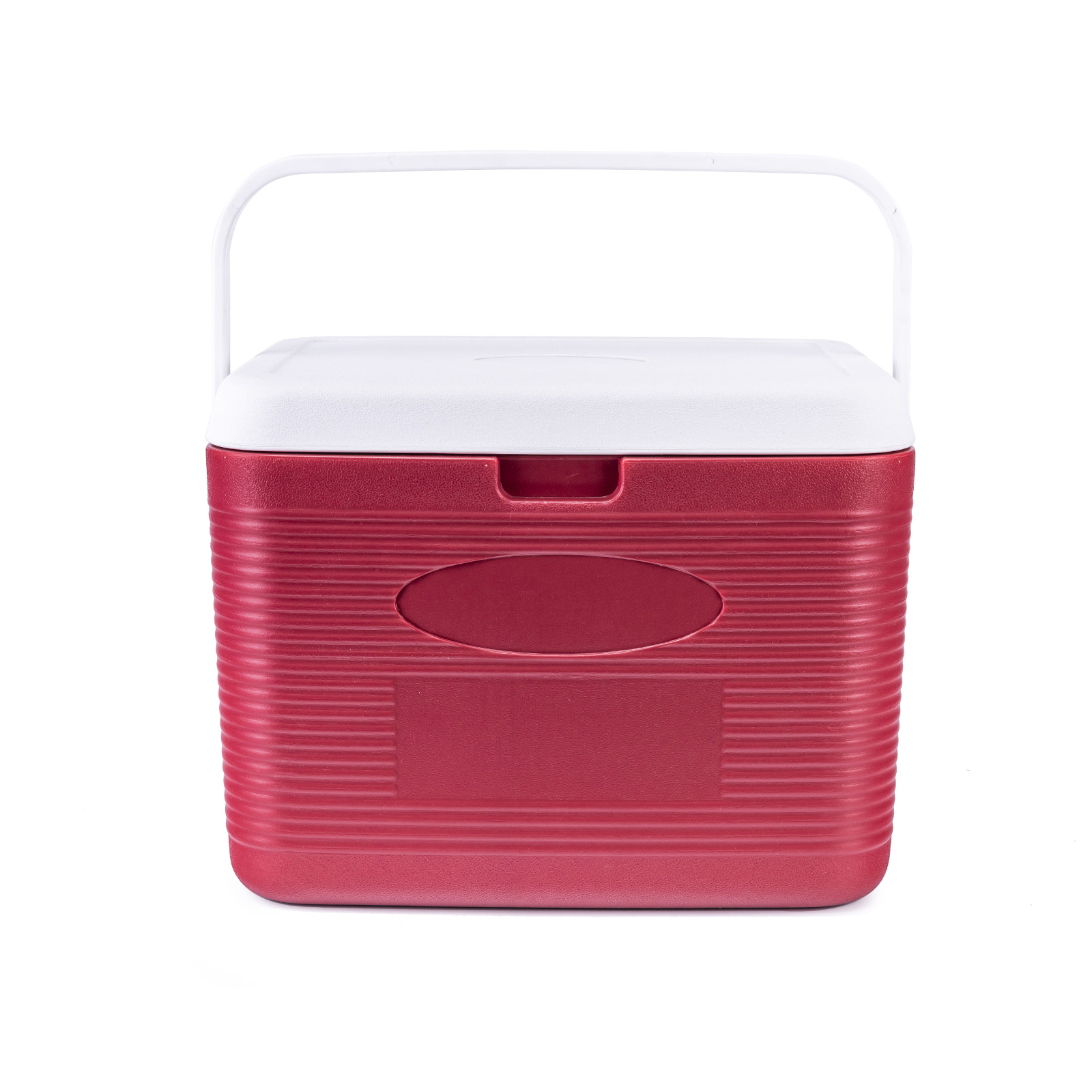
Hersteller von Kühlboxen: Ein evidenzbasiertes Rahmenwerk für die Lieferantenauswahl
Die richtige Antwort an einen Kühlboxhersteller beginnt mit einem kontrollierten Anwendungsfall, kein Katalogmodell. Definieren Sie die Nutzlast, erforderliche Bedingung, Route, Umgebungseinflüsse, Auspacken, Handhabung, Reinigung, Beweis, und Handelsvolumen, bevor Sie sich für die Box entscheiden. Das Endprodukt sollte anhand der nutzbaren Kapazität beurteilt werden, Konstruktion, betriebstauglich, Produktionskonsistenz, und Gesamtlieferkosten.
Das praktische Ziel besteht darin, ob der Hersteller den Anwendungsfall in eine kontrollierte Spezifikation übersetzen und diese Konfiguration bei steigendem Volumen beibehalten kann. Der folgende Entscheidungsrahmen stellt das nützlichste Produkt zusammen, technisch, Einhaltung, operativ, und Kaufüberlegungen, während alle Leistungsaussagen an die Bedingungen geknüpft sind, die sie tatsächlich unterstützen.
Die Muschel, Isolierung, Gelenke, und Beschläge arbeiten zusammen
Eine typische Isolierbox kann Polymerschalen kombinieren, Formschäume, PU-Isolierung, EVP, EPS, vakuumisolierte Paneele, Dichtungen, Hardware, und Zubehör je nach Einsatzzweck ausgewählt. Die äußere Struktur schützt vor Stößen und bietet Befestigungspunkte. Die Isolierung verlangsamt die Leitung und Konvektion. Das Deckelgelenk, Abfluss, Umgang mit Chefs, Verbindungselemente, und Plattenkanten können Wärmebrücken oder Leckagepfade bilden. Aus diesem Grund, Ein Materialname allein sagt noch nichts über die Leistung aus. Zwei aus demselben Nennpolymer hergestellte Kästen können sich aufgrund der Wandstärke unterschiedlich verhalten, Schaumqualität, Geometrie, und Montage. In der endgültigen Entscheidung, Testen Sie diese Annahme für das Kühlbox-Herstellungsprogramm anhand der beabsichtigten Route.
Gemeinsame Optionen bringen unterschiedliche Kompromisse mit sich. Harte Polymerschalen können reinigbar und langlebig sein, Sie erhöhen jedoch das Gewicht und erfordern eine kontrollierte Formung. EPP kann ein Leichtgewicht sein, belastbare Struktur für wiederholte Handhabung, während freiliegende Schaumstoffoberflächen möglicherweise eine sorgfältige Hygiene- und Schadensprüfung erfordern. EPS kann für den geschützten Einweggebrauch kostengünstig sein, kann jedoch bei wiederholter grober Handhabung abplatzen. PU-Schaum kann innerhalb einer Schale für eine starre Isolierung sorgen. Vakuumisolierte Paneele können die Wärmeübertragung über große Flächen reduzieren, aber Randeffekte, Pannenschutz, und Fertigungskontrolle werden von entscheidender Bedeutung. Vor der endgültigen Veröffentlichung, Überprüfen Sie diesen Punkt an repräsentativen Einheiten, die für das Kühlbox-Herstellungsprogramm verwendet werden.
Die Materialspezifikation sollte die beabsichtigten Risiken identifizieren: Entwurfsüberprüfung, Zeichnungen, Stückliste, genehmigte Muster, Wareneingangskontrollen, Prozesskontrollen, Endkontrolle, Chargenrückverfolgbarkeit, und technische Änderungskontrolle. Es sollte die Qualität des Basisharzes oder -schaums steuern, Pigmente, Zusatzstoffe, Dichtungsmaterial, Klebstoffe, Hardware, und jegliche Innenbeschichtung oder Beschriftung. Wenn Auswechslungen erlaubt sind, Definieren Sie den Genehmigungsnachweis. Ansonsten, Eine Produktionsänderung, die kommerziell unbedeutend erscheint, kann den Lebensmittelkontaktstatus verändern, Geruch, Flexibilität, Wärmeleitfähigkeit, fit, oder langfristige Haltbarkeit. In der endgültigen Entscheidung, Lösen Sie diesen Punkt für das Kühlbox-Herstellungsprogramm vor der thermischen Qualifizierung.
Definieren Sie den Vertriebsjob vor dem Produkt
Die erste Spezifikation sollte die Betriebsaufgabe beschreiben: develop and supply insulated boxes with repeatable materials, Abmessungen, Verarbeitung, Dokumentation, und Service für Muster und Massenproduktion. Es sollte die Benutzer identifizieren, der Ladeort, der Empfangsort, die erwarteten Übergaben, und der Moment, in dem sich die Temperaturverantwortung ändert. Dies verhindert, dass der Lieferant Unbekannte mit Annahmen füllt. Es ermöglicht auch Operationen, Qualität, und Beschaffungsteams, die gleiche Anforderung zu überprüfen, anstatt separate informelle Versionen zu verwalten. Beim Produktionsstart, Bestätigen Sie vor dem Kauf den Nachweisumfang für das Kühlbox-Herstellungsprogramm.
Die Definition der Nutzlast erfordert mehr Details als ein Gewicht oder ein Nennvolumen. Die geplante Ladung kann Lebensmittel enthalten, Getränke, Medikamente, Impfungen, Proben, Konsumgüter, oder Industrieinhalte mit unterschiedlicher thermischer Beanspruchung, Hygiene, und Handhabungsbedürfnisse. Notieren Sie die Abmessungen des Primärpakets, Orientierungsgrenzen, Anzahl der Einheiten, thermischer Zustand beim Verpacken, Kopfspace, fragile Bereiche, und ob die Last vom Kühlmittel getrennt bleiben muss. Ein ausreichend groß erscheinender Hohlraum kann bei enger Öffnung unbrauchbar werden, Ecken sind stark abgerundet, oder ein Korb und eine Trennwand nehmen die kritischen Abmessungen ein. In der endgültigen Entscheidung, Schützen Sie die Entscheidung für das Kühlbox-Herstellungsprogramm durch Änderungskontrolle.
Ebenso wichtig ist die Routenplanung. Für den Einzelhandel, Routenlieferung, Export, medizinischer Vertrieb, Feldeinsatz, und wiederverwendbare Kreislauflogistik, Beachten Sie die geplante Transitzeit, wahrscheinliche Verzögerung, Staging-Temperatur, direkte Sonne, Luftzirkulation im Fahrzeug, wiederholtes Öffnen, Übertragung zwischen Trägern, und Eingangskontrolle. Diese Eingaben allein führen nicht zu einer garantierten Haltezeit, Sie definieren jedoch die Bedingungen, die ein Lieferant oder ein Prüflabor reproduzieren muss. Ohne sie, Ein Angebot kann sich nur auf eine generische Box beziehen, kein verlässlicher Verteilungsprozess. Beim Produktionsstart, Testen Sie diese Annahme für das Kühlbox-Herstellungsprogramm anhand der beabsichtigten Route.
Sorgen Sie dafür, dass sich die korrekte Verpackung leicht wiederholen lässt
Eine Kiste bewegt sich durch Menschen und Orte, nicht nur durch eine Wärmekammer. Der Betriebsplan sollte die Vorkonditionierung abdecken, Verpackung, Schließung, Beschriftung, Aktivierung überwachen, aushändigen, Empfang, Entladung, Reinigung, Trocknen, Inspektion, Lagerung, und zurück. Für den Einzelhandel, Routenlieferung, Export, medizinischer Vertrieb, Feldeinsatz, und wiederverwendbare Kreislauflogistik, Das größte Risiko kann eine Laderampe oder eine fehlgeschlagene Lieferung anstelle der geplanten Fahrzeugzeit sein.
Anweisungen sollten visuell und konfigurationsspezifisch sein. Kühlmittelposition anzeigen, Produktorientierung, Platzierung der Teiler, Standort überwachen, Abschlusssequenz, und Ablehnungskriterien. Verwenden Sie Etiketten, die der Reinigungs- und Routenumgebung standhalten. Wenn der Kasten Abflüsse hat, Riemen, Räder, austauschbare Dichtungen, oder Seilgriffe, Prüfpunkte für diese Komponenten einschließen. Die Komplexität sollte nach Möglichkeit reduziert werden, da sich gelegentliche Benutzer lange Vorgänge nicht merken können. In der endgültigen Entscheidung, Testen Sie diese Annahme für das Kühlbox-Herstellungsprogramm anhand der beabsichtigten Route.
Empfangende Teams benötigen einen Entscheidungsweg. Sie sollten wissen, wie man das Siegel prüft, Lesen Sie den Monitor, Schäden erkennen, einen Ausflug aufzeichnen, die Nutzlast unter Quarantäne stellen, und wenden Sie sich an den zuständigen Qualitätsbeauftragten. Zurückgegebene Kartons sollten nicht automatisch wieder in die saubere Flotte aufgenommen werden. Ein einfacher Quarantäne- und Inspektionsschritt verhindert rissige Schalen, fehlende Stecker, verschmutzte Griffe, oder ein Kühlmittelwechsel führt zu einer stillschweigenden Schwächung des Systems. In der endgültigen Entscheidung, Schützen Sie die Entscheidung für das Kühlbox-Herstellungsprogramm durch Änderungskontrolle.
Wie die Entscheidung in der Praxis aussieht
Betrachten Sie diese typische Situation: Ein Käufer genehmigt ein attraktives Muster, aber die Massenproduktion verändert die Schaumdichte, Riegellieferant, und Wandabmessungen, da keine dieser Details in der Spezifikation eingefroren waren. Das Team sollte die Nutzlast messen, Erstellen Sie das vorgeschlagene Packout, die Route kartieren, und beobachten Sie, wie Benutzer heben, sicher, offen, sauber, und die Box zurückschicken. Die erste Antwort sollte nicht darin bestehen, eine Kataloggröße auszuwählen. Dadurch entsteht eine gemeinsame Aufzeichnung der tatsächlichen Einschränkungen.
Danach, Der Käufer sollte statt eines langen Katalogs zwei oder drei kontrollierte Alternativen anfordern. Bei jeder Option sollte aufgeführt sein, was enthalten ist, Welche Beweise gibt es?, was noch getestet werden muss, und welche Betriebsänderungen es erfordert. Eine Option könnte einem geringeren Gewicht Vorrang einräumen, eine weitere wiederholte Haltbarkeit, und ein weiterer höherer Wärmewiderstand oder mehr nutzbares Volumen. Das Team kann dann Kompromisse vergleichen, anstatt über isolierte Funktionen zu streiten.
Vervollständigen Sie die Sequenz durch ein technisches Beispiel, Packout-Testversion, Pilotproduktion, und formelle Freilassung. Zeichnen Sie Dimensionsmessungen auf und verarbeiten Sie Beobachtungen, nicht nur Fotos. Für temperaturempfindliche Anwendungen, Bestätigen Sie die vollständige Paketierung unter einem entsprechenden Profil und legen Sie fest, wie Ausflüge abgewickelt werden. Das Ergebnis ist eine beweis- und arbeitsablauforientierte Beschaffungsentscheidung, nicht auf ein Versprechen, das später nicht reproduziert werden kann. Vor der endgültigen Veröffentlichung, Verbinden Sie diesen Punkt für das Kühlbox-Herstellungsprogramm mit einem messbaren Akzeptanzkriterium.
Trennen Sie Containeransprüche von Packout-Ansprüchen
Der Hersteller der Kühlbox sorgt für eine Barriere gegen den Wärmefluss und ein Schutzgehäuse. Es erzeugt selbst keine kontrollierte Temperatur. Die passive Leistung hängt von der Isolierung ab, Kühlmitteltyp und Konditionierung, Kühlmittelmasse, Nutzlastmasse, Produktstarttemperatur, interne Anordnung, Umgebungsprofil, Öffnungsverhalten, und Akzeptanzkriterien. Eine Änderung an einem dieser Punkte kann zu veränderten Ergebnissen führen, selbst wenn die äußere Box unverändert bleibt. Vor der endgültigen Veröffentlichung, Lösen Sie diesen Punkt für das Kühlbox-Herstellungsprogramm vor der thermischen Qualifizierung.
Diese Unterscheidung ist besonders wichtig für Lebensmittel, pharmazeutisch, Impfstoff, und klinische Studienanwendungen. Eine Materialdeklaration kann zeigen, dass ein Bauteil für eine vorgesehene Kontaktbedingung geeignet ist. Ein Strukturtest kann zeigen, dass ein Griff oder Schlitz einer definierten Belastung standhält. Ein thermischer Bericht kann zeigen, wie sich ein Packout unter einem Profil verhält. Eine Streckenqualifizierung kann dann die Betriebsspur beurteilen. Diese Dokumente beantworten unterschiedliche Fragen und sollten nicht untereinander ersetzt werden. Vor der endgültigen Veröffentlichung, Vergleichen Sie den Punkt für das Kühlbox-Herstellungsprogramm mit der tatsächlichen Nutzlast.
Fordern Sie den Lieferanten auf, bei seiner Konfiguration jeden Leistungsanspruch anzugeben. Wenn der Lieferant diesen Kontext nicht bereitstellen kann, Betrachten Sie den Anspruch lediglich als Screening-Indikator. In der Erklärung sollten die Boxgröße und die Revision angegeben werden, Nutzlast, Kühlmittel, Konditionierung, Ladediagramm, Monitorposition, Umgebungsprofil, Dauer, und Akzeptanzbereich. Ziel ist es nicht, für jedes Erstgespräch einen Laborbericht einzufordern, sondern um zu verhindern, dass eine nicht unterstützte Überschrift zu einer Kaufspezifikation wird. Zur Lieferantenfreigabe, Vergleichen Sie den Punkt für das Kühlbox-Herstellungsprogramm mit der tatsächlichen Nutzlast.
Der Compliance-Nachweis muss mit der beabsichtigten Verwendung übereinstimmen
Der relevante Nachweis hängt vom Lebensmittelkontakt ab, Gesundheitspflege, Transport, oder Leistungsnachweise, die durch den Markt und die Anwendung definiert werden; Herstelleransprüche müssen Produkt sein- und konfigurationsspezifisch. In den Vereinigten Staaten, Der Lebensmittelkontaktstatus ist an zugelassene Stoffe und die vorgesehenen Verwendungsbedingungen gebunden, einschließlich Lebensmittelart und Temperatur. In der Europäischen Union, Lebensmittelkontaktmaterialien, die in Verkehr gebracht werden, fallen unter die Rahmenverordnung und die Anforderungen der guten Herstellungspraxis, mit zusätzlichen Regelungen für bestimmte Materialgruppen. A generic declaration that a plastic is 'Lebensmittelqualität' is therefore only a starting point. In der endgültigen Entscheidung, Überprüfen Sie diesen Punkt an repräsentativen Einheiten, die für das Kühlbox-Herstellungsprogramm verwendet werden.
Medizinische und pharmazeutische Anwendungen fügen eine weitere Ebene hinzu. BIP, GCP, Impfberatung, Luftfrachtregeln, Je nach Sendung können nationale oder nationale Programmvorgaben gelten. Produktkennzeichnung und Sponsor- oder Qualitätsverfahren definieren den erforderlichen Zustand. Die Box ist nicht nur deshalb konform, weil ihr Polymer für den Kontakt mit Lebensmitteln geeignet ist oder weil sie wiederverwendbar ist. Für den gesamten Vorgang sind möglicherweise qualifizierte Verpackungsanweisungen erforderlich, kalibrierte Überwachung, Abweichungsbehandlung, Ausbildung, und dokumentierte Produktkette. Beim Produktionsstart, Erfassen Sie diesen Punkt für das Kühlbox-Herstellungsprogramm als kontrollierte Anforderung.
Erstellen Sie eine Beweiskarte mit vier Spalten: beanspruchen, Objekt, Zustand, und Dokument. Als ein Beispiel, Ein Materialanspruch bezieht sich auf ein benanntes Harz und einen beabsichtigten Verwendungszweck; Ein Strukturanspruch gehört zu einem fertigen Design und einer Lastmethode; Ein thermischer Anspruch gehört zu einer vollständigen Konfiguration und einem vollständigen Profil; Ein Routenanspruch gehört zu einer Betriebsspur. Diese Karte deckt Lücken auf und verhindert, dass ein Zertifikat über seinen Geltungsbereich hinaus ausgedehnt wird. In der endgültigen Entscheidung, Lösen Sie diesen Punkt für das Kühlbox-Herstellungsprogramm vor der thermischen Qualifizierung.
Lieferantenfragen, die echte Leistungsfähigkeit offenbaren
Die zentrale Lieferantenfrage ist, ob der Hersteller den Anwendungsfall in eine kontrollierte Spezifikation übersetzen und diese Konfiguration bei steigendem Volumen beibehalten kann. Ein seriöser Hersteller sollte in der Lage sein, diese Anforderung in Zeichnungen umzusetzen, Materialdefinitionen, Inspektionspunkte, und ein Testplan. Das Gespräch sollte von allgemeinen Behauptungen zu kontrollierten Details übergehen. Fragen Sie, wem die Form gehört, welche Vorgänge intern durchgeführt werden, wie kritische Komponentenlieferanten zugelassen werden, und wie die Stückliste gepflegt wird. Ein umfassender Katalog kann hilfreich sein, aber es ist kein Beweis für die Prozesskontrolle. Beim Produktionsstart, Fügen Sie diese Anforderung für das Kühlbox-Herstellungsprogramm in die Empfangscheckliste ein.
Bewegen Sie sich in kontrollierten Schritten durch die Proben. Das erste Muster bestätigt grundlegende Abmessungen und Ergonomie. Ein überarbeitetes technisches Muster bestätigt Materialien, Beschläge, Etiketten, und Packout-Passform. Ein Pilotlos prüft Produktionswerkzeuge, Montage, Inspektion, Verpackung, und Variation über mehrere Einheiten hinweg. Das genehmigte goldene Muster sollte mit Zeichnungen und messbaren Akzeptanzkriterien verknüpft sein. Die Genehmigung eines speziell vorbereiteten Musters ohne diese Brücke ist eine häufige Quelle für Überraschungen bei der Massenproduktion. Zur Lieferantenfreigabe, Testen Sie diese Annahme für das Kühlbox-Herstellungsprogramm anhand der beabsichtigten Route.
Die Qualitätsprüfung sollte sich auf die Entwurfsprüfung konzentrieren, Zeichnungen, Stückliste, genehmigte Muster, Wareneingangskontrollen, Prozesskontrollen, Endkontrolle, Chargenrückverfolgbarkeit, und technische Änderungskontrolle. Fragen Sie, wie fehlerhafte Einheiten identifiziert werden, ob Messungen aufgezeichnet werden, wie Beschwerden untersucht werden, und wie technische Änderungen kommuniziert werden. Für Programme mit hoher Kontrolle, Für Auswechslungen ist eine vorherige Genehmigung erforderlich. Für den Verbrauchergebrauch mit geringerem Risiko, Das System kann einfacher sein, aber kritische Dimensionen, Materialien, und Sicherheitsmerkmale benötigen weiterhin objektive Akzeptanzkriterien. In der endgültigen Entscheidung, Geben Sie in der Lieferantenantwort die geltenden Bedingungen für das Kühlbox-Herstellungsprogramm an.
Der endgültige Entscheidungsrahmen
| Tor | Frage | Beweise freigeben |
|---|---|---|
| Anwendungsfall-Gate | Ist die Nutzlast, Route, Zustand, und Abwicklungsprozess definiert? | Genehmigte Benutzeranforderung |
| Tor montieren | Passt die endgültige Verpackung mit sicherem Anheben und Verschließen?? | Verpackungszeichnung und gemessenes Muster |
| Beweistor | Sind Ansprüche an das richtige Material gebunden?, Kasten, Auspacken, oder Spur? | Beweiskarte und Testberichte |
| Qualitätstor | Kann die Produktion die genehmigte Konfiguration reproduzieren?? | Überprüfung und Inspektionsplan für Pilotlose |
| Kostentor | Es handelt sich um Angebote, die auf den gleichen Umfang und die gleiche Lieferbasis normiert sind? | Anschaffungs- und Lebenszykluskostenmodell |
| Einsatztor | Können Benutzer packen?, erhalten, sauber, überprüfen, und schicke es korrekt zurück? | Kontrollierte Anweisungen und Trainingsplan |
| Tor wechseln | Müssen Auswechslungen überprüft werden?? | Stückliste und Änderungskontrollvereinbarung |
| Bewerbungsportal | Ob der Hersteller den Anwendungsfall in eine kontrollierte Spezifikation übersetzen und diese Konfiguration bei steigendem Volumen beibehalten kann | Unterzeichnete Anforderung und Liste ungelöster Annahmen |
Behandeln Sie die Tabelle als funktionsübergreifende Überprüfung für die Beschaffung, Operationen, Maschinenbau, und Qualität. Es wandelt allgemeine Präferenzen in überprüfbare Beweise um und deckt fehlende Annahmen vor der Preisverhandlung auf. Nicht jedes Projekt benötigt die gleiche Tiefe, Aber jeder kritische Anspruch sollte einen Eigentümer und eine definierte Möglichkeit haben, ihn zu überprüfen. Vor der endgültigen Veröffentlichung, Nehmen Sie diesen Grenzwert in die Betriebsanleitung für das Kühlbox-Herstellungsprogramm auf.
Nachhaltigkeit hängt vom Betriebskreislauf ab
Die relevante Nachhaltigkeitsfrage ist die richtige Bauweise, langlebige Komponenten, Reparaturmöglichkeiten, effiziente Verpackung, Retourenlogistik, und kontrollierte Entscheidungen am Lebensende. Eine wiederverwendbare Box kann den Verpackungsverbrauch in einem stabilen geschlossenen Kreislauf reduzieren, aber es erfordert auch mehr Material, Reinigung, Lagerung, und Rücktransport. Auf einer verteilten Fahrspur, wo die Rücklaufquoten gering sind, kann ein leichtes Einbahnsystem vorzuziehen sein. Die Auswahl sollte anhand des Betriebsnetzwerks und nicht anhand eines einzelnen Marketingmerkmals getroffen werden.
Die richtige Dimensionierung ist oft die schnellste Verbesserung. Überdimensionierte Hardware erhöht die Masse. Überschüssiges Volumen vergrößert die Isolationsfläche, Kühlmittelbedarf, Frachtwürfel, und Lagerfläche. Unterbaute Produkte fallen frühzeitig aus und erzeugen Ersatzabfall. Ein gutes Design verwendet genügend Material an den richtigen Stellen, schützt austauschbare Verschleißteile, und ermöglicht eine Inspektion, bevor ein beschädigtes Gerät wieder in Betrieb genommen wird. Beim Produktionsstart, Vergleichen Sie den Punkt für das Kühlbox-Herstellungsprogramm mit der tatsächlichen Nutzlast.
Verfolgen Sie eine kleine Reihe praktischer Indikatoren: Rücklaufquote, Fahrten pro Anlage, Schadensgrund, Waschzeit, Trocknungszeit, verlorene Komponenten, Leerer Rückgabewürfel, und Ruhestandsroute. Diese Daten zeigen, ob sich das System verbessert. Nachhaltigkeitsaussagen sollten bei Änderungen der Route aktualisiert werden. Ein Karton, der für fünfzig kontrollierte lokale Fahrten verwendet wird, hat eine andere Grundfläche als derselbe Karton, der einmal über eine internationale Route transportiert und nie zurückgegeben wurde. In der endgültigen Entscheidung, Weisen Sie einen Eigentümer und eine Akzeptanzmethode für das Kühlbox-Herstellungsprogramm zu.
Vergleichen Sie Anschaffungs- und Lebenszykluskosten, Kein Zitat einer isolierten Einheit
Die Kostenstruktur umfasst Designarbeiten, Werkzeuge, Material, Verfahren, Montage, Qualitätskontrollen, Anpassung, Testen, Dokumentation, Verpackung, Fracht, und Lebenszyklusunterstützung. Anbieter können sehr unterschiedliche Preise angeben, obwohl alle scheinbar die gleiche Größe anbieten. Unterschiede können durch die Dämmstärke bedingt sein, Materialqualität, Verfahren, Hardware, Inspektion, Verpackung, oder einfach aus ausgeschlossenen Artikeln. Für einen fairen Vergleich sind ein Konfigurationsblatt und eine kommerzielle Vergleichstabelle erforderlich. In der endgültigen Entscheidung, Erfassen Sie diesen Punkt für das Kühlbox-Herstellungsprogramm als kontrollierte Anforderung.
Trennen Sie einmalige Kosten von wiederkehrenden Kosten. Werkzeuge, Formen, Kunstwerk, Maschinenbau, und einige Tests können einmalig oder amortisiert sein. Einheitenbau, Zubehör, Inspektion, Kartons, und Fracht wiederkehren. Dann trennen Sie die Anschaffungskosten von den Betriebskosten: Konditionierungskühlmittel, Waschen, Trocknen, Lagerung, Vermögensverfolgung, Rücktransport, Schaden, reparieren, und Ersatz. Die beste Messgröße sind möglicherweise die Kosten pro erfolgreicher Route und nicht der Kaufpreis pro Box. In der endgültigen Entscheidung, Erfassen Sie diesen Punkt für das Kühlbox-Herstellungsprogramm als kontrollierte Anforderung.
Der Transport von Gütern verdient frühzeitige Aufmerksamkeit, da Isolierboxen sperrig sein können. Außenmaße, Verschachtelung, Zusammenklappbarkeit, Kartonmenge, Palettenmuster, und die Containerbeladung kann die Gesamtkosten um mehr als einen kleinen Unterschied zum Fabrikpreis verändern. Bitten Sie Lieferanten, die gleichen Lieferbedingungen und Verpackungskonfigurationen anzugeben. Wenn Mehrwegboxen leer zurückkommen, Der umgekehrte Würfel und die Handhabungsarbeit sollten ebenfalls in das Modell einfließen. Vor der endgültigen Veröffentlichung, Überprüfen Sie diesen Punkt an repräsentativen Einheiten, die für das Kühlbox-Herstellungsprogramm verwendet werden.
Abkürzungen bei der Beschaffung, die das Risiko erhöhen
Die folgenden Punkte sollten vor der Werkzeugherstellung oder Massenproduktion überprüft werden. Jeder einzelne davon kann zu vermeidbarer Nacharbeit führen, wenn er bei der Lieferantenauswahl ungelöst bleibt. Zur Lieferantenfreigabe, Schützen Sie die Entscheidung für das Kühlbox-Herstellungsprogramm durch Änderungskontrolle.
- Blocker freigeben: Auswahl eines Herstellers allein aufgrund der Katalogbreite.
- Blocker freigeben: Genehmigen des Aussehens ohne interne Maß- und Materialkontrollen.
- Blocker freigeben: Bitte um universelle Wartezeitansprüche.
- Blocker freigeben: Zubehör und Exportverpackung außerhalb der Spezifikation belassen.
- Blocker freigeben: Skalierung vor einer Pilotproduktionsüberprüfung.
Nicht jedes Anliegen ist disqualifizierend, aber jeder braucht einen Abschluss. Es sollte eine konkrete Aufklärung auslösen, Stichprobenprüfung, oder Beweisanfrage. Das angestrebte Ergebnis besteht darin, Unsicherheiten zu beseitigen, während Änderungen noch kostengünstig sind. Ein Lieferant, der mit Zeichnungen antwortet, Bedingungen, und Korrekturmaßnahmen sind nützlicher als eine, die eine allgemeine Behauptung wiederholt. Beim Produktionsstart, Weisen Sie einen Eigentümer und eine Akzeptanzmethode für das Kühlbox-Herstellungsprogramm zu.
Das Shortlist-Interview
Für diesen Kühlbox-Hersteller, Die folgenden Fragen sind wertvoller als die Frage, ob der Lieferant zuverlässig ist. Sie drängen die Diskussion auf den Verwendungszweck, messbare Spezifikationen, und Beweise. In der endgültigen Entscheidung, Nehmen Sie diesen Grenzwert in die Betriebsanleitung für das Kühlbox-Herstellungsprogramm auf.
- Freigabefrage: Kann der Hersteller die Design-Kompromisse für die tatsächliche Route und Nutzlast erläutern??
- Freigabefrage: Welche Prozesse und kritischen Teile werden im eigenen Haus hergestellt oder durch zugelassene Lieferanten kontrolliert??
- Freigabefrage: Wie sind Zeichnungen, Stückliste, Toleranzen, und goldene Muster beibehalten?
- Freigabefrage: Welche Thermik, strukturell, Hygiene, oder Compliance-Tests können unterstützt werden?
- Freigabefrage: Wie werden Pilotchargen vor der Massenproduktion überprüft??
- Freigabefrage: Welcher Änderungsbenachrichtigungs- und Korrekturmaßnahmenprozess wird verwendet??
Eine vollständige Antwort kann eine Zeichnung sein, Tisch, Probe, Testplan, oder dokumentierte Einschränkung. Ein potenzieller Anbieter muss nicht jeden Abschlussbericht vor der frühen Entwicklung haben, aber es sollte in der Lage sein, anzugeben, was bekannt ist, was angenommen wird, was kann angepasst werden, und was muss getestet werden. Diese Transparenz ist ein besseres Risikosignal als eine lange Liste nicht unterstützter Zertifizierungen. Beim Produktionsstart, Testen Sie diese Annahme für das Kühlbox-Herstellungsprogramm anhand der beabsichtigten Route.
Änderungskontrolle nach der ersten Bestellung
Geben Sie keine neue Charge allein aufgrund ihres Erscheinens frei. Bestätigen Sie kritische Innenmaße, Deckelverschluss, Hardware, Etiketten, Zubehör, und Verpackung entsprechend der genehmigten Spezifikation. Wählen Sie mehrere Einheiten aus verschiedenen Kartons aus. Zeichnen Sie Ergebnisse auf, damit spätere Reklamationen mit der Originalcharge verglichen werden können, anstatt mit dem Speicher oder einer einzelnen Probe. Beim Produktionsstart, Geben Sie in der Lieferantenantwort die geltenden Bedingungen für das Kühlbox-Herstellungsprogramm an.
Serviceteams benötigen vordefinierte Schadensgrenzen. Risse, deformierte Dichtungen, fehlende Stecker, ausgefranste Griffe, lose Anker, kontaminierte Oberflächen, Durchstochene Platten, oder nicht zugelassenes Kühlmittel sollte eine Quarantäne auslösen. Einige Artikel können mit kontrollierten Teilen repariert werden; andere sollten in den Ruhestand gehen. Eine klare Regelung verhindert, dass Nutzer eine sichtbar beschädigte Box weiterbenutzen, nur weil sie noch schließt. Vor der endgültigen Veröffentlichung, Schützen Sie die Entscheidung für das Kühlbox-Herstellungsprogramm durch Änderungskontrolle.
Verfolgen Sie kontrollierte Materialänderungen, Anbieter, Schimmel, Verfahren, Abmessungen, Etiketten, Verpackung, und Auspacken. Überprüfen Sie, ob sich jede Änderung auf den Kontaktstatus auswirkt, thermischer Beweis, Strukturprüfungen, Fracht, Reinigung, oder Benutzeranweisungen. Diese Disziplin ist nicht auf regulierte Programme beschränkt. Es schützt jeden Käufer vor einer allmählichen Konfigurationsabweichung bei wiederholten Bestellungen. Beim Produktionsstart, Verbinden Sie diesen Punkt für das Kühlbox-Herstellungsprogramm mit einem messbaren Akzeptanzkriterium.
Häufig gestellte Fragen
Ist ein Hersteller von Kühlboxen ausreichend, um die Temperatur zu kontrollieren??
NEIN. Der Behälter verlangsamt die Wärmeübertragung, aber das Gesamtergebnis hängt vom Kühlmittel ab, Nutzlast, Starttemperatur, Lademuster, Umgebungseinflüsse, Handhabung, und Überwachung. Jede angegebene Dauer sollte die getestete Konfiguration und die Akzeptanzkriterien angeben. Für regulierte oder hochwertige Produkte, Möglicherweise ist eine zusätzliche Packout- oder Lane-Qualifizierung erforderlich. Beim Produktionsstart, Bestätigen Sie, dass die Produktionskontrollen diesen Punkt für das Kühlbox-Herstellungsprogramm berücksichtigen.
Was sollte vor der Massenproduktion genehmigt werden??
Genehmigen Sie die Zeichnung, Materialien, Stückliste, kritische Dimensionen, Zubehör, Beschriftung, Verpackung, Akzeptanzkriterien, und eine repräsentative Goldprobe. Ein Pilotlos sollte bestätigen, dass die Produktionseinheiten den technischen Absichten entsprechen, bevor ein Großauftrag freigegeben wird. Beim Produktionsstart, Lösen Sie diesen Punkt für das Kühlbox-Herstellungsprogramm vor der thermischen Qualifizierung.
Kann für jede Route ein Labor-Haltezeitergebnis verwendet werden??
Ohne einen Vergleich der Bedingungen wäre das unsicher. Für das getestete Umgebungsprofil gilt ein Laborergebnis, Nutzlast, Kühlmittel, Positionen überwachen, und Akzeptanzbereich. Es kann die Routenplanung unterstützen, aber erhebliche Unterschiede in der Verzögerung, direkte Sonne, Öffnungshäufigkeit, Fahrzeugbedingungen, oder Nutzlast erfordern möglicherweise eine weitere Beurteilung oder Qualifizierung. In der endgültigen Entscheidung, Fügen Sie diese Anforderung für das Kühlbox-Herstellungsprogramm in die Empfangscheckliste ein.
Was ist der beste Erstmustertest??
Verwenden Sie „Physical Fit“ als ersten Beispielanschnitt. Verschluss prüfen, Heben, Zugang, Reinigung, und Packzeit. Laden Sie die tatsächliche Nutzlast, Kühlmittel, Teiler, Monitor, Etiketten, und Zubehör. Sobald die physische Konfiguration stabil ist, Thermische und strukturelle Tests werden aussagekräftiger und die Wahrscheinlichkeit einer Wiederholung nach einer Designänderung ist geringer. In der endgültigen Entscheidung, Überprüfen Sie diesen Punkt an repräsentativen Einheiten, die für das Kühlbox-Herstellungsprogramm verwendet werden.
Wie sollten Einkäufer mit Produktionsänderungen umgehen??
Kontrollieren Sie kritische Materialien, Abmessungen, und Komponenten durch die Stückliste. Fordern Sie das Werk auf, Änderungen vor der Implementierung mitzuteilen und Nachweise zur Überprüfung vorzulegen. Änderungen an der Isolierung, Kühlmittel, Dichtungen, Pigmente, Etiketten, Griffe, oder der Herstellungsprozess können die Passform beeinflussen, Kontaktstatus, Haltbarkeit, oder qualifizierte Leistung. In der endgültigen Entscheidung, Schützen Sie die Entscheidung für das Kühlbox-Herstellungsprogramm durch Änderungskontrolle.
Bevor Sie die Bestellung freigeben
Die endgültige Auswahl des Kühlboxherstellers sollte sechs Tests bestehen: Anwendungsfall passend, nutzbare Kapazität, Beweis, Produktionskonsistenz, einfache Bedienung, und Gesamtkosten. Ein Lieferant, der Annahmen angibt, Einschränkungen für Dokumente, und die Pilotverifizierung unterstützt, ist wertvoller als eine, die universelle Ansprüche bietet. Geben Sie den Auftrag erst frei, wenn die Konfiguration und die Verantwortlichkeiten klar genug sind, dass eine Wiederholung möglich ist.
Über Tempk
Tempk ist die Kühlkettenverpackungsmarke von Shanghai Tempk Industrial Co., Ltd. The company develops and supplies products including gel packs, starre Eissteine, Isoliertaschen, EPP -Boxen, medizinische Kühlboxen, isolierte Liner, und Palettenabdeckungen. Für Projekte mit Isolierboxen, Tempk kann die Kapazität besprechen, Isolationsstruktur, Kühlmittelkompatibilität, benutzerdefinierte Funktionen, und Verpackungsanforderungen. Die Eignung und Leistung des Produkts sollte anhand der spezifischen Nutzlast bestätigt werden, Route, Temperaturzustand, und vom Käufer geforderte Nachweise. In der endgültigen Entscheidung, Schützen Sie die Entscheidung für das Kühlbox-Herstellungsprogramm durch Änderungskontrolle.
Nächster Schritt
Vor der endgültigen Lieferantenauswahl, die Nutzlast teilen, Route, Temperaturzustand, Kapazität, Funktionsliste, Zielmarkt, und Prognosen erstellen, damit Tempk einen kontrollierten Entwicklungs- und Fertigungsplan besprechen kann.
Kosten für die Kühlbox: Vollständiges Käufer-Framework
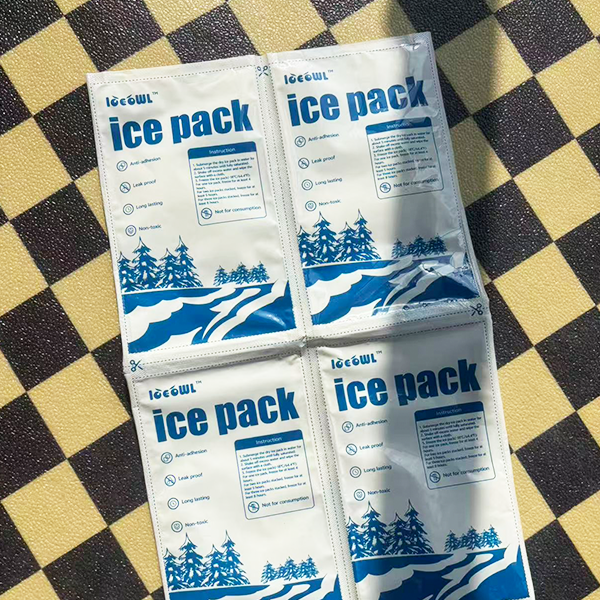
Kosten für die Kühlbox: Wie man wählt, Verifizieren, und skalieren Sie das richtige System
Für die meisten Käufer, the search term cooler box cost hides four separate decisions: Produkt passt, Beweis, Lieferantenkontrolle, und Wirtschaft. Die getrennte Behandlung dieser Entscheidungen führt zu einer klareren Angebotsanfrage und einem sichereren Produktionsstart. Die Behandlung als eine Frage führt normalerweise zu vagen Vergleichen und einer späten Neugestaltung.
Das praktische Ziel ist, welches Kostenmodell zählt: einmaliger Kauf, Anschaffungskosten pro Einheit, Kosten pro Strecke, Kosten pro erfolgreicher Sendung, oder Lebenszykluskosten für eine wiederverwendbare Flotte. Der folgende Entscheidungsrahmen stellt das nützlichste Produkt zusammen, technisch, Einhaltung, operativ, und Kaufüberlegungen, während alle Leistungsaussagen an die Bedingungen geknüpft sind, die sie tatsächlich unterstützen.
Eine Isolierbox ist nur ein Teil der Temperaturkontrolle
Die Kühlbox bietet eine Barriere gegen den Wärmefluss und eine schützende Hülle. Es erzeugt selbst keine kontrollierte Temperatur. Die passive Leistung hängt von der Isolierung ab, Kühlmitteltyp und Konditionierung, Kühlmittelmasse, Nutzlastmasse, Produktstarttemperatur, interne Anordnung, Umgebungsprofil, Öffnungsverhalten, und Akzeptanzkriterien. Eine Änderung an einem dieser Punkte kann zu veränderten Ergebnissen führen, selbst wenn die äußere Box unverändert bleibt. Beim Produktionsstart, Schützen Sie die Entscheidung für das Kühlbox-Kostenmodell durch Änderungskontrolle.
Diese Unterscheidung ist besonders wichtig für Lebensmittel, pharmazeutisch, Impfstoff, und klinische Studienanwendungen. Eine Materialdeklaration kann zeigen, dass ein Bauteil für eine vorgesehene Kontaktbedingung geeignet ist. Ein Strukturtest kann zeigen, dass ein Griff oder Schlitz einer definierten Belastung standhält. Ein thermischer Bericht kann zeigen, wie sich ein Packout unter einem Profil verhält. Eine Streckenqualifizierung kann dann die Betriebsspur beurteilen. Diese Dokumente beantworten unterschiedliche Fragen und sollten nicht untereinander ersetzt werden. In der endgültigen Entscheidung, Tragen Sie diese Anforderung für das Kühlbox-Kostenmodell in die Empfangscheckliste ein.
Bitten Sie den Lieferanten, jeden Leistungsanspruch bei seiner Konfiguration anzugeben. In der Erklärung sollten die Boxgröße und die Revision angegeben werden, Nutzlast, Kühlmittel, Konditionierung, Ladediagramm, Monitorposition, Umgebungsprofil, Dauer, und Akzeptanzbereich. Wenn der Lieferant diesen Kontext nicht bereitstellen kann, Betrachten Sie den Anspruch lediglich als Screening-Indikator. Das beabsichtigte Ergebnis besteht nicht darin, für jedes frühe Gespräch einen Laborbericht zu verlangen, sondern um zu verhindern, dass eine nicht unterstützte Überschrift zu einer Kaufspezifikation wird.
Der regulatorische Geltungsbereich beginnt bei den Kontakt- und Produktbedingungen
Der relevante Nachweis hängt vom Lebensmittelkontakt ab, Gesundheitspflege, Transport, oder Qualifikationsnachweise, die zusätzliche Kosten verursachen können, für den angestrebten Markt jedoch möglicherweise von wesentlicher Bedeutung sind. In den Vereinigten Staaten, Der Lebensmittelkontaktstatus ist an zugelassene Stoffe und die vorgesehenen Verwendungsbedingungen gebunden, einschließlich Lebensmittelart und Temperatur. In der Europäischen Union, Lebensmittelkontaktmaterialien, die in Verkehr gebracht werden, fallen unter die Rahmenverordnung und die Anforderungen der guten Herstellungspraxis, mit zusätzlichen Regelungen für bestimmte Materialgruppen. A generic declaration that a plastic is 'Lebensmittelqualität' is therefore only a starting point. Vor der endgültigen Veröffentlichung, Weisen Sie einen Eigentümer und eine Akzeptanzmethode für das Kühlbox-Kostenmodell zu.
Medizinische und pharmazeutische Anwendungen fügen eine weitere Ebene hinzu. BIP, GCP, Impfberatung, Luftfrachtregeln, Je nach Sendung können nationale oder nationale Programmvorgaben gelten. Produktkennzeichnung und Sponsor- oder Qualitätsverfahren definieren den erforderlichen Zustand. Die Box ist nicht nur deshalb konform, weil ihr Polymer für den Kontakt mit Lebensmitteln geeignet ist oder weil sie wiederverwendbar ist. Für den gesamten Vorgang sind möglicherweise qualifizierte Verpackungsanweisungen erforderlich, kalibrierte Überwachung, Abweichungsbehandlung, Ausbildung, und dokumentierte Produktkette. Beim Produktionsstart, Dokumentieren Sie die Einschränkung für das Kühlbox-Kostenmodell, anstatt eine universelle Eignung zu implizieren.
Erstellen Sie eine Beweiskarte mit vier Spalten: beanspruchen, Objekt, Zustand, und Dokument. Zum Beispiel, Ein Materialanspruch bezieht sich auf ein benanntes Harz und einen beabsichtigten Verwendungszweck; Ein Strukturanspruch gehört zu einem fertigen Design und einer Lastmethode; Ein thermischer Anspruch gehört zu einer vollständigen Konfiguration und einem vollständigen Profil; Ein Routenanspruch gehört zu einer Betriebsspur. Diese Karte deckt Lücken auf und verhindert, dass ein Zertifikat über seinen Geltungsbereich hinaus ausgedehnt wird. Vor der endgültigen Veröffentlichung, Nehmen Sie diese Grenze in die Bedienungsanleitung des Kühlbox-Kostenmodells auf.
Die Box-Spezifikation beginnt außerhalb der Box
Die erste Spezifikation sollte die Betriebsaufgabe beschreiben: Wählen Sie eine Box aus, deren Anschaffungs- und Betriebskosten zum Anwendungsfall passen, ohne dass Sie für unnötige Bauarbeiten bezahlen oder kritische Leistung zu wenig kaufen müssen. Es sollte die Benutzer identifizieren, der Ladeort, der Empfangsort, die erwarteten Übergaben, und der Moment, in dem sich die Temperaturverantwortung ändert. Dies verhindert, dass der Lieferant Unbekannte mit Annahmen füllt. Es ermöglicht auch Operationen, Qualität, und Beschaffungsteams können die gleiche Anforderung überprüfen, anstatt separate informelle Versionen zu verwalten.
Die Definition der Nutzlast erfordert mehr Details als ein Gewicht oder ein Nennvolumen. Die geplante Ladung kann auch Konsumgüter umfassen, Lebensmittelpakete, Medizin, Proben, Getränke, oder Industriematerialien mit unterschiedlicher Temperatur, Hygiene, und Auswirkungsrisiken. Notieren Sie die Abmessungen des Primärpakets, Orientierungsgrenzen, Anzahl der Einheiten, thermischer Zustand beim Verpacken, Kopfspace, fragile Bereiche, und ob die Last vom Kühlmittel getrennt bleiben muss. Ein ausreichend groß erscheinender Hohlraum kann bei enger Öffnung unbrauchbar werden, Ecken sind stark abgerundet, oder ein Korb und eine Trennwand nehmen die kritischen Abmessungen ein. Beim Produktionsstart, Vergleichen Sie den Punkt für das Kühlbox-Kostenmodell mit der tatsächlichen Nutzlast.
Ebenso wichtig ist die Routenplanung. Für den persönlichen Gebrauch, Routenlieferung, Weiterverkauf im Großhandel, Export, medizinische Logistik, und geschlossene Wiederverwendung mit sehr unterschiedlichen Kostenstrukturen, Beachten Sie die geplante Transitzeit, wahrscheinliche Verzögerung, Staging-Temperatur, direkte Sonne, Luftzirkulation im Fahrzeug, wiederholtes Öffnen, Übertragung zwischen Trägern, und Eingangskontrolle. Diese Eingaben allein führen nicht zu einer garantierten Haltezeit, Sie definieren jedoch die Bedingungen, die ein Lieferant oder ein Prüflabor reproduzieren muss. Ohne sie, Ein Angebot kann sich nur auf eine generische Box beziehen, kein verlässlicher Verteilungsprozess. Beim Produktionsstart, Prüfen Sie vor dem Kauf den Nachweisumfang für das Kühlbox-Kostenmodell.
Materialarchitektur und Wärmefluss-Kompromisse
A typical insulated box can combine soft insulated bags, molded foam boxes, Hartschalen-Polymerkühler, EPP-Behälter, PU-insulated boxes, oder Hochleistungsplatten, die je nach Aufgabe ausgewählt werden. Die äußere Struktur schützt vor Stößen und bietet Befestigungspunkte. Die Isolierung verlangsamt die Leitung und Konvektion. Das Deckelgelenk, Abfluss, Umgang mit Chefs, Verbindungselemente, und Plattenkanten können Wärmebrücken oder Leckagepfade bilden. Aus diesem Grund, Ein Materialname allein sagt noch nichts über die Leistung aus. Zwei aus demselben Nennpolymer hergestellte Kästen können sich aufgrund der Wandstärke unterschiedlich verhalten, Schaumqualität, Geometrie, und Montage. Beim Produktionsstart, Tragen Sie diese Anforderung für das Kühlbox-Kostenmodell in die Empfangscheckliste ein.
Gemeinsame Optionen bringen unterschiedliche Kompromisse mit sich. Harte Polymerschalen können reinigbar und langlebig sein, Sie erhöhen jedoch das Gewicht und erfordern eine kontrollierte Formung. EPP kann ein Leichtgewicht sein, belastbare Struktur für wiederholte Handhabung, während freiliegende Schaumstoffoberflächen möglicherweise eine sorgfältige Hygiene- und Schadensprüfung erfordern. EPS kann für den geschützten Einweggebrauch kostengünstig sein, kann jedoch bei wiederholter grober Handhabung abplatzen. PU-Schaum kann innerhalb einer Schale für eine starre Isolierung sorgen. Vakuumisolierte Paneele können die Wärmeübertragung über große Flächen reduzieren, aber Randeffekte, Pannenschutz, und Fertigungskontrolle werden von entscheidender Bedeutung. Zur Lieferantenfreigabe, Verknüpfen Sie diese Entscheidung für das Kühlbox-Kostenmodell mit der genehmigten Zeichnung und Verpackung.
Die Materialspezifikation sollte die beabsichtigten Risiken identifizieren: Klarheit der Spezifikation, Mustergenehmigung, Produktionskonsistenz, Eingangskontrolle, Schadenskriterien, Garantiebedingungen, und Verfügbarkeit von Ersatzteilen. Es sollte die Qualität des Basisharzes oder -schaums steuern, Pigmente, Zusatzstoffe, Dichtungsmaterial, Klebstoffe, Hardware, und jegliche Innenbeschichtung oder Beschriftung. Wenn Auswechslungen erlaubt sind, Definieren Sie den Genehmigungsnachweis. Ansonsten, Eine Produktionsänderung, die kommerziell unbedeutend erscheint, kann den Lebensmittelkontaktstatus verändern, Geruch, Flexibilität, Wärmeleitfähigkeit, fit, oder langfristige Haltbarkeit. Vor der endgültigen Veröffentlichung, Prüfen Sie vor dem Kauf den Nachweisumfang für das Kühlbox-Kostenmodell.
Was vor der Bestellung klar sein muss
| Tor | Frage | Beweise freigeben |
|---|---|---|
| Anwendungsfall-Gate | Ist die Nutzlast, Route, Zustand, und Abwicklungsprozess definiert? | Genehmigte Benutzeranforderung |
| Tor montieren | Passt die endgültige Verpackung mit sicherem Anheben und Verschließen?? | Verpackungszeichnung und gemessenes Muster |
| Beweistor | Sind Ansprüche an das richtige Material gebunden?, Kasten, Auspacken, oder Spur? | Beweiskarte und Testberichte |
| Qualitätstor | Kann die Produktion die genehmigte Konfiguration reproduzieren?? | Überprüfung und Inspektionsplan für Pilotlose |
| Kostentor | Es handelt sich um Angebote, die auf den gleichen Umfang und die gleiche Lieferbasis normiert sind? | Anschaffungs- und Lebenszykluskostenmodell |
| Einsatztor | Können Benutzer packen?, erhalten, sauber, überprüfen, und schicke es korrekt zurück? | Kontrollierte Anweisungen und Trainingsplan |
| Tor wechseln | Müssen Auswechslungen überprüft werden?? | Stückliste und Änderungskontrollvereinbarung |
| Bewerbungsportal | Auf welches Kostenmodell kommt es an?: einmaliger Kauf, Anschaffungskosten pro Einheit, Kosten pro Strecke, Kosten pro erfolgreicher Sendung, oder Lebenszykluskosten für eine wiederverwendbare Flotte | Unterzeichnete Anforderung und Liste ungelöster Annahmen |
Nutzen Sie diese Tabelle als gemeinsame Überprüfung zwischen der Beschaffung, Operationen, Maschinenbau, und Qualität. Es wandelt allgemeine Präferenzen in überprüfbare Beweise um und deckt fehlende Annahmen vor der Preisverhandlung auf. Nicht jedes Projekt benötigt die gleiche Tiefe, Aber jeder kritische Anspruch sollte einen Eigentümer und eine definierte Möglichkeit haben, ihn zu überprüfen. Vor der endgültigen Veröffentlichung, Erfassen Sie diesen Punkt für das Kühlbox-Kostenmodell als kontrollierte Anforderung.
Der Preis ist die Ausgabe einer Konfiguration
Die Kostenstruktur berücksichtigt die Materialmasse, Verfahren, Schimmel, Montage, Hardware, Anpassung, Testen, Bestellmenge, Qualitätskontrolle, Exportverpackung, Fracht, Pflicht, Lagerung, Reinigung, reparieren, und Ersatz. Anbieter können sehr unterschiedliche Preise angeben, obwohl alle scheinbar die gleiche Größe anbieten. Unterschiede können durch die Dämmstärke bedingt sein, Materialqualität, Verfahren, Hardware, Inspektion, Verpackung, oder einfach aus ausgeschlossenen Artikeln. Für einen fairen Vergleich sind ein Konfigurationsblatt und eine kommerzielle Vergleichstabelle erforderlich. Vor der endgültigen Veröffentlichung, Schützen Sie die Entscheidung für das Kühlbox-Kostenmodell durch Änderungskontrolle.
Trennen Sie einmalige Kosten von wiederkehrenden Kosten. Werkzeuge, Formen, Kunstwerk, Maschinenbau, und einige Tests können einmalig oder amortisiert sein. Einheitenbau, Zubehör, Inspektion, Kartons, und Fracht wiederkehren. Dann trennen Sie die Anschaffungskosten von den Betriebskosten: Konditionierungskühlmittel, Waschen, Trocknen, Lagerung, Vermögensverfolgung, Rücktransport, Schaden, reparieren, und Ersatz. Die beste Messgröße sind möglicherweise die Kosten pro erfolgreicher Route anstelle des Kaufpreises pro Box. Zur Lieferantenfreigabe, Vergleichen Sie den Punkt für das Kühlbox-Kostenmodell mit der tatsächlichen Nutzlast.
Der Transport von Gütern verdient frühzeitige Aufmerksamkeit, da Isolierboxen sperrig sein können. Bitten Sie Lieferanten, die gleichen Lieferbedingungen und Verpackungskonfigurationen anzugeben. Außenmaße, Verschachtelung, Zusammenklappbarkeit, Kartonmenge, Palettenmuster, und die Containerbeladung kann die Gesamtkosten um mehr als einen kleinen Unterschied zum Fabrikpreis verändern. Wenn Mehrwegboxen leer zurückkommen, Der umgekehrte Würfel und die Handhabungsarbeit sollten ebenfalls in das Modell einfließen. In der endgültigen Entscheidung, Tragen Sie diese Anforderung für das Kühlbox-Kostenmodell in die Empfangscheckliste ein.
Ein praktisches Kaufszenario
Betrachten Sie diese typische Situation: Ein Käufer wählt eine günstige große Box für einen kurzen Weg, dann lohnt es sich mehr, Leervolumen zu versenden, Verwenden Sie überschüssiges Kühlmittel, Lagern Sie sperrige Rücksendungen, und gerissene Riegel ersetzen. Die erste Antwort sollte nicht darin bestehen, eine Kataloggröße auszuwählen. Das Team sollte die Nutzlast messen, Erstellen Sie das vorgeschlagene Packout, die Route kartieren, und beobachten Sie, wie Benutzer heben, sicher, offen, sauber, und die Box zurückschicken. Dadurch entsteht eine gemeinsame Aufzeichnung der tatsächlichen Einschränkungen. Beim Produktionsstart, Verbinden Sie diesen Punkt für das Kühlbox-Kostenmodell mit einem messbaren Akzeptanzkriterium.
Im nächsten Schritt, Der Käufer sollte statt eines langen Katalogs zwei oder drei kontrollierte Alternativen anfordern. Eine Option könnte einem geringeren Gewicht Vorrang einräumen, eine weitere wiederholte Haltbarkeit, und ein weiterer höherer Wärmewiderstand oder mehr nutzbares Volumen. Bei jeder Option sollte aufgeführt sein, was enthalten ist, Welche Beweise gibt es?, was noch getestet werden muss, und welche Betriebsänderungen es erfordert. Das Team kann dann Kompromisse vergleichen, anstatt über isolierte Funktionen zu streiten. In der endgültigen Entscheidung, Nehmen Sie diese Grenze in die Bedienungsanleitung des Kühlbox-Kostenmodells auf.
Vervollständigen Sie die Sequenz durch ein technisches Beispiel, Packout-Testversion, Pilotproduktion, und formelle Freilassung. Zeichnen Sie Dimensionsmessungen auf und verarbeiten Sie Beobachtungen, nicht nur Fotos. Für temperaturempfindliche Anwendungen, Bestätigen Sie die vollständige Paketierung unter einem entsprechenden Profil und legen Sie fest, wie Ausflüge abgewickelt werden. Das Ergebnis ist eine beweis- und arbeitsablauforientierte Beschaffungsentscheidung, nicht auf ein Versprechen, das später nicht reproduziert werden kann. Vor der endgültigen Veröffentlichung, Tragen Sie diese Anforderung für das Kühlbox-Kostenmodell in die Empfangscheckliste ein.
Betriebsdisziplin schützt die qualifizierte Konfiguration
Eine Kiste bewegt sich durch Menschen und Orte, nicht nur durch eine Wärmekammer. Der Betriebsplan sollte die Vorkonditionierung abdecken, Verpackung, Schließung, Beschriftung, Aktivierung überwachen, aushändigen, Empfang, Entladung, Reinigung, Trocknen, Inspektion, Lagerung, und zurück. Für den persönlichen Gebrauch, Routenlieferung, Weiterverkauf im Großhandel, Export, medizinische Logistik, und geschlossene Wiederverwendung mit sehr unterschiedlichen Kostenstrukturen, Das größte Risiko besteht möglicherweise eher in einer Laderampe oder einer fehlgeschlagenen Lieferung als in der geplanten Fahrzeugzeit. Beim Produktionsstart, Erfassen Sie diesen Punkt für das Kühlbox-Kostenmodell als kontrollierte Anforderung.
Anweisungen sollten visuell und konfigurationsspezifisch sein. Kühlmittelposition anzeigen, Produktorientierung, Platzierung der Teiler, Standort überwachen, Abschlusssequenz, und Ablehnungskriterien. Verwenden Sie Etiketten, die der Reinigungs- und Routenumgebung standhalten. Wenn der Behälter Abflüsse hat, Riemen, Räder, austauschbare Dichtungen, oder Seilgriffe, Prüfpunkte für diese Komponenten einschließen. Die Komplexität sollte nach Möglichkeit reduziert werden, da sich gelegentliche Benutzer lange Vorgänge nicht merken können. In der endgültigen Entscheidung, Überprüfen Sie diesen Punkt anhand repräsentativer Einheiten, die für das Kühlbox-Kostenmodell verwendet werden.
Empfangende Teams benötigen einen Entscheidungsweg. Sie sollten wissen, wie man das Siegel prüft, Lesen Sie den Monitor, Schäden erkennen, einen Ausflug aufzeichnen, die Nutzlast unter Quarantäne stellen, und wenden Sie sich an den zuständigen Qualitätsbeauftragten. Zurückgegebene Kartons sollten nicht automatisch wieder in die saubere Flotte aufgenommen werden. Ein einfacher Quarantäne- und Inspektionsschritt verhindert rissige Schalen, fehlende Stecker, verschmutzte Griffe, oder ein Kühlmittelwechsel führt zu einer stillschweigenden Schwächung des Systems. Beim Produktionsstart, Prüfen Sie vor dem Kauf den Nachweisumfang für das Kühlbox-Kostenmodell.
Die Werksüberprüfung sollte die kritischen Risiken berücksichtigen
Die zentrale Lieferantenfrage ist, welches Kostenmodell zählt: einmaliger Kauf, Anschaffungskosten pro Einheit, Kosten pro Strecke, Kosten pro erfolgreicher Sendung, oder Lebenszykluskosten für eine wiederverwendbare Flotte. Das Gespräch sollte von allgemeinen Behauptungen zu kontrollierten Details übergehen. Ein seriöser Hersteller sollte in der Lage sein, diese Anforderung in Zeichnungen umzusetzen, Materialdefinitionen, Inspektionspunkte, und ein Testplan. Fragen Sie, wem die Form gehört, welche Vorgänge intern durchgeführt werden, wie kritische Komponentenlieferanten zugelassen werden, und wie die Stückliste gepflegt wird. Ein umfassender Katalog kann einen Mehrwert schaffen, aber es ist kein Beweis für die Prozesskontrolle.
Bauen Sie den Genehmigungsprozess auf der Grundlage einer fortschreitenden Probenreife auf. Das erste Muster bestätigt grundlegende Abmessungen und Ergonomie. Ein überarbeitetes technisches Muster bestätigt Materialien, Beschläge, Etiketten, und Packout-Passform. Ein Pilotlos prüft Produktionswerkzeuge, Montage, Inspektion, Verpackung, und Variation über mehrere Einheiten hinweg. Das genehmigte goldene Muster sollte mit Zeichnungen und messbaren Akzeptanzkriterien verknüpft sein. Die Genehmigung eines speziell vorbereiteten Musters ohne diese Brücke ist eine häufige Quelle für Überraschungen bei der Massenproduktion. In der endgültigen Entscheidung, Überprüfen Sie diesen Punkt anhand repräsentativer Einheiten, die für das Kühlbox-Kostenmodell verwendet werden.
Die Qualitätsprüfung sollte sich auf die Klarheit der Spezifikationen konzentrieren, Mustergenehmigung, Produktionskonsistenz, Eingangskontrolle, Schadenskriterien, Garantiebedingungen, und Verfügbarkeit von Ersatzteilen. Für Programme mit hoher Kontrolle, Für Auswechslungen ist eine vorherige Genehmigung erforderlich. Fragen Sie, wie fehlerhafte Einheiten identifiziert werden, ob Messungen aufgezeichnet werden, wie Beschwerden untersucht werden, und wie technische Änderungen kommuniziert werden. Für den Verbrauchergebrauch mit geringerem Risiko, Das System kann einfacher sein, aber kritische Dimensionen, Materialien, und Sicherheitsmerkmale benötigen weiterhin objektive Akzeptanzkriterien. In der endgültigen Entscheidung, Dokumentieren Sie die Einschränkung für das Kühlbox-Kostenmodell, anstatt eine universelle Eignung zu implizieren.
Ein recycelbares Harz vervollständigt den Lebenszyklus nicht
Die relevante Nachhaltigkeitsfrage sind die Kosten pro Nutzung und der vermiedene Abfall nur, wenn die Box überlebt, kehrt zurück, und bleibt hygienisch; Eine schwere Mehrwegbox kann auf Einbahnstraßen ineffizient sein. Eine wiederverwendbare Box kann den Verpackungsverbrauch in einem stabilen geschlossenen Kreislauf reduzieren, aber es erfordert auch mehr Material, Reinigung, Lagerung, und Rücktransport. Auf einer verteilten Fahrspur, wo die Rücklaufquoten gering sind, kann ein leichtes Einbahnsystem vorzuziehen sein. Die Auswahl sollte anhand des Betriebsnetzwerks und nicht anhand eines einzelnen Marketingmerkmals getroffen werden. Zur Lieferantenfreigabe, Weisen Sie einen Eigentümer und eine Akzeptanzmethode für das Kühlbox-Kostenmodell zu.
Die richtige Dimensionierung ist oft die schnellste Verbesserung. Überschüssiges Volumen vergrößert die Isolationsfläche, Kühlmittelbedarf, Frachtwürfel, und Lagerfläche. Überdimensionierte Hardware erhöht die Masse. Unterbaute Produkte fallen frühzeitig aus und erzeugen Ersatzabfall. Ein gutes Design verwendet genügend Material an den richtigen Stellen, schützt austauschbare Verschleißteile, und ermöglicht eine Inspektion, bevor ein beschädigtes Gerät wieder in Betrieb genommen wird. Zur Lieferantenfreigabe, Verbinden Sie diesen Punkt für das Kühlbox-Kostenmodell mit einem messbaren Akzeptanzkriterium.
Verfolgen Sie eine kleine Reihe praktischer Indikatoren: Rücklaufquote, Fahrten pro Anlage, Schadensgrund, Waschzeit, Trocknungszeit, verlorene Komponenten, Leerer Rückgabewürfel, und Ruhestandsroute. Diese Daten zeigen, ob sich das System verbessert. Nachhaltigkeitsaussagen sollten bei Änderungen der Route aktualisiert werden. Ein Karton, der für fünfzig kontrollierte lokale Fahrten verwendet wird, hat eine andere Grundfläche als derselbe Karton, der einmal über eine internationale Route transportiert und nie zurückgegeben wurde. Beim Produktionsstart, Testen Sie diese Annahme für das Kühlbox-Kostenmodell anhand der beabsichtigten Route.
Empfangsinspektion und Flottenfreigabe
Die Chargenfreigabe sollte mit objektiven Kontrollen und nicht nur mit dem Erscheinen beginnen. Bestätigen Sie kritische Innenmaße, Deckelverschluss, Hardware, Etiketten, Zubehör, und Verpackung entsprechend der genehmigten Spezifikation. Wählen Sie mehrere Einheiten aus verschiedenen Kartons aus. Zeichnen Sie Ergebnisse auf, damit spätere Reklamationen mit der Originalcharge und nicht mit dem Speicher oder einer einzelnen Probe verglichen werden können.
Erstellen Sie eine klare Reparatur, Quarantäne, und Rentenregelung. Einige Artikel können mit kontrollierten Teilen repariert werden; andere sollten in den Ruhestand gehen. Risse, deformierte Dichtungen, fehlende Stecker, ausgefranste Griffe, lose Anker, kontaminierte Oberflächen, Durchstochene Platten, oder nicht zugelassenes Kühlmittel sollte eine Quarantäne auslösen. Eine klare Regelung verhindert, dass Nutzer eine sichtbar beschädigte Box weiterbenutzen, nur weil sie noch schließt. Beim Produktionsstart, Verbinden Sie diesen Punkt für das Kühlbox-Kostenmodell mit einem messbaren Akzeptanzkriterium.
Führen Sie eine übersichtliche Änderungsaufzeichnung für Material, Anbieter, Schimmel, Verfahren, Abmessungen, Etiketten, Verpackung, und Auspacken. Überprüfen Sie, ob sich jede Änderung auf den Kontaktstatus auswirkt, thermischer Beweis, Strukturprüfungen, Fracht, Reinigung, oder Benutzeranweisungen. Diese Disziplin ist nicht auf regulierte Programme beschränkt. Es schützt jeden Käufer vor einer allmählichen Konfigurationsabweichung bei wiederholten Bestellungen. In der endgültigen Entscheidung, Verbinden Sie diesen Punkt für das Kühlbox-Kostenmodell mit einem messbaren Akzeptanzkriterium.
Fragen, die Sie vor der Bestellung stellen sollten
Für diese Kühlbox, Die folgenden Fragen sind wertvoller als die Frage, ob die Fabrik zuverlässig ist. Sie drängen die Diskussion auf den Verwendungszweck, messbare Spezifikationen, und Beweise.
- Freigabefrage: Welche Kostendefinition wird für die Entscheidung verwendet??
- Freigabefrage: Welche Leistungs- und Compliance-Elemente sind obligatorisch??
- Freigabefrage: Wie viele Fahrten schafft eine wiederverwendbare Box realistischerweise??
- Freigabefrage: Was im Lieferantenangebot enthalten ist und was ausgeschlossen ist?
- Freigabefrage: Wie wirkt sich der Verpackungswürfel auf die Fracht- und Lagerkosten aus??
- Freigabefrage: Was für ein Misserfolg, Reinigung, reparieren, und Ersatzkosten sollten budgetiert werden?
Eine vollständige Antwort kann eine Zeichnung sein, Tisch, Probe, Testplan, oder dokumentierte Einschränkung. Ein Lieferant muss nicht jeden Abschlussbericht vor der frühen Entwicklung haben, aber es sollte in der Lage sein, anzugeben, was bekannt ist, was angenommen wird, was kann angepasst werden, und was muss getestet werden. Diese Transparenz ist ein besseres Risikosignal als eine lange Liste nicht unterstützter Zertifizierungen. Vor der endgültigen Veröffentlichung, Geben Sie in der Lieferantenantwort die geltenden Konditionen für das Kühlbox-Kostenmodell an.
Wo sonst gute Projekte schief gehen
Die folgenden Punkte sollten vor der Werkzeugherstellung oder Massenproduktion überprüft werden. Jeder einzelne davon kann zu vermeidbarer Nacharbeit führen, wenn er bei der Lieferantenauswahl ungelöst bleibt. Beim Produktionsstart, Testen Sie diese Annahme für das Kühlbox-Kostenmodell anhand der beabsichtigten Route.
- Blocker freigeben: Fragen Sie nach einem Preis, bevor Sie die Konfiguration definieren.
- Blocker freigeben: Vergleich einer leeren Schachtel mit einer kompletten Verpackung.
- Blocker freigeben: Frachtwürfel und Dimensionsgewicht werden ignoriert.
- Blocker freigeben: Die Annahme der höchsten Isolationsstufe ist immer wirtschaftlich.
- Blocker freigeben: Kaufpreis durch eine unrealistische Anzahl von Wiederverwendungszyklen dividieren.
Ein Lieferant kann ein Warnzeichen mit einem Klartext beheben, überprüfbare Reaktion. Es sollte eine konkrete Aufklärung auslösen, Stichprobenprüfung, oder Beweisanfrage. Ziel ist es, Unsicherheiten zu beseitigen, während Änderungen noch kostengünstig sind. Ein Lieferant, der mit Zeichnungen antwortet, Bedingungen, und Korrekturmaßnahmen sind nützlicher als eine, die eine allgemeine Behauptung wiederholt. Vor der endgültigen Veröffentlichung, Prüfen Sie vor dem Kauf den Nachweisumfang für das Kühlbox-Kostenmodell.
Praktische Antworten für Beschaffung und Betrieb
Ist eine Kühlbox ausreichend, um die Temperatur zu kontrollieren??
NEIN. Die Box verlangsamt die Wärmeübertragung, aber das Gesamtergebnis hängt vom Kühlmittel ab, Nutzlast, Starttemperatur, Lademuster, Umgebungseinflüsse, Handhabung, und Überwachung. Jede angegebene Dauer sollte die getestete Konfiguration und die Akzeptanzkriterien angeben. Für regulierte oder hochwertige Produkte, Möglicherweise ist eine zusätzliche Packout- oder Lane-Qualifizierung erforderlich. Beim Produktionsstart, Weisen Sie einen Eigentümer und eine Akzeptanzmethode für das Kühlbox-Kostenmodell zu.
Warum weichen die Angebote für ähnliche Kühlboxen so stark voneinander ab??
Die Produkte sind möglicherweise nicht gleichwertig. Materialqualität, Isolierung, Innenmaße, Hardware, Werkzeuge, Inspektion, Anpassung, Unterlagen, Exportverpackung, und kommerzielle Bedingungen können alle unterschiedlich sein. Normalisieren Sie die technische Konfiguration und die Lieferbasis, bevor Sie die Stückpreise vergleichen. Vor der endgültigen Veröffentlichung, Prüfen Sie vor dem Kauf den Nachweisumfang für das Kühlbox-Kostenmodell.
Kann für jede Route ein Labor-Haltezeitergebnis verwendet werden??
Kein einzelnes Ergebnis deckt jede Spur ab. Für das getestete Umgebungsprofil gilt ein Laborergebnis, Nutzlast, Kühlmittel, Positionen überwachen, und Akzeptanzbereich. Es kann die Routenplanung unterstützen, aber erhebliche Unterschiede in der Verzögerung, direkte Sonne, Öffnungshäufigkeit, Fahrzeugbedingungen, oder Nutzlast erfordern möglicherweise eine weitere Beurteilung oder Qualifizierung. In der endgültigen Entscheidung, Weisen Sie einen Eigentümer und eine Akzeptanzmethode für das Kühlbox-Kostenmodell zu.
Was ist der beste Erstmustertest??
Verwenden Sie „Physical Fit“ als ersten Beispielanschnitt. Laden Sie die tatsächliche Nutzlast, Kühlmittel, Teiler, Monitor, Etiketten, und Zubehör. Verschluss prüfen, Heben, Zugang, Reinigung, und Packzeit. Sobald die physische Konfiguration stabil ist, Thermische und strukturelle Tests werden aussagekräftiger und die Wahrscheinlichkeit einer Wiederholung nach einer Designänderung ist geringer. Zur Lieferantenfreigabe, Lösen Sie diesen Punkt für das Kühlbox-Kostenmodell vor der thermischen Qualifizierung.
Der praktische Imbiss
Die endgültige Auswahl der Kühlboxkosten sollte sechs Tests bestehen: Anwendungsfall passend, nutzbare Kapazität, Beweis, Produktionskonsistenz, einfache Bedienung, und Gesamtkosten. Ein potenzieller Anbieter, der Annahmen darlegt, Einschränkungen für Dokumente, und die Pilotverifizierung unterstützt, ist wertvoller als eine, die universelle Ansprüche bietet. Geben Sie den Auftrag erst frei, wenn die Konfiguration und die Verantwortlichkeiten klar genug sind, dass eine Wiederholung möglich ist.
Über Tempk
Shanghai Tempk Industrial Co., Ltd. Das Portfolio umfasst gel- und wasserbasierte Packungen, Eisziegel, Isoliertaschen, EPP-Isolierboxen, medizinische Kühlformate, Liner, und Palettenabdeckungen. supplies cold-chain packaging under the Tempk brand. Für individuelle oder große Eisbox-Programme, Tempk kann das beabsichtigte Produkt bewerten, Temperaturzustand, Route, Handhabung, Reinigung, und kommerzielles Volumen. Käufer sollten die endgültige Konfiguration dennoch für ihre eigenen Anwendungs- und Marktanforderungen qualifizieren. In der endgültigen Entscheidung, Überprüfen Sie diesen Punkt anhand repräsentativer Einheiten, die für das Kühlbox-Kostenmodell verwendet werden.
Nächster Schritt
Vor der endgültigen Lieferantenauswahl, Teilen Sie den Anwendungsfall, erforderliche Funktionen, Ziel, Menge, und erwartetes Wiederverwendungsmodell, um einen aussagekräftigeren Vergleich der Kühlboxkosten zu erstellen.
Kosten für Kühlboxlieferanten: Vollständiges Käufer-Framework
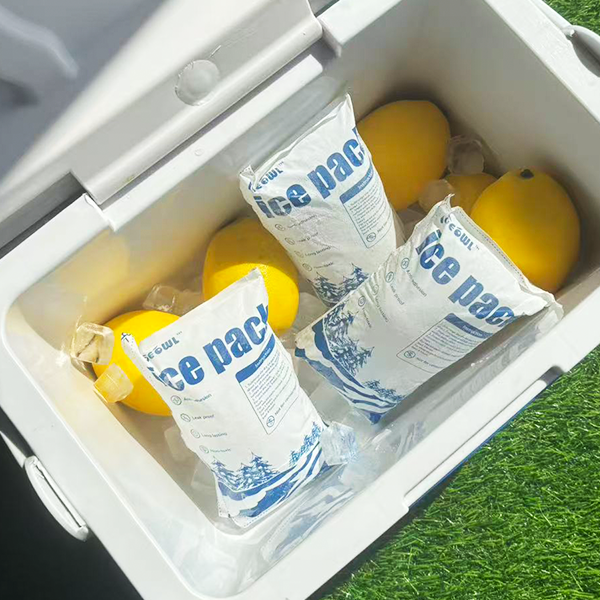
Kosten für Kühlboxlieferanten: Wie man wählt, Verifizieren, und skalieren Sie das richtige System
Für die meisten Beschaffungsteams, the search term cool box supplier cost hides four separate decisions: Produkt passt, Beweis, Lieferantenkontrolle, und Wirtschaft. Die getrennte Behandlung dieser Entscheidungen führt zu einer klareren Angebotsanfrage und einem sichereren Produktionsstart. Die Behandlung als eine Frage führt normalerweise zu vagen Vergleichen und einer späten Neugestaltung.
Das praktische Ziel besteht darin, ob ein niedrigeres Angebot echte Effizienz widerspiegelt, eine andere Spezifikation, unvollständige Dokumentation, schwächere Kontrollen, oder ausgeschlossene Kosten. Der folgende Entscheidungsrahmen stellt das nützlichste Produkt zusammen, technisch, Einhaltung, operativ, und Kaufüberlegungen, während alle Leistungsaussagen an die Bedingungen geknüpft sind, die sie tatsächlich unterstützen.
Aus einer vagen Anfrage eine testbare Spezifikation machen
Betrachten Sie diese typische Situation: Eine Handelsmarke zieht in eine billigere Fabrik, aber eine kleine Dimensionsabweichung verändert die Kartonbeladung und die Deckelkompression, Dadurch entstehen höhere Frachten und mehr Retouren. Die erste Antwort sollte nicht darin bestehen, eine Kataloggröße auszuwählen. Das Team sollte die Nutzlast messen, Erstellen Sie das vorgeschlagene Packout, die Route kartieren, und beobachten Sie, wie Benutzer heben, sicher, offen, sauber, und die Box zurückschicken. Dadurch entsteht eine gemeinsame Aufzeichnung der tatsächlichen Einschränkungen. Beim Produktionsstart, Bestätigen Sie, dass die Produktionskontrollen diesen Punkt für den Lieferanten-Kosten-Vergleich berücksichtigen.
Im nächsten Schritt, Der Käufer sollte statt eines langen Katalogs zwei oder drei kontrollierte Alternativen anfordern. Eine Option könnte einem geringeren Gewicht Vorrang einräumen, eine weitere wiederholte Haltbarkeit, und ein weiterer höherer Wärmewiderstand oder mehr nutzbares Volumen. Bei jeder Option sollte aufgeführt sein, was enthalten ist, Welche Beweise gibt es?, was noch getestet werden muss, und welche Betriebsänderungen es erfordert. Das Team kann dann Kompromisse vergleichen, anstatt über isolierte Funktionen zu streiten. Zur Lieferantenfreigabe, Überprüfen Sie den Punkt für den Lieferantenkostenvergleich mit der tatsächlichen Nutzlast.
Vervollständigen Sie die Sequenz durch ein technisches Beispiel, Packout-Testversion, Pilotproduktion, und formelle Freilassung. Für temperaturempfindliche Anwendungen, Bestätigen Sie die vollständige Paketierung unter einem entsprechenden Profil und legen Sie fest, wie Ausflüge abgewickelt werden. Zeichnen Sie Dimensionsmessungen auf und verarbeiten Sie Beobachtungen, nicht nur Fotos. Das Ergebnis ist eine beweis- und arbeitsablauforientierte Beschaffungsentscheidung, nicht auf ein Versprechen, das später nicht reproduziert werden kann. Beim Produktionsstart, Nehmen Sie diese Grenze in die Betriebsanweisung für den Lieferanten-Kosten-Vergleich auf.
Beginnen Sie mit der Ladung, Route, und Übergabepunkte
Die erste Spezifikation sollte die Betriebsaufgabe beschreiben: Verstehen Sie, wie die Leistungsfähigkeit des Lieferanten ist, Produktionsmethode, Qualitätskontrollen, und kommerzielle Bedingungen beeinflussen die tatsächlichen Kosten eines Kühlboxprogramms. Es sollte die Benutzer identifizieren, der Ladeort, der Empfangsort, die erwarteten Übergaben, und der Moment, in dem sich die Temperaturverantwortung ändert. Dies verhindert, dass die Fabrik Unbekannte mit Annahmen füllt. Es ermöglicht auch Operationen, Qualität, und Beschaffungsteams können die gleiche Anforderung überprüfen, anstatt separate informelle Versionen zu verwalten.
Die Definition der Nutzlast erfordert mehr Details als ein Gewicht oder ein Nennvolumen. Die geplante Ladung kann Lebensmittel enthalten, medizinisch, Verbraucher, oder industrielle Inhaltsstoffe, die die Isolierung bestimmen, Material, Zubehör, und Nachweispflichten. Notieren Sie die Abmessungen des Primärpakets, Orientierungsgrenzen, Anzahl der Einheiten, thermischer Zustand beim Verpacken, Kopfspace, fragile Bereiche, und ob die Last vom Kühlmittel getrennt bleiben muss. Ein ausreichend groß erscheinender Hohlraum kann bei enger Öffnung unbrauchbar werden, Ecken sind stark abgerundet, oder ein Korb und eine Trennwand nehmen die kritischen Abmessungen ein. Zur Lieferantenfreigabe, Platzieren Sie diese Anforderung für den Lieferanten-Kosten-Vergleich in der Wareneingangs-Checkliste.
Ebenso wichtig ist die Routenplanung. Zur Abholung im Werk, Exportversand, Händlerbestand, Einzelhandelsprogramme, und wiederverwendbare Logistikvorgänge, Beachten Sie die geplante Transitzeit, wahrscheinliche Verzögerung, Staging-Temperatur, direkte Sonne, Luftzirkulation im Fahrzeug, wiederholtes Öffnen, Übertragung zwischen Trägern, und Eingangskontrolle. Diese Eingaben allein führen nicht zu einer garantierten Haltezeit, Sie definieren jedoch die Bedingungen, die ein Lieferant oder ein Prüflabor reproduzieren muss. Ohne sie, Ein Angebot kann sich nur auf eine generische Box beziehen, kein verlässlicher Verteilungsprozess. Zur Lieferantenfreigabe, Geben Sie in der Lieferantenantwort die geltenden Bedingungen für den Lieferanten-Kosten-Vergleich an.
Verwandeln Sie eine Komponente nicht in ein universelles Leistungsversprechen
Die vom Lieferanten bereitgestellte Kühlbox bietet eine Barriere gegen den Wärmefluss und ein schützendes Gehäuse. Es erzeugt selbst keine kontrollierte Temperatur. Die passive Leistung hängt von der Isolierung ab, Kühlmitteltyp und Konditionierung, Kühlmittelmasse, Nutzlastmasse, Produktstarttemperatur, interne Anordnung, Umgebungsprofil, Öffnungsverhalten, und Akzeptanzkriterien. Eine Änderung an einem dieser Punkte kann sich auf die Ergebnisse auswirken, selbst wenn die äußere Box unverändert bleibt.
Diese Unterscheidung ist besonders wichtig für Lebensmittel, pharmazeutisch, Impfstoff, und klinische Studienanwendungen. Eine Materialdeklaration kann zeigen, dass ein Bauteil für eine vorgesehene Kontaktbedingung geeignet ist. Ein Strukturtest kann zeigen, dass ein Griff oder Schlitz einer definierten Belastung standhält. Ein thermischer Bericht kann zeigen, wie sich ein Packout unter einem Profil verhält. Eine Streckenqualifizierung kann dann die Betriebsspur beurteilen. Diese Dokumente beantworten unterschiedliche Fragen und sollten nicht untereinander ersetzt werden. In der endgültigen Entscheidung, Schützen Sie die Entscheidung für den Lieferanten-Kosten-Vergleich durch Änderungskontrolle.
Lassen Sie den Lieferanten jeden Leistungsanspruch bei seiner Konfiguration angeben. In der Erklärung sollten die Boxgröße und die Revision angegeben werden, Nutzlast, Kühlmittel, Konditionierung, Ladediagramm, Monitorposition, Umgebungsprofil, Dauer, und Akzeptanzbereich. Wenn der Lieferant diesen Kontext nicht bereitstellen kann, Betrachten Sie den Anspruch lediglich als Screening-Indikator. Ziel ist es nicht, für jedes Erstgespräch einen Laborbericht einzufordern, sondern um zu verhindern, dass eine nicht unterstützte Überschrift zu einer Kaufspezifikation wird. Beim Produktionsstart, Verbinden Sie diesen Punkt für den Lieferantenkostenvergleich mit einem messbaren Akzeptanzkriterium.
Von der Polymerqualität bis zur fertigen isolierten Baugruppe
Eine typische Isolierbox kann Harz- und Schaumstoffqualitäten kombinieren, Zusatzstoffe, Pigmente, Hardware, Dichtungen, Klebstoffe, and packaging materials whose specifications should be controlled. Die äußere Struktur schützt vor Stößen und bietet Befestigungspunkte. Die Isolierung verlangsamt die Leitung und Konvektion. Das Deckelgelenk, Abfluss, Umgang mit Chefs, Verbindungselemente, und Plattenkanten können Wärmebrücken oder Leckagepfade bilden. Aus diesem Grund, Ein Materialname allein sagt noch nichts über die Leistung aus. Zwei aus demselben Nennpolymer hergestellte Kästen können sich aufgrund der Wandstärke unterschiedlich verhalten, Schaumqualität, Geometrie, und Montage. Beim Produktionsstart, Bestätigen Sie, dass die Produktionskontrollen diesen Punkt für den Lieferanten-Kosten-Vergleich berücksichtigen.
Gemeinsame Optionen bringen unterschiedliche Kompromisse mit sich. Harte Polymerschalen können reinigbar und langlebig sein, Sie erhöhen jedoch das Gewicht und erfordern eine kontrollierte Formung. EPP kann ein Leichtgewicht sein, belastbare Struktur für wiederholte Handhabung, während freiliegende Schaumstoffoberflächen möglicherweise eine sorgfältige Hygiene- und Schadensprüfung erfordern. EPS kann für den geschützten Einweggebrauch kostengünstig sein, kann jedoch bei wiederholter grober Handhabung abplatzen. PU-Schaum kann innerhalb einer Schale für eine starre Isolierung sorgen. Vakuumisolierte Paneele können die Wärmeübertragung über große Flächen reduzieren, aber Randeffekte, Pannenschutz, und Fertigungskontrolle werden von entscheidender Bedeutung. Vor der endgültigen Veröffentlichung, Überprüfen Sie diesen Punkt für den Vergleich der Lieferantenkosten mit Betrieb und Qualität.
Die Materialspezifikation sollte die beabsichtigten Risiken identifizieren: Zeichnungskontrolle, zugelassene Lieferanten, Eingangskontrolle, Prozessparameter, letzte Kontrollen, goldene Proben, Chargenprotokolle, und Benachrichtigung über Änderungen. Es sollte die Qualität des Basisharzes oder -schaums steuern, Pigmente, Zusatzstoffe, Dichtungsmaterial, Klebstoffe, Hardware, und jegliche Innenbeschichtung oder Beschriftung. Wenn Auswechslungen erlaubt sind, Definieren Sie den Genehmigungsnachweis. Ansonsten, Eine Produktionsänderung, die kommerziell unbedeutend erscheint, kann den Lebensmittelkontaktstatus verändern, Geruch, Flexibilität, Wärmeleitfähigkeit, fit, oder langfristige Haltbarkeit.
Erstellen Sie eine Beweiskarte, anstatt Abzeichen zu sammeln
Der entsprechende Nachweis hängt von Erklärungen ab, Testberichte, Qualitätssystemdokumente, Marktanforderungen, und produktspezifische Qualifizierungsunterstützung, die im Sourcing-Paket gefordert wird. In den Vereinigten Staaten, Der Lebensmittelkontaktstatus ist an zugelassene Stoffe und die vorgesehenen Verwendungsbedingungen gebunden, einschließlich Lebensmittelart und Temperatur. In der Europäischen Union, Lebensmittelkontaktmaterialien, die in Verkehr gebracht werden, fallen unter die Rahmenverordnung und die Anforderungen der guten Herstellungspraxis, mit zusätzlichen Regelungen für bestimmte Materialgruppen. A generic declaration that a plastic is 'Lebensmittelqualität' is therefore only a starting point. Vor der endgültigen Veröffentlichung, Platzieren Sie diese Anforderung für den Lieferanten-Kosten-Vergleich in der Wareneingangs-Checkliste.
Medizinische und pharmazeutische Anwendungen fügen eine weitere Ebene hinzu. Produktkennzeichnung und Sponsor- oder Qualitätsverfahren definieren den erforderlichen Zustand. BIP, GCP, Impfberatung, Luftfrachtregeln, Je nach Sendung können nationale oder nationale Programmvorgaben gelten. Die Box ist nicht nur deshalb konform, weil ihr Polymer für den Kontakt mit Lebensmitteln geeignet ist oder weil sie wiederverwendbar ist. Für den gesamten Vorgang sind möglicherweise qualifizierte Verpackungsanweisungen erforderlich, kalibrierte Überwachung, Abweichungsbehandlung, Ausbildung, und dokumentierte Produktkette. Vor der endgültigen Veröffentlichung, Platzieren Sie diese Anforderung für den Lieferanten-Kosten-Vergleich in der Wareneingangs-Checkliste.
Erstellen Sie eine Beweiskarte mit vier Spalten: beanspruchen, Objekt, Zustand, und Dokument. Betrachten Sie diesen Fall: Ein Materialanspruch bezieht sich auf ein benanntes Harz und einen beabsichtigten Verwendungszweck; Ein Strukturanspruch gehört zu einem fertigen Design und einer Lastmethode; Ein thermischer Anspruch gehört zu einer vollständigen Konfiguration und einem vollständigen Profil; Ein Routenanspruch gehört zu einer Betriebsspur. Diese Karte deckt Lücken auf und verhindert, dass ein Zertifikat über seinen Geltungsbereich hinaus ausgedehnt wird. Zur Lieferantenfreigabe, Erfassen Sie diesen Punkt für den Lieferanten-Kosten-Vergleich als kontrollierte Anforderung.
Empfang, Reinigung, Inspektion, und Rückgabe sind Produktanforderungen
Eine Kiste bewegt sich durch Menschen und Orte, nicht nur durch eine Wärmekammer. Der Betriebsplan sollte die Vorkonditionierung abdecken, Verpackung, Schließung, Beschriftung, Aktivierung überwachen, aushändigen, Empfang, Entladung, Reinigung, Trocknen, Inspektion, Lagerung, und zurück. Zur Abholung im Werk, Exportversand, Händlerbestand, Einzelhandelsprogramme, und wiederverwendbare Logistikvorgänge, Das größte Risiko besteht möglicherweise eher in einer Laderampe oder einer fehlgeschlagenen Lieferung als in der geplanten Fahrzeugzeit. In der endgültigen Entscheidung, Überprüfen Sie den Punkt für den Lieferantenkostenvergleich mit der tatsächlichen Nutzlast.
Anweisungen sollten visuell und konfigurationsspezifisch sein. Kühlmittelposition anzeigen, Produktorientierung, Platzierung der Teiler, Standort überwachen, Abschlusssequenz, und Ablehnungskriterien. Verwenden Sie Etiketten, die der Reinigungs- und Routenumgebung standhalten. Wenn der Kasten Abflüsse hat, Riemen, Räder, austauschbare Dichtungen, oder Seilgriffe, Prüfpunkte für diese Komponenten einschließen. Die Komplexität sollte nach Möglichkeit reduziert werden, da sich gelegentliche Benutzer lange Vorgänge nicht merken können. Vor der endgültigen Veröffentlichung, Überprüfen Sie diesen Punkt anhand repräsentativer Einheiten, die für den Lieferanten-Kosten-Vergleich verwendet werden.
Empfangende Teams benötigen einen Entscheidungsweg. Sie sollten wissen, wie man das Siegel prüft, Lesen Sie den Monitor, Schäden erkennen, einen Ausflug aufzeichnen, die Nutzlast unter Quarantäne stellen, und wenden Sie sich an den zuständigen Qualitätsbeauftragten. Zurückgegebene Kartons sollten nicht automatisch wieder in die saubere Flotte aufgenommen werden. Ein einfacher Quarantäne- und Inspektionsschritt verhindert rissige Schalen, fehlende Stecker, verschmutzte Griffe, oder ein Kühlmittelwechsel führt zu einer stillschweigenden Schwächung des Systems. Zur Lieferantenfreigabe, Bestätigen Sie, dass die Produktionskontrollen diesen Punkt für den Lieferanten-Kosten-Vergleich berücksichtigen.
Was vor der Bestellung klar sein muss
| Tor | Frage | Beweise freigeben |
|---|---|---|
| Anwendungsfall-Gate | Ist die Nutzlast, Route, Zustand, und Abwicklungsprozess definiert? | Genehmigte Benutzeranforderung |
| Tor montieren | Passt die endgültige Verpackung mit sicherem Anheben und Verschließen?? | Verpackungszeichnung und gemessenes Muster |
| Beweistor | Sind Ansprüche an das richtige Material gebunden?, Kasten, Auspacken, oder Spur? | Beweiskarte und Testberichte |
| Qualitätstor | Kann die Produktion die genehmigte Konfiguration reproduzieren?? | Überprüfung und Inspektionsplan für Pilotlose |
| Kostentor | Es handelt sich um Angebote, die auf den gleichen Umfang und die gleiche Lieferbasis normiert sind? | Anschaffungs- und Lebenszykluskostenmodell |
| Einsatztor | Können Benutzer packen?, erhalten, sauber, überprüfen, und schicke es korrekt zurück? | Kontrollierte Anweisungen und Trainingsplan |
| Tor wechseln | Müssen Auswechslungen überprüft werden?? | Stückliste und Änderungskontrollvereinbarung |
| Bewerbungsportal | Ob ein niedrigeres Angebot echte Effizienz widerspiegelt, eine andere Spezifikation, unvollständige Dokumentation, schwächere Kontrollen, oder ausgeschlossene Kosten | Unterzeichnete Anforderung und Liste ungelöster Annahmen |
Der Vergleich wird nützlicher, wenn er gemeinsam von der Beschaffung überprüft wird, Operationen, Maschinenbau, und Qualität. Es wandelt allgemeine Präferenzen in überprüfbare Beweise um und deckt fehlende Annahmen vor der Preisverhandlung auf. Nicht jedes Projekt benötigt die gleiche Tiefe, Aber jeder kritische Anspruch sollte einen Eigentümer und eine definierte Möglichkeit haben, ihn zu überprüfen. Zur Lieferantenfreigabe, Weisen Sie einen Eigentümer und eine Akzeptanzmethode für den Lieferanten-Kosten-Vergleich zu.
Normalisieren Sie Angebote vor der Verhandlung
Die Kostenstruktur umfasst die Gemeinkosten der Fabrik, Werkzeuge, Materialausbeute, Zykluszeit, Arbeit, Montage, Schrott, Inspektion, Bestellmenge, Anpassung, Verpackung, Zahlung, und Fracht. Anbieter können sehr unterschiedliche Preise angeben, obwohl alle scheinbar die gleiche Größe anbieten. Unterschiede können durch die Dämmstärke bedingt sein, Materialqualität, Verfahren, Hardware, Inspektion, Verpackung, oder einfach aus ausgeschlossenen Artikeln. Für einen fairen Vergleich sind ein Konfigurationsblatt und eine kommerzielle Vergleichstabelle erforderlich. Zur Lieferantenfreigabe, Bestätigen Sie, dass die Produktionskontrollen diesen Punkt für den Lieferanten-Kosten-Vergleich berücksichtigen.
Trennen Sie einmalige Kosten von wiederkehrenden Kosten. Einheitenbau, Zubehör, Inspektion, Kartons, und Fracht wiederkehren. Werkzeuge, Formen, Kunstwerk, Maschinenbau, und einige Tests können einmalig oder amortisiert sein. Dann trennen Sie die Anschaffungskosten von den Betriebskosten: Konditionierungskühlmittel, Waschen, Trocknen, Lagerung, Vermögensverfolgung, Rücktransport, Schaden, reparieren, und Ersatz. Die beste Messgröße sind möglicherweise die Kosten pro erfolgreicher Route anstelle des Kaufpreises pro Box.
Der Transport von Gütern verdient frühzeitige Aufmerksamkeit, da Isolierboxen sperrig sein können. Außenmaße, Verschachtelung, Zusammenklappbarkeit, Kartonmenge, Palettenmuster, und die Containerbeladung kann die Gesamtkosten um mehr als einen kleinen Unterschied zum Fabrikpreis verändern. Bitten Sie Lieferanten, die gleichen Lieferbedingungen und Verpackungskonfigurationen anzugeben. Wenn Mehrwegboxen leer zurückkommen, Der umgekehrte Würfel und die Handhabungsarbeit sollten ebenfalls in das Modell einfließen. Zur Lieferantenfreigabe, Geben Sie in der Lieferantenantwort die geltenden Bedingungen für den Lieferanten-Kosten-Vergleich an.
So nehmen Sie einen Hersteller in die engere Auswahl, ohne zu raten
Die zentrale Lieferantenfrage ist, ob ein niedrigeres Angebot echte Effizienz widerspiegelt, eine andere Spezifikation, unvollständige Dokumentation, schwächere Kontrollen, oder ausgeschlossene Kosten. Ein seriöser Hersteller sollte in der Lage sein, diese Anforderung in Zeichnungen umzusetzen, Materialdefinitionen, Inspektionspunkte, und ein Testplan. Das Gespräch sollte von allgemeinen Behauptungen zu kontrollierten Details übergehen. Fragen Sie, wem die Form gehört, welche Vorgänge intern durchgeführt werden, wie kritische Komponentenlieferanten zugelassen werden, und wie die Stückliste gepflegt wird. Ein umfassender Katalog kann hilfreich sein, aber es ist kein Beweis für die Prozesskontrolle. In der endgültigen Entscheidung, Lösen Sie diesen Punkt für den Lieferanten-Kosten-Vergleich vor der thermischen Qualifizierung.
Verwenden Sie mehr als ein Sample-Gate. Ein überarbeitetes technisches Muster bestätigt Materialien, Beschläge, Etiketten, und Packout-Passform. Das erste Muster bestätigt grundlegende Abmessungen und Ergonomie. Ein Pilotlos prüft Produktionswerkzeuge, Montage, Inspektion, Verpackung, und Variation über mehrere Einheiten hinweg. Das genehmigte goldene Muster lässt sich am besten mit Zeichnungen und messbaren Akzeptanzkriterien verbinden. Die Genehmigung eines speziell vorbereiteten Musters ohne diese Brücke ist eine häufige Quelle für Überraschungen bei der Massenproduktion. Zur Lieferantenfreigabe, Verknüpfen Sie diese Entscheidung für den Lieferantenkostenvergleich mit der genehmigten Zeichnung und Verpackung.
Die Qualitätsprüfung sollte sich auf die Zeichnungskontrolle konzentrieren, zugelassene Lieferanten, Eingangskontrolle, Prozessparameter, letzte Kontrollen, goldene Proben, Chargenprotokolle, und Benachrichtigung über Änderungen. Fragen Sie, wie fehlerhafte Einheiten identifiziert werden, ob Messungen aufgezeichnet werden, wie Beschwerden untersucht werden, und wie technische Änderungen kommuniziert werden. Für Programme mit hoher Kontrolle, Für Auswechslungen ist eine vorherige Genehmigung erforderlich. Für den Verbrauchergebrauch mit geringerem Risiko, Das System kann einfacher sein, aber kritische Dimensionen, Materialien, und Sicherheitsmerkmale benötigen weiterhin objektive Akzeptanzkriterien. In der endgültigen Entscheidung, Platzieren Sie diese Anforderung für den Lieferanten-Kosten-Vergleich in der Wareneingangs-Checkliste.
Beschaffungshinweise für die Abschlussprüfung
Für diese vom Lieferanten bereitgestellte Kühlbox, Die folgenden Fragen sind wertvoller als die Frage, ob der Lieferant zuverlässig ist. Sie drängen die Diskussion auf den Verwendungszweck, messbare Spezifikationen, und Beweise.
- Freigabefrage: Von welchem Produktionsprozess und Formenbesitzmodell geht das Angebot aus??
- Freigabefrage: Sind Materialqualitäten und kritische Komponentenlieferanten festgelegt??
- Freigabefrage: Welche Prüfgegenstände und Stichprobenumfang sind enthalten??
- Freigabefrage: Wie sind die Farben?, Logo, Verpackung, und Etikettenänderungen preislich?
- Freigabefrage: Welche Dokumentation, Testen, und Beispielrevisionen sind enthalten?
- Freigabefrage: Wie wird der Lieferant Material- oder Prozessänderungen mitteilen und genehmigen??
Eine vollständige Antwort kann eine Zeichnung sein, Tisch, Probe, Testplan, oder dokumentierte Einschränkung. Ein Lieferant muss nicht jeden Abschlussbericht vor der frühen Entwicklung haben, aber es sollte in der Lage sein, anzugeben, was bekannt ist, was angenommen wird, was kann angepasst werden, und was muss getestet werden. Diese Transparenz ist ein besseres Risikosignal als eine lange Liste nicht unterstützter Zertifizierungen. Vor der endgültigen Veröffentlichung, Verknüpfen Sie diese Entscheidung für den Lieferantenkostenvergleich mit der genehmigten Zeichnung und Verpackung.
Material messen, Fracht, Reinigung, und Lebensdauer gemeinsam
Die relevante Nachhaltigkeitsfrage ist die Fähigkeit des Lieferanten, Ersatzteile bereitzustellen, stabile Materialien, Reparaturanleitung, und konsistente Ersatzeinheiten während der gesamten Programmlaufzeit. Auf einer verteilten Fahrspur, wo die Rücklaufquoten gering sind, kann ein leichtes Einbahnsystem vorzuziehen sein. Eine wiederverwendbare Box kann den Verpackungsverbrauch in einem stabilen geschlossenen Kreislauf reduzieren, aber es erfordert auch mehr Material, Reinigung, Lagerung, und Rücktransport. Die Auswahl sollte anhand des Betriebsnetzwerks und nicht anhand eines einzelnen Marketingmerkmals getroffen werden.
Die richtige Dimensionierung ist oft die schnellste Verbesserung. Überschüssiges Volumen vergrößert die Isolationsfläche, Kühlmittelbedarf, Frachtwürfel, und Lagerfläche. Überdimensionierte Hardware erhöht die Masse. Unterbaute Produkte fallen frühzeitig aus und erzeugen Ersatzabfall. Ein gutes Design verwendet genügend Material an den richtigen Stellen, schützt austauschbare Verschleißteile, und ermöglicht eine Inspektion, bevor ein beschädigtes Gerät wieder in Betrieb genommen wird. In der endgültigen Entscheidung, Testen Sie diese Annahme für den Lieferantenkostenvergleich mit der geplanten Route.
Verfolgen Sie eine kleine Reihe praktischer Indikatoren: Rücklaufquote, Fahrten pro Anlage, Schadensgrund, Waschzeit, Trocknungszeit, verlorene Komponenten, Leerer Rückgabewürfel, und Ruhestandsroute. Diese Daten zeigen, ob sich das System verbessert. Nachhaltigkeitsaussagen sollten bei Änderungen der Route aktualisiert werden. Ein Karton, der für fünfzig kontrollierte lokale Fahrten verwendet wird, hat eine andere Grundfläche als derselbe Karton, der einmal über eine internationale Route transportiert und nie zurückgegeben wurde. Vor der endgültigen Veröffentlichung, Bestätigen Sie, dass die Produktionskontrollen diesen Punkt für den Lieferanten-Kosten-Vergleich berücksichtigen.
Warnsignale, die Sie vor dem Kauf erkennen sollten
Die folgenden Punkte sollten vor der Werkzeugherstellung oder Massenproduktion überprüft werden. Jeder einzelne davon kann zu vermeidbarer Nacharbeit führen, wenn er bei der Lieferantenauswahl ungelöst bleibt. Vor der endgültigen Veröffentlichung, Bestätigen Sie vor dem Kauf den Nachweisumfang für den Lieferanten-Kosten-Vergleich.
- Blocker freigeben: Verwendung eines Einheitenangebots ohne Spezifikationsrevisionsnummer.
- Blocker freigeben: unter der Annahme, dass alle Fabriken die gleiche Materialqualität angeben.
- Blocker freigeben: mit Blick auf Probe, Werkzeuge, Testen, Verpackung, und Bankgebühren.
- Blocker freigeben: Eine niedrigere Mindestbestellmenge wird als kostenlose Flexibilität behandelt.
- Blocker freigeben: Versäumnis, die Fähigkeit zur Änderungskontrolle und Rückverfolgbarkeit zu prüfen.
Nicht jedes Anliegen ist disqualifizierend, aber jeder braucht einen Abschluss. Es sollte eine konkrete Aufklärung auslösen, Stichprobenprüfung, oder Beweisanfrage. Ziel ist es, Unsicherheiten zu beseitigen, während Änderungen noch kostengünstig sind. Ein Lieferant, der mit Zeichnungen antwortet, Bedingungen, und Korrekturmaßnahmen sind nützlicher als eine, die eine allgemeine Behauptung wiederholt.
Wartungs- und Ersatzteilplanung
Neue Produktionseinheiten benötigen eine dokumentierte Eingangskontrolle, nicht nur ein optischer Blick. Bestätigen Sie kritische Innenmaße, Deckelverschluss, Hardware, Etiketten, Zubehör, und Verpackung entsprechend der genehmigten Spezifikation. Wählen Sie mehrere Einheiten aus verschiedenen Kartons aus. Zeichnen Sie Ergebnisse auf, damit spätere Reklamationen mit der Originalcharge und nicht mit dem Speicher oder einer einzelnen Probe verglichen werden können. Zur Lieferantenfreigabe, Nehmen Sie diese Grenze in die Betriebsanweisung für den Lieferanten-Kosten-Vergleich auf.
Legen Sie vor der Verwendung Schadens- und Quarantänekriterien fest. Einige Artikel können mit kontrollierten Teilen repariert werden; andere sollten in den Ruhestand gehen. Risse, deformierte Dichtungen, fehlende Stecker, ausgefranste Griffe, lose Anker, kontaminierte Oberflächen, Durchstochene Platten, oder nicht zugelassenes Kühlmittel sollte eine Quarantäne auslösen. Eine klare Regelung verhindert, dass Nutzer eine sichtbar beschädigte Box weiterbenutzen, nur weil sie noch schließt.
Bewahren Sie eine Änderungshistorie für das Material auf, Anbieter, Schimmel, Verfahren, Abmessungen, Etiketten, Verpackung, und Auspacken. Überprüfen Sie, ob sich jede Änderung auf den Kontaktstatus auswirkt, thermischer Beweis, Strukturprüfungen, Fracht, Reinigung, oder Benutzeranweisungen. Diese Disziplin ist nicht auf regulierte Programme beschränkt. Es schützt jeden Käufer vor einer allmählichen Konfigurationsabweichung bei wiederholten Bestellungen. In der endgültigen Entscheidung, Bestätigen Sie, dass die Produktionskontrollen diesen Punkt für den Lieferanten-Kosten-Vergleich berücksichtigen.
Praktische Antworten für Beschaffung und Betrieb
Ist eine vom Lieferanten bereitgestellte Kühlbox ausreichend, um die Temperatur zu kontrollieren??
NEIN. Die isolierte Einheit verlangsamt die Wärmeübertragung, aber das Gesamtergebnis hängt vom Kühlmittel ab, Nutzlast, Starttemperatur, Lademuster, Umgebungseinflüsse, Handhabung, und Überwachung. Jede angegebene Dauer sollte die getestete Konfiguration und die Akzeptanzkriterien angeben. Für regulierte oder hochwertige Produkte, Möglicherweise ist eine zusätzliche Packout- oder Lane-Qualifizierung erforderlich. Beim Produktionsstart, Bestätigen Sie, dass die Produktionskontrollen diesen Punkt für den Lieferanten-Kosten-Vergleich berücksichtigen.
Warum weichen die Angebote für ähnliche Kühlboxen so stark voneinander ab??
Die Produkte sind möglicherweise nicht gleichwertig. Materialqualität, Isolierung, Innenmaße, Hardware, Werkzeuge, Inspektion, Anpassung, Unterlagen, Exportverpackung, und kommerzielle Bedingungen können alle unterschiedlich sein. Normalisieren Sie die technische Konfiguration und die Lieferbasis, bevor Sie die Stückpreise vergleichen. Beim Produktionsstart, Platzieren Sie diese Anforderung für den Lieferanten-Kosten-Vergleich in der Wareneingangs-Checkliste.
Kann für jede Route ein Labor-Haltezeitergebnis verwendet werden??
Nicht ohne eine Bedingungs-für-Bedingungs-Überprüfung. Für das getestete Umgebungsprofil gilt ein Laborergebnis, Nutzlast, Kühlmittel, Positionen überwachen, und Akzeptanzbereich. Es kann die Routenplanung unterstützen, aber erhebliche Unterschiede in der Verzögerung, direkte Sonne, Öffnungshäufigkeit, Fahrzeugbedingungen, oder Nutzlast erfordern möglicherweise eine weitere Beurteilung oder Qualifizierung. Vor der endgültigen Veröffentlichung, Platzieren Sie diese Anforderung für den Lieferanten-Kosten-Vergleich in der Wareneingangs-Checkliste.
Was ist der beste Erstmustertest??
Stellen Sie zunächst sicher, dass die Konfiguration ordnungsgemäß gepackt und verarbeitet werden kann. Laden Sie die tatsächliche Nutzlast, Kühlmittel, Teiler, Monitor, Etiketten, und Zubehör. Verschluss prüfen, Heben, Zugang, Reinigung, und Packzeit. Sobald die physische Konfiguration stabil ist, Thermische und strukturelle Tests werden aussagekräftiger und die Wahrscheinlichkeit einer Wiederholung nach einer Designänderung ist geringer. In der endgültigen Entscheidung, Überprüfen Sie diesen Punkt anhand repräsentativer Einheiten, die für den Lieferanten-Kosten-Vergleich verwendet werden.
Wie sollten Einkäufer mit Produktionsänderungen umgehen??
Verwenden Sie die genehmigte Stückliste, um die kritischen Materialien zu sperren, Abmessungen, und Teile. Fordern Sie den Lieferanten auf, Änderungen vor der Implementierung mitzuteilen und Nachweise zur Überprüfung vorzulegen. Änderungen an der Isolierung, Kühlmittel, Dichtungen, Pigmente, Etiketten, Griffe, oder der Herstellungsprozess können die Passform beeinflussen, Kontaktstatus, Haltbarkeit, oder qualifizierte Leistung. Zur Lieferantenfreigabe, Testen Sie diese Annahme für den Lieferantenkostenvergleich mit der geplanten Route.
Endgültige Kaufperspektive
Die endgültige Auswahl der Kühlboxlieferantenkosten sollte sechs Tests bestehen: Anwendungsfall passend, nutzbare Kapazität, Beweis, Produktionskonsistenz, einfache Bedienung, und Gesamtkosten. Ein Lieferant, der Annahmen angibt, Einschränkungen für Dokumente, und die Pilotverifizierung unterstützt, ist wertvoller als eine, die universelle Ansprüche bietet. Geben Sie den Auftrag erst frei, wenn die Konfiguration und die Verantwortlichkeiten klar genug sind, dass eine Wiederholung möglich ist.
Über Tempk
Shanghai Tempk Industrial Co., Ltd. supplies cold-chain packaging under the Tempk brand. Das Portfolio umfasst gel- und wasserbasierte Packungen, Eisziegel, Isoliertaschen, EPP-Isolierboxen, medizinische Kühlformate, Liner, und Palettenabdeckungen. Für individuelle oder große Eisbox-Programme, Tempk kann das beabsichtigte Produkt bewerten, Temperaturzustand, Route, Handhabung, Reinigung, und kommerzielles Volumen. Käufer sollten die endgültige Konfiguration dennoch für ihre eigenen Anwendungs- und Marktanforderungen qualifizieren. In der endgültigen Entscheidung, Überprüfen Sie diesen Punkt anhand repräsentativer Einheiten, die für den Lieferanten-Kosten-Vergleich verwendet werden.
Nächster Schritt
Vor der endgültigen Lieferantenauswahl, Bereitstellung einer kontrollierten Spezifikation, Vorhersage, Ziel, Anpassungsliste, und erforderliche Dokumente, damit Tempk die Kostenstruktur hinter einem Lieferantenangebot erläutern kann.
Kühlketten-Eisbox zum Großhandelspreis: Vollständiges Käufer-Framework

Kühlketten-Eisbox zum Großhandelspreis: Wie man wählt, Verifizieren, und skalieren Sie das richtige System
Für die meisten Käufer, Hinter dem Suchbegriff Kühlkette-Eisbox Großhandelspreis verbergen sich vier separate Entscheidungen: Produkt passt, Beweis, Lieferantenkontrolle, und Wirtschaft. Die getrennte Behandlung dieser Entscheidungen führt zu einer klareren Angebotsanfrage und einem sichereren Produktionsstart. Die Behandlung als eine Frage führt normalerweise zu vagen Vergleichen und einer späten Neugestaltung.
Das praktische Ziel besteht darin, Angebote auf gleicher technischer und kommerzieller Basis zu vergleichen, anstatt den niedrigsten Stückpreis als niedrigste Betriebskosten zu betrachten. Der folgende Entscheidungsrahmen stellt das nützlichste Produkt zusammen, technisch, Einhaltung, operativ, und Kaufüberlegungen, während alle Leistungsaussagen an die Bedingungen geknüpft sind, die sie tatsächlich unterstützen.
Aus einer vagen Anfrage eine testbare Spezifikation machen
Betrachten Sie diese typische Situation: zwei Lieferanten geben die gleiche Nenngröße an, aber eines beinhaltet eine dickere isolierte Wand, Einbauteiler, getestete Packout-Unterstützung, and denser export packaging while the other quotes a bare box. Das Team sollte die Nutzlast messen, Erstellen Sie das vorgeschlagene Packout, die Route kartieren, und beobachten Sie, wie Benutzer heben, sicher, offen, sauber, und die Box zurückschicken. Die erste Antwort sollte nicht darin bestehen, eine Kataloggröße auszuwählen. Dadurch entsteht eine gemeinsame Aufzeichnung der tatsächlichen Einschränkungen.
Nächste, Der Käufer sollte statt eines langen Katalogs zwei oder drei kontrollierte Alternativen anfordern. Eine Option könnte einem geringeren Gewicht Vorrang einräumen, eine weitere wiederholte Haltbarkeit, und ein weiterer höherer Wärmewiderstand oder mehr nutzbares Volumen. Bei jeder Option sollte aufgeführt sein, was enthalten ist, Welche Beweise gibt es?, was noch getestet werden muss, und welche Betriebsänderungen es erfordert. Das Team kann dann Kompromisse vergleichen, anstatt über isolierte Funktionen zu streiten. Beim Produktionsstart, resolve this point for the wholesale ice-box quotation before thermal qualification.
Vervollständigen Sie die Sequenz durch ein technisches Beispiel, Packout-Testversion, Pilotproduktion, und formelle Freilassung. Zeichnen Sie Dimensionsmessungen auf und verarbeiten Sie Beobachtungen, nicht nur Fotos. Für temperaturempfindliche Anwendungen, Bestätigen Sie die vollständige Paketierung unter einem entsprechenden Profil und legen Sie fest, wie Ausflüge abgewickelt werden. Das Ergebnis ist eine beweis- und arbeitsablauforientierte Beschaffungsentscheidung, nicht auf ein Versprechen, das später nicht reproduziert werden kann. Beim Produktionsstart, state the applicable conditions for the wholesale ice-box quotation in the supplier response.
Beginnen Sie mit der Ladung, Route, und Übergabepunkte
Die erste Spezifikation sollte die Betriebsaufgabe beschreiben: buy a repeatable insulated container configuration at a commercially workable landed cost without stripping out the features or evidence needed for the route. Es sollte die Benutzer identifizieren, der Ladeort, der Empfangsort, die erwarteten Übergaben, und der Moment, in dem sich die Temperaturverantwortung ändert. Dies verhindert, dass der Lieferant Unbekannte mit Annahmen füllt. Es ermöglicht auch Operationen, Qualität, und Beschaffungsteams, die gleiche Anforderung zu überprüfen, anstatt separate informelle Versionen zu verwalten.
Die Definition der Nutzlast erfordert mehr Details als ein Gewicht oder ein Nennvolumen. Die geplante Ladung kann Lebensmittel enthalten, pharmazeutisch, Gesundheitspflege, Labor, or general temperature-sensitive loads whose packout requirements change material and accessory choices. Notieren Sie die Abmessungen des Primärpakets, Orientierungsgrenzen, Anzahl der Einheiten, thermischer Zustand beim Verpacken, Kopfspace, fragile Bereiche, und ob die Last vom Kühlmittel getrennt bleiben muss. Ein ausreichend groß erscheinender Hohlraum kann bei enger Öffnung unbrauchbar werden, Ecken sind stark abgerundet, oder ein Korb und eine Trennwand nehmen die kritischen Abmessungen ein. Vor der endgültigen Veröffentlichung, assign an owner and acceptance method for the wholesale ice-box quotation.
Ebenso wichtig ist die Routenplanung. Für den Inlandsvertrieb, export programs, distributor resale, private-label projects, and reusable fleets where reverse logistics affects economics, Beachten Sie die geplante Transitzeit, wahrscheinliche Verzögerung, Staging-Temperatur, direkte Sonne, Luftzirkulation im Fahrzeug, wiederholtes Öffnen, Übertragung zwischen Trägern, und Eingangskontrolle. Diese Eingaben allein führen nicht zu einer garantierten Haltezeit, Sie definieren jedoch die Bedingungen, die ein Lieferant oder ein Prüflabor reproduzieren muss. Ohne sie, Ein Angebot kann sich nur auf eine generische Box beziehen, kein verlässlicher Verteilungsprozess. Beim Produktionsstart, assign an owner and acceptance method for the wholesale ice-box quotation.
Verwandeln Sie eine Komponente nicht in ein universelles Leistungsversprechen
The wholesale cold-chain ice box provides a barrier to heat flow and a protective enclosure. Es erzeugt selbst keine kontrollierte Temperatur. Die passive Leistung hängt von der Isolierung ab, Kühlmitteltyp und Konditionierung, Kühlmittelmasse, Nutzlastmasse, Produktstarttemperatur, interne Anordnung, Umgebungsprofil, Öffnungsverhalten, und Akzeptanzkriterien. Eine Änderung an einem dieser Punkte kann sich auf die Ergebnisse auswirken, selbst wenn die äußere Box unverändert bleibt. In der endgültigen Entscheidung, link this decision for the wholesale ice-box quotation to the approved drawing and packout.
Dieser Umfangsunterschied ist besonders wichtig für Lebensmittel, pharmazeutisch, Impfstoff, und klinische Studienanwendungen. Eine Materialdeklaration kann zeigen, dass ein Bauteil für eine vorgesehene Kontaktbedingung geeignet ist. Ein Strukturtest kann zeigen, dass ein Griff oder Schlitz einer definierten Belastung standhält. Ein thermischer Bericht kann zeigen, wie sich ein Packout unter einem Profil verhält. Eine Streckenqualifizierung kann dann die Betriebsspur beurteilen. Diese Dokumente beantworten unterschiedliche Fragen und sollten nicht untereinander ersetzt werden. In der endgültigen Entscheidung, include this limit in the operating instruction for the wholesale ice-box quotation.
Bitten Sie das Werk, alle Leistungsansprüche bei der Konfiguration anzugeben. Wenn der Lieferant diesen Kontext nicht bereitstellen kann, Betrachten Sie den Anspruch lediglich als Screening-Indikator. In der Erklärung sollten die Boxgröße und die Revision angegeben werden, Nutzlast, Kühlmittel, Konditionierung, Ladediagramm, Monitorposition, Umgebungsprofil, Dauer, und Akzeptanzbereich. Das Entscheidungsziel besteht nicht darin, für jedes Erstgespräch einen Laborbericht einzufordern, sondern um zu verhindern, dass eine nicht unterstützte Überschrift zu einer Kaufspezifikation wird.
Von der Polymerqualität bis zur fertigen isolierten Baugruppe
A typical insulated box can combine different shell, Schaum, Panel, and hardware combinations that affect tooling, Arbeit, Haltbarkeit, Gewicht, und thermische Leistung. Die äußere Struktur schützt vor Stößen und bietet Befestigungspunkte. Die Isolierung verlangsamt die Leitung und Konvektion. Das Deckelgelenk, Abfluss, Umgang mit Chefs, Verbindungselemente, und Plattenkanten können Wärmebrücken oder Leckagepfade bilden. Aus diesem Grund, Ein Materialname allein sagt noch nichts über die Leistung aus. Zwei aus demselben Nennpolymer hergestellte Kästen können sich aufgrund der Wandstärke unterschiedlich verhalten, Schaumqualität, Geometrie, und Montage. Vor der endgültigen Veröffentlichung, protect the decision for the wholesale ice-box quotation through change control.
Gemeinsame Optionen bringen unterschiedliche Kompromisse mit sich. Harte Polymerschalen können reinigbar und langlebig sein, Sie erhöhen jedoch das Gewicht und erfordern eine kontrollierte Formung. EPP kann ein Leichtgewicht sein, belastbare Struktur für wiederholte Handhabung, während freiliegende Schaumstoffoberflächen möglicherweise eine sorgfältige Hygiene- und Schadensprüfung erfordern. EPS kann für den geschützten Einweggebrauch kostengünstig sein, kann jedoch bei wiederholter grober Handhabung abplatzen. PU-Schaum kann innerhalb einer Schale für eine starre Isolierung sorgen. Vakuumisolierte Paneele können die Wärmeübertragung über große Flächen reduzieren, aber Randeffekte, Pannenschutz, und Fertigungskontrolle werden von entscheidender Bedeutung. Beim Produktionsstart, place this requirement for the wholesale ice-box quotation in the receiving checklist.
The material specification needs to specify the intended risks: approved specifications, goldene Proben, Wareneingangskontrollen, Inprozesskontrollen, Endkontrolle, Änderungskontrolle, and traceability of production batches. Es sollte die Qualität des Basisharzes oder -schaums steuern, Pigmente, Zusatzstoffe, Dichtungsmaterial, Klebstoffe, Hardware, und jegliche Innenbeschichtung oder Beschriftung. Wenn Auswechslungen erlaubt sind, Definieren Sie den Genehmigungsnachweis. Ansonsten, Eine Produktionsänderung, die kommerziell unbedeutend erscheint, kann den Lebensmittelkontaktstatus verändern, Geruch, Flexibilität, Wärmeleitfähigkeit, fit, oder langfristige Haltbarkeit.
Erstellen Sie eine Beweiskarte, anstatt Abzeichen zu sammeln
The relevant evidence depends on document scope, Testmethode, Verwendungszweck, and market-specific food or medical requirements included in the quotation. In den Vereinigten Staaten, Der Lebensmittelkontaktstatus ist an zugelassene Stoffe und die vorgesehenen Verwendungsbedingungen gebunden, einschließlich Lebensmittelart und Temperatur. In der Europäischen Union, Lebensmittelkontaktmaterialien, die in Verkehr gebracht werden, fallen unter die Rahmenverordnung und die Anforderungen der guten Herstellungspraxis, mit zusätzlichen Regelungen für bestimmte Materialgruppen. A generic declaration that a plastic is 'Lebensmittelqualität' is therefore only a starting point.
Medizinische und pharmazeutische Anwendungen fügen eine weitere Ebene hinzu. BIP, GCP, Impfberatung, Luftfrachtregeln, Je nach Sendung können nationale oder nationale Programmvorgaben gelten. Produktkennzeichnung und Sponsor- oder Qualitätsverfahren definieren den erforderlichen Zustand. Die Box ist nicht nur deshalb konform, weil ihr Polymer für den Kontakt mit Lebensmitteln geeignet ist oder weil sie wiederverwendbar ist. Für den gesamten Vorgang sind möglicherweise qualifizierte Verpackungsanweisungen erforderlich, kalibrierte Überwachung, Abweichungsbehandlung, Ausbildung, und dokumentierte Produktkette. Vor der endgültigen Veröffentlichung, state the applicable conditions for the wholesale ice-box quotation in the supplier response.
Erstellen Sie eine Beweiskarte mit vier Spalten: beanspruchen, Objekt, Zustand, und Dokument. Als ein Beispiel, Ein Materialanspruch bezieht sich auf ein benanntes Harz und einen beabsichtigten Verwendungszweck; Ein Strukturanspruch gehört zu einem fertigen Design und einer Lastmethode; Ein thermischer Anspruch gehört zu einer vollständigen Konfiguration und einem vollständigen Profil; Ein Routenanspruch gehört zu einer Betriebsspur. Diese Karte deckt Lücken auf und verhindert, dass ein Zertifikat über seinen Geltungsbereich hinaus ausgedehnt wird. Vor der endgültigen Veröffentlichung, record this point for the wholesale ice-box quotation as a controlled requirement.
Empfang, Reinigung, Inspektion, und Rückgabe sind Produktanforderungen
Eine Kiste bewegt sich durch Menschen und Orte, nicht nur durch eine Wärmekammer. Der Betriebsplan sollte die Vorkonditionierung abdecken, Verpackung, Schließung, Beschriftung, Aktivierung überwachen, aushändigen, Empfang, Entladung, Reinigung, Trocknen, Inspektion, Lagerung, und zurück. Für den Inlandsvertrieb, export programs, distributor resale, private-label projects, and reusable fleets where reverse logistics affects economics, Das größte Risiko besteht möglicherweise eher in einer Laderampe oder einer fehlgeschlagenen Lieferung als in der geplanten Fahrzeugzeit. In der endgültigen Entscheidung, include this limit in the operating instruction for the wholesale ice-box quotation.
Anweisungen sollten visuell und konfigurationsspezifisch sein. Verwenden Sie Etiketten, die der Reinigungs- und Routenumgebung standhalten. Kühlmittelposition anzeigen, Produktorientierung, Platzierung der Teiler, Standort überwachen, Abschlusssequenz, und Ablehnungskriterien. Wenn der Kasten Abflüsse hat, Riemen, Räder, austauschbare Dichtungen, oder Seilgriffe, Prüfpunkte für diese Komponenten einschließen. Die Komplexität sollte nach Möglichkeit reduziert werden, da sich gelegentliche Benutzer lange Vorgänge nicht merken können. Zur Lieferantenfreigabe, check the point for the wholesale ice-box quotation against the actual payload.
Empfangende Teams benötigen einen Entscheidungsweg. Sie sollten wissen, wie man das Siegel prüft, Lesen Sie den Monitor, Schäden erkennen, einen Ausflug aufzeichnen, die Nutzlast unter Quarantäne stellen, und wenden Sie sich an den zuständigen Qualitätsbeauftragten. Zurückgegebene Kartons sollten nicht automatisch wieder in die saubere Flotte aufgenommen werden. Ein einfacher Quarantäne- und Inspektionsschritt verhindert rissige Schalen, fehlende Stecker, verschmutzte Griffe, oder ein Kühlmittelwechsel führt zu einer stillschweigenden Schwächung des Systems. In der endgültigen Entscheidung, record this point for the wholesale ice-box quotation as a controlled requirement.
Was vor der Bestellung klar sein muss
| Tor | Frage | Beweise freigeben |
|---|---|---|
| Anwendungsfall-Gate | Ist die Nutzlast, Route, Zustand, und Abwicklungsprozess definiert? | Genehmigte Benutzeranforderung |
| Tor montieren | Passt die endgültige Verpackung mit sicherem Anheben und Verschließen?? | Verpackungszeichnung und gemessenes Muster |
| Beweistor | Sind Ansprüche an das richtige Material gebunden?, Kasten, Auspacken, oder Spur? | Beweiskarte und Testberichte |
| Qualitätstor | Kann die Produktion die genehmigte Konfiguration reproduzieren?? | Überprüfung und Inspektionsplan für Pilotlose |
| Kostentor | Es handelt sich um Angebote, die auf den gleichen Umfang und die gleiche Lieferbasis normiert sind? | Anschaffungs- und Lebenszykluskostenmodell |
| Einsatztor | Können Benutzer packen?, erhalten, sauber, überprüfen, und schicke es korrekt zurück? | Kontrollierte Anweisungen und Trainingsplan |
| Tor wechseln | Müssen Auswechslungen überprüft werden?? | Stückliste und Änderungskontrollvereinbarung |
| Bewerbungsportal | How to compare quotations on an equal technical and commercial basis rather than treating the lowest unit price as the lowest operating cost | Unterzeichnete Anforderung und Liste ungelöster Annahmen |
Nutzen Sie diese Tabelle als gemeinsame Überprüfung zwischen der Beschaffung, Operationen, Maschinenbau, und Qualität. Es wandelt allgemeine Präferenzen in überprüfbare Beweise um und deckt fehlende Annahmen vor der Preisverhandlung auf. Nicht jedes Projekt benötigt die gleiche Tiefe, Aber jeder kritische Anspruch sollte einen Eigentümer und eine definierte Möglichkeit haben, ihn zu überprüfen. Vor der endgültigen Veröffentlichung, link this decision for the wholesale ice-box quotation to the approved drawing and packout.
Normalisieren Sie Angebote vor der Verhandlung
The cost structure includes unit construction, tooling or mold amortization, MOQ, Anpassung, Testen, Ersatzteile, Inspektion, Exportkartons, Palettenauslastung, Fracht, Aufgaben, und Zahlungsbedingungen. Unterschiede können durch die Dämmstärke bedingt sein, Materialqualität, Verfahren, Hardware, Inspektion, Verpackung, oder einfach aus ausgeschlossenen Artikeln. Anbieter können sehr unterschiedliche Preise angeben, obwohl alle scheinbar die gleiche Größe anbieten. Für einen fairen Vergleich sind ein Konfigurationsblatt und eine kommerzielle Vergleichstabelle erforderlich. Vor der endgültigen Veröffentlichung, protect the decision for the wholesale ice-box quotation through change control.
Trennen Sie einmalige Kosten von wiederkehrenden Kosten. Werkzeuge, Formen, Kunstwerk, Maschinenbau, und einige Tests können einmalig oder amortisiert sein. Einheitenbau, Zubehör, Inspektion, Kartons, und Fracht wiederkehren. Dann trennen Sie die Anschaffungskosten von den Betriebskosten: Konditionierungskühlmittel, Waschen, Trocknen, Lagerung, Vermögensverfolgung, Rücktransport, Schaden, reparieren, und Ersatz. Die beste Messgröße sind möglicherweise die Kosten pro erfolgreicher Route und nicht der Kaufpreis pro Box. Beim Produktionsstart, place this requirement for the wholesale ice-box quotation in the receiving checklist.
Der Transport von Gütern verdient frühzeitige Aufmerksamkeit, da Isolierboxen sperrig sein können. Außenmaße, Verschachtelung, Zusammenklappbarkeit, Kartonmenge, Palettenmuster, und die Containerbeladung kann die Gesamtkosten um mehr als einen kleinen Unterschied zum Fabrikpreis verändern. Bitten Sie Lieferanten, die gleichen Lieferbedingungen und Verpackungskonfigurationen anzugeben. Wenn Mehrwegboxen leer zurückkommen, Der umgekehrte Würfel und die Handhabungsarbeit sollten ebenfalls in das Modell einfließen. Vor der endgültigen Veröffentlichung, connect this item for the wholesale ice-box quotation to a measurable acceptance criterion.
So nehmen Sie einen Hersteller in die engere Auswahl, ohne zu raten
The central supplier question is how to compare quotations on an equal technical and commercial basis rather than treating the lowest unit price as the lowest operating cost. Ein seriöser Hersteller sollte in der Lage sein, diese Anforderung in Zeichnungen umzusetzen, Materialdefinitionen, Inspektionspunkte, und ein Testplan. Das Gespräch sollte von allgemeinen Behauptungen zu kontrollierten Details übergehen. Fragen Sie, wem die Form gehört, welche Vorgänge intern durchgeführt werden, wie kritische Komponentenlieferanten zugelassen werden, und wie die Stückliste gepflegt wird. Ein umfassender Katalog kann einen Mehrwert schaffen, aber es ist kein Beweis für die Prozesskontrolle.
Do not treat the first sample as the production standard. Ein überarbeitetes technisches Muster bestätigt Materialien, Beschläge, Etiketten, und Packout-Passform. Das erste Muster bestätigt grundlegende Abmessungen und Ergonomie. Ein Pilotlos prüft Produktionswerkzeuge, Montage, Inspektion, Verpackung, und Variation über mehrere Einheiten hinweg. The approved golden sample should remain tied to drawings and measurable acceptance criteria. Die Genehmigung eines speziell vorbereiteten Musters ohne diese Brücke ist eine häufige Quelle für Überraschungen bei der Massenproduktion. In der endgültigen Entscheidung, assign an owner and acceptance method for the wholesale ice-box quotation.
Quality review should focus on approved specifications, goldene Proben, Wareneingangskontrollen, Inprozesskontrollen, Endkontrolle, Änderungskontrolle, and traceability of production batches. Fragen Sie, wie fehlerhafte Einheiten identifiziert werden, ob Messungen aufgezeichnet werden, wie Beschwerden untersucht werden, und wie technische Änderungen kommuniziert werden. Für Programme mit hoher Kontrolle, Für Auswechslungen ist eine vorherige Genehmigung erforderlich. Für den Verbrauchergebrauch mit geringerem Risiko, Das System kann einfacher sein, aber kritische Dimensionen, Materialien, und Sicherheitsmerkmale benötigen weiterhin objektive Akzeptanzkriterien. Zur Lieferantenfreigabe, assign an owner and acceptance method for the wholesale ice-box quotation.
Beschaffungshinweise für die Abschlussprüfung
For this wholesale cold-chain ice box, Die folgenden Fragen sind wertvoller als die Frage, ob der Lieferant zuverlässig ist. Sie drängen die Diskussion auf den Verwendungszweck, messbare Spezifikationen, und Beweise. Beim Produktionsstart, check the point for the wholesale ice-box quotation against the actual payload.
- Freigabefrage: Does the quote cover the same internal dimensions, Isolierung, Hardware, und Zubehör?
- Freigabefrage: Which costs are one-time and which recur with every order?
- Freigabefrage: What quantity breaks apply, and do they change the production method or material grade?
- Freigabefrage: How are export cartons, Paletten, and container loading calculated?
- Freigabefrage: Which test reports, Erklärungen, Zeichnungen, and samples are included?
- Freigabefrage: What happens commercially if production units differ from the approved sample?
Eine vollständige Antwort kann eine Zeichnung sein, Tisch, Probe, Testplan, oder dokumentierte Einschränkung. Ein Lieferant muss nicht jeden Abschlussbericht vor der frühen Entwicklung haben, aber es sollte in der Lage sein, anzugeben, was bekannt ist, was angenommen wird, was kann angepasst werden, und was muss getestet werden. Diese Transparenz ist ein besseres Risikosignal als eine lange Liste nicht unterstützter Zertifizierungen. Zur Lieferantenfreigabe, document the limitation for the wholesale ice-box quotation rather than implying universal suitability.
Material messen, Fracht, Reinigung, und Lebensdauer gemeinsam
The relevant sustainability question is total cost per successful trip, including loss, Schaden, Reinigung, zurückkehren, reparieren, and end-of-life instead of a simple reusable label. Eine wiederverwendbare Box kann den Verpackungsverbrauch in einem stabilen geschlossenen Kreislauf reduzieren, aber es erfordert auch mehr Material, Reinigung, Lagerung, und Rücktransport. Auf einer verteilten Fahrspur, wo die Rücklaufquoten gering sind, kann ein leichtes Einbahnsystem vorzuziehen sein. Die Auswahl sollte anhand des Betriebsnetzwerks und nicht anhand eines einzelnen Marketingmerkmals getroffen werden.
Die richtige Dimensionierung ist oft die schnellste Verbesserung. Überdimensionierte Hardware erhöht die Masse. Überschüssiges Volumen vergrößert die Isolationsfläche, Kühlmittelbedarf, Frachtwürfel, und Lagerfläche. Unterbaute Produkte fallen frühzeitig aus und erzeugen Ersatzabfall. Ein gutes Design verwendet genügend Material an den richtigen Stellen, schützt austauschbare Verschleißteile, und ermöglicht eine Inspektion, bevor ein beschädigtes Gerät wieder in Betrieb genommen wird. In der endgültigen Entscheidung, connect this item for the wholesale ice-box quotation to a measurable acceptance criterion.
Verfolgen Sie eine kleine Reihe praktischer Indikatoren: Rücklaufquote, Fahrten pro Anlage, Schadensgrund, Waschzeit, Trocknungszeit, verlorene Komponenten, Leerer Rückgabewürfel, und Ruhestandsroute. Diese Daten zeigen, ob sich das System verbessert. Nachhaltigkeitsaussagen sollten bei Änderungen der Route aktualisiert werden. Ein Karton, der für fünfzig kontrollierte lokale Fahrten verwendet wird, hat eine andere Grundfläche als derselbe Karton, der einmal über eine internationale Route transportiert und nie zurückgegeben wurde. Beim Produktionsstart, test this assumption for the wholesale ice-box quotation against the intended route.
Warnsignale, die Sie vor dem Kauf erkennen sollten
Die folgenden Punkte sollten vor der Werkzeugherstellung oder Massenproduktion überprüft werden. Jeder einzelne davon kann zu vermeidbarer Nacharbeit führen, wenn er bei der Lieferantenauswahl ungelöst bleibt. Beim Produktionsstart, link this decision for the wholesale ice-box quotation to the approved drawing and packout.
- Blocker freigeben: comparing ex-factory unit prices with landed prices.
- Blocker freigeben: accepting a vague liter capacity without internal dimensions.
- Blocker freigeben: forgetting tooling, printing plates, Proben, Testen, und Ersatzkomponenten.
- Blocker freigeben: assuming a reusable claim guarantees a lower cost per trip.
- Blocker freigeben: locking price before freezing the technical specification.
Ein Beschaffungsproblem wird beherrschbar, wenn der Lieferant die Antwort dokumentieren kann. Es sollte eine konkrete Aufklärung auslösen, Stichprobenprüfung, oder Beweisanfrage. Ziel ist es, Unsicherheiten zu beseitigen, während Änderungen noch kostengünstig sind. Ein Lieferant, der mit Zeichnungen antwortet, Bedingungen, und Korrekturmaßnahmen sind nützlicher als eine, die eine allgemeine Behauptung wiederholt. In der endgültigen Entscheidung, connect this item for the wholesale ice-box quotation to a measurable acceptance criterion.
Wartungs- und Ersatzteilplanung
Geben Sie keine neue Charge allein aufgrund ihres Erscheinens frei. Bestätigen Sie kritische Innenmaße, Deckelverschluss, Hardware, Etiketten, Zubehör, und Verpackung entsprechend der genehmigten Spezifikation. Wählen Sie mehrere Einheiten aus verschiedenen Kartons aus. Zeichnen Sie Ergebnisse auf, damit spätere Reklamationen mit der Originalcharge verglichen werden können, anstatt mit dem Speicher oder einer einzelnen Probe. Beim Produktionsstart, connect this item for the wholesale ice-box quotation to a measurable acceptance criterion.
Serviceteams benötigen vordefinierte Schadensgrenzen. Risse, deformierte Dichtungen, fehlende Stecker, ausgefranste Griffe, lose Anker, kontaminierte Oberflächen, Durchstochene Platten, oder nicht zugelassenes Kühlmittel sollte eine Quarantäne auslösen. Einige Artikel können mit kontrollierten Teilen repariert werden; andere sollten in den Ruhestand gehen. Eine klare Regelung verhindert, dass Nutzer eine sichtbar beschädigte Box weiterbenutzen, nur weil sie noch schließt. In der endgültigen Entscheidung, assign an owner and acceptance method for the wholesale ice-box quotation.
Bewahren Sie eine Änderungshistorie für das Material auf, Anbieter, Schimmel, Verfahren, Abmessungen, Etiketten, Verpackung, und Auspacken. Überprüfen Sie, ob sich jede Änderung auf den Kontaktstatus auswirkt, thermischer Beweis, Strukturprüfungen, Fracht, Reinigung, oder Benutzeranweisungen. Diese Disziplin ist nicht auf regulierte Programme beschränkt. Es schützt jeden Käufer vor einer allmählichen Konfigurationsabweichung bei wiederholten Bestellungen. Zur Lieferantenfreigabe, connect this item for the wholesale ice-box quotation to a measurable acceptance criterion.
Praktische Antworten für Beschaffung und Betrieb
Is a wholesale cold-chain ice box enough to control temperature?
NEIN. Die Box verlangsamt die Wärmeübertragung, aber das Gesamtergebnis hängt vom Kühlmittel ab, Nutzlast, Starttemperatur, Lademuster, Umgebungseinflüsse, Handhabung, und Überwachung. Jede angegebene Dauer sollte die getestete Konfiguration und die Akzeptanzkriterien angeben. Für regulierte oder hochwertige Produkte, Möglicherweise ist eine zusätzliche Packout- oder Lane-Qualifizierung erforderlich. Beim Produktionsstart, connect this item for the wholesale ice-box quotation to a measurable acceptance criterion.
Warum weichen die Angebote für ähnliche Kühlboxen so stark voneinander ab??
Die Produkte sind möglicherweise nicht gleichwertig. Materialqualität, Isolierung, Innenmaße, Hardware, Werkzeuge, Inspektion, Anpassung, Unterlagen, Exportverpackung, und kommerzielle Bedingungen können alle unterschiedlich sein. Normalisieren Sie die technische Konfiguration und die Lieferbasis, bevor Sie die Stückpreise vergleichen. In der endgültigen Entscheidung, include this limit in the operating instruction for the wholesale ice-box quotation.
Kann für jede Route ein Labor-Haltezeitergebnis verwendet werden??
Ein Laborergebnis sollte nicht automatisch verallgemeinert werden; es gilt für das getestete Umgebungsprofil, Nutzlast, Kühlmittel, Positionen überwachen, und Akzeptanzbereich. Es kann die Routenplanung unterstützen, aber erhebliche Unterschiede in der Verzögerung, direkte Sonne, Öffnungshäufigkeit, Fahrzeugbedingungen, oder Nutzlast erfordern möglicherweise eine weitere Beurteilung oder Qualifizierung. Beim Produktionsstart, confirm that production controls preserve this point for the wholesale ice-box quotation.
Was ist der beste Erstmustertest??
Die früheste praktische Prüfung ist eine volldimensionale Verpackung. Verschluss prüfen, Heben, Zugang, Reinigung, und Packzeit. Laden Sie die tatsächliche Nutzlast, Kühlmittel, Teiler, Monitor, Etiketten, und Zubehör. Sobald die physische Konfiguration stabil ist, Thermische und strukturelle Tests werden aussagekräftiger und die Wahrscheinlichkeit einer Wiederholung nach einer Designänderung ist geringer. In der endgültigen Entscheidung, include this limit in the operating instruction for the wholesale ice-box quotation.
Wie sollten Einkäufer mit Produktionsänderungen umgehen??
Kontrollieren Sie kritische Materialien, Abmessungen, und Komponenten durch die Stückliste. Fordern Sie das Werk auf, Änderungen vor der Implementierung mitzuteilen und Nachweise zur Überprüfung vorzulegen. Änderungen an der Isolierung, Kühlmittel, Dichtungen, Pigmente, Etiketten, Griffe, oder der Herstellungsprozess können die Passform beeinflussen, Kontaktstatus, Haltbarkeit, oder qualifizierte Leistung. Vor der endgültigen Veröffentlichung, check the point for the wholesale ice-box quotation against the actual payload.
Endgültige Kaufperspektive
The final selection for cold chain ice box wholesale price should pass six tests: Anwendungsfall passend, nutzbare Kapazität, Beweis, Produktionskonsistenz, einfache Bedienung, und Gesamtkosten. Ein in die engere Wahl gezogener Hersteller, der Annahmen angibt, Einschränkungen für Dokumente, und die Pilotverifizierung unterstützt, ist wertvoller als eine, die universelle Ansprüche bietet. Geben Sie den Auftrag erst frei, wenn die Konfiguration und die Verantwortlichkeiten klar genug sind, dass eine Wiederholung möglich ist.
Über Tempk
Shanghai Tempk Industrial Co., Ltd. supplies cold-chain packaging under the Tempk brand. Das Portfolio umfasst gel- und wasserbasierte Packungen, Eisziegel, Isoliertaschen, EPP-Isolierboxen, medizinische Kühlformate, Liner, und Palettenabdeckungen. Für individuelle oder große Eisbox-Programme, Tempk kann das beabsichtigte Produkt bewerten, Temperaturzustand, Route, Handhabung, Reinigung, und kommerzielles Volumen. Käufer sollten die endgültige Konfiguration dennoch für ihre eigenen Anwendungs- und Marktanforderungen qualifizieren. Vor der endgültigen Veröffentlichung, confirm the evidence scope for the wholesale ice-box quotation before purchase.
Nächster Schritt
Vor der endgültigen Lieferantenauswahl, send a configuration sheet, Ziel, Bestellmenge, packing requirement, and qualification needs so Tempk can prepare a quote that is technically comparable.
30 Hersteller von Liter-Impfstoff-Eisboxen: Vollständiges Käufer-Framework
30 Hersteller von Liter-Impfstoff-Eisboxen: Ein evidenzbasiertes Rahmenwerk für die Lieferantenauswahl
Die richtige Antwort auf 30 liter vaccine ice box manufacturer begins with a controlled use case, kein Katalogmodell. Definieren Sie die Nutzlast, erforderliche Bedingung, Route, Umgebungseinflüsse, Auspacken, Handhabung, Reinigung, Beweis, und Handelsvolumen, bevor Sie sich für die Box entscheiden. Das Endprodukt sollte anhand der nutzbaren Kapazität beurteilt werden, Konstruktion, betriebstauglich, Produktionskonsistenz, und Gesamtlieferkosten.
Das praktische Ziel besteht darin, ob das nominale 30-Liter-Format die erforderliche Impfstoffspeicherkapazität nach Kühlmittel bietet, Abstandshalter, Körbe, Monitore, und Frostschutzmaßnahmen werden installiert. Der folgende Entscheidungsrahmen stellt das nützlichste Produkt zusammen, technisch, Einhaltung, operativ, und Kaufüberlegungen, während alle Leistungsaussagen an die Bedingungen geknüpft sind, die sie tatsächlich unterstützen.
Kühlmittel und Frostschutz verändern die Kapazität
Das Nennvolumen wird normalerweise anhand einer Kavität oder einer Marketingkonvention berechnet, aber Käufer operieren mit nutzbarem Volumen. Die endgültige Verpackung muss Impfstoffkartons enthalten, ggf. Verdünnungsmittel, konditionierte Kühlmittelpakete, Separatoren, und eine Temperaturüberwachungsvorrichtung, die gemäß einer gesteuerten Packung angeordnet ist. Dämmstärke, Eckradien, Deckeleinbruch, Körbe, Trenner, Kühlmittel, Gefrierschranken, und Monitorplatz verringern die Ladekapazität. Die minimalen Innenmaße und Öffnungsmaße sind oft aussagekräftiger als ein einzelner Literwert. In der endgültigen Entscheidung, Überprüfen Sie diesen Punkt für die 30-Liter-Impfstoffkonfiguration mit Betrieb und Qualität.
Messen Sie die tatsächliche Nutzlast in ihrer Versandkonfiguration. Bauen Sie einen Dimensionsblock oder verwenden Sie echte Kartons. Platzieren Sie das vorgeschlagene Kühlmittel und das Zubehör darum herum, Überprüfen Sie dann den Abschluss, Heben, Sichtbarkeit des Etiketts, und Luft- oder Kontaktwege. Diese Übung deckt Konflikte vor thermischen Tests auf. Es verhindert auch, dass ein Lieferant die angekündigte Kapazität um ein Maß erhöht, das der Nutzlast nicht zugute kommt. Vor der endgültigen Veröffentlichung, Weisen Sie einen Eigentümer und eine Akzeptanzmethode für die 30-Liter-Impfstoffkonfiguration zu.
Das Packgewicht verdient eine gesonderte Bewertung. Kühlmittel kann einen großen Teil der angehobenen Masse ausmachen, und Feldbenutzer können die Box über Treppen tragen, Kliniken, Lagerhäuser, oder unebenem Untergrund. Legen Sie fest, ob die Handhabung durch eine Person oder durch zwei Personen akzeptabel ist, wo der Schwerpunkt liegt, und ob das Griffsystem auch mit Handschuhen oder nassen Händen angenehm bleibt. Ein technisch ausreichender Hohlraum kann dennoch betriebstechnisch fehlerhaft sein, wenn die beladene Einheit unsicher oder langsam zu handhaben ist. Vor der endgültigen Veröffentlichung, Erfassen Sie diesen Punkt für die 30-Liter-Impfstoffkonfiguration als kontrollierte Anforderung.
Definieren Sie den Vertriebsjob vor dem Produkt
Die erste Spezifikation sollte die Betriebsaufgabe beschreiben: Transportieren Sie Impfstoffkartons und Kühlmittel in einem mittelgroßen Passivbehälter und wahren Sie dabei produktspezifische Bedingungen und schützen Sie frostempfindliche Produkte. Es sollte die Benutzer identifizieren, der Ladeort, der Empfangsort, die erwarteten Übergaben, und der Moment, in dem sich die Temperaturverantwortung ändert. Dies verhindert, dass der Lieferant Unbekannte mit Annahmen füllt. Es ermöglicht auch Operationen, Qualität, und Beschaffungsteams, die gleiche Anforderung zu überprüfen, anstatt separate informelle Versionen zu verwalten.
Die Definition der Nutzlast erfordert mehr Details als ein Gewicht oder ein Nennvolumen. Die geplante Ladung kann Impfstoffkartons umfassen, ggf. Verdünnungsmittel, konditionierte Kühlmittelpakete, Separatoren, und eine Temperaturüberwachungsvorrichtung, die gemäß einer gesteuerten Packung angeordnet ist. Notieren Sie die Abmessungen des Primärpakets, Orientierungsgrenzen, Anzahl der Einheiten, thermischer Zustand beim Verpacken, Kopfspace, fragile Bereiche, und ob die Last vom Kühlmittel getrennt bleiben muss. Ein ausreichend groß erscheinender Hohlraum kann bei enger Öffnung unbrauchbar werden, Ecken sind stark abgerundet, oder ein Korb und eine Trennwand nehmen die kritischen Abmessungen ein. Vor der endgültigen Veröffentlichung, Überprüfen Sie diesen Punkt anhand repräsentativer Einheiten, die für die 30-Liter-Impfstoffkonfiguration verwendet werden.
Ebenso wichtig ist die Routenplanung. Für den regionalen Vertrieb, Auffüllung der Klinik, Outreach-Sitzungen, Nottransfer, und mobile Impfprogramme mit unterschiedlicher Umgebungsexposition, Beachten Sie die geplante Transitzeit, wahrscheinliche Verzögerung, Staging-Temperatur, direkte Sonne, Luftzirkulation im Fahrzeug, wiederholtes Öffnen, Übertragung zwischen Trägern, und Eingangskontrolle. Diese Eingaben allein führen nicht zu einer garantierten Haltezeit, Sie definieren jedoch die Bedingungen, die ein Lieferant oder ein Prüflabor reproduzieren muss. Ohne sie, Ein Angebot kann sich nur auf eine generische Box beziehen, kein verlässlicher Verteilungsprozess. In der endgültigen Entscheidung, Nehmen Sie diesen Grenzwert in die Bedienungsanleitung für die 30-Liter-Impfstoffkonfiguration auf.
Sorgen Sie dafür, dass sich die korrekte Verpackung leicht wiederholen lässt
Eine Kiste bewegt sich durch Menschen und Orte, nicht nur durch eine Wärmekammer. Der Betriebsplan sollte die Vorkonditionierung abdecken, Verpackung, Schließung, Beschriftung, Aktivierung überwachen, aushändigen, Empfang, Entladung, Reinigung, Trocknen, Inspektion, Lagerung, und zurück. Für den regionalen Vertrieb, Auffüllung der Klinik, Outreach-Sitzungen, Nottransfer, und mobile Impfprogramme mit unterschiedlicher Umgebungsexposition, Das größte Risiko kann eine Laderampe oder eine fehlgeschlagene Lieferung anstelle der geplanten Fahrzeugzeit sein.
Anweisungen sollten visuell und konfigurationsspezifisch sein. Kühlmittelposition anzeigen, Produktorientierung, Platzierung der Teiler, Standort überwachen, Abschlusssequenz, und Ablehnungskriterien. Verwenden Sie Etiketten, die der Reinigungs- und Routenumgebung standhalten. Wenn der Kasten Abflüsse hat, Riemen, Räder, austauschbare Dichtungen, oder Seilgriffe, Prüfpunkte für diese Komponenten einschließen. Die Komplexität sollte nach Möglichkeit reduziert werden, da sich gelegentliche Benutzer lange Vorgänge nicht merken können. Vor der endgültigen Veröffentlichung, Lösen Sie diesen Punkt für die 30-Liter-Impfstoffkonfiguration vor der thermischen Qualifizierung.
Empfangende Teams benötigen einen Entscheidungsweg. Sie sollten wissen, wie man das Siegel prüft, Lesen Sie den Monitor, Schäden erkennen, einen Ausflug aufzeichnen, die Nutzlast unter Quarantäne stellen, und wenden Sie sich an den zuständigen Qualitätsbeauftragten. Zurückgegebene Kartons sollten nicht automatisch wieder in die saubere Flotte aufgenommen werden. Ein einfacher Quarantäne- und Inspektionsschritt verhindert rissige Schalen, fehlende Stecker, verschmutzte Griffe, oder ein Kühlmittelwechsel führt zu einer stillschweigenden Schwächung des Systems. In der endgültigen Entscheidung, Geben Sie in der Lieferantenantwort die geltenden Bedingungen für die 30-Liter-Impfstoffkonfiguration an.
Wie die Entscheidung in der Praxis aussieht
Betrachten Sie diese typische Situation: ein Outreach-Team erwartet 30 Liter Impfstoffraum, Aber die erforderliche Kühlmittelanordnung und die Frostbarriere verringern den nutzbaren Impfstoffraum und machen den gepackten Karton für eine Person zu schwer. Die erste Antwort sollte nicht darin bestehen, eine Kataloggröße auszuwählen. Das Team sollte die Nutzlast messen, Erstellen Sie das vorgeschlagene Packout, die Route kartieren, und beobachten Sie, wie Benutzer heben, sicher, offen, sauber, und die Box zurückschicken. Dadurch entsteht eine gemeinsame Aufzeichnung der tatsächlichen Einschränkungen. Zur Lieferantenfreigabe, Testen Sie diese Annahme für die 30-Liter-Impfstoffkonfiguration anhand der beabsichtigten Route.
Von dort, Der Käufer sollte statt eines langen Katalogs zwei oder drei kontrollierte Alternativen anfordern. Eine Option könnte einem geringeren Gewicht Vorrang einräumen, eine weitere wiederholte Haltbarkeit, und ein weiterer höherer Wärmewiderstand oder mehr nutzbares Volumen. Bei jeder Option sollte aufgeführt sein, was enthalten ist, Welche Beweise gibt es?, was noch getestet werden muss, und welche Betriebsänderungen es erfordert. Das Team kann dann Kompromisse vergleichen, anstatt über isolierte Funktionen zu streiten.
Vervollständigen Sie die Sequenz durch ein technisches Beispiel, Packout-Testversion, Pilotproduktion, und formelle Freilassung. Zeichnen Sie Dimensionsmessungen auf und verarbeiten Sie Beobachtungen, nicht nur Fotos. Für temperaturempfindliche Anwendungen, Bestätigen Sie die vollständige Paketierung unter einem entsprechenden Profil und legen Sie fest, wie Ausflüge abgewickelt werden. Das Ergebnis ist eine beweis- und arbeitsablauforientierte Beschaffungsentscheidung, nicht auf ein Versprechen, das später nicht reproduziert werden kann. In der endgültigen Entscheidung, Überprüfen Sie diesen Punkt anhand repräsentativer Einheiten, die für die 30-Liter-Impfstoffkonfiguration verwendet werden.
Trennen Sie Containeransprüche von Packout-Ansprüchen
Die 30-Liter-Impfstoff-Eisbox bietet eine Barriere gegen den Wärmefluss und eine schützende Hülle. Es erzeugt selbst keine kontrollierte Temperatur. Die passive Leistung hängt von der Isolierung ab, Kühlmitteltyp und Konditionierung, Kühlmittelmasse, Nutzlastmasse, Produktstarttemperatur, interne Anordnung, Umgebungsprofil, Öffnungsverhalten, und Akzeptanzkriterien. Eine Änderung an einem dieser Punkte kann sich auf die Ergebnisse auswirken, selbst wenn die äußere Box unverändert bleibt.
Diese Unterscheidung ist besonders wichtig für Lebensmittel, pharmazeutisch, Impfstoff, und klinische Studienanwendungen. Ein Strukturtest kann zeigen, dass ein Griff oder Schlitz einer definierten Belastung standhält. Eine Materialdeklaration kann zeigen, dass ein Bauteil für eine vorgesehene Kontaktbedingung geeignet ist. Ein thermischer Bericht kann zeigen, wie sich ein Packout unter einem Profil verhält. Eine Streckenqualifizierung kann dann die Betriebsspur beurteilen. Diese Dokumente beantworten unterschiedliche Fragen und sollten nicht untereinander ersetzt werden. Beim Produktionsstart, Testen Sie diese Annahme für die 30-Liter-Impfstoffkonfiguration anhand der beabsichtigten Route.
Bitten Sie den Lieferanten, jeden Leistungsanspruch bei seiner Konfiguration anzugeben. In der Erklärung sollten die Boxgröße und die Revision angegeben werden, Nutzlast, Kühlmittel, Konditionierung, Ladediagramm, Monitorposition, Umgebungsprofil, Dauer, und Akzeptanzbereich. Wenn der Lieferant diesen Kontext nicht bereitstellen kann, Betrachten Sie den Anspruch lediglich als Screening-Indikator. Das nützliche Ergebnis besteht darin, nicht für jedes erste Gespräch einen Laborbericht zu verlangen, sondern um zu verhindern, dass eine nicht unterstützte Überschrift zu einer Kaufspezifikation wird. In der endgültigen Entscheidung, Bestätigen Sie vor dem Kauf den Nachweisumfang für die 30-Liter-Impfstoffkonfiguration.
Die Impfstofflogistik erfordert eine produktspezifische Temperaturkontrolle
Viele gekühlte Impfstoffe werden bei 2 °C bis 8 °C gelagert und verteilt, Dieser Bereich sollte jedoch niemals für jeden Impfstoff oder jedes Stadium angenommen werden. Die Produktkennzeichnung bleibt die maßgebliche Quelle, und einige Produkte erfordern gefrorene oder andere Bedingungen. Durch Einfrieren können bestimmte gekühlte Impfstoffe dauerhaft beschädigt werden, Daher ist kälteres Kühlmittel nicht automatisch sicherer. Die Verpackung muss sowohl vor Hitzeentwicklung als auch vor unbeabsichtigtem Einfrieren schützen. Beim Produktionsstart, Verknüpfen Sie diese Entscheidung für die 30-Liter-Impfstoffkonfiguration mit der genehmigten Zeichnung und Verpackung.
WHO PQS unterhält separate Leistungsspezifikationen und Verifizierungsprotokolle für Impfstoff-Kühlboxen und Impfstoffträger, einschließlich Kategorien mit Frostschutztechnologie. Diese Klassifizierung ist wichtig. Für nicht programmbezogene Aufgaben kann ein Allzweckkühler nützlich sein, Es sollte jedoch nicht als von der WHO präqualifizierte Kühlbox für Impfstoffe dargestellt werden, es sei denn, das genaue Produkt ist aufgeführt und wird durch die entsprechende Dokumentation belegt. Käufer sollten das Modell überprüfen, Spezifikationskategorie, Testprotokoll, und aktueller Listungsstatus. Vor der endgültigen Veröffentlichung, Schützen Sie die Entscheidung für die 30-Liter-Impfstoffkonfiguration durch Änderungskontrolle.
Die Betriebskontrolle ist ebenso wichtig wie die Ausrüstung. Kühlmittelpakete benötigen den richtigen Typ und die richtige Konditionierung. Impfstoffkartons benötigen einen kontrollierten Abstand. Ein Monitor muss entsprechend der Vorgehensweise platziert und abgelesen werden. Benutzer benötigen einfache Packdiagramme, Schadenskontrollen, Reinigungshinweise, und Führung für Ausflüge. Die Leitlinien von CDC und WHO betonen, dass die Qualität der Kühlkette ein gemeinsamer Prozess von der Lagerung und dem Transport bis hin zur Annahme und Verwendung ist; Eine teure Box kann einen unkontrollierten Arbeitsablauf nicht ausgleichen. Vor der endgültigen Veröffentlichung, Verbinden Sie dieses Element für die 30-Liter-Impfstoffkonfiguration mit einem messbaren Akzeptanzkriterium.
Lieferantenfragen, die echte Leistungsfähigkeit offenbaren
Die zentrale Lieferantenfrage ist, ob das nominelle 30-Liter-Format nach Kühlmittel die erforderliche Impfstofflagerkapazität bietet, Abstandshalter, Körbe, Monitore, und Frostschutzmaßnahmen werden installiert. Ein seriöser Hersteller sollte in der Lage sein, diese Anforderung in Zeichnungen umzusetzen, Materialdefinitionen, Inspektionspunkte, und ein Testplan. Das Gespräch sollte von allgemeinen Behauptungen zu kontrollierten Details übergehen. Fragen Sie, wem die Form gehört, welche Vorgänge intern durchgeführt werden, wie kritische Komponentenlieferanten zugelassen werden, und wie die Stückliste gepflegt wird. Ein umfassender Katalog kann hilfreich sein, aber es ist kein Beweis für die Prozesskontrolle. In der endgültigen Entscheidung, Weisen Sie einen Eigentümer und eine Akzeptanzmethode für die 30-Liter-Impfstoffkonfiguration zu.
Ein abgestufter Probenahmeplan reduziert Produktionsüberraschungen. Ein überarbeitetes technisches Muster bestätigt Materialien, Beschläge, Etiketten, und Packout-Passform. Das erste Muster bestätigt grundlegende Abmessungen und Ergonomie. Ein Pilotlos prüft Produktionswerkzeuge, Montage, Inspektion, Verpackung, und Variation über mehrere Einheiten hinweg. Das genehmigte goldene Muster sollte mit Zeichnungen und messbaren Akzeptanzkriterien verknüpft sein. Die Genehmigung eines speziell vorbereiteten Musters ohne diese Brücke ist eine häufige Quelle für Überraschungen bei der Massenproduktion. Zur Lieferantenfreigabe, Testen Sie diese Annahme für die 30-Liter-Impfstoffkonfiguration anhand der beabsichtigten Route.
Die Qualitätsprüfung sollte sich auf die interne Maßkontrolle konzentrieren, Deckelabdichtung, Isolationskontinuität, Kühlmittelkompatibilität, Griffstärke, Inspektion von Feldschäden, und nachvollziehbare Produktionsänderungen. Fragen Sie, wie fehlerhafte Einheiten identifiziert werden, ob Messungen aufgezeichnet werden, wie Beschwerden untersucht werden, und wie technische Änderungen kommuniziert werden. Für Programme mit hoher Kontrolle, Für Auswechslungen ist eine vorherige Genehmigung erforderlich. Für den Verbrauchergebrauch mit geringerem Risiko, Das System kann einfacher sein, aber kritische Dimensionen, Materialien, und Sicherheitsmerkmale benötigen weiterhin objektive Akzeptanzkriterien. Zur Lieferantenfreigabe, Erfassen Sie diesen Punkt für die 30-Liter-Impfstoffkonfiguration als kontrollierte Anforderung.
Der endgültige Entscheidungsrahmen
| Tor | Frage | Beweise freigeben |
|---|---|---|
| Anwendungsfall-Gate | Ist die Nutzlast, Route, Zustand, und Abwicklungsprozess definiert? | Genehmigte Benutzeranforderung |
| Tor montieren | Passt die endgültige Verpackung mit sicherem Anheben und Verschließen?? | Verpackungszeichnung und gemessenes Muster |
| Beweistor | Sind Ansprüche an das richtige Material gebunden?, Kasten, Auspacken, oder Spur? | Beweiskarte und Testberichte |
| Qualitätstor | Kann die Produktion die genehmigte Konfiguration reproduzieren?? | Überprüfung und Inspektionsplan für Pilotlose |
| Kostentor | Es handelt sich um Angebote, die auf den gleichen Umfang und die gleiche Lieferbasis normiert sind? | Anschaffungs- und Lebenszykluskostenmodell |
| Einsatztor | Können Benutzer packen?, erhalten, sauber, überprüfen, und schicke es korrekt zurück? | Kontrollierte Anweisungen und Trainingsplan |
| Tor wechseln | Müssen Auswechslungen überprüft werden?? | Stückliste und Änderungskontrollvereinbarung |
| Bewerbungsportal | Ob das nominale 30-Liter-Format die erforderliche Impfstoffspeicherkapazität nach Kühlmittel bietet, Abstandshalter, Körbe, Monitore, und Frostschutzmaßnahmen werden installiert | Unterzeichnete Anforderung und Liste ungelöster Annahmen |
Behandeln Sie die Tabelle als funktionsübergreifende Überprüfung für die Beschaffung, Operationen, Maschinenbau, und Qualität. Es wandelt allgemeine Präferenzen in überprüfbare Beweise um und deckt fehlende Annahmen vor der Preisverhandlung auf. Nicht jedes Projekt benötigt die gleiche Tiefe, Aber jeder kritische Anspruch sollte einen Eigentümer und eine definierte Möglichkeit haben, ihn zu überprüfen. In der endgültigen Entscheidung, Schützen Sie die Entscheidung für die 30-Liter-Impfstoffkonfiguration durch Änderungskontrolle.
Nachhaltigkeit hängt vom Betriebskreislauf ab
Die relevante Nachhaltigkeitsfrage sind langlebige Geräte, austauschbare Komponenten, richtige Konditionierung, vorbeugende Wartung, und ein Rückgabesystem, das Kartons und Kühlmittelpackungen für wiederholte Kampagnen bereithält. Eine wiederverwendbare Box kann den Verpackungsverbrauch in einem stabilen geschlossenen Kreislauf reduzieren, aber es erfordert auch mehr Material, Reinigung, Lagerung, und Rücktransport. Auf einer verteilten Fahrspur, wo die Rücklaufquoten gering sind, kann ein leichtes Einbahnsystem vorzuziehen sein. Die Auswahl sollte anhand des Betriebsnetzwerks und nicht anhand eines einzelnen Marketingmerkmals getroffen werden. Zur Lieferantenfreigabe, bestätigen, dass die Produktionskontrollen diesen Punkt für die 30-Liter-Impfstoffkonfiguration beibehalten.
Die richtige Dimensionierung ist oft die schnellste Verbesserung. Überschüssiges Volumen vergrößert die Isolationsfläche, Kühlmittelbedarf, Frachtwürfel, und Lagerfläche. Überdimensionierte Hardware erhöht die Masse. Unterbaute Produkte fallen frühzeitig aus und erzeugen Ersatzabfall. Ein gutes Design verwendet genügend Material an den richtigen Stellen, schützt austauschbare Verschleißteile, und ermöglicht eine Inspektion, bevor ein beschädigtes Gerät wieder in Betrieb genommen wird. Vor der endgültigen Veröffentlichung, Geben Sie in der Lieferantenantwort die geltenden Bedingungen für die 30-Liter-Impfstoffkonfiguration an.
Verfolgen Sie eine kleine Reihe praktischer Indikatoren: Rücklaufquote, Fahrten pro Anlage, Schadensgrund, Waschzeit, Trocknungszeit, verlorene Komponenten, Leerer Rückgabewürfel, und Ruhestandsroute. Diese Daten zeigen, ob sich das System verbessert. Nachhaltigkeitsaussagen sollten bei Änderungen der Route aktualisiert werden. Ein Karton, der für fünfzig kontrollierte lokale Fahrten verwendet wird, hat eine andere Grundfläche als derselbe Karton, der einmal über eine internationale Route transportiert und nie zurückgegeben wurde. Beim Produktionsstart, Dokumentieren Sie die Einschränkung für die 30-Liter-Impfstoffkonfiguration, anstatt eine universelle Eignung zu implizieren.
Vergleichen Sie Anschaffungs- und Lebenszykluskosten, Kein Zitat einer isolierten Einheit
Die Kostenstruktur beinhaltet den Cold-Box-Bau, Kühlmittelsatz, Monitor, Trenner, Etiketten, Ersatzteile, Testen, Ausbildung, Vertriebsverpackung, und Feldpflege. Anbieter können sehr unterschiedliche Preise angeben, obwohl alle scheinbar die gleiche Größe anbieten. Unterschiede können durch die Dämmstärke bedingt sein, Materialqualität, Verfahren, Hardware, Inspektion, Verpackung, oder einfach aus ausgeschlossenen Artikeln. Für einen fairen Vergleich sind ein Konfigurationsblatt und eine kommerzielle Vergleichstabelle erforderlich. Zur Lieferantenfreigabe, Überprüfen Sie diesen Punkt anhand repräsentativer Einheiten, die für die 30-Liter-Impfstoffkonfiguration verwendet werden.
Trennen Sie einmalige Kosten von wiederkehrenden Kosten. Werkzeuge, Formen, Kunstwerk, Maschinenbau, und einige Tests können einmalig oder amortisiert sein. Einheitenbau, Zubehör, Inspektion, Kartons, und Fracht wiederkehren. Dann trennen Sie die Anschaffungskosten von den Betriebskosten: Konditionierungskühlmittel, Waschen, Trocknen, Lagerung, Vermögensverfolgung, Rücktransport, Schaden, reparieren, und Ersatz. Die beste Messgröße sind möglicherweise die Kosten pro erfolgreicher Route und nicht der Kaufpreis pro Box. In der endgültigen Entscheidung, Nehmen Sie diesen Grenzwert in die Bedienungsanleitung für die 30-Liter-Impfstoffkonfiguration auf.
Der Transport von Gütern verdient frühzeitige Aufmerksamkeit, da Isolierboxen sperrig sein können. Außenmaße, Verschachtelung, Zusammenklappbarkeit, Kartonmenge, Palettenmuster, und die Containerbeladung kann die Gesamtkosten um mehr als einen kleinen Unterschied zum Fabrikpreis verändern. Bitten Sie Lieferanten, die gleichen Lieferbedingungen und Verpackungskonfigurationen anzugeben. Wenn Mehrwegboxen leer zurückkommen, Der umgekehrte Würfel und die Handhabungsarbeit sollten ebenfalls in das Modell einfließen. Zur Lieferantenfreigabe, Testen Sie diese Annahme für die 30-Liter-Impfstoffkonfiguration anhand der beabsichtigten Route.
Abkürzungen bei der Beschaffung, die das Risiko erhöhen
Die folgenden Punkte sollten vor der Werkzeugherstellung oder Massenproduktion überprüft werden. Jeder einzelne davon kann zu vermeidbarer Nacharbeit führen, wenn er bei der Lieferantenauswahl ungelöst bleibt. In der endgültigen Entscheidung, Vergleichen Sie den Punkt für die 30-Liter-Impfstoffkonfiguration mit der tatsächlichen Nutzlast.
- Blocker freigeben: unter der Annahme, dass alle Impfstoffe eine Temperaturanforderung haben.
- Blocker freigeben: Verwendung vollständig gefrorener Packungen gegenüber frostempfindlichen Kartons.
- Blocker freigeben: Behandlung der Nennkapazität als Impfstofflagerkapazität.
- Blocker freigeben: Ignorieren Sie das Gewicht von Kühlmittel und Zubehör.
- Blocker freigeben: Ein allgemeiner Kühler wird ohne produktspezifische Beweise als WHO-präqualifiziert bezeichnet.
Ein Warnzeichen schließt einen Anbieter nicht zwangsläufig aus der Überlegung aus. Es sollte eine konkrete Aufklärung auslösen, Stichprobenprüfung, oder Beweisanfrage. Das Entscheidungsziel besteht darin, Unsicherheiten zu beseitigen, solange Änderungen noch kostengünstig sind. Die überprüfte Fabrik antwortet mit Zeichnungen, Bedingungen, und Korrekturmaßnahmen sind nützlicher als eine, die eine allgemeine Behauptung wiederholt. Vor der endgültigen Veröffentlichung, Schützen Sie die Entscheidung für die 30-Liter-Impfstoffkonfiguration durch Änderungskontrolle.
Das Shortlist-Interview
Für diese 30-Liter-Impfstoff-Eisbox, Die folgenden Fragen sind wertvoller als die Frage, ob der Lieferant zuverlässig ist. Sie drängen die Diskussion auf den Verwendungszweck, messbare Spezifikationen, und Beweise. In der endgültigen Entscheidung, bestätigen, dass die Produktionskontrollen diesen Punkt für die 30-Liter-Impfstoffkonfiguration beibehalten.
- Freigabefrage: Ist das 30-Liter-Bruttoinnenvolumen oder die nutzbare Impfstofflagerkapazität??
- Freigabefrage: Welche Impfstoffe, Verdünnungsmittel, Kartongrößen, und erforderliche Lagerbedingungen beteiligt sind?
- Freigabefrage: Wie werden Kühlmittelpakete konditioniert und von frostempfindlichen Produkten getrennt??
- Freigabefrage: Welche Leistungsspezifikation bzw. welches Testprotokoll für das vorgesehene Programm gilt?
- Freigabefrage: Was ist das Transportgewicht und die Handhabungsmethode bei vollgepacktem Gepäck??
- Freigabefrage: Wie erfolgt die Temperaturüberwachung?, Reinigung, Wartung, und Feldinspektion verwaltet werden?
Eine vollständige Antwort kann eine Zeichnung sein, Tisch, Probe, Testplan, oder dokumentierte Einschränkung. Ein Lieferant muss nicht jeden Abschlussbericht vor der frühen Entwicklung haben, aber es sollte in der Lage sein, anzugeben, was bekannt ist, was angenommen wird, was kann angepasst werden, und was muss getestet werden. Diese Transparenz ist ein besseres Risikosignal als eine lange Liste nicht unterstützter Zertifizierungen. In der endgültigen Entscheidung, Verknüpfen Sie diese Entscheidung für die 30-Liter-Impfstoffkonfiguration mit der genehmigten Zeichnung und Verpackung.
Änderungskontrolle nach der ersten Bestellung
Geben Sie keine neue Charge allein aufgrund ihres Erscheinens frei. Wählen Sie mehrere Einheiten aus verschiedenen Kartons aus. Bestätigen Sie kritische Innenmaße, Deckelverschluss, Hardware, Etiketten, Zubehör, und Verpackung entsprechend der genehmigten Spezifikation. Zeichnen Sie Ergebnisse auf, damit spätere Reklamationen mit der Originalcharge und nicht mit dem Speicher oder einer einzelnen Probe verglichen werden können. Vor der endgültigen Veröffentlichung, Weisen Sie einen Eigentümer und eine Akzeptanzmethode für die 30-Liter-Impfstoffkonfiguration zu.
Erstellen Sie eine klare Reparatur, Quarantäne, und Rentenregelung. Risse, deformierte Dichtungen, fehlende Stecker, ausgefranste Griffe, lose Anker, kontaminierte Oberflächen, Durchstochene Platten, oder nicht zugelassenes Kühlmittel sollte eine Quarantäne auslösen. Einige Artikel können mit kontrollierten Teilen repariert werden; andere sollten in den Ruhestand gehen. Eine klare Regelung verhindert, dass Nutzer eine sichtbar beschädigte Box weiterbenutzen, nur weil sie noch schließt. Zur Lieferantenfreigabe, Überprüfen Sie diesen Punkt für die 30-Liter-Impfstoffkonfiguration mit Betrieb und Qualität.
Notieren Sie genehmigte Materialänderungen, Anbieter, Schimmel, Verfahren, Abmessungen, Etiketten, Verpackung, und Auspacken. Überprüfen Sie, ob sich jede Änderung auf den Kontaktstatus auswirkt, thermischer Beweis, Strukturprüfungen, Fracht, Reinigung, oder Benutzeranweisungen. Diese Disziplin ist nicht auf regulierte Programme beschränkt. Es schützt jeden Käufer vor einer allmählichen Konfigurationsabweichung bei wiederholten Bestellungen. Zur Lieferantenfreigabe, bestätigen, dass die Produktionskontrollen diesen Punkt für die 30-Liter-Impfstoffkonfiguration beibehalten.
Häufig gestellte Fragen
Reicht ein 30-Liter-Impfstoff-Kühlschrank aus, um die Temperatur zu kontrollieren??
NEIN. Die isolierte Einheit verlangsamt die Wärmeübertragung, aber das Gesamtergebnis hängt vom Kühlmittel ab, Nutzlast, Starttemperatur, Lademuster, Umgebungseinflüsse, Handhabung, und Überwachung. Jede angegebene Dauer sollte die getestete Konfiguration und die Akzeptanzkriterien angeben. Für regulierte oder hochwertige Produkte, Möglicherweise ist eine zusätzliche Packout- oder Lane-Qualifizierung erforderlich. Beim Produktionsstart, Tragen Sie diese Anforderung für die 30-Liter-Impfstoffkonfiguration in die Empfangscheckliste ein.
Entspricht die angegebene Literkapazität dem nutzbaren Nutzlastvolumen??
Normalerweise nicht. Die Nennkapazität kann den Bruttohohlraum beschreiben. Der nutzbare Raum wird durch die Isolationsgeometrie reduziert, Deckeleinbruch, Kühlmittel, Trenner, Körbe, Gefrierschranken, und überwachen Sie die Platzierung. Käufer sollten minimale Innenabmessungen anfordern und die Passgenauigkeit anhand der endgültigen Verpackung bestätigen, anstatt sich nur auf die Literzahl zu verlassen. Beim Produktionsstart, Geben Sie in der Lieferantenantwort die geltenden Bedingungen für die 30-Liter-Impfstoffkonfiguration an.
Kann für jede Route ein Labor-Haltezeitergebnis verwendet werden??
NEIN, nicht als allgemeingültige Regel. Für das getestete Umgebungsprofil gilt ein Laborergebnis, Nutzlast, Kühlmittel, Positionen überwachen, und Akzeptanzbereich. Es kann die Routenplanung unterstützen, aber erhebliche Unterschiede in der Verzögerung, direkte Sonne, Öffnungshäufigkeit, Fahrzeugbedingungen, oder Nutzlast erfordern möglicherweise eine weitere Beurteilung oder Qualifizierung. In der endgültigen Entscheidung, Überprüfen Sie diesen Punkt für die 30-Liter-Impfstoffkonfiguration mit Betrieb und Qualität.
Was ist der beste Erstmustertest??
Die erste Musterprüfung sollte sich auf die Passform und den Benutzer-Workflow konzentrieren. Laden Sie die tatsächliche Nutzlast, Kühlmittel, Teiler, Monitor, Etiketten, und Zubehör. Verschluss prüfen, Heben, Zugang, Reinigung, und Packzeit. Sobald die physische Konfiguration stabil ist, Thermische und strukturelle Tests werden aussagekräftiger und die Wahrscheinlichkeit einer Wiederholung nach einer Designänderung ist geringer. Beim Produktionsstart, Weisen Sie einen Eigentümer und eine Akzeptanzmethode für die 30-Liter-Impfstoffkonfiguration zu.
Wie sollten Einkäufer mit Produktionsänderungen umgehen??
Kontrollieren Sie kritische Materialien, Abmessungen, und Komponenten durch die Stückliste. Fordern Sie den Lieferanten auf, Änderungen vor der Implementierung mitzuteilen und Nachweise zur Überprüfung vorzulegen. Änderungen an der Isolierung, Kühlmittel, Dichtungen, Pigmente, Etiketten, Griffe, oder der Herstellungsprozess können die Passform beeinflussen, Kontaktstatus, Haltbarkeit, oder qualifizierte Leistung. In der endgültigen Entscheidung, Überprüfen Sie diesen Punkt anhand repräsentativer Einheiten, die für die 30-Liter-Impfstoffkonfiguration verwendet werden.
Bevor Sie die Bestellung freigeben
Die endgültige Auswahl für 30 Der Hersteller einer Liter-Impfstoff-Eisbox sollte sechs Tests bestehen: Anwendungsfall passend, nutzbare Kapazität, Beweis, Produktionskonsistenz, einfache Bedienung, und Gesamtkosten. Ein Lieferant, der Annahmen angibt, Einschränkungen für Dokumente, und die Pilotverifizierung unterstützt, ist wertvoller als eine, die universelle Ansprüche bietet. Geben Sie den Auftrag erst frei, wenn die Konfiguration und die Verantwortlichkeiten klar genug sind, dass eine Wiederholung möglich ist.
Über Tempk
Tempk ist die Kühlkettenverpackungsmarke von Shanghai Tempk Industrial Co., Ltd. The company develops and supplies products including gel packs, starre Eissteine, Isoliertaschen, EPP -Boxen, medizinische Kühlboxen, isolierte Liner, und Palettenabdeckungen. Für Projekte mit Isolierboxen, Tempk kann die Kapazität besprechen, Isolationsstruktur, Kühlmittelkompatibilität, benutzerdefinierte Funktionen, und Verpackungsanforderungen. Die Eignung und Leistung des Produkts sollte anhand der spezifischen Nutzlast bestätigt werden, Route, Temperaturzustand, und vom Käufer geforderte Nachweise. Zur Lieferantenfreigabe, Schützen Sie die Entscheidung für die 30-Liter-Impfstoffkonfiguration durch Änderungskontrolle.
Nächster Schritt
Vor der endgültigen Lieferantenauswahl, Geben Sie die Größe der Impfstoffkartons an, erforderliche Bedingungen, Streckendauer, Umgebungsprofil, Kühlmittelmethode, und Einschränkungen bei der Handhabung vor Ort, um ein Design der 30-Liter-Klasse zu überprüfen.
20 Lieferant von Liter-Kühlketten-Eisboxen: Vollständiges Käufer-Framework
20 Lieferant von Liter-Kühlketten-Eisboxen: Ein evidenzbasiertes Rahmenwerk für die Lieferantenauswahl
Die richtige Antwort auf 20 liter cold chain ice box supplier begins with a controlled use case, kein Katalogmodell. Definieren Sie die Nutzlast, erforderliche Bedingung, Route, Umgebungseinflüsse, Auspacken, Handhabung, Reinigung, Beweis, und Handelsvolumen, bevor Sie sich für die Box entscheiden. Das Endprodukt sollte anhand der nutzbaren Kapazität beurteilt werden, Konstruktion, betriebstauglich, Produktionskonsistenz, und Gesamtlieferkosten.
Das praktische Ziel besteht darin, ob „20 Liter“ das Bruttohohlraumvolumen beschreibt, vermarktete Nennleistung, oder der nutzbare Nutzlastraum, der in der vorgesehenen Verpackung zur Verfügung steht. Der folgende Entscheidungsrahmen stellt das nützlichste Produkt zusammen, technisch, Einhaltung, operativ, und Kaufüberlegungen, während alle Leistungsaussagen an die Bedingungen geknüpft sind, die sie tatsächlich unterstützen.
Eine Isolierbox ist nur ein Teil der Temperaturkontrolle
Die 20-Liter-Kühlketten-Eisbox bietet eine Barriere gegen den Wärmefluss und eine schützende Hülle. Es erzeugt selbst keine kontrollierte Temperatur. Die passive Leistung hängt von der Isolierung ab, Kühlmitteltyp und Konditionierung, Kühlmittelmasse, Nutzlastmasse, Produktstarttemperatur, interne Anordnung, Umgebungsprofil, Öffnungsverhalten, und Akzeptanzkriterien. Eine Änderung an einem dieser Punkte kann sich auf die Ergebnisse auswirken, selbst wenn die äußere Box unverändert bleibt.
Dieser Umfangsunterschied ist besonders wichtig für Lebensmittel, pharmazeutisch, Impfstoff, und klinische Studienanwendungen. Ein Strukturtest kann zeigen, dass ein Griff oder Schlitz einer definierten Belastung standhält. Eine Materialdeklaration kann zeigen, dass ein Bauteil für eine vorgesehene Kontaktbedingung geeignet ist. Ein thermischer Bericht kann zeigen, wie sich ein Packout unter einem Profil verhält. Eine Streckenqualifizierung kann dann die Betriebsspur beurteilen. Diese Dokumente beantworten unterschiedliche Fragen und sollten nicht untereinander ersetzt werden. Zur Lieferantenfreigabe, Nehmen Sie diesen Grenzwert in die Bedienungsanleitung der 20-Liter-Klasse-Verpackung auf.
Bitten Sie das Werk, alle Leistungsansprüche bei der Konfiguration anzugeben. In der Erklärung sollten die Boxgröße und die Revision angegeben werden, Nutzlast, Kühlmittel, Konditionierung, Ladediagramm, Monitorposition, Umgebungsprofil, Dauer, und Akzeptanzbereich. Wenn der Lieferant diesen Kontext nicht bereitstellen kann, Betrachten Sie den Anspruch lediglich als Screening-Indikator. Das Entscheidungsziel besteht nicht darin, für jedes Erstgespräch einen Laborbericht einzufordern, sondern um zu verhindern, dass eine nicht unterstützte Überschrift zu einer Kaufspezifikation wird. In der endgültigen Entscheidung, Geben Sie in der Antwort des Lieferanten die geltenden Bedingungen für die Verpackung der 20-Liter-Klasse an.
Der regulatorische Geltungsbereich beginnt bei den Kontakt- und Produktbedingungen
Die entsprechenden Nachweise richten sich nach den produktspezifischen Transportanforderungen, gegebenenfalls Nachweise über Lebensmittelkontakt, und Gesundheitsqualifikationsdokumente, wenn der Container Teil eines kontrollierten Versandsystems wird. In den Vereinigten Staaten, Der Lebensmittelkontaktstatus ist an zugelassene Stoffe und die vorgesehenen Verwendungsbedingungen gebunden, einschließlich Lebensmittelart und Temperatur. In der Europäischen Union, Lebensmittelkontaktmaterialien, die in Verkehr gebracht werden, fallen unter die Rahmenverordnung und die Anforderungen der guten Herstellungspraxis, mit zusätzlichen Regelungen für bestimmte Materialgruppen. A generic declaration that a plastic is 'Lebensmittelqualität' is therefore only a starting point.
Medizinische und pharmazeutische Anwendungen fügen eine weitere Ebene hinzu. Produktkennzeichnung und Sponsor- oder Qualitätsverfahren definieren den erforderlichen Zustand. BIP, GCP, Impfberatung, Luftfrachtregeln, Je nach Sendung können nationale oder nationale Programmvorgaben gelten. Die isolierte Einheit ist nicht nur deshalb konform, weil ihr Polymer für den Kontakt mit Lebensmitteln geeignet ist oder weil sie wiederverwendbar ist. Für den gesamten Vorgang sind möglicherweise qualifizierte Verpackungsanweisungen erforderlich, kalibrierte Überwachung, Abweichungsbehandlung, Ausbildung, und dokumentierte Produktkette. Vor der endgültigen Veröffentlichung, Geben Sie in der Antwort des Lieferanten die geltenden Bedingungen für die Verpackung der 20-Liter-Klasse an.
Erstellen Sie eine Beweiskarte mit vier Spalten: beanspruchen, Objekt, Zustand, und Dokument. Zum Beispiel, Ein Materialanspruch bezieht sich auf ein benanntes Harz und einen beabsichtigten Verwendungszweck; Ein Strukturanspruch gehört zu einem fertigen Design und einer Lastmethode; Ein thermischer Anspruch gehört zu einer vollständigen Konfiguration und einem vollständigen Profil; Ein Routenanspruch gehört zu einer Betriebsspur. Diese Karte deckt Lücken auf und verhindert, dass ein Zertifikat über seinen Geltungsbereich hinaus ausgedehnt wird. Zur Lieferantenfreigabe, Dokumentieren Sie die Einschränkung für die 20-Liter-Klasse-Ausstattung und implizieren Sie keine universelle Eignung.
Die Box-Spezifikation beginnt außerhalb der Box
Die erste Spezifikation sollte die Betriebsaufgabe beschreiben: Tragen Sie eine moderate Nutzlast in einem tragbaren Format und lassen Sie gleichzeitig genügend Platz für die Isolierung, Kühlmittel, Trennung, und sichere Handhabung. Es sollte die Benutzer identifizieren, der Ladeort, der Empfangsort, die erwarteten Übergaben, und der Moment, in dem sich die Temperaturverantwortung ändert. Dies verhindert, dass der Lieferant Unbekannte mit Annahmen füllt. Es ermöglicht auch Operationen, Qualität, und Beschaffungsteams, die gleiche Anforderung zu überprüfen, anstatt separate informelle Versionen zu verwalten.
Die Definition der Nutzlast erfordert mehr Details als ein Gewicht oder ein Nennvolumen. Die geplante Ladung kann Medikamentenkartons umfassen, Impfpackungen, Laborprobenständer, Essensbehälter, Packungen mit Meeresfrüchten, oder Getränkeeinheiten mit unterschiedlichen Dimensions- und Wärmebelastungen. Notieren Sie die Abmessungen des Primärpakets, Orientierungsgrenzen, Anzahl der Einheiten, thermischer Zustand beim Verpacken, Kopfspace, fragile Bereiche, und ob die Last vom Kühlmittel getrennt bleiben muss. Ein ausreichend groß erscheinender Hohlraum kann bei enger Öffnung unbrauchbar werden, Ecken sind stark abgerundet, oder ein Korb und eine Trennwand nehmen die kritischen Abmessungen ein. Zur Lieferantenfreigabe, Prüfen Sie vor dem Kauf den Nachweisumfang für die 20-Liter-Klasse-Ausstattung.
Ebenso wichtig ist die Routenplanung. Für kurze Kurierfahrten, Auffüllung der Klinik, städtische Lebensmittelrouten, kontrolliertes Tragen mit der Hand, und Multi-Stop-Verteilung, bei der eine kompakte Größe die Handhabung erleichtern kann, Beachten Sie die geplante Transitzeit, wahrscheinliche Verzögerung, Staging-Temperatur, direkte Sonne, Luftzirkulation im Fahrzeug, wiederholtes Öffnen, Übertragung zwischen Trägern, und Eingangskontrolle. Diese Eingaben allein führen nicht zu einer garantierten Haltezeit, Sie definieren jedoch die Bedingungen, die ein Lieferant oder ein Prüflabor reproduzieren muss. Ohne sie, Ein Angebot kann sich nur auf eine generische Box beziehen, kein verlässlicher Verteilungsprozess. Zur Lieferantenfreigabe, Erfassen Sie diesen Punkt für die 20-Liter-Klasse als kontrollierte Anforderung.
Die Kapazität muss in der endgültigen Verpackung gemessen werden
Das Nennvolumen wird normalerweise anhand einer Kavität oder einer Marketingkonvention berechnet, aber Projektteams arbeiten mit nutzbarem Volumen. Dämmstärke, Eckradien, Deckeleinbruch, Körbe, Trenner, Kühlmittel, Gefrierschranken, und Monitorplatz verringern die Ladekapazität. Die endgültige Verpackung muss Platz für Medikamentenkartons bieten, Impfpackungen, Laborprobenständer, Essensbehälter, Packungen mit Meeresfrüchten, oder Getränkeeinheiten mit unterschiedlichen Dimensions- und Wärmebelastungen. Die minimalen Innenmaße und Öffnungsmaße sind oft aussagekräftiger als ein einzelner Literwert.
Messen Sie die tatsächliche Nutzlast in ihrer Versandkonfiguration. Bauen Sie einen Dimensionsblock oder verwenden Sie echte Kartons. Platzieren Sie das vorgeschlagene Kühlmittel und das Zubehör darum herum, Überprüfen Sie dann den Abschluss, Heben, Sichtbarkeit des Etiketts, und Luft- oder Kontaktwege. Diese Übung deckt Konflikte vor thermischen Tests auf. Es verhindert auch, dass ein Lieferant die angekündigte Kapazität um ein Maß erhöht, das der Nutzlast nicht zugute kommt. In der endgültigen Entscheidung, Tragen Sie diese Anforderung für die Verpackung der 20-Liter-Klasse in die Empfangscheckliste ein.
Das Packgewicht verdient eine gesonderte Bewertung. Kühlmittel kann einen großen Teil der angehobenen Masse ausmachen, und Feldbenutzer können die Box über Treppen tragen, Kliniken, Lagerhäuser, oder unebenem Untergrund. Legen Sie fest, ob die Handhabung durch eine Person oder durch zwei Personen akzeptabel ist, wo der Schwerpunkt liegt, und ob das Griffsystem auch mit Handschuhen oder nassen Händen angenehm bleibt. Ein technisch ausreichender Hohlraum kann dennoch betriebstechnisch fehlerhaft sein, wenn die beladene Einheit unsicher oder langsam zu handhaben ist. Beim Produktionsstart, Tragen Sie diese Anforderung für die Verpackung der 20-Liter-Klasse in die Empfangscheckliste ein.
Der endgültige Entscheidungsrahmen
| Tor | Frage | Beweise freigeben |
|---|---|---|
| Anwendungsfall-Gate | Ist die Nutzlast, Route, Zustand, und Abwicklungsprozess definiert? | Genehmigte Benutzeranforderung |
| Tor montieren | Passt die endgültige Verpackung mit sicherem Anheben und Verschließen?? | Verpackungszeichnung und gemessenes Muster |
| Beweistor | Sind Ansprüche an das richtige Material gebunden?, Kasten, Auspacken, oder Spur? | Beweiskarte und Testberichte |
| Qualitätstor | Kann die Produktion die genehmigte Konfiguration reproduzieren?? | Überprüfung und Inspektionsplan für Pilotlose |
| Kostentor | Es handelt sich um Angebote, die auf den gleichen Umfang und die gleiche Lieferbasis normiert sind? | Anschaffungs- und Lebenszykluskostenmodell |
| Einsatztor | Können Benutzer packen?, erhalten, sauber, überprüfen, und schicke es korrekt zurück? | Kontrollierte Anweisungen und Trainingsplan |
| Tor wechseln | Müssen Auswechslungen überprüft werden?? | Stückliste und Änderungskontrollvereinbarung |
| Bewerbungsportal | Ob „20 Liter“ das Bruttohohlraumvolumen beschreibt, vermarktete Nennleistung, oder der nutzbare Nutzlastraum, der in der vorgesehenen Verpackung zur Verfügung steht | Unterzeichnete Anforderung und Liste ungelöster Annahmen |
Diese Matrix funktioniert am besten, wenn sie vom Einkauf gemeinsam vervollständigt wird, Operationen, Maschinenbau, und Qualität. Es wandelt allgemeine Präferenzen in überprüfbare Beweise um und deckt fehlende Annahmen vor der Preisverhandlung auf. Nicht jedes Projekt benötigt die gleiche Tiefe, Aber jeder kritische Anspruch sollte einen Eigentümer und eine definierte Möglichkeit haben, ihn zu überprüfen. Vor der endgültigen Veröffentlichung, Tragen Sie diese Anforderung für die Verpackung der 20-Liter-Klasse in die Empfangscheckliste ein.
Der Preis ist die Ausgabe einer Konfiguration
Die Kostenstruktur berücksichtigt die Kapazität, Material, Isolationstyp, Schimmelweg, Hardware, benutzerdefinierte Farbe oder Druck, Zubehör, Testunterstützung, Packungsdichte, und Auftragsvolumen. Anbieter können sehr unterschiedliche Preise angeben, obwohl alle scheinbar die gleiche Größe anbieten. Unterschiede können durch die Dämmstärke bedingt sein, Materialqualität, Verfahren, Hardware, Inspektion, Verpackung, oder einfach aus ausgeschlossenen Artikeln. Für einen fairen Vergleich sind ein Konfigurationsblatt und eine kommerzielle Vergleichstabelle erforderlich. Vor der endgültigen Veröffentlichung, Sichern Sie die Entscheidung für das 20-Liter-Klasse-Packout durch Änderungskontrolle ab.
Trennen Sie einmalige Kosten von wiederkehrenden Kosten. Einheitenbau, Zubehör, Inspektion, Kartons, und Fracht wiederkehren. Werkzeuge, Formen, Kunstwerk, Maschinenbau, und einige Tests können einmalig oder amortisiert sein. Dann trennen Sie die Anschaffungskosten von den Betriebskosten: Konditionierungskühlmittel, Waschen, Trocknen, Lagerung, Vermögensverfolgung, Rücktransport, Schaden, reparieren, und Ersatz. Die beste Messgröße sind möglicherweise die Kosten pro erfolgreicher Route und nicht der Kaufpreis pro Box. Beim Produktionsstart, Lösen Sie diesen Punkt für das Packout der 20-Liter-Klasse vor der thermischen Qualifizierung.
Der Transport von Gütern verdient frühzeitige Aufmerksamkeit, da Isolierboxen sperrig sein können. Außenmaße, Verschachtelung, Zusammenklappbarkeit, Kartonmenge, Palettenmuster, und die Containerbeladung kann die Gesamtkosten um mehr als einen kleinen Unterschied zum Fabrikpreis verändern. Bitten Sie Lieferanten, die gleichen Lieferbedingungen und Verpackungskonfigurationen anzugeben. Wenn Mehrwegboxen leer zurückkommen, Der umgekehrte Würfel und die Handhabungsarbeit sollten ebenfalls in das Modell einfließen. Beim Produktionsstart, Prüfen Sie vor dem Kauf den Nachweisumfang für die 20-Liter-Klasse-Ausstattung.
Ein praktisches Kaufszenario
Betrachten Sie diese typische Situation: Ein Kliniknetzwerk möchte Kartons und einen Datenlogger in einer kompakten Box transportieren, Der nominell 20-Liter-Hohlraum verliert jedoch erheblich an nutzbarem Raum, sobald aufbereitetes Kühlmittel und eine schützende Trennwand installiert werden. Die erste Antwort sollte nicht darin bestehen, eine Kataloggröße auszuwählen. Das Team sollte die Nutzlast messen, Erstellen Sie das vorgeschlagene Packout, die Route kartieren, und beobachten Sie, wie Benutzer heben, sicher, offen, sauber, und die Box zurückschicken. Dadurch entsteht eine gemeinsame Aufzeichnung der tatsächlichen Einschränkungen. Zur Lieferantenfreigabe, Erfassen Sie diesen Punkt für die 20-Liter-Klasse als kontrollierte Anforderung.
Nächste, Der Käufer sollte statt eines langen Katalogs zwei oder drei kontrollierte Alternativen anfordern. Bei jeder Option sollte aufgeführt sein, was enthalten ist, Welche Beweise gibt es?, was noch getestet werden muss, und welche Betriebsänderungen es erfordert. Eine Option könnte einem geringeren Gewicht Vorrang einräumen, eine weitere wiederholte Haltbarkeit, und ein weiterer höherer Wärmewiderstand oder mehr nutzbares Volumen. Das Team kann dann Kompromisse vergleichen, anstatt über isolierte Funktionen zu streiten. In der endgültigen Entscheidung, Prüfen Sie vor dem Kauf den Nachweisumfang für die 20-Liter-Klasse-Ausstattung.
Vervollständigen Sie die Sequenz durch ein technisches Beispiel, Packout-Testversion, Pilotproduktion, und formelle Freilassung. Zeichnen Sie Dimensionsmessungen auf und verarbeiten Sie Beobachtungen, nicht nur Fotos. Für temperaturempfindliche Anwendungen, Bestätigen Sie die vollständige Paketierung unter einem entsprechenden Profil und legen Sie fest, wie Ausflüge abgewickelt werden. Das Ergebnis ist eine beweis- und arbeitsablauforientierte Beschaffungsentscheidung, nicht auf ein Versprechen, das später nicht reproduziert werden kann. Beim Produktionsstart, Verknüpfen Sie diese Entscheidung für die 20-Liter-Klasse-Ausrüstung mit der genehmigten Zeichnung und Auslieferung.
Betriebsdisziplin schützt die qualifizierte Konfiguration
Eine Kiste bewegt sich durch Menschen und Orte, nicht nur durch eine Wärmekammer. Der Betriebsplan sollte die Vorkonditionierung abdecken, Verpackung, Schließung, Beschriftung, Aktivierung überwachen, aushändigen, Empfang, Entladung, Reinigung, Trocknen, Inspektion, Lagerung, und zurück. Für kurze Kurierfahrten, Auffüllung der Klinik, städtische Lebensmittelrouten, kontrolliertes Tragen mit der Hand, und Multi-Stop-Verteilung, bei der eine kompakte Größe die Handhabung erleichtern kann, Das größte Risiko besteht möglicherweise eher in einer Laderampe oder einer fehlgeschlagenen Lieferung als in der geplanten Fahrzeugzeit.
Anweisungen sollten visuell und konfigurationsspezifisch sein. Verwenden Sie Etiketten, die der Reinigungs- und Routenumgebung standhalten. Kühlmittelposition anzeigen, Produktorientierung, Platzierung der Teiler, Standort überwachen, Abschlusssequenz, und Ablehnungskriterien. Wenn der Kasten Abflüsse hat, Riemen, Räder, austauschbare Dichtungen, oder Seilgriffe, Prüfpunkte für diese Komponenten einschließen. Die Komplexität sollte nach Möglichkeit reduziert werden, da sich gelegentliche Benutzer lange Vorgänge nicht merken können. Zur Lieferantenfreigabe, Nehmen Sie diesen Grenzwert in die Bedienungsanleitung der 20-Liter-Klasse-Verpackung auf.
Empfangende Teams benötigen einen Entscheidungsweg. Sie sollten wissen, wie man das Siegel prüft, Lesen Sie den Monitor, Schäden erkennen, einen Ausflug aufzeichnen, die Nutzlast unter Quarantäne stellen, und wenden Sie sich an den zuständigen Qualitätsbeauftragten. Zurückgegebene Kartons sollten nicht automatisch wieder in die saubere Flotte aufgenommen werden. Ein einfacher Quarantäne- und Inspektionsschritt verhindert rissige Schalen, fehlende Stecker, verschmutzte Griffe, oder ein Kühlmittelwechsel führt zu einer stillschweigenden Schwächung des Systems. In der endgültigen Entscheidung, Prüfen Sie vor dem Kauf den Nachweisumfang für die 20-Liter-Klasse-Ausstattung.
Die Werksüberprüfung sollte die kritischen Risiken berücksichtigen
Die zentrale Anbieterfrage ist, ob „20 Liter“ das Bruttoraumvolumen beschreibt, vermarktete Nennleistung, oder der nutzbare Nutzlastraum, der in der vorgesehenen Verpackung zur Verfügung steht. Ein seriöser Hersteller sollte in der Lage sein, diese Anforderung in Zeichnungen umzusetzen, Materialdefinitionen, Inspektionspunkte, und ein Testplan. Das Gespräch sollte von allgemeinen Behauptungen zu kontrollierten Details übergehen. Fragen Sie, wem die Form gehört, welche Vorgänge intern durchgeführt werden, wie kritische Komponentenlieferanten zugelassen werden, und wie die Stückliste gepflegt wird. Ein umfassender Katalog kann hilfreich sein, aber es ist kein Beweis für die Prozesskontrolle.
Bewegen Sie sich in kontrollierten Schritten durch die Proben. Das erste Muster bestätigt grundlegende Abmessungen und Ergonomie. Ein überarbeitetes technisches Muster bestätigt Materialien, Beschläge, Etiketten, und Packout-Passform. Ein Pilotlos prüft Produktionswerkzeuge, Montage, Inspektion, Verpackung, und Variation über mehrere Einheiten hinweg. Das genehmigte goldene Muster sollte mit Zeichnungen und messbaren Akzeptanzkriterien verknüpft sein. Die Genehmigung eines speziell vorbereiteten Musters ohne diese Brücke ist eine häufige Quelle für Überraschungen bei der Massenproduktion. Beim Produktionsstart, Sichern Sie die Entscheidung für das 20-Liter-Klasse-Packout durch Änderungskontrolle ab.
Die Qualitätsprüfung sollte sich auf die Kapazitätstoleranz konzentrieren, interne Maßwiederholgenauigkeit, Wandgleichmäßigkeit, Lidkompression, Griffbefestigung, Schaumintegrität, und Leck- oder Rissprüfung. Fragen Sie, wie fehlerhafte Einheiten identifiziert werden, ob Messungen aufgezeichnet werden, wie Beschwerden untersucht werden, und wie technische Änderungen kommuniziert werden. Für Programme mit hoher Kontrolle, Für Auswechslungen ist eine vorherige Genehmigung erforderlich. Für den Verbrauchergebrauch mit geringerem Risiko, Das System kann einfacher sein, aber kritische Dimensionen, Materialien, und Sicherheitsmerkmale benötigen weiterhin objektive Akzeptanzkriterien. In der endgültigen Entscheidung, Bestätigen Sie, dass die Produktionskontrollen diesen Punkt für die Verpackung der 20-Liter-Klasse beibehalten.
Ein recycelbares Harz vervollständigt den Lebenszyklus nicht
Die relevante Nachhaltigkeitsfrage besteht darin, den Behälter richtig zu dimensionieren, damit Käufer keine unnötige Luft bewegen, Kühlmittel, und Verpackung und ermöglicht gleichzeitig eine sichere Anordnung zwischen Nutzlast und Kühlmittel. Eine wiederverwendbare Box kann den Verpackungsverbrauch in einem stabilen geschlossenen Kreislauf reduzieren, aber es erfordert auch mehr Material, Reinigung, Lagerung, und Rücktransport. Auf einer verteilten Fahrspur, wo die Rücklaufquoten gering sind, kann ein leichtes Einbahnsystem vorzuziehen sein. Die Auswahl sollte anhand des Betriebsnetzwerks und nicht anhand eines einzelnen Marketingmerkmals getroffen werden.
Die richtige Dimensionierung ist oft die schnellste Verbesserung. Überschüssiges Volumen vergrößert die Isolationsfläche, Kühlmittelbedarf, Frachtwürfel, und Lagerfläche. Überdimensionierte Hardware erhöht die Masse. Unterbaute Produkte fallen frühzeitig aus und erzeugen Ersatzabfall. Ein gutes Design verwendet genügend Material an den richtigen Stellen, schützt austauschbare Verschleißteile, und ermöglicht eine Inspektion, bevor ein beschädigtes Gerät wieder in Betrieb genommen wird. Zur Lieferantenfreigabe, Lösen Sie diesen Punkt für das Packout der 20-Liter-Klasse vor der thermischen Qualifizierung.
Verfolgen Sie eine kleine Reihe praktischer Indikatoren: Rücklaufquote, Fahrten pro Anlage, Schadensgrund, Waschzeit, Trocknungszeit, verlorene Komponenten, Leerer Rückgabewürfel, und Ruhestandsroute. Diese Daten zeigen, ob sich das System verbessert. Nachhaltigkeitsaussagen sollten bei Änderungen der Route aktualisiert werden. Ein Karton, der für fünfzig kontrollierte lokale Fahrten verwendet wird, hat eine andere Grundfläche als derselbe Karton, der einmal über eine internationale Route transportiert und nie zurückgegeben wurde. In der endgültigen Entscheidung, Geben Sie in der Antwort des Lieferanten die geltenden Bedingungen für die Verpackung der 20-Liter-Klasse an.
Ein einfacher interner Genehmigungsworkflow
Die Chargenfreigabe sollte mit objektiven Kontrollen und nicht nur mit dem Aussehen beginnen. Bestätigen Sie kritische Innenmaße, Deckelverschluss, Hardware, Etiketten, Zubehör, und Verpackung entsprechend der genehmigten Spezifikation. Wählen Sie mehrere Einheiten aus verschiedenen Kartons aus. Zeichnen Sie Ergebnisse auf, damit spätere Reklamationen mit der Originalcharge und nicht mit dem Speicher oder einer einzelnen Probe verglichen werden können. Vor der endgültigen Veröffentlichung, Dokumentieren Sie die Einschränkung für die 20-Liter-Klasse-Ausstattung und implizieren Sie keine universelle Eignung.
Serviceteams benötigen vordefinierte Schadensgrenzen. Risse, deformierte Dichtungen, fehlende Stecker, ausgefranste Griffe, lose Anker, kontaminierte Oberflächen, Durchstochene Platten, oder nicht zugelassenes Kühlmittel sollte eine Quarantäne auslösen. Einige Artikel können mit kontrollierten Teilen repariert werden; andere sollten in den Ruhestand gehen. Eine klare Regelung verhindert, dass Nutzer eine sichtbar beschädigte Box weiterbenutzen, nur weil sie noch schließt. In der endgültigen Entscheidung, Lösen Sie diesen Punkt für das Packout der 20-Liter-Klasse vor der thermischen Qualifizierung.
Dokumentrevisionen mit Material, Anbieter, Schimmel, Verfahren, Abmessungen, Etiketten, Verpackung, und Auspacken. Überprüfen Sie, ob sich jede Änderung auf den Kontaktstatus auswirkt, thermischer Beweis, Strukturprüfungen, Fracht, Reinigung, oder Benutzeranweisungen. Diese Disziplin ist nicht auf regulierte Programme beschränkt. Es schützt jeden Käufer vor einer allmählichen Konfigurationsabweichung bei wiederholten Bestellungen. Vor der endgültigen Veröffentlichung, Erfassen Sie diesen Punkt für die 20-Liter-Klasse als kontrollierte Anforderung.
Fragen, die Sie vor der Bestellung stellen sollten
Für diese 20-Liter-Kühlkette-Eisbox, Die folgenden Fragen sind wertvoller als die Frage, ob der Lieferant zuverlässig ist. Sie drängen die Diskussion auf den Verwendungszweck, messbare Spezifikationen, und Beweise. Vor der endgültigen Veröffentlichung, Dokumentieren Sie die Einschränkung für die 20-Liter-Klasse-Ausstattung und implizieren Sie keine universelle Eignung.
- Freigabefrage: Ist 20 Liter ein nominelles Bruttovolumen oder ein verifiziertes nutzbares Innenvolumen?
- Freigabefrage: Was ist die minimale Innenlänge?, Breite, Höhe, und Öffnungsmaße?
- Freigabefrage: Wie viel Nutzlastraum verbleibt bei der vorgeschlagenen Kühlmittel- und Teilerkonfiguration??
- Freigabefrage: Welches Hebegewicht und welche Tragedistanz sollte das Griffsystem unterstützen??
- Freigabefrage: Welches thermische Testprofil, Nutzlast, und Akzeptanzkriterien unterstützen jede angegebene Dauer?
- Freigabefrage: Können Muster vor der Massenproduktion anhand von Produktionszeichnungen gemessen werden??
Eine vollständige Antwort kann eine Zeichnung sein, Tisch, Probe, Testplan, oder dokumentierte Einschränkung. Ein Lieferant muss nicht jeden Abschlussbericht vor der frühen Entwicklung haben, aber es sollte in der Lage sein, anzugeben, was bekannt ist, was angenommen wird, was kann angepasst werden, und was muss getestet werden. Diese Transparenz ist ein besseres Risikosignal als eine lange Liste nicht unterstützter Zertifizierungen. In der endgültigen Entscheidung, Überprüfen Sie diesen Punkt anhand repräsentativer Einheiten, die für die Verpackung der 20-Liter-Klasse verwendet werden.
Wo sonst gute Projekte schief gehen
Die folgenden Punkte sollten vor der Werkzeugherstellung oder Massenproduktion überprüft werden. Jeder einzelne davon kann zu vermeidbarer Nacharbeit führen, wenn er bei der Lieferantenauswahl ungelöst bleibt. Zur Lieferantenfreigabe, Überprüfen Sie diesen Punkt für die 20-Liter-Klasse-Ausstattung mit Betrieb und Qualität.
- Blocker freigeben: Vergleichen Sie nur die Literzahl.
- Blocker freigeben: Vorausgesetzt, eine kompakte Box eignet sich automatisch zum Tragen in der Hand oder zum Lufttransport.
- Blocker freigeben: Platzieren Sie gefrorenes Kühlmittel direkt auf gefrierempfindlichen Produkten.
- Blocker freigeben: Ignorieren der Öffnungsgröße, selbst wenn das Hohlraumvolumen ausreichend erscheint.
- Blocker freigeben: Anforderung einer Haltezeitgarantie ohne Angabe von Nutzlast und Umgebungsexposition.
Behandeln Sie eine rote Flagge als Beweisanforderung, keine automatische Ablehnung. Es sollte eine konkrete Aufklärung auslösen, Stichprobenprüfung, oder Beweisanfrage. Das nützliche Ergebnis besteht darin, Unsicherheiten zu beseitigen, während Änderungen noch kostengünstig sind. Ein Lieferant, der mit Zeichnungen antwortet, Bedingungen, und Korrekturmaßnahmen sind nützlicher als eine, die eine allgemeine Behauptung wiederholt. Beim Produktionsstart, Dokumentieren Sie die Einschränkung für die 20-Liter-Klasse-Ausstattung und implizieren Sie keine universelle Eignung.
Häufig gestellte Fragen
Reicht eine 20-Liter-Kühlbox mit Kühlkette aus, um die Temperatur zu kontrollieren??
NEIN. Die Box verlangsamt die Wärmeübertragung, aber das Gesamtergebnis hängt vom Kühlmittel ab, Nutzlast, Starttemperatur, Lademuster, Umgebungseinflüsse, Handhabung, und Überwachung. Jede angegebene Dauer muss die getestete Konfiguration und die Akzeptanzkriterien angeben. Für regulierte oder hochwertige Produkte, Möglicherweise ist eine zusätzliche Packout- oder Lane-Qualifizierung erforderlich. In der endgültigen Entscheidung, Tragen Sie diese Anforderung für die Verpackung der 20-Liter-Klasse in die Empfangscheckliste ein.
Entspricht die angegebene Literkapazität dem nutzbaren Nutzlastvolumen??
Normalerweise nicht. Die Nennkapazität kann den Bruttohohlraum beschreiben. Der nutzbare Raum wird durch die Isolationsgeometrie reduziert, Deckeleinbruch, Kühlmittel, Trenner, Körbe, Gefrierschranken, und überwachen Sie die Platzierung. Käufer sollten minimale Innenabmessungen anfordern und die Passgenauigkeit anhand der endgültigen Verpackung bestätigen, anstatt sich nur auf die Literzahl zu verlassen. Vor der endgültigen Veröffentlichung, Dokumentieren Sie die Einschränkung für die 20-Liter-Klasse-Ausstattung und implizieren Sie keine universelle Eignung.
Kann für jede Route ein Labor-Haltezeitergebnis verwendet werden??
Ein Laborergebnis sollte nicht automatisch verallgemeinert werden; es gilt für das getestete Umgebungsprofil, Nutzlast, Kühlmittel, Positionen überwachen, und Akzeptanzbereich. Es kann die Routenplanung unterstützen, aber erhebliche Unterschiede in der Verzögerung, direkte Sonne, Öffnungshäufigkeit, Fahrzeugbedingungen, oder Nutzlast erfordern möglicherweise eine weitere Beurteilung oder Qualifizierung. Vor der endgültigen Veröffentlichung, Weisen Sie einen Besitzer und eine Annahmemethode für die 20-Liter-Klasse-Verpackung zu.
Was ist der beste Erstmustertest??
Stellen Sie zunächst sicher, dass die Konfiguration ordnungsgemäß gepackt und verarbeitet werden kann. Verschluss prüfen, Heben, Zugang, Reinigung, und Packzeit. Laden Sie die tatsächliche Nutzlast, Kühlmittel, Teiler, Monitor, Etiketten, und Zubehör. Sobald die physische Konfiguration stabil ist, Thermische und strukturelle Tests werden aussagekräftiger und die Wahrscheinlichkeit einer Wiederholung nach einer Designänderung ist geringer.
Der praktische Imbiss
Die endgültige Auswahl für 20 liter cold chain ice box supplier should pass six tests: Anwendungsfall passend, nutzbare Kapazität, Beweis, Produktionskonsistenz, einfache Bedienung, und Gesamtkosten. Die überprüfte Fabrik, die Annahmen angibt, Einschränkungen für Dokumente, und die Pilotverifizierung unterstützt, ist wertvoller als eine, die universelle Ansprüche bietet. Geben Sie den Auftrag erst frei, wenn die Konfiguration und die Verantwortlichkeiten klar genug sind, dass eine Wiederholung möglich ist.
Über Tempk
Tempk ist die Kühlkettenverpackungsmarke von Shanghai Tempk Industrial Co., Ltd. The company develops and supplies products including gel packs, starre Eissteine, Isoliertaschen, EPP -Boxen, medizinische Kühlboxen, isolierte Liner, und Palettenabdeckungen. Für Projekte mit Isolierboxen, Tempk kann die Kapazität besprechen, Isolationsstruktur, Kühlmittelkompatibilität, benutzerdefinierte Funktionen, und Verpackungsanforderungen. Die Eignung und Leistung des Produkts sollte anhand der spezifischen Nutzlast bestätigt werden, Route, Temperaturzustand, und vom Käufer geforderte Nachweise. Vor der endgültigen Veröffentlichung, Dokumentieren Sie die Einschränkung für die 20-Liter-Klasse-Ausstattung und implizieren Sie keine universelle Eignung.
Nächster Schritt
Vor der endgültigen Lieferantenauswahl, Geben Sie die Nutzlastabmessungen an, Zielbereich, Route, Kühlmittelpräferenz, und benötigtem Nutzraum, um eine realistische Konfiguration der 20-Liter-Klasse zu vergleichen.