


40 Hersteller von Liter-Kühlboxen: Spezifikationshandbuch
40 Hersteller von Liter-Kühlboxen: Spezifikationshandbuch

Auswählen eines 40 Hersteller von Liter-Kühlboxen: Ein Leitfaden von der Anforderung zum Nachweis
Der nützlichste Weg, eine auszuwählen 40 liter ice chest manufacturer is to move through a requirement-to-evidence sequence. Definieren Sie zunächst den Produkt- und Temperaturbedarf. Dann modellieren Sie Nutzlast und Kühlmittelraum, Planen Sie die Route und den Umgang mit Risiken, Bau auswählen, und entscheiden Sie, welche Tests oder Dokumentationen die Genehmigung unterstützen müssen. Durch diese Reihenfolge bleiben kommerzielle Diskussionen auf die Anwendung und nicht auf allgemeine Behauptungen über Liter beschränkt, Isolierung, Dauer, oder Preis.
Für die Gastronomie, Feldeinsätze, mobiles Catering, und allgemeine Handhabung der Kühlkette, Beschaffung, Operationen, Maschinenbau, und Qualitätsteams sollten nach denselben kontrollierten Vorgaben arbeiten. Die Truhe ist eine isolierte Komponente. Sein Ergebnis hängt vom Kühlmittel ab, Auspacken, Nutzlast, Umgebungseinflüsse, Eröffnungsmuster, und Route. In den folgenden Abschnitten werden Käufer zusammengefasst, Maschinenbau, operativ, und Lieferantenkontrollperspektiven in einem Entscheidungspfad, Am Ende finden Implementierungsprüfungen statt, die dazu beitragen, dass das genehmigte Muster repräsentativ für die Produktion und den tatsächlichen Einsatz bleibt.
| Entscheidungsantwort: Wählen Sie die kommerzielle Kühltruhe erst aus, nachdem Sie die Nutzlast bestätigt haben, nutzbare Geometrie, Temperaturanforderung, Route, Kühlmittel, Handhabung, Beweis, und Produktionskontrollen. Die Truhe ist eine isolierte Komponente. Sein Ergebnis hängt vom Kühlmittel ab, Auspacken, Nutzlast, Umgebungseinflüsse, Eröffnungsmuster, und Route. |
|---|
Verwenden Sie einen Entscheidungspfad von der Anforderung zur Evidenz
Eine kontrollierte Entscheidung kann in vier Gates organisiert werden. Tor eins definiert das Produkt und den erforderlichen Zustand. Gate zwei bestätigt diese Nutzlast, Kühlmittel, innere Geometrie, Handhabung, und Route passen in die vorgeschlagene Box. Tor drei wertet Beweise aus, inklusive Zeichnungen, Materialdaten, Testberichte, Fertigungskontrollen, und Anwendungsgrenzen. Tor vier genehmigt die Umsetzung, inklusive Anleitung, Überwachung, Empfang, Änderungskontrolle, und Lieferantenverantwortung. Ein Projekt sollte nicht vorankommen, nur weil ein Tor stark aussieht, während ein anderes undefiniert bleibt.
Die Tore schaffen auch nützliches Eigentum. Der Betrieb kann die Route und die Arbeitsweise festlegen; Die Technik kann die Geometrie überprüfen, Materialien, und Fehlermodi; Qualität kann Nachweis- und Abweichungsregeln festlegen; Der Einkauf kann Umfang und kommerzielle Konditionen vergleichen. Für Einkaufsmanager, Händler, Gastronomiebetreiber, und Private-Label-Käufer, Diese gemeinsame Struktur reduziert wiederholte Klärungen und macht Angebote vergleichbar. Es zeigt auch, wann es sich bei einer Anfrage noch um ein Konzept und nicht um eine kauffertige Spezifikation handelt. Das endgültige Genehmigungsprotokoll sollte zeigen, was bestätigt wurde, von wem, unter Verwendung welcher Beweise, und für welche Anwendungsgrenze.
- Tor 1 – Produkt, Temperaturzustand, Empfindlichkeit, und Konsequenz des Scheiterns
- Tor 2 – Payload envelope, Kühlmittel, Route, Handhabung, Hygiene, und Benutzerpassform
- Tor 3 – Materialien, Zeichnungen, Tests, Qualitätskontrollen, und angegebene Einschränkungen
- Tor 4 – Pilot, Anweisungen, Überwachung, Empfang, Änderungskontrolle, und Startgenehmigung
Schreiben Sie die Anforderung in operativer Sprache
Schreiben Sie eine Benutzeranforderung, die ein anderes Team anwenden könnte, ohne das ursprüngliche Verkaufsgespräch zu hören. Identifizieren Sie die Nutzlast, Verpackung, Ausgangszustand, erforderliche Temperaturbedingung, maximale Zeit, Verspätungszulage, Umgebungseinflüsse, Öffnungen, Fahrzeug oder Träger, Handhabung, Reinigung, und Erhalt der Entscheidung. Für die Gastronomie, Feldeinsätze, mobiles Catering, und allgemeine Handhabung der Kühlkette, Geben Sie außerdem an, welche Folgen ein Ausfall hat und ob die Lieferung ersetzt werden kann, unter Quarantäne gestellt, oder ohne größere Störung untersucht werden.
Turn the primary objective – provide a manageable mid-size insulated container that protects chilled payloads through the actual handling route – into measurable acceptance points. Getrennte Funktionen, die vom physischen Behälter bereitgestellt werden, von denen, die vom Kühlmittel bereitgestellt werden, Überwachung, Arbeitsanweisungen, der Träger, und Empfangen. Weisen Sie dann Eigentümer für ungelöste Annahmen zu. Eine kontrollierte Benutzeranforderung verhindert, dass die endgültige Genehmigung von vagen Formulierungen wie „dauerhaft“ abhängt, medizinisch, Lebensmittelqualität, dicht, lang anhaltende, oder kühlkettentauglich.
- Definierte Nutzlast, Verpackung, Menge, Masse, und Temperaturzustand
- Normale Spur plus Verzögerung, saisonal, Öffnung, und Übergabeannahmen
- Packout-Komponenten, Konditionierung, Platzierung, und geladene Konfiguration
- Handhabung, Zurückhaltung, Hygiene, Etiketten, Überwachung, und Entscheidungen entgegenzunehmen
- Erforderliche Zeichnungen, Testnachweise, Produktionskontrollen, und den Besitzer wechseln
Verwandeln Sie die einzigartigen Risiken in Genehmigungskriterien
Das Genehmigungsprotokoll sollte die projektspezifischen Risiken vor der kommerziellen Freigabe klären: Bruttovolumen und nutzbarer Nutzlastraum werden verwechselt, Mit Blick auf Deckelleckage, und Akzeptieren einer angegebenen Haltezeit ohne Testbedingungen. Es sollte auch dargelegt werden, wie die vorgeschlagene Konfiguration einen handlichen, mittelgroßen Isoliercontainer bereitstellen wird, der gekühlte Nutzlasten auf dem tatsächlichen Umschlagweg schützt. Dies sind keine Hintergrundkommentare; Es sind Anforderungen, die einen Besitzer brauchen, Beweis, und eine Annahmeentscheidung. Wenn ein Zustand noch nicht nachgewiesen werden kann, Die Aufzeichnung sollte den verbleibenden Test identifizieren, Pilot, oder Qualitätsaktion.
Verwenden Sie eine Anwendungsmatrix, die die Zähigkeit der Außenhülle miteinander verbindet, Isolationskontinuität, Steifheit des Deckels, Haltbarkeit des Scharniers, und Beständigkeit gegen gängige Reinigungsmittel mit der Strecke, Handhabung, Hygiene, Überwachung, und Lieferantenkontrollen. Beziehen Sie die drei entscheidenden Punkte mit ein: Modellieren Sie den nutzbaren Raum nach der Installation von Kühlmittel und Trennwänden, anstatt sich auf die Nennmenge von 40 Litern zu verlassen. Bestätigen Sie, dass die geladene Masse, Griffposition, und Schwerpunkt sind für die Personen, die die Brust bewegen, akzeptabel. Überprüfen Sie, ob der Deckel, Siegel, Scharniere, und Rückhaltepunkte bleiben auch nach mehrmaligem gewerblichen Umgang funktionsfähig. Die endgültige Wahl sollte für den Einkauf erklärbar sein, Qualität, Operationen, und dem Lieferanten, ohne auf eine Verkaufspräsentation oder persönliche Erinnerung angewiesen zu sein.
Die Kapazität muss mit einem Packout nachgewiesen werden
Konvertieren Sie die Katalogbeschreibung in einen kontrollierten Nutzlastumschlag. Fordern Sie eine klare Innenlänge an, Breite, und Höhe an den Stellen, an denen die Nutzlast tatsächlich sitzt, Platzieren Sie dann das vorgesehene Kühlmittel, Separatoren, Gestelle, Monitor, und Produkt in einer Zeichnung oder einem physischen Versuch. Eine Nenngröße von 40 Litern beschreibt den nominellen Platzbedarf; Es wird nicht angegeben, wie viele verkaufsfähige Einheiten es gibt, Impfstoffkartons, Exemplare, oder Milchpakete können geladen werden, ohne die genehmigte Anordnung zu stören.
Die Genehmigung sollte den äußeren Platzbedarf und die belastete Masse sowie die interne Passform abdecken. Der vorgeschlagene Container muss in das Fahrzeug gelangen, durch Türen gehen, sicher sitzen, Lassen Sie den Deckel ohne Kompression schließen, und bleiben bei der Lieferung beherrschbar. Wo Sommer- und Winterpakete unterschiedlich sind, beides dokumentieren. Die akzeptierte Spezifikation sollte die nutzbare Nutzlast für die definierte Konfiguration angeben und alle Maßtoleranzen angeben, die die Packung verändern könnten, Zurückhaltung, oder thermische Leistung.
| Entscheidungstor | Projektspezifische Bestätigung | Akzeptable Beweise | Eigentümer |
|---|---|---|---|
| Produktanforderung | Stellen Sie einen handlichen, mittelgroßen Isoliercontainer bereit, der gekühlte Nutzlasten auf dem gesamten Transportweg schützt | Genehmigte Benutzeranforderungen und Produktinformationen | Produkt- und Qualitätsteams |
| Körperliche und betriebliche Eignung | 40-Liter; Heben von zwei oder einer Person, abhängig vom Gewicht der Last, Fahrzeugrückhaltesystem, Stapelung, und wiederholte Deckelbetätigung | Verpackungszeichnung, Probeversuch, Streckenbeobachtung, und Reinigungsüberprüfung | Technik und Betrieb |
| Leistungsgrenze | Die Truhe ist eine isolierte Komponente. Sein Ergebnis hängt vom Kühlmittel ab, Auspacken, Nutzlast, Umgebungseinflüsse, Eröffnungsmuster, und Route. | Rückverfolgbare Wärme, mechanisch, Überwachung, und Anwendungsnachweise | Technik und Qualität |
| Lieferantenkontrolle | Bemaßte Zeichnungen, Materialdeklarationen, Musterprüfprotokolle, thermische Testbedingungen, und Qualitätskontrollen in der Produktion | Kontrollplan, Aufzeichnungen, Prüfungsnachweise, und Änderungsvereinbarung | Beschaffung und Qualität |
| Durchführung | Bestätigen Sie, dass die geladene Masse, Griffposition, und Schwerpunkt sind für die Personen, die die Brust bewegen, akzeptabel. | Zugelassener Pilot, Anweisungen, Ausbildung, Empfang, und Eskalationsplan | Betrieb und Qualität |
| Lebenszyklusentscheidung | Stückpreis, Frachtwürfel, Schadensrate, Ersatzteile, Reinigungsarbeiten, und die Kosten für nicht nutzbaren Innenraum; lange lebensdauer, Reparierbarkeit, Verpackungen in der richtigen Größe, effiziente Retourenlogistik, und reduzierter Schaden statt unbegründeter grüner Behauptungen | Vergleichbarer Business Case und regelmäßige Leistungsüberprüfung | Beschaffung und Betrieb |
Vierzig Liter auf reale Weise zum Laufen bringen
Das Genehmigungsprotokoll sollte drei anwendungsspezifische Lücken schließen, bevor das Projekt in Produktion oder Markteinführung übergeht.
- Genehmigungspflicht: Modellieren Sie den nutzbaren Raum nach der Installation von Kühlmittel und Trennwänden, anstatt sich auf die Nennmenge von 40 Litern zu verlassen.
- Genehmigungspflicht: Bestätigen Sie, dass die geladene Masse, Griffposition, und Schwerpunkt sind für die Personen, die die Brust bewegen, akzeptabel.
- Genehmigungspflicht: Überprüfen Sie, ob der Deckel, Siegel, Scharniere, und Rückhaltepunkte bleiben auch nach mehrmaligem gewerblichen Umgang funktionsfähig.
Weisen Sie jeder Anforderung einen Eigentümer und Belege zu. Wenn man unsicher bleibt, Behalten Sie es als offenes Genehmigungselement bei, anstatt die Unsicherheit in einer breiten Lieferantenaussage zu verbergen.
Definieren Sie die Temperaturleistung mit angehängten Bedingungen
Wandeln Sie thermische Ansprüche in Genehmigungserklärungen mit angehängten Bedingungen um. Die Spezifikation sollte das erforderliche Produktsortiment benennen, Überarbeitung der Verpackung, Nutzlastreichweite, Kühlmittel und Konditionierung, Umgebungsprofil, Dauer und Verzögerungsspielraum, Öffnungen, Sensorplan, und Akzeptanzkriterium. Wo verschiedene Jahreszeiten unterschiedliche Verpackungen erfordern, Genehmigen Sie jede Konfiguration explizit, anstatt sie als informelle Bedieneranpassungen zu behandeln.
Erstellen Sie eine Beweisleiter. Beginnen Sie mit Entwurfsberechnungen oder Entwicklungsvergleichen, Übergang zu repräsentativen Labortests, Fügen Sie die Spurqualifizierung hinzu, wenn das Risiko dies erfordert, und nutzen Sie die Betriebsüberwachung, um die kontrollierte Nutzung zu überprüfen. Jeder Schritt beantwortet eine andere Frage. Die Genehmigung sollte auf der Ebene basieren, die dem Produktwert entspricht, Empfindlichkeit, regulatorischen Kontext, Wiederherstellbarkeit, und Routenvariabilität, nicht auf den beeindruckendsten Zertifikatsnamen in einem Vorschlag.
Die Beschaffung sollte den Prozess des Lieferanten testen
Bewerten Sie den vorgeschlagenen Hersteller anhand der genehmigten Anforderung, nicht gegen einen generischen Lieferantenfragebogen. Bestätigen Sie, ob das Angebot nur die Box oder einen größeren Umfang einschließlich Kühlmittel abdeckt, Einsätze, Verpackungszeichnungen, Testen, Qualifizierungsunterstützung, Überwachung, Etiketten, Ersatzteile, Ausbildung, und Abweichungshilfe. Fordern Sie bemaßte Zeichnungen an, Materialdeklarationen, Musterprüfprotokolle, thermische Testbedingungen, und Qualitätskontrollen in der Produktion. Jeder wichtige Anspruch sollte auf ein kontrolliertes Dokument verweisen, Probe, Testbedingung, oder Produktionskontrolle.
Komplette kommerzielle und qualitätsbezogene Due Diligence. Überprüfen Sie genehmigte Materialquellen, Kritische Prozesse, Inspektionsprotokolle, Kalibrierung, Werkzeugwartung, Nichtkonformität, Korrekturmaßnahme, Zulieferteile, und Benachrichtigung über technische Änderungen. Vereinbaren Sie, wem die Zeichnungen gehören, Formen, Produktrevisionen, Aufzeichnungen, und erneutes Testen von Entscheidungen. Ein Lieferant ist zur Genehmigung bereit, wenn er die akzeptierte Konfiguration neu erstellen und erklären kann, wie Änderungen bewertet werden, bevor sie eine Lieferung erreichen.
- Lieferumfang, Dokumentation, Testen, Qualifikation, und Unterstützung
- Kontrollierte Spezifikation, genehmigte Probe, Stückliste, und Revisionslink
- Kritische Prozesse, Inspektionen, Aufzeichnungen, Kalibrierung, und Korrekturmaßnahmen
- Kontrolle der Subunternehmer, Werkzeugwartung, Substitutionen, und Änderungsmitteilung
- Kaufmännische Mängelhaftung, nacharbeiten, Ersatzteile, und zukünftige Bestellungen
Erstellen Sie eine Evidenzleiter für die Entscheidung
Organisieren Sie Genehmigungsnachweise nach der Entscheidung, die sie unterstützen. Zeichnungen und Materialaufzeichnungen legen fest, um welches Produkt es sich handelt. Bei mechanischen Tests geht es um Handhabung und Zurückhaltung. Wärmeentwicklungstests vergleichen Designs. Bei der Qualifikation wird ein definiertes Packout anhand einer genehmigten Anforderung getestet. Die Streckenüberwachung zeigt, wie sich die geregelte Methode bei betrieblichen Schwankungen verhält. Aus dem Genehmigungsprotokoll sollte hervorgehen, welche Stufe erforderlich ist und warum, anstatt eine Sammlung unabhängiger Berichte zu akzeptieren.
Bevor Sie sich auf einen Bericht verlassen, Vergleichen Sie die getestete Version, Nutzlast, Kühlmittel, Konditionierung, Anfangstemperaturen, Umgebungsprofil, Dauer, Öffnungen, Orientierung, Sensoren, Akzeptanzkriterien, und Abweichungen von der geplanten Nutzung. Erfassen Sie Lücken und entscheiden Sie, ob diese akzeptabel sind, erfordern eine Analyse, oder zusätzliche Tests erfordern. Ein Berichtsname oder eine Pass-Anweisung reichen nicht aus. Die unterstützte Schlussfolgerung muss auf die Konfiguration zurückführbar bleiben, die Beschaffung und Produktion tatsächlich erwerben werden.
Pilot, Genehmigen, Start, und Rezension
Die Implementierung sollte von einer repräsentativen Probe zu einem kontrollierten Pilotprojekt vor der vollständigen Produktion oder dem Start der Route übergehen. Bestätigen Sie die genaue Stückliste, Zeichnungen, Farben, Markierungen, Zubehör, Verpackung, und Anweisungen. Nutzen Sie den Piloten, um die Packzeit zu testen, Benutzerfehler, geladene Ergonomie, Fahrzeug passen, Zurückhaltung, Reinigung, Überwachung, und Empfangen. Für eine temperaturkontrollierte Anwendung, Stellen Sie sicher, dass der Pilot der beabsichtigten Kühlmittel- und Nutzlastkonfiguration folgt und nicht einem einfacheren Demonstrationsaufbau.
Nach Genehmigung, Frieren Sie die kritische Spezifikation ein und definieren Sie die Änderungskontrolle. Packer ausbilden, Fahrer, Kuriere, Reinigungskräfte, und Empfänger über die Teile des Prozesses, die ihnen gehören. Richten Sie eine Überprüfung der ersten Produktion ein und überwachen Sie frühe Lieferungen auf wiederkehrende Probleme. Eine Einführung sollte Eskalationskontakte und eine Methode zur Trennung verdächtiger Kartons oder Komponenten umfassen. Regelmäßige Überprüfungen können zu Schäden führen, Abweichung, zurückkehren, Reinigung, und Temperaturdaten, um das System zu verfeinern, ohne die qualifizierte oder genehmigte Grenze zu schwächen.
Erstellen Sie ein Kostenmodell rund um Risiko und Nutzung
Erstellen Sie mit One-Time einen risikoadjustierten Business Case, wiederkehrend, und Ausfallkosten getrennt. Einmalige Artikel können Design enthalten, Werkzeuge, Proben, Validierung, und starten. Wiederkehrende Artikel können Einheiten umfassen, Kühlmittel, Überwachung, Arbeit, Reinigung, Fracht, Inspektion, Lagerung, und Ersatz. Zu den Ausfallkosten kann die Produktsperre gehören, Rücksendung, Abweichungsuntersuchung, Kundenstörung, und verlorene Streckenkapazität. Verwenden Sie Projektdaten oder klar definierte Annahmen anstelle eines generischen Einsparungsprozentsatzes.
Vergleichen Sie Alternativen mit demselben zugelassenen Anwendungsbereich. Ein niedrigerer Stückpreis bedeutet keine geringeren Kosten, wenn der nutzbare Raum knapp ist, Der Frachtwürfel ist hoch, Die Auspackarbeit ist langsam, oder Qualitätsfluchten sind häufig. Ein technisch stärkeres Design ist nicht automatisch besser, wenn es die Kosten erhöht, ohne das Routenrisiko zu berücksichtigen. Das Genehmigungsteam sollte den Kompromiss, den es akzeptiert, und die Betriebsmaßnahme dokumentieren, die zeigt, ob der erwartete Wert erreicht wird.
Anwenden des Entscheidungspfads auf ein typisches Projekt
Wenden Sie den vollständigen Entscheidungspfad auf ein typisches Projekt an. Ein regionaler Lebensmittelhändler benötigt eine Einheitsgröße für die Fahrzeuglieferung und die Lagerhaltung, aber die beladene Truhe muss trotzdem zur Route passen, Heberegeln, und Reinigungsprozess. Das funktionsübergreifende Team genehmigt zunächst die Benutzeranforderung, Anschließend werden Nutzlast und Kühlmittelpassung anhand einer physischen Probe bestätigt. Es zeichnet den Ladevorgang auf, Streckenbelichtung, Hygiene, Überwachung, und Empfangsbedürfnisse vor der Auswahl des Evidenzniveaus und des kommerziellen Umfangs.
Der ausgewählte Hersteller liefert kontrollierte Zeichnungen, Materialien, Testberichte, und eine Pilotcharge. Der Einkauf vergleicht das Angebot mit dem genehmigten Umfang; Qualitätskontrollen, Änderungskontrolle und Akzeptanzkriterien; Operations führt den Piloten mit normalen Benutzern aus. Der Start erfolgt erst, nachdem ungelöste Lücken Eigentümer und Daten haben. Der endgültige Datensatz verknüpft die Anforderung, Konfiguration, Beweis, Anweisungen, und Produktionsversion, damit zukünftige Änderungen schlüssig beurteilt werden können.
Abschließende Fragen zur Beschaffung
Was muss genehmigt werden, bevor die Bestellung freigegeben wird??
Genehmigen Sie die Benutzeranforderung, Produktrevision, Innen- und Außenmaße, Materialien, Packout-Komponenten, Test- oder Qualifikationsbasis, Kritische Prüfkriterien, Etiketten, Verpackung, Dokumentation, kommerziellen Umfang, und Verantwortung für die Änderungskontrolle. Für den temperaturempfindlichen Einsatz, auch die Nutzlast genehmigen, Kühlmittelaufbereitung, Umgebungs- und Dauerannahmen, Sensorplan, Bedienungsanleitung, Empfangskriterien, und ungelöste Einschränkungen.
Wie wird eine freigegebene Probe im Einklang mit der Produktion gehalten??
Verknüpfen Sie das Beispiel mit kontrollierten Zeichnungen, Stückliste, genehmigte Materialquellen, Prozesseinstellungen, kritische Dimensionen, Inspektionsmethoden, und eine Pilotcharge. Bewahren Sie gegebenenfalls ein Referenzmuster auf, Aber verlassen Sie sich nicht nur auf das Aussehen. Der Lieferant sollte den Käufer vor Änderungen an der Werkzeugausstattung benachrichtigen, Harz, Isolierung, Hardware, Siegel, einfügen, Kühlmittel, Subunternehmer, Verfahren, oder Verpackungen, die die Funktion beeinträchtigen könnten.
Wem gehören Qualifizierungs- und Compliance-Entscheidungen??
Die Verantwortung sollte in der Projektvereinbarung festgelegt werden. Der Lieferant kann genaue Produktdaten bereitstellen, Proben, Berichte, und technischer Support; Normalerweise legt der Käufer die Produktgrenzen fest, Fahrbahn, Akzeptanzkriterien, Qualitätssystem, und geltenden Marktverpflichtungen. Die Arbeiten können von einem Vertragshersteller oder einem Prüflabor durchgeführt werden, Dies beseitigt jedoch nicht die Notwendigkeit, dass der Produkteigentümer und das Qualitätsteam die Eignung genehmigen müssen.
Wann ist ein individuelles Design gerechtfertigt??
Eine kundenspezifische Anpassung ist gerechtfertigt, wenn ein Standardprodukt die kritische Nutzlastgeometrie nicht erfüllen kann, nutzbare Kapazität, Zurückhaltung, Reinigung, Branding, Route, Zubehör, oder Betriebsanforderungen. Vergleichen Sie den Wert mit den Werkzeugen, Entwicklungszeit, MOQ, Änderungsrisiko, Testanforderungen, Ersatzteile, und zukünftige Überarbeitungen. Eine benutzerdefinierte Form sollte eine dokumentierte Anforderung lösen und nicht die Komplexität erhöhen, die durch eine Einfügung oder Prozessänderung bewältigt werden kann.
Was ist die wichtigste Einschränkung einer kommerziellen Kühltruhe??
Die Truhe ist eine isolierte Komponente. Sein Ergebnis hängt vom Kühlmittel ab, Auspacken, Nutzlast, Umgebungseinflüsse, Eröffnungsmuster, und Route. Der Käufer sollte daher auf die Behandlung einer Kapazitätskennzeichnung verzichten, Materialname, oder generische Dauer als vollständige Leistungsaussage. Bestätigen Sie die Nutzlast, Kühlmittel, Route, Öffnungen, Umgebungseinflüsse, Handhabung, Überwachung, Testbedingungen, und Erhalt einer Entscheidung, die den Verwendungszweck definiert.
Abschluss: Genehmigen Sie ein System, das Sie erklären und wiederholen können
Ein passendes 40 Der Hersteller von Liter-Kühlboxen ist das Ergebnis einer disziplinierten Spezifikation und nicht eines einzelnen Merkmals. Die zuverlässigste Entscheidung ist die Verbindung der Nutzlast, Temperaturzustand, Route, nutzbarer Raum, Konstruktion, Kühlmittel, Handhabung, Hygiene, Beweis, Produktionskontrolle, und Betriebseigentum. Wenn diese Elemente explizit sind, Die Beschaffung kann Angebote fair vergleichen und der Betrieb kann die genehmigte Methode wiederholen, ohne sich auf das Gedächtnis oder eine breite Verkaufssprache verlassen zu müssen.
- Beginnen Sie mit dem Produkt und der Spur, Bestätigen Sie dann die körperliche Passform und die Verpackung.
- Passen Sie die erforderlichen Nachweise an das Risiko und die Anwendungsgrenze an.
- Genehmigen Sie Lieferantenkontrollen, Durchführung, Überwachung, und Change Management gemeinsam.
- Sorgen Sie für eine nachvollziehbare Verbindung von der Anforderung über den Nachweis bis zur Betriebsanweisung.
Über Tempk
Tempk is a Shanghai-based cold-chain packaging company established in 2011. Its publicly presented range includes gel and water-based ice packs, EPP and plastic insulated boxes, vakuumisolierte Lösungen, Isoliertaschen und -einlagen, Palettenabdeckungen, und Temperaturüberwachungsprodukte. Für ein Projekt, Tempk kann den Produkttyp überprüfen, erforderliche Temperaturbedingung, Nutzlast, Route, Jahreszeit, Handhabung, und Empfangsprozess, bevor Sie eine Standard- oder kundenspezifische Konfiguration besprechen. Die endgültige Eignung hängt weiterhin von der Bewerbungsprüfung des Käufers ab, Testen, Qualifikation, und Bedienelemente.
Projektbesprechung
Für ein nützlicheres Zitat, Geben Sie Tempk die Verpackungsmaße an, Betriebsspur, Handhabungsbedingungen, Dokumentationsbedarf, und Anpassungsprioritäten.
30 Lieferant von Liter-Impfstoff-Eisboxen: Spezifikationshandbuch
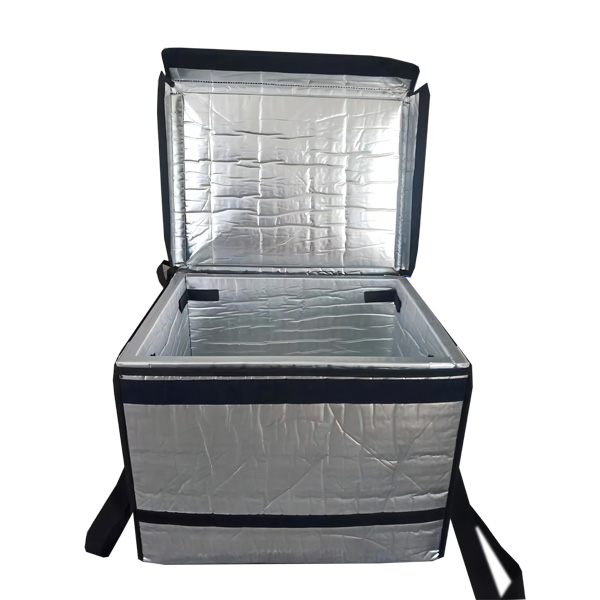
Auswählen eines 30 Lieferant von Liter-Impfstoff-Eisboxen: Ein Leitfaden von der Anforderung zum Nachweis
Der nützlichste Weg, eine auszuwählen 30 liter vaccine ice box supplier is to move through a requirement-to-evidence sequence. Definieren Sie zunächst den Produkt- und Temperaturbedarf. Dann modellieren Sie Nutzlast und Kühlmittelraum, Planen Sie die Route und den Umgang mit Risiken, Bau auswählen, und entscheiden Sie, welche Tests oder Dokumentationen die Genehmigung unterstützen müssen. Durch diese Reihenfolge bleiben kommerzielle Diskussionen auf die Anwendung und nicht auf allgemeine Behauptungen über Liter beschränkt, Isolierung, Dauer, oder Preis.
Für den routinemäßigen Impfstofftransport, Outreach-Sitzungen, Depottransfers, und kontrollierte Verteilung auf der letzten Meile, Beschaffung, Operationen, Maschinenbau, und Qualitätsteams sollten nach denselben kontrollierten Vorgaben arbeiten. Eine Impf-Eisbox ist nicht automatisch für jeden Impfstoff geeignet. Die genehmigten Lager- oder Transportbedingungen, Informationen zur Produktstabilität, Programmführung, Route, und Auspacken müssen bestätigt werden. In den folgenden Abschnitten werden Käufer zusammengefasst, Maschinenbau, operativ, und Lieferantenkontrollperspektiven in einem Entscheidungspfad, Am Ende finden Implementierungsprüfungen statt, die dazu beitragen, dass das genehmigte Muster repräsentativ für die Produktion und den tatsächlichen Einsatz bleibt.
| Entscheidungsantwort: Wählen Sie die Impfstoff-Eisbox erst aus, nachdem Sie die Nutzlast bestätigt haben, nutzbare Geometrie, Temperaturanforderung, Route, Kühlmittel, Handhabung, Beweis, und Produktionskontrollen. Eine Impf-Eisbox ist nicht automatisch für jeden Impfstoff geeignet. Die genehmigten Lager- oder Transportbedingungen, Informationen zur Produktstabilität, Programmführung, Route, und Auspacken müssen bestätigt werden. |
|---|
Bewegen Sie sich in einer kontrollierten Reihenfolge vom Bedarf zum Beweis
Eine kontrollierte Entscheidung kann in vier Gates organisiert werden. Tor eins definiert das Produkt und den erforderlichen Zustand. Gate zwei bestätigt diese Nutzlast, Kühlmittel, innere Geometrie, Handhabung, und Route passen in die vorgeschlagene Box. Tor drei wertet Beweise aus, inklusive Zeichnungen, Materialdaten, Testberichte, Fertigungskontrollen, und Anwendungsgrenzen. Tor vier genehmigt die Umsetzung, inklusive Anleitung, Überwachung, Empfang, Änderungskontrolle, und Lieferantenverantwortung. Ein Projekt sollte nicht vorankommen, nur weil ein Tor stark aussieht, während ein anderes undefiniert bleibt.
Die Tore schaffen auch nützliches Eigentum. Der Betrieb kann die Route und die Arbeitsweise festlegen; Die Technik kann die Geometrie überprüfen, Materialien, und Fehlermodi; Qualität kann Nachweis- und Abweichungsregeln festlegen; Der Einkauf kann Umfang und kommerzielle Konditionen vergleichen. Für Impfprogrammteams, Beschaffung im Gesundheitswesen, Qualitätspersonal, und Einkäufer der medizinischen Logistik, Diese gemeinsame Struktur reduziert wiederholte Klärungen und macht Angebote vergleichbar. Es zeigt auch, wann es sich bei einer Anfrage noch um ein Konzept und nicht um eine kauffertige Spezifikation handelt. Das endgültige Genehmigungsprotokoll sollte zeigen, was bestätigt wurde, von wem, unter Verwendung welcher Beweise, und für welche Anwendungsgrenze.
- Tor 1 – Produkt, Temperaturzustand, Empfindlichkeit, und Konsequenz des Scheiterns
- Tor 2 – Payload envelope, Kühlmittel, Route, Handhabung, Hygiene, und Benutzerpassform
- Tor 3 – Materialien, Zeichnungen, Tests, Qualitätskontrollen, und angegebene Einschränkungen
- Tor 4 – Pilot, Anweisungen, Überwachung, Empfang, Änderungskontrolle, und Startgenehmigung
Eine nützliche Spezifikation beginnt mit der Arbeit
Schreiben Sie eine Benutzeranforderung, die ein anderes Team anwenden könnte, ohne das ursprüngliche Verkaufsgespräch zu hören. Identifizieren Sie die Nutzlast, Verpackung, Ausgangszustand, erforderliche Temperaturbedingung, maximale Zeit, Verspätungszulage, Umgebungseinflüsse, Öffnungen, Fahrzeug oder Träger, Handhabung, Reinigung, und Erhalt der Entscheidung. Für den routinemäßigen Impfstofftransport, Outreach-Sitzungen, Depottransfers, und kontrollierte Verteilung auf der letzten Meile, Geben Sie außerdem an, welche Folgen ein Ausfall hat und ob die Lieferung ersetzt werden kann, unter Quarantäne gestellt, oder ohne größere Störung untersucht werden.
Turn the primary objective – support the required vaccine temperature condition without exposing freeze-sensitive products to uncontrolled contact with frozen coolant – into measurable acceptance points. Getrennte Funktionen, die vom physischen Behälter bereitgestellt werden, von denen, die vom Kühlmittel bereitgestellt werden, Überwachung, Arbeitsanweisungen, der Träger, und Empfangen. Weisen Sie dann Eigentümer für ungelöste Annahmen zu. Eine kontrollierte Benutzeranforderung verhindert, dass die endgültige Genehmigung von vagen Formulierungen wie „dauerhaft“ abhängt, medizinisch, Lebensmittelqualität, dicht, lang anhaltende, oder kühlkettentauglich.
- Definierte Nutzlast, Verpackung, Menge, Masse, und Temperaturzustand
- Normale Spur plus Verzögerung, saisonal, Öffnung, und Übergabeannahmen
- Packout-Komponenten, Konditionierung, Platzierung, und geladene Konfiguration
- Handhabung, Zurückhaltung, Hygiene, Etiketten, Überwachung, und Entscheidungen entgegenzunehmen
- Erforderliche Zeichnungen, Testnachweise, Produktionskontrollen, und den Besitzer wechseln
Schließen Sie die anwendungsspezifischen Genehmigungslücken
Das Genehmigungsprotokoll sollte die projektspezifischen Risiken vor der kommerziellen Freigabe klären: mit einem gewöhnlichen Lebensmittelkühler, 30 Liter als nutzbares Impfstoffvolumen ansetzen, Direkter Kontakt mit gefrorenen Packungen, und Weglassen von Überwachungs- oder Transportaufzeichnungen. Es sollte auch dargelegt werden, wie die vorgeschlagene Konfiguration die erforderlichen Temperaturbedingungen für den Impfstoff unterstützt, ohne dass gefrierempfindliche Produkte einem unkontrollierten Kontakt mit gefrorenem Kühlmittel ausgesetzt werden. Dies sind keine Hintergrundkommentare; Es sind Anforderungen, die einen Besitzer brauchen, Beweis, und eine Annahmeentscheidung. Wenn ein Zustand noch nicht nachgewiesen werden kann, Die Aufzeichnung sollte den verbleibenden Test identifizieren, Pilot, oder Qualitätsaktion.
Verwenden Sie eine Anwendungsmatrix, die die Isolationskontinuität verbindet, Kühlmitteltrennung, Deckelabdichtung, innere Geometrie, reinigbare Oberflächen, und Haltbarkeit beim Outreach-Handling mit der Route, Handhabung, Hygiene, Überwachung, und Lieferantenkontrollen. Beziehen Sie die drei entscheidenden Punkte mit ein: Viele gekühlte Impfstoffe werden bei etwa 2 °C bis 8 °C aufbewahrt, Der korrekte Zustand muss jedoch für jedes Produkt und Programm bestätigt werden. Verwenden Sie eine qualifizierte Verpackungsmethode und verhindern Sie, dass gefrorenes Kühlmittel unkontrolliert mit frostempfindlichen Impfstoffbehältern in Kontakt kommt. Stellen Sie einen digitalen Datenlogger oder einen anderen für das Programm erforderlichen Überwachungsansatz bereit, und bewahren Sie das Transportprotokoll auf. Die endgültige Wahl sollte für den Einkauf erklärbar sein, Qualität, Operationen, und dem Lieferanten, ohne auf eine Verkaufspräsentation oder persönliche Erinnerung angewiesen zu sein.
Frostschutz ist genauso wichtig wie Kühlung
Das Genehmigungsprotokoll sollte drei anwendungsspezifische Lücken schließen, bevor das Projekt in Produktion oder Markteinführung übergeht.
- Genehmigungspflicht: Viele gekühlte Impfstoffe werden bei etwa 2 °C bis 8 °C aufbewahrt, Der korrekte Zustand muss jedoch für jedes Produkt und Programm bestätigt werden.
- Genehmigungspflicht: Verwenden Sie eine qualifizierte Verpackungsmethode und verhindern Sie, dass gefrorenes Kühlmittel unkontrolliert mit frostempfindlichen Impfstoffbehältern in Kontakt kommt.
- Genehmigungspflicht: Stellen Sie einen digitalen Datenlogger oder einen anderen für das Programm erforderlichen Überwachungsansatz bereit, und bewahren Sie das Transportprotokoll auf.
Weisen Sie jeder Anforderung einen Eigentümer und Belege zu. Wenn man unsicher bleibt, Behalten Sie es als offenes Genehmigungselement bei, anstatt die Unsicherheit in einer breiten Lieferantenaussage zu verbergen.
| Entscheidungstor | Projektspezifische Bestätigung | Akzeptable Beweise | Eigentümer |
|---|---|---|---|
| Produktanforderung | Halten Sie die erforderlichen Impfstofftemperaturbedingungen aufrecht, ohne gefrierempfindliche Produkte unkontrolliertem Kontakt mit gefrorenem Kühlmittel auszusetzen | Genehmigte Benutzeranforderungen und Produktinformationen | Produkt- und Qualitätsteams |
| Körperliche und betriebliche Eignung | 30-Liter; sicherer Verschluss, Aufrechter Transport bei Bedarf, Klare Kennzeichnung, stabile Verpackung, geschütztes Überwachungsgerät, und kontrolliertes Öffnen | Verpackungszeichnung, Probeversuch, Streckenbeobachtung, und Reinigungsüberprüfung | Technik und Betrieb |
| Leistungsgrenze | Eine Impf-Eisbox ist nicht automatisch für jeden Impfstoff geeignet. Die genehmigten Lager- oder Transportbedingungen, Informationen zur Produktstabilität, Programmführung, Route, und Auspacken müssen bestätigt werden. | Rückverfolgbare Wärme, mechanisch, Überwachung, und Anwendungsnachweise | Technik und Qualität |
| Lieferantenkontrolle | Qualifizierte Informationen zu Behältern oder Verpackungen, thermische Testbedingungen, Ladediagramme, Anweisungen, Überwachungsbestimmungen, und Dokumentation zur Änderungskontrolle | Kontrollplan, Aufzeichnungen, Prüfungsnachweise, und Änderungsvereinbarung | Beschaffung und Qualität |
| Durchführung | Verwenden Sie eine qualifizierte Verpackungsmethode und verhindern Sie, dass gefrorenes Kühlmittel unkontrolliert mit frostempfindlichen Impfstoffbehältern in Kontakt kommt. | Zugelassener Pilot, Anweisungen, Ausbildung, Empfang, und Eskalationsplan | Betrieb und Qualität |
| Lebenszyklusentscheidung | nutzbare Impfstoffkapazität, Arbeit zur Vorbereitung des Kühlmittels, Überwachung, Ausbildung, Ersatzrisiko, Routenzuverlässigkeit, und Dokumentationsaufwand; Verwenden Sie beim Reinigen nur Mehrwegbehälter und Kühlmittel, Inspektion, Überholung, und Rücklaufregelung sind zuverlässig | Vergleichbarer Business Case und regelmäßige Leistungsüberprüfung | Beschaffung und Betrieb |
Definieren Sie die Temperaturleistung mit angehängten Bedingungen
Wandeln Sie thermische Ansprüche in Genehmigungserklärungen mit angehängten Bedingungen um. Die Spezifikation sollte das erforderliche Produktsortiment benennen, Überarbeitung der Verpackung, Nutzlastreichweite, Kühlmittel und Konditionierung, Umgebungsprofil, Dauer und Verzögerungsspielraum, Öffnungen, Sensorplan, und Akzeptanzkriterium. Wo verschiedene Jahreszeiten unterschiedliche Verpackungen erfordern, Genehmigen Sie jede Konfiguration explizit, anstatt sie als informelle Bedieneranpassungen zu behandeln.
Erstellen Sie eine Beweisleiter. Beginnen Sie mit Entwurfsberechnungen oder Entwicklungsvergleichen, Übergang zu repräsentativen Labortests, Fügen Sie die Spurqualifizierung hinzu, wenn das Risiko dies erfordert, und nutzen Sie die Betriebsüberwachung, um die kontrollierte Nutzung zu überprüfen. Jeder Schritt beantwortet eine andere Frage. Die Genehmigung sollte auf der Ebene basieren, die dem Produktwert entspricht, Empfindlichkeit, regulatorischen Kontext, Wiederherstellbarkeit, und Routenvariabilität, nicht auf den beeindruckendsten Zertifikatsnamen in einem Vorschlag.
Bestätigen Sie den tatsächlichen Nutzlastumschlag
Konvertieren Sie die Katalogbeschreibung in einen kontrollierten Nutzlastumschlag. Fordern Sie eine klare Innenlänge an, Breite, und Höhe an den Stellen, an denen die Nutzlast tatsächlich sitzt, Platzieren Sie dann das vorgesehene Kühlmittel, Separatoren, Gestelle, Monitor, und Produkt in einer Zeichnung oder einem physischen Versuch. Eine Nenngröße von 30 Litern beschreibt den nominellen Platzbedarf; Es wird nicht angegeben, wie viele verkaufsfähige Einheiten es gibt, Impfstoffkartons, Exemplare, oder Milchpakete können geladen werden, ohne die genehmigte Anordnung zu stören.
Die Genehmigung sollte den äußeren Platzbedarf und die belastete Masse sowie die interne Passform abdecken. Der vorgeschlagene Container muss in das Fahrzeug gelangen, durch Türen gehen, sicher sitzen, Lassen Sie den Deckel ohne Kompression schließen, und bleiben bei der Lieferung beherrschbar. Wo Sommer- und Winterpakete unterschiedlich sind, beides dokumentieren. Die akzeptierte Spezifikation sollte die nutzbare Nutzlast für die definierte Konfiguration angeben und alle Maßtoleranzen angeben, die die Packung verändern könnten, Zurückhaltung, oder thermische Leistung.
Erstellen Sie eine Evidenzleiter für die Entscheidung
Organisieren Sie Genehmigungsnachweise nach der Entscheidung, die sie unterstützen. Zeichnungen und Materialaufzeichnungen legen fest, um welches Produkt es sich handelt. Bei mechanischen Tests geht es um Handhabung und Zurückhaltung. Wärmeentwicklungstests vergleichen Designs. Bei der Qualifikation wird ein definiertes Packout anhand einer genehmigten Anforderung getestet. Die Streckenüberwachung zeigt, wie sich die geregelte Methode bei betrieblichen Schwankungen verhält. Aus dem Genehmigungsprotokoll sollte hervorgehen, welche Stufe erforderlich ist und warum, anstatt eine Sammlung unabhängiger Berichte zu akzeptieren.
Bevor Sie sich auf einen Bericht verlassen, Vergleichen Sie die getestete Version, Nutzlast, Kühlmittel, Konditionierung, Anfangstemperaturen, Umgebungsprofil, Dauer, Öffnungen, Orientierung, Sensoren, Akzeptanzkriterien, und Abweichungen von der geplanten Nutzung. Erfassen Sie Lücken und entscheiden Sie, ob diese akzeptabel sind, erfordern eine Analyse, oder zusätzliche Tests erfordern. Ein Berichtsname oder eine Pass-Anweisung reichen nicht aus. Die unterstützte Schlussfolgerung muss auf die Konfiguration zurückführbar bleiben, die Beschaffung und Produktion tatsächlich erwerben werden.
Wählen Sie den Lieferanten und das Kontrollsystem gemeinsam aus
Bewerten Sie den vorgeschlagenen Hersteller anhand der genehmigten Anforderung, nicht gegen einen generischen Lieferantenfragebogen. Bestätigen Sie, ob das Angebot nur die Box oder einen größeren Umfang einschließlich Kühlmittel abdeckt, Einsätze, Verpackungszeichnungen, Testen, Qualifizierungsunterstützung, Überwachung, Etiketten, Ersatzteile, Ausbildung, und Abweichungshilfe. Fordern Sie qualifizierte Container- oder Verpackungsinformationen an, thermische Testbedingungen, Ladediagramme, Anweisungen, Überwachungsbestimmungen, und Dokumentation zur Änderungskontrolle. Jeder wichtige Anspruch sollte auf ein kontrolliertes Dokument verweisen, Probe, Testbedingung, oder Produktionskontrolle.
Komplette kommerzielle und qualitätsbezogene Due Diligence. Überprüfen Sie genehmigte Materialquellen, Kritische Prozesse, Inspektionsprotokolle, Kalibrierung, Werkzeugwartung, Nichtkonformität, Korrekturmaßnahme, Zulieferteile, und Benachrichtigung über technische Änderungen. Vereinbaren Sie, wem die Zeichnungen gehören, Formen, Produktrevisionen, Aufzeichnungen, und erneutes Testen von Entscheidungen. Ein Lieferant ist zur Genehmigung bereit, wenn er die akzeptierte Konfiguration neu erstellen und erklären kann, wie Änderungen bewertet werden, bevor sie eine Lieferung erreichen.
- Lieferumfang, Dokumentation, Testen, Qualifikation, und Unterstützung
- Kontrollierte Spezifikation, genehmigte Probe, Stückliste, und Revisionslink
- Kritische Prozesse, Inspektionen, Aufzeichnungen, Kalibrierung, und Korrekturmaßnahmen
- Kontrolle der Subunternehmer, Werkzeugwartung, Substitutionen, und Änderungsmitteilung
- Kaufmännische Mängelhaftung, nacharbeiten, Ersatzteile, und zukünftige Bestellungen
Pilot, Genehmigen, Start, und Rezension
Die Implementierung sollte von einer repräsentativen Probe zu einem kontrollierten Pilotprojekt vor der vollständigen Produktion oder dem Start der Route übergehen. Bestätigen Sie die genaue Stückliste, Zeichnungen, Farben, Markierungen, Zubehör, Verpackung, und Anweisungen. Nutzen Sie den Piloten, um die Packzeit zu testen, Benutzerfehler, geladene Ergonomie, Fahrzeug passen, Zurückhaltung, Reinigung, Überwachung, und Empfangen. Für eine temperaturkontrollierte Anwendung, Stellen Sie sicher, dass der Pilot der beabsichtigten Kühlmittel- und Nutzlastkonfiguration folgt und nicht einem einfacheren Demonstrationsaufbau.
Nach Genehmigung, Frieren Sie die kritische Spezifikation ein und definieren Sie die Änderungskontrolle. Packer ausbilden, Fahrer, Kuriere, Reinigungskräfte, und Empfänger über die Teile des Prozesses, die ihnen gehören. Richten Sie eine Überprüfung der ersten Produktion ein und überwachen Sie frühe Lieferungen auf wiederkehrende Probleme. Eine Einführung sollte Eskalationskontakte und eine Methode zur Trennung verdächtiger Kartons oder Komponenten umfassen. Regelmäßige Überprüfungen können zu Schäden führen, Abweichung, zurückkehren, Reinigung, und Temperaturdaten, um das System zu verfeinern, ohne die qualifizierte oder genehmigte Grenze zu schwächen.
Erstellen Sie ein Kostenmodell rund um Risiko und Nutzung
Erstellen Sie mit One-Time einen risikoadjustierten Business Case, wiederkehrend, und Ausfallkosten getrennt. Einmalige Artikel können Design enthalten, Werkzeuge, Proben, Validierung, und starten. Wiederkehrende Artikel können Einheiten umfassen, Kühlmittel, Überwachung, Arbeit, Reinigung, Fracht, Inspektion, Lagerung, und Ersatz. Zu den Ausfallkosten kann die Produktsperre gehören, Rücksendung, Abweichungsuntersuchung, Kundenstörung, und verlorene Streckenkapazität. Verwenden Sie Projektdaten oder klar definierte Annahmen anstelle eines generischen Einsparungsprozentsatzes.
Vergleichen Sie Alternativen mit demselben zugelassenen Anwendungsbereich. Ein niedrigerer Stückpreis bedeutet keine geringeren Kosten, wenn der nutzbare Raum knapp ist, Der Frachtwürfel ist hoch, Die Auspackarbeit ist langsam, oder Qualitätsfluchten sind häufig. Ein technisch stärkeres Design ist nicht automatisch besser, wenn es die Kosten erhöht, ohne das Routenrisiko zu berücksichtigen. Das Genehmigungsteam sollte den Kompromiss, den es akzeptiert, und die Betriebsmaßnahme dokumentieren, die zeigt, ob der erwartete Wert erreicht wird.
Anwenden des Entscheidungspfads auf ein typisches Projekt
Wenden Sie den vollständigen Entscheidungspfad auf ein typisches Projekt an. Ein Outreach-Team plant eine Route am selben Tag mit mehreren Übergaben. Das Nennvolumen der Box erscheint ausreichend, aber Kühlmittel, Abstandshalter, Monitorplatzierung, und Zugangsdisziplin verringern den nutzbaren Impfstoffraum. Das funktionsübergreifende Team genehmigt zunächst die Benutzeranforderung, Anschließend werden Nutzlast und Kühlmittelpassung anhand einer physischen Probe bestätigt. Es zeichnet den Ladevorgang auf, Streckenbelichtung, Hygiene, Überwachung, und Empfangsbedürfnisse vor der Auswahl des Evidenzniveaus und des kommerziellen Umfangs.
Der ausgewählte Hersteller liefert kontrollierte Zeichnungen, Materialien, Testberichte, und eine Pilotcharge. Der Einkauf vergleicht das Angebot mit dem genehmigten Umfang; Qualitätskontrollen, Änderungskontrolle und Akzeptanzkriterien; Operations führt den Piloten mit normalen Benutzern aus. Der Start erfolgt erst, nachdem ungelöste Lücken Eigentümer und Daten haben. Der endgültige Datensatz verknüpft die Anforderung, Konfiguration, Beweis, Anweisungen, und Produktionsversion, damit zukünftige Änderungen schlüssig beurteilt werden können.
Abschließende Fragen zur Beschaffung
Was muss genehmigt werden, bevor die Bestellung freigegeben wird??
Genehmigen Sie die Benutzeranforderung, Produktrevision, Innen- und Außenmaße, Materialien, Packout-Komponenten, Test- oder Qualifikationsbasis, Kritische Prüfkriterien, Etiketten, Verpackung, Dokumentation, kommerziellen Umfang, und Verantwortung für die Änderungskontrolle. Für den temperaturempfindlichen Einsatz, auch die Nutzlast genehmigen, Kühlmittelaufbereitung, Umgebungs- und Dauerannahmen, Sensorplan, Bedienungsanleitung, Empfangskriterien, und ungelöste Einschränkungen.
Wie wird eine freigegebene Probe im Einklang mit der Produktion gehalten??
Verknüpfen Sie das Beispiel mit kontrollierten Zeichnungen, Stückliste, genehmigte Materialquellen, Prozesseinstellungen, kritische Dimensionen, Inspektionsmethoden, und eine Pilotcharge. Bewahren Sie gegebenenfalls ein Referenzmuster auf, Aber verlassen Sie sich nicht nur auf das Aussehen. Der Lieferant sollte den Käufer vor Änderungen an der Werkzeugausstattung benachrichtigen, Harz, Isolierung, Hardware, Siegel, einfügen, Kühlmittel, Subunternehmer, Verfahren, oder Verpackungen, die die Funktion beeinträchtigen könnten.
Wem gehören Qualifizierungs- und Compliance-Entscheidungen??
Die Verantwortung sollte in der Projektvereinbarung festgelegt werden. Der Lieferant kann genaue Produktdaten bereitstellen, Proben, Berichte, und technischer Support; Normalerweise legt der Käufer die Produktgrenzen fest, Fahrbahn, Akzeptanzkriterien, Qualitätssystem, und geltenden Marktverpflichtungen. Die Arbeiten können von einem Vertragshersteller oder einem Prüflabor durchgeführt werden, Dies beseitigt jedoch nicht die Notwendigkeit, dass der Produkteigentümer und das Qualitätsteam die Eignung genehmigen müssen.
Wann ist ein individuelles Design gerechtfertigt??
Eine kundenspezifische Anpassung ist gerechtfertigt, wenn ein Standardprodukt die kritische Nutzlastgeometrie nicht erfüllen kann, nutzbare Kapazität, Zurückhaltung, Reinigung, Branding, Route, Zubehör, oder Betriebsanforderungen. Vergleichen Sie den Wert mit den Werkzeugen, Entwicklungszeit, MOQ, Änderungsrisiko, Testanforderungen, Ersatzteile, und zukünftige Überarbeitungen. Eine benutzerdefinierte Form sollte eine dokumentierte Anforderung lösen und nicht die Komplexität erhöhen, die durch eine Einfügung oder Prozessänderung bewältigt werden kann.
Warum kann gefrorenes Kühlmittel beim Impfstofftransport ein Risiko darstellen??
Einige gekühlte Impfstoffe sind frostempfindlich. Direkter oder schlecht kontrollierter Kontakt mit gefrorenen Packungen kann dazu führen, dass örtliche Kartons oder Fläschchen Temperaturen ausgesetzt werden, die unter den zulässigen Bedingungen liegen, selbst wenn der Rest der Schachtel kalt erscheint. Befolgen Sie die Produktinformationen des Impfstoffs und die Verpackungsmethode des Impfprogramms, Verwenden Sie die erforderlichen Barrieren oder konditioniertes Kühlmittel, Positionieren Sie den Monitor richtig, und bewahren Sie das Transportprotokoll auf.
Abschluss: Genehmigen Sie ein System, das Sie erklären und wiederholen können
Ein passendes 30 Der Hersteller einer Liter-Impfstoff-Eisbox ist das Ergebnis einer disziplinierten Spezifikation und nicht eines einzelnen Merkmals. Die zuverlässigste Entscheidung ist die Verbindung der Nutzlast, Temperaturzustand, Route, nutzbarer Raum, Konstruktion, Kühlmittel, Handhabung, Hygiene, Beweis, Produktionskontrolle, und Betriebseigentum. Wenn diese Elemente explizit sind, Die Beschaffung kann Angebote fair vergleichen und der Betrieb kann die genehmigte Methode wiederholen, ohne sich auf das Gedächtnis oder eine breite Verkaufssprache verlassen zu müssen.
- Beginnen Sie mit dem Produkt und der Spur, Bestätigen Sie dann die körperliche Passform und die Verpackung.
- Passen Sie die erforderlichen Nachweise an das Risiko und die Anwendungsgrenze an.
- Genehmigen Sie Lieferantenkontrollen, Durchführung, Überwachung, und Change Management gemeinsam.
- Sorgen Sie für eine nachvollziehbare Verbindung von der Anforderung über den Nachweis bis zur Betriebsanweisung.
Über Tempk
Tempk is a Shanghai-based cold-chain packaging company established in 2011. Its publicly presented range includes gel and water-based ice packs, EPP and plastic insulated boxes, vakuumisolierte Lösungen, Isoliertaschen und -einlagen, Palettenabdeckungen, und Temperaturüberwachungsprodukte. Für ein Projekt, Tempk kann den Produkttyp überprüfen, erforderliche Temperaturbedingung, Nutzlast, Route, Jahreszeit, Handhabung, und Empfangsprozess, bevor Sie eine Standard- oder kundenspezifische Konfiguration besprechen. Die endgültige Eignung hängt weiterhin von der Bewerbungsprüfung des Käufers ab, Testen, Qualifikation, und Bedienelemente.
Projektbesprechung
Für ein nützlicheres Zitat, Geben Sie Tempk die Verpackungsmaße an, Betriebsspur, Handhabungsbedingungen, Dokumentationsbedarf, und Anpassungsprioritäten.
30 Hersteller von industriellen Liter-Eisboxen: Spezifikationshandbuch
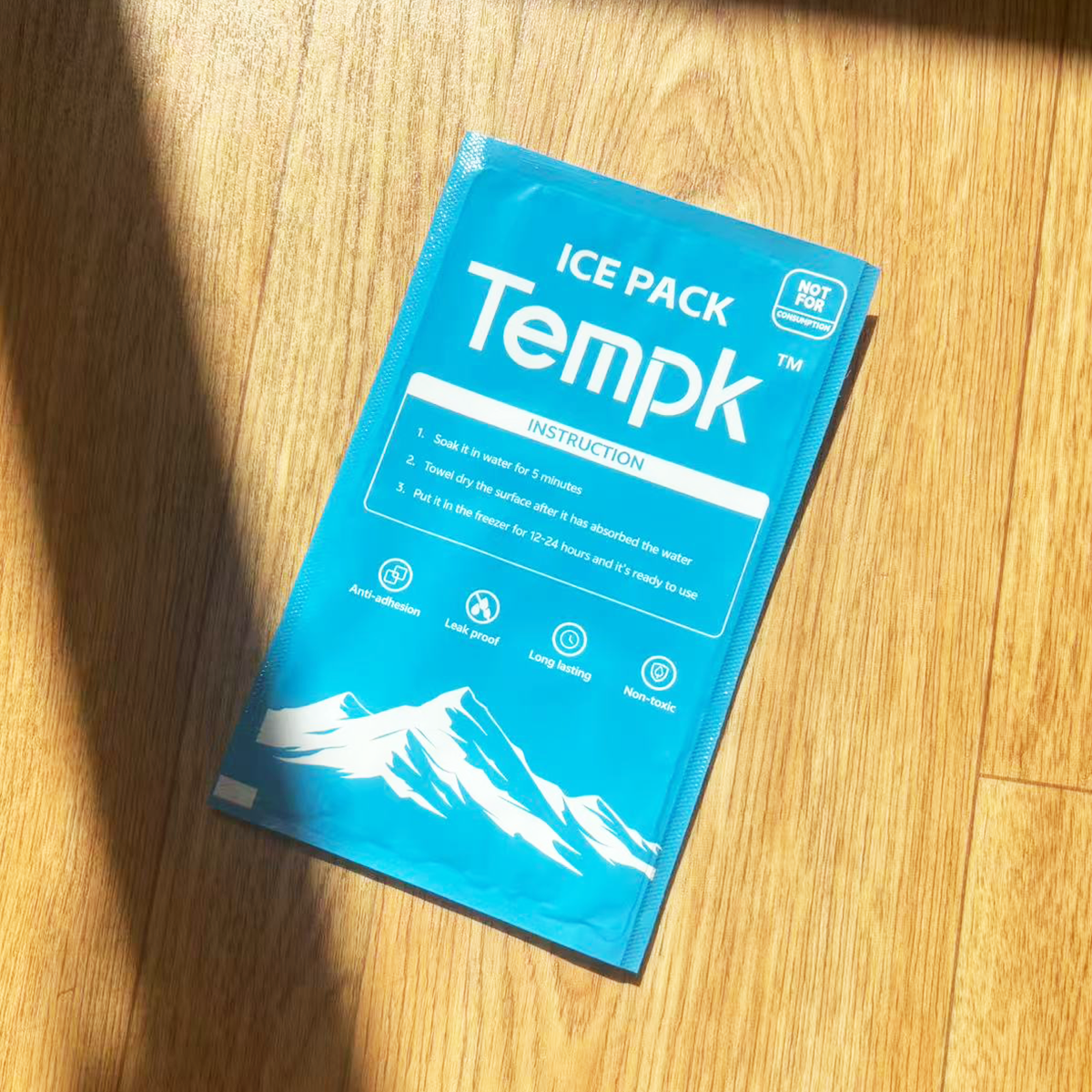
Auswählen eines 30 Hersteller von industriellen Liter-Eisboxen: Ein Leitfaden von der Anforderung zum Nachweis
Der nützlichste Weg, eine auszuwählen 30 liter industrial ice box manufacturer is to move through a requirement-to-evidence sequence. Definieren Sie zunächst den Produkt- und Temperaturbedarf. Dann modellieren Sie Nutzlast und Kühlmittelraum, Planen Sie die Route und den Umgang mit Risiken, Bau auswählen, und entscheiden Sie, welche Tests oder Dokumentationen die Genehmigung unterstützen müssen. Durch diese Reihenfolge bleiben kommerzielle Diskussionen auf die Anwendung und nicht auf allgemeine Behauptungen über Liter beschränkt, Isolierung, Dauer, oder Preis.
Für den Industrieservice, Proben, Nahrungsmittelunterstützung, Laborlogistik, Feldarbeit, und regionale Lieferung, Beschaffung, Operationen, Maschinenbau, und Qualitätsteams sollten nach denselben kontrollierten Vorgaben arbeiten. Eine 30-Liter-Industriebox ist eine Plattform. Die erforderliche Verpackung, Temperaturbereich, Überwachung, und Qualifikation hängen von der Nutzlast und der Route ab. In den folgenden Abschnitten werden Käufer zusammengefasst, Maschinenbau, operativ, und Lieferantenkontrollperspektiven in einem Entscheidungspfad, Am Ende finden Implementierungsprüfungen statt, die dazu beitragen, dass das genehmigte Muster repräsentativ für die Produktion und den tatsächlichen Einsatz bleibt.
| Entscheidungsantwort: Wählen Sie die Industrie-Eisbox erst nach Bestätigung der Nutzlast aus, nutzbare Geometrie, Temperaturanforderung, Route, Kühlmittel, Handhabung, Beweis, und Produktionskontrollen. Eine 30-Liter-Industriebox ist eine Plattform. Die erforderliche Verpackung, Temperaturbereich, Überwachung, und Qualifikation hängen von der Nutzlast und der Route ab. |
|---|
Bewegen Sie sich in einer kontrollierten Reihenfolge vom Bedarf zum Beweis
Eine kontrollierte Entscheidung kann in vier Gates organisiert werden. Tor eins definiert das Produkt und den erforderlichen Zustand. Gate zwei bestätigt diese Nutzlast, Kühlmittel, innere Geometrie, Handhabung, und Route passen in die vorgeschlagene Box. Tor drei wertet Beweise aus, inklusive Zeichnungen, Materialdaten, Testberichte, Fertigungskontrollen, und Anwendungsgrenzen. Tor vier genehmigt die Umsetzung, inklusive Anleitung, Überwachung, Empfang, Änderungskontrolle, und Lieferantenverantwortung. Ein Projekt sollte nicht vorankommen, nur weil ein Tor stark aussieht, während ein anderes undefiniert bleibt.
Die Tore schaffen auch nützliches Eigentum. Der Betrieb kann die Route und die Arbeitsweise festlegen; Die Technik kann die Geometrie überprüfen, Materialien, und Fehlermodi; Qualität kann Nachweis- und Abweichungsregeln festlegen; Der Einkauf kann Umfang und kommerzielle Konditionen vergleichen. Für Einsatzteams, Industriehändler, Beschaffungsmanager, und OEM-Käufer, Diese gemeinsame Struktur reduziert wiederholte Klärungen und macht Angebote vergleichbar. Es zeigt auch, wann es sich bei einer Anfrage noch um ein Konzept und nicht um eine kauffertige Spezifikation handelt. Das endgültige Genehmigungsprotokoll sollte zeigen, was bestätigt wurde, von wem, unter Verwendung welcher Beweise, und für welche Anwendungsgrenze.
- Tor 1 – Produkt, Temperaturzustand, Empfindlichkeit, und Konsequenz des Scheiterns
- Tor 2 – Payload envelope, Kühlmittel, Route, Handhabung, Hygiene, und Benutzerpassform
- Tor 3 – Materialien, Zeichnungen, Tests, Qualitätskontrollen, und angegebene Einschränkungen
- Tor 4 – Pilot, Anweisungen, Überwachung, Empfang, Änderungskontrolle, und Startgenehmigung
Eine nützliche Spezifikation beginnt mit der Arbeit
Schreiben Sie eine Benutzeranforderung, die ein anderes Team anwenden könnte, ohne das ursprüngliche Verkaufsgespräch zu hören. Identifizieren Sie die Nutzlast, Verpackung, Ausgangszustand, erforderliche Temperaturbedingung, maximale Zeit, Verspätungszulage, Umgebungseinflüsse, Öffnungen, Fahrzeug oder Träger, Handhabung, Reinigung, und Erhalt der Entscheidung. Für den Industrieservice, Proben, Nahrungsmittelunterstützung, Laborlogistik, Feldarbeit, und regionale Lieferung, Geben Sie außerdem an, welche Folgen ein Ausfall hat und ob die Lieferung ersetzt werden kann, unter Quarantäne gestellt, oder ohne größere Störung untersucht werden.
Turn the primary objective – provide a versatile mid-size insulated box that remains consistent under repeated industrial handling – into measurable acceptance points. Getrennte Funktionen, die vom physischen Behälter bereitgestellt werden, von denen, die vom Kühlmittel bereitgestellt werden, Überwachung, Arbeitsanweisungen, der Träger, und Empfangen. Weisen Sie dann Eigentümer für ungelöste Annahmen zu. Eine kontrollierte Benutzeranforderung verhindert, dass die endgültige Genehmigung von vagen Formulierungen wie „dauerhaft“ abhängt, medizinisch, Lebensmittelqualität, dicht, lang anhaltende, oder kühlkettentauglich.
- Definierte Nutzlast, Verpackung, Menge, Masse, und Temperaturzustand
- Normale Spur plus Verzögerung, saisonal, Öffnung, und Übergabeannahmen
- Packout-Komponenten, Konditionierung, Platzierung, und geladene Konfiguration
- Handhabung, Zurückhaltung, Hygiene, Etiketten, Überwachung, und Entscheidungen entgegenzunehmen
- Erforderliche Zeichnungen, Testnachweise, Produktionskontrollen, und den Besitzer wechseln
Schließen Sie die anwendungsspezifischen Genehmigungslücken
Das Genehmigungsprotokoll sollte die projektspezifischen Risiken vor der kommerziellen Freigabe klären: Auswahl einer Kataloggröße ohne Nutzlastmodellierung, schwaches Griff- oder Scharnierdesign, inkonsistente Isolierung, und unklare Anwendungsgrenzen. Es sollte auch dargelegt werden, wie die vorgeschlagene Konfiguration eine vielseitige mittelgroße Isolierbox bietet, die auch bei wiederholter industrieller Handhabung ihre Beständigkeit behält. Dies sind keine Hintergrundkommentare; Es sind Anforderungen, die einen Besitzer brauchen, Beweis, und eine Annahmeentscheidung. Wenn ein Zustand noch nicht nachgewiesen werden kann, Die Aufzeichnung sollte den verbleibenden Test identifizieren, Pilot, oder Qualitätsaktion.
Verwenden Sie eine Anwendungsmatrix, die Schlagfestigkeit verbindet, Isolationskonsistenz, Deckel und Dichtung passen, Scharnierbefestigung, Behandeln Sie den Lastpfad, und Kurvenhaltbarkeit mit der Route, Handhabung, Hygiene, Überwachung, und Lieferantenkontrollen. Beziehen Sie die drei entscheidenden Punkte mit ein: Definieren Sie die zugelassenen Nutzlastfamilien und gehen Sie nicht davon aus, dass für jedes Produkt eine Packung passt. Messen Sie die Innenhülle nach der Isolierung, Kühlmittel, Gestelle, und Trennwände sind im Lieferumfang enthalten. Überprüfen Sie den Griff, Scharnier, Deckel, und Stapeloberflächen, da industrielle Schäden oft an Schnittstellen beginnen. Die endgültige Wahl sollte für den Einkauf erklärbar sein, Qualität, Operationen, und dem Lieferanten, ohne auf eine Verkaufspräsentation oder persönliche Erinnerung angewiesen zu sein.
Die Kapazität muss mit einem Packout nachgewiesen werden
Konvertieren Sie die Katalogbeschreibung in einen kontrollierten Nutzlastumschlag. Fordern Sie eine klare Innenlänge an, Breite, und Höhe an den Stellen, an denen die Nutzlast tatsächlich sitzt, Platzieren Sie dann das vorgesehene Kühlmittel, Separatoren, Gestelle, Monitor, und Produkt in einer Zeichnung oder einem physischen Versuch. Eine Nenngröße von 30 Litern beschreibt den nominellen Platzbedarf; Es wird nicht angegeben, wie viele verkaufsfähige Einheiten es gibt, Impfstoffkartons, Exemplare, oder Milchpakete können geladen werden, ohne die genehmigte Anordnung zu stören.
Die Genehmigung sollte den äußeren Platzbedarf und die belastete Masse sowie die interne Passform abdecken. Der vorgeschlagene Container muss in das Fahrzeug gelangen, durch Türen gehen, sicher sitzen, Lassen Sie den Deckel ohne Kompression schließen, und bleiben bei der Lieferung beherrschbar. Wo Sommer- und Winterpakete unterschiedlich sind, beides dokumentieren. Die akzeptierte Spezifikation sollte die nutzbare Nutzlast für die definierte Konfiguration angeben und alle Maßtoleranzen angeben, die die Packung verändern könnten, Zurückhaltung, oder thermische Leistung.
| Entscheidungstor | Projektspezifische Bestätigung | Akzeptable Beweise | Eigentümer |
|---|---|---|---|
| Produktanforderung | Stellen Sie eine vielseitige, mittelgroße Isolierbox bereit, die auch bei wiederholter industrieller Handhabung stabil bleibt | Genehmigte Benutzeranforderungen und Produktinformationen | Produkt- und Qualitätsteams |
| Körperliche und betriebliche Eignung | 30-Liter; ausgewogenes Heben, stabiles Stapeln, Verschlusssicherheit, Abriebfestigkeit, Zurückhaltung, und barrierefreies Laden | Verpackungszeichnung, Probeversuch, Streckenbeobachtung, und Reinigungsüberprüfung | Technik und Betrieb |
| Leistungsgrenze | Eine 30-Liter-Industriebox ist eine Plattform. Die erforderliche Verpackung, Temperaturbereich, Überwachung, und Qualifikation hängen von der Nutzlast und der Route ab. | Rückverfolgbare Wärme, mechanisch, Überwachung, und Anwendungsnachweise | Technik und Qualität |
| Lieferantenkontrolle | Zeichnungen, Materialien, Fertigungskontrollen, Funktionstestmethoden, thermische Bedingungen, und Produktionsaufzeichnungen | Kontrollplan, Aufzeichnungen, Prüfungsnachweise, und Änderungsvereinbarung | Beschaffung und Qualität |
| Durchführung | Messen Sie die Innenhülle nach der Isolierung, Kühlmittel, Gestelle, und Trennwände sind im Lieferumfang enthalten. | Zugelassener Pilot, Anweisungen, Ausbildung, Empfang, und Eskalationsplan | Betrieb und Qualität |
| Lebenszyklusentscheidung | Kapazitätsauslastung, Umgang mit Arbeit, Zubehör, Fracht, Fehlerkontrolle, Ersatz, und Testunterstützung; Dauerhafte wiederholte Verwendung, gängiges austauschbares Zubehör, Effizienter Transportwürfel, und kontrollierte Reinigung | Vergleichbarer Business Case und regelmäßige Leistungsüberprüfung | Beschaffung und Betrieb |
Vielseitigkeit erfordert klare Anwendungsgrenzen
Das Genehmigungsprotokoll sollte drei anwendungsspezifische Lücken schließen, bevor das Projekt in Produktion oder Markteinführung übergeht.
- Genehmigungspflicht: Definieren Sie die zugelassenen Nutzlastfamilien und gehen Sie nicht davon aus, dass für jedes Produkt eine Packung passt.
- Genehmigungspflicht: Messen Sie die Innenhülle nach der Isolierung, Kühlmittel, Gestelle, und Trennwände sind im Lieferumfang enthalten.
- Genehmigungspflicht: Überprüfen Sie den Griff, Scharnier, Deckel, und Stapeloberflächen, da industrielle Schäden oft an Schnittstellen beginnen.
Weisen Sie jeder Anforderung einen Eigentümer und Belege zu. Wenn man unsicher bleibt, Behalten Sie es als offenes Genehmigungselement bei, anstatt die Unsicherheit in einer breiten Lieferantenaussage zu verbergen.
Definieren Sie die Temperaturleistung mit angehängten Bedingungen
Wandeln Sie thermische Ansprüche in Genehmigungserklärungen mit angehängten Bedingungen um. Die Spezifikation sollte das erforderliche Produktsortiment benennen, Überarbeitung der Verpackung, Nutzlastreichweite, Kühlmittel und Konditionierung, Umgebungsprofil, Dauer und Verzögerungsspielraum, Öffnungen, Sensorplan, und Akzeptanzkriterium. Wo verschiedene Jahreszeiten unterschiedliche Verpackungen erfordern, Genehmigen Sie jede Konfiguration explizit, anstatt sie als informelle Bedieneranpassungen zu behandeln.
Erstellen Sie eine Beweisleiter. Beginnen Sie mit Entwurfsberechnungen oder Entwicklungsvergleichen, Übergang zu repräsentativen Labortests, Fügen Sie die Spurqualifizierung hinzu, wenn das Risiko dies erfordert, und nutzen Sie die Betriebsüberwachung, um die kontrollierte Nutzung zu überprüfen. Jeder Schritt beantwortet eine andere Frage. Die Genehmigung sollte auf der Ebene basieren, die dem Produktwert entspricht, Empfindlichkeit, regulatorischen Kontext, Wiederherstellbarkeit, und Routenvariabilität, nicht auf den beeindruckendsten Zertifikatsnamen in einem Vorschlag.
Die Beschaffung sollte den Prozess des Lieferanten testen
Bewerten Sie den vorgeschlagenen Hersteller anhand der genehmigten Anforderung, nicht gegen einen generischen Lieferantenfragebogen. Bestätigen Sie, ob das Angebot nur die Box oder einen größeren Umfang einschließlich Kühlmittel abdeckt, Einsätze, Verpackungszeichnungen, Testen, Qualifizierungsunterstützung, Überwachung, Etiketten, Ersatzteile, Ausbildung, und Abweichungshilfe. Fordern Sie Zeichnungen an, Materialien, Fertigungskontrollen, Funktionstestmethoden, thermische Bedingungen, und Produktionsaufzeichnungen. Jeder wichtige Anspruch sollte auf ein kontrolliertes Dokument verweisen, Probe, Testbedingung, oder Produktionskontrolle.
Komplette kommerzielle und qualitätsbezogene Due Diligence. Überprüfen Sie genehmigte Materialquellen, Kritische Prozesse, Inspektionsprotokolle, Kalibrierung, Werkzeugwartung, Nichtkonformität, Korrekturmaßnahme, Zulieferteile, und Benachrichtigung über technische Änderungen. Vereinbaren Sie, wem die Zeichnungen gehören, Formen, Produktrevisionen, Aufzeichnungen, und erneutes Testen von Entscheidungen. Ein Lieferant ist zur Genehmigung bereit, wenn er die akzeptierte Konfiguration neu erstellen und erklären kann, wie Änderungen bewertet werden, bevor sie eine Lieferung erreichen.
- Lieferumfang, Dokumentation, Testen, Qualifikation, und Unterstützung
- Kontrollierte Spezifikation, genehmigte Probe, Stückliste, und Revisionslink
- Kritische Prozesse, Inspektionen, Aufzeichnungen, Kalibrierung, und Korrekturmaßnahmen
- Kontrolle der Subunternehmer, Werkzeugwartung, Substitutionen, und Änderungsmitteilung
- Kaufmännische Mängelhaftung, nacharbeiten, Ersatzteile, und zukünftige Bestellungen
Erstellen Sie eine Evidenzleiter für die Entscheidung
Organisieren Sie Genehmigungsnachweise nach der Entscheidung, die sie unterstützen. Zeichnungen und Materialaufzeichnungen legen fest, um welches Produkt es sich handelt. Bei mechanischen Tests geht es um Handhabung und Zurückhaltung. Wärmeentwicklungstests vergleichen Designs. Bei der Qualifikation wird ein definiertes Packout anhand einer genehmigten Anforderung getestet. Die Streckenüberwachung zeigt, wie sich die geregelte Methode bei betrieblichen Schwankungen verhält. Aus dem Genehmigungsprotokoll sollte hervorgehen, welche Stufe erforderlich ist und warum, anstatt eine Sammlung unabhängiger Berichte zu akzeptieren.
Bevor Sie sich auf einen Bericht verlassen, Vergleichen Sie die getestete Version, Nutzlast, Kühlmittel, Konditionierung, Anfangstemperaturen, Umgebungsprofil, Dauer, Öffnungen, Orientierung, Sensoren, Akzeptanzkriterien, und Abweichungen von der geplanten Nutzung. Erfassen Sie Lücken und entscheiden Sie, ob diese akzeptabel sind, erfordern eine Analyse, oder zusätzliche Tests erfordern. Ein Berichtsname oder eine Pass-Anweisung reichen nicht aus. Die unterstützte Schlussfolgerung muss auf die Konfiguration zurückführbar bleiben, die Beschaffung und Produktion tatsächlich erwerben werden.
Pilot, Genehmigen, Start, und Rezension
Die Implementierung sollte von einer repräsentativen Probe zu einem kontrollierten Pilotprojekt vor der vollständigen Produktion oder dem Start der Route übergehen. Bestätigen Sie die genaue Stückliste, Zeichnungen, Farben, Markierungen, Zubehör, Verpackung, und Anweisungen. Nutzen Sie den Piloten, um die Packzeit zu testen, Benutzerfehler, geladene Ergonomie, Fahrzeug passen, Zurückhaltung, Reinigung, Überwachung, und Empfangen. Für eine temperaturkontrollierte Anwendung, Stellen Sie sicher, dass der Pilot der beabsichtigten Kühlmittel- und Nutzlastkonfiguration folgt und nicht einem einfacheren Demonstrationsaufbau.
Nach Genehmigung, Frieren Sie die kritische Spezifikation ein und definieren Sie die Änderungskontrolle. Packer ausbilden, Fahrer, Kuriere, Reinigungskräfte, und Empfänger über die Teile des Prozesses, die ihnen gehören. Richten Sie eine Überprüfung der ersten Produktion ein und überwachen Sie frühe Lieferungen auf wiederkehrende Probleme. Eine Einführung sollte Eskalationskontakte und eine Methode zur Trennung verdächtiger Kartons oder Komponenten umfassen. Regelmäßige Überprüfungen können zu Schäden führen, Abweichung, zurückkehren, Reinigung, und Temperaturdaten, um das System zu verfeinern, ohne die qualifizierte oder genehmigte Grenze zu schwächen.
Erstellen Sie ein Kostenmodell rund um Risiko und Nutzung
Erstellen Sie mit One-Time einen risikoadjustierten Business Case, wiederkehrend, und Ausfallkosten getrennt. Einmalige Artikel können Design enthalten, Werkzeuge, Proben, Validierung, und starten. Wiederkehrende Artikel können Einheiten umfassen, Kühlmittel, Überwachung, Arbeit, Reinigung, Fracht, Inspektion, Lagerung, und Ersatz. Zu den Ausfallkosten kann die Produktsperre gehören, Rücksendung, Abweichungsuntersuchung, Kundenstörung, und verlorene Streckenkapazität. Verwenden Sie Projektdaten oder klar definierte Annahmen anstelle eines generischen Einsparungsprozentsatzes.
Vergleichen Sie Alternativen mit demselben zugelassenen Anwendungsbereich. Ein niedrigerer Stückpreis bedeutet keine geringeren Kosten, wenn der nutzbare Raum knapp ist, Der Frachtwürfel ist hoch, Die Auspackarbeit ist langsam, oder Qualitätsfluchten sind häufig. Ein technisch stärkeres Design ist nicht automatisch besser, wenn es die Kosten erhöht, ohne das Routenrisiko zu berücksichtigen. Das Genehmigungsteam sollte den Kompromiss, den es akzeptiert, und die Betriebsmaßnahme dokumentieren, die zeigt, ob der erwartete Wert erreicht wird.
Anwenden des Entscheidungspfads auf ein typisches Projekt
Wenden Sie den vollständigen Entscheidungspfad auf ein typisches Projekt an. Ein Einkäufer im Außendienst möchte eine Box sowohl für gekühlte Verbrauchsmaterialien als auch für technische Muster. Das gemeinsame Außenformat ist möglich, internes Zubehör und Bedienungsanleitungen müssen jedoch anwendungsspezifisch bleiben. Das funktionsübergreifende Team genehmigt zunächst die Benutzeranforderung, Anschließend werden Nutzlast und Kühlmittelpassung anhand einer physischen Probe bestätigt. Es zeichnet den Ladevorgang auf, Streckenbelichtung, Hygiene, Überwachung, und Empfangsbedürfnisse vor der Auswahl des Evidenzniveaus und des kommerziellen Umfangs.
Der ausgewählte Hersteller liefert kontrollierte Zeichnungen, Materialien, Testberichte, und eine Pilotcharge. Der Einkauf vergleicht das Angebot mit dem genehmigten Umfang; Qualitätskontrollen, Änderungskontrolle und Akzeptanzkriterien; Operations führt den Piloten mit normalen Benutzern aus. Der Start erfolgt erst, nachdem ungelöste Lücken Eigentümer und Daten haben. Der endgültige Datensatz verknüpft die Anforderung, Konfiguration, Beweis, Anweisungen, und Produktionsversion, damit zukünftige Änderungen schlüssig beurteilt werden können.
Abschließende Fragen zur Beschaffung
Was muss genehmigt werden, bevor die Bestellung freigegeben wird??
Genehmigen Sie die Benutzeranforderung, Produktrevision, Innen- und Außenmaße, Materialien, Packout-Komponenten, Test- oder Qualifikationsbasis, Kritische Prüfkriterien, Etiketten, Verpackung, Dokumentation, kommerziellen Umfang, und Verantwortung für die Änderungskontrolle. Für den temperaturempfindlichen Einsatz, auch die Nutzlast genehmigen, Kühlmittelaufbereitung, Umgebungs- und Dauerannahmen, Sensorplan, Bedienungsanleitung, Empfangskriterien, und ungelöste Einschränkungen.
Wie wird eine freigegebene Probe im Einklang mit der Produktion gehalten??
Verknüpfen Sie das Beispiel mit kontrollierten Zeichnungen, Stückliste, genehmigte Materialquellen, Prozesseinstellungen, kritische Dimensionen, Inspektionsmethoden, und eine Pilotcharge. Bewahren Sie gegebenenfalls ein Referenzmuster auf, Aber verlassen Sie sich nicht nur auf das Aussehen. Der Lieferant sollte den Käufer vor Änderungen an der Werkzeugausstattung benachrichtigen, Harz, Isolierung, Hardware, Siegel, einfügen, Kühlmittel, Subunternehmer, Verfahren, oder Verpackungen, die die Funktion beeinträchtigen könnten.
Wem gehören Qualifizierungs- und Compliance-Entscheidungen??
Die Verantwortung sollte in der Projektvereinbarung festgelegt werden. Der Lieferant kann genaue Produktdaten bereitstellen, Proben, Berichte, und technischer Support; Normalerweise legt der Käufer die Produktgrenzen fest, Fahrbahn, Akzeptanzkriterien, Qualitätssystem, und geltenden Marktverpflichtungen. Die Arbeiten können von einem Vertragshersteller oder einem Prüflabor durchgeführt werden, Dies beseitigt jedoch nicht die Notwendigkeit, dass der Produkteigentümer und das Qualitätsteam die Eignung genehmigen müssen.
Wann ist ein individuelles Design gerechtfertigt??
Eine kundenspezifische Anpassung ist gerechtfertigt, wenn ein Standardprodukt die kritische Nutzlastgeometrie nicht erfüllen kann, nutzbare Kapazität, Zurückhaltung, Reinigung, Branding, Route, Zubehör, oder Betriebsanforderungen. Vergleichen Sie den Wert mit den Werkzeugen, Entwicklungszeit, MOQ, Änderungsrisiko, Testanforderungen, Ersatzteile, und zukünftige Überarbeitungen. Eine benutzerdefinierte Form sollte eine dokumentierte Anforderung lösen und nicht die Komplexität erhöhen, die durch eine Einfügung oder Prozessänderung bewältigt werden kann.
Was ist die wichtigste Einschränkung einer industriellen Eisbox??
Eine 30-Liter-Industriebox ist eine Plattform. Die erforderliche Verpackung, Temperaturbereich, Überwachung, und Qualifikation hängen von der Nutzlast und der Route ab. Der Käufer sollte daher auf die Behandlung einer Kapazitätskennzeichnung verzichten, Materialname, oder generische Dauer als vollständige Leistungsaussage. Bestätigen Sie die Nutzlast, Kühlmittel, Route, Öffnungen, Umgebungseinflüsse, Handhabung, Überwachung, Testbedingungen, und Erhalt einer Entscheidung, die den Verwendungszweck definiert.
Abschluss: Genehmigen Sie ein System, das Sie erklären und wiederholen können
Ein passendes 30 Hersteller von industriellen Eisboxen mit einem Liter Fassungsvermögen ist das Ergebnis einer disziplinierten Spezifikation und nicht eines einzelnen Merkmals. Die zuverlässigste Entscheidung ist die Verbindung der Nutzlast, Temperaturzustand, Route, nutzbarer Raum, Konstruktion, Kühlmittel, Handhabung, Hygiene, Beweis, Produktionskontrolle, und Betriebseigentum. Wenn diese Elemente explizit sind, Die Beschaffung kann Angebote fair vergleichen und der Betrieb kann die genehmigte Methode wiederholen, ohne sich auf das Gedächtnis oder eine breite Verkaufssprache verlassen zu müssen.
- Beginnen Sie mit dem Produkt und der Spur, Bestätigen Sie dann die körperliche Passform und die Verpackung.
- Passen Sie die erforderlichen Nachweise an das Risiko und die Anwendungsgrenze an.
- Genehmigen Sie Lieferantenkontrollen, Durchführung, Überwachung, und Change Management gemeinsam.
- Sorgen Sie für eine nachvollziehbare Verbindung von der Anforderung über den Nachweis bis zur Betriebsanweisung.
Über Tempk
Tempk is a Shanghai-based cold-chain packaging company established in 2011. Its publicly presented range includes gel and water-based ice packs, EPP and plastic insulated boxes, vakuumisolierte Lösungen, Isoliertaschen und -einlagen, Palettenabdeckungen, und Temperaturüberwachungsprodukte. Für ein Projekt, Tempk kann den Produkttyp überprüfen, erforderliche Temperaturbedingung, Nutzlast, Route, Jahreszeit, Handhabung, und Empfangsprozess, bevor Sie eine Standard- oder kundenspezifische Konfiguration besprechen. Die endgültige Eignung hängt weiterhin von der Bewerbungsprüfung des Käufers ab, Testen, Qualifikation, und Bedienelemente.
Nächster Schritt
Für ein nützlicheres Zitat, Geben Sie Tempk die Verpackungsmaße an, Betriebsspur, Handhabungsbedingungen, Dokumentationsbedarf, und Anpassungsprioritäten.
25 Hersteller von industriellen Liter-Eisboxen: Spezifikationshandbuch
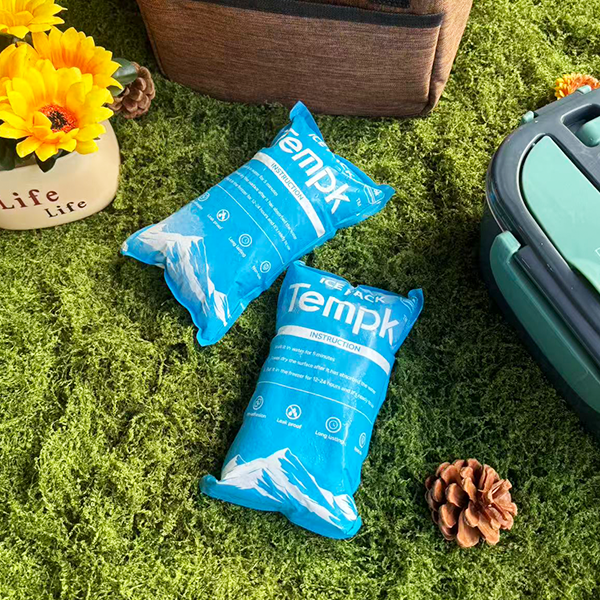
Auswählen eines 25 Hersteller von industriellen Liter-Eisboxen: Ein Leitfaden von der Anforderung zum Nachweis
Der nützlichste Weg, eine auszuwählen 25 liter industrial ice box manufacturer is to move through a requirement-to-evidence sequence. Definieren Sie zunächst den Produkt- und Temperaturbedarf. Dann modellieren Sie Nutzlast und Kühlmittelraum, Planen Sie die Route und den Umgang mit Risiken, Bau auswählen, und entscheiden Sie, welche Tests oder Dokumentationen die Genehmigung unterstützen müssen. Durch diese Reihenfolge bleiben kommerzielle Diskussionen auf die Anwendung und nicht auf allgemeine Behauptungen über Liter beschränkt, Isolierung, Dauer, oder Preis.
For technical service, Industrieproben, mobile Wartung, Lebensmittelbetriebe, and controlled short-route logistics, Beschaffung, Operationen, Maschinenbau, und Qualitätsteams sollten nach denselben kontrollierten Vorgaben arbeiten. An industrial ice box protects against heat transfer; it does not establish a validated temperature condition without a defined coolant and packing system. In den folgenden Abschnitten werden Käufer zusammengefasst, Maschinenbau, operativ, und Lieferantenkontrollperspektiven in einem Entscheidungspfad, Am Ende finden Implementierungsprüfungen statt, die dazu beitragen, dass das genehmigte Muster repräsentativ für die Produktion und den tatsächlichen Einsatz bleibt.
| Entscheidungsantwort: Wählen Sie die Industrie-Eisbox erst nach Bestätigung der Nutzlast aus, nutzbare Geometrie, Temperaturanforderung, Route, Kühlmittel, Handhabung, Beweis, und Produktionskontrollen. An industrial ice box protects against heat transfer; it does not establish a validated temperature condition without a defined coolant and packing system. |
|---|
Bewegen Sie sich in einer kontrollierten Reihenfolge vom Bedarf zum Beweis
Eine kontrollierte Entscheidung kann in vier Gates organisiert werden. Tor eins definiert das Produkt und den erforderlichen Zustand. Gate zwei bestätigt diese Nutzlast, Kühlmittel, innere Geometrie, Handhabung, und Route passen in die vorgeschlagene Box. Tor drei wertet Beweise aus, inklusive Zeichnungen, Materialdaten, Testberichte, Fertigungskontrollen, und Anwendungsgrenzen. Tor vier genehmigt die Umsetzung, inklusive Anleitung, Überwachung, Empfang, Änderungskontrolle, und Lieferantenverantwortung. Ein Projekt sollte nicht vorankommen, nur weil ein Tor stark aussieht, während ein anderes undefiniert bleibt.
Die Tore schaffen auch nützliches Eigentum. Der Betrieb kann die Route und die Arbeitsweise festlegen; Die Technik kann die Geometrie überprüfen, Materialien, und Fehlermodi; Qualität kann Nachweis- und Abweichungsregeln festlegen; Der Einkauf kann Umfang und kommerzielle Konditionen vergleichen. Für industrielle Käufer, Händler, Betriebsleiter, und OEM-Sourcing-Teams, Diese gemeinsame Struktur reduziert wiederholte Klärungen und macht Angebote vergleichbar. Es zeigt auch, wann es sich bei einer Anfrage noch um ein Konzept und nicht um eine kauffertige Spezifikation handelt. Das endgültige Genehmigungsprotokoll sollte zeigen, was bestätigt wurde, von wem, unter Verwendung welcher Beweise, und für welche Anwendungsgrenze.
- Tor 1 – Produkt, Temperaturzustand, Empfindlichkeit, und Konsequenz des Scheiterns
- Tor 2 – Payload envelope, Kühlmittel, Route, Handhabung, Hygiene, und Benutzerpassform
- Tor 3 – Materialien, Zeichnungen, Tests, Qualitätskontrollen, und angegebene Einschränkungen
- Tor 4 – Pilot, Anweisungen, Überwachung, Empfang, Änderungskontrolle, und Startgenehmigung
Beginnen Sie mit einer klaren Benutzeranforderung
Schreiben Sie eine Benutzeranforderung, die ein anderes Team anwenden könnte, ohne das ursprüngliche Verkaufsgespräch zu hören. Identifizieren Sie die Nutzlast, Verpackung, Ausgangszustand, erforderliche Temperaturbedingung, maximale Zeit, Verspätungszulage, Umgebungseinflüsse, Öffnungen, Fahrzeug oder Träger, Handhabung, Reinigung, und Erhalt der Entscheidung. For technical service, Industrieproben, mobile Wartung, Lebensmittelbetriebe, and controlled short-route logistics, Geben Sie außerdem an, welche Folgen ein Ausfall hat und ob die Lieferung ersetzt werden kann, unter Quarantäne gestellt, oder ohne größere Störung untersucht werden.
Turn the primary objective – deliver a compact but robust insulated container with predictable geometry and repeatable production quality – into measurable acceptance points. Getrennte Funktionen, die vom physischen Behälter bereitgestellt werden, von denen, die vom Kühlmittel bereitgestellt werden, Überwachung, Arbeitsanweisungen, der Träger, und Empfangen. Weisen Sie dann Eigentümer für ungelöste Annahmen zu. Eine kontrollierte Benutzeranforderung verhindert, dass die endgültige Genehmigung von vagen Formulierungen wie „dauerhaft“ abhängt, medizinisch, Lebensmittelqualität, dicht, lang anhaltende, oder kühlkettentauglich.
- Definierte Nutzlast, Verpackung, Menge, Masse, und Temperaturzustand
- Normale Spur plus Verzögerung, saisonal, Öffnung, und Übergabeannahmen
- Packout-Komponenten, Konditionierung, Platzierung, und geladene Konfiguration
- Handhabung, Zurückhaltung, Hygiene, Etiketten, Überwachung, und Entscheidungen entgegenzunehmen
- Erforderliche Zeichnungen, Testnachweise, Produktionskontrollen, und den Besitzer wechseln
Schließen Sie die anwendungsspezifischen Genehmigungslücken
Das Genehmigungsprotokoll sollte die projektspezifischen Risiken vor der kommerziellen Freigabe klären: buying by nominal liters, underestimating loaded weight, selecting brittle construction, and accepting inconsistent production walls or seals. It should also state how the proposed configuration will deliver a compact but robust insulated container with predictable geometry and repeatable production quality. Dies sind keine Hintergrundkommentare; Es sind Anforderungen, die einen Besitzer brauchen, Beweis, und eine Annahmeentscheidung. Wenn ein Zustand noch nicht nachgewiesen werden kann, Die Aufzeichnung sollte den verbleibenden Test identifizieren, Pilot, oder Qualitätsaktion.
Use an application matrix that connects impact behavior, foam density control, molded-wall consistency, Deckel passt, Scharnierdesign, and thermal bridge management with the route, Handhabung, Hygiene, Überwachung, und Lieferantenkontrollen. Beziehen Sie die drei entscheidenden Punkte mit ein: Check the loaded lifting posture and handle clearance in the actual vehicle and workplace. Inspect corner thickness, Scharnierbefestigung, Ausrichtung des Deckels, and seal compression on production samples. Define whether the box is for general chilled handling or a documented temperature-controlled application. Die endgültige Wahl sollte für den Einkauf erklärbar sein, Qualität, Operationen, und dem Lieferanten, ohne auf eine Verkaufspräsentation oder persönliche Erinnerung angewiesen zu sein.
Konvertieren Sie das Nennvolumen in nutzbaren Raum
Konvertieren Sie die Katalogbeschreibung in einen kontrollierten Nutzlastumschlag. Fordern Sie eine klare Innenlänge an, Breite, und Höhe an den Stellen, an denen die Nutzlast tatsächlich sitzt, Platzieren Sie dann das vorgesehene Kühlmittel, Separatoren, Gestelle, Monitor, und Produkt in einer Zeichnung oder einem physischen Versuch. A 25-liter rating describes nominal space; Es wird nicht angegeben, wie viele verkaufsfähige Einheiten es gibt, Impfstoffkartons, Exemplare, oder Milchpakete können geladen werden, ohne die genehmigte Anordnung zu stören.
Die Genehmigung sollte den äußeren Platzbedarf und die belastete Masse sowie die interne Passform abdecken. Der vorgeschlagene Container muss in das Fahrzeug gelangen, durch Türen gehen, sicher sitzen, Lassen Sie den Deckel ohne Kompression schließen, und bleiben bei der Lieferung beherrschbar. Wo Sommer- und Winterpakete unterschiedlich sind, beides dokumentieren. Die akzeptierte Spezifikation sollte die nutzbare Nutzlast für die definierte Konfiguration angeben und alle Maßtoleranzen angeben, die die Packung verändern könnten, Zurückhaltung, oder thermische Leistung.
| Entscheidungstor | Projektspezifische Bestätigung | Akzeptable Beweise | Eigentümer |
|---|---|---|---|
| Produktanforderung | Deliver a compact but robust insulated container with predictable geometry and repeatable production quality | Genehmigte Benutzeranforderungen und Produktinformationen | Produkt- und Qualitätsteams |
| Körperliche und betriebliche Eignung | 25-Liter; ergonomic carrying, stable footprint, Verschlusssicherheit, Abriebfestigkeit, and optional vehicle restraint | Verpackungszeichnung, Probeversuch, Streckenbeobachtung, und Reinigungsüberprüfung | Technik und Betrieb |
| Leistungsgrenze | An industrial ice box protects against heat transfer; it does not establish a validated temperature condition without a defined coolant and packing system. | Rückverfolgbare Wärme, mechanisch, Überwachung, und Anwendungsnachweise | Technik und Qualität |
| Lieferantenkontrolle | Zeichnungen, resin and insulation specifications, dimensional samples, drop or handling test methods, and lot inspection records | Kontrollplan, Aufzeichnungen, Prüfungsnachweise, und Änderungsvereinbarung | Beschaffung und Qualität |
| Durchführung | Inspect corner thickness, Scharnierbefestigung, Ausrichtung des Deckels, and seal compression on production samples. | Zugelassener Pilot, Anweisungen, Ausbildung, Empfang, und Eskalationsplan | Betrieb und Qualität |
| Lebenszyklusentscheidung | tooling allocation, Materialien, Bestellmenge, Frachteffizienz, Schadensersatz, und Betriebstauglichkeit; langlebige Konstruktion, replaceable hardware, efficient nesting or stacking, and avoiding oversized coolant loads | Vergleichbarer Business Case und regelmäßige Leistungsüberprüfung | Beschaffung und Betrieb |
Compact Size Does Not Remove Industrial Demands
Das Genehmigungsprotokoll sollte drei anwendungsspezifische Lücken schließen, bevor das Projekt in Produktion oder Markteinführung übergeht.
- Genehmigungspflicht: Check the loaded lifting posture and handle clearance in the actual vehicle and workplace.
- Genehmigungspflicht: Inspect corner thickness, Scharnierbefestigung, Ausrichtung des Deckels, and seal compression on production samples.
- Genehmigungspflicht: Define whether the box is for general chilled handling or a documented temperature-controlled application.
Weisen Sie jeder Anforderung einen Eigentümer und Belege zu. Wenn man unsicher bleibt, Behalten Sie es als offenes Genehmigungselement bei, anstatt die Unsicherheit in einer breiten Lieferantenaussage zu verbergen.
Definieren Sie die Temperaturleistung mit angehängten Bedingungen
Wandeln Sie thermische Ansprüche in Genehmigungserklärungen mit angehängten Bedingungen um. Die Spezifikation sollte das erforderliche Produktsortiment benennen, Überarbeitung der Verpackung, Nutzlastreichweite, Kühlmittel und Konditionierung, Umgebungsprofil, Dauer und Verzögerungsspielraum, Öffnungen, Sensorplan, und Akzeptanzkriterium. Wo verschiedene Jahreszeiten unterschiedliche Verpackungen erfordern, Genehmigen Sie jede Konfiguration explizit, anstatt sie als informelle Bedieneranpassungen zu behandeln.
Erstellen Sie eine Beweisleiter. Beginnen Sie mit Entwurfsberechnungen oder Entwicklungsvergleichen, Übergang zu repräsentativen Labortests, Fügen Sie die Spurqualifizierung hinzu, wenn das Risiko dies erfordert, und nutzen Sie die Betriebsüberwachung, um die kontrollierte Nutzung zu überprüfen. Jeder Schritt beantwortet eine andere Frage. Die Genehmigung sollte auf der Ebene basieren, die dem Produktwert entspricht, Empfindlichkeit, regulatorischen Kontext, Wiederherstellbarkeit, und Routenvariabilität, nicht auf den beeindruckendsten Zertifikatsnamen in einem Vorschlag.
Die Beschaffung sollte den Prozess des Lieferanten testen
Bewerten Sie den vorgeschlagenen Hersteller anhand der genehmigten Anforderung, nicht gegen einen generischen Lieferantenfragebogen. Bestätigen Sie, ob das Angebot nur die Box oder einen größeren Umfang einschließlich Kühlmittel abdeckt, Einsätze, Verpackungszeichnungen, Testen, Qualifizierungsunterstützung, Überwachung, Etiketten, Ersatzteile, Ausbildung, und Abweichungshilfe. Fordern Sie Zeichnungen an, resin and insulation specifications, dimensional samples, drop or handling test methods, and lot inspection records. Jeder wichtige Anspruch sollte auf ein kontrolliertes Dokument verweisen, Probe, Testbedingung, oder Produktionskontrolle.
Komplette kommerzielle und qualitätsbezogene Due Diligence. Überprüfen Sie genehmigte Materialquellen, Kritische Prozesse, Inspektionsprotokolle, Kalibrierung, Werkzeugwartung, Nichtkonformität, Korrekturmaßnahme, Zulieferteile, und Benachrichtigung über technische Änderungen. Vereinbaren Sie, wem die Zeichnungen gehören, Formen, Produktrevisionen, Aufzeichnungen, und erneutes Testen von Entscheidungen. Ein Lieferant ist zur Genehmigung bereit, wenn er die akzeptierte Konfiguration neu erstellen und erklären kann, wie Änderungen bewertet werden, bevor sie eine Lieferung erreichen.
- Lieferumfang, Dokumentation, Testen, Qualifikation, und Unterstützung
- Kontrollierte Spezifikation, genehmigte Probe, Stückliste, und Revisionslink
- Kritische Prozesse, Inspektionen, Aufzeichnungen, Kalibrierung, und Korrekturmaßnahmen
- Kontrolle der Subunternehmer, Werkzeugwartung, Substitutionen, und Änderungsmitteilung
- Kaufmännische Mängelhaftung, nacharbeiten, Ersatzteile, und zukünftige Bestellungen
Erstellen Sie eine Evidenzleiter für die Entscheidung
Organisieren Sie Genehmigungsnachweise nach der Entscheidung, die sie unterstützen. Zeichnungen und Materialaufzeichnungen legen fest, um welches Produkt es sich handelt. Bei mechanischen Tests geht es um Handhabung und Zurückhaltung. Wärmeentwicklungstests vergleichen Designs. Bei der Qualifikation wird ein definiertes Packout anhand einer genehmigten Anforderung getestet. Die Streckenüberwachung zeigt, wie sich die geregelte Methode bei betrieblichen Schwankungen verhält. Aus dem Genehmigungsprotokoll sollte hervorgehen, welche Stufe erforderlich ist und warum, anstatt eine Sammlung unabhängiger Berichte zu akzeptieren.
Bevor Sie sich auf einen Bericht verlassen, Vergleichen Sie die getestete Version, Nutzlast, Kühlmittel, Konditionierung, Anfangstemperaturen, Umgebungsprofil, Dauer, Öffnungen, Orientierung, Sensoren, Akzeptanzkriterien, und Abweichungen von der geplanten Nutzung. Erfassen Sie Lücken und entscheiden Sie, ob diese akzeptabel sind, erfordern eine Analyse, oder zusätzliche Tests erfordern. Ein Berichtsname oder eine Pass-Anweisung reichen nicht aus. Die unterstützte Schlussfolgerung muss auf die Konfiguration zurückführbar bleiben, die Beschaffung und Produktion tatsächlich erwerben werden.
Pilot, Genehmigen, Start, und Rezension
Die Implementierung sollte von einer repräsentativen Probe zu einem kontrollierten Pilotprojekt vor der vollständigen Produktion oder dem Start der Route übergehen. Bestätigen Sie die genaue Stückliste, Zeichnungen, Farben, Markierungen, Zubehör, Verpackung, und Anweisungen. Nutzen Sie den Piloten, um die Packzeit zu testen, Benutzerfehler, geladene Ergonomie, Fahrzeug passen, Zurückhaltung, Reinigung, Überwachung, und Empfangen. Für eine temperaturkontrollierte Anwendung, Stellen Sie sicher, dass der Pilot der beabsichtigten Kühlmittel- und Nutzlastkonfiguration folgt und nicht einem einfacheren Demonstrationsaufbau.
Nach Genehmigung, Frieren Sie die kritische Spezifikation ein und definieren Sie die Änderungskontrolle. Packer ausbilden, Fahrer, Kuriere, Reinigungskräfte, und Empfänger über die Teile des Prozesses, die ihnen gehören. Richten Sie eine Überprüfung der ersten Produktion ein und überwachen Sie frühe Lieferungen auf wiederkehrende Probleme. Eine Einführung sollte Eskalationskontakte und eine Methode zur Trennung verdächtiger Kartons oder Komponenten umfassen. Regelmäßige Überprüfungen können zu Schäden führen, Abweichung, zurückkehren, Reinigung, und Temperaturdaten, um das System zu verfeinern, ohne die qualifizierte oder genehmigte Grenze zu schwächen.
Erstellen Sie ein Kostenmodell rund um Risiko und Nutzung
Erstellen Sie mit One-Time einen risikoadjustierten Business Case, wiederkehrend, und Ausfallkosten getrennt. Einmalige Artikel können Design enthalten, Werkzeuge, Proben, Validierung, und starten. Wiederkehrende Artikel können Einheiten umfassen, Kühlmittel, Überwachung, Arbeit, Reinigung, Fracht, Inspektion, Lagerung, und Ersatz. Zu den Ausfallkosten kann die Produktsperre gehören, Rücksendung, Abweichungsuntersuchung, Kundenstörung, und verlorene Streckenkapazität. Verwenden Sie Projektdaten oder klar definierte Annahmen anstelle eines generischen Einsparungsprozentsatzes.
Vergleichen Sie Alternativen mit demselben zugelassenen Anwendungsbereich. Ein niedrigerer Stückpreis bedeutet keine geringeren Kosten, wenn der nutzbare Raum knapp ist, Der Frachtwürfel ist hoch, Die Auspackarbeit ist langsam, oder Qualitätsfluchten sind häufig. Ein technisch stärkeres Design ist nicht automatisch besser, wenn es die Kosten erhöht, ohne das Routenrisiko zu berücksichtigen. Das Genehmigungsteam sollte den Kompromiss, den es akzeptiert, und die Betriebsmaßnahme dokumentieren, die zeigt, ob der erwartete Wert erreicht wird.
Anwenden des Entscheidungspfads auf ein typisches Projekt
Wenden Sie den vollständigen Entscheidungspfad auf ein typisches Projekt an. A service organization wants a twenty-five-liter box that fits behind a vehicle seat and can be carried through a plant, yet the payload shape and ice-pack arrangement leave less usable room than expected. Das funktionsübergreifende Team genehmigt zunächst die Benutzeranforderung, Anschließend werden Nutzlast und Kühlmittelpassung anhand einer physischen Probe bestätigt. Es zeichnet den Ladevorgang auf, Streckenbelichtung, Hygiene, Überwachung, und Empfangsbedürfnisse vor der Auswahl des Evidenzniveaus und des kommerziellen Umfangs.
Der ausgewählte Hersteller liefert kontrollierte Zeichnungen, Materialien, Testberichte, und eine Pilotcharge. Der Einkauf vergleicht das Angebot mit dem genehmigten Umfang; Qualitätskontrollen, Änderungskontrolle und Akzeptanzkriterien; Operations führt den Piloten mit normalen Benutzern aus. Der Start erfolgt erst, nachdem ungelöste Lücken Eigentümer und Daten haben. Der endgültige Datensatz verknüpft die Anforderung, Konfiguration, Beweis, Anweisungen, und Produktionsversion, damit zukünftige Änderungen schlüssig beurteilt werden können.
Abschließende Fragen zur Beschaffung
Was muss genehmigt werden, bevor die Bestellung freigegeben wird??
Genehmigen Sie die Benutzeranforderung, Produktrevision, Innen- und Außenmaße, Materialien, Packout-Komponenten, Test- oder Qualifikationsbasis, Kritische Prüfkriterien, Etiketten, Verpackung, Dokumentation, kommerziellen Umfang, und Verantwortung für die Änderungskontrolle. Für den temperaturempfindlichen Einsatz, auch die Nutzlast genehmigen, Kühlmittelaufbereitung, Umgebungs- und Dauerannahmen, Sensorplan, Bedienungsanleitung, Empfangskriterien, und ungelöste Einschränkungen.
Wie wird eine freigegebene Probe im Einklang mit der Produktion gehalten??
Verknüpfen Sie das Beispiel mit kontrollierten Zeichnungen, Stückliste, genehmigte Materialquellen, Prozesseinstellungen, kritische Dimensionen, Inspektionsmethoden, und eine Pilotcharge. Bewahren Sie gegebenenfalls ein Referenzmuster auf, Aber verlassen Sie sich nicht nur auf das Aussehen. Der Lieferant sollte den Käufer vor Änderungen an der Werkzeugausstattung benachrichtigen, Harz, Isolierung, Hardware, Siegel, einfügen, Kühlmittel, Subunternehmer, Verfahren, oder Verpackungen, die die Funktion beeinträchtigen könnten.
Wem gehören Qualifizierungs- und Compliance-Entscheidungen??
Die Verantwortung sollte in der Projektvereinbarung festgelegt werden. Der Lieferant kann genaue Produktdaten bereitstellen, Proben, Berichte, und technischer Support; Normalerweise legt der Käufer die Produktgrenzen fest, Fahrbahn, Akzeptanzkriterien, Qualitätssystem, und geltenden Marktverpflichtungen. Die Arbeiten können von einem Vertragshersteller oder einem Prüflabor durchgeführt werden, Dies beseitigt jedoch nicht die Notwendigkeit, dass der Produkteigentümer und das Qualitätsteam die Eignung genehmigen müssen.
Wann ist ein individuelles Design gerechtfertigt??
Eine kundenspezifische Anpassung ist gerechtfertigt, wenn ein Standardprodukt die kritische Nutzlastgeometrie nicht erfüllen kann, nutzbare Kapazität, Zurückhaltung, Reinigung, Branding, Route, Zubehör, oder Betriebsanforderungen. Vergleichen Sie den Wert mit den Werkzeugen, Entwicklungszeit, MOQ, Änderungsrisiko, Testanforderungen, Ersatzteile, und zukünftige Überarbeitungen. Eine benutzerdefinierte Form sollte eine dokumentierte Anforderung lösen und nicht die Komplexität erhöhen, die durch eine Einfügung oder Prozessänderung bewältigt werden kann.
Was ist die wichtigste Einschränkung einer industriellen Eisbox??
An industrial ice box protects against heat transfer; it does not establish a validated temperature condition without a defined coolant and packing system. Der Käufer sollte daher auf die Behandlung einer Kapazitätskennzeichnung verzichten, Materialname, oder generische Dauer als vollständige Leistungsaussage. Bestätigen Sie die Nutzlast, Kühlmittel, Route, Öffnungen, Umgebungseinflüsse, Handhabung, Überwachung, Testbedingungen, und Erhalt einer Entscheidung, die den Verwendungszweck definiert.
Abschluss: Genehmigen Sie ein System, das Sie erklären und wiederholen können
Ein passendes 25 Hersteller von industriellen Eisboxen mit einem Liter Fassungsvermögen ist das Ergebnis einer disziplinierten Spezifikation und nicht eines einzelnen Merkmals. Die zuverlässigste Entscheidung ist die Verbindung der Nutzlast, Temperaturzustand, Route, nutzbarer Raum, Konstruktion, Kühlmittel, Handhabung, Hygiene, Beweis, Produktionskontrolle, und Betriebseigentum. Wenn diese Elemente explizit sind, Die Beschaffung kann Angebote fair vergleichen und der Betrieb kann die genehmigte Methode wiederholen, ohne sich auf das Gedächtnis oder eine breite Verkaufssprache verlassen zu müssen.
- Beginnen Sie mit dem Produkt und der Spur, Bestätigen Sie dann die körperliche Passform und die Verpackung.
- Passen Sie die erforderlichen Nachweise an das Risiko und die Anwendungsgrenze an.
- Genehmigen Sie Lieferantenkontrollen, Durchführung, Überwachung, und Change Management gemeinsam.
- Sorgen Sie für eine nachvollziehbare Verbindung von der Anforderung über den Nachweis bis zur Betriebsanweisung.
Über Tempk
Tempk is a Shanghai-based cold-chain packaging company established in 2011. Its publicly presented range includes gel and water-based ice packs, EPP and plastic insulated boxes, vakuumisolierte Lösungen, Isoliertaschen und -einlagen, Palettenabdeckungen, und Temperaturüberwachungsprodukte. Für ein Projekt, Tempk kann den Produkttyp überprüfen, erforderliche Temperaturbedingung, Nutzlast, Route, Jahreszeit, Handhabung, und Empfangsprozess, bevor Sie eine Standard- oder kundenspezifische Konfiguration besprechen. Die endgültige Eignung hängt weiterhin von der Bewerbungsprüfung des Käufers ab, Testen, Qualifikation, und Bedienelemente.
Vorbereiten einer nützlichen Anfrage
Besprechen Sie das geplante Produkt, Kühlmittel, Route, Jahreszeit, Überwachung, und Empfangsprozess mit Tempk, bevor vom Muster zur Produktion übergegangen wird.
20 Lieferant von gewerblichen Liter-Eisboxen: Spezifikationshandbuch

Auswählen eines 20 Lieferant von gewerblichen Liter-Eisboxen: Ein Leitfaden von der Anforderung zum Nachweis
Der nützlichste Weg, eine auszuwählen 20 liter commercial ice box supplier is to move through a requirement-to-evidence sequence. Definieren Sie zunächst den Produkt- und Temperaturbedarf. Dann modellieren Sie Nutzlast und Kühlmittelraum, Planen Sie die Route und den Umgang mit Risiken, Bau auswählen, und entscheiden Sie, welche Tests oder Dokumentationen die Genehmigung unterstützen müssen. Durch diese Reihenfolge bleiben kommerzielle Diskussionen auf die Anwendung und nicht auf allgemeine Behauptungen über Liter beschränkt, Isolierung, Dauer, oder Preis.
Für die Zustellung auf der letzten Meile, Apothekenunterstützung, small catering runs, Probenahme, route sales, und Feldeinsätze, Beschaffung, Operationen, Maschinenbau, und Qualitätsteams sollten nach denselben kontrollierten Vorgaben arbeiten. Compact size improves mobility but does not remove the need to define temperature, Dauer, Kühlmittel, Öffnungsverhalten, und Überwachung. In den folgenden Abschnitten werden Käufer zusammengefasst, Maschinenbau, operativ, und Lieferantenkontrollperspektiven in einem Entscheidungspfad, Am Ende finden Implementierungsprüfungen statt, die dazu beitragen, dass das genehmigte Muster repräsentativ für die Produktion und den tatsächlichen Einsatz bleibt.
| Entscheidungsantwort: Select the compact commercial ice box only after confirming the payload, nutzbare Geometrie, Temperaturanforderung, Route, Kühlmittel, Handhabung, Beweis, und Produktionskontrollen. Compact size improves mobility but does not remove the need to define temperature, Dauer, Kühlmittel, Öffnungsverhalten, und Überwachung. |
|---|
Verwenden Sie einen Entscheidungspfad von der Anforderung zur Evidenz
Eine kontrollierte Entscheidung kann in vier Gates organisiert werden. Tor eins definiert das Produkt und den erforderlichen Zustand. Gate zwei bestätigt diese Nutzlast, Kühlmittel, innere Geometrie, Handhabung, und Route passen in die vorgeschlagene Box. Tor drei wertet Beweise aus, inklusive Zeichnungen, Materialdaten, Testberichte, Fertigungskontrollen, und Anwendungsgrenzen. Tor vier genehmigt die Umsetzung, inklusive Anleitung, Überwachung, Empfang, Änderungskontrolle, und Lieferantenverantwortung. Ein Projekt sollte nicht vorankommen, nur weil ein Tor stark aussieht, während ein anderes undefiniert bleibt.
Die Tore schaffen auch nützliches Eigentum. Der Betrieb kann die Route und die Arbeitsweise festlegen; Die Technik kann die Geometrie überprüfen, Materialien, und Fehlermodi; Qualität kann Nachweis- und Abweichungsregeln festlegen; Der Einkauf kann Umfang und kommerzielle Konditionen vergleichen. For small-route operators, commercial buyers, Händler, und Beschaffungsteams, Diese gemeinsame Struktur reduziert wiederholte Klärungen und macht Angebote vergleichbar. Es zeigt auch, wann es sich bei einer Anfrage noch um ein Konzept und nicht um eine kauffertige Spezifikation handelt. Das endgültige Genehmigungsprotokoll sollte zeigen, was bestätigt wurde, von wem, unter Verwendung welcher Beweise, und für welche Anwendungsgrenze.
- Tor 1 – Produkt, Temperaturzustand, Empfindlichkeit, und Konsequenz des Scheiterns
- Tor 2 – Payload envelope, Kühlmittel, Route, Handhabung, Hygiene, und Benutzerpassform
- Tor 3 – Materialien, Zeichnungen, Tests, Qualitätskontrollen, und angegebene Einschränkungen
- Tor 4 – Pilot, Anweisungen, Überwachung, Empfang, Änderungskontrolle, und Startgenehmigung
Beginnen Sie mit einer klaren Benutzeranforderung
Schreiben Sie eine Benutzeranforderung, die ein anderes Team anwenden könnte, ohne das ursprüngliche Verkaufsgespräch zu hören. Identifizieren Sie die Nutzlast, Verpackung, Ausgangszustand, erforderliche Temperaturbedingung, maximale Zeit, Verspätungszulage, Umgebungseinflüsse, Öffnungen, Fahrzeug oder Träger, Handhabung, Reinigung, und Erhalt der Entscheidung. Für die Zustellung auf der letzten Meile, Apothekenunterstützung, small catering runs, Probenahme, route sales, und Feldeinsätze, Geben Sie außerdem an, welche Folgen ein Ausfall hat und ob die Lieferung ersetzt werden kann, unter Quarantäne gestellt, oder ohne größere Störung untersucht werden.
Turn the primary objective – provide a compact insulated container that is easy to carry and fits constrained vehicles while preserving enough usable payload space – into measurable acceptance points. Getrennte Funktionen, die vom physischen Behälter bereitgestellt werden, von denen, die vom Kühlmittel bereitgestellt werden, Überwachung, Arbeitsanweisungen, der Träger, und Empfangen. Weisen Sie dann Eigentümer für ungelöste Annahmen zu. Eine kontrollierte Benutzeranforderung verhindert, dass die endgültige Genehmigung von vagen Formulierungen wie „dauerhaft“ abhängt, medizinisch, Lebensmittelqualität, dicht, lang anhaltende, oder kühlkettentauglich.
- Definierte Nutzlast, Verpackung, Menge, Masse, und Temperaturzustand
- Normale Spur plus Verzögerung, saisonal, Öffnung, und Übergabeannahmen
- Packout-Komponenten, Konditionierung, Platzierung, und geladene Konfiguration
- Handhabung, Zurückhaltung, Hygiene, Etiketten, Überwachung, und Entscheidungen entgegenzunehmen
- Erforderliche Zeichnungen, Testnachweise, Produktionskontrollen, und den Besitzer wechseln
Verwandeln Sie die einzigartigen Risiken in Genehmigungskriterien
Das Genehmigungsprotokoll sollte die projektspezifischen Risiken vor der kommerziellen Freigabe klären: assuming twenty liters equals twenty liters of sellable payload, overloading the handle, choosing an unstable tall shape, and neglecting coolant displacement. It should also state how the proposed configuration will provide a compact insulated container that is easy to carry and fits constrained vehicles while preserving enough usable payload space. Dies sind keine Hintergrundkommentare; Es sind Anforderungen, die einen Besitzer brauchen, Beweis, und eine Annahmeentscheidung. Wenn ein Zustand noch nicht nachgewiesen werden kann, Die Aufzeichnung sollte den verbleibenden Test identifizieren, Pilot, oder Qualitätsaktion.
Use an application matrix that connects low-mass but durable shell, Isolationskontinuität, Griffbefestigung, Ausrichtung des Deckels, and wear resistance with the route, Handhabung, Hygiene, Überwachung, und Lieferantenkontrollen. Beziehen Sie die drei entscheidenden Punkte mit ein: Measure the payload and coolant together, including the space needed to avoid crushing products or blocking the lid. Test the loaded carry in the actual vehicle, doorway, stair, and handover process. Balance insulation thickness with internal space instead of maximizing either one in isolation. Die endgültige Wahl sollte für den Einkauf erklärbar sein, Qualität, Operationen, und dem Lieferanten, ohne auf eine Verkaufspräsentation oder persönliche Erinnerung angewiesen zu sein.
Die Kapazität muss mit einem Packout nachgewiesen werden
Konvertieren Sie die Katalogbeschreibung in einen kontrollierten Nutzlastumschlag. Fordern Sie eine klare Innenlänge an, Breite, und Höhe an den Stellen, an denen die Nutzlast tatsächlich sitzt, Platzieren Sie dann das vorgesehene Kühlmittel, Separatoren, Gestelle, Monitor, und Produkt in einer Zeichnung oder einem physischen Versuch. A 20-liter rating describes nominal space; Es wird nicht angegeben, wie viele verkaufsfähige Einheiten es gibt, Impfstoffkartons, Exemplare, oder Milchpakete können geladen werden, ohne die genehmigte Anordnung zu stören.
Die Genehmigung sollte den äußeren Platzbedarf und die belastete Masse sowie die interne Passform abdecken. Der vorgeschlagene Container muss in das Fahrzeug gelangen, durch Türen gehen, sicher sitzen, Lassen Sie den Deckel ohne Kompression schließen, und bleiben bei der Lieferung beherrschbar. Wo Sommer- und Winterpakete unterschiedlich sind, beides dokumentieren. Die akzeptierte Spezifikation sollte die nutzbare Nutzlast für die definierte Konfiguration angeben und alle Maßtoleranzen angeben, die die Packung verändern könnten, Zurückhaltung, oder thermische Leistung.
| Entscheidungstor | Projektspezifische Bestätigung | Akzeptable Beweise | Eigentümer |
|---|---|---|---|
| Produktanforderung | Provide a compact insulated container that is easy to carry and fits constrained vehicles while preserving enough usable payload space | Genehmigte Benutzeranforderungen und Produktinformationen | Produkt- und Qualitätsteams |
| Körperliche und betriebliche Eignung | 20-Liter; one-person lift, comfortable grip, secure lid, stabile Basis, einfacher Zugang, and optional tie-down or shoulder-carry compatibility | Verpackungszeichnung, Probeversuch, Streckenbeobachtung, und Reinigungsüberprüfung | Technik und Betrieb |
| Leistungsgrenze | Compact size improves mobility but does not remove the need to define temperature, Dauer, Kühlmittel, Öffnungsverhalten, und Überwachung. | Rückverfolgbare Wärme, mechanisch, Überwachung, und Anwendungsnachweise | Technik und Qualität |
| Lieferantenkontrolle | Innenmaße, loaded-weight guidance, handle and closure tests, sample measurements, und thermische Testbedingungen | Kontrollplan, Aufzeichnungen, Prüfungsnachweise, und Änderungsvereinbarung | Beschaffung und Qualität |
| Durchführung | Test the loaded carry in the actual vehicle, doorway, stair, and handover process. | Zugelassener Pilot, Anweisungen, Ausbildung, Empfang, und Eskalationsplan | Betrieb und Qualität |
| Lebenszyklusentscheidung | driver time, usable payload per trip, Fracht, Schaden, handle life, Reinigung, und Austauschhäufigkeit; right-sized routes, reduced empty cube, durable high-use construction, and efficient return to the packing point | Vergleichbarer Business Case und regelmäßige Leistungsüberprüfung | Beschaffung und Betrieb |
Mobility Is the Main Design Constraint
Das Genehmigungsprotokoll sollte drei anwendungsspezifische Lücken schließen, bevor das Projekt in Produktion oder Markteinführung übergeht.
- Genehmigungspflicht: Measure the payload and coolant together, including the space needed to avoid crushing products or blocking the lid.
- Genehmigungspflicht: Test the loaded carry in the actual vehicle, doorway, stair, and handover process.
- Genehmigungspflicht: Balance insulation thickness with internal space instead of maximizing either one in isolation.
Weisen Sie jeder Anforderung einen Eigentümer und Belege zu. Wenn man unsicher bleibt, Behalten Sie es als offenes Genehmigungselement bei, anstatt die Unsicherheit in einer breiten Lieferantenaussage zu verbergen.
Definieren Sie die Temperaturleistung mit angehängten Bedingungen
Wandeln Sie thermische Ansprüche in Genehmigungserklärungen mit angehängten Bedingungen um. Die Spezifikation sollte das erforderliche Produktsortiment benennen, Überarbeitung der Verpackung, Nutzlastreichweite, Kühlmittel und Konditionierung, Umgebungsprofil, Dauer und Verzögerungsspielraum, Öffnungen, Sensorplan, und Akzeptanzkriterium. Wo verschiedene Jahreszeiten unterschiedliche Verpackungen erfordern, Genehmigen Sie jede Konfiguration explizit, anstatt sie als informelle Bedieneranpassungen zu behandeln.
Erstellen Sie eine Beweisleiter. Beginnen Sie mit Entwurfsberechnungen oder Entwicklungsvergleichen, Übergang zu repräsentativen Labortests, Fügen Sie die Spurqualifizierung hinzu, wenn das Risiko dies erfordert, und nutzen Sie die Betriebsüberwachung, um die kontrollierte Nutzung zu überprüfen. Jeder Schritt beantwortet eine andere Frage. Die Genehmigung sollte auf der Ebene basieren, die dem Produktwert entspricht, Empfindlichkeit, regulatorischen Kontext, Wiederherstellbarkeit, und Routenvariabilität, nicht auf den beeindruckendsten Zertifikatsnamen in einem Vorschlag.
Wählen Sie den Lieferanten und das Kontrollsystem gemeinsam aus
Bewerten Sie den vorgeschlagenen Hersteller anhand der genehmigten Anforderung, nicht gegen einen generischen Lieferantenfragebogen. Bestätigen Sie, ob das Angebot nur die Box oder einen größeren Umfang einschließlich Kühlmittel abdeckt, Einsätze, Verpackungszeichnungen, Testen, Qualifizierungsunterstützung, Überwachung, Etiketten, Ersatzteile, Ausbildung, und Abweichungshilfe. Innenmaße anfragen, loaded-weight guidance, handle and closure tests, sample measurements, und thermische Testbedingungen. Jeder wichtige Anspruch sollte auf ein kontrolliertes Dokument verweisen, Probe, Testbedingung, oder Produktionskontrolle.
Komplette kommerzielle und qualitätsbezogene Due Diligence. Überprüfen Sie genehmigte Materialquellen, Kritische Prozesse, Inspektionsprotokolle, Kalibrierung, Werkzeugwartung, Nichtkonformität, Korrekturmaßnahme, Zulieferteile, und Benachrichtigung über technische Änderungen. Vereinbaren Sie, wem die Zeichnungen gehören, Formen, Produktrevisionen, Aufzeichnungen, und erneutes Testen von Entscheidungen. Ein Lieferant ist zur Genehmigung bereit, wenn er die akzeptierte Konfiguration neu erstellen und erklären kann, wie Änderungen bewertet werden, bevor sie eine Lieferung erreichen.
- Lieferumfang, Dokumentation, Testen, Qualifikation, und Unterstützung
- Kontrollierte Spezifikation, genehmigte Probe, Stückliste, und Revisionslink
- Kritische Prozesse, Inspektionen, Aufzeichnungen, Kalibrierung, und Korrekturmaßnahmen
- Kontrolle der Subunternehmer, Werkzeugwartung, Substitutionen, und Änderungsmitteilung
- Kaufmännische Mängelhaftung, nacharbeiten, Ersatzteile, und zukünftige Bestellungen
Erstellen Sie eine Evidenzleiter für die Entscheidung
Organisieren Sie Genehmigungsnachweise nach der Entscheidung, die sie unterstützen. Zeichnungen und Materialaufzeichnungen legen fest, um welches Produkt es sich handelt. Bei mechanischen Tests geht es um Handhabung und Zurückhaltung. Wärmeentwicklungstests vergleichen Designs. Bei der Qualifikation wird ein definiertes Packout anhand einer genehmigten Anforderung getestet. Die Streckenüberwachung zeigt, wie sich die geregelte Methode bei betrieblichen Schwankungen verhält. Aus dem Genehmigungsprotokoll sollte hervorgehen, welche Stufe erforderlich ist und warum, anstatt eine Sammlung unabhängiger Berichte zu akzeptieren.
Bevor Sie sich auf einen Bericht verlassen, Vergleichen Sie die getestete Version, Nutzlast, Kühlmittel, Konditionierung, Anfangstemperaturen, Umgebungsprofil, Dauer, Öffnungen, Orientierung, Sensoren, Akzeptanzkriterien, und Abweichungen von der geplanten Nutzung. Erfassen Sie Lücken und entscheiden Sie, ob diese akzeptabel sind, erfordern eine Analyse, oder zusätzliche Tests erfordern. Ein Berichtsname oder eine Pass-Anweisung reichen nicht aus. Die unterstützte Schlussfolgerung muss auf die Konfiguration zurückführbar bleiben, die Beschaffung und Produktion tatsächlich erwerben werden.
Ein kontrollierter Rollout verhindert teure Überraschungen
Die Implementierung sollte von einer repräsentativen Probe zu einem kontrollierten Pilotprojekt vor der vollständigen Produktion oder dem Start der Route übergehen. Bestätigen Sie die genaue Stückliste, Zeichnungen, Farben, Markierungen, Zubehör, Verpackung, und Anweisungen. Nutzen Sie den Piloten, um die Packzeit zu testen, Benutzerfehler, geladene Ergonomie, Fahrzeug passen, Zurückhaltung, Reinigung, Überwachung, und Empfangen. Für eine temperaturkontrollierte Anwendung, Stellen Sie sicher, dass der Pilot der beabsichtigten Kühlmittel- und Nutzlastkonfiguration folgt und nicht einem einfacheren Demonstrationsaufbau.
Nach Genehmigung, Frieren Sie die kritische Spezifikation ein und definieren Sie die Änderungskontrolle. Packer ausbilden, Fahrer, Kuriere, Reinigungskräfte, und Empfänger über die Teile des Prozesses, die ihnen gehören. Richten Sie eine Überprüfung der ersten Produktion ein und überwachen Sie frühe Lieferungen auf wiederkehrende Probleme. Eine Einführung sollte Eskalationskontakte und eine Methode zur Trennung verdächtiger Kartons oder Komponenten umfassen. Regelmäßige Überprüfungen können zu Schäden führen, Abweichung, zurückkehren, Reinigung, und Temperaturdaten, um das System zu verfeinern, ohne die qualifizierte oder genehmigte Grenze zu schwächen.
Erstellen Sie ein Kostenmodell rund um Risiko und Nutzung
Erstellen Sie mit One-Time einen risikoadjustierten Business Case, wiederkehrend, und Ausfallkosten getrennt. Einmalige Artikel können Design enthalten, Werkzeuge, Proben, Validierung, und starten. Wiederkehrende Artikel können Einheiten umfassen, Kühlmittel, Überwachung, Arbeit, Reinigung, Fracht, Inspektion, Lagerung, und Ersatz. Zu den Ausfallkosten kann die Produktsperre gehören, Rücksendung, Abweichungsuntersuchung, Kundenstörung, und verlorene Streckenkapazität. Verwenden Sie Projektdaten oder klar definierte Annahmen anstelle eines generischen Einsparungsprozentsatzes.
Vergleichen Sie Alternativen mit demselben zugelassenen Anwendungsbereich. Ein niedrigerer Stückpreis bedeutet keine geringeren Kosten, wenn der nutzbare Raum knapp ist, Der Frachtwürfel ist hoch, Die Auspackarbeit ist langsam, oder Qualitätsfluchten sind häufig. Ein technisch stärkeres Design ist nicht automatisch besser, wenn es die Kosten erhöht, ohne das Routenrisiko zu berücksichtigen. Das Genehmigungsteam sollte den Kompromiss, den es akzeptiert, und die Betriebsmaßnahme dokumentieren, die zeigt, ob der erwartete Wert erreicht wird.
Anwenden des Entscheidungspfads auf ein typisches Projekt
Wenden Sie den vollständigen Entscheidungspfad auf ein typisches Projekt an. A last-mile operator chooses a twenty-liter box to improve driver mobility, then discovers that the coolant and divider reduce payload capacity more than the catalog image suggested. Das funktionsübergreifende Team genehmigt zunächst die Benutzeranforderung, Anschließend werden Nutzlast und Kühlmittelpassung anhand einer physischen Probe bestätigt. Es zeichnet den Ladevorgang auf, Streckenbelichtung, Hygiene, Überwachung, und Empfangsbedürfnisse vor der Auswahl des Evidenzniveaus und des kommerziellen Umfangs.
Der ausgewählte Hersteller liefert kontrollierte Zeichnungen, Materialien, Testberichte, und eine Pilotcharge. Der Einkauf vergleicht das Angebot mit dem genehmigten Umfang; Qualitätskontrollen, Änderungskontrolle und Akzeptanzkriterien; Operations führt den Piloten mit normalen Benutzern aus. Der Start erfolgt erst, nachdem ungelöste Lücken Eigentümer und Daten haben. Der endgültige Datensatz verknüpft die Anforderung, Konfiguration, Beweis, Anweisungen, und Produktionsversion, damit zukünftige Änderungen schlüssig beurteilt werden können.
Abschließende Fragen zur Beschaffung
Was muss genehmigt werden, bevor die Bestellung freigegeben wird??
Genehmigen Sie die Benutzeranforderung, Produktrevision, Innen- und Außenmaße, Materialien, Packout-Komponenten, Test- oder Qualifikationsbasis, Kritische Prüfkriterien, Etiketten, Verpackung, Dokumentation, kommerziellen Umfang, und Verantwortung für die Änderungskontrolle. Für den temperaturempfindlichen Einsatz, auch die Nutzlast genehmigen, Kühlmittelaufbereitung, Umgebungs- und Dauerannahmen, Sensorplan, Bedienungsanleitung, Empfangskriterien, und ungelöste Einschränkungen.
Wie wird eine freigegebene Probe im Einklang mit der Produktion gehalten??
Verknüpfen Sie das Beispiel mit kontrollierten Zeichnungen, Stückliste, genehmigte Materialquellen, Prozesseinstellungen, kritische Dimensionen, Inspektionsmethoden, und eine Pilotcharge. Bewahren Sie gegebenenfalls ein Referenzmuster auf, Aber verlassen Sie sich nicht nur auf das Aussehen. Der Lieferant sollte den Käufer vor Änderungen an der Werkzeugausstattung benachrichtigen, Harz, Isolierung, Hardware, Siegel, einfügen, Kühlmittel, Subunternehmer, Verfahren, oder Verpackungen, die die Funktion beeinträchtigen könnten.
Wem gehören Qualifizierungs- und Compliance-Entscheidungen??
Die Verantwortung sollte in der Projektvereinbarung festgelegt werden. Der Lieferant kann genaue Produktdaten bereitstellen, Proben, Berichte, und technischer Support; Normalerweise legt der Käufer die Produktgrenzen fest, Fahrbahn, Akzeptanzkriterien, Qualitätssystem, und geltenden Marktverpflichtungen. Die Arbeiten können von einem Vertragshersteller oder einem Prüflabor durchgeführt werden, Dies beseitigt jedoch nicht die Notwendigkeit, dass der Produkteigentümer und das Qualitätsteam die Eignung genehmigen müssen.
Wann ist ein individuelles Design gerechtfertigt??
Eine kundenspezifische Anpassung ist gerechtfertigt, wenn ein Standardprodukt die kritische Nutzlastgeometrie nicht erfüllen kann, nutzbare Kapazität, Zurückhaltung, Reinigung, Branding, Route, Zubehör, oder Betriebsanforderungen. Vergleichen Sie den Wert mit den Werkzeugen, Entwicklungszeit, MOQ, Änderungsrisiko, Testanforderungen, Ersatzteile, und zukünftige Überarbeitungen. Eine benutzerdefinierte Form sollte eine dokumentierte Anforderung lösen und nicht die Komplexität erhöhen, die durch eine Einfügung oder Prozessänderung bewältigt werden kann.
What is the most important limitation of a compact commercial ice box?
Compact size improves mobility but does not remove the need to define temperature, Dauer, Kühlmittel, Öffnungsverhalten, und Überwachung. Der Käufer sollte daher auf die Behandlung einer Kapazitätskennzeichnung verzichten, Materialname, oder generische Dauer als vollständige Leistungsaussage. Bestätigen Sie die Nutzlast, Kühlmittel, Route, Öffnungen, Umgebungseinflüsse, Handhabung, Überwachung, Testbedingungen, und Erhalt einer Entscheidung, die den Verwendungszweck definiert.
Abschluss: Genehmigen Sie ein System, das Sie erklären und wiederholen können
Ein passendes 20 liter commercial ice box supplier is the result of disciplined specification rather than a single feature. Die zuverlässigste Entscheidung ist die Verbindung der Nutzlast, Temperaturzustand, Route, nutzbarer Raum, Konstruktion, Kühlmittel, Handhabung, Hygiene, Beweis, Produktionskontrolle, und Betriebseigentum. Wenn diese Elemente explizit sind, Die Beschaffung kann Angebote fair vergleichen und der Betrieb kann die genehmigte Methode wiederholen, ohne sich auf das Gedächtnis oder eine breite Verkaufssprache verlassen zu müssen.
- Beginnen Sie mit dem Produkt und der Spur, Bestätigen Sie dann die körperliche Passform und die Verpackung.
- Passen Sie die erforderlichen Nachweise an das Risiko und die Anwendungsgrenze an.
- Genehmigen Sie Lieferantenkontrollen, Durchführung, Überwachung, und Change Management gemeinsam.
- Sorgen Sie für eine nachvollziehbare Verbindung von der Anforderung über den Nachweis bis zur Betriebsanweisung.
Über Tempk
Tempk is a Shanghai-based cold-chain packaging company established in 2011. Its publicly presented range includes gel and water-based ice packs, EPP and plastic insulated boxes, vakuumisolierte Lösungen, Isoliertaschen und -einlagen, Palettenabdeckungen, und Temperaturüberwachungsprodukte. Für ein Projekt, Tempk kann den Produkttyp überprüfen, erforderliche Temperaturbedingung, Nutzlast, Route, Jahreszeit, Handhabung, und Empfangsprozess, bevor Sie eine Standard- oder kundenspezifische Konfiguration besprechen. Die endgültige Eignung hängt weiterhin von der Bewerbungsprüfung des Käufers ab, Testen, Qualifikation, und Bedienelemente.
Nächster Schritt
Für ein nützlicheres Zitat, Geben Sie Tempk die Verpackungsmaße an, Betriebsspur, Handhabungsbedingungen, Dokumentationsbedarf, und Anpassungsprioritäten.
Auswahlrahmen für Hersteller von medizinischen Eisboxen und pharmazeutischem Versand

Auswahl eines Herstellers für medizinische Kühlboxen und Arzneimittelversand
Eine verlässliche Entscheidung beginnt mit einem kontrollierten Anwendungsfall, keine Katalogkapazität. A search for a medical ice box pharmaceutical shipping manufacturer usually combines several questions: Passt die komplette Ladung?, Kann die Konfiguration es auf der Route schützen?, Kann die Produktion die getestete Konstruktion reproduzieren?, und können Mitarbeiter das System konsequent nutzen? Bei der Dimensionierung sollte das vollständige qualifizierte Packout verwendet werden, da der Bruttoinnenraum nicht mit der Nettonutzlastkapazität übereinstimmt.
Zur abschließenden Überprüfung eines medizinischen Versenders mit gemischten Produkten, Das folgende Framework verwandelt diese Fragen in Entscheidungspunkte. Es bewahrt technische Beweismittel auf, Beschaffungsbedingungen, und Feldausführung verbunden, ohne dass die Box als einzige Quelle der Temperaturregelung betrachtet wird.
Tor eins: Frieren Sie das Produkt und den Lane Brief ein
Vor dem kontrollierten Scale-up eines medizinischen Versandbehälters mit gemischten Produkten, Benennen Sie den Inhalt, Präsentation, Menge, Versandursprung und -ziel, saisonale Exposition, Sorgerechtsänderungen, geplante Eröffnungen, glaubwürdige Verzögerungen, und Empfangsprozess. Das zugelassene Produktetikett und die zuständige Qualitätsabteilung müssen den zulässigen Temperaturbereich und etwaige Abweichungsrichtlinien festlegen. Für viele gekühlte Produkte ist ein 2°C bis 8°C-Plan üblich, aber es ist keine universelle Regel. Frostempfindliche Produkte erfordern einen expliziten Untergrenzenschutz.
Bei der Freigabe eines medizinischen Versenders mit gemischten Produkten, Wandeln Sie das Briefing in Akzeptanzkriterien um, die überprüft oder getestet werden können. Beispiele hierfür sind die interne Geometrie, Packgewicht, Schließung, Etikettenbereich, Reinigungsverträglichkeit, Temperaturnachweis, Dokumentation, und Änderungsmitteilung. Weisen Sie jedem Kriterium einen Eigentümer zu. Die Beschaffung kann eigene Handelsbedingungen haben, Aber Qualitäts- oder technisches Personal sollte über Anforderungen verfügen, die sich auf den Produktschutz auswirken.
Zur abschließenden Überprüfung eines medizinischen Versenders mit gemischten Produkten, wenn die Spur neu ist, Markieren Sie Annahmen offen. Eine angegebene maximale Reisezeit weicht von einem beobachteten Verbreitungsprofil ab. Es ist sinnvoll, Unsicherheiten einzuplanen; Das Verstecken innerhalb einer ungeklärten „Sicherheitsspanne“ macht eine zukünftige Überprüfung schwierig.
Tor Zwei: Verwandeln Sie das Kapazitätsetikett in ein Packout
Bei der Freigabe eines medizinischen Versenders mit gemischten Produkten, Beginnen Sie mit einer Maßzeichnung der tatsächlichen Nutzlast. Fügen Sie jede Kühlmitteleinheit hinzu, Teiler, Barriere, Monitor, Abstandhalter, und Schutzkomponente. Engstellen aufzeigen, Wandverjüngung, abgerundete Ecken, mit Einbrüchen umgehen, und Deckelmulde. Berechnen Sie den Bruttohohlraum und die Nettonutzlast separat, Wiegen Sie dann die zusammengebaute Ladung.
Vor dem kontrollierten Scale-up eines medizinischen Versandbehälters mit gemischten Produkten, Eine effiziente Anordnung ist nicht einfach diejenige mit dem geringsten Leerraum. Bediener benötigen Platz, um Komponenten in der richtigen Reihenfolge zu laden und den Inhalt zu entnehmen, ohne die Kartons zu beschädigen. Der Logger benötigt eine definierte Position, und das Kühlmittel darf sich während der Handhabung nicht verschieben. Überprüfen Sie, ob der gepackte Behälter gemäß den Sicherheitsvorschriften des Käufers für eine oder zwei Personen praktikabel bleibt.
Vor dem kontrollierten Scale-up eines medizinischen Versandbehälters mit gemischten Produkten, Erstellen Sie einen Konfigurationscode für das Packout. Wenn die Nutzlast gezählt wird, Kühlmittel, oder Jahreszeitenwechsel, Geben Sie der Alternative eine separate Identität, bis Beweise dafür sprechen, dass sie mit einer vorhandenen Konfiguration kombiniert werden kann.
Ein einziger Entscheidungsdatensatz
| Überprüfungstor | Beweismittel werden aktenkundig gemacht | Entscheidungseigentümer |
|---|---|---|
| Produkt und Spur | Zugelassene Grenzwerte, Nutzlast, Streckenkarte, Verzögerungsannahmen | Qualität und Logistik |
| Kapazität und Handhabung | Interne Zeichnung, Karte laden, Packgewicht, Trockenlauf | Verpackung und Betrieb |
| Leistung | Protokoll, thermische Daten, körperliche Kontrollen, Abweichungen | Technisch oder qualitativ |
| Produktion | Freigegebene Spezifikation, Inspektionsplan, Revisionsstand | Lieferantenqualität und Beschaffung |
| Einsatz | Pack, Monitor, erhalten, sauber, und Ausnahmeanweisungen | Betrieb und Qualität |
| Wirtschaft | Gesamtkosten, Arbeit, zurückkehren, Verlust, reparieren, und Rentenannahmen | Beschaffungs- und Programminhaber |
Zur abschließenden Überprüfung eines medizinischen Versenders mit gemischten Produkten, Ein Datensatz bedeutet nicht, dass jede Entscheidung von einer Person getroffen wird. Es bietet einen gemeinsamen Index, also ein Zitat, Probe, prüfen, Spezifikation, und Arbeitsanweisungen können nicht in separate Versionen abdriften.
Machen Sie die Lieferantenauswahlliste vergleichbar
Vor dem kontrollierten Scale-up eines medizinischen Versandbehälters mit gemischten Produkten, Verwenden Sie Fragen, die Beweise liefern. Anstatt zu fragen, ob eine Box haltbar ist, Fordern Sie die entsprechende Konstruktionsdefinition und Prüfmethode an. Anstatt zu fragen, ob die Fabrik gute Qualität hat, Fragen Sie, wie kritisch die Dimensionen sind, versteckte Isolierung, Verschluss passt, und fehlerhafte Einheiten werden kontrolliert. Eine bedingte Antwort mit klaren Grenzen ist nützlicher als ein allgemeines Versprechen.
Vor dem kontrollierten Scale-up eines medizinischen Versandbehälters mit gemischten Produkten, Bewerten Sie ungelöste Punkte getrennt von bestätigten Schwächen. Möglicherweise ist ein fehlender Bericht erhältlich, wohingegen eine Geometrie, die nicht in die Verpackung passt, ein Designproblem darstellt. Diese Unterscheidung verhindert, dass frühe Unsicherheit als Beweis gewertet wird und verhindert, dass attraktive Preise Arbeiten verbergen, die noch dem Käufer gehören.
Tor drei: Prototyp der Betriebssequenz
Vor dem kontrollierten Scale-up eines medizinischen Versandbehälters mit gemischten Produkten, Verwenden Sie repräsentative Komponenten und lassen Sie die Auspackarbeiten von den vorgesehenen Bedienern durchführen. Zeitliche Vorbereitung des Kühlmittels, Laden, Logger-Aktivierung, Schließung, Beschriftung, überweisen, Öffnung, und entladen. Beobachten Sie die Mehrdeutigkeit: Eine Komponente, die auf zwei Arten installiert werden kann, wird irgendwann auch auf beide Arten installiert, es sei denn, das Design oder die Anweisung verhindert dies.
Bei der funktionsübergreifenden Überprüfung eines medizinischen Versenders mit gemischten Produkten, umfassen eine zugelassene Kühlmittelaufbereitung, Frostschutzmaßnahmen, Ausrichtung der Nutzlast, eine gerechtfertigte Holzfällerposition, und Anleitung für einen Ausflug. Ein Monitor liefert Beweise; Dadurch wird das Produkt nicht gekühlt oder eine ungeeignete Verpackung akzeptabel.
Zur abschließenden Überprüfung eines medizinischen Versenders mit gemischten Produkten, Fotografieren Sie die genehmigte Sequenz und definieren Sie zulässige Ersetzungen. Eine kleinere Nutzlast, Alternativkarton, oder unterschiedliche Kühlmittelgrößen können die thermische Masse und die Temperaturverteilung verändern. Verlassen Sie sich nicht auf „Äquivalent“, es sei denn, die Äquivalenz verfügt über eine dokumentierte technische Grundlage.
Tor vier: Erstellen Sie Beweise in Schichten
Zur abschließenden Überprüfung eines medizinischen Versenders mit gemischten Produkten, Entwicklungstests helfen bei der Auswahl von Geometrie und Kühlmittel. Die formelle Qualifizierung stellt die endgültige Konfiguration anhand eines vorab genehmigten Protokolls in Frage. Bei physikalischen Tests werden Stöße untersucht, Vibration, Kompression, Schließung, und Paketintegrität. Die Feldverifizierung überprüft Annahmen während der realen Bewegung. Eine kontinuierliche Überwachung hilft, Abweichungen nach der Einführung zu erkennen.
Vor dem kontrollierten Scale-up eines medizinischen Versandbehälters mit gemischten Produkten, Anerkannte thermische Profile können die Laborarbeit unterstützen, Die verantwortliche Organisation muss sie jedoch mit der tatsächlichen Spur und dem tatsächlichen Produkt vergleichen. Paketqualifizierung, Überwachung, Verfahren, Ausbildung, Bewertung erhalten, und Abweichungsbehandlung unterstützen gemeinsam die Kontrolle; Die leere Box kann nicht als universell konform erklärt werden.
Bei der Freigabe eines medizinischen Versenders mit gemischten Produkten, Lesen Sie Berichte über die Dauer der Überschrift hinaus. Boxrevision bestätigen, Nutzlast, Kühlmittel und Konditionierung, Ausgangstemperaturen, Umgebungsprofil, Sensorkarte, Gerätestatus, Probenanzahl, Abweichungen, Rohdaten, und Bestehenskriterien. Die Ergebnisse gelten für die angegebenen Bedingungen. Wenn der Bericht anhand seiner Beschreibung nicht reproduziert werden kann, es ist eine schwache Unterstützung für eine kontrollierte Arbeitsanweisung.
Tor fünf: Sorgen Sie dafür, dass die Produktion den Beweisen entspricht
Bei der Freigabe eines medizinischen Versenders mit gemischten Produkten, Geben Sie eine Spezifikation frei, die die Shell identifiziert, Isolierung, Hardware, Dichtung, kritische Dimensionen, zusammengebautes Gewicht, beenden, Etiketten, und Verpackung. Verknüpfen Sie es mit der getesteten Stückliste und Modellrevision. Vereinbaren Sie, wie eingehende Materialien, Formung oder Montage, versteckte Isolationsmerkmale, Verschluss passt, und endgültige Funktion werden überprüft.
Bei der Freigabe eines medizinischen Versenders mit gemischten Produkten, Genehmigen Sie die Pilotproduktion, anstatt davon auszugehen, dass das technische Muster eine stabile Produktion darstellt. Überprüfen Sie die Einheiten aus relevanten Werkzeughohlräumen, Montage beachten, und vergleichen Sie kritische Messungen. Definieren Sie, wie fehlerhafte Produkte ausgesondert werden und wie Korrekturmaßnahmen kommuniziert werden.
Bei der Freigabe eines medizinischen Versenders mit gemischten Produkten, Die Änderungskontrolle schützt diese Kette. Eine neue Harzquelle, Schaumformulierung, verriegeln, Dichtung, Schimmel, oder Subunternehmer kann legitim sein, es erfordert jedoch eine Benachrichtigung und eine Risikoprüfung. Gleiches gilt, wenn der Käufer die Zuladung ändert, Kühlmittel, Logger-Position, Route, oder Arbeitsanweisung.
Tor Sechs: Geben Sie das Ziel frei, Nicht nur die Box
Vor dem kontrollierten Scale-up eines medizinischen Versandbehälters mit gemischten Produkten, Bereiten Sie den Empfänger mit der Sendungsidentifikation vor, Lager- oder Entladeraum, Es wurde eine Monitor-Lesemethode verwendet, und ein benannter Eskalationskontakt. Definieren Sie Prüfungen auf Schäden, Siegel, Schließung, Verzögerung, und Aufzeichnungen. Bei Erhalt, Verknüpfen Sie den Loggerdatensatz mit der Sendung, Zustand überprüfen, und folgen Sie dem genehmigten Eskalationspfad. Ein Alarm erfordert normalerweise eine Quarantäne und eine autorisierte Bewertung anhand der Produktinformationen; das ist es nicht, allein, eine endgültige Verfügungsentscheidung.
Bei der Freigabe eines medizinischen Versenders mit gemischten Produkten, Das Ziel startet auch den nächsten Zyklus. Schale prüfen, Deckel, Dichtung, Hardware, Isolationsgrenzen, Geruch, Etiketten, und Wassereintritt. Weisen Sie einen Status zu, z. B. „Warten auf Inspektion“., sauber, freigegeben, unter Quarantäne gestellt, oder im Ruhestand. Halten Sie beschädigte oder verschmutzte Behälter von freigegebenen Beständen fern.
Bei der funktionsübergreifenden Überprüfung eines medizinischen Versenders mit gemischten Produkten, Routen-Feedback sollte das Design auszeichnen, Verpackung, Handhabung, Verzögerung, und Empfangen von Ursachen. Wiederholte Probleme an einem Hub erfordern möglicherweise eine Planungs- oder Staging-Lösung anstelle einer stärkeren Isolierung.
Fordern Sie Ausnahmen vor der Genehmigung an
Zur abschließenden Überprüfung eines medizinischen Versenders mit gemischten Produkten, Der routinemäßige Erfolg zeigt nicht, wie sich das System verhält, wenn die Abläufe abweichen. Während der Entwurfsprüfung, Gehen Sie durch eine späte Abholung, Verbindung verpasst, Winterexposition, Deckelöffnung, teilweise beladene Kiste, beschädigter Riegel, Loggerfehler, abwesender Empfänger, oder nicht verfügbarer kontrollierter Speicher. Wählen Sie Szenarien aus, die für die Route glaubwürdig sind, anstatt dramatische Ereignisse zu erfinden, mit denen das Programm niemals konfrontiert wird.
Zur abschließenden Überprüfung eines medizinischen Versenders mit gemischten Produkten, für jede Ausnahme, Erkennung definieren, sofortige Eindämmung, Kommunikation, Behörde, Dokumentation, und Genesung. Einige Risiken lassen sich am besten durch die Verpackungsmarge reduzieren; andere benötigen Transportanweisungen, Backup-Speicher, Terminkontrolle, Ersatzmonitore, oder ein Quarantäneprozess. Diese Übung verhindert, dass die Thermobox zur Standardlösung für Betriebsprobleme wird, die sie nicht kontrollieren kann.
Bei der Freigabe eines medizinischen Versenders mit gemischten Produkten, Ausnahmen geben auch Auskunft darüber, welche Informationen mit der Sendung mitgeführt werden müssen. Ein Ziel benötigt möglicherweise eine Produktidentität, Packzeit, Anweisungen zum Monitor, ein Eskalationskontakt, Lagerbedingungen, und eine Entscheidung darüber, ob der Deckel geöffnet werden darf. Halten Sie die sichtbare Anweisung kurz, mit detaillierten Verfahren, die im gesteuerten System gepflegt werden.
Tor sieben: Vergleichen Sie den Lebenszykluswert
Vor dem kontrollierten Scale-up eines medizinischen Versandbehälters mit gemischten Produkten, Kombinieren Sie den Stückpreis mit der eingehenden Fracht, ausgehende Fracht, Kühlmittelaufbereitung, Verpackungsarbeit, Überwachung, Reinigung, Lagerung, zurückkehren, reparieren, Verlust, Dokumentation, und Ruhestand. Verwenden Sie routenspezifische Annahmen und zeigen Sie mehrere Wiederherstellungsraten für ein wiederverwendbares Programm an. Verwandeln Sie ein optimistisches Szenario nicht in einen universellen Sparanspruch.
Zur abschließenden Überprüfung eines medizinischen Versenders mit gemischten Produkten, Ein geschlossener Kreislauf kann eine robuste, reparierbare Box rechtfertigen, während ein offenes Netzwerk die Verfügbarkeit priorisieren kann, Würfel mit leerer Box, und lokale End-of-Life-Optionen. Die Nachhaltigkeitsanalyse folgt der gleichen Logik. Abgeschlossene Reisen, Erholungsdistanz, Waschvorgang, Schaden, und Entsorgungsweg sind messbar; Das Wort „wiederverwendbar“ allein ist kein Umweltresultat.
Behalten Sie die Kontrolle nach dem Start
Zur abschließenden Überprüfung eines medizinischen Versenders mit gemischten Produkten, Legen Sie einen Überprüfungsrhythmus für Sendungsdaten fest, Streckenzeit, Schaden, Verpackungsfehler, Empfangsverzögerungen, kehrt zurück, Reinigungsausschuss, und Lieferantenabweichungen. Trendinformationen nach Konfiguration und Spur, sodass ein Problem in einer Saison oder einem Hub nicht zu einer unnötigen globalen Änderung führt. Definieren Sie Schwellenwerte, die eine Untersuchung auslösen, Umschulung, Lieferantenaktion, Protokollüberprüfung, oder Umqualifizierung.
Vor dem kontrollierten Scale-up eines medizinischen Versandbehälters mit gemischten Produkten, Die Rückverfolgbarkeit sollte im Verhältnis zum Risiko stehen und in der Praxis anwendbar sein. Modellrevision, Produktionslos oder -datum, Kühlmittelidentität, Logger-ID, Packer, Sendungsreferenz, und Empfänger können alle relevant sein. Wählen Sie die Felder aus, die zur Rekonstruktion eines Ereignisses erforderlich sind, und machen Sie sie einfach zu erfassen. Ein komplizierter Datensatz mit häufigen Lücken ist schwächer als ein fokussierter Datensatz, den Teams zuverlässig abschließen.
Zur abschließenden Überprüfung eines medizinischen Versenders mit gemischten Produkten, Planen Sie eine funktionsübergreifende Überprüfung nach der Markteinführung. Bestätigen Sie, dass das ausgewählte Feld verfügbar ist, Die Verpackung ist wiederholbar, Aufzeichnungen sind abrufbar, Ausnahmen werden behandelt, und Lebenszyklusannahmen bleiben glaubwürdig. Ein freigegebenes Design ist ein kontrollierter Ausgangspunkt, nicht das Ende der Verwaltung.
Praxisbeispiel: die Tore schließen
Häufig gestellte Fragen
Welche Informationen sollten zuerst an den Hersteller gesendet werden??
Zur abschließenden Überprüfung eines medizinischen Versenders mit gemischten Produkten, Geben Sie Produkt- und Kartonabmessungen an, zugelassene Temperaturbedingungen, Nutzlastmenge, Streckendauer und Jahreszeiten, Übergaben, erwartete Verzögerungen, Überwachungsbedarf, Wiederverwendungsplan, Bestellvolumen, und erforderliche Aufzeichnungen. Geben Sie auch an, was noch unentschieden ist. Mit dieser Kurzbeschreibung kann der Lieferant eine Konfiguration empfehlen, ohne vorzugeben, dass eine Modellnummer allein produktspezifische Fragen beantwortet.
Warum müssen Brutto- und Nutzvolumen getrennt werden??
Zur abschließenden Überprüfung eines medizinischen Versenders mit gemischten Produkten, Bruttovolumen beschreibt einen leeren Hohlraum. Das nutzbare Volumen spiegelt den Raum wider, der nach dem Kühlmittel für die verkaufsfähige Nutzlast verbleibt, Barrieren, Monitore, Dunnage, abgerundete Ecken, und Deckeleinbruch. Der Einkauf braucht beides, plus Lastzeichnung und Packgewicht. Die Nominalkategorie ist für die Suche hilfreich, es handelt sich jedoch nicht um eine zuverlässige Berechnung der Sendungskapazität.
Kann ein erfolgreicher Musterversand die Qualifizierung ersetzen??
NEIN. Ein erfolgreicher Test kann hilfreiche Feldinformationen liefern, aber es stellt möglicherweise keine Herausforderungen an saisonale Extreme dar oder zeigt keine Wiederholbarkeit. Ein risikobasiertes Qualifizierungsprotokoll definiert die Konfiguration, Profil, Sensoren, Dauer, und Akzeptanzkriterien im Vorfeld. Durch Feldverifizierung und laufende Überwachung kann dann bestätigt werden, ob die Betriebsannahmen weiterhin solide sind. Diese Grenze ist besonders wichtig für die abschließende Prüfung eines Medizinversands mit gemischten Produkten.
Was soll passieren, wenn sich Produktionsmaterialien ändern??
Zur abschließenden Überprüfung eines medizinischen Versenders mit gemischten Produkten, Der Lieferant sollte den Käufer gemäß einer vereinbarten Matrix benachrichtigen. Qualitäts- und technische Eigentümer bewerten die Auswirkung auf die Passform, thermisches Verhalten, Haltbarkeit, Aufzeichnungen, und vorheriger Qualifikation. Die Reaktion kann von der Überprüfung von Dokumenten bis hin zu Vergleichstests oder einer Neuqualifizierung reichen. Änderungen sollten evaluiert werden, nicht automatisch abgelehnt oder stillschweigend akzeptiert.
Abschluss
Vor dem kontrollierten Scale-up eines medizinischen Versandbehälters mit gemischten Produkten, Wählen Sie das System in einer kontrollierten Reihenfolge aus: Definieren Sie das Produkt und die Spur, sich als brauchbar erweisen, Prototyp des Prozesses, Erstellen Sie geeignete Beweise, Kontrolle der Produktion, Bereiten Sie den Empfang vor, und den Lebenszykluswert vergleichen. Behalten Sie die Nominalkategorie bei, Bruttovolumen, und nutzbare Nutzlast unterschiedlich. Am wichtigsten, Verknüpfen Sie jede Leistungsaussage mit der genauen Konfiguration und den Bedingungen, die sie unterstützen.
Über Tempk
Bei der Freigabe eines medizinischen Versenders mit gemischten Produkten, Tempk, verbunden mit Shanghai Tempk, supplies medical cooler boxes, EPP -Boxen, VIP-Isolierboxen, plastic cold-chain boxes, und passende Kühlmitteloptionen. Eine Überprüfung kann mit der Nutzlastgeometrie beginnen, erforderliche Bedingungen, Route, Auspacken, Handhabung, und Bestellplan. Käufer bleiben für die Beurteilung und Qualifizierung der endgültigen Konfiguration für ihr spezifisches Produkt verantwortlich, Betriebsabläufe, und Vertriebsumgebung.
Nächster Schritt: Senden Sie Tempk Ihre Ladungszeichnung, Betriebsgrenzen, Spurannahmen, und erwartete Menge zum Vergleich praktischer Kasten- und Kühlmittelkonfigurationen. Wenden Sie diese Anfrage für die abschließende Überprüfung eines medizinischen Versenders mit gemischten Produkten an.
Auswahlrahmen für Hersteller von Impfstofftransporten in industriellen Kühlboxen
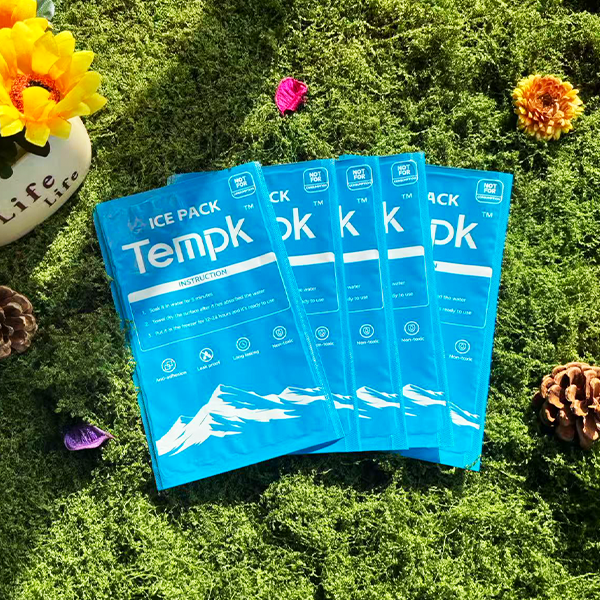
How to Evaluate an Industrial Ice Box Vaccine Transport Manufacturer
Eine verlässliche Entscheidung beginnt mit einem kontrollierten Anwendungsfall, keine Katalogkapazität. A search for an industrial ice box vaccine transport manufacturer usually combines several questions: Passt die komplette Ladung?, Kann die Konfiguration es auf der Route schützen?, Kann die Produktion die getestete Konstruktion reproduzieren?, und können Mitarbeiter das System konsequent nutzen? Capacity should follow the proposed payload and coolant arrangement rather than an exterior-size label.
For final review of an industrial vaccine-box program, Das folgende Framework verwandelt diese Fragen in Entscheidungspunkte. Es bewahrt technische Beweismittel auf, Beschaffungsbedingungen, und Feldausführung verbunden, ohne dass die Box als einzige Quelle der Temperaturregelung betrachtet wird.
Tor eins: Frieren Sie das Produkt und den Lane Brief ein
Before controlled scale-up of an industrial vaccine-box program, Benennen Sie den Inhalt, Präsentation, Menge, Versandursprung und -ziel, saisonale Exposition, Sorgerechtsänderungen, geplante Eröffnungen, glaubwürdige Verzögerungen, und Empfangsprozess. Das zugelassene Produktetikett und die zuständige Qualitätsabteilung müssen den zulässigen Temperaturbereich und etwaige Abweichungsrichtlinien festlegen. Für viele gekühlte Produkte ist ein 2°C bis 8°C-Plan üblich, aber es ist keine universelle Regel. Frostempfindliche Produkte erfordern einen expliziten Untergrenzenschutz.
At release of an industrial vaccine-box program, Wandeln Sie das Briefing in Akzeptanzkriterien um, die überprüft oder getestet werden können. Beispiele hierfür sind die interne Geometrie, Packgewicht, Schließung, Etikettenbereich, Reinigungsverträglichkeit, Temperaturnachweis, Dokumentation, und Änderungsmitteilung. Weisen Sie jedem Kriterium einen Eigentümer zu. Die Beschaffung kann eigene Handelsbedingungen haben, Aber Qualitäts- oder technisches Personal sollte über Anforderungen verfügen, die sich auf den Produktschutz auswirken.
For final review of an industrial vaccine-box program, wenn die Spur neu ist, Markieren Sie Annahmen offen. Eine angegebene maximale Reisezeit weicht von einem beobachteten Verbreitungsprofil ab. Es ist sinnvoll, Unsicherheiten einzuplanen; Das Verstecken innerhalb einer ungeklärten „Sicherheitsspanne“ macht eine zukünftige Überprüfung schwierig.
Tor Zwei: Verwandeln Sie das Kapazitätsetikett in ein Packout
At release of an industrial vaccine-box program, Beginnen Sie mit einer Maßzeichnung der tatsächlichen Nutzlast. Fügen Sie jede Kühlmitteleinheit hinzu, Teiler, Barriere, Monitor, Abstandhalter, und Schutzkomponente. Engstellen aufzeigen, Wandverjüngung, abgerundete Ecken, mit Einbrüchen umgehen, und Deckelmulde. Berechnen Sie den Bruttohohlraum und die Nettonutzlast separat, Wiegen Sie dann die zusammengebaute Ladung.
Before controlled scale-up of an industrial vaccine-box program, Eine effiziente Anordnung ist nicht einfach diejenige mit dem geringsten Leerraum. Bediener benötigen Platz, um Komponenten in der richtigen Reihenfolge zu laden und den Inhalt zu entnehmen, ohne die Kartons zu beschädigen. Der Logger benötigt eine definierte Position, und das Kühlmittel darf sich während der Handhabung nicht verschieben. Überprüfen Sie, ob der gepackte Behälter gemäß den Sicherheitsvorschriften des Käufers für eine oder zwei Personen praktikabel bleibt.
Before controlled scale-up of an industrial vaccine-box program, Erstellen Sie einen Konfigurationscode für das Packout. Wenn die Nutzlast gezählt wird, Kühlmittel, oder Jahreszeitenwechsel, Geben Sie der Alternative eine separate Identität, bis Beweise dafür sprechen, dass sie mit einer vorhandenen Konfiguration kombiniert werden kann.
Ein einziger Entscheidungsdatensatz
| Überprüfungstor | Beweismittel werden aktenkundig gemacht | Entscheidungseigentümer |
|---|---|---|
| Produkt und Spur | Zugelassene Grenzwerte, Nutzlast, Streckenkarte, Verzögerungsannahmen | Qualität und Logistik |
| Kapazität und Handhabung | Interne Zeichnung, Karte laden, Packgewicht, Trockenlauf | Verpackung und Betrieb |
| Leistung | Protokoll, thermische Daten, körperliche Kontrollen, Abweichungen | Technisch oder qualitativ |
| Produktion | Freigegebene Spezifikation, Inspektionsplan, Revisionsstand | Lieferantenqualität und Beschaffung |
| Einsatz | Pack, Monitor, erhalten, sauber, und Ausnahmeanweisungen | Betrieb und Qualität |
| Wirtschaft | Gesamtkosten, Arbeit, zurückkehren, Verlust, reparieren, und Rentenannahmen | Beschaffungs- und Programminhaber |
For final review of an industrial vaccine-box program, Ein Datensatz bedeutet nicht, dass jede Entscheidung von einer Person getroffen wird. Es bietet einen gemeinsamen Index, also ein Zitat, Probe, prüfen, Spezifikation, und Arbeitsanweisungen können nicht in separate Versionen abdriften.
Machen Sie die Lieferantenauswahlliste vergleichbar
Before controlled scale-up of an industrial vaccine-box program, Verwenden Sie Fragen, die Beweise liefern. Anstatt zu fragen, ob eine Box haltbar ist, Fordern Sie die entsprechende Konstruktionsdefinition und Prüfmethode an. Anstatt zu fragen, ob die Fabrik gute Qualität hat, Fragen Sie, wie kritisch die Dimensionen sind, versteckte Isolierung, Verschluss passt, und fehlerhafte Einheiten werden kontrolliert. Eine bedingte Antwort mit klaren Grenzen ist nützlicher als ein allgemeines Versprechen.
Before controlled scale-up of an industrial vaccine-box program, Bewerten Sie ungelöste Punkte getrennt von bestätigten Schwächen. Möglicherweise ist ein fehlender Bericht erhältlich, wohingegen eine Geometrie, die nicht in die Verpackung passt, ein Designproblem darstellt. Diese Unterscheidung verhindert, dass frühe Unsicherheit als Beweis gewertet wird und verhindert, dass attraktive Preise Arbeiten verbergen, die noch dem Käufer gehören.
Tor drei: Prototyp der Betriebssequenz
Before controlled scale-up of an industrial vaccine-box program, Verwenden Sie repräsentative Komponenten und lassen Sie die Auspackarbeiten von den vorgesehenen Bedienern durchführen. Zeitliche Vorbereitung des Kühlmittels, Laden, Logger-Aktivierung, Schließung, Beschriftung, überweisen, Öffnung, und entladen. Beobachten Sie die Mehrdeutigkeit: Eine Komponente, die auf zwei Arten installiert werden kann, wird irgendwann auch auf beide Arten installiert, es sei denn, das Design oder die Anweisung verhindert dies.
In cross-functional review of an industrial vaccine-box program, umfassen eine zugelassene Kühlmittelaufbereitung, Frostschutzmaßnahmen, Ausrichtung der Nutzlast, eine gerechtfertigte Holzfällerposition, und Anleitung für einen Ausflug. Ein Monitor liefert Beweise; Dadurch wird das Produkt nicht gekühlt oder eine ungeeignete Verpackung akzeptabel.
For final review of an industrial vaccine-box program, Fotografieren Sie die genehmigte Sequenz und definieren Sie zulässige Ersetzungen. Eine kleinere Nutzlast, Alternativkarton, oder unterschiedliche Kühlmittelgrößen können die thermische Masse und die Temperaturverteilung verändern. Verlassen Sie sich nicht auf „Äquivalent“, es sei denn, die Äquivalenz verfügt über eine dokumentierte technische Grundlage.
Tor vier: Erstellen Sie Beweise in Schichten
For final review of an industrial vaccine-box program, Entwicklungstests helfen bei der Auswahl von Geometrie und Kühlmittel. Die formelle Qualifizierung stellt die endgültige Konfiguration anhand eines vorab genehmigten Protokolls in Frage. Bei physikalischen Tests werden Stöße untersucht, Vibration, Kompression, Schließung, und Paketintegrität. Die Feldverifizierung überprüft Annahmen während der realen Bewegung. Eine kontinuierliche Überwachung hilft, Abweichungen nach der Einführung zu erkennen.
Before controlled scale-up of an industrial vaccine-box program, Anerkannte thermische Profile können die Laborarbeit unterstützen, Die verantwortliche Organisation muss sie jedoch mit der tatsächlichen Spur und dem tatsächlichen Produkt vergleichen. Paketqualifizierung, Überwachung, Verfahren, Ausbildung, Bewertung erhalten, und Abweichungsbehandlung unterstützen gemeinsam die Kontrolle; Die leere Box kann nicht als universell konform erklärt werden.
At release of an industrial vaccine-box program, Lesen Sie Berichte über die Dauer der Überschrift hinaus. Boxrevision bestätigen, Nutzlast, Kühlmittel und Konditionierung, Ausgangstemperaturen, Umgebungsprofil, Sensorkarte, Gerätestatus, Probenanzahl, Abweichungen, Rohdaten, und Bestehenskriterien. Die Ergebnisse gelten für die angegebenen Bedingungen. Wenn der Bericht anhand seiner Beschreibung nicht reproduziert werden kann, es ist eine schwache Unterstützung für eine kontrollierte Arbeitsanweisung.
Tor fünf: Sorgen Sie dafür, dass die Produktion den Beweisen entspricht
At release of an industrial vaccine-box program, Geben Sie eine Spezifikation frei, die die Shell identifiziert, Isolierung, Hardware, Dichtung, kritische Dimensionen, zusammengebautes Gewicht, beenden, Etiketten, und Verpackung. Verknüpfen Sie es mit der getesteten Stückliste und Modellrevision. Vereinbaren Sie, wie eingehende Materialien, Formung oder Montage, versteckte Isolationsmerkmale, Verschluss passt, und endgültige Funktion werden überprüft.
At release of an industrial vaccine-box program, Genehmigen Sie die Pilotproduktion, anstatt davon auszugehen, dass das technische Muster eine stabile Produktion darstellt. Überprüfen Sie die Einheiten aus relevanten Werkzeughohlräumen, Montage beachten, und vergleichen Sie kritische Messungen. Definieren Sie, wie fehlerhafte Produkte ausgesondert werden und wie Korrekturmaßnahmen kommuniziert werden.
At release of an industrial vaccine-box program, Die Änderungskontrolle schützt diese Kette. Eine neue Harzquelle, Schaumformulierung, verriegeln, Dichtung, Schimmel, oder Subunternehmer kann legitim sein, es erfordert jedoch eine Benachrichtigung und eine Risikoprüfung. Gleiches gilt, wenn der Käufer die Zuladung ändert, Kühlmittel, Logger-Position, Route, oder Arbeitsanweisung.
Tor Sechs: Geben Sie das Ziel frei, Nicht nur die Box
Before controlled scale-up of an industrial vaccine-box program, Bereiten Sie den Empfänger mit der Sendungsidentifikation vor, Lager- oder Entladeraum, Es wurde eine Monitor-Lesemethode verwendet, und ein benannter Eskalationskontakt. Definieren Sie Prüfungen auf Schäden, Siegel, Schließung, Verzögerung, und Aufzeichnungen. Bei Erhalt, Verknüpfen Sie den Loggerdatensatz mit der Sendung, Zustand überprüfen, und folgen Sie dem genehmigten Eskalationspfad. Ein Alarm erfordert normalerweise eine Quarantäne und eine autorisierte Bewertung anhand der Produktinformationen; das ist es nicht, allein, eine endgültige Verfügungsentscheidung.
At release of an industrial vaccine-box program, Das Ziel startet auch den nächsten Zyklus. Schale prüfen, Deckel, Dichtung, Hardware, Isolationsgrenzen, Geruch, Etiketten, und Wassereintritt. Weisen Sie einen Status zu, z. B. „Warten auf Inspektion“., sauber, freigegeben, unter Quarantäne gestellt, oder im Ruhestand. Halten Sie beschädigte oder verschmutzte Behälter von freigegebenen Beständen fern.
In cross-functional review of an industrial vaccine-box program, Routen-Feedback sollte das Design auszeichnen, Verpackung, Handhabung, Verzögerung, und Empfangen von Ursachen. Wiederholte Probleme an einem Hub erfordern möglicherweise eine Planungs- oder Staging-Lösung anstelle einer stärkeren Isolierung.
Fordern Sie Ausnahmen vor der Genehmigung an
For final review of an industrial vaccine-box program, Der routinemäßige Erfolg zeigt nicht, wie sich das System verhält, wenn die Abläufe abweichen. Während der Entwurfsprüfung, Gehen Sie durch eine späte Abholung, Verbindung verpasst, Winterexposition, Deckelöffnung, teilweise beladene Kiste, beschädigter Riegel, Loggerfehler, abwesender Empfänger, oder nicht verfügbarer kontrollierter Speicher. Wählen Sie Szenarien aus, die für die Route glaubwürdig sind, anstatt dramatische Ereignisse zu erfinden, mit denen das Programm niemals konfrontiert wird.
For final review of an industrial vaccine-box program, für jede Ausnahme, Erkennung definieren, sofortige Eindämmung, Kommunikation, Behörde, Dokumentation, und Genesung. Einige Risiken lassen sich am besten durch die Verpackungsmarge reduzieren; andere benötigen Transportanweisungen, Backup-Speicher, Terminkontrolle, Ersatzmonitore, oder ein Quarantäneprozess. Diese Übung verhindert, dass die Thermobox zur Standardlösung für Betriebsprobleme wird, die sie nicht kontrollieren kann.
At release of an industrial vaccine-box program, Ausnahmen geben auch Auskunft darüber, welche Informationen mit der Sendung mitgeführt werden müssen. Ein Ziel benötigt möglicherweise eine Produktidentität, Packzeit, Anweisungen zum Monitor, ein Eskalationskontakt, Lagerbedingungen, und eine Entscheidung darüber, ob der Deckel geöffnet werden darf. Halten Sie die sichtbare Anweisung kurz, mit detaillierten Verfahren, die im gesteuerten System gepflegt werden.
Tor sieben: Vergleichen Sie den Lebenszykluswert
Before controlled scale-up of an industrial vaccine-box program, Kombinieren Sie den Stückpreis mit der eingehenden Fracht, ausgehende Fracht, Kühlmittelaufbereitung, Verpackungsarbeit, Überwachung, Reinigung, Lagerung, zurückkehren, reparieren, Verlust, Dokumentation, und Ruhestand. Verwenden Sie routenspezifische Annahmen und zeigen Sie mehrere Wiederherstellungsraten für ein wiederverwendbares Programm an. Verwandeln Sie ein optimistisches Szenario nicht in einen universellen Sparanspruch.
For final review of an industrial vaccine-box program, Ein geschlossener Kreislauf kann eine robuste, reparierbare Box rechtfertigen, während ein offenes Netzwerk die Verfügbarkeit priorisieren kann, Würfel mit leerer Box, und lokale End-of-Life-Optionen. Die Nachhaltigkeitsanalyse folgt der gleichen Logik. Abgeschlossene Reisen, Erholungsdistanz, Waschvorgang, Schaden, und Entsorgungsweg sind messbar; Das Wort „wiederverwendbar“ allein ist kein Umweltresultat.
Behalten Sie die Kontrolle nach dem Start
For final review of an industrial vaccine-box program, Legen Sie einen Überprüfungsrhythmus für Sendungsdaten fest, Streckenzeit, Schaden, Verpackungsfehler, Empfangsverzögerungen, kehrt zurück, Reinigungsausschuss, und Lieferantenabweichungen. Trendinformationen nach Konfiguration und Spur, sodass ein Problem in einer Saison oder einem Hub nicht zu einer unnötigen globalen Änderung führt. Definieren Sie Schwellenwerte, die eine Untersuchung auslösen, Umschulung, Lieferantenaktion, Protokollüberprüfung, oder Umqualifizierung.
Before controlled scale-up of an industrial vaccine-box program, Die Rückverfolgbarkeit sollte im Verhältnis zum Risiko stehen und in der Praxis anwendbar sein. Modellrevision, Produktionslos oder -datum, Kühlmittelidentität, Logger-ID, Packer, Sendungsreferenz, und Empfänger können alle relevant sein. Wählen Sie die Felder aus, die zur Rekonstruktion eines Ereignisses erforderlich sind, und machen Sie sie einfach zu erfassen. Ein komplizierter Datensatz mit häufigen Lücken ist schwächer als ein fokussierter Datensatz, den Teams zuverlässig abschließen.
For final review of an industrial vaccine-box program, Planen Sie eine funktionsübergreifende Überprüfung nach der Markteinführung. Bestätigen Sie, dass das ausgewählte Feld verfügbar ist, Die Verpackung ist wiederholbar, Aufzeichnungen sind abrufbar, Ausnahmen werden behandelt, und Lebenszyklusannahmen bleiben glaubwürdig. Ein freigegebenes Design ist ein kontrollierter Ausgangspunkt, nicht das Ende der Verwaltung.
Praxisbeispiel: die Tore schließen
Häufig gestellte Fragen
Welche Informationen sollten zuerst an den Hersteller gesendet werden??
For final review of an industrial vaccine-box program, Geben Sie Produkt- und Kartonabmessungen an, zugelassene Temperaturbedingungen, Nutzlastmenge, Streckendauer und Jahreszeiten, Übergaben, erwartete Verzögerungen, Überwachungsbedarf, Wiederverwendungsplan, Bestellvolumen, und erforderliche Aufzeichnungen. Geben Sie auch an, was noch unentschieden ist. Mit dieser Kurzbeschreibung kann der Lieferant eine Konfiguration empfehlen, ohne vorzugeben, dass eine Modellnummer allein produktspezifische Fragen beantwortet.
Warum müssen Brutto- und Nutzvolumen getrennt werden??
For final review of an industrial vaccine-box program, Bruttovolumen beschreibt einen leeren Hohlraum. Das nutzbare Volumen spiegelt den Raum wider, der nach dem Kühlmittel für die verkaufsfähige Nutzlast verbleibt, Barrieren, Monitore, Dunnage, abgerundete Ecken, und Deckeleinbruch. Der Einkauf braucht beides, plus Lastzeichnung und Packgewicht. Die Nominalkategorie ist für die Suche hilfreich, es handelt sich jedoch nicht um eine zuverlässige Berechnung der Sendungskapazität.
Kann ein erfolgreicher Musterversand die Qualifizierung ersetzen??
NEIN. Ein erfolgreicher Test kann hilfreiche Feldinformationen liefern, aber es stellt möglicherweise keine Herausforderungen an saisonale Extreme dar oder zeigt keine Wiederholbarkeit. Ein risikobasiertes Qualifizierungsprotokoll definiert die Konfiguration, Profil, Sensoren, Dauer, und Akzeptanzkriterien im Vorfeld. Durch Feldverifizierung und laufende Überwachung kann dann bestätigt werden, ob die Betriebsannahmen weiterhin solide sind. This boundary is especially important for final review of an industrial vaccine-box program.
Was soll passieren, wenn sich Produktionsmaterialien ändern??
For final review of an industrial vaccine-box program, Der Lieferant sollte den Käufer gemäß einer vereinbarten Matrix benachrichtigen. Qualitäts- und technische Eigentümer bewerten die Auswirkung auf die Passform, thermisches Verhalten, Haltbarkeit, Aufzeichnungen, und vorheriger Qualifikation. Die Reaktion kann von der Überprüfung von Dokumenten bis hin zu Vergleichstests oder einer Neuqualifizierung reichen. Änderungen sollten evaluiert werden, nicht automatisch abgelehnt oder stillschweigend akzeptiert.
Abschluss
Before controlled scale-up of an industrial vaccine-box program, Wählen Sie das System in einer kontrollierten Reihenfolge aus: Definieren Sie das Produkt und die Spur, sich als brauchbar erweisen, Prototyp des Prozesses, Erstellen Sie geeignete Beweise, Kontrolle der Produktion, Bereiten Sie den Empfang vor, und den Lebenszykluswert vergleichen. Behalten Sie die Nominalkategorie bei, Bruttovolumen, und nutzbare Nutzlast unterschiedlich. Am wichtigsten, Verknüpfen Sie jede Leistungsaussage mit der genauen Konfiguration und den Bedingungen, die sie unterstützen.
Über Tempk
At release of an industrial vaccine-box program, Tempk, verbunden mit Shanghai Tempk, supplies medical cooler boxes, EPP -Boxen, VIP-Isolierboxen, plastic cold-chain boxes, und passende Kühlmitteloptionen. Eine Überprüfung kann mit der Nutzlastgeometrie beginnen, erforderliche Bedingungen, Route, Auspacken, Handhabung, und Bestellplan. Käufer bleiben für die Beurteilung und Qualifizierung der endgültigen Konfiguration für ihr spezifisches Produkt verantwortlich, Betriebsabläufe, und Vertriebsumgebung.
Nächster Schritt: Senden Sie Tempk Ihre Ladungszeichnung, Betriebsgrenzen, Spurannahmen, und erwartete Menge zum Vergleich praktischer Kasten- und Kühlmittelkonfigurationen. Apply this request for final review of an industrial vaccine-box program.
Preis des Eistruhenlieferanten: Erstellen Sie ein überprüfbares Angebot
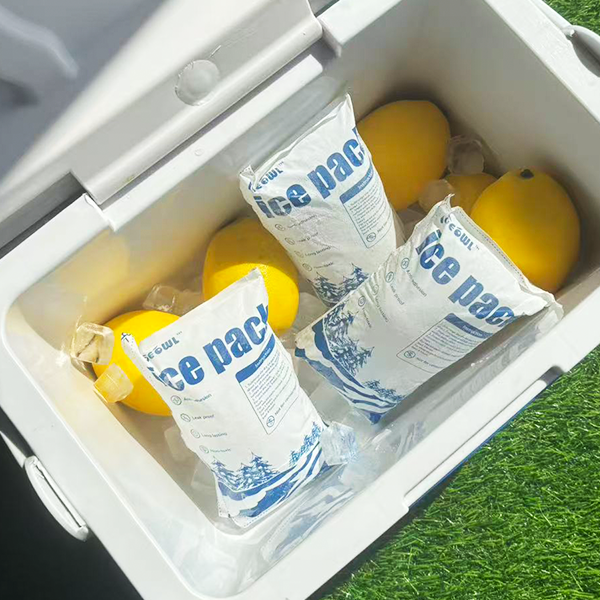
Preis des Eistruhenlieferanten: Eine Fünf-Gatter-Methode für einen überprüfbaren Kauf
The safest way to evaluate an ice chest supplier price is to make the quotation pass five gates: Anwendungstauglichkeit, Produktdefinition, Beweis, gelieferte Wirtschaftswissenschaften, und Produktionskontrolle. Der Preisvergleich beginnt erst, wenn ein Angebot die Anforderungen zum Schutz der Nutzlast und des Betriebsablaufs erfüllt. Diese Methode funktioniert für Großhandelskühler, Lieferflotten, Private-Label-Produkte, and passive cold-chain packaging because it exposes assumptions instead of hiding them in a unit figure. Es gibt auch Beschaffung, Operationen, Maschinenbau, Qualität, und Logistik eine gemeinsame Aufzeichnung darüber, was der Lieferant tatsächlich angeboten hat.
Tor 1: Definieren Sie den Auftrag, bevor Sie dem Produkt einen Namen geben
Beginnen Sie mit einer Betriebserklärung mit einem Absatz. Beschreiben Sie die Nutzlast, Abwicklungsroute, Benutzer, Reinigungsmethode, Versandmodus, Ziel, erwartetes Auftragsmuster, und ob es sich bei der Truhe um eine Einwegtruhe handelt, beiläufig wiederverwendet, oder als rückzahlbarer Vermögenswert verwaltet werden. Wenn der Inhalt temperaturempfindlich ist, Fügen Sie die produktspezifische Temperaturanforderung hinzu, Streckendauer, wahrscheinlich Umgebungsexposition, kalte Quelle, Überwachungsansatz, und Konsequenz eines Ausflugs.
Dieser Schritt verhindert Kategorienverwechslungen. „Eistruhe“ könnte einen Getränkekühler beschreiben, eine robuste Transportbox, ein geformter Schaumstoffbehälter, or part of a qualified thermal shipper. Ein Verbraucherkühler kann gut hergestellt werden, ohne dass er für eine Pharmazeutikstraße geeignet ist. A durable plastic box can protect against impact without controlling temperature. Eine isolierte Wand verlangsamt den Wärmefluss, kühlt eine warme Nutzlast jedoch nicht. Die Stellenausschreibung entscheidet darüber, welche Ansprüche relevant sind.
Trennen Sie zwingende Anforderungen von Präferenzen. Zu den Pflichtartikeln können Mindestnutzmaße gehören, beladene Trageweise, Fahrzeug- oder Rack-Grundfläche, Reinigungsverträglichkeit, Verschlussfunktion, und ein akzeptables Evidenzniveau. Zu den Präferenzen kann ein bestimmter Farbton gehören, dekorative Oberfläche, oder optionales Zubehör. Wenn jede Anfrage als obligatorisch behandelt wird, Lieferanten überbewerten das Produkt entweder oder gehen stillschweigend davon aus, welche Artikel ignoriert werden können.
Für eine Nenngröße, Überprüfen Sie sowohl die Außen- als auch die Innenmaße. Zeichnen oder modellieren Sie dann die Nutzlast mit Kühlmittel, Partitionen, Körbe, und Freigabe. Bruttoinnenvolumen, angegebene Liter, und nutzbarer Nutzlastraum sind nicht austauschbar. Für eine Schachtel, die zwar der Volumenangabe entspricht, die Verpackung aber nicht erfüllt, sollte kein Preisvergleich durchgeführt werden.
Tor 2: Frieren Sie eine zitierfähige Produktdefinition ein
Das zweite Tor macht aus der Betriebsabrechnung ein kontrolliertes Produkt. Die Mindestdefinition umfasst normalerweise eine Zeichnung, Baubeschreibung, Shell- und Liner-Materialien, Isolationstyp, Deckel und Dichtungsanordnung, Griffe, Scharniere, Riegel, Abflüsse oder Durchdringungen, Farbe, Branding, Zubehör, und packen.
Die materielle Sprache muss spezifisch genug sein, um das Risiko zu verdeutlichen. "Plastik,„„HDPE,„“ oder „Schaumstoff hoher Dichte“ können nützliche Kategoriebezeichnungen sein, aber sie definieren nicht die fertige Einheit. Harzqualität, Schaumfamilie, Dichte oder kontrollierte Eigenschaft, sofern relevant, Dicke, Formprozess, und Montage beeinflussen das Verhalten. Mehr Material ist nicht immer besser. Eine dickere Wand kann das Frachtvolumen erhöhen und den Nutzlastraum verringern, während ein schlecht kontrollierter Deckel eine ansonsten starke Wand untergraben kann.
Bitten Sie den Lieferanten, zu ermitteln, welche Elemente Standard und welche kundenspezifisch sind. Standardwerkzeuge können Kosten und Durchlaufzeit reduzieren. Eine benutzerdefinierte Geometrie kann die Nutzlasteffizienz verbessern, Markenidentität, oder Handhabung, aber es kann sein, dass Werkzeuge hinzugefügt werden, Prototypen, Genehmigungsschritte, und erneut testen. Eine Farb- oder Logoänderung kann kosmetischer Natur sein; eine interne Dimension, Dichtung, Isolierung, oder Wandveränderungen können die Funktion beeinträchtigen.
Das Angebot sollte sich auf eine Zeichnung und Überarbeitung beziehen. Produktfotos dienen der Orientierung, stellen aber keine Spezifikation dar. Wenn sich das Angebot nach der Verhandlung ändert, Aktualisieren Sie die Revision, anstatt sich auf E-Mail-Fragmente zu verlassen. Diese einfache Vorgehensweise verhindert, dass der Endpreis an einen früheren Preis gekoppelt wird, teurere Konstruktion.
Einschlüsse sichtbar machen
Listen Sie jede Komponente im Angebot auf. Ist der Deckel im Preis inbegriffen?, Dichtung, Ablassschraube, Korb, Teiler, Kühlmittel, Riemen, Etiketten, Einzelverpackung, Hauptkarton, und Palette? Sind Ersatzverschlüsse verfügbar?? Ist das Artwork-Setup inbegriffen?? Verwendet die Probe Produktionsmaterialien?? Wenn Komponenten nicht aufgeführt sind, Es kann vorkommen, dass verschiedene Lieferanten dasselbe Produkt anbieten, aber unterschiedliche Baugruppen anbieten.
Tor 3: Ordnen Sie die Beweise den Folgen des Scheiterns zu
Die Beweise sollten verhältnismäßig sein. Für einen Werbekühler ist möglicherweise eine Mustergenehmigung erforderlich, Maßkontrollen, und grundlegende Funktionstests. Eine tägliche Lieferflotte kann den Umschlag beladener Güter hinzufügen, Reinigbarkeit, Hardware-Cycling, und Reparaturversuche. Ein temperaturempfindliches Verteilungsprogramm benötigt möglicherweise ein definiertes thermisches Protokoll, Überwachung, Verpackungsanweisungen, Qualifikationsüberprüfung, und Änderungskontrolle.
Der thermische Nachweis erfordert besondere Sorgfalt. Eine beanspruchte Dauer hat nur mit ihren Bedingungen Bedeutung: Box-Version, Nutzlast, Kühlmittelmenge und Platzierung, Ausgangstemperaturen, Konditionierung, Umgebungsprofil, Sensoren, Deckelöffnungen, Dauer, und Akzeptanzgrenzen. Ergebnisse aus einer leeren Box, eine andere Größe, oder eine günstige konstante Umgebungsbedingung lässt sich nicht automatisch auf die Route des Käufers übertragen. Standardprofile können Vergleichs- oder Qualifizierungsarbeiten unterstützen, Das zuständige Qualitätsteam sollte jedoch entscheiden, ob zusätzliche spurspezifische Arbeiten erforderlich sind.
Auch die mechanische Beweisführung benötigt eine definierte Methode. „Fallgetestet“ ist ohne die belastete Masse unvollständig, Orientierung, Höhe, Konditionierung, Anzahl der Proben, und Akzeptanzkriterien. Beim Stapeln gilt das gleiche Prinzip, Leckage, Last bewältigen, und Schließungszyklen. Das Ziel besteht nicht darin, jeden möglichen Test zu fordern. Damit soll vermieden werden, dass für eine unbegründete Forderung bezahlt wird.
| Beweisniveau | Angemessener Ausgangspunkt | Wichtige Einschränkung |
|---|---|---|
| Genehmigtes Muster | Aussehen, fit, Hardware, Verpackung, grundlegende Handhabung | Eine Probe beweist nicht die Produktionskonsistenz |
| Aufzeichnungen über Lieferanteninspektionen | Abmessungen, Gewicht, Verarbeitung, Komponentenfunktion | Datensätze sind nur dann nützlich, wenn Kriterien und Stichproben definiert sind |
| Produktspezifischer Prüfbericht | Definierte mechanische oder thermische Bewertung | Gilt für die getestete Konfiguration und Bedingungen |
| Strecken- oder Programmqualifikation | Temperaturempfindliche Verteilung mit hohem Risiko | Erfordert Kontrolle über die Auspackung, Anweisungen, Überwachung, und Veränderungen |
Der Tisch ist eine Leiter, Nicht der Anspruch, dass jeder Einkauf das Top-Niveau braucht. Käufer sollten nur so hoch klettern, wie es der Einsatz erfordert. Jedoch, Ein Lieferant sollte keine Gebühren für die Sprache eines höheren Niveaus erheben, während er gleichzeitig Nachweise für ein niedrigeres Niveau vorlegt.
Tor 4: Normalisieren Sie das vollständige kommerzielle Angebot
Sobald das Produkt und die Beweise aufeinander abgestimmt sind, Konvertieren Sie jedes Zitat in denselben Bereich. Behalten Sie wiederkehrende Kosten bei, einmalige Kosten, Logistik, und Betriebskosten getrennt.
Zu den wiederkehrenden Kosten gehört die Truhe, Hardware, inklusive Zubehör, Routinedruck, und Standardverpackung. Die einmaligen Kosten beinhalten die Werkzeugausstattung, Prototypen, Kunstwerkplatten, Maschinenbau, und Qualifikation. Die Logistik umfasst den Ursprungstransport, Fracht, Versicherung, Zielabwicklung, Aufgaben, Maklertätigkeit, Lagerung, und Endlieferung gemäß dem gewählten Incoterm. Die Betriebskosten können die Eingangskontrolle umfassen, Konditionierung, Reinigung, Verfolgung, Reverse-Logistik, reparieren, Verlust, und Entsorgung.
Fordern Sie bestätigte Abmessungen und Gewicht des Hauptkartons an. Isolierte Truhen können volumenintensiv sein, Das Verpackungsdesign kann also die Wirtschaftlichkeit des Grundbesitzes mehr als nur einen kleinen Unterschied im Stückpreis verändern. Prüfen Sie, ob Deckel oder Bauteile sicher ineinander greifen, ob Kartons Schutzeinlagen benötigen, Wie viele Kartons passen auf eine Palette?, und ob die angegebene Verpackung physisch getestet wurde. Nutzen Sie keine optimistische Behälterkalkulation als Lieferantenversprechen.
Für Mengenpausen, Notieren Sie die Annahmen. Ein Preis für eine Farbe in einem vollständigen Produktionslauf ist nicht dasselbe wie die gleiche jährliche Menge, aufgeteilt auf mehrere Farben und monatliche Veröffentlichungen. Ein Container mit gemischtem Modell kann Verpackungs- und Inventararbeiten verursachen. Eine Prognose stellt keine Kaufverpflichtung dar, es sei denn, die Vereinbarung besagt dies.
Vergleichen Sie die richtige Werteinheit
Für den Großhandel verwenden Sie die Anschaffungsnebenkosten pro verkaufsfähiger Einheit. Nutzen Sie die Kosten pro erfolgreicher Route oder abgeschlossener Wiederverwendung für eine Flotte. Für Kühlkettenvorgänge nutzen Sie die vollen Verpackungskosten pro geschützter Sendung. Nutzungskosten pro Einzelhandelsverkauf, einschließlich Rücksendungen und Verpackung für Konsumgüter. Die Werkseinheitennummer bleibt sichtbar, aber es kontrolliert nicht mehr eine Entscheidung, für die es unvollständig ist.
Sofern eine Wiederverwendung beansprucht wird, Erstellen Sie ein separates Modell. Erholung einbeziehen, Reinigung, Inspektion, Trocknen, Lagerung, Verfolgung, reparieren, und verlorene Einheiten. Testen Sie mehrere realistische Rendite- und Verlustannahmen. Gehen Sie nicht davon aus, dass die Anzahl der Wiederverwendungen ausschließlich auf dem Material beruht. Feldprozess, Benutzerverhalten, und Ruhestandskriterien bestimmen die tatsächliche Nutzung.
Tor 5: Verbinden Sie das genehmigte Muster mit der Massenproduktion
Am letzten Gate wird gefragt, ob der Lieferant das Produkt, das die Genehmigung erhalten hat, reproduzieren kann. Erstellen Sie einen Referenzdatensatz mit der signierten Zeichnung, Beispielfotos, Abmessungen, Gewicht, Material- oder Komponentenbeschreibungen, Farbe, Logo-Position, Hardware-Funktion, Verarbeitungskriterien, Verpackung, und Teststatus.
Übersetzen Sie subjektive Erwartungen in eine überprüfbare Sprache. Anstelle von „starker Griff“.,” Definieren Sie die erforderliche Lastnutzungsbewertung. Anstelle von „gutes Siegel,„Definieren Sie die Deckelausrichtung, Verschlusseingriff, Zustand der Dichtung, und alle relevanten Leck- oder Wärmeprüfungen. Statt „perfekte Oberfläche,„Definieren Sie, welche Schönheitsfehler in sichtbaren und nicht sichtbaren Bereichen inakzeptabel sind.
Vereinbaren Sie einen Inspektionsplan für eingehende Materialien, Formen, Montage, und Endverpackung. Die Tiefe kann je nach Auftragsrisiko variieren, Der Käufer sollte jedoch wissen, wer kritische Merkmale prüft und wie mit fehlerhaften Einheiten umgegangen wird. Für einen ersten Lauf, Erwägen Sie eine erweiterte Inspektion, bis der Prozess stabil ist.
Eine Änderungsmitteilung ist unerlässlich. Eine neue Harzsorte, Schaumformulierung, Wandstärke, Dichtung, Hardwarequelle, Klebstoff, Formparameter, oder Verpackungsmethode können die Qualität beeinträchtigen, fit, oder thermisches Verhalten. Der Lieferant sollte vorgeschlagene Änderungen vor dem Versand identifizieren, damit der Käufer entscheiden kann, ob die Musterfreigabe oder die Prüfung wiederholt werden muss. In einem kontrollierten Kühlkettenprogramm, Die Änderungsbewertung liegt bei den entsprechenden technischen und qualitativen Verantwortlichen.
Führen Sie ein Pilotprojekt durch, das den tatsächlichen Engpass misst
Ein Pilot ist am wertvollsten, wenn er den Betrieb testet, nicht nur das Aussehen der Brust. Wählen Sie eine kleine, produktionsrepräsentative Charge. Packen Sie es mit der echten Nutzlast und dem Zubehör ein. Bewegen Sie es durch das Fahrzeug, Gestell, Paketnetz, oder Übergabesequenz. Ladezeit beachten, Heben, Etikettenhaftung, Deckelverschluss, Leckage, Reinigung, Trocknen, Stapelung, und leere Rückkehr.
Für temperaturempfindliche Inhalte, Befolgen Sie ein genehmigtes Protokoll und verwenden Sie eine geeignete Überwachung. Berücksichtigen Sie die Akzeptanz der Produkttemperatur nicht aufgrund einer allgemeinen Beobachtung der Eisbildung. Bestätigen Sie produktspezifische Anforderungen und beziehen Sie das Qualitätsteam bei Abweichungen mit ein.
Notieren Sie Ausfälle und Beinaheunfälle. Ein Deckel, der sich nur schließt, wenn man an einer Ecke drückt, ein Griff, der beim Stapeln stört, oder ein Karton, der unter der Palettenlast zusammenbricht, kann vor der Waage korrigiert werden. Aktualisieren Sie die Spezifikation und das Angebot nach dem Pilotprojekt. Dadurch bleibt die kommerzielle Transparenz gewahrt: Der Produktionspreis entspricht dem Produkt, das tatsächlich funktioniert.
Stellen Sie sich einen Händler vor, der zwei Angebote vergleicht. Die erste Variante ist günstiger, verbraucht aber mehr Frachtvolumen und verwendet nicht mehr funktionstüchtige Verschlüsse. Der zweite kostet im Werk mehr, packt effizienter, und unterstützt Ersatzhardware. Ein Pilot zeigt, dass beides die Nutzlast schützt, Ersteres führt jedoch zu mehr Speicherplatz und Ausfallzeiten. Der höhere Einheitspreis kann dann aus dokumentierten betrieblichen Gründen statt aus Präferenz gewählt werden. In einem anderen Programm mit Einwegverkäufen, Das Ergebnis könnte sich umkehren.
Nutzen Sie Nachhaltigkeitsaussagen mit der gleichen Prüfungsdisziplin
Umweltentscheidungen profitieren von klaren Grenzen. Ein wiederverwertbares Material wird am Zielort nicht unbedingt recycelt. Eine wiederverwendbare Truhe wird nicht unbedingt zurückgegeben. Eine Leichtbauweise kann zwar Ausgangsfracht einsparen, scheitert aber früher. Ein langlebiges Design unterstützt möglicherweise viele Verwendungszwecke, erfordert jedoch Energie und Transport für die Wiederherstellung und Reinigung.
Fragen Sie, was der Anspruch abdeckt: Harzgehalt, Produktherstellung, Verpackung, verwenden, Erholung, oder Lebensende. Fordern Sie unterstützende Unterlagen an, wenn ein Anspruch in der Marketing- oder Beschaffungsberichterstattung erscheint. Vermeiden Sie weit gefasste Begriffe, die nicht überprüft werden können. Die praktische Verbesserung kann konkret sein, wie z. B. die Reduzierung des Leerrücklaufvolumens, Ersetzen Sie einen beschädigten Riegel, anstatt die Truhe wegzuwerfen, Eliminierung eines unnötigen Innenkartons, oder die Konsolidierung von Sendungen durch bessere Verpackung.
Nachhaltigkeit sollte den Nutzlastschutz nicht schwächen. Produktverluste können weitaus größere wirtschaftliche und ökologische Folgen haben als die Verpackung selbst, insbesondere für Lebensmittel oder Gesundheitsgüter. Bewerten Sie die Verpackungsreduzierung erst, wenn die funktionalen Anforderungen weiterhin erfüllt sind.
Häufig gestellte Fragen
Welche Mindestinformationen sind für ein Kühlangebot erforderlich??
Geben Sie einen Anwendungsfall an, Soll-Innenmaße oder Nutzlastzeichnung, äußere Grenzen, Baupräferenz, Hardware, Farbe, Branding, Verpackung, Menge, Ziel, und Lieferfrist. Für den temperaturempfindlichen Einsatz, Fügen Sie den erforderlichen Bereich hinzu, Dauer, Umgebungsbedingungen, Kühlmittel, Nutzlast, Überwachung, und Evidenzerwartungen.
Woher weiß ich, ob zwei zitierte Truhen gleichwertig sind??
Überprüfen Sie die referenzierte Zeichnung, Innen- und Außenmaße, Materialien, Isolierung, Deckel, Hardware, inklusive Zubehör, Gewicht, Verpackung, Testumfang, und Incoterm. Wenn sich ein Artikel unterscheidet, Dokumentieren Sie den Unterschied und entscheiden Sie, ob er sich auf die Passform auswirkt, Risiko, oder Kosten, bevor Sie die Stückpreise vergleichen.
Sollen die Werkzeuge im Stückpreis abgeschrieben werden??
Sie können eine amortisierte Ansicht für die Geschäftsplanung berechnen, Werkzeugbestückung aber im Lieferantenvergleich als einmalige Zeile sichtbar halten. Ansonsten, Ein individuelles Angebot kann bei geringem Volumen künstlich teuer oder täuschend billig erscheinen, wenn das prognostizierte Volumen ungewiss ist. Bestätigen Sie die Eigentums- und Wartungsbedingungen.
Was macht eine thermische Behauptung glaubwürdig??
Eine glaubwürdige Behauptung identifiziert die genaue Konfiguration und die Testbedingungen, inklusive Nutzlast, Kühlmittel, Ausgangstemperaturen, Umgebungsprofil, Sensoren, Dauer, und Akzeptanzkriterien. Der Käufer muss noch beurteilen, ob diese Bedingungen dem beabsichtigten Produkt und der beabsichtigten Route entsprechen.
Wie oft sollten Lieferantenpreise überprüft werden??
Der Zeitpunkt der Überprüfung hängt vom Vertrag ab, Markt, und Programm. Legen Sie eine Angebotsgültigkeitsdauer und einen transparenten Prozess für Materialänderungen fest, Verpackung, Fracht, Währung, oder Spezifikation. Vergleichen Sie ein aktuelles Angebot nicht mit einem abgelaufenen Angebot, das auf einer anderen Revision basiert.
Der Entscheidungssatz ist ebenso wichtig wie der gewählte Preis
Ein überprüfbarer Kauf verknüpft den Geschäftsbedarf mit der Spezifikation, Beweis, kommerzielles Modell, und Produktionskontrollen. Die fünf Tore verhindern, dass eine geringe Anzahl eine technische Anforderung umgeht, und verhindern, dass Premium-Funktionen ohne Anwendungsfall erworben werden. Sie machen auch spätere Verhandlungen sauberer, da beide Seiten sehen können, welche Umfangsänderung die Preisänderung verursacht hat.
Genehmigen Sie die Truhe nur, wenn der nutzbare Platz vorhanden ist, Handhabung, Konstruktion, Beweis, gelieferte Wirtschaftswissenschaften, und Änderungskontrolle verstanden werden. Der bevorzugte Preis des Kühltruhenlieferanten ist dann der am besten unterstützte Preis für ein definiertes Betriebsergebnis, nicht die kleinste unqualifizierte Figur.
Über Tempk
Tempk ist die Kühlkettenverpackungsmarke von Shanghai Tempk Industrial Co., Ltd. Available categories include medical cooler boxes, EPP -Schaumkästen, VIP-isolierte Formate, plastic cold-chain boxes, und kompatible Kühlmitteloptionen. Wir unterstützen Käufergespräche über die Passform der Nutzlast, Auspacken, Großlieferung, Anpassung, Handhabung, und das für eine Route geeignete Verifizierungsniveau. Die spezifische Leistung muss für die ausgewählte Konfiguration und die ausgewählten Bedingungen bestätigt werden.
Senden Sie Tempk eine definierte Verwendungsanweisung, Nutzlastzeichnung, Mengenplan, Ziel, und Beweise müssen ein Zitat erstellen, das Gate für Gate verglichen werden kann.
So vergleichen Sie die Preisangebote von Ice Chest Factory
How to Compare an Ice Chest Factory Price Quote
The best way to compare an ice chest factory price is to remove every undefined assumption. Give bidders one product brief, require a configuration-level response, and calculate landed cost for a saleable or operationally usable unit. The recurring price should be separated from tooling, Entwicklung, Testen, Anpassung, Inspektion, und Fracht. Only then can procurement distinguish genuine manufacturing efficiency from a lighter specification, fehlende Komponente, optimistic load plan, or quality risk that will appear after the order.
Schritt 1: Name the Product You Need
Begin with use, nicht das Aussehen. Is the chest a recreational consumer product, a promotional container, a foodservice handling box, or part of a temperature-controlled shipping system? State what goes inside, wer kümmert sich darum, wohin es reist, wie es gereinigt wird, ob es zurückkehrt, and what failure would matter.
Define target external dimensions and the usable internal envelope. Capacity labels vary, and rounded or tapered interiors may not fit rectangular loads efficiently. Specify expected loaded mass, Zugang zum Deckel, Abfluss, Griffe, Räder, Riegel, Dichtung, Trenner, und Ersatzteile. Trennen Sie wesentliche Funktionen von Präferenzen.
If unpackaged food can contact the interior, identify the destination markets and intended conditions. Ask for documentation on the exact resin, Zusatzstoffe, Farbstoffe, recycelter Inhalt, and manufacturing use. A general HDPE or PP description is insufficient. If products remain in sealed packaging, describe that accurately so requirements stay relevant.
A three-level specification
Use three categories to keep the project economical:
- Kritisch: Sicherheit, fit, Schließung, laden, required material status, and essential performance
- Kommerziell: Aussehen, Branding, Verpackungspräsentation, and channel features
- Optional: enhancements that can be priced separately or introduced later
This hierarchy helps the factory suggest savings without weakening critical functions.
Schritt 2: Force the Quotation Into the Same Shape
Provide a response table so every supplier states the same items. Require model or drawing revision, Konstruktion, Materialspezifikation, Produktgewicht, Isolationsmethode, Hardware, inklusive Zubehör, logo process, Farbe, Einzelverpackung, Kartongröße, quantity tiers, Vorlaufzeit, commercial term, and quote validity.
| Angebotsartikel | Why it must be explicit | Common comparison error |
|---|---|---|
| Produktüberarbeitung | Connects price to an approved design | Comparing a stock model with a custom proposal |
| Material and part weight | Reveals construction basis | Treating all HDPE or PP products as equal |
| Isoliersystem | Determines process and thermal role | Comparing an empty shell with an insulated chest |
| Included hardware | Affects assembly and service | Discovering latches or drains are optional later |
| Quantity basis | Governs setup and purchasing | Using a high-volume tier for a small first order |
| Packing and load plan | Drives damage and freight | Comparing unit price before packed cube |
| Handelsbegriff | Defines included logistics cost | Mixing ex-factory and delivered numbers |
Ask suppliers to flag deviations rather than burying them in notes. A deliberate alternative can be valuable, but it should be priced alongside the requested base so the buyer understands the trade-off.
Schritt 3: Separate Tooling From Production
Tooling economics depend on process. Injection molds, rotational molds, blow molds, EPP tools, Vorrichtungen, and printing equipment carry different costs and capabilities. The quotation should state scope, Eigentum, Lagerung, Wartung, trials, Textur, Einsätze, engineering changes, and transfer conditions.
Model tooling over conservative volume cases. A custom mold may deliver lower recurring cost or unique features, yet a standard mold with custom graphics may be preferable for market validation. Include the cost of tool corrections and design changes in the development plan rather than assuming first-pass perfection.
Use approval gates: Entwurfsüberprüfung, prototype or engineering sample, tool trial, corrective loop, and preproduction sample. Each gate should have deliverables and authorization. Mass production should not start from an informal photo approval.
Schritt 4: Understand the Recurring Cost Drivers
Material consumption is visible, but cycle time and complexity can be equally important. Thick walls extend cooling in injection molding and use more resin. Rotomolding uses long heating and cooling cycles. Foam filling adds material, Vorrichtungen, und Prozesskontrolle. EPP molding depends on bead processing, Dichte, Fusion, und Trocknen. VIP assembly adds high-value components and careful placement.
Hardware creates both purchased-part cost and assembly labor. A chest with replaceable hinges, Riegel, Griffe, Abflüsse, Dichtungen, and wheels may cost more to build but offer service benefits. Decide which interfaces need replacement and which can be integral.
Tolerances and cosmetic standards affect inspection and yield. Apply tight tolerance to functional interfaces, not every dimension. Define acceptable appearance by zone and viewing condition. A vague request for “perfect finish” either creates disputes or encourages a supplier to add risk cost.
Color and branding also recur. Special resin colors may carry batch minimums and purge losses. Printing needs setup and may require surface treatment. Retail cartons create printing plates, Mindestwerte, handwork, and larger freight cube. Price these as distinct choices.
Schritt 5: Tie Quality Control to Intended Use
Create a control plan around failure modes. For a retail cooler, Deckel passt, Latch-Funktion, Last bewältigen, drain leakage, cosmetic finish, Verpackung, and label accuracy may dominate. For a cold-chain box, Isolierbaugruppe, Kühlmittel passt, Schließung, Auspacken, and configuration-specific thermal evidence also matter.
Testing must define sample condition, Verfahren, laden, Dauer, Umfeld, und Akzeptanz. Statements such as heavy duty, dicht, Lebensmittelqualität, or long ice retention are not precise enough for production approval. Translate only necessary claims into measurable criteria.
Approve a golden sample, Stückliste, Zeichnungen, Kunstwerk, and packing specification. Agree on defect classification, Probenahme, Inspektionsprotokolle, and nonconformance response. If a third-party inspection is planned, share the checklist early so the factory can prepare the same evidence.
Change control preserves the bargain. A lower-cost resin, reduced wall weight, different foam, substitute latch, new colorant, thinner carton, transferred tool, or alternate factory can change the product. Require notification and appropriate sample or technical review before implementation.
Schritt 6: Convert Factory Price to Landed Cost
Ask for verified packed dimensions, Bruttogewicht, Einheiten pro Karton, Palettenplan, and container-loading assumptions. Ice chests ship significant air, so nestability and protruding hardware can dominate cost. Validate load plans with a packing trial where volume matters.
Add costs using one logistics basis: Exportverpackung, inland origin movement, Zoll, international freight, Versicherung, Pflicht, Zielabwicklung, Inspektion, und Endlieferung. State currency and exchange-rate assumption. Include financing and warehouse cost if they materially affect the decision.
Transit damage belongs in landed cost but should not be disguised as an invented defect percentage. Use pilot data, supplier history that you can verify, or scenario ranges. Improve carton protection, component position, and stacking when damage risk is observed.
Ein praktisches Beispiel: Supplier A is cheaper at the factory but ships non-nested retail cartons. Supplier B costs more per unit yet loads substantially more units in the same freight volume. Depending on the destination and channel, Supplier B can produce the lower landed cost. The answer should come from verified packed data, not a general rule.
Schritt 7: Choose an Order Strategy
Quantity discounts arise from setup allocation, material buying, color batching, hardware minimums, and production scheduling. They are not free money. Balance them against demand uncertainty, Lagerung, Kasse, artwork changes, und Obsoleszenz.
Use a pilot to validate product, Verpackung, and user response. Then establish quantity breaks tied to forecasts and call-off schedules. A framework order may improve planning while limiting destination inventory, but responsibilities for storage, Zahlung, and material commitments must be explicit.
Review lead time by component. A chest may mold quickly while a custom gasket, Rad, color masterbatch, or printed carton controls the schedule. During peak production periods, reserve capacity with a realistic forecast rather than relying on an average lead-time statement.
Schritt 8: Evaluate Lifecycle and End-of-Life Cost
For reusable business use, unit price should be translated into cost per successful cycle. Count return freight, Reinigung, Inspektion, Lagerung, Verfolgung, missing units, Reparaturen, und Ersatz. Establish retirement criteria and collect real fleet data before making a specific reuse claim.
For consumer sales, consider warranty, Ersatzteile, kehrt zurück, Entsorgung, und Markenwirkung. A replaceable drain plug or latch can reduce replacement of the entire chest. Umgekehrt, excessive component complexity can create service inventory.
Environmental decisions need defined boundaries. A lower resin weight, recycelter Inhalt, wiederverwendbare Konstruktion, reduced carton, or improved loading density may each offer benefits. Verify material and regulatory context, measure what can be measured, and avoid broad terms such as sustainable or fully recyclable without evidence about the full product and actual recovery system.
Use a costed change process after launch
Once sales or operations begin, requests accumulate: a stronger handle, revised graphic, different carton, added drain, neue Farbe, or lighter wall. Treat each request as a small business case. The factory should quote tooling, recurring cost, lead-time effect, remaining inventory, test impact, and the date when the new revision can enter production. The buyer should state the reason and success measure.
Do not mix old and new revisions without an identification plan. Retail images, Ersatzteile, Anweisungen, Kartons, and replacement policies may need updating. Für operative Flotten, mixed latches or drains can complicate repair. For cold-chain configurations, a construction change may affect the evidence supporting the packout.
A disciplined change log often produces better savings than repeated price pressure. It shows which features users value, which packaging changes reduce damage, and which cosmetic operations can be removed safely. It also preserves the original baseline, making it possible to reverse an unsuccessful change rather than arguing from memory.
A Final Bid-Comparison Scorecard
Score suppliers on more than price:
Specification match and transparent deviations
Sample quality and production-representative construction
Tooling and engineering capability
Material and component traceability
Quality plan and test relevance
Packed-cube and delivery economics
Schedule and capacity credibility
Disziplin zur Änderungskontrolle
Communication and corrective-action process
Total landed and lifecycle cost
Weight the factors according to channel risk. A promotional item with a fixed event date may prioritize schedule and color consistency; a reusable operational chest may prioritize durability, Serviceteile, und Lebenszykluskontrollen.
Häufig gestellte Fragen
What information produces the fastest accurate factory quote?
Provide intended use, Abmessungen, nutzbare Kapazität, Konstruktion, Hardware, Farbe, Branding, Verpackung, quantity tiers, Ziel, Handelsbegriff, quality expectations, and a reference drawing or sample. Identify open decisions. A clear brief reduces the factory’s need to assume and shortens the correction cycle.
How much should tooling add to each unit?
There is no fixed answer. Divide total development and tooling cost across conservative expected production, while considering maintenance, Änderungen, and the possibility that demand differs from forecast. Keep tooling visible as capital or amortization instead of hiding it inside a unit price that becomes difficult to audit.
Can price be reduced by lowering wall weight?
Möglicherweise, but only after checking stiffness, Aufprallverhalten, Verzug, Schließung, hardware support, and the insulation architecture. Geometry improvements may reduce material more safely than uniform thinning. Approve revised samples and repeat relevant tests before accepting the saving.
What is the biggest hidden cost in imported ice chests?
There is no single answer, but freight volume, Inventar, Transportschäden, and missing accessories are common candidates. Obtain verified packing data, model realistic order quantities, specify included components, and use a pilot to identify the dominant cost for your channel.
Should the cheapest supplier remain as a backup?
Only if that supplier can meet the approved specification, Qualitätskontrollen, and delivery requirements. A backup source needs sample and document approval before an emergency. An unqualified low quote is not real supply continuity because switching during disruption introduces new product and quality risk.
Abschluss
Comparing ice chest factory price quotes is a sequence: define use, normalize scope, separate tooling, understand recurring cost, Qualität kontrollieren, Berechnen Sie die Gesamtkosten, choose an order strategy, and assess lifecycle economics. Make deviations visible and connect every quote to a product revision. This approach supports productive negotiation while preventing price reductions from quietly changing the chest you approved.
Keep the comparison sheet with the purchase record so future reorders use the same baseline, Annahmen, and approved commercial boundaries.
Über Tempk
Tempk, verbunden mit Shanghai Tempk, supplies plastic boxes and other cold-chain packaging categories, einschließlich EPP-Formate, medizinische Kühlboxen, VIP-bezogene isolierte Optionen, und Kühlmittelauswahl. Different constructions create different tooling, Material, Verpackung, and performance considerations. A quotation can be developed around the buyer’s intended use, Abmessungen, Komponenten, Branding, order plan, und Ziel, with claims limited to the evidence available for the chosen configuration.
Send Tempk one standardized RFQ package to compare construction options, recurring price, Anpassung, Verpackung, and development costs on the same basis.
Vergleichen Sie den Preis des Eistruhen-Exporteurs richtig
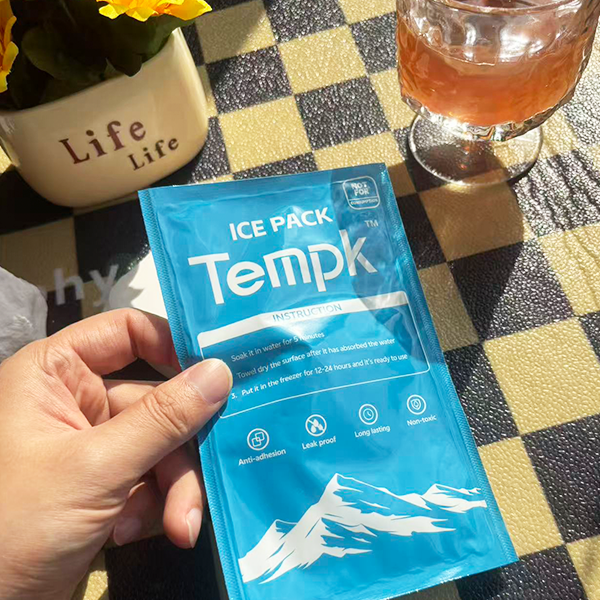
Vergleichen Sie den Preis des Eistruhen-Exporteurs richtig
The correct ice chest exporter price has an origin, Ziel, Handelsbegriff, Versandplan, und Produktüberarbeitung. Ohne diese Referenzen, Ein Importeur kann nicht erkennen, ob das Angebot Exportkartons umfasst, Paletten, Inspektion, Unterlagen, Kühlmittel, oder Lieferverantwortung. Wenn man nur die Einheitslinie vergleicht, verlagert sich die Unsicherheit auf den Güterverkehr, Zoll, Empfang, und Feldunterstützung.
Für einen fundierten Exporteurvergleich wird eine RFQ benötigt, ein Gesamtkostenblatt, Nachweise, die für die Endverwendung geeignet sind, einen Qualitätsplan vor dem Versand, und Nachbestellungskontrollen. Es vermeidet erfundene Marktdurchschnitte und macht jede kommerzielle Annahme sichtbar.
Definieren Sie eine Exportvergleichseinheit
Definieren Sie die Vergleichseinheit als „ein nutzbares geliefertes System“.,„nicht „eine Kiste“. Listen Sie den genauen Körper auf, Deckel, Dichtung, Griffe, Abfluss, Trenner, Kühlmittelpakete, Körbe, Etiketten, Anweisungen, und Versandverpackung. Geben Sie an, ob ein Temperaturlogger im Lieferumfang enthalten ist oder separat erworben werden muss.
Dann definieren Sie die Verwendung. Geben Sie die Abmessungen und die Masse der Nutzlast an, Menge, erforderliche Bedingung, Ausgangszustand, Route, längste glaubwürdige Zeit, Umgebungseinflüsse, Öffnungen, Fahrzeug, Handhabung, Reinigung, und zurück. Für Medikamente und Impfstoffe, Anforderungen müssen aus der Produkt- und Programmdokumentation stammen. Ein allgemeiner Bereich sollte nicht vorgegeben werden, weil er bekannt ist.
Fragen Sie nach Innenmaßen und Verpackungszeichnungen. Das angegebene Fassungsvermögen von 25 Litern reicht möglicherweise nicht aus 25 Liter nutzbare Nutzlast nach Kühlmittel und Barrieren. Beladene Masse und Schwerpunkt beeinflussen Griffe und Ergonomie. Außenmaße beeinflussen Fracht- und Fahrzeugwürfel.
Jeder Lieferant sollte die gleiche Matrix ausfüllen:
| Angebotsfeld | Erforderliche Antwort |
|---|---|
| Modell und Revision | Genaue Kennung und Zeichnungsreferenz |
| Enthaltene Komponenten | Menge und Spezifikation jedes Teils |
| Preisstufen | Menge, Einheitsbereich, Währung, Gültigkeit |
| Einmalige Kosten | Werkzeuge, Kunstwerk, Entwicklung, Testen |
| MOQ-Treiber | Kasten, Pigment, drucken, Kühlmittel, Verpackung |
| Beweise inklusive | Identitäts- und Konfigurationsrelevanz melden |
| Verpackung | Karton, Palette, Verschachtelung, Abmessungen, Gewicht |
| Lieferbasis | Handelsbegriff, Ziel, Ausschlüsse |
| Unterstützung wiederholen | Vorlaufzeit, gespeichert, Garantieprozess |
| Kontrolle ändern | Benachrichtigungs- und Käuferbewertungsprozess |
So wird aus einer Preisanfrage ein vergleichbares Angebot. Fehlende Einträge werden eher zu Fragen als zu Überraschungen.
Benutzen Sie eine Beweisleiter
Nicht jedes Projekt benötigt die gleichen Nachweise. Erstellen Sie Level, die der Konsequenz entsprechen.
Ebene 1: Produktidentität. Zeichnungen, Materialien, Abmessungen, Komponenten, Verarbeitung, und Muster stellen fest, was gekauft wird.
Ebene 2: funktioneller Beweis. Schließung, Heben, Leckage nach einer definierten Methode, Reinigungsverträglichkeit, Stapelung, und Transportverpackungskontrollen unterstützen den normalen Betrieb.
Ebene 3: Bewerbungsnachweise. Dokumentation zum Lebensmittelkontakt, thermische Tests, Kühlmittelkompatibilität, und Überwachungsmethoden richten sich nach dem Verwendungszweck.
Ebene 4: kontrollierte Qualifikation. Genehmigte Protokolle, kalibrierte Instrumente, repräsentative Proben, Läufe wiederholen, definierte Akzeptanzkriterien, nachvollziehbare Berichte, und Änderungskontrolle unterstützen eine temperaturempfindliche Verteilung mit hoher Konsequenz.
Die Lieferantenkosten steigen mit zunehmender projektspezifischer Evidenz. Das ist nicht automatisch Verschwendung. Es wird zur Verschwendung, wenn ein Zertifikat keine Antwort auf eine Entscheidung gibt, oder wenn der Käufer eine streckenunabhängige Prüfung verlangt.
ISTA 7E provides thermal profiles for transport packaging used in parcel delivery. Die Leitlinien der WHO beschreiben Qualifizierungs- und Überwachungskonzepte für die Zeit- und temperaturempfindliche Arzneimittel. Iata's Temperature Control Regulations address relevant air-cargo practices. Verwenden Sie geeignete Frameworks mit qualifiziertem Personal, unter Beibehaltung des Produkts, Route, und Zuständigkeit im Blick.
Eine Dauerangabe sollte das Umgebungsprofil angeben, Nutzlast, Kühlmittel, Konditionierung, Sensorpositionen, Akzeptanzkriterien, und genaue Konfiguration. „Hält tagelang kalt“ kann eine Kosten-Nutzen-Rechnung nicht stützen.
Wandeln Sie das Exportangebot in Gesamtkosten um
Beginnen Sie mit dem detaillierten Angebot. Fügen Sie Zubehör hinzu, Werkzeuge, Inspektion, Exportverpackung, Fracht, Versicherung, Aufgaben, Maklertätigkeit, ggf. Hafen- oder Terminalgebühren, Inlandstransport, und Empfangen. Verwenden Sie aktuelle Angebote geeigneter Anbieter statt allgemeiner Prozentangaben.
Halten Sie physische und finanzielle Eingaben getrennt. Zu den physischen Eingaben gehören gepackte Abmessungen, Palettenanzahl, Verschachtelung, und Gesamtgewicht. Zu den finanziellen Inputs zählen die Frachtraten, Währung, Pflicht, und Bearbeitungsgebühren. Dies erleichtert Aktualisierungen bei Tarifänderungen.
Vergleichen Sie zum gleichen Handelsbegriff oder passen Sie die Zuständigkeit explizit an. Bestätigen Sie, ob Paletten, Herkunftsdokumentation, und Liefertermine sind inklusive. Notieren Sie die Angebotsgültigkeit und die Wechselkursannahmen. Ein abgegebenes Angebot ist nicht zwangsläufig teurer; es stellt die Koordination einfach anders dar.
Überprüfen Sie die Mindestbestellmenge und die Gesamtkosten. Eine hohe Menge kann die Produkt- und Frachtkosten pro Einheit senken und gleichzeitig den Lagerbestand erhöhen, Lagerung, Kasse, und Obsoleszenz. Ein kleinerer Pilot kann höhere Stückkosten verursachen, aber wertvolle Informationen erwerben. Zeigen Sie beide Effekte im Genehmigungsvermerk an.
Wenn eine neue Form vorgeschlagen wird, trennen Sie es vom Stückpreis. Definieren Sie den Besitz, Wartung, Beispielstufen, Lagerung, und Ausreiserechte. Amortisieren Sie es im Vergleich zu einem konservativen Volumenszenario. Das Werkzeug sollte nicht im Angebot verschwinden, wenn sein Risiko nicht überprüft werden kann.
Betriebskosten ohne falsche Gewissheit hinzufügen
Für eine einmalige Route, Inklusive Packungsmontage, Kühlmittelaufbereitung, Überwachung, dimensionale Fracht, Zielabwicklung, und Entsorgung. Für eine wiederverwendbare Schleife, Asset-Identifikation hinzufügen, Reverse-Logistik, Waschen, Trocknen, Inspektion, reparieren, Verlust, Neupositionierung, und Sicherheitsbestand.
Berechnen Sie die Kosten pro erfolgreich durchgeführter Fahrt. Eine versandte, aber nicht wiederhergestellte Box wurde einmal zugestellt, Der Wiederverwendungszyklus wurde nicht abgeschlossen. Ein zurückgegebener Karton, der auf das Trocknen wartet, ist kein verfügbarer Bestand. Eine beschädigte Einheit kann vor der nächsten Verwendung einer Inspektion und Reparatur bedürfen.
Verwenden Sie Szenarien anstelle einer optimistischen Zahl:
- Konservativ: geringere Erholung, kürzere Nutzungsdauer, höhere Reparatur- und Rücksendekosten.
- Erwartet: Annahmen, die durch Pilotergebnisse gestützt werden.
- Verbessert: bessere Genesung nach nachgewiesenen Kontrollen.
Identifizieren Sie die Variablen, die die Entscheidung ändern. Wenn der leere Rückgabewürfel dominiert, Vergleichen Sie Nesting oder regionales Pooling. Wenn der Verlust dominiert, Verbessern Sie die Eigentums- und Scankontrollen. Wenn die Kühlmittelaufbereitungsarbeit dominiert, Überprüfen Sie den Arbeitsablauf und die kompatiblen Kühlmitteloptionen. Wenn die ausgehende Fracht dominiert, Überdenken Sie die Außengröße und das Nutzlastverhältnis.
Vermeiden Sie die Zuweisung nicht unterstützter Einsparungen oder Umweltvorteile. Wiederverwendung, recycelter Inhalt, Leichtbau, und Recyclingfähigkeit sind separate Attribute. Tatsächliche Reisen, Transport, Waschen, reparieren, und lokale End-of-Life-Routen bestimmen das Programmergebnis.
Testen Sie sowohl das Produkt als auch die Annahmen
Muster sollten eine Produktionskonstruktion darstellen. Testen Sie die tatsächliche Nutzlastanpassung, Ladezeit, Schließung, beladenes Heben, Fahrzeugstapelung, Öffnungen, Entladung, Waschen, Trocknen, Etiketten, und leere Rückkehr. Beziehen Sie Bediener aus verschiedenen Schichten ein.
Zur kritischen Temperaturkontrolle, Führen Sie ein genehmigtes Protokoll mit angemessener Überwachung und realistischen Bedingungen durch. Überarbeitung des Steuerkastens, Nutzlast, Kühlmittel, Konditionierung, Anordnung, Sensoren, und Akzeptanz. Bewerten Sie gegebenenfalls das Frost- und Hitzerisiko. Die Box allein ist nicht das qualifizierte System.
Das Pilotprojekt validiert auch die Kosten. Arbeitsschritte zählen, Raum, Schaden, und kehrt zurück. Notieren Sie, ob Zubehör verloren geht. Überprüfen Sie die Abmessungen der Versandverpackung und prüfen Sie, ob die Palette komprimiert ist. Ersetzen Sie Schätzungen durch beobachtete Werte.
Stellen Sie sich ein Design vor, das durch die Verwendung eines nicht austauschbaren Riegels Fabrikkosten spart. Während des Piloten, Die Riegel weisen Abnutzungserscheinungen auf, während das Gehäuse gebrauchsfähig bleibt. Der niedrigere Stückpreis könnte zu einer vorzeitigen Pensionierung führen. Eine austauschbare Komponente kann die Lebenszyklusökonomie verbessern, aber nur wenn Teile, Werkzeuge, Ausbildung, und Inspektion sind praktisch.
Nutzen Sie Pilotergebnisse, um das Angebot zu überarbeiten, Spezifikation, und internes Modell. Wenn sich die Konfiguration wesentlich ändert, Wiederholen Sie die erforderliche Bewertung vor der Waage.
Schützen Sie die bewährte Wirtschaftlichkeit durch Qualitätskontrolle
Produktionsdrift kann Kostenannahmen zunichte machen. Definieren Sie kritische Materialien, Abmessungen, Deckel passt, Isolierung, Kühlmittel, Hardware, Geruch, Farbe, Etiketten, und packen. Legen Sie Fehlerklassen und Prüfmethoden fest. Erfordern eine Chargenidentifizierung und eine Reaktion auf fehlerhafte Produkte.
Die Änderungsmitteilung des Lieferanten sollte sich auf die Harzqualität beziehen, recycelter Inhalt, Pigment, Schaum, VIP, Dichtung, Klebstoff, Hardware, Kühlmittel, Formen, Montage, Komponentenquelle, und Website. Der Käufer bestimmt dann die Auswirkungen. Für eine geringfügige Änderung kann eine Aktualisierung des Dokuments ausreichen; Bei einem anderen kann eine Funktionsprüfung oder eine thermische Requalifizierung erforderlich sein.
Die Gewährleistung muss in einen Prozess umgesetzt werden. Welche Mängel sind abgedeckt? Welche Beweise werden benötigt?? Wer zahlt die Fracht?? Es werden Ersatzteile geliefert? Wie schnell werden Ansprüche geprüft?? Eine lange Garantieerklärung mit schwierigen Ausschlüssen hat nur einen begrenzten wirtschaftlichen Wert.
Die Kontinuitätsplanung deckt die Vorlaufzeit für Nachbestellungen ab, Komponentenverfügbarkeit, Werkzeugwartung, zugelassene Alternativen, und Kommunikation. Für Programme mit hohem Risiko ist möglicherweise ein Sicherheitsbestand oder eine zweite Konfiguration erforderlich. Die gewählte Steuerung sollte die Konsequenz widerspiegeln, keine allgemeine Regel.
Überprüfen Sie die Leistung des Lieferanten mit Mängeln, Lieferung, Antwort, und Metriken ändern. Reduzieren Sie die Scorecard nicht auf Preisabweichungen. Ein stabiler Lieferant, der Abweichungen verhindert, kann zu niedrigeren Gesamtkosten führen.
Führen Sie einen Stresstest der kommerziellen Annahmen durch
Vor der Verleihung, Führen Sie eine funktionsübergreifende Überprüfung durch, bei der jede Funktion einen Teil des Kostenmodells in Frage stellt. Die Logistik überprüft die Karton- und Palettenmaße. Der Betrieb prüft das Laden, Kühlmittelaufbereitung, Waschen, und Personalausstattung. Qualitätsprüfungen, Nachweise und Änderungskontrolle. Finanzen testet Währung, Volumen, und Zahlungsannahmen. Die Beschaffung bestätigt, dass Umfang und Konditionen vergleichbar sind.
Führen Sie Empfindlichkeiten durch, anstatt sich auf eine Gesamtsumme zu verlassen. Fracht erhöhen, Rendite reduzieren, Nutzungsdauer verkürzen, oder einen Qualifikationslauf hinzufügen. Identifizieren Sie die Variable, die das Lieferantenranking umkehren kann, dann verhandeln oder steuern Sie es. Wenn der Frachtwürfel ausschlaggebend ist, Erleben Sie das Exportpaket. Entscheidend ist die Rückgabe, Verzögern Sie die Flottenwaage, bis die Erholung gemessen wird. Entscheidend ist ein thermischer Anspruch, Überprüfen Sie das Protokoll und die Daten.
Dokumentieren Sie Ausschlüsse in der Genehmigung. Bei einem Preis können die Zielsteuern weggelassen werden, lokaler Speicher, Qualifikation nach einem Spurwechsel, Ersatzkühlmittel, oder kundenspezifische Etiketten. Ausschlüsse sind nicht automatisch ungünstig, aber das Unternehmen muss Eigentümer sein. Die Entscheidung bleibt bei Annahmen überprüfbar, Beweislücken, und Kontingenz sind sichtbar.
Legen Sie ein Überprüfungsdatum nach der Veröffentlichung fest. Vergleichen Sie die tatsächlichen Gesamtkosten, Mängel, Arbeit, Erholung, und Abweichungen vom zugelassenen Modell. Nutzen Sie die Unterschiede, um die Nachbestellmengen zu verbessern, Streckenkontrollen, und die nächste Lieferantenverhandlung.
Notieren Sie während dieser Überprüfung auch die Exportverpackungsleistung und das Feedback zur Zielabwicklung.
Vergleichen Sie Angebote unter einer Lieferverantwortung
Zwei Angebote sollten erst dann in eine Rangfolge gebracht werden, wenn der Käufer festgelegt hat, welche Partei die Abholung am Ursprungsort kontrolliert, Ausfuhrabfertigung, Hauptwagen, Versicherung, Zielfreigabe, Aufgaben, Terminalgebühren, und Endlieferung. Verwenden Sie die im Angebot angegebene Handelsbezeichnung und den genannten Ort, und erhalten Sie aktuelle Logistikinformationen für jedes Segment, das der Käufer hinzufügen muss.
Betrachten Sie eine Laufzeit nicht als vollständige Kostengarantie. Zuschläge, Standgeld, Lagerung, Inspektion, Liefertermine, und die steuerliche Behandlung kann von Ereignissen und örtlichen Vorschriften abhängen. Notieren Sie das Zinsdatum und die Annahmen. Wenn ein Lieferant mehrere Lieferbasen anbietet, Transparenz vergleichen, Kontrolle, und Risiko sowie die Gesamtsumme.
Währung und Zahlungsplan wirken sich auch auf den Importeur aus. Zeitpunkt der Einzahlung, Balance-Trigger, Bankgebühren, Wechselkursexposition, und Abhilfemaßnahmen bei einer fehlgeschlagenen Prüfung gehören in den kaufmännischen Vergleich. Diese Elemente verändern die thermische Leistung nicht, Sie können jedoch den Bargeldbedarf und die Rückgriffsmöglichkeiten erheblich verändern. In einem Entscheidungsmemo sollten der Produktpreis und die Verteilung des Lieferrisikos zusammen dargestellt werden.
Entscheidungsnotiz: was das Management sehen sollte
Die endgültige Empfehlung sollte mehr als drei Einheitspreise aufweisen. Gegenwärtig:
Anwendung und kontrollierte Konfiguration;
Lieferanten und Umfangsunterschiede;
Evidenzniveau und verbleibende Lücken;
Anschaffungskosten bei angegebener Menge und Konditionen;
Betriebsszenarien und sensible Annahmen;
Pilotergebnisse und ungelöste Risiken;
Werkzeuge, Anpassung, und Bestandsrisiko;
Qualitäts- und Änderungskontrollverpflichtungen;
Empfohlener nächster Schritt und Genehmigungsbedingungen.
Dieses Format macht Unsicherheit sichtbar. Das Management kann sehen, ob die Entscheidung von der Wiederherstellungsrate abhängt, Fracht, Qualifikation, oder Lautstärke. Der Einkauf kann den wahren Treiber aushandeln, anstatt jeden Lieferanten auf denselben willkürlichen Prozentsatz zu drängen.
Die Entscheidung „Noch kein Schiedsspruch“ kann angebracht sein, wenn der Umfang oder die Beweise unvollständig sind. Das Anfordern eines zusätzlichen Musterlaufs oder eines Logistikangebots kann günstiger sein, als sich mit falscher Genauigkeit auf einen Großauftrag festzulegen.
Häufig gestellte Fragen
Was sollte in einem Angebot für den Export einer Kühltruhe enthalten sein??
Zumindest, Identifizieren Sie den Körper, Deckel, Isolierung, Dichtung, Hardware, und Verpackung. Kühlmittel hinzufügen, Einsätze, Etiketten, Unterlagen, und anderes erforderliches Zubehör als explizite Leitungen. Überarbeitung des Landesmodells, Menge, Währung, Handelsbegriff, Ziel, Gültigkeit, und Ausschlüsse, damit Lieferanten fair verglichen werden können.
Kann ein vorhandener Wärmebericht die Projektkosten senken??
Ja, wenn es auf das angebotene Modell zutrifft, Materialien, Nutzlast, Kühlmittel, Konditionierung, Umgebungsprofil, Sensorkarte, und Akzeptanzkriterien. Wenn es Unterschiede gibt, Verwenden Sie eine Folgenabschätzung, um zu entscheiden, ob der Bericht informativ ist oder ob zusätzliche Tests erforderlich sind.
Warum ist die äußere Größe genauso wichtig wie die Kapazität??
Äußere Größe treibt Exportfracht voran, Lagerfläche, Fahrzeugwürfel, und leere Rückgaben. Die interne Kapazität muss groß genug für die kontrollierte Auspackung sein, Überschüssige Wände oder ungenutzte Geometrie können jedoch die Logistik teuer machen. Vergleichen Sie die nutzbare Nutzlast pro verpacktem und transportiertem Würfel.
Wie können Käufer vermeiden, für Compliance-Ansprüche zu viel zu bezahlen??
Fragen Sie nach, welche Anforderung gilt, welches genaue Dokument es unterstützt, und welche geordnete Komponente es abdeckt. Vermeiden Sie weit gefasste Aussagen wie „global konform“. Zahlen Sie für Beweise und Kontrollen, die das Produkt beantworten, Markt, Route, und Qualitätssystemanforderungen.
Wann sollte sich ein Käufer für eine Individualisierung entscheiden??
Wählen Sie es, wenn vorhandene Modelle die Nutzlast nicht bewältigen können, Handhabung, Kontrolle, oder wesentliche Markenbedürfnisse erfüllen und wenn das erwartete Volumen die Entwicklung unterstützt. Trennen Sie kosmetische von funktionellen Veränderungen. Werkzeug einbeziehen, Proben, Testen, Genehmigung, Vorlaufzeit, und das Risiko veralteter Lagerbestände in die Entscheidung einzubeziehen.
Abschluss
Ein vertretbarer Lieferantenkostenvergleich beginnt mit einer kontrollierten Konfiguration. Legen Sie den Evidenzgrad fest, Berechnen Sie die Anschaffungs- und Betriebskosten unter sichtbaren Annahmen, Testen Sie das Produkt und das Geschäftsmodell, und schützen Sie das genehmigte Ergebnis durch Qualitäts- und Änderungskontrolle. Dieser Ansatz ersetzt einen unzuverlässigen Marktpreis durch eine Finanzierungsentscheidung, Operationen, und qualität können alle prüfen.
Über Tempk
Tempk, verbunden mit Shanghai Tempk, supplies cold-chain packaging categories that include medical cooler boxes, plastic and EPP insulated boxes, VIP-bezogene Isolationsmöglichkeiten, und Kühlmittelauswahl. Diese Kategorien können je nach Anfrage als Standard- oder anwendungsorientierte Konfiguration angeboten werden. Käufer sollten Nutzlast bereitstellen, Route, Menge, Ziel, und Beweisbedarf, sodass der kommerzielle Umfang den beabsichtigten Verwendungszweck widerspiegelt.
CTA: Fordern Sie einen Tempk-Exportvorschlag an, der die Box trennt, Kühlmittel, Anpassung, Beweis, Hauptkartonverpackung, Palettierung, und angegebener Lieferbasis.