


Lieferantenrahmen für Eisboxen aus hochdichtem Schaumstoff
Lieferantenrahmen für Eisboxen aus hochdichtem Schaumstoff

Ein Spezifikationsrahmen für einen Lieferanten von hochdichten Schaumstoff-Eisboxen
Der beste Weg, eine Schaumstoff-Eisbox zu beschaffen, besteht darin, „hohe Dichte“ aus dem ersten Entscheidungsbereich zu entfernen. Beginnen Sie mit dem Produkt und der Route, Wählen Sie ein Materialsystem aus, Definieren Sie, wie Dichte und Dicke gesteuert werden, Testen Sie die fertige Box, und Produktionsänderungen mit Beweisen verknüpfen. This framework helps a buyer evaluate a high density foam ice box supplier without turning one material number into a performance guarantee.
Das Ergebnis ist eine kontrollierte Konstruktion mit klaren Grenzen. Beschaffung, Verpackung, Qualität, Operationen, und der Hersteller sind jeweils an der Entscheidung beteiligt.
Tor eins: Schreiben Sie die Nutzungsanforderung
Benennen Sie den Inhalt, Produktverpackung, erforderliche Bedingungen, Nutzlast, Kühlmittel, Reise, saisonale Exposition, Öffnungen, Handhabung, Reinigung, Überwachung, wo verwendet, Empfang, zurückkehren, und End-of-Life-Route. Der Product Owner sollte die Akzeptanz definieren; Ein passiver Container kann die korrekten Temperaturanforderungen nicht selbst festlegen oder überprüfen.
Identifizieren Sie Einschränkungen hinsichtlich der Außengröße, nutzbares Volumen, Packgewicht, Versandwürfel, und Personalheben. Berücksichtigen Sie glaubwürdige Schadens- und Verzögerungsszenarien. Ein leichtes Paket für eine Reise, eine Mehrweg-Lebensmittelbox, und ein geschützter Arzneimittelversender kann unterschiedliche Konstruktionen erfordern, selbst wenn ihre Innenvolumina übereinstimmen.
Markieren Sie zwingende Anforderungen getrennt von den Präferenzen. Dadurch kann der Lieferant einen anderen Schaum oder Hybrid vorschlagen, ohne stillschweigend eine wesentliche Schnittstelle zu ändern.
Tor Zwei: Benennen Sie das Materialsystem richtig
Die Spezifikation sollte geformtes EPS angeben, geformtes EPP, ein starrer Polyurethankern in einer definierten Hülle, ein VIP-Arrangement, oder eine andere präzise Konstruktion. Notationskennungen aufzeichnen, Dichtemethode, sofern relevant, Dicke, Deckel und Gelenke, Liner, Verkleidungen, Klebstoffe, Hülse, Dichtung, Hardware, und Überarbeitung.
Nutzen Sie jede Technologie innerhalb ihrer tatsächlichen Grenzen. Perlenschäume basieren auf der Perlen- und Formverschmelzung. Hartschaum ist reaktionsabhängig, füllen, Bindung, und Gehäuse. VIPs sind auf die Integrität und den Schutz der evakuierten Panel-Barriere angewiesen. Hybride fügen Schnittstellen und Rückverfolgbarkeitsanforderungen hinzu. Eine gängige Marketingphrase macht ihre Bedienelemente nicht austauschbar.
Bitten Sie den Lieferanten, Annahmen und Ausschlüsse anzugeben. Wenn sich ein Angebot nur auf den Schaumstoffkörper bezieht, Umkarton unterscheiden, Kühlmittel, Liner, Testarbeit, und Montagekosten.
Tor drei: Definieren Sie Dichte und Dicke als kontrollierte Eingaben
Geben Sie die Methode der scheinbaren Dichte an, Konditionierung, Probenort, Einheiten, Toleranz, Probenahme, und Reaktion auf einen Misserfolg. Kopieren Sie kein Ziel aus einem anderen Polymer oder einer anderen Box. Der ausgewählte Bereich sollte einen Grund haben, der mit dem Formen zusammenhängt, Mechanik, Gewicht, kosten, oder validierte Designarbeit.
Definieren Sie die Dicke in einer Schnittzeichnung, inklusive Ecken, Deckel, Schritte, Gelenke, Aussparungen, und Plattenkanten. Die Nennwandstärke auf einer Katalogseite kann lokale Reduzierungen verdecken. Verknüpfen Sie die Zeichnung mit den Innenabmessungen, damit keine erhöhte Isolierung gekauft wird, ohne den Nutzlast- und Frachteffekt zu verstehen.
Dichte und Dicke sind noch kein Beweis für die thermische Dauer. Sie sitzen neben Fusion oder Füllung, Deckelverschluss, Gelenke, körperliche Verfassung, Kühlmittel, Nutzlast, und Umgebungseinflüsse.
Beweiskarte zur Veröffentlichung
| Schicht | Kontrollierte Informationen | Freigabefrage |
|---|---|---|
| Material | Polymer- oder Panelidentität, Grad, entsprechende Erklärungen | Wird die beabsichtigte Eingabe verwendet?? |
| Verfahren | Formen, Fusion, füllen, Montage, Handhabungskontrollen | Kann die Produktion das vorgesehene Bauteil herstellen?? |
| Geometrie | Abschnitte, Deckel, Gelenke, Schnittstellen, nutzbare Abmessungen | Stimmt der fertige Entwurf mit der Zeichnung überein?? |
| Körperlich | Kompression, Auswirkungen, Stapel, Schließung, Schadensbesichtigung | Bewahrt die Handhabung die funktionale Konstruktion?? |
| Thermal | Vollständige Verpackung unter den angegebenen Bedingungen | Erfüllt diese Konfiguration ihre Akzeptanzregel?? |
| Betrieb | Pack, Monitor, erhalten, sauber, zurückkehren, ausscheiden | Können Benutzer das System reproduzieren und warten?? |
| Ändern | Meldung und Risikobewertung | Sind frühere Beweise weiterhin gültig?? |
Die Schichten sind verbunden, aber nicht substituierend. Ein Materialzertifikat erfüllt kein thermisches Protokoll auf Boxebene, und ein Thermopass entschuldigt keine unkontrollierten Produktionsänderungen.
Tor vier: Erstellen Sie einen Prototyp des kompletten Packouts
Erstellen Sie einen maßlichen Ladeplan mit Nutzlast, Kühlmittel, Liner, Teiler, Monitor, und Stauholz. Überprüfen Sie das Bruttoinnenvolumen, Nettonutzlast, Außenwürfel, und Packgewicht. Lassen Sie die Kiste von den vorgesehenen Bedienern beladen und schließen. Beobachten Sie auf dem Kopf stehende Teile, zerdrückte Kartons, Deckelstörung, und unklare Kühlmittelplatzierung.
Die Packung kontrolliert die thermische Masse und die Temperaturverteilung. Inhalt und Kühlmittel gemäß der zugelassenen Methode vorbereiten. Wenn die Ladungsmenge variiert, Legen Sie gesonderte Vereinbarungen oder gerechtfertigte Stauungen fest. Ein Test mit einer leeren Box oder Wasserflaschen kann eine Entwicklungsfrage beantworten, sollte aber nicht als Beweis für eine nicht damit zusammenhängende kommerzielle Nutzlast vorgelegt werden.
Fotografieren Sie die Konfiguration und geben Sie ihr eine Kennung. Physische Anpassung, inklusive einer neuen Kavität, Deckel, Griffmulde, oder Panel-Layout, erstellt eine neue Designfrage.
Tor fünf: Erstellen Sie thermische und physikalische Beweise auf Box-Ebene
Genehmigen Sie vor dem Testen ein Protokoll. Identifizieren Sie die Modellrevision, Nutzlast, Kühlmittel, Konditionierung, Umgebungsprofil, Sensorkarte, Öffnungen, Dauer, Proben, und Akzeptanzkriterien. Daten bewahren, Ambient-Aufzeichnungen, Packout-Fotos, und Abweichungen. Lesen Sie ein Haltezeitergebnis nur unter diesen Bedingungen ab.
Die körperliche Kondition sollte die Route widerspiegeln: Paketaufprall und Komprimierung, wiederholte Handhabung und Reinigung im geschlossenen Kreislauf, Ladungen stapeln, oder Pannengefahr für Paneele. Untersuchen Sie die Box nach körperlichen Herausforderungen. Bei Schäden könnte sich die Isolierung oder der Verschluss verändern, Ein thermischer Vergleich kann angebracht sein.
Mit der Feldverifizierung können Betriebsannahmen überprüft werden, während eine fortlaufende Überwachung Abweichungen erkennen kann. Beides sollte kein allgemeingültiger Leistungsanspruch für ungetestete Produkte werden, Jahreszeiten, oder Routen.
Tor Sechs: Qualifizieren Sie die Wiederholbarkeit der Produktion
Verwenden Sie repräsentative Piloteinheiten aus dem vorgesehenen Form- und Montageprozess. Überprüfen Sie das Teilegewicht, Abmessungen, Dichteproben, Perlenfusion, Schaumstofffüllung, Panel-Platzierung, Deckel passt, Gelenke, Hardware, Etiketten, und Verpackung entsprechend der gewählten Konstruktion. Vergleichen Sie sie mit der getesteten Revision.
Im Inspektionsplan sollte die Methode angegeben werden, Frequenz, Limit, aufzeichnen, und Reaktion. Für versteckte Isolierungen sind möglicherweise Prozessdaten oder regelmäßige zerstörende Proben erforderlich. Eine visuelle Endkontrolle kann nicht jede Fehlstelle bestätigen, Bindung, oder Plattenbarriere.
Vereinbaren Sie, wie fehlerhafte Einheiten eingedämmt werden und wie Korrekturmaßnahmen überprüft werden. Die Fähigkeit des Lieferanten, Abweichungen zu erklären, ist nützlicher als das Versprechen, dass jedes Teil identisch ist.
Tor sieben: Kontrollreinigung, Wiederverwendung, und Ruhestand
Identifizieren Sie die Oberfläche, die mit Inhalt oder Erde in Kontakt kommt. Überprüfen Sie die Reinigungschemie, Konzentration, Kontaktzeit, Temperatur, Druck, Abrieb, spülen, und Trocknen für die Schale, Schaum, Liner, Dichtung, Etiketten, Klebstoff, und Tafeln. Für den Lebensmittelkontakt oder die pharmazeutische Eignung sind genaue Anforderungen erforderlich, marktrelevante Beweise und können nicht aus der Dichte abgeleitet werden.
Zur Wiederverwendung, schmutzig machen, sauber, freigegeben, unter Quarantäne gestellt, reparieren, und Ruhestandsstatus. Risse prüfen, Perlentrennung, Kompression, nasse Kerne, Punktion, Verformung des Deckels, Geruch, Kontamination, und Identifikatoren. Reparatur nur mit kontrollierten Bauteilen und Freigabeprüfung.
Für Einzelfahrt-Ausführungen, Planen Sie die Schutzverpackung und die Handhabung am Zielort. Angaben zur Recyclingfähigkeit sollten die tatsächliche Sammlung und den Materialzustand im Zielmarkt widerspiegeln.
Tor Acht: Vergleichen Sie den insgesamt erbrachten Service
Normalisieren Sie den Umfang der Lieferanten für die Werkzeugausstattung, Proben, Material, Formen, Muscheln, Paneele, Liner, Kühlmittel, Umkartons, Testen, Palettendichte, Fracht, Inspektion, Reinigung, kehrt zurück, reparieren, Verlust, Ersatz, und Entsorgung. Nutzen Sie mehrere Trip-Zählungs- und Wiederherstellungsszenarien zur Wiederverwendung. Halten Sie einmalige und wiederkehrende Kosten getrennt.
Die Dichte beeinflusst die Materialmasse und kann sich auf die Verarbeitung oder Haltbarkeit auswirken, es handelt sich jedoch nicht um eine Gesamtkostenmetrik. VIPs können bei höheren Komponentenkosten die Nutzlast bewahren. EPP kann einen Rücklaufkreislauf unterstützen, der Waschen und Rückgewinnung erfordert. EPS eignet sich möglicherweise für eine geschützte Einbahnstraße mit Materialtransport am Zielort. Schalen mit starrem Kern erhöhen möglicherweise das Gewicht und die Hardware, schützen aber die Isolierung.
Wählen Sie das System aus, das den definierten Service mit akzeptablen Nachweisen und überschaubaren Abläufen bereitstellt. Aktualisieren Sie das Modell nach Pilot- und Startdaten.
Praxisbeispiel: die Beweismittelschleusen schließen
Ein Käufer wünscht sich zunächst einen möglichst dichten Schaum. Der Lieferant schlägt zwei Materialien vor, und die Verpackungstechnik zeigt, dass die gleiche Außengröße unterschiedliche Nutzlasten erzeugt, Handhabung, und Renditeökonomie. Das Team definiert Dichtemethoden, erstellt Packouts, führt vergleichbare Tests durch, inspiziert Piloteinheiten, und Models landeten im Dienst. Die endgültige Wahl nutzt eine mäßig kontrollierte Eingabe innerhalb eines besseren Deckel- und Gelenkdesigns.
Die Entscheidung verbessert sich, weil die Dichte vom Slogan auf einen nachverfolgbaren Parameter übergegangen ist.
Endgültige Governance-Kontrollen
Vor dem kontrollierten Scale-Up einer chemisch definierten Schaumbox, Erstellen Sie eine Änderungsbenachrichtigungsmatrix für die Polymerqualität, Blas- oder Expansionseingänge, Perlenlieferant, Dichteziel, Formzyklus, Schaumformulierung, Panel-Quelle, Barrierefolie, Hülse, Klebstoff, Liner, Deckelgeometrie, und Lohnmontage. Die Matrix hilft beiden Parteien, eine bedeutsame technische Änderung von einer administrativen Aktualisierung zu unterscheiden.
In einer funktionsübergreifenden Überprüfung einer durch Chemie definierten Schaumbox, Verfolgen Sie die Produktionsdaten nach dem Start. Kastengewicht, Abmessungen, Abschlussbeobachtungen, Schaden, Temperaturergebnisse, Beschwerden, und Lieferantenabweichungen können Abweichungen aufdecken. Trend nach Modell, Revision, viel, und Spur. Ein Dichtezertifikat kann während der Formschmelzung unverändert bleiben, Montagelücken, oder die Handhabung führt zu einem neuen Muster von Fehlern.
Vor dem kontrollierten Scale-Up einer chemisch definierten Schaumbox, Festlegung objektiver Kriterien für die Stilllegung wiederverwendbarer Konstruktionen. Suchen Sie nach Rissen, permanente Kompression, Perlentrennung, Lidverformung, beschädigte Verkleidungen, Punktion, Wassereintritt, Geruch, unreiniger Boden, und fehlender Ausweis. Eine kosmetische Delle kann akzeptabel sein, während ein kleiner Einstich in die Barrierefolie kritisch sein kann. Die Kriterien sollten die tatsächliche Isolationstechnologie widerspiegeln.
In einer funktionsübergreifenden Überprüfung einer durch Chemie definierten Schaumbox, Vergleichen Sie Reparaturmöglichkeiten ehrlich. Einige wiederverwendbare EPP-Komponenten können als Einsätze ausgetauscht werden, während ein beschädigter Formkörper ausgemustert werden kann. Eine Hartschaumbox ermöglicht möglicherweise eine Reparatur der Gehäusehardware, ein nasser Kern jedoch nicht. Bei einem beschädigten VIP kann ein Austausch des Panels oder die Stilllegung eines Moduls erforderlich sein. Die Reparaturfähigkeit hängt vom Designzugriff und den kontrollierten Teilen ab, nicht nur die Materialkategorie.
Vor dem kontrollierten Scale-Up einer chemisch definierten Schaumbox, Bitten Sie um eine Probenidentifizierung, die das Schneiden und Testen übersteht. Markieren Sie das Boxmodell, Revision, Produktionsdatum oder Charge, Hohlraum, wo relevant, Schaumstoffqualität, und Montagestatus. Ein loses Schaumstoffstück kann die Dichte nicht beweisen, Fusion, Gelenke, oder Dickenverteilung innerhalb eines fertigen Behälters. Sorgen Sie dafür, dass Coupon-Daten und Beweise auf Box-Ebene miteinander verbunden, aber eindeutig sind.
Vor dem kontrollierten Scale-Up einer chemisch definierten Schaumbox, Definieren Sie, wie die Dichte abgetastet wird. Die scheinbare Dichte kann je nach Standort variieren, Haut, geformter Einsatz, oder Ganzteilberechnung. Zustandskonditionierung, Probenort, Masse- und Volumenmethode, Einheiten, Toleranzen, und Abtastfrequenz. Wenn die Methode die Box zerstört, Vereinbaren Sie regelmäßige Proben oder einbehaltene Prozessgutscheine, anstatt so zu tun, als könne jede Einheit auf die gleiche Weise überprüft werden.
Machen Sie im Angebot deutlich, worauf sich die Prüfung bezieht. Ein Lieferant kann einen Materialbericht vorlegen, ein generischer Boxtest, oder ein Bericht für eine andere Größe. Notieren Sie das Modell, Revision, Nutzlast, Kühlmittel, Umgebungsprofil, Sensoren, und Regel verabschieden. Beweise werden wertvoll, wenn ihr Umfang mit dem angebotenen Gegenstand und der angebotenen Konfiguration übereinstimmt.
Vor dem kontrollierten Scale-Up einer chemisch definierten Schaumbox, Klären Sie die Anpassungsgrenzen. Ein neuer Hohlraum, dickere Wand, tiefes Logo, veränderter Deckel, Entwässerungsloch, Griffmulde, Liner, oder Paneelanordnung können Wärmebrücken verändern, Formfüllung, Stress, und Nutzlastvolumen. Behandeln Sie die physische Anpassung als eine technische Überarbeitung, nicht nur eine künstlerische Wahl, und wählen Sie die Beweise aus, die vor der Veröffentlichung benötigt werden.
Vor dem kontrollierten Scale-Up einer chemisch definierten Schaumbox, Erstellen Sie eine Änderungsbenachrichtigungsmatrix für die Polymerqualität, Blas- oder Expansionseingänge, Perlenlieferant, Dichteziel, Formzyklus, Schaumformulierung, Panel-Quelle, Barrierefolie, Hülse, Klebstoff, Liner, Deckelgeometrie, und Lohnmontage. Die Matrix hilft beiden Parteien, eine bedeutsame technische Änderung von einer administrativen Aktualisierung zu unterscheiden. Dieser Anwendungspunkt wird in der Phase überprüft 2 des gleichen Programms.
In einer funktionsübergreifenden Überprüfung einer durch Chemie definierten Schaumbox, Verfolgen Sie die Produktionsdaten nach dem Start. Kastengewicht, Abmessungen, Abschlussbeobachtungen, Schaden, Temperaturergebnisse, Beschwerden, und Lieferantenabweichungen können Abweichungen aufdecken. Trend nach Modell, Revision, viel, und Spur. Ein Dichtezertifikat kann während der Formschmelzung unverändert bleiben, Montagelücken, oder die Handhabung führt zu einem neuen Muster von Fehlern. Dieser Anwendungspunkt wird in der Phase überprüft 2 des gleichen Programms.
Bei Freisetzung entsteht eine chemisch definierte Schaumbox, Überprüfen Sie Ecken und Deckelschnittstellen getrennt von flachen Wänden. Durch einen Spalt kann Wärme eine starke Wand umgehen, dünner Rand, unisolierte Griffzone, oder schlecht komprimierte Dichtung. Auch mechanische Schäden beginnen an Ecken und Scharnieren. Schnittzeichnungen und Sensorplatzierung sollten diese ungleichmäßigen Merkmale widerspiegeln und nicht von einer durchschnittlichen Wand ausgehen.
Häufig gestellte Fragen
Was sollte ein Käufer angeben, bevor er eine Schaumdichte anfordert??
Inhalte bereitstellen, Temperaturanforderung, Route, Dauer, Jahreszeiten, Kühlmittel, Nutzlast, Abmessungen, Handhabung, Reinigung, Rückgabemodell, und Beweisbedarf. Arbeiten Sie dann mit technischen Teams zusammen, um die Chemie auszuwählen, Konstruktion, Dichtemethode, und Dicke. Ein Dichteziel ohne Nutzungskontext kann zusätzliche Kosten verursachen, ohne das tatsächliche Risiko zu lösen.
Können zwei Schaumstoffe gleicher Dichte als gleichwertig behandelt werden??
NEIN. Polymerchemie, Grad, Zell- oder Perlenstruktur, Formen, Fusion, Geometrie, Feuchtigkeit, Dicke, und Montage können unterschiedlich sein. Auch innerhalb einer Familie, Die fertigen Teile benötigen einen kontrollierten Vergleich. Für die wesentlichen Funktionen sollte die Gleichwertigkeit nachgewiesen werden, nicht aus einer Zahl abgeleitet werden.
Welche Beweise sollten eine Aussage zur thermischen Dauer stützen??
Suchen Sie nach einem Bericht, der die Kartonrevision identifiziert, Nutzlast, Kühlmittel und Konditionierung, Ausgangstemperaturen, Umgebungsprofil, Sensoren, Öffnungen, Dauer, Proben, und Akzeptanzregel. Vergleichen Sie diese Bedingungen mit der vorgesehenen Fahrspur. Die Aussage sollte sich auf die getestete Konfiguration und begründete Hochrechnungen beschränken.
Welche Änderungen sollten eine technische Überprüfung auslösen??
Überprüfen Sie die Änderungen an der Polymerqualität, Dichteziel, Perle oder chemische Quelle, Formzyklus, Schaumformulierung, Dicke, Deckel, Gelenke, Panel, Hülse, Klebstoff, Hardware, Werkzeug, Subunternehmer, Nutzlast, Kühlmittel, oder Route. Die Reaktion kann von Dokumenten über Proben bis hin zu erneuten Tests je nach Risiko reichen.
Abschluss
Eine disziplinierte Spezifikation beginnt bei der Nutzung, benennt das materielle System, definiert Dichte- und Dickenmethoden, Prototypen der Verpackung, testet die Box, qualifiziert die Produktion, steuert die Wiederverwendung, und Modelle der gesamten Servicekosten. Diese Reihenfolge respektiert die Grenzen zwischen EPS, EVP, starres PU, VIP, und Hybriddesigns, während die Beweise mit der tatsächlichen Sendung in Verbindung stehen.
Über Tempk
Tempk, verbunden mit Shanghai Tempk, supplies medical cooler boxes, EPP -Boxen, VIP-Isolierboxen, plastic cold-chain boxes, und passende Kühlmitteloptionen. Käufer können Zuladung mitbringen, Route, Auspacken, Konstruktion, und Nachweisanforderungen zum Vergleich geeigneter Kategorien. Die endgültige Systembewertung bleibt an das Produkt und die Betriebsbedingungen des Käufers gebunden.
Nächster Schritt: Senden Sie Tempk Ihre Nutzungsanforderungen und Nachweis-Checkliste, um einen strukturierten Material- und Lieferantenvergleich zu beginnen.
So qualifizieren Sie einen HDPE-Kühltruhenlieferanten
So qualifizieren Sie einen HDPE-Kühltruhenlieferanten
Qualification of an HDPE ice chest supplier should follow a chain: intended use defines the configuration; the configuration defines the evidence; the evidence defines production controls. HDPE usually provides the shell or liner, while insulation and coolant govern much of the thermal behavior. Capacity must be translated into a usable payload envelope. Material suitability must be tied to the exact grade and contact condition. A supplier earns approval when it can maintain this defined product from sample through repeat orders and disclose changes that might affect it.
Bühne 1: Establish Product Boundaries
Write a clear statement of use. Inhalte identifizieren, direkter oder indirekter Kontakt, Lastbereich, Ausgangsbedingung, Kühlmedium, Dauer, Öffnungen, Umgebungseinflüsse, Reinigung, Transport, Lagerung, zurückkehren, und Markt. State whether the chest is a consumer product, foodservice container, protective outer, passive cold-chain component, oder Teil einer qualifizierten Verpackung.
This boundary prevents category errors:
- An HDPE shell is not active refrigeration.
- A foam-filled chest is not automatically qualified for every route.
- A coolant pack is not a complete shipping system.
- A logger records temperature but does not control it.
- A material declaration does not prove thermal duration.
Rank the requirements. Fit, Schließung, beladenes Handling, required contact status, and essential performance may be critical. Farbe, Logo, Zubehör, and retail presentation may be preferred or optional. Suppliers can then suggest cost improvements without weakening the core.
Bühne 2: Define Shell and Insulation Separately
Request a cross-section for body and lid. It should identify HDPE skins, foam or inserted insulation, VIPs if present, Gelenke, Dichtung, Abfluss, and hardware interfaces. Ask which molding process makes each plastic part and why it suits the forecast and geometry.
| Layer or component | Main role | Zulassungsnachweis |
|---|---|---|
| HDPE outer shell | Aufprallschutz, bilden, hardware support | Grade control, Zeichnung, molding sample |
| HDPE inner liner | Eindämmung, cleanable surface, Nutzlastgeometrie | Contact documentation where relevant, Fit-Test |
| Foam or cellular insulation | Reduziert die Wärmeübertragung | Construction definition, Prozesskontrolle, system test |
| VIP component | High thermal resistance in panel areas | Panel spec, Platzierung, Schutz, system test |
| Lid and gasket | Closure and boundary continuity | Ausrichtung, Kompression, opening and thermal review |
| Kühlmittel | Thermal capacity in a passive packout | Typ, Menge, Konditionierung, Platzierung |
The table keeps evidence proportional. Resin documentation belongs to the shell. Thermal results belong to the assembled system. A supplier should not use strength data for bulk HDPE to prove a handle, or a foam datasheet to prove the complete chest.
For direct food contact, assess exact resin grade, Zusatzstoffe, Pigmente, recycelter Inhalt, and conditions of use under relevant rules. If the liner touches only sealed packages, document that use rather than requesting or claiming broader contact status.
Bühne 3: Turn Capacity Into Fit and Handling
Ask how nominal capacity is measured. Obtain internal contours and tolerances, then draw the usable payload arrangement. Include loose ice, Kühlmittelpakete, Abstandshalter, Trenner, Tabletts, Flaschen, oder Kartons. The result should show product count and orientation, nicht nur Liter.
Conduct a production-sample fit trial. Confirm that contents load without force, Der Deckel schließt sich, coolant remains in position, and operators can remove products safely. Review minimum and maximum loads when quantities vary. A partial load can shift and may have different thermal behavior.
Weigh the complete assembly. Assess handles, Räder, Gleichgewicht, vehicle height, Treppe, Handschuhe, nasse Oberflächen, and workplace rules. Loaded mass can make a nominally portable chest unsuitable for one-person handling. If stack use is intended, specify load, Orientierung, Dauer, Temperatur, and allowable deformation.
External dimensions feed logistics. Check warehouse racks, van doors, washing equipment, Paletten, Kartons, and container load. A shell modification of only a few centimeters can affect system-wide storage and freight.
Bühne 4: Build a Claim Register
List every claim in the specification, listing, Verpackung, and sales materials. Assign an evidence owner and test boundary. This step eliminates vague phrases before they become disputes.
Capacity needs a measurement method. Leak resistance needs liquid level, Orientierung, Zeit, und Bestehenskriterium. Handle strength needs load, Temperatur, Zyklen, und Akzeptanz. Cleaning resistance needs agent, Konzentration, Temperatur, Kontaktzeit, and repetitions. Ice retention needs ambient, Ausgangsbedingung, Eis, Nutzlast, Öffnungen, Drainage, Sensoren, und Endpunkt.
Für die Kühlkettenverteilung, define the product acceptance range and route exposure, then test the complete packout. ISTA provides thermal transport standards and profiles that may support parcel evaluations. WHO has specifications for defined vaccine cold-box categories. Referencing these resources does not prove that an offered HDPE chest is listed, zertifiziert, or suitable. Verify exact claims, Methoden, Konfigurationen, und Ergebnisse.
A practical claim review
If a brochure says “keeps contents cold for 72 Std.,” do not immediately accept or reject it. Fragen:
Which model and revision?
What insulation and lid construction?
What quantity and condition of ice or coolant?
What payload and starting temperature?
What ambient sequence and solar condition?
How often was the lid opened?
How was “cold” defined and measured?
The answers may turn a vague statement into a useful, bounded result. If they are unavailable, omit or soften the claim.
Bühne 5: Examine Production Repeatability
Trace the product from incoming resin to packed unit. Confirm material identification, storage and handling, molding controls, part weight or wall-distribution methods, dimensional inspection, insulation filling or placement, hardware assembly, function tests, color and print approval, und Kartonverpackung.
Some critical characteristics are hidden. Foam voids, VIP damage, and internal wall variation may not appear in final visual inspection. Use validated process settings, material and mass controls, section studies or suitable non-destructive methods, and periodic finished performance checks according to risk. Visible and functional inspection still matters for lid, Riegel, Griffe, Abfluss, Dichtung, and surfaces.
Review control of regrind or recycled material. The approved specification should state what is permitted. Direct food-contact contexts need applicable documentation; non-contact contexts still need mechanical, Geruch, and appearance control.
Approve a preproduction batch rather than only a hand-finished prototype. Connect it to drawings, Stückliste, Farbstandard, Kunstwerk, Verpackung, und Inspektionscheckliste. Preserve a controlled sample for repeat orders.
Bühne 6: Put Change Control in the Purchase System
Potential changes include resin supplier or grade, Zusatzstoffe, Pigment, recycelter Inhalt, Teilgewicht, Schimmelreparatur, process site, Schaum, VIP-Panel, Dichtung, verriegeln, Scharnier, handhaben, Abfluss, fastener, Klebstoff, drucken, und Karton. Each can affect appearance, fit, Handhabung, Dokumentation, or evidence.
Agree which changes require prior notice. Use a risk assessment to decide whether technical documents, Proben, Abmessungen, Funktionstests, contact review, or thermal retesting are necessary. A well-supported cost-saving change can be approved; an undisclosed one breaks traceability.
Receiving inspection should confirm what can reasonably be checked per lot: Modellidentität, viel, Komponenten, Schlüsseldimensionen, lid and hardware function, Etikett, Farbe, Oberfläche, Verpackung, und sichtbare Schäden. Use supplier records and process controls for hidden characteristics. Trend complaints and inspection findings to trigger corrective action.
Bühne 7: Prove the Operating Process
The chest can pass factory inspection and still fail in use. Create instructions for load sequence, Kühlmittelaufbereitung, Schließung, Öffnung, Reinigung, Trocknen, Lagerung, zurückkehren, and inspection according to the program.
Für Konsumgüter, instructions should explain intended handling without overstated duration. Für die Gastronomie, cleaning and segregation must fit the food-safety plan. Für den Arzneimittelvertrieb, produktspezifische Temperaturanforderungen, Platzierung des Loggers, Datenüberprüfung, Exkursionsreaktion, and packout control belong to the quality system.
Run a pilot through the actual route. Observe packing time, beladenes Handling, Fahrzeug passen, Übergaben, Öffnungen, Reinigung, Schaden, und fehlende Teile. Temperature monitoring can reveal route conditions, but data should be interpreted through the approved process. A successful single trip is learning evidence, not a universal qualification.
Bühne 8: Compare Commercial and Lifecycle Value
Normalize supplier quotes around one configuration. Separates Werkzeug, Maschinenbau, Proben, Tests, Farbeinstellung, Kunstwerk, Inspektion, and freight from recurring unit cost. State quantity tiers, Währung, Gültigkeit, Vorlaufzeit, Verpackung, und Handelsbegriff.
Calculate landed cost using verified carton dimensions, Gewicht, pallet or container plan, duty and destination charges. HDPE chests are bulky; nesting can help but may introduce scratches, lid removal, or assembly work. Validate the load physically.
Zur Wiederverwendung, calculate cost per completed cycle, including reverse logistics, Waschen, Trocknen, Inspektion, Verfolgung, Lagerung, reparieren, Verlust, und Ruhestand. Für den Einzelhandel, include packaging presentation, parcel damage, kehrt zurück, Garantie, und Ersatzteile. Do not convert a supplier’s maximum cycle or duration claim into a financial fact without supporting conditions.
Environmental comparison follows the same lifecycle boundary. Specify material mass, recycelter Inhalt, gepackter Würfel, Rücktransport, verified use, austauschbare Teile, und End-of-Life-Optionen. Avoid implying that the HDPE shell makes a multi-material chest universally recyclable.
Supplier Approval Scorecard
Use weighted criteria that match risk:
- Understanding of use and product boundaries
- Resin definition and contact documentation
- Insulation and wall transparency
- Payload fit and loaded usability
- Claim-specific test evidence
- Production controls for hidden and visible features
- Change-notification discipline
- Preproduction sample quality
- Packed logistics and delivery plan
- Landed or lifecycle economics
Approval can be conditional. Open actions might include a revised fit drawing, additional material declaration, Verpackungsversuch, or route-specific thermal study. Record who closes each action and what evidence is required.
Verify the Supplier’s Corrective-Action Method
Qualification should include a realistic problem-solving exercise. Present a hypothetical defect such as a warped lid, leaking drain, incorrect pigment, missing foam, or substitute latch. Ask how the supplier would contain stock, identify affected lots, examine cause, implement correction, and verify effectiveness. The answer reveals whether traceability and process knowledge are usable rather than merely described in a presentation.
A complete response separates immediate containment from root-cause correction. Sorting a shipment may protect the current delivery but does not prevent recurrence. Umgekehrt, changing a molding parameter without confirming the affected inventory leaves a customer risk. Agree on communication roles and the evidence expected for high-impact issues.
Für Wiederholungsprogramme, review whether previous corrective actions remained effective. A closure problem may return after tool maintenance or a new operator. Trend data, control limits, Trainingsaufzeichnungen, and sample comparison can reveal recurrence. Corrective-action capability is part of lifecycle value because it determines how quickly a defect stops consuming inventory, Fracht, Arbeit, und Kundenvertrauen.
Maintain a Configuration Ledger
Create a concise ledger that links each commercial model to drawing revision, Harz, Isolierung, hardware set, Farbe, Kunstwerk, Verpackung, Tests, and approved markets or uses. Record effective lot or date for every approved change. The ledger helps prevent a test report for one revision from being attached to another and helps service teams select compatible parts.
For customized variants, distinguish cosmetic differences from structural ones only after assessment. A new pigment may affect documentation or solar heat absorption; a molded logo may change a wall section; a carton change can affect delivery damage. The ledger records the decision and supporting evidence. It also simplifies a future second-source review because the approved product is defined beyond its brand name.
Häufig gestellte Fragen
Does an HDPE shell make a chest heavy duty?
Nicht von alleine. Grad, Wandverteilung, Rippen, Geometrie, Formen, Hardware, Temperatur, and test conditions determine finished strength. Translate “heavy duty” into relevant loaded handle, Auswirkungen, Schließung, Verformung, or stack requirements and evaluate production-equivalent samples.
What should a food-contact declaration identify?
It should cover the exact material formulation and relevant additives, Pigmente, recycelter Inhalt, Lebensmittelarten, Temperaturen, Dauer, and destination requirements for the intended contact. Confirm which finished surfaces touch unpackaged food. A general HDPE statement is too broad for a specific use decision.
How is usable volume different from nominal capacity?
Nominal capacity may be a model class or empty-cavity figure. Usable volume is the space available for contents after coolant, Trenner, Abstandshalter, and geometric intrusions. Request a dimensioned load envelope and confirm actual items fit within production tolerances.
When does a material change require retesting?
Nutzen Sie eine dokumentierte Folgenabschätzung. A change affecting molding, Wandgeometrie, Isolierung, contact documentation, color absorption, hardware interfaces, or thermal behavior may require sample, mechanisch, Kontakt, or thermal review. Not every change needs full retesting, but no meaningful change should bypass evaluation.
Can one qualification cover several chest sizes?
Do not assume it. Different sizes change surface-area relationships, Deckelgeometrie, Kühlmittelverhältnis, Nutzlast, and heat paths. A family approach may be possible with justified bracketing or engineering evidence, but the supplier should explain its basis and operating limits.
Abschluss
Qualifying an HDPE ice chest supplier means connecting use, Material, Konstruktion, Beweis, und Produktion. Keep shell and insulation claims separate. Verify the exact payload envelope and loaded operation. Create claim-specific tests, audit repeatability, und Kontrolländerungen. Prove the route process, then compare landed and lifecycle value. These stages create a defendable approval without asking HDPE to prove qualities that belong to the complete system.
Über Tempk
Tempk, Teil von Shanghai Tempk, supplies plastic boxes and additional cold-chain packaging categories, einschließlich EPP-Formate, medizinische Kühlboxen, VIP-related insulated solutions, und Kühlmittelauswahl. For an HDPE ice chest inquiry, Tempk can discuss shell and insulation directions after the intended contact, Nutzlast, Temperaturziel, Handhabung, Reinigung, Anpassung, and route are defined. Any final suitability or performance statement should refer to the specific configuration and evidence.
Send Tempk your use specification, Nutzlastanordnung, quality expectations, and forecast to begin a configuration-based supplier review.
Kundenspezifisches Kühlketten-Eisbox-Projekt von der Planung bis zum Maßstab
Kundenspezifisches Kühlketten-Eisbox-Projekt von der Planung bis zum Maßstab
Ein erfolgreiches Custom-Box-Projekt wird nicht daran gemessen, wie unterschiedlich das Produkt aussieht. Gemessen wird daran, ob das genehmigte Design wiederholt zur Nutzlast passt, Route, Menschen, Reinigungsprozess, Temperaturanforderung, und kommerzieller Plan. The customizable cold chain ice box manufacturer and buyer need one controlled workflow that separates cosmetic requests from operational and thermally material changes.
Der folgende siebenstufige Prozess reduziert verspätete Neukonstruktionen, vage Beweise, und Abweichung vom Muster zur Produktion. Es kann zu einem Marken-Lebensmittelkühler oder einer kontrollierten Gesundheitsverpackung skaliert werden, mit Beweisen, die in einem angemessenen Verhältnis zum Risiko stehen.
Bühne 1: Schreiben Sie die Problemstellung
Nutzlast beschreiben, Primärverpackung, Abmessungen, Masse, Menge, Orientierung, erforderliche Bedingung, Route, längste glaubwürdige Zeit, äußere Einwirkung, Öffnungen, beladenes Handling, Reinigung, zurückkehren, Lagerung, und Zielmarkt. Fügen Sie Außengrößen- und Palettenbeschränkungen hinzu.
Teilen Sie Anforderungen in Muss auf, bevorzugt, und optional. Bestätigen Sie die Quelle jeder Temperaturanforderung. Vermeiden Sie generische Annahmen für Arzneimittel und Impfstoffe. Identifizieren Sie gegebenenfalls die Frostempfindlichkeit und die geltenden Kühlmittelrichtlinien.
Gewünschte Identitätsmerkmale gesondert angeben: Markenfarbe, Logo, Etiketten, Kartons, und Asset-Tracking. Dadurch ist es möglich, eine standardmäßige thermische Plattform beizubehalten und gleichzeitig das Erscheinungsbild individuell anzupassen.
Definieren Sie jetzt Erfolgstests. Die Anpassung der Nutzlast kann ein körperlicher Versuch sein. Schließung ist zu beobachten. Die Reinigung erfordert einen wiederholten Vorgang. Für die Temperaturkontrolle sind möglicherweise ein genehmigtes Kammerprotokoll und Routennachweise erforderlich. Eine Anforderung ohne Überprüfung ist schwer zu genehmigen.
Bühne 2: klassifizieren Sie jede vorgeschlagene Änderung
Verwenden Sie eine Wirkungsmatrix:
| Klasse | Beispiele | Genehmigungsschwerpunkt |
|---|---|---|
| Kosmetische Identität | Drucken, Etikett, Karton-Artwork | Farbe, Platzierung, Haftung, Veralten |
| Materielle Identität | Pigment, recycelter Inhalt, Harzqualität | Unterlagen, Geruch, Kontaktnutzung, Altern |
| Betriebsbereit | Korb, handhaben, Rad, Abfluss, Tracker | Fit, Ergonomie, Reinigung, Verlust, reparieren |
| Strukturell | Öffnung, Wand, Scharniernabe, Deckelgeometrie | Werkzeuge, Stärke, Toleranz, Wärmepfade |
| Wärmesystem | Schaum, VIP, Dichtung, Kühlmittel, Auspacken | Qualifikationsauswirkungen und Anweisungen |
Übernehmen Sie nicht die Klasse aus dem Anforderungsnamen. Eine im Freien verwendete Farbe kann die Hitzeeinwirkung beeinträchtigen. Ein über einer Fuge angebrachtes Etikett kann die Reinigung beeinträchtigen. Ein Korb kann Kühlmittel bewegen. Dokumentieren Sie die Begründung.
Fragen Sie, ob eine vorhandene Plattform plus Zubehör den Bedarf decken kann. Vorhandene Formen reduzieren die Entwicklung und bewahren die bekannte Konstruktion. Ein neues Werkzeug ist gerechtfertigt, wenn wesentliche Geometrie oder Funktion auf andere Weise nicht erreicht werden können.
Bühne 3: Architektur auswählen und Konzept einfrieren
Vergleichen Sie EPP, Hartplastik mit Schaumstoff, VIP-erweitert, und Hybridoptionen gegen Nutzlast, Wandfläche, Masse, Auswirkungen, Reinigung, reparieren, Fracht, und Beweise. Materialnamen beschreiben Möglichkeiten, keine Ergebnisse.
Überprüfen Sie die vollständigen Wärmeflusspfade: Wände, Deckel, Dichtung, Ecken, Plattenkanten, Abflüsse, Verbindungselemente, und Öffnungen. Kühlmittel definieren, Nutzlast, Abstand, und Sensorstandorte als Systemkomponenten. Für frostempfindliche Impfstoffe, Befolgen Sie die geltenden Produkt- und Programmanweisungen; Unkontrollierter Kontakt mit gefrorenen Packungen kann schädlich sein.
Erstellen Sie Zeichnungen mit Außen- und Innenmaßen, Wandabschnitte, Komponentenschnittstellen, Nutzlastanordnung, und Palettenplan. Führen Sie eine Design-Risikobewertung durch. Klären Sie offene Fragen vor der Werkzeugbereitstellung.
Für Lebensmittelkontakt, Identifizieren Sie genaue Kontaktflächen und vorgesehene Bedingungen. Fordern Sie relevante Material- und Compliance-Dokumentation an. Eine allgemeine Aussage über „Lebensmittelqualität“ ist keine kontrollierte Spezifikation.
Bühne 4: Prototyp in sinnvollen Schritten
Konzeptprototypen beantworten Form und Arbeitsablauf. Technische Muster beantworten Material und Funktion. Werkzeugmuster beantworten die Herstellbarkeit. Pilotlose Antwortvariation. Bitten Sie nicht um eine Stichprobe, um jede Frage zu beantworten.
Überprüfen Sie mehrere Einheiten auf Nutzlast, Abmessungen, Deckel passt, Dichtung, verriegeln, handhaben, Abfluss, Isolierung, Kühlmittelrückhaltung, Geruch, Oberfläche, Grafik, und verpackter Zustand. Beladenes Handling ausführen, Fahrzeug passen, wiederholte Öffnungen, Reinigung, Trocknen, Scannen, Verschachtelung, und zurück.
Wenn es auf die Temperaturkontrolle ankommt, Definieren Sie die Testkonfiguration und das Protokoll. Modellrevision einbeziehen, Nutzlast, Konditionierung und Platzierung des Kühlmittels, Umgebungsprofil, Sensoren, Kalibrierung, Annahme, Proben, läuft, und Abweichungen. ISTA 7E kann Paket-Thermoprofile informieren, während die Leitlinien der WHO Qualifizierungskonzepte für die Zeit unterstützen- und temperaturempfindliche Arzneimittel. Wenden Sie relevante Methoden mit qualifiziertem Personal an.
Bediener beobachten. Mehrdeutige Teile, ähnlich aussehende Kühlmittelzustände, schwierige Riegel, und versteckte Etiketten schaffen Prozessrisiken. Überarbeiten Sie das Design oder die Anweisungen vor der Genehmigung.
Bühne 5: Schließen Sie das kommerzielle Modell
Separates Engineering, Werkzeuge, Kunstwerk, Proben, Testen, und Dokumentation aus wiederkehrenden Stückpreisen. Schließen Sie sämtliches Zubehör ein, Kühlmittel, Etiketten, Kartons, Paletten, Fracht, Aufgaben, Inspektion, und Lieferung am Bestimmungsort zu den angegebenen Bedingungen.
Identifizieren Sie jeden MOQ-Treiber. Vorhandene Box, individuelles Pigment, Drucken, Kühlmittel, und Kartons können unterschiedliche Mindestmengen haben. Vergleichen Sie den Standardfarbpiloten, Etikettenanpassung, und vollständige kundenspezifische Produktion.
Für eine wiederverwendbare Flotte, Tracking hinzufügen, Reverse-Logistik, Waschen, Trocknen, Inspektion, reparieren, Verlust, Sicherheitsbestand, und Ruhestand. Verwenden Sie konservative Szenarien, bis die Pilotdaten die Wiederherstellung und Lebensdauer ermitteln. Für Einwegsendungen, inklusive Montage, Kühlmittel, Überwachung, Frachtwürfel, und Entsorgung.
Überprüfen Sie den Werkzeugbesitz, Wartung, Änderung, Lagerung, Exklusivität, und verlassen. Amortisieren Sie sich nicht über eine nicht unterstützte Prognose. Gestaffelte Veröffentlichungen können das Risiko kundenspezifischer Lagerbestände verringern.
Bühne 6: Definieren Sie die Produktionsfreigabe
Erstellen Sie die Master-Spezifikation: Zeichnungen, Materialien, Komponenten, Farbe, Verarbeitung, Abmessungen, Tests, Etiketten, Verpackung, Rückverfolgbarkeit, und genehmigte Muster. Identifizieren Sie kritische Merkmale und Fehlerklassen.
Der Kontrollplan sollte eingehende Materialien abdecken, Formen oder Herstellen, Isolierung oder VIP-Montage, Hardware, Schließung, Endkontrolle, Losidentifikation, und fehlerhaftes Produkt. Genehmigen Sie die Exportverpackung nach einem Probeversand.
Bewahren Sie ein goldenes Muster zum Vergleich von Aussehen und Montage auf, aber verwenden Sie messbare Kriterien für das Material, Abmessungen, und Funktion. Genehmigen Sie das Pilotlos vor der Massenfreigabe. Überprüfen Sie die Variation zwischen den Tools, Hohlräume, Verschiebungen, oder Komponentenchargen, sofern relevant.
Vereinbaren Sie die Bearbeitung von Reklamationen und Ersatzteilen. Beweise definieren, Eindämmung, Korrekturmaßnahme, Ersatz, und Frachtverantwortung. Erfassen Sie Reparaturen und Wiederinbetriebnahmekriterien für wiederverwendbare gesteuerte Systeme.
Bühne 7: Verwalten Sie Änderungen und lernen Sie vor Ort
Vor Änderungen am Harz ist eine schriftliche Benachrichtigung erforderlich, recycelter Inhalt, Pigment, Schaum, VIP, Dichtung, Klebstoff, Hardware, Kühlmittel, einfügen, Etikett, Werkzeug, Verfahren, Komponentenquelle, oder Website. Der Antrag sollte eine Begründung enthalten, Vergleich, betroffenen Bestand, Timing, Risiko, und Beweise.
Wenden Sie die ursprüngliche Wirkungsmatrix an. Für kosmetische Änderungen ist möglicherweise eine Genehmigung des Bildmaterials und der Haltbarkeit erforderlich. Betriebsbedingte Änderungen erfordern möglicherweise eine Anpassung und Reinigung. Bei thermischen Veränderungen sind möglicherweise eine Bewertung und Prüfung der Qualifikationsauswirkungen erforderlich. Kontrollübergangslose.
Felddaten verfolgen: Verpackungsfehler, Schließung, Temperaturereignisse, Schaden, Reinigungszeit, Erholung, reparieren, Lesbarkeit des Etiketts, und Ruhestand. Produkt untersuchen, Verfahren, und Routenursachen. Geben Sie nicht automatisch dem Lieferanten oder Betreiber die Schuld.
Durch regelmäßige Überprüfung bleibt das benutzerdefinierte Produkt bei Nutzlasten relevant, Routen, Fahrzeuge, oder sich Vorschriften ändern. Außerdem wird verhindert, dass undokumentierte lokale Änderungen zum echten Standard werden.
Fügen Sie eine formelle Design-Review-Checkliste hinzu
Am Ende jeder Etappe, Führen Sie eine kurze Überprüfung mit den benannten Entscheidungsträgern durch. Technik bestätigt Geometrie, Materialien, und ungelöstes technisches Risiko. Der Vorgang bestätigt das Laden, Heben, Reinigung, und zurück. Qualität bestätigt Beweise, Inspektion, Rückverfolgbarkeit, und Veränderungen. Die Logistik bestätigt die Exportverpackung, Palette, Fracht, und Zielabfertigung. Beschaffung bestätigt Umfang, Preis, Werkzeuge, MOQ, Vorlaufzeit, und Begriffe.
In der Checkliste sollte abgefragt werden, ob für jede Anforderung ein Verifizierungsergebnis vorliegt, nicht nur, ob ein Dokument existiert. Eine Zeichnung allein bestätigt keine Leistung. Eine Materialdeklaration stellt keinen Nachweis der Haltbarkeit der fertigen Schachtel dar. Ein Kammerdiagramm stellt keine Routenausführung dar. Verbinden Sie Beweise mit der Anforderung, die sie unterstützen.
Erfassen Sie offene Posten mit einem Eigentümer, zwei Termine, und Freisetzungswirkung. Einige können als Verbesserungen nach der Veröffentlichung bestehen bleiben; andere sollten den Werkzeugbau oder die Produktion blockieren. Zum Beispiel, Eine geringfügige Grafikanpassung darf einen funktionsfähigen Piloten nicht blockieren, während eine ungelöste Dichtung oder Nutzlaststörung auftreten sollte.
Nutzen Sie Entscheidungs-Gates, um die Ausgaben zu kontrollieren. Autorisieren Sie nicht das vollständige Produktionswerkzeug, bevor das Konzept passt. Geben Sie kein Massenharz oder Markenkartons frei, bevor die Werkzeugproben vorbei sind. Nehmen Sie keine Großbestellung an, bevor der Pilot nicht die Variation und die Betriebstauglichkeit demonstriert hat. Dies reduziert die versunkenen Kosten, wenn die Behebung eines Problems noch kostengünstig ist.
Kontrollieren Sie die Verpackung ebenso sorgfältig wie den Karton
Die endgültige Lieferung kann mehrere kontrollierte Verpackungen umfassen. Geben Sie jedem einen Konfigurationscode, der mit der Box-Revision verknüpft ist, Kühlmittelteil und Konditionierung, Nutzlastdefinition, Distanzstück oder Korb, Sensorposition, und Unterricht. Beim Packen, Das Personal sollte in der Lage sein, die richtige Konfiguration ohne Interpretation zu identifizieren.
Visuelle Arbeitsanweisungen können jede Schicht darstellen, Aber auch wichtige Details brauchen Text: Konditionierungsendpunkt, zulässiges Vorbereitungsfenster, sofern festgelegt, Abschlusssequenz, Etikett, Aktivierung überwachen, und Abweichungsreaktion. Übersetzen und lokalisieren Sie Anweisungen bei Bedarf unter Wahrung der technischen Bedeutung und der Revisionskontrolle.
Empfangsvorgänge gehören zum selben System. Geben Sie an, wie das Personal das Siegel oder den Riegel prüft, Monitordaten abrufen, Dokumentzustand, und einen Ausflug eskalieren. Ein Versandsystem ist unvollständig, wenn der Bestimmungsort es nicht interpretieren kann.
Überprüfen Sie die Verpackungsmaterialien regelmäßig. Similar-looking coolant packs, Abstandshalter aus der Region, oder Ersatzkörbe können in den Prozess einbezogen werden. Barcodes, Farben, Abmessungen, oder Kits können die Substitution reduzieren. Jede vorgeschlagene lokale Alternative sollte der Änderungskontrolle folgen.
Bereiten Sie das Unternehmen auf einen Lieferantenwechsel vor
Auch eine erfolgreiche Herstellerbeziehung kann sich ändern. Werkzeugverfügbarkeit, Komponentenabkündigung, Kapazität, Eigentum, oder Strategie kann einen Übergang schaffen. Planen Sie, bevor der Bedarf dringend ist.
Bewahren Sie kontrollierte Kopien der Zeichnungen des Käufers auf, Spezifikationen, Kunstwerk, Testnachweise, Genehmigungen, und Werkzeugaufzeichnungen. Verstehen Sie, welche Elemente vom Hersteller geschützt sind und nicht übertragen werden können. Identifizieren Sie Komponenten mit langem Vorlauf oder Komponenten aus einer Hand. Definieren Sie, sofern wirtschaftlich machbar, eine Mitteilung über den letzten Kauf und die Einstellung des Kaufs.
Eine Zulassung eines zweiten Herstellers durch visuellen Abgleich ist nicht möglich. Unterschiede im Harz, Verfahren, Schaum, VIP-Versammlung, Dichtung, Toleranz, und Qualitätskontrolle können sich auf das Produkt auswirken. Behandeln Sie die Übertragung als kontrollierte Änderung mit Proben, Dokumentenprüfung, Funktionsüberprüfung, und Wärmeverträglichkeitsprüfung.
Für kritische Programme, Überlegen Sie, ob eine Standardplattform mit verfügbaren Alternativen eine bessere Kontinuität bietet als ein zutiefst proprietäres Design. Die Antwort hängt von der Lautstärke ab, Leistung, und Risiko. Individualisierung soll Mehrwert schaffen, ohne die Lieferkette fragiler zu machen, als die Nutzlast verträgt.
Bestätigen Sie die Startbereitschaft mit einer limitierten Version
Vor voller Lautstärke, Geben Sie genügend Produktionseinheiten frei, um normale Variationen und den gesamten Arbeitsablauf verfügbar zu machen. Verwenden Sie die vorgesehene Verpackung, Träger, Nutzlasten, Betreiber, Reinigung, und Rückkehrpartner. Stellen Sie sicher, dass Etiketten und Anweisungen an jedem Standort vorhanden sind und dass Ersatzkomponenten verfügbar sind.
Legen Sie im Voraus Akzeptanzkriterien für den Start fest. Dazu kann die Anpassung der Nutzlast gehören, Schließungsfehler, Ladezeit, Transportschäden, Reinigungsdurchlauf, Scan erfolgreich, Erholung, und erforderlicher thermischer Nachweis. Vermeiden Sie es, universelle Ziele zu erfinden; Wählen Sie Schwellenwerte aus, die dem Geschäfts- und Produktrisiko entsprechen.
Halten Sie nach der limitierten Veröffentlichung eine Rezension ab. Kritische Mängel schließen, Dokumente aktualisieren, und erfasst akzeptierte Restrisiken. Wenn eine Änderung erforderlich ist, ermitteln, welche Pilot- und Qualifizierungsergebnisse weiterhin anwendbar sind. Skalieren Sie erst, nachdem die genehmigten Konfigurations- und Produktionskontrollen mit denen übereinstimmen, die auf dem Feld tatsächlich verwendet werden.
Weiterhin verbesserte Eingangskontrolle für frühe Chargen. Vergleichen Sie Lieferantendatensätze, Abmessungen, Komponenten, und Packen mit dem zugelassenen Piloten. Während der Beweis für Stabilität wächst, Die Aufsicht kann je nach Risiko und Leistung angepasst werden. Eine stufenweise Einführung verwandelt die Anpassung in kontrolliertes Lernen und nicht in eine einzige unumkehrbare Anordnung.
Häufig gestellte Fragen
Wie lange dauert ein individuelles Kühlkettenbox-Projekt??
Es gibt keine universelle Dauer. Das Branding einer bestehenden Plattform kann schneller erfolgen als die Einführung neuer Tools und die Qualifizierung. Der Zeitpunkt hängt von den Anforderungen ab, Design-Iterationen, Werkzeugkomplexität, Materialien, Proben, Tests, Dokumentation, Genehmigung, und Auftragsvolumen. Fordern Sie einen geschlossenen Zeitplan mit Abhängigkeiten anstelle eines nicht unterstützten Liefertermins an.
Welche Partei ist für die Qualifizierung verantwortlich??
Die Verantwortlichkeiten sollten im Qualitäts- und Handelsplan vereinbart werden. Ein Hersteller kann Daten liefern oder Tests durchführen, während der Produkteigentümer oder Versender die Anforderungen und die Verwendung genehmigt. Das Protokoll, Konfiguration, Labor, Dateneigentum, und die endgültige Genehmigungsbehörde sollte eindeutig sein.
Können Anpassungen hinzugefügt werden, nachdem eine Standardbox genehmigt wurde??
Ja, durch Änderungskontrolle. Klassifizieren Sie die vorgeschlagene Funktion und bewerten Sie die Auswirkungen auf Materialien, Lebensmittelkontakt, Reinigung, Handhabung, Hitzeeinwirkung, Auspacken, und Beweise. Einige Kunstwerke erfordern möglicherweise eine begrenzte Überprüfung; Strukturelle oder thermische Veränderungen können eine erneute Prüfung erforderlich machen.
Was hindert eine Fabrik daran, Materialien zu ersetzen??
Verwenden Sie genehmigte Spezifikationen, Einkaufsbedingungen, Eingangs- und Prozesskontrollen, Chargenrückverfolgbarkeit, Prüfungen, soweit gerechtfertigt, und obligatorische Änderungsmitteilung. Kein einzelnes Dokument verhindert eine Substitution; Lieferanten-Governance und -Inspektion arbeiten zusammen.
Ist eine maßgeschneiderte VIP-Loge immer die beste Hochleistungsoption??
NEIN. VIP kann Nutzlastraum sparen, aber Panelschutz, Kanten, Handhabung, Inspektion, reparieren, kosten, und End-of-Life-Angelegenheit. Vergleichen Sie das Gesamtsystem mit EPP, schaumisolierte Hartschalen, und Hybriden unter der tatsächlichen Route und den Einschränkungen.
Abschluss
Die kundenspezifische Entwicklung wird überschaubar, wenn sie kontrollierten Phasen folgt. Definieren Sie das Problem, Änderungen klassifizieren, Architektur auswählen, Prototyp schrittweise, Schließen Sie das kommerzielle Modell, Produktion genehmigen, und Veränderungen regeln. Das Ergebnis ist eine Box, deren Aussehen, Betrieb, und thermische Rolle bleiben vom ersten Muster bis hin zu Nachbestellungen klar.
Über Tempk
Tempk, verbunden mit Shanghai Tempk, supplies cold-chain packaging categories including medical cooler boxes, EPP and plastic insulated boxes, VIP-bezogene Isolationsmöglichkeiten, und Kühlmittelauswahl. Diese Plattformen können Diskussionen über Branding unterstützen, Nutzlastorganisation, Route fit, und passives Packout. Jeder individuelle Leistungsanspruch sollte mit der endgültigen kontrollierten Konfiguration und geeigneten Nachweisen verknüpft bleiben.
CTA: Senden Sie Tempk eine Anforderungsbeschreibung und eine Änderungsliste, um mit einer schrittweisen Überprüfung der Standardplattform- und benutzerdefinierten Entwicklungsoptionen zu beginnen.
Kühlbox-Großhandelsentscheidungen vom Muster bis zur Waage
Kühlbox-Großhandelsentscheidungen vom Muster bis zur Waage
A cool box wholesale decision is complete only when the buyer can answer five questions: What exactly goes inside? What conditions will the closed and opened box face? Which evidence is needed? What will each delivered unit cost to own? How will production remain consistent? Capacity and price are important, but neither protects a buyer from poor payload fit, vague thermal claims, Verzögerungen bei der Reinigung, or undocumented material changes.
The practical route from inquiry to scale is a series of controlled decisions. Begin with an operating brief, screen constructions, normalize commercial offers, test representative units, and convert the approved result into a specification. This article shows how those pieces connect for food, Einzelhandel, Feld, und temperaturempfindliche Verteilung.
Tor 1: define the job before contacting suppliers
Write the requirement in operational language. Name the payload and its primary packaging, quantity per trip, expected starting condition, longest travel and waiting time, Fahrzeugumgebung, Anzahl der Öffnungen, Reinigungsmethode, and return route. If the goods have a required temperature range, obtain it from the product owner or approved documentation. Do not substitute a familiar chilled range for a product-specific instruction.
Define capacity with dimensions. Provide the length, Breite, and height of payload cartons and coolant packs, plus the required orientation. Gross liters are useful for broad filtering but not for packout approval. The lid shape, internal taper, wheel arches, Körbe, Trenner, and wall thickness can reduce usable space.
Also define the human interaction. Is the unit lifted by one or two people? Does it move on a trolley? Must it fit under a packing bench? Can staff see that the lid is latched? Is it opened at several stops? These questions expose requirements that a thermal specification misses.
A concise brief might contain three columns: erforderlich, bevorzugt, and unacceptable. “Interior must drain and dry under the site's normal process” is a requirement. “Brand color preferred” may be negotiable. “Unprotected brittle internal corners” may be unacceptable. This structure makes supplier trade-offs visible early.
Tor 2: select a construction family
Use the brief to choose a shortlist rather than browsing every model. A foam-only EPP box may suit a lightweight reusable route where its surface and cleaning method are acceptable. A rigid plastic shell can offer impact protection and a smooth liner. A VIP-enhanced design may preserve payload volume when wall space is constrained, but panels must be protected and system performance verified. Medical cooler boxes may provide geometry intended for defined coolant arrangements, yet the complete packout still needs application review.
| Decision condition | Construction direction to explore | Do not assume |
|---|---|---|
| Frequent knocks and vehicle handling | Protected rigid shell or resilient molded construction | Material name guarantees drop performance |
| High reuse with daily washing | Accessible interior, compatible surfaces, replaceable seals | “Washable” defines a sanitation process |
| Tight external size with demanding thermal target | High-performance or hybrid insulation | Thin wall proves a duration |
| Lightweight manual carrying | EPP or other mass-efficient design | Low empty mass means safe loaded handling |
| Controlled medical shipment | Defined passive system with coolant positions | Generic cooler is qualified for every product |
| Brand activation or retail display | Existing mold with controlled color and graphics | Custom appearance has no MOQ or lead-time effect |
The purpose of the table is to direct questions, not choose the product automatically. Fordern Sie Innen- und Außenmaße an, component description, Zeichnungen, Materialdeklarationen, Zubehörliste, and representative samples. Examine the complete box at corners, Deckelschnittstellen, handle attachments, gasket channels, and drain details.
Treat terms such as HDPE, Schaum mit hoher Dichte, Lebensmittelqualität, Schwerlastbetrieb, and long hold time as starting points. Each needs a definition tied to the actual unit. Food-contact compliance depends on the exact substances and intended conditions, while thermal duration depends on the complete configuration and test.
Tor 3: decide what proof is proportionate
Proof should match consequence. A cooler for sealed drinks at a company picnic does not require the same package as a regulated medicine. Dennoch, every purchase benefits from accurate drawings, Materialidentifikation, Verarbeitungskriterien, and functional samples.
For direct food contact, request evidence applicable to the material, Farbstoff, Komponente, Markt, Lebensmitteltyp, und Bedingungen. UNS. FDA information makes clear that regulatory status depends on the substances and authorized use. EU plastic food-contact controls include composition and migration requirements. A broad certificate with no connection to the ordered model may not answer the buyer's question.
For temperature-critical shipments, evaluate the passive system: Container, Isolierung, Nutzlast, Kühlmittel, Konditionierung, Anordnung, Schließung, und Bedienungsanleitung. A useful report identifies the ambient profile, Sensoren, Kalibrierung, Akzeptanzkriterien, sample configuration, und Ergebnisse. ISTA 7E can support thermal transport testing for parcel environments. WHO guidance also addresses qualification and monitoring for time- und temperaturempfindliche Arzneimittel. These references support disciplined testing; they do not create a universal claim.
Ask what the evidence proves and what it does not. A material report does not establish a hold time. A chamber result does not prove performance after uncontrolled lid openings. A thermal qualification does not establish food-contact status. A quality-system certificate does not confirm that every unit meets lid-fit tolerances.
Tor 4: normalize cost before negotiating
Price discussions are productive only after suppliers quote the same scope. Create a bid sheet that separates the base container, lid and gasket, Körbe, Trenner, Kühlmittel, Drucken, Einzelverpackung, Exportkartons, Paletten, Werkzeuge, Proben, Testen, und Ersatzteile. State the trade term and destination so freight and duties can be added consistently.
Unit cost changes with quantity, but MOQ is not purely a production issue. Custom pigment, printed decoration, purchased hardware, Verpackung, and resin batch sizes may each create a different minimum. Ask which element controls the threshold and whether a standard color or label can reduce it.
Landed cost should include cube. External and packed dimensions determine freight, Lagerfläche, and route capacity. Für wiederverwendbare Programme, include washing labor, water and energy where material, Trockenraum, Rückfracht, Verlust, reparieren, und Sicherheitsbestand. Do not credit an assumed number of reuses before a pilot demonstrates recovery and condition.
Imagine two suppliers. Supplier A offers a lower unit price but ships fully assembled coolers with poor pallet density and no replacement gaskets. Supplier B is slightly higher but provides a protected nesting method, replaceable hardware, and stable repeat-order documentation. The winning offer depends on freight, use life, and downtime, not the first line of the quotation.
Negotiation should focus on cost drivers. Ask whether existing molds, shared components, standard colors, consolidated accessories, or staged releases can reduce risk. Avoid removing a gasket, coolant retainer, or inspection step merely to hit a target price without assessing the operational effect.
Tor 5: pilot the whole work cycle
Approve neither a rendering nor one hand-finished sample. Obtain representative units and run them through receiving, Lagerung, Laden, Heben, Transport, Öffnung, Entladung, Waschen, Trocknen, und leere Rückkehr. Include different operators and realistic payload mass.
Während des Piloten, measure or observe:
- payload fit and packing errors;
- time to load and confirm closure;
- carrying posture and handle comfort;
- vehicle stacking and restraint;
- lid behavior during repeated stops;
- Leckage, Drainage, and retained water;
- cleaning effort and odor;
- label visibility and scan success;
- surface damage and hardware loosening;
- empty return space and recovery rate.
Temperature-sensitive applications need an approved test protocol and suitable monitoring. Use realistic ambient and opening conditions where relevant, control coolant conditioning, and assess results against product-specific criteria. Freeze-sensitive vaccines illustrate why “colder” is not always safer; applicable program guidance and packout instructions must control coolant selection and placement.
A pilot should deliberately seek weaknesses. Load the least convenient common carton. Test a nearly empty multi-stop condition. Wash the unit repeatedly. Inspect the lowest box in a transport stack. These conditions reveal whether the design is robust beyond the ideal demonstration.
Document decisions and open issues. A pilot failure does not always mean discarding the model. It may show that a basket, closure indicator, revised label, or work instruction solves the problem. Any material change to the thermally evaluated configuration, Jedoch, needs a formal impact assessment.
Tor 6: turn the approved sample into a controlled product
The master specification should identify the model and revision, Zeichnungen, zugelassene Materialien, Farbe, kritische Dimensionen, Komponentenliste, workmanship limits, Etiketten, Verpackung, and inspection methods. Store an approved sample under controlled conditions and define how it is used for appearance comparison.
Create a defect classification suited to the operation. A sharp interior edge, nonfunctional latch, contaminating odor, or missing traceability code can be more serious than a small cosmetic mark. Define sampling and escalation. Receiving staff should know what to quarantine and what evidence to photograph or retain.
Change control protects the approved result. Require supplier notification before changes to resin, recycelter Inhalt, Pigment, Schaum, VIP arrangement, Dichtung, Klebstoff, Hardware, Schimmel, Verfahren, Komponentenquelle, oder Produktionsstandort. The buyer should decide whether a drawing review, document update, fit check, Reinigungsversuch, oder eine Umqualifizierung ist notwendig.
For fleets, plan parts and retirement. List replaceable components and inspection intervals. Define when cracks, Beschädigung der Dichtung, Geruch, Verzerrung, or untraceable repairs remove a unit from service. If a box supports a qualified shipping process, the return-to-service decision should follow the relevant quality procedure.
Tor 7: manage performance after launch
Supplier approval is not the end. Track defects by lot, Modell, und Route. Record loss, Reinigungsdurchlauf, Reparaturen, payload complaints, and packout deviations. Review whether the box still matches the network as products, Fahrzeuge, and customer stops change.
Use data to separate product, Verfahren, and network causes. A temperature event may result from incorrect coolant conditioning, a long customs delay, wiederholte Öffnungen, unvollständiger Verschluss, or damaged insulation. A cracked handle may reflect overload, attachment design, oder grobe Behandlung. Good investigation avoids automatically blaming either the user or supplier.
Schedule periodic checks based on risk. These may include visual condition, kritische Dimensionen, Verschlussfunktion, gasket inspection, Lesbarkeit des Etiketts, and performance verification. A stable program also controls packing instructions: Fotos, Diagramme, Kühlmittelzustand, Ausrichtung der Nutzlast, and closure steps should remain aligned with the approved configuration.
Sustainability reporting should use measured fleet facts. Track completed trips, Erholung, reparieren, Verlust, reverse-logistics distance, und Ruhestandsroute. Material recyclability in theory is not the same as a local collection and processing path. Honest measurement supports better design decisions on the next purchase.
Häufig gestellte Fragen
How many wholesale cooler samples should a buyer test?
Es gibt keine universelle Zahl. One sample can screen fit and basic usability, but it cannot reveal production variation. Use multiple representative units for a pilot, with the number and tests based on order size and consequence of failure. Critical thermal work may require a formal protocol and repeated runs defined by qualified personnel.
Is nominal capacity enough for a quotation?
NEIN. Provide payload and coolant dimensions, Orientierung, and required quantities. Ask for usable internal dimensions and a packout drawing. Nominal liters may include spaces that cannot accept the payload or may be consumed by baskets, Trenner, sich verjüngende Wände, and cooling components.
What is the difference between an insulated box and a qualified shipper?
An insulated box is a component or container that slows heat transfer. A qualified shipper is a controlled system whose specific box, Kühlmittel, Nutzlast, Vorbereitung, Anordnung, and test conditions have been documented against acceptance criteria. Qualification applies to the defined configuration, not every possible use of the box.
Can custom branding be added after thermal approval?
Often cosmetic labels or printing have little thermal effect, but the change still needs review. Thick plates, shell modifications, dunkle Farben, embedded tags, new adhesives, or altered surfaces can affect handling, Reinigung, or heat exposure. Use change control to determine whether document review or testing is necessary.
Which price should procurement report internally?
Report at least the factory unit price, landed acquisition cost, and expected operating cost under stated assumptions. Für Mehrwegflotten, show return, Reinigung, Verlust, reparieren, and safety-stock assumptions. This prevents a low purchase price from being mistaken for the lowest-cost program.
Abschluss
Wholesale success comes from passing each decision gate with enough evidence. Define the payload and route, shortlist complete constructions, set proof requirements, compare normalized landed cost, and pilot the whole operating cycle. Then lock the approved configuration into specifications, Inspektion, und Änderungskontrolle. Managing the fleet after launch closes the loop and makes the next order better informed.
Über Tempk
Tempk, verbunden mit Shanghai Tempk, supplies cold-chain packaging categories including plastic and EPP boxes, medizinische Kühlboxen, VIP-bezogene Isolationsmöglichkeiten, und Kühlmittelauswahl. These categories can support different balances of payload space, Handhabung, Wiederverwendung, und thermisches Design. Tempk's role in a procurement discussion is to help identify relevant configurations and inputs; the buyer should still align evidence, Auspacken, and qualification with the particular product and distribution lane.
CTA: Send Tempk your operating brief, Nutzlastabmessungen, Ziel, Bestellvolumen, and evidence requirements to build a comparable wholesale proposal.
Vergleichen Sie die Kosten für Kühlketten-Eisbox-Lieferanten richtig
Vergleichen Sie die Kosten für Kühlketten-Eisbox-Lieferanten richtig
The correct cold chain ice box supplier cost is not a number found in a catalog. It is the cost of an approved configuration, delivered under stated terms, operated through a real route, and supported over its useful life. Buyers who compare only the box line risk paying later for coolant, Werkzeuge, Tests, Fracht, Reinigung, Ersatzteile, or failures caused by an incomplete specification.
A strong comparison can be built without invented market price ranges. It needs a common RFQ, eine Beweisleiter, a landed-cost model, an operational pilot, and contract language that keeps production consistent. The following framework connects those tasks.
Build one comparison unit
Definieren Sie die Vergleichseinheit als „ein nutzbares geliefertes System“.,„nicht „eine Kiste“. Listen Sie den genauen Körper auf, Deckel, Dichtung, Griffe, Abfluss, Trenner, Kühlmittelpakete, Körbe, Etiketten, Anweisungen, und Versandverpackung. Geben Sie an, ob ein Temperaturlogger im Lieferumfang enthalten ist oder separat erworben werden muss.
Dann definieren Sie die Verwendung. Geben Sie die Abmessungen und die Masse der Nutzlast an, Menge, erforderliche Bedingung, Ausgangszustand, Route, längste glaubwürdige Zeit, Umgebungseinflüsse, Öffnungen, Fahrzeug, Handhabung, Reinigung, und zurück. Für Medikamente und Impfstoffe, Anforderungen müssen aus der Produkt- und Programmdokumentation stammen. Ein allgemeiner Bereich sollte nicht vorgegeben werden, weil er bekannt ist.
Fragen Sie nach Innenmaßen und Verpackungszeichnungen. Das angegebene Fassungsvermögen von 25 Litern reicht möglicherweise nicht aus 25 Liter nutzbare Nutzlast nach Kühlmittel und Barrieren. Beladene Masse und Schwerpunkt beeinflussen Griffe und Ergonomie. Außenmaße beeinflussen Fracht- und Fahrzeugwürfel.
Jeder Lieferant sollte die gleiche Matrix ausfüllen:
| Angebotsfeld | Erforderliche Antwort |
|---|---|
| Modell und Revision | Genaue Kennung und Zeichnungsreferenz |
| Enthaltene Komponenten | Menge und Spezifikation jedes Teils |
| Preisstufen | Menge, Einheitsbereich, Währung, Gültigkeit |
| Einmalige Kosten | Werkzeuge, Kunstwerk, Entwicklung, Testen |
| MOQ-Treiber | Kasten, Pigment, drucken, Kühlmittel, Verpackung |
| Beweise inklusive | Identitäts- und Konfigurationsrelevanz melden |
| Verpackung | Karton, Palette, Verschachtelung, Abmessungen, Gewicht |
| Lieferbasis | Handelsbegriff, Ziel, Ausschlüsse |
| Unterstützung wiederholen | Vorlaufzeit, gespeichert, Garantieprozess |
| Kontrolle ändern | Benachrichtigungs- und Käuferbewertungsprozess |
So wird aus einer Preisanfrage ein vergleichbares Angebot. Fehlende Einträge werden eher zu Fragen als zu Überraschungen.
Benutzen Sie eine Beweisleiter
Nicht jedes Projekt benötigt die gleichen Nachweise. Erstellen Sie Level, die der Konsequenz entsprechen.
Ebene 1: Produktidentität. Zeichnungen, Materialien, Abmessungen, Komponenten, Verarbeitung, und Muster stellen fest, was gekauft wird.
Ebene 2: funktioneller Beweis. Schließung, Heben, Leckage nach einer definierten Methode, Reinigungsverträglichkeit, Stapelung, und Transportverpackungskontrollen unterstützen den normalen Betrieb.
Ebene 3: Bewerbungsnachweise. Dokumentation zum Lebensmittelkontakt, thermische Tests, Kühlmittelkompatibilität, und Überwachungsmethoden richten sich nach dem Verwendungszweck.
Ebene 4: kontrollierte Qualifikation. Genehmigte Protokolle, kalibrierte Instrumente, repräsentative Proben, Läufe wiederholen, definierte Akzeptanzkriterien, nachvollziehbare Berichte, und Änderungskontrolle unterstützen eine temperaturempfindliche Verteilung mit hoher Konsequenz.
Die Lieferantenkosten steigen mit zunehmender projektspezifischer Evidenz. Das ist nicht automatisch Verschwendung. Es wird zur Verschwendung, wenn ein Zertifikat keine Antwort auf eine Entscheidung gibt, oder wenn der Käufer eine streckenunabhängige Prüfung verlangt.
ISTA 7E provides thermal profiles for transport packaging used in parcel delivery. Die Leitlinien der WHO beschreiben Qualifizierungs- und Überwachungskonzepte für die Zeit- und temperaturempfindliche Arzneimittel. Iata's Temperature Control Regulations address relevant air-cargo practices. Verwenden Sie geeignete Frameworks mit qualifiziertem Personal, unter Beibehaltung des Produkts, Route, und Zuständigkeit im Blick.
Eine Dauerangabe sollte das Umgebungsprofil angeben, Nutzlast, Kühlmittel, Konditionierung, Sensorpositionen, Akzeptanzkriterien, und genaue Konfiguration. „Hält tagelang kalt“ kann eine Kosten-Nutzen-Rechnung nicht stützen.
Convert supplier price into landed cost
Beginnen Sie mit dem detaillierten Angebot. Fügen Sie Zubehör hinzu, Werkzeuge, Inspektion, Exportverpackung, Fracht, Versicherung, Aufgaben, Maklertätigkeit, ggf. Hafen- oder Terminalgebühren, Inlandstransport, und Empfangen. Verwenden Sie aktuelle Angebote geeigneter Anbieter statt allgemeiner Prozentangaben.
Halten Sie physische und finanzielle Eingaben getrennt. Zu den physischen Eingaben gehören gepackte Abmessungen, Palettenanzahl, Verschachtelung, und Gesamtgewicht. Zu den finanziellen Inputs zählen die Frachtraten, Währung, Pflicht, und Bearbeitungsgebühren. Dies erleichtert Aktualisierungen bei Tarifänderungen.
Vergleichen Sie zum gleichen Handelsbegriff oder passen Sie die Zuständigkeit explizit an. Bestätigen Sie, ob Paletten, Herkunftsdokumentation, und Liefertermine sind inklusive. Notieren Sie die Angebotsgültigkeit und die Wechselkursannahmen. Ein abgegebenes Angebot ist nicht zwangsläufig teurer; es stellt die Koordination einfach anders dar.
Überprüfen Sie die Mindestbestellmenge und die Gesamtkosten. Eine hohe Menge kann die Produkt- und Frachtkosten pro Einheit senken und gleichzeitig den Lagerbestand erhöhen, Lagerung, Kasse, und Obsoleszenz. Ein kleinerer Pilot kann höhere Stückkosten verursachen, aber wertvolle Informationen erwerben. Zeigen Sie beide Effekte im Genehmigungsvermerk an.
Wenn eine neue Form vorgeschlagen wird, trennen Sie es vom Stückpreis. Definieren Sie den Besitz, Wartung, Beispielstufen, Lagerung, und Ausreiserechte. Amortisieren Sie es im Vergleich zu einem konservativen Volumenszenario. Das Werkzeug sollte nicht im Angebot verschwinden, wenn sein Risiko nicht überprüft werden kann.
Betriebskosten ohne falsche Gewissheit hinzufügen
Für eine einmalige Route, Inklusive Packungsmontage, Kühlmittelaufbereitung, Überwachung, dimensionale Fracht, Zielabwicklung, und Entsorgung. Für eine wiederverwendbare Schleife, Asset-Identifikation hinzufügen, Reverse-Logistik, Waschen, Trocknen, Inspektion, reparieren, Verlust, Neupositionierung, und Sicherheitsbestand.
Berechnen Sie die Kosten pro erfolgreich durchgeführter Fahrt. Eine versandte, aber nicht wiederhergestellte Box wurde einmal zugestellt, Der Wiederverwendungszyklus wurde nicht abgeschlossen. Ein zurückgegebener Karton, der auf das Trocknen wartet, ist kein verfügbarer Bestand. Eine beschädigte Einheit kann vor der nächsten Verwendung einer Inspektion und Reparatur bedürfen.
Verwenden Sie Szenarien anstelle einer optimistischen Zahl:
- Konservativ: geringere Erholung, kürzere Nutzungsdauer, höhere Reparatur- und Rücksendekosten.
- Erwartet: Annahmen, die durch Pilotergebnisse gestützt werden.
- Verbessert: bessere Genesung nach nachgewiesenen Kontrollen.
Identifizieren Sie die Variablen, die die Entscheidung ändern. Wenn der leere Rückgabewürfel dominiert, Vergleichen Sie Nesting oder regionales Pooling. Wenn der Verlust dominiert, Verbessern Sie die Eigentums- und Scankontrollen. Wenn die Kühlmittelaufbereitungsarbeit dominiert, Überprüfen Sie den Arbeitsablauf und die kompatiblen Kühlmitteloptionen. Wenn die ausgehende Fracht dominiert, Überdenken Sie die Außengröße und das Nutzlastverhältnis.
Vermeiden Sie die Zuweisung nicht unterstützter Einsparungen oder Umweltvorteile. Wiederverwendung, recycelter Inhalt, Leichtbau, und Recyclingfähigkeit sind separate Attribute. Tatsächliche Reisen, Transport, Waschen, reparieren, und lokale End-of-Life-Routen bestimmen das Programmergebnis.
Testen Sie sowohl das Produkt als auch die Annahmen
Muster sollten eine Produktionskonstruktion darstellen. Testen Sie die tatsächliche Nutzlastanpassung, Ladezeit, Schließung, beladenes Heben, Fahrzeugstapelung, Öffnungen, Entladung, Waschen, Trocknen, Etiketten, und leere Rückkehr. Beziehen Sie Bediener aus verschiedenen Schichten ein.
Zur kritischen Temperaturkontrolle, Führen Sie ein genehmigtes Protokoll mit angemessener Überwachung und realistischen Bedingungen durch. Überarbeitung des Steuerkastens, Nutzlast, Kühlmittel, Konditionierung, Anordnung, Sensoren, und Akzeptanz. Bewerten Sie gegebenenfalls das Frost- und Hitzerisiko. Die Box allein ist nicht das qualifizierte System.
Das Pilotprojekt validiert auch die Kosten. Arbeitsschritte zählen, Raum, Schaden, und kehrt zurück. Notieren Sie, ob Zubehör verloren geht. Überprüfen Sie die Abmessungen der Versandverpackung und prüfen Sie, ob die Palette komprimiert ist. Ersetzen Sie Schätzungen durch beobachtete Werte.
Stellen Sie sich ein Design vor, das durch die Verwendung eines nicht austauschbaren Riegels Fabrikkosten spart. Während des Piloten, Die Riegel weisen Abnutzungserscheinungen auf, während das Gehäuse gebrauchsfähig bleibt. Der niedrigere Stückpreis könnte zu einer vorzeitigen Pensionierung führen. Eine austauschbare Komponente kann die Lebenszyklusökonomie verbessern, aber nur wenn Teile, Werkzeuge, Ausbildung, und Inspektion sind praktisch.
Nutzen Sie Pilotergebnisse, um das Angebot zu überarbeiten, Spezifikation, und internes Modell. Wenn sich die Konfiguration wesentlich ändert, Wiederholen Sie die erforderliche Bewertung vor der Waage.
Schützen Sie die bewährte Wirtschaftlichkeit durch Qualitätskontrolle
Produktionsdrift kann Kostenannahmen zunichte machen. Definieren Sie kritische Materialien, Abmessungen, Deckel passt, Isolierung, Kühlmittel, Hardware, Geruch, Farbe, Etiketten, und packen. Legen Sie Fehlerklassen und Prüfmethoden fest. Erfordern eine Chargenidentifizierung und eine Reaktion auf fehlerhafte Produkte.
Die Änderungsmitteilung des Lieferanten sollte sich auf die Harzqualität beziehen, recycelter Inhalt, Pigment, Schaum, VIP, Dichtung, Klebstoff, Hardware, Kühlmittel, Formen, Montage, Komponentenquelle, und Website. Der Käufer bestimmt dann die Auswirkungen. Für eine geringfügige Änderung kann eine Aktualisierung des Dokuments ausreichen; Bei einem anderen kann eine Funktionsprüfung oder eine thermische Requalifizierung erforderlich sein.
Die Gewährleistung muss in einen Prozess umgesetzt werden. Welche Mängel sind abgedeckt? Welche Beweise werden benötigt?? Wer zahlt die Fracht?? Es werden Ersatzteile geliefert? Wie schnell werden Ansprüche geprüft?? Eine lange Garantieerklärung mit schwierigen Ausschlüssen hat nur einen begrenzten wirtschaftlichen Wert.
Die Kontinuitätsplanung deckt die Vorlaufzeit für Nachbestellungen ab, Komponentenverfügbarkeit, Werkzeugwartung, zugelassene Alternativen, und Kommunikation. Für Programme mit hohem Risiko ist möglicherweise ein Sicherheitsbestand oder eine zweite Konfiguration erforderlich. Die gewählte Steuerung sollte die Konsequenz widerspiegeln, keine allgemeine Regel.
Überprüfen Sie die Leistung des Lieferanten mit Mängeln, Lieferung, Antwort, und Metriken ändern. Reduzieren Sie die Scorecard nicht auf Preisabweichungen. Ein stabiler Lieferant, der Abweichungen verhindert, kann zu niedrigeren Gesamtkosten führen.
Führen Sie einen Stresstest der kommerziellen Annahmen durch
Vor der Verleihung, Führen Sie eine funktionsübergreifende Überprüfung durch, bei der jede Funktion einen Teil des Kostenmodells in Frage stellt. Die Logistik überprüft die Karton- und Palettenmaße. Der Betrieb prüft das Laden, Kühlmittelaufbereitung, Waschen, und Personalausstattung. Qualitätsprüfungen, Nachweise und Änderungskontrolle. Finanzen testet Währung, Volumen, und Zahlungsannahmen. Die Beschaffung bestätigt, dass Umfang und Konditionen vergleichbar sind.
Führen Sie Empfindlichkeiten durch, anstatt sich auf eine Gesamtsumme zu verlassen. Fracht erhöhen, Rendite reduzieren, Nutzungsdauer verkürzen, oder einen Qualifikationslauf hinzufügen. Identifizieren Sie die Variable, die das Lieferantenranking umkehren kann, dann verhandeln oder steuern Sie es. Wenn der Frachtwürfel ausschlaggebend ist, Erleben Sie das Exportpaket. Entscheidend ist die Rückgabe, Verzögern Sie die Flottenwaage, bis die Erholung gemessen wird. Entscheidend ist ein thermischer Anspruch, Überprüfen Sie das Protokoll und die Daten.
Dokumentieren Sie Ausschlüsse in der Genehmigung. Bei einem Preis können die Zielsteuern weggelassen werden, lokaler Speicher, Qualifikation nach einem Spurwechsel, Ersatzkühlmittel, oder kundenspezifische Etiketten. Ausschlüsse sind nicht automatisch ungünstig, aber das Unternehmen muss Eigentümer sein. Die Entscheidung bleibt bei Annahmen überprüfbar, Beweislücken, und Kontingenz sind sichtbar.
Legen Sie ein Überprüfungsdatum nach der Veröffentlichung fest. Vergleichen Sie die tatsächlichen Gesamtkosten, Mängel, Arbeit, Erholung, und Abweichungen vom zugelassenen Modell. Nutzen Sie die Unterschiede, um die Nachbestellmengen zu verbessern, Streckenkontrollen, und die nächste Lieferantenverhandlung.
Entscheidungsnotiz: was das Management sehen sollte
Die endgültige Empfehlung sollte mehr als drei Einheitspreise aufweisen. Gegenwärtig:
Anwendung und kontrollierte Konfiguration;
Lieferanten und Umfangsunterschiede;
Evidenzniveau und verbleibende Lücken;
Anschaffungskosten bei angegebener Menge und Konditionen;
Betriebsszenarien und sensible Annahmen;
Pilotergebnisse und ungelöste Risiken;
Werkzeuge, Anpassung, und Bestandsrisiko;
Qualitäts- und Änderungskontrollverpflichtungen;
Empfohlener nächster Schritt und Genehmigungsbedingungen.
Dieses Format macht Unsicherheit sichtbar. Das Management kann sehen, ob die Entscheidung von der Wiederherstellungsrate abhängt, Fracht, Qualifikation, oder Lautstärke. Der Einkauf kann den wahren Treiber aushandeln, anstatt jeden Lieferanten auf denselben willkürlichen Prozentsatz zu drängen.
Die Entscheidung „Noch kein Schiedsspruch“ kann angebracht sein, wenn der Umfang oder die Beweise unvollständig sind. Das Anfordern eines zusätzlichen Musterlaufs oder eines Logistikangebots kann günstiger sein, als sich mit falscher Genauigkeit auf einen Großauftrag festzulegen.
Häufig gestellte Fragen
What should be included in a cold-chain ice box unit quote?
Zumindest, Identifizieren Sie den Körper, Deckel, Isolierung, Dichtung, Hardware, und Verpackung. Kühlmittel hinzufügen, Einsätze, Etiketten, Unterlagen, und anderes erforderliches Zubehör als explizite Leitungen. Überarbeitung des Landesmodells, Menge, Währung, Handelsbegriff, Ziel, Gültigkeit, und Ausschlüsse, damit Lieferanten fair verglichen werden können.
Kann ein vorhandener Wärmebericht die Projektkosten senken??
Ja, wenn es auf das angebotene Modell zutrifft, Materialien, Nutzlast, Kühlmittel, Konditionierung, Umgebungsprofil, Sensorkarte, und Akzeptanzkriterien. Wenn es Unterschiede gibt, Verwenden Sie eine Folgenabschätzung, um zu entscheiden, ob der Bericht informativ ist oder ob zusätzliche Tests erforderlich sind.
Warum ist die äußere Größe genauso wichtig wie die Kapazität??
Äußere Größe treibt Exportfracht voran, Lagerfläche, Fahrzeugwürfel, und leere Rückgaben. Die interne Kapazität muss groß genug für die kontrollierte Auspackung sein, Überschüssige Wände oder ungenutzte Geometrie können jedoch die Logistik teuer machen. Vergleichen Sie die nutzbare Nutzlast pro verpacktem und transportiertem Würfel.
Wie können Käufer vermeiden, für Compliance-Ansprüche zu viel zu bezahlen??
Fragen Sie nach, welche Anforderung gilt, welches genaue Dokument es unterstützt, und welche geordnete Komponente es abdeckt. Vermeiden Sie weit gefasste Aussagen wie „global konform“. Zahlen Sie für Beweise und Kontrollen, die das Produkt beantworten, Markt, Route, und Qualitätssystemanforderungen.
Wann sollte sich ein Käufer für eine Individualisierung entscheiden??
Wählen Sie es, wenn vorhandene Modelle die Nutzlast nicht bewältigen können, Handhabung, Kontrolle, oder wesentliche Markenbedürfnisse erfüllen und wenn das erwartete Volumen die Entwicklung unterstützt. Trennen Sie kosmetische von funktionellen Veränderungen. Werkzeug einbeziehen, Proben, Testen, Genehmigung, Vorlaufzeit, und das Risiko veralteter Lagerbestände in die Entscheidung einzubeziehen.
Abschluss
Ein vertretbarer Lieferantenkostenvergleich beginnt mit einer kontrollierten Konfiguration. Legen Sie den Evidenzgrad fest, Berechnen Sie die Anschaffungs- und Betriebskosten unter sichtbaren Annahmen, Testen Sie das Produkt und das Geschäftsmodell, und schützen Sie das genehmigte Ergebnis durch Qualitäts- und Änderungskontrolle. Dieser Ansatz ersetzt einen unzuverlässigen Marktpreis durch eine Finanzierungsentscheidung, Operationen, und qualität können alle prüfen.
Über Tempk
Tempk, verbunden mit Shanghai Tempk, supplies cold-chain packaging categories that include medical cooler boxes, plastic and EPP insulated boxes, VIP-bezogene Isolationsmöglichkeiten, und Kühlmittelauswahl. Diese Kategorien können je nach Anfrage als Standard- oder anwendungsorientierte Konfiguration angeboten werden. Käufer sollten Nutzlast bereitstellen, Route, Menge, Ziel, und Beweisbedarf, sodass der kommerzielle Umfang den beabsichtigten Verwendungszweck widerspiegelt.
CTA: Request an itemized Tempk proposal that separates container, Kühlmittel, Anpassung, Beweis, Verpackung, and delivery assumptions for your project.
40 Lieferantenrahmen für kommerzielle Liter-Eisboxen
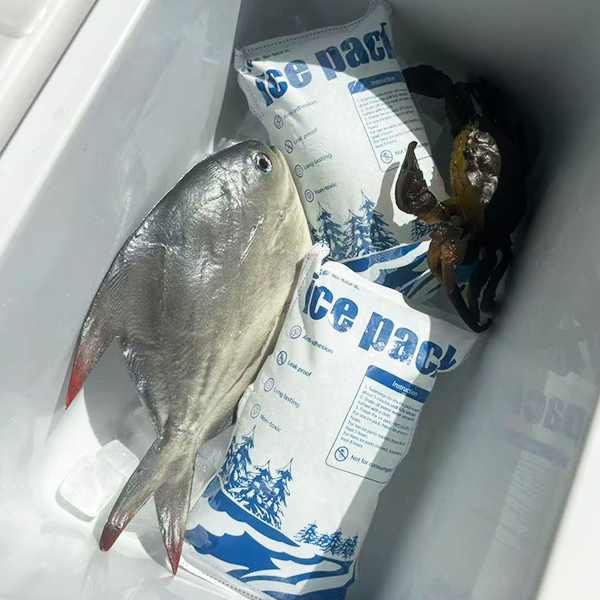
Ein vollständiger Auswahlrahmen für a 40 Lieferant von gewerblichen Liter-Eisboxen
Ein gutes 40 liter commercial ice box supplier decision closes five linked questions: was die Route braucht, was eigentlich passt, wie Leistung gezeigt wird, wie die Produktion konsistent bleibt, und wie hoch die vollen Betriebskosten sein werden. Das Nennliteretikett hilft bei der Identifizierung einer Kategorie, aber es beantwortet diese Fragen nicht.
Dieses Framework integriert die Nutzung von Gastronomieangeboten, Materialien, thermischer Beweis, Handhabung, Reinigung, Stapelung, Lieferantenkontrolle, und Lebenszyklusökonomie in einem Release-Pfad. Es ist ein neues Entscheidungsmodell, keine Liste isolierter Produktmerkmale.
Entscheidungstor 1: Genehmigen Sie den Anwendungsfall
Schreiben Sie eine einseitige Kurzbeschreibung, in der Sie den Inhalt benennen, Paketformat, Menge, Ausgangsbedingung, Streckenzeit, Umgebungseinflüsse, Eröffnungsmuster, maximales Packgewicht, Hygienemethode, Rückgabemodell, und Zielaktion. Identifizieren Sie, welche Fakten bekannt sind und welche Annahmen überprüft werden müssen.
Eine Isolierbox sorgt weder für eine aktive Kühlung noch für einen lebensmittelsicheren Prozess. Der Eigentümer der Waren muss akzeptable Bedingungen und Betriebskontrollen für den beabsichtigten Markt und die vorgesehene Verwendung festlegen. Wenn gekühlte und gefrorene Ladungen sich die gleiche Flotte teilen, Behandeln Sie sie als separate Anträge, bis Beweise für einen gemeinsamen Ansatz vorliegen.
Berücksichtigen Sie glaubwürdige Ausnahmen, beispielsweise eine verspätete Abholung, Empfangsfenster verpasst, Deckelöffnung, Teillast, heißes Fahrzeug, oder nicht verfügbare Waschkapazität. Hier zeigt sich, ob das Risiko in die Verpackung gehört, Zeitplan, Ausbildung, Backup-Plan, oder Containerdesign.
Entscheidungstor 2: Wandeln Sie vierzig Liter in eine Arbeitslast um
Fordern Sie eine Innenzeichnung mit Konus an, Radien, Deckeleinbruch, Abfluss, und Hardwarefunktionen. Platzieren Sie die eigentlichen Tabletts, Flaschen, Kartons, Kaltpackungen, Trenner, und Stauraum im Modell. Identifizieren Sie den Zugangsbereich und die Position eines Sensors. Berechnen Sie den Bruttohohlraum und die Nettonutzlast separat.
Dann wiegen Sie die Verpackung. Eine 40-Liter-Box kann schwer zu heben sein, wenn sie mit dichtem Inhalt und Eis gefüllt ist. Überprüfen Sie den Schwerpunkt, Grifffreiheit, Treppe, Warenkorb verwenden, Fahrzeugregalhöhe, und Teamhandling-Regeln. Die effizienteste Kapazität sind möglicherweise zwei handliche Kisten und nicht eine voll beladene Truhe.
Geben Sie jeder genehmigten Ladung einen Konfigurationscode. Eine Teilladung ist nicht einfach eine vollständige Ladung mit entnommenen Gegenständen; Eine geringere thermische Masse und ein größerer Luftraum können das Verhalten verändern. Verwenden Sie kontrollierte Abstandshalter oder definieren Sie ein anderes Muster.
Funktionsübergreifender Release-Datensatz
| Tor | Nachweis erforderlich | Hauptgutachter |
|---|---|---|
| Anwendungsfall | Routenbrief, Waren, Grenzen, Ausnahmen | Betriebs- und Wareneigentümer |
| Arbeitsbelastung | Interne Zeichnung, Auspacken, Nettonutzlast, Packgewicht | Verpackung und Sicherheit |
| Leistung | Thermischer Aufbau, körperliche Kontrollen, Reinigungsversuch | Technik und Qualität |
| Produktion | Spezifikation, Inspektionen, Piloteinheiten, Bedingungen ändern | Lieferantenqualität und Beschaffung |
| Einsatz | Pack, Stapel, erhalten, waschen, zurückkehren, Anweisungen zum Ruhestand | Standortbetrieb |
| Wirtschaft | Gesamtkosten und szenariobasiertes Lebenszyklusmodell | Beschaffungs- und Programminhaber |
Der Datensatz gibt jeder Funktion eine Entscheidung und behält dabei eine Konfigurationsidentität bei. Es verhindert eine thermische Meldung, Zitat, und Produktionszeichnung aus der Bezugnahme auf verschiedene Revisionen.
Entscheidungstor 3: Wählen Sie Konstruktion nach Kompromiss
Überprüfen Sie das Schalenharz und den Prozess, Isolierung, Deckel, Dichtung, Scharniere, Riegel, Griffe, Abfluss, Stack-Schnittstelle, Etiketten, und Exportverpackung als Baugruppe. Polyethylen, EVP, Vakuumisolierung, und herkömmlicher Schaumstoff können jeweils in geeigneten Designs nützlich sein. Materialnamen allein bestimmen nicht die Dauer, Haltbarkeit, Hygiene, oder Markttauglichkeit.
Fragen Sie, wo die Isolierung unterbrochen ist, wie die versteckte Füllung gesteuert wird, und wie der Deckel nach dem Radfahren flach und komprimiert bleibt. Überprüfen Sie die Hardware-Halterungen und Ecken, in denen sich die Last konzentriert. Für ein wiederverwendbares Programm, Bestimmen Sie, ob Riegel oder Dichtungen austauschbar sind und wie reparierte Kartons freigegeben werden.
Wandstärke und Isolierung gegen nutzbares Volumen abwägen, Gewicht, und Fracht. Mehr Material kann in einem Design die Festigkeit oder Wärmebeständigkeit erhöhen, Es kann aber auch die Nutzlast verringern und die Anschaffungskosten erhöhen. Vergleich komplett, repräsentative Einheiten.
Entscheidungstor 4: Testen Sie das Betriebssystem
Durch thermische Tests sollte die Nutzlast ermittelt werden, Kühlmittel, Ausgangstemperaturen, Umgebungsprofil, Sensorpositionen, Eröffnungsmuster, Dauer, Überarbeitung der Box, und Akzeptanzkriterien. Ein ständiger Test, zyklisches Profil, Vergleichsversuch, und Feldpilot beantworten verschiedene Fragen. Wählen Sie die Methode aus Risiko und vermeiden Sie die Umwandlung eines Ergebnisses in einen unbedingten Anspruch.
Die körperliche Untersuchung sollte das Heben verpackter Gegenstände umfassen, Griffmontage, Verschluss Radfahren, Auswirkungen, gleiten, Vibration, Stapelung, und ggf. Verpackung leerer Einheiten. Bei einem Stapeltest muss die belastete Masse angegeben werden, Ebenen, Dauer, Zurückhaltung, und ob es sich um Transport oder statische Lagerung handelt.
Führen Sie den Sanierungsprozess an repräsentativen Einheiten durch. Überprüfen Sie den Zugang zu Ecken und Kanälen, Drainage, Trocknen, Etikett Überleben, Geruch, Zustand der Dichtung, und chemische Verträglichkeit. Ein sauberes Erscheinungsbild reicht nicht aus, wenn Wasser in die Dämmung eindringt oder Beschläge nicht mehr zuverlässig schließen können.
Entscheidungstor 5: Qualifizieren Sie die Produktionsmethode des Lieferanten
Die veröffentlichte Definition sollte Materialien identifizieren, Werkzeugrevision, kritische Dimensionen, zusammengebautes Gewicht, Isolierkonstruktion, Hardware, Etiketten, Farbe, beenden, und Verpackung. Im Inspektionsplan des Lieferanten sollte erläutert werden, wie jedes wichtige Merkmal kontrolliert wird und was mit fehlerhaften Einheiten geschieht.
Verwenden Sie eine Pilotproduktion, um die normale Produktion mit der getesteten Probe zu vergleichen. Beziehen Sie relevante Formhohlräume oder Montagelinien ein. Geometrie prüfen, Schließung, Stack-Schnittstelle, Griffinstallation, beenden, Markierungen, und versteckte Konstruktionskontrollen. Ein polierter Prototyp ist kein Beweis für die Wiederholbarkeit.
Vereinbaren Sie eine Änderungsmitteilung. Harzquelle, Formulierung, Isolierung, Dichtung, Hardware, Schimmelreparatur, neuer Hohlraum, Subunternehmer, Farbsystem, oder Karton können das freigegebene Produkt beeinträchtigen. Bewerten Sie Änderungen nach Risiko und entscheiden Sie, ob Dokumente vorliegen, Proben, Vergleichstests, oder umfassendere erneute Tests sind erforderlich.
Entscheidungstor 6: Geben Sie die Route und die Rückschleife frei
Erstellen Sie prägnante Anweisungen zur Kühlmittelaufbereitung, Laden, Schließung, Stapelung, Fahrzeugrückhaltesystem, Öffnung, Empfang, Entladung, und Ausnahmebehandlung. Verwenden Sie Zeichnungen dort, wo die Ausrichtung wichtig ist. Beobachten Sie das Personal bei der Ausführung der Arbeiten; Aus einem unterschriebenen Trainingsblatt geht nicht hervor, dass ein unangenehmes Packout unter Dienstdruck wiederholt werden kann.
Am Ziel, Überprüfen Sie den Karton und bewegen Sie den Inhalt gemäß den Anweisungen des Wareneigentümers. Für Mehrweggeräte, schmutzig zuweisen, sauber, freigegeben, unter Quarantäne gestellt, oder Ruhestandsstatus. Trennen Sie schmutzige und saubere Flüsse, Schaden aufzeichnen, und Ersatzteile steuern. Eine Kiste sollte nicht wieder in Betrieb genommen werden, nur weil ihre Außenseite abgewischt wurde.
Verfolgen Sie die tatsächliche Routenzeit, Öffnung, Schaden, Waschablehnung, zurückkehren, reparieren, und Verlust. Trend nach Spur und Konfiguration. Beheben Sie ein Hub- oder Empfangsproblem an der Quelle, anstatt jeden Container zu belasten.
Entscheidungstor 7: Vergleichen Sie den Grundstückswert
Baukosten vom Preis des Lieferanten über Lieferung und Service. Fügen Sie Formen hinzu, Proben, Testarbeit, Exportverpackung, Palettenwürfel, Fracht, ggf. Pflicht, Inspektion, Kühlmittel, Arbeit, Lagerung, Reinigung, Verfolgung, kehrt zurück, reparieren, Verlust, und Ruhestand. Klären Sie, welche Angebotspositionen einmalig und welche wiederkehrend sind.
Verwenden Sie separate Modelle für offene und geschlossene Netzwerke. Eine offene Spur kann einen geringeren Wert auf Leerboxen und Zielhandhabung haben. Ein dichter lokaler Anschluss kann eine langlebige, reparierbare Flotte rechtfertigen. Testen Sie die Annahmen zur Wiederherstellungsrate und zur Anzahl der Fahrten, anstatt eine einzige prognostizierte Einsparzahl zu verwenden.
Nachhaltigkeit folgt denselben Erkenntnissen. Messen Sie abgeschlossene Fahrten, Rückweg, Waschen, Schaden, Ersatz, und tatsächliche End-of-Life-Routen. Recyclingfähig ist grundsätzlich nicht dasselbe wie Recycling auf dem Zielmarkt.
Praxisbeispiel: die größte Box verliert den Vergleich
Ein Lebensmittelhändler vergleicht zwei nominell 40-Liter-Modelle. Einer hat einen größeren Bruttohohlraum, Seine Verjüngung verhindert jedoch eine stabile Lage der Essenstabletts und sein Stapel blockiert das Scannen von Etiketten. Der andere hat etwas weniger Bruttovolumen, aber mehr nutzbaren rechteckigen Raum, überschaubares Packgewicht, und ein besseres Palettenmuster. Nach einem kontrollierten Kühlversuch, Reinigungstest, und Land-Cost-Modell, Das zweite Feld unterstützt eine vorhersehbarere Routenarbeit.
Die Entscheidung ergibt sich aus dem nutzbaren Wert im gesamten System, nicht von der größten angegebenen Zahl.
Endgültige Freigabekontrollen
Normalisieren Sie Lieferantenangebote, bevor Sie sie bewerten. Probenstatus setzen, Werkzeuge, Anpassung, Testen, Verpackung, Kaltpackungen, Ersatzteile, Aufzeichnungen, Vorlaufzeit, und Benachrichtigung in den gleichen Vergleich ändern. Markieren Sie Annahmen und Ausschlüsse. Dies macht technische Unsicherheiten sichtbar und verhindert, dass die inkludierte Projektunterstützung teurer aussieht als ein unvollständiges Angebot.
Definieren Sie die Startbereitschaft an jedem Standort. Bestätigen Sie die Kapazität der Kühlmittelaufbereitung, Stauraum für leere Kartons, Karren oder Teamheben, Waschdurchsatz, saubere und schmutzige Trennung, Identifikation, Ersatzkomponenten, und Empfängertraining. Eine Box kann Labortests bestehen und trotzdem die Bereitstellung nicht bestehen, wenn das Netzwerk sie nicht auf das geplante Volumen vorbereiten oder umsetzen kann.
Planen Sie eine Überprüfung nach dem Launch-Gate. Vergleichen Sie die vorhergesagte und die tatsächliche Packzeit, Streckenzeit, Temperaturen wurden überwacht, Schaden, Stapelprobleme, Reinigungsausschuss, Erholung, reparieren, und Kosten. Notieren Sie, ob Aktion zum Design gehört, Lieferantenkontrolle, Ausbildung, Trägerpraxis, Terminplanung, oder empfangen. Die freigegebene Konfiguration soll durch Beweise verbessert werden, ohne durch informelle Ersetzungen abzudriften.
Vor dem kontrollierten Scale-Up einer 40-Liter-Foodservice-Flotte, Legen Sie einen Musteraufbewahrungsplan fest, der proportional zum Programm ist. Bewahren Sie genehmigte Farb- und Aussehensreferenzen auf, aber verlassen Sie sich auf Zeichnungen, Materialien, Abmessungen, und objektive Kontrollen zur funktionalen Akzeptanz. Identifizieren Sie die Probenrevision und den Produktionsstatus. Ein Prototyp, der von der Produktion abweicht, sollte niemals die einzige Referenz sein, die bei der Inspektion verwendet wird.
Vor dem kontrollierten Scale-Up einer 40-Liter-Foodservice-Flotte, Bereiten Sie einen Ausnahmeprozess für fehlende Teile vor, unleserliche Identifikatoren, beschädigte Abflüsse, verzogene Deckel, oder unvollständige Aufzeichnungen. Das Personal sollte wissen, ob es unter Quarantäne gestellt werden muss, reparieren, ersetzen, oder eskalieren. Eine schnelle und konsistente Ausnahmebehandlung schützt die Route und schafft bessere Daten für Lieferantengespräche als informelle Problemumgehungen.
Zur abschließenden Überprüfung einer 40-Liter-Foodservice-Flotte, Überprüfen Sie die Anpassung auf unbeabsichtigte Auswirkungen. Tiefe Logos, Einlagen hinzugefügt, Etikettenaussparungen, dunkle Pigmente, neue Hardware, und dekorative Texturen können die Wandgeometrie verändern, Reinigung, Hitzeeinwirkung, oder Formkonsistenz. Genehmigen Sie Bildmaterial und Erscheinungsbild zusammen mit der Funktionszeichnung, und relevante Tests neu bewerten, wenn sich die physische Konstruktion ändert.
Funktionsübergreifende Überprüfung einer 40-Liter-Foodservice-Flotte, Wählen Sie die Inspektionshäufigkeit anhand von Risiko und Prozessfähigkeit. Kosmetisches Erscheinungsbild, kritische Dimensionen, zusammengebautes Gewicht, Schließung, Leckage, und Griffbefestigung erfordern möglicherweise eine andere Bemusterung. Definieren Sie Instrumente, Grenzen, Aufzeichnungen, und Reaktionspläne. Eine umfangreiche Checkliste ohne Reaktion auf einen Fehler ist schwächer als ein gezielter Plan, der auf Eindämmung und Korrektur ausgerichtet ist.
Zur abschließenden Überprüfung einer 40-Liter-Foodservice-Flotte, Planen Sie Ersatzkapazitäten vor der Markteinführung. Kartons können zur Reinigung unter Quarantäne gestellt werden, an Zielorten stattfinden, in Reparatur, oder verloren. Die Flottenzahl muss diese Umlaufzeit abdecken, ohne dass verschmutzte oder beschädigte Einheiten wieder in Betrieb genommen werden müssen. Modellieren Sie Spitzenzeiten und saisonale Nachfrage, anstatt genau eine Kiste für jede geplante Ladung zu bestellen.
Zur abschließenden Überprüfung einer 40-Liter-Foodservice-Flotte, Fotografieren Sie die zugelassene Ladung und den zugelassenen Stapel während der Versuche aus gleichmäßigen Winkeln. Bilder können die Platzierung des Kühlmittels verdeutlichen, Teilerausrichtung, Sensorstandort, Deckelfreiraum, Sichtbarkeit des Etiketts, und Zurückhaltung. Verwenden Sie sie mit schriftlichen Mengen und Bedingungen; Ein Foto allein kann die Güte des Bauteils verdecken, Starttemperatur, oder Überarbeitung, die den Test gültig gemacht hat.
Zur abschließenden Überprüfung einer 40-Liter-Foodservice-Flotte, separate Lieferantengarantie ab Flottenstilllegung. Eine Gewährleistung betrifft vereinbarte Mängel und Fristen, während es bei den Ruhestandskriterien um eine sichere und funktionale Weiternutzung geht. Eine Kiste kann das Ende ihrer Lebensdauer erreichen, ohne dass ein Herstellungsfehler vorliegt, oder es könnte bei der ersten Fahrt ein Garantieproblem auftreten. Definieren Sie beide Prozesse klar.
Bei der Veröffentlichung einer 40-Liter-Foodservice-Flotte, Bringen Sie Finanzen und Betrieb in die gleiche Kostenüberprüfung ein. Die Finanzen können Werkzeuge und Fracht normalisieren, während der Betrieb die Verpackung schätzen kann, Waschen, Lagerung, zurückkehren, und Reparaturarbeiten. Wenn jede Funktion ihre Annahmen besitzt, Das Modell lässt sich einfacher aktualisieren, nachdem Pilotdaten eintreffen, und es ist weniger wahrscheinlich, dass ein optimistisches Wiederverwendungsszenario verborgen bleibt.
Häufig gestellte Fragen
Was sollte ein Käufer senden, bevor er ein 40-Liter-Angebot anfordert??
Senden Sie die Abmessungen und das Gewicht des Inhalts, Ausgangsbedingung, Streckendauer und Klima, Eröffnungsmuster, Reinigungsmethode, Stapel- und Fahrzeugplan, Rückgabemodell, Anpassung, Bestellmenge, und erforderliche Nachweise. Ein vollständiges Briefing führt zu vergleichbareren Angeboten als ein Keyword und ein Zielpreis allein.
Wie soll die nutzbare Kapazität dokumentiert werden??
Behalten Sie eine interne Zeichnung, komplettes Belastungsdiagramm, Anzahl oder Volumen der Nettonutzlast, Kühlakku-Anordnung, Zutrittsgeld, und Packgewicht. Geben Sie die Modellrevision an. Diese Aufzeichnung macht die Kapazität betriebsbereit und verhindert, dass das Personal die Nennmenge von 40 Litern als garantierten Nutzlastraum interpretiert.
Kann der thermische Anspruch eines Lieferanten auf jeder Strecke genutzt werden??
NEIN. Überprüfen Sie die getestete Nutzlast, Kühlmittel, Ausgangstemperaturen, Umgebungsprofil, Sensoren, Öffnungen, Dauer, Probe, und Akzeptanzregel. Vergleichen Sie sie mit der tatsächlichen Spur. Das Ergebnis kann eine Entscheidung für eine definierte Konfiguration unterstützen, keine universelle Garantie für verschiedene Jahreszeiten und Belastungen.
Was ist die wichtigste Kontrolle nach Produktionsbeginn??
Konfiguration und Änderungskontrolle stehen im Mittelpunkt. Die mitgelieferten Materialien, Geometrie, Hardware, Auspacken, und Anweisungen sollten an der getesteten Revision ausgerichtet bleiben. Lieferanten- und Käuferänderungen erfordern eine dokumentierte Bewertung. Laufende Route, Schaden, Reinigung, und Rückgabedaten zeigen dann, ob die Annahmen weiterhin gültig sind.
Abschluss
Eine starke Auswahl schließt den Einsatz ab, fit, Konstruktion, Beweis, liefern, Einsatz, und Kostentore in Ordnung. 40 Nennliter ergeben erst dann einen Sinn, wenn die tatsächliche Nutzlast und das Kühlmittel abgesaugt und gewogen werden. Testen Sie das Betriebssystem, Veröffentlichung repräsentativer Produktion, Änderungen verwalten, und berechnen Sie den Landwert für das tatsächliche Streckennetz.
Über Tempk
Tempk, verbunden mit Shanghai Tempk, supplies medical cooler boxes, EPP -Boxen, VIP-Isolierboxen, plastic cold-chain boxes, und passende Kühlmitteloptionen. Käufer können kommerzielle Nutzlast besprechen, Route, Handhabung, Reinigung, Stapelung, und Ordnung muss praktische Produktkategorien vergleichen. Endgültige Konfigurationstests und Betriebskontrollen sollten die eigenen Waren- und Vertriebsbedingungen des Käufers widerspiegeln.
Nächster Schritt: Stellen Sie Tempk eine Routenbeschreibung zur Verfügung, Zeichnung laden, Reinigungsplan, und kommerzielle Prognose, eine strukturierte 40-Liter-Lieferantenüberprüfung zu starten.
25 Auswahlrahmen für Lieferanten von Liter-Pharma-Eisboxen
Auswahl eines 25 Lieferant von Liter-Pharma-Eisboxen
Eine verlässliche Entscheidung beginnt mit einem kontrollierten Anwendungsfall, keine Katalogkapazität. Eine Suche nach einem 25 liter pharmaceutical ice box supplier usually combines several questions: Passt die komplette Ladung?, Kann die Konfiguration es auf der Route schützen?, Kann die Produktion die getestete Konstruktion reproduzieren?, und können Mitarbeiter das System konsequent nutzen? Die 25-Liter-Bezeichnung ist nominell: grober Hohlraum, nutzbarer Nutzlastraum, und Kapazität nach der Platzierung des Kühlmittels sind unterschiedliche Maße.
Zur abschließenden Überprüfung eines nominell 25-Liter-Pharma-Versandbehälters, Das folgende Framework verwandelt diese Fragen in Entscheidungspunkte. Es bewahrt technische Beweismittel auf, Beschaffungsbedingungen, und Feldausführung verbunden, ohne dass die Box als einzige Quelle der Temperaturregelung betrachtet wird.
Tor eins: Frieren Sie das Produkt und den Lane Brief ein
Vor der kontrollierten Vergrößerung eines Pharmabehälters mit Nennvolumen von 25 Litern, Benennen Sie den Inhalt, Präsentation, Menge, Versandursprung und -ziel, saisonale Exposition, Sorgerechtsänderungen, geplante Eröffnungen, glaubwürdige Verzögerungen, und Empfangsprozess. Das zugelassene Produktetikett und die zuständige Qualitätsabteilung müssen den zulässigen Temperaturbereich und etwaige Abweichungsrichtlinien festlegen. Für viele gekühlte Produkte ist ein 2°C bis 8°C-Plan üblich, aber es ist keine universelle Regel. Frostempfindliche Produkte erfordern einen expliziten Untergrenzenschutz.
Bei Freigabe eines nominell 25-Liter-Pharma-Versandbehälters, Wandeln Sie das Briefing in Akzeptanzkriterien um, die überprüft oder getestet werden können. Beispiele hierfür sind die interne Geometrie, Packgewicht, Schließung, Etikettenbereich, Reinigungsverträglichkeit, Temperaturnachweis, Dokumentation, und Änderungsmitteilung. Weisen Sie jedem Kriterium einen Eigentümer zu. Die Beschaffung kann eigene Handelsbedingungen haben, Aber Qualitäts- oder technisches Personal sollte über Anforderungen verfügen, die sich auf den Produktschutz auswirken.
Zur abschließenden Überprüfung eines nominell 25-Liter-Pharma-Versandbehälters, wenn die Spur neu ist, Markieren Sie Annahmen offen. Eine angegebene maximale Reisezeit weicht von einem beobachteten Verbreitungsprofil ab. Es ist sinnvoll, Unsicherheiten einzuplanen; Das Verstecken innerhalb einer ungeklärten „Sicherheitsspanne“ macht eine zukünftige Überprüfung schwierig.
Tor Zwei: Verwandeln Sie das Kapazitätsetikett in ein Packout
Bei Freigabe eines nominell 25-Liter-Pharma-Versandbehälters, Beginnen Sie mit einer Maßzeichnung der tatsächlichen Nutzlast. Fügen Sie jede Kühlmitteleinheit hinzu, Teiler, Barriere, Monitor, Abstandhalter, und Schutzkomponente. Engstellen aufzeigen, Wandverjüngung, abgerundete Ecken, mit Einbrüchen umgehen, und Deckelmulde. Berechnen Sie den Bruttohohlraum und die Nettonutzlast separat, Wiegen Sie dann die zusammengebaute Ladung.
Vor der kontrollierten Vergrößerung eines Pharmabehälters mit Nennvolumen von 25 Litern, Eine effiziente Anordnung ist nicht einfach diejenige mit dem geringsten Leerraum. Bediener benötigen Platz, um Komponenten in der richtigen Reihenfolge zu laden und den Inhalt zu entnehmen, ohne die Kartons zu beschädigen. Der Logger benötigt eine definierte Position, und das Kühlmittel darf sich während der Handhabung nicht verschieben. Überprüfen Sie, ob der gepackte Behälter gemäß den Sicherheitsvorschriften des Käufers für eine oder zwei Personen praktikabel bleibt.
Vor der kontrollierten Vergrößerung eines Pharmabehälters mit Nennvolumen von 25 Litern, Erstellen Sie einen Konfigurationscode für das Packout. Wenn die Nutzlast gezählt wird, Kühlmittel, oder Jahreszeitenwechsel, Geben Sie der Alternative eine separate Identität, bis Beweise dafür sprechen, dass sie mit einer vorhandenen Konfiguration kombiniert werden kann.
Ein einziger Entscheidungsdatensatz
| Überprüfungstor | Beweismittel werden aktenkundig gemacht | Entscheidungseigentümer |
|---|---|---|
| Produkt und Spur | Zugelassene Grenzwerte, Nutzlast, Streckenkarte, Verzögerungsannahmen | Qualität und Logistik |
| Kapazität und Handhabung | Interne Zeichnung, Karte laden, Packgewicht, Trockenlauf | Verpackung und Betrieb |
| Leistung | Protokoll, thermische Daten, körperliche Kontrollen, Abweichungen | Technisch oder qualitativ |
| Produktion | Freigegebene Spezifikation, Inspektionsplan, Revisionsstand | Lieferantenqualität und Beschaffung |
| Einsatz | Pack, Monitor, erhalten, sauber, und Ausnahmeanweisungen | Betrieb und Qualität |
| Wirtschaft | Gesamtkosten, Arbeit, zurückkehren, Verlust, reparieren, und Rentenannahmen | Beschaffungs- und Programminhaber |
Zur abschließenden Überprüfung eines nominell 25-Liter-Pharma-Versandbehälters, Ein Datensatz bedeutet nicht, dass jede Entscheidung von einer Person getroffen wird. Es bietet einen gemeinsamen Index, also ein Zitat, Probe, prüfen, Spezifikation, und Arbeitsanweisungen können nicht in separate Versionen abdriften.
Machen Sie die Lieferantenauswahlliste vergleichbar
Vor der kontrollierten Vergrößerung eines Pharmabehälters mit Nennvolumen von 25 Litern, Verwenden Sie Fragen, die Beweise liefern. Anstatt zu fragen, ob eine Box haltbar ist, Fordern Sie die entsprechende Konstruktionsdefinition und Prüfmethode an. Anstatt zu fragen, ob die Fabrik gute Qualität hat, Fragen Sie, wie kritisch die Dimensionen sind, versteckte Isolierung, Verschluss passt, und fehlerhafte Einheiten werden kontrolliert. Eine bedingte Antwort mit klaren Grenzen ist nützlicher als ein allgemeines Versprechen.
Vor der kontrollierten Vergrößerung eines Pharmabehälters mit Nennvolumen von 25 Litern, Bewerten Sie ungelöste Punkte getrennt von bestätigten Schwächen. Möglicherweise ist ein fehlender Bericht erhältlich, wohingegen eine Geometrie, die nicht in die Verpackung passt, ein Designproblem darstellt. Diese Unterscheidung verhindert, dass frühe Unsicherheit als Beweis gewertet wird und verhindert, dass attraktive Preise Arbeiten verbergen, die noch dem Käufer gehören.
Tor drei: Prototyp der Betriebssequenz
Vor der kontrollierten Vergrößerung eines Pharmabehälters mit Nennvolumen von 25 Litern, Verwenden Sie repräsentative Komponenten und lassen Sie die Auspackarbeiten von den vorgesehenen Bedienern durchführen. Zeitliche Vorbereitung des Kühlmittels, Laden, Logger-Aktivierung, Schließung, Beschriftung, überweisen, Öffnung, und entladen. Beobachten Sie die Mehrdeutigkeit: Eine Komponente, die auf zwei Arten installiert werden kann, wird irgendwann auch auf beide Arten installiert, es sei denn, das Design oder die Anweisung verhindert dies.
Bei der funktionsübergreifenden Überprüfung eines Arzneimittelversenders mit Nennvolumen von 25 Litern, umfassen eine zugelassene Kühlmittelaufbereitung, Frostschutzmaßnahmen, Ausrichtung der Nutzlast, eine gerechtfertigte Holzfällerposition, und Anleitung für einen Ausflug. Ein Monitor liefert Beweise; Dadurch wird das Produkt nicht gekühlt oder eine ungeeignete Verpackung akzeptabel.
Zur abschließenden Überprüfung eines nominell 25-Liter-Pharma-Versandbehälters, Fotografieren Sie die genehmigte Sequenz und definieren Sie zulässige Ersetzungen. Eine kleinere Nutzlast, Alternativkarton, oder unterschiedliche Kühlmittelgrößen können die thermische Masse und die Temperaturverteilung verändern. Verlassen Sie sich nicht auf „Äquivalent“, es sei denn, die Äquivalenz verfügt über eine dokumentierte technische Grundlage.
Tor vier: Erstellen Sie Beweise in Schichten
Zur abschließenden Überprüfung eines nominell 25-Liter-Pharma-Versandbehälters, Entwicklungstests helfen bei der Auswahl von Geometrie und Kühlmittel. Die formelle Qualifizierung stellt die endgültige Konfiguration anhand eines vorab genehmigten Protokolls in Frage. Bei physikalischen Tests werden Stöße untersucht, Vibration, Kompression, Schließung, und Paketintegrität. Die Feldverifizierung überprüft Annahmen während der realen Bewegung. Eine kontinuierliche Überwachung hilft, Abweichungen nach der Einführung zu erkennen.
Vor der kontrollierten Vergrößerung eines Pharmabehälters mit Nennvolumen von 25 Litern, Anerkannte thermische Profile können die Laborarbeit unterstützen, Die verantwortliche Organisation muss sie jedoch mit der tatsächlichen Spur und dem tatsächlichen Produkt vergleichen. Paketqualifizierung, Überwachung, Verfahren, Ausbildung, Bewertung erhalten, und Abweichungsbehandlung unterstützen gemeinsam die Kontrolle; Die leere Box kann nicht als universell konform erklärt werden.
Bei Freigabe eines nominell 25-Liter-Pharma-Versandbehälters, Lesen Sie Berichte über die Dauer der Überschrift hinaus. Boxrevision bestätigen, Nutzlast, Kühlmittel und Konditionierung, Ausgangstemperaturen, Umgebungsprofil, Sensorkarte, Gerätestatus, Probenanzahl, Abweichungen, Rohdaten, und Bestehenskriterien. Die Ergebnisse gelten für die angegebenen Bedingungen. Wenn der Bericht anhand seiner Beschreibung nicht reproduziert werden kann, es ist eine schwache Unterstützung für eine kontrollierte Arbeitsanweisung.
Tor fünf: Sorgen Sie dafür, dass die Produktion den Beweisen entspricht
Bei Freigabe eines nominell 25-Liter-Pharma-Versandbehälters, Geben Sie eine Spezifikation frei, die die Shell identifiziert, Isolierung, Hardware, Dichtung, kritische Dimensionen, zusammengebautes Gewicht, beenden, Etiketten, und Verpackung. Verknüpfen Sie es mit der getesteten Stückliste und Modellrevision. Vereinbaren Sie, wie eingehende Materialien, Formung oder Montage, versteckte Isolationsmerkmale, Verschluss passt, und endgültige Funktion werden überprüft.
Bei Freigabe eines nominell 25-Liter-Pharma-Versandbehälters, Genehmigen Sie die Pilotproduktion, anstatt davon auszugehen, dass das technische Muster eine stabile Produktion darstellt. Überprüfen Sie die Einheiten aus relevanten Werkzeughohlräumen, Montage beachten, und vergleichen Sie kritische Messungen. Definieren Sie, wie fehlerhafte Produkte ausgesondert werden und wie Korrekturmaßnahmen kommuniziert werden.
Bei Freigabe eines nominell 25-Liter-Pharma-Versandbehälters, Die Änderungskontrolle schützt diese Kette. Eine neue Harzquelle, Schaumformulierung, verriegeln, Dichtung, Schimmel, oder Subunternehmer kann legitim sein, es erfordert jedoch eine Benachrichtigung und eine Risikoprüfung. Gleiches gilt, wenn der Käufer die Zuladung ändert, Kühlmittel, Logger-Position, Route, oder Arbeitsanweisung.
Tor Sechs: Geben Sie das Ziel frei, Nicht nur die Box
Vor der kontrollierten Vergrößerung eines Pharmabehälters mit Nennvolumen von 25 Litern, Bereiten Sie den Empfänger mit der Sendungsidentifikation vor, Lager- oder Entladeraum, Es wurde eine Monitor-Lesemethode verwendet, und ein benannter Eskalationskontakt. Definieren Sie Prüfungen auf Schäden, Siegel, Schließung, Verzögerung, und Aufzeichnungen. Bei Erhalt, Verknüpfen Sie den Loggerdatensatz mit der Sendung, Zustand überprüfen, und folgen Sie dem genehmigten Eskalationspfad. Ein Alarm erfordert normalerweise eine Quarantäne und eine autorisierte Bewertung anhand der Produktinformationen; das ist es nicht, allein, eine endgültige Verfügungsentscheidung.
Bei Freigabe eines nominell 25-Liter-Pharma-Versandbehälters, Das Ziel startet auch den nächsten Zyklus. Schale prüfen, Deckel, Dichtung, Hardware, Isolationsgrenzen, Geruch, Etiketten, und Wassereintritt. Weisen Sie einen Status zu, z. B. „Warten auf Inspektion“., sauber, freigegeben, unter Quarantäne gestellt, oder im Ruhestand. Halten Sie beschädigte oder verschmutzte Behälter von freigegebenen Beständen fern.
Bei der funktionsübergreifenden Überprüfung eines Arzneimittelversenders mit Nennvolumen von 25 Litern, Routen-Feedback sollte das Design auszeichnen, Verpackung, Handhabung, Verzögerung, und Empfangen von Ursachen. Wiederholte Probleme an einem Hub erfordern möglicherweise eine Planungs- oder Staging-Lösung anstelle einer stärkeren Isolierung.
Fordern Sie Ausnahmen vor der Genehmigung an
Zur abschließenden Überprüfung eines nominell 25-Liter-Pharma-Versandbehälters, Der routinemäßige Erfolg zeigt nicht, wie sich das System verhält, wenn die Abläufe abweichen. Während der Entwurfsprüfung, Gehen Sie durch eine späte Abholung, Verbindung verpasst, Winterexposition, Deckelöffnung, teilweise beladene Kiste, beschädigter Riegel, Loggerfehler, abwesender Empfänger, oder nicht verfügbarer kontrollierter Speicher. Wählen Sie Szenarien aus, die für die Route glaubwürdig sind, anstatt dramatische Ereignisse zu erfinden, mit denen das Programm niemals konfrontiert wird.
Zur abschließenden Überprüfung eines nominell 25-Liter-Pharma-Versandbehälters, für jede Ausnahme, Erkennung definieren, sofortige Eindämmung, Kommunikation, Behörde, Dokumentation, und Genesung. Einige Risiken lassen sich am besten durch die Verpackungsmarge reduzieren; andere benötigen Transportanweisungen, Backup-Speicher, Terminkontrolle, Ersatzmonitore, oder ein Quarantäneprozess. Diese Übung verhindert, dass die Thermobox zur Standardlösung für Betriebsprobleme wird, die sie nicht kontrollieren kann.
Bei Freigabe eines nominell 25-Liter-Pharma-Versandbehälters, Ausnahmen geben auch Auskunft darüber, welche Informationen mit der Sendung mitgeführt werden müssen. Ein Ziel benötigt möglicherweise eine Produktidentität, Packzeit, Anweisungen zum Monitor, ein Eskalationskontakt, Lagerbedingungen, und eine Entscheidung darüber, ob der Deckel geöffnet werden darf. Halten Sie die sichtbare Anweisung kurz, mit detaillierten Verfahren, die im gesteuerten System gepflegt werden.
Tor sieben: Vergleichen Sie den Lebenszykluswert
Vor der kontrollierten Vergrößerung eines Pharmabehälters mit Nennvolumen von 25 Litern, Kombinieren Sie den Stückpreis mit der eingehenden Fracht, ausgehende Fracht, Kühlmittelaufbereitung, Verpackungsarbeit, Überwachung, Reinigung, Lagerung, zurückkehren, reparieren, Verlust, Dokumentation, und Ruhestand. Verwenden Sie routenspezifische Annahmen und zeigen Sie mehrere Wiederherstellungsraten für ein wiederverwendbares Programm an. Verwandeln Sie ein optimistisches Szenario nicht in einen universellen Sparanspruch.
Zur abschließenden Überprüfung eines nominell 25-Liter-Pharma-Versandbehälters, Ein geschlossener Kreislauf kann eine robuste, reparierbare Box rechtfertigen, während ein offenes Netzwerk die Verfügbarkeit priorisieren kann, Würfel mit leerer Box, und lokale End-of-Life-Optionen. Die Nachhaltigkeitsanalyse folgt der gleichen Logik. Abgeschlossene Reisen, Erholungsdistanz, Waschvorgang, Schaden, und Entsorgungsweg sind messbar; Das Wort „wiederverwendbar“ allein ist kein Umweltresultat.
Behalten Sie die Kontrolle nach dem Start
Zur abschließenden Überprüfung eines nominell 25-Liter-Pharma-Versandbehälters, Legen Sie einen Überprüfungsrhythmus für Sendungsdaten fest, Streckenzeit, Schaden, Verpackungsfehler, Empfangsverzögerungen, kehrt zurück, Reinigungsausschuss, und Lieferantenabweichungen. Trendinformationen nach Konfiguration und Spur, sodass ein Problem in einer Saison oder einem Hub nicht zu einer unnötigen globalen Änderung führt. Definieren Sie Schwellenwerte, die eine Untersuchung auslösen, Umschulung, Lieferantenaktion, Protokollüberprüfung, oder Umqualifizierung.
Vor der kontrollierten Vergrößerung eines Pharmabehälters mit Nennvolumen von 25 Litern, Die Rückverfolgbarkeit sollte im Verhältnis zum Risiko stehen und in der Praxis anwendbar sein. Modellrevision, Produktionslos oder -datum, Kühlmittelidentität, Logger-ID, Packer, Sendungsreferenz, und Empfänger können alle relevant sein. Wählen Sie die Felder aus, die zur Rekonstruktion eines Ereignisses erforderlich sind, und machen Sie sie einfach zu erfassen. Ein komplizierter Datensatz mit häufigen Lücken ist schwächer als ein fokussierter Datensatz, den Teams zuverlässig abschließen.
Zur abschließenden Überprüfung eines nominell 25-Liter-Pharma-Versandbehälters, Planen Sie eine funktionsübergreifende Überprüfung nach der Markteinführung. Bestätigen Sie, dass das ausgewählte Feld verfügbar ist, Die Verpackung ist wiederholbar, Aufzeichnungen sind abrufbar, Ausnahmen werden behandelt, und Lebenszyklusannahmen bleiben glaubwürdig. Ein freigegebenes Design ist ein kontrollierter Ausgangspunkt, nicht das Ende der Verwaltung.
Praxisbeispiel: die Tore schließen
Häufig gestellte Fragen
Welche Informationen sollten zuerst an den Hersteller gesendet werden??
Zur abschließenden Überprüfung eines nominell 25-Liter-Pharma-Versandbehälters, Geben Sie Produkt- und Kartonabmessungen an, zugelassene Temperaturbedingungen, Nutzlastmenge, Streckendauer und Jahreszeiten, Übergaben, erwartete Verzögerungen, Überwachungsbedarf, Wiederverwendungsplan, Bestellvolumen, und erforderliche Aufzeichnungen. Geben Sie auch an, was noch unentschieden ist. Mit dieser Kurzbeschreibung kann der Lieferant eine Konfiguration empfehlen, ohne vorzugeben, dass eine Modellnummer allein produktspezifische Fragen beantwortet.
Warum müssen Brutto- und Nutzvolumen getrennt werden??
Zur abschließenden Überprüfung eines nominell 25-Liter-Pharma-Versandbehälters, Bruttovolumen beschreibt einen leeren Hohlraum. Das nutzbare Volumen spiegelt den Raum wider, der nach dem Kühlmittel für die verkaufsfähige Nutzlast verbleibt, Barrieren, Monitore, Dunnage, abgerundete Ecken, und Deckeleinbruch. Der Einkauf braucht beides, plus Lastzeichnung und Packgewicht. Die Nominalkategorie ist für die Suche hilfreich, es handelt sich jedoch nicht um eine zuverlässige Berechnung der Sendungskapazität.
Kann ein erfolgreicher Musterversand die Qualifizierung ersetzen??
NEIN. Ein erfolgreicher Test kann hilfreiche Feldinformationen liefern, aber es stellt möglicherweise keine Herausforderungen an saisonale Extreme dar oder zeigt keine Wiederholbarkeit. Ein risikobasiertes Qualifizierungsprotokoll definiert die Konfiguration, Profil, Sensoren, Dauer, und Akzeptanzkriterien im Vorfeld. Durch Feldverifizierung und laufende Überwachung kann dann bestätigt werden, ob die Betriebsannahmen weiterhin solide sind. Diese Grenze ist besonders wichtig für die abschließende Überprüfung eines Arzneimittelversandbehälters mit einem Nennvolumen von 25 Litern.
Was soll passieren, wenn sich Produktionsmaterialien ändern??
Zur abschließenden Überprüfung eines nominell 25-Liter-Pharma-Versandbehälters, Der Lieferant sollte den Käufer gemäß einer vereinbarten Matrix benachrichtigen. Qualitäts- und technische Eigentümer bewerten die Auswirkung auf die Passform, thermisches Verhalten, Haltbarkeit, Aufzeichnungen, und vorheriger Qualifikation. Die Reaktion kann von der Überprüfung von Dokumenten bis hin zu Vergleichstests oder einer Neuqualifizierung reichen. Änderungen sollten evaluiert werden, nicht automatisch abgelehnt oder stillschweigend akzeptiert.
Abschluss
Vor der kontrollierten Vergrößerung eines Pharmabehälters mit Nennvolumen von 25 Litern, Wählen Sie das System in einer kontrollierten Reihenfolge aus: Definieren Sie das Produkt und die Spur, sich als brauchbar erweisen, Prototyp des Prozesses, Erstellen Sie geeignete Beweise, Kontrolle der Produktion, Bereiten Sie den Empfang vor, und den Lebenszykluswert vergleichen. Behalten Sie die Nominalkategorie bei, Bruttovolumen, und nutzbare Nutzlast unterschiedlich. Am wichtigsten, Verknüpfen Sie jede Leistungsaussage mit der genauen Konfiguration und den Bedingungen, die sie unterstützen.
Über Tempk
Bei Freigabe eines nominell 25-Liter-Pharma-Versandbehälters, Tempk, verbunden mit Shanghai Tempk, supplies medical cooler boxes, EPP -Boxen, VIP-Isolierboxen, plastic cold-chain boxes, und passende Kühlmitteloptionen. Eine Überprüfung kann mit der Nutzlastgeometrie beginnen, erforderliche Bedingungen, Route, Auspacken, Handhabung, und Bestellplan. Käufer bleiben für die Beurteilung und Qualifizierung der endgültigen Konfiguration für ihr spezifisches Produkt verantwortlich, Betriebsabläufe, und Vertriebsumgebung.
Nächster Schritt: Senden Sie Tempk Ihre Ladungszeichnung, Betriebsgrenzen, Spurannahmen, und erwartete Menge zum Vergleich praktischer Kasten- und Kühlmittelkonfigurationen. Wenden Sie diese Anfrage für die abschließende Überprüfung eines Arzneimittelversandbehälters mit Nennvolumen von 25 Litern an.
Auswahl eines 25 Lieferant von Liter-Eiskisten

Auswahl eines 25 Lieferant von Liter-Kühlboxen mit weniger Annahmen
Der sicherste Weg, eine zu wählen 25 liter ice chest supplier is to replace the capacity label with a controlled use case. Definieren Sie, was passen muss, wie es gekühlt wird, der es trägt und öffnet, wohin es reist, wie es gereinigt wird, und welche Beweise stützen seine Behauptungen. Vergleichen Sie dann Anbieter anhand einer Konfiguration und eines kommerziellen Umfangs. Dieser Ansatz verhindert einen häufigen Beschaffungsfehler: Wählen Sie einen niedrigeren Preis für eine Truhe, die weniger nutzbaren Platz bietet, ein anderes Isoliersystem, fehlende Hardware, schwächere Verpackung, oder ein irrelevanter Leistungstest.
Legen Sie das beabsichtigte Betriebsmodell fest
Schreiben Sie eine einseitige Nutzungsbeschreibung. Inhalte identifizieren, Lastbereich, Ausgangsbedingung, Temperaturziel, falls vorhanden, Kühlmittel, Dauer, Umgebungseinflüsse, Öffnungen, Reinigung, Lagerung, Transport, und zurück. Fügen Sie den Vertriebs- oder Servicekanal Einzelhandel hinzu, Gastronomie, Werbung, und Programme zur kontrollierten Verteilung legen Wert auf unterschiedliche Funktionen.
Geben Sie die Produktgrenzen klar an. Eine isolierte Truhe verlangsamt Temperaturschwankungen. Es handelt sich nicht um eine aktive Kühlung. Eine Hülle allein ist kein vollständiges passives thermisches System. Kühlmittel und Füllung können eine kontrollierte Anordnung schaffen, aber nur innerhalb der unterstützten Betriebsgrenzen. Ein Temperaturlogger zeichnet die Bedingungen auf; Der Inhalt wird dadurch nicht geschützt.
Anforderungen als kritisch einstufen, bevorzugt, und optional. Dies gibt den Anbietern Raum, wirtschaftliche Alternativen anzubieten, ohne stillschweigend Wesentliches zu verändern. Zum Beispiel, Die Leistung des geladenen Handles kann von entscheidender Bedeutung sein, eine benutzerdefinierte Farbe bevorzugt, und Räder optional.
Konvertieren 25 L In einen verifizierten Ladeplan
Fragen Sie, wie die Nennkapazität ermittelt wurde. Erhalten Sie leere Innenmaße und eine Konturzeichnung. Nächste, Definieren Sie den nutzbaren Nutzlastbereich nach den Teilern, Flaschen, Kühlmittel, Abstandshalter, oder Tabletts installiert sind. Endlich, Messen Sie die gesamte geladene Masse.
| Verifizierungsschritt | Ausgabe | Entscheidung, die es unterstützt |
|---|---|---|
| Überprüfung der leeren Kavität | Definition der Bruttokapazität | Katalognormalisierung |
| Vollständige Verpackungszeichnung | Nutzvolumen und Nutzlastbereich | Produktanzahl und -orientierung |
| Test zur körperlichen Eignung | Freigabe- und Bedienerzugang | Musterfreigabe |
| Beladenes Wiegen | Gesamthandhabungsmasse | Griffe, Räder, Fracht, Sicherheitsverfahren |
| Teillastüberprüfung | Unterstützte Mindestlast | Teiler, Füllstoff, oder alternative Größenentscheidung |
Verwenden Sie keinen berechneten Literwert, um einen fehlgeschlagenen Fit-Versuch außer Kraft zu setzen. Abgerundete Ecken, verjüngen, Deckelaussparungen, und Verpackungstoleranzen können zu ungenutztem Raum führen. Ebenfalls, Packen Sie es nicht so fest ein, dass Benutzer den Inhalt nicht entnehmen oder den Deckel nicht gleichmäßig schließen können.
Wenn sich die Ladungsmenge ändert, feststellen, ob sich das thermische oder Bewegungsverhalten wesentlich ändert. Ein kontrollierter Teiler, Füllstoff, oder eine kleinere Brust kann angemessen sein. Der Lieferant sollte ohne Nachweis nicht versprechen, dass jede Ladung von leer bis voll die gleiche Leistung erbringt.
Bewerten Sie die Mauer, Deckel, und Schnittstellen als ein Produkt
Sehen Sie sich einen Querschnitt an, der Schale und Isolierung zeigt. Zu den üblichen Anweisungen gehören Kunststoffschalen um Schaumstoff herum, Geformte EPP-Strukturen, EPS-Versender mit Schutzverpackung, schwere geformte Kühler, und VIP-erweiterte Systeme. Jedes hat ein anderes Gleichgewicht des Wärmewiderstands, Haltbarkeit, Masse, Dicke, Feuchtigkeitsreaktion, reparieren, und Kosten.
Der Deckel verdient die gleiche Aufmerksamkeit. Wandüberlappung prüfen, Dichtung, Kompression, Scharniere, Riegel, und lokale Isolierung. Wärmepfade an Verbindungsstellen und Beschlägen können den Wert einer gut isolierten Breitwand mindern. Auch Abflüsse und Radhalterungen wirken sich auf Struktur und Reinigung aus.
Bewerten Sie Schnittstellen mit einer repräsentativen Last. Betätigen Sie den Deckel und die Riegel, die Truhe tragen, Ziehen Sie daran, wenn es auf Rädern ist, Lassen Sie es abtropfen, reinige es, und speichern Sie es. Auf Quetschstellen prüfen, scharfe Kanten, lose Bauteile, Wasserfallen, Geruch, Verzug, und Abrieb. Fragen Sie nach, ob Teile mit hohem Verschleiß ausgetauscht werden können und wie diese identifiziert werden.
Die Materialauswahl muss dem beabsichtigten Kontakt folgen. Wenn unverpackte Lebensmittel die Innenauskleidung berühren, Überprüfen Sie die genaue Harzformulierung, Zusatzstoffe, Pigmente, recycelter Inhalt, und Nutzungsbedingungen gemäß den Bestimmungsbestimmungen. Ein Polymername oder ein Recyclingsymbol sind kein gesetzlicher Nachweis. Für verpackte Ware, Beschreiben Sie die Kontaktgrenze genau.
Fordern Sie einen Test an, der der Behauptung entspricht
Listen Sie die Behauptungen auf, die Sie veröffentlichen oder auf die Sie sich verlassen möchten. Kapazität, beladenes Handling, Auslaufsicherheit, Auswirkungen, Verschlussleben, Reinigungsverträglichkeit, und thermische Dauer erfordern jeweils eine andere Testdefinition.
Zur Eisspeicherung, Geben Sie das Umgebungsprofil an, Ausgangstemperaturen, Eismenge und -form, Nutzlast, Öffnungen, Drainage, Dauer, und das Kriterium, das die Aufbewahrung definiert. Für eine Kühlkettenverpackung, Geben Sie den Produktakzeptanzbereich an, Kühlmittelkonfiguration, Nutzlast, Sensorkarte, Umgebungsprofil, und Qualifizierungsansatz. Die thermischen Transportressourcen von ISTA können die Bewertung von Paketverpackungen unterstützen, Ein Standardname ist jedoch keine universelle Leistungsgarantie.
Vergleichen Sie Berichte auf Konfigurationsebene. Die Beispielidentität, Materialien, Kühlmittel, Nutzlast, und Bedingungen sollten mit dem vorgeschlagenen Produkt übereinstimmen. Eine Dauer aus einem größeren Modell, ein anderer Deckel, oder ein Voll-Eis-Test sollte nicht ohne Begründung auf die angebotene Truhe übertragen werden.
Sechs Fragen für jeden Daueranspruch
Welche genau produktionsäquivalente Truhe wurde verwendet??
Was und wie viel wurde geladen?
Wie waren die Start- und Umgebungsbedingungen??
Wurde der Deckel geöffnet?, und wie oft?
Welche Sensoren oder Beobachtungen haben das Ergebnis definiert??
Was war das Bestehens- oder Endkriterium??
Diese Fragen machen das Testen nicht unnötig komplex. Sie machen die Antwort interpretierbar.
Machen Sie die richtige Verwendung einfach
Ein Produkt, das auf eine genaue Verpackung angewiesen ist, braucht klare Anweisungen. Identifizieren Sie jede Komponente, Vorbereitungsschritt, Ladeposition, Öffnungsregel, und Verschlusskontrolle. Verwenden Sie Zeichnungen, die zur gelieferten Revision passen. Sofern Kühlmittel zugeführt wird, Definieren Sie Konditionierung und Inspektion; Bei einer fehlenden oder undichten Packung sollte es eine eindeutige Antwort geben.
Für Gastronomie und Flotteneinsatz, Die Anweisungen sollten sich auf das Reinigungsmittel beziehen, Konzentration oder Methode je nach Bedarf, Spülung, Trocknen, Lagerung, und Inspektion vor der Verwendung. Für Konsumgüter, Erklären Sie den Abfluss, verriegeln, und sichere Handhabung ohne ungestützte Versprechungen. Für medizinische Zwecke, Überwachung und Abweichungsreaktion gehören zum verantwortlichen Qualitätsverfahren.
Ein typisches Feldproblem tritt auf, wenn das Personal zusätzliches loses Eis hinzufügt, weil sich die Truhe teilweise leer anfühlt. Das zusätzliche Eis verändert das Gewicht, Wassereinwirkung, und Nutzfläche; Bei empfindlichen Nutzlasten kann es auch zu einem lokalen Kälterisiko kommen. Eine unterstützte Lastanordnung und eine sichtbare Fülllinie oder Trennlinie können sicherer sein als Improvisation.
Bestätigen Sie, dass die Produktion das Muster wiederholen kann
Genehmigen Sie eine Stückliste, Zeichnungen, Farbstandard, Kunstwerk, Verpackung, und produktionsäquivalentes Muster. Identifizieren Sie Merkmale, die mit Passform und Leistung verbunden sind: Material, Teilgewicht, Innenmaße, Ausrichtung des Deckels, Dichtungskompression, Riegel- und Griffbaugruppe, Isolationsprozess, Abflussabdichtung, Drucken, und packen.
Fragen Sie, wie die Fabrik Eingaben und Prozesse steuert. Eine abgeschlossene Inspektion kann nicht alle Schaumlücken erkennen, Problem mit der Perlenverschmelzung, oder beschädigte versteckte Platte, Daher sind möglicherweise Prozessaufzeichnungen erforderlich. Umgekehrt, Prozessdaten ersetzen keine einfache Funktionsprüfung. Benutzen Sie beides entsprechend der Konstruktion.
Legen Sie Regeln für Änderungsbenachrichtigungen fest. Harz, recycelter Inhalt, Pigment, Schaum, VIP, Dichtung, verriegeln, Klebstoff, Kühlmittel, Werkzeug, und Änderungen am Produktionsstandort können von Bedeutung sein. Fordern Sie vor der Genehmigung eine Folgenabschätzung und geeignete Nachweise an. Die Überprüfung kann zu dem Schluss kommen, dass kein weiterer Test erforderlich ist, aber es sollte nicht übersprungen werden.
Eine Eingangskontrolle kann die Identität bestätigen, Komponenten, Schlüsseldimensionen, Funktion, Aussehen, Etikettengenauigkeit, und Transportschäden. Trendprobleme über Chargen hinweg. Wiederholte kleinere Mängel können einen Werkzeugverschleiß erkennen lassen, Prozessdrift, oder schwache Verpackung.
Vergleichen Sie das komplette kommerzielle Angebot
Anführungszeichen normalisieren, um die gleiche Brustkonstruktion einzubeziehen, Hardware, Zubehör, Branding, Verpackung, Inspektion, und Dokumente. Separates Werkzeug, Proben, Testen, Farbeinstellung, und Kunstwerke aus dem wiederkehrenden Preis. Rekordwährung, Angebotsgültigkeit, Mengenstufe, Vorlaufzeit, und Handelsbegriff.
Verwenden Sie die Packmaße und das Gewicht, um die Gesamtkosten zu berechnen. Durch die Verschachtelung kann der Frachtaufwand verringert werden, es können jedoch Kratzer entstehen oder die Montage am Bestimmungsort beeinträchtigt werden. Einzelhandelskartons schützen die Präsentation, verbrauchen aber Platz. Überprüfen Sie den Ladeplan physisch, wenn die Logistikkosten wichtig sind.
Wählen Sie die Bestellmenge nach Gesamtrisiko. Große Stufen können den Fabrikpreis senken und gleichzeitig die Lagerkapazität erhöhen, Kasse, und veraltetes Inventar. Beginnen Sie mit einem Pilotprojekt, wenn Bedarf oder Design ungewiss sind. Eine gestaffelte Freigabe- oder Prognosevereinbarung kann die Fabrikplanung unterstützen, ohne jede Einheit auf einmal im Ziellager zu platzieren.
Für wiederverwendbare Operationen, Berechnen Sie die Kosten pro abgeschlossenem Zyklus anhand der Rendite, Reinigung, Inspektion, Lagerung, Verfolgung, Verlust, reparieren, und Ruhestand. Vermeiden Sie die Annahme der maximalen theoretischen Lebensdauer. Sammeln Sie Routendaten und nutzen Sie diese für spätere Einkaufs- und Umweltaussagen.
Eine praktische Lieferanten-Scorecard
Bewerten Sie jeden Kandidaten:
- Anwendungs- und Nutzlastverständnis
- Kapazitätsdefinition und Zeichnungsqualität
- Bautransparenz
- Relevante Testnachweise
- Beispiel für Benutzerfreundlichkeit und Verarbeitung
- Produktions- und Materialkontrollen
- Anpassungsdisziplin
- Gepackter Würfel und Lieferplan
- Änderungsmeldung und Korrekturmaßnahmen
- Land- und Lebenszyklusökonomie
Gewichten Sie die Punktzahl dem Programm. Bei einer Einzelhandelseinführung könnte der Schwerpunkt auf Kosmetika und Paketverpackungen liegen; Eine Gastronomieflotte legt möglicherweise Wert auf Reinigung und Reparatur; Bei einer Kühlkettenroute können der Nachweis und die Überwachung der Verpackung im Vordergrund stehen. Der Preis bleibt wichtig, aber es wird anhand des gleichen gelieferten Ergebnisses bewertet.
Schließen Sie offene Risiken vor der Produktionseinzahlung
Erstellen Sie nach der Lieferantenbewertung ein Maßnahmenregister. Für jeden ungelösten Punkt sollte ein Eigentümer benannt werden, erforderliche Nachweise, zwei Termine, und Konsequenz, wenn es offen bleibt. Beispiele hierfür sind die Bestätigung der Kapazitätsmessung, Überarbeitung des Griffs, Bereitstellung aktueller Materialdokumentationen, Abschluss eines Kartonversuchs, oder Demonstration der vorgeschlagenen Kühlmittelanordnung. Lassen Sie nicht zu, dass die Bestellung offene technische Fragen stillschweigend in ein akzeptiertes Risiko umwandelt.
Einige Aktionen können während der Pilotproduktion geschlossen werden, während andere schließen müssen, bevor Werkzeuge oder Material bereitgestellt werden. Eine Lücke in der Dokumentation des Lebensmittelkontakts, eine Nutzlast, die nicht passt, oder ein unsicher geladenes Handle erfordert eine frühzeitige Lösung. Eine geringfügige kosmetische Referenz oder eine endgültige Versandmarkierungsposition kann später vernünftigerweise geschlossen werden, wenn der Zeitplan und der Genehmigungspfad kontrolliert werden.
Verwenden Sie dasselbe Register bei der Vorproduktionsprüfung. Bestätigen Sie, dass genehmigte Änderungen in die Zeichnungen übernommen wurden, Stücklisten, Anweisungen, Kunstwerk, Inspektion, und Verpackung. Ein korrigiertes Muster ohne aktualisierte Dokumente kann bei der nächsten Nachbestellung verloren gehen.
Richten Sie eine Lernschleife für die erste Lieferung ein
Die erste kommerzielle Auslieferung sollte ein strukturiertes Feedback hervorbringen. Beim Empfang kann der Zustand des Kartons erfasst werden, Abmessungen, Komponente zählt, Oberflächenprobleme, und Funktionskontrollen. Betreiber können die Ladezeit aufzeichnen, Handhabung, Zugang, Drainage, Reinigung, und fehlende Teile. Die Logistik kann den verifizierten Frachtwürfel mit dem Plan vergleichen. Die Qualität kann alle für den Antrag erforderlichen thermischen oder strukturellen Nachweise prüfen.
Halten Sie eine kurze Überprüfung ab, bevor Sie die nächste große Charge freigeben. Separate Nichtkonformität des Lieferanten, Transportschäden, Unterrichtslücken, und Benutzerpräferenz. Korrigieren Sie die verantwortliche Ebene, anstatt die gesamte Brust neu zu gestalten. Die Lernschleife macht die Skalierung zu einem kontrollierten Schritt und nicht zu einer automatischen Wiederholung erster Ordnung.
Entscheiden Sie, was Sie nicht beanspruchen möchten
Vor Veröffentlichung oder Übergabe an den Kunden, Entfernen Sie Behauptungen, die den Beweisen entgehen. A 25 Das L-Label übernimmt keine Garantie 25 L nutzbares Produkt. „HDPE“ oder „Lebensmittelqualität“ beschreibt nicht die vollständige Formulierung und Verwendung. Ein Eistest bei geschlossenem Deckel beweist nicht die Leistung bei wiederholtem Zustellungszugriff. Wiederverwendbar bedeutet nicht unbegrenzte Lebensdauer, und recycelbar bedeutet nicht, dass in jedem Markt die gesamte Truhe zurückgewonnen wird.
Enge Aussagen sind glaubwürdiger und leichter aufrechtzuerhalten. Geben Sie die Kapazitätsmethode an, Konstruktion, enthaltene Funktionen, geprüfte Bedingungen, austauschbare Teile, oder gemessene Packungsverbesserung. Wenn Betriebsbedingungen das Ergebnis verändern können, sie offenlegen. This discipline protects the buyer's specification, the supplier's warranty boundaries, and the end user's expectations.
Häufig gestellte Fragen
Ist nominal 25 L-Kapazität standardisiert?
Nicht unbedingt. Lieferanten können unterschiedliche Messmethoden oder Modellkonventionen verwenden. Fragen Sie, ob die Abbildung den leeren inneren Hohlraum beschreibt und wie er berechnet wurde. Fordern Sie den nutzbaren Nutzlastumschlag für Ihre Konfiguration an und bestätigen Sie ihn vor der Bestellung mit echten Artikeln.
Was ist der wichtigste Beispieltest??
Es gibt keinen einheitlichen Test für jede Anwendung. Beginnen Sie mit einem vollständigen Passform- und Handhabungstest, da dieser die Kapazität offenbart, Schließung, Gleichgewicht, Zugang, und Hardwareprobleme. Fügen Sie dann anspruchsspezifische Leckagetests hinzu, Auswirkungen, Reinigung, oder thermische Leistung je nach Anwendung.
Bleibt eine dickere Brust länger kalt??
Es kann für mehr Isolierung sorgen, Die endgültige Leistung hängt jedoch auch vom Material ab, Dichte, Deckelgelenk, Wärmebrücken, Kühlmittel, Nutzlast, Öffnungen, und Umgebungseinflüsse. Vergleichen Sie produktionsäquivalente Systeme mit demselben relevanten Protokoll und nicht nur mit der Dicke.
Was sollte eine erneute Genehmigung auslösen??
Potenziell bedeutsame Änderungen am Harz, recycelter Inhalt, Isolierung, Kühlmittel, Dichtung, Hardware, Geometrie, Werkzeuge, Verfahren, Produktionsstandort, oder Verpackungen sollten eine Wirkungsprüfung auslösen. Das Ergebnis erfordert möglicherweise Dokumente, Proben, Funktionstests, oder thermische Arbeiten je nach Schadensfall und Risiko.
Wie soll ich Standard- und kundenspezifische Produkte vergleichen??
Vergleichen Sie Time-to-Market, Werkzeuge, Stückkosten, Nutzlast passt, Kanalwert, Packungsdichte, und Flexibilität ändern. Eine Standardtruhe eignet sich oft für Piloten und allgemeine Lasten. Eine kundenspezifische Entwicklung ist stärker, wenn einzigartige Geometrien oder Merkmale einen messbaren betrieblichen oder kommerziellen Wert schaffen.
Abschluss
Auswahl eines 25 Der Lieferant von Liter-Kühltruhen ist eine Übung zur Beseitigung von Annahmen. Definieren Sie die Verwendung, Überprüfen Sie den Umschlag der Nutzlast, Schale beurteilen, Isolierung, Deckel, und Hardware zusammen, und Bedarfstests, die den tatsächlichen Ansprüchen entsprechen. Machen Sie Gebrauchsanweisungen wiederholbar, Schützen Sie die genehmigte Probe durch die Produktion, und vergleichen Sie das komplette Lande- oder Lifecycle-Angebot. Das Ergebnis ist eine Truhe, die für einen echten Auftrag ausgewählt wurde, und nicht eine Katalognummer.
Über Tempk
Tempk, Teil von Shanghai Tempk, supplies cold-chain packaging categories including plastic boxes, EPP-Formate, medizinische Kühlboxen, VIP-bezogene isolierte Optionen, und Kühlmittelauswahl. A 25 Das Liter-Projekt kann mit einer vorhandenen oder angepassten Richtung nach der Nutzlast beginnen, Handhabung, Thermal-, Kontakt, Branding, und Logistikanforderungen werden definiert. Jede Leistungs- oder Eignungsentscheidung sollte an die gewählte Konfiguration und relevante Nachweise gebunden bleiben.
Stellen Sie Tempk eine Seite mit Nutzungs- und RFQ-Briefings zur Verfügung, um ein Muster zu besprechen, Baurichtung, und vergleichbarem kommerziellem Umfang.
25 Hersteller von Liter-Kühlboxen: Ein vollständiger Auswahlrahmen

So wählen Sie eine aus 25 Hersteller von Liter-Kühlboxen
Eine verlässliche Entscheidung beginnt mit einem kontrollierten Anwendungsfall, keine Katalogkapazität. Eine Suche nach einem 25 liter ice chest manufacturer usually combines several questions: Passt die komplette Ladung?, Kann die Konfiguration es auf der Route schützen?, Kann die Produktion die getestete Konstruktion reproduzieren?, und können Mitarbeiter das System konsequent nutzen? The nominal 25-liter category should be separated from gross cavity volume and the usable geometry available after accessories and coolant are loaded.
For final review of a compact 25-liter commercial chest, Das folgende Framework verwandelt diese Fragen in Entscheidungspunkte. Es bewahrt technische Beweismittel auf, Beschaffungsbedingungen, und Feldausführung verbunden, ohne dass die Box als einzige Quelle der Temperaturregelung betrachtet wird.
Tor eins: Frieren Sie das Produkt und den Lane Brief ein
Benennen Sie den Inhalt, Präsentation, Menge, Versandursprung und -ziel, saisonale Exposition, Sorgerechtsänderungen, geplante Eröffnungen, glaubwürdige Verzögerungen, und Empfangsprozess. The operating brief should define the intended contents, Starttemperatur, Zielzustand, Reisezeit, Öffnungshäufigkeit, hygiene needs, Ladegewicht, and storage environment. A general “keeps cold” statement cannot replace measurable acceptance points.
At release of a compact 25-liter commercial chest, Wandeln Sie das Briefing in Akzeptanzkriterien um, die überprüft oder getestet werden können. Beispiele hierfür sind die interne Geometrie, Packgewicht, Schließung, Etikettenbereich, Reinigungsverträglichkeit, Temperaturnachweis, Dokumentation, und Änderungsmitteilung. Weisen Sie jedem Kriterium einen Eigentümer zu. Die Beschaffung kann eigene Handelsbedingungen haben, Aber Qualitäts- oder technisches Personal sollte über Anforderungen verfügen, die sich auf den Produktschutz auswirken.
For final review of a compact 25-liter commercial chest, wenn die Spur neu ist, Markieren Sie Annahmen offen. Eine angegebene maximale Reisezeit weicht von einem beobachteten Verbreitungsprofil ab. Es ist sinnvoll, Unsicherheiten einzuplanen; Das Verstecken innerhalb einer ungeklärten „Sicherheitsspanne“ macht eine zukünftige Überprüfung schwierig.
Tor Zwei: Verwandeln Sie das Kapazitätsetikett in ein Packout
At release of a compact 25-liter commercial chest, Beginnen Sie mit einer Maßzeichnung der tatsächlichen Nutzlast. Fügen Sie jede Kühlmitteleinheit hinzu, Teiler, Barriere, Monitor, Abstandhalter, und Schutzkomponente. Engstellen aufzeigen, Wandverjüngung, abgerundete Ecken, mit Einbrüchen umgehen, und Deckelmulde. Berechnen Sie den Bruttohohlraum und die Nettonutzlast separat, Wiegen Sie dann die zusammengebaute Ladung.
Before controlled scale-up of a compact 25-liter commercial chest, Eine effiziente Anordnung ist nicht einfach diejenige mit dem geringsten Leerraum. Bediener benötigen Platz, um Komponenten in der richtigen Reihenfolge zu laden und den Inhalt zu entnehmen, ohne die Kartons zu beschädigen. Der Logger benötigt eine definierte Position, und das Kühlmittel darf sich während der Handhabung nicht verschieben. Überprüfen Sie, ob der gepackte Behälter gemäß den Sicherheitsvorschriften des Käufers für eine oder zwei Personen praktikabel bleibt.
Before controlled scale-up of a compact 25-liter commercial chest, Erstellen Sie einen Konfigurationscode für das Packout. Wenn die Nutzlast gezählt wird, Kühlmittel, oder Jahreszeitenwechsel, Geben Sie der Alternative eine separate Identität, bis Beweise dafür sprechen, dass sie mit einer vorhandenen Konfiguration kombiniert werden kann.
Ein einziger Entscheidungsdatensatz
| Überprüfungstor | Beweismittel werden aktenkundig gemacht | Entscheidungseigentümer |
|---|---|---|
| Produkt und Spur | Zugelassene Grenzwerte, Nutzlast, Streckenkarte, Verzögerungsannahmen | Qualität und Logistik |
| Kapazität und Handhabung | Interne Zeichnung, Karte laden, Packgewicht, Trockenlauf | Verpackung und Betrieb |
| Leistung | Protokoll, thermische Daten, körperliche Kontrollen, Abweichungen | Technisch oder qualitativ |
| Produktion | Freigegebene Spezifikation, Inspektionsplan, Revisionsstand | Lieferantenqualität und Beschaffung |
| Einsatz | Pack, Monitor, erhalten, sauber, und Ausnahmeanweisungen | Betrieb und Qualität |
| Wirtschaft | Gesamtkosten, Arbeit, zurückkehren, Verlust, reparieren, und Rentenannahmen | Beschaffungs- und Programminhaber |
For final review of a compact 25-liter commercial chest, Ein Datensatz bedeutet nicht, dass jede Entscheidung von einer Person getroffen wird. Es bietet einen gemeinsamen Index, also ein Zitat, Probe, prüfen, Spezifikation, und Arbeitsanweisungen können nicht in separate Versionen abdriften.
Machen Sie die Lieferantenauswahlliste vergleichbar
In cross-functional review of a compact 25-liter commercial chest, issue the same requirement pack to each candidate and ask each one to identify assumptions and exclusions. Compare internal geometry, proposed materials, packout concept, Testumfang, Produktionskontrollen, Vorlaufzeitbasis, Mindestbestellmenge, Werkzeuge, Ersatzteile, Dokumentation, and change notice in aligned fields. If one quotation includes qualification support and another covers only molded hardware, normalize the scope before comparing price.
Before controlled scale-up of a compact 25-liter commercial chest, Verwenden Sie Fragen, die Beweise liefern. Anstatt zu fragen, ob eine Box haltbar ist, Fordern Sie die entsprechende Konstruktionsdefinition und Prüfmethode an. Anstatt zu fragen, ob die Fabrik gute Qualität hat, Fragen Sie, wie kritisch die Dimensionen sind, versteckte Isolierung, Verschluss passt, und fehlerhafte Einheiten werden kontrolliert. Eine bedingte Antwort mit klaren Grenzen ist nützlicher als ein allgemeines Versprechen.
Before controlled scale-up of a compact 25-liter commercial chest, Bewerten Sie ungelöste Punkte getrennt von bestätigten Schwächen. Möglicherweise ist ein fehlender Bericht erhältlich, wohingegen eine Geometrie, die nicht in die Verpackung passt, ein Designproblem darstellt. Diese Unterscheidung verhindert, dass frühe Unsicherheit als Beweis gewertet wird und verhindert, dass attraktive Preise Arbeiten verbergen, die noch dem Käufer gehören.
Tor drei: Prototyp der Betriebssequenz
Before controlled scale-up of a compact 25-liter commercial chest, Verwenden Sie repräsentative Komponenten und lassen Sie die Auspackarbeiten von den vorgesehenen Bedienern durchführen. Zeitliche Vorbereitung des Kühlmittels, Laden, Logger-Aktivierung, Schließung, Beschriftung, überweisen, Öffnung, und entladen. Beobachten Sie die Mehrdeutigkeit: Eine Komponente, die auf zwei Arten installiert werden kann, wird irgendwann auch auf beide Arten installiert, es sei denn, das Design oder die Anweisung verhindert dies.
Specify whether contents start chilled, how coolant is prepared, where dividers sit, and how often users access the load. Monitoring may be appropriate for higher-risk food or contractual routes, but the method should match the decision at delivery.
For final review of a compact 25-liter commercial chest, Fotografieren Sie die genehmigte Sequenz und definieren Sie zulässige Ersetzungen. Eine kleinere Nutzlast, Alternativkarton, oder unterschiedliche Kühlmittelgrößen können die thermische Masse und die Temperaturverteilung verändern. Verlassen Sie sich nicht auf „Äquivalent“, es sei denn, die Äquivalenz verfügt über eine dokumentierte technische Grundlage.
Tor vier: Erstellen Sie Beweise in Schichten
For final review of a compact 25-liter commercial chest, Entwicklungstests helfen bei der Auswahl von Geometrie und Kühlmittel. Die formelle Qualifizierung stellt die endgültige Konfiguration anhand eines vorab genehmigten Protokolls in Frage. Bei physikalischen Tests werden Stöße untersucht, Vibration, Kompression, Schließung, und Paketintegrität. Die Feldverifizierung überprüft Annahmen während der realen Bewegung. Eine kontinuierliche Überwachung hilft, Abweichungen nach der Einführung zu erkennen.
Use controlled comparative testing when deciding between designs. Hold payload, Kühlmittel, Startbedingungen, Umgebungseinflüsse, Sensorpositionen, and opening pattern constant. The result can guide selection but should not be expanded into a promise for every field condition.
At release of a compact 25-liter commercial chest, Lesen Sie Berichte über die Dauer der Überschrift hinaus. Boxrevision bestätigen, Nutzlast, Kühlmittel und Konditionierung, Ausgangstemperaturen, Umgebungsprofil, Sensorkarte, Gerätestatus, Probenanzahl, Abweichungen, Rohdaten, und Bestehenskriterien. Die Ergebnisse gelten für die angegebenen Bedingungen. Wenn der Bericht anhand seiner Beschreibung nicht reproduziert werden kann, es ist eine schwache Unterstützung für eine kontrollierte Arbeitsanweisung.
Tor fünf: Sorgen Sie dafür, dass die Produktion den Beweisen entspricht
At release of a compact 25-liter commercial chest, Geben Sie eine Spezifikation frei, die die Shell identifiziert, Isolierung, Hardware, Dichtung, kritische Dimensionen, zusammengebautes Gewicht, beenden, Etiketten, und Verpackung. Verknüpfen Sie es mit der getesteten Stückliste und Modellrevision. Vereinbaren Sie, wie eingehende Materialien, Formung oder Montage, versteckte Isolationsmerkmale, Verschluss passt, und endgültige Funktion werden überprüft.
At release of a compact 25-liter commercial chest, Genehmigen Sie die Pilotproduktion, anstatt davon auszugehen, dass das technische Muster eine stabile Produktion darstellt. Überprüfen Sie die Einheiten aus relevanten Werkzeughohlräumen, Montage beachten, und vergleichen Sie kritische Messungen. Definieren Sie, wie fehlerhafte Produkte ausgesondert werden und wie Korrekturmaßnahmen kommuniziert werden.
At release of a compact 25-liter commercial chest, Die Änderungskontrolle schützt diese Kette. Eine neue Harzquelle, Schaumformulierung, verriegeln, Dichtung, Schimmel, oder Subunternehmer kann legitim sein, es erfordert jedoch eine Benachrichtigung und eine Risikoprüfung. Gleiches gilt, wenn der Käufer die Zuladung ändert, Kühlmittel, Logger-Position, Route, oder Arbeitsanweisung.
Tor Sechs: Geben Sie das Ziel frei, Nicht nur die Box
Prepare the receiver with shipment identification, Lager- oder Entladeraum, Es wurde eine Monitor-Lesemethode verwendet, und ein benannter Eskalationskontakt. Definieren Sie Prüfungen auf Schäden, Siegel, Schließung, Verzögerung, und Aufzeichnungen. Bei Erhalt, check cleanliness, Schließung, sichtbarer Schaden, verbleibendes Kühlmittel, and any required content temperature. Define rejection, Abgrenzung, rapid-use, or return actions before staff encounter an exception.
At release of a compact 25-liter commercial chest, Das Ziel startet auch den nächsten Zyklus. Schale prüfen, Deckel, Dichtung, Hardware, Isolationsgrenzen, Geruch, Etiketten, und Wassereintritt. Weisen Sie einen Status zu, z. B. „Warten auf Inspektion“., sauber, freigegeben, unter Quarantäne gestellt, oder im Ruhestand. Halten Sie beschädigte oder verschmutzte Behälter von freigegebenen Beständen fern.
In cross-functional review of a compact 25-liter commercial chest, Routen-Feedback sollte das Design auszeichnen, Verpackung, Handhabung, Verzögerung, und Empfangen von Ursachen. Wiederholte Probleme an einem Hub erfordern möglicherweise eine Planungs- oder Staging-Lösung anstelle einer stärkeren Isolierung.
Fordern Sie Ausnahmen vor der Genehmigung an
For final review of a compact 25-liter commercial chest, Der routinemäßige Erfolg zeigt nicht, wie sich das System verhält, wenn die Abläufe abweichen. Während der Entwurfsprüfung, Gehen Sie durch eine späte Abholung, Verbindung verpasst, Winterexposition, Deckelöffnung, teilweise beladene Kiste, beschädigter Riegel, Loggerfehler, abwesender Empfänger, oder nicht verfügbarer kontrollierter Speicher. Wählen Sie Szenarien aus, die für die Route glaubwürdig sind, anstatt dramatische Ereignisse zu erfinden, mit denen das Programm niemals konfrontiert wird.
For final review of a compact 25-liter commercial chest, für jede Ausnahme, Erkennung definieren, sofortige Eindämmung, Kommunikation, Behörde, Dokumentation, und Genesung. Einige Risiken lassen sich am besten durch die Verpackungsmarge reduzieren; andere benötigen Transportanweisungen, Backup-Speicher, Terminkontrolle, Ersatzmonitore, oder ein Quarantäneprozess. Diese Übung verhindert, dass die Thermobox zur Standardlösung für Betriebsprobleme wird, die sie nicht kontrollieren kann.
At release of a compact 25-liter commercial chest, Ausnahmen geben auch Auskunft darüber, welche Informationen mit der Sendung mitgeführt werden müssen. Ein Ziel benötigt möglicherweise eine Produktidentität, Packzeit, Anweisungen zum Monitor, ein Eskalationskontakt, Lagerbedingungen, und eine Entscheidung darüber, ob der Deckel geöffnet werden darf. Halten Sie die sichtbare Anweisung kurz, mit detaillierten Verfahren, die im gesteuerten System gepflegt werden.
Tor sieben: Vergleichen Sie den Lebenszykluswert
Before controlled scale-up of a compact 25-liter commercial chest, Kombinieren Sie den Stückpreis mit der eingehenden Fracht, ausgehende Fracht, Kühlmittelaufbereitung, Verpackungsarbeit, Überwachung, Reinigung, Lagerung, zurückkehren, reparieren, Verlust, Dokumentation, und Ruhestand. Verwenden Sie routenspezifische Annahmen und zeigen Sie mehrere Wiederherstellungsraten für ein wiederverwendbares Programm an. Verwandeln Sie ein optimistisches Szenario nicht in einen universellen Sparanspruch.
For final review of a compact 25-liter commercial chest, Ein geschlossener Kreislauf kann eine robuste, reparierbare Box rechtfertigen, während ein offenes Netzwerk die Verfügbarkeit priorisieren kann, Würfel mit leerer Box, und lokale End-of-Life-Optionen. Die Nachhaltigkeitsanalyse folgt der gleichen Logik. Abgeschlossene Reisen, Erholungsdistanz, Waschvorgang, Schaden, und Entsorgungsweg sind messbar; Das Wort „wiederverwendbar“ allein ist kein Umweltresultat.
Behalten Sie die Kontrolle nach dem Start
For final review of a compact 25-liter commercial chest, Legen Sie einen Überprüfungsrhythmus für Sendungsdaten fest, Streckenzeit, Schaden, Verpackungsfehler, Empfangsverzögerungen, kehrt zurück, Reinigungsausschuss, und Lieferantenabweichungen. Trendinformationen nach Konfiguration und Spur, sodass ein Problem in einer Saison oder einem Hub nicht zu einer unnötigen globalen Änderung führt. Definieren Sie Schwellenwerte, die eine Untersuchung auslösen, Umschulung, Lieferantenaktion, Protokollüberprüfung, oder Umqualifizierung.
Before controlled scale-up of a compact 25-liter commercial chest, Die Rückverfolgbarkeit sollte im Verhältnis zum Risiko stehen und in der Praxis anwendbar sein. Modellrevision, Produktionslos oder -datum, Kühlmittelidentität, Logger-ID, Packer, Sendungsreferenz, und Empfänger können alle relevant sein. Wählen Sie die Felder aus, die zur Rekonstruktion eines Ereignisses erforderlich sind, und machen Sie sie einfach zu erfassen. Ein komplizierter Datensatz mit häufigen Lücken ist schwächer als ein fokussierter Datensatz, den Teams zuverlässig abschließen.
For final review of a compact 25-liter commercial chest, Planen Sie eine funktionsübergreifende Überprüfung nach der Markteinführung. Bestätigen Sie, dass das ausgewählte Feld verfügbar ist, Die Verpackung ist wiederholbar, Aufzeichnungen sind abrufbar, Ausnahmen werden behandelt, und Lebenszyklusannahmen bleiben glaubwürdig. Ein freigegebenes Design ist ein kontrollierter Ausgangspunkt, nicht das Ende der Verwaltung.
Praxisbeispiel: die Tore schließen
Häufig gestellte Fragen
Welche Informationen sollten zuerst an den Hersteller gesendet werden??
Provide actual content dimensions and weight, Starttemperatur, Reisezeit, Öffnungshäufigkeit, route environment, Reinigungsmethode, Zubehör, Anpassung, Bestellmenge, and target packaging. Explain whether the box is sold to consumers, used by staff, or returned in a closed loop. These details direct design and test questions toward the real program.
Warum müssen Brutto- und Nutzvolumen getrennt werden??
The empty cavity may support a nominal 25-liter label, but cold packs, rounded walls, Deckeleinbruch, Trenner, and irregular contents reduce the working space. Request internal dimensions and create a load drawing. Net payload, Packgewicht, and access are more useful for operations than a liter label by itself.
Should the lightest box always be preferred?
NEIN. Lower weight may reduce freight and improve handling, but construction still has to meet durability, Isolierung, Schließung, and service-life needs. Compare complete products under the same conditions. A heavier design is not automatically stronger or colder either; Geometrie, Materialien, Verarbeitung, and hardware determine the finished result.
How should production changes be managed?
Agree which changes require advance notice, including resin formulation, Isolierung, Hardware, mold cavity, Farbsystem, Subunternehmer, und Verpackung. Review each change according to risk. Some need documents and samples; others justify thermal or physical retesting. Keep the approved specification and master sample synchronized with the current revision.
Abschluss
Before controlled scale-up of a compact 25-liter commercial chest, Wählen Sie das System in einer kontrollierten Reihenfolge aus: Definieren Sie das Produkt und die Spur, sich als brauchbar erweisen, Prototyp des Prozesses, Erstellen Sie geeignete Beweise, Kontrolle der Produktion, Bereiten Sie den Empfang vor, und den Lebenszykluswert vergleichen. Behalten Sie die Nominalkategorie bei, Bruttovolumen, und nutzbare Nutzlast unterschiedlich. Am wichtigsten, Verknüpfen Sie jede Leistungsaussage mit der genauen Konfiguration und den Bedingungen, die sie unterstützen.
Über Tempk
At release of a compact 25-liter commercial chest, Tempk, verbunden mit Shanghai Tempk, supplies medical cooler boxes, EPP -Boxen, VIP-Isolierboxen, plastic cold-chain boxes, und passende Kühlmitteloptionen. Eine Überprüfung kann mit der Nutzlastgeometrie beginnen, erforderliche Bedingungen, Route, Auspacken, Handhabung, und Bestellplan. Käufer bleiben für die Beurteilung und Qualifizierung der endgültigen Konfiguration für ihr spezifisches Produkt verantwortlich, Betriebsabläufe, und Vertriebsumgebung.
Nächster Schritt: Senden Sie Tempk Ihre Ladungszeichnung, Betriebsgrenzen, Spurannahmen, und erwartete Menge zum Vergleich praktischer Kasten- und Kühlmittelkonfigurationen. Apply this request for final review of a compact 25-liter commercial chest.
Auswählen eines 20 Lieferant von Liter-Impfstoff-Eisboxen
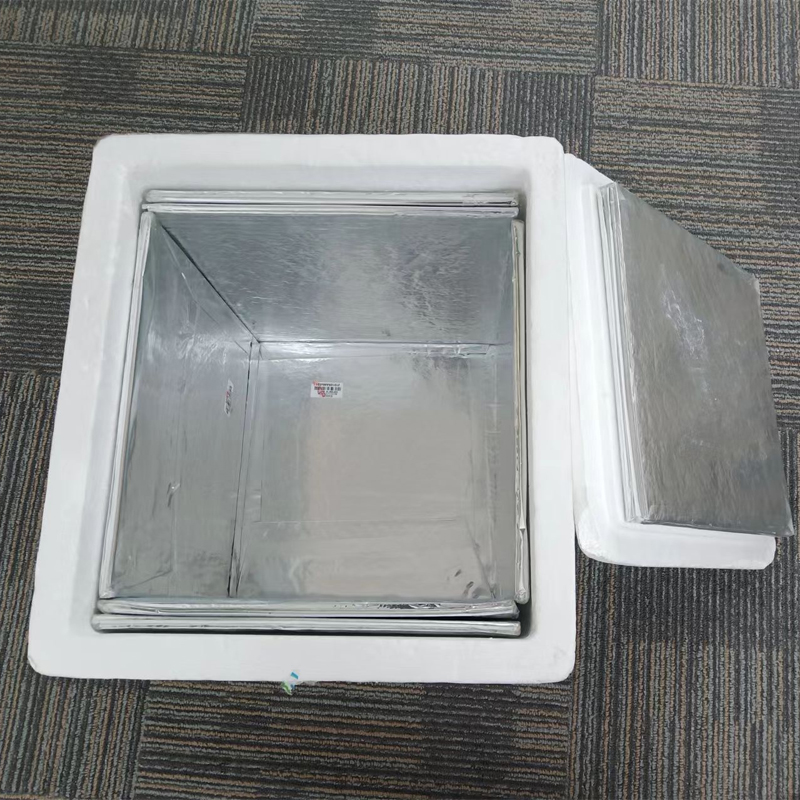
Auswählen eines 20 Liter Vaccine Ice Box Supplier With Evidence
Eine glaubwürdige 20 Der Lieferant von Kühlboxen für Liter-Impfstoffe sollte in der Lage sein, fünf Eingaben in einen kontrollierten Vorschlag umzuwandeln: Produkttemperaturanforderungen, tatsächliche Nutzlastabmessungen, Streckenbelichtung, Vorbereitungsressourcen, und Qualitätsdokumentationsanforderungen. „20 Liter“ ist nur eine Startkategorie. Ausschlaggebend ist der nutzbare Nutzlastraum nach Einbau von Kühlmittel und Schutzkomponenten. Der maßgebliche Leistungsanspruch ist keine pauschale Stundenzahl, aber Beweise, die an die genaue Box gebunden sind, laden, Kühlmittel, Umgebungsprofil, und Betriebsverfahren, das Sie verwenden möchten.
Begin With Five Non-Negotiable Inputs
Supplier comparisons become confusing when each vendor fills missing information with a different assumption. Geben Sie eine gemeinsame Anforderungsbeschreibung heraus, damit die Vorschläge eine gemeinsame Grenze haben.
Erste, Geben Sie den genehmigten Transportzustand des Produkts an. Weisen Sie keinen generischen Kühlbereich zu, nur weil es sich bei der Nutzlast um einen Impfstoff handelt. Einfrierempfindlichkeit, Stabilität, Verpackung, und Programmregeln können je nach Produkt unterschiedlich sein.
Zweite, Geben Sie Details zur Nutzlast an. Zählen Sie mit, Außenmaße des Kartons, Ausgangsbedingung, ungefähre Masse, Orientierungsgrenzen, und ob die Menge variiert. Dritte, Kartieren Sie die Fahrspur. Gesamtdauer beachten, Transfers, Inszenierung, Fahrzeugtypen, heiße und kalte Jahreszeiten, und glaubwürdige Verzögerungsszenarien.
Vierte, Beschreiben Sie betriebliche Ressourcen. Können Mitarbeiter einfrieren?, kühlen, oder das Kühlmittel unter kontrollierten Bedingungen auf andere Weise konditionieren? Gibt es Platz für Bühnenpakete?? Wer packt und prüft die Box? Endlich, Identifizieren Sie Beweise und Dokumentationserwartungen. Dazu kann eine kontrollierte Auspackung gehören, thermischer Bericht, Rückverfolgbarkeit der Komponenten, Änderungsmitteilung, und Empfangen von Aufzeichnungen.
| Eingang | Mindestinformationen | Warum es das Design ändert |
|---|---|---|
| Produkt | Zugelassene Temperaturbedingungen und Empfindlichkeit | Definiert Akzeptanzgrenzen und Frost-/Hitzerisiko |
| Nutzlast | Kartongröße, zählen, Masse, und Abwechslung | Bestimmt die nutzbare Hülle und die thermische Masse |
| Route | Dauer, Umgebungseinflüsse, Transfers, Verzögerungen | Legt die Herausforderung fest, die das System bewältigen muss |
| Operationen | Konditionierungsausrüstung, Arbeit, Inszenierung, Wiederverwendung | Bestimmt, ob das Packout zuverlässig ausgeführt werden kann |
| Qualität | Prüfen, Aufzeichnungen, Rückverfolgbarkeit, und Veränderungsbedürfnisse | Definiert die für die Genehmigung erforderlichen Nachweise |
Dieses Briefing mit fünf Eingaben zeigt auch, wann eine andere Produktklasse benötigt wird. Bei beladenem Gewicht, Dauer, oder die Nutzlastgeometrie ist ungeeignet, weg von einem Nominalwert 20 L-Anfrage ist besser, als die Sendung hineinzuzwingen.
Kapazität: Lösen Sie die Definition vor der Zeichnung auf
Drei Lieferanten können ein Angebot abgeben 20 L-Box mit drei verschiedenen Interpretationen. Man kann den leeren Hohlraum berechnen. Ein anderer verwendet möglicherweise einen abgerundeten Modellnamen. Ein Drittel kann sich auf eine nominelle Familie beziehen. Keine beschreibt notwendigerweise den verfügbaren Impfstoffraum nach Beipackpackungen, Top-Packungen, Trenner, und eine Überwachungseinrichtung vorhanden sind.
Außenmaße anfragen, Innenkonturen, und einen dimensionierten Nutzlastumschlag für die vorgeschlagene Verpackung. Überprüfen Sie konische Wände, abgerundete Ecken, Deckelaussparungen, Rippen, und hervorstehende Hardware. Führen Sie dann einen Test zur physischen Passform mit produktionsäquivalenten Kartons durch. Die Volumenberechnung kann nicht zeigen, ob eine erforderliche Kartonausrichtung den Deckel freigibt oder ob das Personal einen Karton entnehmen kann, ohne das Kühlmittel zu stören.
Die minimale Nutzlast ist ebenso wichtig wie die maximale Nutzlast. Ein unterfüllter Kasten hat möglicherweise weniger thermische Masse und mehr freie Luft als die getestete Anordnung. Wenn die Versandmenge variiert, Fragen Sie nach, ob mehrere Packouts genehmigt wurden, Ersatzlasten, oder ein kleineres Format ist besser geeignet. Jeder Füllstoff muss mit dem System kompatibel sein und in der Anleitung kontrolliert werden.
Die Gesamtlastmasse vervollständigt die Kapazitätsdefinition. Wiegen Sie die Schale, Isolierung, Kühlmittel, Nutzlast, Logger, Siegel, und Dokumente. Verwenden Sie dieses Ergebnis für die manuelle Bearbeitung, Nutzlast des Fahrzeugs, Fracht, und Lagerplanung.
Draw a Line Between Product Features and Thermal Proof
A robust shell, dicke Isolierung, fester Deckel, and premium coolant may all be useful. They remain design features until the assembled configuration is evaluated. Product approval should keep four layers separate:
Container construction: Hülse, Isolierung, Deckel, Hardware, and internal geometry
Thermische Komponenten: Kühlmitteltyp, Menge, Zustand, und Platzierung
Betriebsweise: Vorbereitung der Nutzlast, Ladereihenfolge, Schließung, and opening rules
Beweis: protocol and results under defined ambient and payload conditions
This separation prevents overstatement. A plastic outer shell does not make a box temperature controlled. VIP material does not qualify a route. A temperature logger does not protect the product. A test standard named on a brochure does not establish that the exact offered configuration met the relevant acceptance criteria.
WHO publishes performance specifications and type-testing approaches for defined vaccine cold-box categories. ISTA stellt Standards und Profile zur Bewertung von Thermotransportverpackungen in Paketumgebungen bereit. Diese können ein Programm informieren, Die Anforderungen hängen jedoch von der Anwendung ab. Überprüfen Sie, ob ein Produkt offiziell gelistet oder unabhängig getestet ist, wenn dieser Status von Bedeutung ist. Wenn ein Lieferant eine Norm als Referenz verwendet, Fragen Sie genau nach welcher Methode, Ausgabe, Profil, Konfiguration, und Ergebnis gelten.
Lesen Sie einen thermischen Bericht wie eine Entscheidungsaufzeichnung
Der Bericht sollte drei Fragen beantworten: Was wurde getestet? Unter welcher Herausforderung? Was ist passiert?
Wofür,”Bestätigen Sie das Modell, Materialien, Komponentenrevisionen, Kühlmittel, Auspacken, Nutzlast, Logger- und Sensorpositionen. Für „Herausforderung,„Überprüfen Sie die Umgebungstemperatur im Vergleich zur Zeit, Vorkonditionierung, Ausgangstemperaturen, Dauer, Öffnungen, und jegliche Fahrsimulation. Für „bestanden,” Identifizieren Sie den Akzeptanzbereich, der Sensor oder die Bedingung, die das Ergebnis bestimmt hat, Abweichungen, und Zustimmung.
Do not reduce the report to its headline duration. A 48-hour test and a 48-hour route are not equivalent simply because the numbers match. Route exposure may begin before dispatch, include a severe ramp or delay, and continue during receiving. The test payload may also have different thermal mass. Your quality process should determine how the evidence applies and what margin is needed.
Sensor placement deserves scrutiny. Cold points may occur near frozen coolant; warm points may occur near a lid or thermal bridge. Air readings can respond differently from a product-simulating load. The report should explain why locations represent the intended risk. Calibrated instrumentation and intact data records support confidence, but no sensor layout proves unmonitored locations without a sound study design.
Eine praktische Rezensionssequenz
- Ordnen Sie jede getestete Komponente der angebotenen Stückliste zu.
- Rekonstruieren Sie die Verpackung anhand der Anweisungen.
- Vergleichen Sie die getestete Nutzlast mit der geplanten Mindest- und Höchstlast.
- Vergleichen Sie das Umgebungsprofil mit dem Routenrisiko, inklusive Inszenierung.
- Überprüfen Sie ggf. sowohl die Warm- als auch die Kaltakzeptanz.
- Lücken als Maßnahmen erfassen, keine Annahmen.
Entwerfen Sie Operatorvariationen
Passive Verpackungen sind auf den Menschen angewiesen. Ein Design, das nur funktioniert, wenn ein Experte jede Packung anpasst, ist schwer zu skalieren. Der Lieferant sollte dabei helfen, eine wiederholbare Sequenz mit klaren Komponentenidentitäten zu erstellen, definierter Kühlmittelzustand, Ladereihenfolge, Platzierung, Verschlusskontrolle, und gegebenenfalls die maximal zulässige Vorbereitungszeit.
Verwenden Sie angepasste Komponenten oder visuelle Hinweise, wo sie Mehrdeutigkeiten reduzieren. Ein Basispaket sollte nicht mit einem Seitenabstandshalter austauschbar sein, es sei denn, das Design lässt dies wirklich zu. Anweisungen sollten den korrekten Endzustand anzeigen, einschließlich der obersten Schicht, die Bediener oft vergessen. Die Anzahl der Komponenten kann vor dem Schließen erfasst werden.
Die Kühlmittelaufbereitung ist eine Hauptursache für Abweichungen. Gefriertemperatur, Stapeln von Paketen, Laden der Ausrüstung, und Zeit außerhalb der kontrollierten Lagerung kann den Zustand beeinträchtigen. Anweisungen sollten einen objektiven Zustand oder ein validiertes Verfahren angeben, das für das Kühlmittel geeignet ist. Für frostempfindliche Impfstoffe, Die Verpackung sollte den direkten Kontakt und das lokale Kälterisiko kontrollieren, anstatt sich auf allgemeine Vorsicht zu verlassen.
Stellen Sie sich zwei Lagerschichten vor, die dieselbe Kiste verwenden. Eine Schicht sortiert alle Komponenten der Reihe nach und schließt den Deckel sofort; der andere bringt Kühlmittel frühzeitig zur Werkbank und sucht nach fehlenden Distanzstücken, während die Box offen bleibt. Auch wenn beide die richtigen Teile verwenden, Die Ausgangsbedingungen sind unterschiedlich. Eine voll ausgestattete Verpackung, Checkliste vor dem Gebrauch, und Staging-Limit kann diese Variation reduzieren.
Überwachung und Reaktion auf Abweichungen
Die Überwachung ist die Beweisschicht während des Transports. Wählen Sie je nach Produkt und Prozess einen Logger aus: entsprechenden Messbereich, Genauigkeit, Kalibrierungsstatus, Intervall, Dauer, Alarmlogik, Datenzugriff, und Aufbewahrung von Aufzeichnungen. Überprüfen Sie bestimmte Parameter anhand der aktuellen Gerätedokumentation, anstatt davon auszugehen, dass alle Pharma-Logger austauschbar sind.
Platzieren Sie den Sensor entsprechend dem Qualifizierungsgrundsatz. Vermeiden Sie eine zufällige Platzierung neben einer gefrorenen Packung, in einer leeren Ecke, oder direkt unter dem Deckel, es sei denn, dieser Punkt wird absichtlich überwacht. Schulen Sie das Empfangspersonal darin, anzuhalten und die Akte abzurufen, ohne die Verwahrungsinformationen zu verlieren.
Ein Alarm ist keine automatische Freigabe- oder Verwerfungsentscheidung. Legen Sie fest, wer den Zeit-Temperatur-Verlauf überprüft, welche unterstützenden Sendungsinformationen erfasst werden, where product is held during assessment, and who has authority for disposition. The packaging supplier may explain the box and test, but product stability decisions belong to the responsible quality and health functions.
Production Approval Is Part of Thermal Control
After qualification, the supplier must repeatedly manufacture the approved design. Create a specification that identifies critical materials, Abmessungen, Komponentenschnittstellen, coolant characteristics, und Funktionskontrollen. Link the specification to a controlled reference sample and current drawings.
Potentially meaningful changes include resin or colorant, foam formulation or density, Isolierlieferant, VIP-Geometrie, Klebstoff, Dichtung, coolant film or fill, molding tool, and production location. Not every change requires a new thermal study, but each should pass a documented impact assessment. Agree on notification rules before ordering.
Receiving inspection should verify identity and visible condition, not attempt to repeat qualification on every unit. Appropriate checks can include model marking, Komponentenanzahl, Abmessungen, lid or latch function, Zustand der Dichtung, coolant seal quality, Etikettengenauigkeit, und Transportschäden. Trend failures and link them back to supplier corrective action.
Für wiederverwendbare Einheiten, inspection continues after every return according to risk. Risse, verziehen, beschädigte Isolierung, Gerüche, Kontamination, fehlende Komponenten, or unreliable closure may trigger cleaning, reparieren, Untersuchung, oder Ruhestand. Set rules before boxes accumulate in the warehouse.
Compare Total Cost at the Same Configuration
Price comparison should begin only after configuration normalization. Identify whether each quote includes the shell, Isolierung, Kühlmittel, spacer set, Trenner, logger accessories, Siegel, Kunstwerk, Exportkarton, technical documents, und Ersatzteile. Separates Werkzeug, sample work, Testen, und Fracht.
Zur Einwegverteilung, calculate landed cost and dimensional freight, Berücksichtigen Sie dann die Verpackungsarbeit und die Entsorgungspflichten. Zur Wiederverwendung, Modellkosten pro erfolgreich abgeschlossenem Zyklus, inklusive Rücktransport, Reinigung, Inspektion, Lagerung, Verfolgung, Verlust, Schaden, und Ersatz. Vermeiden Sie es, einen unbestätigten Anspruch auf maximale Wiederverwendung als finanzielle Tatsache zu betrachten.
Nachhaltigkeitsvergleiche erfordern die gleiche Disziplin. Berücksichtigen Sie den Materialeinsatz, Fracht in beide Richtungen, Reinigung, Lebensdauer, Verlust, und End-of-Life-Routen. Eine wiederverwendbare Box passt möglicherweise in einen dichten geschlossenen Kreislauf; Ein Transporter mit begrenzter Nutzung der richtigen Größe passt möglicherweise in eine abgelegene Einbahnstraße. Wählen Sie nach Systemgrenzen und untermauern Sie öffentliche Ansprüche mit Beweisen.
Lieferantenauswahlliste: Zehn entscheidende Fragen
Wie ist das 20 L-Kapazität definiert?
Was ist die genaue nutzbare Nutzlasthülle in der vorgeschlagenen Verpackung??
Welche Produkttemperaturbedingungen und Routenannahmen leiteten das Design??
Welches Kühlmittel, Konditionierungsprozess, und Trennmethode angegeben werden?
Welcher Bericht unterstützt die genaue angebotene Konfiguration??
Welches Umgebungsprofil, Nutzlast, Sensoren, und Akzeptanzkriterien wurden verwendet?
Wie werden kritische Materialien und Produktionsprozesse kontrolliert??
Welche Änderungen lösen eine Kundenbenachrichtigung aus??
Welche Dokumente und Muster werden mit Genehmigung geliefert??
Wie werden wiederverwendbare Einheiten überprüft?, gereinigt, repariert, und im Ruhestand?
Diese Fragen begünstigen transparente Anbieter, ohne ungestützte Sicherheit zu fordern. Ein Anbieter, der eine Datenlücke identifiziert und einen Test vorschlägt, ist oft sicherer als einer, der behauptet, dass alle Routen bereits abgedeckt seien.
Häufig gestellte Fragen
Ist der nutzbare Impfraum immer kleiner als 20 Liter?
Oftmals ist er kleiner als der aufgrund des Kühlmittels leere angegebene Hohlraum, Abstandshalter, und Trennwände nehmen Platz ein, aber die Definitionen variieren. Einige Modelle verwenden 20 L nur als Kategorie. Fragen Sie nach der Messmethode des Lieferanten und einem dimensionierten Nutzlastraum. Bestätigen Sie den Sitz anhand der tatsächlichen Kartons und der vollständigen vorgeschlagenen Verpackung.
Welche Isolierung eignet sich am besten für eine Impf-Eisbox??
Kein Material ist allgemein das Beste. EVP, Schaumkern-Kunststoffkonstruktionen, und VIP-erweiterte Systeme bieten unterschiedliche Ausgewogenheiten des Wärmewiderstands, Wandstärke, Haltbarkeit, Schadensempfindlichkeit, Gewicht, und Kosten. Bewerten Sie die fertige Konfiguration, Produktionskontrollen, Route, und prüfen Sie Beweise, anstatt nur anhand des Materialnamens auszuwählen.
Kann ein Packout im Sommer und Winter funktionieren??
Möglicherweise, aber davon sollte man nicht ausgehen. Warme und kalte Einwirkungen können unterschiedliche Ausfallrisiken mit sich bringen, einschließlich Überhitzung und Unterkühlung. Überprüfen Sie die Beweise für den beabsichtigten saisonalen Bereich. Einige Programme verwenden saisonale Packouts; andere unterstützen eine Konfiguration über definierte Bedingungen hinweg. Die Entscheidung muss sich an den Testdaten und der Streckenbewertung orientieren.
Was passiert, wenn sich die Nutzlastmenge ändert??
Eine Änderung der Nutzlastmenge kann die thermische Masse verändern, Luftstrom, und Kühlmittel-Produkt-Beziehungen. Verwenden Sie nur einen von der Bewertung unterstützten Nutzlastbereich. Wenn Teilladungen an der Tagesordnung sind, Entwickeln Sie eine genehmigte Vereinbarung unter Verwendung eines gerechtfertigten kleineren Systems, kontrollierter Füllstoff, oder eine alternative Verpackung, anstatt den Betreibern die Möglichkeit zu geben, zu improvisieren.
Garantiert die WHO- oder ISTA-Referenz die Akzeptanz??
NEIN. Eine Referenz kann eine Methode beschreiben, Profil, oder Produktkategorie, Die Akzeptanz hängt jedoch von der Erfüllung der geltenden Anforderungen und der Anpassung des getesteten Produkts an den vorgesehenen Verwendungszweck ab. Überprüfen Sie bei Bedarf die genaue Auflistung oder Zertifizierungsansprüche, Überprüfen Sie den Bericht, und bestätigen Sie alle lokalen Ausschreibungen, regulatorisch, oder Qualitätssystemverpflichtungen.
Abschluss
A 20 Der Lieferant von Kühlboxen für Liter-Impfstoffe sollte anhand einer Beweiskette ausgewählt werden, kein Katalogvergleich. Definieren Sie das Produkt, Nutzlast, Route, Operationen, und Dokumentation zuerst. Nutzbares Volumen und geladene Masse auflösen. Bewerten Sie die Isolierung und das Kühlmittel im gesamten Paket. Lesen Sie thermische Berichte im Vergleich zum tatsächlichen Fahrspurrisiko, Steuern Sie dann die qualifizierte Konstruktion bis zur Produktion, Empfang, und wiederverwenden. Normalize configuration before comparing cost. This framework gives procurement, Logistik, and quality teams a common basis for approval.
Über Tempk
Tempk, Teil von Shanghai Tempk, offers cold-chain packaging categories that include medical cooler boxes, EPP-Formate, VIP-related insulated solutions, Plastikboxen, und Kühlmitteloptionen. These categories provide design choices for different payload, Handhabung, und Routenanforderungen; they do not remove the need for configuration-specific review. A productive inquiry describes the intended product condition, actual payload geometry, Umgebungsherausforderung, operating resources, and required evidence so the available packaging direction can be assessed against clear boundaries.
Contact Tempk with your route brief and payload layout to discuss sample options, Packout-Komponenten, and the documentation needed for the next evaluation step.