


So entwerfen Sie eine Kühlkettenverpackung für Arzneimittel bei 2–8 °C
So entwerfen Sie eine Kühlkettenverpackung für Arzneimittel bei 2–8 °C
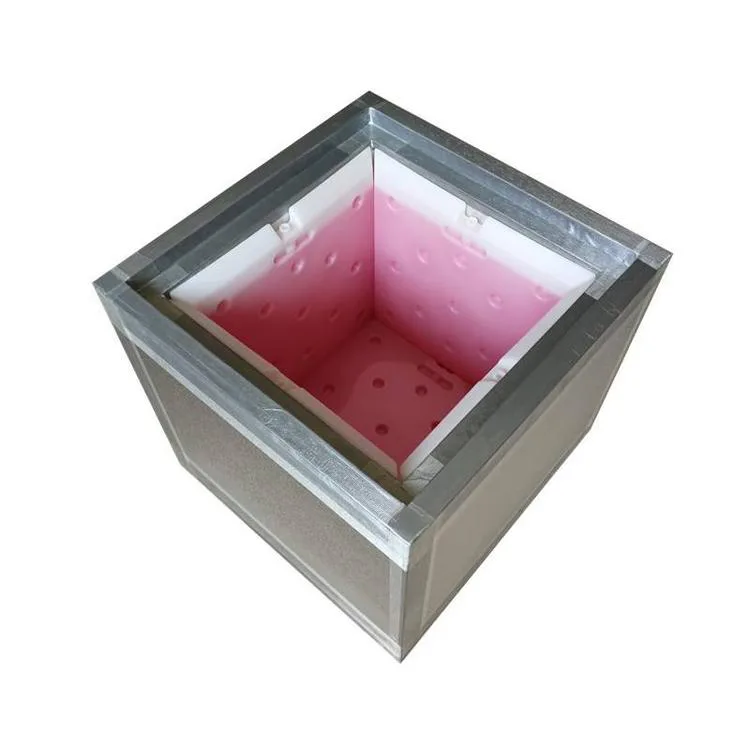
Eine Arzneimittelverpackung bei 2–8 °C ist ein konzipiertes System, keine einzige Kiste. Einen entwerfen, Sie beginnen mit dem Sendungsprofil – Zielbereich, Nutzlast, Starttemperatur, Transportzeit und Umgebungseinflüsse – dann entscheiden Sie sich für einen isolierten Versandbehälter, Auswahl und Konditionierung der Kühlmedien, Trennen Sie das Kühlmittel von der Nutzlast, um ein Einfrieren zu verhindern, Überwachung hinzufügen, und bestätigen Sie die gesamte Konfiguration mit Beispieltests, bevor Sie skalieren. Dieser Leitfaden führt Sie Schritt für Schritt durch diese Sequenz, unter Verwendung der auf Tempk’s veröffentlichten Fakten Pharmazeutische Kühlkettenverpackungslösungen Seiten und Packout-Validierungsressourcen.
Beginnen Sie mit dem Sendungsprofil
Jede Entscheidung zur Arzneimittelverpackung bei 2–8 °C beginnt bei der Ladung, nicht der Karton. Bevor Sie Boxen oder Gelpacks vergleichen, Schreiben Sie die Eingaben auf, die das Design vorantreiben:
- Zielbereich und Abweichungsregel. Bestätigen Sie das erforderliche 2–8°C-Fenster, ob ein kurzer Ausflug toleriert wird, und wer bei der Ankunft die Entlassungsentscheidung trifft.
- Einfrierempfindlichkeit. Viele gekühlte Arzneimittel müssen über 0 °C gelagert werden, Daher ist der Frostschutz genauso wichtig wie der Hitzeschutz.
- Nutzlastprofil. Abmessungen der Einheit, Gesamtgewicht, Orientierung, und ob es sich bei der Ladung während des Tests um ein echtes Produkt oder eine simulierte Nutzlast handelt.
- Starttemperatur. Das Produkt sollte bereits auf seinen Lagerbereich konditioniert in die Verpackung gelangen.
- Transit und Route. Geplante Transitzeiten, Anzahl der Übergaben, Lagerhaus wohnen, Zoll- oder Flughafenexposition, und das Empfangsfenster.
- Handhabung und Öffnung. Ob die Box geöffnet werden darf, neu verpackt oder für den Transport bereitgestellt, und wie der Empfänger damit umgehen wird.
Diese Eingaben entscheiden über alles, was folgt: Isolationsniveau, Kühlmittelmasse, Trennungslayout, Platzierung des Loggers und Testbedingungen. Eine ohne sie gewählte Verpackung ist eine Vermutung. Tempk gruppiert die Haupttemperaturbereiche – 2–8 °C gekühlt, 15–25°C kontrollierte Raumtemperatur und ultrakalt – und jedes Band braucht einen anderen Ausgangspunkt.
Wählen Sie den isolierten Versender
Der isolierte Transportbehälter ist die thermische Hülle: es verlangsamt die Wärmeübertragung zwischen der Umgebung und der Nutzlastkammer. Für Pharmaarbeiten bei 2–8 °C gelten folgende Familien Thermobeutel und Boxeinlagen, EPS (erweiterter Polystyrol) Versender, EPP Cooler Boxen, VIP (Vakuumisolierungspanel) medizinische Kühlboxen, und kartonbasierte Isoliersysteme.
Vergleichen Sie sie hinsichtlich der Faktoren, die tatsächlich Leistung und Betrieb verändern:
- Internes Volumen versus Nutzlast. Ein zu großer Kasten verschwendet Kühlmittel und erzeugt Luftspalte; Wenn es zu eng ist, entfällt der Pufferraum, den das Design benötigt.
- Wandkonstruktion. Eine dickere Isolierung und leistungsfähigere Materialien wie VIP erweitern das nutzbare Laderaumfenster, aber Gewicht hinzufügen, Kosten- und Handhabungsunterschiede.
- Wiederverwendung und Haltbarkeit. Wiederverwendbare EPP- oder VIP-Boxen eignen sich für Wiederholungsspuren und Closed-Loop-Programme; Einweg-EPS- oder Kartonsysteme eignen sich für die Einwegverteilung.
- Verschluss und Handhabung. Deckel passt, Zustand der Dichtung, Band- oder Riemenmethode, und die Handhabung von Paketen oder Paletten wirken sich alle auf die thermische Leistung aus.
Der Versender sollte niemals allein ausgewählt werden. Es muss zusammen mit dem Kühlmedium ausgewählt werden, denn die beiden funktionieren nur als Paar. Eine Hochleistungsbox mit der falschen Kühlmittelmasse kann gegenüber einer einfacheren Box, die korrekt spezifiziert wurde, eine schlechtere Leistung erbringen.
Kühlmedien auswählen und konditionieren
Kühlmedien transportieren die Kälte, die der Versender dann hält. Bei einer Pharmaverpackung für 2–8 °C haben Sie normalerweise die Wahl zwischen konditionierten Gelpackungen, PCM (Phasenwechselmaterial) Ziegel und Eissteine. Trockeneis gehört zu den gefrorenen und ultrakalten Bahnen, Nicht gekühlt bei 2–8°C arbeiten, denn es ist viel zu kalt für ein Produkt, das über dem Gefrierpunkt bleiben muss.
Die Auswahllogik ist unkompliziert, auch wenn die endgültige Antwort nicht lautet:
- Passen Sie den Phasenpunkt an den Zielbereich an. Ein Kühlmittel, das in der Nähe des erforderlichen Bandes die Phase wechselt, hält die Temperatur länger stabil als eines, das einfach nur hart gefroren ist.
- Passen Sie die Masse an den Bedarf an. Längerer Transit, Eine wärmere Umgebung und eine schwächere Isolierung erfordern eine größere Kühlmittelmasse oder einen stärkeren Kühlkörper.
- Zustand in einen definierten Zustand versetzen. Gelpacks und PCM-Steine sollten vor dem Laden auf einen dokumentierten Temperaturzustand gebracht und für eine definierte Zeit gelagert werden, nicht direkt aus dem Gefrierschrank verwenden.
- Notieren Sie, was verwendet wurde. Kühlmittel-SKU, Füllgewicht, Menge und Konditionierungszeit sind Teil der genehmigten Konfiguration und Bestandteil jeder Prüfung.
Verwenden Sie a Verpackungsauswahl um die Familie einzugrenzen, bevor Sie Muster anfordern, Bestätigen Sie dann die Kühlmittelmenge mit einem Taschenrechner oder einem Versuch und nicht mit einer Faustregel.
Bauen Sie die Nutzlastkammer und die Frostschutztrennung
An diesem Schritt scheitern viele 2–8°C-Transporte: Das Kühlmittel ist in Ordnung und die Box ist in Ordnung, aber das Layout ist falsch. Die Nutzlastkammer ist der geschützte Raum in der Mitte des Packouts, und die Kühlmedien sitzen außerhalb, durch eine oder mehrere Schichten getrennt.
Ein praktisches Layout umfasst normalerweise:
- Trennschichten zwischen Kühlmittel und Nutzlast, so dass die Kälte das Produkt allmählich und nicht direkt erreicht.
- Puffer- oder Hohlraumfüllung um die Verschiebung der Nutzlast zu verhindern und Luftspalte zu beseitigen, die heiße und kalte Stellen erzeugen.
- Kondensationskontrolle B. eine saugfähige Unterlage oder Einlage, um den Karton aufzubewahren, Etiketten und Dokumente trocknen.
- Eine feste Ladereihenfolge Daher baut jeder Bediener die Verpackung auf die gleiche Weise auf, Jedes Mal.
Kühlmittel sollte kein gefrierempfindliches Arzneimittel berühren, es sei denn, die Anordnung und die Testergebnisse lassen dies ausdrücklich zu. Unter einem Packout versteht man daher am besten ein Isolationssystem, Kühlmedien, Gel-Eisbeutel und PCM-Eissteine, Trennung, Lademethode, Überwachungs- und Routenannahmen – keine Isolierung plus eine zufällige Anzahl von Eisbeuteln.
Berücksichtigen Sie Routen- und Umgebungsrisiken
Ein Packout ist für eine Route konzipiert, nicht für ein Labor. Eine Konfiguration, die die Temperatur auf einer milden Zwei-Tages-Strecke perfekt hält, kann scheitern, wenn dieselbe Sendung auf einem heißen Dock liegt, wechselt dreimal den Besitzer, wartet im Zoll, oder kommt nach einem Wochenende. Routen- und Umgebungsrisiken gehören in den Entwurf, nicht danach.
Dokumentieren Sie diese, bevor Sie die Verpackung abschließen:
- Transitzeit und Verweildauer. Insgesamt geplante Stunden plus realistische Verzögerung, inklusive Lager, Dock, Zoll und Empfang wohnen.
- Anzahl der Übergaben. Jeder Transfer erhöht die Handhabung, Inszenierungs- und Orientierungsvariation.
- Umgebungs- und Jahreszeitenprofil. Sommerhitze und Winterkälte belasten dieselben Bedingungen in entgegengesetzter Richtung und erfordern oft unterschiedliche Regeln.
- Luft, Export und Asphaltexposition. Flughafentransfers und unkontrollierte Stände sind häufige Ausflugsquellen.
Führen Sie die Annahmen durch a Routenrisiko-Checker um sie in ein Risikoband auf Planungsebene umzuwandeln, Verwenden Sie dann das Ergebnis, um zu entscheiden, ob die Fahrspur eine stärkere Isolierung benötigt, strengere Überwachung oder ein dokumentierter Notfallplan.
Planen Sie Überwachungs- und Testbedingungen
Durch Überwachung und Tests wird aus einem geplanten Paketpaket ein evidenzbasiertes Paket. Ein Temperaturlogger sollte dort platziert werden, wo er ein Nutzlastrisiko darstellt, nicht die Luft neben einer Kastenwand oder einer Kühlmitteloberfläche. Logger zeichnen die Sensor-ID auf, Kalibrierungsstatus, Position und Rohdaten, und sie unterstützen die Ankunftsentscheidung und jede Abweichungsprüfung.
Wenn Sie einen Test planen, Definieren Sie die Bedingungen, bevor Sie beginnen:
- Nutzlast: real oder simuliert, mit der gleichen Masse und dem gleichen Volumen wie kommerzielle Sendungen.
- Umgebungsprofil: hoch, niedrig oder dynamisch, Passend zur tatsächlichen Jahreszeit und Spur.
- Dauer: mindestens die geplante Laufzeit zuzüglich einer Verzögerungsmarge.
- Kriterien für „Bestanden“ oder „Nicht bestanden“.: der Zielbereich, etwaige erlaubte Exkursionen und die Akzeptanzregel.
Tempk veröffentlicht Referenz-Packout-Tests auf seinen pharmazeutischen Seiten – zum Beispiel 2–8 °C-Konfigurationen, die gegen hohe Temperaturen getestet wurden, niedrige und dynamische Umgebungsprofile. Es handelt sich lediglich um Referenzbeispiele zum Vergleich, keine universelle Garantie, denn die endgültige Leistung hängt von der Nutzlast ab, Kastengröße, Konditionierung, Umgebungsprofil, Routenverzögerung und -abwicklung. Verwenden Sie das Leitfaden zur Validierung von Kühlkettenverpackungen und zum Testen der Verpackung um den vollständigen Testplan zu erstellen, anstatt sich auf eine einzelne Kurve zu verlassen.
Überprüfung vor Großbeschaffung
Sobald eine Beispielkonfiguration die Temperatur beim Testen hält, Der letzte Schritt besteht darin, sicherzustellen, dass es in großem Maßstab wiederholt werden kann. Die Massenbeschaffung sollte die Verpackung sperren, nicht nur die Box. Bevor Sie sich auf Lautstärke festlegen, bestätigen:
- Zugelassene SKU und Größe des Versenders, mit Innen- und Außenmaßen.
- Kühlmittel-SKU, Menge und Konditionierung SOP, einschließlich Bereitstellungszeit vor dem Laden.
- Karte wird geladen, Trenn- und Verschlussmethode, als Arbeitsanweisungen für den Bediener verfasst.
- Loggerposition und Akzeptanzbasis, plus das Berichtsformat, das die Qualitätssicherung erwartet.
- Ändern Sie die Steuerung und testen Sie Auslöser erneut für Nutzlast, Kühlmittel, Kasten, Route, Träger- oder Saisonwechsel.
- Volumendetails wie MOQ, Vorhersage, Kartonverpackung und alle Anforderungen an Private-Label- oder Dokumentationszwecke.
Hier gilt es auch den Einkauf auszurichten, Qualitätssicherung, Logistik und Lager nach einer Spezifikation. Tempks Maßgeschneiderte Kühlkettenverpackung Der Pfad umfasst die OEM-Entscheidungen – Dimensionen, Kühlmittel, Nutzlastkammer, Logger-Zugriff und wiederholte Versorgung – die eine funktionierende Probe in ein wiederholbares Programm verwandeln.
2–8°C Arzneimittelverpackung: Häufig gestellte Fragen
Was ist eine Arzneimittelverpackung bei 2–8 °C??
Es handelt sich um das komplette System zur gekühlten Aufbewahrung eines Arzneimittels, Impfstoff, Diagnose- oder Laborprobe innerhalb von 2–8 °C vom Verpacken bis zum Erhalt. Es kombiniert einen isolierten Versender, konditionierte Kühlmedien, Trennschichten, eine definierte Lademethode, Überwachungs- und Routenannahmen – keine einzige Kiste oder eine feste Anzahl von Eisbeuteln.
Wie verhindere ich, dass das Kühlmedium das Produkt einfriert??
Trennen Sie das Kühlmittel mit einer oder mehreren Schichten von der Nutzlast, Konditionieren Sie das Kühlmittel in einen kontrollierten Zustand, anstatt es direkt aus dem Gefrierschrank zu verwenden, und bestätigen Sie das Layout mit einem Test, der eine reale oder simulierte Nutzlast umfasst. Kühlmittel sollte kein gefrierempfindliches Produkt berühren, es sei denn, die getestete Konfiguration unterstützt dies.
Welcher isolierte Versandbehälter eignet sich am besten für Pharmazeutika mit einer Temperatur von 2–8 °C??
Es gibt keine einzelne beste Box. Thermotaschen und -einlagen eignen sich für leichtere Strecken oder Strecken auf der letzten Meile, EPS-Versender eignen sich für die Einwegverteilung, und EPP- oder VIP-Kühlboxen eignen sich für längere Laderäume, Wiederverwendung und höherwertige Programme. Die richtige Wahl hängt von der Nutzlast ab, Transitzeit, Umgebungsprofil und Wiederverwendungsplan, und muss auf das Kühlmittel abgestimmt sein.
Wie lange hält ein Packout bei 2–8 °C die Temperatur??
Die Wartezeit hängt vom Versender ab, Kühlmittelmasse und Konditionierung, Nutzlast, Umgebungsprofil und Route. Tempk veröffentlicht Referenztests für 48-Stunden- und 72-Stunden-Konfigurationen unter Hoch, niedrige und dynamische Umgebungsprofile, Dies sind jedoch nur Referenzbeispiele. Ihre eigene Konfiguration sollte durch Beispieltests bestätigt werden, bevor Sie sich auf eine bestimmte Haltezeit verlassen.
Funktioniert ein Packout für jede Route und Jahreszeit??
NEIN. Sommerhitze, Winterkälte, Zoll wohnen, Flughafentransfers und zusätzliche Übergaben verändern das Risikoprofil. Viele Programme erfordern Sommer- und Winterregeln, oder ein stärkerer Versender für Routen mit höherem Risiko, auch wenn Produkt und Nutzlast gleich bleiben.
Was soll ich für eine Packout-Bewertung oder ein Angebot senden??
Senden Sie den Zieltemperaturbereich, Nutzlastgröße und Gewicht, Produktempfindlichkeit, Strecke und Jahreszeit, Transit- und Verweilzeit, bevorzugte Box und Kühlmittel, Überwachungs- und Testanforderungen, und erwartetes Auftragsvolumen. Tempk kann dann eine Verpackungsrichtung vorschlagen, Musterprüfung und Angebotspfad. Beginnen Sie mit dem Kontaktseite.
Das Entwerfen einer Arzneimittelverpackung für 2–8 °C ist eine Sequenz, kein einziger Kauf: Profilieren Sie die Sendung, Wählen Sie den Versender, Auswahl und Konditionierung der Medien, Trennen Sie das Kühlmittel von der Nutzlast, Berücksichtigen Sie das Routenrisiko, Überwachung und Prüfung planen, und überprüfen Sie die Konfiguration vor der Massenbeschaffung. Betrachten Sie jedes vorhandene Testergebnis als Referenzpunkt, und bestätigen Sie Ihre eigene Konfiguration mit Mustertests vor Routinelieferungen.
Großhändler für Phasenwechsel-Gelpackungen für klinische Studien: Leitfaden zur Lieferantenauswahl

Großhändler für Phasenwechsel-Gelpackungen für klinische Studien: Ein praktischer Rahmen für die Auswahl von Großhandelslieferanten
Die wichtigste Lektion für Käufer von Phasenwechsel-Gelpackungen für die Logistik klinischer Studien ist einfach: Das Paket muss als Teil eines Anwendungsfalls angegeben werden, nicht als Einzelbeutel gekauft. Für Großhändler für Phasenwechsel-Gelpackungen für klinische Studien, Das stärkste Großhandelsprogramm kombiniert vier Kontrollen: eine messbare Produktspezifikation, eine definierte Konditionierungsmethode, Nachweis über den vollständigen Auspack- bzw. Gebrauchsvorgang, und Lieferantenänderungskontrolle. Der Preis ist immer noch wichtig, aber es sollte ausgehandelt werden, nachdem diese Variablen sichtbar sind. Dieser Ansatz ist skalierbarer, einfacher zu prüfen und weniger wahrscheinlich, dass ein Fehler auftritt, wenn das erste genehmigte Muster zur Wiederholungsproduktion wird.
Die vier Entscheidungen, die getroffen werden sollten, bevor ein Angebot als vergleichbar behandelt wird
Erste, Definieren Sie das gewünschte Ergebnis. Unterstützt die Packung die gekühlte Verteilung?, eine Körperpflege-Erkältungsanwendung, eine klinische Versorgungspackung, oder eine andere Verwendung? Ein Lieferant kann keine verantwortungsvolle thermische Leistung versprechen, ohne die Aufgabe zu kennen. Zweite, Definieren Sie das physische Paket: Größe, Füllgewicht, Beutelkonstruktion, Siegel, Etikettierung und Kartonverpackung. Dritte, Konditionierung definieren. Vierte, Definieren Sie, welche Nachweise für die gesamte Konfiguration akzeptiert werden.
Diese vier Entscheidungen wandeln ein umfassendes Beschaffungsschlüsselwort in eine kontrollierte Kaufanfrage um. Sie entlarven auch falsche Vergleiche. Zwei Angebote können die gleichen Abmessungen aufweisen, jedoch unterschiedliche Füllgewichte verwenden, Filme oder Formulierungen. Zwei Packungen können das gleiche Gewicht haben, erfordern jedoch eine unterschiedliche Konditionierung oder bieten beim Einfrieren unterschiedliche Flexibilität.
In den Leitlinien der FDA für dezentrale klinische Studien heißt es, dass beim Versand von Prüfpräparaten die körperliche Unversehrtheit und Stabilität berücksichtigt werden sollten, including appropriate packaging materials and temperature control. Good Clinical Practice erwartet außerdem Handhabungs- und Lagerungsanweisungen sowie Sicherheitsvorkehrungen für die Integrität von Prüfpräparaten. Die richtige Kaufreaktion besteht darin, verlässliche Leitlinien zur Definition des Risikos und des Prozesses zu verwenden, Überprüfen Sie anschließend die produktspezifischen Fakten anhand der Lieferantendokumentation und entsprechender Tests. Drehen Sie diese Reihenfolge nicht um, indem Sie die Anwendung durch einen Lieferantenanspruch definieren lassen.
Zur Verwendung in klinischen Studien, Der Dokumenteneigentum ist ebenfalls wichtig. Der Kühlmittellieferant kann den Beutel definieren, sondern der Sponsor, Ermittler, Depot, Der Verpackungsingenieur oder eine qualifizierte Logistikpartei bleibt für das umfassendere Verfahren verantwortlich, das das Prüfprodukt regelt. Temperaturexkursionen, Für Verpackungsschäden und Quittungsdiskrepanzen ist ein Eskalationspfad erforderlich. The wholesale specification should support that process rather than implying that purchasing a ‚klinisch‘ gel pack transfers responsibility to the coolant manufacturer.
Erstellen Sie eine Spezifikation für den Einkauf, Qualität und Betrieb können alle lesen
Eine nützliche Gel-Pack-Spezifikation ist kurz genug, um sie zu verwenden, aber detailliert genug, um stillschweigende Ersetzungen zu verhindern. Es sollte den zugelassenen Produkttyp identifizieren, Nennmaße, Zielfüllgewicht, Beutelmaterial oder vereinbarte Konstruktion, Erwartungen besiegeln, Druck- oder Etikettenanforderungen, Kartonverpackung und Chargenidentifizierung. Wo das Phasenverhalten entscheidend ist, Dazu gehören die zugelassene Kühlmittelkategorie oder Phasenwechselspezifikation und die erforderliche Konditionierungsmethode.
Fügen Sie dann Prozessnotizen hinzu, die für den Anwendungsfall von Bedeutung sind. In einem Lager müssen Packungen vor dem Einfrieren möglicherweise flach gelagert werden. Eine klinische Verpackung erfordert möglicherweise eine Trennvorrichtung zwischen gefrorenem Kühlmittel und einer gefrierempfindlichen Nutzlast. Eine Körperpflegepackung erfordert möglicherweise klare Anweisungen zum Hautschutz. Ein Molkereibetrieb erfordert möglicherweise eine saubere Handhabung und eine schnelle Verpackung. Durch diese Notizen bleibt der Einkaufsbeleg mit dem tatsächlichen Arbeitsablauf verbunden.
Endlich, Definieren Sie die Änderungskontrollgrenze. Manchmal müssen Lieferanten ihre Filmquellen wechseln, Druckverfahren, Kartonlieferanten oder Gelbestandteile aufgrund der Verfügbarkeit. Das Problem ist nicht, dass es nie zu Veränderungen kommen kann; Das Problem ist eine nicht überprüfte Änderung. Erkundigen Sie sich, welche Änderungen vor der Implementierung mitgeteilt werden und welche Aufzeichnungen die betroffenen Chargen identifizieren.
Zur Verwendung in klinischen Studien, Der Dokumenteneigentum ist ebenfalls wichtig. Der Kühlmittellieferant kann den Beutel definieren, sondern der Sponsor, Ermittler, Depot, Der Verpackungsingenieur oder eine qualifizierte Logistikpartei bleibt für das umfassendere Verfahren verantwortlich, das das Prüfprodukt regelt. Temperaturexkursionen, Für Verpackungsschäden und Quittungsdiskrepanzen ist ein Eskalationspfad erforderlich. The wholesale specification should support that process rather than implying that purchasing a ‚klinisch‘ gel pack transfers responsibility to the coolant manufacturer.
Was in den Nachweisen des Lieferanten zu überprüfen ist
| Zu kontrollierender Bereich | Was der Käufer überprüfen sollte | Warum ist es wichtig |
| Kühlmitteldefinition | Zusammensetzung, gefülltes Gewicht, Packungsgröße und Phasenverhalten | A vague ‚Gelpackung‘ description can hide meaningful differences between samples and production lots. |
| Konditionierung | Gefrier- oder Vorkonditionierungsmethode, Zeit, Ausstattung und Sollzustand | Die gleiche Packung kann sich unterschiedlich verhalten, wenn sie in einem anderen thermischen Zustand in den Versender gelangt. |
| Packout-Passform | Isolierung, Kühlmittelplatzierung, Separatoren, Nutzlastmasse und Leerraum | Die Kühlmittelleistung gehört zum kompletten Verpackungssystem, nicht der Beutel allein. |
| Qualitätskontrolle | Integrität des Siegels, Leckageprüfung, Maßtoleranz und Chargenidentifizierung | Der Großhandel erhöht die Kosten für kleine Inkonsistenzen. |
| Beweis | Thermische Testbedingungen, Akzeptanzkriterien und Änderungskontrollaufzeichnungen | Eine Headline-Dauer- oder Temperaturangabe ist ohne die dahinter stehenden Bedingungen nicht sinnvoll. |
| Operationen | Kartonverpackung, Beschriftung, Lagerung, Abwicklungs- und Empfangsprozess | Ein technisch einwandfreies Paket kann immer noch scheitern, wenn die Warehouse-Ausführung inkonsistent ist. |
Beweise sollten eine Entscheidung beantworten, nicht einfach einen Dokumentenordner füllen. Für eine risikoarme Verbraucheranwendung, Einfache Maß- und Leckagekontrollen können ausreichend sein. Für eine klinische oder pharmazeutische Verwendung, Das Qualitätsteam kann eine wesentlich detailliertere Dokumentation und Unterstützung bei der Verpackung erwarten. Passen Sie die Beweistiefe an die Konsequenz des Scheiterns an.
Zur Verwendung in klinischen Studien, Der Dokumenteneigentum ist ebenfalls wichtig. Der Kühlmittellieferant kann den Beutel definieren, sondern der Sponsor, Ermittler, Depot, Der Verpackungsingenieur oder eine qualifizierte Logistikpartei bleibt für das umfassendere Verfahren verantwortlich, das das Prüfprodukt regelt. Temperaturexkursionen, Für Verpackungsschäden und Quittungsdiskrepanzen ist ein Eskalationspfad erforderlich. The wholesale specification should support that process rather than implying that purchasing a ‚klinisch‘ gel pack transfers responsibility to the coolant manufacturer.
Wärmeansprüche müssen an Bedingungen geknüpft werden
A statement such as ‚hält lange kalt 24 Std.‘ is incomplete unless the conditions are known. Die Dauer hängt von der Isolierung ab, Kühlmittelmasse, Starttemperatur, Nutzlast, Innenluftvolumen, Umgebungsexposition und der Endpunkt, der zur Definition des Fehlers verwendet wird. Eine Packung kann sichtbar gefroren bleiben, während die Produkttemperatur bereits den zulässigen Bereich verlassen hat, oder es kann vollständig geschmolzen sein, während die isolierte Verpackung noch einige Zeit in Reichweite bleibt.
Für den temperaturgeführten Versand, Fragen Sie nach der tatsächlichen thermischen Testkonfiguration. Anerkannte Frameworks wie ISTA Standard 20 and Test Standard 7E can support structured evaluation of insulated shipping containers. Jedoch, Standardprofile löschen keine Routenunterschiede. Hochrisikospuren erfordern möglicherweise eine Qualifizierung, die die tatsächlichen saisonalen und betrieblichen Bedingungen widerspiegelt.
Für klinische Studien, Der Verpackungsprozess sollte auch mit der Integrität des Prüfpräparats in Zusammenhang stehen, Handhabung, ggf. Nachverfolgung und dokumentierte Verfahren. Zur persönlichen Pflege, Wärmetests sollten sich auf den Benutzerkomfort und sichere Anweisungen konzentrieren und nicht auf unbegründete therapeutische Behauptungen. Für Milchprodukte, Das Ziel sollte sich aus dem Kühlbedarf und dem Verteilungsprozess des Lebensmittelprodukts ergeben. Der technische Endpunkt ändert sich mit dem Anwendungsfall.
Zur Verwendung in klinischen Studien, Der Dokumenteneigentum ist ebenfalls wichtig. Der Kühlmittellieferant kann den Beutel definieren, sondern der Sponsor, Ermittler, Depot, Der Verpackungsingenieur oder eine qualifizierte Logistikpartei bleibt für das umfassendere Verfahren verantwortlich, das das Prüfprodukt regelt. Temperaturexkursionen, Für Verpackungsschäden und Quittungsdiskrepanzen ist ein Eskalationspfad erforderlich. The wholesale specification should support that process rather than implying that purchasing a ‚klinisch‘ gel pack transfers responsibility to the coolant manufacturer.
Bei Scale-up-Risiken handelt es sich in der Regel um Produktions- und Lagerrisiken
Nachdem die technische Eignung festgestellt wurde, Große Misserfolge sind oft auf die Ausführung zurückzuführen. Schwankungen des Produktionsfüllgewichts, Beutel werden verpackt, bevor die Versiegelung vollständig überprüft wird, Kartons sind überladen, oder warme Packungen sind so dicht gestapelt, dass die Konditionierung länger dauert als erwartet. Bei diesen Problemen handelt es sich um gewöhnliche Produktions- und Lagerprobleme, Das heißt, sie können mit gewöhnlichen Kontrollen verwaltet werden, wenn der Käufer sie definiert.
Ein Pilotauftrag sollte daher mehr als nur die Temperatur testen. Überprüfen Sie die Form im gefrorenen Zustand, Flexibilität des Beutels, Kantenverhalten, Drucken, Kondensation, Kartonhaltbarkeit und Handhabungsgeschwindigkeit. Wenn das Programm Tausende von Paketen pro Tag verwendet, Überprüfen Sie die Gefrierkapazität und die Chargenrotation. Wenn das Programm wiederverwendbar ist, Definieren Sie Inspektions- und Zurückweisungskriterien für beschädigte Packungen.
Die Eingangskontrolle sollte sich auf Merkmale konzentrieren, die eine signifikante Abweichung erkennen können, ohne jede Lieferung in ein Laborprojekt zu verwandeln. Repräsentative Gewichts- und Dimensionskontrollen, Aussehen des Siegels, Losidentität, Kartonanzahl und Verpackungszustand sind praktische Ausgangspunkte. Programme mit höherem Risiko können eine Dokumentationsprüfung und formellere Probenahmepläne umfassen.
Zur Verwendung in klinischen Studien, Der Dokumenteneigentum ist ebenfalls wichtig. Der Kühlmittellieferant kann den Beutel definieren, sondern der Sponsor, Ermittler, Depot, Der Verpackungsingenieur oder eine qualifizierte Logistikpartei bleibt für das umfassendere Verfahren verantwortlich, das das Prüfprodukt regelt. Temperaturexkursionen, Für Verpackungsschäden und Quittungsdiskrepanzen ist ein Eskalationspfad erforderlich. The wholesale specification should support that process rather than implying that purchasing a ‚klinisch‘ gel pack transfers responsibility to the coolant manufacturer.
Wann sollte ein anderer Kühlmittel- oder Verpackungsansatz gewählt werden?
Ein starker Beschaffungsprozess beinhaltet die Option, die ursprüngliche Produktkategorie abzulehnen. Gelpackungen auf Wasserbasis, konditionierte Eisbeutel, Trockeneis, active temperature-controlled containers may be better in specific conditions. Die Wahl hängt von der erforderlichen Temperatur ab, Dauer, Nutzlastempfindlichkeit, Frachtmodus, Konditionierungsausrüstung, Regeln für die Rücksendelogistik und -abwicklung.
Ein Gelpack auf Wasserbasis ist oft ein kostengünstiges gekühltes Kühlmittel, Es ist jedoch nicht zu erwarten, dass es den Transport bei extrem niedrigen Temperaturen löst. Ein konstruiertes PCM kann die Steuerung um einen ausgewählten Phasenpunkt herum verbessern, aber es fügt Spezifikations- und Konditionierungsanforderungen hinzu. Trockeneis kann gefrorene oder sehr kalte Anwendungen unterstützen, bringt jedoch andere Sicherheits- und Transportaspekte mit sich. Aktive Systeme können gerechtfertigt sein, wenn die passive thermische Masse nicht ausreicht.
Aus diesem Grund sollte die Lieferantenauswahl nicht mit dem Versprechen beginnen, dass eine SKU alle Routen lösen kann. Am Anfang sollte die Bereitschaft stehen, Alternativen zu vergleichen und Grenzen festzulegen. Ein Lieferant, der erklären kann, wann sein Produkt nicht geeignet ist, stellt dem Käufer Informationen zur Verfügung, die das Risiko verringern.
Zur Verwendung in klinischen Studien, Der Dokumenteneigentum ist ebenfalls wichtig. Der Kühlmittellieferant kann den Beutel definieren, sondern der Sponsor, Ermittler, Depot, Der Verpackungsingenieur oder eine qualifizierte Logistikpartei bleibt für das umfassendere Verfahren verantwortlich, das das Prüfprodukt regelt. Temperaturexkursionen, Für Verpackungsschäden und Quittungsdiskrepanzen ist ein Eskalationspfad erforderlich. The wholesale specification should support that process rather than implying that purchasing a ‚klinisch‘ gel pack transfers responsibility to the coolant manufacturer.
Praktische Fragen, die Käufer häufig stellen
Kann ich eine Gelpackung nur nach Gewicht auswählen?? NEIN. Das Gewicht beeinflusst die thermische Masse, Die nutzbare Leistung hängt aber auch von der Formulierung ab, Konditionierung, Isolierung, Nutzlast, Platzierung und Umgebungsexposition. Vergleichen Sie das Gewicht erst, nachdem die Verpackung und die Betriebsanforderungen definiert sind. Die Antwort sollte anhand des spezifischen Programms bestätigt werden, bevor sie zu einer Kaufanforderung wird.
Ist die Packung durch ein medizinisches oder klinisches Etikett qualifiziert?? NEIN. Eine Gel- oder PCM-Packung ist eine Kühlmittelkomponente. Die Qualifikation bzw. regulatorische Eignung hängt vom Gesamtprodukt ab, Verpackungssystem, dokumentierter Prozess und geltende Anforderungen. Bitten Sie um Nachweise, die der beabsichtigten Konfiguration entsprechen. Die Antwort sollte anhand des spezifischen Programms bestätigt werden, bevor sie zu einer Kaufanforderung wird.
Sollte ich eine feste Haltezeitgarantie verlangen?? Fragen Sie stattdessen nach Testdaten und -bedingungen. Die Haltezeit ändert sich mit dem Umgebungsprofil, Ausgangstemperaturen, Nutzlast, Isolierung, Packungsmenge und Akzeptanzkriterien. Ein nützlicher Lieferant gibt die Bedingungen an, die hinter dem Ergebnis stehen. Die Antwort sollte anhand des spezifischen Programms bestätigt werden, bevor sie zu einer Kaufanforderung wird.
Was sollte vor der Massenproduktion behoben werden?? Frieren Sie die genehmigte physikalische Spezifikation ein, Kühlmittelkategorie, gefülltes Gewicht, Schlüsseltaschenkonstruktion, Kunstwerk, Kartonverpackung und alle wichtigen Anweisungen zur Konditionierung. Legen Sie fest, welche Änderungen eine Benachrichtigung des Käufers erfordern. Die Antwort sollte anhand des spezifischen Programms bestätigt werden, bevor sie zu einer Kaufanforderung wird.
Wie soll ich Proben von zwei Lieferanten vergleichen?? Konditionieren und bewerten Sie sie nach dem gleichen Verfahren. Vergleichen Sie die Handhabung im eingefrorenen Zustand, Leckage, Abmessungen, Gewichtskonsistenz, Packout-Passform und thermisches Verhalten in der gleichen isolierten Konfiguration. Vergleichen Sie nicht das Laborergebnis eines Lieferanten mit der Marketingaussage eines anderen Lieferanten. Die Antwort sollte anhand des spezifischen Programms bestätigt werden, bevor sie zu einer Kaufanforderung wird.
Welche Informationen sollte ich senden, wenn ich ein Angebot anfordere?? Teilen Sie den Anwendungsfall, Nutzlasttyp, erforderliche Temperaturbedingung, Streckendauer, Verpackungsformat, erwartetes Packmaß bzw. Gewicht, geschätztes Auftragsvolumen, Druckanforderungen und ob eine Thermo- oder Qualitätsdokumentation erforderlich ist. Für die klinische Versorgung, Pharmalogistik, Depot- und Beschaffungsteams, Dies gibt dem Lieferanten genügend Kontext, um Vorschläge statt Vermutungen zu machen. Die Antwort sollte anhand des spezifischen Programms bestätigt werden, bevor sie zu einer Kaufanforderung wird.
Fazit und Tempk passen
Für Großhändler für Phasenwechsel-Gelpackungen für klinische Studien, Die am besten skalierbare Großhandelsstrategie besteht darin, die Spezifikation zu kontrollieren, Konditionierung, Packout-Beweis und Änderungsprozess vor der Preisoptimierung. Diese Reihenfolge schafft eine klare Grundlage für den Lieferantenvergleich und gibt den Betrieben ein wiederholbares Produkt anstelle eines beweglichen Ziels. Darüber hinaus sind behördliche oder klinische Ansprüche an den gesamten Prozess und nicht nur an den Gelbeutel gebunden.
Über Tempk: Tempk develops cold-chain packaging components and related solutions for B2B buyers, einschließlich Gel-Eisbeutel, wasserbasierte Packungen, Phasenveränderungsmaterial, insulated packaging and temperature-monitoring options. Für ein Großhandelsprogramm, Tempk kann die Packmaße besprechen, Gewicht, Filmstruktur, Druck und Kartonverpackung, Während die endgültige Verpackung noch anhand des Produkts des Kunden bewertet werden sollte, Route, Dauer und Handhabungsbedingungen. Der praktische Vorteil von Tempk bei dieser Art von Beschaffungsdiskussion besteht in der Möglichkeit, das Kühlmittel zusammen mit den Anforderungen an isolierte Verpackung und Temperaturüberwachung zu berücksichtigen, Dabei wird die endgültige Leistung immer noch als etwas betrachtet, das auf die Route und Nutzlast des Käufers abgestimmt sein muss. Teilen Sie die Anwendung, Temperaturanforderung, Paketformat und erwartetes Volumen, um eine geeignete Großhandelskonfiguration zu besprechen.
Medizinische Gelpackung für Molkereiprodukte: Leitfaden zur Lieferantenauswahl
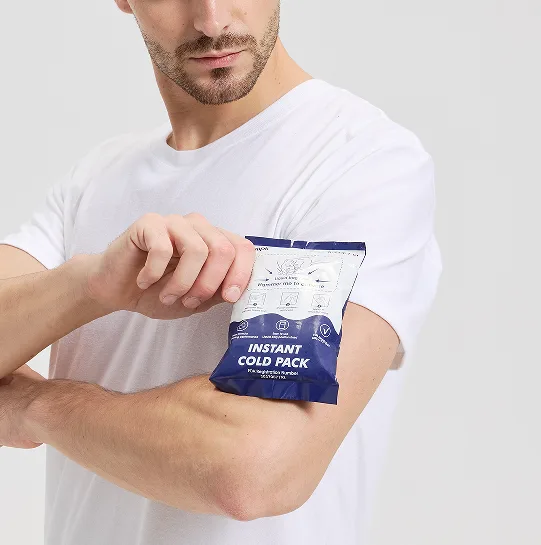
Medizinische Gelpackung für Molkereiprodukte: Ein praktischer Rahmen für die Auswahl von Großhandelslieferanten
Die wichtigste Lektion für Käufer von Gel-Großpackungen für den Vertrieb von Milchprodukten und temperaturempfindlichen Medikamenten ist einfach: Das Paket muss als Teil eines Anwendungsfalls angegeben werden, nicht als Einzelbeutel gekauft. Für medizinische Gelpackungen für Molkereiprodukte, Das stärkste Großhandelsprogramm kombiniert vier Kontrollen: eine messbare Produktspezifikation, eine definierte Konditionierungsmethode, Nachweis über den vollständigen Auspack- bzw. Gebrauchsvorgang, und Lieferantenänderungskontrolle. Der Preis ist immer noch wichtig, aber es sollte ausgehandelt werden, nachdem diese Variablen sichtbar sind. Dieser Ansatz ist skalierbarer, einfacher zu prüfen und weniger wahrscheinlich, dass ein Fehler auftritt, wenn das erste genehmigte Muster zur Wiederholungsproduktion wird.
Die vier Entscheidungen, die getroffen werden sollten, bevor ein Angebot als vergleichbar behandelt wird
Erste, Definieren Sie das gewünschte Ergebnis. Unterstützt die Packung die gekühlte Verteilung?, eine Körperpflege-Erkältungsanwendung, eine klinische Versorgungspackung, oder eine andere Verwendung? Ein Lieferant kann keine verantwortungsvolle thermische Leistung versprechen, ohne die Aufgabe zu kennen. Zweite, Definieren Sie das physische Paket: Größe, Füllgewicht, Beutelkonstruktion, Siegel, Etikettierung und Kartonverpackung. Dritte, Konditionierung definieren. Vierte, Definieren Sie, welche Nachweise für die gesamte Konfiguration akzeptiert werden.
Diese vier Entscheidungen wandeln ein umfassendes Beschaffungsschlüsselwort in eine kontrollierte Kaufanfrage um. Sie entlarven auch falsche Vergleiche. Zwei Angebote können die gleichen Abmessungen aufweisen, jedoch unterschiedliche Füllgewichte verwenden, Filme oder Formulierungen. Zwei Packungen können das gleiche Gewicht haben, erfordern jedoch eine unterschiedliche Konditionierung oder bieten beim Einfrieren unterschiedliche Flexibilität.
In den Verbraucherrichtlinien der FDA heißt es, dass Milch und Milchprodukte bei 40 °F gekühlt aufbewahrt werden sollten (4°C) oder unten. Pharmazeutische und medizinische Produkte, dagegen, müssen ihre eigenen gekennzeichneten Lager- und Vertriebsbedingungen befolgen; Die Auswahl der Gelpackung sollte sich an dieser Anforderung orientieren und nicht an einer allgemeinen Kühlmenge. Die richtige Kaufreaktion besteht darin, verlässliche Leitlinien zur Definition des Risikos und des Prozesses zu verwenden, Überprüfen Sie anschließend die produktspezifischen Fakten anhand der Lieferantendokumentation und entsprechender Tests. Drehen Sie diese Reihenfolge nicht um, indem Sie die Anwendung durch einen Lieferantenanspruch definieren lassen.
Für Milch- und Mischkostprogramme, Hygiene und Arbeitsablauf verdienen die gleiche Aufmerksamkeit wie thermische Masse. Ein undichter Beutel kann die Sekundärverpackung verunreinigen und die Kommissionierung stören, selbst wenn das Kühlmittel nominell ungefährlich ist. Definieren Sie, wie beschädigte Packungen getrennt werden, wie wiederverwendbare Verpackungen gegebenenfalls gereinigt werden, und wie gekühlter Bestand geschützt wird, während Arbeiter eine defekte Packung ersetzen.
Erstellen Sie eine Spezifikation für den Einkauf, Qualität und Betrieb können alle lesen
Eine nützliche Gel-Pack-Spezifikation ist kurz genug, um sie zu verwenden, aber detailliert genug, um stillschweigende Ersetzungen zu verhindern. Es sollte den zugelassenen Produkttyp identifizieren, Nennmaße, Zielfüllgewicht, Beutelmaterial oder vereinbarte Konstruktion, Erwartungen besiegeln, Druck- oder Etikettenanforderungen, Kartonverpackung und Chargenidentifizierung. Wo das Phasenverhalten entscheidend ist, Dazu gehören die zugelassene Kühlmittelkategorie oder Phasenwechselspezifikation und die erforderliche Konditionierungsmethode.
Fügen Sie dann Prozessnotizen hinzu, die für den Anwendungsfall von Bedeutung sind. In einem Lager müssen Packungen vor dem Einfrieren möglicherweise flach gelagert werden. Eine klinische Verpackung erfordert möglicherweise eine Trennvorrichtung zwischen gefrorenem Kühlmittel und einer gefrierempfindlichen Nutzlast. Eine Körperpflegepackung erfordert möglicherweise klare Anweisungen zum Hautschutz. Ein Molkereibetrieb erfordert möglicherweise eine saubere Handhabung und eine schnelle Verpackung. Durch diese Notizen bleibt der Einkaufsbeleg mit dem tatsächlichen Arbeitsablauf verbunden.
Endlich, Definieren Sie die Änderungskontrollgrenze. Manchmal müssen Lieferanten ihre Filmquellen wechseln, Druckverfahren, Kartonlieferanten oder Gelbestandteile aufgrund der Verfügbarkeit. Das Problem ist nicht, dass es nie zu Veränderungen kommen kann; Das Problem ist eine nicht überprüfte Änderung. Erkundigen Sie sich, welche Änderungen vor der Implementierung mitgeteilt werden und welche Aufzeichnungen die betroffenen Chargen identifizieren.
Für Milch- und Mischkostprogramme, Hygiene und Arbeitsablauf verdienen die gleiche Aufmerksamkeit wie thermische Masse. Ein undichter Beutel kann die Sekundärverpackung verunreinigen und die Kommissionierung stören, selbst wenn das Kühlmittel nominell ungefährlich ist. Definieren Sie, wie beschädigte Packungen getrennt werden, wie wiederverwendbare Verpackungen gegebenenfalls gereinigt werden, und wie gekühlter Bestand geschützt wird, während Arbeiter eine defekte Packung ersetzen.
Was in den Nachweisen des Lieferanten zu überprüfen ist
| Zu kontrollierender Bereich | Was der Käufer überprüfen sollte | Warum ist es wichtig |
| Kühlmitteldefinition | Zusammensetzung, gefülltes Gewicht, Packungsgröße und Phasenverhalten | A vague ‚Gelpackung‘ description can hide meaningful differences between samples and production lots. |
| Konditionierung | Gefrier- oder Vorkonditionierungsmethode, Zeit, Ausstattung und Sollzustand | Die gleiche Packung kann sich unterschiedlich verhalten, wenn sie in einem anderen thermischen Zustand in den Versender gelangt. |
| Packout-Passform | Isolierung, Kühlmittelplatzierung, Separatoren, Nutzlastmasse und Leerraum | Die Kühlmittelleistung gehört zum kompletten Verpackungssystem, nicht der Beutel allein. |
| Qualitätskontrolle | Integrität des Siegels, Leckageprüfung, Maßtoleranz und Chargenidentifizierung | Der Großhandel erhöht die Kosten für kleine Inkonsistenzen. |
| Beweis | Thermische Testbedingungen, Akzeptanzkriterien und Änderungskontrollaufzeichnungen | Eine Headline-Dauer- oder Temperaturangabe ist ohne die dahinter stehenden Bedingungen nicht sinnvoll. |
| Operationen | Kartonverpackung, Beschriftung, Lagerung, Abwicklungs- und Empfangsprozess | Ein technisch einwandfreies Paket kann immer noch scheitern, wenn die Warehouse-Ausführung inkonsistent ist. |
Beweise sollten eine Entscheidung beantworten, nicht einfach einen Dokumentenordner füllen. Für eine risikoarme Verbraucheranwendung, Einfache Maß- und Leckagekontrollen können ausreichend sein. Für eine klinische oder pharmazeutische Verwendung, Das Qualitätsteam kann eine wesentlich detailliertere Dokumentation und Unterstützung bei der Verpackung erwarten. Passen Sie die Beweistiefe an die Konsequenz des Scheiterns an.
Für Milch- und Mischkostprogramme, Hygiene und Arbeitsablauf verdienen die gleiche Aufmerksamkeit wie thermische Masse. Ein undichter Beutel kann die Sekundärverpackung verunreinigen und die Kommissionierung stören, selbst wenn das Kühlmittel nominell ungefährlich ist. Definieren Sie, wie beschädigte Packungen getrennt werden, wie wiederverwendbare Verpackungen gegebenenfalls gereinigt werden, und wie gekühlter Bestand geschützt wird, während Arbeiter eine defekte Packung ersetzen.
Wärmeansprüche müssen an Bedingungen geknüpft werden
A statement such as ‚hält lange kalt 24 Std.‘ is incomplete unless the conditions are known. Die Dauer hängt von der Isolierung ab, Kühlmittelmasse, Starttemperatur, Nutzlast, Innenluftvolumen, Umgebungsexposition und der Endpunkt, der zur Definition des Fehlers verwendet wird. Eine Packung kann sichtbar gefroren bleiben, während die Produkttemperatur bereits den zulässigen Bereich verlassen hat, oder es kann vollständig geschmolzen sein, während die isolierte Verpackung noch einige Zeit in Reichweite bleibt.
Für den temperaturgeführten Versand, Fragen Sie nach der tatsächlichen thermischen Testkonfiguration. Anerkannte Frameworks wie ISTA Standard 20 and Test Standard 7E can support structured evaluation of insulated shipping containers. Jedoch, Standardprofile löschen keine Routenunterschiede. Hochrisikospuren erfordern möglicherweise eine Qualifizierung, die die tatsächlichen saisonalen und betrieblichen Bedingungen widerspiegelt.
Für klinische Studien, Der Verpackungsprozess sollte auch mit der Integrität des Prüfpräparats in Zusammenhang stehen, Handhabung, ggf. Nachverfolgung und dokumentierte Verfahren. Zur persönlichen Pflege, Wärmetests sollten sich auf den Benutzerkomfort und sichere Anweisungen konzentrieren und nicht auf unbegründete therapeutische Behauptungen. Für Milchprodukte, Das Ziel sollte sich aus dem Kühlbedarf und dem Verteilungsprozess des Lebensmittelprodukts ergeben. Der technische Endpunkt ändert sich mit dem Anwendungsfall.
Für Milch- und Mischkostprogramme, Hygiene und Arbeitsablauf verdienen die gleiche Aufmerksamkeit wie thermische Masse. Ein undichter Beutel kann die Sekundärverpackung verunreinigen und die Kommissionierung stören, selbst wenn das Kühlmittel nominell ungefährlich ist. Definieren Sie, wie beschädigte Packungen getrennt werden, wie wiederverwendbare Verpackungen gegebenenfalls gereinigt werden, und wie gekühlter Bestand geschützt wird, während Arbeiter eine defekte Packung ersetzen.
Bei Scale-up-Risiken handelt es sich in der Regel um Produktions- und Lagerrisiken
Nachdem die technische Eignung festgestellt wurde, Große Misserfolge sind oft auf die Ausführung zurückzuführen. Schwankungen des Produktionsfüllgewichts, Beutel werden verpackt, bevor die Versiegelung vollständig überprüft wird, Kartons sind überladen, oder warme Packungen sind so dicht gestapelt, dass die Konditionierung länger dauert als erwartet. Bei diesen Problemen handelt es sich um gewöhnliche Produktions- und Lagerprobleme, Das heißt, sie können mit gewöhnlichen Kontrollen verwaltet werden, wenn der Käufer sie definiert.
Ein Pilotauftrag sollte daher mehr als nur die Temperatur testen. Überprüfen Sie die Form im gefrorenen Zustand, Flexibilität des Beutels, Kantenverhalten, Drucken, Kondensation, Kartonhaltbarkeit und Handhabungsgeschwindigkeit. Wenn das Programm Tausende von Paketen pro Tag verwendet, Überprüfen Sie die Gefrierkapazität und die Chargenrotation. Wenn das Programm wiederverwendbar ist, Definieren Sie Inspektions- und Zurückweisungskriterien für beschädigte Packungen.
Die Eingangskontrolle sollte sich auf Merkmale konzentrieren, die eine signifikante Abweichung erkennen können, ohne jede Lieferung in ein Laborprojekt zu verwandeln. Repräsentative Gewichts- und Dimensionskontrollen, Aussehen des Siegels, Losidentität, Kartonanzahl und Verpackungszustand sind praktische Ausgangspunkte. Programme mit höherem Risiko können eine Dokumentationsprüfung und formellere Probenahmepläne umfassen.
Für Milch- und Mischkostprogramme, Hygiene und Arbeitsablauf verdienen die gleiche Aufmerksamkeit wie thermische Masse. Ein undichter Beutel kann die Sekundärverpackung verunreinigen und die Kommissionierung stören, selbst wenn das Kühlmittel nominell ungefährlich ist. Definieren Sie, wie beschädigte Packungen getrennt werden, wie wiederverwendbare Verpackungen gegebenenfalls gereinigt werden, und wie gekühlter Bestand geschützt wird, während Arbeiter eine defekte Packung ersetzen.
Wann sollte ein anderer Kühlmittel- oder Verpackungsansatz gewählt werden?
Ein starker Beschaffungsprozess beinhaltet die Option, die ursprüngliche Produktkategorie abzulehnen. Wassereisbeutel, starre eutektische Platten, PCM -Packungen, Kühlfahrzeuge oder aktive Container können unter bestimmten Bedingungen besser sein. Die Wahl hängt von der erforderlichen Temperatur ab, Dauer, Nutzlastempfindlichkeit, Frachtmodus, Konditionierungsausrüstung, Regeln für die Rücksendelogistik und -abwicklung.
Ein Gelpack auf Wasserbasis ist oft ein kostengünstiges gekühltes Kühlmittel, Es ist jedoch nicht zu erwarten, dass es den Transport bei extrem niedrigen Temperaturen löst. Ein konstruiertes PCM kann die Steuerung um einen ausgewählten Phasenpunkt herum verbessern, aber es fügt Spezifikations- und Konditionierungsanforderungen hinzu. Trockeneis kann gefrorene oder sehr kalte Anwendungen unterstützen, bringt jedoch andere Sicherheits- und Transportaspekte mit sich. Aktive Systeme können gerechtfertigt sein, wenn die passive thermische Masse nicht ausreicht.
Aus diesem Grund sollte die Lieferantenauswahl nicht mit dem Versprechen beginnen, dass eine SKU alle Routen lösen kann. Am Anfang sollte die Bereitschaft stehen, Alternativen zu vergleichen und Grenzen festzulegen. Ein Lieferant, der erklären kann, wann sein Produkt nicht geeignet ist, stellt dem Käufer Informationen zur Verfügung, die das Risiko verringern.
Für Milch- und Mischkostprogramme, Hygiene und Arbeitsablauf verdienen die gleiche Aufmerksamkeit wie thermische Masse. Ein undichter Beutel kann die Sekundärverpackung verunreinigen und die Kommissionierung stören, selbst wenn das Kühlmittel nominell ungefährlich ist. Definieren Sie, wie beschädigte Packungen getrennt werden, wie wiederverwendbare Verpackungen gegebenenfalls gereinigt werden, und wie gekühlter Bestand geschützt wird, während Arbeiter eine defekte Packung ersetzen.
Praktische Fragen, die Käufer häufig stellen
Kann ich eine Gelpackung nur nach Gewicht auswählen?? NEIN. Das Gewicht beeinflusst die thermische Masse, Die nutzbare Leistung hängt aber auch von der Formulierung ab, Konditionierung, Isolierung, Nutzlast, Platzierung und Umgebungsexposition. Vergleichen Sie das Gewicht erst, nachdem die Verpackung und die Betriebsanforderungen definiert sind. Die Antwort sollte anhand des spezifischen Programms bestätigt werden, bevor sie zu einer Kaufanforderung wird.
Ist die Packung durch ein medizinisches oder klinisches Etikett qualifiziert?? NEIN. Eine Gel- oder PCM-Packung ist eine Kühlmittelkomponente. Die Qualifikation bzw. regulatorische Eignung hängt vom Gesamtprodukt ab, Verpackungssystem, dokumentierter Prozess und geltende Anforderungen. Bitten Sie um Nachweise, die der beabsichtigten Konfiguration entsprechen. Die Antwort sollte anhand des spezifischen Programms bestätigt werden, bevor sie zu einer Kaufanforderung wird.
Sollte ich eine feste Haltezeitgarantie verlangen?? Fragen Sie stattdessen nach Testdaten und -bedingungen. Die Haltezeit ändert sich mit dem Umgebungsprofil, Ausgangstemperaturen, Nutzlast, Isolierung, Packungsmenge und Akzeptanzkriterien. Ein nützlicher Lieferant gibt die Bedingungen an, die hinter dem Ergebnis stehen. Die Antwort sollte anhand des spezifischen Programms bestätigt werden, bevor sie zu einer Kaufanforderung wird.
Was sollte vor der Massenproduktion behoben werden?? Frieren Sie die genehmigte physikalische Spezifikation ein, Kühlmittelkategorie, gefülltes Gewicht, Schlüsseltaschenkonstruktion, Kunstwerk, Kartonverpackung und alle wichtigen Anweisungen zur Konditionierung. Legen Sie fest, welche Änderungen eine Benachrichtigung des Käufers erfordern. Die Antwort sollte anhand des spezifischen Programms bestätigt werden, bevor sie zu einer Kaufanforderung wird.
Wie soll ich Proben von zwei Lieferanten vergleichen?? Konditionieren und bewerten Sie sie nach dem gleichen Verfahren. Vergleichen Sie die Handhabung im eingefrorenen Zustand, Leckage, Abmessungen, Gewichtskonsistenz, Packout-Passform und thermisches Verhalten in der gleichen isolierten Konfiguration. Vergleichen Sie nicht das Laborergebnis eines Lieferanten mit der Marketingaussage eines anderen Lieferanten. Die Antwort sollte anhand des spezifischen Programms bestätigt werden, bevor sie zu einer Kaufanforderung wird.
Welche Informationen sollte ich senden, wenn ich ein Angebot anfordere?? Teilen Sie den Anwendungsfall, Nutzlasttyp, erforderliche Temperaturbedingung, Streckendauer, Verpackungsformat, erwartetes Packmaß bzw. Gewicht, geschätztes Auftragsvolumen, Druckanforderungen und ob eine Thermo- oder Qualitätsdokumentation erforderlich ist. Für Milchverlader, Lebensmittelhändler, Einkäufer von medizinischem Bedarf und gemischte Kühlkettenbeschaffungsteams, Dies gibt dem Lieferanten genügend Kontext, um Vorschläge statt Vermutungen zu machen. Die Antwort sollte anhand des spezifischen Programms bestätigt werden, bevor sie zu einer Kaufanforderung wird.
Großhandelskontrollhinweis
Eine abschließende Beschaffungsprüfung sollte die kommerzielle Bestellung mit den genehmigten technischen Unterlagen verknüpfen. Der Käufer sollte erkennen können, welches Muster genehmigt wurde, welche Zeichnung oder Spezifikation gilt, welche Konditionierungsmethode erwartet wird, welche Kartonkonfiguration ankommen wird, und wer benachrichtigt werden muss, wenn der Lieferant eine Änderung vorschlägt. Diese einfache Rückverfolgbarkeit erleichtert die Kontrolle von Nachbestellungen und erleichtert den Empfang, Betriebs- und Qualitätsteams dienen bei der Untersuchung eines Problems als gemeinsame Referenz.
Fazit und Tempk passen
Für medizinische Gelpackungen für Molkereiprodukte, Die am besten skalierbare Großhandelsstrategie besteht darin, die Spezifikation zu kontrollieren, Konditionierung, Packout-Beweis und Änderungsprozess vor der Preisoptimierung. Diese Reihenfolge schafft eine klare Grundlage für den Lieferantenvergleich und gibt den Betrieben ein wiederholbares Produkt anstelle eines beweglichen Ziels. Darüber hinaus sind behördliche oder klinische Ansprüche an den gesamten Prozess und nicht nur an den Gelbeutel gebunden.
Über Tempk: Tempk develops cold-chain packaging components and related solutions for B2B buyers, einschließlich Gel-Eisbeutel, wasserbasierte Packungen, Phasenveränderungsmaterial, insulated packaging and temperature-monitoring options. Für ein Großhandelsprogramm, Tempk kann die Packmaße besprechen, Gewicht, Filmstruktur, Druck und Kartonverpackung, Während die endgültige Verpackung noch anhand des Produkts des Kunden bewertet werden sollte, Route, Dauer und Handhabungsbedingungen. Der praktische Vorteil von Tempk bei dieser Art von Beschaffungsdiskussion besteht in der Möglichkeit, das Kühlmittel zusammen mit den Anforderungen an isolierte Verpackung und Temperaturüberwachung zu berücksichtigen, Dabei wird die endgültige Leistung immer noch als etwas betrachtet, das auf die Route und Nutzlast des Käufers abgestimmt sein muss. Teilen Sie die Anwendung, Temperaturanforderung, Paketformat und erwartetes Volumen, um eine geeignete Großhandelskonfiguration zu besprechen.
Großhändler für Gel-Eisbeutel für klinische Studien: Leitfaden zur Lieferantenauswahl

Großhändler für Gel-Eisbeutel für klinische Studien: Ein praktischer Rahmen für die Auswahl von Großhandelslieferanten
The main lesson for buyers of gel ice packs for clinical-trial logistics is straightforward: Das Paket muss als Teil eines Anwendungsfalls angegeben werden, nicht als Einzelbeutel gekauft. Für Großhändler für Gel-Eisbeutel für klinische Studien, Das stärkste Großhandelsprogramm kombiniert vier Kontrollen: eine messbare Produktspezifikation, eine definierte Konditionierungsmethode, Nachweis über den vollständigen Auspack- bzw. Gebrauchsvorgang, und Lieferantenänderungskontrolle. Der Preis ist immer noch wichtig, aber es sollte ausgehandelt werden, nachdem diese Variablen sichtbar sind. Dieser Ansatz ist skalierbarer, einfacher zu prüfen und weniger wahrscheinlich, dass ein Fehler auftritt, wenn das erste genehmigte Muster zur Wiederholungsproduktion wird.
Die vier Entscheidungen, die getroffen werden sollten, bevor ein Angebot als vergleichbar behandelt wird
Erste, Definieren Sie das gewünschte Ergebnis. Unterstützt die Packung die gekühlte Verteilung?, eine Körperpflege-Erkältungsanwendung, eine klinische Versorgungspackung, oder eine andere Verwendung? Ein Lieferant kann keine verantwortungsvolle thermische Leistung versprechen, ohne die Aufgabe zu kennen. Zweite, Definieren Sie das physische Paket: Größe, Füllgewicht, Beutelkonstruktion, Siegel, Etikettierung und Kartonverpackung. Dritte, Konditionierung definieren. Vierte, Definieren Sie, welche Nachweise für die gesamte Konfiguration akzeptiert werden.
Diese vier Entscheidungen wandeln ein umfassendes Beschaffungsschlüsselwort in eine kontrollierte Kaufanfrage um. Sie entlarven auch falsche Vergleiche. Zwei Angebote können die gleichen Abmessungen aufweisen, jedoch unterschiedliche Füllgewichte verwenden, Filme oder Formulierungen. Zwei Packungen können das gleiche Gewicht haben, erfordern jedoch eine unterschiedliche Konditionierung oder bieten beim Einfrieren unterschiedliche Flexibilität.
Die Leitlinien der FDA zu dezentralen klinischen Studien heben Verfahren und Dokumentation für die Handhabung hervor, Verpackung, Versand und Verfolgung von Prüfprodukten, und ruft ausdrücklich zur Wahrung der körperlichen Unversehrtheit und Stabilität während des Transports auf, ggf. einschließlich Temperaturregelung. Die richtige Kaufreaktion besteht darin, verlässliche Leitlinien zur Definition des Risikos und des Prozesses zu verwenden, Überprüfen Sie anschließend die produktspezifischen Fakten anhand der Lieferantendokumentation und entsprechender Tests. Drehen Sie diese Reihenfolge nicht um, indem Sie die Anwendung durch einen Lieferantenanspruch definieren lassen.
Zur Verwendung in klinischen Studien, Der Dokumenteneigentum ist ebenfalls wichtig. Der Kühlmittellieferant kann den Beutel definieren, sondern der Sponsor, Ermittler, Depot, Der Verpackungsingenieur oder eine qualifizierte Logistikpartei bleibt für das umfassendere Verfahren verantwortlich, das das Prüfprodukt regelt. Temperaturexkursionen, Für Verpackungsschäden und Quittungsdiskrepanzen ist ein Eskalationspfad erforderlich. The wholesale specification should support that process rather than implying that purchasing a ‚klinisch‘ gel pack transfers responsibility to the coolant manufacturer.
Erstellen Sie eine Spezifikation für den Einkauf, Qualität und Betrieb können alle lesen
Eine nützliche Gel-Pack-Spezifikation ist kurz genug, um sie zu verwenden, aber detailliert genug, um stillschweigende Ersetzungen zu verhindern. Es sollte den zugelassenen Produkttyp identifizieren, Nennmaße, Zielfüllgewicht, Beutelmaterial oder vereinbarte Konstruktion, Erwartungen besiegeln, Druck- oder Etikettenanforderungen, Kartonverpackung und Chargenidentifizierung. Wo das Phasenverhalten entscheidend ist, Dazu gehören die zugelassene Kühlmittelkategorie oder Phasenwechselspezifikation und die erforderliche Konditionierungsmethode.
Fügen Sie dann Prozessnotizen hinzu, die für den Anwendungsfall von Bedeutung sind. In einem Lager müssen Packungen vor dem Einfrieren möglicherweise flach gelagert werden. Eine klinische Verpackung erfordert möglicherweise eine Trennvorrichtung zwischen gefrorenem Kühlmittel und einer gefrierempfindlichen Nutzlast. Eine Körperpflegepackung erfordert möglicherweise klare Anweisungen zum Hautschutz. Ein Molkereibetrieb erfordert möglicherweise eine saubere Handhabung und eine schnelle Verpackung. Durch diese Notizen bleibt der Einkaufsbeleg mit dem tatsächlichen Arbeitsablauf verbunden.
Endlich, Definieren Sie die Änderungskontrollgrenze. Manchmal müssen Lieferanten ihre Filmquellen wechseln, Druckverfahren, Kartonlieferanten oder Gelbestandteile aufgrund der Verfügbarkeit. Das Problem ist nicht, dass es nie zu Veränderungen kommen kann; Das Problem ist eine nicht überprüfte Änderung. Erkundigen Sie sich, welche Änderungen vor der Implementierung mitgeteilt werden und welche Aufzeichnungen die betroffenen Chargen identifizieren.
Zur Verwendung in klinischen Studien, Der Dokumenteneigentum ist ebenfalls wichtig. Der Kühlmittellieferant kann den Beutel definieren, sondern der Sponsor, Ermittler, Depot, Der Verpackungsingenieur oder eine qualifizierte Logistikpartei bleibt für das umfassendere Verfahren verantwortlich, das das Prüfprodukt regelt. Temperaturexkursionen, Für Verpackungsschäden und Quittungsdiskrepanzen ist ein Eskalationspfad erforderlich. The wholesale specification should support that process rather than implying that purchasing a ‚klinisch‘ gel pack transfers responsibility to the coolant manufacturer.
Was in den Nachweisen des Lieferanten zu überprüfen ist
| Zu kontrollierender Bereich | Was der Käufer überprüfen sollte | Warum ist es wichtig |
| Kühlmitteldefinition | Zusammensetzung, gefülltes Gewicht, Packungsgröße und Phasenverhalten | A vague ‚Gelpackung‘ description can hide meaningful differences between samples and production lots. |
| Konditionierung | Gefrier- oder Vorkonditionierungsmethode, Zeit, Ausstattung und Sollzustand | Die gleiche Packung kann sich unterschiedlich verhalten, wenn sie in einem anderen thermischen Zustand in den Versender gelangt. |
| Packout-Passform | Isolierung, Kühlmittelplatzierung, Separatoren, Nutzlastmasse und Leerraum | Die Kühlmittelleistung gehört zum kompletten Verpackungssystem, nicht der Beutel allein. |
| Qualitätskontrolle | Integrität des Siegels, Leckageprüfung, Maßtoleranz und Chargenidentifizierung | Der Großhandel erhöht die Kosten für kleine Inkonsistenzen. |
| Beweis | Thermische Testbedingungen, Akzeptanzkriterien und Änderungskontrollaufzeichnungen | Eine Headline-Dauer- oder Temperaturangabe ist ohne die dahinter stehenden Bedingungen nicht sinnvoll. |
| Operationen | Kartonverpackung, Beschriftung, Lagerung, Abwicklungs- und Empfangsprozess | Ein technisch einwandfreies Paket kann immer noch scheitern, wenn die Warehouse-Ausführung inkonsistent ist. |
Beweise sollten eine Entscheidung beantworten, nicht einfach einen Dokumentenordner füllen. Für eine risikoarme Verbraucheranwendung, Einfache Maß- und Leckagekontrollen können ausreichend sein. Für eine klinische oder pharmazeutische Verwendung, Das Qualitätsteam kann eine wesentlich detailliertere Dokumentation und Unterstützung bei der Verpackung erwarten. Passen Sie die Beweistiefe an die Konsequenz des Scheiterns an.
Zur Verwendung in klinischen Studien, Der Dokumenteneigentum ist ebenfalls wichtig. Der Kühlmittellieferant kann den Beutel definieren, sondern der Sponsor, Ermittler, Depot, Der Verpackungsingenieur oder eine qualifizierte Logistikpartei bleibt für das umfassendere Verfahren verantwortlich, das das Prüfprodukt regelt. Temperaturexkursionen, Für Verpackungsschäden und Quittungsdiskrepanzen ist ein Eskalationspfad erforderlich. The wholesale specification should support that process rather than implying that purchasing a ‚klinisch‘ gel pack transfers responsibility to the coolant manufacturer.
Wärmeansprüche müssen an Bedingungen geknüpft werden
A statement such as ‚hält lange kalt 24 Std.‘ is incomplete unless the conditions are known. Die Dauer hängt von der Isolierung ab, Kühlmittelmasse, Starttemperatur, Nutzlast, Innenluftvolumen, Umgebungsexposition und der Endpunkt, der zur Definition des Fehlers verwendet wird. Eine Packung kann sichtbar gefroren bleiben, während die Produkttemperatur bereits den zulässigen Bereich verlassen hat, oder es kann vollständig geschmolzen sein, während die isolierte Verpackung noch einige Zeit in Reichweite bleibt.
Für den temperaturgeführten Versand, Fragen Sie nach der tatsächlichen thermischen Testkonfiguration. Anerkannte Frameworks wie ISTA Standard 20 and Test Standard 7E can support structured evaluation of insulated shipping containers. Jedoch, Standardprofile löschen keine Routenunterschiede. Hochrisikospuren erfordern möglicherweise eine Qualifizierung, die die tatsächlichen saisonalen und betrieblichen Bedingungen widerspiegelt.
Für klinische Studien, Der Verpackungsprozess sollte auch mit der Integrität des Prüfpräparats in Zusammenhang stehen, Handhabung, ggf. Nachverfolgung und dokumentierte Verfahren. Zur persönlichen Pflege, Wärmetests sollten sich auf den Benutzerkomfort und sichere Anweisungen konzentrieren und nicht auf unbegründete therapeutische Behauptungen. Für Milchprodukte, Das Ziel sollte sich aus dem Kühlbedarf und dem Verteilungsprozess des Lebensmittelprodukts ergeben. Der technische Endpunkt ändert sich mit dem Anwendungsfall.
Zur Verwendung in klinischen Studien, Der Dokumenteneigentum ist ebenfalls wichtig. Der Kühlmittellieferant kann den Beutel definieren, sondern der Sponsor, Ermittler, Depot, Der Verpackungsingenieur oder eine qualifizierte Logistikpartei bleibt für das umfassendere Verfahren verantwortlich, das das Prüfprodukt regelt. Temperaturexkursionen, Für Verpackungsschäden und Quittungsdiskrepanzen ist ein Eskalationspfad erforderlich. The wholesale specification should support that process rather than implying that purchasing a ‚klinisch‘ gel pack transfers responsibility to the coolant manufacturer.
Bei Scale-up-Risiken handelt es sich in der Regel um Produktions- und Lagerrisiken
Nachdem die technische Eignung festgestellt wurde, Große Misserfolge sind oft auf die Ausführung zurückzuführen. Schwankungen des Produktionsfüllgewichts, Beutel werden verpackt, bevor die Versiegelung vollständig überprüft wird, Kartons sind überladen, oder warme Packungen sind so dicht gestapelt, dass die Konditionierung länger dauert als erwartet. Bei diesen Problemen handelt es sich um gewöhnliche Produktions- und Lagerprobleme, Das heißt, sie können mit gewöhnlichen Kontrollen verwaltet werden, wenn der Käufer sie definiert.
Ein Pilotauftrag sollte daher mehr als nur die Temperatur testen. Überprüfen Sie die Form im gefrorenen Zustand, Flexibilität des Beutels, Kantenverhalten, Drucken, Kondensation, Kartonhaltbarkeit und Handhabungsgeschwindigkeit. Wenn das Programm Tausende von Paketen pro Tag verwendet, Überprüfen Sie die Gefrierkapazität und die Chargenrotation. Wenn das Programm wiederverwendbar ist, Definieren Sie Inspektions- und Zurückweisungskriterien für beschädigte Packungen.
Die Eingangskontrolle sollte sich auf Merkmale konzentrieren, die eine signifikante Abweichung erkennen können, ohne jede Lieferung in ein Laborprojekt zu verwandeln. Repräsentative Gewichts- und Dimensionskontrollen, Aussehen des Siegels, Losidentität, Kartonanzahl und Verpackungszustand sind praktische Ausgangspunkte. Programme mit höherem Risiko können eine Dokumentationsprüfung und formellere Probenahmepläne umfassen.
Zur Verwendung in klinischen Studien, Der Dokumenteneigentum ist ebenfalls wichtig. Der Kühlmittellieferant kann den Beutel definieren, sondern der Sponsor, Ermittler, Depot, Der Verpackungsingenieur oder eine qualifizierte Logistikpartei bleibt für das umfassendere Verfahren verantwortlich, das das Prüfprodukt regelt. Temperaturexkursionen, Für Verpackungsschäden und Quittungsdiskrepanzen ist ein Eskalationspfad erforderlich. The wholesale specification should support that process rather than implying that purchasing a ‚klinisch‘ gel pack transfers responsibility to the coolant manufacturer.
Wann sollte ein anderer Kühlmittel- oder Verpackungsansatz gewählt werden?
Ein starker Beschaffungsprozess beinhaltet die Option, die ursprüngliche Produktkategorie abzulehnen. konditionierte Wasserpackungen, Entwickelte PCM-Pakete, Trockeneis, Aktivbehälter können unter bestimmten Bedingungen besser sein. Die Wahl hängt von der erforderlichen Temperatur ab, Dauer, Nutzlastempfindlichkeit, Frachtmodus, Konditionierungsausrüstung, Regeln für die Rücksendelogistik und -abwicklung.
Ein Gelpack auf Wasserbasis ist oft ein kostengünstiges gekühltes Kühlmittel, Es ist jedoch nicht zu erwarten, dass es den Transport bei extrem niedrigen Temperaturen löst. Ein konstruiertes PCM kann die Steuerung um einen ausgewählten Phasenpunkt herum verbessern, aber es fügt Spezifikations- und Konditionierungsanforderungen hinzu. Trockeneis kann gefrorene oder sehr kalte Anwendungen unterstützen, bringt jedoch andere Sicherheits- und Transportaspekte mit sich. Aktive Systeme können gerechtfertigt sein, wenn die passive thermische Masse nicht ausreicht.
Aus diesem Grund sollte die Lieferantenauswahl nicht mit dem Versprechen beginnen, dass eine SKU alle Routen lösen kann. Am Anfang sollte die Bereitschaft stehen, Alternativen zu vergleichen und Grenzen festzulegen. Ein Lieferant, der erklären kann, wann sein Produkt nicht geeignet ist, stellt dem Käufer Informationen zur Verfügung, die das Risiko verringern.
Zur Verwendung in klinischen Studien, Der Dokumenteneigentum ist ebenfalls wichtig. Der Kühlmittellieferant kann den Beutel definieren, sondern der Sponsor, Ermittler, Depot, Der Verpackungsingenieur oder eine qualifizierte Logistikpartei bleibt für das umfassendere Verfahren verantwortlich, das das Prüfprodukt regelt. Temperaturexkursionen, Für Verpackungsschäden und Quittungsdiskrepanzen ist ein Eskalationspfad erforderlich. The wholesale specification should support that process rather than implying that purchasing a ‚klinisch‘ gel pack transfers responsibility to the coolant manufacturer.
Praktische Fragen, die Käufer häufig stellen
Kann ich eine Gelpackung nur nach Gewicht auswählen?? NEIN. Das Gewicht beeinflusst die thermische Masse, Die nutzbare Leistung hängt aber auch von der Formulierung ab, Konditionierung, Isolierung, Nutzlast, Platzierung und Umgebungsexposition. Vergleichen Sie das Gewicht erst, nachdem die Verpackung und die Betriebsanforderungen definiert sind. Die Antwort sollte anhand des spezifischen Programms bestätigt werden, bevor sie zu einer Kaufanforderung wird.
Ist die Packung durch ein medizinisches oder klinisches Etikett qualifiziert?? NEIN. Eine Gel- oder PCM-Packung ist eine Kühlmittelkomponente. Die Qualifikation bzw. regulatorische Eignung hängt vom Gesamtprodukt ab, Verpackungssystem, dokumentierter Prozess und geltende Anforderungen. Bitten Sie um Nachweise, die der beabsichtigten Konfiguration entsprechen. Die Antwort sollte anhand des spezifischen Programms bestätigt werden, bevor sie zu einer Kaufanforderung wird.
Sollte ich eine feste Haltezeitgarantie verlangen?? Fragen Sie stattdessen nach Testdaten und -bedingungen. Die Haltezeit ändert sich mit dem Umgebungsprofil, Ausgangstemperaturen, Nutzlast, Isolierung, Packungsmenge und Akzeptanzkriterien. Ein nützlicher Lieferant gibt die Bedingungen an, die hinter dem Ergebnis stehen. Die Antwort sollte anhand des spezifischen Programms bestätigt werden, bevor sie zu einer Kaufanforderung wird.
Was sollte vor der Massenproduktion behoben werden?? Frieren Sie die genehmigte physikalische Spezifikation ein, Kühlmittelkategorie, gefülltes Gewicht, Schlüsseltaschenkonstruktion, Kunstwerk, Kartonverpackung und alle wichtigen Anweisungen zur Konditionierung. Legen Sie fest, welche Änderungen eine Benachrichtigung des Käufers erfordern. Die Antwort sollte anhand des spezifischen Programms bestätigt werden, bevor sie zu einer Kaufanforderung wird.
Wie soll ich Proben von zwei Lieferanten vergleichen?? Konditionieren und bewerten Sie sie nach dem gleichen Verfahren. Vergleichen Sie die Handhabung im eingefrorenen Zustand, Leckage, Abmessungen, Gewichtskonsistenz, Packout-Passform und thermisches Verhalten in der gleichen isolierten Konfiguration. Vergleichen Sie nicht das Laborergebnis eines Lieferanten mit der Marketingaussage eines anderen Lieferanten. Die Antwort sollte anhand des spezifischen Programms bestätigt werden, bevor sie zu einer Kaufanforderung wird.
Welche Informationen sollte ich senden, wenn ich ein Angebot anfordere?? Teilen Sie den Anwendungsfall, Nutzlasttyp, erforderliche Temperaturbedingung, Streckendauer, Verpackungsformat, erwartetes Packmaß bzw. Gewicht, geschätztes Auftragsvolumen, Druckanforderungen und ob eine Thermo- oder Qualitätsdokumentation erforderlich ist. Für klinische Versorgungsmanager, CRO-Logistikteams, Depots, Labore und Beschaffungsgruppen, Dies gibt dem Lieferanten genügend Kontext, um Vorschläge statt Vermutungen zu machen. Die Antwort sollte anhand des spezifischen Programms bestätigt werden, bevor sie zu einer Kaufanforderung wird.
Fazit und Tempk passen
Für Großhändler für Gel-Eisbeutel für klinische Studien, Die am besten skalierbare Großhandelsstrategie besteht darin, die Spezifikation zu kontrollieren, Konditionierung, Packout-Beweis und Änderungsprozess vor der Preisoptimierung. Diese Reihenfolge schafft eine klare Grundlage für den Lieferantenvergleich und gibt den Betrieben ein wiederholbares Produkt anstelle eines beweglichen Ziels. Darüber hinaus sind behördliche oder klinische Ansprüche an den gesamten Prozess und nicht nur an den Gelbeutel gebunden.
Über Tempk: Tempk develops cold-chain packaging components and related solutions for B2B buyers, einschließlich Gel-Eisbeutel, wasserbasierte Packungen, Phasenveränderungsmaterial, insulated packaging and temperature-monitoring options. Für ein Großhandelsprogramm, Tempk kann die Packmaße besprechen, Gewicht, Filmstruktur, Druck und Kartonverpackung, Während die endgültige Verpackung noch anhand des Produkts des Kunden bewertet werden sollte, Route, Dauer und Handhabungsbedingungen. Der praktische Vorteil von Tempk bei dieser Art von Beschaffungsdiskussion besteht in der Möglichkeit, das Kühlmittel zusammen mit den Anforderungen an isolierte Verpackung und Temperaturüberwachung zu berücksichtigen, Dabei wird die endgültige Leistung immer noch als etwas betrachtet, das auf die Route und Nutzlast des Käufers abgestimmt sein muss. Teilen Sie die Anwendung, Temperaturanforderung, Paketformat und erwartetes Volumen, um eine geeignete Großhandelskonfiguration zu besprechen.
Großhändler für Gel-Kältetherapiepackungen für Körperpflege: Leitfaden zur Lieferantenauswahl
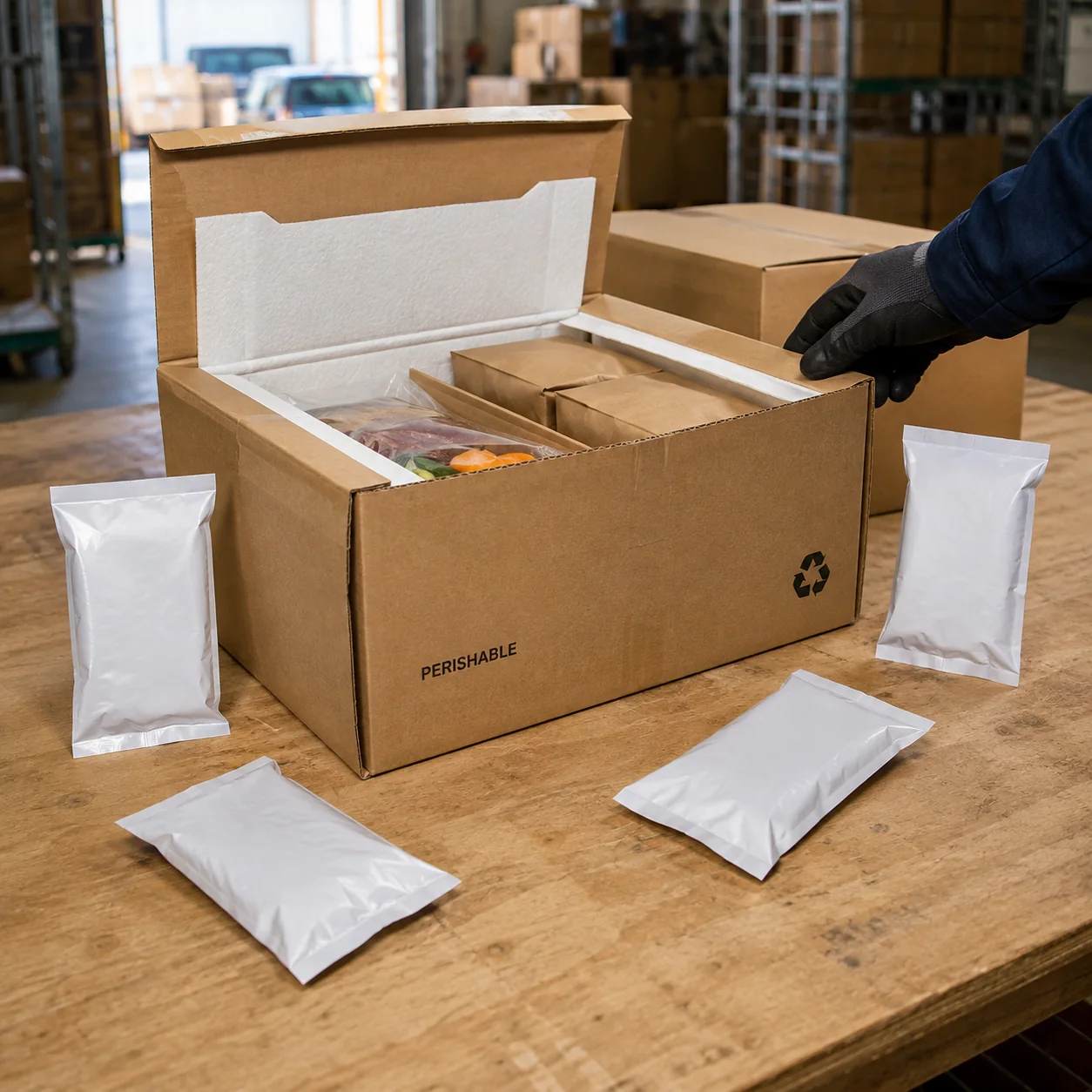
Großhändler für Gel-Kältetherapiepackungen für Körperpflege: Ein praktischer Rahmen für die Auswahl von Großhandelslieferanten
The main lesson for buyers of reusable gel cold therapy packs is straightforward: Das Paket muss als Teil eines Anwendungsfalls angegeben werden, nicht als Einzelbeutel gekauft. Für Gel-Kältetherapie-Packs, Körperpflegegroßhändler, Das stärkste Großhandelsprogramm kombiniert vier Kontrollen: eine messbare Produktspezifikation, eine definierte Konditionierungsmethode, Nachweis über den vollständigen Auspack- bzw. Gebrauchsvorgang, und Lieferantenänderungskontrolle. Der Preis ist immer noch wichtig, aber es sollte ausgehandelt werden, nachdem diese Variablen sichtbar sind. Dieser Ansatz ist skalierbarer, einfacher zu prüfen und weniger wahrscheinlich, dass ein Fehler auftritt, wenn das erste genehmigte Muster zur Wiederholungsproduktion wird.
Die vier Entscheidungen, die getroffen werden sollten, bevor ein Angebot als vergleichbar behandelt wird
Erste, Definieren Sie das gewünschte Ergebnis. Unterstützt die Packung die gekühlte Verteilung?, eine Körperpflege-Erkältungsanwendung, eine klinische Versorgungspackung, oder eine andere Verwendung? Ein Lieferant kann keine verantwortungsvolle thermische Leistung versprechen, ohne die Aufgabe zu kennen. Zweite, Definieren Sie das physische Paket: Größe, Füllgewicht, Beutelkonstruktion, Siegel, Etikettierung und Kartonverpackung. Dritte, Konditionierung definieren. Vierte, Definieren Sie, welche Nachweise für die gesamte Konfiguration akzeptiert werden.
Diese vier Entscheidungen wandeln ein umfassendes Beschaffungsschlüsselwort in eine kontrollierte Kaufanfrage um. Sie entlarven auch falsche Vergleiche. Zwei Angebote können die gleichen Abmessungen aufweisen, jedoch unterschiedliche Füllgewichte verwenden, Filme oder Formulierungen. Zwei Packungen können das gleiche Gewicht haben, erfordern jedoch eine unterschiedliche Konditionierung oder bieten beim Einfrieren unterschiedliche Flexibilität.
NIAMS empfiehlt, ein Eis oder eine Kühlpackung einzuwickeln, anstatt sie direkt auf die Haut aufzutragen, und warnt vor einer längeren Anwendung, da die Gefahr von Kälteverletzungen besteht. Produktanweisungen sollten konservativ sein und eine wiederverwendbare Kühlpackung nicht ohne entsprechende Beweise und behördliche Überprüfung in einen medizinischen Behandlungsanspruch verwandeln. Die richtige Kaufreaktion besteht darin, verlässliche Leitlinien zur Definition des Risikos und des Prozesses zu verwenden, Überprüfen Sie anschließend die produktspezifischen Fakten anhand der Lieferantendokumentation und entsprechender Tests. Drehen Sie diese Reihenfolge nicht um, indem Sie die Anwendung durch einen Lieferantenanspruch definieren lassen.
Für Körperpflegeprogramme, Bewerten Sie die Packung nach wiederholtem Einfrieren und Auftauen, da sich die Benutzererfahrung im gefrorenen Zustand ändert. Prüfen Sie, ob Kanten unangenehm werden, ob die Oberfläche übermäßig rutschig wird, ob Etiketten lesbar bleiben und ob Anweisungen sichtbar bleiben. Wenn das Produkt mit gesundheitsbezogenen Angaben verkauft wird, Trennen Sie die physische Verpackungsspezifikation von den Beweisen, die zur Untermauerung dieser Behauptungen erforderlich sind.
Erstellen Sie eine Spezifikation für den Einkauf, Qualität und Betrieb können alle lesen
Eine nützliche Gel-Pack-Spezifikation ist kurz genug, um sie zu verwenden, aber detailliert genug, um stillschweigende Ersetzungen zu verhindern. Es sollte den zugelassenen Produkttyp identifizieren, Nennmaße, Zielfüllgewicht, Beutelmaterial oder vereinbarte Konstruktion, Erwartungen besiegeln, Druck- oder Etikettenanforderungen, Kartonverpackung und Chargenidentifizierung. Wo das Phasenverhalten entscheidend ist, Dazu gehören die zugelassene Kühlmittelkategorie oder Phasenwechselspezifikation und die erforderliche Konditionierungsmethode.
Fügen Sie dann Prozessnotizen hinzu, die für den Anwendungsfall von Bedeutung sind. In einem Lager müssen Packungen vor dem Einfrieren möglicherweise flach gelagert werden. Eine klinische Verpackung erfordert möglicherweise eine Trennvorrichtung zwischen gefrorenem Kühlmittel und einer gefrierempfindlichen Nutzlast. Eine Körperpflegepackung erfordert möglicherweise klare Anweisungen zum Hautschutz. Ein Molkereibetrieb erfordert möglicherweise eine saubere Handhabung und eine schnelle Verpackung. Durch diese Notizen bleibt der Einkaufsbeleg mit dem tatsächlichen Arbeitsablauf verbunden.
Endlich, Definieren Sie die Änderungskontrollgrenze. Manchmal müssen Lieferanten ihre Filmquellen wechseln, Druckverfahren, Kartonlieferanten oder Gelbestandteile aufgrund der Verfügbarkeit. Das Problem ist nicht, dass es nie zu Veränderungen kommen kann; Das Problem ist eine nicht überprüfte Änderung. Erkundigen Sie sich, welche Änderungen vor der Implementierung mitgeteilt werden und welche Aufzeichnungen die betroffenen Chargen identifizieren.
Für Körperpflegeprogramme, Bewerten Sie die Packung nach wiederholtem Einfrieren und Auftauen, da sich die Benutzererfahrung im gefrorenen Zustand ändert. Prüfen Sie, ob Kanten unangenehm werden, ob die Oberfläche übermäßig rutschig wird, ob Etiketten lesbar bleiben und ob Anweisungen sichtbar bleiben. Wenn das Produkt mit gesundheitsbezogenen Angaben verkauft wird, Trennen Sie die physische Verpackungsspezifikation von den Beweisen, die zur Untermauerung dieser Behauptungen erforderlich sind.
Was in den Nachweisen des Lieferanten zu überprüfen ist
| Zu kontrollierender Bereich | Was der Käufer überprüfen sollte | Warum ist es wichtig |
| Kühlmitteldefinition | Zusammensetzung, gefülltes Gewicht, Packungsgröße und Phasenverhalten | A vague ‚Gelpackung‘ description can hide meaningful differences between samples and production lots. |
| Konditionierung | Gefrier- oder Vorkonditionierungsmethode, Zeit, Ausstattung und Sollzustand | Die gleiche Packung kann sich unterschiedlich verhalten, wenn sie in einem anderen thermischen Zustand in den Versender gelangt. |
| Packout-Passform | Isolierung, Kühlmittelplatzierung, Separatoren, Nutzlastmasse und Leerraum | Die Kühlmittelleistung gehört zum kompletten Verpackungssystem, nicht der Beutel allein. |
| Qualitätskontrolle | Integrität des Siegels, Leckageprüfung, Maßtoleranz und Chargenidentifizierung | Der Großhandel erhöht die Kosten für kleine Inkonsistenzen. |
| Beweis | Thermische Testbedingungen, Akzeptanzkriterien und Änderungskontrollaufzeichnungen | Eine Headline-Dauer- oder Temperaturangabe ist ohne die dahinter stehenden Bedingungen nicht sinnvoll. |
| Operationen | Kartonverpackung, Beschriftung, Lagerung, Abwicklungs- und Empfangsprozess | Ein technisch einwandfreies Paket kann immer noch scheitern, wenn die Warehouse-Ausführung inkonsistent ist. |
Beweise sollten eine Entscheidung beantworten, nicht einfach einen Dokumentenordner füllen. Für eine risikoarme Verbraucheranwendung, Einfache Maß- und Leckagekontrollen können ausreichend sein. Für eine klinische oder pharmazeutische Verwendung, Das Qualitätsteam kann eine wesentlich detailliertere Dokumentation und Unterstützung bei der Verpackung erwarten. Passen Sie die Beweistiefe an die Konsequenz des Scheiterns an.
Für Körperpflegeprogramme, Bewerten Sie die Packung nach wiederholtem Einfrieren und Auftauen, da sich die Benutzererfahrung im gefrorenen Zustand ändert. Prüfen Sie, ob Kanten unangenehm werden, ob die Oberfläche übermäßig rutschig wird, ob Etiketten lesbar bleiben und ob Anweisungen sichtbar bleiben. Wenn das Produkt mit gesundheitsbezogenen Angaben verkauft wird, Trennen Sie die physische Verpackungsspezifikation von den Beweisen, die zur Untermauerung dieser Behauptungen erforderlich sind.
Wärmeansprüche müssen an Bedingungen geknüpft werden
A statement such as ‚hält lange kalt 24 Std.‘ is incomplete unless the conditions are known. Die Dauer hängt von der Isolierung ab, Kühlmittelmasse, Starttemperatur, Nutzlast, Innenluftvolumen, Umgebungsexposition und der Endpunkt, der zur Definition des Fehlers verwendet wird. Eine Packung kann sichtbar gefroren bleiben, während die Produkttemperatur bereits den zulässigen Bereich verlassen hat, oder es kann vollständig geschmolzen sein, während die isolierte Verpackung noch einige Zeit in Reichweite bleibt.
Für den temperaturgeführten Versand, Fragen Sie nach der tatsächlichen thermischen Testkonfiguration. Anerkannte Frameworks wie ISTA Standard 20 and Test Standard 7E can support structured evaluation of insulated shipping containers. Jedoch, Standardprofile löschen keine Routenunterschiede. Hochrisikospuren erfordern möglicherweise eine Qualifizierung, die die tatsächlichen saisonalen und betrieblichen Bedingungen widerspiegelt.
Für klinische Studien, Der Verpackungsprozess sollte auch mit der Integrität des Prüfpräparats in Zusammenhang stehen, Handhabung, ggf. Nachverfolgung und dokumentierte Verfahren. Zur persönlichen Pflege, Wärmetests sollten sich auf den Benutzerkomfort und sichere Anweisungen konzentrieren und nicht auf unbegründete therapeutische Behauptungen. Für Milchprodukte, Das Ziel sollte sich aus dem Kühlbedarf und dem Verteilungsprozess des Lebensmittelprodukts ergeben. Der technische Endpunkt ändert sich mit dem Anwendungsfall.
Für Körperpflegeprogramme, Bewerten Sie die Packung nach wiederholtem Einfrieren und Auftauen, da sich die Benutzererfahrung im gefrorenen Zustand ändert. Prüfen Sie, ob Kanten unangenehm werden, ob die Oberfläche übermäßig rutschig wird, ob Etiketten lesbar bleiben und ob Anweisungen sichtbar bleiben. Wenn das Produkt mit gesundheitsbezogenen Angaben verkauft wird, Trennen Sie die physische Verpackungsspezifikation von den Beweisen, die zur Untermauerung dieser Behauptungen erforderlich sind.
Bei Scale-up-Risiken handelt es sich in der Regel um Produktions- und Lagerrisiken
Nachdem die technische Eignung festgestellt wurde, Große Misserfolge sind oft auf die Ausführung zurückzuführen. Schwankungen des Produktionsfüllgewichts, Beutel werden verpackt, bevor die Versiegelung vollständig überprüft wird, Kartons sind überladen, oder warme Packungen sind so dicht gestapelt, dass die Konditionierung länger dauert als erwartet. Bei diesen Problemen handelt es sich um gewöhnliche Produktions- und Lagerprobleme, Das heißt, sie können mit gewöhnlichen Kontrollen verwaltet werden, wenn der Käufer sie definiert.
Ein Pilotauftrag sollte daher mehr als nur die Temperatur testen. Überprüfen Sie die Form im gefrorenen Zustand, Flexibilität des Beutels, Kantenverhalten, Drucken, Kondensation, Kartonhaltbarkeit und Handhabungsgeschwindigkeit. Wenn das Programm Tausende von Paketen pro Tag verwendet, Überprüfen Sie die Gefrierkapazität und die Chargenrotation. Wenn das Programm wiederverwendbar ist, Definieren Sie Inspektions- und Zurückweisungskriterien für beschädigte Packungen.
Die Eingangskontrolle sollte sich auf Merkmale konzentrieren, die eine signifikante Abweichung erkennen können, ohne jede Lieferung in ein Laborprojekt zu verwandeln. Repräsentative Gewichts- und Dimensionskontrollen, Aussehen des Siegels, Losidentität, Kartonanzahl und Verpackungszustand sind praktische Ausgangspunkte. Programme mit höherem Risiko können eine Dokumentationsprüfung und formellere Probenahmepläne umfassen.
Für Körperpflegeprogramme, Bewerten Sie die Packung nach wiederholtem Einfrieren und Auftauen, da sich die Benutzererfahrung im gefrorenen Zustand ändert. Prüfen Sie, ob Kanten unangenehm werden, ob die Oberfläche übermäßig rutschig wird, ob Etiketten lesbar bleiben und ob Anweisungen sichtbar bleiben. Wenn das Produkt mit gesundheitsbezogenen Angaben verkauft wird, Trennen Sie die physische Verpackungsspezifikation von den Beweisen, die zur Untermauerung dieser Behauptungen erforderlich sind.
Wann sollte ein anderer Kühlmittel- oder Verpackungsansatz gewählt werden?
Ein starker Beschaffungsprozess beinhaltet die Option, die ursprüngliche Produktkategorie abzulehnen. Eisbeutel, instant chemical cold packs, gefrorene Handtücher, Unter bestimmten Bedingungen können zirkulierende Kältetherapiegeräte besser sein. Die Wahl hängt von der erforderlichen Temperatur ab, Dauer, Nutzlastempfindlichkeit, Frachtmodus, Konditionierungsausrüstung, Regeln für die Rücksendelogistik und -abwicklung.
Ein Gelpack auf Wasserbasis ist oft ein kostengünstiges gekühltes Kühlmittel, Es ist jedoch nicht zu erwarten, dass es den Transport bei extrem niedrigen Temperaturen löst. Ein konstruiertes PCM kann die Steuerung um einen ausgewählten Phasenpunkt herum verbessern, aber es fügt Spezifikations- und Konditionierungsanforderungen hinzu. Trockeneis kann gefrorene oder sehr kalte Anwendungen unterstützen, bringt jedoch andere Sicherheits- und Transportaspekte mit sich. Aktive Systeme können gerechtfertigt sein, wenn die passive thermische Masse nicht ausreicht.
Aus diesem Grund sollte die Lieferantenauswahl nicht mit dem Versprechen beginnen, dass eine SKU alle Routen lösen kann. Am Anfang sollte die Bereitschaft stehen, Alternativen zu vergleichen und Grenzen festzulegen. Ein Lieferant, der erklären kann, wann sein Produkt nicht geeignet ist, stellt dem Käufer Informationen zur Verfügung, die das Risiko verringern.
Für Körperpflegeprogramme, Bewerten Sie die Packung nach wiederholtem Einfrieren und Auftauen, da sich die Benutzererfahrung im gefrorenen Zustand ändert. Prüfen Sie, ob Kanten unangenehm werden, ob die Oberfläche übermäßig rutschig wird, ob Etiketten lesbar bleiben und ob Anweisungen sichtbar bleiben. Wenn das Produkt mit gesundheitsbezogenen Angaben verkauft wird, Trennen Sie die physische Verpackungsspezifikation von den Beweisen, die zur Untermauerung dieser Behauptungen erforderlich sind.
Praktische Fragen, die Käufer häufig stellen
Kann ich eine Gelpackung nur nach Gewicht auswählen?? NEIN. Das Gewicht beeinflusst die thermische Masse, Die nutzbare Leistung hängt aber auch von der Formulierung ab, Konditionierung, Isolierung, Nutzlast, Platzierung und Umgebungsexposition. Vergleichen Sie das Gewicht erst, nachdem die Verpackung und die Betriebsanforderungen definiert sind. Die Antwort sollte anhand des spezifischen Programms bestätigt werden, bevor sie zu einer Kaufanforderung wird.
Ist die Packung durch ein medizinisches oder klinisches Etikett qualifiziert?? NEIN. Eine Gel- oder PCM-Packung ist eine Kühlmittelkomponente. Die Qualifikation bzw. regulatorische Eignung hängt vom Gesamtprodukt ab, Verpackungssystem, dokumentierter Prozess und geltende Anforderungen. Bitten Sie um Nachweise, die der beabsichtigten Konfiguration entsprechen. Die Antwort sollte anhand des spezifischen Programms bestätigt werden, bevor sie zu einer Kaufanforderung wird.
Sollte ich eine feste Haltezeitgarantie verlangen?? Fragen Sie stattdessen nach Testdaten und -bedingungen. Die Haltezeit ändert sich mit dem Umgebungsprofil, Ausgangstemperaturen, Nutzlast, Isolierung, Packungsmenge und Akzeptanzkriterien. Ein nützlicher Lieferant gibt die Bedingungen an, die hinter dem Ergebnis stehen. Die Antwort sollte anhand des spezifischen Programms bestätigt werden, bevor sie zu einer Kaufanforderung wird.
Was sollte vor der Massenproduktion behoben werden?? Frieren Sie die genehmigte physikalische Spezifikation ein, Kühlmittelkategorie, gefülltes Gewicht, Schlüsseltaschenkonstruktion, Kunstwerk, Kartonverpackung und alle wichtigen Anweisungen zur Konditionierung. Legen Sie fest, welche Änderungen eine Benachrichtigung des Käufers erfordern. Die Antwort sollte anhand des spezifischen Programms bestätigt werden, bevor sie zu einer Kaufanforderung wird.
Wie soll ich Proben von zwei Lieferanten vergleichen?? Konditionieren und bewerten Sie sie nach dem gleichen Verfahren. Vergleichen Sie die Handhabung im eingefrorenen Zustand, Leckage, Abmessungen, Gewichtskonsistenz, Packout-Passform und thermisches Verhalten in der gleichen isolierten Konfiguration. Vergleichen Sie nicht das Laborergebnis eines Lieferanten mit der Marketingaussage eines anderen Lieferanten. Die Antwort sollte anhand des spezifischen Programms bestätigt werden, bevor sie zu einer Kaufanforderung wird.
Welche Informationen sollte ich senden, wenn ich ein Angebot anfordere?? Teilen Sie den Anwendungsfall, Nutzlasttyp, erforderliche Temperaturbedingung, Streckendauer, Verpackungsformat, erwartetes Packmaß bzw. Gewicht, geschätztes Auftragsvolumen, Druckanforderungen und ob eine Thermo- oder Qualitätsdokumentation erforderlich ist. Für Körperpflegemarken, Apotheken, Sport-Recovery-Verkäufer und Großhändler, Dies gibt dem Lieferanten genügend Kontext, um Vorschläge statt Vermutungen zu machen. Die Antwort sollte anhand des spezifischen Programms bestätigt werden, bevor sie zu einer Kaufanforderung wird.
Fazit und Tempk passen
Für Gel-Kältetherapie-Packs, Körperpflegegroßhändler, Die am besten skalierbare Großhandelsstrategie besteht darin, die Spezifikation zu kontrollieren, Konditionierung, Packout-Beweis und Änderungsprozess vor der Preisoptimierung. Diese Reihenfolge schafft eine klare Grundlage für den Lieferantenvergleich und gibt den Betrieben ein wiederholbares Produkt anstelle eines beweglichen Ziels. Darüber hinaus sind behördliche oder klinische Ansprüche an den gesamten Prozess und nicht nur an den Gelbeutel gebunden.
Über Tempk: Tempk develops cold-chain packaging components and related solutions for B2B buyers, einschließlich Gel-Eisbeutel, wasserbasierte Packungen, Phasenveränderungsmaterial, insulated packaging and temperature-monitoring options. Für ein Großhandelsprogramm, Tempk kann die Packmaße besprechen, Gewicht, Filmstruktur, Druck und Kartonverpackung, Während die endgültige Verpackung noch anhand des Produkts des Kunden bewertet werden sollte, Route, Dauer und Handhabungsbedingungen. Der praktische Vorteil von Tempk bei dieser Art von Beschaffungsdiskussion besteht in der Möglichkeit, das Kühlmittel zusammen mit den Anforderungen an isolierte Verpackung und Temperaturüberwachung zu berücksichtigen, Dabei wird die endgültige Leistung immer noch als etwas betrachtet, das auf die Route und Nutzlast des Käufers abgestimmt sein muss. Teilen Sie die Anwendung, Temperaturanforderung, Paketformat und erwartetes Volumen, um eine geeignete Großhandelskonfiguration zu besprechen.
Cool Gel Pack Indien Großhandel: Leitfaden zur Lieferantenauswahl
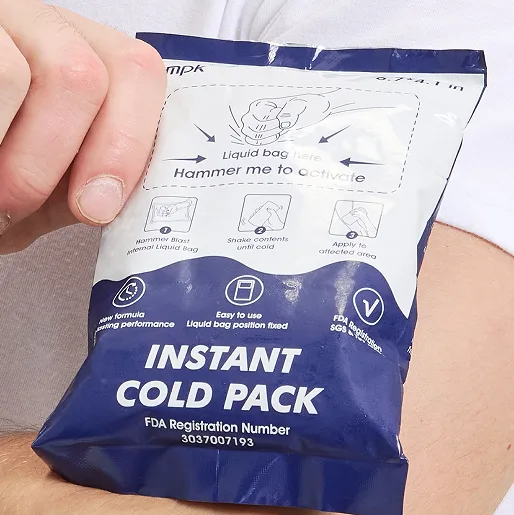
Cool Gel Pack Indien Großhandel: Ein praktischer Rahmen für die Auswahl von Großhandelslieferanten
Die wichtigste Lektion für Käufer von wiederverwendbaren Kühlgel-Packs ist einfach: Das Paket muss als Teil eines Anwendungsfalls angegeben werden, nicht als Einzelbeutel gekauft. Für kühle Gelpackungen Indien im Großhandel, Das stärkste Großhandelsprogramm kombiniert vier Kontrollen: eine messbare Produktspezifikation, eine definierte Konditionierungsmethode, Nachweis über den vollständigen Auspack- bzw. Gebrauchsvorgang, und Lieferantenänderungskontrolle. Der Preis ist immer noch wichtig, aber es sollte ausgehandelt werden, nachdem diese Variablen sichtbar sind. Dieser Ansatz ist skalierbarer, einfacher zu prüfen und weniger wahrscheinlich, dass ein Fehler auftritt, wenn das erste genehmigte Muster zur Wiederholungsproduktion wird.
Die vier Entscheidungen, die getroffen werden sollten, bevor ein Angebot als vergleichbar behandelt wird
Erste, Definieren Sie das gewünschte Ergebnis. Unterstützt die Packung die gekühlte Verteilung?, eine Körperpflege-Erkältungsanwendung, eine klinische Versorgungspackung, oder eine andere Verwendung? Ein Lieferant kann keine verantwortungsvolle thermische Leistung versprechen, ohne die Aufgabe zu kennen. Zweite, Definieren Sie das physische Paket: Größe, Füllgewicht, Beutelkonstruktion, Siegel, Etikettierung und Kartonverpackung. Dritte, Konditionierung definieren. Vierte, Definieren Sie, welche Nachweise für die gesamte Konfiguration akzeptiert werden.
Diese vier Entscheidungen wandeln ein umfassendes Beschaffungsschlüsselwort in eine kontrollierte Kaufanfrage um. Sie entlarven auch falsche Vergleiche. Zwei Angebote können die gleichen Abmessungen aufweisen, jedoch unterschiedliche Füllgewichte verwenden, Filme oder Formulierungen. Zwei Packungen können das gleiche Gewicht haben, erfordern jedoch eine unterschiedliche Konditionierung oder bieten beim Einfrieren unterschiedliche Flexibilität.
India has extensive vaccine cold-chain operating guidance that emphasizes correct conditioning and use of ice packs within carriers. That does not mean every commercial gel pack is equivalent to a vaccine-qualified coolant pack; Käufer sollten diese Unterscheidung wahren. Die richtige Kaufreaktion besteht darin, verlässliche Leitlinien zur Definition des Risikos und des Prozesses zu verwenden, Überprüfen Sie anschließend die produktspezifischen Fakten anhand der Lieferantendokumentation und entsprechender Tests. Drehen Sie diese Reihenfolge nicht um, indem Sie die Anwendung durch einen Lieferantenanspruch definieren lassen.
Für Großhandelsprogramme in Indien, Die gleiche Spezifikation muss möglicherweise zur Unterstützung der inländischen Nachschub- und Exportdokumentation verwendet werden. Behalten Sie die Produktbenennung bei, Artwork-Versionen, Hauptkartonetiketten und Chargenreferenzen sind bei allen Bestellungen konsistent. Diese Verwaltungsdisziplin macht es einfacher, einen erhaltenen Karton mit der genehmigten Probe zu verknüpfen, wenn das Programm über einen einzigen lokalen Käufer hinausgeht.
Erstellen Sie eine Spezifikation für den Einkauf, Qualität und Betrieb können alle lesen
Eine nützliche Gel-Pack-Spezifikation ist kurz genug, um sie zu verwenden, aber detailliert genug, um stillschweigende Ersetzungen zu verhindern. Es sollte den zugelassenen Produkttyp identifizieren, Nennmaße, Zielfüllgewicht, Beutelmaterial oder vereinbarte Konstruktion, Erwartungen besiegeln, Druck- oder Etikettenanforderungen, Kartonverpackung und Chargenidentifizierung. Wo das Phasenverhalten entscheidend ist, Dazu gehören die zugelassene Kühlmittelkategorie oder Phasenwechselspezifikation und die erforderliche Konditionierungsmethode.
Fügen Sie dann Prozessnotizen hinzu, die für den Anwendungsfall von Bedeutung sind. In einem Lager müssen Packungen vor dem Einfrieren möglicherweise flach gelagert werden. Eine klinische Verpackung erfordert möglicherweise eine Trennvorrichtung zwischen gefrorenem Kühlmittel und einer gefrierempfindlichen Nutzlast. Eine Körperpflegepackung erfordert möglicherweise klare Anweisungen zum Hautschutz. Ein Molkereibetrieb erfordert möglicherweise eine saubere Handhabung und eine schnelle Verpackung. Durch diese Notizen bleibt der Einkaufsbeleg mit dem tatsächlichen Arbeitsablauf verbunden.
Endlich, Definieren Sie die Änderungskontrollgrenze. Manchmal müssen Lieferanten ihre Filmquellen wechseln, Druckverfahren, Kartonlieferanten oder Gelbestandteile aufgrund der Verfügbarkeit. Das Problem ist nicht, dass es nie zu Veränderungen kommen kann; Das Problem ist eine nicht überprüfte Änderung. Erkundigen Sie sich, welche Änderungen vor der Implementierung mitgeteilt werden und welche Aufzeichnungen die betroffenen Chargen identifizieren.
Für Großhandelsprogramme in Indien, Die gleiche Spezifikation muss möglicherweise zur Unterstützung der inländischen Nachschub- und Exportdokumentation verwendet werden. Behalten Sie die Produktbenennung bei, Artwork-Versionen, Hauptkartonetiketten und Chargenreferenzen sind bei allen Bestellungen konsistent. Diese Verwaltungsdisziplin macht es einfacher, einen erhaltenen Karton mit der genehmigten Probe zu verknüpfen, wenn das Programm über einen einzigen lokalen Käufer hinausgeht.
Was in den Nachweisen des Lieferanten zu überprüfen ist
| Zu kontrollierender Bereich | Was der Käufer überprüfen sollte | Warum ist es wichtig |
| Kühlmitteldefinition | Zusammensetzung, gefülltes Gewicht, Packungsgröße und Phasenverhalten | A vague ‚Gelpackung‘ description can hide meaningful differences between samples and production lots. |
| Konditionierung | Gefrier- oder Vorkonditionierungsmethode, Zeit, Ausstattung und Sollzustand | Die gleiche Packung kann sich unterschiedlich verhalten, wenn sie in einem anderen thermischen Zustand in den Versender gelangt. |
| Packout-Passform | Isolierung, Kühlmittelplatzierung, Separatoren, Nutzlastmasse und Leerraum | Die Kühlmittelleistung gehört zum kompletten Verpackungssystem, nicht der Beutel allein. |
| Qualitätskontrolle | Integrität des Siegels, Leckageprüfung, Maßtoleranz und Chargenidentifizierung | Der Großhandel erhöht die Kosten für kleine Inkonsistenzen. |
| Beweis | Thermische Testbedingungen, Akzeptanzkriterien und Änderungskontrollaufzeichnungen | Eine Headline-Dauer- oder Temperaturangabe ist ohne die dahinter stehenden Bedingungen nicht sinnvoll. |
| Operationen | Kartonverpackung, Beschriftung, Lagerung, Abwicklungs- und Empfangsprozess | Ein technisch einwandfreies Paket kann immer noch scheitern, wenn die Warehouse-Ausführung inkonsistent ist. |
Beweise sollten eine Entscheidung beantworten, nicht einfach einen Dokumentenordner füllen. Für eine risikoarme Verbraucheranwendung, Einfache Maß- und Leckagekontrollen können ausreichend sein. Für eine klinische oder pharmazeutische Verwendung, Das Qualitätsteam kann eine wesentlich detailliertere Dokumentation und Unterstützung bei der Verpackung erwarten. Passen Sie die Beweistiefe an die Konsequenz des Scheiterns an.
Für Großhandelsprogramme in Indien, Die gleiche Spezifikation muss möglicherweise zur Unterstützung der inländischen Nachschub- und Exportdokumentation verwendet werden. Behalten Sie die Produktbenennung bei, Artwork-Versionen, Hauptkartonetiketten und Chargenreferenzen sind bei allen Bestellungen konsistent. Diese Verwaltungsdisziplin macht es einfacher, einen erhaltenen Karton mit der genehmigten Probe zu verknüpfen, wenn das Programm über einen einzigen lokalen Käufer hinausgeht.
Wärmeansprüche müssen an Bedingungen geknüpft werden
A statement such as ‚hält lange kalt 24 Std.‘ is incomplete unless the conditions are known. Die Dauer hängt von der Isolierung ab, Kühlmittelmasse, Starttemperatur, Nutzlast, Innenluftvolumen, Umgebungsexposition und der Endpunkt, der zur Definition des Fehlers verwendet wird. Eine Packung kann sichtbar gefroren bleiben, während die Produkttemperatur bereits den zulässigen Bereich verlassen hat, oder es kann vollständig geschmolzen sein, während die isolierte Verpackung noch einige Zeit in Reichweite bleibt.
Für den temperaturgeführten Versand, Fragen Sie nach der tatsächlichen thermischen Testkonfiguration. Anerkannte Frameworks wie ISTA Standard 20 and Test Standard 7E can support structured evaluation of insulated shipping containers. Jedoch, Standardprofile löschen keine Routenunterschiede. Hochrisikospuren erfordern möglicherweise eine Qualifizierung, die die tatsächlichen saisonalen und betrieblichen Bedingungen widerspiegelt.
Für klinische Studien, Der Verpackungsprozess sollte auch mit der Integrität des Prüfpräparats in Zusammenhang stehen, Handhabung, ggf. Nachverfolgung und dokumentierte Verfahren. Zur persönlichen Pflege, Wärmetests sollten sich auf den Benutzerkomfort und sichere Anweisungen konzentrieren und nicht auf unbegründete therapeutische Behauptungen. Für Milchprodukte, Das Ziel sollte sich aus dem Kühlbedarf und dem Verteilungsprozess des Lebensmittelprodukts ergeben. Der technische Endpunkt ändert sich mit dem Anwendungsfall.
Für Großhandelsprogramme in Indien, Die gleiche Spezifikation muss möglicherweise zur Unterstützung der inländischen Nachschub- und Exportdokumentation verwendet werden. Behalten Sie die Produktbenennung bei, Artwork-Versionen, Hauptkartonetiketten und Chargenreferenzen sind bei allen Bestellungen konsistent. Diese Verwaltungsdisziplin macht es einfacher, einen erhaltenen Karton mit der genehmigten Probe zu verknüpfen, wenn das Programm über einen einzigen lokalen Käufer hinausgeht.
Bei Scale-up-Risiken handelt es sich in der Regel um Produktions- und Lagerrisiken
Nachdem die technische Eignung festgestellt wurde, Große Misserfolge sind oft auf die Ausführung zurückzuführen. Schwankungen des Produktionsfüllgewichts, Beutel werden verpackt, bevor die Versiegelung vollständig überprüft wird, Kartons sind überladen, oder warme Packungen sind so dicht gestapelt, dass die Konditionierung länger dauert als erwartet. Bei diesen Problemen handelt es sich um gewöhnliche Produktions- und Lagerprobleme, Das heißt, sie können mit gewöhnlichen Kontrollen verwaltet werden, wenn der Käufer sie definiert.
Ein Pilotauftrag sollte daher mehr als nur die Temperatur testen. Überprüfen Sie die Form im gefrorenen Zustand, Flexibilität des Beutels, Kantenverhalten, Drucken, Kondensation, Kartonhaltbarkeit und Handhabungsgeschwindigkeit. Wenn das Programm Tausende von Paketen pro Tag verwendet, Überprüfen Sie die Gefrierkapazität und die Chargenrotation. Wenn das Programm wiederverwendbar ist, Definieren Sie Inspektions- und Zurückweisungskriterien für beschädigte Packungen.
Die Eingangskontrolle sollte sich auf Merkmale konzentrieren, die eine signifikante Abweichung erkennen können, ohne jede Lieferung in ein Laborprojekt zu verwandeln. Repräsentative Gewichts- und Dimensionskontrollen, Aussehen des Siegels, Losidentität, Kartonanzahl und Verpackungszustand sind praktische Ausgangspunkte. Programme mit höherem Risiko können eine Dokumentationsprüfung und formellere Probenahmepläne umfassen.
Für Großhandelsprogramme in Indien, Die gleiche Spezifikation muss möglicherweise zur Unterstützung der inländischen Nachschub- und Exportdokumentation verwendet werden. Behalten Sie die Produktbenennung bei, Artwork-Versionen, Hauptkartonetiketten und Chargenreferenzen sind bei allen Bestellungen konsistent. Diese Verwaltungsdisziplin macht es einfacher, einen erhaltenen Karton mit der genehmigten Probe zu verknüpfen, wenn das Programm über einen einzigen lokalen Käufer hinausgeht.
Wann sollte ein anderer Kühlmittel- oder Verpackungsansatz gewählt werden?
Ein starker Beschaffungsprozess beinhaltet die Option, die ursprüngliche Produktkategorie abzulehnen. Wasserpackungen, starre Eissteine, Phasenwechselmaterialpakete, Unter bestimmten Bedingungen kann loses Eis besser sein. Die Wahl hängt von der erforderlichen Temperatur ab, Dauer, Nutzlastempfindlichkeit, Frachtmodus, Konditionierungsausrüstung, Regeln für die Rücksendelogistik und -abwicklung.
Ein Gelpack auf Wasserbasis ist oft ein kostengünstiges gekühltes Kühlmittel, Es ist jedoch nicht zu erwarten, dass es den Transport bei extrem niedrigen Temperaturen löst. Ein konstruiertes PCM kann die Steuerung um einen ausgewählten Phasenpunkt herum verbessern, aber es fügt Spezifikations- und Konditionierungsanforderungen hinzu. Trockeneis kann gefrorene oder sehr kalte Anwendungen unterstützen, bringt jedoch andere Sicherheits- und Transportaspekte mit sich. Aktive Systeme können gerechtfertigt sein, wenn die passive thermische Masse nicht ausreicht.
Aus diesem Grund sollte die Lieferantenauswahl nicht mit dem Versprechen beginnen, dass eine SKU alle Routen lösen kann. Am Anfang sollte die Bereitschaft stehen, Alternativen zu vergleichen und Grenzen festzulegen. Ein Lieferant, der erklären kann, wann sein Produkt nicht geeignet ist, stellt dem Käufer Informationen zur Verfügung, die das Risiko verringern.
Für Großhandelsprogramme in Indien, Die gleiche Spezifikation muss möglicherweise zur Unterstützung der inländischen Nachschub- und Exportdokumentation verwendet werden. Behalten Sie die Produktbenennung bei, Artwork-Versionen, Hauptkartonetiketten und Chargenreferenzen sind bei allen Bestellungen konsistent. Diese Verwaltungsdisziplin macht es einfacher, einen erhaltenen Karton mit der genehmigten Probe zu verknüpfen, wenn das Programm über einen einzigen lokalen Käufer hinausgeht.
Praktische Fragen, die Käufer häufig stellen
Kann ich eine Gelpackung nur nach Gewicht auswählen?? NEIN. Das Gewicht beeinflusst die thermische Masse, Die nutzbare Leistung hängt aber auch von der Formulierung ab, Konditionierung, Isolierung, Nutzlast, Platzierung und Umgebungsexposition. Vergleichen Sie das Gewicht erst, nachdem die Verpackung und die Betriebsanforderungen definiert sind. Die Antwort sollte anhand des spezifischen Programms bestätigt werden, bevor sie zu einer Kaufanforderung wird.
Ist die Packung durch ein medizinisches oder klinisches Etikett qualifiziert?? NEIN. Eine Gel- oder PCM-Packung ist eine Kühlmittelkomponente. Die Qualifikation bzw. regulatorische Eignung hängt vom Gesamtprodukt ab, Verpackungssystem, dokumentierter Prozess und geltende Anforderungen. Bitten Sie um Nachweise, die der beabsichtigten Konfiguration entsprechen. Die Antwort sollte anhand des spezifischen Programms bestätigt werden, bevor sie zu einer Kaufanforderung wird.
Sollte ich eine feste Haltezeitgarantie verlangen?? Fragen Sie stattdessen nach Testdaten und -bedingungen. Die Haltezeit ändert sich mit dem Umgebungsprofil, Ausgangstemperaturen, Nutzlast, Isolierung, Packungsmenge und Akzeptanzkriterien. Ein nützlicher Lieferant gibt die Bedingungen an, die hinter dem Ergebnis stehen. Die Antwort sollte anhand des spezifischen Programms bestätigt werden, bevor sie zu einer Kaufanforderung wird.
Was sollte vor der Massenproduktion behoben werden?? Frieren Sie die genehmigte physikalische Spezifikation ein, Kühlmittelkategorie, gefülltes Gewicht, Schlüsseltaschenkonstruktion, Kunstwerk, Kartonverpackung und alle wichtigen Anweisungen zur Konditionierung. Legen Sie fest, welche Änderungen eine Benachrichtigung des Käufers erfordern. Die Antwort sollte anhand des spezifischen Programms bestätigt werden, bevor sie zu einer Kaufanforderung wird.
Wie soll ich Proben von zwei Lieferanten vergleichen?? Konditionieren und bewerten Sie sie nach dem gleichen Verfahren. Vergleichen Sie die Handhabung im eingefrorenen Zustand, Leckage, Abmessungen, Gewichtskonsistenz, Packout-Passform und thermisches Verhalten in der gleichen isolierten Konfiguration. Vergleichen Sie nicht das Laborergebnis eines Lieferanten mit der Marketingaussage eines anderen Lieferanten. Die Antwort sollte anhand des spezifischen Programms bestätigt werden, bevor sie zu einer Kaufanforderung wird.
Welche Informationen sollte ich senden, wenn ich ein Angebot anfordere?? Teilen Sie den Anwendungsfall, Nutzlasttyp, erforderliche Temperaturbedingung, Streckendauer, Verpackungsformat, erwartetes Packmaß bzw. Gewicht, geschätztes Auftragsvolumen, Druckanforderungen und ob eine Thermo- oder Qualitätsdokumentation erforderlich ist. Für indische Händler, Käufer in der Kühlkette, Beschaffungsteams für Lebensmittel und Gesundheitswesen, Dies gibt dem Lieferanten genügend Kontext, um Vorschläge statt Vermutungen zu machen. Die Antwort sollte anhand des spezifischen Programms bestätigt werden, bevor sie zu einer Kaufanforderung wird.
Großhandelskontrollhinweis
Eine abschließende Beschaffungsprüfung sollte die kommerzielle Bestellung mit den genehmigten technischen Unterlagen verknüpfen. Der Käufer sollte erkennen können, welches Muster genehmigt wurde, welche Zeichnung oder Spezifikation gilt, welche Konditionierungsmethode erwartet wird, welche Kartonkonfiguration ankommen wird, und wer benachrichtigt werden muss, wenn der Lieferant eine Änderung vorschlägt. Diese einfache Rückverfolgbarkeit erleichtert die Kontrolle von Nachbestellungen und erleichtert den Empfang, Betriebs- und Qualitätsteams dienen bei der Untersuchung eines Problems als gemeinsame Referenz.
Fazit und Tempk passen
Für kühle Gelpackungen Indien im Großhandel, Die am besten skalierbare Großhandelsstrategie besteht darin, die Spezifikation zu kontrollieren, Konditionierung, Packout-Beweis und Änderungsprozess vor der Preisoptimierung. Diese Reihenfolge schafft eine klare Grundlage für den Lieferantenvergleich und gibt den Betrieben ein wiederholbares Produkt anstelle eines beweglichen Ziels. Darüber hinaus sind behördliche oder klinische Ansprüche an den gesamten Prozess und nicht nur an den Gelbeutel gebunden.
Über Tempk: Tempk develops cold-chain packaging components and related solutions for B2B buyers, einschließlich Gel-Eisbeutel, wasserbasierte Packungen, Phasenveränderungsmaterial, insulated packaging and temperature-monitoring options. Für ein Großhandelsprogramm, Tempk kann die Packmaße besprechen, Gewicht, Filmstruktur, Druck und Kartonverpackung, Während die endgültige Verpackung noch anhand des Produkts des Kunden bewertet werden sollte, Route, Dauer und Handhabungsbedingungen. Der praktische Vorteil von Tempk bei dieser Art von Beschaffungsdiskussion besteht in der Möglichkeit, das Kühlmittel zusammen mit den Anforderungen an isolierte Verpackung und Temperaturüberwachung zu berücksichtigen, Dabei wird die endgültige Leistung immer noch als etwas betrachtet, das auf die Route und Nutzlast des Käufers abgestimmt sein muss. Teilen Sie die Anwendung, Temperaturanforderung, Paketformat und erwartetes Volumen, um eine geeignete Großhandelskonfiguration zu besprechen.
Kühlbox Großhandelspreis: Ein intelligenteres Beschaffungsmodell
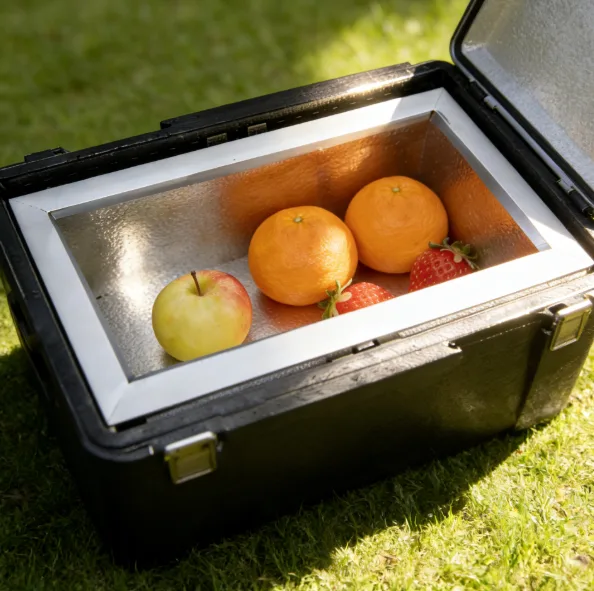
Kühlbox Großhandelspreis: Ein intelligenteres Beschaffungsmodell
Für Beschaffungsteams, Der Großhandelspreis für Kühlboxen ist keine einheitliche Marktnummer. Es ist das Ergebnis eines definierten Produkts, eine definierte Menge, und eine definierte Handelsgrenze. Der nützlichste Weg, Angebote zu vergleichen, besteht darin, die Entscheidung in die Produktdefinition zu unterteilen, Projektkosten, Produktionskosten, Logistik, und Lebenszykluskontrolle. Diese Struktur macht verborgene Unterschiede sichtbar: Eine billige Einheit kann teure Fracht befördern, Eine Premium-Einheit kann technische Leistungen umfassen, die in einem anderen Angebot weggelassen werden, und eine starke Probe kann immer noch kommerziell scheitern, wenn die Produktionsspezifikation nicht kontrolliert wird.
Legen Sie die Großhandelsspezifikation fest, bevor Sie über die Stufen sprechen
Dieser Faktor kann leicht übersehen werden, da er häufig außerhalb des Hauptstückpreises liegt. Großhandelskäufer benötigen möglicherweise Umkartons, Barcode- oder Etikettenkontrolle, Sortimentsplanung, Wiederverkäuferfreundliche Verpackung, Wiederholte Lagerverfügbarkeit, und konsistente Spezifikationen über mehrere Bestellungen hinweg. In der Angebotsphase, Der Großhandelspreis beträgt nur eine Schicht; Lagerung, Bruch, Umpacken, Kanalrand, Werbeinventar, und sich langsam bewegende Varianten wirken sich auch auf die Rentabilität aus. Die stärkste endgültige Entscheidung verknüpft die Spezifikation, Beweis, Handelsbegriff, und Betriebskonsequenz in einem Datensatz. Reduzieren Sie unnötige SKUs, Definieren Sie frühzeitig die Kanalverpackung, und verhandeln Sie Volumenstufen auf der Grundlage des Durchverkaufs, anstatt einfach die erste Bestellung zu maximieren. Vor der Massenproduktion, Ein hoher Mengenrabatt kann die Marge zerstören, wenn er zu Überbeständen führt oder später kostspielige Preisnachlässe erfordert. Die Dokumentation der Annahme macht nun spätere Verhandlungen möglich, Genehmigung, und wiederholte Bestellungen viel einfacher.
Im Maßstab, Dieser Faktor wird weniger nachsichtig, da sich kleine Annahmen in der gesamten Reihenfolge vervielfachen. Das nutzbare Volumen wird durch das reale Produkt bestimmt, Sekundärverpackung, Trenner, Kühlmittel, Liner, und Spielraum, der zum Schließen des Deckels ohne Kraftaufwand erforderlich ist. Kommerziell, Überdimensionierung kann den Material- und Frachtraum vergrößern; Eine Unterdimensionierung kann eine Neukonstruktion erzwingen, Packungsvariabilität schaffen, oder lassen Sie zu wenig Kühlmittelraum. Die stärkste endgültige Entscheidung verknüpft die Spezifikation, Beweis, Handelsbegriff, und Betriebskonsequenz in einem Datensatz. Senden Sie eine Nutzlastzeichnung oder ein repräsentatives Muster und bitten Sie den Lieferanten, anzugeben, wie viel Platz noch für Kühlmittel und Schutzeinsätze verbleibt. Vor der Massenproduktion, Nennliter sind kein Ersatz für nutzbare Innenmaße. Aus diesem Grund, Zeichnungen und physische Muster sagen der Beschaffung in der Regel mehr aus als ein Produktname oder eine Nennkapazität allein.
Der kommerzielle Effekt wird deutlicher, wenn die Spezifikation als Betriebsanforderung geschrieben wird. Farbe, Logo, Etiketten, Einsätze, Trenner, Griffstil, geformte Markierungen, Kartondruck, und Private-Label-Verpackungen können alle Teil eines OEM- oder Großhandelsprogramms sein. Vor der Massenproduktion, Jede Option kann die Einrichtungszeit verlängern, Werkzeuge, Mindestbestellmengen, Druckplatten, separates Inventar, Inspektionsschritte, oder Verpackungsarbeit. Die stärkste endgültige Entscheidung verknüpft die Spezifikation, Beweis, Handelsbegriff, und Betriebskonsequenz in einem Datensatz. Trennen Sie die unverzichtbaren benutzerdefinierten Funktionen vom Nice-to-have-Branding, bevor Sie Angebote anfordern, Bitten Sie dann die Lieferanten, für jede Option einen transparenten Preis festzulegen. Operativ, Gebündelte kundenspezifische Anpassungen können den Preisvergleich erschweren, es sei denn, jeder Anbieter bietet denselben Funktionsumfang an. Eine sinnvolle Kostensenkungsdiskussion fragt daher nach der Funktion, aufstellen, oder die Volumenannahme kann sich ändern, ohne die Betriebsanforderungen zu beeinträchtigen.
Zusammengenommen, Ökonomie des Großhandelskanals, Nutzlastgeometrie, und der Anpassungsumfang sollten als ein Beschaffungsgespräch und nicht als separate nachträgliche Überlegungen behandelt werden. Für Kühlbox zum Großhandelspreis, Dies ist wichtig, da ein Lieferant einen Preis nur auf der Grundlage sichtbarer und stabiler Annahmen festlegen kann. Eine kontrollierte Ausschreibung gibt dem Lieferanten Raum, Alternativen vorzuschlagen und behält gleichzeitig die Funktionen bei, die der Käufer als nicht verhandelbar identifiziert hat. Das Ergebnis ist ein Zitat, das anhand von Beweisen und nicht anhand der Marketingsprache verglichen werden kann.
Nutzen Sie Preisnachlässe, die der Nachfrage entsprechen, Lagerung, und Cashflow
Aus Käufersicht, Der entscheidende Punkt ist nicht das Etikett, sondern der Mechanismus hinter den Kosten. Produktionsaufbau, Formheizung, Farbvorbereitung, Drucken, Montage, Qualitätsinspektion, und Kartonverpackung entstehen feste Arbeiten, die über die Bestellmenge verteilt werden. Vor der Massenproduktion, Größere Auflagen können die Fixkosten pro Einheit senken, Sie erhöhen aber auch die Lagerbestände, Bargeld, das auf Lager gebunden ist, Speicherbedarf, und die Kosten einer Designänderung. Die stärkste endgültige Entscheidung verknüpft die Spezifikation, Beweis, Handelsbegriff, und Betriebskonsequenz in einem Datensatz. Fordern Sie Preisnachlässe bei realistischen Jahresmengen statt einer künstlich großen Menge an, und fragen Sie, ob bei Nachbestellungen dieselben Einrichtungs- und Verpackungsspezifikationen verwendet werden können. In der Angebotsphase, Der Preis der niedrigsten Stufe ist nicht automatisch die niedrigsten Gesamtkosten, wenn die Nachfrage ungewiss ist oder Produktänderungen wahrscheinlich sind. Eine sinnvolle Kostensenkungsdiskussion fragt daher nach der Funktion, aufstellen, oder die Volumenannahme kann sich ändern, ohne die Betriebsanforderungen zu beeinträchtigen.
Die stärksten Beschaffungsteams behandeln dies als kontrollierte Eingabe und nicht als Kaufdetail in letzter Minute. Eine Prognose verschafft dem Lieferanten Transparenz, während Freigaben oder Abrufe den Lagerbestand näher an der tatsächlichen Nachfrage halten können, wenn sich beide Seiten auf Materialzusagen und Kapazitäten einigen. Für ein Nachbestellungsprogramm, Dieser Ansatz kann wiederholte Einrichtungs- und Notproduktionsvorgänge reduzieren, ohne dass der Käufer gezwungen ist, den gesamten Jahresbedarf auf einmal zu erhalten. Die stärkste endgültige Entscheidung verknüpft die Spezifikation, Beweis, Handelsbegriff, und Betriebskonsequenz in einem Datensatz. Besprechen Sie das Jahresvolumen, Release-Größe, Sicherheitsbestand, Rohstoffengagement, Stornoregeln, und der Zeitraum für feste versus flexible Nachfrage. Für Sourcing-Teams, Prognosen sind nur dann sinnvoll, wenn in der Handelsvereinbarung festgelegt ist, welche Mengen verbindlich sind. Eine sinnvolle Kostensenkungsdiskussion fragt daher nach der Funktion, aufstellen, oder die Volumenannahme kann sich ändern, ohne die Betriebsanforderungen zu beeinträchtigen.
Der kommerzielle Effekt wird deutlicher, wenn die Spezifikation als Betriebsanforderung geschrieben wird. Einlagen, Balance-Timing, Werkzeugzahlungen, Mustergebühren, Inspektion hält, und Zahlungsmethode bestimmen, wie viel Bargeld vor dem Wareneingang gebunden ist. Für Sourcing-Teams, Ein kleiner Rabatt auf den Stückpreis kann durch ungünstige Zahlungsfristen ausgeglichen werden, Finanzierungskosten, oder das Risiko, zu viel zu zahlen, bevor ein Abnahmenachweis vorliegt. Die stärkste endgültige Entscheidung verknüpft die Spezifikation, Beweis, Handelsbegriff, und Betriebskonsequenz in einem Datensatz. Vergleichen Sie die Zahlungsbedingungen und den Preis und legen Sie fest, welche Dokumentation oder Inspektion die einzelnen Zahlungsmeilensteine freigibt. Kommerziell, Die Geschäftsbedingungen sollten mit den Finanz- und Rechtsteams des Käufers besprochen werden, insbesondere für neue Lieferanten oder große kundenspezifische Programme. Die Dokumentation der Annahme macht nun spätere Verhandlungen möglich, Genehmigung, und wiederholte Bestellungen viel einfacher.
Zusammengenommen, Bestellmenge und Mindestbestellmenge, Prognose- und Rahmenauftragsstrategie, und Zahlungsbedingungen und Bargeldengagement sollten als ein einziges Beschaffungsgespräch und nicht als separate nachträgliche Überlegungen behandelt werden. Für Kühlbox zum Großhandelspreis, Dies ist wichtig, da ein Lieferant einen Preis nur auf der Grundlage sichtbarer und stabiler Annahmen festlegen kann. Eine kontrollierte Ausschreibung gibt dem Lieferanten Raum, Alternativen vorzuschlagen und behält gleichzeitig die Funktionen bei, die der Käufer als nicht verhandelbar identifiziert hat. Dies garantiert nicht die niedrigste Zahl, aber es verringert die Chance, eine günstigere Spezifikation zu kaufen, die zu einem teureren Betrieb führt.
| Entscheidungsebene | Preisfrage | Beweise, die es aufzubewahren gilt |
| Produkt | Welchen genauen Kühler kaufen wir?? | Zeichnung, Probe und Spezifikation |
| Projekt | Welche einmaligen Kosten fallen an?? | Werkzeuge, Grafik- und Entwicklungszitat |
| Produktion | Wie ändert sich der Preis mit dem Volumen?? | Abgestufter Angebots- und Qualitätsplan |
| Logistik | Wie hoch sind die Lieferkosten?? | Verpackungsdaten, Handelsbegriff und Frachtmodell |
| Lebenszyklus | Was passiert nach Erhalt?? | Wiederverwendung, Lagerung, Inspektions- und Änderungskontrollen |
Die Tabelle ist nur dann nützlich, wenn jeder Lieferant die gleiche Anforderung erfüllt. Behalten Sie die zugrundeliegende Zeichnung bei, Verpackungsannahme, Menge, und Handelsbegriffsbasis mit dem kommerziellen Vergleich, sodass bei einer späteren Überarbeitung die Spalten nicht in unterschiedliche Produkte umgewandelt werden.
Entwerfen Sie die Verpackung für eine Marge nach der Fracht
Der kommerzielle Effekt wird deutlicher, wenn die Spezifikation als Betriebsanforderung geschrieben wird. Cooler boxes are bulky relative to their mass, also Kartons, Nestfähigkeit, Stapelung, Palettenmuster, und die Containerauslastung können die Lieferkosten stark beeinflussen. Für ein Nachbestellungsprogramm, Eine etwas günstigere Einheit kann nach der Exportverpackung und dem Transport teurer werden, wenn sie mit zu großem Leervolumen versendet wird oder schwere Schutzkartons benötigt. Die stärkste endgültige Entscheidung verknüpft die Spezifikation, Beweis, Handelsbegriff, und Betriebskonsequenz in einem Datensatz. Fragen Sie nach den Abmessungen des verpackten Kartons, Einheiten pro Karton, Bruttogewicht, Palettenmuster, falls verwendet, und Ladeannahmen, damit Ihr Spediteur die Fracht auf derselben Grundlage vergleichen kann. Für Sourcing-Teams, Schließen Sie die erzielten wirtschaftlichen Ergebnisse nicht allein aus dem Fabrikstückpreis ab. Für ein internationales Programm, Behalten Sie das Werksangebot bei, Daten der verpackten Sendung, und Speditionsschätzung als separate Eingaben, sodass eine Frachtänderung nicht stillschweigend den Produktvergleich umschreibt.
Ein Lieferant kann dies nur dann genau angeben, wenn der Käufer die Grenzen der Anforderung definiert. Die Anschaffungskosten verknüpfen den Fabrikpreis mit der Exportverpackung, Ursprungsgebühren, internationale Fracht, Versicherung ggf, Zollgebühren, Zölle oder Steuern, Zielabwicklung, Lieferung vor Ort, und Bestandseffekte. Vor der Massenproduktion, Sperrige isolierte Produkte können die Wirtschaftlichkeit in Richtung Versandeffizienz verlagern, vor allem, wenn die Frachtpreise nach Volumen und nicht nach tatsächlicher Masse berechnet werden. Die stärkste endgültige Entscheidung verknüpft die Spezifikation, Beweis, Handelsbegriff, und Betriebskonsequenz in einem Datensatz. Erstellen Sie ein Arbeitsblatt mit den Anschaffungskosten pro Einheit, indem Sie die Verpackungsdaten des Lieferanten und Ihre eigenen Spediteur- oder Zollinformationen verwenden, anstatt den Hersteller nach einer einzigen universellen Anschaffungskostennummer zu fragen. Kommerziell, Zollsätze und Steuern hängen von der Klassifizierung ab, Herkunft, Ziel, und aktuelle Regeln, Sie sollten daher für die jeweilige Transaktion überprüft werden. Für ein internationales Programm, Behalten Sie das Werksangebot bei, Daten der verpackten Sendung, und Speditionsschätzung als separate Eingaben, sodass eine Frachtänderung nicht stillschweigend den Produktvergleich umschreibt.
An diesem Punkt sind viele Zitate nicht mehr vergleichbar. Bei eingehenden Kartons lassen sich Probleme leichter eindämmen, Menge, Abmessungen, Deckel passt, Oberflächen, Zubehör, Beschriftung, und Verpackungszustand werden überprüft, bevor die Einheiten in den Normalbetrieb gehen. In praktischer Hinsicht, Die Eingangskontrolle verursacht im Vergleich zur Entdeckung eines Chargenproblems nach der Umverteilung geringe Betriebskosten, Verpackung, oder Kundenlieferung. Die stärkste endgültige Entscheidung verknüpft die Spezifikation, Beweis, Handelsbegriff, und Betriebskonsequenz in einem Datensatz. Erstellen Sie eine kurze Eingangscheckliste, die an das genehmigte Muster und die Kaufspezifikation gebunden ist, und Chargeninformationen für alle nicht konformen Einheiten aufbewahren. Operativ, Verlassen Sie sich nicht ausschließlich auf die Ausgangskontrolle eines Lieferanten, wenn der Kühler für Ihren Prozess von entscheidender Bedeutung ist. Dieser Rekord gibt auch den Einkauf, Qualität, und verwendet dieselbe Referenz, wenn eine spätere Charge anders aussieht oder sich anders verhält als die genehmigte Probe.
Zusammengenommen, Frachtwürfel und Verpackungseffizienz, Landed-Cost-Modellierung, Die Eingangskontrolle sollte als ein Beschaffungsgespräch und nicht als separate nachträgliche Überlegungen behandelt werden. Für Kühlbox zum Großhandelspreis, Dies ist wichtig, da ein Lieferant einen Preis nur auf der Grundlage sichtbarer und stabiler Annahmen festlegen kann. Eine kontrollierte Ausschreibung gibt dem Lieferanten Raum, Alternativen vorzuschlagen und behält gleichzeitig die Funktionen bei, die der Käufer als nicht verhandelbar identifiziert hat. Sobald die Anforderung explizit ist, Lieferanten können Kostensenkungen vorschlagen, ohne stillschweigend eine Funktion zu entfernen, die Sie tatsächlich benötigen.
Machen Sie Qualität und Leistung wiederholbar
An diesem Punkt sind viele Zitate nicht mehr vergleichbar. Ein genehmigtes Muster legt die Abmessungen fest, fit, Oberfläche, Schließverhalten, Branding, Packout-Kompatibilität, und andere sichtbare Anforderungen, die Produktionseinheiten reproduzieren sollten. Operativ, Änderungen nach der Genehmigung können zu Nacharbeiten führen, neue Werkzeuge, verschrottete Verpackung, verzögerte Starts, oder den Bestand aufteilen, die oft teurer sind als eine sorgfältige Probenprüfung. Die stärkste endgültige Entscheidung verknüpft die Spezifikation, Beweis, Handelsbegriff, und Betriebskonsequenz in einem Datensatz. Eine signierte Zeichnung einfrieren, Beispielreferenz, Farbstandard, Kunstwerke drucken, Kartonspezifikation, und Inspektionspunkte vor der Massenproduktion. In der Angebotsphase, Ein handgefertigter Prototyp stellt möglicherweise nicht die Oberfläche dar, Toleranz, Zyklus, oder Material der geformten Produktion. Dieser Rekord gibt auch den Einkauf, Qualität, und verwendet dieselbe Referenz, wenn eine spätere Charge anders aussieht oder sich anders verhält als die genehmigte Probe.
Dieser Faktor kann leicht übersehen werden, da er häufig außerhalb des Hauptstückpreises liegt. Für Nachbestellungen, Abmessungen, Deckel passt, Wandzustand, Formfehler, Hardware, Etiketten, Kartonstärke, und Sauberkeit kann genauso wichtig sein wie das Erstmuster. Für ein Nachbestellungsprogramm, Inspektion und kontrollierte Produktion verursachen zusätzliche Kosten, Unkontrollierte Abweichungen können jedoch zu Verpackungsverzögerungen führen, kehrt zurück, Schaden, oder ein Vertrauensverlust bei einer großen Charge. Die stärkste endgültige Entscheidung verknüpft die Spezifikation, Beweis, Handelsbegriff, und Betriebskonsequenz in einem Datensatz. Vereinbaren Sie messbare Akzeptanzkriterien, Inspektionshäufigkeit, Fehlerbehandlung, Rückverfolgbarkeit, und was passiert, wenn ein Rohstoff, Schimmel, Komponente, oder Prozessänderungen. Für Sourcing-Teams, generic claims such as „high quality“ are not substitutes for defined acceptance criteria. Dieser Rekord gibt auch den Einkauf, Qualität, und verwendet dieselbe Referenz, wenn eine spätere Charge anders aussieht oder sich anders verhält als die genehmigte Probe.
Ein Lieferant kann dies nur dann genau angeben, wenn der Käufer die Grenzen der Anforderung definiert. Für temperaturempfindlichen Versand, Die Leistung hängt von der vollständigen Konfiguration ab: Gehäuse, Kühlmittel, Nutzlast, Konditionierung, Packmuster, Umgebungseinflüsse, Route, und Betriebsablauf. Für ein Nachbestellungsprogramm, Entwicklungstests, Laborarbeit, Dokumentation, und Wiederholungsstudien nach größeren Designänderungen können echte Projektkosten sein, auch wenn sie nicht Teil des Preises für die Formbox sind. Die stärkste endgültige Entscheidung verknüpft die Spezifikation, Beweis, Handelsbegriff, und Betriebskonsequenz in einem Datensatz. Fragen Sie nach der Testmethode, Umgebungsprofil, Nutzlast, Kühlmittel, Akzeptanzkriterien, und Beispielkonfiguration unterstützen jede Leistungsangabe. Für formelle Kühlkettenprogramme, Bestimmen Sie, ob Standards wie die thermischen ISTA-Methoden für Ihren Qualitätsprozess relevant sind. Vor der Massenproduktion, Eine angegebene Haltezeit sollte niemals als universell angesehen werden, es sei denn, die Testbedingungen entsprechen der beabsichtigten Verwendung. Wenn die Sendung temperaturempfindlich ist, Im Genehmigungsprotokoll sollte die Nutzlast angegeben sein, Kühlmittelzustand, Verpackungsreihenfolge, Überwachungsmethode, und die Route oder das Testprofil, anhand dessen die Akzeptanz beurteilt wird.
Die stärksten Beschaffungsteams behandeln dies als kontrollierte Eingabe und nicht als Kaufdetail in letzter Minute. Eine Änderung der Materialqualität, Dichte, Anbieter, Schimmel, Wandabschnitt, Komponente, Klebstoff, Druckvorgang, oder Verpackungsmethode können die Passform beeinträchtigen, Haltbarkeit, Aussehen, oder thermisches Verhalten. In praktischer Hinsicht, Unkontrollierte Veränderungen können eine Requalifizierung auslösen, Feldbeschwerden, Umpacken, oder gemischter Bestand, der mehr kostet als ein disziplinierter Benachrichtigungsprozess. Die stärkste endgültige Entscheidung verknüpft die Spezifikation, Beweis, Handelsbegriff, und Betriebskonsequenz in einem Datensatz. Fordern Sie eine Vorabbenachrichtigung für definierte Änderungen an und vereinbaren Sie einen Termin für ein neues Muster, prüfen, oder es ist eine Genehmigung erforderlich, bevor das geänderte Produkt versendet wird. Vor der Massenproduktion, der Satz „gleiches Produkt“ should be defined by controlled specifications, nicht nur visuelle Ähnlichkeit. Dieser Rekord gibt auch den Einkauf, Qualität, und verwendet dieselbe Referenz, wenn eine spätere Charge anders aussieht oder sich anders verhält als die genehmigte Probe.
Zusammengenommen, Kontrolle von der Probe bis zur Produktion, Produktionskonsistenz und Qualitätskontrolle, Wärme- und Transportnachweise, und die Änderungskontrolle sollte als ein einziges Beschaffungsgespräch und nicht als separate nachträgliche Überlegungen behandelt werden. Für Kühlbox zum Großhandelspreis, Dies ist wichtig, da ein Lieferant einen Preis nur auf der Grundlage sichtbarer und stabiler Annahmen festlegen kann. Eine kontrollierte Ausschreibung gibt dem Lieferanten Raum, Alternativen vorzuschlagen und behält gleichzeitig die Funktionen bei, die der Käufer als nicht verhandelbar identifiziert hat. Sobald die Anforderung explizit ist, Lieferanten können Kostensenkungen vorschlagen, ohne stillschweigend eine Funktion zu entfernen, die Sie tatsächlich benötigen.
Wählen Sie das Lieferantenmodell, das zum Kanal passt
Dieser Faktor kann leicht übersehen werden, da er häufig außerhalb des Hauptstückpreises liegt. Ein Kühlboxanbieter bietet möglicherweise nur einen Katalogbehälter an oder unterstützt möglicherweise auch die Größenbestimmung, individuelle Formgebung, Kühlmittelauswahl, Packout-Entwicklung, Beschriftung, Beispielbewertung, und Exportverpackung. Kommerziell, Leistungsumfang verändert den scheinbaren Preis. Engineering- und Projektunterstützung können im Stückpreis integriert werden, gesondert berechnet, oder ganz weggelassen werden. Die stärkste endgültige Entscheidung verknüpft die Spezifikation, Beweis, Handelsbegriff, und Betriebskonsequenz in einem Datensatz. Erkundigen Sie sich genau, welche Leistungen enthalten sind und wem die Zeichnungen gehören, Werkzeuge, Verpackungsanweisungen, Testdaten, und Änderungsbenachrichtigungen. Vor der Massenproduktion, Ein niedrigeres Angebot stellt nicht unbedingt einen günstigeren Anbieter dar, wenn der Käufer die fehlenden technischen oder betrieblichen Arbeiten separat beschaffen muss. Die Dokumentation der Annahme macht nun spätere Verhandlungen möglich, Genehmigung, und wiederholte Bestellungen viel einfacher.
Im Maßstab, Dieser Faktor wird weniger nachsichtig, da sich kleine Annahmen in der gesamten Reihenfolge vervielfachen. Exportprogramme fügen Kartonmarkierung hinzu, Packlisten, Handelsrechnungen, ggf. Ursprungsdokumentation, Buchungskoordination, Palettenregeln, und Übergabe an Spediteure oder Frachtführer. Kommerziell, Dokumentationsfehler, schwache Exportkartons, verpasste Buchungen, oder unklare Verantwortlichkeiten können zu Gebühren und Verzögerungen führen, die im Fabrikpreis nicht sichtbar sind. Die stärkste endgültige Entscheidung verknüpft die Spezifikation, Beweis, Handelsbegriff, und Betriebskonsequenz in einem Datensatz. Bestätigen Sie den eingetragenen Exporteur, benannter Hafen oder Ort, Verpackungsmethode, Dokumentationspflichten, und wer sich mit dem von Ihnen benannten Spediteur abstimmt. In der Angebotsphase, Exporterfahrung ist ein betrieblicher Beweis, kein Ersatz für Ihre eigene Import-Compliance-Überprüfung. Für ein internationales Programm, Behalten Sie das Werksangebot bei, Daten der verpackten Sendung, und Speditionsschätzung als separate Eingaben, sodass eine Frachtänderung nicht stillschweigend den Produktvergleich umschreibt.
Im Maßstab, Dieser Faktor wird weniger nachsichtig, da sich kleine Annahmen in der gesamten Reihenfolge vervielfachen. Produktive Verhandlungen trennen strukturelle Kostentreiber von verhandelbaren kommerziellen Entscheidungen wie Mengenverpflichtungen, Verpackungsformat, Komplexität der Anpassung, Zahlungszeitpunkt, und Lieferplan. Operativ, Ein Lieferant hat möglicherweise mehr Spielraum zur Kostenoptimierung, indem er einen Druck vereinfacht, Verbesserung der Kartonbeladung, Standardisierung einer Farbe, oder die Planung größerer Produktionsmengen als durch die Reduzierung der Marge bei einem bereits komplexen Design. Die stärkste endgültige Entscheidung verknüpft die Spezifikation, Beweis, Handelsbegriff, und Betriebskonsequenz in einem Datensatz. Fragen Sie nach alternativen Kostenszenarien, anstatt nur einen prozentualen Rabatt zu verlangen, und schützen Sie die Anforderungen, die für Leistung und Qualität tatsächlich von Bedeutung sind. Aus technischer Sicht, Preissenkung, die die Inspektion überflüssig macht, Materialkontrolle, oder erforderliche Packout-Funktionen können später zu einem teureren Problem führen. Die Dokumentation der Annahme macht nun spätere Verhandlungen möglich, Genehmigung, und wiederholte Bestellungen viel einfacher.
Aus Käufersicht, Der entscheidende Punkt ist nicht das Etikett, sondern der Mechanismus hinter den Kosten. Tempk publicly presents EPP cooler boxes and insulated shipping solutions for food, Lebensmittelgeschäft, Apotheke, und Logistikanwendungen, mit Projektoptionen wie Größe, Wandstärke, Farbe, Logo, Einsätze, Trenner, Etiketten, Kühlmittelanpassung, und Verpackungsmethode. Operativ, für eine individuelle Anfrage, Die sinnvolle Preisdiskussion beginnt nach der Nutzlast, Volumen, Route, Kühlmittel, Branding, Bestellmenge, und Verpackungserwartungen werden definiert. Die stärkste endgültige Entscheidung verknüpft die Spezifikation, Beweis, Handelsbegriff, und Betriebskonsequenz in einem Datensatz. Senden Sie eine prägnante Projektbeschreibung, damit das Angebot das Produkt widerspiegelt, das Sie kaufen möchten, und nicht eine generische Schachtel. Für ein Nachbestellungsprogramm, jeder Temperaturbereich, Haltezeit, Compliance-Status, oder die Streckenleistung sollte für die spezifische Verpackung und unterstützende Beweise bestätigt werden und nicht nur vom Kühlermaterial angenommen werden. Die Dokumentation der Annahme macht nun spätere Verhandlungen möglich, Genehmigung, und wiederholte Bestellungen viel einfacher.
Zusammengenommen, Leistungsumfang des Anbieters, Exportausführungsfähigkeit, kommerzielle Verhandlungen, und die Eignung des Tempk-Projekts sollten als ein einziges Beschaffungsgespräch und nicht als separate nachträgliche Überlegungen behandelt werden. Für Kühlbox zum Großhandelspreis, Dies ist wichtig, da ein Lieferant einen Preis nur auf der Grundlage sichtbarer und stabiler Annahmen festlegen kann. Eine kontrollierte Ausschreibung gibt dem Lieferanten Raum, Alternativen vorzuschlagen und behält gleichzeitig die Funktionen bei, die der Käufer als nicht verhandelbar identifiziert hat. Sobald die Anforderung explizit ist, Lieferanten können Kostensenkungen vorschlagen, ohne stillschweigend eine Funktion zu entfernen, die Sie tatsächlich benötigen.
Praxisbeispiel
Stellen Sie sich vor, ein Großhandelskäufer kann einen niedrigeren Preis erzielen, indem er drei individuelle Farben hinzufügt und sich auf ein größeres Gesamtvolumen festlegt. Die Fabrikökonomie könnte sich verbessern, aber der Händler führt jetzt drei Lagerbestände, drei Kartonetiketten, und drei Durchverkaufsrisiken. Wenn sich eine Farbe langsam bewegt, Die scheinbare Ersparnis beim Einkauf kann durch Lagerhaltung und Preisnachlässe aufgezehrt werden. Die Standardisierung des Basiskühlers und das Hinzufügen nur der Kanalvarianten, die einen klaren kommerziellen Zweck haben, kann die Marge effektiver schützen als die Maximierung der Anzahl der Werksoptionen.
Häufig gestellte Fragen
Wie unterscheiden sich die Großhandelspreise von denen eines einzelnen OEM-Projekts??
Die Großhandelspreise müssen oft die Nachbestände unterstützen, Kanalrand, Hauptkartons, Etiketten, mehrere Verkaufsziele, und vorhersehbarer Nachschub. Der Käufer trägt möglicherweise auch ein höheres Lagerbestands- und Nachfragerisiko für Fertigwaren. Aus diesem Grund, Die beste Großhandelsstufe ist nicht einfach der niedrigste Fabrikpreis; Es ist die Stufe, die die Marge nach Fracht schützt, Lagerung, und Durchverkauf berücksichtigt.
Erhöht die private Etikettierung die Großhandelskosten??
Es kann. Benutzerdefinierte Farben, Logos, bedruckte Kartons, Barcode-Etiketten, Einsätze, und kleine SKU-Läufe erfordern möglicherweise eine Einrichtung, Werkzeuge, Druckplatten, separates Inventar, oder zusätzliche Inspektion. Fragen Sie nach dem Grundpreis des Produkts und jeder Private-Label-Option separat. Dadurch ist es einfacher, minderwertige Dekorationen zu vereinfachen, ohne die Kühlfunktion zu verändern.
Was sollten Händler zur Konsistenz von Nachbestellungen fragen??
Fragen Sie, wie der Lieferant die Materialspezifikation kontrolliert, Abmessungen, geformte Qualität, Hardware, Farbe, Kunstwerke drucken, Verpackung, und Änderungsmitteilung. Bewahren Sie ein genehmigtes Referenzmuster und eine Zeichnung auf. Für Channel-Produkte, Sichtbare Unterschiede zwischen Chargen können zu Kundenbeschwerden führen, selbst wenn der Basiskühler noch funktioniert.
Wie kann sich Fracht auf die Großhandelsmarge auswirken??
Kühler können ein erhebliches Transportvolumen beanspruchen, Daher kann eine geringe Ersparnis beim Stückpreis durch eine schlechte Kartonausnutzung oder große Frachtmengen ausgeglichen werden. Verwenden Sie Packmaße und Einheiten pro Karton, um die Lieferkosten zu modellieren. Wenn das Design verschachtelt werden kann, Stapel, Oder verwenden Sie ein effizienteres Masterkarton-Layout, ohne das Produkt zu beschädigen, Die Logistikersparnis ist möglicherweise nachhaltiger als ein kleiner Fabrikrabatt.
Abschluss
Eine glaubwürdige Antwort auf den Großhandelspreis für Kühlboxen basiert auf einer kontrollierten Spezifikation und nicht auf einer universellen Preisspanne. Definieren Sie zunächst Nutzfläche und Bauweise, Trennen Sie Werkzeuge und Anpassungen von den wiederkehrenden Stückkosten, Mengen- und Verpackungsannahmen normalisieren, und berechnen Sie die gelieferten Wirtschaftsdaten auf der gleichen Handelsbegriffsbasis. Wenn der Kühler Teil einer temperaturempfindlichen Sendung ist, require evidence for the complete packout instead of treating the insulation material as proof. Endlich, Schützen Sie das genehmigte Design durch Produktionsqualität und Änderungskontrolle. Diese Schritte ermöglichen dem Kauf einen vergleichbaren Preis, erklärt, und wiederholt.
Über Tempk
Tempk supplies cold-chain packaging products including EPP cooler boxes and insulated shipping solutions for food, Lebensmittelgeschäft, Apotheke, und Logistikanwendungen. Öffentliche Produktinformationen zeigen Projektoptionen wie benutzerdefinierte Größen, Wandstärke, Farbe, Logo, Einsätze, Trenner, Etiketten, Kühlmittelanpassung, und Verpackungsmethode. Für Käufer, die den Preis besprechen, Der nützliche Ausgangspunkt ist eine Projektbeschreibung, die die Nutzlast definiert, Route, Kühlmittel, Anpassung, Bestellmenge, und Verpackungserwartungen. Die Temperaturleistung oder -qualifizierung sollte dann anhand der spezifischen Verpackung und unterstützender Nachweise überprüft werden und nicht nur anhand des Kartonmaterials angenommen werden.
Nächster Schritt: Für einen übersichtlicheren Lieferantenvergleich, Senden Sie Tempk eine kontrollierte Angebotsanfrage für das Produkt, Mengenstufen, Verpackung, Lieferfrist, und Nachweise, die vor der Produktionsfreigabe erforderlich sind.
Preis des Kühlboxanbieters: Ein besserer Angebotsvergleich
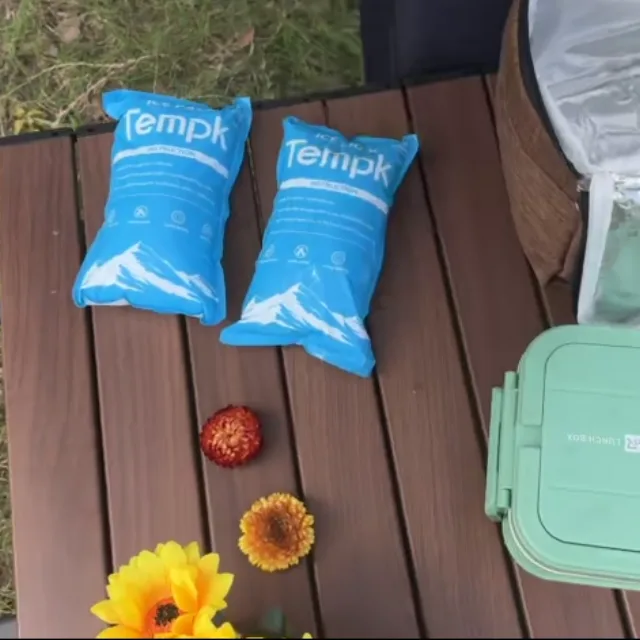
Preis des Kühlboxanbieters: Ein besserer Angebotsvergleich
Eine nützliche Antwort auf den Preis eines Kühlboxanbieters beginnt mit einer einfachen Unterscheidung: Der Fabrikstückpreis ist nur eine Ebene der Kaufentscheidung. Der nützlichste Weg, Angebote zu vergleichen, besteht darin, die Entscheidung in die Produktdefinition zu unterteilen, Projektkosten, Produktionskosten, Logistik, und Lebenszykluskontrolle. Diese Struktur macht verborgene Unterschiede sichtbar: Eine billige Einheit kann teure Fracht befördern, Eine Premium-Einheit kann technische Leistungen umfassen, die in einem anderen Angebot weggelassen werden, und eine starke Probe kann immer noch kommerziell scheitern, wenn die Produktionsspezifikation nicht kontrolliert wird.
Definieren Sie vor dem Preisvergleich den Anbieterumfang
Dieser Faktor kann leicht übersehen werden, da er häufig außerhalb des Hauptstückpreises liegt. Ein Kühlboxanbieter bietet möglicherweise nur einen Katalogbehälter an oder unterstützt möglicherweise auch die Größenbestimmung, individuelle Formgebung, Kühlmittelauswahl, Packout-Entwicklung, Beschriftung, Beispielbewertung, und Exportverpackung. Aus technischer Sicht, Leistungsumfang verändert den scheinbaren Preis. Engineering- und Projektunterstützung können im Stückpreis integriert werden, gesondert berechnet, oder ganz weggelassen werden. Die stärkste endgültige Entscheidung verknüpft die Spezifikation, Beweis, Handelsbegriff, und Betriebskonsequenz in einem Datensatz. Erkundigen Sie sich genau, welche Leistungen enthalten sind und wem die Zeichnungen gehören, Werkzeuge, Verpackungsanweisungen, Testdaten, und Änderungsbenachrichtigungen. Für ein Nachbestellungsprogramm, Ein niedrigeres Angebot stellt nicht unbedingt einen günstigeren Anbieter dar, wenn der Käufer die fehlenden technischen oder betrieblichen Arbeiten separat beschaffen muss. Die Dokumentation der Annahme macht nun spätere Verhandlungen möglich, Genehmigung, und wiederholte Bestellungen viel einfacher.
An diesem Punkt sind viele Zitate nicht mehr vergleichbar. Ein aussagekräftiger Vergleich verwendet die gleichen Innenmaße, materielle Familie, Wand- oder Schalenkonstruktion, Zubehör, Anpassung, Verpackungsmethode, Menge, Handelsbegriff, und Qualitätsanforderungen. In der Angebotsphase, wenn diese Eingaben unterschiedlich sind, Der Preisunterschied kann auf ein anderes Produkt und nicht auf einen mehr oder weniger wettbewerbsfähigen Anbieter zurückzuführen sein. Die stärkste endgültige Entscheidung verknüpft die Spezifikation, Beweis, Handelsbegriff, und Betriebskonsequenz in einem Datensatz. Erstellen Sie ein Vergleichsblatt, das eingeschlossene und ausgeschlossene Elemente aufzeichnet, einmalige Kosten, Musterkosten, Werkzeuge, Kartonverpackung, Ersatzteile, und Frachtbasis. Vor der Massenproduktion, Ein Stückpreis ohne kontrollierte Spezifikation ist nur eine vorläufige Zahl. Die Dokumentation der Annahme macht nun spätere Verhandlungen möglich, Genehmigung, und wiederholte Bestellungen viel einfacher.
Ein Lieferant kann dies nur dann genau angeben, wenn der Käufer die Grenzen der Anforderung definiert. Farbe, Logo, Etiketten, Einsätze, Trenner, Griffstil, geformte Markierungen, Kartondruck, und Private-Label-Verpackungen können alle Teil eines OEM- oder Großhandelsprogramms sein. Für ein Nachbestellungsprogramm, Jede Option kann die Einrichtungszeit verlängern, Werkzeuge, Mindestbestellmengen, Druckplatten, separates Inventar, Inspektionsschritte, oder Verpackungsarbeit. Die stärkste endgültige Entscheidung verknüpft die Spezifikation, Beweis, Handelsbegriff, und Betriebskonsequenz in einem Datensatz. Trennen Sie die unverzichtbaren benutzerdefinierten Funktionen vom Nice-to-have-Branding, bevor Sie Angebote anfordern, Bitten Sie dann die Lieferanten, für jede Option einen transparenten Preis festzulegen. In praktischer Hinsicht, Gebündelte kundenspezifische Anpassungen können den Preisvergleich erschweren, es sei denn, jeder Anbieter bietet denselben Funktionsumfang an. Eine sinnvolle Kostensenkungsdiskussion fragt daher nach der Funktion, aufstellen, oder die Volumenannahme kann sich ändern, ohne die Betriebsanforderungen zu beeinträchtigen.
Zusammengenommen, Leistungsumfang des Anbieters, Zitatnormalisierung, und der Anpassungsumfang sollten als ein Beschaffungsgespräch und nicht als separate nachträgliche Überlegungen behandelt werden. Zum Preis des Kühlboxanbieters, Dies ist wichtig, da ein Lieferant einen Preis nur auf der Grundlage sichtbarer und stabiler Annahmen festlegen kann. Eine kontrollierte Ausschreibung gibt dem Lieferanten Raum, Alternativen vorzuschlagen und behält gleichzeitig die Funktionen bei, die der Käufer als nicht verhandelbar identifiziert hat. Das Ergebnis ist ein Zitat, das anhand von Beweisen und nicht anhand der Marketingsprache verglichen werden kann.
Abmessungen sperren, Konstruktion, und nutzbare Nutzlast
Ein Lieferant kann dies nur dann genau angeben, wenn der Käufer die Grenzen der Anforderung definiert. Das nutzbare Volumen wird durch das reale Produkt bestimmt, Sekundärverpackung, Trenner, Kühlmittel, Liner, und Spielraum, der zum Schließen des Deckels ohne Kraftaufwand erforderlich ist. Vor der Massenproduktion, Überdimensionierung kann den Material- und Frachtraum vergrößern; Eine Unterdimensionierung kann eine Neukonstruktion erzwingen, Packungsvariabilität schaffen, oder lassen Sie zu wenig Kühlmittelraum. Die stärkste endgültige Entscheidung verknüpft die Spezifikation, Beweis, Handelsbegriff, und Betriebskonsequenz in einem Datensatz. Senden Sie eine Nutzlastzeichnung oder ein repräsentatives Muster und bitten Sie den Lieferanten, anzugeben, wie viel Platz noch für Kühlmittel und Schutzeinsätze verbleibt. Für Sourcing-Teams, Nennliter sind kein Ersatz für nutzbare Innenmaße. Aus diesem Grund, Zeichnungen und physische Muster sagen der Beschaffung in der Regel mehr aus als ein Produktname oder eine Nennkapazität allein.
Die stärksten Beschaffungsteams behandeln dies als kontrollierte Eingabe und nicht als Kaufdetail in letzter Minute. Der Wärmepfad hängt vom Wandmaterial ab, Wandstärke, Gelenke, Deckel passt, Schließungen, innerer Luftraum, und wie Kühlmittel die Nutzlast umgibt. Für ein Nachbestellungsprogramm, Eine dickere oder komplexere Isolierung verbraucht mehr Material und kann die Außenabmessungen vergrößern, Dies kann die Verpackungs- und Frachtkosten erhöhen, selbst wenn das interne Nutzlastvolumen gleich bleibt. Die stärkste endgültige Entscheidung verknüpft die Spezifikation, Beweis, Handelsbegriff, und Betriebskonsequenz in einem Datensatz. Fragen Sie gemeinsam nach Innen- und Außenmaßen, plus Zeichnungen oder Muster, die die Deckelverbindung zeigen, Wandabschnitt, und nutzbarer Nutzlastraum. In praktischer Hinsicht, Ein Material mit besseren Laborisolationseigenschaften kann dennoch eine schlechte Leistung erbringen, wenn die gesamte Box Leckpfade aufweist, große leere Räume, oder eine ungeeignete Verpackung. Aus diesem Grund, Zeichnungen und physische Muster sagen der Beschaffung in der Regel mehr aus als ein Produktname oder eine Nennkapazität allein.
An diesem Punkt sind viele Zitate nicht mehr vergleichbar. Expandiertes Polypropylen ist ein geschlossenzelliger Perlenschaum, der bei geringem Gewicht eingesetzt wird, Dämpfung, Wärmedämmung, Feuchtigkeitsbeständigkeit, und wiederholte Handhabung sind sinnvoll. Für ein Nachbestellungsprogramm, Ein geformtes EPP-Programm kann Werkzeuge enthalten, Dichte, Geometrie, Oberfläche, Farbe, und Sekundäroperationsentscheidungen, die nicht in einem einfachen Katalogpreis enthalten sind. Die stärkste endgültige Entscheidung verknüpft die Spezifikation, Beweis, Handelsbegriff, und Betriebskonsequenz in einem Datensatz. Bitten Sie den Lieferanten um die Angabe der Materialqualität, Formdichte oder eine gleichwertige kontrollierte Spezifikation, Wandgeometrie, Innenmaße, und was im angegebenen Stückpreis enthalten ist. Operativ, Die ePP-Isolierung verlangsamt die Wärmeübertragung, Sie allein beweist jedoch keinen Temperaturbereich oder eine feste Haltezeit für eine verpackte Sendung. Aus diesem Grund, Zeichnungen und physische Muster sagen der Beschaffung in der Regel mehr aus als ein Produktname oder eine Nennkapazität allein.
Zusammengenommen, Nutzlastgeometrie, Isolationsarchitektur, und der EPP-Bau sollte als ein einziges Beschaffungsgespräch und nicht als separate nachträgliche Überlegungen behandelt werden. Zum Preis des Kühlboxanbieters, Dies ist wichtig, da ein Lieferant einen Preis nur auf der Grundlage sichtbarer und stabiler Annahmen festlegen kann. Eine kontrollierte Ausschreibung gibt dem Lieferanten Raum, Alternativen vorzuschlagen und behält gleichzeitig die Funktionen bei, die der Käufer als nicht verhandelbar identifiziert hat. Dies garantiert nicht die niedrigste Zahl, aber es verringert die Chance, eine günstigere Spezifikation zu kaufen, die zu einem teureren Betrieb führt.
| Entscheidungsebene | Preisfrage | Beweise, die es aufzubewahren gilt |
| Produkt | Welchen genauen Kühler kaufen wir?? | Zeichnung, Probe und Spezifikation |
| Projekt | Welche einmaligen Kosten fallen an?? | Werkzeuge, Grafik- und Entwicklungszitat |
| Produktion | Wie ändert sich der Preis mit dem Volumen?? | Abgestufter Angebots- und Qualitätsplan |
| Logistik | Wie hoch sind die Lieferkosten?? | Verpackungsdaten, Handelsbegriff und Frachtmodell |
| Lebenszyklus | Was passiert nach Erhalt?? | Wiederverwendung, Lagerung, Inspektions- und Änderungskontrollen |
Die Tabelle ist nur dann nützlich, wenn jeder Lieferant die gleiche Anforderung erfüllt. Behalten Sie die zugrundeliegende Zeichnung bei, Verpackungsannahme, Menge, und Handelsbegriffsbasis mit dem kommerziellen Vergleich, sodass bei einer späteren Überarbeitung die Spalten nicht in unterschiedliche Produkte umgewandelt werden.
Trennen Sie wiederkehrende Stückkosten von den Projektkosten
Die stärksten Beschaffungsteams behandeln dies als kontrollierte Eingabe und nicht als Kaufdetail in letzter Minute. Individuell geformte Formen, Griffe, Scharnierfunktionen, Logos, Deckelgeometrie, Einsätze, und integrierte Details können spezielle Werkzeug- oder Formänderungen erfordern. Für ein Nachbestellungsprogramm, Werkzeuge können separat angeboten werden, auf den Einheitspreis abgeschrieben, oder in einer Prognose geteilt werden, Daher können zwei niedrig erscheinende Angebote über das geplante Volumen hinweg sehr unterschiedliche wirtschaftliche Auswirkungen haben. Die stärkste endgültige Entscheidung verknüpft die Spezifikation, Beweis, Handelsbegriff, und Betriebskonsequenz in einem Datensatz. Fragen Sie, wem das Werkzeug gehört, welche Änderungen enthalten sind, Was löst ein neues Tool aus?, wie mit der Wartung umgegangen wird, und ob das Tool zukünftige Volumen- oder Designrevisionen unterstützen kann. In praktischer Hinsicht, Ein billiges Erstmuster beweist nicht, dass es sich um ein Produktionswerkzeug handelt, Zyklus, Material, und die Toleranzen werden gleich sein. Eine sinnvolle Kostensenkungsdiskussion fragt daher nach der Funktion, aufstellen, oder die Volumenannahme kann sich ändern, ohne die Betriebsanforderungen zu beeinträchtigen.
Im Maßstab, Dieser Faktor wird weniger nachsichtig, da sich kleine Annahmen in der gesamten Reihenfolge vervielfachen. Produktionsaufbau, Formheizung, Farbvorbereitung, Drucken, Montage, Qualitätsinspektion, und Kartonverpackung entstehen feste Arbeiten, die über die Bestellmenge verteilt werden. In der Angebotsphase, Größere Auflagen können die Fixkosten pro Einheit senken, Sie erhöhen aber auch die Lagerbestände, Bargeld, das auf Lager gebunden ist, Speicherbedarf, und die Kosten einer Designänderung. Die stärkste endgültige Entscheidung verknüpft die Spezifikation, Beweis, Handelsbegriff, und Betriebskonsequenz in einem Datensatz. Fordern Sie Preisnachlässe bei realistischen Jahresmengen statt einer künstlich großen Menge an, und fragen Sie, ob bei Nachbestellungen dieselben Einrichtungs- und Verpackungsspezifikationen verwendet werden können. Kommerziell, Der Preis der niedrigsten Stufe ist nicht automatisch die niedrigsten Gesamtkosten, wenn die Nachfrage ungewiss ist oder Produktänderungen wahrscheinlich sind. Eine sinnvolle Kostensenkungsdiskussion fragt daher nach der Funktion, aufstellen, oder die Volumenannahme kann sich ändern, ohne die Betriebsanforderungen zu beeinträchtigen.
Aus Käufersicht, Der entscheidende Punkt ist nicht das Etikett, sondern der Mechanismus hinter den Kosten. Für temperaturempfindlichen Versand, Die Leistung hängt von der vollständigen Konfiguration ab: Gehäuse, Kühlmittel, Nutzlast, Konditionierung, Packmuster, Umgebungseinflüsse, Route, und Betriebsablauf. Für ein Nachbestellungsprogramm, Entwicklungstests, Laborarbeit, Dokumentation, und Wiederholungsstudien nach größeren Designänderungen können echte Projektkosten sein, auch wenn sie nicht Teil des Preises für die Formbox sind. Die stärkste endgültige Entscheidung verknüpft die Spezifikation, Beweis, Handelsbegriff, und Betriebskonsequenz in einem Datensatz. Fragen Sie nach der Testmethode, Umgebungsprofil, Nutzlast, Kühlmittel, Akzeptanzkriterien, und Beispielkonfiguration unterstützen jede Leistungsangabe. Für formelle Kühlkettenprogramme, Bestimmen Sie, ob Standards wie die thermischen ISTA-Methoden für Ihren Qualitätsprozess relevant sind. Kommerziell, Eine angegebene Haltezeit sollte niemals als universell angesehen werden, es sei denn, die Testbedingungen entsprechen der beabsichtigten Verwendung. Wenn die Sendung temperaturempfindlich ist, Im Genehmigungsprotokoll sollte die Nutzlast angegeben sein, Kühlmittelzustand, Verpackungsreihenfolge, Überwachungsmethode, und die Route oder das Testprofil, anhand dessen die Akzeptanz beurteilt wird.
Zusammengenommen, Werkzeug- und Formenökonomie, Bestellmenge und Mindestbestellmenge, und Wärme- und Transportnachweise sollten als ein einziges Beschaffungsgespräch und nicht als separate nachträgliche Überlegungen behandelt werden. Zum Preis des Kühlboxanbieters, Dies ist wichtig, da ein Lieferant einen Preis nur auf der Grundlage sichtbarer und stabiler Annahmen festlegen kann. Eine kontrollierte Ausschreibung gibt dem Lieferanten Raum, Alternativen vorzuschlagen und behält gleichzeitig die Funktionen bei, die der Käufer als nicht verhandelbar identifiziert hat. Dies garantiert nicht die niedrigste Zahl, aber es verringert die Chance, eine günstigere Spezifikation zu kaufen, die zu einem teureren Betrieb führt.
Kontrollieren Sie die Qualität, ändern, und Empfangen
Im Maßstab, Dieser Faktor wird weniger nachsichtig, da sich kleine Annahmen in der gesamten Reihenfolge vervielfachen. Ein genehmigtes Muster legt die Abmessungen fest, fit, Oberfläche, Schließverhalten, Branding, Packout-Kompatibilität, und andere sichtbare Anforderungen, die Produktionseinheiten reproduzieren sollten. In der Angebotsphase, Änderungen nach der Genehmigung können zu Nacharbeiten führen, neue Werkzeuge, verschrottete Verpackung, verzögerte Starts, oder den Bestand aufteilen, die oft teurer sind als eine sorgfältige Probenprüfung. Die stärkste endgültige Entscheidung verknüpft die Spezifikation, Beweis, Handelsbegriff, und Betriebskonsequenz in einem Datensatz. Eine signierte Zeichnung einfrieren, Beispielreferenz, Farbstandard, Kunstwerke drucken, Kartonspezifikation, und Inspektionspunkte vor der Massenproduktion. Vor der Massenproduktion, Ein handgefertigter Prototyp stellt möglicherweise nicht die Oberfläche dar, Toleranz, Zyklus, oder Material der geformten Produktion. Dieser Rekord gibt auch den Einkauf, Qualität, und verwendet dieselbe Referenz, wenn eine spätere Charge anders aussieht oder sich anders verhält als die genehmigte Probe.
Die stärksten Beschaffungsteams behandeln dies als kontrollierte Eingabe und nicht als Kaufdetail in letzter Minute. Für Nachbestellungen, Abmessungen, Deckel passt, Wandzustand, Formfehler, Hardware, Etiketten, Kartonstärke, und Sauberkeit kann genauso wichtig sein wie das Erstmuster. Vor der Massenproduktion, Inspektion und kontrollierte Produktion verursachen zusätzliche Kosten, Unkontrollierte Abweichungen können jedoch zu Verpackungsverzögerungen führen, kehrt zurück, Schaden, oder ein Vertrauensverlust bei einer großen Charge. Die stärkste endgültige Entscheidung verknüpft die Spezifikation, Beweis, Handelsbegriff, und Betriebskonsequenz in einem Datensatz. Vereinbaren Sie messbare Akzeptanzkriterien, Inspektionshäufigkeit, Fehlerbehandlung, Rückverfolgbarkeit, und was passiert, wenn ein Rohstoff, Schimmel, Komponente, oder Prozessänderungen. Für ein Nachbestellungsprogramm, generic claims such as „high quality“ are not substitutes for defined acceptance criteria. Dieser Rekord gibt auch den Einkauf, Qualität, und verwendet dieselbe Referenz, wenn eine spätere Charge anders aussieht oder sich anders verhält als die genehmigte Probe.
Die stärksten Beschaffungsteams behandeln dies als kontrollierte Eingabe und nicht als Kaufdetail in letzter Minute. Eine Änderung der Materialqualität, Dichte, Anbieter, Schimmel, Wandabschnitt, Komponente, Klebstoff, Druckvorgang, oder Verpackungsmethode können die Passform beeinträchtigen, Haltbarkeit, Aussehen, oder thermisches Verhalten. Für Sourcing-Teams, Unkontrollierte Veränderungen können eine Requalifizierung auslösen, Feldbeschwerden, Umpacken, oder gemischter Bestand, der mehr kostet als ein disziplinierter Benachrichtigungsprozess. Die stärkste endgültige Entscheidung verknüpft die Spezifikation, Beweis, Handelsbegriff, und Betriebskonsequenz in einem Datensatz. Fordern Sie eine Vorabbenachrichtigung für definierte Änderungen an und vereinbaren Sie einen Termin für ein neues Muster, prüfen, oder es ist eine Genehmigung erforderlich, bevor das geänderte Produkt versendet wird. Kommerziell, der Satz „gleiches Produkt“ should be defined by controlled specifications, nicht nur visuelle Ähnlichkeit. Dieser Rekord gibt auch den Einkauf, Qualität, und verwendet dieselbe Referenz, wenn eine spätere Charge anders aussieht oder sich anders verhält als die genehmigte Probe.
Ein Lieferant kann dies nur dann genau angeben, wenn der Käufer die Grenzen der Anforderung definiert. Bei eingehenden Kartons lassen sich Probleme leichter eindämmen, Menge, Abmessungen, Deckel passt, Oberflächen, Zubehör, Beschriftung, und Verpackungszustand werden überprüft, bevor die Einheiten in den Normalbetrieb gehen. Vor der Massenproduktion, Die Eingangskontrolle verursacht im Vergleich zur Entdeckung eines Chargenproblems nach der Umverteilung geringe Betriebskosten, Verpackung, oder Kundenlieferung. Die stärkste endgültige Entscheidung verknüpft die Spezifikation, Beweis, Handelsbegriff, und Betriebskonsequenz in einem Datensatz. Erstellen Sie eine kurze Eingangscheckliste, die an das genehmigte Muster und die Kaufspezifikation gebunden ist, und Chargeninformationen für alle nicht konformen Einheiten aufbewahren. Kommerziell, Verlassen Sie sich nicht ausschließlich auf die Ausgangskontrolle eines Lieferanten, wenn der Kühler für Ihren Prozess von entscheidender Bedeutung ist. Dieser Rekord gibt auch den Einkauf, Qualität, und verwendet dieselbe Referenz, wenn eine spätere Charge anders aussieht oder sich anders verhält als die genehmigte Probe.
Zusammengenommen, Kontrolle von der Probe bis zur Produktion, Produktionskonsistenz und Qualitätskontrolle, Änderungskontrolle, Die Eingangskontrolle sollte als ein Beschaffungsgespräch und nicht als separate nachträgliche Überlegungen behandelt werden. Zum Preis des Kühlboxanbieters, Dies ist wichtig, da ein Lieferant einen Preis nur auf der Grundlage sichtbarer und stabiler Annahmen festlegen kann. Eine kontrollierte Ausschreibung gibt dem Lieferanten Raum, Alternativen vorzuschlagen und behält gleichzeitig die Funktionen bei, die der Käufer als nicht verhandelbar identifiziert hat. Sobald die Anforderung explizit ist, Lieferanten können Kostensenkungen vorschlagen, ohne stillschweigend eine Funktion zu entfernen, die Sie tatsächlich benötigen.
Verwandeln Sie Anbieterangebote in eine Gesamtkostenentscheidung
Die stärksten Beschaffungsteams behandeln dies als kontrollierte Eingabe und nicht als Kaufdetail in letzter Minute. Die Anschaffungskosten verknüpfen den Fabrikpreis mit der Exportverpackung, Ursprungsgebühren, internationale Fracht, Versicherung ggf, Zollgebühren, Zölle oder Steuern, Zielabwicklung, Lieferung vor Ort, und Bestandseffekte. Für Sourcing-Teams, Sperrige isolierte Produkte können die Wirtschaftlichkeit in Richtung Versandeffizienz verlagern, vor allem, wenn die Frachtpreise nach Volumen und nicht nach tatsächlicher Masse berechnet werden. Die stärkste endgültige Entscheidung verknüpft die Spezifikation, Beweis, Handelsbegriff, und Betriebskonsequenz in einem Datensatz. Erstellen Sie ein Arbeitsblatt mit den Anschaffungskosten pro Einheit, indem Sie die Verpackungsdaten des Lieferanten und Ihre eigenen Spediteur- oder Zollinformationen verwenden, anstatt den Hersteller nach einer einzigen universellen Anschaffungskostennummer zu fragen. In praktischer Hinsicht, Zollsätze und Steuern hängen von der Klassifizierung ab, Herkunft, Ziel, und aktuelle Regeln, Sie sollten daher für die jeweilige Transaktion überprüft werden. Für ein internationales Programm, Behalten Sie das Werksangebot bei, Daten der verpackten Sendung, und Speditionsschätzung als separate Eingaben, sodass eine Frachtänderung nicht stillschweigend den Produktvergleich umschreibt.
Dieser Faktor kann leicht übersehen werden, da er häufig außerhalb des Hauptstückpreises liegt. Cooler boxes are bulky relative to their mass, also Kartons, Nestfähigkeit, Stapelung, Palettenmuster, und die Containerauslastung können die Lieferkosten stark beeinflussen. Vor der Massenproduktion, Eine etwas günstigere Einheit kann nach der Exportverpackung und dem Transport teurer werden, wenn sie mit zu großem Leervolumen versendet wird oder schwere Schutzkartons benötigt. Die stärkste endgültige Entscheidung verknüpft die Spezifikation, Beweis, Handelsbegriff, und Betriebskonsequenz in einem Datensatz. Fragen Sie nach den Abmessungen des verpackten Kartons, Einheiten pro Karton, Bruttogewicht, Palettenmuster, falls verwendet, und Ladeannahmen, damit Ihr Spediteur die Fracht auf derselben Grundlage vergleichen kann. In der Angebotsphase, Schließen Sie die erzielten wirtschaftlichen Ergebnisse nicht allein aus dem Fabrikstückpreis ab. Für ein internationales Programm, Behalten Sie das Werksangebot bei, Daten der verpackten Sendung, und Speditionsschätzung als separate Eingaben, sodass eine Frachtänderung nicht stillschweigend den Produktvergleich umschreibt.
Ein Lieferant kann dies nur dann genau angeben, wenn der Käufer die Grenzen der Anforderung definiert. Einlagen, Balance-Timing, Werkzeugzahlungen, Mustergebühren, Inspektion hält, und Zahlungsmethode bestimmen, wie viel Bargeld vor dem Wareneingang gebunden ist. Für ein Nachbestellungsprogramm, Ein kleiner Rabatt auf den Stückpreis kann durch ungünstige Zahlungsfristen ausgeglichen werden, Finanzierungskosten, oder das Risiko, zu viel zu zahlen, bevor ein Abnahmenachweis vorliegt. Die stärkste endgültige Entscheidung verknüpft die Spezifikation, Beweis, Handelsbegriff, und Betriebskonsequenz in einem Datensatz. Vergleichen Sie die Zahlungsbedingungen und den Preis und legen Sie fest, welche Dokumentation oder Inspektion die einzelnen Zahlungsmeilensteine freigibt. In der Angebotsphase, Die Geschäftsbedingungen sollten mit den Finanz- und Rechtsteams des Käufers besprochen werden, insbesondere für neue Lieferanten oder große kundenspezifische Programme. Die Dokumentation der Annahme macht nun spätere Verhandlungen möglich, Genehmigung, und wiederholte Bestellungen viel einfacher.
Der kommerzielle Effekt wird deutlicher, wenn die Spezifikation als Betriebsanforderung geschrieben wird. Produktive Verhandlungen trennen strukturelle Kostentreiber von verhandelbaren kommerziellen Entscheidungen wie Mengenverpflichtungen, Verpackungsformat, Komplexität der Anpassung, Zahlungszeitpunkt, und Lieferplan. In der Angebotsphase, Ein Lieferant hat möglicherweise mehr Spielraum zur Kostenoptimierung, indem er einen Druck vereinfacht, Verbesserung der Kartonbeladung, Standardisierung einer Farbe, oder die Planung größerer Produktionsmengen als durch die Reduzierung der Marge bei einem bereits komplexen Design. Die stärkste endgültige Entscheidung verknüpft die Spezifikation, Beweis, Handelsbegriff, und Betriebskonsequenz in einem Datensatz. Fragen Sie nach alternativen Kostenszenarien, anstatt nur einen prozentualen Rabatt zu verlangen, und schützen Sie die Anforderungen, die für Leistung und Qualität tatsächlich von Bedeutung sind. Für Sourcing-Teams, Preissenkung, die die Inspektion überflüssig macht, Materialkontrolle, oder erforderliche Packout-Funktionen können später zu einem teureren Problem führen. Die Dokumentation der Annahme macht nun spätere Verhandlungen möglich, Genehmigung, und wiederholte Bestellungen viel einfacher.
Zusammengenommen, Landed-Cost-Modellierung, Frachtwürfel und Verpackungseffizienz, Zahlungsbedingungen und Liquiditätsengagement, und kommerzielle Verhandlungen sollten als ein einziges Beschaffungsgespräch und nicht als separate nachträgliche Überlegungen behandelt werden. Zum Preis des Kühlboxanbieters, Dies ist wichtig, da ein Lieferant einen Preis nur auf der Grundlage sichtbarer und stabiler Annahmen festlegen kann. Eine kontrollierte Ausschreibung gibt dem Lieferanten Raum, Alternativen vorzuschlagen und behält gleichzeitig die Funktionen bei, die der Käufer als nicht verhandelbar identifiziert hat. Dies garantiert nicht die niedrigste Zahl, aber es verringert die Chance, eine günstigere Spezifikation zu kaufen, die zu einem teureren Betrieb führt.
Praxisbeispiel
Imagine one provider quotes a standard EPP box while another proposes a customized box with a divider, Markenetikett, Beispielbewertung, Packout-Ratschläge, und Exportkarton. Das zweite Angebot ist auf den ersten Blick teurer. Wenn der Käufer jedoch alle diese Leistungen benötigt, Durch den Ausschluss aus dem Vergleich wird der erste Anbieter nicht günstiger; Es verlagert einfach Arbeit und Kosten an andere Stellen. Eine faire Bewertung kostet das gleiche Ergebnis, legt fest, wer für jede Aufgabe verantwortlich ist, und protokolliert, welche Nachweise vor der Produktionsfreigabe vorgelegt werden.
Häufig gestellte Fragen
Was ist im Preis eines Kühlboxanbieters enthalten??
Das hängt vom Anbieter ab. Einige Angebote gelten nur für eine Standardbox. Andere können Größenangaben umfassen, individuelle Formgebung, Branding, Einsätze, Kühlmittelauswahl, Packout-Unterstützung, Probenahme, Testkoordination, Etiketten, und Exportverpackung. Fordern Sie eine schriftliche Liste der Leistungen und Ausschlüsse an, damit der Leistungsumfang nicht in einem Stückpreis verschwindet.
Soll ich den günstigsten Anbieter wählen??
Nicht ohne die Anforderung zu normalisieren. Ein niedriger Preis kann attraktiv sein, wenn das Produkt standardisiert ist und der Käufer bereits die Kontrolle über das Design hat, Testen, Qualität, und Logistik. Für ein individuelles oder temperaturempfindliches Projekt, fehlende Technik, Dokumentation, oder die Änderungskontrolle kann zu zusätzlichem internen Aufwand oder Risiko führen. Vergleichen Sie die Gesamtressourcen, die erforderlich sind, um das gleiche genehmigte Ergebnis zu erzielen.
Wie überprüfe ich die Angaben eines Anbieters zur Temperaturleistung??
Fragen Sie nach der genauen Testkonfiguration: Kühleres Modell, Nutzlast, Kühlmittel, Konditionierung, Verpackungsmuster, Umgebungsprofil, Dauer, Überwachungsstandorte, und Akzeptanzkriterien. Vergleichen Sie dann diese Bedingungen mit Ihrer Route. Eine auf einer anderen Nutzlast oder einem anderen Profil basierende Reklamation kann informativ sein, sollte jedoch nicht als direkter Beweis für Ihre Sendung betrachtet werden.
Welche Lieferantenänderungen sollten eine Käuferbewertung auslösen??
Änderungen der Materialqualität, Dichte, Schimmel, Wandgeometrie, Hardware, Isolierung, Kühlmittel, Klebstoff, Etikettenprozess, Je nach Projekt kann die Verpackungsmethode von Bedeutung sein. Legen Sie fest, welche Änderungen einer Vorankündigung bedürfen und ob es sich um ein neues Muster handelt, Inspektion, oder Test ist notwendig. Je höher die betrieblichen Folgen eines Ausfalls, desto expliziter sollte diese Kontrolle sein.
Abschluss
Eine glaubwürdige Antwort auf den Preis eines Kühlboxanbieters basiert auf einer kontrollierten Spezifikation und nicht auf einer universellen Preisspanne. Definieren Sie zunächst Nutzfläche und Bauweise, Trennen Sie Werkzeuge und Anpassungen von den wiederkehrenden Stückkosten, Mengen- und Verpackungsannahmen normalisieren, und berechnen Sie die gelieferten Wirtschaftsdaten auf der gleichen Handelsbegriffsbasis. Wenn der Kühler Teil einer temperaturempfindlichen Sendung ist, require evidence for the complete packout instead of treating the insulation material as proof. Endlich, Schützen Sie das genehmigte Design durch Produktionsqualität und Änderungskontrolle. Diese Schritte ermöglichen dem Kauf einen vergleichbaren Preis, erklärt, und wiederholt.
Über Tempk
Tempk supplies cold-chain packaging products including EPP cooler boxes and insulated shipping solutions for food, Lebensmittelgeschäft, Apotheke, und Logistikanwendungen. Öffentliche Produktinformationen zeigen Projektoptionen wie benutzerdefinierte Größen, Wandstärke, Farbe, Logo, Einsätze, Trenner, Etiketten, Kühlmittelanpassung, und Verpackungsmethode. Für Käufer, die den Preis besprechen, Der nützliche Ausgangspunkt ist eine Projektbeschreibung, die die Nutzlast definiert, Route, Kühlmittel, Anpassung, Bestellmenge, und Verpackungserwartungen. Die Temperaturleistung oder -qualifizierung sollte dann anhand der spezifischen Verpackung und unterstützender Nachweise überprüft werden und nicht nur anhand des Kartonmaterials angenommen werden.
Nächster Schritt: Für einen übersichtlicheren Lieferantenvergleich, Senden Sie Tempk eine kontrollierte Angebotsanfrage für das Produkt, Mengenstufen, Verpackung, Lieferfrist, und Nachweise, die vor der Produktionsfreigabe erforderlich sind.
Kühlbox OEM-Preis: So vergleichen Sie echte Angebote
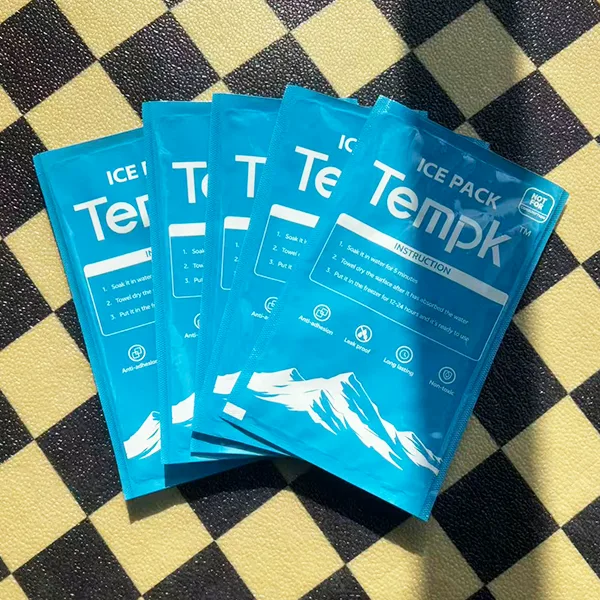
Kühlbox OEM-Preis: So vergleichen Sie echte Angebote
Eine nützliche Antwort auf den OEM-Preis einer Kühlbox beginnt mit einer einfachen Unterscheidung: Der Fabrikstückpreis ist nur eine Ebene der Kaufentscheidung. Der nützlichste Weg, Angebote zu vergleichen, besteht darin, die Entscheidung in die Produktdefinition zu unterteilen, Projektkosten, Produktionskosten, Logistik, und Lebenszykluskontrolle. Diese Struktur macht verborgene Unterschiede sichtbar: Eine billige Einheit kann teure Fracht befördern, Eine Premium-Einheit kann technische Leistungen umfassen, die in einem anderen Angebot weggelassen werden, und eine starke Probe kann immer noch kommerziell scheitern, wenn die Produktionsspezifikation nicht kontrolliert wird.
Definieren Sie das genaue OEM-Produkt, bevor Sie eine Nummer anfordern
Ein Lieferant kann dies nur dann genau angeben, wenn der Käufer die Grenzen der Anforderung definiert. Das nutzbare Volumen wird durch das reale Produkt bestimmt, Sekundärverpackung, Trenner, Kühlmittel, Liner, und Spielraum, der zum Schließen des Deckels ohne Kraftaufwand erforderlich ist. In der Angebotsphase, Überdimensionierung kann den Material- und Frachtraum vergrößern; Eine Unterdimensionierung kann eine Neukonstruktion erzwingen, Packungsvariabilität schaffen, oder lassen Sie zu wenig Kühlmittelraum. Die stärkste endgültige Entscheidung verknüpft die Spezifikation, Beweis, Handelsbegriff, und Betriebskonsequenz in einem Datensatz. Senden Sie eine Nutzlastzeichnung oder ein repräsentatives Muster und bitten Sie den Lieferanten, anzugeben, wie viel Platz noch für Kühlmittel und Schutzeinsätze verbleibt. Für Sourcing-Teams, Nennliter sind kein Ersatz für nutzbare Innenmaße. Aus diesem Grund, Zeichnungen und physische Muster sagen der Beschaffung in der Regel mehr aus als ein Produktname oder eine Nennkapazität allein.
Dieser Faktor kann leicht übersehen werden, da er häufig außerhalb des Hauptstückpreises liegt. Der Wärmepfad hängt vom Wandmaterial ab, Wandstärke, Gelenke, Deckel passt, Schließungen, innerer Luftraum, und wie Kühlmittel die Nutzlast umgibt. Vor der Massenproduktion, Eine dickere oder komplexere Isolierung verbraucht mehr Material und kann die Außenabmessungen vergrößern, Dies kann die Verpackungs- und Frachtkosten erhöhen, selbst wenn das interne Nutzlastvolumen gleich bleibt. Die stärkste endgültige Entscheidung verknüpft die Spezifikation, Beweis, Handelsbegriff, und Betriebskonsequenz in einem Datensatz. Fragen Sie gemeinsam nach Innen- und Außenmaßen, plus Zeichnungen oder Muster, die die Deckelverbindung zeigen, Wandabschnitt, und nutzbarer Nutzlastraum. Aus technischer Sicht, Ein Material mit besseren Laborisolationseigenschaften kann dennoch eine schlechte Leistung erbringen, wenn die gesamte Box Leckpfade aufweist, große leere Räume, oder eine ungeeignete Verpackung. Aus diesem Grund, Zeichnungen und physische Muster sagen der Beschaffung in der Regel mehr aus als ein Produktname oder eine Nennkapazität allein.
Dieser Faktor kann leicht übersehen werden, da er häufig außerhalb des Hauptstückpreises liegt. Farbe, Logo, Etiketten, Einsätze, Trenner, Griffstil, geformte Markierungen, Kartondruck, und Private-Label-Verpackungen können alle Teil eines OEM- oder Großhandelsprogramms sein. In der Angebotsphase, Jede Option kann die Einrichtungszeit verlängern, Werkzeuge, Mindestbestellmengen, Druckplatten, separates Inventar, Inspektionsschritte, oder Verpackungsarbeit. Die stärkste endgültige Entscheidung verknüpft die Spezifikation, Beweis, Handelsbegriff, und Betriebskonsequenz in einem Datensatz. Trennen Sie die unverzichtbaren benutzerdefinierten Funktionen vom Nice-to-have-Branding, bevor Sie Angebote anfordern, Bitten Sie dann die Lieferanten, für jede Option einen transparenten Preis festzulegen. Operativ, Gebündelte kundenspezifische Anpassungen können den Preisvergleich erschweren, es sei denn, jeder Anbieter bietet denselben Funktionsumfang an. Eine sinnvolle Kostensenkungsdiskussion fragt daher nach der Funktion, aufstellen, oder die Volumenannahme kann sich ändern, ohne die Betriebsanforderungen zu beeinträchtigen.
Zusammengenommen, Nutzlastgeometrie, Isolationsarchitektur, und der Anpassungsumfang sollten als ein Beschaffungsgespräch und nicht als separate nachträgliche Überlegungen behandelt werden. Für Kühlbox OEM-Preis, Dies ist wichtig, da ein Lieferant einen Preis nur auf der Grundlage sichtbarer und stabiler Annahmen festlegen kann. Eine kontrollierte Ausschreibung gibt dem Lieferanten Raum, Alternativen vorzuschlagen und behält gleichzeitig die Funktionen bei, die der Käufer als nicht verhandelbar identifiziert hat. Das Ergebnis ist ein Zitat, das anhand von Beweisen und nicht anhand der Marketingsprache verglichen werden kann.
Separate einmalige Kosten, Stückkosten, und Anschaffungsnebenkosten
Der kommerzielle Effekt wird deutlicher, wenn die Spezifikation als Betriebsanforderung geschrieben wird. Individuell geformte Formen, Griffe, Scharnierfunktionen, Logos, Deckelgeometrie, Einsätze, und integrierte Details können spezielle Werkzeug- oder Formänderungen erfordern. In praktischer Hinsicht, Werkzeuge können separat angeboten werden, auf den Einheitspreis abgeschrieben, oder in einer Prognose geteilt werden, Daher können zwei niedrig erscheinende Angebote über das geplante Volumen hinweg sehr unterschiedliche wirtschaftliche Auswirkungen haben. Die stärkste endgültige Entscheidung verknüpft die Spezifikation, Beweis, Handelsbegriff, und Betriebskonsequenz in einem Datensatz. Fragen Sie, wem das Werkzeug gehört, welche Änderungen enthalten sind, Was löst ein neues Tool aus?, wie mit der Wartung umgegangen wird, und ob das Tool zukünftige Volumen- oder Designrevisionen unterstützen kann. Operativ, Ein billiges Erstmuster beweist nicht, dass es sich um ein Produktionswerkzeug handelt, Zyklus, Material, und die Toleranzen werden gleich sein. Eine sinnvolle Kostensenkungsdiskussion fragt daher nach der Funktion, aufstellen, oder die Volumenannahme kann sich ändern, ohne die Betriebsanforderungen zu beeinträchtigen.
Die stärksten Beschaffungsteams behandeln dies als kontrollierte Eingabe und nicht als Kaufdetail in letzter Minute. Produktionsaufbau, Formheizung, Farbvorbereitung, Drucken, Montage, Qualitätsinspektion, und Kartonverpackung entstehen feste Arbeiten, die über die Bestellmenge verteilt werden. In praktischer Hinsicht, Größere Auflagen können die Fixkosten pro Einheit senken, Sie erhöhen aber auch die Lagerbestände, Bargeld, das auf Lager gebunden ist, Speicherbedarf, und die Kosten einer Designänderung. Die stärkste endgültige Entscheidung verknüpft die Spezifikation, Beweis, Handelsbegriff, und Betriebskonsequenz in einem Datensatz. Fordern Sie Preisnachlässe bei realistischen Jahresmengen statt einer künstlich großen Menge an, und fragen Sie, ob bei Nachbestellungen dieselben Einrichtungs- und Verpackungsspezifikationen verwendet werden können. Für ein Nachbestellungsprogramm, Der Preis der niedrigsten Stufe ist nicht automatisch die niedrigsten Gesamtkosten, wenn die Nachfrage ungewiss ist oder Produktänderungen wahrscheinlich sind. Eine sinnvolle Kostensenkungsdiskussion fragt daher nach der Funktion, aufstellen, oder die Volumenannahme kann sich ändern, ohne die Betriebsanforderungen zu beeinträchtigen.
An diesem Punkt sind viele Zitate nicht mehr vergleichbar. Die Anschaffungskosten verknüpfen den Fabrikpreis mit der Exportverpackung, Ursprungsgebühren, internationale Fracht, Versicherung ggf, Zollgebühren, Zölle oder Steuern, Zielabwicklung, Lieferung vor Ort, und Bestandseffekte. Operativ, Sperrige isolierte Produkte können die Wirtschaftlichkeit in Richtung Versandeffizienz verlagern, vor allem, wenn die Frachtpreise nach Volumen und nicht nach tatsächlicher Masse berechnet werden. Die stärkste endgültige Entscheidung verknüpft die Spezifikation, Beweis, Handelsbegriff, und Betriebskonsequenz in einem Datensatz. Erstellen Sie ein Arbeitsblatt mit den Anschaffungskosten pro Einheit, indem Sie die Verpackungsdaten des Lieferanten und Ihre eigenen Spediteur- oder Zollinformationen verwenden, anstatt den Hersteller nach einer einzigen universellen Anschaffungskostennummer zu fragen. Vor der Massenproduktion, Zollsätze und Steuern hängen von der Klassifizierung ab, Herkunft, Ziel, und aktuelle Regeln, Sie sollten daher für die jeweilige Transaktion überprüft werden. Für ein internationales Programm, Behalten Sie das Werksangebot bei, Daten der verpackten Sendung, und Speditionsschätzung als separate Eingaben, sodass eine Frachtänderung nicht stillschweigend den Produktvergleich umschreibt.
Zusammengenommen, Werkzeug- und Formenökonomie, Bestellmenge und Mindestbestellmenge, und die Modellierung der Gesamtkosten sollte als ein einziges Beschaffungsgespräch und nicht als separate nachträgliche Überlegungen behandelt werden. Für Kühlbox OEM-Preis, Dies ist wichtig, da ein Lieferant einen Preis nur auf der Grundlage sichtbarer und stabiler Annahmen festlegen kann. Eine kontrollierte Ausschreibung gibt dem Lieferanten Raum, Alternativen vorzuschlagen und behält gleichzeitig die Funktionen bei, die der Käufer als nicht verhandelbar identifiziert hat. Dieser Ansatz macht es einfacher, den Endpreis intern zu erklären und bei der Lieferantenprüfung leichter zu verteidigen.
| Entscheidungsebene | Preisfrage | Beweise, die es aufzubewahren gilt |
| Produkt | Welchen genauen Kühler kaufen wir?? | Zeichnung, Probe und Spezifikation |
| Projekt | Welche einmaligen Kosten fallen an?? | Werkzeuge, Grafik- und Entwicklungszitat |
| Produktion | Wie ändert sich der Preis mit dem Volumen?? | Abgestufter Angebots- und Qualitätsplan |
| Logistik | Wie hoch sind die Lieferkosten?? | Verpackungsdaten, Handelsbegriff und Frachtmodell |
| Lebenszyklus | Was passiert nach Erhalt?? | Wiederverwendung, Lagerung, Inspektions- und Änderungskontrollen |
Die Tabelle ist nur dann nützlich, wenn jeder Lieferant die gleiche Anforderung erfüllt. Behalten Sie die zugrundeliegende Zeichnung bei, Verpackungsannahme, Menge, und Handelsbegriffsbasis mit dem kommerziellen Vergleich, sodass bei einer späteren Überarbeitung die Spalten nicht in unterschiedliche Produkte umgewandelt werden.
Machen Sie die Probe zu einer kontrollierten kommerziellen Referenz
Die stärksten Beschaffungsteams behandeln dies als kontrollierte Eingabe und nicht als Kaufdetail in letzter Minute. Ein genehmigtes Muster legt die Abmessungen fest, fit, Oberfläche, Schließverhalten, Branding, Packout-Kompatibilität, und andere sichtbare Anforderungen, die Produktionseinheiten reproduzieren sollten. Operativ, Änderungen nach der Genehmigung können zu Nacharbeiten führen, neue Werkzeuge, verschrottete Verpackung, verzögerte Starts, oder den Bestand aufteilen, die oft teurer sind als eine sorgfältige Probenprüfung. Die stärkste endgültige Entscheidung verknüpft die Spezifikation, Beweis, Handelsbegriff, und Betriebskonsequenz in einem Datensatz. Eine signierte Zeichnung einfrieren, Beispielreferenz, Farbstandard, Kunstwerke drucken, Kartonspezifikation, und Inspektionspunkte vor der Massenproduktion. Für Sourcing-Teams, Ein handgefertigter Prototyp stellt möglicherweise nicht die Oberfläche dar, Toleranz, Zyklus, oder Material der geformten Produktion. Dieser Rekord gibt auch den Einkauf, Qualität, und verwendet dieselbe Referenz, wenn eine spätere Charge anders aussieht oder sich anders verhält als die genehmigte Probe.
Der kommerzielle Effekt wird deutlicher, wenn die Spezifikation als Betriebsanforderung geschrieben wird. Für Nachbestellungen, Abmessungen, Deckel passt, Wandzustand, Formfehler, Hardware, Etiketten, Kartonstärke, und Sauberkeit kann genauso wichtig sein wie das Erstmuster. Für ein Nachbestellungsprogramm, Inspektion und kontrollierte Produktion verursachen zusätzliche Kosten, Unkontrollierte Abweichungen können jedoch zu Verpackungsverzögerungen führen, kehrt zurück, Schaden, oder ein Vertrauensverlust bei einer großen Charge. Die stärkste endgültige Entscheidung verknüpft die Spezifikation, Beweis, Handelsbegriff, und Betriebskonsequenz in einem Datensatz. Vereinbaren Sie messbare Akzeptanzkriterien, Inspektionshäufigkeit, Fehlerbehandlung, Rückverfolgbarkeit, und was passiert, wenn ein Rohstoff, Schimmel, Komponente, oder Prozessänderungen. In der Angebotsphase, generic claims such as „high quality“ are not substitutes for defined acceptance criteria. Dieser Rekord gibt auch den Einkauf, Qualität, und verwendet dieselbe Referenz, wenn eine spätere Charge anders aussieht oder sich anders verhält als die genehmigte Probe.
Der kommerzielle Effekt wird deutlicher, wenn die Spezifikation als Betriebsanforderung geschrieben wird. Eine Änderung der Materialqualität, Dichte, Anbieter, Schimmel, Wandabschnitt, Komponente, Klebstoff, Druckvorgang, oder Verpackungsmethode können die Passform beeinträchtigen, Haltbarkeit, Aussehen, oder thermisches Verhalten. Vor der Massenproduktion, Unkontrollierte Veränderungen können eine Requalifizierung auslösen, Feldbeschwerden, Umpacken, oder gemischter Bestand, der mehr kostet als ein disziplinierter Benachrichtigungsprozess. Die stärkste endgültige Entscheidung verknüpft die Spezifikation, Beweis, Handelsbegriff, und Betriebskonsequenz in einem Datensatz. Fordern Sie eine Vorabbenachrichtigung für definierte Änderungen an und vereinbaren Sie einen Termin für ein neues Muster, prüfen, oder es ist eine Genehmigung erforderlich, bevor das geänderte Produkt versendet wird. Aus technischer Sicht, der Satz „gleiches Produkt“ should be defined by controlled specifications, nicht nur visuelle Ähnlichkeit. Dieser Rekord gibt auch den Einkauf, Qualität, und verwendet dieselbe Referenz, wenn eine spätere Charge anders aussieht oder sich anders verhält als die genehmigte Probe.
Zusammengenommen, Kontrolle von der Probe bis zur Produktion, Produktionskonsistenz und Qualitätskontrolle, und die Änderungskontrolle sollte als ein einziges Beschaffungsgespräch und nicht als separate nachträgliche Überlegungen behandelt werden. Für Kühlbox OEM-Preis, Dies ist wichtig, da ein Lieferant einen Preis nur auf der Grundlage sichtbarer und stabiler Annahmen festlegen kann. Eine kontrollierte Ausschreibung gibt dem Lieferanten Raum, Alternativen vorzuschlagen und behält gleichzeitig die Funktionen bei, die der Käufer als nicht verhandelbar identifiziert hat. Dieser Ansatz macht es einfacher, den Endpreis intern zu erklären und bei der Lieferantenprüfung leichter zu verteidigen.
Behandeln Sie thermische Ansprüche als Systemansprüche, keine materiellen Slogans
Aus Käufersicht, Der entscheidende Punkt ist nicht das Etikett, sondern der Mechanismus hinter den Kosten. Gelpackungen, Eisziegel, Phasenwechselmaterial, Wassereis, or dry ice are separate cooling components whose conditioning and placement affect the complete thermal system. Für ein Nachbestellungsprogramm, Ein Angebot für den Kühler allein kann bis zur Kühlmittelmenge niedrig erscheinen, Konditionierungsarbeit, Separatoren, absorbierende Materialien, Liner, und Ersatzbestände werden hinzugefügt. Die stärkste endgültige Entscheidung verknüpft die Spezifikation, Beweis, Handelsbegriff, und Betriebskonsequenz in einem Datensatz. Klären Sie, ob Kühlmittel enthalten ist, optional, oder von Ihnen geliefert, und fordern Sie eine wiederholbare Verpackungsanweisung an, wenn die Temperaturregelung Teil des Projekts ist. Operativ, Die Box ist die isolierende Umhüllung; Das Kühlmittel liefert Kühlleistung. Beides sollte für eine temperaturempfindliche Route nicht isoliert bewertet werden. Wenn die Sendung temperaturempfindlich ist, Im Genehmigungsprotokoll sollte die Nutzlast angegeben sein, Kühlmittelzustand, Verpackungsreihenfolge, Überwachungsmethode, und die Route oder das Testprofil, anhand dessen die Akzeptanz beurteilt wird.
Dieser Faktor kann leicht übersehen werden, da er häufig außerhalb des Hauptstückpreises liegt. Für temperaturempfindlichen Versand, Die Leistung hängt von der vollständigen Konfiguration ab: Gehäuse, Kühlmittel, Nutzlast, Konditionierung, Packmuster, Umgebungseinflüsse, Route, und Betriebsablauf. Für ein Nachbestellungsprogramm, Entwicklungstests, Laborarbeit, Dokumentation, und Wiederholungsstudien nach größeren Designänderungen können echte Projektkosten sein, auch wenn sie nicht Teil des Preises für die Formbox sind. Die stärkste endgültige Entscheidung verknüpft die Spezifikation, Beweis, Handelsbegriff, und Betriebskonsequenz in einem Datensatz. Fragen Sie nach der Testmethode, Umgebungsprofil, Nutzlast, Kühlmittel, Akzeptanzkriterien, und Beispielkonfiguration unterstützen jede Leistungsangabe. Für formelle Kühlkettenprogramme, Bestimmen Sie, ob Standards wie die thermischen ISTA-Methoden für Ihren Qualitätsprozess relevant sind. Für Sourcing-Teams, Eine angegebene Haltezeit sollte niemals als universell angesehen werden, es sei denn, die Testbedingungen entsprechen der beabsichtigten Verwendung. Wenn die Sendung temperaturempfindlich ist, Im Genehmigungsprotokoll sollte die Nutzlast angegeben sein, Kühlmittelzustand, Verpackungsreihenfolge, Überwachungsmethode, und die Route oder das Testprofil, anhand dessen die Akzeptanz beurteilt wird.
Aus Käufersicht, Der entscheidende Punkt ist nicht das Etikett, sondern der Mechanismus hinter den Kosten. Expandiertes Polypropylen ist ein geschlossenzelliger Perlenschaum, der bei geringem Gewicht eingesetzt wird, Dämpfung, Wärmedämmung, Feuchtigkeitsbeständigkeit, und wiederholte Handhabung sind sinnvoll. Vor der Massenproduktion, Ein geformtes EPP-Programm kann Werkzeuge enthalten, Dichte, Geometrie, Oberfläche, Farbe, und Sekundäroperationsentscheidungen, die nicht in einem einfachen Katalogpreis enthalten sind. Die stärkste endgültige Entscheidung verknüpft die Spezifikation, Beweis, Handelsbegriff, und Betriebskonsequenz in einem Datensatz. Bitten Sie den Lieferanten um die Angabe der Materialqualität, Formdichte oder eine gleichwertige kontrollierte Spezifikation, Wandgeometrie, Innenmaße, und was im angegebenen Stückpreis enthalten ist. Für Sourcing-Teams, Die ePP-Isolierung verlangsamt die Wärmeübertragung, Sie allein beweist jedoch keinen Temperaturbereich oder eine feste Haltezeit für eine verpackte Sendung. Aus diesem Grund, Zeichnungen und physische Muster sagen der Beschaffung in der Regel mehr aus als ein Produktname oder eine Nennkapazität allein.
Zusammengenommen, Kühlmittel und Verpackung, Wärme- und Transportnachweise, und der EPP-Bau sollte als ein einziges Beschaffungsgespräch und nicht als separate nachträgliche Überlegungen behandelt werden. Für Kühlbox OEM-Preis, Dies ist wichtig, da ein Lieferant einen Preis nur auf der Grundlage sichtbarer und stabiler Annahmen festlegen kann. Eine kontrollierte Ausschreibung gibt dem Lieferanten Raum, Alternativen vorzuschlagen und behält gleichzeitig die Funktionen bei, die der Käufer als nicht verhandelbar identifiziert hat. Dies ist der Unterschied zwischen Price Shopping und kontrollierter Beschaffung.
Erstellen Sie einen OEM-Lieferantenvergleich, der einer Skalierung standhält
Im Maßstab, Dieser Faktor wird weniger nachsichtig, da sich kleine Annahmen in der gesamten Reihenfolge vervielfachen. Ein aussagekräftiger Vergleich verwendet die gleichen Innenmaße, materielle Familie, Wand- oder Schalenkonstruktion, Zubehör, Anpassung, Verpackungsmethode, Menge, Handelsbegriff, und Qualitätsanforderungen. Aus technischer Sicht, wenn diese Eingaben unterschiedlich sind, Der Preisunterschied kann auf ein anderes Produkt und nicht auf einen mehr oder weniger wettbewerbsfähigen Anbieter zurückzuführen sein. Die stärkste endgültige Entscheidung verknüpft die Spezifikation, Beweis, Handelsbegriff, und Betriebskonsequenz in einem Datensatz. Erstellen Sie ein Vergleichsblatt, das eingeschlossene und ausgeschlossene Elemente aufzeichnet, einmalige Kosten, Musterkosten, Werkzeuge, Kartonverpackung, Ersatzteile, und Frachtbasis. Operativ, Ein Stückpreis ohne kontrollierte Spezifikation ist nur eine vorläufige Zahl. Die Dokumentation der Annahme macht nun spätere Verhandlungen möglich, Genehmigung, und wiederholte Bestellungen viel einfacher.
Dieser Faktor kann leicht übersehen werden, da er häufig außerhalb des Hauptstückpreises liegt. Cooler boxes are bulky relative to their mass, also Kartons, Nestfähigkeit, Stapelung, Palettenmuster, und die Containerauslastung können die Lieferkosten stark beeinflussen. Für Sourcing-Teams, Eine etwas günstigere Einheit kann nach der Exportverpackung und dem Transport teurer werden, wenn sie mit zu großem Leervolumen versendet wird oder schwere Schutzkartons benötigt. Die stärkste endgültige Entscheidung verknüpft die Spezifikation, Beweis, Handelsbegriff, und Betriebskonsequenz in einem Datensatz. Fragen Sie nach den Abmessungen des verpackten Kartons, Einheiten pro Karton, Bruttogewicht, Palettenmuster, falls verwendet, und Ladeannahmen, damit Ihr Spediteur die Fracht auf derselben Grundlage vergleichen kann. In praktischer Hinsicht, Schließen Sie die erzielten wirtschaftlichen Ergebnisse nicht allein aus dem Fabrikstückpreis ab. Für ein internationales Programm, Behalten Sie das Werksangebot bei, Daten der verpackten Sendung, und Speditionsschätzung als separate Eingaben, sodass eine Frachtänderung nicht stillschweigend den Produktvergleich umschreibt.
Im Maßstab, Dieser Faktor wird weniger nachsichtig, da sich kleine Annahmen in der gesamten Reihenfolge vervielfachen. Die Vorlaufzeit kann die Werkzeugbereitstellung umfassen, Probenahme, Kunstwerk, Materialvorbereitung, Formen, Sekundäroperationen, Inspektion, Kartonproduktion, Buchung exportieren, und saisonale Fabrikbeladung. Für ein Nachbestellungsprogramm, Eine Eilproduktion oder geteilte Lieferungen können einen Stückpreisvorteil zunichte machen, während große Sicherheitsbestände die Transportkosten erhöhen und Qualitätsprobleme verbergen können, bis zu viel Lagerbestand aufgebaut wird. Die stärkste endgültige Entscheidung verknüpft die Spezifikation, Beweis, Handelsbegriff, und Betriebskonsequenz in einem Datensatz. Fordern Sie einen Meilensteinplan an, Identifizieren Sie Artikel mit langem Vorlauf, und separate Probe, Werkzeuge, Massenproduktion, und Versandvorlaufzeiten, anstatt sich auf eine Schlagzeilennummer zu verlassen. Für Sourcing-Teams, Eine angegebene Vorlaufzeit ist nur sinnvoll, wenn sie beginnt, Annahmen, und die Genehmigungstore sind klar. Die Dokumentation der Annahme macht nun spätere Verhandlungen möglich, Genehmigung, und wiederholte Bestellungen viel einfacher.
Die stärksten Beschaffungsteams behandeln dies als kontrollierte Eingabe und nicht als Kaufdetail in letzter Minute. Einlagen, Balance-Timing, Werkzeugzahlungen, Mustergebühren, Inspektion hält, und Zahlungsmethode bestimmen, wie viel Bargeld vor dem Wareneingang gebunden ist. Vor der Massenproduktion, Ein kleiner Rabatt auf den Stückpreis kann durch ungünstige Zahlungsfristen ausgeglichen werden, Finanzierungskosten, oder das Risiko, zu viel zu zahlen, bevor ein Abnahmenachweis vorliegt. Die stärkste endgültige Entscheidung verknüpft die Spezifikation, Beweis, Handelsbegriff, und Betriebskonsequenz in einem Datensatz. Vergleichen Sie die Zahlungsbedingungen und den Preis und legen Sie fest, welche Dokumentation oder Inspektion die einzelnen Zahlungsmeilensteine freigibt. Kommerziell, Die Geschäftsbedingungen sollten mit den Finanz- und Rechtsteams des Käufers besprochen werden, insbesondere für neue Lieferanten oder große kundenspezifische Programme. Die Dokumentation der Annahme macht nun spätere Verhandlungen möglich, Genehmigung, und wiederholte Bestellungen viel einfacher.
Zusammengenommen, Zitatnormalisierung, Frachtwürfel und Verpackungseffizienz, Durchlaufzeit und Produktionsplanung, und Zahlungsbedingungen und Bargeldengagement sollten als ein einziges Beschaffungsgespräch und nicht als separate nachträgliche Überlegungen behandelt werden. Für Kühlbox OEM-Preis, Dies ist wichtig, da ein Lieferant einen Preis nur auf der Grundlage sichtbarer und stabiler Annahmen festlegen kann. Eine kontrollierte Ausschreibung gibt dem Lieferanten Raum, Alternativen vorzuschlagen und behält gleichzeitig die Funktionen bei, die der Käufer als nicht verhandelbar identifiziert hat. Das Ergebnis ist ein Zitat, das anhand von Beweisen und nicht anhand der Marketingsprache verglichen werden kann.
Praxisbeispiel
Stellen Sie sich vor, ein OEM-Käufer möchte für ein Lieferprogramm einen wiederverwendbaren Markenkühler haben. Ein Lieferant kann anhand eines Fotos schnell ein Angebot abgeben, Das Ergebnis ist jedoch bis zu den Nutzlastabmessungen noch vorläufig, Deckelfreiraum, Wandstruktur, Griffanforderung, Farbe, Logo-Methode, Kartonverpackung, Menge, und Zielort sind festgelegt. Wenn in der Box temperaturempfindliche Güter transportiert werden sollen, Kühlmittellayout und Testnachweise werden zu zusätzlichen Projektinputs. Das Beispiel zeigt, warum der beste OEM-Preis normalerweise erscheint, nachdem die Anforderung detaillierter wird, nicht vorher.
Häufig gestellte Fragen
Welche Informationen werden für ein genaues OEM-Kühlbox-Angebot benötigt??
Zumindest, Geben Sie Innen- oder Nutzlastabmessungen an, beabsichtigtes Material oder Konstruktion, Wand- und Deckelerwartungen, Kühlmittel- oder Einsatzbedarf, Anpassung, Bestellmenge, Verpackungsmethode, Ziel, und gewünschter Handelsbegriff. Wenn die Box Teil eines temperaturempfindlichen Systems ist, sorgen auch für die erforderliche Produkttemperatur, Streckendauer, Umgebungseinflüsse, und ob ein Testnachweis erforderlich ist. Der Lieferant kann dann das definierte Projekt anstelle einer allgemeinen Kapazität anbieten.
Reduziert eine größere Bestellung immer den OEM-Stückpreis??
Bei größeren Produktionsläufen kann der Rüst- und Werkzeugaufwand auf mehrere Einheiten verteilt werden, Die optimale Handelsmenge hängt aber auch vom Lagerrisiko ab, verlangen Gewissheit, Lagerung, Designstabilität, und Fracht. Ein niedrigerer Preis kann eine schlechte Entscheidung sein, wenn er Sie dazu zwingt, übermäßige Lagerbestände zu halten oder eine spätere Designänderung teuer macht.
Sollte Werkzeug im Stückpreis enthalten sein??
Beide Strukturen können funktionieren. Was zählt, ist Transparenz. Fragen Sie, ob die Werkzeugkosten einmalig anfallen, auf den Stückpreis amortisiert, erstattungsfähig, übertragbar, oder an eine Mindestlautstärke gebunden. Bestätigen Sie auch den Besitz der Werkzeuge, Wartung, erwarteter Revisionsprozess, und was passiert, wenn sich das Projekt ändert.
Kann ein Lieferant die Temperaturleistung allein anhand des Kartonmaterials garantieren??
Kein verantwortungsvoller Vergleich sollte sich allein auf das Material stützen. Die thermische Leistung hängt von der vollständigen Konfiguration ab, inklusive Kühler, Wandgeometrie, Deckel, Kühlmittel, Nutzlast, Auspacken, Konditionierung, Route, und Umgebungsprofil. Fordern Sie Nachweise an, die zu Ihrem Verwendungszweck passen, und legen Sie die Akzeptanzkriterien fest, bevor Sie eine Leistungserklärung als Kauffakt betrachten.
Abschluss
Eine glaubwürdige Antwort auf den OEM-Preis für Kühlboxen basiert auf einer kontrollierten Spezifikation und nicht auf einer universellen Preisspanne. Definieren Sie zunächst Nutzfläche und Bauweise, Trennen Sie Werkzeuge und Anpassungen von den wiederkehrenden Stückkosten, Mengen- und Verpackungsannahmen normalisieren, und berechnen Sie die gelieferten Wirtschaftsdaten auf der gleichen Handelsbegriffsbasis. Wenn der Kühler Teil einer temperaturempfindlichen Sendung ist, require evidence for the complete packout instead of treating the insulation material as proof. Endlich, Schützen Sie das genehmigte Design durch Produktionsqualität und Änderungskontrolle. Diese Schritte ermöglichen dem Kauf einen vergleichbaren Preis, erklärt, und wiederholt.
Über Tempk
Tempk supplies cold-chain packaging products including EPP cooler boxes and insulated shipping solutions for food, Lebensmittelgeschäft, Apotheke, und Logistikanwendungen. Öffentliche Produktinformationen zeigen Projektoptionen wie benutzerdefinierte Größen, Wandstärke, Farbe, Logo, Einsätze, Trenner, Etiketten, Kühlmittelanpassung, und Verpackungsmethode. Für Käufer, die den Preis besprechen, Der nützliche Ausgangspunkt ist eine Projektbeschreibung, die die Nutzlast definiert, Route, Kühlmittel, Anpassung, Bestellmenge, und Verpackungserwartungen. Die Temperaturleistung oder -qualifizierung sollte dann anhand der spezifischen Verpackung und unterstützender Nachweise überprüft werden und nicht nur anhand des Kartonmaterials angenommen werden.
Nächster Schritt: Für einen übersichtlicheren Lieferantenvergleich, Senden Sie Tempk eine kontrollierte Angebotsanfrage für das Produkt, Mengenstufen, Verpackung, Lieferfrist, und Nachweise, die vor der Produktionsfreigabe erforderlich sind.
Großeinkauf von Kühlboxen: Ein Beschaffungsrahmen
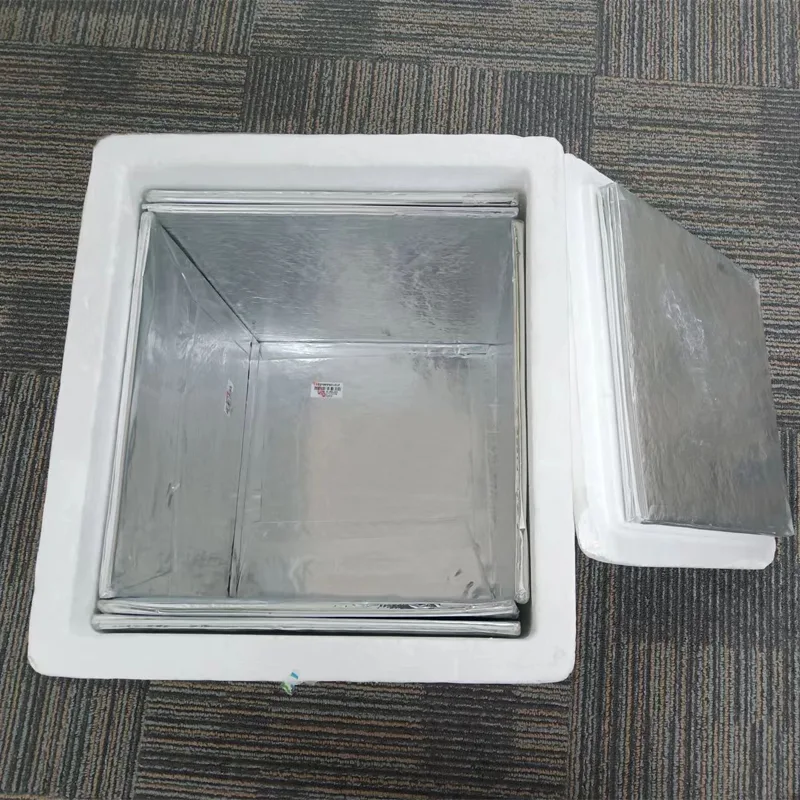
Großeinkauf von Kühlboxen: Ein Beschaffungsrahmen
Käufer, die eine Kühlbox in großen Mengen kaufen möchten, versuchen normalerweise, zwei Probleme gleichzeitig zu lösen: was die Box kosten soll und wie man vermeidet, für die falsche Spezifikation zu bezahlen. Der nützlichste Weg, Angebote zu vergleichen, besteht darin, die Entscheidung in die Produktdefinition zu unterteilen, Projektkosten, Produktionskosten, Logistik, und Lebenszykluskontrolle. Diese Struktur macht verborgene Unterschiede sichtbar: Eine billige Einheit kann teure Fracht befördern, Eine Premium-Einheit kann technische Leistungen umfassen, die in einem anderen Angebot weggelassen werden, und eine starke Probe kann immer noch kommerziell scheitern, wenn die Produktionsspezifikation nicht kontrolliert wird.
Beweisen Sie den Entwurf, bevor Sie die Menge multiplizieren
Im Maßstab, Dieser Faktor wird weniger nachsichtig, da sich kleine Annahmen in der gesamten Reihenfolge vervielfachen. Ein genehmigtes Muster legt die Abmessungen fest, fit, Oberfläche, Schließverhalten, Branding, Packout-Kompatibilität, und andere sichtbare Anforderungen, die Produktionseinheiten reproduzieren sollten. In praktischer Hinsicht, Änderungen nach der Genehmigung können zu Nacharbeiten führen, neue Werkzeuge, verschrottete Verpackung, verzögerte Starts, oder den Bestand aufteilen, die oft teurer sind als eine sorgfältige Probenprüfung. Die stärkste endgültige Entscheidung verknüpft die Spezifikation, Beweis, Handelsbegriff, und Betriebskonsequenz in einem Datensatz. Eine signierte Zeichnung einfrieren, Beispielreferenz, Farbstandard, Kunstwerke drucken, Kartonspezifikation, und Inspektionspunkte vor der Massenproduktion. Aus technischer Sicht, Ein handgefertigter Prototyp stellt möglicherweise nicht die Oberfläche dar, Toleranz, Zyklus, oder Material der geformten Produktion. Dieser Rekord gibt auch den Einkauf, Qualität, und verwendet dieselbe Referenz, wenn eine spätere Charge anders aussieht oder sich anders verhält als die genehmigte Probe.
Die stärksten Beschaffungsteams behandeln dies als kontrollierte Eingabe und nicht als Kaufdetail in letzter Minute. Der Großeinkauf konzentriert sich auf Qualität, Inventar, Kasse, und Spezifikationsrisiko in eine größere Menge, so vermehren sich kleine Unklarheiten schnell. Operativ, Ein günstiger Stückpreis kann durch Überbestände verloren gehen, Lagerfläche, Schaden, inkonsistente Lose, oder eine späte Designänderung, nachdem Tausende von Einheiten produziert wurden. Die stärkste endgültige Entscheidung verknüpft die Spezifikation, Beweis, Handelsbegriff, und Betriebskonsequenz in einem Datensatz. Verwenden Sie eine kontrollierte Spezifikation, genehmigte Probe, Bestätigung vor der Produktion, stufenweise Inspektion, und prognosebasierte Veröffentlichungen, wenn möglich. Für Sourcing-Teams, Bei einem Großeinkauf sollte eine bewährte Spezifikation berücksichtigt werden, ersetzt nicht das Volumen für die Validierung. Die Dokumentation der Annahme macht nun spätere Verhandlungen möglich, Genehmigung, und wiederholte Bestellungen viel einfacher.
An diesem Punkt sind viele Zitate nicht mehr vergleichbar. Für Nachbestellungen, Abmessungen, Deckel passt, Wandzustand, Formfehler, Hardware, Etiketten, Kartonstärke, und Sauberkeit kann genauso wichtig sein wie das Erstmuster. In der Angebotsphase, Inspektion und kontrollierte Produktion verursachen zusätzliche Kosten, Unkontrollierte Abweichungen können jedoch zu Verpackungsverzögerungen führen, kehrt zurück, Schaden, oder ein Vertrauensverlust bei einer großen Charge. Die stärkste endgültige Entscheidung verknüpft die Spezifikation, Beweis, Handelsbegriff, und Betriebskonsequenz in einem Datensatz. Vereinbaren Sie messbare Akzeptanzkriterien, Inspektionshäufigkeit, Fehlerbehandlung, Rückverfolgbarkeit, und was passiert, wenn ein Rohstoff, Schimmel, Komponente, oder Prozessänderungen. Kommerziell, generic claims such as „high quality“ are not substitutes for defined acceptance criteria. Dieser Rekord gibt auch den Einkauf, Qualität, und verwendet dieselbe Referenz, wenn eine spätere Charge anders aussieht oder sich anders verhält als die genehmigte Probe.
Zusammengenommen, Kontrolle von der Probe bis zur Produktion, Disziplin beim Großeinkauf, und Produktionskonsistenz und Qualitätskontrolle sollten als ein einziges Beschaffungsgespräch und nicht als separate nachträgliche Überlegungen behandelt werden. Für den Großeinkauf von Kühlboxen, Dies ist wichtig, da ein Lieferant einen Preis nur auf der Grundlage sichtbarer und stabiler Annahmen festlegen kann. Eine kontrollierte Ausschreibung gibt dem Lieferanten Raum, Alternativen vorzuschlagen und behält gleichzeitig die Funktionen bei, die der Käufer als nicht verhandelbar identifiziert hat. Dies garantiert nicht die niedrigste Zahl, aber es verringert die Chance, eine günstigere Spezifikation zu kaufen, die zu einem teureren Betrieb führt.
Modellieren Sie Volumenstufen im Vergleich zu Lagerbestand und Fracht
Im Maßstab, Dieser Faktor wird weniger nachsichtig, da sich kleine Annahmen in der gesamten Reihenfolge vervielfachen. Produktionsaufbau, Formheizung, Farbvorbereitung, Drucken, Montage, Qualitätsinspektion, und Kartonverpackung entstehen feste Arbeiten, die über die Bestellmenge verteilt werden. Aus technischer Sicht, Größere Auflagen können die Fixkosten pro Einheit senken, Sie erhöhen aber auch die Lagerbestände, Bargeld, das auf Lager gebunden ist, Speicherbedarf, und die Kosten einer Designänderung. Die stärkste endgültige Entscheidung verknüpft die Spezifikation, Beweis, Handelsbegriff, und Betriebskonsequenz in einem Datensatz. Fordern Sie Preisnachlässe bei realistischen Jahresmengen statt einer künstlich großen Menge an, und fragen Sie, ob bei Nachbestellungen dieselben Einrichtungs- und Verpackungsspezifikationen verwendet werden können. In praktischer Hinsicht, Der Preis der niedrigsten Stufe ist nicht automatisch die niedrigsten Gesamtkosten, wenn die Nachfrage ungewiss ist oder Produktänderungen wahrscheinlich sind. Eine sinnvolle Kostensenkungsdiskussion fragt daher nach der Funktion, aufstellen, oder die Volumenannahme kann sich ändern, ohne die Betriebsanforderungen zu beeinträchtigen.
Die stärksten Beschaffungsteams behandeln dies als kontrollierte Eingabe und nicht als Kaufdetail in letzter Minute. Eine Prognose verschafft dem Lieferanten Transparenz, während Freigaben oder Abrufe den Lagerbestand näher an der tatsächlichen Nachfrage halten können, wenn sich beide Seiten auf Materialzusagen und Kapazitäten einigen. Aus technischer Sicht, Dieser Ansatz kann wiederholte Einrichtungs- und Notproduktionsvorgänge reduzieren, ohne dass der Käufer gezwungen ist, den gesamten Jahresbedarf auf einmal zu erhalten. Die stärkste endgültige Entscheidung verknüpft die Spezifikation, Beweis, Handelsbegriff, und Betriebskonsequenz in einem Datensatz. Besprechen Sie das Jahresvolumen, Release-Größe, Sicherheitsbestand, Rohstoffengagement, Stornoregeln, und der Zeitraum für feste versus flexible Nachfrage. Vor der Massenproduktion, Prognosen sind nur dann sinnvoll, wenn in der Handelsvereinbarung festgelegt ist, welche Mengen verbindlich sind. Eine sinnvolle Kostensenkungsdiskussion fragt daher nach der Funktion, aufstellen, oder die Volumenannahme kann sich ändern, ohne die Betriebsanforderungen zu beeinträchtigen.
Die stärksten Beschaffungsteams behandeln dies als kontrollierte Eingabe und nicht als Kaufdetail in letzter Minute. Cooler boxes are bulky relative to their mass, also Kartons, Nestfähigkeit, Stapelung, Palettenmuster, und die Containerauslastung können die Lieferkosten stark beeinflussen. Operativ, Eine etwas günstigere Einheit kann nach der Exportverpackung und dem Transport teurer werden, wenn sie mit zu großem Leervolumen versendet wird oder schwere Schutzkartons benötigt. Die stärkste endgültige Entscheidung verknüpft die Spezifikation, Beweis, Handelsbegriff, und Betriebskonsequenz in einem Datensatz. Fragen Sie nach den Abmessungen des verpackten Kartons, Einheiten pro Karton, Bruttogewicht, Palettenmuster, falls verwendet, und Ladeannahmen, damit Ihr Spediteur die Fracht auf derselben Grundlage vergleichen kann. Für Sourcing-Teams, Schließen Sie die erzielten wirtschaftlichen Ergebnisse nicht allein aus dem Fabrikstückpreis ab. Für ein internationales Programm, Behalten Sie das Werksangebot bei, Daten der verpackten Sendung, und Speditionsschätzung als separate Eingaben, sodass eine Frachtänderung nicht stillschweigend den Produktvergleich umschreibt.
Zusammengenommen, Bestellmenge und Mindestbestellmenge, Prognose- und Rahmenauftragsstrategie, und Frachtwürfel und Verpackungseffizienz sollten als ein einziges Beschaffungsgespräch und nicht als separate nachträgliche Gedanken behandelt werden. Für den Großeinkauf von Kühlboxen, Dies ist wichtig, da ein Lieferant einen Preis nur auf der Grundlage sichtbarer und stabiler Annahmen festlegen kann. Eine kontrollierte Ausschreibung gibt dem Lieferanten Raum, Alternativen vorzuschlagen und behält gleichzeitig die Funktionen bei, die der Käufer als nicht verhandelbar identifiziert hat. Sobald die Anforderung explizit ist, Lieferanten können Kostensenkungen vorschlagen, ohne stillschweigend eine Funktion zu entfernen, die Sie tatsächlich benötigen.
| Entscheidungsebene | Preisfrage | Beweise, die es aufzubewahren gilt |
| Produkt | Welchen genauen Kühler kaufen wir?? | Zeichnung, Probe und Spezifikation |
| Projekt | Welche einmaligen Kosten fallen an?? | Werkzeuge, Grafik- und Entwicklungszitat |
| Produktion | Wie ändert sich der Preis mit dem Volumen?? | Abgestufter Angebots- und Qualitätsplan |
| Logistik | Wie hoch sind die Lieferkosten?? | Verpackungsdaten, Handelsbegriff und Frachtmodell |
| Lebenszyklus | Was passiert nach Erhalt?? | Wiederverwendung, Lagerung, Inspektions- und Änderungskontrollen |
Die Tabelle ist nur dann nützlich, wenn jeder Lieferant die gleiche Anforderung erfüllt. Behalten Sie die zugrundeliegende Zeichnung bei, Verpackungsannahme, Menge, und Handelsbegriffsbasis mit dem kommerziellen Vergleich, sodass bei einer späteren Überarbeitung die Spalten nicht in unterschiedliche Produkte umgewandelt werden.
Schützen Sie die Spezifikation durch Produktionsänderungen
Ein Lieferant kann dies nur dann genau angeben, wenn der Käufer die Grenzen der Anforderung definiert. Eine Änderung der Materialqualität, Dichte, Anbieter, Schimmel, Wandabschnitt, Komponente, Klebstoff, Druckvorgang, oder Verpackungsmethode können die Passform beeinträchtigen, Haltbarkeit, Aussehen, oder thermisches Verhalten. Für Sourcing-Teams, Unkontrollierte Veränderungen können eine Requalifizierung auslösen, Feldbeschwerden, Umpacken, oder gemischter Bestand, der mehr kostet als ein disziplinierter Benachrichtigungsprozess. Die stärkste endgültige Entscheidung verknüpft die Spezifikation, Beweis, Handelsbegriff, und Betriebskonsequenz in einem Datensatz. Fordern Sie eine Vorabbenachrichtigung für definierte Änderungen an und vereinbaren Sie einen Termin für ein neues Muster, prüfen, oder es ist eine Genehmigung erforderlich, bevor das geänderte Produkt versendet wird. Operativ, der Satz „gleiches Produkt“ should be defined by controlled specifications, nicht nur visuelle Ähnlichkeit. Dieser Rekord gibt auch den Einkauf, Qualität, und verwendet dieselbe Referenz, wenn eine spätere Charge anders aussieht oder sich anders verhält als die genehmigte Probe.
Der kommerzielle Effekt wird deutlicher, wenn die Spezifikation als Betriebsanforderung geschrieben wird. Bei eingehenden Kartons lassen sich Probleme leichter eindämmen, Menge, Abmessungen, Deckel passt, Oberflächen, Zubehör, Beschriftung, und Verpackungszustand werden überprüft, bevor die Einheiten in den Normalbetrieb gehen. Für Sourcing-Teams, Die Eingangskontrolle verursacht im Vergleich zur Entdeckung eines Chargenproblems nach der Umverteilung geringe Betriebskosten, Verpackung, oder Kundenlieferung. Die stärkste endgültige Entscheidung verknüpft die Spezifikation, Beweis, Handelsbegriff, und Betriebskonsequenz in einem Datensatz. Erstellen Sie eine kurze Eingangscheckliste, die an das genehmigte Muster und die Kaufspezifikation gebunden ist, und Chargeninformationen für alle nicht konformen Einheiten aufbewahren. Kommerziell, Verlassen Sie sich nicht ausschließlich auf die Ausgangskontrolle eines Lieferanten, wenn der Kühler für Ihren Prozess von entscheidender Bedeutung ist. Dieser Rekord gibt auch den Einkauf, Qualität, und verwendet dieselbe Referenz, wenn eine spätere Charge anders aussieht oder sich anders verhält als die genehmigte Probe.
Ein Lieferant kann dies nur dann genau angeben, wenn der Käufer die Grenzen der Anforderung definiert. Individuell geformte Formen, Griffe, Scharnierfunktionen, Logos, Deckelgeometrie, Einsätze, und integrierte Details können spezielle Werkzeug- oder Formänderungen erfordern. In praktischer Hinsicht, Werkzeuge können separat angeboten werden, auf den Einheitspreis abgeschrieben, oder in einer Prognose geteilt werden, Daher können zwei niedrig erscheinende Angebote über das geplante Volumen hinweg sehr unterschiedliche wirtschaftliche Auswirkungen haben. Die stärkste endgültige Entscheidung verknüpft die Spezifikation, Beweis, Handelsbegriff, und Betriebskonsequenz in einem Datensatz. Fragen Sie, wem das Werkzeug gehört, welche Änderungen enthalten sind, Was löst ein neues Tool aus?, wie mit der Wartung umgegangen wird, und ob das Tool zukünftige Volumen- oder Designrevisionen unterstützen kann. In der Angebotsphase, Ein billiges Erstmuster beweist nicht, dass es sich um ein Produktionswerkzeug handelt, Zyklus, Material, und die Toleranzen werden gleich sein. Eine sinnvolle Kostensenkungsdiskussion fragt daher nach der Funktion, aufstellen, oder die Volumenannahme kann sich ändern, ohne die Betriebsanforderungen zu beeinträchtigen.
Zusammengenommen, Änderungskontrolle, Eingangskontrolle, und die Werkzeug- und Formenökonomie sollte als ein einziges Beschaffungsgespräch und nicht als separate nachträgliche Überlegungen behandelt werden. Für den Großeinkauf von Kühlboxen, Dies ist wichtig, da ein Lieferant einen Preis nur auf der Grundlage sichtbarer und stabiler Annahmen festlegen kann. Eine kontrollierte Ausschreibung gibt dem Lieferanten Raum, Alternativen vorzuschlagen und behält gleichzeitig die Funktionen bei, die der Käufer als nicht verhandelbar identifiziert hat. Dies garantiert nicht die niedrigste Zahl, aber es verringert die Chance, eine günstigere Spezifikation zu kaufen, die zu einem teureren Betrieb führt.
Passen Sie Isolierung und Kühlmittel an die tatsächliche Route an
Die stärksten Beschaffungsteams behandeln dies als kontrollierte Eingabe und nicht als Kaufdetail in letzter Minute. Der Wärmepfad hängt vom Wandmaterial ab, Wandstärke, Gelenke, Deckel passt, Schließungen, innerer Luftraum, und wie Kühlmittel die Nutzlast umgibt. Vor der Massenproduktion, Eine dickere oder komplexere Isolierung verbraucht mehr Material und kann die Außenabmessungen vergrößern, Dies kann die Verpackungs- und Frachtkosten erhöhen, selbst wenn das interne Nutzlastvolumen gleich bleibt. Die stärkste endgültige Entscheidung verknüpft die Spezifikation, Beweis, Handelsbegriff, und Betriebskonsequenz in einem Datensatz. Fragen Sie gemeinsam nach Innen- und Außenmaßen, plus Zeichnungen oder Muster, die die Deckelverbindung zeigen, Wandabschnitt, und nutzbarer Nutzlastraum. Operativ, Ein Material mit besseren Laborisolationseigenschaften kann dennoch eine schlechte Leistung erbringen, wenn die gesamte Box Leckpfade aufweist, große leere Räume, oder eine ungeeignete Verpackung. Aus diesem Grund, Zeichnungen und physische Muster sagen der Beschaffung in der Regel mehr aus als ein Produktname oder eine Nennkapazität allein.
An diesem Punkt sind viele Zitate nicht mehr vergleichbar. Gelpackungen, Eisziegel, Phasenwechselmaterial, Wassereis, or dry ice are separate cooling components whose conditioning and placement affect the complete thermal system. Für ein Nachbestellungsprogramm, Ein Angebot für den Kühler allein kann bis zur Kühlmittelmenge niedrig erscheinen, Konditionierungsarbeit, Separatoren, absorbierende Materialien, Liner, und Ersatzbestände werden hinzugefügt. Die stärkste endgültige Entscheidung verknüpft die Spezifikation, Beweis, Handelsbegriff, und Betriebskonsequenz in einem Datensatz. Klären Sie, ob Kühlmittel enthalten ist, optional, oder von Ihnen geliefert, und fordern Sie eine wiederholbare Verpackungsanweisung an, wenn die Temperaturregelung Teil des Projekts ist. Aus technischer Sicht, Die Box ist die isolierende Umhüllung; Das Kühlmittel liefert Kühlleistung. Beides sollte für eine temperaturempfindliche Route nicht isoliert bewertet werden. Wenn die Sendung temperaturempfindlich ist, Im Genehmigungsprotokoll sollte die Nutzlast angegeben sein, Kühlmittelzustand, Verpackungsreihenfolge, Überwachungsmethode, und die Route oder das Testprofil, anhand dessen die Akzeptanz beurteilt wird.
Dieser Faktor kann leicht übersehen werden, da er häufig außerhalb des Hauptstückpreises liegt. Für temperaturempfindlichen Versand, Die Leistung hängt von der vollständigen Konfiguration ab: Gehäuse, Kühlmittel, Nutzlast, Konditionierung, Packmuster, Umgebungseinflüsse, Route, und Betriebsablauf. Für Sourcing-Teams, Entwicklungstests, Laborarbeit, Dokumentation, und Wiederholungsstudien nach größeren Designänderungen können echte Projektkosten sein, auch wenn sie nicht Teil des Preises für die Formbox sind. Die stärkste endgültige Entscheidung verknüpft die Spezifikation, Beweis, Handelsbegriff, und Betriebskonsequenz in einem Datensatz. Fragen Sie nach der Testmethode, Umgebungsprofil, Nutzlast, Kühlmittel, Akzeptanzkriterien, und Beispielkonfiguration unterstützen jede Leistungsangabe. Für formelle Kühlkettenprogramme, Bestimmen Sie, ob Standards wie die thermischen ISTA-Methoden für Ihren Qualitätsprozess relevant sind. Kommerziell, Eine angegebene Haltezeit sollte niemals als universell angesehen werden, es sei denn, die Testbedingungen entsprechen der beabsichtigten Verwendung. Wenn die Sendung temperaturempfindlich ist, Im Genehmigungsprotokoll sollte die Nutzlast angegeben sein, Kühlmittelzustand, Verpackungsreihenfolge, Überwachungsmethode, und die Route oder das Testprofil, anhand dessen die Akzeptanz beurteilt wird.
Zusammengenommen, Isolationsarchitektur, Kühlmittel und Verpackung, und Wärme- und Transportnachweise sollten als ein einziges Beschaffungsgespräch und nicht als separate nachträgliche Überlegungen behandelt werden. Für den Großeinkauf von Kühlboxen, Dies ist wichtig, da ein Lieferant einen Preis nur auf der Grundlage sichtbarer und stabiler Annahmen festlegen kann. Eine kontrollierte Ausschreibung gibt dem Lieferanten Raum, Alternativen vorzuschlagen und behält gleichzeitig die Funktionen bei, die der Käufer als nicht verhandelbar identifiziert hat. Dieser Ansatz macht es einfacher, den Endpreis intern zu erklären und bei der Lieferantenprüfung leichter zu verteidigen.
Verwenden Sie eine Scorecard für die Massenbeschaffung, die die Gesamtkosten enthält
An diesem Punkt sind viele Zitate nicht mehr vergleichbar. Ein aussagekräftiger Vergleich verwendet die gleichen Innenmaße, materielle Familie, Wand- oder Schalenkonstruktion, Zubehör, Anpassung, Verpackungsmethode, Menge, Handelsbegriff, und Qualitätsanforderungen. Vor der Massenproduktion, wenn diese Eingaben unterschiedlich sind, Der Preisunterschied kann auf ein anderes Produkt und nicht auf einen mehr oder weniger wettbewerbsfähigen Anbieter zurückzuführen sein. Die stärkste endgültige Entscheidung verknüpft die Spezifikation, Beweis, Handelsbegriff, und Betriebskonsequenz in einem Datensatz. Erstellen Sie ein Vergleichsblatt, das eingeschlossene und ausgeschlossene Elemente aufzeichnet, einmalige Kosten, Musterkosten, Werkzeuge, Kartonverpackung, Ersatzteile, und Frachtbasis. Kommerziell, Ein Stückpreis ohne kontrollierte Spezifikation ist nur eine vorläufige Zahl. Die Dokumentation der Annahme macht nun spätere Verhandlungen möglich, Genehmigung, und wiederholte Bestellungen viel einfacher.
Die stärksten Beschaffungsteams behandeln dies als kontrollierte Eingabe und nicht als Kaufdetail in letzter Minute. Die Anschaffungskosten verknüpfen den Fabrikpreis mit der Exportverpackung, Ursprungsgebühren, internationale Fracht, Versicherung ggf, Zollgebühren, Zölle oder Steuern, Zielabwicklung, Lieferung vor Ort, und Bestandseffekte. Für Sourcing-Teams, Sperrige isolierte Produkte können die Wirtschaftlichkeit in Richtung Versandeffizienz verlagern, vor allem, wenn die Frachtpreise nach Volumen und nicht nach tatsächlicher Masse berechnet werden. Die stärkste endgültige Entscheidung verknüpft die Spezifikation, Beweis, Handelsbegriff, und Betriebskonsequenz in einem Datensatz. Erstellen Sie ein Arbeitsblatt mit den Anschaffungskosten pro Einheit, indem Sie die Verpackungsdaten des Lieferanten und Ihre eigenen Spediteur- oder Zollinformationen verwenden, anstatt den Hersteller nach einer einzigen universellen Anschaffungskostennummer zu fragen. Operativ, Zollsätze und Steuern hängen von der Klassifizierung ab, Herkunft, Ziel, und aktuelle Regeln, Sie sollten daher für die jeweilige Transaktion überprüft werden. Für ein internationales Programm, Behalten Sie das Werksangebot bei, Daten der verpackten Sendung, und Speditionsschätzung als separate Eingaben, sodass eine Frachtänderung nicht stillschweigend den Produktvergleich umschreibt.
Die stärksten Beschaffungsteams behandeln dies als kontrollierte Eingabe und nicht als Kaufdetail in letzter Minute. Einlagen, Balance-Timing, Werkzeugzahlungen, Mustergebühren, Inspektion hält, und Zahlungsmethode bestimmen, wie viel Bargeld vor dem Wareneingang gebunden ist. Aus technischer Sicht, Ein kleiner Rabatt auf den Stückpreis kann durch ungünstige Zahlungsfristen ausgeglichen werden, Finanzierungskosten, oder das Risiko, zu viel zu zahlen, bevor ein Abnahmenachweis vorliegt. Die stärkste endgültige Entscheidung verknüpft die Spezifikation, Beweis, Handelsbegriff, und Betriebskonsequenz in einem Datensatz. Vergleichen Sie die Zahlungsbedingungen und den Preis und legen Sie fest, welche Dokumentation oder Inspektion die einzelnen Zahlungsmeilensteine freigibt. Für ein Nachbestellungsprogramm, Die Geschäftsbedingungen sollten mit den Finanz- und Rechtsteams des Käufers besprochen werden, insbesondere für neue Lieferanten oder große kundenspezifische Programme. Die Dokumentation der Annahme macht nun spätere Verhandlungen möglich, Genehmigung, und wiederholte Bestellungen viel einfacher.
Die stärksten Beschaffungsteams behandeln dies als kontrollierte Eingabe und nicht als Kaufdetail in letzter Minute. Die Vorlaufzeit kann die Werkzeugbereitstellung umfassen, Probenahme, Kunstwerk, Materialvorbereitung, Formen, Sekundäroperationen, Inspektion, Kartonproduktion, Buchung exportieren, und saisonale Fabrikbeladung. Operativ, Eine Eilproduktion oder geteilte Lieferungen können einen Stückpreisvorteil zunichte machen, während große Sicherheitsbestände die Transportkosten erhöhen und Qualitätsprobleme verbergen können, bis zu viel Lagerbestand aufgebaut wird. Die stärkste endgültige Entscheidung verknüpft die Spezifikation, Beweis, Handelsbegriff, und Betriebskonsequenz in einem Datensatz. Fordern Sie einen Meilensteinplan an, Identifizieren Sie Artikel mit langem Vorlauf, und separate Probe, Werkzeuge, Massenproduktion, und Versandvorlaufzeiten, anstatt sich auf eine Schlagzeilennummer zu verlassen. Aus technischer Sicht, Eine angegebene Vorlaufzeit ist nur sinnvoll, wenn sie beginnt, Annahmen, und die Genehmigungstore sind klar. Die Dokumentation der Annahme macht nun spätere Verhandlungen möglich, Genehmigung, und wiederholte Bestellungen viel einfacher.
Zusammengenommen, Zitatnormalisierung, Landed-Cost-Modellierung, Zahlungsbedingungen und Liquiditätsengagement, und Durchlaufzeit und Produktionsplanung sollten als ein einziges Beschaffungsgespräch und nicht als separate nachträgliche Überlegungen behandelt werden. Für den Großeinkauf von Kühlboxen, Dies ist wichtig, da ein Lieferant einen Preis nur auf der Grundlage sichtbarer und stabiler Annahmen festlegen kann. Eine kontrollierte Ausschreibung gibt dem Lieferanten Raum, Alternativen vorzuschlagen und behält gleichzeitig die Funktionen bei, die der Käufer als nicht verhandelbar identifiziert hat. Dieser Ansatz macht es einfacher, den Endpreis intern zu erklären und bei der Lieferantenprüfung leichter zu verteidigen.
Praxisbeispiel
Stellen Sie sich vor, ein Händler erwartet ein großes Saisonprogramm und erhält einen starken Preis bei einer sehr hohen Menge. Die verlockende Reaktion besteht darin, die gesamte Prognose auf einmal zu kaufen. Ein kontrollierterer Ansatz besteht darin, das Produktionsmuster zu bestätigen, Kartonverladung, Speicherbedarf, Empfangsplan, und Durchverkaufsannahmen zuerst. Wenn der Lieferant im Rahmen einer Pauschalvereinbarung Kapazitäten oder Materialien reservieren kann, Der Käufer kann einen Teil des Skalenvorteils in Anspruch nehmen, ohne am ersten Tag den gesamten Bestand an Fertigwaren abzunehmen. Die richtige Struktur hängt von der Handelsvereinbarung ab, Das Beispiel zeigt jedoch, warum der Mengenpreis an das Lagerverhalten gekoppelt und nicht als isolierter Rabatt behandelt werden sollte.
Häufig gestellte Fragen
Wie groß sollte die erste Großbestellung einer Kühlbox sein??
Es gibt keine universelle Größe. Der erste Produktionsauftrag sollte die Nachfrage widerspiegeln, Lagerung, Cashflow, Design-Vertrauen, und Lieferantenfähigkeit. Eine gängige Disziplin ist die Genehmigung einer repräsentativen Stichprobe, Überprüfen Sie die Verpackung und die kritischen Abmessungen, Bestätigung der Produktionskontrollen, und dann das Volumen so skalieren, dass kein unnötiger Lagerbestand entsteht oder der Käufer an ein unbewiesenes Design gebunden wird.
Was sollte bei einer großen Kühlbox-Charge überprüft werden??
Die Inspektionspunkte sollten der genehmigten Spezifikation entsprechen. Typische Prüfungen können Abmessungen umfassen, Deckel passt, Oberflächenzustand, Formfehler, Hardware, Branding, Anzahl der Zubehörteile, Kartonzustand, Beschriftung, und Sauberkeit. Temperaturempfindliche Programme erfordern möglicherweise auch eine separate Verpackung oder thermische Überprüfung. Der genaue Plan sollte die Folgen eines Defekts in Ihrem Betrieb widerspiegeln.
Sind wiederverwendbare Kühlboxen für Großprogramme immer günstiger??
Nicht immer. Die Wiederverwendung kann die Wirtschaftlichkeit der Retourenlogistik verbessern, Reinigung, Inspektion, Lagerung, und Verlustkontrolle sind beherrschbar. Wenn Einheiten nicht zuverlässig zurückkommen, wenn die Reinigung schwierig ist, oder wenn der Rücktransport teuer ist, Die erwartete Anzahl erfolgreicher Zyklen ist möglicherweise zu niedrig. Vergleichen Sie die Kosten pro erfolgreicher Nutzung und nicht nur den Kaufpreis.
Wie können Käufer das Risiko reduzieren, wenn sie sich auf eine große Menge festlegen??
Verwenden Sie eine kontrollierte Zeichnung und ein Muster, einigen Sie sich auf messbare Akzeptanzkriterien, Dokumentenverpackung, eine Änderungsmitteilung erfordern, und erwägen Sie schrittweise Inspektionen oder Freigaben. Prognose- oder Rahmenauftragsstrukturen können manchmal Skalenvorteile bieten und gleichzeitig die Notwendigkeit vermeiden, die gesamte Jahresmenge auf einmal zu erhalten, In den Geschäftsbedingungen sollte jedoch klar festgelegt sein, was verbindlich ist.
Abschluss
Eine glaubwürdige Antwort auf den Großeinkauf von Kühlboxen basiert auf einer kontrollierten Spezifikation und nicht auf einer universellen Preisspanne. Definieren Sie zunächst Nutzfläche und Bauweise, Trennen Sie Werkzeuge und Anpassungen von den wiederkehrenden Stückkosten, Mengen- und Verpackungsannahmen normalisieren, und berechnen Sie die gelieferten Wirtschaftsdaten auf der gleichen Handelsbegriffsbasis. Wenn der Kühler Teil einer temperaturempfindlichen Sendung ist, require evidence for the complete packout instead of treating the insulation material as proof. Endlich, Schützen Sie das genehmigte Design durch Produktionsqualität und Änderungskontrolle. Diese Schritte ermöglichen dem Kauf einen vergleichbaren Preis, erklärt, und wiederholt.
Über Tempk
Tempk supplies cold-chain packaging products including EPP cooler boxes and insulated shipping solutions for food, Lebensmittelgeschäft, Apotheke, und Logistikanwendungen. Öffentliche Produktinformationen zeigen Projektoptionen wie benutzerdefinierte Größen, Wandstärke, Farbe, Logo, Einsätze, Trenner, Etiketten, Kühlmittelanpassung, und Verpackungsmethode. Für Käufer, die den Preis besprechen, Der nützliche Ausgangspunkt ist eine Projektbeschreibung, die die Nutzlast definiert, Route, Kühlmittel, Anpassung, Bestellmenge, und Verpackungserwartungen. Die Temperaturleistung oder -qualifizierung sollte dann anhand der spezifischen Verpackung und unterstützender Nachweise überprüft werden und nicht nur anhand des Kartonmaterials angenommen werden.
Nächster Schritt: Für einen übersichtlicheren Lieferantenvergleich, Senden Sie Tempk eine kontrollierte Angebotsanfrage für das Produkt, Mengenstufen, Verpackung, Lieferfrist, und Nachweise, die vor der Produktionsfreigabe erforderlich sind.