


Thermoversandabdeckungen für das Logistikprogramm Dritter
Thermoversandabdeckungen für das Logistikprogramm Dritter

Thermal Shipping Covers for Third-Party Logistics: Control the Uncontrolled Minutes
The weak point in a temperature-sensitive route is often the time that belongs to no controlled room: a pallet waits for a door, Papierkram, Ausrüstung, or the next carrier. Thermal shipping covers for third-party logistics can reduce the effect of that exposure by slowing heat transfer and shielding the load, but only within a defined operating context. They are not portable refrigeration and they do not prove product compliance. A sound 3PL program treats the cover as one barrier in a chain of controls, assigns it to the right pallet, and plans for the moment when a delay exceeds what the barrier was intended to handle.
Start with an exposure budget, not a product catalog
An exposure budget is a practical description of where and how a load may leave its required environment. It is not permission for product temperature to drift, and it should not be invented as a universal number. It organizes the questions that a shipper, Qualitätsteam, and 3PL must answer together.
Map the journey from the final conditioned storage point at origin to the first suitable storage point at destination. Include pallet build, cover installation, Inszenierung, Dockbewegung, Laden, intermediate transfer, Zoll- oder Sicherheitskontrollen, Entladung, Eingangskontrolle, and cover removal. For every step, identify the planned environment, glaubwürdige Verzögerung, direct sun or wind, responsible party, monitoring status, and recovery location.
The process map will usually reveal two different issues. The first is routine exposure that can be reduced through scheduling and a protective layer. The second is exception exposure caused by missed connections, unavailable doors, rejected paperwork, or equipment failure. A cover may support the first and provide limited additional margin during the second, but it should not become the emergency plan by default.
Set the product boundary before selecting the cover. The approved or client-specified condition, stability sensitivity, Nutzlast, and disposition rules control the decision. A generic statement such as “keep cool” is not sufficient for regulated products. Temperaturempfindliche Lebensmittel, healthcare materials, Chemikalien, and industrial ingredients can have entirely different consequences and evidence requirements even when they travel on identical pallets.
Then state the cover’s job in one sentence. Zum Beispiel: “Reduce short-duration radiant and convective exposure while a defined pallet transfers between a controlled room and a preconditioned vehicle.” This makes it easier to reject irrelevant claims and design a test that answers the real question.
Place Thermal Shipping Covers Correctly in Third-Party Logistics
Good logistics control begins by removing or reducing exposure where possible. Schedule the vehicle, use an enclosed dock, stage the pallet in controlled space, shorten the route across the yard, and establish priority handling. A cover supplements these controls; it should not excuse avoidable dwell.
The next level is the transport or packaging system. Depending on product and lane, that may be a temperature-controlled vehicle, Aktiver Container, qualified passive shipper with coolant, or another approved solution. A pallet cover surrounding ordinary cartons is not automatically equivalent to any of them. It has no power source, no control loop, and usually no refrigerant.
Monitoring provides evidence about conditions. It can identify a deviation and support investigation, but it cannot protect the product. A 3PL should keep the functions distinct:
Operational controls reduce the chance and duration of exposure.
Thermal packaging or equipment resists or controls heat movement.
Monitoring records selected conditions.
Quality procedures determine approval, Eskalation, Untersuchung, und Disposition.
Confusing these functions creates false confidence. A cover plus logger is still not an active temperature-controlled system. A reflective layer is still not route qualification. A successful delivery is still not proof that every future pallet will behave the same way.
Design around the real pallet, including its awkward parts
Nominal pallet dimensions are only a starting point. The finished load may lean, Ausbuchtung, have corner boards, protruding straps, an uneven top, Dokumententaschen, or a label that must be scanned without opening the cover. Measure the maximum three-dimensional envelope and observe variation across normal production.
Fit changes thermal and operational behavior. Excess fabric can flap in airflow, snag on equipment, or create internal convection space. A tight cover can ride above the pallet base, tear at corners, press on cases, or discourage correct closure. If multiple load heights are common, adjustable features may help, but they add steps that must be taught and inspected.
Review the lower boundary. Many covers protect the sides and top while leaving the pallet base open. Heat can still move through the floor, deck boards, and exposed underside. That may be acceptable for a brief transfer, or it may be a dominant weakness in a severe cold or hot condition. The claim and test should reflect the actual configuration.
Construction decisions involve trade-offs. Reflective surfaces can reduce solar heat gain. Insulating layers resist conduction. Closures and overlaps limit air exchange. Reinforcements resist handling damage. Yet a reflective surface does not solve an open seam, added reinforcement can create a bridge, and a thick layer may be difficult to fold and return. Evaluate the finished assembly under handling, not isolated features on a sales sheet.
A practical fit trial
Use at least the smallest and largest approved load configurations. Ask normal operators to retrieve, identifizieren, installieren, scan through or around, reopen, reclose, entfernen, falten, and store the cover. Observe errors without coaching the first attempt. Check forklift and pallet-jack clearance, Sichtbarkeit des Etiketts, Verschlussausrichtung, scharfe Kanten, lift effort, and whether the cover touches dirty floors.
The trial does not establish thermal performance. It answers whether the design can be used consistently. That is a necessary condition for any later test result to remain meaningful in operation.
Make evidence proportionate to risk
Evidence should be strong enough for the claim and product consequence. A warehouse may use a simple documented comparison to choose between cover designs for a noncritical transfer. A pharmaceutical client may require formal, approved qualification linked to the product, Auspacken, Route, Jahreszeit, und Qualitätssystem. The 3PL should not collapse these levels into one test certificate.
| Beweisschicht | Question it can answer | What it cannot establish alone |
|---|---|---|
| Materialdaten | How a component behaves under a stated test method | Performance of the finished, draped cover |
| Assembly test | How one cover configuration behaves with a stated load and challenge | Every payload, Jahreszeit, Fahrbahn, or aged condition |
| Handling trial | Whether operators can deploy the cover consistently | Product temperature protection over a route |
| Spurprofil | What environmental conditions and dwell events occur on a route | That a particular cover controls those conditions |
| Qualification study | Whether a defined system meets approved criteria under specified conditions | Unreviewed configurations or future route changes |
| Operational monitoring | What selected sensors recorded during a shipment | Protection of unmeasured locations or automatic product disposition |
This evidence ladder prevents category errors. A material certificate is not worthless; it simply supports a narrower decision. Combining the layers provides a more defensible basis, while each change must be assessed against the scope of prior work.
When reviewing a thermal report, require context. Identify the exact cover, age and condition, Masse und Anordnung der Nutzlast, Anfangsbedingungen, Umgebungsprofil, airflow or solar setup, sensor type and location, Dauer, Wiederholungen, Akzeptanzkriterien, und Abweichungen. Falls eines davon fehlt, state the limitation instead of filling the gap with an assumption.
Official frameworks support this risk-based separation. ISTA thermal procedures provide standardized profiles for certain thermal transport packaging applications. WHO technical supplements distinguish transport operations, Routenprofilierung, Überwachung, und Qualifikation. European Good Distribution Practice guidance expects medicinal-product storage conditions to be maintained during transport. These references guide a program; none makes a generic pallet cover universally qualified.
Build the operating system around the asset
A 3PL cover program needs configuration control because warehouses are designed for speed and shared resources. Assign each cover design a unique code. Link that code to the approved client, Service, load envelope, Anweisungen, Inspektionsstandard, Reinigungsmethode, and evidence status.
Zur Debatte, verify the cover code against the shipment. At installation, capture completion through the appropriate scan or checklist. During handoff, preserve cover orientation and label visibility. At return, move the cover into a defined state: awaiting inspection, warten auf die Reinigung, in Reparatur, bereit, oder im Ruhestand. Do not let returned and released covers share an uncontrolled pile.
The work instruction should state when the cover is installed and removed, how closures are secured, what gaps are acceptable, and how inspections are handled. It should also define stop conditions. Examples include a wrong configuration, open seam, damaged closure, wet interior, unreadable identity, exposed lower cartons, or dwell beyond the approved scenario.
Escalation should lead to an action, not just a notification. The pallet may need controlled storage, a replacement cover, client contact, monitoring review, a quality hold, or another response defined by agreement. Product disposition belongs to the authorized quality party, not to the cover installer.
Responsibilities should survive organizational handoffs. Use a role matrix or service agreement to define who owns product requirements, vehicle readiness, cover allocation, Installation, delay tracking, logger configuration, Datenabruf, Abweichungsmeldung, Reinigung, zurückkehren, and final disposition. Third-party logistics becomes reliable when the third parties know precisely where custody and decision authority change.
Source a controlled configuration, not a look-alike
Two covers can look identical while differing in core material, Film, Klebstoff, Nahtband, Faden, Verstärkung, Schließung, or dimensions. Procurement must preserve the construction that was sampled and evaluated.
Send suppliers an operating brief rather than only a size. Include the load envelope, Umgebung verwenden, Handhabungsmethode, erforderlichen Zugang, identity plan, reuse and cleaning expectations, and the level of evidence needed. Request a drawing and construction definition. Ask which dimensions are usable, what tolerances apply, and how the supplier controls layers, Nähte, Schließungen, und Verarbeitung.
Supplier test reports should be reviewed for relevance, not collected as decoration. Ask whether the tested sample matches the quoted item, which method and ambient challenge were used, what payload was present, and what conclusion the supplier considers justified. If the result comes from a flat material coupon, label it as material evidence.
The purchase specification should include sample approval, Eingangskontrollkriterien, batch identity where appropriate, Fehlerdefinitionen, Verpackung für den Versand, und Änderungsmitteilung. Potentially significant changes include material source, Zusammensetzung, Dicke, Beschichtung, Klebstoff, Nahtmethode, Schließung, Verstärkung, Abmessungen, und Produktionsstandort. The buyer can then assess whether retesting or client approval is needed.
Commercial comparison should include more than unit price. Storage cube, Installationsarbeit, Rückfracht, Reinigung, Trocknen, Inspektion, Reparaturen, Verlust, Verwaltung, and disposal all affect cost. Ask for current lead time, minimum quantity, and customization as quotations rather than assuming generic values.
Reuse needs a closed loop and honest accounting
Reusability is a design intention; successful reuse is an observed system behavior. The cover must come back, be identifiable, remain cleanable, Prüfung bestehen, and return to service. A lane without a return mechanism may be a poor candidate even if the product is durable.
Pilot the loop. Track outbound issue, receiver return, time out of pool, Reinigungsstatus, Schaden, reparieren, Verlust, und Ruhestand. Record why an asset left service. These data reveal whether the main problem is puncture, fehlende Verschlüsse, Kontamination, failure to return, or simple misallocation.
Environmental evaluation should include material inputs, Lieferung, Rücktransport, Reinigung, reparieren, Verpackung vermieden, und End-of-Life-Handling. The European Union’s current packaging framework makes waste prevention, Recyclabalität, and reusable systems increasingly relevant, but legal applicability varies by format and flow. Do not claim compliance or environmental superiority from the word reusable.
Retirement criteria should be specific. Offene Nähte, freiliegende Isolierung, Dimensionsverzerrung, Verschlussfehler, persistent moisture, Kontamination, or unreadable identification may require repair or removal. Cosmetic wear can be accepted only if the approved criteria say it has no effect on use. A repaired cover should not silently inherit all prior evidence if the repair changes construction.
Häufig gestellte Fragen
How much extra protection time does a pallet cover provide?
Es gibt keine universelle Zeit. The result depends on cover construction, fit, load thermal mass, Ausgangszustand, Umgebungsprofil, Wind, Sonneneinstrahlung, Palettenbasis, und Akzeptanzkriterium. Ask for test conditions and evaluate the intended use. A headline duration from a different payload or environment should not be applied to your lane.
Should the cover be tight or loose?
It should fit securely without compressing cartons, exposing lower edges, snagging equipment, or creating large air spaces. The correct allowance depends on load variation and closure design. A hands-on trial at the minimum and maximum approved pallet envelope is more informative than choosing from nominal dimensions alone.
Is a thermal cover sufficient for pharmaceutical freight?
Nicht von alleine. The approved product condition must be maintained through a risk-based transport system that may involve controlled equipment, qualifizierte verpackung, Überwachung, Verfahren, und Qualitätsüberwachung. A cover may be a supplemental control if it is assessed for the product and lane. It should never be marketed as universal pharmaceutical compliance.
Who should decide where the temperature logger goes?
The responsible shipper or quality-approved monitoring plan should determine device type, Konfiguration, und Platzierung. Sensor location changes what is measured, und Luft, Oberfläche, and product proxy temperatures are not identical. The 3PL should execute the approved plan and preserve calibration and data-handling responsibilities defined in the service agreement.
What is the first sign that a reusable-cover program is failing?
Uncontrolled identity is an early warning. If teams cannot tell which cover is approved for which service, whether it is clean, or how many assets are missing, thermal and sustainability claims become difficult to defend. Establish configuration codes, Statuskontrolle, and return tracking before scaling the pool.
Abschluss: protect the process around the pallet
Thermal covers are best understood as limited, useful barriers against exposure during known handoffs. Their contribution depends on the complete assembly, real pallet, Ausgangsbedingung, Umfeld, and people who install and manage them. They cannot replace refrigeration, product-specific qualification, Überwachungsstrategie, or deviation control.
For a defensible 3PL program, map the uncontrolled minutes, define the cover’s narrow job, test fit and evidence at the appropriate level, control the supplied configuration, and operate reuse as a closed loop. That sequence gives procurement, Operationen, and quality teams a shared basis for deciding when a cover fits and when stronger controls are required.
Über Tempk
Tempk is a B2B cold-chain packaging provider offering insulated pallet and thermal covers together with related temperature-controlled packaging. We help buyers discuss cover selection in the context of pallet geometry, Streckenbelichtung, Handhabung, Wiederverwendung, and the role of other cold-chain controls. Because each load and lane differs, relevant performance and qualification questions should be settled against your defined conditions and quality requirements.
Send Tempk your pallet dimensions, Produktzustand, exposed route steps, Betriebsbeschränkungen, and evidence expectations to compare an appropriate thermal-cover approach.
Programmleitfaden für Paletten-Wärmedecken für den Biotech-Versand
Paletten-Wärmedecken für Biotech: Eine Kontrollschicht, Keine Abkürzung
The safest way to buy a pallet blanket is to assume that its silver surface proves nothing. Pallet thermal blankets for biotech can slow heat movement and reduce direct environmental exposure around a load, insbesondere während der Bereitstellung und Übergabe. Ihr tatsächlicher Beitrag hängt von der Konstruktion ab, fit, Nutzlast, Ausgangsbedingung, Umgebungsherausforderung, und Installation. Sie erzeugen keine Kühlung, Ersetzen Sie qualifizierte Verpackungen, oder entscheiden, ob ein Produkt nach einem Ausflug akzeptabel bleibt. Sobald diese Grenze klar ist, Ein Biotech-Team kann Decken intelligent nutzen: einen engen Job zuweisen, Beweisen Sie dafür, Behalten Sie die genehmigte Konfiguration bei, und betreiben Sie die Wiederverwendung, ohne die Qualitätskontrolle zu verlieren.
Schreiben Sie zunächst das Produkt- und Spur-Dossier
Der Käufer benötigt ein kontrolliertes Eingangspaket, bevor er Muster anfordern kann. Nennen Sie es ein Produkt-und-Spur-Dossier, Verpackungsauftrag, oder Benutzeranforderungsspezifikation. Der Name zählt weniger als der Inhalt und die Genehmigungen.
Beginnen Sie mit der Produktanforderung. Notieren Sie die zulässigen Lager- und Transportbedingungen, bekannte Empfindlichkeiten wie Gefrieren oder Licht, sofern zutreffend, zulässige Ausrichtung, und welches Dokument diese Fakten regelt. Verwandeln Sie eine breite Biotech-Kategorie nicht in einen Temperaturbereich. Forschungsreagenzien, Klinikbedarf, fertige Biologika, und zelluläre Materialien können völlig unterschiedliche Systeme erfordern.
Beschreiben Sie die Palette. Geben Sie die minimale und maximale Grundfläche und Höhe an, Gewichtsverteilung, Kartonanordnung, Hohlräume, Topform, Stretchfolie, Riemen, Projektionen, Palettentyp, Etiketten, Manipulationsfunktionen, und Inspektionszugang. Fotografien mit normaler Variation sind nützlicher als eine perfekte Zeichnung allein.
Ordnen Sie die Spur nach Sorgerecht und Umgebung zu. Identifizieren Sie den letzten geeigneten Speicherpunkt am Ursprungsort, jede Bereitstellungs- und Transferzone, gesteuerte Ausrüstung, Flughafen- oder Terminalabfertigung, Zollrisiko, Entladung, Eingangskontrolle, und erster geeigneter Zielspeicher. Markieren Sie den Standort mit direkter Sonneneinstrahlung, Wind, Regen, kalte Böden, häufiges Öffnen der Tür, oder es kann zu unvorhersehbaren Verweilzeiten kommen.
Endlich, Governance definieren. Wem gehört die Produktanforderung?? Wer genehmigt die Verpackung?? Wer installiert die Decke?? Wer bestätigt die Fahrzeugbereitschaft?? Wer kontrolliert die Überwachung?? Wer erfasst Verspätungen?? Wer ruft Daten ab?? Wer kann das Produkt in die Warteschleife legen und die Disposition bestimmen?? Ein Pauschalkauf kann unklare Entscheidungsbefugnisse nicht beheben.
Das Dossier sollte die beabsichtigte Stelle in begrenzter Sprache angeben: zusätzlicher Schutz während einer bestimmten Übertragung, nicht universelle Einhaltung eines Temperaturbereichs. Es sollte auch ausgeschlossene Szenarien auflisten, wie z. B. unkonditionierte Langzeitspeicherung oder eine verpasste Verbindung ohne Wiederherstellungsspeicher.
Entscheiden Sie, ob die Decke in die Lösung gehört
Verwenden Sie eine Hierarchie, anstatt vom Risiko direkt zum Produkt zu springen.
Erste, Vermeiden Sie die Exposition, wo immer dies möglich ist. Koordinieren Sie die Ankunft des Fahrzeugs, Verwenden Sie eine geschlossene oder temperaturgeregelte Dockingstation, Bewahren Sie die Palette bis zur Freigabe in kontrollierter Lagerung auf, Priorisieren Sie das Laden, und stellen Sie einen zugelassenen Wiederherstellungsstandort bereit. Diese Änderungen können zuverlässiger sein als das Hinzufügen einer Isolierung zu einem schlecht kontrollierten Prozess.
Zweite, Wählen Sie das Hauptwärmesystem. Je nach Produkt und Spur, Dabei kann es sich um kontrollierte Transportgeräte handeln, ein aktiver Container, or a qualified passive shipper with a defined packout and thermal buffer. Die Palettendecke kann dieses System ergänzen, sollte aber den Luftstrom nicht beeinträchtigen, Sicherung, Sensoren, Etiketten, oder Betrieb.
Dritte, Berücksichtigen Sie den Pauschalbetrag für die verbleibende kurzfristige Exposition. Es kann Oberflächen vor direkter Strahlung schützen, den Luftaustausch reduzieren, und erhöhen den Wärmewiderstand. Wenn das glaubwürdige Ereignis für einen passiven Zusatzschutz zu schwerwiegend oder zu langanhaltend ist, Eskalieren Sie das System, anstatt der Pauschaldauer eine nicht unterstützte Dauer zuzuweisen.
Vierte, Überwachung und Kontingenz festlegen. Ein Logger kann ausgewählte Bedingungen aufzeichnen, während Prozeduren die Reaktion definieren. Überwachung ist Beweismittel, kein Schutz. Ein Alarm ist eine Information, kein automatisches Produkturteil.
Eine typische Entscheidung macht die Hierarchie greifbar. Eine Produktpalette verlässt den zugelassenen Lagerraum für ein vorkonditioniertes Fahrzeug über eine Rampe, an der gelegentlich Außenluft herrscht. Der Betrieb minimiert zunächst die Bereitstellungszeit und überprüft das Fahrzeug. Für den kurzen Transfer wird dann eine passende Decke beurteilt. Wenn das Fahrzeug über den genehmigten Prozess hinaus verspätet ist, Die Palette kehrt in die kontrollierte Lagerung zurück. Die Decke dient nicht als Rechtfertigung für ein unbestimmtes Warten.
Ingenieur-Paletten-Wärmedecken für die Biotechnologie rund um Fehlermöglichkeiten
Thermoabdeckungen verbinden Oberflächen, Isolierung, Nähte, Schließungen, Verstärkung, und Form. Ihr sichtbares Material ist nur ein Teil des Designs.
Durch Wärmeleitung wird Wärme über Schichten und Kontaktpfade übertragen. Durch Konvektion wird Wärme mit Luft durch Lücken und um Oberflächen herum transportiert. Strahlung kann eine exponierte Oberfläche erhitzen, besonders im Sonnenlicht. Feuchtigkeit kann das Materialverhalten verändern und für mehr Hygiene sorgen, Beschriftung, und Inspektionsprobleme. Die fertige Baugruppe muss die entsprechende Kombination verwalten.
Eine reflektierende Außenseite kann die Strahlungsverstärkung verringern, kann jedoch nicht die Leitung durch den Boden oder das Eindringen heißer Luft in eine offene Schürze verhindern. Ein Isolierkern kann als flaches Muster gut funktionieren, an den Ecken jedoch zusammengedrückt werden. Eine starke Verstärkung kann Risse verhindern und gleichzeitig eine dünnere Wärmebrücke schaffen. Ein sicherer Verschluss kann Lücken begrenzen, aber die Inspektion verlangsamen und Arbeiter dazu ermutigen, ihn teilweise offen zu lassen.
Fit bestimmt, ob diese Funktionen funktionieren. Eine Decke sollte die vorgesehenen Flächen abdecken, ohne dass sich auf dem Boden Pfützen bilden, Fangausrüstung, Komprimieren von Fällen, Verstecken wichtiger Etiketten, oder über der Palette fahren. Bewerten Sie extreme Lasten und unregelmäßige Paletten, nicht nur die durchschnittliche Konfiguration.
| Fehlermodus, gegen den entworfen werden soll | Wahrscheinliche Mitwirkende | Beweise oder Kontrolle erforderlich |
|---|---|---|
| Umkartons verändern ihren Zustand schnell | Schlechte Passform, freiliegende Ecken, komprimierte Schichten, geringe thermische Masse | Repräsentative Palettenzuordnung und Passungsgrenzen |
| Das Produkt ist versehentlich unterkühlt | Ungeeignete Kältemittelinteraktion oder starke Kälteeinwirkung | Produktspezifische Verpackungsgestaltung und Kaltprofilqualifizierung |
| Die Decke bleibt nach der Inspektion offen | Schwieriger Abschluss, versteckte Etiketten, unklare Eigentumsverhältnisse | Versuch über menschliche Faktoren, Zugangsgestaltung, und Arbeitsanweisung |
| Feuchtigkeit bleibt nach der Rückkehr erhalten | Kondensation, Nahteintritt, unverträgliche Reinigung, schlechte Trocknung | Reinigungsvalidierung oder -genehmigung, Trocknungsmethode, und Freigabekriterien |
| Die qualifizierte Konfiguration wird stillschweigend geändert | Lieferantenersatz oder gemischte Asset-Versionen | Kontrolliertes Zeichnen, eindeutiger Code, und Änderungsmitteilung |
| Der Wiederverwendungsanspruch schlägt operativ fehl | Vermögensverlust, Kontamination, Schaden, oder kein Rückweg | Closed-Loop-Pilot- und Lebenszyklusaufzeichnungen |
Diese Tabelle verbindet Design eher mit Fehlern als mit attraktiven Funktionen. Es hilft auch dabei, Beweise zu priorisieren. Wenn direkte Sonneneinstrahlung auf der Strecke nicht möglich ist, Die Sonnenreflexion ist möglicherweise weniger wichtig als die Passform an einem Kaltdock. Wenn der Inspektionszugriff zweimal pro Übertragung erfolgt, Die Benutzerfreundlichkeit des Verschlusses verdient formale Aufmerksamkeit.
Erstellen Sie eine Beweiskette, die durch Qualität geschützt werden kann
Beginnen Sie mit dem Anspruch und arbeiten Sie sich rückwärts vor. Eine Aussage wie „Fügt passiven Schutz während der genehmigten Ursprungsübertragung hinzu“ kann bewertet werden. „Hält biotechnologische Temperaturen aufrecht“ ist zu weit gefasst und impliziert eine Fähigkeit, die die Decke nicht unabhängig besitzen kann.
Materialdaten unterstützen die Komponentenauswahl. Sie sollten die Immobilie umfassen, Einheit, Verfahren, Exemplarzustand, und relevante Einschränkungen. Tests an fertigen Baugruppen zeigen, wie sich eine bestimmte Decke bei einer bestimmten Nutzlast und Umgebungsbelastung verhält. Handhabungsversuche zeigen, ob Bediener die Konfiguration reproduzieren können. Die Fahrspurprofilierung charakterisiert reale Umgebungs- und Verweilbedingungen. Bei der formalen Qualifizierung wird ein definiertes System anhand genehmigter Akzeptanzkriterien bewertet. Die Betriebsüberwachung beobachtet ausgewählte Bedingungen während des Einsatzes.
Jede Ebene beantwortet eine andere Frage. Ein Reflexionsergebnis kann einen Montagetest nicht ersetzen. Ein Kammertest kann nicht jeden Übergabefehler aufdecken. Ein erfolgreicher Lane-Versand kann ohne Protokoll keine Robustheit herstellen. Hochwertige Beweise werden glaubwürdig, wenn die Schlussfolgerungen im Rahmen bleiben.
Das Wärmeprotokoll sollte den genauen Aufbau und Zustand der Decke angeben, repräsentative Nutzlast oder gerechtfertigter Ersatz, Palettenanordnung, Ausgangszustand, Umgebungsprofil, Luftstrom und Strahlungsbedingungen, sofern relevant, Boden- oder Sockelanordnung, Sensoren, Kalibrierungskontext, Standorte, Protokollierungsintervall, Dauer, Wiederholungen, Akzeptanzkriterien, und Abweichungen. Testen Sie sowohl Hitze- als auch Kälteherausforderungen, wenn die Bahn und das Produkt dies erfordern.
Offizielle Leitlinien bieten eine nützliche Struktur. WHO materials distinguish temperature-controlled transport operations, Routenprofilierung, Überwachung, und Versandcontainerqualifikation. Die European Good Distribution Practice erwartet erforderliche Lagerbedingungen für Arzneimittel während des Transports. Die Gesundheitsfrachtregeln und -programme der IATA verbinden Verpackung und Buchung, Beschriftung, Handhabung, und Dokumentation. ISO 21973 befasst sich mit dem Transport von Zellen für therapeutische Zwecke. ISTA-Thermoprofile unterstützen definierte Pakettestkontexte. Keine dieser Quellen verwandelt eine unbewertete Palettendecke in eine universelle Biotech-Lösung.
Behalten Sie die Bedeutung eines Passes bei
Eine Studie besteht nur für die genehmigten Akzeptanzkriterien unter der definierten Konfiguration und Herausforderung. Es beweist nicht, dass jede Einheit, Nutzlast, Route, Jahreszeit, oder eine gealterte Decke wird vergehen. Halten Sie die Grenzen in den Spezifikationen und Schulungsmaterialien fest, damit die kommerzielle Sprache nicht über die Beweise hinauswächst.
Wenn eine Änderung eintritt, Vergleichen Sie es mit diesen Grenzen. Produkt, Palette, Kältemittel, Deckenschicht, Naht, Schließung, Route, Ausrüstung, Träger, Prozessfenster, und Sensorveränderungen erfordern möglicherweise eine Beurteilung. Das Qualitätssystem sollte die Maßnahmen bestimmen und sich nicht auf Gleichwertigkeitszusicherungen der Lieferanten verlassen.
Übersetzen Sie die Qualifikation in ein Dockverfahren
Selbst starke thermische Anzeichen können durch eine verkehrt herum installierte oder offen gelassene Abdeckung überwunden werden. Das Dockverfahren sollte den genehmigten Zustand deutlich machen.
Weisen Sie einen Konfigurationscode zu, der die physische Decke mit dem Produkt oder der Dienstleistung verknüpft. Zur Debatte, Scannen oder überprüfen Sie diesen Code. Auf offene Nähte prüfen, Punktionen, Delaminierung, Verschlussfehler, Nässe, Kontamination, Dimensionsverzerrung, und lesbare Identität. Freigegebene und zurückgegebene Vermögenswerte müssen physisch getrennt werden.
Installieren Sie die Decke, während die Palette in der erforderlichen Umgebung bleibt, wann immer der genehmigte Prozess dies erfordert. Orientierung zeigen, Rockposition, Verschlussüberlappung, Etikettenzugriff, und akzeptabler Abstand auf Fotos. Legen Sie fest, wann die Decke geöffnet werden darf und wer sie wieder schließen muss. Wenn die Ladung nach dem Abdecken zurückgehalten wird, Stellen Sie sicher, dass die Gurte die Isolierung nicht beschädigen oder die Fahrzeugsicherheit gefährden.
Legen Sie Zeit- und Ereignisauslöser fest. Wenn sich die Abholung verzögert, Fahrzeugbereitschaft schlägt fehl, Die Decke ist beschädigt, oder die Überwachung kann nicht gestartet werden, Der Arbeitnehmer braucht einen klaren nächsten Schritt. Dadurch wird die Ladung möglicherweise wieder in den kontrollierten Speicher zurückgeführt, den Vermögenswert ersetzen, Kontaktaufnahme mit dem Kontrollturm, oder die Sendung zurückstellen. Bitten Sie die Hundeführer nicht, Rückschlüsse auf den thermischen Spielraum zu ziehen.
Beim Empfang, Bewahren Sie die Decke bis zur zugelassenen Entnahmestelle auf. Notieren Sie den Zustand und jede ungewöhnliche Belastung. Überwachungsdaten gemäß Plan abrufen. Bei einer Qualitätsentscheidung sollte die vollständige Aufzeichnung berücksichtigt werden und nicht nur der visuelle Zustand des Covers.
Das Training sollte beachtet werden, nicht nur anerkannt. Bitten Sie die Bediener, die Installation an den höchsten und ungünstigsten zugelassenen Lasten vorzunehmen, Verwenden Sie Etiketten und Scanner, eine Inspektion simulieren, und eine fehlerhafte Rücksendung aussortieren. Fehler zeigen, wo Design oder Anweisungen vor der kommerziellen Bereitstellung verbessert werden müssen.
Kaufen Sie die Lieferantenkontrolle zusammen mit dem Produkt
Ein Biotech-Beschaffungspaket sollte die Benutzeranforderungen enthalten, Fertige Zeichnung, Konstruktion, Toleranzen, Nähte, Schließung, Verstärkung, Etiketten, Verarbeitung, Lieferverpackung, Dokumentation, und genehmigtes Referenzmuster. Es sollte identifizieren, welche Attribute für die Anpassung entscheidend sind, thermische funktion, Sauberkeit, und Rückverfolgbarkeit.
Fragen Sie den Lieferanten, wie Rohstoffe und Produktionschargen kontrolliert werden, wie Fertigmaße und Nähte geprüft werden, und wie mit fehlerhaften Einheiten umgegangen wird. Fordern Sie den Kontext für Testberichte an und bestätigen Sie, dass der angebotene Artikel mit dem getesteten Exemplar übereinstimmt. Wenn Chargenrückverfolgbarkeit oder Materialdeklarationen erforderlich sind, Geben Sie das Niveau an, anstatt eine „vollständige Einhaltung“ zu verlangen.
Die vorherige Änderungsmitteilung sollte thermisch oder betrieblich bedeutsame Merkmale abdecken. Beispiele hierfür sind die Materialzusammensetzung oder die Quelle, Dicke, Beschichtung, Klebstoff, Schaum oder Zellstruktur, Nahtmethode, Schließung, Verstärkung, Abmessungen, Beschriftung, und Produktionsstätte. Der Käufer entscheidet dann, ob die Änderung überprüft werden muss, Vergleich, oder Umqualifizierung.
Kaufmännische Tatsachen sollten im Angebot verbleiben. Mindestbestellmenge, Vorlaufzeit, Werkzeuge, individuelle Markierung, Ersatzverfügbarkeit, und der Preis kann sich ändern. Bewerten Sie auch die Gesamtbetriebskosten: Aufbewahrungswürfel, Installationsarbeit, Rückfracht, Reinigung, Trocknen, Inspektion, reparieren, Verlust, Verwaltung, und Ruhestand.
Sorgen Sie dafür, dass die Wiederverwendung denselben Qualitätstest besteht wie der ausgehende Schutz
Mehrwegdecken können die Materialeffizienz in geeigneten geschlossenen Kreisläufen unterstützen, aber die Schleife muss Identität und Zustand bewahren. Beginnen Sie mit einem Pilotprojekt auf einer Route, bei der der Empfänger der Rückgabe der Vermögenswerte zustimmt und die Reinigung und Inspektion kontrolliert werden kann.
Problem verfolgen, zurückkehren, Zykluszeit, Reinigung, Fehlergrund, reparieren, Verlust, und Ruhestand. Vermeiden Sie die Zuweisung einer universellen Wiederverwendungsanzahl. Die tatsächliche Lebensdauer hängt von der Konstruktion ab, Handhabung, Kontamination, falten, Lagerung, Reinigung, und Routenverhalten.
Definieren Sie die Reinigungsmethode und bestätigen Sie die Kompatibilität mit jeder Schicht. Eine abwischbare Außenseite beweist nicht, dass die Naht oder Isolierung ein Eintauchen verträgt, Hitze, oder aggressive Chemikalien. Trocknen und Lösen sind separate Schritte. Eine Decke, die von außen trocken aussieht, kann im Inneren Feuchtigkeit speichern.
Beschränkungen der kreuzweisen Verwendung sollten der Risikobewertung folgen. Dedizierte Kunden- oder Produktpools verringern das Verwechslungs- und Kontaminationsrisiko, erfordern jedoch mehr Ressourcen. Gemeinsam genutzte Pools können die Auslastung verbessern, erfordern jedoch eine stärkere Identität, Reinigung, und Zuteilungskontrollen.
Umweltbezogene Ansprüche brauchen Grenzen. Beziehen Sie Fertigungsmaterialien mit ein, Hin- und Rücktransport, Reinigung, reparieren, Verpackung vermieden, Verlust, und End-of-Life-Route. Die aktuelle Verpackungsverordnung der Europäischen Union erhöht das Augenmerk auf die Abfallvermeidung, Recyclabalität, und wiederverwenden, Die Anwendbarkeit hängt jedoch vom Format und Ablauf ab. Eine rechtliche Prüfung und tatsächliche Betriebsdaten sind zuverlässiger als ein grünes Etikett auf einem Datenblatt.
Häufig gestellte Fragen
Wie lange kann eine Biotech-Palette unter einer Wärmedecke bleiben??
Es gibt keine universelle Dauer, die dafür verantwortlich ist. Die Antwort hängt von den Produktakzeptanzkriterien ab, Ausgangsbedingung, thermische Masse der Nutzlast, Deckenkonstruktion, Palettengeometrie, Umgebungsprofil, Wind, Strahlung, und Sensorstandort. Verwenden Sie Testnachweise, die auf die definierte Verwendung abgestimmt sind, und pflegen Sie eine Eskalationsregel für Verzögerungen, die über den genehmigten Prozess hinausgehen.
Kann eine Decke für einen Kurztrip einen Kühlwagen ersetzen??
Nicht durch Annahme. Eine passive Decke reguliert weder die Temperatur noch sorgt sie für Kühlung. Selbst eine kurze Reise kann zu starker Umweltbelastung führen, Verkehr, Ladeverzögerungen, und eine ungeeignete Ausgangsbedingung. Die Produkt- und Spurbewertung sollte feststellen, ob kontrollierte Geräte, qualifizierte verpackung, oder beides ist erforderlich.
Was ist das wichtigste Lieferantendokument??
Kein einzelnes Dokument reicht aus. Das nützlichste Set verknüpft die kontrollierte Zeichnung und Konstruktion mit relevanten Testnachweisen, Produktionskontrollen, wesentliche Informationen, und Änderungsmitteilung. Ein Zertifikat mit einem breiten Anspruch, aber ohne Muster oder Prüfungskontext ist weniger nützlich als ein vollständiges, begrenzte technische Datei.
Sollten wiederverwendete Decken in die thermischen Tests einbezogen werden??
Wenn das genehmigte Programm auf veralteten Vermögenswerten basiert, Eine repräsentative Konditionierung oder Neubewertung kann angebracht sein. Falten, Abrieb, Reinigung, Reparaturen, und Verschlussverschleiß können die Baugruppe verändern. Das Protokoll sollte definieren, was ein altersbedingter Zustand darstellt und wie er sich auf Inspektions- und Ruhestandsregeln bezieht, anstatt davon auszugehen, dass die Ergebnisse einer neuen Deckung auf unbestimmte Zeit gelten.
Wer entscheidet, ob ein Ausflug akzeptabel ist??
Die autorisierte Qualitätsfunktion oder eine andere vom Produkteigentümer benannte Partei sollte Dispositionsentscheidungen anhand von Stabilitätsinformationen und dem genehmigten Prozess treffen. Ein Logistikdienstleister stellt Aufzeichnungen bereit und führt Sperren oder Benachrichtigungen aus. Der Deckenhersteller sollte die Produktakzeptanz nicht nur aufgrund des Zustands der Decke erklären.
Abschluss: Behalten Sie alle Ansprüche im Zusammenhang mit den Bedingungen bei
Paletten-Wärmedecken können die biotechnologische Übergabe verbessern, wenn die Ladung kurzzeitig eine geeignete Umgebung verlässt. Ihr Nutzen liegt in der Verlangsamung der Wärmeübertragung und der Abschirmung der Palette, nicht durch die Schaffung einer kontrollierten Temperatur. Produktanforderungen, Haupttransportmittel, qualifizierte verpackung, Überwachung, und Qualitätsentscheidungen bleiben getrennte Kontrollen.
Erstellen Sie das Dossier, Vermeiden Sie vermeidbare Belastungen, Konstruieren Sie die komplette Baugruppe, eine fälschbare Behauptung testen, und die genehmigte Konfiguration in eine ausführbare Prozedur übersetzen. Bewahren Sie es durch die Änderungskontrolle des Lieferanten und verwalten Sie die Wiederverwendung als gemessenen geschlossenen Kreislauf. Das ist der Unterschied zwischen dem Hinzufügen einer Decke und dem Hinzufügen einer vertretbaren Kontrolle.
Über Tempk
Tempk is a B2B cold-chain packaging provider offering insulated pallet and thermal covers together with related temperature-controlled packaging. Wir helfen Biotech-Käufern dabei, Gespräche rund um die Palettentauglichkeit zu führen, exponierte Übergaben, Baumöglichkeiten, und wiederverwendbare Handhabung. Die endgültigen Eignungs- und Nachweisanforderungen sollten für das spezifische Produkt festgelegt werden, Route, Auspacken, und Qualitätssystem.
Teilen Sie Ihre kontrollierten Produktanforderungen mit, Palettenumschlag, Spurkarte, Betriebsbeschränkungen, und erwartete Beweise mit Tempk, um einen gezielten Deckungsvergleich oder eine Stichprobenprüfung vorzubereiten.
Paletten-Isolierabdeckungen für Vertriebszentren: Kontrolle

Paletten-Isolierabdeckungen für Vertriebszentren: Erstellen Sie den Kontrollplan vor der Bestellung
Wenn eine Kaufspezifikation mit „silberne isolierte Abdeckung“ beginnt,„Es beginnt zu spät.“. Pallet insulation covers for distribution centers should be selected only after the team defines what happens to the load between controlled locations, welche temperaturbedingten Risiken wichtig sind, und welche Operatoren wiederholt ausgeführt werden können. Die Abdeckung wird dann zum gezielten Wärmepuffer, kein vager Ersatz für Kühlung. Ein solides Programm verbindet sechs Entscheidungen: Anwendungsfallgrenze, Palettentauglich, thermischer Beweis, Bodenverfahren, Lieferantenkontrolle, und Lifecycle-Ownership. Wenn Sie eine davon undefiniert lassen, kann dies dazu führen, dass ein scheinbar einfaches Zubehörteil genau dort, wo es benötigt wird, unzuverlässig wird.
Geben Sie dem Cover eine klare Rolle
Die erste Kontrolle ist ein Satz, der angibt, was von der Abdeckung erwartet wird und was nicht. Zum Beispiel: „Dieser Versicherungsschutz wird beim Transfer vom kontrollierten Bereitstellungsraum zu einem zugelassenen Ausgangsfahrzeug und während definierter Dockwartezeiten verwendet.“ Der Wortlaut kann variieren, aber es sollte die Produktfamilie identifizieren, Prozessschritt, Ausgangsbedingung, Belichtung, und Endpunkt.
Diese Grenze verhindert drei häufige Fehler.
Erste, Isolierung ist keine Kühlung. Eine passive Abdeckung verlangsamt den Wärmeaustausch; Es führt keine kontinuierliche Wärmeabfuhr durch oder stellt eine Palette wieder her, die außerhalb ihres erforderlichen Zustands gestartet wurde. Zweite, Die Isolierung wird nicht überwacht. Ein Logger zeichnet ausgewählte Bedingungen auf, während eine Abdeckung die Wärmeflussrate verändert. Dritte, Eine Komponente ist kein qualifiziertes thermisches System. Für ein empfindliches Produkt, Zur Komplettlösung kann auch ein Fahrzeug gehören, isolierte Basis, Kühlmittel, definiertes Lastmuster, Verfahren, Überwachung, Testnachweise, und Qualitätsprüfung.
Die Grenze sollte auch Ausschlüsse benennen. Für das Warten im Freien ist die Abdeckung möglicherweise nicht zugelassen, Lagerung über Nacht, eine ungekühlte Linientransportbewegung, eine andere Palettenhöhe, oder ein Produkt mit anderen Temperaturanforderungen. Explizite Ausschlüsse sind sinnvoll, da Lagerverbesserungen oft informell verbreitet werden. Eine Abdeckung, die ein Dockproblem gelöst hat, kann für eine andere Spur ausgeliehen werden, ohne dass jemand erkennt, dass die Beweise nicht mehr gelten.
Verwenden Sie eine Sprache, die die Bediener verstehen können. „Reduzieren Sie die Geschwindigkeit der Temperaturdrift während der genehmigten Übertragung“ ist genauer als „Temperatur beibehalten“. „Halten Sie die Abdeckung bis auf den aufgeführten Scanschritt geschlossen“ ist umsetzbarer als „Belichtung minimieren“. Die technische Bedeutung gehört in die Belege, aber die Bodenanweisung muss das Verhalten leiten.
Finden Sie die Belichtung, die der Gebäudedurchschnitt verbirgt
Die für ein Distributionszentrum gemeldete Durchschnittstemperatur beschreibt selten den schlimmsten Moment der Palette. Lasten bewegen sich durch Mikroumgebungen: eine Kühlraumtür, ein schmaler Gang mit bewegter Luft, ein Bereitstellungsweg neben der Tür eines Fahrradstegs, eine sonnenbeschienene Schürze, ein Anhänger mit Warmdach, oder ein Qualitätsraum, dessen Zweck nicht der Temperaturkontrolle dient.
Ordnen Sie die Sequenz den Personen zu, die sie ausführen. Notieren Sie, wo die Palette stoppt, wie lange Ausnahmen dauern können, welche Seite zur Tür zeigt, ob die Ladung auf einem warmen oder kalten Boden steht, und wenn die Verpackung geöffnet wird. Schließen Sie die Trailer-Ablehnung ein, verspätete Abholung, Scannerfehler, Korrektur des Papierkrams, Sicherheitsinspektion, und Schichtwechsel. Der normale Fluss kann schnell sein; Ausnahmen bestimmen, ob die Abdeckung zu einem nützlichen Puffer oder zu einem falschen Vertrauen wird.
Saisonale Schwankungen sind wichtig. Eine Herausforderung durch die Sommerhitze liegt auf der Hand, Aber ein Produkt, das nicht gefrieren darf, kann in einem Kühldock dem gleichen Risiko ausgesetzt sein. Der Luftstrom kann den Oberflächenwärmeaustausch verstärken, selbst wenn die gemessene Raumluft nicht extrem erscheint. Direkte Sonneneinstrahlung oder eine heiße Oberfläche können ein Gesicht stärker beeinträchtigen als die anderen. Eine repräsentative Beurteilung sollte daher die Richtung prüfen, Dauer, und Reihenfolge, nicht nur eine maximale Umgebungszahl.
Produkt- und Ladungseigenschaften verändern die Reaktion. Das dichte, Eine voll beladene Palette hat eine andere thermische Trägheit als eine leichte Palette, teilweise gefüllte Palette. Gehäuseabstand und Überhang verändern die Luftwege und die Oberfläche. Der anfängliche Produktzustand liefert oder entfernt Marge. Keine dieser Tatsachen ergibt eine universelle Berechnung, Sie zeigen jedoch, welche Konfigurationen dargestellt werden sollten, wenn Beweise generiert werden.
Das Ergebnis der Mapping-Übung ist eine kleine Reihe von Designherausforderungen. Beispiele sind eine Routineübertragung, eine plausible maximale genehmigte Wartezeit, ein Zustand der kalten Jahreszeit, und eine Eröffnungsveranstaltung zur erforderlichen Besichtigung. Ein Team kann dann ein Abdeck- und Testprogramm für tatsächliche Herausforderungen entwerfen und nicht für eine undefinierte „Lagerumgebung“.
Schreiben Sie eine Benutzeranforderung, die ein Lieferant beantworten kann
Die Anforderung sollte körperliche Eignung vereinen, thermischer Zweck, Handhabung, Hygiene, Identifikation, und Dokumentation. Vermeiden Sie es, ein bevorzugtes Material anzugeben, bevor die Funktion klar ist. Ein Lieferant kann unterschiedliche Konstruktionen vorschlagen, aber jeder Vorschlag sollte die gleichen operativen Fragen beantworten.
Geometrie und Zugang
Vermessen Sie beladene Produktionspaletten, keine leeren Palettendecks. Erfassen Sie den Fußabdruck, maximale Höhe, Überhang, Eckbretter, Stretchfolie, Top-Profil, Vorsprünge, und normale Variation. Legen Sie fest, ob die Abdeckung über eine separate obere Kappe oder einen isolierten Sockel geht. Geben Sie an, welche Etiketten, Datenlogger, Fallcodes, oder Dokumente müssen zugänglich bleiben.
Eine gute Passform ist weder eng gedehnt noch lässig übergroß. Enge Abdeckungen lassen sich nur schwer anbringen und können reißen oder nach oben rutschen. Überschüssiges Material kann Lücken verursachen, ziehen, Haken, Etiketten ausblenden, oder die Materialtransportausrüstung beeinträchtigen. Fertige Innenabmessungen und Fertigungstoleranzen sind nützlicher als eine allgemeine Bezeichnung für die Palettengröße.
Die Zugangsgestaltung sollte reale Ereignisse widerspiegeln. Wenn das Scannen das Öffnen eines Panels erfordert, Die Schließung muss wiederholbar sein und die Arbeitsanweisung muss festlegen, wie sie wiederhergestellt wird. Bei jeder Inspektion muss die gesamte Abdeckung entfernt werden, Die Mitarbeiter werden irgendwann improvisieren. Dokumententaschen, klare Fenster, und Klappen können helfen, Sie müssen jedoch auf ihre Reinigbarkeit überprüft werden, Haltbarkeit, und Isolationskontinuität.
Thermische Konstruktion
Fordern Sie die komplette Lagenanordnung an, gegenüber, Isolierung, Nähte, Verstärkung, Schließung, und Basenbehandlung. Materialeigenschaften sind hilfreich, wenn ihre Testbedingungen sichtbar sind, Dennoch können sie die Leistungsangaben für das fertige Cover nicht ersetzen.
Wärme gelangt durch Wärmeleitung hinein oder wieder heraus, Luftbewegung, und Strahlung. Faser- oder Zellisolierung kann die Leitungswege verlangsamen. Abschlüsse und zusammengedrückte Ecken können diese umgehen. Reflektierende Oberflächen können die Strahlungsübertragung verringern, wenn sie in einer Geometrie verwendet werden, die einen geeigneten Luftraum enthält; Eine helle Oberfläche allein ist kein Anspruch auf Haltezeit. Lose Böden und Öffnungen können einen Luftaustausch ermöglichen. Die Spezifikation sollte Lieferanten dazu bringen, alle diese Wege in Angriff zu nehmen.
Bodenverträglichkeit
Geben Sie die erwartete Anwendungsmethode an, maximale sichere Deckungsmasse, sofern die Organisation über eine solche verfügt, akzeptable Hubhöhe, Interaktion mit dem Gabelstapler, Förderbandeinschränkungen, antistatische oder andere standortspezifische Anforderungen, Reinigungsansatz, und Speichermethode. Diese Anforderungen sollten aus der Anlagensicherheit stammen, Maschinenbau, Hygiene, und Qualitätspersonal. Schließen Sie sie nicht aus einem Thermomaterialblatt ab.
Identifizierung und Versorgungskontrolle
Definieren Sie sichtbare Größen- und Ausrichtungsmarkierungen, Eigentum, Hinweise zum Produktstatus, und alle Barcodes oder Asset-Identifikatoren. Dann benötigen Sie eine kontrollierte Zeichnung oder Spezifikation, die diese Merkmale mit der Konstruktion verknüpft. Legen Sie fest, welches Material, Dimension, Naht, Klebstoff, Schließung, und Prozessänderungen erfordern eine Benachrichtigung oder Genehmigung.
Nutzen Sie Entscheidungsnachweise, Keine generische Leistungszahl
Eine Aussage, dass ein Versicherungsschutz „für eine bestimmte Anzahl von Stunden funktioniert“, ist ohne seine Bedingungen bedeutungslos. Das relevante Ergebnis ist an einen Ausgangsproduktzustand gebunden, Paletteninhalt, Geometrie, Umgebungsprofil, Grundzustand, Anwendung, Öffnungen, Sensorplan, und Akzeptanzkriterium. Wenn Sie diese Eingaben ändern, kann sich das Ergebnis ändern.
Bauen Sie einen Test rund um eine Entscheidung auf. Wenn die Entscheidung ein genehmigtes Dock betrifft, warten Sie, stellen Sie diesen Prozess mit einer gerechtfertigten Belastung und Herausforderung dar. Wenn es bei der Entscheidung um die Gleichwertigkeit von Lieferanten geht, Vergleichen Sie kontrollierte Produktionsabsichtseinheiten unter demselben Protokoll. Wenn es sich um Bedienervariationen handelt, Das Anbringen der Abdeckung durch geschulte Bediener ist nicht die Schaffung einer perfekten Laborinstallation.
| Programmentscheidung | Beweise, die dies unterstützen | Inhaber der Entscheidung | Reaktion, wenn Beweise fehlen oder fehlschlagen |
|---|---|---|---|
| Die Abdeckung passt zu zugelassenen Palettenmustern | Gemessene Lasten, Produktionsabsichtsmuster, dokumentierter Passform- und Handhabungstest | Verpackungstechnik und Lagerbetrieb | Maße überarbeiten oder zulässige Ladungsliste einschränken |
| Abdeckung sorgt für den vorgesehenen Wärmepuffer | Vorab genehmigtes thermisches Protokoll mit repräsentativer Last, Belichtung, Anwendung, Sensoren, und Kriterien | Produkt- oder Qualitätsverantwortlicher mit technischem Support | Neugestaltung, den Prozess ändern, oder geeignete Aktiv-/Kühlregelung verwenden |
| Mitarbeiter können es konsequent anwenden | Beobachtete Anwendung, Arbeitsanweisung, Trainingsfeedback, Ausnahmeprüfung | Lagerbetrieb | Vereinfachen Sie Design oder Arbeitsabläufe vor der Einführung |
| Wiederverwendbare Einheiten bleiben betriebsbereit | Reinigungsbewertung, Mängelkriterien, Inspektions- und Reparaturvorschriften | Qualität, Hygiene, und Vermögenseigentümer | Quarantäne, Reparatur nach einer zugelassenen Methode, oder das Gerät aus dem Verkehr ziehen |
| Die Produktion entspricht weiterhin genehmigten Mustern | Kontrollierte Spezifikation, eingehende Schecks, Lieferantenwechselvereinbarung | Beschaffung und Qualität | Halten Sie die betroffene Lieferung zurück und führen Sie eine Änderungsprüfung durch |
Dieser Rahmen ordnet jeder Schlussfolgerung eine Person zu. Dadurch wird auch verhindert, dass der Wärmetestbericht zur Antwort auf irrelevante Fragen wie Reinigungsfähigkeit oder Rückgewinnung wird. Fehlende Beweise sollten eine definierte Aktion nach sich ziehen, keine umfassendere Marketinginterpretation.
Sowohl kontrollierte Kammern als auch Feldauswertungen haben ihren Wert. Eine Kammer kann zu Vergleichszwecken wiederholbare Belichtungen erzeugen. Eine Feldbewertung erfasst Türen, Bewegung, Stau, und tatsächliches Verhalten. Beides ist nicht allgemein ausreichend. Der Testplan sollte darlegen, warum die gewählte Methode die Entscheidung darstellt und wo nicht.
ISTA 7E bietet thermische Profile zum Testen einzelner verpackter Produkte, die durch Paketzustellsysteme transportiert werden. Es kann eine Studie informieren, wenn diese Umgebung relevant ist, but it is not universal validation for a pallet cover or every freight lane. Bei der Arzneimittelverteilung können auch Routenprofilierungs- und Versandsystemqualifizierungsgrundsätze angewendet werden, die in den Leitlinien der Weltgesundheitsorganisation und der Industrie beschrieben sind. Das technische Team sollte die Methode auswählen und begründen, anstatt einem unübertroffenen Versuch einen Standardnamen zu geben.
Die Platzierung der Sensoren erfordert die gleiche Disziplin. Ein Punkt in der Mitte reagiert möglicherweise langsam und verfehlt eine freiliegende Kante. Ein Sensor an der Abdeckungsoberfläche spiegelt möglicherweise eher Umgebungseinflüsse als den Produktzustand wider. Verwenden Sie Standorte, die das Risiko berücksichtigen und die Geräteidentität dokumentieren, Kalibrierungsstatus, Protokollierungskonfiguration, und Datenverarbeitung. Die Überwachung erfasst Bedingungen; Der Wärmeschutz wird dadurch nicht erhöht.
Verwandeln Sie das genehmigte Design in Lagerkontrollen
Ein Deckprogramm benötigt einen Statusfluss, nicht nur ein Bewerbungsplakat. Definieren Sie, wie eine Einheit vom sauberen Lager zur Nutzung gelangt, weiterleiten, zurückkehren, Inspektion, Reinigung, Quarantäne, reparieren, und Ruhestand.
Vor dem Gebrauch, Der Bediener bestätigt den richtigen Abdeckungstyp und prüft die Funktionsmerkmale: Isolationskontinuität, wo sichtbar, Nähte, Schließung, gegenüber, Identifikation, Sauberkeit, Trockenheit, und Form. Eine Mängelliste sollte kosmetische Flecken von Schäden unterscheiden, die die thermische oder hygienische Leistung beeinträchtigen können. „Verwenden, wenn es in Ordnung aussieht“ ist kein wiederholbares Kriterium.
Das Produkt sollte im erforderlichen Zustand in die abgedeckte Phase gelangen. Der Bediener bringt die Abdeckung in der angegebenen Ausrichtung an, Verschließt den Boden und die Zugangsfunktionen, bestätigt erforderliche Etiketten und Monitore, und zeichnet die Anlage oder Charge auf, wenn der Prozess dies erfordert. Für die abgedeckte Palette gelten weiterhin die genehmigten Bereitstellungsgrenzen. Die Abdeckung darf niemals als unbegrenzte Umgebungslagerung ausgelegt werden.
Übergaben benötigen einen benannten Eigentümer. Wenn der Spediteur die Abdeckung auf der Palette behält, Der Spediteur muss wissen, ob es geöffnet werden kann, wo es entfernt wird, und wer die Ladung danach schützt. Wenn die Abdeckung am Dock entfernt wird, Das Team sollte den frühesten sicheren Entfernungspunkt definieren. Das Empfangspersonal muss wissen, dass ein isoliertes Erscheinungsbild nicht beweist, dass die Ladung den Spezifikationen entspricht.
Ausnahmeregeln schützen die Entscheidungsqualität. Wenn eine Wartezeit die genehmigte Bedingung überschreitet, ein Verschluss wird als offen befunden, Überwachung fehlt, oder die Abdeckung ist beschädigt, Das Personal sollte die Last in den angegebenen sicheren Zustand bringen, Aufzeichnungen aufbewahren, und benachrichtigen Sie die zuständige Funktion. Die Produktdisposition gehört zum genehmigten Prozess der Organisation und den entsprechenden Experten; Es sollte nicht aus einer Lieferantenforderung improvisiert werden.
Für Arzneimittel, Die geltenden Leitlinien zur guten Vertriebspraxis erfordern möglicherweise die Einhaltung definierter Lagerbedingungen während des Transports und die Dokumentation unterstützender Kontrollen. Für Lebensmittel, die in den Geltungsbereich der FDA Sanitary Transportation Rule fallen, Zu den Verantwortlichkeiten können geeignete Fahrzeuge und Ausrüstung gehören, Hygiene, Temperaturkontrolle, wenn dies aus Sicherheitsgründen erforderlich ist, Kommunikation, Ausbildung, und Aufzeichnungen. Bei diesen Verpflichtungen handelt es sich um Systemverantwortung. Die Deckung unterstützt sie nur im Rahmen ihrer anerkannten Rolle.
Kaufen Sie den Produktionsprozess sowie das Muster
Die beste Probe in einer Beschaffungsmaßnahme hat wenig Wert, wenn Produktionseinheiten variieren oder Materialien sich ohne Überprüfung ändern. Der Einkauf sollte fragen, wie der Lieferant die Fertigmaße kontrolliert, Platzierung der Isolierung, Nähte, Schließungen, Drucken, und optische Mängel. Alle thermischen Nachweise sollten auf die gleiche Baurevision zurückzuführen sein, die zitiert wird.
Fordern Sie genügend Produktionsabsichtseinheiten an, um normale Abweichungen zu bewerten. Ein flaches Materialmuster kann die Eckpassung nicht nachweisen, Nahtqualität, Etikettenzugriff, oder Bedieneraufwand. Überprüfen Sie auch die eingehende Verpackung. Umschläge, die für den Versand falsch komprimiert oder gefaltet wurden, können beim Versand Falten aufweisen, beschädigte Verschlüsse, oder nicht wiederhergestellte Isolierung.
Lieferantengespräche sollten Fakten von Fragen trennen. Materialzusammensetzung, genehmigte Zeichnung, und gemessene Maße können dokumentierte Fakten sein. Die thermische Dauer für die Route des Käufers kann bis zum Test eine Frage bleiben. Die Reinigungsdauer kann standortspezifisch bleiben, bis die Einrichtung ihre Chemikalien und Prozesse bewertet. Mindestbestellmenge, Vorlaufzeit, individueller Druck, Ersatzteile, und kommerzielle Bedingungen sollten für das tatsächliche Projekt bestätigt und nicht als feste Branchenwerte angegeben werden.
Die Änderungskontrolle verdient eine Klausel, keine formlose Anfrage. Ein Gegenüberstellungsfilm, Schlagklasse, Schaumdichte, Klebstoff, Nahtüberlappung, Faden, oder der Verschluss kann die Passform beeinträchtigen, Handhabung, Feuchtigkeitsreaktion, oder thermische Leistung, auch wenn das äußere Erscheinungsbild ähnlich ist. Definieren Sie den Benachrichtigungszeitraum und den Überprüfungspfad entsprechend dem Qualitätssystem des Käufers. Bei der Eingangsprüfung können dann kritische Merkmale überprüft werden, ohne dass versucht wird, die Fertigungskontrolle des Lieferanten wiederherzustellen.
Machen Sie die Wiederverwendung zu einer verwalteten Schleife
Wiederverwendbare Abdeckungen können die Materialeffizienz unterstützen, wenn sie vom Vertriebsnetz zurückgewonnen werden, hält sie funktionsfähig, und nutzt sie immer wieder. Haltbarkeit allein führt nicht zu diesem Ergebnis. Eine ohne Verwahrung in ein offenes Netzwerk gesendete Deckung kann nur eine Bewegung abschließen.
Wählen Sie ein Eigentumsmodell: lokaler Pool, geschlossener Partnerkreislauf, Kundenretoure, oder Managed Service, sofern verfügbar. Identifikation definieren, Rückgabebehälter, Transport, Eingangskontrolle, Reinigung, Trocknen, Lagerung, reparieren, und Verlustverantwortung. Führen Sie diese Schritte zusammen mit der Thermofunktion durch.
Verfolgen Sie abgeschlossene Nutzungen und Zustandsergebnisse. Die Design-Life-Sprache ist weniger nützlich als die Ausstellungsaufzeichnung der Einrichtung, zurückgegeben, akzeptiert, repariert, abgelehnt, und fehlende Einheiten. Ein Lebenszykluskostenmodell kann dann die Anschaffung umfassen, Anwendungsarbeit, Rückwärtsbewegung, Reinigung, Inspektion, reparieren, Lagerung, Verlust, und Lebensende. Teilen Sie die Werte erst dann durch akzeptierte abgeschlossene Verwendungen, wenn reale Daten verfügbar sind.
Der Umweltvergleich sollte den gesamten Lebenszyklus abdecken. Das EPA-Rahmenwerk für nachhaltiges Materialmanagement fördert den produktiven Materialeinsatz in der gesamten Produktion, verwenden, und Lebensende. Für eine Palettenabdeckung, Das bedeutet, Materialmenge und -zusammensetzung zu untersuchen, manufacturing and inbound packing, thermal protection of the product, reuse operations, Transport, Reinigung, and disposal or recovery. A single attribute such as recycled content or recyclability cannot answer the whole question.
European packaging rules are also increasing attention on prevention, Wiederverwendung, Recyclabalität, and information. The EU Packaging and Packaging Waste Regulation begins to apply on a phased basis from August 12, 2026. Its precise effect depends on classification, Geographie, Rolle, and implementing details. Procurement teams serving the EU should verify current obligations for their specific cover and flow rather than copying a general compliance statement into a specification.
End-of-use planning should be local. Multilayer articles may be hard to separate, and a theoretically recyclable component may not be accepted when laminated, kontaminiert, or oversized. Ask the intended waste or recovery provider what it can actually process. If no route exists, say so clearly and use that information in the design review.
Review the Program When the Network Changes
Approval is conditional on a defined product and process. Review is needed when pallet dimensions, Produktmix, Ladungsdichte, Startbedingungen, dock layout, Träger, Fahrbahn, Fahrzeug, Reinigungschemikalie, Abdeckungskonstruktion, or regulatory requirement changes. The review may conclude that existing evidence remains applicable, but that conclusion should be documented.
Operational data can reveal early warning signs. Repeated corner tears may point to overhang or a pallet-quality issue. Open closures on arrival may indicate an access need or poor training. Slow return can create inventory shortages that push staff toward unapproved alternatives. Moisture found after storage may show inadequate drying. These signals connect physical design to process performance.
Do not use temperature records as a simplistic scorecard for the cover. Product temperature reflects many factors, including refrigeration, Belichtung, laden, Ausgangszustand, Sensorplatzierung, und Handling. Investigate trends with the system boundary intact. Ansonsten, a successful refrigerated movement may conceal a poorly applied cover, or an unrelated equipment event may be blamed on the cover.
A periodic cross-functional review can cover deviations, Schaden, Erholung, Reinigung, Lieferantenwechsel, training observations, and whether the use case has expanded. The aim is not paperwork for its own sake. It is to keep the product claim aligned with what the distribution center is actually doing.
Häufig gestellte Fragen
What information should be sent to a pallet-cover supplier first?
Provide loaded pallet dimensions and variation, photographs or drawings, Produktempfindlichkeit, the required operating condition, Ausgangszustand, Handhabungssequenz, likely exposure, Zugangsbedürfnisse, Reinigungsplan, Modell wiederverwenden, und Evidenzerwartungen. Trennen Sie bestätigte Anforderungen von offenen Fragen. Dies stellt den Lieferanten vor ein echtes Designproblem und nicht vor die Aufforderung, eine allgemeine Größe anzugeben.
Wie kann ein Käufer zwei Abdeckungen ohne eine universelle Isolationsbewertung vergleichen??
Vergleichen Sie kontrollierte Konstruktionen unter demselben repräsentativen Protokoll. Nutzlast behalten, Ausgangsbedingung, Umgebungseinflüsse, Base, Anwendung, Öffnungen, Sensorplan, und Akzeptanzkriterien konsistent. Vergleichen Sie auch die Passform, Handhabung, Schaden, Reinigung, Identifikation, Versorgungskontrolle, und Gesamtbetriebskosten. Ein Materialwert allein kann zwei fertige Palettensysteme nicht zuverlässig bewerten.
Wann reicht eine Palettenabdeckung nicht aus??
Eine Deckung reicht nicht aus, wenn der geforderte Zustand durch die beabsichtigte Einwirkung nicht mit begründeten Nachweisen und Kontrollen geschützt werden kann. Lange oder starke Umgebungsexposition, eine Last, die außerhalb der Anforderung startet, ein Bedürfnis nach aktiver Erholung, oder eine sehr variable Handhabung kann eine gekühlte Ausrüstung erfordern, ein aktiver Container, Kühlmittel, ein qualifiziertes passives System, oder eine neu gestaltete Route.
Can a cover be called compliant after it passes a thermal test?
Not in a universal sense. A thermal result supports a defined performance decision under stated conditions. Compliance may also depend on product requirements, Ausrüstung, Hygiene, Verfahren, Überwachung, Ausbildung, Aufzeichnungen, Qualifikation, Änderungskontrolle, und lokale Regeln. Quality and regulatory teams should determine what the result supports for the specific operation.
What makes a reusable-cover pilot worth scaling?
A useful pilot shows more than thermal performance. It demonstrates consistent application, intact identification, acceptable handling, Erholung, Inspektion, cleaning and drying, Lagerung, defect decisions, and a workable ownership model. Scale only after the organization understands both product protection and the resources required to keep the loop functioning.
Abschluss
A reliable program for pallet insulation covers for distribution centers starts with the control plan. Define one use, map the actual exposure, specify the finished assembly, and generate evidence around a real decision. Assign ownership for application, weiterleiten, Ausnahmen, Lieferantenwechsel, Reinigung, und wiederverwenden. Keep thermal protection, Überwachung, Kühlung, and qualification as separate concepts that work together when the risk requires them. When these boundaries are clear, an insulated cover can be a practical distribution-center buffer rather than an untested promise attached to a pallet.
Über Tempk
Tempk supports B2B cold-chain packaging projects with offerings that include insulated pallet and thermal covers and related temperature-controlled packaging. We can use your pallet geometry, operating sequence, erwartete Exposition, and reuse plan to frame a practical product discussion. The right selection still depends on the final system, repräsentativer Beweis, and the controls required by your logistics and quality teams; no single cover construction should be assumed suitable for every lane.
Share your user requirement or a description of the pallet journey with Tempk before ordering at scale. We can help compare relevant cover options while your team retains the final qualification and compliance decisions.
Isolierte Palettenabdeckungen für das Supply Chain Management: Spielbuch
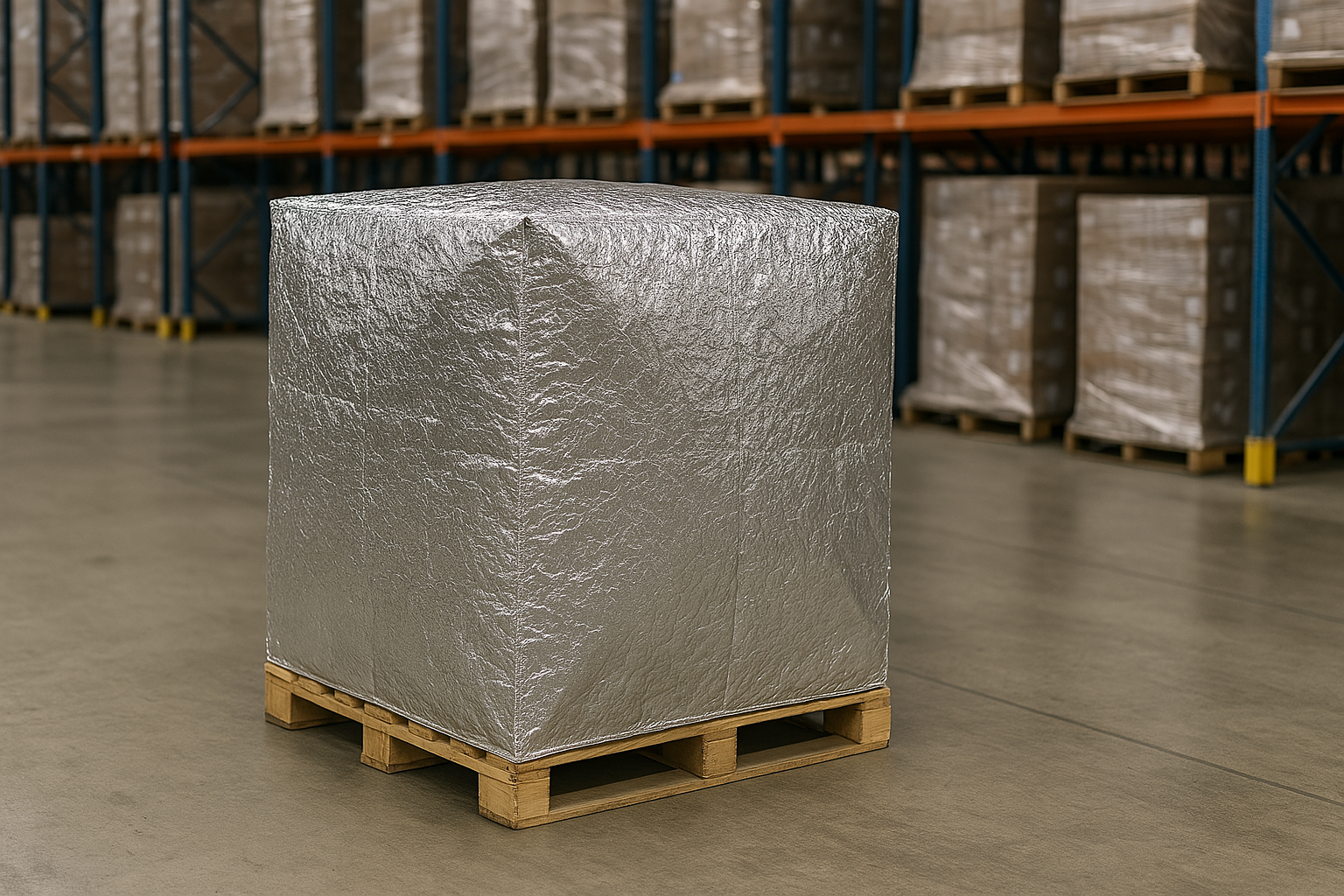
Isolierte Palettenabdeckungen für das Supply Chain Management: Ein Stage-Gate-Playbook
Eine isolierte Palettenabdeckung ist leicht zu kaufen und erstaunlich leicht zu handhaben. Es kann die falsche Größe haben, angewendet, nachdem die Ladung bereits warm ist, für jeden Scan geöffnet, dort belassen, wo Luftzirkulation benötigt wird, oder beim Empfänger zurückgelassen werden, obwohl es als wiederverwendbar bezeichnet wird. Insulated pallet covers for supply chain management need a governance model as much as a material specification. Das effektivste Modell macht fünf Entscheidungen explizit: die Belichtung wird kontrolliert, die thermische Grenze, die erforderlichen Nachweise, der Eigentümer bei jeder Übergabe, und die Regel für Veränderung. In diesem Artikel wird eine Stage-Gate-Methode vorgestellt, die diese Entscheidungen von der anfänglichen Problemdefinition bis zur skalierten Bereitstellung verbindet.
Tor eins: Beweisen Sie, dass es sich bei dem Problem um ein Deckungsproblem handelt
Beginnen Sie mit Beweisen aus der Operation. Überprüfen Sie die Meilensteine der Lieferung, Dock wohnen, Temperaturaufzeichnungen, sofern verfügbar, Abweichungsuntersuchungen, Feedback des Trägers, und Beobachtungen von Lagerteams. Ziel ist es, zu erkennen, wann der Produktschutz nachlässt, nicht um zu beweisen, dass ein angefordertes Produkt notwendig ist.
Eine Abdeckung ist eine plausible Kontrolle, wenn eine korrekt konditionierte Einheitsladung einer vorübergehenden äußeren Einwirkung ausgesetzt ist und die Abdeckung angewendet werden kann, ohne eine andere Kontrolle zu stören. Zu den typischen Kandidaten gehört der Transfer zwischen kontrollierten Bereichen, kurze Bewegung im Freien, Inspektionszugang, Cross-Docking in gemischten Umgebungen, und Empfangswarteschlangen.
Andere Probleme erfordern andere Maßnahmen. Wenn das Produkt außerhalb seines erforderlichen Zustands beginnt, Die Isolierung bewahrt den falschen Zustand. Wenn ein aktiver Container ausfällt, Eine Decke kann ihre Kühlleistung nicht ersetzen. Wenn Paletten stundenlang an einem Dock verbringen, weil die Zeitpläne unkontrolliert sind, Eine Neugestaltung des Prozesses bietet möglicherweise mehr Schutz. Wenn die Ladung einen kontinuierlichen gekühlten Luftstrom benötigt, Es kann kontraproduktiv sein, es verpackt zu lassen.
Schreiben Sie eine Problemstellung, die angefochten werden kann:
„Eine freigegebene Palette im erforderlichen Ausgangszustand erfährt eine definierte unkontrollierte Belastung zwischen zwei genannten Temperaturkontrollen. Wir prüfen, ob eine angebrachte passive Abdeckung diese Belastung reduzieren kann, ohne die Handhabung zu beeinträchtigen, Luftstrom, Zugang, oder Qualitätsbewertung.“
Die Anweisung verhindert Bereichsdrift. Es gibt auch der Finanz- und Beschaffungsabteilung einen klaren Grund für das Projekt.
Tor Zwei: Entwerfen Sie gemeinsam die Grenzen und den Arbeitsablauf
Die thermische Begrenzung besteht aus Paneelen, Nähte, Schließungen, Spitze, Seiten, und möglicherweise die Basis. Der Arbeitsablauf umfasst die Person, die die Abdeckung installiert, die zur Verfügung stehende Zeit, das Etikett, das gescannt werden muss, die Ausrüstung, die die Palette bewegt, und das Ereignis, das die Entfernung auslöst. Das eine ohne das andere zu entwerfen führt zum Scheitern.
Grenzentscheidungen
Geben Sie die nutzbare Innenlänge an, Breite, und Höhe basierend auf den tatsächlichen Produktionslasten. Überhang einbeziehen, Riemen, Eckbretter, Ausbuchtungen, und akzeptable Variation. Geben Sie an, ob die Oberseite integriert ist, separate, oder überlappen. Entscheiden Sie, wie die Unterkante auf die Palette trifft und ob eine Basiskomponente erforderlich ist.
Beschreiben Sie Funktionsschichten, anstatt einen generischen Materialnamen zu akzeptieren. Die Außenfläche kann Abrieb- oder Feuchtigkeitsbeständigkeit bieten und Strahlungswärme verwalten. Die Isolierung verlangsamt den leitenden Wärmefluss. Der Liner schützt den Kern und beeinflusst Reibung und Reinigung. Nähte und Verschlüsse verbinden sich mit dem System, können aber zu Wärme- oder Feuchtigkeitspfaden werden.
Eine reflektierende Oberfläche ist keine aktive Kühlung. UNS. In den Leitlinien des Energieministeriums zu Strahlungsbarrieren wird erklärt, dass reflektierende Oberflächen die Strahlungsübertragung verringern, wenn sie einem Luftraum zugewandt sind. Auf einer Palette, Dieses Prinzip gilt für Sonne und heiße Umgebungen, verhindert jedoch nicht den Austritt warmer Luft oder den leitenden Kontakt.
Workflow-Auswahl
Beobachten Sie, wie sich eine Palette bewegt, bevor Sie Türen auswählen, Klappen, Fenster, oder Schließungen. Eine Dokumententasche kann ein vollständiges Öffnen verhindern. Eine Scan-Klappe kann an einer Hubstelle hilfreich sein, kann aber bei der Handhabung mit dem Gabelstapler zu einem Hindernis werden. Eine schwerere Abdeckung kann den Wärmewiderstand erhöhen, erfordert jedoch zwei Bediener und mehr Lagerraum.
Definieren Sie die Reihenfolge: freigeben, Identifizieren Sie die richtige Größe, anwenden, schließen, Scan, Belichtung starten, aushändigen, entfernen, überprüfen, und Disposition. Fügen Sie eine Ausnahmesequenz für die Verzögerung hinzu, Schaden, fehlende Abdeckung, nasse Abdeckung, und Routenänderung. Die Sequenz wird zum Design-Input und später zum Trainingstool.
Tor drei: Erstellen Sie eine Beweisleiter
Nicht jede Sendung erfordert die gleiche Tiefe der Untersuchung. Ordnen Sie Beweise dem Produktrisiko zu, Belichtung, geschäftliche Auswirkungen, und die Neuheit der Verwendung. Eine Evidenzleiter verhindert sowohl unzureichende Tests als auch unnötige Komplexität.
Schritt A: Bewertung der Lieferantendokumente. Sehen Sie sich die Beschreibung des kontrollierten Produkts an, Abmessungen, Materialien, Verwendungszweck, vorhandene Testdaten, Reinigungsanleitung, und Grenzen. Trennen Sie die Eigenschaften des Rohmaterials von der Leistung des fertigen Bezugs.
Schritt B: Beurteilung der betrieblichen Eignung. Versuchsrepräsentative und im schlimmsten Fall akzeptable Paletten. Einwirkzeit beachten, Schließung, Zugang, Ergonomie, Interaktion mit dem Gabelstapler, Identifikation, Entfernung, falten, und Speicherung.
Schritt C: Kontrollierte thermische Bewertung. Verwenden Sie eine repräsentative Nutzlast oder einen gerechtfertigten Simulator, dokumentierter Ausgangszustand, relevante Umweltexposition, geeignete Messgeräte, und vordefinierte Analyse. Vergleichen Sie mit einer aussagekräftigen Basislinie, wenn die Entscheidung dies erfordert.
Schritt D: Prozesspilot. Führen Sie die Abdeckung durch den benannten Ursprung, Träger, Nabe, und Zielveranstaltungen. Geben Sie den Rücksendeweg für wiederverwendbare Produkte an. Überprüfen Sie die normale Ausführung und zumindest die Ausnahmebehandlung, die sicher geübt werden kann.
Schritt E: Qualifizierung innerhalb des Qualitätssystems des Eigentümers. Wo Produktrisiken oder Vorschriften eine formelle Qualifizierung erfordern, Der Product Owner bestimmt das Protokoll, Akzeptanzkriterien, Genehmigungen, und Änderungskontrolle. Der Bericht des Deckungslieferanten kann diese Verantwortung unterstützen, ersetzt sie jedoch nicht.
Beweise müssen ihre Grenzen wahren. ISTA 7E is a standardized thermal test for insulated transport packaging in parcel delivery systems. Es sollte nicht in jeder Hinsicht als automatische Validierung für eine Palettenabdeckung dargestellt werden, Ozean, Wagenladung, oder Lagergasse. Standardmethoden sind dann wertvoll, wenn ihr Umfang zum Einsatz passt; Fahrspurspezifische Informationen berücksichtigen unterschiedliche Unsicherheiten.
Auch die Überwachung erfolgt separat. Ein Datenlogger zeichnet die Temperatur dort auf, wo sich sein Sensor befindet. Es isoliert die Palette nicht, und eine isolierte Abdeckung erstellt keinen Temperaturrekord. Entscheiden Sie über die Überwachung basierend auf Produkt- und Qualitätsanforderungen.
Tor vier: Weisen Sie den Besitz an jeder Schnittstelle zu
Das Cover überschreitet organisatorische Grenzen, während die Verantwortung oft an der Lagertür endet. Eine Verantwortungskarte verhindert, dass die physische Kontrolle herrenlos wird.
| Prozesspunkt | Primäre Entscheidung | Beweis oder Aufzeichnung | Eskalationsauslöser |
|---|---|---|---|
| Produktfreigabe | Befindet sich die Palette im genehmigten Startstatus?? | Freigabedatensatz im Rahmen des geltenden Prozesses | Die Ladung ist nicht bereit oder der Status ist unklar |
| Cover-Problem | Ist das richtige Design und der richtige Zustand vorhanden?? | Ausgabe von Vermögenswerten oder Lagerbeständen und Sichtprüfung | Falsche Größe, nass, beschädigt, oder nicht genehmigte Deckung |
| Anwendung | Ist die Abdeckung vollständig und der Zugriff korrekt?? | Operator-Prüfungs- oder Scan-Ereignis | Verschluss lässt sich nicht einrasten oder Palette überschreitet Grenzen |
| Übergabe des Spediteurs | Akzeptiert die nächste Partei die Gebrauchsanweisung?? | Versandanweisung oder vereinbartes Übergabeprotokoll | Der Spediteur kann die geplante Abfertigung nicht aufrechterhalten |
| Verzögerung oder Inspektion | Kann die abgedeckte Exposition fortbestehen?? | Zeit- und Ausnahmeaufzeichnung | Die überprüfte Verweildauer oder Bedingung wird überschritten |
| Empfang | Reichen die Sendungsinformationen für die Disposition aus?? | Temperatur, Zustand, und Quittungsprüfung nach Bedarf | Schaden, fehlende Daten, oder andere Akzeptanzbedenken |
| Cover-Rückgabe | Wird der Vermögenswert bilanziert und nach Status getrennt?? | Scan- und Inspektionsstatus zurücksenden | Fehlen, kontaminiert, nass, oder irreparabler Gegenstand |
Die Tabelle schreibt kein einheitliches Regulierungsmodell vor. Es macht Entscheidungen sichtbar, sodass jede Organisation sie in ihre eigenen Verträge aufnehmen kann, Arbeitsanweisungen, Qualitätsvereinbarungen, oder Servicelevels. Die Verantwortung sollte vor der Einführung mit externen Logistikdienstleistern bestätigt werden, vor allem dort, wo sie öffnen werden, entfernen, speichern, oder Rückgabebezüge.
Für Lebensmittel- und Arzneimittellieferketten können zusätzliche Verpflichtungen gelten. Innerhalb seines Geltungsbereichs, Die FDA Sanitary Transportation Rule bezieht sich auf Fahrzeuge, Transportvorgänge, Ausbildung, Aufzeichnungen, und Risiken wie unzureichende Kühlung und Kontamination. Die gute europäische Vertriebspraxis befasst sich mit der Kontrolle des Arzneimittelvertriebs in ihrem Zuständigkeitsbereich. Eine Abdeckung kann einen genehmigten Prozess unterstützen, Aber „konforme Deckung“ ist zu weit gefasst, es sei denn, ein genauer Anspruch und eine anwendbare Anforderung werden definiert.
Tor fünf: Verwandeln Sie die genehmigte Probe in eine kontrollierte Lieferung
Die Musterfreigabe sollte eine Produktionsgrundlage schaffen. Bewahren Sie eine Zeichnung oder Spezifikation auf, die den Aufbau der Funktionsschichten abdeckt, Nutzmaße und Toleranzen, Nähte, Schließungen, überlappen, Zugriffsfunktionen, Beschriftung, Gewicht ggf, und Verpackung für den Versand. Bewahren Sie, wenn möglich, eine genehmigte Probe auf.
Definieren Sie Eingangsschecks nach Risiko. Visuell, dimensional, und eine Funktionsprüfung kann die Identität bestätigen, Größe, Schließung, Nahtzustand, Oberflächenfehler, Etikett, und fit. Umfangreichere Tests können durch Änderungen oder regelmäßige Überprüfungen ausgelöst werden. Die Inspektion sollte bedeutsame Unterschiede aufdecken, anstatt Papierkram ohne Entscheidung zu erzeugen.
Für die Lieferantenänderungskontrolle ist ein definierter Schwellenwert erforderlich. Ersetzen einer Außenfolie, Isolierung, Faden, Bindung, Klebstoff, Schließung, oder Herstellungsverfahren können das thermische Verhalten beeinflussen, Steifheit, Reinigung, fit, oder Haltbarkeit. Fordern Sie eine Benachrichtigung bei potenziell bedeutsamen Änderungen an und entscheiden Sie, ob es sich bei der Reaktion um eine Dokumentenprüfung handelt, Mustergenehmigung, Fit-Test, oder thermische Neubewertung.
Zur Produktionskonsistenz gehört auch die Kennzeichnung. Eine wiederverwendbare Abdeckung benötigt eine dauerhafte Kennzeichnung und eine Designüberarbeitung, die auch bei der vorgesehenen Reinigung und Handhabung lesbar bleibt. Eine Einwegabdeckung benötigt eine klare Größe und Ausrichtung, damit sie richtig angebracht werden kann. Vermeiden Sie es, nicht unterstützte Leistungs- oder Konformitätsaussagen auf das Produkt zu drucken.
Betrieb eines wiederverwendbaren Deckungspools
Bei einem wiederverwendbaren Deckungsstock handelt es sich um ein kleines Mehrwegvermögenssystem. Es braucht Inventarregeln, Statuskontrolle, Reverse-Logistik, Reinigungskapazität, Grenzen reparieren, und Verlustverantwortung.
Schaffen Sie getrennte physische Bereiche für saubere, verfügbare Bestände, ungeprüfte Lagerbestände zurückgegeben, nasse Gegenstände, Reparaturkandidaten, und Ruhestandsbezüge. Der digitale Status sollte diese Bereiche widerspiegeln. Ein Umschlag sollte nicht allein dadurch verfügbar werden, dass er im Lager gescannt wurde; es wird nach der erforderlichen Inspektion verfügbar, Reinigung, und Trocknen.
Die dauerhafte Kennzeichnung des Umschlags sollte von der Sendungsidentität der Palette getrennt sein. GS1-Standards unterstützen die Identifizierung von Logistikeinheiten wie Paletten; Die wiederverwendbare Hülle kann über einen eigenen Asset-Code verfügen, der vorübergehend einer Sendung zugeordnet wird. Dadurch kann eine Abdeckung viele Paletten bedienen, ohne die Rückverfolgbarkeit des Produkts zu beeinträchtigen.
Planen Sie den Lagerbestand anhand der beobachteten Zykluszeit, nicht nur die Reisedauer. Bei einer Deckung kann es zu Wartezeiten am Ursprungsort kommen, unterwegs, am Ziel, im Rücktransport, bei der Reinigung, und im Lager. Fügen Sie realistische Puffer für saisonales Volumen und Ungleichgewicht hinzu. Wenn die Route Vermögenswerte nicht zuverlässig wiederherstellen kann, Überdenken Sie das Format, bevor Sie eine große wiederverwendbare Flotte kaufen.
Reparatur- und Stilllegungskriterien sollten sichtbar sein. Offene Nähte, gescheiterte Schließungen, Nassisolierung, Delaminierung, Verunreinigungen, die nicht entfernt werden können, verzerrte Passform, und nicht genehmigte Patches können ein Risiko darstellen. Der Lieferant kann möglicherweise kompatible Reparaturmethoden für begrenzte Schäden empfehlen. Gehen Sie nicht von einer festen Wiederverwendungszahl aus, es sei denn, Beweise decken die tatsächlichen Reinigungs- und Handhabungsbedingungen ab.
Kosten und Nachhaltigkeit ohne Abkürzungen messen
Der Stückpreis beantwortet nur einen Teil des Business Case. Für eine Einwegdeckung, Denken Sie über die Beschaffung nach, Lagerung, Anwendungsarbeit, Zielabwicklung, und materielle Disposition. Für ein wiederverwendbares System, Identifikation hinzufügen, Rücktransport, Sortierung, Reinigung, Trocknen, reparieren, Vermögensverlust, Arbeitsinventar, und Management.
Verwenden Sie Szenarien anstelle einer einzelnen optimistischen Prognose. Eine geschlossene Route mit zuverlässigem Backhaul kann eine hohe Anlagenauslastung unterstützen. Bei einem fragmentierten internationalen Netzwerk ist dies möglicherweise nicht der Fall. Pilotdaten sollten Verlustannahmen ersetzen, Zykluszeit, und Arbeitskräfte, sobald sie verfügbar sind.
Die Umweltbewertung erfordert die gleiche Disziplin. Der nachhaltige Materialmanagementansatz der EPA berücksichtigt die produktive Materialnutzung über den gesamten Lebenszyklus. Durch die Wiederverwendung kann die wiederholte Herstellung reduziert werden, es entsteht aber auch Rücklauf- und Reinigungsaktivität. Ein glaubwürdiger Vergleich definiert die Funktionseinheit, Systemgrenze, erwartete Wendungen, Verlust, und Behandlung am Lebensende. Für öffentliche Ansprüche kann spezialisiertes Lebenszyklus-Know-how sinnvoll sein.
Die Verpackungs- und Verpackungsabfallverordnung der Europäischen Union gilt grundsätzlich ab 12 August 2026 und befasst sich mit Verpackungsdesign, Zusammensetzung, Recyclabalität, Wiederverwendung, und Abfallvermeidung durch Bestimmungen mit unterschiedlichem Umfang und Zeitrahmen. Unternehmen, die in der EU tätig sind, sollten die aktuellen offiziellen Leitlinien prüfen und rechtliche oder regulatorische Beratung für ihre spezifische Rolle und Deckungsform einholen. Beschaffungsspezifikationen sollten sich mit der Weiterentwicklung der Implementierungsdetails weiterentwickeln können.
Einsatz isolierter Palettenabdeckungen für das Supply Chain Management im großen Maßstab
Nach der Bereitstellung, Messen Sie, was das Programm verantwortungsbewusst beobachten kann. Zu den nützlichen Betriebsindikatoren kann die korrekte Anwendung gehören, fehlende Vermögenswerte, Schadensart, Reinigungsdurchlauf, falsche Größenauswahl, ungeplante Eröffnungen, verspätete Übergaben, und Ausnahmereaktion. Die Überprüfung von Temperaturereignissen kann einen Beitrag leisten, Es sollten jedoch die Mess- und Produktdispositionsverfahren respektiert werden.
Suchen Sie nach Mustern. Wiederholte Risse in den Ecken können auf ein Design- oder Palettenüberhangproblem hinweisen. Ein hoher Verlust bei einem Empfänger kann auf unklare Eigentumsverhältnisse hindeuten. Lange Reinigungswarteschlangen können auf eine unzureichende Trocknungskapazität hinweisen. Häufiger Zugriff auf Etiketten kann eine Neugestaltung einer Klappe rechtfertigen. Diese Erkenntnisse verbessern das System, ohne dass übertriebene thermische Ansprüche gestellt werden müssen.
Führen Sie eine Änderungsprüfung durch, wenn das Produkt, Palette, Route, Website, Träger, Fahrzeug, Belichtung, Verordnung, Bezugsmaterial, oder sich der Reinigungsprozess wesentlich ändert. Entscheiden Sie, ob die ursprünglichen Beweise noch gelten. Eine kleine administrative Änderung erfordert möglicherweise keinen Test; Eine neue Nutzlast oder ein neues Klima erfordern möglicherweise mehr.
Dokumentieren Sie die Außerbetriebnahme des alten Designs, wenn Änderungen vorgenommen werden. Gemischte Versionen können Arbeitnehmer verwirren und die Interpretation von Beweisen erschweren. Große sichtbare Revisionsmarkierungen und kontrollierte Einführungstermine können hilfreich sein.
Häufig gestellte Fragen
Wer sollte ein isoliertes Palettenabdeckungsprogramm besitzen??
Das Eigentum wird in der Regel geteilt, aber eine Funktion sollte koordinieren. Die Logistik kann einen eigenen Workflow besitzen, Verpackungstechnik das Design, Qualität der Produktanforderungen und Nachweise, Beschaffung des Lieferanten, und Ausführung von Lagervorgängen. Finanz- und Nachhaltigkeitsteams können Kosten- und Lebenszyklusansprüche prüfen. Definieren Sie Entscheidungsrechte, anstatt davon auszugehen, dass die Zusammenarbeit automatisch erfolgt.
Was ist der Unterschied zwischen einem Thermal Cover Pilot und einer Qualifikation??
Ein Pilot testet den praktischen Einsatz auf einer begrenzten Strecke oder einem begrenzten Volumen. Es kann Passform offenbaren, aushändigen, Verfolgung, und Rückgabeprobleme. Die Qualifizierung ist geplant, dokumentierter Nachweis anhand vorgegebener Anforderungen im Rahmen des relevanten Qualitätssystems. Ein Pilot kann einen Qualifikationsnachweis erbringen, Die Begriffe sind jedoch nicht austauschbar und der Umfang hängt vom Produkt und der Organisation ab.
Kann eine Palettenabdeckung eine Temperaturabweichung korrigieren??
NEIN. Eine passive Abdeckung verlangsamt die Wärmeübertragung; Es kühlt oder erhitzt das Produkt nicht aktiv wieder in den Zustand. Bei Verdacht auf einen Ausflug, Befolgen Sie den etablierten Produktdispositions- und Qualitätsprozess. Decken Sie die Palette nicht ab und gehen Sie davon aus, dass das Ereignis rückgängig gemacht wurde.
Wie sollte ein externer Logistikdienstleister geschult werden??
Geben Sie den Verwendungszweck an, richtige Größe und Ausrichtung, Antrags- und Abschlussschritte, Scanzugriff, Entnahmestelle, Verzögerungseskalation, Schadensabwicklung, und Rückgabeprozess. Verwenden Sie Bilder und eine praktische Demonstration. Bestätigen Sie die Verantwortung in Betriebsdokumenten oder Vereinbarungen, die für die Beziehung geeignet sind, Beobachten Sie dann die frühe Ausführung.
Wann sollte das Cover-Design neu qualifiziert oder erneut getestet werden??
Erwägen Sie eine Überprüfung nach sinnvollen Änderungen an Ebenen, Nähte, Schließungen, Abmessungen, Nutzlast, Palettenmuster, Route, Umgebungseinflüsse, Fahrzeug, Nutzungsdauer, Reinigung, oder Akzeptanzkriterien. Das Qualitätsteam sollte den Grad der Neubewertung auf der Grundlage des Risikos festlegen. Nicht jede Veränderung erfordert eine umfassende Studie, Aber keine bedeutsame Änderung sollte ignoriert werden.
Abschluss
Die Verwaltung von Palettenabdeckungen erfolgt über eine Abfolge von Toren: Bestätigen Sie das Problem, Entwerfen Sie die thermische Grenze zum Arbeitsablauf, verhältnismäßige Beweise erstellen, Schnittstelleneigentum zuweisen, und die Produktion steuern. Wiederverwendbare Programme erhöhen den Asset-Status, Reverse-Logistik, Reinigung, und Ruhestand. Kosten und Nachhaltigkeit brauchen Systemgrenzen statt Etiketten. Wenn diese Elemente verbunden sind, Eine passive Abdeckung kann zu einer zuverlässigen Kontrolle für eine bestimmte Belastung werden, ohne mit einer Kühlung verwechselt zu werden, Überwachung, oder universelle Compliance.
Über Tempk
Tempk is a B2B cold-chain packaging provider offering insulated pallet and thermal covers and related temperature-controlled packaging options. Durch die Überprüfung der Palettengeometrie können wir dabei helfen, ein Prozessproblem in eine gezielte Produktbeschreibung umzuwandeln, vorgesehene Abdeckung, Schließungen, Etikettenzugriff, Handhabung, und Wiederverwendungsabsicht. Tempk legt keine Produktakzeptanzkriterien oder regulatorischen Verpflichtungen des Kunden fest. Diese verbleiben im Qualitäts- und Logistiksystem des Streckeneigentümers, durch geeignete Nachweise und dokumentierte Verwendung gestützt.
Senden Sie Tempk die Problemstellung, Palettenzeichnung, Belichtung, und Übergabekarte für Ihre vorgesehene Fahrspur. Diese Eingaben unterstützen eine relevantere Muster- und Lieferantenbesprechung vor der vollständigen Bereitstellung.
Spezifizieren Sie isolierte Laderaumabdeckungen für die Landwirtschaft
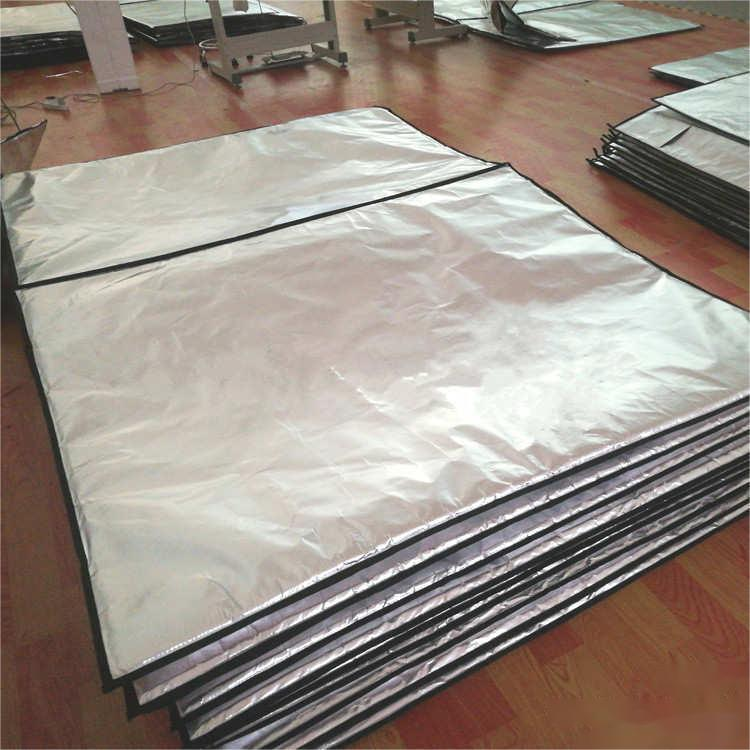
So spezifizieren Sie isolierte Frachtabdeckungen für die Landwirtschaft
Die sinnvolle Frage ist nicht, ob eine Palettenabdeckung „funktioniert“. Die nützliche Frage ist, ob es eine benannte Exposition kontrolliert, ohne ein weiteres Problem zu verursachen. Insulated cargo covers for agriculture can slow heat gain or heat loss around a unitized load during staging, überweisen, Inspektion, oder empfangen. Sie können die Feldwärme nicht abführen, Stromversorgung über eine Kühlkette, oder beweisen, dass eine Ware akzeptabel blieb. Eine starke Spezifikation beginnt daher mit einer Prozesslücke, kein Material. Es verbindet den Erntebedarf, Zustand der Palette, Umfeld, Cover-Design, Betriebsregel, und Beweise in einer Entscheidung zusammenfassen, die Mitarbeiter wiederholen und Qualitätsteams überprüfen können.
Definieren Sie eine thermische Lücke, bevor Sie das Produkt definieren
Beginnen Sie mit einem Satz, der den Verwendungszweck beschreibt. Zum Beispiel: “Protect pre-cooled palletized produce while it moves from controlled storage across an exposed loading area to refrigerated transport.” This is more valuable than “Provide an insulated cover for export pallets” because it states the starting condition, Format, Standort, und Zielsteuerung.
Testen Sie nun den Satz anhand der Route. Wartet die Palette auch auf die Inspektion?? Kann das Laden stoppen? Ist direkte Sonne möglich?? Hebt der Wind lose Klappen an?? Verbleibt die Abdeckung im Kühlfahrzeug?? Wer entfernt es?? Wenn die Abdeckung mehrere Lücken füllen soll, Dokumentieren Sie jedes einzeln. Ein Design kann für mehr als eine Verwendung geeignet sein, Aber die Zustimmung sollte sich nicht stillschweigend ausweiten.
Der Process-Gap-Ansatz deckt auch Situationen auf, in denen eine Deckung die falsche Erstinvestition darstellt. Wenn die Produkte nicht ausreichend vorgekühlt sind, Verbesserung der Wärmeableitung. Wenn der Kühlluftstrom durch schlechte Stapelung blockiert ist, korrekte Lastkonfiguration. Wenn Paletten warten, weil die Terminvereinbarung fehlschlägt, Verweildauer reduzieren. Wenn ein freiliegender Untergrund der dominierende Wärmepfad ist, Eine Seitenisolierung allein wird das Problem nicht lösen. Die Verpackung sollte dem diagnostizierten Fehlermodus folgen.
Es gibt drei frühe Tore:
Produkttor: Welchen Zustand benötigt die Ware?, und welche Temperaturschwankungen, Luftfeuchtigkeit, oder Belüftung verträgt es?
Routentor: Welche unkontrollierte Exposition ist im Normalbetrieb und bei glaubwürdiger Verzögerung wichtig??
Kontrolltor: Ist eine passive Abdeckung in der Lage, dieses Intervall zu unterstützen?, oder ist aktive Kühlung, schnellere Bewegung, Schatten, ein kontrollierter Pufferraum, oder ein anderes Paket benötigt?
Fahren Sie erst dann mit dem Lieferantenvergleich fort, wenn die drei Punkte ausreichend beantwortet sind, um eine Beispielaufgabe zu stellen.
Erhalten Sie den Produktzustand, ohne die Kühlkette zu blockieren
Das Temperaturmanagement in der Landwirtschaft beginnt, bevor eine Palette abgedeckt wird. Erntezeitpunkt, Schatten, Vorkühlung, Verpackung, Kühlspeicher, und Kühltransport stellen den Produktzustand her und halten ihn aufrecht. Die Leitlinien der FAO beschreiben die Kühlkette als miteinander verbundene vor- und nachgelagerte Aktivitäten, während die Anleitung nach der Ernte den Luftstrom durch Produktverpackungen und gestapelte Ladungen betont. Eine Abdeckung sollte eingefügt werden, ohne diesen Kontrollen zu widersprechen.
Ein wiederkehrender Fehler ist das zu frühe Anbringen der Dämmung. Warmes Produkt kann weiterhin atmen und Wärme abgeben, während die Abdeckung die Wärmeabfuhr verlangsamt. Eine weitere Möglichkeit besteht darin, die Abdeckung um belüftete Kartons in einem Kühlcontainer zu belassen, ohne den Luftstromeffekt zu bestätigen. In beiden Fällen, Ein Produkt, das die äußere Einwirkung reduzieren soll, kann den geplanten Prozess beeinträchtigen.
Schreiben Sie Anwendungs- und Entfernungspunkte in die Spezifikation:
Der erforderliche Produktfreigabestatus vor der Abdeckung
Der Ort, an dem die Abdeckung installiert ist
Die maximal zulässige Palettengeometrie
Die Verschlusskontrolle
Die zugelassenen Standorte, an denen die überdachte Palette warten darf
Das Ereignis, das die Entfernung auslöst
Die während einer Verzögerung durchgeführte Aktion
Die Empfangs- oder Rückgabedisposition
Die Deckung sollte nicht zur Erlaubnis zur Verlängerung eines unkontrollierten Aufenthalts werden. Eine Verzögerungsregel kann die Palette zurück zum Kühllager leiten, in einen temperaturgeregelten Puffer, oder durch eine andere genehmigte Antwort. Die genaue Aktion hängt von der Operation ab. Wichtig ist, dass die Arbeiter es nicht neben der Anklagebank erfinden.
Wandeln Sie die Wärmeübertragung in Designentscheidungen um
Jede Abdeckung verwaltet eine Kombination aus drei externen Wärmeübertragungspfaden. Isolierschichten verlangsamen die Leitung durch die Baugruppe. Abschlüsse und Überlappungen reduzieren den unerwünschten Warmluftaustausch. Eine reflektierende Außenseite kann die Strahlungswärmebelastung reduzieren, wenn sie dem relevanten Luftraum und der entsprechenden Exposition zugewandt ist. Die Nutzlast, Kartonstapel, Palettenbasis, und die Innenluft bestimmen, wie sich diese externen Lasten auf die Produkttemperatur auswirken.
Keine einzelne Ebene beschreibt das fertige Ergebnis. Ein dicker Kern mit einem kurzen Rand kann dazu führen, dass die unteren Kartons freiliegen. Eine stark reflektierende Oberfläche kann bei längerer Warmlufteinwirkung wenig ausrichten, wenn die Nähte offen bleiben. Ein eng anliegendes Design kann zwar die Abdeckung verbessern, aber die Installation dauert zu lange oder es behindert die notwendige Belüftung. Materialauswahl und Geometrie müssen gemeinsam überprüft werden.
Die Mindestdesignbeschreibung sollte Folgendes umfassen::
fertige Nutzmaße und Maßtoleranzen;
Spitze, Seite, Ecke, und Bodenabdeckung;
Funktionsbeschreibung der Außenseite, Isolierung, und Innenfutter;
Naht- und Kantenkonstruktion;
Verschlussart, überlappen, und Lage;
Etiketten- oder Scanzugriff bei Bedarf;
Gewicht, Faltgröße, und Handhabungsfunktionen;
kompatible Reinigungs- und Trocknungsmethode für wiederverwendbare Produkte;
Identifizierung und Kennzeichnung von Produktionschargen;
genehmigte Reparatur- und Stilllegungskriterien, falls verfügbar.
Vermeiden Sie die Verwendung von „wasserdicht“ oder „lebensmittelecht“ ohne eine genaue Definition und unterstützende Dokumentation für den beabsichtigten Verwendungszweck. Eine wasserabweisende Oberfläche kann dennoch durchlässige Nähte haben. Eine Hülle, die nur Transportkartons berührt, hat eine andere Kontaktsituation als Material, das unverpackte Lebensmittel berührt. Qualitäts- und Regulierungsteams sollten die tatsächliche Schnittstelle bewerten.
Spezifizieren Sie isolierte Frachtabdeckungen für die Landwirtschaft gegen Fehlermöglichkeiten
Eine Fehlermodusüberprüfung ist produktiver als eine lange Liste von Funktionen. Es fragt, wie die beabsichtigte Kontrolle scheitern könnte, und setzt die Antwort in einen Entwurf um, Verfahren, oder Beweispflicht.
| Fehlermodus | Wahrscheinliche Konsequenz | Spezifikation oder Betriebsreaktion |
|---|---|---|
| Das Produkt wird abgedeckt, bevor die Konditionierung abgeschlossen ist | Die Wärme bleibt erhalten und die spätere Abkühlung kann verlangsamt werden | Verknüpfen Sie die Anwendung mit der dokumentierten Produktfreigabe oder dem Vorkühlungsstatus |
| Die Abdeckung ist zu klein für die Ausbuchtung oder den Überstand der Palette | Lücken legen Kartons frei und Verschlüsse können nicht einrasten | Messen Sie akzeptable Produktionspaletten im ungünstigsten Fall und definieren Sie nutzbare Innenmaße |
| Die Ober- oder Unterseite bleibt außerhalb der thermischen Grenze | Ungleichmäßige Hitzebelastung umgeht den Seitenschutz | Geben Sie an, welche Flächen abgedeckt werden müssen und ob eine Grundlösung Teil des Systems ist |
| Abdeckung blockiert geplante Belüftung | Der gekühlte Luftstrom durch Kartons oder Stapel wird reduziert | Entnahmestelle festlegen bzw. Kompatibilität mit dem tatsächlichen Luftführungsplan nachweisen |
| Die Sonneneinstrahlung wird nur durch einen Lufttemperaturtest dargestellt | Die Strahlungsbelastung wird in den Beweisen nicht berücksichtigt | Berücksichtigen Sie die relevante Strahlungsbelastung oder schränken Sie die Angabe deutlich ein |
| Arbeiter heben die Abdeckung wiederholt an, um Etiketten zu scannen | Der Schutz ist unterbrochen und die Abdeckung ist beschädigt | Fügen Sie eine korrekt platzierte Zugangsfunktion hinzu oder überarbeiten Sie die Scansequenz |
| Der wiederverwendbare Bezug wird nass oder verschmutzt zurückgegeben | Geruch, Verschlechterung, oder es entsteht ein Hygienerisiko | Schaffen Sie eine Trennung, Reinigung, vollständige Trocknung, Inspektion, und Freigabeschritte |
| Der Lieferant ändert eine Schicht oder einen Verschluss ohne Überprüfung | Fit, Haltbarkeit, Reinigbarkeit, oder das thermische Verhalten kann sich ändern | Erfordern kontrollierte Spezifikationen, Benachrichtigung, und Neubewertungsregeln |
Die Antwort muss nicht immer ein komplexeres Cover sein. Manchmal ist eine Routenänderung oder eine Arbeitsanweisung die wirksamste Kontrolle. Die Tabelle beugt auch einem häufigen Beschaffungsproblem vor: Bitten Sie um eine Materialeigenschaft, um durch den Betrieb verursachte Fehler zu beheben.
Erstellen Sie Beweise in Schichten
Die Beweise sollten repräsentativer werden, wenn der Kauf von der Idee bis zur Umsetzung übergeht. Ein diszipliniertes Programm kann vier Ebenen verwenden.
Schicht 1: Dokumentenprüfung
Überprüfen Sie den vorgeschlagenen Bau, Abmessungen, Verwendungszweck, Handhabungsanweisungen, wesentliche Aussagen, und ein eventuell vorhandener Prüfbericht. Ein nützlicher Bericht identifiziert den getesteten Artikel, Nutzlast oder Simulator, Startbedingungen, Umweltprofil, Dauer, Messaufbau, und Akzeptanzkriterien. Marketingzusammenfassungen ohne diese Details unterstützen möglicherweise das Screening, aber keine Routenentscheidung.
Schicht 2: Passform- und Benutzerfreundlichkeitstest
Tragen Sie die Probe auf eine repräsentative Palette und die größte akzeptable Palette auf. Kartonüberstand einbeziehen, Riemen, Eckbretter, und Etiketten. Zeitliche Anwendung und Entfernung, Beachten Sie die Hindernisse, Testverschlüsse, Überprüfen Sie den Zugang des Gabelstaplers, und Übungsspeicherung. Führen Sie den Test mit tatsächlichen Bedienern während eines realistischen Arbeitszeitraums durch.
Schicht 3: Kontrollierter thermischer Vergleich
Vergleichen Sie die vorgeschlagene abgedeckte Konfiguration mit der relevanten Basislinie unter dokumentierten Bedingungen. Die Gestaltung des Vergleichs sollte die Entscheidung widerspiegeln. Eine direkte Sonneneinstrahlung erfordert eine andere Belichtung als ein warmer Aufenthalt in Innenräumen. Die Platzierung der Sensoren und die Messausrüstung sollten geplant werden, Bei der Dateninterpretation müssen jedoch die Produktkriterien des Wareneigentümers berücksichtigt werden.
Schicht 4: Routenbestätigung und Ausnahmeprüfung
Wenn das Risiko es erfordert, Überprüfen Sie die gesamte Spur oder einen repräsentativen Piloten. Berücksichtigen Sie Übergaben und den Verzögerungsprozess, nicht nur normales Timing. Ein erfolgreicher Pilot auf einer Spur ist nicht für alle Klimazonen geeignet, Ernten, Palettenformate, oder Jahreszeiten. Zeichnen Sie die Grenzen auf, damit spätere Teams wissen, was festgelegt wurde.
ISTA 7E kann in der Lieferantenliteratur erscheinen, but it is designed for thermal transport packaging in parcel delivery systems. It is not a universal qualification for pallet covers or agricultural lanes. Verwenden Sie Standards, deren Geltungsbereich mit der Entscheidung übereinstimmt, und ergänzen Sie diese gegebenenfalls durch streckenspezifische Arbeiten.
Machen Sie die Kontrolle bei jeder Übergabe sichtbar
Ein wirksames Deckungsprogramm verfügt über physische und informationelle Kontrolle. Die physische Kontrolle ist die korrekt angebrachte Abdeckung. Die Informationskontrolle teilt der nächsten Person mit, um welche Palette es sich handelt, welchen Status es hat, als es abgedeckt war, wohin es gehen soll, und was zu tun ist, wenn sich der Plan ändert.
Für eine Einweghülle, Die Informationen können Teil eines Versandetiketts und einer Arbeitsanweisung sein. Für eine wiederverwendbare Abdeckung, Der Artikel selbst kann eine eindeutige Vermögenswertkennung sowie eine sichtbare Größen- und Statusmarkierung tragen. Halten Sie die Rückverfolgbarkeit von Produkten und die Nachverfolgung von Deckungsgütern getrennt: Die Palettenkennung folgt der Ware, während die Asset-ID dem Cover folgt.
Beim Empfang, Der Empfänger sollte die Deckungsbedingung nicht als einziges Annahmesignal verwenden. Ein verschobener oder beschädigter Deckel ist ein relevanter Beweis, Eine intakte Hülle ist jedoch kein Beweis für den Zustand des Produkts. Überprüfen Sie die Temperaturaufzeichnungen, Sendungshistorie, Verpackungszustand, und Produktinspektion gemäß dem festgelegten Verfahren.
Wenn die Sendung unter die Anforderungen für den Lebensmitteltransport fällt, Anwendbare Rollen und Aufzeichnungen müssen separat betrachtet werden. In den Vereinigten Staaten, Die Hygienevorschriften der FDA für den Transport beziehen sich auf Fahrzeuge, Operationen, Ausbildung, Aufzeichnungen, und Schutz vor Risiken für die Lebensmittelsicherheit in ihrem Geltungsbereich. Eine Abdeckung kann den Eingriff unterstützen, kein Ersatz dafür.
Entscheiden Sie, ob die Wiederverwendung zum Netzwerk passt
Die Wiederverwendung ist attraktiv, wenn die landwirtschaftlichen Ströme vorhersehbar sind, aber die Erntesaison macht ein Vermögensungleichgewicht besonders wahrscheinlich. Der wirtschaftliche und ökologische Fall hängt von den tatsächlichen Erträgen ab, keine theoretische Haltbarkeit.
Zeichnen Sie die umgekehrte Route. Die Abdeckungen können auf demselben LKW zurückgegeben werden, in einem Distributionszentrum konsolidieren, oder über einen Drittanbieterpool wechseln. Jede Option erfordert Eigentum, Scan-Ereignisse, Reinigungsverantwortung, Trockenraum, Lagerpuffer, und Verlustmanagement. Wenn am Zielort keine Partei die Verantwortung übernimmt, Die beabsichtigte Rückschleife beginnt möglicherweise nie.
Lebenszyklusdenken ist glaubwürdiger als die einfache Aussage „Wiederverwendbar ist nachhaltig“.. Das EPA-Rahmenwerk für nachhaltiges Materialmanagement legt den Schwerpunkt auf die produktive Materialnutzung über den gesamten Lebenszyklus. Wenden Sie diese Idee auf die Abdeckung an, indem Sie die Materialmenge berücksichtigen, Herstellung, Hin- und Rücktransport, Reinigung, reparieren, Verlust, Verwendung, und Lebensende.
Auch Zielregeln sind wichtig. Die Verpackungs- und Verpackungsabfallverordnung der Europäischen Union gilt grundsätzlich ab 12 August 2026 und führt Anforderungen über den gesamten Verpackungslebenszyklus ein, mit Anwendung je nach Betreiber und Verpackungsformat. Agrarexporteure, die EU-Märkte beliefern, sollten sich über aktuelle Informationen informieren, Situationsspezifische Beratung. Gehen Sie nicht davon aus, dass ein wiederverwendbares Etikett oder eine Materialdeklaration die Konformität beweist.
Ein Einwegprodukt bleibt möglicherweise die bessere betriebliche Wahl für eine offene Exportroute. Ein langlebiges, wiederverwendbares Design kann auf einer geschlossenen Inlandsroute stärker sein. Die richtige Schlussfolgerung kommt aus dem Netzwerk, nicht aus einer universellen Hierarchie.
Übergang von der Musterproduktion zur kontrollierten Produktion
Vor der Skalierung, Wandeln Sie die genehmigte Probe in eine kontrollierte Spezifikation um. Bewahren Sie Fotos auf, Zeichnungen, Schichtbeschreibungen, Verschlussdetails, Etiketten, und Toleranzen. Vereinbaren Sie Prüfpunkte und Änderungsmitteilungen. Entscheiden Sie, ob für das erste Produktionslos eine erweiterte Prüfung oder ein Wiederholungsversuch erforderlich ist.
Das Training sollte kurz und anschaulich sein. Zeigen Sie die richtige Ausrichtung an, Abschlusssequenz, Bodenbehandlung, Etikettenzugriff, und Entfernungsmethode. Beziehen Sie Mängel ein, die eine Trennung erfordern. Aufsichtspersonen sollten in der Lage sein, die ordnungsgemäße Verwendung zu überwachen, ohne die Palette zu demontieren.
Nutzen Sie frühe Bereitstellungsdaten, um das System zu verbessern. Verfolgen Sie fehlende Cover, Bewerbungszeit, Schadensstellen, nasse Renditen, Größenfehler, und Ausnahmen. Diese Daten zeigen, ob das Design oder der Prozess Aufmerksamkeit erfordert. Sie sollten nicht ohne eine entsprechende Studie in Leistungsansprüche umgewandelt werden.
Die Änderungskontrolle wird nach dem Start fortgesetzt. Überdenken Sie die Entscheidung, wenn es eine neue Ware gibt, Karton, Palettenmuster, Route, Klima, Fahrzeug, Reinigungsmethode, Lieferantenmaterial, oder Kundenanforderung. Dämmung ist Teil eines lebendigen Verteilungsprozesses.
Häufig gestellte Fragen
Wie lange schützt eine isolierte landwirtschaftliche Ladungsabdeckung eine Palette??
Es gibt keine verantwortliche universelle Dauer. Das Ergebnis hängt vom Ausgangszustand des Produkts ab, thermische Masse, Palettenkonfiguration, Umgebungseinflüsse, Sonne und Wind, Abdeckungskonstruktion, fit, Base, und Akzeptanzkriterium. Fragen Sie nach den vollständigen Bedingungen für jeden Daueranspruch, Entscheiden Sie dann, ob für Ihre Route zusätzliche Tests erforderlich sind.
Ist immer eine vollständige Abdeckung des Bodens erforderlich??
Nicht immer, aber die Basis muss berücksichtigt werden. Wärme kann durch Kontakt mit einer heißen Oberfläche oder Luft um eine offene Schürze eindringen. Einige Systeme verwenden eine isolierte Basis, Palettenblech, oder kontrollierte Bühnenfläche. Definieren Sie die Grundbedingung und beziehen Sie sie in die Bewertung ein, anstatt davon auszugehen, dass die seitliche und obere Abdeckung die gesamte Palette darstellt.
Kann die Abdeckung während des Kühltransports angebracht bleiben??
Nur wenn das Produkt, Kartonbelüftung, Fahrzeugluftstrom, und bewertete Konfigurationsunterstützung, die verwendet wird. Viele Frischwarenladungen sind darauf angewiesen, dass die Luft durch ausgerichtete Verpackungsöffnungen und Palettenkanäle strömt. Eine beim Transport im Freien verwendete Abdeckung muss möglicherweise vor der endgültigen Beladung entfernt werden. Tragen Sie die Entnahmestelle in die Arbeitsanweisung ein.
Was ist das wichtigste Lieferantendokument??
Kein einzelnes Dokument beantwortet jede Frage. Die kontrollierte Produktspezifikation legt fest, was geliefert wird, Ein detaillierter Testbericht erläutert alle thermischen Beweise. Reinigungshinweise, Materialdokumentation, Begriffe zur Änderungskontrolle, und Produktionsinspektionsaufzeichnungen können ebenfalls von Bedeutung sein. Zusammen verbinden sie die Probe, beanspruchen, und Produktionslos.
Wann sollte eine wiederverwendbare Abdeckung ausgemustert werden??
Nutzen Sie beobachtbare Kriterien, die vom Lieferanten und Ihrem Hygiene- und Qualitätsprozess unterstützt werden. Beispiele können beschädigte Verschlüsse sein, offene Nähte, durchstochene oder nasse Isolierung, Delaminierung, Verunreinigungen, die nicht entfernt werden können, Verlust der Passform, oder eine nicht genehmigte Reparatur. Vermeiden Sie die Annahme einer festen Anzahl von Fahrten, es sei denn, dies wird von den tatsächlichen Bedingungen unterstützt.
Abschluss
Eine vertretbare landwirtschaftliche Abdeckungsspezifikation beginnt mit einer Prozesslücke und folgt dieser bis zum Produktzustand, Luftstrom, Wärmeübertragung, Geometrie, Handhabung, Beweis, und Eigentum. Die Abdeckung soll einen durch die Kühlkette geschaffenen Zustand wahren, ein fehlendes Steuerelement nicht verbergen. Testen Sie in Schichten, Halten Sie Ansprüche an ihre Einrichtung gebunden, und definieren Sie die Verzögerungsreaktion vor der Bereitstellung. Für wiederverwendbare Designs, Prüfen Sie die Rücklaufschleife ebenso sorgfältig wie das physische Produkt. Diese routenbasierte Methode erzeugt eine kleinere, klarere Aussage und einen zuverlässigeren Betrieb.
Über Tempk
Tempk is a B2B cold-chain packaging provider whose relevant offerings include insulated pallet and thermal covers and related temperature-controlled packaging. Wir können Käufern dabei helfen, eine Wegbeschreibung in ein Deckungsgespräch umzuwandeln, in dem auf nutzbare Abmessungen eingegangen wird, Abdeckung, Schließungen, Umgang mit Zugriffen, und beabsichtigte Wiederverwendung. Der Bedarf an Agrarprodukten, Qualifizierungsstrategie, und Betriebsgenehmigung liegen weiterhin in der Verantwortung des Verladers und seines Qualitätsteams. Der nützlichste Ausgangspunkt von Tempk ist daher keine allgemein geforderte Dauer, sondern eine repräsentative Palette und eine klare Beschreibung der Belichtung, die die Abdeckung bewältigen soll.
Teilen Sie Ihre Ware, Palettengeometrie, Übertragungssequenz, Umweltbelastung, und Rückgabeplan mit Tempk. Nutzen Sie diese Informationen, um vor der Skalierung eine gezielte Stichproben- und Beweisprüfung anzufordern.
Isolierter Beutel, personalisiertes Playbook für Lebensmittelketten
Isolierter Beutel mit personalisierter Lebensmittelkette: Von der Markentasche zum kontrollierten System
The hard part of an insulated pouch personalized grocery chain project is not selecting a logo position. Es sorgt dafür, dass ein Design im gesamten Beschaffungsbereich funktioniert, Marke, Lebensmittelsicherheit, Ladengeschäfte, Lieferung, und Inventar. Der Beutel kann den Wärmeaustausch während einer definierten Phase reduzieren, dennoch erzeugt es keine Kälte, Validieren einer Lieferroute, oder die Eignung für den Kontakt mit Lebensmitteln anhand des Aussehens nachweisen. Ein solides Versprechen und ein skalierbarer Einkauf erfordern Disziplin: Definieren Sie die Nutzungsgrenze, spezifizieren Sie die komplette Konstruktion, Steuern Sie die Grafikversionen, Beweisen Sie den Produktionsgegenstand, und gestalten Sie sein Leben nach der Übergabe.
Entscheidung Null: Definieren Sie, was die Kette tatsächlich kauft
Teams often use “reusable insulated bag,„Kühltasche,” und „thermischer Träger“, als ob sie dasselbe Betriebssystem beschreiben würden. Das tun sie nicht. Bevor Sie über Größe oder Bildmaterial sprechen, Ordnen Sie den vorgeschlagenen Artikel einer bestimmten Kategorie zu.
Es kann sich um einen kundeneigenen Spediteur für versiegelte Lebensmittel handeln. Möglicherweise handelt es sich dabei um eine Filialanlage, die während der Auftragsbereitstellung verwendet wird. Es kann mit einem Fahrer reisen und zu einem Hub zurückkehren. Es kann Teil eines verwalteten Kundenretourenpools sein. In einem selteneren Fall, Es kann für den direkten Kontakt mit unverpackten Lebensmitteln bestimmt sein. Jede Definition verändert die Materialdokumentation, Hygiene, Verfolgung, Ausbildung, und Kosten.
Legen Sie gleichzeitig die thermische Grenze fest. Passive Isolierung verlangsamt nur den Wärmefluss. Es bietet keine aktive Heizung oder Kühlung und kann eine unkontrollierte Starttemperatur nicht ausgleichen. Wenn Kühlmedien verwendet werden, ihre Auswahl, Konditionierung, Platzierung, und Trennung von Produkten werden Teil der Verpackung. Ein Temperaturdatenlogger, wenn die Kette eines verwendet, zeichnet Bedingungen auf; es schützt die Lebensmittel nicht. Eine Allzwecktasche sollte niemals nur deshalb als für jede Route geeignet bezeichnet werden, weil sie eine Isolierung enthält.
Fügen Sie dann explizite Ausschlüsse hinzu. Dazu können unverpackte Lebensmittel gehören, Lagerung von Produkten, die gekühlt werden müssen, bei Umgebungstemperatur, gemischte heiße und gekühlte Ladungen, nicht zugelassene Reinigungschemikalien, oder verwenden Sie es, nachdem der Liner beschädigt ist. Ausschlüsse sind keine Schwäche im Produktbrief. Sie verhindern, dass eine praktische Tasche als Beweismittel für einen Zweck verwendet wird, für den sie nie konzipiert wurde.
Eine Spezifikation, Fünf Eigentümer
Ein Lebensmittelkettenbeutel ist die Schnittstelle mehrerer Funktionen. Wenn jedes Team nur sein sichtbares Anliegen genehmigt, Der Lieferant erhält eine unvollständige Anweisung. Der bessere Ansatz ist eine Reihe von Entscheidungs-Gates mit einem verantwortlichen Eigentümer und einem erforderlichen Output an jedem Gate.
| Entscheidungstor | Beweise oder Ergebnisse erforderlich | Verantwortliche Kettenfunktion | Fehler beim Überspringen |
|---|---|---|---|
| Nutzungs- und Kontaktgrenze | Zugelassene Ladung, Handhabungspfad, Eigentum, Direktkontaktstatus, und Ausschlüsse | Lebensmittelsicherheit mit Betrieb | Missbrauch, unbegründete Behauptungen, ungeeigneter Reinigungsprozess |
| Baustopp | Komponentenspezifikation, kritische Dimensionen, Schließung, Nähte, Liner, und vereinbarte Stellvertreter | Beschaffung mit Qualität | Drift zwischen Muster und Produktion und unklare Fehlerentscheidungen |
| Veröffentlichung des Kunstwerks | Druckfertige Datei, Substratfest, Revisionscode, Markt- und Filialkartierung | Marken- oder Verpackungseigentümer | Falsche Sprache, veraltete Kampagne, inkonsistente Geschäfte |
| Fitnessnachweis | Repräsentative Beladung, Handhabung, Reinigung, drucken, und thermische Nachweise, sofern erforderlich | Qualität im Betrieb | Ein Katalogbeispiel wird bestanden, während der Geschäftsworkflow fehlschlägt |
| Einführung des Lebenszyklus | Zuweisung, Statusfluss, Rückgabemodell, Nachschub, und Rentenregelung | Versorgungsplanung mit Filialbetrieb | Mangel an sauberen Lagerbeständen, unkontrollierte Renditen, versteckte Kosten |
Die Tabelle verwandelt ein vages funktionsübergreifendes Projekt in eine überprüfbare Sequenz. Es verhindert auch, dass „Genehmigung“ für verschiedene Teams unterschiedliche Bedeutungen hat. Markengenehmigung veröffentlicht Grafiken; Der Kontakt mit Lebensmitteln oder die thermische Leistung sind nicht zulässig. Eine Qualitätsprüfung gibt vieles anhand vereinbarter Kriterien frei; Es entscheidet nicht darüber, wie Geschäfte gekühlte Produkte anbieten.
Entdecken Sie die schwächsten Momente des Beutels
Ein Flachbildschirm stellt selten den Moment dar, der zu einem Fehler führt. Probleme treten auf, wenn ein voller Beutel an einem Griff angehoben wird, gegen eine Fahrzeugwand gedrückt, überfüllt, so dass die Oberseite offen bleibt, durch das Kunstwerk gefaltet, noch warm abgewischt, oder feucht gelagert werden. Überprüfen Sie die Konstruktion in diesen Momenten.
Die Außenfläche trägt die Marke und erhält Abrieb. Es sollte auf Abrieb untersucht werden, Fleckenbildung, Geruchsaufnahme, Druckhaftung, und Kompatibilität mit der zugelassenen Reinigungsmethode. Der Dämmkern sollte über die gesamte nutzbare Plattenfläche durchgehend bleiben, ohne ungeprüfte Lücken an Falten und Kanten. Der Innenliner muss zur angegebenen Kontaktgrenze passen, widerstehen vorhersehbaren Durchstichen verpackter Waren, und ermöglichen die Überprüfung des Zustands von Ecken und Nähten.
Verschlüsse verdienen einen Live-Verpackungsversuch. Eine weite Öffnung kann die Geschwindigkeit des Personals verbessern, erhöht jedoch den Luftaustausch im geöffneten Zustand. Ein eng anliegendes Oberteil kann dazu beitragen, den Austausch zu begrenzen, kann jedoch zu einer Überfüllung führen oder die Einlage einklemmen. Messen Sie einen Beutel im Zustand, in dem er verwendet wird, nicht nur, wenn es flach gelegt wird. Repräsentative Körbe sollten starre Kartons enthalten, Flaschen, flexible Packungen, Tabletts mit Ecken, und die Order-Label-Methode.
Einem Szenario müssen thermische Beweise beigefügt werden. Wärme bewegt sich durch Materialien, Lücken, und Luftaustausch; Eine reflektierende Oberfläche befasst sich nur mit einem Teil dieser Physik. Nutzlastmasse, Anfangstemperatur, Umgebungsbedingungen, Eröffnungsveranstaltungen, Kühlmittelkonfiguration, und Messpunkte prägen alle ein Ergebnis. Wenn eine Kette eine Leistungsdauer benötigt, Es sollte eine Testmethode für die vollständige Verpackung genehmigen. Das Isolationsdatenblatt eines Lieferanten oder ein unabhängiger Beuteltest kann das Ergebnis nicht ermitteln.
Leak-Sprache sollte gleichermaßen diszipliniert sein. Eine abwischbare Einlage ist nicht unbedingt flüssigkeitsdicht. Löcher nähen, Bindungen, Reißverschlussschienen, abgenutzte Falten, und Ecken können die Bewegung einer verschütteten Flüssigkeit ermöglichen. Versiegelte primäre Lebensmittelverpackungen sollten die erste Eindämmungsschicht bleiben. Wenn zu erwarten ist, dass der Beutel ausläuft, Testen Sie den fertigen Artikel unter einer definierten Ausrichtung, flüssig, verweilen, und Handhabungsmethode und beschränken Sie den Anspruch auf diese Beweise.
Entwerfen Sie einen Reinigungszugang, bevor Sie eine Reinigungsanweisung schreiben. Glatte, breite Flächen können schwierige Nahtkanäle verdecken. Ein tiefer Beutel lässt sich möglicherweise nur schwer umdrehen oder trocknen. Ein Verschluss kann Schmutz zurückhalten. Der genehmigte Prozess sollte die Bodenentfernung von allen in der Kette erforderlichen Hygieneschritten unterscheiden, Nennen Sie kompatible Chemie und Anwendungsbedingungen, und definieren Sie Inspektion und Trocknung. Anhaltender Geruch, Delaminierung, freiliegende Isolierung, gebrochene Auskleidung, beschädigte Nähte, oder ein unzuverlässiger Abschluss sollte eine dokumentierte Verfügung auslösen.
Personalisieren Sie das Netzwerk, ohne Kunstwerkschulden zu verursachen
Personalisierung soll den Menschen helfen, das System zu erkennen und zu bedienen. Ein Kettenlogo schafft Vertrautheit, aber die Grafiken mit dem höchsten Wert können eine Dienstkategorie sein, Rücksendeanweisung, Grenze verwenden, oder reserviertes Bestelletikettenfeld. Entwerfen Sie diese Elemente als Informationsarchitektur, keine Dekoration.
Erstellen Sie für jede Beutel-SKU einen Master-Artwork-Datensatz. Es sollte die freigegebene Datei identifizieren, Revision, Datum, Substrat, Druckmethode, Farbreferenz, Plattenausrichtung, Sprache, ggf. rechtliche Prüfung, und berechtigte Filialgruppe. Halten Sie dauerhafte Markenelemente von Inhalten getrennt, die sich wahrscheinlich ändern. Saisonale Grafiken, die über den gesamten Beutel gedruckt sind, können dazu führen, dass gebrauchsfähige Lagerbestände veraltet sind; eine austauschbare Karte, Etikett, Ein kontrolliertes sekundäres Panel kann kurzlebige Nachrichten effizienter übertragen.
Lassen Sie nicht zu, dass lokale Teams Quelldateien bearbeiten. Regionale Abweichungen sollten aus genehmigten Feldern in einer Versionsmatrix stammen. Wenn ein Markt eine andere Sprache benötigt oder ein Banner eine Untermarke verwendet, Erstellen Sie eine eindeutige Revision und ordnen Sie deren Zuordnung zu. Der Lieferant sollte nur auf Basis des offiziell freigegebenen Nachweises fertigen, und die Umkartons sollten genügend Informationen enthalten, damit die Empfangsteams ähnliche Versionen unterscheiden können.
Betriebskennzeichen bedürfen einer gesonderten Entscheidung. Ein statischer Code kann den Beuteltyp identifizieren. Eine Chargenmarkierung kann Beutel mit Produktionsunterlagen verknüpfen. Eine eindeutige Asset-ID kann eine Rückgabehistorie unterstützen. Keines ersetzt die anderen. Testen Sie jeden Barcode oder Datenträger durch Biegen, Kondensation, Abrieb, und Reinigung, und bieten einen lesbaren Fallback. Ein Code, der aus normaler Entfernung zum Geschäft nicht gescannt werden kann, führt zu visuellem Durcheinander, keine Rückverfolgbarkeit.
Überprüfen Sie den Produktionsgegenstand vor dem Kauf des Netzwerks
Die Probenahme sollte die Unsicherheit schrittweise verringern. Beginnen Sie mit einem unbedruckten Konstruktionsmuster, um die Geometrie zu testen, Laden, Schließung, Tragen, Regal- oder Tragetaschen-Passform, und Reinigungszugang. Nächste, Überprüfen Sie ein gedrucktes Vorproduktionsstück, das mit dem vorgesehenen Substrat und Verfahren hergestellt wurde. Erst dann soll das Programm in repräsentative Stores einziehen.
Lastanpassung aufzeichnen, Heben, Verschlussgebrauch, Auftragsidentität, Reinigung, Trocknen, drucken, Lesbarkeit des Codes, kehrt zurück, und saubere Lagerverfügbarkeit. Fügen Sie thermische Tests oder die Überprüfung von Kontaktdokumenten nur dann hinzu, wenn die zugelassene Verwendung und der Markt dies erfordern. Die Produktionskontrolle schützt dann, was der Pilot genehmigt hat. Bei eingehenden Kontrollen werden kritische Komponenten gegebenenfalls überprüft. Inprozessbegleitende Kontrollen betreffen den Zuschnitt, Ebenenausrichtung, Montage, Platzierung des Verschlusses, Druckvorgang, und veröffentlichte Kunstwerke. Bei der Endkontrolle wird ein vereinbarter Stichprobenplan zur Identitätsfeststellung verwendet, Abmessungen, Verarbeitung, Funktion, Aussehen, Geruch, Verpackung, Menge, und Rückverfolgbarkeit. Der Lieferant sollte den Käufer vor relevanten Material- oder Prozessänderungen benachrichtigen, auch wenn erwartet wird, dass das fertige Produkt ähnlich aussieht.
Für Designs mit direktem Lebensmittelkontakt in der Europäischen Union, Ordnen Sie den Artikel dem allgemeinen Rahmen und den geltenden materialspezifischen Regeln zu. Die gute Herstellungspraxis für Drucksachen befasst sich mit der Übertragung durch ein Substrat oder durch Abdruck. Für Zweitträger, Dokumentieren Sie die Grenze und bewahren Sie eine geeignete Primärverpackung auf; Die allgemeine Formulierung „Lebensmittelqualität“ ist unzureichend.
Gestalten Sie das Leben nach der Übergabe
Die Übergabe entscheidet darüber, ob der Beutel zum Kundenprodukt wird, ein verbrauchter Betriebsvorrat, oder ein wiederkehrender Vermögenswert. Mischen Sie diese Kategorien nicht in der Finanz- oder Umweltberichterstattung.
Wenn der Käufer die Tasche besitzt, Der Einzelhändler kann Hinweise zur Pflege und Verwendung geben, kann aber normalerweise nicht überprüfen, wie oft es wiederverwendet wird. Wenn der Fahrer es nach der Lieferung behält, Das Sorgerecht ist möglicherweise leichter zu kontrollieren, obwohl Fahrzeuglagerung und Depotsortierung immer wichtiger werden. Wenn Käufer es in den Geschäften zurückgeben, Die Kette benötigt Sammelraum, Anerkennung zurückgeben, Anreize, sofern angeboten, Transport zur Reinigung, Statusaufzeichnungen, und eine Möglichkeit, den Lagerbestand zwischen den Standorten auszugleichen.
Ein Mehrwegbeutel benötigt mindestens vier sichtbare Zustände: zurückgegeben, unter Quarantäne gestellt, verarbeitet, und fertig. Einige Programme fügen möglicherweise „in Transit“ oder „im Ruhestand“ hinzu. Physische Trennung ist wichtiger als ein ausgeklügeltes Dashboard. Ein gescannter Status kann eine Kontamination nicht verhindern, wenn sich schmutzige und saubere Beutel einen Hinterzimmerwagen teilen.
Bewerten Sie die Wirtschaftswissenschaften anhand abgeschlossener, akzeptable Verwendungszwecke. Kauf und Personalisierung hinzufügen, Inbound-Zuteilung, Rückfracht, Reinigung, Inspektion, Verwaltung, Verlust, Ersatz, und End-of-Life-Handling. Teilen Sie die Gesamtsumme durch die Anzahl der Serviceereignisse, die tatsächlich die Freigabekriterien der Kette erfüllten. Dadurch werden die Kosten von Vermögenswerten sichtbar, die zwar dauerhaft sind, sich aber nie zurückzahlen, sowie die Verweildauer der zu reinigenden Gegenstände.
Leere Beutel beanspruchen immer noch Platz. Geben Sie an, wie sie sich für die Rückführung falten oder verschachteln lassen, ohne die Isolierung zu beschädigen, Schließungen, oder bedruckte Oberflächen. Legen Sie Abholregeln basierend auf der Kapazität des Hinterzimmers und dem Reinigungsdurchsatz fest. Auffüllen aus gebrauchsfähigem Bestand, nicht Gesamtbestand; In einem Geschäft mit vielen schmutzigen Rücksendungen kann es immer noch zu einem Mangel an nutzbarem Lagerbestand kommen.
Umweltaussagen sollten sich auf dieselben Betriebsdaten stützen. Verfolgen Sie Probleme, kehrt zurück, erfolgreiche Wiederverwendungen, Verlust, Reinigungseingänge, Rückweg, Gründe für den Ruhestand, und die verifizierte End-of-Life-Route, Vergleichen Sie dann das System mit der Verpackung, die es ersetzt. Wiederverwendbares Design kann eine Möglichkeit zur Abfallvermeidung bieten, Dies garantiert jedoch nicht bei jedem Wiederherstellungs- und Reinigungsmodell ein besseres Ergebnis.
Lebensmittelketten der Europäischen Union sollten auch die Verpackungs- und Verpackungsabfallverordnung berücksichtigen, was grundsätzlich ab August gilt 2026. Die Anforderungen decken die Verpackung im Großen und Ganzen ab und umfassen Bestimmungen zur Zusammensetzung und zum wiederverwendbaren bzw. verwertbaren Design. Umfang, Aufgaben, Zeitlinien, und Umsetzungsdetails müssen verpackungs- und wirtschaftsbeteiligt beurteilt werden. Ein personalisierter Beutel sollte nicht als automatisch konform vermarktet werden, nur weil er zur Wiederverwendung bestimmt ist.
Schreiben Sie das Store Playbook vor dem Start
Das Playbook des Stores sollte die Sammlung anzeigen, Status, Reaktion auf Verschüttungen, Quarantäne, Reinigung, Freigabebehörde, und Wiederauffüllung der Lagerbestände. Fehleraufzeichnungen sollten die SKU erfassen, Los- oder Vermögenswert-ID, Zustand, speichern, Datum, und Disposition.
Häufig gestellte Fragen
Wie viele Beutel-SKUs sollte eine Lebensmittelkette auf den Markt bringen??
Verwenden Sie das kleinste Set, das verschiedene Missionen sicher und praktisch trennt. Eine Kette benötigt möglicherweise unterschiedliche Formate oder visuelle Kategorien für Click-and-Collect, Lieferung durch den Fahrer, Fertiggerichte, oder Käuferverkauf, aber jede Variante fügt Prognosen hinzu, Kunstwerk, Inspektion, Lagerung, und Ausbildungsarbeit. Der Pilotenvertreter wirft zuerst die Körbe. Fügen Sie eine SKU nur hinzu, wenn ein klarer Betriebsbedarf nicht durch Ladeanweisungen oder eine andere kontrollierte Funktion gelöst werden kann.
Ist eine Deklaration der Innenfolie ausreichend, um den fertigen Beutel freizugeben??
Nicht unbedingt. Eine Filmdeklaration deckt die in diesem Dokument genannten Punkte und Bedingungen ab. Der fertige Beutel kann auch Klebstoffe enthalten, Drucken, Nähte, Bindungen, Schließungen, und Herstellungs- oder Stapelbedingungen. Die Kette sollte Dokumente zum gesamten Bau und zum vorgesehenen Kontakt abbilden. Zur Zweitverwendung in versiegelter Verpackung, Notieren Sie diese Einschränkung, anstatt Direktkontaktansprüche zu sammeln, die nicht mit den Vorgängen übereinstimmen.
Was ist die wichtigste Kontrolle von der Probe bis zur Produktion??
Es gibt keine einheitliche Kontrolle, sondern die Kombination einer freigegebenen Spezifikation, genehmigte Überarbeitung des Bildmaterials, kontrollierte goldene Probe, vereinbarte Inspektionsmethode, Losidentifikation, und die Benachrichtigung über Lieferantenänderungen ist leistungsstark. Das goldene Muster allein kann keine versteckten Materialien oder Messtoleranzen definieren. Die geschriebene Datei allein kann Haptik und Aussehen nicht vollständig erfassen. Zusammen geben sie Käufer und Lieferant eine gemeinsame Produktionsreferenz.
Kann ein wiederverwendbarer Beutel in jedem Geschäft gereinigt werden??
Dies kann der Fall sein, wenn die Design- und Kettenprozessunterstützung sicher ist, wiederholbare lokale Reinigung, vollständige Trocknung, Inspektion, Statustrennung, und Aufzeichnungen, die der Verwendung angemessen sind. Die zentrale Verarbeitung bietet möglicherweise mehr Konsistenz, erhöht jedoch den Transport- und Umschlagaufwand. Bewerten Sie die tatsächlichen Einrichtungen, zugelassene Chemie, Personalzeit, Handhabung kontaminierter Rücksendungen, und Freigabeberechtigung, bevor Sie eines der Modelle auswählen. Gehen Sie nicht davon aus, dass es sich bei einem Wischvorgang um ein vollständiges Reinigungsprogramm handelt.
Wie sollte eine Kette eine Nachhaltigkeitsaussage begründen??
Beschreiben Sie das genaue System und bewahren Sie Beweise für den Anspruch auf. Erfolgreiche Einsätze messen, kehrt zurück, Verluste, Reinigung, Rücktransport, Ruhestand, und die Verpackung verschoben. Überprüfen Sie die lokalen Wiederherstellungsoptionen für das gesamte mehrschichtige Element. Vermeiden Sie weit gefasste Formulierungen wie „Null Abfall“ oder universelle Recyclingfähigkeit. Eine begrenzte Aussage, die durch Betriebsdaten gestützt wird, ist glaubwürdiger und einfacher aufrechtzuerhalten, wenn sich das Netzwerk ändert.
Abschluss
Ein personalisierter Isolierbeutel wird nur dann zu einem zuverlässigen Werkzeug in der Lebensmittelkette, wenn er es verspricht, Konstruktion, Kunstwerk, Produktion, und Lebenszyklus beschreiben dasselbe System. Definieren Sie versiegelten oder direkten Kontakt, Geben Sie die thermischen Grenzen an, und Design rund um Verschlüsse, Nähte, Verschüttungen, Reinigung, und echte Körbe. Geben Sie jedem Kunstwerk eine kontrollierte Identität, die endgültige Konstruktion durch repräsentative Nutzung nachweisen, und schützen Sie es mit einer goldenen Muster- und Änderungskontrolle. Endlich, Wählen Sie ein Eigentumsmodell, das die Kette wiederherstellen kann, sauber, auffüllen, messen, und in den Ruhestand gehen, ohne die Absicht der Wiederverwendung mit der verifizierten Wiederverwendung zu verwechseln.
Über Tempk
Tempk ist die Marke von Shanghai Tempk Industrial Co., Ltd. We support B2B buyers with cold-chain and insulated packaging selection and related temperature-control packaging products. Für ein Beutelprogramm einer Lebensmittelkette, Wir können Ihnen dabei helfen, die Produktauswahl entsprechend der vorgesehenen Belastung zu gestalten, Handhabungssequenz, Isolationsrolle, Personalisierung, und Beschaffungsanforderungen. Diese Eingaben ermöglichen eine relevantere Diskussion der möglichen Konstruktionen und lassen gleichzeitig die Lebensmittelsicherheitsgenehmigung zu, Prüfkriterien, Veröffentlichung des Kunstwerks, und vernetzen die Betriebskontrollen mit den verantwortlichen Einkäuferteams.
Teilen Sie Ihre Kontaktgrenze mit, Korbprofile, Filial-Workflow, Grafikplan, und Rückgabemodell mit Tempk, um eine gezielte Bewertung des isolierten Beutels vorzubereiten, bevor Sie sich auf das Netzwerkvolumen festlegen.
Isolierter Beutel, Großeinkauf in Spanien: Planungsleitfaden

Isolierter Beutel, Großeinkauf in Spanien: Ein praktischer Genehmigungsplan
The decisive work in an insulated pouch bulk purchase Spain programme happens before the volume order. Ein Käufer muss ein Lebensmittelgeschäft übersetzen, Essenslieferung, Einzelhandel, oder innerlogistischer Bedarf in eine definierte Nutzlast, Übergabekarte, Materialspezifikation, Beweisplan, und Eigentumsmodell. Nur dann können Muster und Angebote fair verglichen werden. Der Beutel sollte als eine Komponente in einem Betriebssystem behandelt werden: es verlangsamt den Wärmefluss, während Kühlmittel, Inszenierung, Streckensteuerung, Benutzerverhalten, Reinigung, und Compliance-Prozesse bestimmen, ob das System in Spanien funktioniert.
Tor eins: Beschreiben Sie den Dienst in operativer Sprache
Replace the request “reusable thermal bag for chilled products” with a short operational statement. Benennen Sie das verpackte Gut, typische Belastung, erster und letzter kontrollierter Lagerpunkt, Versandart, Benutzer, Rückgabemodell, und alle vom verantwortlichen Qualitätsteam festgelegten Zielbedingungen. Geben Sie keine ungeprüfte Anzahl kalter Stunden ein.
Nächste, Zeichnen Sie die Übergabereihenfolge auf. Eine Lebensmittelbestellung könnte von der gekühlten Kommissionierung zur Ladenbereitstellung übergehen, Kundenabholung, ein Privatfahrzeug, und ein Haushaltskühlschrank. Eine Restaurantlieferung kann von der Küche zum Versandregal gelangen, Kurier, Wohnungseingang, und Empfänger. Eine interne Schleife kann den Rücktransport hinzufügen, Abgrenzung, Reinigung, Trocknen, Inspektion, und Umverteilung.
Diese Karte zeigt, ob ein flexibler Beutel geeignet ist. Ein Kurzfilm, Eine kontrollierte Übertragung erfordert möglicherweise mehr Komfort und Organisation als eine starke Isolierung. A long or uncertain route carrying sensitive goods may require a qualified passive packaging system, Überwachung, oder eine aktive Lösung. A normal insulated pouch should not be presented as a pharmaceutical shipper or as proof that a commercial food cold chain has been maintained.
Weisen Sie bei jedem Schritt einen Eigentümer zu. Jemand muss die Kühlmittelaufbereitung kontrollieren, freigeben, Laden, Lieferausnahmen, kehrt zurück, Hygiene, und Produktdisposition, wenn eine Zeit- oder Temperaturregel verletzt wird. Verpackungen können keine Verantwortungslücke schließen.
Tor Zwei: Entwerfen Sie die Verpackung vor dem Beutel
Messen Sie die tatsächlichen Primärpakete. Rekordlänge, Breite, Höhe, Gewicht, Orientierung, und ob sie stapelbar sind. Fügen Sie die vorgesehenen Kältequellen hinzu, Separatoren, Papierkram, und Verschlussspiel. Der nutzbare Innenraum des Beutels ist wichtig; Das Nennvolumen und die Außenmaße zeigen nicht, wie viel flexibler Zwickel nach der Bildung dicker Wände und Nähte übrig bleibt.
Bauen Sie mindestens eine normale Ladung und eine glaubwürdige schwere Ladung auf. Der schwierige Fall kann eine kleine Nutzlast mit zusätzlichem Hohlraum sein, ein umständliches Tablett, eine große Flasche, oder der Auftragsmix dürfte den Abschluss am wahrscheinlichsten verzerren. Wählen Sie nicht automatisch den größten Beutel. Überschüssiges Volumen kann Bewegung ermöglichen, erschweren die Platzierung des Kühlmittels, Oberfläche und Material vergrößern, und laden Nutzer dazu ein, warme Speisen mit gekühlten Speisen zu kombinieren.
Lassen Sie die tatsächlichen Bediener eine Probe verpacken. Beobachten statt belehren. Platzieren sie das Kühlmittel dort, wo es das Verfahren erwartet?? Können sie den Reißverschluss schließen, ohne Behälter zu komprimieren?? Kippt der Griff die Last oder zieht er die Oberseite auf?? Kann ein Kurier es zusammen mit anderen Geräten transportieren?? Kann der Empfänger den richtigen Auspackvorgang erkennen??
Das Ergebnis sollte eine Verpackungszeichnung oder ein Fotostandard sein. Es soll Inhalte und Positionen benennen, ohne aus einem typischen Beispiel einen universellen thermischen Anspruch zu machen. Wenn mehrere Produktfamilien wesentlich unterschiedliche Anordnungen erfordern, Erstellen Sie mehr als eine Konfiguration oder wählen Sie verschiedene Beutelgrößen aus.
Tor drei: Kontrollieren Sie den mehrschichtigen Aufbau
Ein Isolierbeutel ist ein Materialstapel, kein einziges Harz oder Stoff. Die Außenseite sorgt für Handhabungsfestigkeit und Druck. Der Kern verlangsamt die Leitung. Der Liner unterstützt die Reinigung, Feuchtigkeitsmanagement, und manchmal Strahlungswärmekontrolle. Klebstoffe, Nähen, Bindungen, Reißverschlussband, Verstärkung, Gurtband, Beschichtungen, Etiketten, und Tinte verbinden das System.
Kommerzielle Namen reichen nicht aus. “Foil liner” might mean aluminium foil, metallisiertes Polymer, oder ein anderes reflektierendes Laminat. „Schaum“ gibt keinen Hinweis auf die Qualität, Struktur, Kontinuität, bzw. Kompressionsverhalten. „Vlies“ bezeichnet keine Fasern, Beschichtung, Gewicht, oder Haltbarkeit. Bitten Sie den Lieferanten, die genehmigten Komponenten in einer kontrollierten Spezifikation festzulegen.
Untersuchen Sie die Stellen, an denen die Schichten nicht mehr flach sind. Ecken, Basisfalten, Deckelscharniere, Reißverschlussenden, Griffanker, und Nahtdurchdringungen können zu thermischen und hygienischen Schwachstellen werden. Füllen Sie den Beutel, bevor Sie sie beurteilen. Bei einer sauberen, leeren Probe können Lücken oder freiliegende Falten entstehen, wenn starre Behälter nach außen gedrückt werden.
Die Reinigung muss mit dem montierten Artikel kompatibel sein. Eine Chemikalie kann die Trägerfolie unverändert lassen und gleichzeitig den Klebstoff schwächen, drucken, Schaum, oder zip. Definieren Sie den tatsächlichen Reinigungs- und Trocknungsprozess, Anschließend erhalten Sie unterstützende Pflegeinformationen und testen ein produktionsrepräsentatives Muster. Vermeiden Sie es, eine Reihe von Wiederverwendungszyklen zu versprechen, es sei denn, eine definierte Methode und Belege unterstützen dies.
Tor vier: Machen Sie thermische Beweise zur Antwort auf die Route
Die Isolierung verringert die Wärmeübertragungsrate; es erzeugt keine Kühlung. Konduktive Wärme bewegt sich durch die Wände und Kontaktpunkte. Durch Verschlüsse und Öffnungen dringt warme Luft ein. Strahlungseinwirkung kann Wärme hinzufügen, besonders bei direkter Sonneneinstrahlung. Kühlmittel nimmt Wärme auf, und die Starttemperatur der Nutzlast verändert das Wärmebudget.
Aus diesem Grund kann die Dauererklärung eines Lieferanten nicht allein stehen. Durch Beweise sollte der genaue Beutel identifiziert werden, Produktionskonstruktion, Umgebungsprofil, Nutzlast, Kühlmittel und Konditionierung, Ausgangstemperaturen, Sensoren und Standorte, Eröffnungsveranstaltungen, Testlänge, und Akzeptanzkriterium. Fragen Sie, ob alle Einheiten das Kriterium erfüllten und wie mit Abweichungen umgegangen wurde.
Das Streckenprofil sollte für den spanischen Dienst glaubwürdig sein. Ein milder Innentest kann kein Fahrzeug in der Sommersonne darstellen. Eine Festland-Stadtroute kann nicht automatisch eine Insel- oder Fernzustellung darstellen. Gleichzeitig, Ein unrealistisch strenger Test kann zu zusätzlichen Kosten und Material führen, ohne das Geschäft widerzuspiegeln. Die Qualität, Lebensmittelsicherheit, und Logistikteams sollten das Profil anhand von Routendaten und Risiken definieren.
Behandeln Sie jeden Test als konfigurationsspezifisch. Wenn die Nutzlast, Beutelabmessungen, Isolierung, Schließung, Kühlmittel, oder Routenänderungen, Überprüfen Sie, ob die Beweise weiterhin gültig sind. Ein Pilotprojekt zum tatsächlichen Dienst ist für das betriebliche Lernen nützlich, Aber eine erfolgreiche Reise ist kein Beweis für jede Jahreszeit oder Spur.
Tor fünf: Erstellen Sie die Verantwortungsdatei für Spanien und die EU
| Genehmigungsfrage | Verantwortungsvolle Überprüfung | Belege zur Verbindung mit der Bestellung | Nichtvermeidung |
|---|---|---|---|
| Berührt das Essen die Auskleidung?? | Lebensmittelkontakt- oder Qualitätsspezialist | Erklärung zum Verwendungszweck, Exakte Materialkonstruktion, Erklärungen und gegebenenfalls Belege | Verlassen Sie sich bei einem nicht identifizierten Laminat auf „Lebensmittelqualität“. |
| Handelt es sich um ein Verbraucherprodukt?? | Produktsicherheits- und Rechtsteams | Risikobewertung, technische Aufzeichnungen, Identifikation, Rückverfolgbarkeit, Anweisungen, und ggf. Verkaufsinformationen | Ein Katalogzertifikat wird als vollständige GPSR-Überprüfung behandelt |
| Gilt die CE-Gesetzgebung?? | Spezialist für EU-Produktkonformität | Umfangsbewertung für die tatsächlichen Funktionen des Produkts | Hinzufügen eines CE-Zeichens als generisches Qualitätslogo |
| Wer bringt es auf den spanischen Markt?? | Importeur, legal, und Umweltteams | Bedienerrollen, Verträge, Registrierungs- und Berichtsplan | Vorausgesetzt, dass die ausländische Fabrik alle spanischen Zölle übernimmt |
| Was gilt als Verpackung?? | Spanischer Verpackungsberater | Klassifizierungs- und Material-/Gewichtsdaten für Beutel und alle Verpackungsstufen | Einzelne Taschen ignorieren, Kartons, wickeln, oder Servicenutzung |
| Sind Umweltaussagen zulässig?? | Rechts- und Nachhaltigkeitsteams | Anspruchsdatei, die den Artikel definiert, Vergleich, Geographie, und Beweise | Ein Multimaterialartikel wird aufgrund einer Schicht als recycelbar bezeichnet |
| Bleibt die Produktion identisch?? | Beschaffungs- und Qualitätsteams | Genehmigtes Muster, Spezifikation, Chargenrückverfolgbarkeit, und Änderungsmitteilungsbedingungen | Akzeptieren Sie optisch ähnliche Materialsubstitutionen |
Diese Genehmigungstabelle verhindert, dass ein Dokument zum Nachweis nicht zusammenhängender Dinge aufgefordert wird. Wärmeleistung, Eignung für den Lebensmittelkontakt, Allgemeine Produktsicherheit, und Verpackungsverantwortung sind unterschiedliche Bewertungen. Der genaue Umfang hängt vom Verwendungszweck und Verkaufsmodell des Beutels ab.
Wo direkter Lebensmittelkontakt vorgesehen ist, Verordnung (EC) NEIN 1935/2004 stellt den EU-Rahmen für Sicherheit und Trägheit bereit, und Regulierung (EC) NEIN 2023/2006 deckt die gute Herstellungspraxis ab. Verordnung (EU) NEIN 10/2011 enthält spezifische Regeln für Lebensmittelkontaktmaterialien aus Kunststoff in ihrem Geltungsbereich. Erklärungen und Tests sollten mit der fertigen Kontaktfläche übereinstimmen, Lebensmittelarten, Zeit, Temperatur, und wiederholte Verwendungsbedingungen.
Zur Verbraucherversorgung, Verordnung (EU) 2023/988 Informationen zur allgemeinen Produktsicherheit können relevant sein. Überprüfen Sie die Produkt- und Wirtschaftsbetreiberpflichten für den jeweiligen Kanal, ggf. einschließlich Fernverkäufen. Anweisungen und Sicherheitsinformationen für Spanien sollten für den beabsichtigten Benutzer verständlich sein, mit bestätigten lokalen Sprachanforderungen.
Die CE-Kennzeichnung ist kein universelles Konformitätszertifikat. Die EU-Vorschriften schreiben dies nur für Produktkategorien vor, die durch Rechtsvorschriften abgedeckt sind, die die Kennzeichnung vorschreiben, und Produkte außerhalb dieses Bereichs sollten es nicht anzeigen. Eine einfache isolierte Tasche ohne Stromversorgung sollte nach den tatsächlich geltenden Regeln beurteilt werden. Elektrische Heizung hinzufügen, angetriebene Kühlung, Batterien, eine Spielzeugfunktion, oder eine andere geregelte Funktion kann das Ergebnis verändern.
Tor Sechs: Klären Sie die Verpackungs- und Abfallpflichten vor dem Versand
Königlicher Erlass 1055/2022 legt Spaniens Rahmen für Verpackungen und Verpackungsabfälle fest, inklusive Herstellerregistrierung, Berichterstattung, und erweiterte Herstellerverantwortungspflichten für Betreiber im Geltungsbereich. Die offiziellen spanischen Richtlinien gelten für den Haushalt, kommerziell, und Industrieverpackungskategorien. Die Partei, die die gesetzliche Produzentendefinition erfüllt, muss anhand der Fakten zur Lieferkette identifiziert werden.
Verordnung (EU) 2025/40 über Verpackungen und Verpackungsabfälle trat am in Kraft 11 Februar 2025 und gilt grundsätzlich ab 12 August 2026. Während der Umstellung aufgegebene Bestellungen benötigen aufgrund der Definitionen eine aktuelle Überprüfung, Verantwortlichkeiten, Information, und Implementierungsdetails können sich auf das Produkt und seine Verpackung auswirken. Nutzen Sie offizielle Anleitung und qualifizierte Spanischberatung statt einer statischen Checkliste, die aus einem früheren Jahr kopiert wurde.
Klassifizieren Sie jedes Level. Der Beutel kann ein verkaufsfähiges Produkt sein, a reusable packaging item, Serviceverpackungen, die an einer Verkaufsstelle abgefüllt werden, oder Teil des Transportbetriebs, je nach Modell. Seine Schutztasche, Etiketten, gruppierter Karton, Palette, und Wrap können separate Daten und Verantwortlichkeiten erstellen. Erhalten Sie Informationen zu Komponentenmaterial und -gewicht in einer Form, die der zuständige spanische Betreiber aufbewahren und melden kann.
Spaniens Steuervorschriften für nicht wiederverwendbare Kunststoffverpackungen können sich auch auf die Gesamtkosten auswirken. Einstufung, Beweise für recycelten Inhalt, Ausnahmen, und Verantwortung bedürfen einer fachlichen Prüfung. Behaupten Sie nicht, dass die Bezeichnung des Beutels als wiederverwendbar automatisch Steuerfragen oder Fragen zur erweiterten Herstellerverantwortung löst; Es kommt auf das eigentliche Design und das Betriebssystem an.
Tor sieben: Pilotieren Sie das Geschäftsmodell, Nicht nur die Tasche
Ein Vorserienmuster bestätigt den Bau, kann jedoch nicht beweisen, dass das Netzwerk es ordnungsgemäß nutzen wird. Führen Sie einen kontrollierten Piloten über repräsentative Orte und Routen durch. Beziehen Sie die Personen ein, die auswählen, Pack, versenden, tragen, erhalten, zurückkehren, sauber, überprüfen, speichern, und Probleme melden.
Sammeln Sie betriebliche Beweise:
- Packzeit und Fehlermuster;
- Verschluss- und Handhabungsprobleme unter realen Belastungen;
- Routenausnahmen und fehlgeschlagene Lieferungen;
- Rücklaufquote und Zeit außerhalb des Umlaufs;
- Reinigungsarbeiten, Trocknungskapazität, und abgelehnte Einheiten;
- Verlust, Schadensart, und Ruhestandsgrund;
- Benutzerverständnis der Anweisungen;
- Temperaturinformationen, wenn das genehmigte Protokoll dies erfordert;
- Verpackungsabfälle und Transportauswirkungen, die für den Vergleich relevant sind.
Der Pilot kann zeigen, dass für eine kurze Übergabe ein leichterer Beutel ausreicht, dass ein stärkerer Reißverschluss eine vorzeitige Pensionierung verhindert, oder dass ein Rückgabesystem in einem Kanal unpraktisch ist. Es kann auch verraten werden, dass die Route, nicht die Tasche, muss neu gestaltet werden. Nutzen Sie die Ergebnisse, um die Spezifikation und das Betriebsverfahren zu ändern, bevor die Änderung durch Mengenpreise teuer wird.
Wenn die Produktion beginnt, Bewahren Sie die genehmigte Probe auf, Baurevision, Kunstwerk, Unterlagen, und Qualitätskriterien. Bei Änderungen an kritischen Materialien ist eine Vorankündigung erforderlich, Produktionsstandort, Abmessungen, Schließung, oder Drucken. Überprüfen Sie gelieferte Chargen anhand derselben Grundlinie und stellen Sie ungeklärte Unterschiede unter Quarantäne.
Berechnen Sie die Kosten für den gesamten Kreislauf
Zum Vergleichen von Angeboten, Stellen Sie jeden Lieferanten auf die gleiche kommerzielle Basis. Identifizieren Sie die Probenahme, Kunstwerk, ggf. Werkzeuge, Testen, Inspektion, Produktverpackung, Hauptkartons, Fracht, Versicherung, Zoll, Aufgaben, Steuern, Lieferung im Inland, Lagerung, und Zahlungsbedingungen. Bestätigen Sie bei jedem Schritt die Handelsbedingungen und die Partei, die das Risiko trägt.
Für wiederverwendbare Programme, Verteilung hinzufügen, Sammlung, Rücktransport, Reinigung, Trocknen, Verfolgung, Verwaltung, Ersatz, und Abschlussbehandlung. Teilen Sie den Kaufpreis nicht durch eine erfundene Lebensdauerzahl. Nutzen Sie Pilotdaten und eine Reihe von Rendite- und Verlustannahmen. Ein Beutel mit einem höheren Kaufpreis kann eine bessere Leistung erbringen, Aber nur eine gemessene Nutzung kann zeigen, ob sich die Differenz auszahlt.
Die Umweltbewertung benötigt dieselbe Systemgrenze. Langlebigere Materialien können die Wiederverwendung unterstützen, erhöhen jedoch den Herstellungs- und Transportaufwand. Eine leichte Einwegoption verbraucht weniger Material pro Artikel, erzeugt aber wiederholte Flüsse. Produktverlust, Lebensmittelverschwendung, Reinigung, und Rückwärtsfahrt gehören ggf. ebenfalls in den Vergleich. Dokumentieren Sie Annahmen und vermeiden Sie eine universelle Behauptung, wenn das Ergebnis vom Verhalten abhängt.
FAQ
Welche Informationen sollten im ersten Lieferantenbrief enthalten sein??
Beziehen Sie den Anwendungsfall mit ein, Spanische Reiseziele, Nutzlastabmessungen und Gewicht, Auspacken, Kühlmittel, Routenbelichtungen, Lebensmittelkontaktgrenze, Verschluss- und Handhabungsanforderungen, Reinigungsprozess, Branding, Verpackungskonfiguration, Auftragsprognose, Lieferplan, und Beweis-Checkliste. Bitten Sie Lieferanten, Annahmen und Ausschlüsse aufzulisten.
Sollte ein Käufer einen Beutel nach Isolationsstärke wählen??
NEIN. Die Dicke ist nur eine Variable. Materialstruktur, Kontinuität, Kompression, Nähte, Schließung, Geometrie, Nutzlast, Kühlmittel, und Umgebungseinflüsse beeinträchtigen die Leistung. Vergleichen Sie die fertigen Baugruppen mit Nachweisen, die für die geplante Verpackung und Route relevant sind.
Was macht eine Lebensmittelkontaktdeklaration sinnvoll??
Es sollte den Lieferanten und den genauen Artikel angeben, anwendbare Rechtsgrundlage, vorgesehene Lebensmittel und Kontaktbedingungen, Einschränkungen, und ggf. unterstützende Beweise. Es bedarf außerdem einer nachvollziehbaren Verbindung zur gelieferten Konstruktion. Eine allgemeine Angabe zu Harz oder Folie reicht für einen veränderten Mehrschichtbeutel nicht aus.
Wie sollte sich PPWR auf a auswirken? 2026 Befehl?
Verordnung (EU) 2025/40 gilt grundsätzlich ab 12 August 2026. Käufer sollten die aktuellen Richtlinien der EU und Spaniens lesen, klassifizieren Sie den Beutel und jede Verpackungsebene, Materialdaten sammeln, Verantwortlichkeiten des Produzenten zuweisen, und prüfen Sie Angaben und Markierungen. Spezifische Verpflichtungen und Übergänge sollten von qualifizierten Beratern bestätigt werden.
Wann ist eine Großbestellung zur Freigabe bereit??
Geben Sie es nach der schriftlichen Spezifikation frei, repräsentative Verpackung, verzierte Probe, Leistungsnachweise, wo erforderlich, Compliance-Datei, Verpackungsverantwortungsplan, Pilotergebnisse, kommerziellen Umfang, Qualitätskriterien, Rückverfolgbarkeit, und Änderungskontrollbedingungen werden von den verantwortlichen Funktionen genehmigt.
Skalieren Sie nur das, was definiert wurde
Ein für Spanien geeignetes Isolierbeutelprogramm verbindet Servicedesign, Auspacken, Konstruktion, thermischer Beweis, rechtliche Rollen, Verpackungspflichten, und Betriebsökonomie. Es kommt nicht auf das Erscheinungsbild der Folie an, ein generisches Zertifikat, oder das Wort „wiederverwendbar“. Indem Sie jedes Genehmigungstor vor der Serienproduktion passieren, Einkäufer können Lieferantenangebote vergleichbar machen, Bewahren Sie die Dokumentation des gelieferten Artikels auf, und wählen Sie ein System aus, das Betreiber auf echten spanischen Strecken einsetzen können.
Über Tempk
Tempk ist eine Marke von Shanghai Tempk Industrial Co., Ltd. We support B2B buyers selecting cold-chain and insulated packaging and related temperature-control packaging products. Tempk kann dabei helfen, eine Beuteldiskussion rund um die Nutzlast zu organisieren, Auspacken, Route, Materialkonstruktion, Kühlmittelkompatibilität, und Kaufnachweise. Der spanische Importeur und Käufer sollte über qualifizierte Rechtsanwälte verfügen, Lebensmittelsicherheit, Steuer, und Umweltberater für marktspezifische Entscheidungen und Ansprüche.
Senden Sie Tempk Ihre Servicekarte, Musterverpackung, Streckenbedingungen, Rückgabemodell, und eine Genehmigungscheckliste zum Vergleich isolierter Verpackungen, bevor Sie eine Großbestellung aufgeben.
Isolierte Lunchtasche mit Folie gefüttert: Ein Spezifikationsleitfaden

So spezifizieren Sie eine isolierte, mit Folie ausgekleidete Lunchtasche
The best way to choose an insulated lunch bag foil lined inside is to write the use case before reading the feature list. Geben Sie an, was passen muss, wohin das verpackte Essen reist, die wärmste glaubwürdige Enthüllung, welche Kältequellen genutzt werden, und wo die Kühlung wieder aufgenommen wird. Dann bewerten Sie die Tasche als komplette Baugruppe. Der reflektierende Liner kann bei Strahlungswärme hilfreich sein, aber die Isolierung, Schließung, Nähte, Nutzlast, und Benutzerroutine entscheiden darüber, ob das Produkt für den Einsatz geeignet ist. Diese Methode verwandelt einen vagen Katalogkauf in eine Spezifikation, die beprobt werden kann, getestet, und wiederholt.
Schreiben Sie eine Leistungsbeschreibung mit einem Satz
Ein Praxisbrief sollte die Inhalte benennen, Route, Handhabung, und Endpunkt. „Nehmen Sie eine versiegelte, gekühlte Mahlzeit mit, ein Getränk, und zwei klimatisierte Kältequellen von zu Hause bis zu einem Kühlschrank im Büro während eines normalen morgendlichen Pendelwegs“ ist nützlich. „Das Mittagessen den ganzen Tag frisch halten“ gilt nicht. Die erste Aussage kann gemessen und beobachtet werden; der zweite hat keine definierte Temperatur, Zeit, Umfeld, oder Lebensmitteltyp.
Erstellen Sie das Briefing mit sechs Eingaben:
- Listen Sie die genauen Behälter und ihre Packausrichtung auf.
- Identifizieren Sie verderbliche Waren und die geltenden Richtlinien zur Lebensmittelsicherheit.
- Ordnen Sie jede Umgebung zu, einschließlich Fahrzeuge, Schließfächer, Schreibtische, draußen, und Kühlschränke.
- Definieren Sie die Kältequellen und wie Benutzer sie konditionieren und platzieren.
- Beschreiben Sie die Eröffnung, Reinigung, Trocknen, und Speicherverhalten.
- Entscheiden Sie, welche Nachweise erforderlich sind, bevor eine Bestellung genehmigt wird.
Diese Übung verändert oft die Produktauswahl. Eine Tasche, die nur zur Überbrückung eines kurzen Arbeitswegs gedacht ist, legt möglicherweise Wert auf einen kompakten Kühlschrank. Eine Tasche für ein Außendienstteam muss möglicherweise einer größeren Kühlbox und einem kontrollierten Aufbewahrungsplan weichen. Ein Schulprogramm legt möglicherweise mehr Wert auf einen intuitiven Reißverschluss und eine leicht zu reinigende Innenausstattung als auf dekorative Merkmale.
Der Auftrag setzt auch eine Grenze. An everyday lunch carrier is not automatically a qualified temperature-controlled shipper, ein Medikamententräger, oder ein kommerzielles Lebensmitteltransportsystem. Produktspezifische und regulierte Anwendungen erfordern möglicherweise eine andere Verpackung, Überwachung, Qualifikation, und professionelle Überprüfung.
Lesen Sie die Tasche von außen nach innen
Die Außenhülle ist abriebfest, Schmutz, Branding, und Lastübertragung. Überprüfen Sie, ob es gewebt ist, Beschichtung, und Nähte passen zur Umgebung. Ein weicher Werbestoff mag für ein Werbegeschenk im Büro geeignet sein, auf dem Boden auf der Baustelle jedoch nur von kurzer Dauer. Griffe sollten in tragenden Bereichen verankert werden, und die gepackte Tasche sollte beim Anheben im Gleichgewicht bleiben.
Hinter der Schale befindet sich die Hauptisolierschicht. Es kann Schaum sein, Faserisolierung, Struktur mit eingeschlossener Luft, oder ein anderes Material. Sein Wert beruht sowohl auf dem Material als auch auf der Kontinuität. Fühlen Sie rund um die Basis, Deckel, Ecken, und Seilrutsche. Dünn, komprimiert, oder fehlende Regionen bilden leichtere Wege für die Wärme. Die Wandstärke allein kann aufgrund des Materials keine Aussage über die Dauer treffen, Konstruktion, Geometrie, und vollständige Verpackung sind ebenfalls wichtig.
Die Innenseite wird üblicherweise als Folie bezeichnet, aber das Wort ist ungenau. Die glänzende Oberfläche könnte Aluminiumfolie sein, metallisiertes Polymer, metallischer Druck, oder ein verstärktes Laminat. Fordern Sie bei direktem Lebensmittelkontakt eine schichtweise Beschreibung an, wiederholte Reinigung, Recyclabalität, oder die Haltbarkeit den Kauf beeinflusst. Ein reflektierendes Erscheinungsbild lässt keinen Rückschluss auf die Art des Klebstoffs zu, Trägerfolie, Durchstoßfestigkeit, oder die Art und Weise, wie Kanten versiegelt werden.
Endlich, Überprüfen Sie den Verschluss. Ein durchgehender Reißverschluss kann dennoch Lücken an den Ecken hinterlassen oder sich verziehen, wenn die Tasche gepackt wird. Eine Klappe braucht genügend Überlappung. Ein Rolltop braucht Platz, um richtig rollen zu können. Verschließen Sie die Probe mit den eigentlichen Behältern und Kältequellen darin, Dann schauen und fühlen Sie sich um den Umfang herum. Es zählt die geladene Inspektion.
Verstehen Sie, was der reflektierende Liner leisten kann und was nicht
Wärme erreicht eine kalte Mahlzeit im Wesentlichen auf drei Arten. Es leitet durch die Wände und Kontaktstellen, bewegt sich mit eintretender und zirkulierender Luft, und Übertragungen durch Strahlung zwischen Oberflächen. Die reflektierende Fläche spricht einen Teil der Strahlungskomponente an, wenn sie einem Luftraum zugewandt ist. Offizielle Leitlinien zu Strahlungsbarrieren weisen darauf hin, dass für diesen Mechanismus ein angrenzender Luftraum erforderlich ist. Wenn der Liner direkt gegen einen Behälter gedrückt wird, die Bedingungen sind unterschiedlich.
Der isolierende Kern verlangsamt die Leitung. Der Verschluss begrenzt den konvektiven Luftaustausch. Kältequellen absorbieren einströmende Wärme. Die Ausgangstemperatur des Lebensmittels legt die anfängliche thermische Belastung fest. Diese Rollen ergänzen sich, Aus diesem Grund kann eine Funktion keine sichere Haltezeit festlegen.
Stellen Sie sich einen kalten Behälter neben ein zimmerwarmes Getränk. Das Getränk sorgt für Wärme im Beutel. A partly thawed cold pack has less available cold capacity than one conditioned as intended. Ein mehrfach geöffneter Reißverschluss lässt warme Luft hinein. Direkte Sonneneinstrahlung erhöht die Strahlungsbelastung im Außenbereich. Derselbe Beutel kann daher über zwei normale Tage hinweg unterschiedliche Temperaturverläufe erzeugen.
Vermeiden Sie die Formulierung „hält X Stunden lang kalt“, es sei denn, die Aussage bezieht sich auf eine definierte Konfiguration. In den entsprechenden Nachweisen sollte die genaue Tasche angegeben sein, Umgebungsprofil, Nutzlast, Kühlmittel, Ausgangstemperaturen, Sensorpositionen, Eröffnungsplan, Limit, und Regel verabschieden. Ohne diesen Kontext, Eine Dauer ist eher eine Marketingkurzform als ein übertragbares Leistungsergebnis.
Machen Sie den Packout sicher und wiederholbar
Für kalte, verderbliche Mittagessen, Beginnen Sie mit bereits gekühlten Speisen. Isolierung soll Veränderungen verlangsamen; Es ist nicht zu erwarten, dass eine warme Mahlzeit schnell abkühlt. Verwenden Sie geschlossene Lebensmittelbehälter, die den direkten Kontakt mit dem Liner reduzieren und die Reinigung erleichtern. Halten Sie den Beutel von Wärmequellen fern und stellen Sie ihn am Bestimmungsort in einen Kühlschrank, wann immer einer verfügbar ist.
Offizielles U.S. Richtlinien zur Lebensmittelsicherheit empfehlen, kalte verderbliche Waren bei 40 °F aufzubewahren, ca. 4°C, oder darunter und mit mindestens zwei Kältequellen in einer isolierten Lunchtasche. Käufer und Anwender in anderen Märkten sollten sich an ihre zuständige örtliche Lebensmittelsicherheitsbehörde wenden. Die Anzahl der Packungen ist nicht das einzige Problem: Die Quellen müssen bestimmungsgemäß aufbereitet werden, passt, ohne den Verschluss zu erzwingen, und um die verderblichen Gegenstände gelegt werden.
Eine wiederholbare Sequenz könnte sein:
- Kühlen Sie die Speisen und Getränke vorher ab;
- Konditionieren Sie die Kältequellen gemäß ihren Anweisungen;
- Platzieren Sie eine Quelle unter oder neben dem verderblichen Behälter und eine weitere über oder auf der gegenüberliegenden Seite;
- Füllen Sie unnötige Lücken mit den geplanten Inhalten und nicht mit unzusammenhängenden warmen Gegenständen;
- Schließen Sie den Beutel vollständig und minimieren Sie die Öffnung;
- Wenn möglich, bei der Ankunft im Kühlschrank aufbewahren;
- sauber, trocken, und überprüfen Sie die Tasche nach Gebrauch.
Diese Routine ist nützlicher als ein allgemeines Versprechen, da sie den Benutzern sagt, was sie steuern sollen. Es offenbart auch sofort ein Größenproblem. Wenn sich der Beutel nicht schließen lässt, während sich die Behälter und Kältequellen an ihren vorgesehenen Positionen befinden, Es ist zu klein für diese Verpackung, unabhängig vom Katalogvolumen.
Verwenden Sie eine Käufer-Scorecard, die Beweise belohnt
| Entscheidungsbereich | Genehmigungsfrage | Starke Beweise | Grund zum Innehalten |
|---|---|---|---|
| Funktionelle Passform | Lässt sich die beladene Tasche bequem schließen und tragen?? | Versuch mit repräsentativen Behältern, trinken, Utensilien, und kalte Quellen | Passform anhand der Außenmaße oder einer leeren Probe beurteilt |
| Konstruktion | Sind Isolierung und Liner an kritischen Stellen durchgehend?? | Fertige Musterprüfung und kontrollierte Materialbeschreibung | Ungeklärte Lücken, freiliegender Schaum, oder vage Formulierung „Thermofolie“. |
| Thermischer Anspruch | Entsprechen die Beweise dem beabsichtigten Szenario?? | Definierter Testartikel, Auspacken, Umgebungsprofil, Messungen, und Akzeptanzregel | Überschriftendauer ohne Bedingungen |
| Grenze zum Lebensmittelkontakt | Befinden sich die Lebensmittel lose oder in geschlossenen Behältern?? | Verwendungszweckerklärung und relevante Dokumente für die genaue Kontaktfläche | Allgemeine Aussage zur „Lebensmittelqualität“ ohne Artikel oder Bedingungen |
| Hygiene | Kann der Beutel vom tatsächlichen Benutzer gereinigt und getrocknet werden?? | Für das zusammengebaute Produkt wurde eine schriftliche Pflegemethode bestätigt | Tiefe unzugängliche Falten, Feuchtigkeit zurückgehalten, oder nicht unterstützte Waschansprüche |
| Nachbestellung | Entspricht die Produktion dem genehmigten Muster?? | Kontrollierte Spezifikation, Losidentifikation, und Änderungsmitteilung | Der Lieferant kann den Liner ersetzen, Schaum, Klebstoff, oder zip ohne Rezension |
| Umweltanspruch | Wird der Wortlaut für das gesamte Produkt und den gesamten Markt unterstützt?? | Spezifische Begründung und realistische End-of-Life-Anweisungen | Breite „Öko“- oder „vollständig recycelbare“ Sprache basierend auf einer Komponente |
Die Scorecard gibt Beweisen mehr Gewicht als visuelle Hinweise. Außerdem werden verschiedene Fragen getrennt gehalten: Die thermische Leistung ist kein Beweis für die Eignung für den Kontakt mit Lebensmitteln, und die Dokumentation des Lebensmittelkontakts beweist nicht die Dauer. Ein Lieferant muss möglicherweise beides beantworten, Die Aufzeichnungen sollten jedoch nicht zu einer vagen Zertifikatsanforderung zusammengefasst werden.
Für kleine persönliche Einkäufe, Nicht jede Zeile benötigt ein formelles Dossier. Für die Schule, Arbeitsplatz, Gastronomie, Einzelhandel, oder Werbeprogramme, Kontrollierte Spezifikationen und schriftliche Antworten schützen den Käufer, wenn das Produkt nachbestellt oder an viele Benutzer verteilt wird.
Legen Sie die Lebensmittelkontaktgrenze fest, bevor Sie Dokumente überprüfen
Die einfachste Möglichkeit besteht darin, Lebensmittel in verschlossenen Behältern aufzubewahren. Der Beutel fungiert dann in erster Linie als sekundärer Behälter, Reduzierung der vorgesehenen direkten Kontaktfläche. Es kann dennoch zu Verschüttungen kommen, Daher sollte der Liner reinigbar und für den vorgesehenen Verwendungszweck geeignet bleiben, aber die Lunchtüte ist nicht das Essensgefäß.
Wenn lose Lebensmittel die Einlage berühren sollen, die Compliance-Überprüfung wird konkreter. Die genaue Oberfläche, Trägerschichten, bei denen Migration relevant sein kann, Klebstoff, Lebensmittel, Kontaktdauer, Temperatur, Zustand bei wiederholter Verwendung, und der Zielmarkt sind von Bedeutung. Der Nachweis des Lieferanten muss sich auf die fertige Konstruktion und die vorgesehenen Bedingungen beziehen, nicht nur ein Rohfilm, der unter einem ähnlichen Namen verkauft wird.
Innerhalb der Europäischen Union, Verordnung (EC) NEIN 1935/2004 legt allgemeine Sicherheits- und Inertheitsgrundsätze für Lebensmittelkontaktmaterialien fest. Verordnung (EC) NEIN 2023/2006 deckt die gute Herstellungspraxis ab, und spezifische Maßnahmen wie die Regulierung (EU) NEIN 10/2011 kann auf Kunststoffschichten zutreffen. Andere Gerichtsbarkeiten verwenden ihre eigenen Frameworks. Beschaffungsteams sollten über die entsprechende Qualitäts- oder Regulierungsfunktion entscheiden, welche Dokumente benötigt werden.
Behandeln Sie die CE-Kennzeichnung nicht als allgemeine Bescheinigung über den Lebensmittelkontakt. Die CE-Kennzeichnung ist nur für Produktkategorien erforderlich, die unter EU-Vorschriften fallen, die dies ausdrücklich vorschreiben; Eine gewöhnliche Lunch-Tasche wird nicht allein durch das Anbringen des Zeichens konform. Die korrekte Überprüfung richtet sich nach dem Verwendungszweck und den geltenden Produktregeln.
Design-Wiederverwendung rund um Pflege und Aufbewahrung
An insulated bag may combine textiles, Schaum, Filme, Folie oder Metallisierung, Klebstoff, Reißverschlussband, Faden, Tinte, Etiketten, und Verstärkungen. Durch den Verbund mehrerer Schichten kann die Materialtrennung erschwert werden. Aus dem glänzenden Liner sollte niemals auf die Recyclingfähigkeit geschlossen werden, ein Recycling-Symbol auf einer Komponente, oder die theoretische Gewinnung eines Rohstoffs.
Ein glaubwürdigerer Nachhaltigkeitsplan beginnt mit der Nützlichkeit. Wählen Sie eine Geometrie, die die Menschen tragen werden, Kunstwerke, die nach einer kurzen Kampagne nicht veralten, und einen Verschluss, der die vorgesehene Handhabung übersteht. Taschen entfernen, dekorative Schichten, und Einzelverpackungen, die nicht dem Leistungsauftrag dienen. Stellen Sie Pflegehinweise zur Verfügung, die Benutzern helfen, die Tasche sauber und trocken zu halten, ohne das Laminat zu beschädigen.
Für ein organisationseigenes Programm, Definieren Sie, wann Taschen überprüft und außer Betrieb genommen werden. Eine Reparatur eines externen Riemens kann sinnvoll sein, wenn sie sicher durchgeführt werden kann, während eine zerschnittene lebensmittelseitige Auskleidung oder unzugängliche Verunreinigungen möglicherweise eine Ausmusterung erforderlich machen. Anweisungen zum Ende der Lebensdauer sollten tatsächliche lokale Sammeloptionen widerspiegeln und keine allgemeingültige Aussage sein.
Wiederverwendung wird nur dann zu einem Umweltvorteil, wenn sie stattfindet. Eine bescheidenere Tasche, die regelmäßig verwendet wird, kann eine bessere Programmwahl sein als ein aufwendiger Gegenstand, den Benutzer zu Hause lassen. Die Pilotverteilung liefert Belege für die Bindung, Reinigung, und Fehlermodi, bevor bei einem Großauftrag unnötiges Material gebunden wird.
Führen Sie ein Sample-to-Production-Gate durch
Genehmigen Sie drei Dinge separat: der Bau, das Kunstwerk, und die Verpackung. Das Baumuster bestätigt die Maße, Materialien, Verarbeitung, Schließung, und Pflege. Das Druckmuster bestätigt die Farbe, Platzierung, Lesbarkeit, und etwaige Ansprüche. Der Packout-Test bestätigt, dass die echten Essens- und Kältequellen passen und dass normale Benutzer den Beutel richtig bedienen können.
Notieren Sie das akzeptierte Muster und die Spezifikation. Identifizieren Sie kritische Komponenten, die ohne Überprüfung nicht geändert werden können, inklusive Liner, Isolierung, Klebstoff, Hülse, Schließung, und tragende Nähte. Definieren Sie sichtbare Fehlerkriterien für die Delaminierung, freiliegende Kanten, Geruch, Kontamination, Naht fehlt, Zip-Betrieb, und Druckfehler. Für Leistungsansprüche, Verbinden Sie den Anspruch mit der genauen getesteten Konfiguration.
Bei Erhalt, Überprüfen Sie eine angemessene Auswahl aus dem Produktionsauftrag gemäß dem Qualitätsplan des Käufers. Vergleichen Sie Abmessungen und Konstruktion mit der Referenz, Schließungen unter repräsentativer Belastung betreiben, und überprüfen Sie die Verpackung und Pflegeetiketten. Wenn sich ein Material oder ein Prozess geändert hat, Unterbrechen Sie die Veröffentlichung, bis die Auswirkungen auf Leistung und Dokumentation klar sind.
FAQ
Was ist die erste zu bestätigende Spezifikation??
Bestätigen Sie den internen Sitz der gesamten Verpackung. Die Lebensmittelbehälter, trinken, Utensilien, und vorgesehene Kältequellen müssen in ihre Arbeitsausrichtung passen, während der Verschluss normal schließt. Sobald die Eignung nachgewiesen ist, Vergleichen Sie die Isolationskontinuität, Liner-Konstruktion, Hygiene, und Beweise hinter Behauptungen.
Ist Aluminiumfolie besser als metallisierte Folie??
Nicht als allgemeingültige Regel. Die beste Struktur hängt vom Strahlungsverhalten ab, Trägerschichten, Pannen- und Biegefestigkeit, Reinigung, Lebensmittelkontaktbedingungen, Gewicht, Haltbarkeit, und Fertigungsqualität. Besorgen Sie sich die Schichtbeschreibung und bewerten Sie den fertigen Beutel für den vorgesehenen Verwendungszweck, anstatt nur anhand des Materialnamens auszuwählen.
Kann die Tasche bis zum Mittagessen sicher im Auto bleiben??
Gehen Sie nicht davon aus. Im Fahrzeuginnenraum kann es zu starker Hitzeeinwirkung kommen, und ein Test, der in einem milden Raum durchgeführt wird, ist möglicherweise nicht anwendbar. Verwenden Sie nach Möglichkeit Kühlung oder eine andere geeignete Steuerung, Befolgen Sie die örtlichen Richtlinien zur Lebensmittelsicherheit, und verlangen Sie szenariorelevante Beweise, bevor Sie einen Daueranspruch geltend machen.
Wie überprüfe ich die Aussage „Lebensmitteltaugliche Auskleidung“.?
Fragen Sie nach, auf welche fertige Oberfläche und Konstruktion sich die Erklärung bezieht, die vorgesehenen Lebensmittel und Kontaktbedingungen, die zuständige Gerichtsbarkeit, und die unterstützende Erklärung oder Prüfprotokolle. Ein Rohstoffzertifikat darf sich nicht auf Klebstoffe beziehen, Drucken, Nähte, oder ein verändertes Laminat in der zusammengebauten Tasche.
Was macht eine Bestellung wirklich wiederverwendbar??
Das Produkt muss nützlich genug sein, um es zu behalten, langlebig genug für die vorgesehene Handhabung, und nach einer Methode reinigbar, die Benutzer befolgen werden. Das Programm benötigt außerdem eine Inspektion und eine End-of-Life-Beratung. „Wiederverwendbar“ auf einer Produktseite beweist nicht, dass eine wiederholte Verwendung erfolgt.
Genehmigen Sie den Job, Nicht der Glanz
Eine verlässliche Lunch-Bag-Entscheidung folgt einer klaren Reihenfolge: Definieren Sie die Mahlzeit und die Route, Überprüfen Sie die belastete Passform, den mehrschichtigen Aufbau verstehen, Überprüfung von Ansprüchen anhand von Testbedingungen, Legen Sie die Lebensmittelkontaktgrenze fest, und kontrollieren Sie Reinigungs- und Nachbestellungen. Die folienkaschierte Oberfläche kann ein nützlicher Bestandteil der Montage sein, aber es erzeugt weder Kälte noch garantiert es eine Dauer. Wenn Produkt und Routine gemeinsam gestaltet werden, Der Beutel unterstützt einen sicheren Umgang mit Lebensmitteln, bessere Benutzerakzeptanz, und glaubwürdigere Wiederverwendung.
Über Tempk
Tempk ist die Marke von Shanghai Tempk Industrial Co., Ltd. We support B2B buyers with the selection of insulated and cold-chain packaging and related temperature-control packaging products. Unser Beitrag zu einem Lunch-Bag-Projekt ist bedarfsorientiert: Inhalte klären, Auspacken, Belichtung, materielle Fragen, und die betriebliche Grenze zwischen einem Convenience-Carrier und einem kontrollierten Verpackungssystem. Der Käufer bleibt für die Einhaltung der Lebensmittelsicherheit verantwortlich, Einhaltung, Testen, und Schadensprüfungsprozesse, die für ihre Märkte geeignet sind.
Senden Sie Tempk Ihre Leistungsbeschreibung mit einem Satz, Behälterabmessungen, Kaltquellenanordnung, Reinigungserwartungen, und Reihenfolgekontext, um einen praktischen Vergleich zu beginnen.
Auswahl des Herstellers von isolierten Versandtaschen in Großbritannien

Hersteller von isolierten Versandtaschen in Großbritannien: Eine Fünf-Gatter-Auswahlmethode
An insulated delivery bag manufacturer UK should be selected through evidence, nicht durch eine Standortphrase oder eine Stoffcheckliste. Stellen Sie zunächst sicher, dass der vorgeschlagene Spediteur zum Lieferprozess passt. Stellen Sie dann fest, was der Lieferant tatsächlich herstellt, wie Leistungsansprüche entstanden sind, welche Zölle auf dem britischen Markt gelten, und wie die genehmigte Probe wiederholt wird. Die nachstehende Fünf-Gate-Methode ermöglicht die Beschaffung, Operationen, und Qualitätsteams einen gemeinsamen Weg vom ersten Briefing bis zum kontrollierten Rollout. Ein Lieferant rückt nur dann vor, wenn die Beweise an jedem Tor gut genug für das Risiko sind.
Tor eins: Definieren Sie das Ergebnis und die Bedeutung von „britischer Hersteller“
Schreiben Sie zwei kurze Stellungnahmen, bevor Sie Lieferanten kontaktieren. Der erste beschreibt das Betriebsergebnis. Der zweite erklärt, warum ein britischer Hersteller angefragt wird.
Eine Ergebniserklärung könnte lauten, dass der Träger einen definierten Satz versiegelter Essensbehälter aufrecht halten muss, Arbeiten an einer Fahrradroute mit wiederholten Stopps, unterstützen den Reinigungsprozess des Betreibers, und zeigen Sie eine dauerhafte Flottenidentifikation an. Wenn Temperaturgrenzen relevant sind, Geben Sie an, dass sie von der Nutzlast und der Route stammen, und dass für die vollständige Auspackung geeignete Nachweise erforderlich sind. This is more useful than asking for a “heavy-duty thermal bag.”
Die Herstellungserklärung sollte zwischen britischer Produktion unterscheiden, Britischer Besitz, Britische Aktie, lokale Anpassung, und Service im Vereinigten Königreich. Ein Bieter kann sein:
- Eine britische Fabrik, die die wichtigsten Umbau- und Montageschritte durchführt.
- Ein britischer Markeninhaber, der die Produktion in einer Fabrik im Ausland kontrolliert.
- Ein Importeur oder Händler mit Lagerbestand und lokalem Kundensupport.
- Ein Druck- oder Nähbetrieb, der eine anderswo hergestellte Tasche fertigstellt.
- Ein Projektmanager, der mehrere Produktionspartner koordiniert.
Jedes Modell kann eine echte Geschäftsanforderung lösen. Das Risiko beginnt, wenn das Modell unklar ist. Wenn britische Herkunft eine zarte Bedingung ist, Definieren Sie, welche Transformationsschritte zählen, und fordern Sie eine Ursprungsanweisung an, die auf dem von Ihrer Richtlinie geforderten Niveau unterstützt wird. Wenn Kontinuität und reaktionsschneller Service wichtiger sind, Bewerten Sie diese Fähigkeiten direkt, anstatt den „britischen Hersteller“ als groben Indikator zu verwenden.
Bitten Sie jeden Bieter, den Auftraggeber zu benennen, Produktionsland, kritische Produktionsstandorte, UK-Importeur, sofern relevant, Aktienbesitzer, und für Korrekturmaßnahmen verantwortliche Partei. Die Antworten sollten mit dem Angebot und der Produktdokumentation übereinstimmen. Eine lokale Adresse bestätigt die Anwesenheit; es allein bestätigt nicht die Herstellung.
Torentscheidung: Fahren Sie nur fort, wenn sowohl die Anforderung als auch die Rolle des Bieters in der Lieferkette eindeutig sind.
Tor Zwei: Passen Sie die physische Tasche an die Arbeit an
Beobachten Sie den Prozess von der Bereitstellung bis zur Rückkehr. Zählen Sie weder Sekunden noch Stopps, es sei denn, Sie haben echte Streckendaten; stattdessen, Dokumentieren Sie die Bandbreite und das Muster, die bei Ihrem Betrieb tatsächlich auftreten. Teilladungen beachten, Spitzenaufträge, Deckel öffnen, hohe Behälter, steile Kurven, Warten im Freien, von Gestellen, Fahrerrahmen, Verzögerungen bei der Übergabe, Lecks, und nasse Säcke warten auf die Reinigung. Diese Details werden zu Designanforderungen.
Die Kapazität sollte durch nutzbare Abmessungen und repräsentative Nutzlasten ausgedrückt werden. Ein Nennvolumen ignoriert konische Wände, Reißverschlusskurven, Schaumeinbruch, Trenner, und der Platz, der durch Kühlmittel- oder Stabilisierungseinsätze verbraucht wird. Bitten Sie den Lieferanten, die kleinsten und größten gängigen Bestellungen in einer Maßzeichnung oder einem geladenen Muster darzustellen. Eine Tasche, die nur funktioniert, wenn sie vollständig gefüllt ist, kann auf ruhigen Strecken zu schlechtem Training führen; Ein Geschäft, das auf einen kleinen Auftrag ausgelegt ist, schließt möglicherweise während einer Spitzenzeit nicht.
Überprüfen Sie den Träger als Ladungssystem. Griffe und Riemen übertragen die Kraft in die Nähte. Eine starre Einlage kann Behälter schützen, aber auch Ecken belasten. Eine Motorradhalterung benötigt eine stabile Schnittstelle, während eine Handtragetasche bequeme Hebepunkte und einen überschaubaren Zugang benötigt. Beziehen Sie die Benutzer ein, die laden, tragen, sauber, speichern, und prüfen Sie das Produkt. Bei einer Beispielbesprechung einer Führungskraft in einem Besprechungsraum werden ihre Probleme übersehen.
Hygiene braucht einen eigenen Arbeitsablauf. Böden angeben, Reinigungsmittel, Wisch- oder Waschmethode, Trockenposition, und Prüfkriterien. Glatte Liner können dennoch versagen, wenn sich in den Bindungen Flüssigkeit befindet oder in unzugänglichen Falten Schmutz zurückbleibt. Abnehmbare Komponenten können den Zugang verbessern, müssen jedoch identifiziert werden, Lagerung, und Verlustkontrolle. Die Reinigungsanleitung muss mit dem Oberstoff kompatibel sein, Isolierung, Klebstoffe, drucken, Liner, Nähte, und Schließungen.
Branding und Rückverfolgbarkeit sollten nach der Handhabungsstudie positioniert werden. Halten Sie wichtige Kennungen lesbar, Schützen Sie sie nach Möglichkeit vor stark abriebfesten Falten, und vermeiden Sie das Blockieren von Sicherheits- oder Pflegeinformationen. Entscheiden Sie, ob ein dauerhaftes Händlerlogo für eine gemeinsame Flotte sinnvoll ist oder ob eine austauschbare Kennzeichnung betriebssicherer ist.
Torentscheidung: Fahren Sie fort, wenn repräsentative Benutzer laden können, bewegen, offen, schließen, sauber, trocken, und identifizieren Sie die Probe ohne Problemumgehungen.
Tor drei: Verknüpfen Sie jeden Leistungsanspruch mit Bedingungen
An insulated bag reduces the rate of heat transfer. Es wird keine Kälte erzeugt, eine warme Nutzlast in einen sicheren Zustand versetzen, oder eine Temperatur für jede Route garantieren. Das zusammengebaute Ergebnis hängt von den Ausgangstemperaturen ab, Masse und Geometrie der Nutzlast, freie Luft, Isolierung, Nähte, Schließung, Kühlmittel bei Verwendung, Umgebungseinflüsse, Öffnungen, und Handling.
Die Materialwissenschaft erklärt, warum eine Broschürenbeschreibung unvollständig ist. Schaum widersteht in erster Linie der Leitung, aber Kompression und Lücken können die Barriere schwächen. Eine reflektierende Oberfläche kann unter geeigneten Bedingungen den Strahlungsaustausch verringern, Dennoch ist es kein Ersatz für einen Isolierkern. Öffnungen und schlecht sitzende Verschlüsse ermöglichen einen konvektiven Austausch. Stichlinien, Reißverschlusswege, Griffanker, und Ecken können zu Wärmebrücken werden. Daher muss der gesamte Entwurf beurteilt werden, nicht nur ein zentrales Panel.
Fordern Sie das Protokoll hinter jedem thermischen Ergebnis an. Es sollte das getestete Produkt identifizieren, Konditionierung, Nutzlast, Kühlmittelkonfiguration, Umgebungs- oder Routenprofil, Sensorpositionen, Eröffnungsveranstaltungen, Beobachtungen, Akzeptanzkriterien, und Designüberarbeitung. Das Ergebnis ist nur für das angegebene Setup relevant. Wenn Ihr Betrieb davon abweicht, Nutzen Sie den Bericht als Hintergrund und entwerfen Sie eine anwendungsspezifische Studie mit kompetenter Qualität oder technischem Input.
Die gleiche Kontextregel gilt für mechanische und Reinigungsanweisungen. „Lastgetestet“ sollte zu einer Lastanordnung führen, Verfahren, Dauer oder Zykluslogik, Inspektion, und Bestehenskriterien. „Waschbar“ sollte zu einem benannten Reinigungsverfahren und Verträglichkeitsgrenzen führen. „Lebensmittelecht“ soll zu einer kartierten Kontaktfläche führen, beabsichtigte Bedingungen, und entsprechende Erklärung, kein fabrikweiter Slogan.
| Anspruch in einem Angebot | Minimale Aufklärung | Entscheidungsrisiko, wenn es vage bleibt |
|---|---|---|
| Hält Produkte kalt oder heiß | Komplette Verpackung, Profil, Öffnungen, Sensoren, und Grenzen | Ein Schlagzeilenergebnis wird auf eine andere Route angewendet |
| Folienisoliert | Schichtaufbau und Rolle der reflektierenden Oberfläche | Das Aussehen der Oberfläche wird mit der Systemleistung verwechselt |
| Lebensmittelechter Liner | Genauer Stoff, Kontakttyp, Nutzungsbedingungen, und Dokumentation | Sekundär-Carrier- und Direktkontakt-Pflichten werden verwechselt |
| Schwere Beanspruchung | Methode laden, Schwachstellen untersucht, und Ausfallkriterien | Griffe oder Sockel versagen unter der tatsächlichen Nutzlast |
| Wasserdicht | Testgrenze, Nähte, Schließungen, und beabsichtigte Exposition | Wasserbeständigkeit wird mit Eintauchen oder thermischer Kontrolle verwechselt |
| Wiederverwendbar | Reinigung, Inspektion, reparieren, zurückkehren, und Ruhestandsprozess | Der Anspruch auf Haltbarkeit besteht ohne funktionierenden Wiederverwendungskreislauf |
Diese Tabelle ist ein Tool zur Anspruchsprüfung. Es schreibt nicht für jedes Projekt eine Testmethode vor. Sein Zweck besteht darin, den Bieter dazu zu bringen, Adjektive in ein Produkt zu übersetzen, Verfahren, Zustand, und Einschränkungen, die Ihr Team beurteilen kann.
Torentscheidung: Fahren Sie nur fort, wenn bei kritischen Ansprüchen Beweise vorliegen, die für das beabsichtigte Gepäckstück und die beabsichtigte Route relevant sind, oder explizit zur Verifizierung vorgesehen sind.
Tor vier: Produkt etablieren, Lebensmittelkontakt, und Marktverantwortung
Compliance beginnt mit der Klassifizierung. Wird die Tasche in den Verbrauchermarkt gebracht oder ausschließlich von geschultem Fachpersonal verwendet?? Handelt es sich um einen einfachen passiven Träger?, oder enthält es Strom?, Heizung, angetriebene Kühlung, oder Batteriefunktionen? Kommt eine Komponente absichtlich mit Lebensmitteln in Kontakt?? Wird es in Großbritannien geliefert?, Nordirland, oder beides? Führt es im jeweiligen Versorgungsmodell eine Verpackungsfunktion aus??
Für Verbraucherprodukte im Geltungsbereich in Großbritannien, die Allgemeinen Produktsicherheitsvorschriften 2005 Legen Sie fest, dass Produkte bei normalem oder vernünftigerweise vorhersehbarem Gebrauch sicher sein müssen. Nordirland wendet seitdem die EU-Verordnung zur allgemeinen Produktsicherheit an 13 Dezember 2024. Das NI-Regime bringt spezifische Überlegungen zur Risikodokumentation mit sich, Rückverfolgbarkeit, Sicherheitsinformationen, und der verantwortliche Wirtschaftsakteur. Produktspezifische Regelungen können Vorrang haben oder Pflichten hinzufügen. Bitten Sie den Lieferanten um eine Analyse, Aber lassen Sie Ihr eigenes kompetentes Team die Schlussfolgerung überprüfen.
Eine gewöhnliche passive Tasche sollte nicht lediglich als Qualitätsmerkmal die CE- oder UKCA-Kennzeichnung tragen. Diese Marken entstehen aufgrund besonderer Rechtsvorschriften. Falls einer angezeigt wird, Fordern Sie die geltenden Rechtsgrundlagen und technischen Unterlagen an. Hinzugefügte elektronische oder angetriebene Funktionen können die Beurteilung verändern und sollten niemals als geringfügige Zubehöränderung betrachtet werden.
Die Lebensmittelkontaktanalyse folgt der beabsichtigten Grenze. Versiegelte Lebensmittel in konformen Primärbehältern machen nicht automatisch jedes Feld des äußeren Versandbeutels zu einem Material mit direktem Kontakt. Jedoch, Der Spediteur benötigt weiterhin ein geeignetes Hygienedesign und Kontrollen für vorhersehbare Leckagen. Wenn unverpackte Lebensmittel die Einlage oder Einlage berühren können, Fordern Sie eine Dokumentation für die genaue fertige Komponente und die Nutzungsbedingungen an, einschließlich jeglicher Wirkung von Tinten, Beschichtungen, Klebstoffe, und Reinigung.
Auch die Verpackungsklassifizierung verdient eine dokumentierte Entscheidung. Die Vorschriften zur erweiterten Herstellerverantwortung im Vereinigten Königreich verlangen von betroffenen Organisationen die Verwaltung relevanter Verpackungsdaten und können je nach Rolle und Umständen Gebühren erheben. Ob es sich bei einem Mehrwegversandträger um eine Verpackung handelt, lässt sich nicht allein anhand des Produktnamens klären. Umkartons mit einbeziehen, Schutztaschen, Etiketten, und andere bereitgestellte Materialien in der Rezension.
Durch die Rückverfolgbarkeit sollte eine Verbindung zwischen dem auf dem Markt befindlichen Produkt und dem Hersteller oder einem anderen verantwortlichen Unternehmen hergestellt werden, Designüberarbeitung, und Produktionslos. Entscheiden Sie, welche Informationen auf der Tüte oder Verpackung erscheinen sollen, was in den Aufzeichnungen bleibt, und wie eine Beschwerde nachverfolgt wird. Pflege- und Sicherheitshinweise sollten für den vorgesehenen Benutzer verständlich und langlebig genug für die erwartete Lebensdauer sein.
Torentscheidung: Fahren Sie fort, wenn die entsprechenden Märkte und vorgesehenen Verwendungszwecke klassifiziert wurden, Verantwortliche werden identifiziert, und die erforderlichen Aufzeichnungen und Produktinformationen werden definiert.
Tor fünf: Schützen Sie das genehmigte Design durch Produktion und Wiederverwendung
Der Produktionsauftrag sollte nicht auf einem E-Mail-Foto basieren. Erstellen Sie ein kontrolliertes Genehmigungspaket mit der Maßzeichnung, Baubeschreibung, kritische Materialien, Artwork-Version, Farbreferenz, Verarbeitungsstandard, funktionale Akzeptanzkriterien, Pflegehinweise, Rückverfolgbarkeitsformat, genehmigte Probe, und Änderungsbenachrichtigungsregel. Identifizieren Sie, welche Attribute kosmetisch variieren können und welche Änderungen eine Überprüfung durch den Kunden oder erneute Tests erfordern.
Fragen Sie, wie der Lieferant diese Packung in Werksanweisungen übersetzt. Kritische Prozesse können an unterschiedlichen Orten stattfinden, inklusive Laminierung, Schneiden, Nähen, Drucken, Montage, und Endkontrolle. Stellen Sie fest, wer Subunternehmer kontrolliert und ob sich der Standort oder das Material ohne Vorankündigung ändern kann. Der Importeur oder Markeninhaber kann für eine wirksame Kontrolle sorgen, Aber es sollte in der Lage sein, diese Kontrolle nachzuweisen, anstatt sich auf den Ruf der Fabrik zu verlassen.
Vor dem Versand, vereinbaren, wie die Konformität überprüft wird. Bei Erhalt, Identität überprüfen, Losinformationen, Abmessungen, Schließungsvorgang, Futter und Nähte, Verstärkung, Sauberkeit, drucken, und Verpackungszustand gemäß Ihrem risikobasierten Plan. Bewahren Sie Aufzeichnungen auf und, wo nützlich, eine Probe aus dem Los. Definieren Sie Eindämmung, Untersuchung, und Korrekturmaßnahmenerwartungen, bevor ein Fehler auftritt.
Erweitern Sie nun die Steuerung in Betrieb. Weisen Sie jeden Beutel oder jede Charge einem Besitzer zu. Problem definieren, zurückkehren, Reinigung, Trocknen, Routineinspektion, reparieren, und Ruhestand. Schadenskriterien sollten thermische Funktion und Hygiene umfassen, nicht nur das Aussehen. Eine zerdrückte Platte, delaminierter Liner, fehlgeschlagener Abschluss, freiliegender Schaum, oder eine verunreinigte Naht kann von Bedeutung sein, selbst wenn das Logo noch gut aussieht.
Nachhaltigkeit muss anhand dieses Betriebskreislaufs gemessen werden. Ein nominell wiederverwendbares Produkt kann nach einer Fahrt verloren gehen; Ein reparierbares Design kann immer noch scheitern, wenn niemand Teile auf Lager hat; Für eine recycelbare Komponente gibt es möglicherweise keinen praktischen Sammelweg. Machen Sie Ansprüche nur auf der Ebene geltend, die durch Design und tatsächliche Praxis unterstützt wird. Rekordrückkehr, Verlust, Reinigung, reparieren, und Ruhestandsinformationen, sodass der nächste Beschaffungszyklus auf Beweisen basiert.
Torentscheidung: Geben Sie die Serienproduktion nur dann frei, wenn das genehmigte Design reproduziert werden kann, erhalten, verfolgt, gepflegt, und durch dokumentierte Prozesse ausgemustert werden.
Häufig gestellte Fragen
Wie lassen sich ungeeignete Lieferanten am schnellsten eliminieren??
Senden Sie ein Briefing, in dem Sie nach nutzbaren Abmessungen fragen, Rolle in der Lieferkette, Produktionsstandort, kontrolliertes Bauen, Beispielstufen, Beweise hinter kritischen Behauptungen, Änderungskontrolle, und Verantwortlichkeiten für den britischen Markt. Lieferanten, die nur mit einem Katalog und einem Preis antworten, haben das Risiko nicht berücksichtigt. Ein transparenter Importeur kann ein stärkerer Kandidat sein als ein Unternehmen, das eine unbestätigte Fabrikaussage macht.
Wie viele Muster sollten vor der Produktion überprüft werden??
Es gibt keine universelle Zahl. Die Reihenfolge ist wichtiger: Funktionskonzept, repräsentativer Bau, dekorierte Vorserieneinheit, und jede anwendungsspezifische Überprüfung, die aufgrund des Risikos erforderlich ist. Komplexe Designs oder fehlgeschlagene Versuche erfordern möglicherweise weitere Iterationen. Geben Sie an, welches Muster zur kontrollierten Produktionsreferenz wird und wer die Genehmigungsbefugnis hat.
Können die thermischen Daten des Lieferanten unseren Routentest ersetzen??
Erst wenn das Produkt, Auspacken, Konditionierung, Nutzlast, Profil, Öffnungen, Sensorpositionen, und Akzeptanzkriterien ausreichend repräsentativ sind und Ihr Qualitätsprozess diese Begründung akzeptiert. Oft, Lieferantendaten sind nützliche Screening-Beweise, aber kein Ersatz für anwendungsspezifische Arbeiten. Dokumentieren Sie, warum die Beweise übertragbar sind oder warum eine weitere Überprüfung erforderlich ist.
Was ist der Unterschied zwischen einem britischen Lieferanten und einem britischen Hersteller??
Ein britischer Lieferant darf importieren, Aktie, verkaufen, anpassen, beraten, oder einen Vertrag verwalten. Ein britischer Hersteller führt definierte Fertigungsvorgänge in Großbritannien durch. Fragen Sie, welche Vorgänge an welchem Standort stattfinden und wie die Herkunft dargestellt wird. Beide Modelle können einen Mehrwert bieten, Der Vertrag und die Ausschreibungsantwort sollten jedoch eine korrekte Sprache verwenden.
Wann reicht eine Isoliertasche nicht aus??
Es reicht nicht aus, wenn das erforderliche Temperaturergebnis nicht durch den vollständigen Verpackungs- und Streckennachweis belegt werden kann, wenn Nutzlasten eine aktive Steuerung benötigen, wenn die Dokumentation des direkten Lebensmittelkontakts fehlt, oder wenn Hygiene und Handhabung nicht gewährleistet sind. In solchen Situationen, Entwerfen Sie das System neu, anstatt den Beutel zu bitten, einen unkontrollierten Prozess auszugleichen.
Abschluss: Lassen Sie jedes Tor ein anderes Risiko beseitigen
Gate eins beseitigt Unklarheiten über den Auftrag und den Lieferanten. Gate zwei beseitigt physische und betriebliche Diskrepanzen. Gate drei wandelt Marketingaussagen in Beweise um. Tor vier weist Produkt zu, Kontakt, und Marktverantwortung. Gate Five schützt das Design durch wiederholte Produktion und Verwendung. Zusammen, Sie bilden eine zuverlässigere Grundlage für die Wahl eines Partners für isolierte Liefertaschen als der Preis, Schaumdicke, oder nur eine britische Adresse.
Über Tempk
Tempk ist die Marke von Shanghai Tempk Industrial Co., Ltd. We support B2B buyers selecting cold-chain and insulated packaging and related temperature-control packaging products. In einem Liefertaschenprojekt, Wir können dabei helfen, die Diskussion rund um die Nutzlast zu strukturieren, Route, Auspacken, Handhabung, und die Beweise, die vor dem Scale-up erforderlich sind. Wir können Käufern auch dabei helfen, gezielte Fragen für den Mustervergleich und die Lieferantenbewertung vorzubereiten. Die endgültige Spezifikation und etwaige Konformitäts- oder Leistungsschlussfolgerungen sollten an die ausgewählte Konstruktion und ihren beabsichtigten Markt und ihre beabsichtigte Verwendung gebunden bleiben.
Beginnen Sie mit dem Five-Gate-Brief
Teilen Sie Ihre Route, Nutzlast, Herstellungsursprungsanforderung, Kontaktgrenze, und Verifizierungserwartungen mit Tempk. Wir können Ihnen helfen, praktische Optionen für Isolierverpackungen zu vergleichen und die richtigen Fragen für die Musterfreigabe vorzubereiten.
Isolierte Liefertasche Logo Italien Projektplan
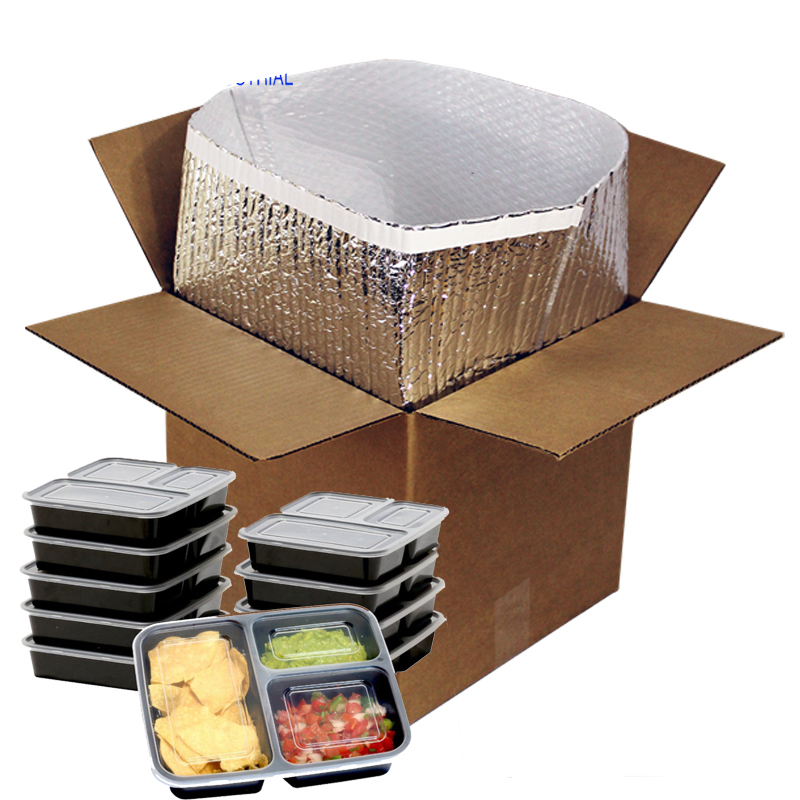
Insulated Delivery Bag Logo Italy: From Artwork to Controlled Fleet Asset
An insulated delivery bag logo Italy order should pass four approvals before volume production: the base bag must fit the route, the artwork must be authorized and reproducible, the decorated product must remain safe and functional, and the fleet must have a credible plan for use and return. Treating these as one rushed print approval creates expensive ambiguity. The method below connects them without confusing brand permission with product compliance or a good-looking sample with repeatable production.
Write the Service Promise Before Designing the Carrier
The bag represents a promise at the customer’s door. Define that promise in operational language. A restaurant might need upright meal containers, rapid rider access, separation of incompatible items, und leicht Reinigung. Eine Lebensmittelkette kann der Asset-Identität Priorität einräumen, Organisation gemischter Ordnung, Off-Rack-Passform, und wiederholte Neuzuweisung. Ein Apothekendienst benötigt möglicherweise eingeschränkte Ansprüche, nachvollziehbare Übergabe, und Ausrichtung auf einen produktspezifischen Vertriebsprozess.
Vermeiden Sie es, das Versprechen in eine nicht unterstützte thermische Formulierung umzuwandeln. An insulated bag reduces heat flow; Der Inhalt wird nicht aktiv gekühlt oder erhitzt. Das Temperaturergebnis hängt vom Ausgangszustand der Nutzlast ab, Tasche und Verschluss, verfügbaren Luftraum, Kühlmittel oder andere Komponenten bei Verwendung, Belichtung, Eröffnungsmuster, und Route. Wenn der Service von einer Temperaturbegrenzung abhängig ist, Definieren und bewerten Sie das Gesamtsystem anhand der tatsächlichen Produktanforderungen.
Beobachten Sie einen realistischen Zyklus, bevor Sie den Beutel ziehen:
- Die Nutzlast wartet im Staging.
- Ein Kommissionierer belädt Behälter und eventuelle Beilagen.
- Ein Kurier schließt das Gerät ab und montiert es oder trägt es.
- Die Tasche erfährt Bewegung, Wetter, stoppt, und Öffnungen.
- The order is handed over and the carrier is retained or returned.
- The unit is cleaned, getrocknet, inspiziert, gelagert, and reissued.
At every step, record space, human actions, Kontamination, Abrieb, beugen, and information needs. The logo must stay clear, but it must not displace a handle, weaken a thermal panel, cover an asset code, or make cleaning harder.
Define usable internal dimensions around physical containers. Nominal capacity does not show taper, Nähte, insulation intrusion, Trenner, Kühlmittelraum, or closure clearance. Test a small routine load and the most demanding expected load. Overfilling can prevent closure; underfilling can allow movement and distort soft logo panels.
Freeze the Base Bag Before Selecting the Print
Decoration depends on the finished surface. A generic material name such as polyester does not reveal the coating, Textur, Zusatzstoffe, surface energy, or heat sensitivity that determine print compatibility. Ask for the proposed outer-panel specification and identify which attributes are critical to the decoration process.
Review the entire wall. The outer fabric protects against handling and carries the image. The insulation core influences thermal resistance and stiffness. The liner deals with condensation, Verschüttungen, und Reinigung. Laminations and adhesives hold the structure together. Nähte, Reißverschlusswege, Ecken, and handle anchors can create mechanical and thermal weak points. Changing one layer to improve printing may affect other functions.
Choose the final bag geometry before placing art. On a folding tote, avoid the main crease unless the chosen graphic is intended to flex there. On a motorcycle carrier, mount the loaded sample and identify panels hidden by the rider, frame, reflectors, Riemen, oder Schließungen. On a hand-carry design, note where hands and clothing rub. Halten Sie feine Details von strukturierten Nähten und Übergängen fern.
Wenn der Beutel Teil einer definierten Thermoverpackung ist, Behandeln Sie wesentliche Konstruktions- oder Dekorationsänderungen im Rahmen des technischen Änderungsprozesses des Projekts. Ein großer Transfer, gestickter Aufnäher, oder eine neue Plattenbeschichtung sind möglicherweise nicht bei jedem Design thermisch bedeutsam, Aber die Schlussfolgerung sollte überprüft und nicht angenommen werden.
Die Zulassung der Basistasche sollte die Nutzlasttauglichkeit abdecken, belastete Stabilität, Öffnung, Schließung, Tragekomfort, Fahrzeugschnittstelle, Liner-Zugang, Reinigung, Trocknen, Identifikation, und Verarbeitung. Erst dann soll ein aufwendig dekoriertes Muster zur Produktionsreferenz werden.
Verwandeln Sie das Logo in kontrollierte Fertigungsdaten
Sammle einen Vektormaster, zugelassene Markenversion, Farbreferenzen, Freiraumregel, minimale lesbare Größe, zulässige Hintergründe, und verbotene Änderungen. Fügen Sie je nach Produktionsanforderungen Schriftarten oder umrissenen Text hinzu. Identifizieren Sie etwaige Farbverläufe, feine Regeln, Transparenz, weißer Unterboden, Spezialeffekte, oder mehrsprachige Formulierungen, die die Methodenauswahl ändern könnten.
Für Bildrechte ist ein namentlich genannter Genehmigungsinhaber erforderlich. Wenn die Marke zu einer Restaurantgruppe gehört, Franchise, Einzelhändler, Plattform, Sponsor, oder Zertifizierungsstelle, Sichern Sie sich vor dem Druck eine entsprechende schriftliche Genehmigung. Produkt klären, Gebiet, Dauer, Lieferantenzugang, Kampagnenversionen, und Co-Branding-Grenzwerte mit entsprechender Rechtsberatung. Dateieigentum und Druckberechtigung sind nicht dasselbe.
Weisen Sie eine Bildrevision und ein Datum zu. Der Nachweis des Lieferanten sollte die Revision der Tasche zeigen, Logogröße, Bezugspunkte, Orientierung, Farben, Verfahren, und jedes Panel trägt Grafiken. Marke, Beschaffung, Operationen, und Rechts- oder Rechteinhaber können dann dasselbe Objekt genehmigen. Änderungen nach der physischen Probenahme müssen in die kontrollierte Datei übernommen werden und dürfen nicht nur in E-Mail-Kommentaren gespeichert werden.
Wenn es darauf ankommt, sollte die Farbe physisch genehmigt werden. Die Darstellungen variieren, und das wahrgenommene Ergebnis ändert sich mit der Farbe des Untergrunds, Textur, Glanz, Tintenopazität, Beleuchtung, und Prozess. Vereinbaren Sie eine Referenz und eine praktische Toleranz. Wenn die visuelle Identität auf dem gesamten Papier perfekt ist, App-Bildschirme, Fahrzeuglack, Uniformen, und beschichteten Textilien ist nicht möglich, Der Markeninhaber sollte über die akzeptable Beziehung entscheiden, anstatt die Fabrik um Vermutungen zu bitten.
Wählen Sie Dekoration nach ihrer schwächsten Schnittstelle aus
Siebdruck, Wärmeübertragung, Direkter Digitaldruck, Sublimation, Stickerei, und abnehmbare Panels schaffen jeweils unterschiedliche Schnittstellen. Die nützliche Frage ist nicht, welche Methode Premium ist, aber welcher Fehler liegt am wahrscheinlichsten in der geplanten Route.
Flüssige Tinten benötigen eine entsprechende Benetzung, Haftung, Trocknen oder Aushärten, und Verträglichkeit mit der Beschichtung. Transfers basieren auf einer Film- und Klebeverbindung, die unter kontrollierter Hitze und Druck entsteht. Die Sublimation erfordert ein kompatibles Substrat und einen kompatiblen thermischen Prozess. Beim Sticken werden Stiche hinzugefügt, Rückendeckung, Kompression, und Einstiche. Durch austauschbare Paneele werden Befestigungselemente hinzugefügt, Kanten, und ein Managementprozess.
| Projektzustand | Decoration decision | Beweise vor der Veröffentlichung |
|---|---|---|
| Large bold mark on a stable compatible panel | Screen or another direct print may be practical | Decorated production panel, cure control, rub and cleaning review |
| Detailed multicolour artwork | Transfer or supported digital route may preserve detail | Edge adhesion, beugen, Farbe, heat effect, and use trial |
| Suitable printable polyester panel | Sublimation may integrate the graphic into the panel | Substrate confirmation, colour conversion, distortion check |
| Premium textured identity | Embroidery or badge may fit the brand | Punktion, Kompression, Haken, Hygiene, and wall review |
| Multi-merchant or seasonal fleet | Replaceable identity may reduce obsolete base bags | Secure attachment, Verlustkontrolle, Reinigung, rights expiry process |
| High-flex or high-abrasion location | Relocate art or redesign the panel before changing ink | Loaded map of folds, Griffe, vehicle contact, and wear zones |
The table directs testing toward the weakest interface. Es wird nicht behauptet, dass ein Prozess immer einen anderen übertrifft. Substratchemie und Werkskontrolle können dazu führen, dass sich zwei optisch ähnliche Beutel unterschiedlich verhalten.
Definieren Sie die Haltbarkeit durch Fehlermodi: Fading, Farbübertragung, Abrieb, knacken, Peeling, Kantenlift, Heftzwecke, Fleckenbildung, Delaminierung, Verzerrung, hängenbleiben, oder verlorene Panels. Reproduzieren Sie relevante Biegungen, Reiben, Feuchtigkeit, beladenes Handling, Lagerung, und die vorgesehene Reinigungsmethode. Vereinbaren Sie vor dem Versuch Akzeptanzkriterien und dokumentieren Sie die Materialien, Verfahren, Beobachtungen, und Genehmiger.
Vermeiden Sie nicht unterstützte Ansprüche mit festem Zyklus. Die Bedeutung eines Reinigungszyklus hängt von der Chemie ab, Konzentration, Temperatur, Mechanik, Trocknen, und Bewertung. Verwenden Sie einen kontrollierten Test zur Wiederholbarkeit und einen praxisnahen Versuch zur betrieblichen Relevanz.
Erstellen Sie eine Release-Datei mit separaten Compliance-Entscheidungen
Die Freigabedatei sollte Entscheidungen zusammenführen und gleichzeitig ihre Rechtsgrundlagen voneinander trennen. Zumindest, Es sollte die Markenautorisierung erläutern, Produktsicherheit, Lebensmittelkontaktgrenze, Verpackungsklassifizierung, environmental information, Genehmigung des Kunstwerks, and performance evidence.
For consumer products within scope in Italy, Verordnung (EU) 2023/988 has applied since 13 Dezember 2024. Relevant businesses may need a product risk analysis and technical documentation, and the product or packaging may need traceability, manufacturer and responsible-economic-operator details, and safety information. Distance offers can carry additional information requirements. Scope depends on the product and channel, while sector-specific rules may add duties.
The merchant logo is not necessarily the legal manufacturer’s identification. A white-label product can display the customer’s brand while still providing the identities and product reference required for traceability. Keep neutral product information permanent when removable campaign or merchant panels are used.
CE marking is not a universal quality badge. Apply it only where legislation governing the actual product requires it. A passive carrier may not be within a CE-marking regime; adding powered cooling, Heizung, Batterien, lights, or electronics can change the legal and technical analysis.
Food-contact rules follow intended and foreseeable contact. A secondary carrier for sealed primary containers differs from a liner intended for loose food. Italy’s MOCA framework is based on EU food-contact rules, including Regulation (EC) 1935/2004 and good manufacturing practice under Regulation (EC) 2023/2006, with specific and national measures relevant to certain materials. Ask for documentation that identifies the exact finished component and conditions of use. Consider inks, Beschichtungen, Klebstoffe, set-off, migration pathways, and cleaning where contact can occur.
Chemical and safety review should also consider external exposure. Uncured residues, strong odour, transfer to hands or clothing, loose badges, sharp fasteners, misleading temperature symbols, and cleaning degradation can all become product risks. Brand review alone will not detect them.
Reserve Space for Italian Packaging Information
Classify the branded carrier and its shipment components. The bag may be a product, a reusable transport article, Verpackung, or perform different roles in different supply arrangements. Der Karton, Ärmel, Etikett, protective film, Einsätze, and other materials around it must be reviewed separately.
Italian environmental-labelling rules for packaging can require material identification and disposal information according to the applicable case. A recycling icon or customer logo does not replace those requirements. Ensure the graphic layout reserves a legible information area and keeps disposal messages distinct from marketing claims.
Verordnung (EU) 2025/40 on packaging and packaging waste entered into force in 2025 und gilt grundsätzlich ab 12 August 2026. It covers packaging placed on the EU market and packaging waste, with requirements and transition schedules that need product-specific review. Artwork and packaging specifications should be checked against the rules applicable when the goods are placed on the Italian market, not only when the design was approved.
Treat environmental claims as controlled statements. “Reusable” requires an operating loop; “recycled content” should identify the component and evidence; “recyclable” should account for the composite assembly and real route. Do not let a leaf graphic imply a whole-product benefit that the file supports only for one textile layer.
Protect the Approval Through Production and Reuse
Die Produktionsspezifikation sollte der zugelassenen Tasche entsprechen, Panel, Oberflächenvorbereitung, Dekorationssystem, Überarbeitung des Kunstwerks, Farbreferenz, Position, Verarbeitung, Rückverfolgbarkeit, Reinigungshinweise, und Verpackung. Vor Änderungen am Werk ist eine Benachrichtigung erforderlich, Textil-, Beschichtung, Schaum, Liner, Tinte, überweisen, Klebstoff, Vorbehandlung, Heilung, Nähte, Abmessungen, oder Druckmethode.
Bei der Eingangskontrolle, Überprüfen Sie gemeinsam Funktion und Aussehen. Überprüfen Sie die Produkt- und Chargenidentität, nutzbare Abmessungen, Schließung, Nähte, Verstärkung, Liner, Sauberkeit, Logo-Version, Platzierung, Orientierung, Abdeckung, offensichtliche Haftungsmängel, und umliegender Verpackung. Definieren Sie Trennung und Eskalation, damit ein Branding-Fehler nicht kursiert, während die Teams über die Verantwortung debattieren.
Nach der Abnahme beginnt der Flottenprozess. Weisen Sie jeden Spediteur zu, Datensatzausgabe und -rückgabe, Wenden Sie die zugelassene Reinigungsmethode an, trocknen Sie es vollständig ab, Druck und Konstruktion prüfen, Reparatur nur innerhalb definierter Grenzen, und Einheiten, die die Hygiene nicht mehr gewährleisten, werden aus dem Verkehr gezogen, Handhabung, oder beabsichtigte thermische Funktion. Eine Tasche kann vorzeigbar aussehen, auch wenn versteckte Schichten oder Verschlüsse versagt haben.
Kampagnen- und Händlerrechte benötigen Enddaten. Entfernen Sie veraltete Paneele und kontrollieren Sie ausgemusterte Markentaschen, um eine unbefugte Nutzung zu verhindern. Planen Sie den Materialweg für stillgelegte Einheiten und vermeiden Sie es, den gesamten Verbundwerkstoff als recycelbar zu bezeichnen, es sei denn, es gibt einen evidenzbasierten Weg für den beabsichtigten Markt.
Messen Sie den Vorgang, nicht nur das Material. Rückgaben, Verluste, Reinigungsfehler, Reparaturen, Druckschäden, und Ruhestandsgründe zeigen, ob das Design eine glaubwürdige Wiederverwendung unterstützt. Diese Beweise machen die nächste Bestellung nachhaltiger und wirtschaftlicher, ohne sich auf generische Marktansprüche zu verlassen.
Häufig gestellte Fragen
Wann sollte die Logo-Methode gewählt werden??
Wählen Sie es nach der Basistasche, Plattenmaterial, Beschichtung, Geometrie, Reinigung, und Routenexpositionen werden verstanden. Frühe Kunstwerke können als Leitfaden für die Panelplanung dienen, Für die endgültige Genehmigung der Methode sollten jedoch eine produktionsrepräsentative Oberfläche und ein dekoriertes Muster verwendet werden. Wenn Sie den Druck auswählen, bevor das Substrat stabil ist, sind erneute Tests und Farbrisiken vermeidbar.
Can a printer alter my logo to make it manufacturable?
Only through the agreed artwork approval process. Technical simplification may be sensible for fine lines, small text, Farbverläufe, or low-contrast backgrounds, but the rights holder or authorized brand owner should approve the revision. Keep the altered master, nachweisen, and production file under a new revision.
What makes a print durability test relevant?
It should reproduce likely failures under the intended use: beugen, Reiben, Kondensation, Verschüttungen, loaded deformation, storage contact, and the actual cleaning process. The test must identify materials, Vorbereitung, Dekoration, Bedingungen, und Akzeptanzkriterien. Combine controlled evaluation with a representative field trial when risk justifies it.
Is the insulated bag considered food packaging in Italy?
Nicht automatisch. Its status depends on function, Versorgungsmodell, and whether it contacts food or serves as packaging. Ein Träger für versiegelte Primärverpackungen unterscheidet sich von einem Direktkontaktliner. Beutel und umgebende Verpackung getrennt klassifizieren, Wenden Sie dann das entsprechende MOCA an, Verpackung, und Umweltinformationsvorschriften.
Wer ist verantwortlich, wenn ein Kundenlogo auf der Tasche erscheint??
Die Verantwortlichkeiten können unter dem Markeninhaber geteilt werden, legaler Hersteller, Importeur, Verantwortlicher EU-Wirtschaftsbeteiligter, Verteiler, Dekorateur, und Unternehmen, das das Produkt auf den Markt bringt. Das Logo ersetzt diese Rollen nicht. Definieren Sie diese vertraglich, Aufrechterhaltung einer schriftlichen künstlerischen Genehmigung, und die erforderliche Rückverfolgbarkeit auf dem Produkt oder der Verpackung gewährleisten.
Abschluss: Vier Zulassungen schaffen ein zuverlässiges Produkt
Genehmigen Sie die Passform der Route, das rechtekontrollierte Kunstwerk, das dekorierte Produkt, und der Regelkreis als separate Entscheidungen. Frieren Sie das Substrat vor der Druckauswahl ein, Testen Sie Fehlermodi an einer realistischen Probe, and connect every claim to evidence. Keep GPSR, Lebensmittelkontakt, Italian environmental labelling, and PPWR classification visible in the release file. Endlich, protect the approved combination with change control, Eingangskontrolle, und verwaltete Wiederverwendung. That is how a logo becomes part of a credible fleet asset instead of a fragile surface treatment.
Über Tempk
Tempk ist die Marke von Shanghai Tempk Industrial Co., Ltd. We support B2B buyers evaluating cold-chain and insulated packaging and related temperature-control packaging products. For an Italian branded-bag project, we can help turn payload, Route, thermische Rolle, Reinigung, Wiederverwendung, Kunstwerk, and market questions into a focused sample brief. Share your operating cycle and intended Italian channel with Tempk to compare practical options and clarify the evidence to request before production.