


Food Grade Material Medical Ice Box Manufacturer: Vollständiges Käufer-Framework
Food Grade Material Medical Ice Box Manufacturer: Vollständiges Käufer-Framework
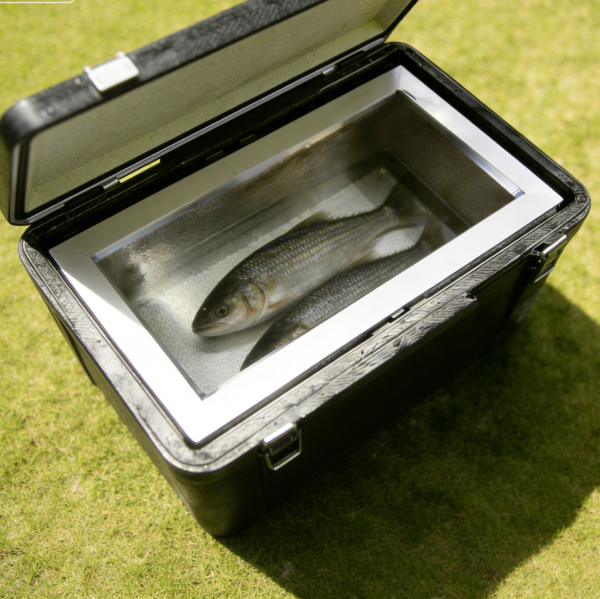
Food Grade Material Medical Ice Box Manufacturer: A Practical Specification and Procurement Framework
A good medical ice box using food-contact-suitable materials is one whose claims can be traced to a defined configuration. Buyers should be able to identify what is proven at material level, what is tested at finished-box level, what belongs to a complete packout, and what still requires lane-specific confirmation. This scope difference prevents the most common procurement failures: unclear capacity, unverified duration, misplaced compliance claims, and samples that are not representative of mass production.
The practical objective is how to separate material safety, Hygienisches Design, thermische Qualifizierung, medical logistics procedures, and product-specific compliance instead of treating one certificate as proof of everything. The following decision framework brings together the most useful product, technisch, Einhaltung, operativ, and purchasing considerations while keeping all performance statements tied to the conditions that actually support them.
Write the Operating Requirement in Plain Language
The first specification should describe the operating job: use materials suitable for intended contact conditions while meeting the separate operational controls required for medical or healthcare logistics. It should identify the users, the loading location, the receiving location, the expected handovers, and the moment at which temperature responsibility changes. This prevents the supplier from filling unknowns with assumptions. It also allows operations, Qualität, and procurement teams to review the same requirement rather than maintaining separate informal versions. In the final decision, state the applicable conditions for the food-contact and medical-use review in the supplier response.
Payload definition needs more detail than a weight or nominal volume. The planned load may include medicines, Impfungen, Proben, Ernährungsprodukte, sealed meals, or mixed institutional supplies that may have different contamination and temperature risks. Record the primary-pack dimensions, Orientierungsgrenzen, number of units, thermal condition at packing, Kopfspace, fragile areas, and whether the load must remain separated from coolant. A cavity that appears large enough can become unusable if the opening is narrow, corners are heavily radiused, or a basket and divider consume the critical dimensions. Before final release, review this point for the food-contact and medical-use review with operations and quality.
Route mapping is equally important. For hospital campuses, Laborkuriere, Apothekenvertrieb, klinische Standorte, häusliche Krankenpflege, and institutional foodservice, note planned transit time, likely delay, Staging-Temperatur, direkte Sonne, vehicle air circulation, wiederholtes Öffnen, transfer between carriers, und Eingangskontrolle. These inputs do not produce a guaranteed hold time on their own, but they define the conditions that a supplier or test laboratory must reproduce. Ohne sie, a quotation can only cover a generic box, not a reliable distribution process. At production launch, record this point for the food-contact and medical-use review as a controlled requirement.
Material Selection Should Follow the Failure Mode
A typical insulated box can combine polymers, Schäume, Dichtungen, Pigmente, Klebstoffe, Liner, and labels assessed for their intended contact conditions and cleaning environment. The outer structure protects against impact and provides attachment points. The insulation slows conduction and convection. The lid joint, Abfluss, handle bosses, Verbindungselemente, and panel edges can create thermal bridges or leakage paths. Aus diesem Grund, a material name alone does not predict performance. Two boxes made with the same nominal polymer may behave differently because of wall thickness, foam quality, Geometrie, und Montage. For supplier approval, protect the decision for the food-contact and medical-use review through change control.
Common options carry different tradeoffs. Hard polymer shells can be cleanable and durable, but they add weight and require controlled molding. EPP can provide a lightweight, resilient structure for repeated handling, while exposed foam surfaces may need careful hygiene and damage review. EPS can be cost effective for protected one-way use but may chip under repeated rough handling. PU foam can provide rigid insulation inside a shell. Vacuum-insulated panels can reduce heat transfer through broad surfaces, but edge effects, Pannenschutz, and manufacturing control become critical. Before final release, record this point for the food-contact and medical-use review as a controlled requirement.
The material specification should identify the intended risks: Materialrückverfolgbarkeit, Oberflächenbeschaffenheit, Geruch, gasket and drain design, Reinigungsverträglichkeit, Dimensionskontrolle, configuration records, und Änderungsmitteilung. It should control base resin or foam grade, Pigmente, Zusatzstoffe, gasket material, Klebstoffe, Hardware, and any internal coating or label. When substitutions are allowed, define the approval evidence. Ansonsten, a production change that looks minor commercially can alter food-contact status, Geruch, Flexibilität, Wärmeleitfähigkeit, fit, or long-term durability. Before final release, assign an owner and acceptance method for the food-contact and medical-use review.
Where the Product Ends and the Thermal System Begins
The medical ice box using food-contact-suitable materials provides a barrier to heat flow and a protective enclosure. It does not generate a controlled temperature by itself. Passive performance depends on insulation, Kühlmitteltyp und Konditionierung, Kühlmittelmasse, Nutzlastmasse, Produktstarttemperatur, internal arrangement, Umgebungsprofil, Öffnungsverhalten, und Akzeptanzkriterien. A change to any one of these can alter results even when the outer box is unchanged.
This distinction is especially important for food, pharmazeutisch, Impfstoff, and clinical-trial uses. A material declaration may show that a component is suitable for an intended contact condition. A structural test may show that a handle or slot survives a defined load. A thermal report may show how one packout behaved under one profile. A route qualification may then assess the operating lane. These documents answer different questions and should not be substituted for one another. In the final decision, assign an owner and acceptance method for the food-contact and medical-use review.
Ask the supplier to state every performance claim with its configuration. The statement should identify box size and revision, Nutzlast, Kühlmittel, Konditionierung, Ladediagramm, Monitorposition, Umgebungsprofil, Dauer, und Akzeptanzbereich. If the supplier cannot provide that context, treat the claim as a screening indication only. The useful outcome is not to demand a laboratory report for every early conversation, but to prevent an unsupported headline from becoming a purchase specification. In the final decision, protect the decision for the food-contact and medical-use review through change control.
“Food Grade,” “Medical Grade,” and “Qualified” Are Not Interchangeable
The relevant evidence depends on food-contact rules for materials where applicable, plus GDP, GCP, Produktkennzeichnung, biosafety, or healthcare procedures as applicable to the medical use; these evidence streams are not interchangeable. In den Vereinigten Staaten, food-contact status is tied to authorized substances and the intended conditions of use, including food type and temperature. In der Europäischen Union, food-contact materials placed on the market fall under the framework regulation and good manufacturing practice requirements, with additional rules for certain material groups. A generic declaration that a plastic is 'Lebensmittelqualität' is therefore only a starting point. For supplier approval, confirm that production controls preserve this point for the food-contact and medical-use review.
Medical and pharmaceutical uses add a different layer. Product labeling and sponsor or quality procedures define the required condition. BIP, GCP, immunization guidance, air-cargo rules, or national program specifications may apply depending on the shipment. The box does not become compliant simply because its polymer is acceptable for food contact or because it is reusable. The complete process may need qualified packout instructions, kalibrierte Überwachung, Abweichungsbehandlung, Ausbildung, and documented chain of custody. In the final decision, review this point for the food-contact and medical-use review with operations and quality.
Create an evidence map with four columns: beanspruchen, object, Zustand, und Dokument. Zum Beispiel, a material claim belongs to a named resin and intended use; a structural claim belongs to a finished design and load method; a thermal claim belongs to a complete configuration and profile; a route claim belongs to an operating lane. This map reveals gaps and prevents one certificate from being stretched beyond its scope. At production launch, confirm the evidence scope for the food-contact and medical-use review before purchase.
A Release Checklist for the Selected Configuration
| Tor | Frage | Beweise freigeben |
|---|---|---|
| Use-case gate | Ist die Nutzlast, Route, Zustand, and handling process defined? | Approved user requirement |
| Fit gate | Does the final packout fit with safe lifting and closure? | Packout drawing and measured sample |
| Evidence gate | Are claims tied to the right material, Kasten, Auspacken, or lane? | Evidence map and test reports |
| Quality gate | Can production reproduce the approved configuration? | Pilot-lot review and inspection plan |
| Cost gate | Are quotes normalized to the same scope and delivery basis? | Landed and lifecycle cost model |
| Operations gate | Can users pack, erhalten, sauber, überprüfen, and return it correctly? | Controlled instructions and training plan |
| Change gate | Will substitutions require review? | Bill of materials and change-control agreement |
| Application gate | How to separate material safety, Hygienisches Design, thermische Qualifizierung, medical logistics procedures, and product-specific compliance instead of treating one certificate as proof of everything | Signed requirement and unresolved-assumption list |
Use this table as a joint review between procurement, Operationen, Maschinenbau, und Qualität. It turns general preferences into reviewable evidence and exposes missing assumptions before price negotiation. Not every project needs the same depth, but every critical claim should have an owner and a defined way to verify it. In the final decision, confirm the evidence scope for the food-contact and medical-use review before purchase.
From Catalog Sample to Controlled Production
The central supplier question is how to separate material safety, Hygienisches Design, thermische Qualifizierung, medical logistics procedures, and product-specific compliance instead of treating one certificate as proof of everything. The conversation should move from broad claims to controlled details. A credible manufacturer should be able to translate that requirement into drawings, material definitions, Inspektionspunkte, and a test plan. Fragen Sie, wem die Form gehört, which operations are performed internally, how critical component suppliers are approved, and how the bill of materials is maintained. A broad catalog can be useful, but it is not evidence of process control. In the final decision, resolve this point for the food-contact and medical-use review before thermal qualification.
Build the approval process around progressive sample maturity. The first sample confirms basic dimensions and ergonomics. A revised engineering sample confirms materials, Beschläge, Etiketten, and packout fit. A pilot lot checks production tools, Montage, Inspektion, Verpackung, and variation across multiple units. The approved golden sample should be linked to drawings and measurable acceptance criteria. Approving one specially prepared sample without this bridge is a common source of mass-production surprises. At production launch, document the limitation for the food-contact and medical-use review rather than implying universal suitability.
Quality review should focus on material traceability, Oberflächenbeschaffenheit, Geruch, gasket and drain design, Reinigungsverträglichkeit, Dimensionskontrolle, configuration records, und Änderungsmitteilung. Ask how nonconforming units are identified, whether measurements are recorded, how complaints are investigated, and how engineering changes are communicated. For high-control programs, require prior approval before substitutions. For lower-risk consumer use, the system can be simpler, but critical dimensions, Materialien, and safety features still need objective acceptance criteria. For supplier approval, link this decision for the food-contact and medical-use review to the approved drawing and packout.
Where Cooler Box Cost Actually Comes From
The cost structure includes controlled materials, Dokumentation, cleanable design, Validierung, Reinigungsarbeiten, Abgrenzung, Überwachung, und Qualitätsprüfung. Differences may come from insulation thickness, Materialqualität, Verfahren, Hardware, Inspektion, Verpackung, or simply from excluded items. Suppliers can quote very different prices while all appear to offer the same size. A fair comparison requires one configuration sheet and one commercial comparison table.
Separate one-time costs from recurring costs. Unit construction, Zubehör, Inspektion, Kartons, and freight recur. Werkzeuge, Formen, Kunstwerk, Maschinenbau, and some tests may be one-time or amortized. Then separate acquisition cost from operating cost: conditioning coolant, Waschen, Trocknen, Lagerung, Vermögensverfolgung, Rücktransport, Schaden, reparieren, und Ersatz. The best metric may be cost per successful route rather than purchase price per box. For supplier approval, confirm the evidence scope for the food-contact and medical-use review before purchase.
Freight deserves early attention because insulated boxes can be bulky. Außenmaße, Verschachtelung, collapsibility, Kartonmenge, Palettenmuster, and container loading may change landed cost more than a small factory-price difference. Ask suppliers to quote the same delivery term and packing configuration. When reusable boxes return empty, the reverse cube and handling labor should also enter the model. Before final release, record this point for the food-contact and medical-use review as a controlled requirement.
Design the Daily Process Alongside the Box
A box moves through people and places, not only through a thermal chamber. The operating plan should cover preconditioning, Verpackung, Schließung, Beschriftung, Aktivierung überwachen, aushändigen, Empfang, Entladung, Reinigung, Trocknen, Inspektion, Lagerung, und zurück. For hospital campuses, Laborkuriere, Apothekenvertrieb, klinische Standorte, häusliche Krankenpflege, and institutional foodservice, the highest risk may be a loading dock or failed delivery in place of the planned vehicle time.
Instructions should be visual and configuration specific. Show coolant position, Produktorientierung, Platzierung der Teiler, Standort überwachen, Abschlusssequenz, and rejection criteria. Use labels that survive the cleaning and route environment. If the box has drains, Riemen, Räder, replaceable gaskets, or rope handles, include inspection points for those components. Complexity should be reduced wherever possible because occasional users do not remember long procedures. Before final release, assign an owner and acceptance method for the food-contact and medical-use review.
Receiving teams need a decision path. They should know how to inspect the seal, read the monitor, identify damage, record an excursion, quarantine the payload, and contact the responsible quality person. Returned boxes should not automatically go back into the clean fleet. A simple quarantine and inspection step prevents cracked shells, missing plugs, contaminated handles, or changed coolant from silently weakening the system. For supplier approval, check the point for the food-contact and medical-use review against the actual payload.
Reuse Only Works When the Box Comes Back
The relevant sustainability question is reuse only when decontamination, Inspektion, Rückverfolgbarkeit, and return controls prevent cross-contamination and preserve the qualified configuration. A reusable box can reduce packaging consumption on a stable closed loop, but it also requires more material, Reinigung, Lagerung, and return transport. A one-way lightweight system may be preferable on a dispersed lane where return rates are low. The choice should be made from the operating network rather than from a single marketing attribute. In the final decision, protect the decision for the food-contact and medical-use review through change control.
Right-sizing is often the fastest improvement. Excess volume increases insulation area, Kühlmittelbedarf, Frachtwürfel, und Lagerfläche. Overbuilt hardware adds mass. Underbuilt products fail early and create replacement waste. A good design uses enough material in the right places, protects replaceable wear parts, and allows inspection before a damaged unit re-enters service. Before final release, review this point for the food-contact and medical-use review with operations and quality.
Track a small set of practical indicators: Rücklaufquote, trips per asset, Schadensgrund, wash time, Trocknungszeit, lost components, Leerer Rückgabewürfel, and retirement route. These data show whether the system is improving. Sustainability claims should be updated when the route changes. A box used for fifty controlled local trips has a different footprint from the same box shipped once across an international lane and never returned. In the final decision, confirm that production controls preserve this point for the food-contact and medical-use review.
A Typical Route Review
Consider this typical situation: a supplier provides a food-contact statement for the inner shell, but the buyer also needs a medical packout qualification, Reinigungsvorgang, return quarantine, and traceable change control. The first response should not be to select a catalog size. The team should measure the payload, build the proposed packout, die Route kartieren, and observe how users lift, sicher, offen, sauber, and return the box. This creates a shared record of the real constraints. For supplier approval, place this requirement for the food-contact and medical-use review in the receiving checklist.
Danach, the buyer should request two or three controlled alternatives rather than a long catalog. One option may prioritize lower weight, another repeated durability, and another higher thermal resistance or more usable volume. Each option should list what is included, what evidence exists, what still needs testing, and which operating changes it requires. The team can then compare tradeoffs instead of arguing over isolated features. In the final decision, confirm the evidence scope for the food-contact and medical-use review before purchase.
Complete the sequence through an engineering sample, Packout-Testversion, pilot production, and formal release. For temperature-sensitive uses, confirm the complete packout under an appropriate profile and define how excursions will be handled. Record dimensional measurements and handling observations, not just photographs. The result is a procurement decision tied to evidence and workflow, not to a promise that cannot be reproduced later. Before final release, state the applicable conditions for the food-contact and medical-use review in the supplier response.
Five Errors That Create Expensive Rework
The points below are worth checking before tooling or mass production. Each one can create avoidable rework when it remains unresolved during supplier selection. Before final release, resolve this point for the food-contact and medical-use review before thermal qualification.
- Release blocker: equating food-contact suitability with medical compliance.
- Release blocker: reusing boxes across incompatible payloads without segregation.
- Release blocker: ignoring labels, Klebstoffe, Dichtungen, and internal accessories.
- Release blocker: qualifying a packout and then changing the material grade.
- Release blocker: using a difficult-to-clean design in a high-control environment.
One warning sign does not necessarily remove a vendor from consideration. It should trigger a specific clarification, sample check, or evidence request. The goal is to resolve uncertainty while changes are still inexpensive. A supplier that responds with drawings, Bedingungen, and corrective actions is more useful than one that repeats a broad claim.
What a Useful Supplier Answer Should Cover
For this medical ice box using food-contact-suitable materials, the following questions create more value than asking whether the supplier is reliable. They force the discussion toward the intended use, measurable specifications, und Beweise. In the final decision, test this assumption for the food-contact and medical-use review against the intended route.
- Release question: Which surfaces can contact food, medicine packaging, Proben, or cleaning liquids?
- Release question: What intended conditions are covered by the material documentation?
- Release question: Which medical or clinical procedures apply to the route and payload?
- Release question: How are clean, gebraucht, and quarantined boxes segregated?
- Release question: Can gaskets, Abflüsse, and dividers be inspected and replaced?
- Release question: Which evidence belongs to the material and which belongs to the complete packout?
A complete answer may be a drawing, Tisch, Probe, Testplan, or documented limitation. The factory under review does not need to have every final report before early development, but it should be able to state what is known, was angenommen wird, what can be customized, and what must be tested. That transparency is a better risk signal than a long list of unsupported certifications. Before final release, review this point for the food-contact and medical-use review with operations and quality.
How to Document Assumptions and Limitations
Do not release a new batch on appearance alone. Select multiple units from different cartons. Confirm critical internal dimensions, Deckelverschluss, Hardware, Etiketten, Zubehör, and packaging against the approved specification. Record results so later complaints can be compared with the original batch rather than with memory or a single sample. At production launch, document the limitation for the food-contact and medical-use review rather than implying universal suitability.
Agree on damage criteria before boxes enter operation. Risse, deformed seals, missing plugs, frayed handles, loose anchors, contaminated surfaces, punctured panels, or unapproved coolant should trigger quarantine. Some items can be repaired with controlled parts; others should be retired. A clear rule prevents users from keeping a visibly damaged box in service simply because it still closes. For supplier approval, state the applicable conditions for the food-contact and medical-use review in the supplier response.
Use a simple change register for material, Anbieter, Schimmel, Verfahren, Abmessungen, Etiketten, Verpackung, und Auspacken. Review whether each change affects contact status, thermischer Beweis, structural tests, Fracht, Reinigung, oder Benutzeranweisungen. This discipline is not limited to regulated programs. It protects any buyer from gradual configuration drift across repeated orders. At production launch, check the point for the food-contact and medical-use review against the actual payload.
Questions Buyers Often Ask
Is a medical ice box using food-contact-suitable materials enough to control temperature?
NEIN. Die Box verlangsamt die Wärmeübertragung, but the complete result depends on coolant, Nutzlast, Starttemperatur, Lademuster, Umgebungseinflüsse, Handhabung, und Überwachung. Any stated duration should identify the tested configuration and acceptance criteria. Für regulierte oder hochwertige Produkte, additional packout or lane qualification may be required. At production launch, include this limit in the operating instruction for the food-contact and medical-use review.
What does food grade mean for an ice box?
The useful question is whether every relevant component is suitable for the intended food type, contact condition, Temperatur, and duration under the target market's rules. A base-resin certificate or a BPA-free statement does not automatically cover pigments, Dichtungen, Klebstoffe, Etiketten, or the finished article. At production launch, document the limitation for the food-contact and medical-use review rather than implying universal suitability.
Can one laboratory hold-time result be used for every route?
NEIN, nicht als allgemeingültige Regel. A laboratory result applies to the tested ambient profile, Nutzlast, Kühlmittel, monitor positions, und Akzeptanzbereich. It can support route planning, but significant differences in delay, direkte Sonne, Öffnungshäufigkeit, Fahrzeugbedingungen, or payload may require further assessment or qualification. At production launch, link this decision for the food-contact and medical-use review to the approved drawing and packout.
What is the best first sample test?
The earliest practical check is a full dimensional packout. Check closure, Heben, Zugang, Reinigung, und Packzeit. Load the actual payload, Kühlmittel, Teiler, Monitor, Etiketten, und Zubehör. Once the physical configuration is stable, thermal and structural testing becomes more meaningful and less likely to be repeated after a design change. For supplier approval, check the point for the food-contact and medical-use review against the actual payload.
Abschluss
The final selection for food grade material medical ice box manufacturer should pass six tests: use-case fit, nutzbare Kapazität, Beweis, Produktionskonsistenz, operating simplicity, und Gesamtkosten. A supplier that states assumptions, documents limitations, and supports pilot verification is more valuable than one offering universal claims. Release the order only when the configuration and responsibilities are clear enough to repeat.
Über Tempk
Tempk, eine Marke von Shanghai Tempk Industrial Co., Ltd., works across passive cold-chain packaging categories such as coolant packs, rigid PCM bricks, Isoliertaschen, EPP-Behälter, medizinische Kühlboxen, Liner, and thermal covers. Its role in a box project is to help translate route and payload requirements into a practical product and packout direction. Final dimensions, Materialien, Zubehör, Testbedingungen, and documentation should be agreed in a controlled specification before production. At production launch, review this point for the food-contact and medical-use review with operations and quality.
Nächster Schritt
Before final supplier selection, die Nutzlast teilen, Kontaktflächen, Reinigungsmethode, medical quality requirements, Route, and target market so Tempk can separate the material and system evidence correctly.
Food Grade Material Ice Box Supplier: Vollständiges Käufer-Framework
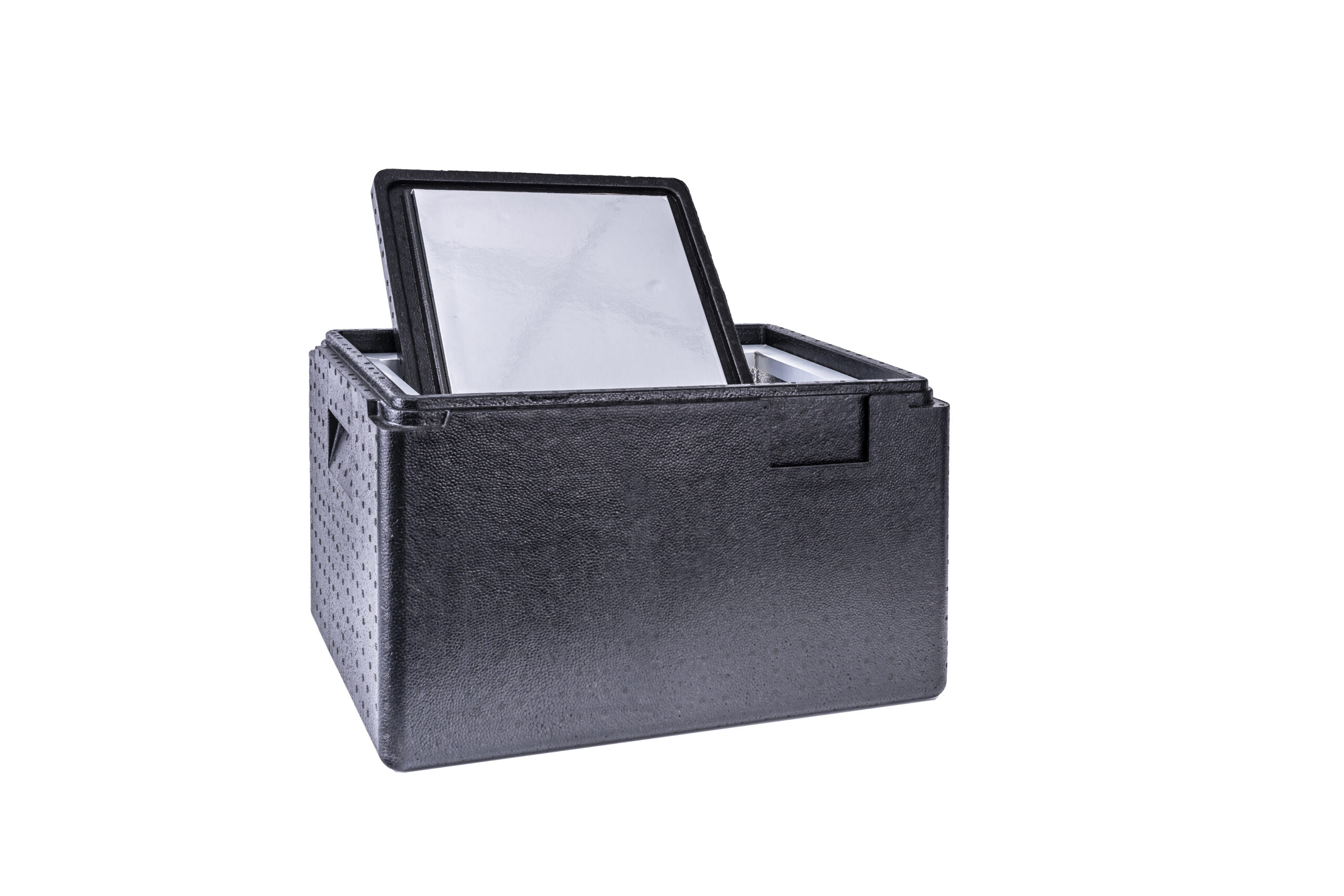
Food Grade Material Ice Box Supplier: A Practical Specification and Procurement Framework
A good ice box made with food-contact-suitable materials is one whose claims can be traced to a defined configuration. Buyers should be able to identify what is proven at material level, what is tested at finished-box level, what belongs to a complete packout, and what still requires lane-specific confirmation. This distinction prevents the most common procurement failures: unclear capacity, unverified duration, misplaced compliance claims, and samples that are not representative of mass production.
The practical objective is whether the supplier can prove the status of the complete food-contact article instead of relying on a generic “food grade” statement. The following decision framework brings together the most useful product, technisch, Einhaltung, operativ, and purchasing considerations while keeping all performance statements tied to the conditions that actually support them.
Turning a Vague Request Into a Testable Specification
Consider this typical situation: a frozen-food buyer receives a shell resin declaration but no information about the colored masterbatch, drain gasket, printed label, or adhesive used inside the contact area. The first response should not be to select a catalog size. The team should measure the payload, build the proposed packout, die Route kartieren, and observe how users lift, sicher, offen, sauber, and return the box. This creates a shared record of the real constraints. In the final decision, state the applicable conditions for the food-contact material review in the supplier response.
Von dort, the buyer should request two or three controlled alternatives rather than a long catalog. One option may prioritize lower weight, another repeated durability, and another higher thermal resistance or more usable volume. Each option should list what is included, what evidence exists, what still needs testing, and which operating changes it requires. The team can then compare tradeoffs instead of arguing over isolated features. In the final decision, resolve this point for the food-contact material review before thermal qualification.
Complete the sequence through an engineering sample, Packout-Testversion, pilot production, and formal release. Record dimensional measurements and handling observations, not just photographs. For temperature-sensitive uses, confirm the complete packout under an appropriate profile and define how excursions will be handled. The result is a procurement decision tied to evidence and workflow, not to a promise that cannot be reproduced later. Before final release, state the applicable conditions for the food-contact material review in the supplier response.
Start With the Load, Route, and Handover Points
The first specification should describe the operating job: store or transport packaged or unpackaged food in a container whose materials are suitable for the intended contact, Zeit, Temperatur, Lebensmitteltyp, and cleaning conditions. It should identify the users, the loading location, the receiving location, the expected handovers, and the moment at which temperature responsibility changes. This prevents the vendor from filling unknowns with assumptions. It also allows operations, Qualität, and procurement teams to review the same requirement instead of maintaining separate informal versions.
Payload definition needs more detail than a weight or nominal volume. The planned load may include dry foods, fatty foods, acidic foods, Milchprodukte, Meeresfrüchte, Getränke, Zubereitete Mahlzeiten, or sealed packs, each with different potential contact conditions. Record the primary-pack dimensions, Orientierungsgrenzen, number of units, thermal condition at packing, Kopfspace, fragile areas, and whether the load must remain separated from coolant. A cavity that appears large enough can become unusable if the opening is narrow, corners are heavily radiused, or a basket and divider consume the critical dimensions. At production launch, confirm the evidence scope for the food-contact material review before purchase.
Route mapping is equally important. For factory handling, Kühlräume, Kühlfahrzeuge, Catering-Routen, fishery use, and repeated washing where chemical and physical exposure differ, note planned transit time, likely delay, Staging-Temperatur, direkte Sonne, vehicle air circulation, wiederholtes Öffnen, transfer between carriers, und Eingangskontrolle. These inputs do not produce a guaranteed hold time on their own, but they define the conditions that a supplier or test laboratory must reproduce. Ohne sie, a quotation can only cover a generic box, not a reliable distribution process. In the final decision, confirm that production controls preserve this point for the food-contact material review.
Do Not Turn a Component Into a Universal Performance Promise
The ice box made with food-contact-suitable materials provides a barrier to heat flow and a protective enclosure. It does not generate a controlled temperature by itself. Passive performance depends on insulation, Kühlmitteltyp und Konditionierung, Kühlmittelmasse, Nutzlastmasse, Produktstarttemperatur, internal arrangement, Umgebungsprofil, Öffnungsverhalten, und Akzeptanzkriterien. A change to any one of these can alter results even when the outer box is unchanged. In the final decision, place this requirement for the food-contact material review in the receiving checklist.
This distinction is especially important for food, pharmazeutisch, Impfstoff, and clinical-trial uses. A material declaration may show that a component is suitable for an intended contact condition. A structural test may show that a handle or slot survives a defined load. A thermal report may show how one packout behaved under one profile. A route qualification may then assess the operating lane. These documents answer different questions and should not be substituted for one another. In the final decision, state the applicable conditions for the food-contact material review in the supplier response.
Ask the supplier to state every performance claim with its configuration. If the supplier cannot provide that context, treat the claim as a screening indication only. The statement should identify box size and revision, Nutzlast, Kühlmittel, Konditionierung, Ladediagramm, Monitorposition, Umgebungsprofil, Dauer, und Akzeptanzbereich. The useful outcome is not to demand a laboratory report for every early conversation, but to prevent an unsupported headline from becoming a purchase specification. Before final release, place this requirement for the food-contact material review in the receiving checklist.
From Polymer Grade to Finished Insulated Assembly
A typical insulated box can combine HDPE, Pp, foamed polymers, elastomers, Beschichtungen, Klebstoffe, colorants, and insulated assemblies assessed as a complete construction for the intended use. The outer structure protects against impact and provides attachment points. The insulation slows conduction and convection. The lid joint, Abfluss, handle bosses, Verbindungselemente, and panel edges can create thermal bridges or leakage paths. Aus diesem Grund, a material name alone does not predict performance. Two boxes made with the same nominal polymer may behave differently because of wall thickness, foam quality, Geometrie, und Montage. Before final release, assign an owner and acceptance method for the food-contact material review.
Common options carry different tradeoffs. Hard polymer shells can be cleanable and durable, but they add weight and require controlled molding. EPP can provide a lightweight, resilient structure for repeated handling, while exposed foam surfaces may need careful hygiene and damage review. EPS can be cost effective for protected one-way use but may chip under repeated rough handling. PU foam can provide rigid insulation inside a shell. Vacuum-insulated panels can reduce heat transfer through broad surfaces, but edge effects, Pannenschutz, and manufacturing control become critical. In the final decision, verify this point on representative units used for the food-contact material review.
The material specification should identify the intended risks: material identity, Chargenrückverfolgbarkeit, pigment control, odor and appearance, Oberflächenbeschaffenheit, weld or molding defects, gasket composition, and controlled substitutions. It should control base resin or foam grade, Pigmente, Zusatzstoffe, gasket material, Klebstoffe, Hardware, and any internal coating or label. When substitutions are allowed, define the approval evidence. Ansonsten, a production change that looks minor commercially can alter food-contact status, Geruch, Flexibilität, Wärmeleitfähigkeit, fit, or long-term durability. In the final decision, include this limit in the operating instruction for the food-contact material review.
Build an Evidence Map Instead of Collecting Badges
The relevant evidence depends on FDA-authorized food-contact substances and conditions of use for the United States, or the EU framework for food-contact materials and GMP where products are placed on the European market. In der Europäischen Union, food-contact materials placed on the market fall under the framework regulation and good manufacturing practice requirements, with additional rules for certain material groups. In den Vereinigten Staaten, food-contact status is tied to authorized substances and the intended conditions of use, including food type and temperature. A generic declaration that a plastic is 'Lebensmittelqualität' is therefore only a starting point. For supplier approval, include this limit in the operating instruction for the food-contact material review.
Medical and pharmaceutical uses add a different layer. Product labeling and sponsor or quality procedures define the required condition. BIP, GCP, immunization guidance, air-cargo rules, or national program specifications may apply depending on the shipment. The box does not become compliant simply because its polymer is acceptable for food contact or because it is reusable. The complete process may need qualified packout instructions, kalibrierte Überwachung, Abweichungsbehandlung, Ausbildung, and documented chain of custody. For supplier approval, resolve this point for the food-contact material review before thermal qualification.
Create an evidence map with four columns: beanspruchen, object, Zustand, und Dokument. Zum Beispiel, a material claim belongs to a named resin and intended use; a structural claim belongs to a finished design and load method; a thermal claim belongs to a complete configuration and profile; a route claim belongs to an operating lane. This map reveals gaps and prevents one certificate from being stretched beyond its scope. For supplier approval, confirm the evidence scope for the food-contact material review before purchase.
Empfang, Reinigung, Inspektion, and Return Are Product Requirements
A box moves through people and places, not only through a thermal chamber. The operating plan should cover preconditioning, Verpackung, Schließung, Beschriftung, Aktivierung überwachen, aushändigen, Empfang, Entladung, Reinigung, Trocknen, Inspektion, Lagerung, und zurück. For factory handling, Kühlräume, Kühlfahrzeuge, Catering-Routen, fishery use, and repeated washing where chemical and physical exposure differ, the highest risk may be a loading dock or failed delivery rather than the planned vehicle time. In the final decision, place this requirement for the food-contact material review in the receiving checklist.
Instructions should be visual and configuration specific. Show coolant position, Produktorientierung, Platzierung der Teiler, Standort überwachen, Abschlusssequenz, and rejection criteria. Use labels that survive the cleaning and route environment. If the box has drains, Riemen, Räder, replaceable gaskets, or rope handles, include inspection points for those components. Complexity should be reduced wherever possible because occasional users do not remember long procedures. Before final release, test this assumption for the food-contact material review against the intended route.
Receiving teams need a decision path. They should know how to inspect the seal, read the monitor, identify damage, record an excursion, quarantine the payload, and contact the responsible quality person. Returned boxes should not automatically go back into the clean fleet. A simple quarantine and inspection step prevents cracked shells, missing plugs, contaminated handles, or changed coolant from silently weakening the system. At production launch, assign an owner and acceptance method for the food-contact material review.
A Release Checklist for the Selected Configuration
| Tor | Frage | Beweise freigeben |
|---|---|---|
| Use-case gate | Ist die Nutzlast, Route, Zustand, and handling process defined? | Approved user requirement |
| Fit gate | Does the final packout fit with safe lifting and closure? | Packout drawing and measured sample |
| Evidence gate | Are claims tied to the right material, Kasten, Auspacken, or lane? | Evidence map and test reports |
| Quality gate | Can production reproduce the approved configuration? | Pilot-lot review and inspection plan |
| Cost gate | Are quotes normalized to the same scope and delivery basis? | Landed and lifecycle cost model |
| Operations gate | Can users pack, erhalten, sauber, überprüfen, and return it correctly? | Controlled instructions and training plan |
| Change gate | Will substitutions require review? | Bill of materials and change-control agreement |
| Application gate | Whether the supplier can prove the status of the complete food-contact article instead of relying on a generic “food grade” statement | Signed requirement and unresolved-assumption list |
Use this table as a joint review between procurement, Operationen, Maschinenbau, und Qualität. It turns general preferences into reviewable evidence and exposes missing assumptions before price negotiation. Not every project needs the same depth, but every critical claim should have an owner and a defined way to verify it. At production launch, include this limit in the operating instruction for the food-contact material review.
Normalize Quotations Before Negotiating
The cost structure includes documented resin and additive control, supplier traceability, migration or other testing when applicable, cleanable construction, and production segregation. Suppliers can quote very different prices while all appear to offer the same size. Differences may come from insulation thickness, Materialqualität, Verfahren, Hardware, Inspektion, Verpackung, or simply from excluded items. A fair comparison requires one configuration sheet and one commercial comparison table.
Separate one-time costs from recurring costs. Werkzeuge, Formen, Kunstwerk, Maschinenbau, and some tests may be one-time or amortized. Unit construction, Zubehör, Inspektion, Kartons, and freight recur. Then separate acquisition cost from operating cost: conditioning coolant, Waschen, Trocknen, Lagerung, Vermögensverfolgung, Rücktransport, Schaden, reparieren, und Ersatz. The best metric may be cost per successful route rather than purchase price per box. In the final decision, confirm the evidence scope for the food-contact material review before purchase.
Freight deserves early attention because insulated boxes can be bulky. Außenmaße, Verschachtelung, collapsibility, Kartonmenge, Palettenmuster, and container loading may change landed cost more than a small factory-price difference. Ask suppliers to quote the same delivery term and packing configuration. When reusable boxes return empty, the reverse cube and handling labor should also enter the model. Before final release, record this point for the food-contact material review as a controlled requirement.
How to Shortlist a Manufacturer Without Guessing
The central supplier question is whether the supplier can prove the status of the complete food-contact article instead of relying on a generic “food grade” statement. A credible manufacturer should be able to translate that requirement into drawings, material definitions, Inspektionspunkte, and a test plan. The conversation should move from broad claims to controlled details. Fragen Sie, wem die Form gehört, which operations are performed internally, how critical component suppliers are approved, and how the bill of materials is maintained. A broad catalog can add value, but it is not evidence of process control.
Move through samples in controlled stages. The first sample confirms basic dimensions and ergonomics. A revised engineering sample confirms materials, Beschläge, Etiketten, and packout fit. A pilot lot checks production tools, Montage, Inspektion, Verpackung, and variation across multiple units. The approved golden sample should be linked to drawings and measurable acceptance criteria. Approving one specially prepared sample without this bridge is a common source of mass-production surprises. In the final decision, resolve this point for the food-contact material review before thermal qualification.
Quality review should focus on material identity, Chargenrückverfolgbarkeit, pigment control, odor and appearance, Oberflächenbeschaffenheit, weld or molding defects, gasket composition, and controlled substitutions. Ask how nonconforming units are identified, whether measurements are recorded, how complaints are investigated, and how engineering changes are communicated. For high-control programs, require prior approval before substitutions. For lower-risk consumer use, the system can be simpler, but critical dimensions, Materialien, and safety features still need objective acceptance criteria. In the final decision, link this decision for the food-contact material review to the approved drawing and packout.
Procurement Notes for the Final Review
For this ice box made with food-contact-suitable materials, the following questions create more value than asking whether the supplier is reliable. They force the discussion toward the intended use, measurable specifications, und Beweise. In the final decision, place this requirement for the food-contact material review in the receiving checklist.
- Release question: Will food contact the box directly, through a liner, or only through sealed primary packaging?
- Release question: Which food types and use temperatures are covered by the supplier documentation?
- Release question: Are pigments, Dichtungen, Klebstoffe, and internal labels included in the compliance assessment?
- Release question: How does the supplier prevent unapproved resin or additive substitutions?
- Release question: Can the box be visually inspected and fully dried after cleaning?
- Release question: What records connect production batches to material certificates?
A complete answer may be a drawing, Tisch, Probe, Testplan, or documented limitation. A prospective vendor does not need to have every final report before early development, but it should be able to state what is known, was angenommen wird, what can be customized, and what must be tested. That transparency is a better risk signal than a long list of unsupported certifications. Before final release, document the limitation for the food-contact material review rather than implying universal suitability.
Measure Material, Fracht, Reinigung, and Service Life Together
The relevant sustainability question is durable, reparierbar, cleanable design that avoids premature disposal while keeping contact surfaces safe through repeated use. A reusable box can reduce packaging consumption on a stable closed loop, but it also requires more material, Reinigung, Lagerung, and return transport. A one-way lightweight system may be preferable on a dispersed lane where return rates are low. The choice should be made from the operating network rather than from a single marketing attribute.
Right-sizing is often the fastest improvement. Excess volume increases insulation area, Kühlmittelbedarf, Frachtwürfel, und Lagerfläche. Overbuilt hardware adds mass. Underbuilt products fail early and create replacement waste. A good design uses enough material in the right places, protects replaceable wear parts, and allows inspection before a damaged unit re-enters service. For supplier approval, record this point for the food-contact material review as a controlled requirement.
Track a small set of practical indicators: Rücklaufquote, trips per asset, Schadensgrund, wash time, Trocknungszeit, lost components, Leerer Rückgabewürfel, and retirement route. These data show whether the system is improving. Sustainability claims should be updated when the route changes. A box used for fifty controlled local trips has a different footprint from the same box shipped once across an international lane and never returned. At production launch, record this point for the food-contact material review as a controlled requirement.
Red Flags to Catch Before Purchase
The points below are worth checking before tooling or mass production. Each one can create avoidable rework when it remains unresolved during supplier selection. At production launch, connect this item for the food-contact material review to a measurable acceptance criterion.
- Release blocker: treating “BPA-free” as complete food-contact evidence.
- Release blocker: checking only the base polymer.
- Release blocker: ignoring fatty, acidic, gefroren, or repeated-use conditions.
- Release blocker: assuming a certificate for raw resin automatically covers the finished article.
- Release blocker: using rough recesses that are difficult to clean despite acceptable material chemistry.
A red flag is not an automatic supplier rejection. It should trigger a specific clarification, sample check, or evidence request. The practical objective is to resolve uncertainty while changes are still inexpensive. A shortlisted manufacturer that responds with drawings, Bedingungen, and corrective actions is more useful than one that repeats a broad claim.
A Simple Internal Approval Workflow
At batch receipt, verify the controlled specification as well as appearance. Confirm critical internal dimensions, Deckelverschluss, Hardware, Etiketten, Zubehör, and packaging against the approved specification. Select multiple units from different cartons. Record results so later complaints can be compared with the original batch rather than with memory or a single sample. At production launch, place this requirement for the food-contact material review in the receiving checklist.
Establish serviceability limits in advance. Risse, deformed seals, missing plugs, frayed handles, loose anchors, contaminated surfaces, punctured panels, or unapproved coolant should trigger quarantine. Some items can be repaired with controlled parts; others should be retired. A clear rule prevents users from keeping a visibly damaged box in service simply because it still closes. In the final decision, test this assumption for the food-contact material review against the intended route.
Record approved changes to material, Anbieter, Schimmel, Verfahren, Abmessungen, Etiketten, Verpackung, und Auspacken. Review whether each change affects contact status, thermischer Beweis, structural tests, Fracht, Reinigung, oder Benutzeranweisungen. This discipline is not limited to regulated programs. It protects any buyer from gradual configuration drift across repeated orders. Before final release, state the applicable conditions for the food-contact material review in the supplier response.
Questions Buyers Often Ask
Is a ice box made with food-contact-suitable materials enough to control temperature?
NEIN. Die Box verlangsamt die Wärmeübertragung, but the complete result depends on coolant, Nutzlast, Starttemperatur, Lademuster, Umgebungseinflüsse, Handhabung, und Überwachung. Any stated duration needs to specify the tested configuration and acceptance criteria. Für regulierte oder hochwertige Produkte, additional packout or lane qualification may be required. At production launch, confirm the evidence scope for the food-contact material review before purchase.
What does food grade mean for an ice box?
The useful question is whether every relevant component is suitable for the intended food type, contact condition, Temperatur, and duration under the target market's rules. A base-resin certificate or a BPA-free statement does not automatically cover pigments, Dichtungen, Klebstoffe, Etiketten, or the finished article. In the final decision, check the point for the food-contact material review against the actual payload.
Can one laboratory hold-time result be used for every route?
NEIN, nicht als allgemeingültige Regel. A laboratory result applies to the tested ambient profile, Nutzlast, Kühlmittel, monitor positions, und Akzeptanzbereich. It can support route planning, but significant differences in delay, direkte Sonne, Öffnungshäufigkeit, Fahrzeugbedingungen, or payload may require further assessment or qualification. In the final decision, state the applicable conditions for the food-contact material review in the supplier response.
What is the best first sample test?
Use physical fit as the first sample gate. Load the actual payload, Kühlmittel, Teiler, Monitor, Etiketten, und Zubehör. Check closure, Heben, Zugang, Reinigung, und Packzeit. Once the physical configuration is stable, thermal and structural testing becomes more meaningful and less likely to be repeated after a design change. At production launch, place this requirement for the food-contact material review in the receiving checklist.
How should buyers manage production changes?
The approved bill of materials should identify every critical material, dimension, and component. Require the manufacturer to notify changes before implementation and provide evidence for review. Changes to insulation, Kühlmittel, Dichtungen, Pigmente, Etiketten, Griffe, or manufacturing process can affect fit, contact status, Haltbarkeit, or qualified performance. For supplier approval, verify this point on representative units used for the food-contact material review.
Final Buying Perspective
The final selection for food grade material ice box supplier should pass six tests: use-case fit, nutzbare Kapazität, Beweis, Produktionskonsistenz, operating simplicity, und Gesamtkosten. A supplier that states assumptions, documents limitations, and supports pilot verification is more valuable than one offering universal claims. Release the order only when the configuration and responsibilities are clear enough to repeat.
Über Tempk
Tempk, eine Marke von Shanghai Tempk Industrial Co., Ltd., works across passive cold-chain packaging categories such as coolant packs, rigid PCM bricks, Isoliertaschen, EPP-Behälter, medizinische Kühlboxen, Liner, and thermal covers. Its role in a box project is to help translate route and payload requirements into a practical product and packout direction. Final dimensions, Materialien, Zubehör, Testbedingungen, and documentation should be agreed in a controlled specification before production. In the final decision, test this assumption for the food-contact material review against the intended route.
Nächster Schritt
Before final supplier selection, share the food type, Direktkontaktbedingung, Temperatur, Reinigungsprozess, and target market so Tempk can discuss the appropriate material and document package.
Drain Plug Cold Chain Ice Box Supplier: Vollständiges Käufer-Framework
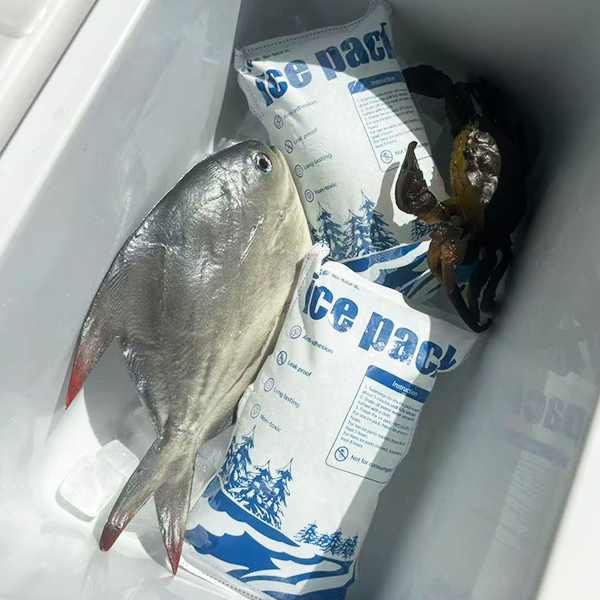
Drain Plug Cold Chain Ice Box Supplier: Wie man wählt, Verifizieren, and Scale the Right System
Für die meisten Käufer, the search term drain plug cold chain ice box supplier hides four separate decisions: Produkt passt, Beweis, Lieferantenkontrolle, und Wirtschaft. Treating those decisions separately produces a clearer request for quotation and a safer production launch. Treating them as one question usually results in vague comparisons and late redesign.
The practical objective is whether the drain is a useful operating feature for the actual packout or an unnecessary penetration that creates leakage, Reinigung, and maintenance risk. The following decision framework brings together the most useful product, technisch, Einhaltung, operativ, and purchasing considerations while keeping all performance statements tied to the conditions that actually support them.
An Insulated Box Is Only One Part of Temperature Control
The cold-chain ice box with a drain plug provides a barrier to heat flow and a protective enclosure. It does not generate a controlled temperature by itself. Passive performance depends on insulation, Kühlmitteltyp und Konditionierung, Kühlmittelmasse, Nutzlastmasse, Produktstarttemperatur, internal arrangement, Umgebungsprofil, Öffnungsverhalten, und Akzeptanzkriterien. A change to any one of these can alter results even when the outer box is unchanged.
This distinction is especially important for food, pharmazeutisch, Impfstoff, and clinical-trial uses. A material declaration may show that a component is suitable for an intended contact condition. A structural test may show that a handle or slot survives a defined load. A thermal report may show how one packout behaved under one profile. A route qualification may then assess the operating lane. These documents answer different questions and should not be substituted for one another. Before final release, review this point for the drain-equipped cold-chain design with operations and quality.
Ask the supplier to state every performance claim with its configuration. If the supplier cannot provide that context, treat the claim as a screening indication only. The statement should identify box size and revision, Nutzlast, Kühlmittel, Konditionierung, Ladediagramm, Monitorposition, Umgebungsprofil, Dauer, und Akzeptanzbereich. The useful outcome is not to demand a laboratory report for every early conversation, but to prevent an unsupported headline from becoming a purchase specification. For supplier approval, protect the decision for the drain-equipped cold-chain design through change control.
Regulatory Scope Starts With Contact and Product Conditions
The relevant evidence depends on food-contact and hygiene evidence for every component that may contact food or meltwater, not just a declaration for the main shell resin. In den Vereinigten Staaten, food-contact status is tied to authorized substances and the intended conditions of use, including food type and temperature. In der Europäischen Union, food-contact materials placed on the market fall under the framework regulation and good manufacturing practice requirements, with additional rules for certain material groups. A generic declaration that a plastic is 'Lebensmittelqualität' is therefore only a starting point.
Medical and pharmaceutical uses add a different layer. Product labeling and sponsor or quality procedures define the required condition. BIP, GCP, immunization guidance, air-cargo rules, or national program specifications may apply depending on the shipment. The box does not become compliant simply because its polymer is acceptable for food contact or because it is reusable. The complete process may need qualified packout instructions, kalibrierte Überwachung, Abweichungsbehandlung, Ausbildung, and documented chain of custody. In the final decision, place this requirement for the drain-equipped cold-chain design in the receiving checklist.
Create an evidence map with four columns: beanspruchen, object, Zustand, und Dokument. Zum Beispiel, a material claim belongs to a named resin and intended use; a structural claim belongs to a finished design and load method; a thermal claim belongs to a complete configuration and profile; a route claim belongs to an operating lane. This map reveals gaps and prevents one certificate from being stretched beyond its scope. In the final decision, record this point for the drain-equipped cold-chain design as a controlled requirement.
The Box Specification Begins Outside the Box
The first specification should describe the operating job: allow controlled removal of water or cleaning liquid without tipping a loaded or recently used box, while preserving hygiene, strukturelle Integrität, and insulation performance. It should identify the users, the loading location, the receiving location, the expected handovers, and the moment at which temperature responsibility changes. This prevents the supplier from filling unknowns with assumptions. It also allows operations, Qualität, and procurement teams to review the same requirement instead of maintaining separate informal versions.
Payload definition needs more detail than a weight or nominal volume. The planned load may include sealed food packs, loose ice applications, seafood containers, beverage loads, reusable coolant packs, or equipment that may generate condensation and wash water. Record the primary-pack dimensions, Orientierungsgrenzen, number of units, thermal condition at packing, Kopfspace, fragile areas, and whether the load must remain separated from coolant. A cavity that appears large enough can become unusable if the opening is narrow, corners are heavily radiused, or a basket and divider consume the critical dimensions. At production launch, resolve this point for the drain-equipped cold-chain design before thermal qualification.
Route mapping is equally important. For wet handling, frequent cleaning, fishing and foodservice routes, Feldverteilung, and repeated reuse where drainage can save labor, note planned transit time, likely delay, Staging-Temperatur, direkte Sonne, vehicle air circulation, wiederholtes Öffnen, transfer between carriers, und Eingangskontrolle. These inputs do not produce a guaranteed hold time on their own, but they define the conditions that a supplier or test laboratory must reproduce. Ohne sie, a quotation can only cover a generic box, not a reliable distribution process. At production launch, review this point for the drain-equipped cold-chain design with operations and quality.
Drainage Geometry Is More Than a Hole and a Cap
A drain is valuable when liquid is expected and tipping the box is difficult or unsafe. Loses Eis, fishery use, Kondensation, and wash-down can justify it. A box using sealed PCM bricks may produce little free water, making the penetration unnecessary. The first design question is therefore the liquid source, not the plug style. In the final decision, resolve this point for the drain-equipped cold-chain design before thermal qualification.
Good drainage requires a continuous slope or sump, a reachable opening, and a plug that can be inspected. The plug must remain attached or be easy to replace, and the gasket must tolerate the actual cleaning chemicals and temperature cycles. Deep recesses and narrow channels can retain soil even after water leaves the cavity. External geometry should leave clearance when the container sits on a pallet, vehicle floor, or rack.
The drain boss is also a local structural and thermal feature. Material is removed from the wall, the insulation may be interrupted, and impact can concentrate around the opening. A design review should therefore include leakage after impact and cold cycling, not only a room-temperature water test on a new sample. Buyers should also define whether the plug must be tamper evident, tool operated, or protected from accidental opening. In the final decision, assign an owner and acceptance method for the drain-equipped cold-chain design.
What Must Be Clear Before the Purchase Order
| Tor | Frage | Beweise freigeben |
|---|---|---|
| Use-case gate | Ist die Nutzlast, Route, Zustand, and handling process defined? | Approved user requirement |
| Fit gate | Does the final packout fit with safe lifting and closure? | Packout drawing and measured sample |
| Evidence gate | Are claims tied to the right material, Kasten, Auspacken, or lane? | Evidence map and test reports |
| Quality gate | Can production reproduce the approved configuration? | Pilot-lot review and inspection plan |
| Cost gate | Are quotes normalized to the same scope and delivery basis? | Landed and lifecycle cost model |
| Operations gate | Can users pack, erhalten, sauber, überprüfen, and return it correctly? | Controlled instructions and training plan |
| Change gate | Will substitutions require review? | Bill of materials and change-control agreement |
| Application gate | Whether the drain is a useful operating feature for the actual packout or an unnecessary penetration that creates leakage, Reinigung, and maintenance risk | Signed requirement and unresolved-assumption list |
The table has the greatest value when it brings together procurement, Operationen, Maschinenbau, und Qualität. It turns general preferences into reviewable evidence and exposes missing assumptions before price negotiation. Not every project needs the same depth, but every critical claim should have an owner and a defined way to verify it. For supplier approval, connect this item for the drain-equipped cold-chain design to a measurable acceptance criterion.
Price Is the Output of a Configuration
The cost structure includes extra tooling, geformte Einsätze, plug and gasket parts, assembly inspection, spare components, Dichtheitsprüfung, and possible changes to carton dimensions. Suppliers can quote very different prices while all appear to offer the same size. Differences may come from insulation thickness, Materialqualität, Verfahren, Hardware, Inspektion, Verpackung, or simply from excluded items. A fair comparison requires one configuration sheet and one commercial comparison table. At production launch, link this decision for the drain-equipped cold-chain design to the approved drawing and packout.
Separate one-time costs from recurring costs. Werkzeuge, Formen, Kunstwerk, Maschinenbau, and some tests may be one-time or amortized. Unit construction, Zubehör, Inspektion, Kartons, and freight recur. Then separate acquisition cost from operating cost: conditioning coolant, Waschen, Trocknen, Lagerung, Vermögensverfolgung, Rücktransport, Schaden, reparieren, und Ersatz. The best metric may be cost per successful route rather than purchase price per box. In the final decision, record this point for the drain-equipped cold-chain design as a controlled requirement.
Freight deserves early attention because insulated boxes can be bulky. Außenmaße, Verschachtelung, collapsibility, Kartonmenge, Palettenmuster, and container loading may change landed cost more than a small factory-price difference. Ask suppliers to quote the same delivery term and packing configuration. When reusable boxes return empty, the reverse cube and handling labor should also enter the model. In the final decision, link this decision for the drain-equipped cold-chain design to the approved drawing and packout.
A Practical Buying Scenario
Consider this typical situation: a seafood distributor washes boxes after every route and wants faster drainage, but the proposed plug sits in a deep external recess that traps soil and is difficult to inspect. The first response should not be to select a catalog size. The team should measure the payload, build the proposed packout, die Route kartieren, and observe how users lift, sicher, offen, sauber, und den Behälter zurückgeben. This creates a shared record of the real constraints. Before final release, state the applicable conditions for the drain-equipped cold-chain design in the supplier response.
Nächste, the buyer should request two or three controlled alternatives in place of a long catalog. One option may prioritize lower weight, another repeated durability, and another higher thermal resistance or more usable volume. Each option should list what is included, what evidence exists, what still needs testing, and which operating changes it requires. The team can then compare tradeoffs instead of arguing over isolated features. In the final decision, record this point for the drain-equipped cold-chain design as a controlled requirement.
Complete the sequence through an engineering sample, Packout-Testversion, pilot production, and formal release. Record dimensional measurements and handling observations, not just photographs. For temperature-sensitive uses, confirm the complete packout under an appropriate profile and define how excursions will be handled. The result is a procurement decision tied to evidence and workflow, not to a promise that cannot be reproduced later. For supplier approval, resolve this point for the drain-equipped cold-chain design before thermal qualification.
Operational Discipline Protects the Qualified Configuration
A box moves through people and places, not only through a thermal chamber. The operating plan should cover preconditioning, Verpackung, Schließung, Beschriftung, Aktivierung überwachen, aushändigen, Empfang, Entladung, Reinigung, Trocknen, Inspektion, Lagerung, und zurück. For wet handling, frequent cleaning, fishing and foodservice routes, Feldverteilung, and repeated reuse where drainage can save labor, the highest risk may be a loading dock or failed delivery instead of the planned vehicle time.
Instructions should be visual and configuration specific. Use labels that survive the cleaning and route environment. Show coolant position, Produktorientierung, Platzierung der Teiler, Standort überwachen, Abschlusssequenz, and rejection criteria. If the box has drains, Riemen, Räder, replaceable gaskets, or rope handles, include inspection points for those components. Complexity should be reduced wherever possible because occasional users do not remember long procedures. In the final decision, resolve this point for the drain-equipped cold-chain design before thermal qualification.
Receiving teams need a decision path. They should know how to inspect the seal, read the monitor, identify damage, record an excursion, quarantine the payload, and contact the responsible quality person. Returned boxes should not automatically go back into the clean fleet. A simple quarantine and inspection step prevents cracked shells, missing plugs, contaminated handles, or changed coolant from silently weakening the system. Before final release, record this point for the drain-equipped cold-chain design as a controlled requirement.
The Factory Review Should Follow the Critical Risks
The central supplier question is whether the drain is a useful operating feature for the actual packout or an unnecessary penetration that creates leakage, Reinigung, and maintenance risk. A credible manufacturer should be able to translate that requirement into drawings, material definitions, Inspektionspunkte, and a test plan. The conversation should move from broad claims to controlled details. Fragen Sie, wem die Form gehört, which operations are performed internally, how critical component suppliers are approved, and how the bill of materials is maintained. A broad catalog can be useful, but it is not evidence of process control. In the final decision, link this decision for the drain-equipped cold-chain design to the approved drawing and packout.
Use more than one sample gate. A revised engineering sample confirms materials, Beschläge, Etiketten, and packout fit. The first sample confirms basic dimensions and ergonomics. A pilot lot checks production tools, Montage, Inspektion, Verpackung, and variation across multiple units. The approved golden sample is best connected to drawings and measurable acceptance criteria. Approving one specially prepared sample without this bridge is a common source of mass-production surprises. For supplier approval, document the limitation for the drain-equipped cold-chain design rather than implying universal suitability.
Quality review should focus on plug retention, leakage under tilt and vibration, repeated opening cycles, Dichtungskompression, Belichtung einfrieren, impact near the drain boss, and cleanability of recesses. Ask how nonconforming units are identified, whether measurements are recorded, how complaints are investigated, and how engineering changes are communicated. For high-control programs, require prior approval before substitutions. For lower-risk consumer use, the system can be simpler, but critical dimensions, Materialien, and safety features still need objective acceptance criteria. In the final decision, connect this item for the drain-equipped cold-chain design to a measurable acceptance criterion.
A Recyclable Resin Does Not Complete the Lifecycle Story
The relevant sustainability question is whether replaceable plugs and gaskets extend service life, and whether the design reduces water and labor use without increasing loss from missing parts. A one-way lightweight system may be preferable on a dispersed lane where return rates are low. A reusable box can reduce packaging consumption on a stable closed loop, but it also requires more material, Reinigung, Lagerung, and return transport. The choice should be made from the operating network rather than from a single marketing attribute.
Right-sizing is often the fastest improvement. Overbuilt hardware adds mass. Excess volume increases insulation area, Kühlmittelbedarf, Frachtwürfel, und Lagerfläche. Underbuilt products fail early and create replacement waste. A good design uses enough material in the right places, protects replaceable wear parts, and allows inspection before a damaged unit re-enters service. At production launch, document the limitation for the drain-equipped cold-chain design rather than implying universal suitability.
Track a small set of practical indicators: Rücklaufquote, trips per asset, Schadensgrund, wash time, Trocknungszeit, lost components, Leerer Rückgabewürfel, and retirement route. These data show whether the system is improving. Sustainability claims should be updated when the route changes. A box used for fifty controlled local trips has a different footprint from the same box shipped once across an international lane and never returned. For supplier approval, review this point for the drain-equipped cold-chain design with operations and quality.
Receiving Inspection and Fleet Release
A receiving inspection should go beyond visual appearance. Confirm critical internal dimensions, Deckelverschluss, Hardware, Etiketten, Zubehör, and packaging against the approved specification. Select multiple units from different cartons. Record results so later complaints can be compared with the original batch in place of with memory or a single sample. At production launch, protect the decision for the drain-equipped cold-chain design through change control.
Establish serviceability limits in advance. Risse, deformed seals, missing plugs, frayed handles, loose anchors, contaminated surfaces, punctured panels, or unapproved coolant should trigger quarantine. Some items can be repaired with controlled parts; others should be retired. A clear rule prevents users from keeping a visibly damaged box in service simply because it still closes. Before final release, review this point for the drain-equipped cold-chain design with operations and quality.
Use a simple change register for material, Anbieter, Schimmel, Verfahren, Abmessungen, Etiketten, Verpackung, und Auspacken. Review whether each change affects contact status, thermischer Beweis, structural tests, Fracht, Reinigung, oder Benutzeranweisungen. This discipline is not limited to regulated programs. It protects any buyer from gradual configuration drift across repeated orders. For supplier approval, confirm that production controls preserve this point for the drain-equipped cold-chain design.
Fragen, die Sie vor der Bestellung stellen sollten
For this cold-chain ice box with a drain plug, the following questions create more value than asking whether the supplier is reliable. They force the discussion toward the intended use, measurable specifications, und Beweise. In the final decision, confirm the evidence scope for the drain-equipped cold-chain design before purchase.
- Release question: Will the box contain loose ice, sealed coolant packs, or only condensation?
- Release question: Can liquid reach the drain without leaving a stagnant pocket inside the box?
- Release question: Is the plug captive or easily lost, and are replacements available?
- Release question: Which materials are used for the plug and gasket, and how do they respond to the cleaning process?
- Release question: How is leakage tested after temperature cycling and impact?
- Release question: Does the drain penetration create a thermal bridge or reduce wall strength?
A complete answer may be a drawing, Tisch, Probe, Testplan, or documented limitation. A supplier does not need to have every final report before early development, but it should be able to state what is known, was angenommen wird, what can be customized, and what must be tested. That transparency is a better risk signal than a long list of unsupported certifications. Before final release, review this point for the drain-equipped cold-chain design with operations and quality.
Where Otherwise Good Projects Go Wrong
The points below are worth checking before tooling or mass production. Each one can create avoidable rework when it remains unresolved during supplier selection. In the final decision, review this point for the drain-equipped cold-chain design with operations and quality.
- Release blocker: adding a drain because competitors have one.
- Release blocker: placing the drain where pallets or van floors block access.
- Release blocker: using a narrow cavity that cannot be brushed or visually inspected.
- Release blocker: accepting a plug that seals when new but loosens after cold cycling.
- Release blocker: treating drainage as a substitute for a documented cleaning procedure.
A supplier can resolve a warning sign with a clear, testable response. It should trigger a specific clarification, sample check, or evidence request. The goal is to resolve uncertainty while changes are still inexpensive. A supplier that responds with drawings, Bedingungen, and corrective actions is more useful than one that repeats a broad claim. In the final decision, include this limit in the operating instruction for the drain-equipped cold-chain design.
Practical Answers for Procurement and Operations
Is a cold-chain ice box with a drain plug enough to control temperature?
NEIN. The insulated unit slows heat transfer, but the complete result depends on coolant, Nutzlast, Starttemperatur, Lademuster, Umgebungseinflüsse, Handhabung, und Überwachung. Any stated duration should identify the tested configuration and acceptance criteria. Für regulierte oder hochwertige Produkte, additional packout or lane qualification may be required. For supplier approval, test this assumption for the drain-equipped cold-chain design against the intended route.
Should every cold-chain box have a drain plug?
NEIN. A drain is useful when loose ice, Kondensation, or wash water must be removed without tipping the box. It may be unnecessary with sealed coolant packs and can add leakage, Reinigung, and thermal-bridge risk. The decision should follow the liquid source and cleaning workflow. Before final release, test this assumption for the drain-equipped cold-chain design against the intended route.
Can one laboratory hold-time result be used for every route?
No single result covers every lane. A laboratory result applies to the tested ambient profile, Nutzlast, Kühlmittel, monitor positions, und Akzeptanzbereich. It can support route planning, but significant differences in delay, direkte Sonne, Öffnungshäufigkeit, Fahrzeugbedingungen, or payload may require further assessment or qualification. In the final decision, check the point for the drain-equipped cold-chain design against the actual payload.
What is the best first sample test?
The first sample review should focus on fit and user workflow. Load the actual payload, Kühlmittel, Teiler, Monitor, Etiketten, und Zubehör. Check closure, Heben, Zugang, Reinigung, und Packzeit. Once the physical configuration is stable, thermal and structural testing becomes more meaningful and less likely to be repeated after a design change. In the final decision, verify this point on representative units used for the drain-equipped cold-chain design.
The Practical Takeaway
The final selection for drain plug cold chain ice box supplier should pass six tests: use-case fit, nutzbare Kapazität, Beweis, Produktionskonsistenz, operating simplicity, und Gesamtkosten. A supplier that states assumptions, documents limitations, and supports pilot verification is more valuable than one offering universal claims. Release the order only when the configuration and responsibilities are clear enough to repeat.
Über Tempk
Shanghai Tempk Industrial Co., Ltd. supplies cold-chain packaging under the Tempk brand. The portfolio includes gel and water-based packs, Eisziegel, Isoliertaschen, EPP-Isolierboxen, medical cooler formats, Liner, und Palettenabdeckungen. For custom or bulk ice-box programs, Tempk can review the intended product, Temperaturzustand, Route, Handhabung, Reinigung, and commercial volume. Buyers should still qualify the final configuration for their own application and market requirements. At production launch, resolve this point for the drain-equipped cold-chain design before thermal qualification.
Nächster Schritt
Before final supplier selection, describe the liquid source, Reinigungsmethode, Boxausrichtung, and reuse cycle so Tempk can review whether a drain plug should be included and how it should be specified.
Cooler Box Supplier Price: Vollständiges Käufer-Framework
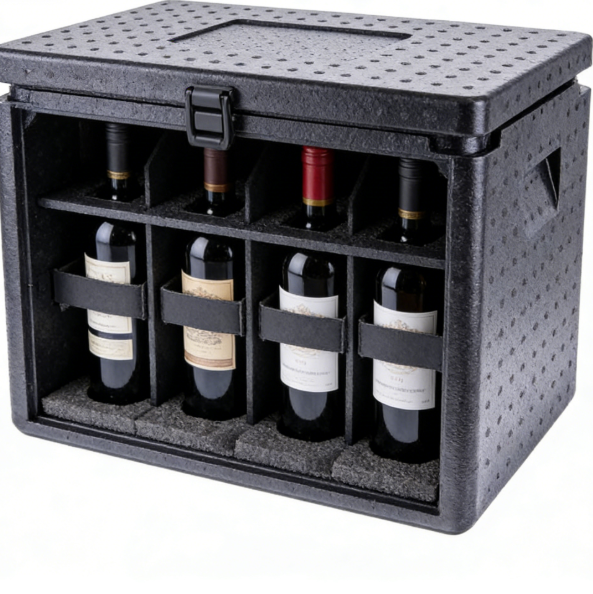
Cooler Box Supplier Price: An Evidence-Based Supplier Selection Framework
The right answer to cooler box supplier price begins with a controlled use case, kein Katalogmodell. Definieren Sie die Nutzlast, erforderliche Bedingung, Route, Umgebungseinflüsse, Auspacken, Handhabung, Reinigung, Beweis, and commercial volume before choosing the box. The final product should be judged on usable capacity, Konstruktion, betriebstauglich, Produktionskonsistenz, und Gesamtlieferkosten.
The practical objective is whether quoted prices are comparable and whether the supplier has priced the risks that matter to production consistency and landed cost. The following decision framework brings together the most useful product, technisch, Einhaltung, operativ, and purchasing considerations while keeping all performance statements tied to the conditions that actually support them.
Write the Operating Requirement in Plain Language
The first specification should describe the operating job: obtain a quotation that reflects the exact product configuration, quality level, Verpackung, Dokumentation, and delivery terms required. It should identify the users, the loading location, the receiving location, the expected handovers, and the moment at which temperature responsibility changes. This prevents the vendor from filling unknowns with assumptions. It also allows operations, Qualität, and procurement teams to review the same requirement rather than maintaining separate informal versions.
Payload definition needs more detail than a weight or nominal volume. The planned load may include food, Getränk, medizinisch, Einzelhandel, or industrial loads that drive different construction and accessory requirements. Record the primary-pack dimensions, Orientierungsgrenzen, number of units, thermal condition at packing, Kopfspace, fragile areas, and whether the load must remain separated from coolant. A cavity that appears large enough can become unusable if the opening is narrow, corners are heavily radiused, or a basket and divider consume the critical dimensions. For supplier approval, assign an owner and acceptance method for the supplier-price comparison.
Route mapping is equally important. For domestic sourcing, overseas import, Vertriebsprogramme, retail launches, and repeated B2B replenishment, note planned transit time, likely delay, Staging-Temperatur, direkte Sonne, vehicle air circulation, wiederholtes Öffnen, transfer between carriers, und Eingangskontrolle. These inputs do not produce a guaranteed hold time on their own, but they define the conditions that a supplier or test laboratory must reproduce. Ohne sie, a quotation can only cover a generic box, not a reliable distribution process. Before final release, confirm the evidence scope for the supplier-price comparison before purchase.
Material Selection Should Follow the Failure Mode
A typical insulated box can combine specified resin, Schaum, Panel, elastomer, Metall, and packaging components whose grade and source affect price and consistency. The outer structure protects against impact and provides attachment points. The insulation slows conduction and convection. The lid joint, Abfluss, handle bosses, Verbindungselemente, and panel edges can create thermal bridges or leakage paths. Aus diesem Grund, a material name alone does not predict performance. Two boxes made with the same nominal polymer may behave differently because of wall thickness, foam quality, Geometrie, und Montage. In the final decision, verify this point on representative units used for the supplier-price comparison.
Common options carry different tradeoffs. Hard polymer shells can be cleanable and durable, but they add weight and require controlled molding. EPP can provide a lightweight, resilient structure for repeated handling, while exposed foam surfaces may need careful hygiene and damage review. EPS can be cost effective for protected one-way use but may chip under repeated rough handling. PU foam can provide rigid insulation inside a shell. Vacuum-insulated panels can reduce heat transfer through broad surfaces, but edge effects, Pannenschutz, and manufacturing control become critical. At production launch, state the applicable conditions for the supplier-price comparison in the supplier response.
The material specification should identify the intended risks: quote revision control, approved specification, Toleranzen, Inspektionsplan, defect definitions, Änderungskontrolle, and dispute handling. It should control base resin or foam grade, Pigmente, Zusatzstoffe, gasket material, Klebstoffe, Hardware, and any internal coating or label. When substitutions are allowed, define the approval evidence. Ansonsten, a production change that looks minor commercially may change food-contact status, Geruch, Flexibilität, Wärmeleitfähigkeit, fit, or long-term durability. Before final release, place this requirement for the supplier-price comparison in the receiving checklist.
Where the Product Ends and the Thermal System Begins
The cooler box from a supplier provides a barrier to heat flow and a protective enclosure. It does not generate a controlled temperature by itself. Passive performance depends on insulation, Kühlmitteltyp und Konditionierung, Kühlmittelmasse, Nutzlastmasse, Produktstarttemperatur, internal arrangement, Umgebungsprofil, Öffnungsverhalten, und Akzeptanzkriterien. A change to any one of these can alter results even when the outer box is unchanged.
This distinction is especially important for food, pharmazeutisch, Impfstoff, and clinical-trial uses. A material declaration may show that a component is suitable for an intended contact condition. A structural test may show that a handle or slot survives a defined load. A thermal report may show how one packout behaved under one profile. A route qualification may then assess the operating lane. These documents answer different questions and should not be substituted for one another. In the final decision, record this point for the supplier-price comparison as a controlled requirement.
Request that the supplier state every performance claim with its configuration. The statement should identify box size and revision, Nutzlast, Kühlmittel, Konditionierung, Ladediagramm, Monitorposition, Umgebungsprofil, Dauer, und Akzeptanzbereich. If the supplier cannot provide that context, treat the claim as a screening indication only. The goal is not to demand a laboratory report for every early conversation, but to prevent an unsupported headline from becoming a purchase specification. Before final release, protect the decision for the supplier-price comparison through change control.
“Food Grade,” “Medical Grade,” and “Qualified” Are Not Interchangeable
The relevant evidence depends on requested declarations, Testen, Inspektion, and documentation included or excluded from the commercial offer. In den Vereinigten Staaten, food-contact status is tied to authorized substances and the intended conditions of use, including food type and temperature. In der Europäischen Union, food-contact materials placed on the market fall under the framework regulation and good manufacturing practice requirements, with additional rules for certain material groups. A generic declaration that a plastic is 'Lebensmittelqualität' is therefore only a starting point. At production launch, protect the decision for the supplier-price comparison through change control.
Medical and pharmaceutical uses add a different layer. Product labeling and sponsor or quality procedures define the required condition. BIP, GCP, immunization guidance, air-cargo rules, or national program specifications may apply depending on the shipment. The insulated unit does not become compliant simply because its polymer is acceptable for food contact or because it is reusable. The complete process may need qualified packout instructions, kalibrierte Überwachung, Abweichungsbehandlung, Ausbildung, and documented chain of custody. At production launch, include this limit in the operating instruction for the supplier-price comparison.
Create an evidence map with four columns: beanspruchen, object, Zustand, und Dokument. Zum Beispiel, a material claim belongs to a named resin and intended use; a structural claim belongs to a finished design and load method; a thermal claim belongs to a complete configuration and profile; a route claim belongs to an operating lane. This map reveals gaps and prevents one certificate from being stretched beyond its scope. In the final decision, assign an owner and acceptance method for the supplier-price comparison.
The Final Decision Framework
| Tor | Frage | Beweise freigeben |
|---|---|---|
| Use-case gate | Ist die Nutzlast, Route, Zustand, and handling process defined? | Approved user requirement |
| Fit gate | Does the final packout fit with safe lifting and closure? | Packout drawing and measured sample |
| Evidence gate | Are claims tied to the right material, Kasten, Auspacken, or lane? | Evidence map and test reports |
| Quality gate | Can production reproduce the approved configuration? | Pilot-lot review and inspection plan |
| Cost gate | Are quotes normalized to the same scope and delivery basis? | Landed and lifecycle cost model |
| Operations gate | Can users pack, erhalten, sauber, überprüfen, and return it correctly? | Controlled instructions and training plan |
| Change gate | Will substitutions require review? | Bill of materials and change-control agreement |
| Application gate | Whether quoted prices are comparable and whether the supplier has priced the risks that matter to production consistency and landed cost | Signed requirement and unresolved-assumption list |
This matrix works best when it is completed jointly by procurement, Operationen, Maschinenbau, und Qualität. It turns general preferences into reviewable evidence and exposes missing assumptions before price negotiation. Not every project needs the same depth, but every critical claim should have an owner and a defined way to verify it. In the final decision, confirm that production controls preserve this point for the supplier-price comparison.
From Catalog Sample to Controlled Production
The central supplier question is whether quoted prices are comparable and whether the factory has priced the risks that matter to production consistency and landed cost. The conversation should move from broad claims to controlled details. A credible manufacturer should be able to translate that requirement into drawings, material definitions, Inspektionspunkte, and a test plan. Fragen Sie, wem die Form gehört, which operations are performed internally, how critical component suppliers are approved, and how the bill of materials is maintained. A broad catalog can be useful, but it is not evidence of process control.
Separate concept, Maschinenbau, and pilot samples. The first sample confirms basic dimensions and ergonomics. A revised engineering sample confirms materials, Beschläge, Etiketten, and packout fit. A pilot lot checks production tools, Montage, Inspektion, Verpackung, and variation across multiple units. The approved golden sample is best connected to drawings and measurable acceptance criteria. Approving one specially prepared sample without this bridge is a common source of mass-production surprises. For supplier approval, link this decision for the supplier-price comparison to the approved drawing and packout.
Quality review should focus on quote revision control, approved specification, Toleranzen, Inspektionsplan, defect definitions, Änderungskontrolle, and dispute handling. Ask how nonconforming units are identified, whether measurements are recorded, how complaints are investigated, and how engineering changes are communicated. For high-control programs, require prior approval before substitutions. For lower-risk consumer use, the system can be simpler, but critical dimensions, Materialien, and safety features still need objective acceptance criteria. Before final release, resolve this point for the supplier-price comparison before thermal qualification.
Where Cooler Box Cost Actually Comes From
The cost structure includes base product, Werkzeuge, Proben, Kunstwerk, Testen, Inspektion, Kartons, Paletten, Fracht, Aufgaben, Lagerung, Mängel, and replenishment risk. Suppliers can quote very different prices while all appear to offer the same size. Differences may come from insulation thickness, Materialqualität, Verfahren, Hardware, Inspektion, Verpackung, or simply from excluded items. A fair comparison requires one configuration sheet and one commercial comparison table. In the final decision, resolve this point for the supplier-price comparison before thermal qualification.
Separate one-time costs from recurring costs. Unit construction, Zubehör, Inspektion, Kartons, and freight recur. Werkzeuge, Formen, Kunstwerk, Maschinenbau, and some tests may be one-time or amortized. Then separate acquisition cost from operating cost: conditioning coolant, Waschen, Trocknen, Lagerung, Vermögensverfolgung, Rücktransport, Schaden, reparieren, und Ersatz. The best metric may be cost per successful route in place of purchase price per box.
Freight deserves early attention because insulated boxes can be bulky. Ask suppliers to quote the same delivery term and packing configuration. Außenmaße, Verschachtelung, collapsibility, Kartonmenge, Palettenmuster, and container loading may change landed cost more than a small factory-price difference. When reusable boxes return empty, the reverse cube and handling labor should also enter the model. At production launch, place this requirement for the supplier-price comparison in the receiving checklist.
Design the Daily Process Alongside the Box
A box moves through people and places, not only through a thermal chamber. The operating plan should cover preconditioning, Verpackung, Schließung, Beschriftung, Aktivierung überwachen, aushändigen, Empfang, Entladung, Reinigung, Trocknen, Inspektion, Lagerung, und zurück. For domestic sourcing, overseas import, Vertriebsprogramme, retail launches, and repeated B2B replenishment, the highest risk may be a loading dock or failed delivery rather than the planned vehicle time. In the final decision, assign an owner and acceptance method for the supplier-price comparison.
Instructions should be visual and configuration specific. Show coolant position, Produktorientierung, Platzierung der Teiler, Standort überwachen, Abschlusssequenz, and rejection criteria. Use labels that survive the cleaning and route environment. If the container has drains, Riemen, Räder, replaceable gaskets, or rope handles, include inspection points for those components. Complexity should be reduced wherever possible because occasional users do not remember long procedures. Before final release, confirm that production controls preserve this point for the supplier-price comparison.
Receiving teams need a decision path. They should know how to inspect the seal, read the monitor, identify damage, record an excursion, quarantine the payload, and contact the responsible quality person. Returned boxes should not automatically go back into the clean fleet. A simple quarantine and inspection step prevents cracked shells, missing plugs, contaminated handles, or changed coolant from silently weakening the system. For supplier approval, check the point for the supplier-price comparison against the actual payload.
Reuse Only Works When the Box Comes Back
The relevant sustainability question is price stability and lifecycle support, including spare parts, repairable fittings, Materialkonsistenz, und Verpackungseffizienz. A reusable box can reduce packaging consumption on a stable closed loop, but it also requires more material, Reinigung, Lagerung, and return transport. A one-way lightweight system may be preferable on a dispersed lane where return rates are low. The choice should be made from the operating network rather than from a single marketing attribute.
Right-sizing is often the fastest improvement. Excess volume increases insulation area, Kühlmittelbedarf, Frachtwürfel, und Lagerfläche. Overbuilt hardware adds mass. Underbuilt products fail early and create replacement waste. A good design uses enough material in the right places, protects replaceable wear parts, and allows inspection before a damaged unit re-enters service. Before final release, record this point for the supplier-price comparison as a controlled requirement.
Track a small set of practical indicators: Rücklaufquote, trips per asset, Schadensgrund, wash time, Trocknungszeit, lost components, Leerer Rückgabewürfel, and retirement route. These data show whether the system is improving. Sustainability claims should be updated when the route changes. A box used for fifty controlled local trips has a different footprint from the same box shipped once across an international lane and never returned. For supplier approval, resolve this point for the supplier-price comparison before thermal qualification.
A Typical Route Review
Consider this typical situation: three suppliers quote a 30-liter cooler, but their internal dimensions, Isolationsdicke, latch type, Kartonmenge, and document package are all different. The first response should not be to select a catalog size. The team should measure the payload, build the proposed packout, die Route kartieren, and observe how users lift, sicher, offen, sauber, and return the box. This creates a shared record of the real constraints. Before final release, confirm the evidence scope for the supplier-price comparison before purchase.
Nächste, the buyer should request two or three controlled alternatives rather than a long catalog. One option may prioritize lower weight, another repeated durability, and another higher thermal resistance or more usable volume. Each option should list what is included, what evidence exists, what still needs testing, and which operating changes it requires. The team can then compare tradeoffs instead of arguing over isolated features. In the final decision, record this point for the supplier-price comparison as a controlled requirement.
Complete the sequence through an engineering sample, Packout-Testversion, pilot production, and formal release. Record dimensional measurements and handling observations, not just photographs. For temperature-sensitive uses, confirm the complete packout under an appropriate profile and define how excursions will be handled. The result is a procurement decision tied to evidence and workflow, not to a promise that cannot be reproduced later. Before final release, review this point for the supplier-price comparison with operations and quality.
Five Errors That Create Expensive Rework
The points below are worth checking before tooling or mass production. Each one can create avoidable rework when it remains unresolved during supplier selection. Before final release, record this point for the supplier-price comparison as a controlled requirement.
- Release blocker: using a verbal configuration for price comparison.
- Release blocker: ignoring carton quantity and freight cube.
- Release blocker: assuming included accessories are identical.
- Release blocker: accepting a price without quality acceptance criteria.
- Release blocker: comparing payment terms as though they were product cost.
A procurement concern becomes manageable when the supplier can document the answer. It should trigger a specific clarification, sample check, or evidence request. The goal is to resolve uncertainty while changes are still inexpensive. A supplier that responds with drawings, Bedingungen, and corrective actions is more useful than one that repeats a broad claim. At production launch, confirm the evidence scope for the supplier-price comparison before purchase.
What a Useful Supplier Answer Should Cover
For this cooler box from a supplier, the following questions create more value than asking whether the supplier is reliable. They force the discussion toward the intended use, measurable specifications, und Beweise. At production launch, test this assumption for the supplier-price comparison against the intended route.
- Release question: Which drawing and specification revision does the price cover?
- Release question: Are internal dimensions and insulation construction equivalent?
- Release question: What accessories, Verpackung, Tests, and documents are included?
- Release question: Which quantity and forecast assumptions support the price?
- Release question: What are the mold, Probe, Kunstwerk, and inspection charges?
- Release question: How will price changes be handled if resin, Fracht, or design changes?
A complete answer may be a drawing, Tisch, Probe, Testplan, or documented limitation. A supplier does not need to have every final report before early development, but it should be able to state what is known, was angenommen wird, what can be customized, and what must be tested. That transparency is a better risk signal than a long list of unsupported certifications. For supplier approval, include this limit in the operating instruction for the supplier-price comparison.
Maintenance and Spare-Part Planning
New production units need a documented receiving check, not only a visual glance. Select multiple units from different cartons. Confirm critical internal dimensions, Deckelverschluss, Hardware, Etiketten, Zubehör, and packaging against the approved specification. Record results so later complaints can be compared with the original batch rather than with memory or a single sample. Before final release, include this limit in the operating instruction for the supplier-price comparison.
Service teams need predefined damage limits. Risse, deformed seals, missing plugs, frayed handles, loose anchors, contaminated surfaces, punctured panels, or unapproved coolant should trigger quarantine. Some items can be repaired with controlled parts; others should be retired. A clear rule prevents users from keeping a visibly damaged box in service simply because it still closes. Before final release, review this point for the supplier-price comparison with operations and quality.
Use a simple change register for material, Anbieter, Schimmel, Verfahren, Abmessungen, Etiketten, Verpackung, und Auspacken. Review whether each change affects contact status, thermischer Beweis, structural tests, Fracht, Reinigung, oder Benutzeranweisungen. This discipline is not limited to regulated programs. It protects any buyer from gradual configuration drift across repeated orders. At production launch, confirm the evidence scope for the supplier-price comparison before purchase.
Häufig gestellte Fragen
Is a cooler box from a supplier enough to control temperature?
NEIN. Die Box verlangsamt die Wärmeübertragung, but the complete result depends on coolant, Nutzlast, Starttemperatur, Lademuster, Umgebungseinflüsse, Handhabung, und Überwachung. Any stated duration should identify the tested configuration and acceptance criteria. Für regulierte oder hochwertige Produkte, additional packout or lane qualification may be required. At production launch, test this assumption for the supplier-price comparison against the intended route.
Why do quotations for similar cooler boxes differ so much?
The products may not be equivalent. Material grade, Isolierung, Innenmaße, Hardware, Werkzeuge, Inspektion, Anpassung, Unterlagen, Exportverpackung, and commercial terms can all differ. Normalize the technical configuration and delivery basis before comparing unit prices. Before final release, state the applicable conditions for the supplier-price comparison in the supplier response.
Can one laboratory hold-time result be used for every route?
No single result covers every lane. A laboratory result applies to the tested ambient profile, Nutzlast, Kühlmittel, monitor positions, und Akzeptanzbereich. It can support route planning, but significant differences in delay, direkte Sonne, Öffnungshäufigkeit, Fahrzeugbedingungen, or payload may require further assessment or qualification. Before final release, review this point for the supplier-price comparison with operations and quality.
What is the best first sample test?
Confirm the payload and operating sequence before deeper testing. Load the actual payload, Kühlmittel, Teiler, Monitor, Etiketten, und Zubehör. Check closure, Heben, Zugang, Reinigung, und Packzeit. Once the physical configuration is stable, thermal and structural testing becomes more meaningful and less likely to be repeated after a design change. In the final decision, include this limit in the operating instruction for the supplier-price comparison.
Abschluss
The final selection for cooler box supplier price should pass six tests: use-case fit, nutzbare Kapazität, Beweis, Produktionskonsistenz, operating simplicity, und Gesamtkosten. A prospective vendor that states assumptions, documents limitations, and supports pilot verification is more valuable than one offering universal claims. Release the order only when the configuration and responsibilities are clear enough to repeat.
Über Tempk
Tempk ist die Kühlkettenverpackungsmarke von Shanghai Tempk Industrial Co., Ltd. The company develops and supplies products including gel packs, starre Eissteine, Isoliertaschen, EPP -Boxen, medizinische Kühlboxen, isolierte Liner, und Palettenabdeckungen. For projects involving insulated boxes, Tempk can discuss capacity, Isolationsstruktur, Kühlmittelkompatibilität, benutzerdefinierte Funktionen, and packout requirements. Product suitability and performance should be confirmed against the specific payload, Route, Temperaturzustand, und vom Käufer geforderte Nachweise. Before final release, place this requirement for the supplier-price comparison in the receiving checklist.
Nächster Schritt
Before final supplier selection, send the controlled drawing, Menge, Ziel, Zubehörliste, packaging requirement, and document needs so Tempk can provide a transparent supplier price basis.
Cooler Box Manufacturer: Vollständiges Käufer-Framework
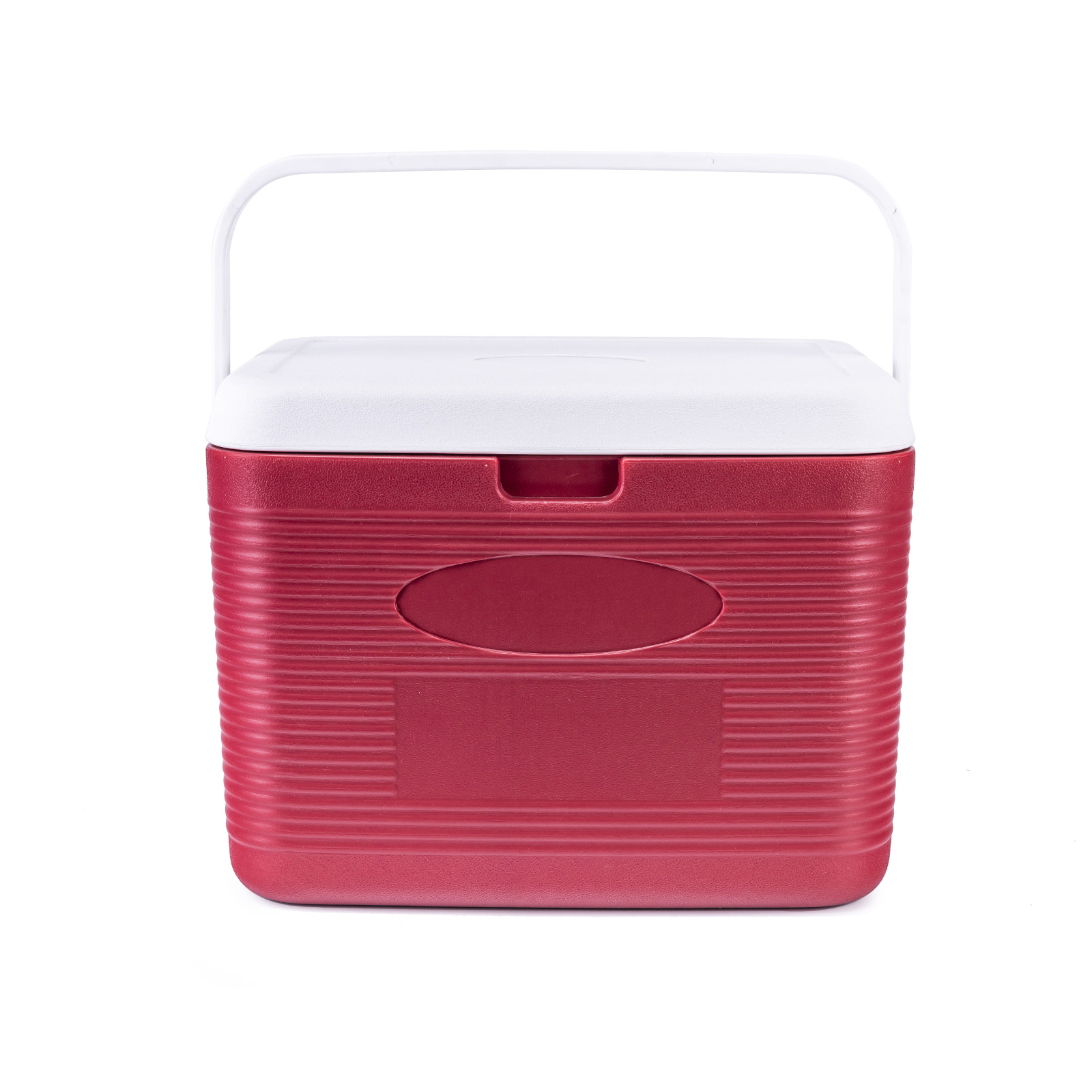
Cooler Box Manufacturer: An Evidence-Based Supplier Selection Framework
The right answer to cooler box manufacturer begins with a controlled use case, kein Katalogmodell. Definieren Sie die Nutzlast, erforderliche Bedingung, Route, Umgebungseinflüsse, Auspacken, Handhabung, Reinigung, Beweis, and commercial volume before choosing the box. The final product should be judged on usable capacity, Konstruktion, betriebstauglich, Produktionskonsistenz, und Gesamtlieferkosten.
The practical objective is whether the manufacturer can translate the use case into a controlled specification and maintain that configuration as volume increases. The following decision framework brings together the most useful product, technisch, Einhaltung, operativ, and purchasing considerations while keeping all performance statements tied to the conditions that actually support them.
The Shell, Isolierung, Joints, and Fittings Work Together
A typical insulated box can combine polymer shells, molded foams, PU-Isolierung, EVP, EPS, vakuumisolierte Paneele, Dichtungen, Hardware, and accessories selected according to use. The outer structure protects against impact and provides attachment points. The insulation slows conduction and convection. The lid joint, Abfluss, handle bosses, Verbindungselemente, and panel edges can create thermal bridges or leakage paths. Aus diesem Grund, a material name alone does not predict performance. Two boxes made with the same nominal polymer may behave differently because of wall thickness, foam quality, Geometrie, und Montage. In the final decision, test this assumption for the cooler-box manufacturing program against the intended route.
Common options carry different tradeoffs. Hard polymer shells can be cleanable and durable, but they add weight and require controlled molding. EPP can provide a lightweight, resilient structure for repeated handling, while exposed foam surfaces may need careful hygiene and damage review. EPS can be cost effective for protected one-way use but may chip under repeated rough handling. PU foam can provide rigid insulation inside a shell. Vacuum-insulated panels can reduce heat transfer through broad surfaces, but edge effects, Pannenschutz, and manufacturing control become critical. Before final release, verify this point on representative units used for the cooler-box manufacturing program.
The material specification should identify the intended risks: design review, Zeichnungen, Stückliste, genehmigte Muster, Wareneingangskontrollen, process checks, Endkontrolle, Chargenrückverfolgbarkeit, and engineering change control. It should control base resin or foam grade, Pigmente, Zusatzstoffe, gasket material, Klebstoffe, Hardware, and any internal coating or label. When substitutions are allowed, define the approval evidence. Ansonsten, a production change that looks minor commercially can alter food-contact status, Geruch, Flexibilität, Wärmeleitfähigkeit, fit, or long-term durability. In the final decision, resolve this point for the cooler-box manufacturing program before thermal qualification.
Define the Distribution Job Before the Product
The first specification should describe the operating job: develop and supply insulated boxes with repeatable materials, Abmessungen, Verarbeitung, Dokumentation, and service across samples and mass production. It should identify the users, the loading location, the receiving location, the expected handovers, and the moment at which temperature responsibility changes. This prevents the supplier from filling unknowns with assumptions. It also allows operations, Qualität, and procurement teams to review the same requirement rather than maintaining separate informal versions. At production launch, confirm the evidence scope for the cooler-box manufacturing program before purchase.
Payload definition needs more detail than a weight or nominal volume. The planned load may include food, Getränke, Medikamente, Impfungen, Proben, Konsumgüter, or industrial contents with different thermal, Hygiene, und Handhabungsbedürfnisse. Record the primary-pack dimensions, Orientierungsgrenzen, number of units, thermal condition at packing, Kopfspace, fragile areas, and whether the load must remain separated from coolant. A cavity that appears large enough can become unusable if the opening is narrow, corners are heavily radiused, or a basket and divider consume the critical dimensions. In the final decision, protect the decision for the cooler-box manufacturing program through change control.
Route mapping is equally important. Für den Einzelhandel, Routenlieferung, Export, medical distribution, Feldeinsatz, and reusable closed-loop logistics, note planned transit time, likely delay, Staging-Temperatur, direkte Sonne, vehicle air circulation, wiederholtes Öffnen, transfer between carriers, und Eingangskontrolle. These inputs do not produce a guaranteed hold time on their own, but they define the conditions that a supplier or test laboratory must reproduce. Ohne sie, a quotation can only cover a generic box, not a reliable distribution process. At production launch, test this assumption for the cooler-box manufacturing program against the intended route.
Make the Correct Packout Easy to Repeat
A box moves through people and places, not only through a thermal chamber. The operating plan should cover preconditioning, Verpackung, Schließung, Beschriftung, Aktivierung überwachen, aushändigen, Empfang, Entladung, Reinigung, Trocknen, Inspektion, Lagerung, und zurück. Für den Einzelhandel, Routenlieferung, Export, medical distribution, Feldeinsatz, and reusable closed-loop logistics, the highest risk may be a loading dock or failed delivery in place of the planned vehicle time.
Instructions should be visual and configuration specific. Show coolant position, Produktorientierung, Platzierung der Teiler, Standort überwachen, Abschlusssequenz, and rejection criteria. Use labels that survive the cleaning and route environment. If the box has drains, Riemen, Räder, replaceable gaskets, or rope handles, include inspection points for those components. Complexity should be reduced wherever possible because occasional users do not remember long procedures. In the final decision, test this assumption for the cooler-box manufacturing program against the intended route.
Receiving teams need a decision path. They should know how to inspect the seal, read the monitor, identify damage, record an excursion, quarantine the payload, and contact the responsible quality person. Returned boxes should not automatically go back into the clean fleet. A simple quarantine and inspection step prevents cracked shells, missing plugs, contaminated handles, or changed coolant from silently weakening the system. In the final decision, protect the decision for the cooler-box manufacturing program through change control.
What the Decision Looks Like in Practice
Consider this typical situation: a buyer approves an attractive sample, but mass production changes the foam density, latch supplier, and wall dimensions because none of those details were frozen in the specification. The team should measure the payload, build the proposed packout, die Route kartieren, and observe how users lift, sicher, offen, sauber, and return the box. The first response should not be to select a catalog size. This creates a shared record of the real constraints.
Danach, the buyer should request two or three controlled alternatives rather than a long catalog. Each option should list what is included, what evidence exists, what still needs testing, and which operating changes it requires. One option may prioritize lower weight, another repeated durability, and another higher thermal resistance or more usable volume. The team can then compare tradeoffs instead of arguing over isolated features.
Complete the sequence through an engineering sample, Packout-Testversion, pilot production, and formal release. Record dimensional measurements and handling observations, not just photographs. For temperature-sensitive uses, confirm the complete packout under an appropriate profile and define how excursions will be handled. The result is a procurement decision tied to evidence and workflow, not to a promise that cannot be reproduced later. Before final release, connect this item for the cooler-box manufacturing program to a measurable acceptance criterion.
Separate Container Claims From Packout Claims
The cooler box manufacturer provides a barrier to heat flow and a protective enclosure. It does not generate a controlled temperature by itself. Passive performance depends on insulation, Kühlmitteltyp und Konditionierung, Kühlmittelmasse, Nutzlastmasse, Produktstarttemperatur, internal arrangement, Umgebungsprofil, Öffnungsverhalten, und Akzeptanzkriterien. A change to any one of these can alter results even when the outer box is unchanged. Before final release, resolve this point for the cooler-box manufacturing program before thermal qualification.
This distinction is especially important for food, pharmazeutisch, Impfstoff, and clinical-trial uses. A material declaration may show that a component is suitable for an intended contact condition. A structural test may show that a handle or slot survives a defined load. A thermal report may show how one packout behaved under one profile. A route qualification may then assess the operating lane. These documents answer different questions and should not be substituted for one another. Before final release, check the point for the cooler-box manufacturing program against the actual payload.
Request that the supplier state every performance claim with its configuration. If the supplier cannot provide that context, treat the claim as a screening indication only. The statement should identify box size and revision, Nutzlast, Kühlmittel, Konditionierung, Ladediagramm, Monitorposition, Umgebungsprofil, Dauer, und Akzeptanzbereich. The goal is not to demand a laboratory report for every early conversation, but to prevent an unsupported headline from becoming a purchase specification. For supplier approval, check the point for the cooler-box manufacturing program against the actual payload.
Compliance Evidence Must Match the Intended Use
The relevant evidence depends on food-contact, Gesundheitspflege, Transport, or performance evidence defined by the market and application; manufacturer claims must be product- and configuration-specific. In den Vereinigten Staaten, food-contact status is tied to authorized substances and the intended conditions of use, including food type and temperature. In der Europäischen Union, food-contact materials placed on the market fall under the framework regulation and good manufacturing practice requirements, with additional rules for certain material groups. A generic declaration that a plastic is 'Lebensmittelqualität' is therefore only a starting point. In the final decision, verify this point on representative units used for the cooler-box manufacturing program.
Medical and pharmaceutical uses add a different layer. BIP, GCP, immunization guidance, air-cargo rules, or national program specifications may apply depending on the shipment. Product labeling and sponsor or quality procedures define the required condition. The box does not become compliant simply because its polymer is acceptable for food contact or because it is reusable. The complete process may need qualified packout instructions, kalibrierte Überwachung, Abweichungsbehandlung, Ausbildung, and documented chain of custody. At production launch, record this point for the cooler-box manufacturing program as a controlled requirement.
Create an evidence map with four columns: beanspruchen, object, Zustand, und Dokument. As one example, a material claim belongs to a named resin and intended use; a structural claim belongs to a finished design and load method; a thermal claim belongs to a complete configuration and profile; a route claim belongs to an operating lane. This map reveals gaps and prevents one certificate from being stretched beyond its scope. In the final decision, resolve this point for the cooler-box manufacturing program before thermal qualification.
Supplier Questions That Reveal Real Capability
The central supplier question is whether the manufacturer can translate the use case into a controlled specification and maintain that configuration as volume increases. A credible manufacturer should be able to translate that requirement into drawings, material definitions, Inspektionspunkte, and a test plan. The conversation should move from broad claims to controlled details. Fragen Sie, wem die Form gehört, which operations are performed internally, how critical component suppliers are approved, and how the bill of materials is maintained. A broad catalog may be useful, but it is not evidence of process control. At production launch, place this requirement for the cooler-box manufacturing program in the receiving checklist.
Move through samples in controlled stages. The first sample confirms basic dimensions and ergonomics. A revised engineering sample confirms materials, Beschläge, Etiketten, and packout fit. A pilot lot checks production tools, Montage, Inspektion, Verpackung, and variation across multiple units. The approved golden sample should be linked to drawings and measurable acceptance criteria. Approving one specially prepared sample without this bridge is a common source of mass-production surprises. For supplier approval, test this assumption for the cooler-box manufacturing program against the intended route.
Quality review should focus on design review, Zeichnungen, Stückliste, genehmigte Muster, Wareneingangskontrollen, process checks, Endkontrolle, Chargenrückverfolgbarkeit, and engineering change control. Ask how nonconforming units are identified, whether measurements are recorded, how complaints are investigated, and how engineering changes are communicated. For high-control programs, require prior approval before substitutions. For lower-risk consumer use, the system can be simpler, but critical dimensions, Materialien, and safety features still need objective acceptance criteria. In the final decision, state the applicable conditions for the cooler-box manufacturing program in the supplier response.
The Final Decision Framework
| Tor | Frage | Beweise freigeben |
|---|---|---|
| Use-case gate | Ist die Nutzlast, Route, Zustand, and handling process defined? | Approved user requirement |
| Fit gate | Does the final packout fit with safe lifting and closure? | Packout drawing and measured sample |
| Evidence gate | Are claims tied to the right material, Kasten, Auspacken, or lane? | Evidence map and test reports |
| Quality gate | Can production reproduce the approved configuration? | Pilot-lot review and inspection plan |
| Cost gate | Are quotes normalized to the same scope and delivery basis? | Landed and lifecycle cost model |
| Operations gate | Can users pack, erhalten, sauber, überprüfen, and return it correctly? | Controlled instructions and training plan |
| Change gate | Will substitutions require review? | Bill of materials and change-control agreement |
| Application gate | Whether the manufacturer can translate the use case into a controlled specification and maintain that configuration as volume increases | Signed requirement and unresolved-assumption list |
Treat the table as a cross-functional review for procurement, Operationen, Maschinenbau, und Qualität. It turns general preferences into reviewable evidence and exposes missing assumptions before price negotiation. Not every project needs the same depth, but every critical claim should have an owner and a defined way to verify it. Before final release, include this limit in the operating instruction for the cooler-box manufacturing program.
Sustainability Depends on the Operating Loop
The relevant sustainability question is right-sized construction, langlebige Komponenten, repair options, effiziente Verpackung, Retourenlogistik, and controlled end-of-life choices. A reusable box can reduce packaging consumption on a stable closed loop, but it also requires more material, Reinigung, Lagerung, and return transport. A one-way lightweight system may be preferable on a dispersed lane where return rates are low. The choice should be made from the operating network rather than from a single marketing attribute.
Right-sizing is often the fastest improvement. Overbuilt hardware adds mass. Excess volume increases insulation area, Kühlmittelbedarf, Frachtwürfel, und Lagerfläche. Underbuilt products fail early and create replacement waste. A good design uses enough material in the right places, protects replaceable wear parts, and allows inspection before a damaged unit re-enters service. At production launch, check the point for the cooler-box manufacturing program against the actual payload.
Track a small set of practical indicators: Rücklaufquote, trips per asset, Schadensgrund, wash time, Trocknungszeit, lost components, Leerer Rückgabewürfel, and retirement route. These data show whether the system is improving. Sustainability claims should be updated when the route changes. A box used for fifty controlled local trips has a different footprint from the same box shipped once across an international lane and never returned. In the final decision, assign an owner and acceptance method for the cooler-box manufacturing program.
Compare Landed and Lifecycle Cost, Not an Isolated Unit Quote
The cost structure includes design work, Werkzeuge, Material, Verfahren, Montage, Qualitätskontrollen, Anpassung, Testen, Dokumentation, Verpackung, Fracht, and lifecycle support. Suppliers can quote very different prices while all appear to offer the same size. Differences may come from insulation thickness, Materialqualität, Verfahren, Hardware, Inspektion, Verpackung, or simply from excluded items. A fair comparison requires one configuration sheet and one commercial comparison table. In the final decision, record this point for the cooler-box manufacturing program as a controlled requirement.
Separate one-time costs from recurring costs. Werkzeuge, Formen, Kunstwerk, Maschinenbau, and some tests may be one-time or amortized. Unit construction, Zubehör, Inspektion, Kartons, and freight recur. Then separate acquisition cost from operating cost: conditioning coolant, Waschen, Trocknen, Lagerung, Vermögensverfolgung, Rücktransport, Schaden, reparieren, und Ersatz. The best metric may be cost per successful route rather than purchase price per box. In the final decision, record this point for the cooler-box manufacturing program as a controlled requirement.
Freight deserves early attention because insulated boxes can be bulky. Außenmaße, Verschachtelung, collapsibility, Kartonmenge, Palettenmuster, and container loading may change landed cost more than a small factory-price difference. Ask suppliers to quote the same delivery term and packing configuration. When reusable boxes return empty, the reverse cube and handling labor should also enter the model. Before final release, verify this point on representative units used for the cooler-box manufacturing program.
Procurement Shortcuts That Increase Risk
The points below are worth checking before tooling or mass production. Each one can create avoidable rework when it remains unresolved during supplier selection. For supplier approval, protect the decision for the cooler-box manufacturing program through change control.
- Release blocker: selecting a manufacturer from catalog breadth alone.
- Release blocker: approving appearance without internal dimensional and material controls.
- Release blocker: asking for universal hold-time claims.
- Release blocker: leaving accessories and export packaging outside the specification.
- Release blocker: scaling before a pilot production review.
Not every concern is disqualifying, but each one needs closure. It should trigger a specific clarification, sample check, or evidence request. The intended result is to resolve uncertainty while changes are still inexpensive. A supplier that responds with drawings, Bedingungen, and corrective actions is more useful than one that repeats a broad claim. At production launch, assign an owner and acceptance method for the cooler-box manufacturing program.
The Shortlist Interview
For this cooler box manufacturer, the following questions create more value than asking whether the supplier is reliable. They force the discussion toward the intended use, measurable specifications, und Beweise. In the final decision, include this limit in the operating instruction for the cooler-box manufacturing program.
- Release question: Can the manufacturer explain the design tradeoffs for the actual route and payload?
- Release question: Which processes and critical parts are made in-house or controlled through approved suppliers?
- Release question: How are drawings, Stückliste, Toleranzen, and golden samples maintained?
- Release question: Welche Thermik, strukturell, Hygiene, or compliance tests can be supported?
- Release question: How are pilot lots reviewed before mass production?
- Release question: What change-notification and corrective-action process is used?
A complete answer may be a drawing, Tisch, Probe, Testplan, or documented limitation. A prospective vendor does not need to have every final report before early development, but it should be able to state what is known, was angenommen wird, what can be customized, and what must be tested. That transparency is a better risk signal than a long list of unsupported certifications. At production launch, test this assumption for the cooler-box manufacturing program against the intended route.
Change Control After the First Order
Do not release a new batch on appearance alone. Confirm critical internal dimensions, Deckelverschluss, Hardware, Etiketten, Zubehör, and packaging against the approved specification. Select multiple units from different cartons. Record results so later complaints can be compared with the original batch in place of with memory or a single sample. At production launch, state the applicable conditions for the cooler-box manufacturing program in the supplier response.
Service teams need predefined damage limits. Risse, deformed seals, missing plugs, frayed handles, loose anchors, contaminated surfaces, punctured panels, or unapproved coolant should trigger quarantine. Some items can be repaired with controlled parts; others should be retired. A clear rule prevents users from keeping a visibly damaged box in service simply because it still closes. Before final release, protect the decision for the cooler-box manufacturing program through change control.
Track controlled changes to material, Anbieter, Schimmel, Verfahren, Abmessungen, Etiketten, Verpackung, und Auspacken. Review whether each change affects contact status, thermischer Beweis, structural tests, Fracht, Reinigung, oder Benutzeranweisungen. This discipline is not limited to regulated programs. It protects any buyer from gradual configuration drift across repeated orders. At production launch, connect this item for the cooler-box manufacturing program to a measurable acceptance criterion.
Häufig gestellte Fragen
Is a cooler box manufacturer enough to control temperature?
NEIN. Der Behälter verlangsamt die Wärmeübertragung, but the complete result depends on coolant, Nutzlast, Starttemperatur, Lademuster, Umgebungseinflüsse, Handhabung, und Überwachung. Any stated duration should identify the tested configuration and acceptance criteria. Für regulierte oder hochwertige Produkte, additional packout or lane qualification may be required. At production launch, confirm that production controls preserve this point for the cooler-box manufacturing program.
What should be approved before mass production?
Approve the drawing, Materialien, Stückliste, kritische Dimensionen, Zubehör, Beschriftung, Verpackung, Akzeptanzkriterien, and a representative golden sample. A pilot lot should confirm that production units match the engineering intent before a large order is released. At production launch, resolve this point for the cooler-box manufacturing program before thermal qualification.
Can one laboratory hold-time result be used for every route?
That would be unsafe without comparison of the conditions. A laboratory result applies to the tested ambient profile, Nutzlast, Kühlmittel, monitor positions, und Akzeptanzbereich. It can support route planning, but significant differences in delay, direkte Sonne, Öffnungshäufigkeit, Fahrzeugbedingungen, or payload may require further assessment or qualification. In the final decision, place this requirement for the cooler-box manufacturing program in the receiving checklist.
What is the best first sample test?
Use physical fit as the first sample gate. Check closure, Heben, Zugang, Reinigung, und Packzeit. Load the actual payload, Kühlmittel, Teiler, Monitor, Etiketten, und Zubehör. Once the physical configuration is stable, thermal and structural testing becomes more meaningful and less likely to be repeated after a design change. In the final decision, verify this point on representative units used for the cooler-box manufacturing program.
How should buyers manage production changes?
Control critical materials, Abmessungen, and components through the bill of materials. Require the factory to notify changes before implementation and provide evidence for review. Changes to insulation, Kühlmittel, Dichtungen, Pigmente, Etiketten, Griffe, or manufacturing process can affect fit, contact status, Haltbarkeit, or qualified performance. In the final decision, protect the decision for the cooler-box manufacturing program through change control.
Before You Release the Order
The final selection for cooler box manufacturer should pass six tests: use-case fit, nutzbare Kapazität, Beweis, Produktionskonsistenz, operating simplicity, und Gesamtkosten. A supplier that states assumptions, documents limitations, and supports pilot verification is more valuable than one offering universal claims. Release the order only when the configuration and responsibilities are clear enough to repeat.
Über Tempk
Tempk ist die Kühlkettenverpackungsmarke von Shanghai Tempk Industrial Co., Ltd. The company develops and supplies products including gel packs, starre Eissteine, Isoliertaschen, EPP -Boxen, medizinische Kühlboxen, isolierte Liner, und Palettenabdeckungen. For projects involving insulated boxes, Tempk can discuss capacity, Isolationsstruktur, Kühlmittelkompatibilität, benutzerdefinierte Funktionen, and packout requirements. Product suitability and performance should be confirmed against the specific payload, Route, Temperaturzustand, und vom Käufer geforderte Nachweise. In the final decision, protect the decision for the cooler-box manufacturing program through change control.
Nächster Schritt
Before final supplier selection, die Nutzlast teilen, Route, Temperaturzustand, Kapazität, feature list, Zielmarkt, and forecast so Tempk can discuss a controlled development and manufacturing plan.
Cooler Box Cost: Vollständiges Käufer-Framework
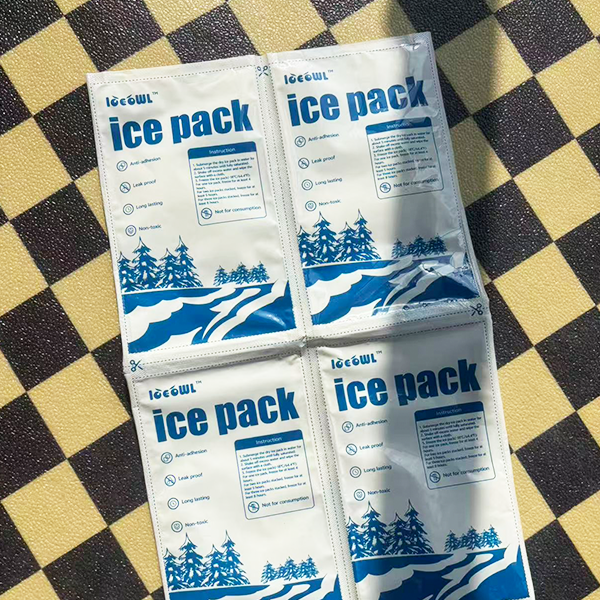
Cooler Box Cost: Wie man wählt, Verifizieren, and Scale the Right System
Für die meisten Käufer, the search term cooler box cost hides four separate decisions: Produkt passt, Beweis, Lieferantenkontrolle, und Wirtschaft. Treating those decisions separately produces a clearer request for quotation and a safer production launch. Treating them as one question usually results in vague comparisons and late redesign.
The practical objective is which cost model matters: one-time purchase, landed unit cost, cost per route, Kosten pro erfolgreicher Sendung, or lifecycle cost for a reusable fleet. The following decision framework brings together the most useful product, technisch, Einhaltung, operativ, and purchasing considerations while keeping all performance statements tied to the conditions that actually support them.
An Insulated Box Is Only One Part of Temperature Control
The cooler box provides a barrier to heat flow and a protective enclosure. It does not generate a controlled temperature by itself. Passive performance depends on insulation, Kühlmitteltyp und Konditionierung, Kühlmittelmasse, Nutzlastmasse, Produktstarttemperatur, internal arrangement, Umgebungsprofil, Öffnungsverhalten, und Akzeptanzkriterien. A change to any one of these can alter results even when the outer box is unchanged. At production launch, protect the decision for the cooler-box cost model through change control.
This distinction is especially important for food, pharmazeutisch, Impfstoff, and clinical-trial uses. A material declaration may show that a component is suitable for an intended contact condition. A structural test may show that a handle or slot survives a defined load. A thermal report may show how one packout behaved under one profile. A route qualification may then assess the operating lane. These documents answer different questions and should not be substituted for one another. In the final decision, place this requirement for the cooler-box cost model in the receiving checklist.
Ask the supplier to state every performance claim with its configuration. The statement should identify box size and revision, Nutzlast, Kühlmittel, Konditionierung, Ladediagramm, Monitorposition, Umgebungsprofil, Dauer, und Akzeptanzbereich. If the supplier cannot provide that context, treat the claim as a screening indication only. The intended result is not to demand a laboratory report for every early conversation, but to prevent an unsupported headline from becoming a purchase specification.
Regulatory Scope Starts With Contact and Product Conditions
The relevant evidence depends on food-contact, Gesundheitspflege, Transport, or qualification evidence that can add cost but may be essential for the intended market. In den Vereinigten Staaten, food-contact status is tied to authorized substances and the intended conditions of use, including food type and temperature. In der Europäischen Union, food-contact materials placed on the market fall under the framework regulation and good manufacturing practice requirements, with additional rules for certain material groups. A generic declaration that a plastic is 'Lebensmittelqualität' is therefore only a starting point. Before final release, assign an owner and acceptance method for the cooler-box cost model.
Medical and pharmaceutical uses add a different layer. BIP, GCP, immunization guidance, air-cargo rules, or national program specifications may apply depending on the shipment. Product labeling and sponsor or quality procedures define the required condition. The box does not become compliant simply because its polymer is acceptable for food contact or because it is reusable. The complete process may need qualified packout instructions, kalibrierte Überwachung, Abweichungsbehandlung, Ausbildung, and documented chain of custody. At production launch, document the limitation for the cooler-box cost model rather than implying universal suitability.
Create an evidence map with four columns: beanspruchen, object, Zustand, und Dokument. Zum Beispiel, a material claim belongs to a named resin and intended use; a structural claim belongs to a finished design and load method; a thermal claim belongs to a complete configuration and profile; a route claim belongs to an operating lane. This map reveals gaps and prevents one certificate from being stretched beyond its scope. Before final release, include this limit in the operating instruction for the cooler-box cost model.
The Box Specification Begins Outside the Box
The first specification should describe the operating job: select a box whose acquisition and operating cost match the use case without paying for unnecessary construction or underbuying critical performance. It should identify the users, the loading location, the receiving location, the expected handovers, and the moment at which temperature responsibility changes. This prevents the supplier from filling unknowns with assumptions. It also allows operations, Qualität, and procurement teams to review the same requirement instead of maintaining separate informal versions.
Payload definition needs more detail than a weight or nominal volume. The planned load may include consumer goods, Lebensmittelpakete, Medizin, Proben, Getränke, or industrial materials with different temperature, Hygiene, and impact risks. Record the primary-pack dimensions, Orientierungsgrenzen, number of units, thermal condition at packing, Kopfspace, fragile areas, and whether the load must remain separated from coolant. A cavity that appears large enough can become unusable if the opening is narrow, corners are heavily radiused, or a basket and divider consume the critical dimensions. At production launch, check the point for the cooler-box cost model against the actual payload.
Route mapping is equally important. Für den persönlichen Gebrauch, Routenlieferung, wholesale resale, Export, medizinische Logistik, and closed-loop reuse with very different cost structures, note planned transit time, likely delay, Staging-Temperatur, direkte Sonne, vehicle air circulation, wiederholtes Öffnen, transfer between carriers, und Eingangskontrolle. These inputs do not produce a guaranteed hold time on their own, but they define the conditions that a supplier or test laboratory must reproduce. Ohne sie, a quotation can only cover a generic box, not a reliable distribution process. At production launch, confirm the evidence scope for the cooler-box cost model before purchase.
Material Architecture and Heat-Flow Tradeoffs
A typical insulated box can combine soft insulated bags, molded foam boxes, hard-shell polymer coolers, EPP-Behälter, PU-insulated boxes, or high-performance panels selected to suit the job. The outer structure protects against impact and provides attachment points. The insulation slows conduction and convection. The lid joint, Abfluss, handle bosses, Verbindungselemente, and panel edges can create thermal bridges or leakage paths. Aus diesem Grund, a material name alone does not predict performance. Two boxes made with the same nominal polymer may behave differently because of wall thickness, foam quality, Geometrie, und Montage. At production launch, place this requirement for the cooler-box cost model in the receiving checklist.
Common options carry different tradeoffs. Hard polymer shells can be cleanable and durable, but they add weight and require controlled molding. EPP can provide a lightweight, resilient structure for repeated handling, while exposed foam surfaces may need careful hygiene and damage review. EPS can be cost effective for protected one-way use but may chip under repeated rough handling. PU foam can provide rigid insulation inside a shell. Vacuum-insulated panels can reduce heat transfer through broad surfaces, but edge effects, Pannenschutz, and manufacturing control become critical. For supplier approval, link this decision for the cooler-box cost model to the approved drawing and packout.
The material specification should identify the intended risks: Klarheit der Spezifikation, Mustergenehmigung, Produktionskonsistenz, Eingangskontrolle, Schadenskriterien, Garantiebedingungen, and availability of replacement parts. It should control base resin or foam grade, Pigmente, Zusatzstoffe, gasket material, Klebstoffe, Hardware, and any internal coating or label. When substitutions are allowed, define the approval evidence. Ansonsten, a production change that looks minor commercially can alter food-contact status, Geruch, Flexibilität, Wärmeleitfähigkeit, fit, or long-term durability. Before final release, confirm the evidence scope for the cooler-box cost model before purchase.
What Must Be Clear Before the Purchase Order
| Tor | Frage | Beweise freigeben |
|---|---|---|
| Use-case gate | Ist die Nutzlast, Route, Zustand, and handling process defined? | Approved user requirement |
| Fit gate | Does the final packout fit with safe lifting and closure? | Packout drawing and measured sample |
| Evidence gate | Are claims tied to the right material, Kasten, Auspacken, or lane? | Evidence map and test reports |
| Quality gate | Can production reproduce the approved configuration? | Pilot-lot review and inspection plan |
| Cost gate | Are quotes normalized to the same scope and delivery basis? | Landed and lifecycle cost model |
| Operations gate | Can users pack, erhalten, sauber, überprüfen, and return it correctly? | Controlled instructions and training plan |
| Change gate | Will substitutions require review? | Bill of materials and change-control agreement |
| Application gate | Which cost model matters: one-time purchase, landed unit cost, cost per route, Kosten pro erfolgreicher Sendung, or lifecycle cost for a reusable fleet | Signed requirement and unresolved-assumption list |
Use this table as a joint review between procurement, Operationen, Maschinenbau, und Qualität. It turns general preferences into reviewable evidence and exposes missing assumptions before price negotiation. Not every project needs the same depth, but every critical claim should have an owner and a defined way to verify it. Before final release, record this point for the cooler-box cost model as a controlled requirement.
Price Is the Output of a Configuration
The cost structure includes material mass, Verfahren, Schimmel, Montage, Hardware, Anpassung, Testen, Bestellmenge, Qualitätskontrolle, Exportverpackung, Fracht, Pflicht, Lagerung, Reinigung, reparieren, und Ersatz. Suppliers can quote very different prices while all appear to offer the same size. Differences may come from insulation thickness, Materialqualität, Verfahren, Hardware, Inspektion, Verpackung, or simply from excluded items. A fair comparison requires one configuration sheet and one commercial comparison table. Before final release, protect the decision for the cooler-box cost model through change control.
Separate one-time costs from recurring costs. Werkzeuge, Formen, Kunstwerk, Maschinenbau, and some tests may be one-time or amortized. Unit construction, Zubehör, Inspektion, Kartons, and freight recur. Then separate acquisition cost from operating cost: conditioning coolant, Waschen, Trocknen, Lagerung, Vermögensverfolgung, Rücktransport, Schaden, reparieren, und Ersatz. The best metric may be cost per successful route instead of purchase price per box. For supplier approval, check the point for the cooler-box cost model against the actual payload.
Freight deserves early attention because insulated boxes can be bulky. Ask suppliers to quote the same delivery term and packing configuration. Außenmaße, Verschachtelung, collapsibility, Kartonmenge, Palettenmuster, and container loading may change landed cost more than a small factory-price difference. When reusable boxes return empty, the reverse cube and handling labor should also enter the model. In the final decision, place this requirement for the cooler-box cost model in the receiving checklist.
A Practical Buying Scenario
Consider this typical situation: a buyer chooses a cheap large box for a short route, then pays more to ship empty volume, use excess coolant, store bulky returns, and replace cracked latches. The first response should not be to select a catalog size. The team should measure the payload, build the proposed packout, die Route kartieren, and observe how users lift, sicher, offen, sauber, and return the box. This creates a shared record of the real constraints. At production launch, connect this item for the cooler-box cost model to a measurable acceptance criterion.
At the next stage, the buyer should request two or three controlled alternatives rather than a long catalog. One option may prioritize lower weight, another repeated durability, and another higher thermal resistance or more usable volume. Each option should list what is included, what evidence exists, what still needs testing, and which operating changes it requires. The team can then compare tradeoffs instead of arguing over isolated features. In the final decision, include this limit in the operating instruction for the cooler-box cost model.
Complete the sequence through an engineering sample, Packout-Testversion, pilot production, and formal release. Record dimensional measurements and handling observations, not just photographs. For temperature-sensitive uses, confirm the complete packout under an appropriate profile and define how excursions will be handled. The result is a procurement decision tied to evidence and workflow, not to a promise that cannot be reproduced later. Before final release, place this requirement for the cooler-box cost model in the receiving checklist.
Operational Discipline Protects the Qualified Configuration
A box moves through people and places, not only through a thermal chamber. The operating plan should cover preconditioning, Verpackung, Schließung, Beschriftung, Aktivierung überwachen, aushändigen, Empfang, Entladung, Reinigung, Trocknen, Inspektion, Lagerung, und zurück. Für den persönlichen Gebrauch, Routenlieferung, wholesale resale, Export, medizinische Logistik, and closed-loop reuse with very different cost structures, the highest risk may be a loading dock or failed delivery rather than the planned vehicle time. At production launch, record this point for the cooler-box cost model as a controlled requirement.
Instructions should be visual and configuration specific. Show coolant position, Produktorientierung, Platzierung der Teiler, Standort überwachen, Abschlusssequenz, and rejection criteria. Use labels that survive the cleaning and route environment. If the container has drains, Riemen, Räder, replaceable gaskets, or rope handles, include inspection points for those components. Complexity should be reduced wherever possible because occasional users do not remember long procedures. In the final decision, verify this point on representative units used for the cooler-box cost model.
Receiving teams need a decision path. They should know how to inspect the seal, read the monitor, identify damage, record an excursion, quarantine the payload, and contact the responsible quality person. Returned boxes should not automatically go back into the clean fleet. A simple quarantine and inspection step prevents cracked shells, missing plugs, contaminated handles, or changed coolant from silently weakening the system. At production launch, confirm the evidence scope for the cooler-box cost model before purchase.
The Factory Review Should Follow the Critical Risks
The central supplier question is which cost model matters: one-time purchase, landed unit cost, cost per route, Kosten pro erfolgreicher Sendung, or lifecycle cost for a reusable fleet. The conversation should move from broad claims to controlled details. A credible manufacturer should be able to translate that requirement into drawings, material definitions, Inspektionspunkte, and a test plan. Fragen Sie, wem die Form gehört, which operations are performed internally, how critical component suppliers are approved, and how the bill of materials is maintained. A broad catalog can add value, but it is not evidence of process control.
Build the approval process around progressive sample maturity. The first sample confirms basic dimensions and ergonomics. A revised engineering sample confirms materials, Beschläge, Etiketten, and packout fit. A pilot lot checks production tools, Montage, Inspektion, Verpackung, and variation across multiple units. The approved golden sample should be linked to drawings and measurable acceptance criteria. Approving one specially prepared sample without this bridge is a common source of mass-production surprises. In the final decision, verify this point on representative units used for the cooler-box cost model.
Quality review should focus on specification clarity, Mustergenehmigung, Produktionskonsistenz, Eingangskontrolle, Schadenskriterien, Garantiebedingungen, and availability of replacement parts. For high-control programs, require prior approval before substitutions. Ask how nonconforming units are identified, whether measurements are recorded, how complaints are investigated, and how engineering changes are communicated. For lower-risk consumer use, the system can be simpler, but critical dimensions, Materialien, and safety features still need objective acceptance criteria. In the final decision, document the limitation for the cooler-box cost model rather than implying universal suitability.
A Recyclable Resin Does Not Complete the Lifecycle Story
The relevant sustainability question is cost per use and avoided waste only when the box survives, kehrt zurück, and remains hygienic; a heavy reusable box can be inefficient on one-way lanes. A reusable box can reduce packaging consumption on a stable closed loop, but it also requires more material, Reinigung, Lagerung, and return transport. A one-way lightweight system may be preferable on a dispersed lane where return rates are low. The choice should be made from the operating network rather than from a single marketing attribute. For supplier approval, assign an owner and acceptance method for the cooler-box cost model.
Right-sizing is often the fastest improvement. Excess volume increases insulation area, Kühlmittelbedarf, Frachtwürfel, und Lagerfläche. Overbuilt hardware adds mass. Underbuilt products fail early and create replacement waste. A good design uses enough material in the right places, protects replaceable wear parts, and allows inspection before a damaged unit re-enters service. For supplier approval, connect this item for the cooler-box cost model to a measurable acceptance criterion.
Track a small set of practical indicators: Rücklaufquote, trips per asset, Schadensgrund, wash time, Trocknungszeit, lost components, Leerer Rückgabewürfel, and retirement route. These data show whether the system is improving. Sustainability claims should be updated when the route changes. A box used for fifty controlled local trips has a different footprint from the same box shipped once across an international lane and never returned. At production launch, test this assumption for the cooler-box cost model against the intended route.
Receiving Inspection and Fleet Release
Batch release should begin with objective checks in place of appearance alone. Confirm critical internal dimensions, Deckelverschluss, Hardware, Etiketten, Zubehör, and packaging against the approved specification. Select multiple units from different cartons. Record results so later complaints can be compared with the original batch rather than with memory or a single sample.
Create a clear repair, Quarantäne, and retirement rule. Some items can be repaired with controlled parts; others should be retired. Risse, deformed seals, missing plugs, frayed handles, loose anchors, contaminated surfaces, punctured panels, or unapproved coolant should trigger quarantine. A clear rule prevents users from keeping a visibly damaged box in service simply because it still closes. At production launch, connect this item for the cooler-box cost model to a measurable acceptance criterion.
Maintain a concise change record for material, Anbieter, Schimmel, Verfahren, Abmessungen, Etiketten, Verpackung, und Auspacken. Review whether each change affects contact status, thermischer Beweis, structural tests, Fracht, Reinigung, oder Benutzeranweisungen. This discipline is not limited to regulated programs. It protects any buyer from gradual configuration drift across repeated orders. In the final decision, connect this item for the cooler-box cost model to a measurable acceptance criterion.
Fragen, die Sie vor der Bestellung stellen sollten
For this cooler box, the following questions create more value than asking whether the factory is reliable. They force the discussion toward the intended use, measurable specifications, und Beweise.
- Release question: What cost definition will be used for the decision?
- Release question: Which performance and compliance items are mandatory?
- Release question: How many trips will a reusable box realistically complete?
- Release question: What is included in the supplier quote and what is excluded?
- Release question: How does packaging cube affect freight and warehouse cost?
- Release question: What failure, Reinigung, reparieren, and replacement costs should be budgeted?
A complete answer may be a drawing, Tisch, Probe, Testplan, or documented limitation. A supplier does not need to have every final report before early development, but it should be able to state what is known, was angenommen wird, what can be customized, and what must be tested. That transparency is a better risk signal than a long list of unsupported certifications. Before final release, state the applicable conditions for the cooler-box cost model in the supplier response.
Where Otherwise Good Projects Go Wrong
The points below are worth checking before tooling or mass production. Each one can create avoidable rework when it remains unresolved during supplier selection. At production launch, test this assumption for the cooler-box cost model against the intended route.
- Release blocker: asking for a price before defining the configuration.
- Release blocker: comparing a bare box with a complete packout.
- Release blocker: ignoring freight cube and dimensional weight.
- Release blocker: assuming the highest insulation level is always economical.
- Release blocker: dividing purchase price by an unrealistic number of reuse cycles.
A supplier can resolve a warning sign with a clear, testable response. It should trigger a specific clarification, sample check, or evidence request. The goal is to resolve uncertainty while changes are still inexpensive. A supplier that responds with drawings, Bedingungen, and corrective actions is more useful than one that repeats a broad claim. Before final release, confirm the evidence scope for the cooler-box cost model before purchase.
Practical Answers for Procurement and Operations
Is a cooler box enough to control temperature?
NEIN. Die Box verlangsamt die Wärmeübertragung, but the complete result depends on coolant, Nutzlast, Starttemperatur, Lademuster, Umgebungseinflüsse, Handhabung, und Überwachung. Any stated duration should identify the tested configuration and acceptance criteria. Für regulierte oder hochwertige Produkte, additional packout or lane qualification may be required. At production launch, assign an owner and acceptance method for the cooler-box cost model.
Why do quotations for similar cooler boxes differ so much?
The products may not be equivalent. Material grade, Isolierung, Innenmaße, Hardware, Werkzeuge, Inspektion, Anpassung, Unterlagen, Exportverpackung, and commercial terms can all differ. Normalize the technical configuration and delivery basis before comparing unit prices. Before final release, confirm the evidence scope for the cooler-box cost model before purchase.
Can one laboratory hold-time result be used for every route?
No single result covers every lane. A laboratory result applies to the tested ambient profile, Nutzlast, Kühlmittel, monitor positions, und Akzeptanzbereich. It can support route planning, but significant differences in delay, direkte Sonne, Öffnungshäufigkeit, Fahrzeugbedingungen, or payload may require further assessment or qualification. In the final decision, assign an owner and acceptance method for the cooler-box cost model.
What is the best first sample test?
Use physical fit as the first sample gate. Load the actual payload, Kühlmittel, Teiler, Monitor, Etiketten, und Zubehör. Check closure, Heben, Zugang, Reinigung, und Packzeit. Once the physical configuration is stable, thermal and structural testing becomes more meaningful and less likely to be repeated after a design change. For supplier approval, resolve this point for the cooler-box cost model before thermal qualification.
The Practical Takeaway
The final selection for cooler box cost should pass six tests: use-case fit, nutzbare Kapazität, Beweis, Produktionskonsistenz, operating simplicity, und Gesamtkosten. A prospective vendor that states assumptions, documents limitations, and supports pilot verification is more valuable than one offering universal claims. Release the order only when the configuration and responsibilities are clear enough to repeat.
Über Tempk
Shanghai Tempk Industrial Co., Ltd. The portfolio includes gel and water-based packs, Eisziegel, Isoliertaschen, EPP-Isolierboxen, medical cooler formats, Liner, und Palettenabdeckungen. supplies cold-chain packaging under the Tempk brand. For custom or bulk ice-box programs, Tempk can review the intended product, Temperaturzustand, Route, Handhabung, Reinigung, and commercial volume. Buyers should still qualify the final configuration for their own application and market requirements. In the final decision, verify this point on representative units used for the cooler-box cost model.
Nächster Schritt
Before final supplier selection, share the use case, required features, Ziel, Menge, and expected reuse model to build a more meaningful cooler box cost comparison.
Cool Box Supplier Cost: Vollständiges Käufer-Framework
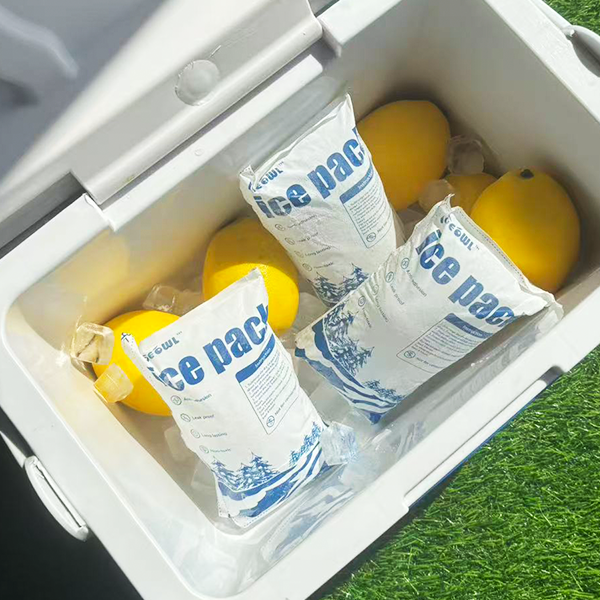
Cool Box Supplier Cost: Wie man wählt, Verifizieren, and Scale the Right System
For most sourcing teams, the search term cool box supplier cost hides four separate decisions: Produkt passt, Beweis, Lieferantenkontrolle, und Wirtschaft. Treating those decisions separately produces a clearer request for quotation and a safer production launch. Treating them as one question usually results in vague comparisons and late redesign.
The practical objective is whether a lower quotation reflects genuine efficiency, a different specification, incomplete documentation, weaker controls, or excluded costs. The following decision framework brings together the most useful product, technisch, Einhaltung, operativ, and purchasing considerations while keeping all performance statements tied to the conditions that actually support them.
Turning a Vague Request Into a Testable Specification
Consider this typical situation: a private-label brand moves to a cheaper factory, but small dimensional drift changes carton loading and lid compression, creating higher freight and more returns. The first response should not be to select a catalog size. The team should measure the payload, build the proposed packout, die Route kartieren, and observe how users lift, sicher, offen, sauber, and return the box. This creates a shared record of the real constraints. At production launch, confirm that production controls preserve this point for the supplier-cost comparison.
At the next stage, the buyer should request two or three controlled alternatives rather than a long catalog. One option may prioritize lower weight, another repeated durability, and another higher thermal resistance or more usable volume. Each option should list what is included, what evidence exists, what still needs testing, and which operating changes it requires. The team can then compare tradeoffs instead of arguing over isolated features. For supplier approval, check the point for the supplier-cost comparison against the actual payload.
Complete the sequence through an engineering sample, Packout-Testversion, pilot production, and formal release. For temperature-sensitive uses, confirm the complete packout under an appropriate profile and define how excursions will be handled. Record dimensional measurements and handling observations, not just photographs. The result is a procurement decision tied to evidence and workflow, not to a promise that cannot be reproduced later. At production launch, include this limit in the operating instruction for the supplier-cost comparison.
Start With the Load, Route, and Handover Points
The first specification should describe the operating job: understand how supplier capability, Produktionsmethode, Qualitätskontrollen, and commercial terms influence the real cost of a cool box program. It should identify the users, the loading location, the receiving location, the expected handovers, and the moment at which temperature responsibility changes. This prevents the factory from filling unknowns with assumptions. It also allows operations, Qualität, and procurement teams to review the same requirement instead of maintaining separate informal versions.
Payload definition needs more detail than a weight or nominal volume. The planned load may include food, medizinisch, Verbraucher, or industrial contents that determine insulation, Material, Zubehör, und Nachweispflichten. Record the primary-pack dimensions, Orientierungsgrenzen, number of units, thermal condition at packing, Kopfspace, fragile areas, and whether the load must remain separated from coolant. A cavity that appears large enough can become unusable if the opening is narrow, corners are heavily radiused, or a basket and divider consume the critical dimensions. For supplier approval, place this requirement for the supplier-cost comparison in the receiving checklist.
Route mapping is equally important. For factory pickup, export shipping, distributor inventory, Einzelhandelsprogramme, and reusable logistics operations, note planned transit time, likely delay, Staging-Temperatur, direkte Sonne, vehicle air circulation, wiederholtes Öffnen, transfer between carriers, und Eingangskontrolle. These inputs do not produce a guaranteed hold time on their own, but they define the conditions that a supplier or test laboratory must reproduce. Ohne sie, a quotation can only cover a generic box, not a reliable distribution process. For supplier approval, state the applicable conditions for the supplier-cost comparison in the supplier response.
Do Not Turn a Component Into a Universal Performance Promise
The supplier-provided cool box provides a barrier to heat flow and a protective enclosure. It does not generate a controlled temperature by itself. Passive performance depends on insulation, Kühlmitteltyp und Konditionierung, Kühlmittelmasse, Nutzlastmasse, Produktstarttemperatur, internal arrangement, Umgebungsprofil, Öffnungsverhalten, und Akzeptanzkriterien. A change to any one of these can affect results even when the outer box is unchanged.
This distinction is especially important for food, pharmazeutisch, Impfstoff, and clinical-trial uses. A material declaration may show that a component is suitable for an intended contact condition. A structural test may show that a handle or slot survives a defined load. A thermal report may show how one packout behaved under one profile. A route qualification may then assess the operating lane. These documents answer different questions and should not be substituted for one another. In the final decision, protect the decision for the supplier-cost comparison through change control.
Have the supplier state every performance claim with its configuration. The statement should identify box size and revision, Nutzlast, Kühlmittel, Konditionierung, Ladediagramm, Monitorposition, Umgebungsprofil, Dauer, und Akzeptanzbereich. If the supplier cannot provide that context, treat the claim as a screening indication only. The goal is not to demand a laboratory report for every early conversation, but to prevent an unsupported headline from becoming a purchase specification. At production launch, connect this item for the supplier-cost comparison to a measurable acceptance criterion.
From Polymer Grade to Finished Insulated Assembly
A typical insulated box can combine resin and foam grades, Zusatzstoffe, Pigmente, Hardware, Dichtungen, Klebstoffe, and packaging materials whose specifications should be controlled. The outer structure protects against impact and provides attachment points. The insulation slows conduction and convection. The lid joint, Abfluss, handle bosses, Verbindungselemente, and panel edges can create thermal bridges or leakage paths. Aus diesem Grund, a material name alone does not predict performance. Two boxes made with the same nominal polymer may behave differently because of wall thickness, foam quality, Geometrie, und Montage. At production launch, confirm that production controls preserve this point for the supplier-cost comparison.
Common options carry different tradeoffs. Hard polymer shells can be cleanable and durable, but they add weight and require controlled molding. EPP can provide a lightweight, resilient structure for repeated handling, while exposed foam surfaces may need careful hygiene and damage review. EPS can be cost effective for protected one-way use but may chip under repeated rough handling. PU foam can provide rigid insulation inside a shell. Vacuum-insulated panels can reduce heat transfer through broad surfaces, but edge effects, Pannenschutz, and manufacturing control become critical. Before final release, review this point for the supplier-cost comparison with operations and quality.
The material specification should identify the intended risks: Zeichnungskontrolle, zugelassene Lieferanten, Eingangskontrolle, process parameters, letzte Kontrollen, goldene Proben, Chargenprotokolle, and notification of changes. It should control base resin or foam grade, Pigmente, Zusatzstoffe, gasket material, Klebstoffe, Hardware, and any internal coating or label. When substitutions are allowed, define the approval evidence. Ansonsten, a production change that looks minor commercially may alter food-contact status, Geruch, Flexibilität, Wärmeleitfähigkeit, fit, or long-term durability.
Build an Evidence Map Instead of Collecting Badges
The relevant evidence depends on declarations, Testberichte, quality-system documents, market requirements, and product-specific qualification support requested in the sourcing package. In den Vereinigten Staaten, food-contact status is tied to authorized substances and the intended conditions of use, including food type and temperature. In der Europäischen Union, food-contact materials placed on the market fall under the framework regulation and good manufacturing practice requirements, with additional rules for certain material groups. A generic declaration that a plastic is 'Lebensmittelqualität' is therefore only a starting point. Before final release, place this requirement for the supplier-cost comparison in the receiving checklist.
Medical and pharmaceutical uses add a different layer. Product labeling and sponsor or quality procedures define the required condition. BIP, GCP, immunization guidance, air-cargo rules, or national program specifications may apply depending on the shipment. The box does not become compliant simply because its polymer is acceptable for food contact or because it is reusable. The complete process may need qualified packout instructions, kalibrierte Überwachung, Abweichungsbehandlung, Ausbildung, and documented chain of custody. Before final release, place this requirement for the supplier-cost comparison in the receiving checklist.
Create an evidence map with four columns: beanspruchen, object, Zustand, und Dokument. Consider this case: a material claim belongs to a named resin and intended use; a structural claim belongs to a finished design and load method; a thermal claim belongs to a complete configuration and profile; a route claim belongs to an operating lane. This map reveals gaps and prevents one certificate from being stretched beyond its scope. For supplier approval, record this point for the supplier-cost comparison as a controlled requirement.
Empfang, Reinigung, Inspektion, and Return Are Product Requirements
A box moves through people and places, not only through a thermal chamber. The operating plan should cover preconditioning, Verpackung, Schließung, Beschriftung, Aktivierung überwachen, aushändigen, Empfang, Entladung, Reinigung, Trocknen, Inspektion, Lagerung, und zurück. For factory pickup, export shipping, distributor inventory, Einzelhandelsprogramme, and reusable logistics operations, the highest risk may be a loading dock or failed delivery rather than the planned vehicle time. In the final decision, check the point for the supplier-cost comparison against the actual payload.
Instructions should be visual and configuration specific. Show coolant position, Produktorientierung, Platzierung der Teiler, Standort überwachen, Abschlusssequenz, and rejection criteria. Use labels that survive the cleaning and route environment. If the box has drains, Riemen, Räder, replaceable gaskets, or rope handles, include inspection points for those components. Complexity should be reduced wherever possible because occasional users do not remember long procedures. Before final release, verify this point on representative units used for the supplier-cost comparison.
Receiving teams need a decision path. They should know how to inspect the seal, read the monitor, identify damage, record an excursion, quarantine the payload, and contact the responsible quality person. Returned boxes should not automatically go back into the clean fleet. A simple quarantine and inspection step prevents cracked shells, missing plugs, contaminated handles, or changed coolant from silently weakening the system. For supplier approval, confirm that production controls preserve this point for the supplier-cost comparison.
What Must Be Clear Before the Purchase Order
| Tor | Frage | Beweise freigeben |
|---|---|---|
| Use-case gate | Ist die Nutzlast, Route, Zustand, and handling process defined? | Approved user requirement |
| Fit gate | Does the final packout fit with safe lifting and closure? | Packout drawing and measured sample |
| Evidence gate | Are claims tied to the right material, Kasten, Auspacken, or lane? | Evidence map and test reports |
| Quality gate | Can production reproduce the approved configuration? | Pilot-lot review and inspection plan |
| Cost gate | Are quotes normalized to the same scope and delivery basis? | Landed and lifecycle cost model |
| Operations gate | Can users pack, erhalten, sauber, überprüfen, and return it correctly? | Controlled instructions and training plan |
| Change gate | Will substitutions require review? | Bill of materials and change-control agreement |
| Application gate | Whether a lower quotation reflects genuine efficiency, a different specification, incomplete documentation, weaker controls, or excluded costs | Signed requirement and unresolved-assumption list |
The comparison becomes more useful when it is reviewed together by procurement, Operationen, Maschinenbau, und Qualität. It turns general preferences into reviewable evidence and exposes missing assumptions before price negotiation. Not every project needs the same depth, but every critical claim should have an owner and a defined way to verify it. For supplier approval, assign an owner and acceptance method for the supplier-cost comparison.
Normalize Quotations Before Negotiating
The cost structure includes factory overhead, Werkzeuge, material yield, Zykluszeit, Arbeit, Montage, Schrott, Inspektion, Bestellmenge, Anpassung, Verpackung, Zahlung, und Fracht. Suppliers can quote very different prices while all appear to offer the same size. Differences may come from insulation thickness, Materialqualität, Verfahren, Hardware, Inspektion, Verpackung, or simply from excluded items. A fair comparison requires one configuration sheet and one commercial comparison table. For supplier approval, confirm that production controls preserve this point for the supplier-cost comparison.
Separate one-time costs from recurring costs. Unit construction, Zubehör, Inspektion, Kartons, and freight recur. Werkzeuge, Formen, Kunstwerk, Maschinenbau, and some tests may be one-time or amortized. Then separate acquisition cost from operating cost: conditioning coolant, Waschen, Trocknen, Lagerung, Vermögensverfolgung, Rücktransport, Schaden, reparieren, und Ersatz. The best metric may be cost per successful route instead of purchase price per box.
Freight deserves early attention because insulated boxes can be bulky. Außenmaße, Verschachtelung, collapsibility, Kartonmenge, Palettenmuster, and container loading may change landed cost more than a small factory-price difference. Ask suppliers to quote the same delivery term and packing configuration. When reusable boxes return empty, the reverse cube and handling labor should also enter the model. For supplier approval, state the applicable conditions for the supplier-cost comparison in the supplier response.
How to Shortlist a Manufacturer Without Guessing
The central supplier question is whether a lower quotation reflects genuine efficiency, a different specification, incomplete documentation, weaker controls, or excluded costs. A credible manufacturer should be able to translate that requirement into drawings, material definitions, Inspektionspunkte, and a test plan. The conversation should move from broad claims to controlled details. Fragen Sie, wem die Form gehört, which operations are performed internally, how critical component suppliers are approved, and how the bill of materials is maintained. A broad catalog can be useful, but it is not evidence of process control. In the final decision, resolve this point for the supplier-cost comparison before thermal qualification.
Use more than one sample gate. A revised engineering sample confirms materials, Beschläge, Etiketten, and packout fit. The first sample confirms basic dimensions and ergonomics. A pilot lot checks production tools, Montage, Inspektion, Verpackung, and variation across multiple units. The approved golden sample is best connected to drawings and measurable acceptance criteria. Approving one specially prepared sample without this bridge is a common source of mass-production surprises. For supplier approval, link this decision for the supplier-cost comparison to the approved drawing and packout.
Quality review should focus on drawing control, zugelassene Lieferanten, Eingangskontrolle, process parameters, letzte Kontrollen, goldene Proben, Chargenprotokolle, and notification of changes. Ask how nonconforming units are identified, whether measurements are recorded, how complaints are investigated, and how engineering changes are communicated. For high-control programs, require prior approval before substitutions. For lower-risk consumer use, the system can be simpler, but critical dimensions, Materialien, and safety features still need objective acceptance criteria. In the final decision, place this requirement for the supplier-cost comparison in the receiving checklist.
Procurement Notes for the Final Review
For this supplier-provided cool box, the following questions create more value than asking whether the supplier is reliable. They force the discussion toward the intended use, measurable specifications, und Beweise.
- Release question: Which production process and mold ownership model does the quote assume?
- Release question: Are material grades and critical component suppliers fixed?
- Release question: Which inspection items and sampling level are included?
- Release question: How are color, Logo, Verpackung, and label changes priced?
- Release question: Welche Dokumentation, Testen, and sample revisions are included?
- Release question: How will the supplier notify and approve material or process changes?
A complete answer may be a drawing, Tisch, Probe, Testplan, or documented limitation. A supplier does not need to have every final report before early development, but it should be able to state what is known, was angenommen wird, what can be customized, and what must be tested. That transparency is a better risk signal than a long list of unsupported certifications. Before final release, link this decision for the supplier-cost comparison to the approved drawing and packout.
Measure Material, Fracht, Reinigung, and Service Life Together
The relevant sustainability question is supplier ability to provide spare parts, stabile Materialien, repair guidance, and consistent replacement units over the program life. A one-way lightweight system may be preferable on a dispersed lane where return rates are low. A reusable box can reduce packaging consumption on a stable closed loop, but it also requires more material, Reinigung, Lagerung, and return transport. The choice should be made from the operating network instead of from a single marketing attribute.
Right-sizing is often the fastest improvement. Excess volume increases insulation area, Kühlmittelbedarf, Frachtwürfel, und Lagerfläche. Overbuilt hardware adds mass. Underbuilt products fail early and create replacement waste. A good design uses enough material in the right places, protects replaceable wear parts, and allows inspection before a damaged unit re-enters service. In the final decision, test this assumption for the supplier-cost comparison against the intended route.
Track a small set of practical indicators: Rücklaufquote, trips per asset, Schadensgrund, wash time, Trocknungszeit, lost components, Leerer Rückgabewürfel, and retirement route. These data show whether the system is improving. Sustainability claims should be updated when the route changes. A box used for fifty controlled local trips has a different footprint from the same box shipped once across an international lane and never returned. Before final release, confirm that production controls preserve this point for the supplier-cost comparison.
Red Flags to Catch Before Purchase
The points below are worth checking before tooling or mass production. Each one can create avoidable rework when it remains unresolved during supplier selection. Before final release, confirm the evidence scope for the supplier-cost comparison before purchase.
- Release blocker: using a unit quote without a specification revision number.
- Release blocker: assuming all factories quote the same material grade.
- Release blocker: overlooking sample, Werkzeuge, Testen, Verpackung, and bank charges.
- Release blocker: treating a lower MOQ as free flexibility.
- Release blocker: failing to audit change-control and traceability capability.
Not every concern is disqualifying, but each one needs closure. It should trigger a specific clarification, sample check, or evidence request. The goal is to resolve uncertainty while changes are still inexpensive. A supplier that responds with drawings, Bedingungen, and corrective actions is more useful than one that repeats a broad claim.
Maintenance and Spare-Part Planning
New production units need a documented receiving check, not only a visual glance. Confirm critical internal dimensions, Deckelverschluss, Hardware, Etiketten, Zubehör, and packaging against the approved specification. Select multiple units from different cartons. Record results so later complaints can be compared with the original batch rather than with memory or a single sample. For supplier approval, include this limit in the operating instruction for the supplier-cost comparison.
Set damage and quarantine criteria before use. Some items can be repaired with controlled parts; others should be retired. Risse, deformed seals, missing plugs, frayed handles, loose anchors, contaminated surfaces, punctured panels, or unapproved coolant should trigger quarantine. A clear rule prevents users from keeping a visibly damaged box in service simply because it still closes.
Preserve a change history covering material, Anbieter, Schimmel, Verfahren, Abmessungen, Etiketten, Verpackung, und Auspacken. Review whether each change affects contact status, thermischer Beweis, structural tests, Fracht, Reinigung, oder Benutzeranweisungen. This discipline is not limited to regulated programs. It protects any buyer from gradual configuration drift across repeated orders. In the final decision, confirm that production controls preserve this point for the supplier-cost comparison.
Practical Answers for Procurement and Operations
Is a supplier-provided cool box enough to control temperature?
NEIN. The insulated unit slows heat transfer, but the complete result depends on coolant, Nutzlast, Starttemperatur, Lademuster, Umgebungseinflüsse, Handhabung, und Überwachung. Any stated duration should identify the tested configuration and acceptance criteria. Für regulierte oder hochwertige Produkte, additional packout or lane qualification may be required. At production launch, confirm that production controls preserve this point for the supplier-cost comparison.
Why do quotations for similar cooler boxes differ so much?
The products may not be equivalent. Material grade, Isolierung, Innenmaße, Hardware, Werkzeuge, Inspektion, Anpassung, Unterlagen, Exportverpackung, and commercial terms can all differ. Normalize the technical configuration and delivery basis before comparing unit prices. At production launch, place this requirement for the supplier-cost comparison in the receiving checklist.
Can one laboratory hold-time result be used for every route?
Not without a condition-by-condition review. A laboratory result applies to the tested ambient profile, Nutzlast, Kühlmittel, monitor positions, und Akzeptanzbereich. It can support route planning, but significant differences in delay, direkte Sonne, Öffnungshäufigkeit, Fahrzeugbedingungen, or payload may require further assessment or qualification. Before final release, place this requirement for the supplier-cost comparison in the receiving checklist.
What is the best first sample test?
First prove that the configuration can be packed and handled correctly. Load the actual payload, Kühlmittel, Teiler, Monitor, Etiketten, und Zubehör. Check closure, Heben, Zugang, Reinigung, und Packzeit. Once the physical configuration is stable, thermal and structural testing becomes more meaningful and less likely to be repeated after a design change. In the final decision, verify this point on representative units used for the supplier-cost comparison.
How should buyers manage production changes?
Use the approved bill of materials to lock the critical materials, Abmessungen, and parts. Require the supplier to notify changes before implementation and provide evidence for review. Changes to insulation, Kühlmittel, Dichtungen, Pigmente, Etiketten, Griffe, or manufacturing process can affect fit, contact status, Haltbarkeit, or qualified performance. For supplier approval, test this assumption for the supplier-cost comparison against the intended route.
Final Buying Perspective
The final selection for cool box supplier cost should pass six tests: use-case fit, nutzbare Kapazität, Beweis, Produktionskonsistenz, operating simplicity, und Gesamtkosten. A supplier that states assumptions, documents limitations, and supports pilot verification is more valuable than one offering universal claims. Release the order only when the configuration and responsibilities are clear enough to repeat.
Über Tempk
Shanghai Tempk Industrial Co., Ltd. supplies cold-chain packaging under the Tempk brand. The portfolio includes gel and water-based packs, Eisziegel, Isoliertaschen, EPP-Isolierboxen, medical cooler formats, Liner, und Palettenabdeckungen. For custom or bulk ice-box programs, Tempk can review the intended product, Temperaturzustand, Route, Handhabung, Reinigung, and commercial volume. Buyers should still qualify the final configuration for their own application and market requirements. In the final decision, verify this point on representative units used for the supplier-cost comparison.
Nächster Schritt
Before final supplier selection, provide a controlled specification, Vorhersage, Ziel, customization list, and required documents so Tempk can explain the cost structure behind a supplier quote.
Cold Chain Ice Box Wholesale Price: Vollständiges Käufer-Framework

Cold Chain Ice Box Wholesale Price: Wie man wählt, Verifizieren, and Scale the Right System
Für die meisten Käufer, the search term cold chain ice box wholesale price hides four separate decisions: Produkt passt, Beweis, Lieferantenkontrolle, und Wirtschaft. Treating those decisions separately produces a clearer request for quotation and a safer production launch. Treating them as one question usually results in vague comparisons and late redesign.
The practical objective is how to compare quotations on an equal technical and commercial basis rather than treating the lowest unit price as the lowest operating cost. The following decision framework brings together the most useful product, technisch, Einhaltung, operativ, and purchasing considerations while keeping all performance statements tied to the conditions that actually support them.
Turning a Vague Request Into a Testable Specification
Consider this typical situation: two suppliers quote the same nominal size, but one includes a thicker insulated wall, fitted divider, tested packout support, and denser export packaging while the other quotes a bare box. The team should measure the payload, build the proposed packout, die Route kartieren, and observe how users lift, sicher, offen, sauber, and return the box. The first response should not be to select a catalog size. This creates a shared record of the real constraints.
Nächste, the buyer should request two or three controlled alternatives rather than a long catalog. One option may prioritize lower weight, another repeated durability, and another higher thermal resistance or more usable volume. Each option should list what is included, what evidence exists, what still needs testing, and which operating changes it requires. The team can then compare tradeoffs instead of arguing over isolated features. At production launch, resolve this point for the wholesale ice-box quotation before thermal qualification.
Complete the sequence through an engineering sample, Packout-Testversion, pilot production, and formal release. Record dimensional measurements and handling observations, not just photographs. For temperature-sensitive uses, confirm the complete packout under an appropriate profile and define how excursions will be handled. The result is a procurement decision tied to evidence and workflow, not to a promise that cannot be reproduced later. At production launch, state the applicable conditions for the wholesale ice-box quotation in the supplier response.
Start With the Load, Route, and Handover Points
The first specification should describe the operating job: buy a repeatable insulated container configuration at a commercially workable landed cost without stripping out the features or evidence needed for the route. It should identify the users, the loading location, the receiving location, the expected handovers, and the moment at which temperature responsibility changes. This prevents the supplier from filling unknowns with assumptions. It also allows operations, Qualität, and procurement teams to review the same requirement rather than maintaining separate informal versions.
Payload definition needs more detail than a weight or nominal volume. The planned load may include food, pharmazeutisch, Gesundheitspflege, Labor, or general temperature-sensitive loads whose packout requirements change material and accessory choices. Record the primary-pack dimensions, Orientierungsgrenzen, number of units, thermal condition at packing, Kopfspace, fragile areas, and whether the load must remain separated from coolant. A cavity that appears large enough can become unusable if the opening is narrow, corners are heavily radiused, or a basket and divider consume the critical dimensions. Before final release, assign an owner and acceptance method for the wholesale ice-box quotation.
Route mapping is equally important. Für den Inlandsvertrieb, export programs, distributor resale, private-label projects, and reusable fleets where reverse logistics affects economics, note planned transit time, likely delay, Staging-Temperatur, direkte Sonne, vehicle air circulation, wiederholtes Öffnen, transfer between carriers, und Eingangskontrolle. These inputs do not produce a guaranteed hold time on their own, but they define the conditions that a supplier or test laboratory must reproduce. Ohne sie, a quotation can only cover a generic box, not a reliable distribution process. At production launch, assign an owner and acceptance method for the wholesale ice-box quotation.
Do Not Turn a Component Into a Universal Performance Promise
The wholesale cold-chain ice box provides a barrier to heat flow and a protective enclosure. It does not generate a controlled temperature by itself. Passive performance depends on insulation, Kühlmitteltyp und Konditionierung, Kühlmittelmasse, Nutzlastmasse, Produktstarttemperatur, internal arrangement, Umgebungsprofil, Öffnungsverhalten, und Akzeptanzkriterien. A change to any one of these can affect results even when the outer box is unchanged. In the final decision, link this decision for the wholesale ice-box quotation to the approved drawing and packout.
This scope difference is especially important for food, pharmazeutisch, Impfstoff, and clinical-trial uses. A material declaration may show that a component is suitable for an intended contact condition. A structural test may show that a handle or slot survives a defined load. A thermal report may show how one packout behaved under one profile. A route qualification may then assess the operating lane. These documents answer different questions and should not be substituted for one another. In the final decision, include this limit in the operating instruction for the wholesale ice-box quotation.
Ask the factory to state every performance claim with its configuration. If the supplier cannot provide that context, treat the claim as a screening indication only. The statement should identify box size and revision, Nutzlast, Kühlmittel, Konditionierung, Ladediagramm, Monitorposition, Umgebungsprofil, Dauer, und Akzeptanzbereich. The decision objective is not to demand a laboratory report for every early conversation, but to prevent an unsupported headline from becoming a purchase specification.
From Polymer Grade to Finished Insulated Assembly
A typical insulated box can combine different shell, Schaum, Panel, and hardware combinations that affect tooling, Arbeit, Haltbarkeit, Gewicht, und thermische Leistung. The outer structure protects against impact and provides attachment points. The insulation slows conduction and convection. The lid joint, Abfluss, handle bosses, Verbindungselemente, and panel edges can create thermal bridges or leakage paths. Aus diesem Grund, a material name alone does not predict performance. Two boxes made with the same nominal polymer may behave differently because of wall thickness, foam quality, Geometrie, und Montage. Before final release, protect the decision for the wholesale ice-box quotation through change control.
Common options carry different tradeoffs. Hard polymer shells can be cleanable and durable, but they add weight and require controlled molding. EPP can provide a lightweight, resilient structure for repeated handling, while exposed foam surfaces may need careful hygiene and damage review. EPS can be cost effective for protected one-way use but may chip under repeated rough handling. PU foam can provide rigid insulation inside a shell. Vacuum-insulated panels can reduce heat transfer through broad surfaces, but edge effects, Pannenschutz, and manufacturing control become critical. At production launch, place this requirement for the wholesale ice-box quotation in the receiving checklist.
The material specification needs to specify the intended risks: approved specifications, goldene Proben, Wareneingangskontrollen, Inprozesskontrollen, Endkontrolle, Änderungskontrolle, and traceability of production batches. It should control base resin or foam grade, Pigmente, Zusatzstoffe, gasket material, Klebstoffe, Hardware, and any internal coating or label. When substitutions are allowed, define the approval evidence. Ansonsten, a production change that looks minor commercially can alter food-contact status, Geruch, Flexibilität, Wärmeleitfähigkeit, fit, or long-term durability.
Build an Evidence Map Instead of Collecting Badges
The relevant evidence depends on document scope, Testmethode, Verwendungszweck, and market-specific food or medical requirements included in the quotation. In den Vereinigten Staaten, food-contact status is tied to authorized substances and the intended conditions of use, including food type and temperature. In der Europäischen Union, food-contact materials placed on the market fall under the framework regulation and good manufacturing practice requirements, with additional rules for certain material groups. A generic declaration that a plastic is 'Lebensmittelqualität' is therefore only a starting point.
Medical and pharmaceutical uses add a different layer. BIP, GCP, immunization guidance, air-cargo rules, or national program specifications may apply depending on the shipment. Product labeling and sponsor or quality procedures define the required condition. The box does not become compliant simply because its polymer is acceptable for food contact or because it is reusable. The complete process may need qualified packout instructions, kalibrierte Überwachung, Abweichungsbehandlung, Ausbildung, and documented chain of custody. Before final release, state the applicable conditions for the wholesale ice-box quotation in the supplier response.
Create an evidence map with four columns: beanspruchen, object, Zustand, und Dokument. As one example, a material claim belongs to a named resin and intended use; a structural claim belongs to a finished design and load method; a thermal claim belongs to a complete configuration and profile; a route claim belongs to an operating lane. This map reveals gaps and prevents one certificate from being stretched beyond its scope. Before final release, record this point for the wholesale ice-box quotation as a controlled requirement.
Empfang, Reinigung, Inspektion, and Return Are Product Requirements
A box moves through people and places, not only through a thermal chamber. The operating plan should cover preconditioning, Verpackung, Schließung, Beschriftung, Aktivierung überwachen, aushändigen, Empfang, Entladung, Reinigung, Trocknen, Inspektion, Lagerung, und zurück. Für den Inlandsvertrieb, export programs, distributor resale, private-label projects, and reusable fleets where reverse logistics affects economics, the highest risk may be a loading dock or failed delivery rather than the planned vehicle time. In the final decision, include this limit in the operating instruction for the wholesale ice-box quotation.
Instructions should be visual and configuration specific. Use labels that survive the cleaning and route environment. Show coolant position, Produktorientierung, Platzierung der Teiler, Standort überwachen, Abschlusssequenz, and rejection criteria. If the box has drains, Riemen, Räder, replaceable gaskets, or rope handles, include inspection points for those components. Complexity should be reduced wherever possible because occasional users do not remember long procedures. For supplier approval, check the point for the wholesale ice-box quotation against the actual payload.
Receiving teams need a decision path. They should know how to inspect the seal, read the monitor, identify damage, record an excursion, quarantine the payload, and contact the responsible quality person. Returned boxes should not automatically go back into the clean fleet. A simple quarantine and inspection step prevents cracked shells, missing plugs, contaminated handles, or changed coolant from silently weakening the system. In the final decision, record this point for the wholesale ice-box quotation as a controlled requirement.
What Must Be Clear Before the Purchase Order
| Tor | Frage | Beweise freigeben |
|---|---|---|
| Use-case gate | Ist die Nutzlast, Route, Zustand, and handling process defined? | Approved user requirement |
| Fit gate | Does the final packout fit with safe lifting and closure? | Packout drawing and measured sample |
| Evidence gate | Are claims tied to the right material, Kasten, Auspacken, or lane? | Evidence map and test reports |
| Quality gate | Can production reproduce the approved configuration? | Pilot-lot review and inspection plan |
| Cost gate | Are quotes normalized to the same scope and delivery basis? | Landed and lifecycle cost model |
| Operations gate | Can users pack, erhalten, sauber, überprüfen, and return it correctly? | Controlled instructions and training plan |
| Change gate | Will substitutions require review? | Bill of materials and change-control agreement |
| Application gate | How to compare quotations on an equal technical and commercial basis rather than treating the lowest unit price as the lowest operating cost | Signed requirement and unresolved-assumption list |
Use this table as a joint review between procurement, Operationen, Maschinenbau, und Qualität. It turns general preferences into reviewable evidence and exposes missing assumptions before price negotiation. Not every project needs the same depth, but every critical claim should have an owner and a defined way to verify it. Before final release, link this decision for the wholesale ice-box quotation to the approved drawing and packout.
Normalize Quotations Before Negotiating
The cost structure includes unit construction, tooling or mold amortization, MOQ, Anpassung, Testen, Ersatzteile, Inspektion, Exportkartons, pallet utilization, Fracht, Aufgaben, and payment terms. Differences may come from insulation thickness, Materialqualität, Verfahren, Hardware, Inspektion, Verpackung, or simply from excluded items. Suppliers can quote very different prices while all appear to offer the same size. A fair comparison requires one configuration sheet and one commercial comparison table. Before final release, protect the decision for the wholesale ice-box quotation through change control.
Separate one-time costs from recurring costs. Werkzeuge, Formen, Kunstwerk, Maschinenbau, and some tests may be one-time or amortized. Unit construction, Zubehör, Inspektion, Kartons, and freight recur. Then separate acquisition cost from operating cost: conditioning coolant, Waschen, Trocknen, Lagerung, Vermögensverfolgung, Rücktransport, Schaden, reparieren, und Ersatz. The best metric may be cost per successful route rather than purchase price per box. At production launch, place this requirement for the wholesale ice-box quotation in the receiving checklist.
Freight deserves early attention because insulated boxes can be bulky. Außenmaße, Verschachtelung, collapsibility, Kartonmenge, Palettenmuster, and container loading may change landed cost more than a small factory-price difference. Ask suppliers to quote the same delivery term and packing configuration. When reusable boxes return empty, the reverse cube and handling labor should also enter the model. Before final release, connect this item for the wholesale ice-box quotation to a measurable acceptance criterion.
How to Shortlist a Manufacturer Without Guessing
The central supplier question is how to compare quotations on an equal technical and commercial basis rather than treating the lowest unit price as the lowest operating cost. A credible manufacturer should be able to translate that requirement into drawings, material definitions, Inspektionspunkte, and a test plan. The conversation should move from broad claims to controlled details. Fragen Sie, wem die Form gehört, which operations are performed internally, how critical component suppliers are approved, and how the bill of materials is maintained. A broad catalog can add value, but it is not evidence of process control.
Do not treat the first sample as the production standard. A revised engineering sample confirms materials, Beschläge, Etiketten, and packout fit. The first sample confirms basic dimensions and ergonomics. A pilot lot checks production tools, Montage, Inspektion, Verpackung, and variation across multiple units. The approved golden sample should remain tied to drawings and measurable acceptance criteria. Approving one specially prepared sample without this bridge is a common source of mass-production surprises. In the final decision, assign an owner and acceptance method for the wholesale ice-box quotation.
Quality review should focus on approved specifications, goldene Proben, Wareneingangskontrollen, Inprozesskontrollen, Endkontrolle, Änderungskontrolle, and traceability of production batches. Ask how nonconforming units are identified, whether measurements are recorded, how complaints are investigated, and how engineering changes are communicated. For high-control programs, require prior approval before substitutions. For lower-risk consumer use, the system can be simpler, but critical dimensions, Materialien, and safety features still need objective acceptance criteria. For supplier approval, assign an owner and acceptance method for the wholesale ice-box quotation.
Procurement Notes for the Final Review
For this wholesale cold-chain ice box, the following questions create more value than asking whether the supplier is reliable. They force the discussion toward the intended use, measurable specifications, und Beweise. At production launch, check the point for the wholesale ice-box quotation against the actual payload.
- Release question: Does the quote cover the same internal dimensions, Isolierung, Hardware, und Zubehör?
- Release question: Which costs are one-time and which recur with every order?
- Release question: What quantity breaks apply, and do they change the production method or material grade?
- Release question: How are export cartons, Paletten, and container loading calculated?
- Release question: Which test reports, Erklärungen, Zeichnungen, and samples are included?
- Release question: What happens commercially if production units differ from the approved sample?
A complete answer may be a drawing, Tisch, Probe, Testplan, or documented limitation. A supplier does not need to have every final report before early development, but it should be able to state what is known, was angenommen wird, what can be customized, and what must be tested. That transparency is a better risk signal than a long list of unsupported certifications. For supplier approval, document the limitation for the wholesale ice-box quotation rather than implying universal suitability.
Measure Material, Fracht, Reinigung, and Service Life Together
The relevant sustainability question is total cost per successful trip, including loss, Schaden, Reinigung, zurückkehren, reparieren, and end-of-life instead of a simple reusable label. A reusable box can reduce packaging consumption on a stable closed loop, but it also requires more material, Reinigung, Lagerung, and return transport. A one-way lightweight system may be preferable on a dispersed lane where return rates are low. The choice should be made from the operating network rather than from a single marketing attribute.
Right-sizing is often the fastest improvement. Overbuilt hardware adds mass. Excess volume increases insulation area, Kühlmittelbedarf, Frachtwürfel, und Lagerfläche. Underbuilt products fail early and create replacement waste. A good design uses enough material in the right places, protects replaceable wear parts, and allows inspection before a damaged unit re-enters service. In the final decision, connect this item for the wholesale ice-box quotation to a measurable acceptance criterion.
Track a small set of practical indicators: Rücklaufquote, trips per asset, Schadensgrund, wash time, Trocknungszeit, lost components, Leerer Rückgabewürfel, and retirement route. These data show whether the system is improving. Sustainability claims should be updated when the route changes. A box used for fifty controlled local trips has a different footprint from the same box shipped once across an international lane and never returned. At production launch, test this assumption for the wholesale ice-box quotation against the intended route.
Red Flags to Catch Before Purchase
The points below are worth checking before tooling or mass production. Each one can create avoidable rework when it remains unresolved during supplier selection. At production launch, link this decision for the wholesale ice-box quotation to the approved drawing and packout.
- Release blocker: comparing ex-factory unit prices with landed prices.
- Release blocker: accepting a vague liter capacity without internal dimensions.
- Release blocker: forgetting tooling, printing plates, Proben, Testen, und Ersatzkomponenten.
- Release blocker: assuming a reusable claim guarantees a lower cost per trip.
- Release blocker: locking price before freezing the technical specification.
A procurement concern becomes manageable when the supplier can document the answer. It should trigger a specific clarification, sample check, or evidence request. The goal is to resolve uncertainty while changes are still inexpensive. A supplier that responds with drawings, Bedingungen, and corrective actions is more useful than one that repeats a broad claim. In the final decision, connect this item for the wholesale ice-box quotation to a measurable acceptance criterion.
Maintenance and Spare-Part Planning
Do not release a new batch on appearance alone. Confirm critical internal dimensions, Deckelverschluss, Hardware, Etiketten, Zubehör, and packaging against the approved specification. Select multiple units from different cartons. Record results so later complaints can be compared with the original batch in place of with memory or a single sample. At production launch, connect this item for the wholesale ice-box quotation to a measurable acceptance criterion.
Service teams need predefined damage limits. Risse, deformed seals, missing plugs, frayed handles, loose anchors, contaminated surfaces, punctured panels, or unapproved coolant should trigger quarantine. Some items can be repaired with controlled parts; others should be retired. A clear rule prevents users from keeping a visibly damaged box in service simply because it still closes. In the final decision, assign an owner and acceptance method for the wholesale ice-box quotation.
Preserve a change history covering material, Anbieter, Schimmel, Verfahren, Abmessungen, Etiketten, Verpackung, und Auspacken. Review whether each change affects contact status, thermischer Beweis, structural tests, Fracht, Reinigung, oder Benutzeranweisungen. This discipline is not limited to regulated programs. It protects any buyer from gradual configuration drift across repeated orders. For supplier approval, connect this item for the wholesale ice-box quotation to a measurable acceptance criterion.
Practical Answers for Procurement and Operations
Is a wholesale cold-chain ice box enough to control temperature?
NEIN. Die Box verlangsamt die Wärmeübertragung, but the complete result depends on coolant, Nutzlast, Starttemperatur, Lademuster, Umgebungseinflüsse, Handhabung, und Überwachung. Any stated duration should identify the tested configuration and acceptance criteria. Für regulierte oder hochwertige Produkte, additional packout or lane qualification may be required. At production launch, connect this item for the wholesale ice-box quotation to a measurable acceptance criterion.
Why do quotations for similar cooler boxes differ so much?
The products may not be equivalent. Material grade, Isolierung, Innenmaße, Hardware, Werkzeuge, Inspektion, Anpassung, Unterlagen, Exportverpackung, and commercial terms can all differ. Normalize the technical configuration and delivery basis before comparing unit prices. In the final decision, include this limit in the operating instruction for the wholesale ice-box quotation.
Can one laboratory hold-time result be used for every route?
A laboratory result should not be generalized automatically; it applies to the tested ambient profile, Nutzlast, Kühlmittel, monitor positions, und Akzeptanzbereich. It can support route planning, but significant differences in delay, direkte Sonne, Öffnungshäufigkeit, Fahrzeugbedingungen, or payload may require further assessment or qualification. At production launch, confirm that production controls preserve this point for the wholesale ice-box quotation.
What is the best first sample test?
The earliest practical check is a full dimensional packout. Check closure, Heben, Zugang, Reinigung, und Packzeit. Load the actual payload, Kühlmittel, Teiler, Monitor, Etiketten, und Zubehör. Once the physical configuration is stable, thermal and structural testing becomes more meaningful and less likely to be repeated after a design change. In the final decision, include this limit in the operating instruction for the wholesale ice-box quotation.
How should buyers manage production changes?
Control critical materials, Abmessungen, and components through the bill of materials. Require the factory to notify changes before implementation and provide evidence for review. Changes to insulation, Kühlmittel, Dichtungen, Pigmente, Etiketten, Griffe, or manufacturing process can affect fit, contact status, Haltbarkeit, or qualified performance. Before final release, check the point for the wholesale ice-box quotation against the actual payload.
Final Buying Perspective
The final selection for cold chain ice box wholesale price should pass six tests: use-case fit, nutzbare Kapazität, Beweis, Produktionskonsistenz, operating simplicity, und Gesamtkosten. A shortlisted manufacturer that states assumptions, documents limitations, and supports pilot verification is more valuable than one offering universal claims. Release the order only when the configuration and responsibilities are clear enough to repeat.
Über Tempk
Shanghai Tempk Industrial Co., Ltd. supplies cold-chain packaging under the Tempk brand. The portfolio includes gel and water-based packs, Eisziegel, Isoliertaschen, EPP-Isolierboxen, medical cooler formats, Liner, und Palettenabdeckungen. For custom or bulk ice-box programs, Tempk can review the intended product, Temperaturzustand, Route, Handhabung, Reinigung, and commercial volume. Buyers should still qualify the final configuration for their own application and market requirements. Before final release, confirm the evidence scope for the wholesale ice-box quotation before purchase.
Nächster Schritt
Before final supplier selection, send a configuration sheet, Ziel, Bestellmenge, packing requirement, and qualification needs so Tempk can prepare a quote that is technically comparable.
30 Hersteller von Liter-Impfstoff-Eisboxen: Vollständiges Käufer-Framework
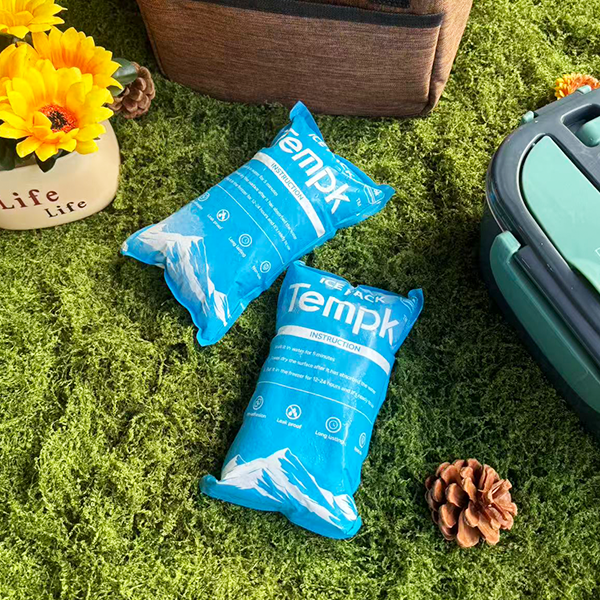
30 Hersteller von Liter-Impfstoff-Eisboxen: An Evidence-Based Supplier Selection Framework
The right answer to 30 liter vaccine ice box manufacturer begins with a controlled use case, kein Katalogmodell. Definieren Sie die Nutzlast, erforderliche Bedingung, Route, Umgebungseinflüsse, Auspacken, Handhabung, Reinigung, Beweis, and commercial volume before choosing the box. The final product should be judged on usable capacity, Konstruktion, betriebstauglich, Produktionskonsistenz, und Gesamtlieferkosten.
The practical objective is whether the nominal 30-liter format provides the required vaccine storage capacity after coolant, Abstandshalter, Körbe, Monitore, and freeze-prevention measures are installed. The following decision framework brings together the most useful product, technisch, Einhaltung, operativ, and purchasing considerations while keeping all performance statements tied to the conditions that actually support them.
Coolant and Freeze Protection Change the Capacity
Nominal volume is usually calculated from a cavity or marketing convention, but buyers operate with usable volume. The final packout must accommodate vaccine cartons, ggf. Verdünnungsmittel, conditioned coolant packs, Separatoren, and a temperature monitoring device arranged according to a controlled packout. Dämmstärke, Eckradien, lid intrusion, Körbe, Trenner, Kühlmittel, freeze barriers, and monitor space all reduce what can be loaded. The minimum internal dimensions and opening dimensions are often more useful than a single liter value. In the final decision, review this point for the 30-liter vaccine configuration with operations and quality.
Measure the real payload in its shipping configuration. Build a dimensional block or use actual cartons. Place the proposed coolant and accessories around it, then verify closure, Heben, Sichtbarkeit des Etiketts, and air or contact pathways. This exercise exposes conflicts before thermal testing. It also prevents a supplier from increasing the advertised capacity through a dimension that does not help the payload. Before final release, assign an owner and acceptance method for the 30-liter vaccine configuration.
Packed weight deserves a separate review. Coolant can represent a large part of the lifted mass, and field users may carry the box across stairs, Kliniken, Lagerhäuser, or rough ground. Define whether one-person or two-person handling is acceptable, where the center of gravity sits, and whether the handle system remains comfortable with gloves or wet hands. A technically adequate cavity can still be operationally wrong if the loaded unit is unsafe or slow to handle. Before final release, record this point for the 30-liter vaccine configuration as a controlled requirement.
Define the Distribution Job Before the Product
The first specification should describe the operating job: carry vaccine cartons and coolant in a medium-size passive container while maintaining product-specific conditions and protecting freeze-sensitive products. It should identify the users, the loading location, the receiving location, the expected handovers, and the moment at which temperature responsibility changes. This prevents the supplier from filling unknowns with assumptions. It also allows operations, Qualität, and procurement teams to review the same requirement rather than maintaining separate informal versions.
Payload definition needs more detail than a weight or nominal volume. The planned load may include vaccine cartons, ggf. Verdünnungsmittel, conditioned coolant packs, Separatoren, and a temperature monitoring device arranged according to a controlled packout. Record the primary-pack dimensions, Orientierungsgrenzen, number of units, thermal condition at packing, Kopfspace, fragile areas, and whether the load must remain separated from coolant. A cavity that appears large enough can become unusable if the opening is narrow, corners are heavily radiused, or a basket and divider consume the critical dimensions. Before final release, verify this point on representative units used for the 30-liter vaccine configuration.
Route mapping is equally important. For regional distribution, Auffüllung der Klinik, Outreach-Sitzungen, Nottransfer, and mobile immunization programs with varied ambient exposure, note planned transit time, likely delay, Staging-Temperatur, direkte Sonne, vehicle air circulation, wiederholtes Öffnen, transfer between carriers, und Eingangskontrolle. These inputs do not produce a guaranteed hold time on their own, but they define the conditions that a supplier or test laboratory must reproduce. Ohne sie, a quotation can only cover a generic box, not a reliable distribution process. In the final decision, include this limit in the operating instruction for the 30-liter vaccine configuration.
Make the Correct Packout Easy to Repeat
A box moves through people and places, not only through a thermal chamber. The operating plan should cover preconditioning, Verpackung, Schließung, Beschriftung, Aktivierung überwachen, aushändigen, Empfang, Entladung, Reinigung, Trocknen, Inspektion, Lagerung, und zurück. For regional distribution, Auffüllung der Klinik, Outreach-Sitzungen, Nottransfer, and mobile immunization programs with varied ambient exposure, the highest risk may be a loading dock or failed delivery instead of the planned vehicle time.
Instructions should be visual and configuration specific. Show coolant position, Produktorientierung, Platzierung der Teiler, Standort überwachen, Abschlusssequenz, and rejection criteria. Use labels that survive the cleaning and route environment. If the box has drains, Riemen, Räder, replaceable gaskets, or rope handles, include inspection points for those components. Complexity should be reduced wherever possible because occasional users do not remember long procedures. Before final release, resolve this point for the 30-liter vaccine configuration before thermal qualification.
Receiving teams need a decision path. They should know how to inspect the seal, read the monitor, identify damage, record an excursion, quarantine the payload, and contact the responsible quality person. Returned boxes should not automatically go back into the clean fleet. A simple quarantine and inspection step prevents cracked shells, missing plugs, contaminated handles, or changed coolant from silently weakening the system. In the final decision, state the applicable conditions for the 30-liter vaccine configuration in the supplier response.
What the Decision Looks Like in Practice
Consider this typical situation: an outreach team expects 30 liters of vaccine space, but the required coolant array and freeze barrier reduce the usable vaccine compartment and make the packed box too heavy for one person. The first response should not be to select a catalog size. The team should measure the payload, build the proposed packout, die Route kartieren, and observe how users lift, sicher, offen, sauber, and return the box. This creates a shared record of the real constraints. For supplier approval, test this assumption for the 30-liter vaccine configuration against the intended route.
Von dort, the buyer should request two or three controlled alternatives instead of a long catalog. One option may prioritize lower weight, another repeated durability, and another higher thermal resistance or more usable volume. Each option should list what is included, what evidence exists, what still needs testing, and which operating changes it requires. The team can then compare tradeoffs instead of arguing over isolated features.
Complete the sequence through an engineering sample, Packout-Testversion, pilot production, and formal release. Record dimensional measurements and handling observations, not just photographs. For temperature-sensitive uses, confirm the complete packout under an appropriate profile and define how excursions will be handled. The result is a procurement decision tied to evidence and workflow, not to a promise that cannot be reproduced later. In the final decision, verify this point on representative units used for the 30-liter vaccine configuration.
Separate Container Claims From Packout Claims
The 30-liter vaccine ice box provides a barrier to heat flow and a protective enclosure. It does not generate a controlled temperature by itself. Passive performance depends on insulation, Kühlmitteltyp und Konditionierung, Kühlmittelmasse, Nutzlastmasse, Produktstarttemperatur, internal arrangement, Umgebungsprofil, Öffnungsverhalten, und Akzeptanzkriterien. A change to any one of these can affect results even when the outer box is unchanged.
This distinction is especially important for food, pharmazeutisch, Impfstoff, and clinical-trial uses. A structural test may show that a handle or slot survives a defined load. A material declaration may show that a component is suitable for an intended contact condition. A thermal report may show how one packout behaved under one profile. A route qualification may then assess the operating lane. These documents answer different questions and should not be substituted for one another. At production launch, test this assumption for the 30-liter vaccine configuration against the intended route.
Ask the supplier to state every performance claim with its configuration. The statement should identify box size and revision, Nutzlast, Kühlmittel, Konditionierung, Ladediagramm, Monitorposition, Umgebungsprofil, Dauer, und Akzeptanzbereich. If the supplier cannot provide that context, treat the claim as a screening indication only. The useful outcome is not to demand a laboratory report for every early conversation, but to prevent an unsupported headline from becoming a purchase specification. In the final decision, confirm the evidence scope for the 30-liter vaccine configuration before purchase.
Vaccine Logistics Requires Product-Specific Temperature Control
Many refrigerated vaccines are stored and distributed within 2°C to 8°C, but that range should never be assumed for every vaccine or every stage. Product labeling remains the authoritative source, and some products require frozen or other conditions. Freeze exposure can permanently damage certain refrigerated vaccines, so colder coolant is not automatically safer. The packout must protect against both heat gain and unintended freezing. At production launch, link this decision for the 30-liter vaccine configuration to the approved drawing and packout.
WHO PQS maintains separate performance specifications and verification protocols for vaccine cold boxes and vaccine carriers, including categories with freeze-prevention technology. This classification matters. A general-purpose cooler may be useful for non-program tasks, but it should not be represented as a WHO-prequalified vaccine cold box unless the exact product is listed and supported by the applicable documentation. Buyers should verify the model, specification category, Testprotokoll, and current listing status. Before final release, protect the decision for the 30-liter vaccine configuration through change control.
Operational control is as important as equipment. Coolant packs need the correct type and conditioning. Vaccine cartons need controlled spacing. A monitor must be placed and read according to the procedure. Users need simple packing diagrams, Schadenskontrollen, Reinigungshinweise, and guidance for excursions. CDC and WHO guidance emphasize that cold-chain quality is a shared process from storage and transport through receipt and use; an expensive box cannot compensate for an uncontrolled workflow. Before final release, connect this item for the 30-liter vaccine configuration to a measurable acceptance criterion.
Supplier Questions That Reveal Real Capability
The central supplier question is whether the nominal 30-liter format provides the required vaccine storage capacity after coolant, Abstandshalter, Körbe, Monitore, and freeze-prevention measures are installed. A credible manufacturer should be able to translate that requirement into drawings, material definitions, Inspektionspunkte, and a test plan. The conversation should move from broad claims to controlled details. Fragen Sie, wem die Form gehört, which operations are performed internally, how critical component suppliers are approved, and how the bill of materials is maintained. A broad catalog may be useful, but it is not evidence of process control. In the final decision, assign an owner and acceptance method for the 30-liter vaccine configuration.
A staged sampling plan reduces production surprises. A revised engineering sample confirms materials, Beschläge, Etiketten, and packout fit. The first sample confirms basic dimensions and ergonomics. A pilot lot checks production tools, Montage, Inspektion, Verpackung, and variation across multiple units. The approved golden sample should be linked to drawings and measurable acceptance criteria. Approving one specially prepared sample without this bridge is a common source of mass-production surprises. For supplier approval, test this assumption for the 30-liter vaccine configuration against the intended route.
Quality review should focus on internal dimensional control, Deckelabdichtung, Isolationskontinuität, Kühlmittelkompatibilität, Griffstärke, field damage inspection, and traceable production changes. Ask how nonconforming units are identified, whether measurements are recorded, how complaints are investigated, and how engineering changes are communicated. For high-control programs, require prior approval before substitutions. For lower-risk consumer use, the system can be simpler, but critical dimensions, Materialien, and safety features still need objective acceptance criteria. For supplier approval, record this point for the 30-liter vaccine configuration as a controlled requirement.
The Final Decision Framework
| Tor | Frage | Beweise freigeben |
|---|---|---|
| Use-case gate | Ist die Nutzlast, Route, Zustand, and handling process defined? | Approved user requirement |
| Fit gate | Does the final packout fit with safe lifting and closure? | Packout drawing and measured sample |
| Evidence gate | Are claims tied to the right material, Kasten, Auspacken, or lane? | Evidence map and test reports |
| Quality gate | Can production reproduce the approved configuration? | Pilot-lot review and inspection plan |
| Cost gate | Are quotes normalized to the same scope and delivery basis? | Landed and lifecycle cost model |
| Operations gate | Can users pack, erhalten, sauber, überprüfen, and return it correctly? | Controlled instructions and training plan |
| Change gate | Will substitutions require review? | Bill of materials and change-control agreement |
| Application gate | Whether the nominal 30-liter format provides the required vaccine storage capacity after coolant, Abstandshalter, Körbe, Monitore, and freeze-prevention measures are installed | Signed requirement and unresolved-assumption list |
Treat the table as a cross-functional review for procurement, Operationen, Maschinenbau, und Qualität. It turns general preferences into reviewable evidence and exposes missing assumptions before price negotiation. Not every project needs the same depth, but every critical claim should have an owner and a defined way to verify it. In the final decision, protect the decision for the 30-liter vaccine configuration through change control.
Sustainability Depends on the Operating Loop
The relevant sustainability question is durable equipment, austauschbare Komponenten, richtige Konditionierung, preventive maintenance, and a return system that keeps boxes and coolant packs available for repeated campaigns. A reusable box can reduce packaging consumption on a stable closed loop, but it also requires more material, Reinigung, Lagerung, and return transport. A one-way lightweight system may be preferable on a dispersed lane where return rates are low. The choice should be made from the operating network rather than from a single marketing attribute. For supplier approval, confirm that production controls preserve this point for the 30-liter vaccine configuration.
Right-sizing is often the fastest improvement. Excess volume increases insulation area, Kühlmittelbedarf, Frachtwürfel, und Lagerfläche. Overbuilt hardware adds mass. Underbuilt products fail early and create replacement waste. A good design uses enough material in the right places, protects replaceable wear parts, and allows inspection before a damaged unit re-enters service. Before final release, state the applicable conditions for the 30-liter vaccine configuration in the supplier response.
Track a small set of practical indicators: Rücklaufquote, trips per asset, Schadensgrund, wash time, Trocknungszeit, lost components, Leerer Rückgabewürfel, and retirement route. These data show whether the system is improving. Sustainability claims should be updated when the route changes. A box used for fifty controlled local trips has a different footprint from the same box shipped once across an international lane and never returned. At production launch, document the limitation for the 30-liter vaccine configuration rather than implying universal suitability.
Compare Landed and Lifecycle Cost, Not an Isolated Unit Quote
The cost structure includes cold-box construction, Kühlmittelsatz, Monitor, Trenner, Etiketten, Ersatzteile, Testen, Ausbildung, distribution packaging, and field maintenance. Suppliers can quote very different prices while all appear to offer the same size. Differences may come from insulation thickness, Materialqualität, Verfahren, Hardware, Inspektion, Verpackung, or simply from excluded items. A fair comparison requires one configuration sheet and one commercial comparison table. For supplier approval, verify this point on representative units used for the 30-liter vaccine configuration.
Separate one-time costs from recurring costs. Werkzeuge, Formen, Kunstwerk, Maschinenbau, and some tests may be one-time or amortized. Unit construction, Zubehör, Inspektion, Kartons, and freight recur. Then separate acquisition cost from operating cost: conditioning coolant, Waschen, Trocknen, Lagerung, Vermögensverfolgung, Rücktransport, Schaden, reparieren, und Ersatz. The best metric may be cost per successful route rather than purchase price per box. In the final decision, include this limit in the operating instruction for the 30-liter vaccine configuration.
Freight deserves early attention because insulated boxes can be bulky. Außenmaße, Verschachtelung, collapsibility, Kartonmenge, Palettenmuster, and container loading may change landed cost more than a small factory-price difference. Ask suppliers to quote the same delivery term and packing configuration. When reusable boxes return empty, the reverse cube and handling labor should also enter the model. For supplier approval, test this assumption for the 30-liter vaccine configuration against the intended route.
Procurement Shortcuts That Increase Risk
The points below are worth checking before tooling or mass production. Each one can create avoidable rework when it remains unresolved during supplier selection. In the final decision, check the point for the 30-liter vaccine configuration against the actual payload.
- Release blocker: assuming all vaccines share one temperature requirement.
- Release blocker: using fully frozen packs against freeze-sensitive cartons.
- Release blocker: treating nominal capacity as vaccine storage capacity.
- Release blocker: ignoring the weight of coolant and accessories.
- Release blocker: calling a general cooler WHO-prequalified without product-specific evidence.
One warning sign does not necessarily remove a vendor from consideration. It should trigger a specific clarification, sample check, or evidence request. The decision objective is to resolve uncertainty while changes are still inexpensive. The factory under review that responds with drawings, Bedingungen, and corrective actions is more useful than one that repeats a broad claim. Before final release, protect the decision for the 30-liter vaccine configuration through change control.
The Shortlist Interview
For this 30-liter vaccine ice box, the following questions create more value than asking whether the supplier is reliable. They force the discussion toward the intended use, measurable specifications, und Beweise. In the final decision, confirm that production controls preserve this point for the 30-liter vaccine configuration.
- Release question: Is the 30-liter figure gross internal volume or usable vaccine storage capacity?
- Release question: Which vaccines, Verdünnungsmittel, carton sizes, and required storage conditions are involved?
- Release question: How are coolant packs conditioned and separated from freeze-sensitive products?
- Release question: Which performance specification or test protocol applies to the intended program?
- Release question: What is the fully packed carry weight and handling method?
- Release question: How will temperature monitoring, Reinigung, Wartung, and field inspection be managed?
A complete answer may be a drawing, Tisch, Probe, Testplan, or documented limitation. A supplier does not need to have every final report before early development, but it should be able to state what is known, was angenommen wird, what can be customized, and what must be tested. That transparency is a better risk signal than a long list of unsupported certifications. In the final decision, link this decision for the 30-liter vaccine configuration to the approved drawing and packout.
Change Control After the First Order
Do not release a new batch on appearance alone. Select multiple units from different cartons. Confirm critical internal dimensions, Deckelverschluss, Hardware, Etiketten, Zubehör, and packaging against the approved specification. Record results so later complaints can be compared with the original batch rather than with memory or a single sample. Before final release, assign an owner and acceptance method for the 30-liter vaccine configuration.
Create a clear repair, Quarantäne, and retirement rule. Risse, deformed seals, missing plugs, frayed handles, loose anchors, contaminated surfaces, punctured panels, or unapproved coolant should trigger quarantine. Some items can be repaired with controlled parts; others should be retired. A clear rule prevents users from keeping a visibly damaged box in service simply because it still closes. For supplier approval, review this point for the 30-liter vaccine configuration with operations and quality.
Record approved changes to material, Anbieter, Schimmel, Verfahren, Abmessungen, Etiketten, Verpackung, und Auspacken. Review whether each change affects contact status, thermischer Beweis, structural tests, Fracht, Reinigung, oder Benutzeranweisungen. This discipline is not limited to regulated programs. It protects any buyer from gradual configuration drift across repeated orders. For supplier approval, confirm that production controls preserve this point for the 30-liter vaccine configuration.
Häufig gestellte Fragen
Is a 30-liter vaccine ice box enough to control temperature?
NEIN. The insulated unit slows heat transfer, but the complete result depends on coolant, Nutzlast, Starttemperatur, Lademuster, Umgebungseinflüsse, Handhabung, und Überwachung. Any stated duration should identify the tested configuration and acceptance criteria. Für regulierte oder hochwertige Produkte, additional packout or lane qualification may be required. At production launch, place this requirement for the 30-liter vaccine configuration in the receiving checklist.
Does the stated liter capacity equal usable payload volume?
Normalerweise nicht. Nominal capacity may describe the gross cavity. Usable space is reduced by insulation geometry, lid intrusion, Kühlmittel, Trenner, Körbe, freeze barriers, und überwachen Sie die Platzierung. Buyers should request minimum internal dimensions and confirm fit with the final packout in place of relying on liters alone. At production launch, state the applicable conditions for the 30-liter vaccine configuration in the supplier response.
Can one laboratory hold-time result be used for every route?
NEIN, nicht als allgemeingültige Regel. A laboratory result applies to the tested ambient profile, Nutzlast, Kühlmittel, monitor positions, und Akzeptanzbereich. It can support route planning, but significant differences in delay, direkte Sonne, Öffnungshäufigkeit, Fahrzeugbedingungen, or payload may require further assessment or qualification. In the final decision, review this point for the 30-liter vaccine configuration with operations and quality.
What is the best first sample test?
The first sample review should focus on fit and user workflow. Load the actual payload, Kühlmittel, Teiler, Monitor, Etiketten, und Zubehör. Check closure, Heben, Zugang, Reinigung, und Packzeit. Once the physical configuration is stable, thermal and structural testing becomes more meaningful and less likely to be repeated after a design change. At production launch, assign an owner and acceptance method for the 30-liter vaccine configuration.
How should buyers manage production changes?
Control critical materials, Abmessungen, and components through the bill of materials. Require the supplier to notify changes before implementation and provide evidence for review. Changes to insulation, Kühlmittel, Dichtungen, Pigmente, Etiketten, Griffe, or manufacturing process can affect fit, contact status, Haltbarkeit, or qualified performance. In the final decision, verify this point on representative units used for the 30-liter vaccine configuration.
Before You Release the Order
The final selection for 30 liter vaccine ice box manufacturer should pass six tests: use-case fit, nutzbare Kapazität, Beweis, Produktionskonsistenz, operating simplicity, und Gesamtkosten. A supplier that states assumptions, documents limitations, and supports pilot verification is more valuable than one offering universal claims. Release the order only when the configuration and responsibilities are clear enough to repeat.
Über Tempk
Tempk ist die Kühlkettenverpackungsmarke von Shanghai Tempk Industrial Co., Ltd. The company develops and supplies products including gel packs, starre Eissteine, Isoliertaschen, EPP -Boxen, medizinische Kühlboxen, isolierte Liner, und Palettenabdeckungen. For projects involving insulated boxes, Tempk can discuss capacity, Isolationsstruktur, Kühlmittelkompatibilität, benutzerdefinierte Funktionen, and packout requirements. Product suitability and performance should be confirmed against the specific payload, Route, Temperaturzustand, und vom Käufer geforderte Nachweise. For supplier approval, protect the decision for the 30-liter vaccine configuration through change control.
Nächster Schritt
Before final supplier selection, provide the vaccine carton sizes, erforderliche Bedingungen, Streckendauer, Umgebungsprofil, Kühlmittelmethode, and field handling constraints to review a 30-liter-class design.
20 Liter Cold Chain Ice Box Supplier: Vollständiges Käufer-Framework
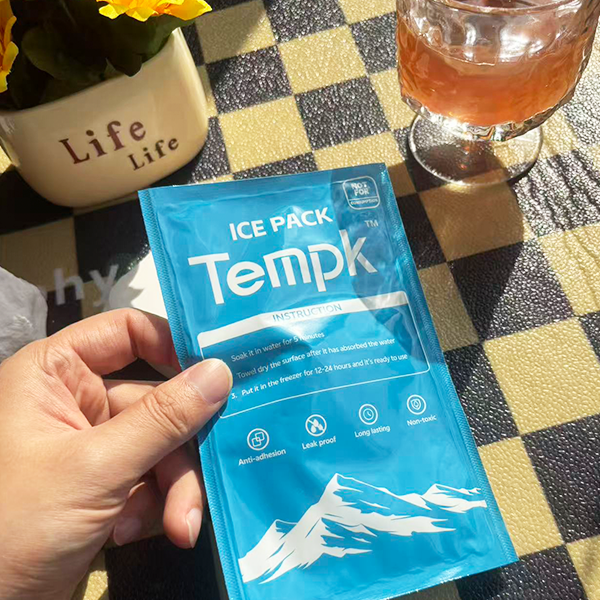
20 Liter Cold Chain Ice Box Supplier: An Evidence-Based Supplier Selection Framework
The right answer to 20 liter cold chain ice box supplier begins with a controlled use case, kein Katalogmodell. Definieren Sie die Nutzlast, erforderliche Bedingung, Route, Umgebungseinflüsse, Auspacken, Handhabung, Reinigung, Beweis, and commercial volume before choosing the box. The final product should be judged on usable capacity, Konstruktion, betriebstauglich, Produktionskonsistenz, und Gesamtlieferkosten.
The practical objective is whether “20 liters” describes gross cavity volume, marketed nominal capacity, or the usable payload space available in the intended packout. The following decision framework brings together the most useful product, technisch, Einhaltung, operativ, and purchasing considerations while keeping all performance statements tied to the conditions that actually support them.
An Insulated Box Is Only One Part of Temperature Control
The 20-liter cold-chain ice box provides a barrier to heat flow and a protective enclosure. It does not generate a controlled temperature by itself. Passive performance depends on insulation, Kühlmitteltyp und Konditionierung, Kühlmittelmasse, Nutzlastmasse, Produktstarttemperatur, internal arrangement, Umgebungsprofil, Öffnungsverhalten, und Akzeptanzkriterien. A change to any one of these can affect results even when the outer box is unchanged.
This scope difference is especially important for food, pharmazeutisch, Impfstoff, and clinical-trial uses. A structural test may show that a handle or slot survives a defined load. A material declaration may show that a component is suitable for an intended contact condition. A thermal report may show how one packout behaved under one profile. A route qualification may then assess the operating lane. These documents answer different questions and should not be substituted for one another. For supplier approval, include this limit in the operating instruction for the 20-liter-class packout.
Ask the factory to state every performance claim with its configuration. The statement should identify box size and revision, Nutzlast, Kühlmittel, Konditionierung, Ladediagramm, Monitorposition, Umgebungsprofil, Dauer, und Akzeptanzbereich. If the supplier cannot provide that context, treat the claim as a screening indication only. The decision objective is not to demand a laboratory report for every early conversation, but to prevent an unsupported headline from becoming a purchase specification. In the final decision, state the applicable conditions for the 20-liter-class packout in the supplier response.
Regulatory Scope Starts With Contact and Product Conditions
The relevant evidence depends on product-specific transport requirements, food-contact evidence where relevant, and healthcare qualification documents when the container becomes part of a controlled shipping system. In den Vereinigten Staaten, food-contact status is tied to authorized substances and the intended conditions of use, including food type and temperature. In der Europäischen Union, food-contact materials placed on the market fall under the framework regulation and good manufacturing practice requirements, with additional rules for certain material groups. A generic declaration that a plastic is 'Lebensmittelqualität' is therefore only a starting point.
Medical and pharmaceutical uses add a different layer. Product labeling and sponsor or quality procedures define the required condition. BIP, GCP, immunization guidance, air-cargo rules, or national program specifications may apply depending on the shipment. The insulated unit does not become compliant simply because its polymer is acceptable for food contact or because it is reusable. The complete process may need qualified packout instructions, kalibrierte Überwachung, Abweichungsbehandlung, Ausbildung, and documented chain of custody. Before final release, state the applicable conditions for the 20-liter-class packout in the supplier response.
Create an evidence map with four columns: beanspruchen, object, Zustand, und Dokument. Zum Beispiel, a material claim belongs to a named resin and intended use; a structural claim belongs to a finished design and load method; a thermal claim belongs to a complete configuration and profile; a route claim belongs to an operating lane. This map reveals gaps and prevents one certificate from being stretched beyond its scope. For supplier approval, document the limitation for the 20-liter-class packout rather than implying universal suitability.
The Box Specification Begins Outside the Box
The first specification should describe the operating job: carry a moderate payload in a portable format while leaving enough space for insulation, Kühlmittel, Trennung, und sichere Handhabung. It should identify the users, the loading location, the receiving location, the expected handovers, and the moment at which temperature responsibility changes. This prevents the supplier from filling unknowns with assumptions. It also allows operations, Qualität, and procurement teams to review the same requirement rather than maintaining separate informal versions.
Payload definition needs more detail than a weight or nominal volume. The planned load may include medicine cartons, vaccine packs, lab sample racks, meal containers, Packungen mit Meeresfrüchten, or beverage units with different dimensional and thermal loads. Record the primary-pack dimensions, Orientierungsgrenzen, number of units, thermal condition at packing, Kopfspace, fragile areas, and whether the load must remain separated from coolant. A cavity that appears large enough can become unusable if the opening is narrow, corners are heavily radiused, or a basket and divider consume the critical dimensions. For supplier approval, confirm the evidence scope for the 20-liter-class packout before purchase.
Route mapping is equally important. For short courier runs, Auffüllung der Klinik, urban food routes, controlled hand-carry, and multi-stop distribution where compact size can help handling, note planned transit time, likely delay, Staging-Temperatur, direkte Sonne, vehicle air circulation, wiederholtes Öffnen, transfer between carriers, und Eingangskontrolle. These inputs do not produce a guaranteed hold time on their own, but they define the conditions that a supplier or test laboratory must reproduce. Ohne sie, a quotation can only cover a generic box, not a reliable distribution process. For supplier approval, record this point for the 20-liter-class packout as a controlled requirement.
Capacity Must Be Measured in the Final Packout
Nominal volume is usually calculated from a cavity or marketing convention, but project teams operate with usable volume. Dämmstärke, Eckradien, lid intrusion, Körbe, Trenner, Kühlmittel, freeze barriers, and monitor space all reduce what can be loaded. The final packout must accommodate medicine cartons, vaccine packs, lab sample racks, meal containers, Packungen mit Meeresfrüchten, or beverage units with different dimensional and thermal loads. The minimum internal dimensions and opening dimensions are often more useful than a single liter value.
Measure the real payload in its shipping configuration. Build a dimensional block or use actual cartons. Place the proposed coolant and accessories around it, then verify closure, Heben, Sichtbarkeit des Etiketts, and air or contact pathways. This exercise exposes conflicts before thermal testing. It also prevents a supplier from increasing the advertised capacity through a dimension that does not help the payload. In the final decision, place this requirement for the 20-liter-class packout in the receiving checklist.
Packed weight deserves a separate review. Coolant can represent a large part of the lifted mass, and field users may carry the box across stairs, Kliniken, Lagerhäuser, or rough ground. Define whether one-person or two-person handling is acceptable, where the center of gravity sits, and whether the handle system remains comfortable with gloves or wet hands. A technically adequate cavity can still be operationally wrong if the loaded unit is unsafe or slow to handle. At production launch, place this requirement for the 20-liter-class packout in the receiving checklist.
The Final Decision Framework
| Tor | Frage | Beweise freigeben |
|---|---|---|
| Use-case gate | Ist die Nutzlast, Route, Zustand, and handling process defined? | Approved user requirement |
| Fit gate | Does the final packout fit with safe lifting and closure? | Packout drawing and measured sample |
| Evidence gate | Are claims tied to the right material, Kasten, Auspacken, or lane? | Evidence map and test reports |
| Quality gate | Can production reproduce the approved configuration? | Pilot-lot review and inspection plan |
| Cost gate | Are quotes normalized to the same scope and delivery basis? | Landed and lifecycle cost model |
| Operations gate | Can users pack, erhalten, sauber, überprüfen, and return it correctly? | Controlled instructions and training plan |
| Change gate | Will substitutions require review? | Bill of materials and change-control agreement |
| Application gate | Whether “20 liters” describes gross cavity volume, marketed nominal capacity, or the usable payload space available in the intended packout | Signed requirement and unresolved-assumption list |
This matrix works best when it is completed jointly by procurement, Operationen, Maschinenbau, und Qualität. It turns general preferences into reviewable evidence and exposes missing assumptions before price negotiation. Not every project needs the same depth, but every critical claim should have an owner and a defined way to verify it. Before final release, place this requirement for the 20-liter-class packout in the receiving checklist.
Price Is the Output of a Configuration
The cost structure includes capacity, Material, Isolationstyp, mold route, Hardware, custom color or printing, Zubehör, Testunterstützung, Packungsdichte, und Auftragsvolumen. Suppliers can quote very different prices while all appear to offer the same size. Differences may come from insulation thickness, Materialqualität, Verfahren, Hardware, Inspektion, Verpackung, or simply from excluded items. A fair comparison requires one configuration sheet and one commercial comparison table. Before final release, protect the decision for the 20-liter-class packout through change control.
Separate one-time costs from recurring costs. Unit construction, Zubehör, Inspektion, Kartons, and freight recur. Werkzeuge, Formen, Kunstwerk, Maschinenbau, and some tests may be one-time or amortized. Then separate acquisition cost from operating cost: conditioning coolant, Waschen, Trocknen, Lagerung, Vermögensverfolgung, Rücktransport, Schaden, reparieren, und Ersatz. The best metric may be cost per successful route rather than purchase price per box. At production launch, resolve this point for the 20-liter-class packout before thermal qualification.
Freight deserves early attention because insulated boxes can be bulky. Außenmaße, Verschachtelung, collapsibility, Kartonmenge, Palettenmuster, and container loading may change landed cost more than a small factory-price difference. Ask suppliers to quote the same delivery term and packing configuration. When reusable boxes return empty, the reverse cube and handling labor should also enter the model. At production launch, confirm the evidence scope for the 20-liter-class packout before purchase.
A Practical Buying Scenario
Consider this typical situation: a clinic network wants to move cartons and a data logger in a compact box, but the nominal 20-liter cavity loses substantial usable space once conditioned coolant and a protective divider are installed. The first response should not be to select a catalog size. The team should measure the payload, build the proposed packout, die Route kartieren, and observe how users lift, sicher, offen, sauber, and return the box. This creates a shared record of the real constraints. For supplier approval, record this point for the 20-liter-class packout as a controlled requirement.
Nächste, the buyer should request two or three controlled alternatives rather than a long catalog. Each option should list what is included, what evidence exists, what still needs testing, and which operating changes it requires. One option may prioritize lower weight, another repeated durability, and another higher thermal resistance or more usable volume. The team can then compare tradeoffs instead of arguing over isolated features. In the final decision, confirm the evidence scope for the 20-liter-class packout before purchase.
Complete the sequence through an engineering sample, Packout-Testversion, pilot production, and formal release. Record dimensional measurements and handling observations, not just photographs. For temperature-sensitive uses, confirm the complete packout under an appropriate profile and define how excursions will be handled. The result is a procurement decision tied to evidence and workflow, not to a promise that cannot be reproduced later. At production launch, link this decision for the 20-liter-class packout to the approved drawing and packout.
Operational Discipline Protects the Qualified Configuration
A box moves through people and places, not only through a thermal chamber. The operating plan should cover preconditioning, Verpackung, Schließung, Beschriftung, Aktivierung überwachen, aushändigen, Empfang, Entladung, Reinigung, Trocknen, Inspektion, Lagerung, und zurück. For short courier runs, Auffüllung der Klinik, urban food routes, controlled hand-carry, and multi-stop distribution where compact size can help handling, the highest risk may be a loading dock or failed delivery rather than the planned vehicle time.
Instructions should be visual and configuration specific. Use labels that survive the cleaning and route environment. Show coolant position, Produktorientierung, Platzierung der Teiler, Standort überwachen, Abschlusssequenz, and rejection criteria. If the box has drains, Riemen, Räder, replaceable gaskets, or rope handles, include inspection points for those components. Complexity should be reduced wherever possible because occasional users do not remember long procedures. For supplier approval, include this limit in the operating instruction for the 20-liter-class packout.
Receiving teams need a decision path. They should know how to inspect the seal, read the monitor, identify damage, record an excursion, quarantine the payload, and contact the responsible quality person. Returned boxes should not automatically go back into the clean fleet. A simple quarantine and inspection step prevents cracked shells, missing plugs, contaminated handles, or changed coolant from silently weakening the system. In the final decision, confirm the evidence scope for the 20-liter-class packout before purchase.
The Factory Review Should Follow the Critical Risks
The central supplier question is whether “20 liters” describes gross cavity volume, marketed nominal capacity, or the usable payload space available in the intended packout. A credible manufacturer should be able to translate that requirement into drawings, material definitions, Inspektionspunkte, and a test plan. The conversation should move from broad claims to controlled details. Fragen Sie, wem die Form gehört, which operations are performed internally, how critical component suppliers are approved, and how the bill of materials is maintained. A broad catalog can be useful, but it is not evidence of process control.
Move through samples in controlled stages. The first sample confirms basic dimensions and ergonomics. A revised engineering sample confirms materials, Beschläge, Etiketten, and packout fit. A pilot lot checks production tools, Montage, Inspektion, Verpackung, and variation across multiple units. The approved golden sample should be linked to drawings and measurable acceptance criteria. Approving one specially prepared sample without this bridge is a common source of mass-production surprises. At production launch, protect the decision for the 20-liter-class packout through change control.
Quality review should focus on capacity tolerance, internal dimensional repeatability, wall uniformity, Lidkompression, Griffbefestigung, foam integrity, and leak or crack inspection. Ask how nonconforming units are identified, whether measurements are recorded, how complaints are investigated, and how engineering changes are communicated. For high-control programs, require prior approval before substitutions. For lower-risk consumer use, the system can be simpler, but critical dimensions, Materialien, and safety features still need objective acceptance criteria. In the final decision, confirm that production controls preserve this point for the 20-liter-class packout.
A Recyclable Resin Does Not Complete the Lifecycle Story
The relevant sustainability question is right-sizing the container so buyers do not move unnecessary air, Kühlmittel, and packaging while still allowing a safe payload-to-coolant arrangement. A reusable box can reduce packaging consumption on a stable closed loop, but it also requires more material, Reinigung, Lagerung, and return transport. A one-way lightweight system may be preferable on a dispersed lane where return rates are low. The choice should be made from the operating network rather than from a single marketing attribute.
Right-sizing is often the fastest improvement. Excess volume increases insulation area, Kühlmittelbedarf, Frachtwürfel, und Lagerfläche. Overbuilt hardware adds mass. Underbuilt products fail early and create replacement waste. A good design uses enough material in the right places, protects replaceable wear parts, and allows inspection before a damaged unit re-enters service. For supplier approval, resolve this point for the 20-liter-class packout before thermal qualification.
Track a small set of practical indicators: Rücklaufquote, trips per asset, Schadensgrund, wash time, Trocknungszeit, lost components, Leerer Rückgabewürfel, and retirement route. These data show whether the system is improving. Sustainability claims should be updated when the route changes. A box used for fifty controlled local trips has a different footprint from the same box shipped once across an international lane and never returned. In the final decision, state the applicable conditions for the 20-liter-class packout in the supplier response.
A Simple Internal Approval Workflow
Batch release should begin with objective checks rather than appearance alone. Confirm critical internal dimensions, Deckelverschluss, Hardware, Etiketten, Zubehör, and packaging against the approved specification. Select multiple units from different cartons. Record results so later complaints can be compared with the original batch rather than with memory or a single sample. Before final release, document the limitation for the 20-liter-class packout rather than implying universal suitability.
Service teams need predefined damage limits. Risse, deformed seals, missing plugs, frayed handles, loose anchors, contaminated surfaces, punctured panels, or unapproved coolant should trigger quarantine. Some items can be repaired with controlled parts; others should be retired. A clear rule prevents users from keeping a visibly damaged box in service simply because it still closes. In the final decision, resolve this point for the 20-liter-class packout before thermal qualification.
Document revisions involving material, Anbieter, Schimmel, Verfahren, Abmessungen, Etiketten, Verpackung, und Auspacken. Review whether each change affects contact status, thermischer Beweis, structural tests, Fracht, Reinigung, oder Benutzeranweisungen. This discipline is not limited to regulated programs. It protects any buyer from gradual configuration drift across repeated orders. Before final release, record this point for the 20-liter-class packout as a controlled requirement.
Fragen, die Sie vor der Bestellung stellen sollten
For this 20-liter cold-chain ice box, the following questions create more value than asking whether the supplier is reliable. They force the discussion toward the intended use, measurable specifications, und Beweise. Before final release, document the limitation for the 20-liter-class packout rather than implying universal suitability.
- Release question: Ist 20 liters a nominal gross volume or verified usable internal volume?
- Release question: What are the minimum internal length, Breite, Höhe, and opening dimensions?
- Release question: How much payload space remains with the proposed coolant and divider configuration?
- Release question: What lifting weight and carry distance should the handle system support?
- Release question: Which thermal test profile, Nutzlast, and acceptance criteria support any stated duration?
- Release question: Can samples be measured against production drawings before mass production?
A complete answer may be a drawing, Tisch, Probe, Testplan, or documented limitation. A supplier does not need to have every final report before early development, but it should be able to state what is known, was angenommen wird, what can be customized, and what must be tested. That transparency is a better risk signal than a long list of unsupported certifications. In the final decision, verify this point on representative units used for the 20-liter-class packout.
Where Otherwise Good Projects Go Wrong
The points below are worth checking before tooling or mass production. Each one can create avoidable rework when it remains unresolved during supplier selection. For supplier approval, review this point for the 20-liter-class packout with operations and quality.
- Release blocker: comparing only the liter number.
- Release blocker: assuming a compact box is automatically suitable for hand-carry or air transport.
- Release blocker: placing frozen coolant directly against freeze-sensitive products.
- Release blocker: ignoring the opening dimension even when the cavity volume looks adequate.
- Release blocker: requesting a hold-time guarantee without defining payload and ambient exposure.
Treat a red flag as a request for evidence, not an automatic rejection. It should trigger a specific clarification, sample check, or evidence request. The useful outcome is to resolve uncertainty while changes are still inexpensive. A supplier that responds with drawings, Bedingungen, and corrective actions is more useful than one that repeats a broad claim. At production launch, document the limitation for the 20-liter-class packout rather than implying universal suitability.
Häufig gestellte Fragen
Is a 20-liter cold-chain ice box enough to control temperature?
NEIN. Die Box verlangsamt die Wärmeübertragung, but the complete result depends on coolant, Nutzlast, Starttemperatur, Lademuster, Umgebungseinflüsse, Handhabung, und Überwachung. Any stated duration needs to specify the tested configuration and acceptance criteria. Für regulierte oder hochwertige Produkte, additional packout or lane qualification may be required. In the final decision, place this requirement for the 20-liter-class packout in the receiving checklist.
Does the stated liter capacity equal usable payload volume?
Normalerweise nicht. Nominal capacity may describe the gross cavity. Usable space is reduced by insulation geometry, lid intrusion, Kühlmittel, Trenner, Körbe, freeze barriers, und überwachen Sie die Platzierung. Buyers should request minimum internal dimensions and confirm fit with the final packout in place of relying on liters alone. Before final release, document the limitation for the 20-liter-class packout rather than implying universal suitability.
Can one laboratory hold-time result be used for every route?
A laboratory result should not be generalized automatically; it applies to the tested ambient profile, Nutzlast, Kühlmittel, monitor positions, und Akzeptanzbereich. It can support route planning, but significant differences in delay, direkte Sonne, Öffnungshäufigkeit, Fahrzeugbedingungen, or payload may require further assessment or qualification. Before final release, assign an owner and acceptance method for the 20-liter-class packout.
What is the best first sample test?
First prove that the configuration can be packed and handled correctly. Check closure, Heben, Zugang, Reinigung, und Packzeit. Load the actual payload, Kühlmittel, Teiler, Monitor, Etiketten, und Zubehör. Once the physical configuration is stable, thermal and structural testing becomes more meaningful and less likely to be repeated after a design change.
The Practical Takeaway
The final selection for 20 liter cold chain ice box supplier should pass six tests: use-case fit, nutzbare Kapazität, Beweis, Produktionskonsistenz, operating simplicity, und Gesamtkosten. The factory under review that states assumptions, documents limitations, and supports pilot verification is more valuable than one offering universal claims. Release the order only when the configuration and responsibilities are clear enough to repeat.
Über Tempk
Tempk ist die Kühlkettenverpackungsmarke von Shanghai Tempk Industrial Co., Ltd. The company develops and supplies products including gel packs, starre Eissteine, Isoliertaschen, EPP -Boxen, medizinische Kühlboxen, isolierte Liner, und Palettenabdeckungen. For projects involving insulated boxes, Tempk can discuss capacity, Isolationsstruktur, Kühlmittelkompatibilität, benutzerdefinierte Funktionen, and packout requirements. Product suitability and performance should be confirmed against the specific payload, Route, Temperaturzustand, und vom Käufer geforderte Nachweise. Before final release, document the limitation for the 20-liter-class packout rather than implying universal suitability.
Nächster Schritt
Before final supplier selection, provide the payload dimensions, Zielbereich, Route, Kühlmittelpräferenz, and required usable space to compare a realistic 20-liter-class configuration.