Pharmazeutischer Kühlbox-Vertriebslieferant für die Lebensmittelindustrie: Auswahl, Kosten, und Qualifikationsrahmen
Beginnen Sie mit dem Versand- oder Servicezustand, nicht das Boxfoto. A Pharma-Eisbox Ein Vertriebslieferant für die Lebensmittelindustrie sollte erst ausgewählt werden, nachdem der Käufer festgelegt hat, was darin enthalten ist, welche Temperaturen oder Handhabungsbedingungen wichtig sind, wie lange die Belichtung dauern darf, und welche Nachweise beim Empfang benötigt werden.
Das endgültige Framework kombiniert Produktschulung, technische Kontrollen, kommerzielle Analyse, Qualifikationsbewusstsein, und Lieferanten-Governance in einer Beschaffungsmethode. Das Ziel besteht nicht darin, eine universelle Leistung zu versprechen, sondern um zu zeigen, was definiert werden sollte, getestet, dokumentiert, und vor der Skalierung überprüft werden.
Ein klarer Umfang verhindert die meisten Kauffehler
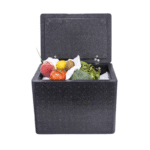
Ein isolierte Box verlangsamt die Wärmeübertragung; Es entsteht keine unbegrenzt kalte Umgebung. Zu diesem Thema, Die nützliche Definition ist ein isolierter Verteilerkasten, der auf Lebensmittelsicherheit ausgerichtet ist, Produktqualität, Hygiene, Streckenzeit, und Empfangsanforderungen. Die Leistung hängt daher vom erforderlichen Zustand der Nutzlast ab, die Anfangstemperatur jeder Komponente, die Menge und Platzierung der Kühlmedien, die Deckeldichtung, innere Luftbewegung, Umgebungseinflüsse, und die Zeit zwischen Verpackung und Erhalt. Ein Lieferant kann denselben Umkarton auf mehreren Märkten verkaufen, Dennoch kann jeder Markt eine andere Verpackung und andere Nachweise erfordern. Käufer sollten die Produktkonstruktion beibehalten, thermische Konfiguration, Betriebsablauf, und Qualifikationsstatus als separate Felder in der Spezifikation. Im endgültigen Genehmigungsprotokoll, Verbinden Sie die Anforderung, Reaktion des Lieferanten, Probenbeobachtung, Testnachweise, kommerziellen Umfang, und verantwortungsvolle Entscheidung in einer nachvollziehbaren Linie.
Der vorgesehene Job ist der Vertrieb von gekühlten Lebensmitteln, gefroren, oder hitzeempfindliche Lebensmittel, bei denen die Verpackung echten Handhabungs- und Hygienepraktiken entsprechen muss. Diese Aussage sollte im Rahmen der Ausschreibung präzisiert werden: Produkttyp identifizieren, Nutzlastabmessungen, akzeptabler Zustand, Route, Übergaben, geplante Dauer, saisonale Extreme, Überwachung, Reinigung, und Erhalt der Entscheidung. Wenn ein Parameter unbekannt ist, Markieren Sie es als offenes Verifizierungselement. Lassen Sie keine Katalogbezeichnungen wie „medizinisch“ zu,' 'Lebensmittelqualität,' 'Schwerlast,„ oder „Kühlkette“ ersetzen Beweise. Ein starker Lieferant hilft dabei, die Grenze zu klären und einen Vorratsbehälter zu unterscheiden, eine zusammengebaute Verpackung, und ein qualifiziertes Versandsystem. Behandeln Sie eine ungelöste Annahme als verwaltetes Risiko mit einem Eigentümer und einem Fälligkeitsdatum, nicht als stille Akzeptanz, die erst nach der Skalierung sichtbar wird.
Verwenden Sie die gesamten Anschaffungs- und Lebenszykluskosten, Nicht nur der Stückpreis
Für diesen Kauf, Die Kosten werden durch die Kontaktgrenzen für Lebensmittel bestimmt, Isolierung, Kühlmittel, Liner, Reinigungsmethode, Packarbeit, Überwachung, Verlustrate, Frachtwürfel, und Retourenabwicklung. In einem Angebot sollte angegeben werden, welche dieser Artikel enthalten sind, die Währung, steuerliche Behandlung, Gegebenenfalls Incoterm, Muster- und Werkzeugstatus, Zahlungsgrundlage, und Gültigkeitsdauer. Die Stückpreise können nicht verglichen werden, wenn ein Lieferant verstärkte Exportkartons anbietet, Inspektion, Zubehör, oder testen und ein anderer schließt sie aus. Erstellen Sie ein Vergleichsblatt, das dieselben Zeichnungen verwendet, Stückliste, Qualitätsniveau, Verpackungsmethode, Bestellmenge, und Lieferort. Unbekannte Elemente sollten als Zulagen sichtbar bleiben und nicht als Null behandelt werden. Wenn das Material, Dimension, Quelle, Auspacken, Testbasis, Route, oder Betriebsanleitungsänderungen, Bewerten Sie die Auswirkungen, bevor Sie davon ausgehen, dass die vorherige Genehmigung weiterhin gilt.
In den Gesamtkosten sind auch die Folgen eines Ausfalls enthalten. Umpacken, Notfracht, verzögerter Start, Überprüfung der Temperaturabweichung, beschädigte Nutzlast, kehrt zurück, Gewährleistungsansprüche, zusätzliche Lagerarbeit, und veraltete Lagerbestände können einen kleinen Unterschied im Stückpreis überwiegen. Dies bedeutet nicht, dass Sie sich für das höchste Angebot entscheiden. Es geht darum, herauszufinden, welche Kontrollen das wesentliche Risiko reduzieren und welche Funktionen zusätzliche Kosten verursachen, ohne einen klaren Nutzen zu haben. Eine Kostensenkungsdiskussion ist am produktivsten, wenn die kritischen Anforderungen geschützt sind: Vereinfachen Sie die Dekoration, Komponenten standardisieren, Kartondichte verbessern, oder verwenden Sie eine Lagerplattform, bevor Sie die Isolierung schwächen, Schließung, Handhabungsstärke, oder Qualitätsnachweise. Im endgültigen Genehmigungsprotokoll, Verbinden Sie die Anforderung, Reaktion des Lieferanten, Probenbeobachtung, Testnachweise, kommerziellen Umfang, und verantwortungsvolle Entscheidung in einer nachvollziehbaren Linie.
Technische Entscheidungen, die schriftliche Akzeptanzkriterien verdienen
Wärme dringt durch die Wände ein, Deckel, Gelenke, Öffnungen, und jede durch Hardware erzeugte leitfähige Brücke. Die Geschwindigkeit wird durch Temperaturunterschiede beeinflusst, freiliegende Oberfläche, Isoliereigenschaften, Dicke, Geometrie, Luftleckage, und Zeit. Eine dickere Isolierung kann helfen, es verringert aber auch das nutzbare Volumen oder vergrößert die Außengröße. Ein dichterer Deckel kann den Luftaustausch verringern, es muss aber auch nach mehrmaliger Handhabung funktionsfähig bleiben. Reflektierende Folien können die Strahlungswärmeübertragung in einer bestimmten Baugruppe verändern, Dennoch sind sie kein Ersatz für eine ausreichende Isolierung oder einen kontrollierten Verschluss. Der richtige Vergleich ist daher ein zusammengebautes Design, das unter relevanten Bedingungen getestet wurde, kein einziger Materialname. Behandeln Sie eine ungelöste Annahme als verwaltetes Risiko mit einem Eigentümer und einem Fälligkeitsdatum, nicht als stille Akzeptanz, die erst nach der Skalierung sichtbar wird.
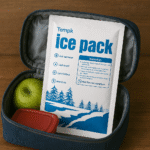
Das Kühlmedium und die Platzierung der Nutzlast bestimmen, was die Isolierung schützt. Konditioniert Gelpackungen Für einige Kühlanwendungen können Phasenwechselmaterialien verwendet werden; Für Tiefkühlware oder Trockeneisanlagen gelten unterschiedliche Regeln. Durch direkten Kontakt können empfindliche Produkte lokalen Kältestellen ausgesetzt werden, also Barrieren, Körbe, Abstandshalter, oder eine kontrollierte Konditionierung kann von Bedeutung sein. Ein leerer Luftraum beeinträchtigt auch die Leistung und kann dazu führen, dass sich Komponenten verschieben. Der Käufer sollte eine Verpackungszeichnung anfordern, in der alle Komponenten aufgeführt sind, Orientierung, Menge, und Vorbereitungsschritt. Diese Zeichnung wird zum Trainingsgerät, eine Testaufzeichnungsreferenz, und eine Inspektionsgrundlage statt eines informellen Vorschlags. Die integrierte Entscheidung sollte den Verwendungszweck schützen und gleichzeitig die Kontaktgrenzen für Lebensmittel einhalten, Isolierung, Kühlmittel, Liner, Reinigungsmethode, Packarbeit, Überwachung, Verlustrate, Frachtwürfel, und Retourenabwicklung im Gesamtkostenmodell sichtbar.
Wenden Sie pharmazeutische Disziplin an, ohne Pharma-Ansprüche zu kopieren
Die Lebensmittelverteilung kann von disziplinierten Verpackungszeichnungen profitieren, Temperaturüberwachung, Rückverfolgbarkeit, und Änderungskontrolle, Es sollten jedoch keine Arzneimittelaussagen übernommen werden, die nicht zutreffen. Die Anforderungen an die Lebensmittelsicherheit und -qualität hängen von der Ware ab, Verarbeitungsstufe, Route, Kontrollen empfangen, und lokale Regeln. Die USA. Die Hygienevorschriften der FDA für den Transport sollen Risiken wie fehlerhafte Kühlung verhindern, unzureichende Reinigung, und unzureichender Schutz beim Transport. Diese Bedenken wirken sich direkt auf die Reinigungsfähigkeit der Behälter aus, Kühlmittelbehälter, Fahrzeugzustand, und Handhabungsverfahren. Die integrierte Entscheidung sollte den Verwendungszweck schützen und gleichzeitig die Kontaktgrenzen für Lebensmittel einhalten, Isolierung, Kühlmittel, Liner, Reinigungsmethode, Packarbeit, Überwachung, Verlustrate, Frachtwürfel, und Retourenabwicklung im Gesamtkostenmodell sichtbar.
Eine Lebensmittelverpackung muss auch Feuchtigkeit verwalten, Gerüche, Leckage, und direkten Kontakt. Kondensation kann Sekundärkartons schwächen oder zu Hygieneproblemen führen. Wiederverwendete Kartons müssen einer realistischen Reinigung unterzogen werden, Trocknen, Inspektion, und Segregationsprozess. Wenn die Innenfläche nicht für den direkten Kontakt mit Lebensmitteln vorgesehen ist, Die Nutzlast sollte in einer geeigneten Primärverpackung verbleiben. Bitten Sie den Lieferanten um wesentliche Informationen, die für die beabsichtigte Kontaktgrenze relevant sind, und gehen Sie nicht davon aus, dass eine allgemeine Marketingphrase die regulatorische Eignung in jedem Zielmarkt begründet. Wenn das Material, Dimension, Quelle, Auspacken, Testbasis, Route, oder Betriebsanleitungsänderungen, Bewerten Sie die Auswirkungen, bevor Sie davon ausgehen, dass die vorherige Genehmigung weiterhin gilt.
Qualifikation, Überwachung, und Change Control arbeiten zusammen
Ein praktischer Qualifizierungsplan beginnt mit dem Zielproduktzustand und den schlimmsten glaubwürdigen Betriebsszenarien. Es sollte eine repräsentative Nutzlast definieren, Verpackungskomponenten, Konditionierung, Verpackungsreihenfolge, Sensorpositionen, Umgebungsprofil, Dauer, ggf. Eröffnungsveranstaltungen, Akzeptanzkriterien, und Eventualmarge. ISTA-Thermoprofile können einen standardisierten Vergleich für geeignete Paketanwendungen unterstützen, Sie ersetzen jedoch nicht die Kenntnis einer bestimmten Fahrspur. Für andere Kanäle, Der Versender kann kartierte Spurdaten verwenden, Saisonprofile, Verteilungstests, und Risikobewertung. Die gewählte Methode sollte mit den verantwortlichen Qualitäts- und Logistikfunktionen abgestimmt werden. Behandeln Sie eine ungelöste Annahme als verwaltetes Risiko mit einem Eigentümer und einem Fälligkeitsdatum, nicht als stille Akzeptanz, die erst nach der Skalierung sichtbar wird.
Eine Überwachung schafft keinen Temperaturschutz; es liefert Hinweise auf die Exposition. Wählen Sie die Logger-Genauigkeit aus, Kalibrierungsstatus, Aufzeichnungsintervall, Vorgang starten, Platzierung, Alarmlogik, Datenzugriff, und Reiseberichtsformat entsprechend dem Produktrisiko. Der Betriebsablauf ist ggf. Vorkühlen, hygienische Beladung, Kühlmitteltrennung, Versiegelung, Routenversand, Temperaturprüfungen, Reinigung, und Rücksendekontrolle. Abweichungen erfordern einen definierten Überprüfungspfad und nicht die automatische Annahme, dass die Nutzlast akzeptabel oder unbrauchbar ist. Nach Genehmigung, jede Änderung an der Isolierung, Harz, Kühlmittel, Abmessungen, Anbieter, Schließung, Verpackungsanweisungen, Testprofil, Route, oder Nutzlast können eine dokumentierte Bewertung und möglicherweise eine Neuqualifizierung erfordern. Die integrierte Entscheidung sollte den Verwendungszweck schützen und gleichzeitig die Kontaktgrenzen für Lebensmittel einhalten, Isolierung, Kühlmittel, Liner, Reinigungsmethode, Packarbeit, Überwachung, Verlustrate, Frachtwürfel, und Retourenabwicklung im Gesamtkostenmodell sichtbar.
Nehmen Sie Lieferanten mit Evidenz und Governance in die engere Auswahl
Die zentrale Lieferantenfrage ist, welche pharmazeutischen Kontrollen einen Mehrwert in der Lebensmittelverteilung schaffen und welche Anforderungen lebensmittelspezifisch bleiben sollten, Route, und den Markt regeln. Hygienedokumentation auswerten, Materialdeklarationen, sofern relevant, Maßwiederholbarkeit, Leckkontrolle, Reinigungsanleitung, und Beweise im Zusammenhang mit der geplanten Route. Fragen Sie, wem jeder Prozess gehört, welche Arbeiten an Subunternehmer vergeben werden, wie kritische Abmessungen und Materialien geprüft werden, wie Ausschussprodukte kontrolliert werden, und wie das genehmigte Muster mit der Produktion verknüpft ist. Wenn der Lieferant Tests anbietet, Identifizieren Sie das Labor, Verfahren, Nutzlast, Sensoranordnung, Umgebungsprofil, Stichprobengröße, und den Besitz melden. Ein ausgefeilter Bericht ist nur dann nützlich, wenn er die Konfiguration beschreibt, die Sie kaufen möchten. Im endgültigen Genehmigungsprotokoll, Verbinden Sie die Anforderung, Reaktion des Lieferanten, Probenbeobachtung, Testnachweise, kommerziellen Umfang, und verantwortungsvolle Entscheidung in einer nachvollziehbaren Linie.
- Welche Zeichnungs- und Stücklistenrevision wird die Produktion regeln??
- Was bedeutet die angegebene Kapazität nach der Installation des Betriebspakets??
- Welche Behauptungen werden durch einen Prüfbericht gestützt?, Materialdeklaration, oder Prüfprotokoll?
- Wie werden Proben identifiziert und mit späteren Produktionschargen verknüpft??
- Welche Änderungen erfordern vor der Implementierung eine schriftliche Zustimmung des Kunden??
- Wer untersucht eine Nichtkonformität und wie schnell wird mit der Eindämmung begonnen??
Gute Antworten sind spezifisch und überprüfbar. Ein Anbieter, der Einschränkungen erklärt, ist oft nützlicher als einer, der jedes Modell als für jeden Markt geeignet kennzeichnet. Während der Due Diligence, Vergleichen Sie Dokumente mit der physischen Probe. Kritische Dimensionen messen, Überprüfen Sie den Deckel und den Verschluss, Überprüfen Sie die Oberflächen und die Isolationskontinuität, sofern sichtbar, Packen Sie eine repräsentative Nutzlast ein, und fotografieren Sie die genehmigte Konfiguration. Das Ergebnis sollte eine kontrollierte Referenz dieser Beschaffung sein, Qualität, Lager, und Lieferantenteams können alle erkennen. Behandeln Sie eine ungelöste Annahme als verwaltetes Risiko mit einem Eigentümer und einem Fälligkeitsdatum, nicht als stille Akzeptanz, die erst nach der Skalierung sichtbar wird.
Hilfreiche Entscheidungshilfen
Überprüfen Sie die Details, bevor Sie sich für die Verpackung entscheiden
Mit diesen schnellen Tools können Sie das Routenrisiko vergleichen, Größenanforderungen, Kühlmittelauswahl, und Verpackungsdetails, bevor Sie ein Angebot anfordern.
Referenz zu Isoliermaterialien
Vergleichen Sie die Auswahl an Isoliermaterialien für unterschiedliche Kühlkettenverpackungsanforderungen.
Vergleichen Sie MaterialienKühlmittel & PCM-Referenz
Vergleichen Sie Kühlmittel- und PCM-Optionen, wenn eine Route zusätzliche Temperaturunterstützung benötigt.
Vergleichen Sie OptionenKühlakku-Rechner
Schätzen Sie die Menge an Gel-Eisbeuteln für gekühlte Sendungen und nutzen Sie die praktische Routenplanung.
Schätzen Sie Eisbeutel| Genehmigungstor | Was muss behoben werden | Release-Datensatz |
|---|---|---|
| Produkt und Route | Verhindert, dass eine generische Box als universelle Lösung behandelt wird | Schriftlicher Anwendungsfall, Nutzlast und Streckenprofil |
| Nutzfläche | Kühlmedien und Trennwände reduzieren das praktische Nutzlastvolumen | Bemaßte Verpackungszeichnung und Verpackungsversuch |
| Thermischer Beweis | Daueransprüche hängen von der Nutzlast ab, Konditionierung und Umgebungsprofil | Vollständige Testmethode und Bericht für die vorgeschlagene Konfiguration |
| Konstruktion | Materialien, Gelenke, Deckel und Hardware beeinflussen den Wärmefluss und die Handhabung | Zeichnung, Stücklisten und Musterprüfung |
| Operationen | Ein gutes Design kann scheitern, wenn die Mitarbeiter es anders verpacken | Kontrollierte Arbeitsanweisung und Schulungsplan |
| Produktionskontrolle | Die genehmigte Probe muss Masseneinheiten darstellen | Goldene Probe, Inspektionsplan und Änderungskontrollvereinbarung |
| Kommerzieller Umfang | Bei einem niedrigen Angebot können größere Kostenposten ausgeschlossen sein | Normalisiertes Angebot und Lande-Cost-Modell |
| Ende der Nutzung | Die Wiederverwendung oder Entsorgung muss zum tatsächlichen Netzwerk passen | Reinigung, Inspektion, Rückkehr- und Wiederherstellungsplan |
Die Tabelle ist eine Entscheidungshilfe, kein Ersatz für eine Qualifikation. Es hält Unbekanntes sichtbar und verknüpft jeden wichtigen Anspruch mit einem Dokument, Probe, prüfen, oder Betriebskontrolle, die der Käufer vor der Freigabe überprüfen kann.
Führen Sie eine Szenarioüberprüfung durch, bevor Sie den Auftrag freigeben
Betrachten Sie dieses typische Szenario: Ein Premium-Lebensmittelhändler, der gekühlte Produkte über mehrere Cross-Docks an Restaurants versendet, wo Sauberkeit gewährleistet ist, Empfangsgeschwindigkeit, und Routenvariabilität sind wichtig. Das Team sollte jeden Zeitraum erfassen, in dem sich das verpackte Produkt außerhalb der kontrollierten Lagerung befindet, inklusive Bereitstellung vor der Abholung, Laden, Hubs, Zoll- oder Sicherheitskontrollen, verpasste Lieferung, am Empfang warten, und Retourenabwicklung. Für jeden Schritt, Ermitteln Sie die erwartete Dauer, Umgebungseinflüsse, Wem gehört die Sendung?, ob die Box geöffnet werden darf, und welche Daten verfügbar sind. Dies zeigt, ob die Hauptanforderung die Isolierung ist, eine andere Kühlmittelanordnung, ein stärkerer Verschluss, klarere Kennzeichnung, schnellerer Carrier-Service, ein Notfallpaket, oder verbesserte Empfangsdisziplin. Die integrierte Entscheidung sollte den Verwendungszweck schützen und gleichzeitig die Kontaktgrenzen für Lebensmittel einhalten, Isolierung, Kühlmittel, Liner, Reinigungsmethode, Packarbeit, Überwachung, Verlustrate, Frachtwürfel, und Retourenabwicklung im Gesamtkostenmodell sichtbar.
In derselben Überprüfung sollte die Frage gestellt werden, was passiert, wenn die Bedingungen nicht ideal sind. Zu den relevanten Risiken gehört eine schwache Kühlung, Kreuzkontamination, Kondensation, austretendes Kühlmittel, zerdrückte Packungen, übermäßiger Kopfraum, verspätete Lieferung, und unsichere Empfangstemperaturen. Ordnen Sie sie nach Schweregrad, Wahrscheinlichkeit, und Erkennbarkeit, Weisen Sie dann Prävention und Reaktion zu. Einige Steuerelemente gehören zum Produkt, wie eine Barriere oder einen stärkeren Griff. Andere gehören in das Verfahren, wie Konditionierungszeit, Verpackungsreihenfolge, Vorkühlung, Personalausbildung, Anweisung des Spediteurs, oder eine Empfangscheckliste. Der Lieferant kann Konstruktionsnachweise erbringen, Das Eigentum an der Route verbleibt jedoch beim Versender und seinen Logistikpartnern. Wenn das Material, Dimension, Quelle, Auspacken, Testbasis, Route, oder Betriebsanleitungsänderungen, Bewerten Sie die Auswirkungen, bevor Sie davon ausgehen, dass die vorherige Genehmigung weiterhin gilt.
Ein Stage-Gate-Plan sorgt dafür, dass das Scale-up reversibel bleibt
Eine effektive Ausschreibung trennt zwingende Anforderungen von Präferenzen und offenen Fragen. Fügen Sie eine bemaßte Nutzlastskizze bei, erwartetes Auftragsvolumen, Liefermarkt, Zielzeitleiste, Anforderungen an Verpackung und Etikettierung, und das Betriebsszenario. Bitten Sie Lieferanten, die Einhaltung anzugeben, Ausnahme, oder vorgeschlagene Alternative gegen jede Zeile. Dadurch wird ein häufiges Problem vermieden: Ein Lieferant bietet stillschweigend sein nächstgelegenes Standardprodukt an, während der Käufer davon ausgeht, dass eine kundenspezifische Anforderung akzeptiert wurde. Kommerzielle Vergleiche sollten erst beginnen, nachdem technische Ausnahmen sichtbar sind und die Verantwortung für Tests übernommen wurde, Proben, Formen, Fracht, und Dokumente zugeordnet ist. Im endgültigen Genehmigungsprotokoll, Verbinden Sie die Anforderung, Reaktion des Lieferanten, Probenbeobachtung, Testnachweise, kommerziellen Umfang, und verantwortungsvolle Entscheidung in einer nachvollziehbaren Linie.
Nutzen Sie Stage Gates, damit die Ausgaben den Beweisen folgen. Ein Concept Gate genehmigt die Anforderung; Ein technisches Tor genehmigt Zeichnungen und Materialien; Ein Musteranschnitt prüft Passform und Funktion; Ein Pilottor prüft Produktionskontrollen und Verpackung; und ein Entriegelungstor gibt die Lautstärke frei. An jedem Tor, Offene Fragen erfassen, Besitzer, Fälligkeitstermine, und die genaue Revision überprüft. Dies erleichtert das Anhalten oder Korrigieren des Projekts, bevor sich ein Problem auf den gesamten Auftrag ausweitet. Außerdem wird eine nützliche Historie für eine spätere Kostensenkung erstellt, Lieferantenübergabe, oder Designänderung. Behandeln Sie eine ungelöste Annahme als verwaltetes Risiko mit einem Eigentümer und einem Fälligkeitsdatum, nicht als stille Akzeptanz, die erst nach der Skalierung sichtbar wird.
Machen Sie Umweltaussagen mit betrieblichen Nachweisen geltend
Die Umweltpriorität besteht darin, die Nutzlast mit der unpraktischsten Materialkombination zu schützen, Energie, Kältemittel, Arbeit, und Transport. Eine Verpackung, die weniger Material verbraucht, aber Produktverluste verursacht, ist nicht automatisch das bessere Ergebnis. Der relevante Ansatz besteht hier darin, den Produktschutz mit der richtigen Verpackungsgröße in Einklang zu bringen, recycelbare oder wiederverwendbare Komponenten, effiziente Rückfahrmeilen, und realistische Waschvorgänge. Vergleichen Sie Einweg- und Mehrwegoptionen im tatsächlichen Netzwerk: ausgehende Distanz, Rückweg, Reinigung, Trocknen, Inspektion, Verlustrate, reparieren, Lagerung, und End-of-Use-Pfad. Vermeiden Sie weit gefasste Aussagen wie „kein Abfall“ oder „kohlenstoffneutral“, es sei denn, eine definierte Studie und ein definierter Umfang stützen sie. Wenn das Material, Dimension, Quelle, Auspacken, Testbasis, Route, oder Betriebsanleitungsänderungen, Bewerten Sie die Auswirkungen, bevor Sie davon ausgehen, dass die vorherige Genehmigung weiterhin gilt.
Design kann immer noch offensichtliche Ineffizienz beseitigen. Außenmaße in der richtigen Größe, Verbesserung der Nutzlastdichte, Standardisieren Sie verschleißbehaftete Komponenten, Vermeiden Sie dekorative Schichten, die die Wiederherstellung erschweren, und wählen Sie Kartons aus, die das Produkt schützen, ohne dass überschüssige Luft transportiert wird. Für Mehrwegflotten, Geben Sie jedem Vermögenswert einen Eigentümer- und Inspektionsstatus. Kisten mit beschädigter Isolierung aus dem Verkehr ziehen, verzerrte Lider, kontaminierte Oberflächen, oder unzuverlässige Verschlüsse. Nachhaltigkeit ist am stärksten, wenn sie mit messbaren betrieblichen Ergebnissen verbunden ist: weniger beschädigte Sendungen, längerer sicherer Service, bessere Würfelausnutzung, kontrollierte Reinigung, und ein glaubwürdiger Erholungsweg. Im endgültigen Genehmigungsprotokoll, Verbinden Sie die Anforderung, Reaktion des Lieferanten, Probenbeobachtung, Testnachweise, kommerziellen Umfang, und verantwortungsvolle Entscheidung in einer nachvollziehbaren Linie.
Häufig gestellte Fragen
Ist jeder isolierte Verteilerkasten so konfiguriert, dass er auf Lebensmittelsicherheit ausgelegt ist?, Produktqualität, Hygiene, Streckenzeit, und Empfangsanforderungen, die für einen Kühlkettenversand geeignet sind?
NEIN. Die Eignung hängt vom Produktzustand ab, Route, Dauer, Nutzlast, Kühlmedien, Verpackungsmethode, Umgebungseinflüsse, Handhabung, und Beweise. Ein Isolierter Behälter kann eine nützliche Komponente sein, ohne dass es sich um ein qualifiziertes Versandsystem handelt. Fordern Sie Testdetails im Zusammenhang mit der vorgeschlagenen Konfiguration an und lassen Sie die endgültige Verwendung vom zuständigen Qualitäts- oder Logistikteam überprüfen.
Wie sollten Käufer Leistungsansprüche von Lieferanten vergleichen??
Vergleichen Sie die vollständigen Testbedingungen, nicht nur die Schlagzeilendauer oder -temperatur. Überprüfen Sie die Nutzlast, Kühlmittel, Konditionierung, Sensorplatzierung, Umgebungsprofil, Öffnungen, Musterbau, Akzeptanzgrenzen, und ob das getestete Gerät der Produktion entspricht. Wenn diese Angaben fehlen, Behandeln Sie den Anspruch als Gegenstand der Überprüfung und nicht als Kauftatbestand.
Was ist der häufigste Fehler bei einer Großbestellung??
Ein häufiger Fehler besteht darin, das Erscheinungsbild zu billigen, funktionale Details jedoch undefiniert zu lassen. Innenmaße, nutzbarer Raum, Deckel passt, Isolierung, Hardware, Auspacken, Karton, Inspektion, und zulässige Änderungen sollten vor der Produktion schriftlich festgehalten werden. Ein unterschriebenes Muster ist hilfreich, sondern Zeichnungen, Akzeptanzkriterien, und Änderungskontrolle machen die Genehmigung wiederholbar.
Sollte das niedrigste Angebot gewinnen??
Erst nachdem jedes Angebot auf die gleiche Spezifikation und den gleichen Lieferumfang normiert wurde. Werkzeug einbeziehen, Zubehör, Testen, Inspektion, Kartons, Fracht, Aufgaben, Lagerarbeit, Garantierisiko, und Ausfallrisiko. Ein niedrigerer Preis kann die richtige Entscheidung sein, wenn Beweise und Kontrollen gleichwertig sind; Es ist riskant, wenn der niedrige Preis aus einem unbekannten Bereich stammt.
Wann ist eine wiederverwendbare Box die bessere Option??
Die Wiederverwendung kann auf kontrolliertem Wege attraktiv sein, wiederholte Routen mit Eigentum, Rücktransport, Reinigung, Trocknen, Inspektion, reparieren, und Verlustmanagement. Weniger überzeugend ist es, wenn Kisten verschwinden, Über weite Strecken leer zurückfahren, oder nicht sicher gereinigt werden können. Bewerten Sie den tatsächlichen Kreislauf, anstatt davon auszugehen, dass ein wiederverwendbares Etikett ein besseres Umweltergebnis garantiert.
Endgültige Beschaffungsansicht
Die endgültige Auswahl sollte vier Entscheidungen verbinden: Produkt und Route passen, technische Beweise, Gesamtkosten, und Lieferanten-Governance. Wenn diese Entscheidungen aufgezeichnet werden, Käufer können mit weniger Überraschungen und einer klareren Grundlage für die Qualitätsbewertung skalieren.
Über Tempk
Tempk unterstützt Käufer bei der Entwicklung passiver Kühlkettenverpackungen mit Kühlboxen, Isolierung, Gelpackungen, PCM bricks, Thermobeutel, und medizinische Versandformate. Eine Anfrage an einen Lieferanten für den Vertrieb von pharmazeutischen Kühlboxen in der Lebensmittelindustrie kann effektiver geprüft werden, wenn der Käufer die Lieferungen auf dem Weg dorthin durchführt, Nutzlast, erforderliche Bedingung, Handhabung, Zielmenge, und Erwartungen testen. Tempk kann dabei helfen, Evaluierungsoptionen zu identifizieren, Während der Versender und sein Qualitätsteam für die Genehmigung des Antrags und der Route verantwortlich bleiben.
Besprechen Sie den technischen Auftrag, Musterplan, und Massenannahmekriterien mit Tempk, bevor Sie die kommerzielle Bestellung abschließen.