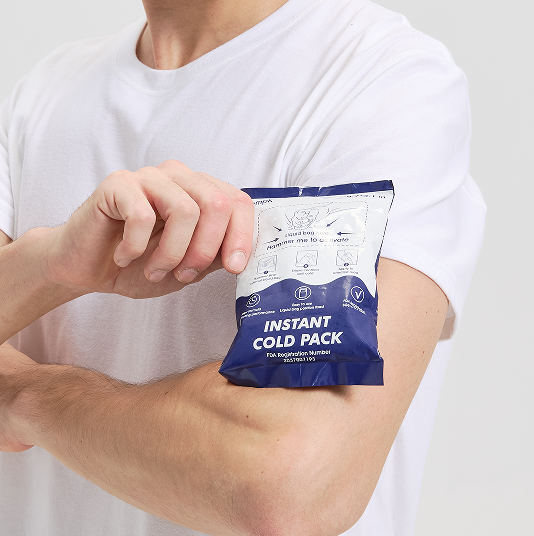
Phasenwechsel-Gelpackung Pharmazeutischer Hersteller: Vollständig 2026 Führung
Der Suchbegriff "Pharmahersteller für Phasenwechsel-Gelpackungen" bedeutet normalerweise, dass Sie versuchen, Impfstoffe zu schützen, Biologika, und Injektionspräparate, ohne Ihren Betrieb zu verlangsamen oder vermeidbare Kosten zu verursachen. Das dauert mehr als eine Kühlakku. Es braucht die richtige Phasenwechsel-Gelpackung, die richtige Konditionierungsregel, und ein Packout, das auch dann noch funktioniert, wenn die Route oder das Wetter nicht mehr ideal sind.
Für Pharmazeutische Kühlkette, Die Grundlagen sind noch klar: Bei vielen gekühlten Gesundheitsprodukten liegt der Temperaturbereich immer noch bei 2–8 °C. Als nächstes kommt die technische Seite, einschließlich der Kontrolle über den Film, Gelfüllung, Nähte, und wiederholbare thermische Leistung, richtige Konditionierung, und eine Packungsgeometrie, die zur Box passt. Dieser Artikel vermischt die Käufersicht, die technische Sicht, und die Marktansicht, damit Sie im Labor eine Entscheidung treffen können, die sicherer ist, auf dem Dock, und im Einkauf.
Was dieser Artikel beantworten wird
- Wie ein Phasenwechsel-Gelpack auf realen Strecken funktionieren sollte, nicht nur in einem Gefrierraum.
- Welche Kaufsignale sind für validierte Kühlkettenverpackungen am wichtigsten?.
- So vergleichen Sie das Packformat, Konditionierungsregeln, und 2–8°C Versandverpackungen.
- Welche Dokumentation, Validierung, und Chargenkontrolle, die Sie von einem Hersteller erwarten sollten.
- Welche 2026 Trends verändern die Beschaffung für die pharmazeutische Kühlkette.
Was ein leistungsstarkes Phase-Change-Gel-Pack ausmacht 2026?
Ein leistungsstarkes Phasenwechsel-Gel-Pack 2026 erledigt drei Aufgaben gleichzeitig: es schützt das Produkt, passt zum Arbeitsablauf, und liefert Beweise, denen Sie vertrauen können. Für Impfstoffe, Biologika, und Injektionspräparate, Der Rucksack sollte den Temperaturbereich kontrollieren, ohne Ihr Team zu langsamen oder fragilen Packschritten zu zwingen. Deshalb sind die besten Lösungen als Systeme konzipiert, nicht als eigenständige Kaltartikel.
Die Systemansicht kombiniert das Kältemittelformat, Isolationsniveau, Kartongröße, Packungsplatzierung, und Konditionierungsregel. Wenn diese Elemente in einer Reihe stehen, Sie erhalten gleichmäßigere Ankünfte und weniger Ausnahmen. Wenn sie nicht in einer Reihe stehen, Selbst eine gute Gelpackung wird teuer, weil sie Nacharbeit erfordert, Beschwerden, oder vermeidbarer Abfall.
Das beste Paket ist das, das unter Druck funktioniert
Ein nützlicher Kaufstandard ist einfach: Würde dieses Paket auch in einer eiligen Schicht noch funktionieren?, auf einem heißen Dock, und auf der längsten realistischen Route? Wenn die Antwort vom perfekten Timing oder heldenhaftem Handling abhängt, es ist kein robustes Design. Der praktische Gewinner ist das Packout, das Ihre Operation jeden Tag korrekt wiederholen kann.
| Leistungssäule | Wie gut sieht aus | Warum ist es wichtig | Schneller Check |
|---|---|---|---|
| Thermo-Passform | Richtiges Band für Spur und Nutzlast | Schützt die Produktqualität | Vergleichen Sie mit der Worst-Case-Route |
| Einsatztauglich | Klare Konditionierungs- und Platzierungsregeln | Reduziert menschliche Fehler | Testen Sie mit dem tatsächlichen Packout-Team |
| Beweise passen | Nachvollziehbare Ergebnisse und Dokumente | Unterstützt Qualitätssicherung und Beschaffung | Überprüfen Sie die Versuchsaufzeichnungen und die Chargenkontrolle |
Practical Tips
- Definieren Sie den Erfolg, bevor Sie es versuchen: Reichweite, Dauer, und Prozessgrenzen.
- Verwenden Sie die gleiche Kartonfamilie und das gleiche Verpackungsmaterial, das Sie nach der Markteinführung verwenden möchten.
- Beurteilen Sie die Leistung bei der Ankunft, nicht nur beim Versand.
Praktisches Fallbeispiel: Ein Händler verbesserte sowohl die Compliance als auch die Arbeitseffizienz, indem er das Verpackungslayout um ein an die Route angepasstes Gelformat vereinfachte, anstatt einem alten Design weitere Packungen hinzuzufügen.
Wie wählt man es richtig aus und konditioniert es??
Die richtige Auswahl und Konditionierung des Phasenwechsel-Gelpacks beginnt mit der zulässigen Reichweite des Produkts und der realistischsten Verzögerung der Route. Von dort, Überprüfen Sie die Packungsgeometrie, Produktkontakt, leerer Raum, und ob die Nutzlast einfrierempfindlich ist. Die richtige thermische Masse ist das Minimum, das das Risiko sicher abdeckt, nicht das Maximum, das in die Box passt.
Die Konditionierung ist ebenso wichtig wie das Produktdesign. Selbst eine starke Packung kann versagen, wenn die Einweichzeit zu kurz ist, wenn der Gefriersollwert abweicht, oder wenn der Rucksack zu lange warm auf der Leine liegt, bevor sich die Schachtel schließt. Klare Staging-Grenzen machen aus einem vielversprechenden Design ein zuverlässiges.
Verwenden Sie eine Konditionierungsregel pro SKU und Box-Familie
Komplexe Anweisungen erhöhen die Fehlerquote, insbesondere in Spitzenzeiten. Ein Kurzfilm, visuelle SOP, die die Gefriertemperatur definiert, Einweichzeit, Inszenierungszeit, und die Packungsplatzierung ist leichter zu überprüfen und zu wiederholen. Wenn ein Format mehrere Routen bedienen muss, Erstellen Sie Routenstufen und Saisonregeln, anstatt jede Schicht improvisieren zu lassen.
| Auswahlfaktor | Was Sie überprüfen sollten | Typischer Fehler | Beste Antwort |
|---|---|---|---|
| Zielbereich | Produktetikett und Toleranz | Gefrieren oder warme Drift | Wählen Sie zuerst das richtige Kontrollband |
| Packgeometrie | Kontaktfläche und Box passen | Kalte Stellen oder kurzer Halt | Form an Produkt und Versender anpassen |
| Konditionierungs-SOP | Disziplin einweichen und inszenieren | Inkonsistente Ergebnisse | Standardisieren Sie die Gefrier- und Leitungsregeln |
Practical Tips
- Behandeln Sie die Konditionierungszeit als kontrollierten Parameter, kein Vorschlag.
- Führen Sie vor der Live-Validierung einen einfachen Probelauf mit den Bedienern durch.
- Trennen Sie zerbrechliche oder gefrierempfindliche Produkte bei Bedarf vom direkten Verpackungskontakt.
Praktisches Fallbeispiel: Eine Kosmetiksendung kam nicht mehr unterkühlt an, nachdem das Team sowohl das Konditionierungsfenster als auch die Packungsposition geändert hatte. Die Packung selbst musste nicht ausgetauscht werden.
Wie vergleichen Sie Lieferanten anhand von Beweisen?, Keine Versprechen?
Der Lieferantenvergleich funktioniert am besten, wenn Sie die Belege bewerten, Prozesskontrolle, und unterstützen Sie die oben genannten Slogans. Ein kompetenter Hersteller sollte den vorgesehenen Temperaturbereich erläutern, Zeigen Sie, wie das Rudel qualifiziert wurde, und erklären Ihnen, wie sie die Variation von Charge zu Charge kontrollieren. Außerdem sollten sie es Ihren Empfangs- und Qualitätssicherungsteams erleichtern, die eingehenden Waren zu prüfen.
Bei vielen Kaufentscheidungen, Der Unterschied zwischen zwei akzeptablen Produkten liegt in der Servicequalität. Kann der Lieferant reagieren, wenn sich eine Spur ändert?? Können sie lokale Lagerbestände oder eine schnellere Neugestaltung unterstützen?? Können sie die Ursache einer Ausnahme ohne Vermutungen erklären?? Diese Antworten sind oft wichtiger als ein kleiner Preisunterschied je Einheit.
Erstellen Sie eine Scorecard, die Beschaffung und Qualitätssicherung teilen können
Eine einfache gemeinsame Scorecard sorgt dafür, dass die Entscheidung ehrlich bleibt. Punkte thermische Passform, Dokumentation, Bedienerfreundlichkeit, Vorlaufzeit, und Nachhaltigkeit als separate Linien. Bei der Beschaffung, Operationen, und Qualitätssicherung sehen alle die gleichen Kriterien, Sie verringern die Wahrscheinlichkeit, dass Sie sich für ein Paket entscheiden, das billig aussieht, aber später teure Ausnahmen hervorruft.
| Scorecard-Zeile | Was soll ich fragen? | Starkes Signal | Geschäftswert |
|---|---|---|---|
| Thermo-Passform | Für welche Strecke und Reichweite ist es gebaut?? | Spezifische Spurlogik und Beweise | Sicherere Starts und weniger Wiederholungsversuche |
| Qualitätskontrolle | Wie wird die Konsistenz gewahrt?? | Definierte Schecks und lesbare Chargencodes | Schnellere Untersuchungen und sauberer Empfang |
| Support-Modell | Wie werden Probleme nach dem Start behandelt?? | Klare Eskalation und reaktionsschnelle Änderungen | Weniger Ausfallzeiten und weniger Notfallreparaturen |
Practical Tips
- Bitten Sie vor der ersten Großbestellung um Testunterstützung.
- Überprüfen Sie sowohl die normale Versorgung als auch die Notfallunterstützung in der Hochsaison.
- Bewahren Sie Qualitäts- und kommerzielle Überprüfungen in derselben Lieferantendatei auf.
Praktisches Fallbeispiel: Ein Käufer entschied sich aufgrund der Dokumentation für einen etwas teureren Anbieter, Loskodierung, und Routenunterstützung waren stärker. Das Programm sparte später Geld, indem wiederholte Ausfälle vermieden wurden.
Wie prägen Compliance und Nachhaltigkeit das Programm??
Hilfreiche Entscheidungshilfen
Überprüfen Sie die Details, bevor Sie sich für die Verpackung entscheiden
Mit diesen schnellen Tools können Sie das Routenrisiko vergleichen, Größenanforderungen, Kühlmittelauswahl, und Verpackungsdetails, bevor Sie ein Angebot anfordern.
Routenrisiko-Prüfer
Überprüfen Sie die Fahrspurbedingungen, bevor Sie die Verpackung entsprechend den tatsächlichen Betriebsanforderungen auswählen.
Routenrisiko prüfenFallfestigkeit des Isolationsmaterials
Überprüfen Sie die Fallfestigkeit und die Handhabungsfaktoren, bevor Sie Isoliermaterialien auswählen.
Widerstand prüfenReferenz zu Isoliermaterialien
Vergleichen Sie die Auswahl an Isoliermaterialien für unterschiedliche Kühlkettenverpackungsanforderungen.
Vergleichen Sie MaterialienEinhaltung, Nachhaltigkeit, und der Betrieb prägen nun die gleiche Kaufentscheidung. Für viele Programme bedeutet das, das Paket auf routenbasierte Tests auszurichten, dokumentierte Lagerungs- und Verteilungsverfahren, und Verpackungsdesigns, die weder Material noch Fracht verschwenden. Die Fahrtrichtung ist klar: Leistung beweisen und unnötige Masse abbauen.
Standards wie die Leitlinien der WHO, Lager- und Vertriebsvorschriften der FDA, EU-BIP, IATA-Handhabungsregeln, und streckenbasierte Testmethoden untermauern alle dieselbe Lektion. Kontrollieren Sie die Route, den Prozess dokumentieren, und das Ergebnis nachvollziehbar machen. Gleichzeitig, Der bevorstehende Druck auf Verpackungsabfälle führt dazu, dass Käufer stärker auf die Wiederverwendung achten, Recyclabalität, und Systeme in der richtigen Größe.
Das schlankste System ist normalerweise das am besten dokumentierte System
Wenn Ihr Packout zugeordnet ist, validiert, und leicht zu wiederholen, Sie hören auf, Probleme zu lösen, indem Sie zusätzliches Gel oder zusätzliche Wellpappe hinzufügen. Das senkt die Kosten, reduziert Abfall, und verbessert das Vertrauen in der gesamten Lieferkette. Der beste 2026 Programme sind nicht einfach kälter. Sie sind besser gestaltet und leichter zu verteidigen.
| Entscheidungsbereich | 2026 Erwartung | Was zu dokumentieren ist | Profitieren Sie davon |
|---|---|---|---|
| Einhaltung | Klare Lager- und Vertriebskontrolle | Sops, Chargenrückverfolgbarkeit, Versuchslogik | Stärkere Prüfungsbereitschaft |
| Nachhaltigkeit | Weniger Abfall und intelligentere Materialnutzung | Gründe für Wiederverwendung oder richtige Größe | Geringerer Fracht- und Verpackungsaufwand |
| Operationen | Wiederholbares Packout im großen Maßstab | Trainingsschritte und Ausnahmebehandlung | Weniger Fehler bei Spitzenlast |
Practical Tips
- Überprüfen Sie gemeinsam die Abfall- und Ausflugsquote, nicht als separate Projekte.
- Bevorzugen Sie Änderungen, die sowohl das Auspacken als auch das Zuschneiden von Material vereinfachen.
- Aktualisieren Sie die Dokumentation, wenn sich die Fahrspur ändert, nicht Monate später.
Praktisches Fallbeispiel: Ein Pharmahändler senkte sowohl den Verpackungsabfall als auch die Ausnahmequote, nachdem er eine sperrige generische Verpackung durch eine schlankere ersetzt hatte, dokumentiert, Streckenerprobtes Design.
2026 Trends für den Hersteller von Phase-Change-Gel-Pack-Arzneimitteln
In 2026, Die Richtung für den Pharmahersteller von Phasenwechsel-Gelpackungen ist klar: bessere Beweise, bessere Streckenanpassung, und weniger Abfall. Über die gesamte pharmazeutische Kühlkette hinweg, Käufer wünschen sich zunehmend Kältemittelformate, die einfacher zu qualifizieren und einfacher auf dem Boden zu wiederholen sind. Deshalb dokumentierte Konditionierung, Verpackungszeichnungen, und einfache Ausnahme-Workflows sind mittlerweile fast genauso wichtig wie reine Kühlleistung.
Bei vielen gekühlten Gesundheitsprodukten liegt der Temperaturbereich immer noch bei 2–8 °C, Daher bleibt die Vermeidung von Frost genauso wichtig wie der Schutz auf der warmen Seite. DSCSA behält U.S. Handelspartner konzentrierten sich auf die Rückverfolgbarkeit auf Paketebene, Das bedeutet, dass Verpackungsentscheidungen zunehmend parallel zu Daten- und Dokumentationsabläufen erfolgen. ISTAs 7E-Thermoprofile, basierend auf realen Transportdaten, Wir empfehlen weiterhin streckenbasierte Vergleiche statt allgemeiner Angaben zu Wartezeiten.
Neueste Entwicklungen auf einen Blick
- Die Leitlinien der WHO behandeln die temperaturempfindliche Arzneimittelverteilung immer noch als ein vollständiges System, das auch die Lagerung umfasst, Transport, Überwachung, und Verfahren.
- Die FDA knüpft die sichere Lagerung und Verteilung weiterhin an schriftliche Verfahren, Temperaturregelung, und Rückverfolgbarkeit, während DSCSA-Workflows die Lieferketten immer weiter in Richtung einer stärkeren elektronischen Produktverfolgung drängen.
- Für die USA. kleine Spender, Die Ausnahmeregelungen der FDA für einige erweiterte DSCSA-Anforderungen gelten bis November 27, 2026, was die Verpackung hält, Dokumentation, und Partnerbereitschaftsplanung im Fokus dieses Jahr.
Häufig gestellte Fragen
Wie lange kann ein Phasenwechsel-Gelpack-Pharmahersteller die Temperatur halten??
Es gibt keine eindeutige Einzelzahl, da die Haltezeit von der Streckendauer abhängt, Isolierung, Nutzlastmasse, Umgebungseinflüsse, und Konditionierungsqualität. Bitten Sie um Beweise für Ihre Box und Spur, keine weit gefasste Behauptung, die einem anderen Ansatz entstammt.
Wie verhindern Sie Frostschäden bei der Verwendung von Phasenwechsel-Gelpackungen eines Pharmaherstellers??
Verwenden Sie das rechte Kontrollband, Vermeiden Sie direkten Kontakt, wenn das Produkt frostempfindlich ist, und mit Sensoren validieren, die in der Nähe der Kälterisikozone platziert sind. Ein zu kalter Rucksack kann genauso schädlich sein wie ein zu warmer Rucksack.
Welche Dokumente sollte ein Hersteller einem Pharmahersteller für Phasenwechsel-Gelpackungen zur Verfügung stellen??
Zumindest, Suchen Sie nach Spezifikationen, Losidentifikation, Konditionierungsanweisungen, Packout-Anleitung, und alle Routen- oder profilbasierten Leistungsnachweise. Für regulierte Sektoren, Möglicherweise benötigen Sie auch Dokumentation, die die Qualitätssicherungsprüfung und -untersuchungen unterstützt.
Ist eine wiederverwendbare Phasenwechsel-Gelpackung immer die beste Option??
NEIN. Die Wiederverwendung ist nur dann von Vorteil, wenn Sie eine realistische Rücklaufschleife haben, Reinigungsregeln, Prüfkriterien, und genügend Zyklen, um die Einwegkosten zu übertreffen. Wenn der Rückfluss schwach ist, Ein schlankes Einwegdesign kann die bessere Geschäftsentscheidung sein.
Wie sollten Sie den Hersteller von Phasenwechsel-Gelpackungen vor der Markteinführung testen??
Beginnen Sie mit der realistischsten Spur, die geplante Kiste und das Stauholz, und Sensorplatzierung in der Nähe der Produktrisikopunkte. Wiederholen Sie dann den Test mit dokumentierten Konditionierungs- und Auspackschritten, damit Sie sicher sein können, dass das Ergebnis wiederholbar ist, Pech gehabt.
Zusammenfassung und Empfehlungen
Der beste Pharmahersteller für Phasenwechsel-Gelpackungen ist derjenige, der Ihrem Temperaturziel entspricht, Route, Kasten, und Betriebswirklichkeit. Es soll die Nutzlast schützen, Bleiben Sie unter Druck wiederholbar, und bringen Sie genügend Beweise für den Empfang mit, Qualitätssicherung, und Beschaffung, ihm zu vertrauen. Das bedeutet, das Format zu beurteilen, Konditionierung, Dokumentation, und Lieferantenunterstützung zusammen, anstatt sie als separate Entscheidungen zu behandeln.
Wenn Sie jetzt Optionen prüfen, Beginnen Sie mit Ihrer Spur mit dem höchsten Risiko, Definieren Sie das zulässige Temperaturband, und Lieferanten anhand von Beweisen und nicht anhand von Versprechen bewerten. Vereinfachen Sie dann die SOP, bis Ihr Team sie konsequent wiederholen kann. Das ist der schnellste Weg zu sichereren Lieferungen und niedrigeren Gesamtkosten.
Über Tempk
Tempk beschreibt sich selbst als Kühlkettenverpackung Spezialist gegründet in 2011, mit Niederlassungen in Shanghai, mehrere Fabriken, und ein Fokus auf Temperaturkontrollierte Verpackung für Essen, Gesundheitspflege, und pharmazeutische Verwendung. Die veröffentlichte Produktpalette umfasst Gelpackungen, Eisziegel, Isolierte Kisten, und verwandte Kühlkettenmaterialien.
Tempk gibt außerdem an, dass sein R&D- und Fertigungskapazitäten unterstützen ein passgenaues Verpackungsdesign, Testen, und wiederholbare Verpackungslösungen. Wenn Sie Programme vergleichen, Der praktische nächste Schritt besteht darin, Ihre Route zu überprüfen, Produkttemperaturbereich, und Packout-Workflow, bevor Sie eine endgültige Konfiguration auswählen.