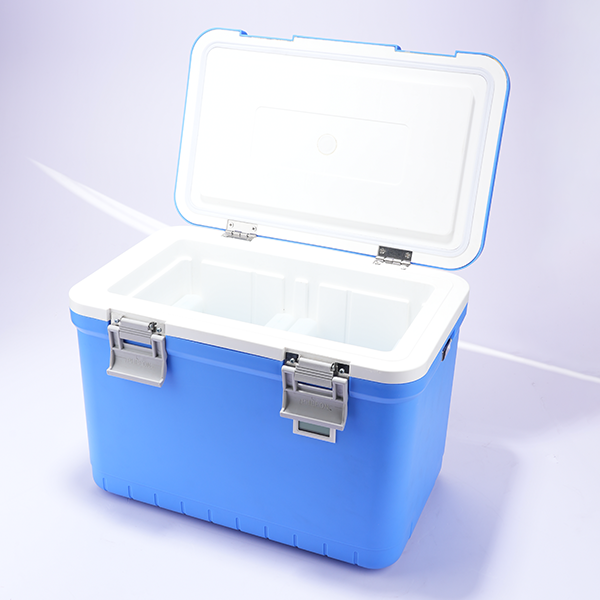
Tragbare EPP-Box für Restaurants zum Mitnehmen. Praktische Auswahlhilfe
Der sicherste Weg, eine zu wählen EPP-Box besteht darin, die Aufgabe zu definieren, die es ausführen muss, bevor über die Größe gesprochen wird, Farbe, Logo, oder Stückpreis. Eine tragbare EPP-Box zum Mitnehmen im Restaurant soll verpackte Mahlzeiten schützen, Suppenbehälter, Pizzabeilagen, Salate, gekühlte Desserts, und gemischte warme oder gekühlte Bestellungen während kurzer Fahrten auf der letzten Meile, Multi-Stop-Lieferung, Mittagspausen im Büro, und Plattformkurierübergabe. Es sollte auch zur Art und Weise passen, wie die Mitarbeiter packen, Aufzug, Stapel, Etikett, sauber, und den Behälter zurückgeben. In diesem Artikel wird erläutert, wie Sie die Box als Bedientool bewerten, nicht nur als isoliertes Schaumprodukt, So können Sie häufige Spezifikationsfehler vermeiden, bevor Sie Muster bestellen oder mit dem Großeinkauf beginnen.
Praktische Antwort: Eine tragbare EPP-Box zum Mitnehmen im Restaurant eignet sich am besten für das Produktformat, Streckendauer, Handhabungspfad, und Reinigungsschleife sind bekannt, bevor die Box ausgewählt wird. Das Material kann die Isolierung und Polsterung unterstützen, Aber tägliche Prozesskontrollen entscheiden darüber, ob das Ergebnis zuverlässig ist.
Beginnen Sie mit der Arbeit der tragbaren EPP-Box zum Mitnehmen im Restaurant
Eine tragbare EPP-Box zum Mitnehmen im Restaurant sollte anhand ihrer Leistung beurteilt werden. Zu diesem Thema, Der Job besteht darin, Essen zum Mitnehmen von der Küche zum Fahrer zu bringen, Fahrzeug, Abholpunkt, Lieferung ins Büro, oder Catering-Abgabe. Dazu gehört auch der Produktschutz, Handhabungsgeschwindigkeit, thermische Pufferung, Reinigung, und wiederholen Gebrauch. Wenn Sie nur die Boxgröße definieren, Sie überlassen beim Versand zu viele Entscheidungen den Mitarbeitern.
Der bessere Ausgangspunkt ist das Verfassen einer kurzen Betriebsbeschreibung: was drin ist, wie es verpackt ist, wer es trägt, wo es wartet, wie oft es geöffnet wird, in welchem Zustand das Produkt ankommen muss, und wie die Box zurückkommt. Diese Beschreibung liefert dem Lieferanten nützliche Informationen und gibt Ihrem Team die Möglichkeit, Proben fair zu beurteilen.
EPP kann eine gute Wahl sein, da es ein geringes Gewicht vereint, Dämpfung, und Isolierung. Dennoch sollte es nicht überverkauft werden. A Schaumbox schafft selbst keine validierte Kühlkette. Es unterstützt eine Verpackung und einen Arbeitsablauf, die noch auf das Produkt und die Route abgestimmt werden müssen.
Zum Mitnehmen, Tragbarkeit bedeutet nicht nur geringes Gewicht; Es geht darum, wie schnell das Personal laden kann, tragen, sauber, und den Container in Stoßzeiten wiederverwenden.
Die vier Eignungsprüfungen, die die meisten Fehler verhindern
Die erste Passungsprüfung ist die Produktpassung. Legen Sie die echte Produktverpackung in die Probe, inklusive Tabletts, Taschen, Kartons, Trenner, und jegliches Kühlmittel oder Einsätze. Überprüfen Sie, ob verpackte Mahlzeiten vorhanden sind, Suppenbehälter, Pizzabeilagen, Salate, gekühlte Desserts, und gemischte heiße oder gekühlte Bestellungen können verpackt werden, ohne den Deckel zu drücken oder große instabile Lücken zu hinterlassen.
Die zweite Passformprüfung ist die Handhabungstauglichkeit. Bewegen Sie die geladene Box über den tatsächlichen Pfad: Produktionstisch, Bühnenregal, Fahrzeug, Kundenübergabe, Rückgabelager, und Reinigungsbereich. Achten Sie auf den Griffkomfort, Gleichgewicht, Stapelung, und ob die Box die Sicht oder Bewegung in engen Räumen blockiert.
Die dritte Passformprüfung ist die thermische Passform. Definieren Sie, ob das Ziel lediglich darin besteht, die Temperaturänderung während einer kurzen Strecke zu verlangsamen oder eine kontrolliertere Auslagerung zu unterstützen. Für Produkte mit strengen Anforderungen, Die Box benötigt unterstützendes Kühlmittel, Überwachung, und streckenspezifischer Nachweis. Für weniger empfindliche Lebensmittel, Praktische Routenversuche können ausreichen, um die Eignung zu bestätigen.
Die vierte Passformprüfung ist die Wiederverwendungstauglichkeit. Entscheiden Sie, wie die Box wiederhergestellt werden soll, gereinigt, getrocknet, inspiziert, gelagert, und im Ruhestand. Wiederverwendung ist nicht nur eine materielle Eigenschaft; Es ist eine Managementroutine.
- Bestätigen Sie, wie verpackte Mahlzeiten sind, Suppenbehälter, Pizzabeilagen, Salate, gekühlte Desserts, und gemischte heiße oder gekühlte Bestellungen werden verpackt, bevor sie in den Karton gelangen.
- Prüfen Sie, ob das Personal den Behälter im vollen Zustand sicher anheben und verschließen kann.
- Trennen Sie in Ihrer Spezifikation den direkten Produktschutz von der passiven Wärmedämmung.
- Schreiben Sie vor dem ersten Großeinkauf eine einfache Reinigungs- und Inspektionsregel.
Was Sie vor dem Übergang von der Musterbestellung zur Großbestellung bestätigen müssen
Der Übergang von der Musterbestellung zur Großbestellung erfordert ein anderes Maß an Disziplin. Das Beispiel zeigt Ihnen, ob das Konzept funktionieren könnte. Eine Großbestellung erfordert die Gewissheit, dass die gleichen Abmessungen vorliegen, Oberflächenqualität, Deckel passt, Farbe, Passform einfügen, und die Verpackungsmethode wird wiederholt.
Bitten Sie den Lieferanten, die Innen- und Außenmaße zu bestätigen, wesentliche Informationen, ggf. Lebensmittelkontaktdokumente, Verfügbare Farben, Kartonverpackung, Inspektionsansatz, und was passiert, wenn sich Werkzeug oder Material ändern. Wenn Ihre Anwendung auf Einlagen angewiesen ist, Etiketten, oder spezielle Deckel, Bestätigen Sie diese Zubehörteile als Teil derselben Rezension und nicht als nachträglichen Gedanken.
Die folgende Tabelle fasst die Kontrollen zusammen, die normalerweise die teuersten Fehler verhindern.
| Passfrage | Was zu bestätigen ist | Risiko, wenn es ignoriert wird |
|---|---|---|
| Passt die Box zur Ladung?? | Abgepackte Mahlzeiten abmessen, Suppenbehälter, Pizzabeilagen, Salate, gekühlte Desserts, und gemischte heiße oder gekühlte Aufträge mit allen Abscheidern oder Kühlmitteln | Lose Güter bewegen sich; Enge Ladungen werden zerquetscht |
| Kann das Personal voll damit umgehen?? | Probeheben, Treppe, Van-Regale, und Übergabe | Eine gute leere Probe kann während einer stark ausgelasteten Route fehlschlagen |
| Ist die thermische Rolle realistisch?? | Bestätigen Sie, ob Sie nur dazu beitragen müssen, dass die Mahlzeiten näher am vorgesehenen Servierzustand ankommen und gleichzeitig das Verschütten von Flüssigkeiten reduziert werden, zerquetschen, und wiederholter Beutelaustausch oder eine qualifizierte Verpackung | Die Isolierung allein erfüllt möglicherweise nicht die Anforderungen sensibler Produkte |
| Kann der Lieferant es wiederholen?? | Überprüfen Sie die Produktionstoleranz, Verpackung, und Änderungskontrolle | Großbestellungen können vom genehmigten Muster abweichen |
Diese Kontrollen sind einfach, aber sie lenken die Diskussion von vagen Behauptungen ab. Anstatt zu fragen, ob die Box stark ist, Fragen Sie, welche Lasten und Handhabungsbedingungen es unterstützen soll. Anstatt zu fragen, ob es die Temperatur hält, Fragen Sie, unter welchen Packout- und Routenbedingungen die Aussage sinnvoll ist.
Ein typisches Szenario und wie man es bewertet
Ein Restaurant, das Mittagessen liefert, kann Reisschüsseln einpacken, gekühlte Getränke, und Beilagen in Wellen. Eine tragbare Box hilft dabei, Bestellungen zu trennen und während des Transports zu schützen, Allerdings nur, wenn die Größe dem Essensformat entspricht und der Fahrer es im vollen Zustand sicher tragen kann.
Um dieses Szenario zu bewerten, Der Käufer sollte nicht nur mit einem Katalogvergleich beginnen. Das Team sollte die eigentliche Ware verpacken, Schließen Sie den Deckel, Tragen Sie die Kiste durch den Routenpfad, Lassen Sie es im erwarteten Bereitstellungsbereich, Öffnen Sie es, wie es das Personal während der Lieferung tun würde, und überprüfen Sie den zurückgegebenen Behälter nach der Reinigung.
Während des Prozesses, Beachten Sie Probleme, die leicht zu übersehen sind: Produktetiketten reiben an der Wand, In den Ecken sammelt sich Kondenswasser, Das Personal überfüllt die Box, Griffe drücken sich in die Hände, Deckel werden auf schmutzige Böden gestellt, oder Kartons, die mit gemischtem Inhalt zurückkommen. Diese Details zeigen, ob das ausgewählte Design zu einem wiederholbaren Standard werden kann.
Wenn das Produkt zerbrechlich ist, teuer, oder temperaturempfindlich, Fügen Sie mehr Vorsicht hinzu. Ein kurzer visueller Versuch reicht möglicherweise nicht aus. Das Team benötigt möglicherweise eine kontrollierte Temperaturprotokollierung, Definierte Kühlmittelplatzierung, Schecks abgeben oder bearbeiten, und Erhalt von Inspektionskriterien, bevor die Box für eine breitere Einführung freigegeben wird.
Wenn die Box Unterstützung durch eine vollständigere Verpackung benötigt
Eine tragbare EPP-Box zum Mitnehmen im Restaurant benötigt möglicherweise Unterstützung durch andere Verpackungskomponenten. Einsätze können die Produktposition steuern. Separatoren können die Reibung verringern. Gel-Packs oder Phase-Change-Packs können bei richtiger Auswahl gekühlte Routen unterstützen. Liner können zur Sauberkeit oder Trennung beitragen. Etiketten können die Rückverfolgbarkeit und Retourenkontrolle unterstützen.
Hilfreiche Entscheidungshilfen
Überprüfen Sie die Details, bevor Sie sich für die Verpackung entscheiden
Mit diesen schnellen Tools können Sie das Routenrisiko vergleichen, Größenanforderungen, Kühlmittelauswahl, und Verpackungsdetails, bevor Sie ein Angebot anfordern.
Referenz zu Isoliermaterialien
Vergleichen Sie die Auswahl an Isoliermaterialien für unterschiedliche Kühlkettenverpackungsanforderungen.
Vergleichen Sie MaterialienVerpackungsauswahl
Vergleichen Sie isolierte Verpackungsoptionen nach Produkt, Route, und Temperaturbedarf.
Verpackung findenEisbeutel-Rechner
Schätzen Sie die Menge an Gel-Eisbeuteln für gekühlte Sendungen und nutzen Sie die praktische Routenplanung.
Schätzen Sie EisbeutelDas Risiko besteht darin, anzunehmen, dass das Hinzufügen von Komponenten immer die Leistung verbessert. Mehr Kühlmittel kann einige Produkte beschädigen, wenn es zu örtlichem Gefrieren oder Kondensieren kommt. Eine Einlage kann ein Produkt schützen und gleichzeitig die Reinigung erschweren. Eine Einlage kann dabei helfen, verschüttete Flüssigkeiten einzudämmen, kann jedoch das Trocknen verlangsamen oder Abfall verursachen. Jede Komponente sollte einen Grund haben.
Hier kommt es auch auf die Kommunikation zwischen Käufern und Lieferanten an. Teilen Sie die Route, Produktformat, Packout-Ziel, und Betriebsbeschränkungen. Eine gute Empfehlung hängt davon ab, ob es sich bei der Sendung um eine Einweglieferung handelt, eine wiederverwendbare Schleife, ein Catering-Lauf, eine Bäckereiroute, ein Essensabonnementprogramm, oder ein Großhandelsversorgungsprojekt.
Kombinieren Sie keine inkompatiblen heißen und gekühlten Lebensmittel in einem Garraum, es sei denn, Ihr Prozess verwendet Trennungs- und verifizierte Verpackungsregeln.
Zusätzliche Käuferhinweise vor der endgültigen Genehmigung
Expandiertes Polypropylen ist ein geschlossenzelliger Schaumstoff aus Polypropylenkügelchen. In der Verpackung, Diese Struktur ist nützlich, weil das Material leicht sein kann, robust, und wärmeisolierend zugleich. Für eine tragbare EPP-Box zum Mitnehmen im Restaurant, Diese Eigenschaften sind nur der Ausgangspunkt. Das geformte Design, Deckelschnittstelle, Wandprofil, Nutzlast passt, und Reinigungsroutine entscheiden darüber, ob die Box auch nach wochenlanger Handhabung noch gut funktioniert.
Ein wiederverwendbarer EPP-Behälter sollte auch durch seine Rolle beschrieben werden. Es kann sich um einen Umschlagcontainer handeln, eine schützende Außenbox, eine isolierte Lebensmitteltransportbox, oder ein Teil eines passiv temperaturgesteuerten Packouts. Diese Rollen überschneiden sich, aber sie sind nicht identisch. Wenn das Produkt temperaturempfindlich ist, Der Käufer muss noch die Ausgangsbedingungen für das Produkt definieren, Streckendauer, Umgebungseinflüsse, Kühlmittelwahl, Öffnungshäufigkeit, und Eingangskontrolle.
Für Lebensmittelanwendungen, Die materielle Sprache sollte präzise sein. Die Eignung für Lebensmittel ist nicht allein durch das Wort EPP belegt. Käufer sollten nach Dokumenten fragen, die zum Markt und zur Lebensmittelkontaktsituation passen, vor allem, wenn es sich um unverpackte Lebensmittel handelt, fettige Oberflächen, heiße Artikel, oder wiederholtes Waschen erforderlich sind. Wenn sich die Produkte immer in versiegelten Einzelhandelsverpackungen befinden, Das Dokumentations- und Reinigungsrisiko kann sich vom direkten Lebensmittelkontakt unterscheiden.
Auch die Recyclingfähigkeit braucht praktische Grenzen. Polypropylen wird in vielen Märkten mit wiederverwertbaren Harzströmen in Verbindung gebracht, und EPP wird oft als recycelbar beworben, Der tatsächliche End-of-Life-Weg hängt jedoch von der örtlichen Sammlung ab, Verschmutzungsgrad, Farbe, Etiketten, und ob der Betreiber zurückgegebene Kartons konsolidieren kann. Ein Plan, bei dem die Wiederverwendung an erster Stelle steht, hat normalerweise einen größeren betrieblichen Wert als ein vager Recyclinganspruch am Ende der Lebensdauer.
Lieferantenfragen, die es wert sind, gestellt zu werden
- Was sind die Innenmaße?, und weisen sie konische oder abgerundete Ecken auf??
- Welche Produkte, Tabletts, Einsätze, oder Kühlmittelpakete wurden bei der Empfehlung dieser Größe berücksichtigt?
- Welche Dokumente belegen Lebensmittelkontakt- oder Materialaussagen für den Zielmarkt??
- Wie soll die Box gereinigt werden?, getrocknet, inspiziert, und zwischen den Verwendungen gespeichert?
- Entsprechen die Produktionseinheiten im Deckel dem genehmigten Muster?, Oberflächenqualität, Abmessungen, und Zubehör?
- Wie werden Kartons für den Export oder die Inlandslieferung verpackt, damit sie nicht verformt ankommen??
- Wie läuft die Genehmigung einer Materialänderung ab?, Werkzeuge, Farbe, einfügen, oder Kartonverpackung?
Hinweise zur Feldprüfung für die Implementierung
Endlich, Beziehen Sie die Personen ein, die die Box nutzen werden. Treiber, Küchenpersonal, Lagerkommissionierer, und Empfänger bemerken oft Probleme, die die Beschaffungsstelle anhand eines Lastenhefts nicht erkennen kann. Ihr Feedback zum Grip, Deckelgeschwindigkeit, Stapelhöhe, Geruch, Rückstand, und Beladungsmuster können verhindern, dass sich ein Fehlkauf in der gesamten Flotte wiederholt.
Die Box sollte auch zu Ihrer Lagerrealität passen. Einige Betriebe verfügen über ausreichend Platz; andere arbeiten in kleinen Küchen, enge Hinterzimmer, oder Fahrzeuge, bei denen jeder Zentimeter zählt. Lagerung in leeren Kartons, Trockenraum, und Quarantäne beschädigter Kartons sind Teil der Kaufentscheidung, auch wenn sie selten auf Katalogfotos zu sehen sind.
Die Kennzeichnung verdient die gleiche Aufmerksamkeit. Eine tragbare EPP-Box für Restaurant-Takeaways kann durch die Produktion wandern, versenden, Fahrzeugbeladung, Kundenübergabe, und Rückgabelager. Wenn der Etikettenbereich unklar ist, Das Personal kann Klebeband oder Aufkleber auf schwer zu reinigenden Oberflächen anbringen. Eine definierte Etikettenzone, abnehmbare Etikettenpraxis, Ein wiederverwendbares Etikettensystem kann Rückstände und Verwirrung reduzieren.
Die Eingangskontrolle wird oft übersehen. Wenn eine Kiste von kurzen Reisen auf der letzten Meile zurückkommt, Multi-Stop-Lieferung, Mittagspausen im Büro, und Plattformkurierübergabe, Jemand sollte entscheiden, ob es sauber genug für die Wiederverwendung ist, muss gewaschen werden, muss getrocknet werden, oder außer Betrieb genommen werden sollten. Diese Entscheidung schützt die nächste Lieferung. Wenn schmutzige und saubere Behälter gemischt werden, Selbst eine gut gestaltete Box kann ein Betriebsrisiko darstellen.
FAQ
Was ist das Erste, was Sie bei einer tragbaren EPP-Box zum Mitnehmen im Restaurant beachten sollten??
Prüfen Sie, ob die Box zum tatsächlichen Produkt und zur Route passt. Messen Sie das verpackte Produkt, Handhabungsschritte, Fahrzeugraum, und Rückgabeprozess, bevor Sie sich auf Farbe oder Logo konzentrieren. Eine Box, die zur Katalogbeschreibung, aber nicht zum Workflow passt, wird täglich zu Reibungen führen.
Wann reicht eine isolierte EPP-Box nicht aus??
Dies reicht möglicherweise nicht aus, wenn das Produkt einen strengen Temperaturbereich erfordert, dokumentierte Qualifikation, lange unkontrollierte Exposition, oder häufiges Öffnen. In diesen Fällen, Die Box sollte als Teil einer vollständigen Verpackung mit Kühlmittel bewertet werden, Überwachung, und streckenspezifische Tests.
Wie vergleiche ich Lieferanten, ohne mich nur auf den Preis zu verlassen??
Vergleichen Sie die Probenqualität, Innenmaße, materielle Dokumente, Deckel passt, Stapelverhalten, Reinigungsanleitung, Produktionskonsistenz, und die Bereitschaft des Lieferanten, Ihre Route zu besprechen. Ein niedriger Stückpreis kann teuer werden, wenn die Box während der Handhabung versagt oder häufig ausgetauscht werden muss.
Soll ich die Box anpassen??
Passen Sie es nur an, wenn der Bedarf klar ist. Einlagen, Logos, Farben, mit Veränderungen umgehen, und Sondergrößen können den Arbeitsablauf verbessern, Sie können jedoch auch zu höheren Kosten und Verzögerungen führen. Validieren Sie zuerst die Standardversion, Passen Sie es dann entsprechend einer bewährten Betriebsanforderung an.
Abschluss
Als Betriebsmittel sollte eine tragbare EPP-Box für Restaurant-Takeaway gewählt werden, nicht als generische Schaumstoffbox. Definieren Sie die Last, Route, Handhabungspfad, thermische Erwartung, Reinigungsschleife, und Lieferantennachweis vor der Freigabe eines Musters.
Sobald diese Details klar sind, die endgültige Wahl wird einfacher. Sie können Designs nach Passform vergleichen, Wiederholbarkeit, und Dokumentation, anstatt sich nur auf breite Marketingaussagen oder den Stückpreis zu verlassen.
Über Tempk
Tempk ist ein Kühlkettenverpackung Marke von Shanghai Tempk Industrial Co., Ltd. Wir bieten Produktformate wie z EPP-Isolierboxen, Gel -Eisbeutel, mit Wasser gefüllte Kühlakkus, Isoliertaschen, Boxliner, Und Thermopalettenabdeckungen. Für Käufer, die eine tragbare EPP-Box zum Mitnehmen im Restaurant evaluieren, Wir können Ihnen helfen, praktische Optionen rund um die Nutzlast zu vergleichen, Streckenbedingungen, Wiederverwendungsplanung, und Lieferantendokumentation.
Für eine praktische Empfehlung, Teilen Sie Ihre Nutzlast, Temperaturziel, Streckenlänge, Handhabungsschritte, und Volumenprognose mit Tempk, bevor Sie eine tragbare EPP-Box zum Mitnehmen im Restaurant auswählen.