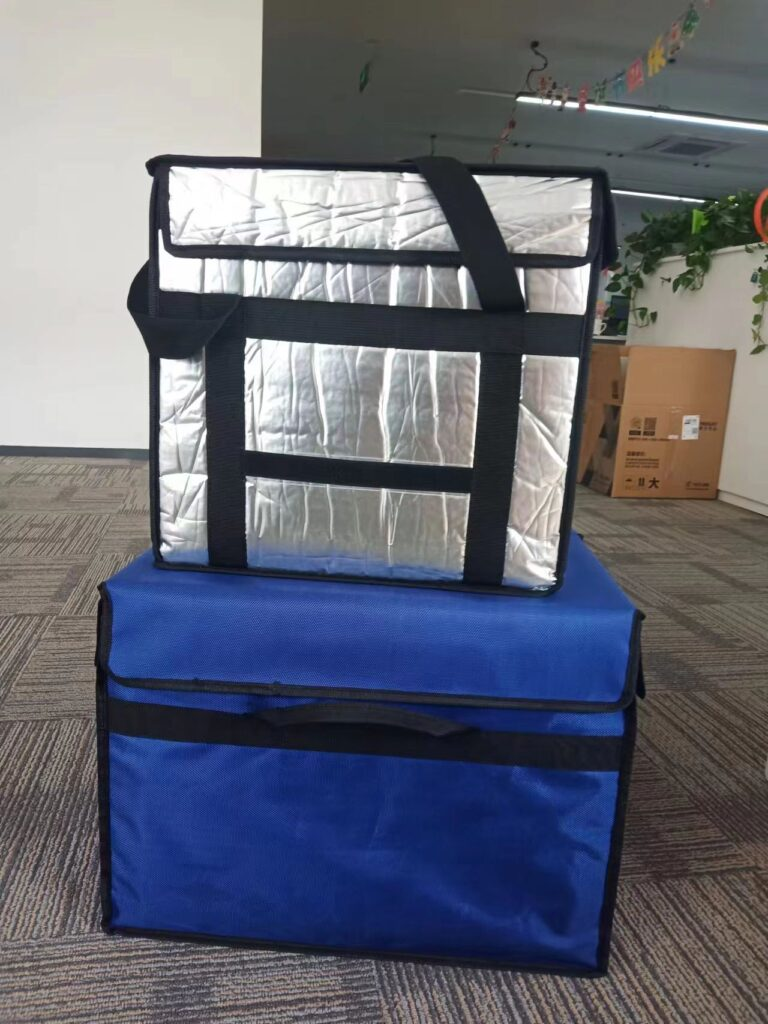
Vakuumisolierter Panel-Container für hochwertige Sendungen: Praktischer Auswahlleitfaden
Die beste Verwendung von a Vakuumisolierter Plattenbehälter Bei hochwertigen Sendungen besteht die Aufgabe darin, den Wärmeschutz mit einem klaren Betriebsplan zu verbinden. Beginnen Sie mit der Produktanforderung, Definieren Sie dann die Route, Nutzlast, Kühlmittel, Beweisüberwachung, und Erhalt der Entscheidung. VIP-Isolierung kann bei schwierigen oder hochwertigen Kühlkettensendungen wertvoll sein, aber es sollte anhand von Beweisen ausgewählt werden, keine Annahme. Dieser publikationsreife Leitfaden bringt den Käufer, technisch, und betriebliche Fragen in einem praktischen Rahmen zusammenzufassen.
Schnelle Antwort: Verwenden Sie für hochwertige Sendungen einen vakuumisolierten Plattenbehälter, wenn die Sendung eine stärkere passive Isolierung benötigt, Definierte Packout-Kontrolle, und praktische Beweise für den Empfänger. Verwenden Sie es nicht als Ersatz für die Routenqualifizierung, korrekte Kühlmittelaufbereitung, oder Qualitätsprüfung. Der Behälter sollte als eine Komponente eines vollständigen Kühlkettensystems betrachtet werden.
Für die meisten Käufer, Die praktische Frage ist: Welche Beweise brauchen wir, bevor wir diesem Paket in großem Umfang vertrauen können?? Bei diesem Nachweis kann es sich um eine Qualifikationszusammenfassung handeln, ein Lieferantendatenblatt, eine Auspackanleitung, eine Beispielbewertung, eine Empfehlung zur Platzierung des Loggers, oder eine interne Qualitätsfreigabe. Das Ziel besteht nicht darin, Dokumente um ihrer selbst willen zu sammeln. Ziel ist es, die Unsicherheit zu verringern, bevor das reale Produkt gefährdet wird.
Ein praktischer Entscheidungsweg für die richtige VIP-Lösung
Der beste Entscheidungsweg ist weder rein technischer noch rein kommerzieller Natur. Ein vakuumisolierter Plattenbehälter für hochwertige Sendungen sollte danach beurteilt werden, wie gut er die Produktanforderungen erfüllt, Spurbelichtung, Wiederholbarkeit der Verpackung, Beweisüberwachung, und Lieferantenunterstützung. Ein hochwertiges Material kann dennoch enttäuschen, wenn die Zuladung nicht passt, Das Kühlmittel ist falsch konditioniert, oder der Empfänger kann den Loggerbericht nicht interpretieren. Ein einfacheres Design kann gut funktionieren, wenn die Spur kurz ist, stabil, und dokumentiert.
VIP bedeutet vakuumisoliertes Panel, eine Hochleistungsisolationskomponente, die um einen evakuierten Kern herum aufgebaut ist, der in einer Barrierehülle versiegelt ist. In Kühlkettenverpackung, VIP-Paneele werden in der Regel durch innere und äußere Strukturschichten geschützt, da das Paneel selbst nicht für eine direkte Beanspruchung ausgelegt ist. Der praktische Wert besteht nicht darin, dass das Panel magisch ist; Der Vorteil besteht darin, dass eine verringerte Wärmeübertragung dem Packout mehr thermischen Spielraum geben oder mehr internen Nutzlastraum bewahren kann als eine dickere herkömmliche Schaumstoffwand. Käufer müssen noch die vollständige Verpackung bestätigen, denn die Isolierung allein definiert nicht den erforderlichen Temperaturbereich, Kühlmittelaufbereitung, oder Empfangskriterien.
Für hochwertige Sendungen, Die Verpackungskosten sind nur eine Zeile in der Risikoberechnung. Eine fehlgeschlagene Lieferung kann ein Ersatzprodukt bedeuten, dringende Rücksendung, Untersuchungszeit, Die Kontinuität der Forschung ging verloren, Prozessunterbrechung, oder ein Kundenstreit. Das bedeutet nicht, dass Käufer standardmäßig den teuersten Container wählen sollten. Dies bedeutet, dass die Verpackungsentscheidung mit den realistischen Fehlerkosten und den für die Freigabe oder Ablehnung der Sendung erforderlichen Nachweisen verglichen werden sollte.
Separater Temperaturschutz, Überwachung, und Compliance-Nachweis
Ein VIP-Versender ist normalerweise ein passiv temperierte Verpackung Komponente, es sei denn, sie ist mit einer angetriebenen Kühlung gekoppelt. Passiv bedeutet, dass das System auf Isolierung angewiesen ist, vorkonditioniertes Kühlmittel, Phasenwechselmaterial, Trockeneis gegebenenfalls, und eine wiederholbare Lademethode. Es kühlt sich nach der Abfahrt nicht aktiv ab. Diese Unterscheidung ist in Ausschreibungen wichtig, da einige Käufer Wörter wie „gekühlt“ verwenden, schlau, und temperaturgesteuert im selben Satz. Ein Lieferant muss wissen, ob Sie passiven Schutz erwarten, aktive Kühlung, Temperaturüberwachung, oder ein hybrider Logistikworkflow.
Die Temperaturüberwachung sollte als Beweismittel betrachtet werden, nicht als Wärmeschutz. Ein Logger kann zeigen, ob eine Sendung innerhalb des erforderlichen Bereichs geblieben ist, und kann dem Team bei der Untersuchung einer Abweichung helfen, ein schwaches Packout kann jedoch nicht korrigiert werden. Auch die Platzierung des Loggers ist wichtig. Ein Sensor, der an einem gefrorenen Ort angebracht ist Kühlmittelpaket, in der Nähe einer warmen Wand, oder in einer Luftblase entspricht möglicherweise nicht dem Nutzlastzustand. Für wichtige Sendungen, Der Überwachungsplan sollte mit der gleichen Sorgfalt überprüft werden wie die Kühlmittelkarte.
Diese Trennung verhindert zwei häufige Fehler. Die erste besteht darin, zu glauben, dass ein Datenlogger das Produkt schützt. Die zweite Möglichkeit besteht darin, zu glauben, dass allein die Isolierung eine kontrollierte Lieferung beweist. Wärmeschutz, Beweisüberwachung, und Compliance-Dokumentation verbunden sind, aber jeder hat einen anderen Job. Eine starke Verpackung soll diese Stellen sichtbar machen.
Eine hochwertige Nutzlast verändert auch die Art und Weise, wie Teams über Redundanz denken. Möglicherweise verwenden sie eine stärkere Isolierung, klarere Dokumentation, sorgfältigere Spurplanung, oder ein besserer Überwachungsworkflow, da die Nachteile eines Fehlers hoch sind. Das Ziel ist nicht Over-Engineering um seiner selbst willen. Ziel ist es, vermeidbare Unsicherheiten zu reduzieren, bevor die Sendung die kontrollierte Umgebung verlässt.
Passen Sie den Container an die Nutzlast an, Fahrbahn, und Erhalt der Entscheidung
Für hochwertige Arzneimittel, Biologika, Diagnosematerialien, oder Spezialprodukte, Der Container muss gleichzeitig zur Nutzlast und zur Fahrspur passen. Die Nutzlastüberprüfung umfasst Abmessungen, Masse, Empfindlichkeit, Sekundärverpackung, und ob das Produkt durch Frost beschädigt ist, Erwärmen, Vibration, oder Kontakt mit Kühlmittel. Die Spurüberprüfung umfasst die geplante Dauer, Übergaben, Umgebungseinflüsse, Zoll oder Hub wohnen, und Bereitschaft empfangen. Wenn eine Seite vage ist, Die Verpackungsempfehlung wird vage sein.
Für hochwertige Sendungen, Die Verpackungskosten sind nur eine Zeile in der Risikoberechnung. Eine fehlgeschlagene Lieferung kann ein Ersatzprodukt bedeuten, dringende Rücksendung, Untersuchungszeit, Die Kontinuität der Forschung ging verloren, Prozessunterbrechung, oder ein Kundenstreit. Das bedeutet nicht, dass Käufer standardmäßig den teuersten Container wählen sollten. Dies bedeutet, dass die Verpackungsentscheidung mit den realistischen Fehlerkosten und den für die Freigabe oder Ablehnung der Sendung erforderlichen Nachweisen verglichen werden sollte.
RFQ-Beweistabelle
| RFQ-Artikel | Minimale nützliche Details | Entscheidungswert |
|---|---|---|
| Beschreibung der Nutzlast | Produkttyp, Masse, Abmessungen, und Sensibilität | Hilft bei der Größe des Behälters und verhindert eine schlechte Passform |
| Temperaturanforderung | Erforderliche Reichweiten- und Abweichungshandhabungsregel | Definiert das Akzeptanzziel |
| Transportspur | Herkunft, Ziel, Modus, Jahreszeit, und Übergaben | Verknüpft die Paketauswahl mit der tatsächlichen Präsenz |
| Packout-Design | Kühlmitteltyp, Konditionierung, Platzierung, Trenner, und Schließung | Macht das Ergebnis wiederholbar |
| Überwachungsworkflow | Logger-Position, Prozess starten/stoppen, Berichtsformat, und Bewertungsinhaber | Verwandelt Temperaturdaten in verwertbare Beweise |
| Scale-Up-Kontrollen | Probenäquivalenz, Produktionskonsistenz, und Änderungsmitteilung | Reduziert Überraschungen nach der Genehmigung |
Diese Tabelle ist nützlich, da sie eine allgemeine Produktanfrage in überprüfbare Fragen umwandelt. Es hält Käufer auch davon ab, einen VIP-Container als einzelne Spezifikation zu betrachten, wenn die tatsächliche Entscheidung von der gesamten Route abhängt, Nutzlast, Kühlmittel, Überwachung, und Dokumentationsworkflow.
Vor der Skalierung vom Muster zur Produktion sind Nachweise anzufordern
Die Qualifizierung ist die Brücke zwischen einer Produktreklamation und einer tatsächlichen Versandentscheidung. Es stellt eine einfache Frage: unter einem definierten Profil, mit einer definierten Nutzlast und einem definierten Packout, Hat das System die erforderlichen Bedingungen eingehalten?? Wenn sich eine dieser Eingaben ändert, die Beweise sind möglicherweise nicht mehr direkt übertragbar. Deshalb sollten Käufer fragen, ob die angegebene Leistung ihre Zuladungsmasse widerspiegelt, internes Layout, Kühlmittelmenge, Streckendauer, und erwarteten Umgebungsbedingungen.
Vor der Skalierung, Bitten Sie um einen Nachweis, der die genehmigte Konfiguration widerspiegelt. Die Musterphase sollte mehr als nur das optische Erscheinungsbild testen. Bestätigen Sie, dass die Konstruktion, Schließung, VIP-Panel-Schutz, Kühlmittelplan, internes Layout, und Anweisungen können in der Produktion wiederholt werden. Wenn ein Lieferant ein Material ändert, Wandstruktur, oder Komponente nach Genehmigung, Der Käufer sollte wissen, wie diese Änderung kommuniziert und bewertet wird.
Betriebsdisziplin, nachdem die Box Ihre Einrichtung verlassen hat
Die Box verlässt Ihr Werk, aber der Prozess geht weiter. Vorkonditionierung, Produktinszenierung, Etikettenplatzierung, Logger-Aktivierung, Deckelverschluss, Abholung durch den Spediteur, Handhabung während des Transports, und Eingangskontrolle wirken sich auf das Ergebnis aus. Ein VIP-Behälter kann die Wärmeübertragung verlangsamen, Eine zu spät geladene warme Nutzlast kann jedoch nicht korrigiert werden, eine verpasste Abholung, oder ein Empfänger, der vergisst, den Logger herunterzuladen. Betriebsdisziplin verwandelt Verpackungsdesign in Versandkontrolle.
Hilfreiche Entscheidungshilfen
Überprüfen Sie die Details, bevor Sie sich für die Verpackung entscheiden
Mit diesen schnellen Tools können Sie das Routenrisiko vergleichen, Größenanforderungen, Kühlmittelauswahl, und Verpackungsdetails, bevor Sie ein Angebot anfordern.
Verpackungsauswahl
Vergleichen Sie isolierte Verpackungsoptionen nach Produkt, Route, und Temperaturbedarf.
Verpackung findenReferenz zu Isoliermaterialien
Vergleichen Sie die Auswahl an Isoliermaterialien für unterschiedliche Kühlkettenverpackungsanforderungen.
Vergleichen Sie MaterialienTrockeneisrechner
Schätzen Sie vor dem Verpacken den Bedarf an Trockeneis für gefrorene oder ultrakalte Sendungen.
Schätzen Sie TrockeneisEin guter Befehlssatz sollte kurz genug für die Verwendung und spezifisch genug sein, um Improvisation zu verhindern. Darin sollte die Reihenfolge der Verpackung angegeben sein, Kühlmittelplatzierung, Standort des Loggers, Verschlussmethode, Etikettenposition, und Erhalt von Schecks. Für wiederverwendbare Einheiten, Es sollte auch die Inspektions- und Reinigungsschritte vor der nächsten Lieferung aufzeigen.
Endgültige Käuferhinweise für eine sicherere Angebotsanfrage
Eine sicherere Ausschreibung gibt die Bedingungen an, anstatt nach einer generischen Premium-Box zu fragen. Geben Sie den erforderlichen Bereich an, Nutzlast, Abmessungen, Route, Dauer, Jahreszeit, Transportart, Überwachungsbedarf, Erwartungen wiederverwenden, und Dokumentationsbedarf. Bitten Sie Lieferanten, die Annahmen anzugeben, die jedem Leistungsanspruch zugrunde liegen. Wenn sie die Annahmen nicht angeben können, Betrachten Sie den Anspruch als Ausgangspunkt und nicht als Entscheidungsgrundlage.
Endlich, Entscheiden Sie, was die Option inakzeptabel machen würde. Möglicherweise ist das nutzbare Volumen zu gering, unklare Logger-Platzierung, schwacher Panelschutz, Keine Verpackungsanweisung, kein Change-Control-Gespräch, oder schlechte Passform mit der Rücklaufschlaufe. Ablehnungskriterien machen die Bewertung objektiver und verhindern, dass Teams einen Container genehmigen, nur weil das Material fortgeschritten klingt.
Von der Musterfreigabe bis zum wiederholbaren Versand
Die Musterfreigabe eines vakuumisolierten Plattenbehälters für hochwertige Sendungen sollte sich nicht auf das äußere Erscheinungsbild beschränken. Das Team sollte bestätigen, dass die Probe von normalem Personal verpackt werden kann, dass die Nutzlast nach der Platzierung des Kühlmittels und des Loggers passt, Dieser Abschluss ist wiederholbar, und dass der Empfänger die Ankunft ohne Verwirrung überprüfen und dokumentieren kann. Eine starke Probe, die in der Produktion nicht wiederholt werden kann, ist nicht stabil Kühlkettenlösung.
Bei Umstellung auf Wiederholungssendungen, Definieren Sie die Erwartungen zur Änderungskontrolle. Wenn der Lieferant das Plattenmaterial ändert, Muscheldesign, Deckelstruktur, Teiler, oder empfohlene Verpackung, Der Käufer sollte benachrichtigt werden, bevor sich die Änderung auf tatsächliche Lieferungen auswirkt. Dies ist besonders wichtig für Arzneimittel, klinisch, biologisch, und hochwertige Produkte, bei denen kleine Verpackungsänderungen das Risikoprofil verändern können.
FAQ
Was ist der einfachste Weg, mit der Auswahl eines VIP-Containers zu beginnen??
Beginnen Sie mit dem erforderlichen Produkttemperaturbereich und der tatsächlichen Spur. Dann definieren Sie die Nutzlastmasse, nutzbares Volumen, Dauer, Umgebungseinflüsse, Kühlmittelstrategie, Überwachungsbedarf, und Empfangsannahmeregeln. Erst wenn diese Punkte klar sind, sollten Sie den Containerstil vergleichen, Abmessungen, und Preis.
Welche Nachweise sollte ein Lieferant erbringen??
Bitten Sie um Beweise, die zu Ihrer Entscheidung passen. Hierzu können wesentliche Informationen gehören, Verpackungsanweisungen, Prüfungs- oder Qualifikationszusammenfassungen, Anleitung zur Loggerplatzierung, Anweisungen zur Reinigung und Wiederverwendung, und Muster-zu-Produktionskontrollen. Wenn ein Anspruch die Qualität oder Konformität beeinträchtigt, Fragen Sie, welches Dokument dies unterstützt.
Ist die VIP-Verpackung für klinische oder pharmazeutische Sendungen ausreichend??
VIP-Verpackungen könnten ein Teil der Antwort sein, Aber das Gesamtsystem zählt. Qualitätsteams kümmern sich in der Regel um Produkttemperaturgrenzen, Qualifikationsnachweis, kalibrierte Überwachung, Routenrisiko, SOP-fit, und Abweichungsbehandlung. Die Verpackung sollte so ausgewählt werden, dass sie diese Kontrollen unterstützt, ersetzen sie nicht.
Wie soll ich zwei VIP-Box-Optionen vergleichen??
Vergleichen Sie den nutzbaren Nutzlastraum, Wiederholbarkeit der Verpackung, Kühlmittelkompatibilität, Panelschutz, Verschlusszuverlässigkeit, Handhabung Haltbarkeit, Überwachungslayout, Dokumentationsunterstützung, und Gesamtbetriebskosten. Ein niedrigerer Stückpreis kann irreführend sein, wenn der Karton Verpackungsfehler verursacht, zusätzliche Fracht, oder schwacher Beweisempfang.
Abschluss: Treffen Sie die VIP-Wahl evidenzbasiert
Ein vakuumisolierter Plattencontainer für hochwertige Sendungen ist am wertvollsten, wenn der Käufer den Container an Produktgrenzen knüpft, Streckenbelichtung, Wiederholbarkeit der Verpackung, Beweisüberwachung, und Entscheidungen entgegenzunehmen. Die VIP-Isolierung ist eine starke Komponente, aber es ist nicht der gesamte Kühlkettenprozess.
Für eine sicherere RFQ, Fordern Sie die Beweise für jede Behauptung an und bestätigen Sie, wie sich die Probe auf Wiederholungssendungen auswirkt. Die endgültige Wahl sollte für die Menschen, die packen, praktisch sein, Transport, erhalten, überprüfen, und genehmigen Sie das Produkt.
Zusätzliche Hinweise zur internen Überprüfung
Ein weiterer Punkt, der bei vakuumisolierten Plattencontainern für hochwertige Sendungen überprüft werden sollte, ist das Empfangsverhalten. Eine Sendung ist nicht vollständig, wenn sie die Adresse erreicht; Es ist vollständig, wenn der Empfänger es überprüfen kann, Interpretieren Sie den Temperaturnachweis, und die richtige Annahmeentscheidung treffen. Wenn das Paketdesign das Abrufen des Loggers erschwert oder den Nutzlastzustand verbirgt, Der Empfänger kann selbst bei adäquater thermischer Auslegung eine Abweichung erzeugen. Einfache Empfangsanweisungen reduzieren dieses Risiko.
Auch die Lagerung vor dem Versand ist Teil des Kühlkettenprozesses. Kühlmittelaufbereitung, Produktinszenierung, Lagerung leerer Boxen, Die Temperatur des Verpackungsraums kann die Ausgangsbedingungen beeinflussen. Wenn ein Standort in einem kontrollierten Raum verpackt und ein anderer neben einer Laderampe, Dieselbe Box kann die Bahn mit unterschiedlichen thermischen Bedingungen beginnen. Käufer sollten die Vorbereitungsschritte standardisieren, bevor sie die Leistung des Behälters beurteilen.
Endlich, Überlegen Sie, wie Änderungen nach der Genehmigung gehandhabt werden. Ersetzen eines Teilers, Austausch einer Deckelkomponente, Verwendung einer anderen Kühlmittelquelle, oder die Änderung des Logger-Standorts mag geringfügig erscheinen, Aber jede Änderung kann sich auf die Art und Weise auswirken, wie sich Wärme durch die Verpackung bewegt oder wie Beweise interpretiert werden. Ein klares Änderungsgespräch zwischen Käufer und Lieferant ist besonders wichtig, wenn Lieferungen reguliert werden, hoher Wert, oder über mehrere Standorte hinweg wiederholt werden.
Über Tempk
Tempk bietet Kühlkette Verpackungslösungen dazu gehören VIP-Kühlboxen und abnehmbare Kühlboxoptionen mit Vakuumisolationspaneel für den medizinischen Bereich, pharmazeutisch, Essen, und andere temperaturempfindliche Logistikanforderungen. Der relevante Wert für Käufer ist nicht nur die isolierte Hülle, sondern auch das praktische Gespräch rund um Payload Fit, Kühlmittelverbrauch, wiederverwendbare Handhabung, und Dokumentationserwartungen. Für VIP-Projekte, Tempk kann Käufern bei der Übersetzung einer Route helfen, Produkttyp, und Temperaturanforderungen in eine Verpackungsdiskussion einfließen, die spezifischer ist als eine allgemeine Kühleranfrage.
Senden Sie Tempk Ihren Sendungswert, Streckenprofil, und Nutzlastsensitivität, um eine risikoorientierte VIP-Container-Option zu besprechen.