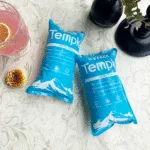
Recycelbare, isolierte Boxeinlage für die Lebensmittellieferung: Auswahl, Testen, und Beschaffung
Das Recht recycelbare isolierte Boxauskleidung for food delivery specification starts with a short list of facts: Anforderungen an die Produkttemperatur, Streckendauer, Kartongröße, Kühlmittelplan, und welche Beweise der Empfänger benötigt. Zur Essenslieferung, Der Liner kann die thermische Belastung reduzieren und die Verpackungseffizienz verbessern, Es kann jedoch nicht das vollständige Packout-Design ersetzen. Dieser Leitfaden bietet Käufern eine praktische Möglichkeit zur Spezifizierung, prüfen, und den Liner beschaffen, ohne sich auf vage Behauptungen zu verlassen.
Liner, Kühlmittel, Karton, und Route müssen gemeinsam behandelt werden
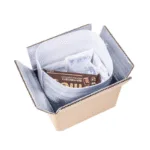
A recyclable insulated box liner is a passive insulation layer. Es kann den Wärmegewinn oder -verlust verlangsamen, reflektieren Strahlungswärme von der Kartonwand, Fügen Sie eine kleine Menge Polsterung hinzu, und tragen dazu bei, eine sauberere Verpackungsinnenoberfläche zu schaffen. Es ist kein Kühlschrank, Es handelt sich nicht um ein aktives Temperaturkontrollgerät, Und es macht das richtige Kühlmittel nicht überflüssig. Zur Essenslieferung, Diese Grenze ist besonders wichtig, da die Sendung mehrere Übergabepunkte durchlaufen kann, bevor der Empfänger den Karton öffnet.
Stellen Sie sich den Liner als einen Teil eines kleinen Wärmestapels vor. Der äußere Wellpappenkarton sorgt für Form und Handhabungsfestigkeit. Der Liner fügt eine reflektierende und luftdurchlässige Schicht hinzu. Gelpackungen, Eisziegel, PCM -Packungen, oder Trockeneis liefern gegebenenfalls Kälteenergie. Die Produktverpackung verhindert Leckagen, Hygiene, und direkten Kontakt. Der eigentliche Stress kommt dann durch die Strecke hinzu: assuming recyclable means accepted in every local stream, losing thermal performance when changing material, food-contact concerns, Feuchtigkeitsschaden, and poor customer disposal instructions. Wenn einer dieser Teile schwach ist, Die Schuld kann auf den Liner geschoben werden, selbst wenn das Problem tatsächlich an der Kartongröße lag, Kühlmittelmasse, oder schlechte Handhabung.
Aus diesem Grund sollte sich die erste Käuferfrage nach der Nutzlast und der Route drehen, nicht nur die Linerdicke. A shipment containing ready-to-eat meals, gekühlte Zutaten, produzieren, Molkerei, eingefrorene Add-ons, and prepared food cartons needs a different risk review than a generic ambient parcel. Sie sollten den gewünschten Produktzustand bei Lieferung definieren, die voraussichtliche Bearbeitungszeit, den Empfangsprozess, und die Ablehnungskriterien vor dem Vergleich von Linerproben. Eine saubere Spezifikation beschleunigt Lieferantengespräche und verringert die Wahrscheinlichkeit, dass eine kostengünstige Option aus dem falschen Grund genehmigt wird.
Planen Sie die Route, bevor Sie sich für einen Liner entscheiden
Die Routenzuordnung ist eine einfache Übung, die viele Teams überspringen. Notieren Sie sich vor der Abholung, wo der verpackte Karton stehen wird, wie es geladen wird, ob es in einen Paketknotenpunkt gelangt, wie lange es in einem Fahrzeug warten darf, ob ein Fahrer oder Kurier eine größere Liefertasche öffnet, und wie der Empfänger das Paket prüft. Zur Essenslieferung, Diese Streckenkarte offenbart oft ein Risiko, das Linienspezifikationen allein nicht lösen können.
Sobald die Karte sichtbar ist, Ordnen Sie jedes Risiko einer Kontrolle zu. Assuming recyclable means accepted in every local stream, losing thermal performance when changing material, food-contact concerns, Feuchtigkeitsschaden, and poor customer disposal instructions may require more coolant, ein anderer Karton, ein stärkerer Verschluss, ein Warnschild, ein kürzeres Versandfenster, oder ein Datenlogger. The recyclable insulated box liner may support these controls by reducing heat transfer and improving the inner pack surface, Es kann jedoch nicht jede Betriebslücke ausgleichen.
Die Routenkarte hilft auch bei der SKU-Gruppierung. Products such as ready-to-eat meals, gekühlte Zutaten, produzieren, Molkerei, eingefrorene Add-ons, and prepared food cartons may not share the same sensitivity or handling tolerance. Wenn ein einziges Packout für alle SKUs verwendet wird, Das Element mit dem höchsten Risiko sollte den Test bestimmen. Wenn die SKU-Spreizung zu groß ist, Möglicherweise ist es besser, zwei Packouts zu definieren, als ein Liner-Design zu erzwingen, das alles abdeckt.
Materialstruktur: was Käufer in den Betrieb umsetzen sollten
A recyclable liner starts with material design, but the claim is only useful if it matches local collection and processing. Zur Essenslieferung, buyers should ask whether the liner is mono-material, how coatings or adhesives affect recyclability, and whether the customer will understand disposal instructions. A material can look sustainable on a sample table and still fail in the real recovery stream.
Changing from a foil-bubble or foam-based structure to a recyclable alternative may affect moisture resistance, falten, puncture behavior, und thermische Pufferung. The correct comparison is not only environmental preference; it is environmental claim plus packout performance. Buyers should test the new liner with the same payload, Karton, Kühlmittel, and handling procedure used in production.
Für jede Materialstruktur, Fragen Sie, was zwischen Muster und Produktion gleich bleiben wird. Veränderungen im Film, Blasenhöhe, Schaumdichte, Klebstoff, Beschichtung, Laminierung, Kantenversiegelung, oder Faltmuster können das Verhalten des Liners verändern. Bei der Essenslieferung, Eine kleine Änderung ist für den Packer möglicherweise nicht sichtbar, aber es kann sich später als Kondensation zeigen, zerkleinertes Produkt, wärmere Einnahmen, oder Kundenbeschwerden.
Compliance-bewusster Einsatz, ohne den Liner zu überfordern
Lebensmittelliefer- und Fleischversandprogramme sollten die hygienische Handhabung von der thermischen Leistung trennen. Saubere Lagerung, korrekte Fahrzeug- oder Lieferabläufe, schriftliche Anweisungen, und der Erhalt von Schecks kann je nach Markt und Produkttyp relevant sein. In den Vereinigten Staaten, Die FDA Sanitary Transportation Rule regelt die Verantwortlichkeiten der Versender, Lader, Träger, und Empfänger im Lebensmitteltransport per Auto oder Bahn, Käufer müssen jedoch noch bestätigen, welche Regeln für ihren eigenen Betrieb gelten.
Der Liner kann das Programm unterstützen, indem er das Kartoninnere schützt, Reduzierung der Temperaturbelastung, und dem Personal dabei zu helfen, konsequent zu packen. Es entscheidet nicht über die sichere Lebensmitteltemperatur, desinfiziert das Produkt nicht, und dokumentiert die Route nicht. Zur Essenslieferung, Die sicherste Formulierung ist, dass der Liner Teil eines kontrollierten Abfertigungsplans ist. Wenn das Produkt ein hohes Risiko darstellt, verderblich, oder über lange unkontrollierte Routen verschifft werden, Käufer sollten eine angemessene Überwachung durchführen und die Verpackung mit ihrem Lebensmittelsicherheitsteam überprüfen.
Eine nützliche interne Regel ist einfach: Je empfindlicher die Nutzlast und desto unsicherer die Route, desto mehr Dokumentation benötigen Sie. FDA food transportation guidance, FDA PFAS food packaging updates, ISTA-Thermalstandards, Tempk liner products can guide the conversation, Aber Käufer sollten trotzdem nach ihrer eigenen Qualität fragen, regulatorisch, Bevor Sie eine Produktionsverpackung genehmigen, wenden Sie sich bitte an Ihr Lebensmittelsicherheitsteam. The liner should not be used for programs that need high moisture resistance but choose paper without protection, routes requiring validated performance but using untested substitutes, and markets where the claimed recycling stream is unavailable unless the whole shipping system has been reviewed for that risk.
Eine praktische Verifizierungstabelle für Käufer
Verwenden Sie diese Tabelle vor der Probenfreigabe. Dadurch bleibt der Fokus der Diskussion auf den Versandanforderungen und nicht auf der Broschürensprache.
| Spezifikationsbereich | Entscheidungsfrage | Antwort des Lieferanten, die hilft |
|---|---|---|
| Temperaturanforderung | Welchen Zustand muss das Produkt bei Erhalt aufweisen?? | Eine Anfrage zur Definition des Bereichs, Dauer, und Akzeptanzkriterien vor der Angebotserstellung. |
| Kartongeometrie | Lässt sich der Liner schließen, ohne dass Ecklücken entstehen oder Nutzlastraum verloren geht?? | Eine Zeichnung, Dieline, oder fertiges Muster passend zum Karton. |
| Kalter Medienplan | Wohin mit Gel-Packs?, PCM, Eisziegel, oder Trockeneis sitzen? | Eine Verpackungsskizze und gegebenenfalls eine Warnung vor direkten Kontaktrisiken. |
| Beweise prüfen | Basiert die Leistung auf Ihrer Route oder einem allgemeinen Anspruch?? | Testprofil, Nutzlast, Umgebungsbedingungen, und Pass/Fail-Kriterien. |
| Produktionskontrolle | Kann die genehmigte Probe im Maßstab wiederholt werden?? | Materialspezifikation, Inspektionsmethode, und Änderungsmitteilung. |
Der Zweck der Tabelle besteht darin, Annahmen sichtbar zu machen. Sobald Annahmen niedergeschrieben sind, Der Käufer kann entscheiden, was ein Lieferantendatenblatt benötigt, Was braucht eine Probesendung?, und was der Genehmigung des Qualitätsteams bedarf. Diese Disziplin ist besonders nützlich, wenn der Preisdruck die Teams zu einem leichteren oder günstigeren Liner drängt, bevor das Routenrisiko erkannt wird.
Lieferantenfragen, die das Ergebnis tatsächlich verändern
A strong supplier conversation for recyclable insulated box liner is specific. Anstatt zu fragen, ob der Liner für die Essenslieferung geeignet ist, Fragen Sie nach, welche Kartongrößen unterstützt werden, welche Materialschichten verwendet werden, welche Toleranzen kontrolliert werden, wie Kanten versiegelt werden, wie die Liner für den Versand verpackt werden, und was passiert, wenn das genehmigte Material geändert wird. Dadurch wird die Diskussion von der Verkaufssprache zur Produktionssteuerung.
Für Massenbestellungen, Materialzusammensetzung, recyclability evidence, Beschichtungen, Klebstoffe, Akzeptanz vor Ort, Feuchtigkeitsbeständigkeit, sample performance, and food-contact declarations should be visible before the purchase order is finalized. Wenn Sie einen individuellen Druck benötigen, Fragen Sie, ob sich Änderungen an Tinte oder Laminierung auf die Lieferzeit auswirken, Recyclabalität, Überprüfung des Lebensmittelkontakts, oder Materialverfügbarkeit. Wenn Sie mehrere Größen benötigen, Fragen Sie, ob für jede Größe eine separate Zeichnung und ein separates Muster verwendet werden. Wenn Sie importieren, Fragen Sie, wie Etiketten, Kartons, Kompressionspackung, und Palettierung wirken sich auf den Wareneingang in Ihrem Lager aus.
Hilfreiche Entscheidungshilfen
Überprüfen Sie die Details, bevor Sie sich für die Verpackung entscheiden
Mit diesen schnellen Tools können Sie das Routenrisiko vergleichen, Größenanforderungen, Kühlmittelauswahl, und Verpackungsdetails, bevor Sie ein Angebot anfordern.
Eisbeutel-Rechner
Schätzen Sie die Menge an Gel-Eisbeuteln für gekühlte Sendungen und nutzen Sie die praktische Routenplanung.
Schätzen Sie EisbeutelFallfestigkeit des Isolationsmaterials
Überprüfen Sie die Fallfestigkeit und die Handhabungsfaktoren, bevor Sie Isoliermaterialien auswählen.
Widerstand prüfenKühlmittel & PCM-Referenz
Vergleichen Sie Kühlmittel- und PCM-Optionen, wenn eine Route zusätzliche Temperaturunterstützung benötigt.
Vergleichen Sie OptionenDer Lieferant sollte auch kein Problem damit haben, Grenzen zu besprechen. Ein Anbieter, der behauptet, dass jedes Linienschiff für jede Route geeignet ist, birgt Risiken für beide Seiten. Bessere Antworten klingen bedingter: Diese Auskleidung kann mit dem richtigen Kühlmittel für kurze Strecken geeignet sein; Dieses Design muss für längere Fahrspuren getestet werden; Dieses Produkt erfordert eine andere Isolationsstruktur; Dieser Anspruch muss dokumentiert werden. Bedingte Antworten sind oft zuverlässiger als sichere Behauptungen ohne Kontext.
Empfangsschecks machen Verpackungen zum Beweismittel
Die Eingangskontrolle sollte geplant werden, bevor die erste Produktionssendung das Lager verlässt. Zur Essenslieferung, Der Empfänger überprüft möglicherweise den Produktzustand, Kartonschaden, Zustand des Eisbeutels, sichtbare Leckage, Liner-Position, Versiegelungsintegrität, oder Temperaturaufzeichnungen, wenn eine Überwachung verwendet wird. Ohne Empfangsstandard, Behauptungen werden subjektiv und schwer zu untersuchen.
The recyclable insulated box liner can support a cleaner receiving experience when it is sized well and used consistently. Ein Liner, der sich bewegt, Tränen, fängt Flüssigkeit an der falschen Stelle ein, oder das Öffnen des Kartons erschwert, kann zu Reklamationen führen, selbst wenn das Produkt selbst akzeptabel ist. Käufer sollten auf die Person achten, die das Paket öffnet, nicht nur die Person, die es verpackt.
Wenn Beschwerden auftreten, Überprüfen Sie die gesamte Kette, bevor Sie einer Komponente die Schuld geben. Prüfen Sie, ob das Produkt richtig vorkonditioniert wurde, ob kalte Medien wie geplant eingefroren oder konditioniert wurden, ob die Einlage zum Karton passt, ob sich die Route geändert hat, ob der Karton verspätet war, und ob der Empfänger den Anweisungen Folge geleistet hat. Dieser ursachenorientierte Ansatz vermeidet wiederholte wesentliche Änderungen, die nie das eigentliche Problem lösen.
Praxisbeispiel: Verwandeln einer Probe in eine verwendbare Verpackung
In einem gemeinsamen Lebensmittellieferprogramm, Ein Käufer kann einen Karton für mehrere Produkte verwenden: Mahlzeiten bereit, gekühlte Zutaten, produzieren, Molkerei, eingefrorene Add-ons, and prepared food cartons. Diese gemischte Nutzlast weckt die Versuchung, für jede Bestellung eine Auskleidung und einen Kühlmittelplan zu verwenden. Ein besserer Ansatz besteht darin, Sendungen nach Vertraulichkeit zu gruppieren, Streckenlänge, und Umgang mit Risiken, Testen Sie dann die Gruppe mit dem höchsten Risiko, bevor Sie den Liner standardmäßig behandeln.
This keeps the recyclable insulated box liner from being judged by an easy route while being deployed on a difficult one. Außerdem gibt es den Packern klarere Anweisungen, weil sie wissen, wann sie Kühlmittel nachfüllen müssen, wann Sie einen anderen Karton verwenden sollten, und wenn eine Sendung einer zusätzlichen Überprüfung bedarf.
Zur Essenslieferung, Das nützliche Ergebnis ist kein allgemeines Bestehen oder Nichtbestehen. Es handelt sich um eine schriftliche Verpackungsmethode, die das Lager wiederholen kann. Die Methode sollte beinhalten, wie der Liner eingeführt wird, wo die Nutzlast sitzt, wie kalte Medien angeordnet sind, wie der Karton verschlossen wird, und was der Empfänger prüfen sollte. Sobald der Prozess definiert ist, Der Käufer kann die Lieferantenoptionen anhand der Konsistenz und nicht nur anhand der Oberflächenbeschaffenheit vergleichen.
FAQ
Is a recyclable insulated box liner enough for food delivery by itself?
NEIN. A recyclable insulated box liner is a passive insulation component. Es kann die Wärmeübertragung verlangsamen und die Verpackung auf Kartonbasis verbessern, aber es braucht noch den richtigen Karton, Nutzlastanordnung, kalte Medien, Abwicklungsprozess, und Erhalt von Schecks. Für Routen mit höherem Risiko, Käufer sollten die vollständige Verpackung testen, anstatt sich auf das Erscheinungsbild des Liners zu verlassen.
Was muss ich bestätigen, bevor ich Muster bestelle??
Bestätigen Sie die Kartonabmessungen, Nutzlasttyp, Erforderlicher Produktzustand, Streckendauer, kalter Medienplan, Es besteht die Gefahr von Feuchtigkeit oder Auslaufen, und Dokumentationsbedarf. Bitten Sie den Lieferanten um ein fertiges Muster, das dem vorgesehenen Produktionsmaterial und der Versiegelungsmethode entspricht. Zur Essenslieferung, Es ist besser, eine realistische Verpackung zu testen, als einen sauberen, leeren Beutel.
Wann sollte ich ein schwereres System anstelle eines Liners in Betracht ziehen??
Erwägen Sie einen stärker isolierten Transportbehälter, starre Box, qualifizierte Verpackung, oder aktive Kontrolle, wenn die Strecke lang ist, Die Umgebungsexposition ist ungewiss, Das Produkt ist reguliert, or the shipment involves programs that need high moisture resistance but choose paper without protection, routes requiring validated performance but using untested substitutes, and markets where the claimed recycling stream is unavailable. Ein Liner kann nützlich sein, aber es sollte nicht über seine bewährte Rolle hinausgedehnt werden.
Wie vergleiche ich Lieferanten fair??
Geben Sie jedem Lieferanten das gleiche Sendungsprofil, Kartongröße, Nutzlastannahmen, kalter Medienplan, und Dokumentationsanforderung. Vergleichen Sie nicht nur den Stückpreis, sondern auch die Fertigmaße, Probenkonsistenz, Materialkontrolle, Verpackungsmethode, Fähigkeit, kundenspezifische Arbeiten zu unterstützen, und Bereitschaft, Produktgrenzen anzugeben.
Abschluss: Geben Sie den Liner als kontrollierte Komponente an
A recyclable insulated box liner can be a useful choice for food delivery, Es sollte jedoch als Teil einer vollständigen Kühlkettenverpackung ausgewählt werden. Der Käufer sollte Produktanforderungen definieren, Routenrisiko, Kartongeometrie, Kühlmittelplan, und Erhalt von Beweisen vor der Genehmigung von Proben.
The most important practical checks are material recovery claims, Wärmeschutz, Feuchtigkeitsbarriere, pack-line practicality, customer disposal communication, and cold media pairing. Wenn diese Schecks frühzeitig bearbeitet werden, Der Liner kann einen saubereren Verpackungsprozess unterstützen, bessere Lagerkontrolle, und weniger Streitigkeiten beim Empfang. Wenn sie ignoriert werden, Selbst ein guter Liner kann in der falschen Spur verwendet oder falsch montiert werden.
Der sicherste Beschaffungsansatz besteht darin, bedingte Fragen zu stellen und klare Antworten zu verlangen. Was ist bewiesen? Was hängt von Ihrer Route ab? Was muss getestet werden? Welche Änderungen bedürfen der Genehmigung? Diese Fragen sorgen dafür, dass das Endpaket ehrlich bleibt.
Über Tempk
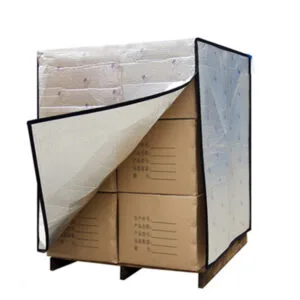
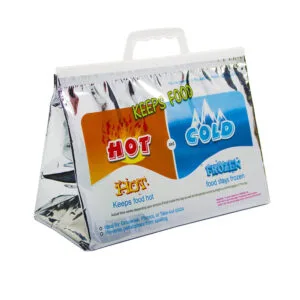
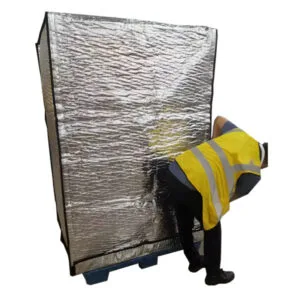
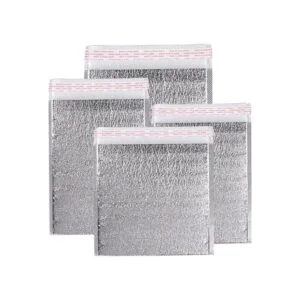
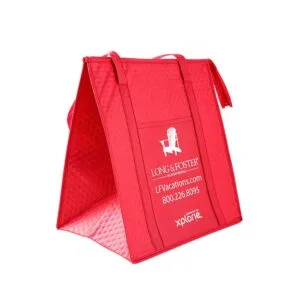
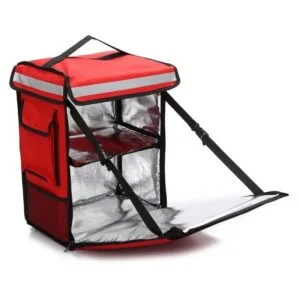
Tempk bietet Kühlkettenverpackung Optionen für Essen, pharmazeutisch, und andere temperaturempfindliche Sendungen. Die veröffentlichte Produktpalette umfasst isolierte Boxauskleidungen, Thermobeutel, Gel -Eisbeutel, EPP- und Kühlversandkartons, Isolierte Palettenabdeckungen, und zugehörige Kühlkettenverpackungsmaterialien. Für Liner-Projekte, Tempk kann Käufern dabei helfen, kartonbasierte Liner-Designs mit Kühlmedien zu vergleichen, Nutzlastanforderungen, und Routenrisiken, bevor Sie von der Musterbeschaffung zur Massenbeschaffung übergehen. Zur Essenslieferung, Die praktische Aufgabe besteht darin, dabei zu helfen, das Liner-Design an die Kartonpassform anzupassen, kalte Medien, und die Betriebsgrenzen des Käufers, anstatt den Liner als Universallösung zu betrachten.
For a recyclable insulated box liner for food delivery project, Senden Sie Tempk Ihre Route, Karton, Nutzlast, und erforderlichen Produktzustand, um eine gezieltere Empfehlung zu erhalten.
Anzahl der Körperwörter: 2388 Worte