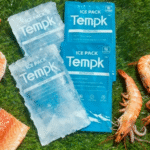
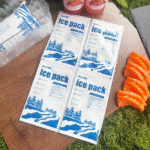
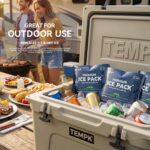
Wenn man sich den Knöchel verdreht, belasten Sie Ihren Rücken, oder mit einem steifen Nacken aufwachen, Kalttherapie ist eine der einfachsten Möglichkeiten, Schmerzen und Schwellungen zu lindern. A nachfüllbar Gel-Eisbeutel für Verletzungen macht diese Therapie bequemer als je zuvor. Diese Packungen sind mit ungiftigem Gel gefüllt, das im Gefrierschrank geschmeidig bleibt, Passt sich Ihrem Körper an, und kann zur Wärmetherapie wieder aufgewärmt werden. In 2025 Der Weltmarkt für Gelpackungen ist schnell gewachsen, weil die Menschen wiederverwendbare Produkte wünschen, sicher und umweltfreundlich. Dieser Artikel erklärt, wie nachfüllbar Gel -Eisbeutel arbeiten, wie man sie sicher verwendet, und warum sie in der häuslichen Ersten Hilfe und im professionellen Bereich immer beliebter werden.
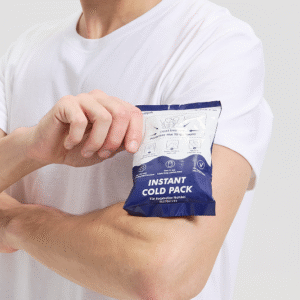
Wie nachfüllbare Gelpackungen Schmerzen und Schwellungen lindern: Sie bleiben im gefrorenen Zustand flexibel und sorgen für eine gezielte Kühlung, die Entzündungen minimiert.
Hauptvorteile und Unterschiede: Erfahren Sie, warum Gel-Packs Wasser- und Instant-Packs übertreffen Kaltpackungen an Vielseitigkeit, Wärmespeicherung und Nachhaltigkeit.
Best Practices für die Verwendung und Pflege nachfüllbarer Gelpackungen: inklusive der PRICE-Methode und sicheren Anwendungsdauern.
Worauf Sie beim Kauf achten sollten: Von Materialien über Haltbarkeit bis hin zu IoT-fähigen intelligenten Funktionen.
2025 Trends und Innovationen: inklusive IoT-Überwachung, nachhaltige Materialien und Marktwachstumstreiber.
Wie lindert ein nachfüllbarer Gel-Eisbeutel Schmerzen und Schwellungen??
Die Kältetherapie verlangsamt den Blutfluss und betäubt Nervenenden. Wenn Sie a cold pack on an injury, Durch die Kälte verengen sich die Blutgefäße. Diese Verringerung des Blutflusses begrenzt innere Blutungen und Flüssigkeitsansammlungen, Dies hilft, Schwellungen und Entzündungen zu kontrollieren. Harvard Health weist darauf hin, dass Kühlpackungen in den Stunden unmittelbar nach einer Verletzung am wirksamsten sind und Entzündungen lindern können, Muskelkrämpfe und Schmerzen. Das Gel in einer nachfüllbaren Packung ist so konzipiert, dass es auch im gefrorenen Zustand weich und flexibel bleibt, Dadurch passt es sich eng an die Knie an, Schultern, oder andere Körperteile. Diese Flexibilität sorgt für einen gleichmäßigeren Kontakt mit der Haut als ein starrer Eiswürfel, was zu einer besseren Temperaturübertragung und einem besseren Komfort führt.
Warum Flexibilität wichtig ist
Bei der Flexibilität geht es nicht nur um Komfort – sie wirkt sich direkt darauf aus, wie effektiv der Rucksack den verletzten Bereich kühlt. Eine Gelpackung, die sich um ein Gelenk schmiegt, sorgt dafür gleichmäßige Kühlung, Dies hilft, Schwellungen schnell und gleichmäßig zu reduzieren. Herkömmliche Eiswürfel oder zerkleinert Eisbeutel kann Lücken hinterlassen, Dies führt zu ungleichmäßiger Kühlung und Unbehagen. Gelpackungen bleiben außerdem länger kalt Eisbeutel auf Wasserbasis, So erhalten Sie pro Anwendung 15–20 Minuten wirksame Therapie, ohne dass Sie ständig wieder einfrieren müssen.
Tisch: Vergleich von Kühllösungen
| Kühllösung | Ideale Verwendung | Profis | Nachteile | Bedeutung für Sie |
| Nachfüllbare Gelpackung | Verletzungen, Chronische Schmerzen, Sendungen | Flexibel, wiederverwendbar, bleibt länger kalt | Höhere Vorabkosten, mögliche Leckage | Am besten für den regelmäßigen Heimgebrauch und wiederholte Therapiesitzungen geeignet |
| Wassereisbeutel | Kurzfristige Erste Hilfe, Budgetverwendung | Niedrige Kosten, leicht zu finden | Geringe thermische Masse; schmilzt schnell | Für den gelegentlichen Gebrauch geeignet, es sind jedoch möglicherweise mehr Packungen erforderlich |
| Sofortige Kühlpackung | Notfall, reisen | Kein Gefrierschrank nötig; schnelle Aktivierung | Einweg; bleibt für kürzere Zeit kalt | Gut für Erste-Hilfe-Sets und Outdoor-Abenteuer |
| Trockeneis | Tiefkühlversand | Extrem niedrige Temperaturen; lang anhaltende | Gefährlich, reguliert, Gefahr einer Unterkühlung | Nur für Tiefkühlwaren verwenden, die Temperaturen unter 0 °C erfordern |
Ratschläge für bestimmte Situationen
Akute Verletzungen: Tragen Sie unmittelbar nach Verstauchungen oder Zerrungen eine nachfüllbare Gelpackung auf, um Schwellungen zu minimieren. Harvard Health empfiehlt, die Packung in ein Tuch zu wickeln und 10–20 Minuten lang aufzutragen, in den ersten beiden Tagen vier- bis achtmal täglich.
Chronische Schmerzbehandlung: Bei anhaltenden Problemen wie Arthritis oder Sehnenentzündung, Wenden Sie vor und nach Aktivitäten proaktiv Kälte an, um Schübe zu reduzieren.
Sportverletzungen: Gelpackungen passen sich den Gelenken an und bleiben biegsam, Dadurch eignen sie sich hervorragend für die Knie, Schultern und Knöchel.
Postoperative Genesung: Hartschalen- oder Rundum-Gelpackungen in medizinischer Qualität sorgen für eine starke Kompression und ermöglichen es den Patienten, während der Genesung mobil zu bleiben.
Wirklicher Fall: Während der Einführung des COVID19-Impfstoffs, Logistikunternehmen verwendeten IoT-fähige Gelpacks mit Temperatursensoren. Wenn die Temperatur einer Sendung unerwartet anstieg, Das System warnte den Fahrer, der die Kühlsysteme angepasst und den Verderb verhindert hat. Dieses Beispiel zeigt, wie intelligente Gelpackungen empfindliche Produkte schützen können – und die gleiche Technologie wird auch bei Verbraucherpackungen zur Verletzungsversorgung eingesetzt.
Was sind die Hauptvorteile von nachfüllbaren Gel-Eisbeuteln??
Wiederverwendbarkeit und Nachhaltigkeit
Wiederverwendbare Gelpackungen Abfall reduzieren und Geld sparen. Im Gegensatz zu Instant-Kühlakkus, die nach einmaligem Gebrauch weggeworfen werden, Nachfüllpackungen können hunderte Male eingefroren und erhitzt werden. Marktforschungen zeigen, dass wiederverwendbare Gelpackungen ungefähr halten 55.6 % des Gelpack-Marktes in 2025. Diese Präferenz spiegelt das wachsende Bewusstsein der Verbraucher für Nachhaltigkeit und Kosteneinsparungen wider. Ungiftige Gele (Kieselgel, Natriumpolyacrylat, Gele auf pflanzlicher Basis) und recycelbare Materialien richten Gel-Packs noch besser an den Umweltzielen aus.
Vielseitigkeit: Kälte- und Wärmetherapie in einem Paket
Viele nachfüllbare Gelpackungen können doppelt so groß sein heiße Packungen. Zur Kältetherapie, Sie werden mindestens zwei Stunden im Gefrierschrank aufbewahrt, während das Erhitzen normalerweise weniger als dauert 40 Sekunden in der Mikrowelle für größere Packungen. Harvard Health erklärt, dass eine Wärmetherapie nützlich ist, sobald die Schwellung nachlässt, da sie die Gewebetemperatur um 3–4 °C erhöht und die Steifheit bei Erkrankungen wie Arthrose verringert. Ein einziger Gelpack, der beide Funktionen erfüllt, macht separate Geräte überflüssig.
Sicherheit und Komfort
Medizinische Gelpackungen sind auf Sicherheit ausgelegt. Kontrollierte und gleichmäßige Kühlung verhindert Erfrierungen und unregelmäßige Temperaturschwankungen. Sie bestehen aus durchstichfesten Materialien, Minimierung von Leckagen. Um kältebedingte Verletzungen zu vermeiden, sollte immer eine schützende Stoffbarriere zwischen Ihrer Haut und dem Rucksack angebracht werden. Viele Rucksäcke verfügen außerdem über ein ergonomisches Design und verstellbare Riemen, um sie an den Gelenken zu befestigen.
Verbesserte Benutzererfahrung
Flexible Passform: Gelpackungen bleiben im gefrorenen Zustand weich, Passt sich den Körperkonturen an und sorgt so für eine bessere Abdeckung.
Tragbar und leicht: Sie sind für unterwegs oder auf Reisen leicht zu transportieren.
Längere Kältedauer: Gelpackungen halten die Kühlung 15–20 Minuten pro Sitzung aufrecht, länger als einfache Eis- oder Gemüsepackungen.
Geringer Wartungsaufwand: Die Packungen können bis zum Bedarf im Gefrierschrank aufbewahrt werden, und einige Modelle verfügen über abnehmbare Bezüge, die maschinenwaschbar sind.
Gesundheit und Hygiene
Einweg-Gelpackungen sind steril, Verringerung des Risikos einer Kreuzkontamination im klinischen Umfeld. Für den Heimgebrauch, Wiederverwendbare Verpackungen mit waschbaren Bezügen sorgen für Hygiene, ohne unnötigen Abfall zu produzieren.
So verwenden und pflegen Sie einen nachfüllbaren Gel-Eisbeutel sicher
Befolgen Sie die PRICE-Methode für akute Verletzungen
Wenn Sie eine Verstauchung oder Zerrung erleiden, Ärzte empfehlen die PREIS Verfahren: Schutz, Ausruhen, Eis, Kompression Und Elevation. Schützen Sie den verletzten Bereich und ruhen Sie ihn aus, Tragen Sie eine nachfüllbare Gelpackung auf, die in ein Tuch gewickelt ist, Drücken Sie es ggf. vorsichtig mit einem Verband zusammen, und halten Sie das Glied hoch, um Schwellungen zu begrenzen.
Bereiten Sie die Packung vor: Frieren Sie die Gelpackung mindestens zwei Stunden lang ein. Bei Verwendung zur Wärmetherapie, Stellen Sie es gemäß den Anweisungen des Herstellers in die Mikrowelle (normalerweise in Schritten von 10–20 Sekunden für kleine Gruppen und bis zu 40 Sekunden für größere Packungen).
Wickeln Sie die Packung ein: Verwenden Sie immer eine Schutzbarriere, z. B. ein dünnes Handtuch. Direkter Kontakt kann zu Erfrierungen oder Verbrennungen führen.
Bewerben Sie sich richtig: Legen Sie die verpackte Packung auf die verletzte Stelle 10–20 Minuten auf einmal. Entfernen Sie die Packung, wenn die Haut rot wird, blass oder prickelnd.
Ruhen Sie sich zwischen den Sitzungen aus: Warte wenigstens eine Stunde zwischen den Vereisungssitzungen, damit das Gewebe wieder die normale Temperatur erreichen kann.
Überwachen Sie Ihre Verletzung: Wenn Schwellungen oder Schmerzen nicht innerhalb weniger Tage besser werden, Konsultieren Sie einen Arzt.
Pflege Ihres Gel-Packs
Reinigung: Viele Gelpacks werden mit abnehmbaren Stoffbezügen geliefert; Waschen Sie den Bezug gemäß dem Pflegeetikett. Wenn die Packung selbst gereinigt werden muss, Wischen Sie es mit einem feuchten Tuch und milder Seife ab.
Regelmäßig prüfen: Auf Löcher oder Undichtigkeiten prüfen. Eine auslaufende Gelpackung sollte verantwortungsvoll entsorgt werden. Einige ungiftige Gele können in den Hausmüll entsorgt werden, aber überprüfen Sie die Herstelleranweisungen.
Lagerung: Bewahren Sie Gelpackungen flach im Gefrierschrank auf, damit sie ihre Form behalten. Vermeiden Sie es, schwere Gegenstände darauf zu legen, Dies kann den Beutel beschädigen oder zu ungleichmäßigem Gefrieren führen.
Häufige Fehler zu vermeiden
Schlafen Sie niemals mit einer Gelpackung bei einer Verletzung ein. Längerer Kontakt mit starker Kälte kann zu Erfrierungen führen.
Bei verletzter Haut keine Kühlpackung verwenden, Blasen oder Verbrennungen. Eine Kältetherapie kann bereits geschädigtes Gewebe schädigen.
Vermeiden Sie übermäßiges Erhitzen. Das Überhitzen einer Gelpackung in der Mikrowelle kann dazu führen, dass der Beutel platzt oder das Gel zerfällt. Erhitzen Sie die Packung immer nach und nach und kneten Sie die Packung zwischendurch.
Worauf Sie beim Kauf eines nachfüllbaren Gel-Eisbeutels achten sollten 2025
Material und Füllung
Ungiftige Füllstoffe und umweltfreundliche Materialien sind mittlerweile Standard. Viele Gelpackungen verwenden Kieselgel, Natriumpolyacrylat oder pflanzliche Gele, die sicher und biologisch abbaubar sind. Vermeiden Sie Packungen mit unbekannten Chemikalien oder solche ohne Sicherheitszertifizierung. Suchen BPA-frei Und FDA-zugelassen Materialien, insbesondere, wenn die Packung mit Lebensmitteln oder empfindlicher Haut in Berührung kommen könnte.
Haltbarkeit und Auslaufsicherheit
Hochwertige Gelpacks haben mehrschichtige Beutel Und verstärkte Nähte die das Risiko von Undichtigkeiten verringern. Überprüfen Sie die Dicke des Außenmaterials; Dünner Kunststoff kann leicht durchstoßen, wohingegen gewebte oder laminierte Stoffe mehr Schutz bieten. Ziehen Sie Hartschalen-Rucksäcke in Betracht, wenn Sie während der postoperativen Pflege oder Physiotherapie zusätzliche Kompression benötigen.
Größe und Form
Wählen Sie eine Packung, die zu der Körperregion passt, auf die Sie abzielen. Rundum-Packungen mit Riemen eignen sich gut für die Knie, Schultern und Rücken, da sie eine freihändige Behandlung ermöglichen. Standard-Rechteckpackungen sind vielseitig einsetzbar für Gliedmaßen und den allgemeinen Gebrauch. Kleiner Spot-Behandlungspackungen Anzugshandgelenke, Knöchel oder Ellenbogen. Einige Packungen enthalten mehrere Gelzellen, um Flexibilität und Konturierung zu gewährleisten.
Hilfreiche Entscheidungshilfen
Überprüfen Sie die Details, bevor Sie sich für die Verpackung entscheiden
Mit diesen schnellen Tools können Sie das Routenrisiko vergleichen, Größenanforderungen, Kühlmittelauswahl, und Verpackungsdetails, bevor Sie ein Angebot anfordern.
Compliance-Checklisten-Generator
Erstellen Sie eine praktische Checkliste für die Verpackungsüberprüfung, Versand, und Dokumentation.
Checkliste erstellenTrockeneisrechner
Schätzen Sie vor dem Verpacken den Bedarf an Trockeneis für gefrorene oder ultrakalte Sendungen.
Schätzen Sie TrockeneisEisbeutel-Rechner
Schätzen Sie die Menge an Gel-Eisbeuteln für gekühlte Sendungen und nutzen Sie die praktische Routenplanung.
Schätzen Sie EisbeutelNachfüllbarkeit und Tragbarkeit
Nachfüllbare Packungen werden mit Schraubverschlüssen oder Ventilen geliefert, mit denen Sie Gel oder Wasser hinzufügen oder ersetzen können. Diese Funktion verlängert die Lebensdauer des Rucksacks und ermöglicht die Anpassung der Fülldichte. Leichte Rucksäcke Mit Tragetaschen können Sie sie ganz einfach ins Fitnessstudio mitnehmen, im Büro oder auf Reisen.
Intelligente Funktionen und digitale Innovationen
2025 hat einen Anstieg erlebt IoT-fähige Gelpacks mit integrierten Temperatursensoren. Diese Geräte stellen eine Verbindung zu mobilen Apps her, um Temperaturmesswerte und Warnungen in Echtzeit bereitzustellen. Vorschriften wie in den USA. Gesetz zur Modernisierung der Lebensmittelsicherheit (FSMA 204) erfordern eine digitale Rückverfolgbarkeit in der Lebensmittel- und Pharmalogistik. Verbrauchergelpackungen beginnen, eine ähnliche Technologie zu übernehmen, bietet Funktionen wie:
Temperaturverfolgung: Erhalten Sie Benachrichtigungen, wenn der Rucksack zu warm oder zu kalt ist.
Nutzungserinnerungen: Apps fordern Sie anschließend auf, das Paket zu entfernen 20 Minuten oder um zwischen den Sitzungen zu warten.
Datenprotokollierung: Verfolgen Sie Therapiesitzungen und überwachen Sie die Verbesserung im Laufe der Zeit.
Preis und Garantie
Gel-Packs reichen von ein paar Dollar für Basismodelle bis hin zu Premium-Smart-Packs, die mehr kosten. Bedenken Sie das Kosten pro Nutzung: eine langlebige, Eine nachfüllbare Packung kann im Laufe der Zeit wirtschaftlicher sein als der wiederholte Kauf von Einwegartikeln. Suchen Sie nach Produkten mit einem Garantie vor Lecks oder Defekten, um Ihre Investition zu schützen.
2025 Trends und Innovationen bei nachfüllbaren Gel-Eisbeuteln
Marktwachstum und Nachfragetreiber
Der globale Markt für Gelpackungen wächst rasant. Untersuchungen zeigen, dass die Der weltweite Markt für Gel-Eisbeutel wird auf US-Dollar geschätzt 311.2 Millionen in 2025 und wird voraussichtlich US-Dollar erreichen 572.5 Millionen von 2032, wächst mit einer durchschnittlichen jährlichen Wachstumsrate von 9.1 %. Mehrwegpackungen halten 55.6 % dieses Marktes, Dies spiegelt die Verbrauchernachfrage nach Nachhaltigkeit und Kosteneffizienz wider. Der gesamte Markt für Wärme- und Kältetherapie, geschätzt bei $1.5578 Milliarde In 2025, wird voraussichtlich mehr als verdoppelt $3.2902 Milliarden von 2035, angetrieben von a 7.8 % durchschnittliche jährliche Wachstumsrate. Nordamerika bleibt aufgrund seiner fortschrittlichen Gesundheitsinfrastruktur und der hohen Prävalenz chronischer Schmerzen der größte regionale Markt.
Warum das Wachstum? Mehrere Faktoren bestimmen die Nachfrage:
Alternde Bevölkerung: Die Vereinten Nationen prognostizieren die Zahl der Menschen im Alter 60+ weltweit wird übersteigen 1.6 Milliarden von 2050. In Nordamerika, Erwachsene im Alter 65+ wird wachsen 55.8 Millionen in 2020 Zu 82 Millionen bis Mitte des Jahrhunderts. Fast vier von zehn älteren Erwachsenen leben mit chronischen Schmerzen, Die Nachfrage nach nichtinvasiver Schmerztherapie wächst.
Steigende Prävalenz von Erkrankungen des Bewegungsapparates: Muskel-Skelett-Erkrankungen betreffen ca 1.71 Milliarden Menschen global, Damit sind sie eine der Hauptursachen für Behinderungen und verminderte Produktivität.
Wellnesskultur für zu Hause: Immer mehr Verbraucher bevorzugen natürliche Schmerzlinderung und Therapien zu Hause gegenüber Medikamenten. Gelpackungen bieten eine kostengünstige und wirksame Möglichkeit, Beschwerden durch körperliche Betätigung zu lindern, Computerarbeit oder alltägliche Belastungen.
Wachstum der Kühlkettenlogistik: Der Kühlkettenmarkt, die temperaturempfindliche Güter wie Impfstoffe und Lebensmittel transportiert, wird voraussichtlich von US-Dollar aus wachsen 436.3 Milliarden in 2025 Zu US$ 1.359 Billionen von 2034. Gelpackungen sind für die Aufrechterhaltung präziser Temperaturen während des Versands von entscheidender Bedeutung, Steigerung der Nachfrage aus Industriesektoren.
Digitale und technologische Fortschritte
IoT, Ai, und Blockchain gestalten die Kühlakkuindustrie neu:
IoT-Überwachung: Eingebettete Sensoren überwachen die Temperatur, Luftfeuchtigkeit, Schock und GPS-Standort, Übertragung von Daten zur Echtzeitanalyse. Prädiktive Analysen können Risiken vorhersagen und Warnungen senden, bevor Temperaturschwankungen auftreten.
KI und Routenoptimierung: KI-Algorithmen optimieren Lieferwege und reduzieren den CO2-Ausstoß. Das ORION-System von UPS leistet Leistung 30,000 Optimierungen pro Minute, sparen 38 Millionen Liter Kraftstoff pro Jahr einsparen und verhindern 100,000 Tonnen CO₂-Emissionen.
Rückverfolgbarkeit der Blockchain: Die Blockchain-Technologie bietet unveränderliche Sendungsaufzeichnungen, Ermöglicht die Produktauthentifizierung und die Einhaltung von Vorschriften.
Automatisierung: Automatisierte Lager- und Bereitstellungssysteme in Lagerhäusern sorgen für konstante Temperaturen und senken die Arbeitskosten.
Nachhaltigkeit und regulatorische Treiber
Umweltfreundliche Materialien: Die Verbreitung pflanzlicher Gele und biologisch abbaubarer Beutel nimmt zu 30 % Jahr für Jahr. Hersteller entwickeln Verpackungen, die vollständig recycelt oder kompostiert werden können.
Netto-Null-Tore: Pharmaunternehmen investieren in erneuerbare Energien und Elektroflotten, um ihren CO2-Fußabdruck zu verringern. Combining green energy with IoT sensors creates resilient and sustainable Kühlkettes.
Vorschriftenregulierung: Die FSMA 204 Herrschaft in den USA. und neue EU-Verpackungsvorschriften erfordern eine frühzeitige digitale Aufzeichnung und Rückverfolgbarkeit 2025. Bei Nichteinhaltung können Geldstrafen und Produktrückrufe verhängt werden, Förderung der Einführung intelligenter Gel-Packs und digitaler Überwachung.
Marktsegmente und regionale Einblicke
| Segment oder Region | 2025 Marktanteil | Wachstumstreiber | Implikationen |
| Wiederverwendbare Gelpackungen | 55.6 % | Nachhaltigkeit und Kosteneffizienz | Erwarten Sie mehr R&D in langlebigen Materialien und längeren Lebenszyklen |
| Ungiftige Gelpackungen | 56.8 % | Verbrauchernachfrage nach Safe, umweltfreundliche Materialien | Die Hersteller legen Wert auf pflanzliche Gele und recycelbare Verpackungen |
| Segment zur Erholung nach der Operation | 32.1 % | Zunehmende Operationen und häusliche Rehabilitation | Möglichkeit für Spezialrucksäcke mit fester Kompression und verstellbaren Trägern |
| Nordamerika | 36.3 % Marktanteil | Etablierte Gesundheitsinfrastruktur; Anwendung der Sportmedizin | Hohe Akzeptanz von IoT-fähigen Paketen; Konkurrenz zwischen großen Marken |
| Asien-Pazifik | Schnellstes Wachstum; 29.2 % Aktie | Ausbau der Logistiknetzwerke und steigende Gesundheitsausgaben | Produkte müssen an unterschiedliche Klimabedingungen und behördliche Anforderungen angepasst werden |
FAQs zu nachfüllbaren Gel-Eisbeuteln für Verletzungen
Q1: Ist ein nachfüllbarer Gel-Eisbeutel besser als eine Tüte gefrorenes Gemüse??
Ja. Gelpackungen bleiben im gefrorenen Zustand flexibel und passen sich Ihrem Körper an, während Gemüse schnell auftaut und seine Form nicht behält. Gelpackungen sorgen zudem für länger anhaltende Kälte und können mehrfach wiederverwendet werden.
Q2: Wie lange sollte ich eine nachfüllbare Gelpackung anwenden??
Beschränken Sie jede Sitzung auf 10–20 Minuten. Warten Sie zwischen den Sitzungen mindestens eine Stunde.
Q3: Kann ich meine nachfüllbare Gelpackung in der Mikrowelle erhitzen??
Ja. Viele Gelpackungen sind mikrowellengeeignet. Erhitze sie in kurzen Stößen (10–20 Sekunden) bis es warm ist. Befolgen Sie immer die Anweisungen des Herstellers, um eine Überhitzung zu vermeiden.
Q4: Sind nachfüllbare Gelpacks umweltfreundlich??
Wiederverwendbare Gelpackungen reduzieren im Laufe der Zeit den Abfall und sind oft ungiftig, biologisch abbaubare Füllungen. Suchen Sie nach Produkten, die aus recycelbaren Materialien hergestellt und frei von schädlichen Chemikalien sind.
Q5: Warum sind intelligente Gelpacks wichtig??
Vorschriften wie FSMA 204 erfordern eine digitale Rückverfolgbarkeit in der Lebensmittel- und Pharmalogistik. Intelligente Gelpacks mit IoT-Sensoren liefern Temperaturdaten und Warnungen in Echtzeit, Gewährleistung der Compliance und Reduzierung von Produktverlusten.
Q6: Was passiert, wenn meine Gelpackung ausläuft??
Wenn eine nachfüllbare Gelpackung undicht ist, Entsorgen Sie es gemäß den Richtlinien des Herstellers. Ungiftige Gele können normalerweise im Hausmüll entsorgt werden, aber prüfen Sie die örtlichen Vorschriften. Erwägen Sie, Ihren Rucksack durch ein langlebigeres Modell zu ersetzen.
Q7: Wie wähle ich die richtige Größe und Form??
Wählen Sie eine Packung, die zu dem Körperbereich passt, den Sie behandeln möchten. Ideal für Gelenke sind Wickelrucksäcke mit Gurten, während kleine Spot-Packs ideal für Handgelenke und Ellbogen sind.
Zusammenfassung und Empfehlungen
Key Takeaways
Nachfüllbare Gel-Eisbeutel sind flexibel, wiederverwendbar und vielseitig– sie passen sich Ihrem Körper an, bieten sowohl Wärme- als auch Kältetherapie an, und im Laufe der Zeit Geld sparen.
Sicherheit zuerst: Wickeln Sie die Packung immer in ein Tuch ein, Tragen Sie es 10–20 Minuten lang auf und lassen Sie Ihre Haut zwischen den Sitzungen ruhen.
Wählen Sie hochwertige Materialien: Suchen Sie nach ungiftigen Gelen, verstärkte Taschen und ergonomisches Design.
Überwachen Sie Trends: Der Gel-Pack-Markt wächst dank Nachhaltigkeit schnell, alternde Bevölkerungen und digitale Innovationen.
Umsetzbare Schritte
Bewerten Sie Ihre Bedürfnisse. Stellen Sie fest, ob Sie einen Rucksack für gelegentliche Erste Hilfe benötigen, Chronische Schmerzen, Sporterholung oder postoperative Pflege.
Wählen Sie das richtige Paket aus. Berücksichtigen Sie die Form, Größe und Material. Wählen Sie wiederverwendbare Rucksäcke mit umweltfreundlichem Gel und starken Nähten.
Befolgen Sie die Richtlinien zur sicheren Verwendung. Halten Sie sich an die PRICE-Methode und die Zeitvorgaben für die Kältetherapie.
Entdecken Sie intelligente Funktionen. Wenn Sie Temperatur und Therapiesitzungen verfolgen möchten, Entscheiden Sie sich für IoT-fähige Pakete, die eine Verbindung zu mobilen Apps herstellen.
Bei Bedarf austauschen. Überprüfen Sie Ihren Rucksack regelmäßig auf Undichtigkeiten. Ersetzen Sie es, wenn das Gel oder die Außenschicht abgenutzt ist.
Über Tempk
Tempk ist ein führender Entwickler von Kühlkettenlösungen und wiederverwendbare Gelpackungen. Unsere Mission ist es, zuverlässig zu schaffen, nachhaltige und benutzerfreundliche Temperaturkontrollprodukte für das Gesundheitswesen, Lebensmittel- und Logistikbranche. Wir verwenden ungiftig, Pflanzliche Gele und langlebige Materialien sorgen dafür, dass unsere Packungen im gefrorenen Zustand flexibel bleiben und hunderte Male wiederverwendet werden können. Durch kontinuierliche Forschung und Innovation, wir integrieren Smart Sensoren Und digitale Rückverfolgbarkeit um Kunden dabei zu helfen, die Temperatur in Echtzeit zu überwachen, Erfüllen Sie gesetzliche Anforderungen und reduzieren Sie Abfall. Mit Fokus auf Qualität und Nachhaltigkeit, Wir liefern Produkte, die die Kältetherapie sicher machen, effektiv und umweltbewusst.
Aufruf zum Handeln: Bereit, die Vorteile eines nachfüllbaren Gel-Eisbeutels zu erleben? Entdecken Sie das Sortiment an wiederverwendbaren Rucksäcken von Tempk und finden Sie die perfekte Lösung für Ihre Bedürfnisse. Kontaktieren Sie unsere Experten für eine persönliche Beratung und bleiben Sie den Trends in der Kältetherapie immer einen Schritt voraus!