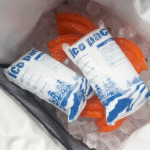
So stellen Sie den Erfolg Ihrer gekühlten Schokoladenlieferung sicher?
Schokolade ist ein empfindliches Produkt. Seine Qualität hängt von der Kontrolle der Hitze ab, Feuchtigkeit und Zeit, und unsachgemäße Handhabung kann dazu führen, dass die Riegel schmelzen oder stumpf werden, blühende Flächen. Gekühlte Schokoladenlieferung löst dieses Problem, indem es die Schokolade im optimalen Temperaturbereich von 12–20 °C hält (54–68 °F) und Luftfeuchtigkeit darunter 50 %. In diesem Leitfaden erfahren Sie, wie Sie diese Bedingungen aufrechterhalten, Wählen Sie die richtige Verpackung, select reliable logistics partners and stay on top of 2025’s Kühlkette trends.
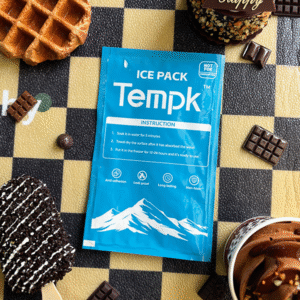
Informieren Sie sich über die optimalen Temperatur- und Luftfeuchtigkeitsbereiche für den Schokoladenversand, einschließlich der Vorbeugung von Zucker- und Fettreif.
Select the best Kühlkette packaging and insulation solutions für unterschiedliche Entfernungen und Klimazonen.
Wählen Sie Logistikstrategien und -anbieter die die Schokolade während des Transports frisch halten.
Identifizieren Sie Herausforderungen und Best Practices, von saisonalen Schwankungen bis hin zur Nachhaltigkeit.
Erkunden 2025 Trends und Innovationen die die Schokoladenlogistik in den nächsten Jahren prägen werden.
Wie halten Sie die optimale Temperatur und Luftfeuchtigkeit bei der gekühlten Schokoladenlieferung aufrecht??
Für die Qualität ist es entscheidend, die Schokolade innerhalb eines engen Temperaturbereichs zu halten. Branchenrichtlinien empfehlen die Einhaltung einer Versandtemperatur dazwischen 12 °C und 20 °C (54 °F – 68 ° F) mit relativer Luftfeuchtigkeit darunter 50 % um Zuckerausblühungen vorzubeugen. Wenn Sie innerhalb dieses Bereichs bleiben, werden Textur und Geschmack geschützt, Dabei wird Ausblühen vermieden – der weißliche Film, der durch die Kristallisation von Fett oder Zucker entsteht. Echtzeit-Temperaturmonitore und Datenlogger helfen Ihnen, Abweichungen frühzeitig zu erkennen, um sicherzustellen, dass die Reise der Schokolade stabil bleibt.
Erklärung und Hintergrund
Schokolade verhält sich je nach Zusammensetzung unterschiedlich. Dunkle Schokolade, reich an Kakaobutter, verträgt kühlere Bedingungen besser und bleibt im gesamten Temperaturbereich von 12–20 °C stabil. Milchschokolade reagiert aufgrund ihres Milchgehalts empfindlicher auf Temperaturschwankungen, und weiße Schokolade erfordert eine kontinuierliche Überwachung, um ein Ausblühen zu verhindern. Auch die Luftfeuchtigkeit ist wichtig: Halten Sie es unten 50 % vermeidet Kondensation, Das kann Zucker auflösen und beim Rekristallisieren eine staubige Schicht bilden. Um dies zu erreichen, Bereiten Sie Ihre Sendung vor – lagern Sie Schokolade kühl, Trockenraum vor dem Verpacken, und benutzen Isolierte Kisten ausgekleidet mit Trockenmittelpackungen, um überschüssige Feuchtigkeit aufzunehmen.
Warum die Aufrechterhaltung der richtigen Luftfeuchtigkeit das Ausblühen von Zucker verhindert?
Zuckerblüte tritt auf, wenn Feuchtigkeit den Zucker auf der Oberfläche der Schokolade auflöst und dann verdunstet, hinterlässt eine kiesige Schicht. Um dies zu vermeiden, Stellen Sie sicher, dass die relative Luftfeuchtigkeit darunter bleibt 50 % Während des Transports. Fettblüte, auf der anderen Seite, passiert, wenn Schokolade schmilzt und dann neu kristallisiert. Dies ist häufig auf längere Temperaturen darüber zurückzuführen 25 °C oder schnelle Schwankungen in beide Richtungen. Die Überwachung von Temperatur und Luftfeuchtigkeit trägt dazu bei, dass die Schokolade geschmeidig bleibt, glänzendes Aussehen.
| Schokoladentyp | Idealer Temperaturbereich | Ideale Luftfeuchtigkeit | Praktische Bedeutung |
| Dunkle Schokolade | 12–20 °C (54–68 °F) | ≤50 % | Stabiler am unteren Ende des Bereichs; verträgt eine leichte Abkühlung ohne Texturverlust |
| Vollmilchschokolade | 12–20 °C (54–68 °F) | ≤50 % | Empfindlich gegenüber Temperaturschwankungen; erfordert zusätzliche Isolierung und Überwachung |
| Weiße Schokolade | 12–20 °C (54–68 °F) | ≤50 % | Am empfindlichsten gegenüber Hitze und Feuchtigkeit; Eine ständige Überwachung verhindert das Ausblühen |
Praktische Tipps und Empfehlungen
Ware vorkühlen und trocknen: Lagern Sie Pralinen vor dem Verpacken in einer kontrollierten Umgebung. Dies verringert das Risiko von Kondensation, wenn sie auf kühlere Gel-Packs treffen.
Verwenden Sie Echtzeitmonitore: Temperatur- und Luftfeuchtigkeitslogger geben sofortige Warnungen aus, wenn die Bedingungen abweichen.
Isolieren und trocknen: Füllen Sie die Kästen mit Isoliermaterial aus und legen Sie Trockenmittelpäckchen zur Feuchtigkeitsaufnahme bei.
Vermeiden Sie schnelle Temperaturschwankungen: Beim Be- oder Entladen, Minimieren Sie die Exposition gegenüber Außenbedingungen, um eine Blüte zu verhindern.
Beispiel: Ein Premium-Chocolatier, der Temperaturüberwachung und strenge Feuchtigkeitskontrolle einführte, sah a 30 % Reduzierung der Kundenbeschwerden und verbesserte Wiederholungskaufraten. Dieser reale Erfolg zeigt, wie eine präzise Umgebungskontrolle die Kundenzufriedenheit steigert.
Was sind die besten Verpackungslösungen und Logistikstrategien für die Lieferung von gekühlter Schokolade??
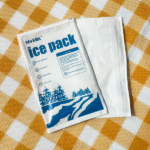
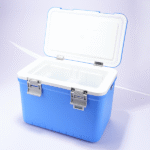
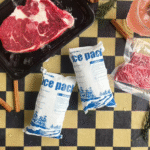
Die Wahl des richtigen Verpackungs- und Logistikpartners macht den Unterschied zwischen makelloser Schokolade und geschmolzener Enttäuschung aus. Leichte Isolierboxen wie expandiertes Polypropylen (EVP) und vakuumisolierte Paneele (VIP) Bieten eine hohe Wärmebeständigkeit und können die Temperatur bis zu 10 Minuten lang aufrechterhalten 72 Std.. Gel -Eisbeutel und Phasenwechselmaterialien (PCMs) Ergänzen Sie die Isolierung, indem Sie bei bestimmten Temperaturen Wärme absorbieren oder abgeben. Für Langstreckenfahrten oder Fahrten bei hohen Temperaturen, Kombination von passiver und aktiver Isolierung Kühltransport sorgt für gleichbleibende Bedingungen.
Erklärung und Hintergrund
Verpackungslösungen variieren in Leistung und Kosten. EPP-Isolierboxen sind langlebig und leicht, Damit sind sie ideal für Sendungen mit einer Dauer von bis zu drei Tagen. VIP-Container bieten eine hervorragende Isolierung bei dünneren Wänden, Reduzierung des Versandvolumens bei gleichzeitiger Beibehaltung der Temperatur. Gelpacks und PCMs verlängern die Kühldauer; PCMs können definierte Temperaturen aufrechterhalten, indem sie bei Phasenwechseln Wärme absorbieren oder abgeben. Passive Kühlkette methods (Isolierung + Gelpackungen) Funktioniert gut für kurze bis mittlere Distanzen, während aktive Kühlfahrzeuge zusätzliche Sicherheit für den internationalen Versand oder den Versand in heißem Klima bieten. Ebenso wichtig ist die Auswahl des richtigen Logistikdienstleisters: Suchen Sie nach Erfahrungen mit verderblichen Waren, Verfügbarkeit von Kühlfahrzeugen und Echtzeit-Tracking-Funktionen.
Comparing passive vs active Kühlkette solutions
| Lösung | Dauer der Temperaturregelung | Vorteile | Beste Anwendungsfälle |
| EPP-Isolierboxen + Gelpackungen | Bis zu 72 H | Leicht, kostengünstig | Inlandssendungen, kurze bis mittlere Distanzen |
| VIP-Container + PCMs | 72 h oder mehr | Überlegene thermische Beständigkeit; dünnere Wände | Fern- oder internationaler Versand, extremes Klima |
| Nur passive Verpackung | 24–48 h | Einfach und kostengünstig | Lokale Lieferungen oder mildes Klima |
| Aktiver Kühltransport | Kontinuierlich | Hält die Temperatur unabhängig von den äußeren Bedingungen präzise aufrecht | Hochwertige Sendungen, heißes Klima oder mehrtägiger Transit |
Praktische Tipps und Empfehlungen
Schichten Sie Ihre Isolierung: Kombinieren Sie EPP- oder VIP-Isolierung mit Gelpacks oder PCMs für längere Reisen. Stellen Sie sicher, dass die Gelpackungen verpackt sind, um zu verhindern, dass Kondenswasser mit der Schokolade in Berührung kommt.
Kisten entsprechend dimensionieren: Vermeiden Sie zu viel Platz, um die Luftzirkulation zu verringern und stabile Temperaturen aufrechtzuerhalten.
Planen Sie Versandpläne: Versenden Sie Pakete früh in der Woche, um Verzögerungen am Wochenende zu vermeiden, und wählen Sie kühlere Tageszeiten für die Abholung und Zustellung aus.
Wählen Sie erfahrene Spediteure: Wählen Sie Logistikpartner mit Kühlflotten und Echtzeitüberwachung, und fragen Sie nach ihren Protokollen für Temperaturabweichungen.
Fallstudie: Durch die Implementierung einer Echtzeit-Temperaturverfolgung konnten die Beschwerden eines Luxus-Chocolatiers im Zusammenhang mit der Schmelze um ein Vielfaches reduziert werden 98 % und mehr positive Bewertungen. Die kontinuierliche Sichtbarkeit ermöglichte schnelle Korrekturmaßnahmen, wenn sich die Bedingungen änderten, den Wert der Überwachung demonstrieren.
Welche Herausforderungen und Best Practices sollten Sie bei der Lieferung von gekühlter Schokolade berücksichtigen??
Die Lieferung von gekühlter Schokolade ist effektiv, aber nicht ohne Herausforderungen. Prämie Verpackungsmaterialien, wie VIP-Panels oder PCMs, kann teuer sein, und unsachgemäße Handhabung kann zu Verzögerungen oder zum Schmelzen führen. Begrenzte Lieferradien und saisonale Schwankungen erfordern eine sorgfältige Planung. Jedoch, Die proaktive Lösung dieser Probleme führt zu besseren Ergebnissen und zufriedeneren Kunden.
Erklärung und Hintergrund
Die Kosten halten kleine Unternehmen oft davon ab, Hochleistungsverpackungen einzuführen, Dennoch verhindert die Investition in eine zuverlässige Isolierung Produktverluste und wahrt die Markenintegrität. Während isolierte Boxen und Gel-Packs für ein- bis zweitägige Sendungen geeignet sind, Längere Strecken oder extreme Temperaturen erfordern fortschrittliche Lösungen. Saisonale Veränderungen erfordern eine Anpassung der Isolationsdicke und der Kühlmittelmenge. Nachhaltigkeit ist ein weiteres Anliegen: Verbraucher bevorzugen zunehmend umweltfreundliche Verpackungen; Optionen wie recycelbare oder biologisch abbaubare Isolierungen und Gelpackungen gewinnen an Bedeutung. Der Einsatz nachhaltiger Materialien reduziert nicht nur die Umweltbelastung, sondern spricht auch umweltbewusste Kunden an.
Umgang mit saisonalen Schwankungen und Nachhaltigkeit
| Herausforderung | Auswirkungen | Empfohlene Lösung |
| Hohe Sommertemperaturen | Schmelzen und Fettblüte | VIP nutzen + PCMs und Versand über Nacht; Planen Sie Abholungen zu kühleren Zeiten; Ziehen Sie eine aktive Kühlung in Betracht |
| Kalte Winterbedingungen | Zuckerausblühungen und Kondensation | Wickeln Sie Gelpackungen ein, um direkten Kontakt zu verhindern; Verpackung vorwärmen, um schnelles Abkühlen zu verhindern |
| Lange Transportwege | Temperaturdrift und Lieferverzögerungen | Kombinieren Sie passive Verpackung mit aktivem Kühltransport; in Echtzeit überwachen |
| Nachhaltigkeitsanforderungen | Verbraucherwahrnehmung und Verschwendung | Wählen Sie eine recycelbare Isolierung (Z.B., Liner auf Papierbasis); Verwenden Sie umweltfreundliche Gelpackungen; Entwerfen Sie Verpackungen für die Wiederverwendung |
Praktische Tipps und Empfehlungen
Budget für Qualität: Durch die Investition in VIP-Container oder PCM-Packungen können Retouren reduziert und die Kundenzufriedenheit gesteigert werden; Einsparungen durch weniger Reklamationen kompensieren häufig höhere Verpackungskosten.
Hilfreiche Entscheidungshilfen
Überprüfen Sie die Details, bevor Sie sich für die Verpackung entscheiden
Mit diesen schnellen Tools können Sie das Routenrisiko vergleichen, Größenanforderungen, Kühlmittelauswahl, und Verpackungsdetails, bevor Sie ein Angebot anfordern.
Kühlmittel & PCM-Referenz
Vergleichen Sie Kühlmittel- und PCM-Optionen, wenn eine Route zusätzliche Temperaturunterstützung benötigt.
Vergleichen Sie OptionenCompliance-Checklisten-Generator
Erstellen Sie eine praktische Checkliste für die Verpackungsüberprüfung, Versand, und Dokumentation.
Checkliste erstellenRoutenrisiko-Checker
Überprüfen Sie die Fahrspurbedingungen, bevor Sie die Verpackung entsprechend den tatsächlichen Betriebsanforderungen auswählen.
Streckenrisiko prüfenVor der Skalierung testen: Führen Sie Pilotlieferungen mit Datenloggern durch, um die Temperaturstabilität zu bewerten und die Verpackungen entsprechend anzupassen.
Nachhaltigkeit integrieren: Bieten Sie Rücknahme- oder Recyclingprogramme für Verpackungsmaterialien an; Hervorheben umweltfreundlicher Praktiken im Marketing.
Kommunizieren Sie mit Kunden: Geben Sie bei der Ankunft klare Anweisungen zur Aufbewahrung der Pralinen und ermutigen Sie zum sofortigen Auspacken.
Beispiel: Ein Chocolatier stieg für den Fernversand auf VIP-Container um und sah a 20 % Reduzierung der Rücklaufquoten und a 30 % Rückgang der Qualitätsbeschwerden, Der Beweis dafür, dass sich Vorabinvestitionen auszahlen.
2025 trends and innovations in chocolate Kühlkette logistics
Die Kühlkettenbranche entwickelt sich rasant weiter. In 2025, Der Google-Algorithmus belohnt konsistent, zufriedenstellende Inhalte und schlüsselwortoptimierte Metatitel. Für die Logistik, Nachhaltigkeit und digitales Monitoring stehen im Mittelpunkt. Fortschrittliche Kühltechnologien wie Phasenwechselmaterialien absorbieren oder geben Wärme ab, um bestimmte Temperaturen aufrechtzuerhalten. Intelligente Verpackungen mit integrierten Sensoren warnen Versender und Verbraucher jetzt in Echtzeit vor Temperaturabweichungen, Stärkung des Vertrauens und Reduzierung von Verschwendung. Nachhaltigkeitsinitiativen treiben die Einführung recycelbarer Isolierungen und biologisch abbaubarer Gelpackungen voran.
Neueste Entwicklungen auf einen Blick
AIunterstützte Temperaturregelung: Fortschrittliche Systeme passen die Kühlung dynamisch an, Reduzierung des Energieverbrauchs und Gewährleistung gleichbleibender Bedingungen.
Phasenwechselmaterialien (PCMs): PCMs speichern und geben Wärmeenergie ab, Aufrechterhaltung stabiler Temperaturen über längere Zeiträume ohne Strom.
Intelligente Verpackungen: Eingebettete Sensoren überwachen Temperatur und Luftfeuchtigkeit während des Transports, Senden von Benachrichtigungen, wenn die Bedingungen abweichen.
Nachhaltige Materialien: Recycelbare Einlagen und biologisch abbaubare Gelpackungen reduzieren die Umweltbelastung und bewahren gleichzeitig die Wärmeleistung.
Integrierte Logistik: Kombination passiver Verpackungen, Aktiver Kühltransport und digitale Überwachung optimieren Kosten und Zuverlässigkeit.
Markteinsichten
Die weltweite Nachfrage nach Schokolade wächst weiter, Marken dazu drängen, über größere Entfernungen zu versenden und gleichzeitig die Qualität beizubehalten. Verbraucher legen zunehmend Wert auf umweltfreundliche Verpackungen und transparente Lieferketten. Ecommerce growth amplifies the need for robust Kühlkette logistics, Innovationen in der Isolierung vorantreiben, Überwachung und Nachhaltigkeit unerlässlich. Die Übernahme dieser Trends stärkt den Ruf Ihrer Marke und positioniert Ihr Unternehmen als Marktführer in der sich entwickelnden Kühllieferlandschaft.
Häufig gestellte Fragen
Q1: Was ist die ideale Temperatur für den Versand von Schokolade??
Halten Sie Schokolade dazwischen 12 °C und 20 °C (54–68 °F) mit Luftfeuchtigkeit darunter 50 %. Dieser Bereich verhindert ein Schmelzen, Zuckerblüte und Geschmacksverlust.
Q2: Kann ich Schokolade ohne aktive Kühlung versenden??
Ja. Für ein- bis zweitägige Sendungen oder mildes Klima, Passivverpackung mit Isolierboxen, Gelpacks oder PCMs sind ausreichend. Für längere Distanzen oder extreme Temperaturen, Kombinieren Sie passive Methoden mit aktivem Kühltransport für zusätzliche Sicherheit.
Q3: Wie lange kann gekühlte Schokolade beim Versand sicher bleiben??
Bei richtiger Verpackung mit hochwertiger Isolierung und Gelpacks, Pralinen können bis zu im optimalen Bereich bleiben 72 Std.. Darüber hinaus, Verwenden Sie VIP-Container, PCMs oder aktive Kühlung.
Q4: Wie verhindere ich das Ausblühen während des Transports??
Sorgen Sie für eine konstante Temperatur und Luftfeuchtigkeit; Vermeiden Sie schnelle Temperaturschwankungen; Verwenden Sie Isolierung und Trockenmittel; und kühlen Sie Ihre Produkte vor. Durch die Kontrolle von Hitze und Feuchtigkeit wird sowohl die Fett- als auch die Zuckerreife verhindert.
Zusammenfassung und Empfehlungen
Die Lieferung von gekühlter Schokolade gelingt, wenn Sie Temperatur und Luftfeuchtigkeit kontrollieren, Investieren Sie in die richtige Verpackung, Planen Sie die Logistik sorgfältig und setzen Sie auf Innovation. Bewahren Sie Sendungen bei einer Temperatur von 12–20 °C auf (54–68 °F) und Luftfeuchtigkeit darunter 50 %. Verwenden Sie isolierte Boxen und ergänzen Sie diese mit Gel-Packs oder PCMs; Wählen Sie erfahrene Spediteure mit Echtzeitüberwachung. Bewältigen Sie Herausforderungen wie die Kosten, Berücksichtigen Sie saisonale Schwankungen und Nachhaltigkeit, indem Sie Ihre Verpackungen testen und umweltfreundliche Materialien integrieren. Wenn Sie über neue Technologien wie intelligente Verpackungen und Phasenwechselmaterialien auf dem Laufenden bleiben, stellen Sie sicher, dass Ihre Schokolade wie vorgesehen ankommt.
Umsetzbare nächste Schritte
Überprüfen Sie Ihren aktuellen Versandprozess – Isolierung bewerten, Kühlmittelmengen und Timing; Schwachstellen und Verbesserungsmöglichkeiten identifizieren.
Implementieren Sie eine bessere Verpackung – VIP-Container und PCMs für Fernlieferungen einsetzen; Kühlen Sie Produkte vor und verpacken Sie Gelpackungen, um Kondensation zu verhindern.
Wählen Sie zuverlässige Partner – Wählen Sie Logistikanbieter mit temperaturgeführten Flotten und Überwachungssystemen; Planen Sie Sendungen zu optimalen Zeiten.
Investieren Sie in Nachhaltigkeit – Wechseln Sie zu recycelbarer Isolierung und umweltfreundlichen Gel-Packs; Kommunizieren Sie diese Bemühungen den Kunden.
Überwachen und anpassen – Verwenden Sie Datenlogger, um Temperatur und Luftfeuchtigkeit zu verfolgen; Aktualisieren Sie Ihr Packout basierend auf saisonalen Schwankungen; Aktualisieren Sie den Inhalt regelmäßig, um die Aktualität des Rankings zu gewährleisten.
Über Tempk
Tempk is a specialist in Kühlkette packaging and temperaturecontrolled shipping solutions. Unsere Isolierboxen, Liner und Gel-/PCM-Verpackungen sind darauf ausgelegt, ideale Temperaturen und Luftfeuchtigkeit für empfindliche Produkte wie Schokolade aufrechtzuerhalten. Wir kombinieren jahrzehntelange Branchenerfahrung mit nachhaltigen Materialien, um sicherzustellen, dass Ihre Waren frisch ankommen, sicher und bereit, Kunden zu begeistern. Unsere Experten helfen Ihnen gerne bei der Auswahl der richtigen Verpackungs- und Logistikstrategie für Ihre individuellen Anforderungen.
Aufruf zum Handeln: Bereiten Sie sich darauf vor, Ihre Pralinen mit Zuversicht zu versenden? Kontaktieren Sie die Spezialisten von Tempk für eine persönliche Beratung und entdecken Sie, wie unsere Lösungen Ihre gekühlte Schokoladenlieferung verbessern können.