Aktualisierungszeit: 23. November 2025
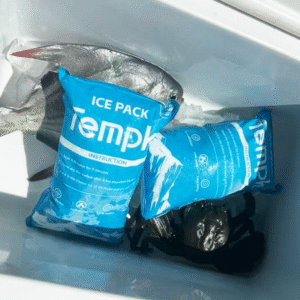
Der Markt für wiederverwendbare Kühlkettenverpackungen Dabei handelt es sich um langlebige Behälter und Isoliersysteme, die für mehrere Zyklen des temperaturkontrollierten Transports ausgelegt sind. In 2025 Dieser Markt hat einen Wert von ca 4,97 Milliarden US-Dollar und Prognosen deuten darauf hin, dass dies der Fall sein könnte 9,13 Milliarden US-Dollar erreichen 2034, Dies entspricht einer durchschnittlichen jährlichen Wachstumsrate (CAGR) von rund 6,98 %. Wachsende Nachfrage nach temperaturempfindlichen Arzneimitteln, Biologika, frische Lebensmittel und Essenssets, zusammen mit strengen Nachhaltigkeitsvorschriften und ESG-Verpflichtungen der Unternehmen, hat wiederverwendbare Verpackungen zu einer strategischen Notwendigkeit gemacht. Dieser Artikel beantwortet wichtige Fragen zur Marktdefinition, Fahrer, Technologien, regionale Dynamik und zukünftige Trends, Wir bieten umsetzbare Anleitungen, die Sie bei der Implementierung langlebiger und umweltfreundlicher Kühlkettenverpackungslösungen unterstützen.
Marktdefinition und Wachstumstreiber: Entdecken Sie, wie langlebige Verpackungen Abfall reduzieren und warum Nachhaltigkeitsinitiativen sinnvoll sind, Regulierungsrahmen und Kosteneinsparungen beschleunigen die Einführung.
Wichtige Segmente und Produkttypen: verstehen, welche Branchen, Welche Materialien und Behälterformate den Markt dominieren und wie sie Ihre Verpackungsauswahl beeinflussen.
Nachhaltigkeit und regulatorische Faktoren: Erfahren Sie, wie die EU-Verpackungs- und Verpackungsabfallverordnung funktioniert (Pp), erweiterte Herstellerverantwortung (EPR) Systeme und FDA-Regeln prägen wiederverwendbare Lösungen.
Vorteile vs. Herausforderungen: Vergleichen Sie Mehrweg und Einweg Thermoverpackung über die Haltbarkeit hinweg, kosten, Logistik und Kundenkomfort.
Neue Technologien und Materialien: Entdecken Sie Innovationen wie intelligente Sensoren, prädiktive Analytik, vakuumisolierte Paneele (VIPs), Aerogele und biobasierte Schäume.
Regionale und Anwendungseinblicke: Erfahren Sie, welche Sektoren und Regionen die Nachfrage nach wiederverwendbaren Systemen antreiben und wie Sie Investitionen priorisieren können.
2025 Trends und Ausblick: Identifizieren Sie wichtige Entwicklungen, die die Zukunft des Marktes prägen, von Fusionen und Übernahmen bis hin zu standardisierten Pooling-Netzwerken.
Praxisempfehlungen und Fallstudien: Erhalten Sie eine Schritt-für-Schritt-Anleitung zur Prüfung Ihres Verpackungs-Fußabdrucks, Bereitstellung wiederverwendbarer Systeme und Überwachung der Leistung.
Häufig gestellte Fragen: Erhalten Sie prägnante Antworten auf häufig gestellte Fragen zu nachhaltigen Kühlkettenverpackungen, Kostenüberlegungen und Compliance.
Was macht den Markt für wiederverwendbare Kühlkettenverpackungen aus und warum wächst er??
Wiederverwendbare Kühlkettenverpackung bezieht sich auf robuste Behälter, Liner, Paletten und Kühlsysteme zum Schutz temperaturempfindlicher Produkte während mehrerer Versandzyklen. Im Gegensatz zu Einwegschaumkühlern oder Pappkartons, Diese Systeme bestehen aus langlebigen Materialien wie Hochleistungskunststoffen, isolierte Verbundwerkstoffe, vakuumisolierte Paneele und Phasenwechselmaterialien (PCMs). Sie werden zurückgegeben, gereinigt und erneut eingesetzt – so entsteht ein geschlossener Kreislauf, der Abfall und Gesamtbetriebskosten reduziert. Laut Towards Packaging, Der globale Markt für wiederverwendbare Kühlkettenverpackungen wurde mit bewertet 4,97 Milliarden US-Dollar im Jahr 2025 und soll voraussichtlich steigen 9,13 Milliarden US-Dollar von 2034, Dies spiegelt die wachsende Akzeptanz wider und a 6.98 % CAGR. Einen ähnlichen Ausblick bietet Market Research Future, schätzen 8,913 Milliarden US-Dollar In 2025 Und 15,68 Milliarden US-Dollar von 2035– Hervorhebung eines robusten zweistelligen Wachstums.
Wachstumstreiber
Mehrere ineinandergreifende Kräfte treiben den Markt für wiederverwendbare Kühlkettenverpackungen an:
Temperaturempfindliche Arzneimittel und Biologika: Die biopharmazeutische Industrie wächst rasant, mit komplexen Biologika, Gentherapien und Impfstoffe, die eine strenge Temperaturkontrolle erfordern. Auf die Kühlkettenlogistik für Arzneimittel entfiel ein großer Anteil 65 % der globalen pharmazeutischen Lieferkette in 2025 und soll sich im nächsten Jahrzehnt verdoppeln. Fast die Hälfte aller neuen Medikamente erfordert eine Temperaturkontrolle, und dezentrale klinische Studien erhöhen die logistische Komplexität zusätzlich. Validierte Mehrwegbehälter gewährleisten die Einhaltung der Vorschriften und reduzieren Produktverluste.
Konsum von Nahrungsmitteln und Getränken: Urbanisierung, Steigende Einkommen und veränderte Lebensstile steigern die Nachfrage nach frischen Lebensmitteln und Fertiggerichten. Es wird erwartet, dass Obst und Gemüse wachsen 21 % CAGR und verarbeitete Lebensmittel 21.5 % CAGR zwischen 2025 Und 2034. Wiederverwendbare Behälter und Einlagen halten die Produkte frisch und reduzieren gleichzeitig den Einwegabfall.
E-Commerce und Lieferung von Essenssets: Online-Lebensmittelgeschäft und Direct-to-Consumer (D2C) Dienstleistungen erfordern eine zuverlässige Isolierung für Last-Mile-Lieferungen. Hersteller von Kochboxen entscheiden sich zunehmend für recycelbare oder wiederverwendbare Verpackungen, um den Erwartungen der Kunden an Nachhaltigkeit gerecht zu werden. Straits Research weist darauf hin, dass Verpackungsinnovationen wie Wellpappenhüllen und wollbasierte Einlagen Marken dabei helfen, umweltfreundliche Erlebnisse zu bieten.
Impfprogramme und globale Gesundheitsinitiativen: WHO- und UNICEF-Programme steigern die Nachfrage nach langlebigen Kühlkettenverpackungen für Hochrisikoimpfstoffe. Die Verbreitung von COVID19- und anderen Impfstoffen unterstreicht die Notwendigkeit einer Validierung, wiederverwendbare Systeme.
Regulatorische Rahmenbedingungen: die USA. Gesetz zur Modernisierung der Lebensmittelsicherheit (FSMA) Abschnitt 204 verlangt von Unternehmen, die mit hochriskanten Lebensmitteln umgehen, digitale Aufzeichnungen zu führen und diese bereitzustellen 24 Std., während die PPWR- und EPR-Gesetze der EU einen höheren Anteil an recycelbaren und wiederverwendbaren Inhalten vorschreiben. Diese Vorschriften drängen Unternehmen zu Mehrwegverpackungen und intelligenter Überwachung.
Nachhaltigkeits- und ESG-Verpflichtungen: Unternehmen verpflichten sich, den CO2-Fußabdruck zu reduzieren, zusammen mit den Verbrauchererwartungen – 79 % der Käufer ändern ihr Kaufverhalten auf der Grundlage von Nachhaltigkeit – fördern die Einführung wiederverwendbarer Systeme. Die Abkehr von expandiertem Polystyrol (EPS) wird durch Verbote und erweiterte Herstellerverantwortungsgebühren beschleunigt.
Technologische Innovation: IoT -Sensoren, Prädiktive Analysen und Echtzeitüberwachung ermöglichen es Unternehmen, die Temperatur zu verfolgen, Luftfeuchtigkeit und Standort in Abständen von 1–5 Minuten. Durch vorausschauende Wartung können ungeplante Ausfallzeiten um bis zu reduziert werden 50 % und den Energieverbrauch um 10–30 reduzieren % In Kühllagereinrichtungen.
Erweiterte Erklärung
Wiederverwendbare Kühlkettenverpackungen berücksichtigen nicht nur Umweltprobleme, sondern bieten auch spürbare wirtschaftliche Vorteile. Herkömmliche Einweg-EPS-Boxen unterliegen immer mehr Beschränkungen und es fallen Entsorgungsgebühren an, während wiederverwendbare Systeme die Herstellungskosten auf mehrere Fahrten verteilen, Senkung der Gesamtkosten pro Sendung. Unternehmen, die Closed-Loop-Systeme implementieren, erhalten Zugriff auf bessere Daten, verbessertes Branding und langfristige Einsparungen. Zum Beispiel, ein Pharmaunternehmen, das auf biologisch abbaubare Materialien und wiederverwendbare Behälter umgestiegen ist Reduzierung des Verpackungsmülls um 40 % und senkte die Betriebskosten um 25 % im ersten Jahr. Das zeigte ein anderer Fall Kombination vakuumisolierter Paneele mit wasserbasierten PCMs fünf Tage lang bei –70 °C gehalten und das Paketgewicht reduziert 20 % gegenüber Trockeneis Sendungen.
Denn wiederverwendbare Verpackungen sind für wiederholte Zyklen konzipiert, Unternehmen müssen eine Reverse-Logistik planen: sammeln, Reinigen und Umverteilen von Behältern. Dies erfordert zwar Investitionen in die Infrastruktur, Pooling-Programme – wie Credo Go von Peli BioThermal – vereinfachen Rückgabe und Wartung. Staatliche Anreize und Subventionen für biologisch abbaubare Materialien in Kanada und Europa fördern die Innovation zusätzlich. Gesamt, Der Business Case für Mehrweg Kühlkettenlösungen wird durch die Einhaltung gesetzlicher Vorschriften gestärkt, Kosteneinsparungen und steigende Verbrauchernachfrage nach umweltfreundlichen Optionen.
Schlüsselsegmente und Produkttypen
Der Markt für wiederverwendbare Kühlkettenverpackungen umfasst mehrere Endverbrauchssektoren und Produktformate. Zu den Hauptsegmenten gehören Gesundheitspflege, Lebensmittelversorgungskette, Einzelhandel, Transport und Biotechnologie. Innerhalb dieser, Die Pharma- und Biotechnologiebranche ist der Größte, erfassen 45.22 % des Marktes für Kühlkettenverpackungen in 2024 und voraussichtlich erreichen 46.5 % von 2035. Nahrungsmittel und Getränke stellen das am schnellsten wachsende Segment dar, mit Obst und Gemüse sowie verarbeiteten Lebensmitteln, die beide oben wachsen 21 % CAGR. E-Commerce-Lebensmittelgeschäft, Essenssets und Direktlieferungen an den Verbraucher sind aufstrebende, aber schnell wachsende Segmente.
Auf der Produktseite, Isolierte Behälter dominieren, Buchhaltung für ca 40 % der Markteinnahmen in 2025. Palettenversender ungefähr darstellen 25 %, unentbehrlich für den Massenimpfstoff- und API-Transport. Passive Verpackung– stromlose Systeme mit Isolierung und Kühlmedien – gehalten 55.32 % Marktanteil in 2024 Aufgrund seiner Einfachheit und Kosteneffizienz bleibt es für viele Sendungen die bevorzugte Wahl. Den höchsten Zuwachs verzeichnen Hybridlösungen, die passive Isolierung mit aktiver Temperaturregelung kombinieren, Posten a 10.32 % CAGR.
Zu den Materialien, die in wiederverwendbaren Kühlkettenverpackungen verwendet werden, gehören: Plastik, Metall, Holz und Verbundwerkstoffe. Kunststoff hat derzeit den größten Anteil, aber nachhaltige Alternativen – etwa biobasierte Schaumstoffe, Federisolierung, Algenkunststoffe und Holzfaserauskleidungen gewinnen schnell an Bedeutung. Vakuumisolierte Paneele und Aerogele bieten eine hervorragende Wärmeleistung für ultrakalte Sendungen, Allerdings bleiben sie teurer und sind typischerweise hochwertigen Arzneimitteln vorbehalten.
Tisch 1: Wichtige Produkttypen und Materialien im Markt für wiederverwendbare Kühlkettenverpackungen
| Produkt oder Material | Beschreibung / Daten | Typische Anwendung | Praktische Bedeutung |
| Isolierte Behälter | Dominieren Sie den Produktumsatz mit ~40 % Aktie; aus Hochleistungskunststoffen oder Verbundwerkstoffen | Impfungen, Biologika, Spezialitäten | Sorgen Sie für eine zuverlässige Temperaturkontrolle und unterstützen Sie die wiederholte Verwendung bei zahlreichen Sendungen |
| Palettenversender | Repräsentieren ~25 % des Produktanteils | Massenimpfstoffe, APIs, Großhandel mit Produkten | Geeignet für großvolumige Sendungen; oft in Pooling-Programme integriert |
| Boxen & Kühlschränke transportieren | Decken Sie kleinere Sendungen ab; kann VIPs oder PCMs für längere Haltezeiten verwenden | Mahlzeiten, Proben aus klinischen Studien | Bieten Sie Flexibilität und niedrigere Vorlaufkosten im Vergleich zu Palettenversendern |
| Passive Systeme | Gehalten 55.32 % Marktanteil in 2024; Setzen Sie auf Isolierung und Kühlmedien | Pharmazeutika, Lebensmittel und E-Commerce | Günstiger in der Implementierung und Wartung; funktionieren gut, wenn sie validiert und vorkonditioniert sind |
| Hybridsysteme | Höchstes Wachstum bei 10.32 % CAGR; Kombinieren Sie passive Isolierung mit aktiver Temperaturregelung | Hochwertige Biologika, Gentherapien | Sorgen Sie für höhere Zuverlässigkeit und längere Haltezeiten, wenn auch zu höheren Kosten |
| Kunststoffmaterialien | Größter Materialanteil; voraussichtlich von 3,5 Milliarden US-Dollar auf 6,5 Milliarden US-Dollar wachsen | Allgemeine Verpackung | Langlebig und leicht, steht aber auf dem Prüfstand der Nachhaltigkeit |
| Biobasierter Schaum & Federisolierung | Neue Materialien reduzieren Deponiemüll | Mahlzeiten, Meeresfrüchte, Arzneimittel | Bieten Sie eine verbesserte Isolierung und orientieren Sie sich an den Zielen der Kreislaufwirtschaft |
| VIPs & Aerogele | Wärmeleitfähigkeit bis zu 0.0043 W/(m·K), Aufrechterhaltung einer Temperatur von 2–8 °C für 72 Std. | Ultrakalte Sendungen, Gentherapien | Bieten Sie eine hervorragende Isolierung mit dünneren Wänden; Reduzieren Sie das Transportgewicht, erhöhen Sie jedoch die Kosten |
Benutzertipps und Ratschläge
- Material auf Dauer und Temperatur abstimmen:Für Sendungen unter 24 Stunden bei moderaten Temperaturen, Eine Grunddämmung oder eine Naturfaserauskleidung kann ausreichend sein. Für mittlere Laufzeiten (24–72 Stunden), Verwenden Sie Hartschaumstoffe oder PCMs; Konditionieren Sie die Packs, um einen Thermoschock zu vermeiden. Für ultrakalte oder lange Sendungen (>72 Stunden oder –70 °C), Wählen Sie VIPs oder Aerogele mit PCMs.
- Denken Sie an Nachhaltigkeit:Erwägen Sie die Gebühren für die erweiterte Herstellerverantwortung und wählen Sie recycelbare Schaumstoffe oder wiederverwendbare Behälter anstelle von Einweg-EPS. Biobasierte Isolierungen wie Feder- oder Algenverpackungen erzielen eine verbesserte Wärmeleistung bei geringerem ökologischen Fußabdruck.
- Planen Sie Wiederverwendung und Pooling:Richten Sie eine Rückführungslogistik ein und ziehen Sie Mietprogramme wie Crēdo Go in Betracht, die die Abholung verwalten, Reinigung und Umverteilung. Dies maximiert den Lebenszykluswert und reduziert die Investitionskosten.
Fallbeispiel: Ein Pharmahändler nutzte VIPs gepaart mit wasserbasierten PCMs zum Transport von Gentherapieprodukten. Das System hielt fünf Tage lang eine Temperatur von –70 °C aufrecht und reduzierte gleichzeitig das Paketgewicht 20 % im Vergleich zu Trockeneislieferungen. Die Technologie verhinderte Temperaturschwankungen, Kraftstoff gespart und Emissionen gesenkt.
Wie Nachhaltigkeit und Regulierung die Akzeptanz vorantreiben
Umweltbedenken, Regulierungsvorschriften und ESG-Verpflichtungen von Unternehmen verändern die Kühlkettenverpackungsindustrie. Die der Europäischen Union Verpackungs- und Verpackungsabfallverordnung (Pp) erfordert erhebliche Steigerungen der Recyclingfähigkeit und Wiederverwendbarkeit 2030. Erweiterte Herstellerverantwortung (EPR) Gesetze verlagern die End-of-Life-Kosten vom Verbraucher auf die Hersteller, Anreize für wiederverwendbare Lösungen schaffen. In den USA, FSMA-Sektion 204 schreibt vor, dass Unternehmen, die mit risikoreichen Lebensmitteln umgehen, wichtige Datenelemente aufbewahren und diese der FDA zur Verfügung stellen 24 Std.. Diese Rahmenbedingungen drängen Unternehmen dazu, Verpackungen einzuführen, die die digitale Aufzeichnung unterstützen, Rückverfolgbarkeit und schneller Rückruf.
Nachhaltigkeitstreiber und Branchenreaktionen
| Treiber | Auswirkungen | Reaktion der Branche | Nutzen Sie Ihnen |
| EU-PPWR & EPR-Gesetze | Recycelbarkeit und wiederverwendbare Inhalte vorschreiben | Investition in faserbasierte Liner, recycelbare Schäume und wiederverwendbare Behälter | Reduzierte Abfallentsorgungskosten, verbesserte Einhaltung gesetzlicher Vorschriften |
| FSMA-Sektion 204 (UNS.) | Erfordert eine 24-Stunden-Rückverfolgbarkeit für Lebensmittel mit hohem Risiko | Einführung intelligenter Verpackungen mit digitaler Aufzeichnung | Schnelle Rückruffähigkeit, erhöhte Verbrauchersicherheit |
| Verbrauchernachfrage | 79 % der Käufer ändern ihren Kauf aufgrund von Nachhaltigkeit | Marken legen Wert auf biobasierte Materialien und Wiederverwendbarkeit | Erhöhte Markentreue und Differenzierung |
| ESG-Verpflichtungen von Unternehmen | Druck, den CO2-Fußabdruck zu reduzieren und Einweg-EPS auslaufen zu lassen | Einführung von Mehrwegprodukten, recycelbare Verpackung und CO2-neutraler Versand | Entspricht den Erwartungen der Anleger und senkt die langfristigen Kosten |
| Staatliche Anreize | Zuschüsse und Steuererleichterungen für biologisch abbaubare Materialien in Kanada und Teilen Europas | Unterstützen Sie die Forschung und Einführung nachhaltiger Materialien | Niedrigere Investitionsbarrieren für nachhaltige Lösungen |
Erweiterte Erklärung
Nachhaltigkeit ist nicht mehr optional – Regulierungsbehörden, Investoren und Verbraucher erwarten konkrete Maßnahmen. Der Wandel ist bei Unternehmensfusionen und Investitionen sichtbar. Zum Beispiel, Durch die Übernahme der Packaging Technology Group durch Kühlkette Technologies erweiterte das Unternehmen sein Portfolio an recycelbaren Verpackungen; Durch die Fusion von Sonoco mit Eviosys wurden die Kapazitäten für Metallverpackungen gestärkt; und Smurfit Kappa fusionierte mit WestRock, um papierbasierte Thermolösungen zu entwickeln. Durch diese Deals entstehen Verpackungsgiganten, die in der Lage sind, nachhaltige Systeme zu erneuern. Unternehmen wie DS Smith führten faserbasierte Produkte ein Thermofutter im Januar 2025 die den EU-Recyclinganforderungen entsprechen.
In der Zwischenzeit, Branchenstandardisierungsinitiativen untersuchen interoperable Containergrößen und Pooling-Netzwerke, um die Anlagenauslastung zu verbessern und die Kosten für die Rückführungslogistik zu senken. Kanada und Europa gewähren Subventionen für biologisch abbaubare Materialien, Ermutigung von Startups zur Entwicklung von Federisolierungen und Algenschäumen. Zusätzlich, Anforderungen der Digitalisierung (FSMA-Sektion 204, EU-PPWR) Förderung der Einführung von Smart Labels, RFID-Tags und IoT-Sensoren, die alle paar Minuten Temperatur- und Standortdaten übertragen. Diese Technologien helfen Ihnen, die Einhaltung von Vorschriften zu dokumentieren und gleichzeitig Verderb zu verhindern.
Praxistipps für eine nachhaltige Umsetzung
- Überprüfen Sie Ihren Verpackungs-Fußabdruck:Überprüfen Sie aktuelle Materialien, Nutzungsmuster und Entsorgungskosten, um Möglichkeiten für den Umstieg auf recycelbare Schaumstoffe oder Mehrwegbehälter zu ermitteln.
- Partner mit Pooling-Diensten:Mietprogramme verwalten die Containersammlung, Reinigung und Umverteilung, Rationalisierung der Rückführungslogistik und Senkung der Kapitalkosten.
- Informieren Sie Ihre Kunden:Bereitstellung klarer Rückgabeanweisungen und Ermutigung der Verbraucher zur Teilnahme an Wiederverwendungsprogrammen. Engagierte Kunden erhöhen die Retourenquoten und unterstützen Nachhaltigkeitsziele.
- Beantragen Sie Anreize:Untersuchen Sie lokale Zuschüsse oder Steuergutschriften für biologisch abbaubare Materialien und Verpackungsinnovationen.
Beispiel aus der Praxis: Softboxen Tempcell ECO, weit verbreitet von 2025, verwendet Wellpappe und ist 100 % am Straßenrand recycelbar. Pharmaunternehmen nutzen es für den Transport von Impfstoffen, Reduzierung von Plastikmüll bei gleichzeitiger Erfüllung der Nachhaltigkeitsziele des Unternehmens.
Vorteile und Herausforderungen von Mehrweg vs. Einweg-Thermoverpackung
Die Wahl zwischen Mehrweg- und Einwegverpackungen hängt von Ihrem Versandvolumen ab, Produktempfindlichkeit und betriebliche Einschränkungen. Wiederverwendbare Thermoverpackung ist auf Langlebigkeit und mehrere Zyklen ausgelegt; Behälter bestehen häufig aus starren Kunststoffen oder Textilien, und Kunden geben sie nach der Lieferung zurück. Einwegverpackung setzt auf Schaumkühler, Thermoliner bzw Gelpackungen und wird nach einer Fahrt entsorgt.
Vorteile von Mehrwegverpackungen
Haltbarkeit und Produktschutz: Hochwertige Materialien gewährleisten eine gleichmäßige Isolierung über mehrere Sendungen hinweg, Reduzierung von Verderb und finanziellen Verlusten.
Umweltauswirkungen: Wiederverwendbare Behälter reduzieren die Nachfrage nach Einwegmaterialien und verhindern, dass Abfälle auf Mülldeponien landen. Ökobilanzen zeigen, dass Mehrwegsysteme im Vergleich zu Einwegalternativen die Treibhausgasemissionen und den Ressourcenverbrauch senken.
Individualisierung und Branding: Behälter können auf die Größe zugeschnitten werden, Branding und funktionale Merkmale, Verbesserung des Kundenerlebnisses.
Langfristige Kosteneinsparungen: während die Vorabkosten höher sind, Durch die Eliminierung fortlaufender Verpackungskäufe und Entsorgungsgebühren werden die Gesamtkosten im Laufe der Zeit gesenkt. Transportkosten sinken durch optimierte Ladungsausnutzung und reduziertes Gewicht.
Herausforderungen von Mehrwegverpackungen
Erstinvestition: Die Herstellung langlebiger Behälter und der Aufbau einer Reverselogistik-Infrastruktur erfordern Kapital, was für kleine Unternehmen eine Herausforderung sein kann.
Logistikkomplexität: Retouren koordinieren, Reinigung und Umverteilung können die betriebliche Arbeitsbelastung erhöhen. Rücksendungen über große Entfernungen können ineffizient sein, insbesondere für weltweite Sendungen.
Hilfreiche Entscheidungshilfen
Überprüfen Sie die Details, bevor Sie sich für die Verpackung entscheiden
Mit diesen schnellen Tools können Sie das Routenrisiko vergleichen, Größenanforderungen, Kühlmittelauswahl, und Verpackungsdetails, bevor Sie ein Angebot anfordern.
Referenz zu Isoliermaterialien
Vergleichen Sie die Auswahl an Isoliermaterialien für unterschiedliche Kühlkettenverpackungsanforderungen.
Vergleichen Sie MaterialienVerpackungsauswahl
Vergleichen Sie isolierte Verpackungsoptionen nach Produkt, Route, und Temperaturbedarf.
Verpackung findenFallfestigkeit des Isolationsmaterials
Überprüfen Sie die Fallfestigkeit und die Handhabungsfaktoren, bevor Sie Isoliermaterialien auswählen.
Widerstand prüfenKunden-Compliance: desto mehr Arbeit müssen Kunden leisten, um Pakete zurückzusenden, desto geringer ist die Wahrscheinlichkeit, dass sie teilnehmen. Ohne entsprechende Anreize, Container können immer noch auf Mülldeponien landen.
Vorteile und Herausforderungen von Einwegverpackungen
Einweg-Thermoverpackungen bleiben für bestimmte Szenarien weiterhin beliebt:
- Einfachheit:Es ist keine Rückholung oder Reinigung erforderlich; Unternehmen können sich auf Schnelligkeit konzentrieren, effiziente Lieferungen. Dies eignet sich für Hochgeschwindigkeitsbetriebe oder Unternehmen mit begrenzten Logistikkapazitäten.
- Kostenvorhersehbarkeit:Die Haushaltsplanung ist unkompliziert, Dies macht es für Startups und kleine Unternehmen attraktiv.
- Vielseitigkeit:Einweglösungen gibt es in verschiedenen Größen und Isolationsstufen für unterschiedliche Versandanforderungen.
Jedoch, Einwegverpackungen erzeugen Abfall und unterliegen zunehmender behördlicher Kontrolle. Entsorgungsgebühren, EPR-Gebühren und Kundenpräferenzen für nachhaltige Marken können den Kostenvorteil untergraben.
Vergleichstabelle: Wiederverwendbar vs. Einweg-Thermoverpackung
| Besonderheit | Wiederverwendbare Verpackung | Einwegverpackung | Implikationen für Sie |
| Haltbarkeit | Hoch; für mehrere Zyklen ausgelegt | Niedrig; für eine Reise konzipiert | Wiederverwendbare Systeme reduzieren den Verderb und schützen die Produktqualität |
| Umweltauswirkungen | Reduziert Abfall und Emissionen | Erzeugt mehr Abfall; steht unter regulatorischem Druck | Wiederverwendbare Verpackungen stehen im Einklang mit ESG-Zielen und Verbrauchererwartungen |
| Vorabkosten | Höhere Anfangsinvestition | Niedrigere Anschaffungskosten | Bewerten Sie den langfristigen ROI; Hohe Volumina begünstigen Mehrwegsysteme |
| Operative Komplexität | Erfordert Rückwärtslogistik und Reinigung | Einfach, keine Rücksendungen | Erwägen Sie die Bündelung von Diensten, um die Komplexität zu verringern |
| Kosten über den Lebenszyklus | Niedrigere Kosten pro Sendung aufgrund mehrfacher Verwendung | Höher aufgrund fortlaufender Rückkauf- und Entsorgungsgebühren | Die Gesamtbetriebskosten begünstigen Mehrwegverpackungen, wenn das Versandvolumen hoch ist |
Benutzertipps
- Bewerten Sie das Versandvolumen und die geografische Lage:Großvolumige Sendungen innerhalb lokaler Regionen profitieren am meisten von wiederverwendbaren Systemen; Bei Langstreckensendungen oder bei Sendungen mit geringem Volumen kann dennoch eine Einwegverpackung gerechtfertigt sein.
- Pilot vor der Skalierung:Führen Sie kleine Pilotprojekte durch, um die Leistung zu validieren und den Return on Investment vor der vollständigen Bereitstellung zu berechnen.
- Informieren Sie Kunden und bieten Sie Anreize:Bieten Sie einfache Rückgabeanweisungen und möglicherweise Anreize (Rabatte oder Treuepunkte) zur Teilnahme animieren.
Technologien und Materialien prägen den Markt
Innovative Materialien und digitale Technologien verändern die Kühlkettenverpackung. Die Auswahl der richtigen Kombination ist für die Aufrechterhaltung der Temperaturintegrität von entscheidender Bedeutung, Kosten senken und Nachhaltigkeitsziele erreichen.
Fortgeschrittene Isolationsmaterialien
Hochleistungsschäume und Hybridplatten: erweiterter Polystyrol (EPS) und Polyurethan (Pur) Schäume bleiben die Arbeitspferde der Kühlverpackung, Bereitstellung von R-Werten um 7.4 pro Zoll und Halten der Temperaturen für 24–72 Stunden. Hybridschäume mit Recyclinganteil verbessern die Stabilität und unterstützen die Kreislaufwirtschaft.
Vakuumisolierte Paneele (VIPs) und Aerogele: VIPs erreichen eine Wärmeleitfähigkeit von nur 0.0043 W/(m·K) und pflegen 2–8 °C für bis zu 72 Std.. Aerogele isolieren zwei- bis dreimal stärker als Styropor und reduzieren das Gewicht der Verpackung um ein Vielfaches 40 %. Diese Materialien ermöglichen dünnere Wände und geringere Versandvolumina, wenn auch zu höheren Kosten.
Phasenwechselmaterialien (PCMs) und Gelpackungen: PCMs absorbieren und geben latente Wärme ab, um die Temperatur über einen weiten Bereich konstant zu halten. Auf Wasserbasis Eisbeutel emittieren 39 % weniger CO₂ als gleichwertige Gelpacks. Die Kombination von PCMs mit VIPs verlängert die Wartezeiten darüber hinaus 72 Std., Damit sind sie für Pharma- und Biotech-Transporte unverzichtbar.
Umweltfreundliche Innovationen: Dämmangebote auf Federbasis 15 % geringere Wärmeleitfähigkeit als EPS und kann Produkte länger unter –20 °C halten 120 Std.. Biokunststoffe auf Meeresalgenbasis lösen sich im Wasser auf, ohne Mikroplastik zu hinterlassen. Holzfaser- und Papiereinlagen erfüllen die Anforderungen an die Recyclingfähigkeit am Straßenrand.
Tisch 2: Vergleichende Eigenschaften von Isoliermaterialien
| Material | Wärmeleistung | Umweltauswirkungen | Praktische Implikation |
| EPS/PUR-Schaum | R ≈ 7 pro Zoll; geeignet für 24–72 Stunden | Geringe Recyclingfähigkeit; regulatorischer Ausstieg | Erschwingliche Wahl für Essenssets, Herstellung und Standardimpfstoffe |
| Hochleistungsschäume (PIR-Mischungen) | Verbesserte Stabilität; höhere R-Werte | Enthält recycelten Inhalt; unterstützt die Kreislaufwirtschaft | Geeignet für längere Sendungen und regulierte Arzneimittel |
| VIPs | Wärmeleitfähigkeit 0,0043–0,008 W/(m·K); 2–8 °C einhalten 72 Std. | Wiederverwendbar; Der Energieverbrauch bei der Herstellung ist höher, wird jedoch durch geringere Transportemissionen ausgeglichen | Ideal für hochwertige Biologika, Gentherapien und raumbeschränkte Transporte |
| PCMs | Halten Sie die Temperatur in weiten Bereichen konstant; Haltezeiten darüber hinaus verlängern 72 Std. | Wiederverwendbar und ungefährlich; Wasserbasierte Packungen reduzieren den CO₂-Ausstoß um 39 % | Kritisch für Arzneimittel, Biotechnologie und Tiefkühlkost |
| Aerogele | 2–3× isolierender als Styropor; Gewicht reduzieren um 40 % | Teure Herstellung; in Fachbetrieben recycelbar | Ideal für raumkritische Sendungen und Luftfracht |
| Isolierung auf Federbasis | 15 % geringere Wärmeleitfähigkeit als EPS; Hält –20 °C für 120 H | Verwendet landwirtschaftliche Abfälle wieder; biologisch abbaubar | Geeignet für Essenssets, Meeresfrüchte und Arzneimittel |
| Verpackung aus Algen/Fasern | Löst sich in Wasser auf; Bildet Schaum oder Liner | Kompostierbar; Hinterlässt kein Mikroplastik | Ideal für Essenssets und Meeresfrüchtelieferungen an die Küste |
Digitale Technologien und IoT
Die Integration von Sensoren und Analysen macht passive Verpackungen zu einer smarten Lösung. IoT-Geräte zeichnen die Temperatur auf, Alle paar Minuten ermitteln sie die Luftfeuchtigkeit und den Standort und übertragen die Daten an Cloud-Plattformen. Vorhersagealgorithmen erkennen Muster – wie zum Beispiel steigende Kompressorvibrationen – und ermöglichen es Wartungsteams, einzugreifen, bevor Geräte ausfallen. Diese Systeme können ungeplante Ausfallzeiten reduzieren bis zu 50 %, geringere Wartungskosten um 10–20 % und den Energieverbrauch um 10–30 % senken %. Echtzeitwarnungen verhindern den Verderb, Schützen Sie den Ruf Ihrer Marke und vereinfachen Sie Compliance-Audits. Die KI-gestützte Routenoptimierung berücksichtigt das Wetter, Verkehrs- und Geräteleistung, um die effizientesten Wege zu planen.
Umsetzungshinweise
- Investieren Sie in ein zentrales Dashboard:Konsolidieren Sie Daten von Sensoren an LKWs, Lager und Verpackung für eine einheitliche Ansicht. Dies rationalisiert die Entscheidungsfindung und erleichtert Compliance-Audits.
- Automatisieren Sie Warnungen:Legen Sie schwellenwertbasierte Benachrichtigungen fest, um das Personal zu informieren, wenn Temperatur oder Luftfeuchtigkeit vom akzeptablen Bereich abweichen.
- Optimieren Sie Routen mit KI:Verwenden Sie Algorithmen, um Wetter und Verkehr in die Routenplanung einzubeziehen, Dadurch wird der Kraftstoffverbrauch gesenkt und sichergestellt, dass die Lieferungen innerhalb der Temperaturbereiche bleiben.
- Trainieren Sie Teams:Bieten Sie praktische Schulungen an, damit Fahrer und Lagermitarbeiter wissen, wie sie auf Warnungen reagieren und Analysen interpretieren müssen.
Fallbeispiel: Ein Lebensmittelhändler hat seine Flotte mit IoT-Sensoren und prädiktiven Analysen ausgestattet. Als ein Kompressor zu verwenden begann 20 % mehr Energie, Das System alarmierte die Wartungsteams, wer das Gerät gewartet hat, bevor es ausgefallen ist. Der Eingriff verhinderte den Verderb und verlängerte die Lebensdauer der Ausrüstung, Veranschaulichung, wie digitale Tools Geld sparen und Abfall reduzieren.
Marktsegmentierung und regionale Einblicke
Wenn Sie wissen, welche Anwendungen und Regionen den Markt antreiben, können Sie Investitionen priorisieren. Tisch 3 fasst wichtige Anwendungssegmente und Wachstumskennzahlen zusammen.
Tisch 3: Anwendungssegmente und Wachstumskennzahlen
| Anwendung | Marktanteil / Wachstum | Treiber | Praktische Implikation |
| Pharmazeutika & Biotechnologie | 45.22 % teilhaben 2024; erwartet 46.5 % von 2035 | Erhöhte Mengen an Biologika, personalisierte Medizin, Strenge Vorschriften und dezentrale Studien | Priorisieren Sie validierte Mehrwegverpackungen; Investieren Sie in ultrakalte Lösungen (–70 °C) und intelligente Überwachung |
| Essen & Getränke | Am schnellsten wachsendes Segment; Obst und Gemüse wachsen bei 21 % CAGR und verarbeitete Lebensmittel bei 21.5 % | Steigende Nachfrage nach Fertiggerichten, Urbanisierung, Globaler Handel | Verwenden Sie recycelbare Schaumstoffe, Hybridplatten und Naturfasereinlagen für Essenssets und Obst und Gemüse; Stellen Sie sicher, dass die Verpackung den Anforderungen der Lebensmittelsicherheit entspricht |
| E-Commerce & Mahlzeiten | Schnelles Wachstum; Daten sind nicht umfassend quantifiziert, aber für die Zustellung auf der letzten Meile unerlässlich | Online-Lebensmittelgeschäft, Direktlieferungen an Verbraucher, Nachhaltigkeitserwartungen | Nehmen Sie Leichtgewicht an, Recycelbare oder wiederverwendbare Verpackungen am Straßenrand abgeben; sorgen für Manipulationssicherheit und ein attraktives Branding |
| Wiederverwendbare Verpackung | 4,97-Milliarden-US-Dollar-Markt in 2025, wächst auf 9,13 Milliarden US-Dollar 2034 | ESG-Verpflichtungen, Kosteneinsparungen und regulatorischer Druck auf Einwegkunststoffe | Implementieren Sie Pooling-Systeme; Entwerfen Sie langlebige Behälter; Reverselogistikpläne erstellen |
Regionale Einblicke
- Europa:Europa dominierte den Markt für Kühlkettenverpackungen 33.58 % teilhaben 2024. Diese Leitfadensrolle wird durch die Nachfrage nach Biologika angetrieben, Impfungen, Körperpflegeprodukte und die Nähe zu Schwellenmärkten. Die PPWR- und EPR-Rahmenwerke der EU beschleunigen die Einführung wiederverwendbarer Verpackungen weiter.
- Nordamerika:Nordamerika hält ungefähr 36 % des Marktes. Die USA. Die Pharmaindustrie ist verantwortlich 49.1 % des weltweiten Umsatzesund gestartet 64.4 % neuer Medikamente dazwischen 2016 Und 2021. Vorschriftenregulierung (FSMA-Sektion 204), Starkes ESG-Engagement und Investitionen in IoT-Technologien treiben das Wachstum voran.
- Asien-Pazifik:Rasante Urbanisierung, Der Ausbau des E-Commerce und die Verbesserung der Kühlketteninfrastruktur machen den asiatisch-pazifischen Raum zur am schnellsten wachsenden Region, mit a 12.02 % CAGRdurch 2030. Der indische Pharmasektor liegt volumenmäßig weltweit an dritter Stelle und ist gewachsen 6–8 % zwischen GJ18 und GJ23. Unternehmen arbeiten mit lokalen Landwirten zusammen, um die Kühllagerung zu verbessern und Lebensmittelverschwendung zu reduzieren.
- Lateinamerika und Naher Osten & Afrika:Diese Regionen verzeichnen aufgrund der steigenden Nachfrage nach verderblichen Lebensmitteln und Arzneimitteln ein stetiges Wachstum. Mexiko importiert 1,4 Milliarden US-Dollarin der Kosmetik in 2022, während die chemische Industrie des Golf-Kooperationsrats einen Beitrag leistete 39 % des BIP des verarbeitenden Gewerbes, Förderung der Einführung von Kühlkettenverpackungen.
Umsetzbare Ratschläge nach Segment und Region
- Segmentieren Sie Ihre Produkte:Klassifizierung von Sendungen nach Temperaturbereich und behördlichen Anforderungen (Z.B., Arzneimittel vs. frische Lebensmittel). Unterschiedliche Segmente erfordern unterschiedliche Materialien und Behältertypen.
- Validieren Sie Ihre Verpackung:Führen Sie Temperaturkartierungs- und Validierungsstudien für jede Produktkategorie durch, insbesondere für Arzneimittel.
- Priorisieren Sie die Benutzerfreundlichkeit:Wählen Sie eine Verpackung, die sich leicht öffnen lässt, sicher zu handhaben und recycelbar für Lieferungen an den Verbraucher.
Fallstudie: Ein Hersteller von Kochutensilien wechselte von EPS-Boxen zu Holzfasereinlagen und Gelpackungen auf Wasserbasis. Kunden schätzten die recycelbare Verpackung, Die Rücklaufquoten gingen zurück und das Unternehmen sparte bei der Aufrechterhaltung einer Temperatur von 2–8 °C Abfallentsorgungsgebühren 48 Std..
2025 Trends und Zukunftsaussichten
Der Markt für Kühlkettenverpackungen tritt in eine Phase rasanter Innovation ein. Mehrere Schlüsseltrends werden das Mehrwegsegment prägen 2025 und darüber hinaus:
Übergang von EPS zu nachhaltigen und wiederverwendbaren Systemen: Regulatorische Vorgaben wie das EU PPWR und Unternehmens-ESG-Ziele drängen Unternehmen weg von Einweg-EPS und hin zu recycelbaren und wiederverwendbaren Verpackungen. Unternehmensakquisitionen (Z.B., Kühlkette Technologies kauft die Packaging Technology Group) nachhaltige Portfolios stärken.
Integration von IoT und Predictive Analytics: Intelligente Sensoren werden zum Standard, ermöglicht eine Echtzeitüberwachung, vorausschauende Wartung und Routenoptimierung. Es wird prognostiziert, dass Predictive Analytics weiter wachsen wird 10,2 Milliarden US-Dollar im Jahr 2023 auf 63,3 Milliarden US-Dollar 2032.
Entwicklung leistungsstarker nachhaltiger Materialien: Zu den Innovationen gehören VIPs mit einer Wärmeleitfähigkeit von bis zu 0.0043 W/(m·K), Biobasierte Schäume, Federisolierung und Algenverpackung. Faserbasierte Auskleidungen erfüllen die Recyclinganforderungen am Straßenrand und reduzieren den Müll auf der Mülldeponie.
Standardisierungs- und Pooling-Netzwerke: Branchenakteure erforschen standardisierte Containergrößen und interoperable Netzwerke, um die Anlagenauslastung zu verbessern und die Reverselogistikkosten zu senken.
Fusionen und Übernahmen: Smurfit Kappas Fusion mit WestRock im Juli 2025 hat ein Kraftpaket für papierbasierte Verpackungen geschaffen; Sonoco fusionierte im Juni mit Eviosys 2025 Erweiterung der Kapazitäten für Metallverpackungen. Diese Deals treiben Innovation und Konsolidierung voran.
Materialzusammensetzung verschiebt sich: EPS berücksichtigt 40.43 % des Marktes für Kühlkettenverpackungen In 2024 wird aber auslaufen. Biobasierte Phasenwechselmaterialien schreiten voran 11.23 % Cagr durch 2030. Einwegformate vorgeschrieben 70.34 % teilhaben 2024, aber wiederverwendbare Lösungen werden voraussichtlich zunehmen 9.43 % CAGR.
Neueste Entwicklungen
- Miet- und Poolingsysteme:Crēdo Go von Peli BioThermal zeigt, wie Mietprogramme Abfall reduzieren und die Gesamtbetriebskosten senken, indem sie Haltbarkeit mit effizienter Logistik kombinieren.
- Smart Labels und digitale Compliance:FSMA-Sektion 204 Die Einhaltung erfordert, dass Lebensmittel mit hohem Risiko darin Aufzeichnungen vorlegen 24 Std.; Unternehmen integrieren Smart Labels, RFID und Blockchain erfüllen diese Anforderung.
- Hochleistungsmaterialien:Startups wie Fiberwood entwickeln Holzfaserdämmstoffe, die den EU-Recyclingvorschriften entsprechen und branchenübergreifendes Potenzial bieten.
- KI-gestütztes Kühlkettenmanagement:KI wird eingesetzt, um Temperaturschwankungen vorherzusagen und die Verpackungsleistung zu optimieren, Erhöhung der Zuverlässigkeit und Reduzierung von Verschwendung.
Markteinblicke und Ausblick
Der Markt für wiederverwendbare Kühlkettenverpackungen wird voraussichtlich bis in die 2030er Jahre stetig wachsen. Market Research Future schätzt das Wachstum von 8,913 Milliarden US-Dollar 2025 auf 15,68 Milliarden US-Dollar 2035, mit a 5.81 % CAGR. Auf dem Weg zu Verpackungsprojekten 9,13 Milliarden US-Dollar von 2034 und a 6.98 % CAGR. Isolierte Behälter dominieren den Produktanteil; Passive Systeme bleiben aufgrund ihrer Kosteneffizienz beliebt, während hybride und intelligente Lösungen ein höheres Wachstum verzeichnen. Biobasierte Materialien und wiederverwendbare Formate werden weiterhin an Bedeutung gewinnen, getrieben durch die Verbrauchernachfrage, Regulierung und Nachhaltigkeitsstrategien von Unternehmen. Der asiatisch-pazifische Raum wird aufgrund seines wachsenden Pharma- und E-Commerce-Sektors andere Regionen übertreffen. Unternehmen, die sich für Nachhaltigkeit einsetzen, Durch Digitalisierung und Bündelung von Netzwerken werden Wettbewerbsvorteile erzielt und Betriebsrisiken reduziert.
Häufig gestellte Fragen
Q1: Was macht Kühlkettenverpackungen nachhaltig??
Für nachhaltige Kühlkettenverpackungen werden Materialien verwendet, die es sind wiederverwendbar, recycelbar oder biologisch abbaubar unter Beibehaltung der erforderlichen Temperaturbereiche. Beispiele hierfür sind pflanzliche Polymere, recycelte Isolierung und langlebige Behälter für vielfältige Verwendungszwecke. Diese Materialien reduzieren die Umweltbelastung, ohne den Produktschutz zu beeinträchtigen.
Q2: Wechselt zu nachhaltige Verpackung gefährden die Produktintegrität?
Nicht bei richtiger Umsetzung. Viele nachhaltige Materialien entsprechen mittlerweile den traditionellen Optionen hinsichtlich der Wärmeleistung oder übertreffen diese sogar. Um sicherzustellen, dass die neue Verpackung den spezifischen Temperatur- und Handhabungsanforderungen Ihres Produkts entspricht, sind gründliche Tests und Validierungen unerlässlich.
Q3: Wie schnell sollte ich mit der Messung von Nachhaltigkeitskennzahlen für Verpackungen beginnen??
Beginnen Sie sofort. Erstellen Sie eine Basislinie für Ihren aktuellen Verpackungsverbrauch, Entsorgungsmengen und damit verbundene Kosten. Legen Sie messbare Verbesserungsziele fest (Z.B., 30 % Reduzierung des Einwegmülls innerhalb 12 Monate). Frühanwender erzielen in der Regel schnellere Renditen und vermeiden es, bei strengeren Vorschriften aufzuholen.
Q4: Was sind häufige Kostenüberlegungen bei der Einführung wiederverwendbarer Verpackungen??
Die Anfangsinvestition stellt die Hauptkosten dar – die Herstellung oder den Kauf wiederverwendbarer Behälter und die Einrichtung einer Rückwärtslogistik. Jedoch, Diese Kosten werden in der Regel innerhalb von 12 bis 18 Monaten durch niedrigere Entsorgungsgebühren ausgeglichen, Reduzierte Verpackungskosten für den Versand und geringere Regulierungskosten.
Q5: Können wiederverwendbare Verpackungen für ultrakalte Sendungen verwendet werden? (–70 °C)?
Ja. Spezielle wiederverwendbare Behälter können in Kombination mit vakuumisolierten Paneelen und Phasenwechselmaterialien ultrakalte Temperaturen aufrechterhalten. Eine ordnungsgemäße Validierung stellt sicher, dass sie einen hervorragenden Schutz bieten und gleichzeitig den Abfall im Vergleich zu Einweg-Trockeneislösungen reduzieren.
Q6: Wie ermutige ich Kunden, Mehrwegverpackungen zurückzugeben??
Bieten Sie bequeme Rückgabemöglichkeiten (Z.B., Prepaid-Etiketten, Abgabestellen) und berücksichtigen Sie Anreize wie Rabatte oder Treuepunkte. Auch eine klare Kommunikation über Umweltvorteile kann Kunden zum Mitmachen motivieren.
Zusammenfassung und Empfehlungen
Wiederverwendbare Kühlkettenverpackungen verändern die temperaturgeführte Logistik. Zu den wichtigsten Erkenntnissen gehören::
Starkes Marktwachstum: Es wird erwartet, dass der Markt steigen wird 4,97 Milliarden US-Dollar im Jahr 2025 auf über 9 Milliarden US-Dollar 2034. Getrieben wird dieses Wachstum durch die Pharmanachfrage, Lebensmittel- und Getränkekonsum, E-Commerce-Erweiterung und Nachhaltigkeitsmandate.
Nachhaltigkeit und Regulierung: EU-PPWR, EPR-Gesetze und FSMA-Abschnitt 204 erfordern Recyclingfähigkeit, Wiederverwendbarkeit und Rückverfolgbarkeit, Daher ist eine langlebige Verpackung ein Muss für die Einhaltung von Vorschriften.
Technologische Fortschritte: IoT -Sensoren, Predictive Analytics und KI erhöhen die Zuverlässigkeit, Optimieren Sie Routen und reduzieren Sie Abfall.
Neue Materialien: VIPs, Aerogele, Biobasierte Schäume und Federisolierung sorgen für eine hervorragende Wärmeleistung und eine geringere Umweltbelastung.
Chancen für Segmente und Regionen: Pharmazeutika und Biotechnologie bleiben das größte Segment; Der asiatisch-pazifische Raum bietet die höchste Wachstumsrate. Unternehmen sollten ihre Verpackungsstrategien je nach Produktkategorie und Region anpassen.
Nächste Schritte und Aktionsplan
Führen Sie ein Verpackungsaudit durch innerhalb des nächsten Quartals, um Einwegmaterialien und Entsorgungskosten zu ermitteln.
Entwerfen Sie ein Pilotprogramm Konzentration auf eine Route mit hohem Volumen; Testen Sie Mehrwegbehälter, Überwachen Sie die Leistung und berechnen Sie den ROI.
Setzen Sie intelligente Sensoren und Dashboards ein zur Überwachung von Temperatur und Standort in Echtzeit; Automatisieren Sie Warnungen und nutzen Sie KI zur Routenoptimierung.
Schulung von Mitarbeitern und Kunden auf den richtigen Umgang, Renditen und Dateninterpretation.
Erfolgreiche Lösungen ausbauen betriebsübergreifend prüfen und alle verfügbaren Nachhaltigkeitsanreize beantragen.
Durch diese Schritte können Sie Abfall reduzieren, Gewährleistung der Einhaltung gesetzlicher Vorschriften, Verbessern Sie die Produktintegrität und demonstrieren Sie eine Leitfadensrolle in Sachen Nachhaltigkeit.
Über Tempk
Wir sind Tempk, ein Anbieter fortschrittlicher temperaturgesteuerter Verpackungslösungen, die auf Nachhaltigkeit und Leistung ausgerichtet sind. Unsere Verpackungssysteme kombinieren langlebige Materialien, Intelligente Überwachung und umweltfreundliches Design um Ihnen dabei zu helfen, die Produktqualität aufrechtzuerhalten und gleichzeitig Ihren ökologischen Fußabdruck zu reduzieren. Wir investieren in Forschung und Entwicklung, um Isoliermaterialien wie vakuumisolierte Paneele zu liefern, Phasenwechselmaterialien und faserbasierte Auskleidungen, die strenge regulatorische Standards und Verbrauchererwartungen erfüllen. Mit jahrzehntelanger Branchenerfahrung und einem Engagement für den Kundenerfolg, Wir unterstützen Unternehmen bei der Implementierung wiederverwendbarer Kühlkettenverpackungen, die Kosten senken und die Ziele der Kreislaufwirtschaft unterstützen.
Aufruf zum Handeln: Wenden Sie sich an unser Team, um Ihren Bedarf an Kühlkettenverpackungen zu ermitteln, Entwickeln Sie einen maßgeschneiderten Nachhaltigkeitsplan und greifen Sie auf wiederverwendbare Lösungen zu, die die Umweltfreundlichkeit Ihrer Marke verbessern. Zusammen, Wir können eine widerstandsfähigere Gesellschaft aufbauen, effiziente und umweltfreundliche Lieferkette.