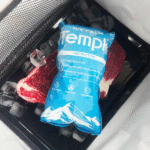
Lebensmittellieferanten fragen oft, ob sie wiederverwendbar sind Kaltkettenverpackung ist „besser“ als Einwegverpackungen. Die richtige Antwort hängt vom Streckenmodell ab. Eine geschlossene Lebensmittelroute, ein Abonnement-Essenspaketprogramm, ein örtlicher Restaurantlieferdienst, und ein landesweites Tiefkühlpaketprogramm weisen nicht die gleichen Verpackungsökonomien oder Betriebsrisiken auf. Das beste Verpackungsformat ist dasjenige, das die Temperatur der Lebensmittel schützt, passt zum Verteilungsmodell, kontrolliert die Gesamtkosten, und kann von echten Mitarbeitern und echten Kunden verwaltet werden.
In diesem Leitfaden werden wiederverwendbare und Einweg-Kühlkettenverpackungen aus Sicht der B2B-Kühlkette verglichen. Der Schwerpunkt liegt auf der Lieferung gekühlter Lebensmittel, Essenszubereitung, Lebensmittelgeschäft, Molkerei, Desserts, Meeresfrüchte, und Fertiggerichtprogramme, die isoliert werden müssen, Gelpackungen, Boxliner, Isoliertaschen, EPS/EPP -Boxen, oder Thermofutter.
Beginnen Sie mit der Temperaturanforderung
Die Nachhaltigkeit der Verpackung spielt keine Rolle, wenn das Lebensmittel unsicher oder inakzeptabel ankommt. In den Vereinigten Staaten, In Referenzen zur Lebensmittelsicherheit wird für die Kühllagerung üblicherweise eine Temperatur von 40 °F oder darunter verwendet, während das FDA-Food-Code-Modell 41 °F oder weniger für die Kalthaltung der Zeit-/Temperaturkontrolle für sichere Lebensmittel im Einzelhandel und in der Gastronomie verwendet. Das USDA bezeichnet den Bereich von 40 °F bis 140 °F auch als „Gefahrenzone“ für Bakterienwachstum. Diese Ziele definieren nicht automatisch Ihre genaue Lieferspezifikation, Sie bieten jedoch einen nützlichen Sicherheitsrahmen für Programme für gekühlte Lebensmittel.
Tisch 1. Temperaturreferenzen, die bei Verpackungsentscheidungen für die Lieferung von Lebensmitteln verwendet werden.
| Referenzparameter | Gemeinsamer Wert | Wie man es im Verpackungsdesign verwendet |
|---|---|---|
| Gekühlte Lebensmittellagerung | 40° F / 4° C oder unten | Verwendung als allgemeine Referenz zur Lebensmittelsicherheit für Verbraucher bei der Kühllagerung und Lieferplanung. |
| Kalthaltung gemäß FDA Food Code | 41° F / 5° C oder unten | Verwendung bei der Gestaltung eines Restaurants, Gastronomie, und lokale Lieferabläufe basierend auf der Kalthaltung im Food-Code-Stil. |
| Hot-Holding-Benchmark | 135° F / 57°C oder höher | Relevant, wenn das gleiche Gepäckprogramm die Lieferung warmer Speisen umfasst, heiße und gekühlte Routen sollten sich jedoch nicht das gleiche beladene Abteil teilen. |
| Gefahrenzone für Lebensmittel | 40°F bis 140°F | Verwenden Sie diese Option, um den Grund für die Routenzeit zu erklären, Vorkühlen, kalte Quelle, und Verweilkontrolle sind entscheidend. |
Mehrwegverpackungen funktionieren am besten in geschlossenen Kreislaufsystemen
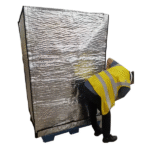
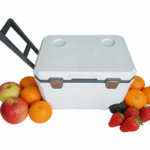
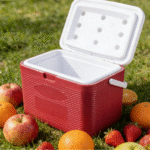
Wiederverwendbare Kühlkettenverpackungen sind dann am sinnvollsten, wenn sich die Marke erholen kann, überprüfen, sauber, und stellen Sie das Asset erneut bereit. Beispiele hierfür sind die Lebensmittellieferung mit Fahrerrückgabe, Routen vom Kommissar zum Geschäft, Apotheken-Kurierrouten, Vertrieb von Restaurantketten, Lieferung von Firmenessen, und lokale Abonnement-Essenszubereitung mit geplanten Abholungen. Mehrwegverpackungen können enthalten Isolierte Versandtaschen, EPP Cooler Boxen, wiederverwendbare Eissteine, starre Tragetaschen, Palettenabdeckungen, und Mehrwegliner.
Die Mehrwegverpackungsvereinigung definiert wiederverwendbare Transportverpackungen als langlebige Verpackungen, die durch strenge Betriebs- und Logistiksysteme für mehrere Verwendungszwecke konzipiert sind. Diese Definition ist wichtig, weil „wiederverwendbar“ nicht nur eine materielle Aussage ist. Es erfordert ein System: Verfolgung, Reverse-Logistik, Reinigung, Verlustkontrolle, reparieren, und Genesung am Lebensende.
Einwegverpackungen eignen sich am besten für offene oder nationale Paketrouten
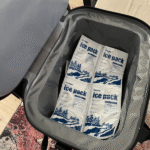
Einweg- oder Einweg-Kühlkettenverpackungen sind oft praktischer, wenn die Marke die Verpackung nicht zurückerhalten kann. Beispiele hierfür sind Essenssets, die direkt an den Verbraucher geliefert werden, Tiefkühlkostpakete, Versand von Meeresfrüchten, Probenkits, die an Patienten verschickt werden, und E-Commerce-Bestellungen, bei denen der Käufer weit vom Versender entfernt ist. Zu den Einwegverpackungen können Wellpappenkartons mit isolierter Einlage gehören, Versandkartons aus EPS-Schaum, recycelbare Faserauskleidungen, Gelpackungen, trockeneiskompatible Versandsysteme, und saugfähige Materialien.
Einwegverpackungen brauchen weiterhin gutes Design. Ein dünner Liner kann zwar den Materialverbrauch reduzieren, ist aber auf einer 48-Stunden-Strecke im Sommer nicht geeignet. Ein übergroßer EPS-Versender schützt möglicherweise die Temperatur, erhöht jedoch die Frachtkosten und die Verschwendung beim Kunden. Eine schlechte Meldung zur Gel-Pack-Entsorgung kann zu Kundenbeschwerden führen. In offenen Strecken, Das beste Design sorgt oft für ein ausgewogenes Verhältnis der thermischen Leistung, Materialien in der richtigen Größe, Klarheit bei der Entsorgung, und Transportkosten.
Entscheidungsmatrix: Wiederverwendbar vs. Einwegartikel
Tisch 2. B2B-Entscheidungsmatrix für Mehrweg- und Einweg-Kühlkettenverpackungen.
| Entscheidungsfaktor | Wiederverwendbare Verpackungen gewinnen normalerweise, wenn… | Einwegverpackungen gewinnen normalerweise, wenn… |
|---|---|---|
| Streckensteuerung | Sie besitzen oder kontrollieren den Lieferweg und können Verpackungen abholen. | Der Versand der Bestellung erfolgt bundesweit oder an unbekannte Endkunden. |
| Vermögensrendite | Treiber, Geschäfte, Apotheken, oder Kunden können Taschen/Kartons zuverlässig zurückgeben. | Der Rückversand würde mehr kosten als der Paketwert. |
| Reinigung | Sie haben einen Hygieneprozess, Inspektions-Checkliste, und Trockenraum. | Sie können zurückgegebene Vermögenswerte nicht regelmäßig überprüfen oder reinigen. |
| Markenerlebnis | Die wiederverwendbare Premium-Tasche/Box unterstützt die Treue zum Abonnement und die wiederholte Nutzung. | Der Kunde erwartet eine bequeme Entsorgung nach der Lieferung. |
| Thermische Dauer | Die Wege sind kurz, wiederholt, und vorhersehbar. | Die Routen beinhalten Paket-Hubs, Verspätungsrisiko am Wochenende, oder längere Umgebungseinwirkung. |
| Nachhaltigkeit | Hohe Wiederverwendungszyklen und niedrige Verlustraten können den Abfall reduzieren. | Wenn eine Rücksendelogistik unrealistisch ist, können recycelbare oder materialarme Verpackungen in der richtigen Größe besser sein. |
Nachhaltigkeit: Nutzen Sie die Verschwendungshierarchie, Keine Marketingaussagen
Die EPA-Abfallmanagementhierarchie priorisiert die Quellenreduzierung und Wiederverwendung vor dem Recycling, Energierückgewinnung, Behandlung, und Entsorgung. Dies ist nützlich für die Verpackungsstrategie: Reduzieren Sie zunächst unnötige Verpackungen, Wiederverwendung dort, wo die Route dies unterstützt, Recyceln Sie dort, wo eine Verwertung realistisch ist, und vermeiden Sie, wenn möglich, die Deponierung. Jedoch, Eine wiederverwendbare Verpackung, die nach einer Reise verloren geht oder leer über weite Strecken verschickt wird, ist möglicherweise nicht die beste Lösung. Nachhaltigkeitsaussagen sollten durch tatsächliches Streckenverhalten untermauert werden, Rücklaufquote, Reinigungsenergie, Lebensdauer der Verpackung, und Abfallentsorgungsrealität.
Hilfreiche Entscheidungshilfen
Überprüfen Sie die Details, bevor Sie sich für die Verpackung entscheiden
Mit diesen schnellen Tools können Sie das Routenrisiko vergleichen, Größenanforderungen, Kühlmittelauswahl, und Verpackungsdetails, bevor Sie ein Angebot anfordern.
Compliance-Checklisten-Generator
Erstellen Sie eine praktische Checkliste für die Verpackungsüberprüfung, Versand, und Dokumentation.
Checkliste erstellenRoutenrisiko-Checker
Überprüfen Sie die Fahrspurbedingungen, bevor Sie die Verpackung entsprechend den tatsächlichen Betriebsanforderungen auswählen.
Streckenrisiko prüfenTrockeneisrechner
Schätzen Sie vor dem Verpacken den Bedarf an Trockeneis für gefrorene oder ultrakalte Sendungen.
Schätzen Sie TrockeneisFür Lebensmittelliefermarken, Praktische Nachhaltigkeit ergibt sich normalerweise aus einer Kombination aus der richtigen Dimensionierung, wiederverwendbare Vermögenswerte für Teilnehmeranschlüsse, recycelbare Liner, bei denen eine Verwertung wahrscheinlich ist, nachfüllbare oder wasserinjizierte Packungen, wenn es auf die Lagereffizienz ankommt, und Kundenanweisungen, die Verwirrung vermeiden.
Kostenmodell: Was Käufer oft vergessen
Der Stückpreis der Tasche, Liner, oder Gelpack ist nur ein Teil der Kosten. Mehrwegverpackungen erfordern eine Bestandsaufnahme, Reinigung, Verfolgung, Ersatz, Retourenabwicklung, und Speicherung. Einwegverpackungen erfordern einen wiederkehrenden Materialeinkauf, Abfallmanagement, Frachtvolumen, und Kundenentsorgungsunterstützung. Ein fairer Vergleich sollte die Kosten pro erfolgreicher Lieferung berechnen, keine Kosten pro Verpackungseinheit.
Tisch 3. Kostenfaktoren, die über den Preis der Verpackungseinheit hinausgehen.
| Kostenvariable | Wiederverwendbares System | Einwegsystem |
|---|---|---|
| Kosten pro Verpackungseinheit | Höhere anfängliche Anlagekosten. | Niedrigere Kosten pro Bestellung, bei jeder Sendung wiederholt. |
| Frachtkosten | Kann niedriger sein, wenn die Verpackung effizient ineinander geschachtelt oder gestapelt wird; kann steigen, wenn es leer zurückgegeben wird. | Hängt vom Dimensionsgewicht ab, Isolationsdicke, und Kühlmittelmasse. |
| Arbeit | Reinigung, Inspektion, Sortierung, Vermögensrückgewinnung. | Montage, kitten, Entsorgungsunterstützung, und Nachschub. |
| Verlustrate | Verlorene Taschen, nicht zurückgegebene Kartons, beschädigte Eissteine. | Durch den Verbrauch von Verpackungen ist mit Vermögensverlusten zu rechnen. |
| Kundenerlebnis | Premium-Feeling, erfordert aber Return-Verhalten. | Praktisch, kann aber zu Abfallbeschwerden führen. |
| Temperaturrisiko | Vorhersehbar, wenn Vermögenswerte kontrolliert werden. | Kann stark sein, wenn das Packout validiert ist, Paketverzögerungen müssen jedoch berücksichtigt werden. |
Empfohlene Verpackungspfade nach Lebensmittelliefermodell
Tisch 4. Verpackungsstrategie nach Geschäftsmodell für die Lebensmittellieferung.
| Geschäftsmodell | Empfohlene Verpackungsrichtung | Warum |
|---|---|---|
| Lieferung in ein lokales Restaurant | Wiederverwendbare isolierte Versandtaschen sowie Betriebstemperaturkontrollen. | Die Strecken sind kurz und die Fahrer können ihr Gepäck wiederverwenden. |
| Lebensmittellieferung | Wiederverwendbare isolierte Taschen oder Tragetaschen; Gel-Packs für längere, gekühlte Routen. | Kundenbestellungen umfassen häufig gemischte gekühlte und haltbare Produkte. |
| Abonnement für die Zubereitung von Mahlzeiten, lokale Schleife | Mehrwegbeutel oder EPP-Boxen mit wiederverwendbaren Eissteinen. | Rückwege und geplante Lieferungen können die Wiederherstellung von Vermögenswerten unterstützen. |
| Verpflegungsset, nationales Paket | Isolierte Einweg-Einlage oder Schaumstoff-Versandtasche mit Gel-Packs. | Offene Paketrouten erschweren die Rückgabe von Vermögenswerten. |
| Tiefkühlkost DTC | Validierter Versender mit Trockeneis- oder gefrorener Kühlmittelstrategie. | Gefrorene Produkte benötigen normalerweise eine stärkere Kältequelle und einen größeren Verzögerungsspielraum. |
| Lieferung von Meeresfrüchten | Auslaufsichere Verpackung, saugfähiges Material, versiegelte Beutel, und Kühlmittel auf die Strecke abgestimmt. | Feuchtigkeit, Geruch, Leckage, und Temperatur sind allesamt Risiken für das Kundenerlebnis. |
So wählen Sie das richtige System aus
- Ordnen Sie das Liefermodell zu: lokale Schleife, Kurierroute, Paket, Lagerauffüllung, oder exportieren.
- Definieren Sie die Zieltemperatur für die Lebensmittelsicherheit und die maximale Routenzeit.
- Entscheiden Sie, ob die Verpackungsrückgewinnung realistisch und messbar ist.
- Wählen Sie das Isolationsformat: Tasche, Liner, EPS/EPP-Versender, oder Palettenabdeckung.
- Kalte Quelle auswählen: Gelpackung, wiederverwendbarer Eisstein, PCM-Paket, Wasserinjektionspaket, oder ggf. Trockeneis.
- Testen Sie die Verpackung in Sommer- und Winter-Belichtungsprofilen, nicht nur bei Raumtemperatur.
- Schreiben Sie Kundenanweisungen zur Wiederverwendung, zurückkehren, Entsorgung, oder Recycling.
FAQ
Sind wiederverwendbare Kühlkettenverpackungen immer nachhaltiger??
NEIN. Mehrwegverpackungen können Abfall reduzieren, wenn sie in einem verwalteten Rücknahmesystem viele Zyklen durchlaufen. Wenn die Rücklaufquoten niedrig sind, Die Reinigung ist schlecht gelungen, oder Rückwärtslogistik sind ineffizient, Eine Einwegverpackung in der richtigen Größe kann praktischer sein.
Sind Einwegverpackungen für die Lebensmittellieferung schlecht??
Nicht unbedingt. Für offene Paketrouten eignen sich oft Einwegverpackungen am besten. Das Ziel besteht darin, ausreichend Material zu verwenden, um die Temperatur zu schützen, ohne die Verpackung zu überdimensionieren.
Können wiederverwendbare Isolierbeutel Lebensmittel ohne Kühlakkus sicher aufbewahren??
Nur für kurze und kontrollierte Strecken, Und das nur, wenn das Essen die richtige Temperatur hat. Für eine längere gekühlte Lieferung, Möglicherweise sind Gelpackungen oder Eissteine erforderlich.
Wie sollte eine Meal-Prep-Marke wiederverwendbare und Einwegsysteme vergleichen??
Vergleichen Sie die Kosten pro erfolgreicher Lieferung, kein Stückpreis. Retourenquote einbeziehen, Reinigungsarbeiten, verlorenes Vermögen, Fracht, Verpackungsmüll, Kundenbeschwerden, und Temperaturleistung.
Was ist die beste Verpackung für den nationalen Versand von Essenssets??
Die meisten nationalen Essenspaketprogramme verwenden ein Paketmodell mit offenem Kreislauf, also isolierte Liner, Gelpackungen, und Kartonverpackungen sind in der Regel praktischer als Mehrweg-Isolierbeutel.