SAP Gel Pack Seafood Bulk: Beschaffungs- und Packout-Strategie
Das größte Risiko in a SAP-Gelpack Das Meeresfrüchte-Massenprogramm genehmigt die Komponente, bevor die Sendung definiert wird. Eine versiegelte Verpackung kann zwar gut verarbeitet sein, für den Vertrieb von frischen und gekühlten Meeresfrüchten aber dennoch falsch sein, E-Commerce mit Meeresfrüchten, Verarbeitung, und Großhandelstransfer. Die endgültige Entscheidung sollte den erforderlichen Produktzustand betreffen, Streckenbelichtung, Nutzlast, Isolierung, Packungsplatzierung, Konditionierung, und Beweise. Dieser Ansatz verwandelt eine vage Massenanfrage in eine Spezifikation für den Kauf, Operationen, und Qualität können alle verteidigen.
| Technische Antwort: Kaufen Sie das Packout-Ergebnis, kein eigenständiges Marketingversprechen. Definieren Sie, was geschützt werden muss, simulieren, wie mit der Sendung umgegangen wird, Testen Sie repräsentative Extreme, und halten Sie die genehmigten Stücklisten und Anweisungen unter Änderungskontrolle. |
|---|
Formulieren Sie die Entscheidung in fünf zusammenhängenden Fragen
Die Entscheidungskette ist der Produktzustand, Streckenbelichtung, Verpackungssystem, Betriebsprozess, und Beweise. Der Produktzustand gibt an, was geschützt werden muss und welche Extreme Schaden anrichten können. Die Routenbelichtung deckt die Zeit ab, Umgebungsbedingungen, Übergaben, Verzögerungen, und Quittung. Verpackung kombiniert Isolierung, Kühlmittel, Nutzlast, leerer Raum, und Schließung. Die Tätigkeiten umfassen Konditionierung und Verpackungsmontage. Der Nachweis zeigt, ob das gesamte Design vordefinierte Akzeptanzkriterien erfüllt.
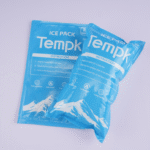
Wenden Sie diese Kette auf SAP Gel Pack Seafood Bulk an. Die Komponente sollte als versiegelter Kühlmittelbeutel beschrieben werden, der ein Hydrogel zur Immobilisierung von Wasser verwendet, keine eigenständige HACCP-Kontrolle für Meeresfrüchte. Wenn die Anfrage den akzeptablen Produktzustand noch nicht definiert, repräsentative Nutzlast, Isolierung, Route, und Versandprozess, Die Antwort des verantwortlichen Lieferanten besteht aus einer Reihe von Fragen und nicht aus einer allgemeingültigen Empfehlung.
Geben Sie neben jedem Link die Eigentumsrechte an. Produkt- oder Qualitätsteams genehmigen den Akzeptanzbereich; Logistik beschreibt die Spur; Verpackungstechnik ist Eigentümer des Designs; Der Betrieb verfügt über Konditionierung und Montage; Der Einkauf verwaltet die kontrollierte Spezifikation und den Lieferanten; Empfangsteams prüfen und eskalieren. Eine Kluft zwischen den Eigentümern ist ein Fehlermodus.
| Genehmigungsprinzip: Keine einzelne Materialeigenschaft beweist die Leistung einer Sendung. Die Genehmigung sollte kontrollierte Komponentendaten verbinden, eine wiederholbare Verpackung, repräsentative Tests, und ein verwalteter Betriebsprozess. |
|---|
Übersetzen Sie jede Spezifikation in ein operationelles Risiko
| Spezifikation oder Beweis | Betriebsfrage | Welche Genehmigung sollte aufgezeichnet werden? |
|---|---|---|
| Abmessungen und Füllgewichtstoleranz | Passt der Rucksack?, Kontakt, füttern, und konsequent zählen? | Nennwert, Toleranz, Inspektionsmethode, und Probe |
| Formulierung bzw. Phasenverhalten | Entsprechen Konditionierung und thermische Reaktion den Produktgrenzen?? | Produktspezifische Daten, Verfahren, Los oder Revision, und Grenze verwenden |
| Folien- und Siegelkontrollen | Kann der Beutel den tatsächlichen mechanischen Gefahren standhalten?? | Konstruktion, Testansatz, Akzeptanzregel, und Änderungsmitteilung |
| Packout-Test | Funktioniert das Gesamtsystem für repräsentative Nutzlast und Belichtung?? | Protokoll, Konfiguration, Sensoren, Akzeptanzkriterien, Ergebnisse, und Abweichungen |
| Sicherheits- und Compliance-Dokumente | Sind Materialien, Ansprüche, Kontakt, und Marktnutzung unterstützt? | Mitgeltende Dokumente, Bewertungsinhaber, Umfang, und Ablauf oder Revision |
Für diese Anwendung, betonen die Quellung vernetzter hydrophiler Polymere, Wassereinlagerungen, Salzempfindlichkeit, Gleichmäßigkeit des Gels, Filmzähigkeit, und Versiegelungsintegrität. Jedes Element ist wichtig, weil es seine Passform verändert, Wärmeübertragung, Eindämmung, Sicherheit, oder Prozessstabilität. Sammeln Sie keine Dokumente ohne Überprüfungszweck. Ein in einem Ordner gespeichertes Zertifikat ist keine Kontrolle, es sei denn, sein Umfang entspricht genau dem Produkt und der beabsichtigten Verwendung.
Nominalwerte erfordern Toleranzen und Methoden. Zwei Lieferanten können die gleichen Maße angeben, diese aber unterschiedlich messen; Ein Rucksack kann das durchschnittliche Füllgewicht erreichen und gleichzeitig inakzeptable Extreme erzeugen. Legen Sie fest, wie viele Einheiten gemessen werden, in welchem Zustand, mit welcher Ausstattung, und wie Ergebnisse aufgezeichnet werden. Nutzen Sie das Risiko, um die Tiefe der Kontrolle zu bestimmen.
In den Spezifikationen sollte auch angegeben werden, was nicht beansprucht wird. Vermeiden Sie eine allgemeine Sprache über Compliance, Haltezeit, Wiederverwendbarkeit, Lebensmittelkontakt, biologische Abbaubarkeit, oder Frostschutz. Eine klare Begrenzung erhöht die Glaubwürdigkeit und sorgt für Umsatz, Qualität, und Kunden die gleiche Grenze.
Schreiben Sie eine brauchbare Anforderungsbeschreibung, bevor Sie Angebote anfordern
In der Anforderungsbeschreibung sollte die Anwendung den Vertrieb von frischen und gekühlten Meeresfrüchten umfassen, E-Commerce mit Meeresfrüchten, Verarbeitung, und Großhandelstransfer; den Zielmarkt, da globale Lieferketten für Meeresfrüchte mit den USA. Regulierungsbewusstsein; und die Benutzer als Meeresfrüchteverarbeiter, Exporteure, Großhändler, Fulfillment-Operationen, und Qualitätsteams. Beschreiben Sie das zu schützende Produkt, seine genehmigten Versand- und Empfangsbedingungen, Gefrierempfindlichkeit oder andere Grenzwerte, und ob die Temperaturkontrolle eine Sicherheit darstellt, Qualität, Stabilität, oder Komfortbedürfnis.
Fügen Sie den Packout-Kontext hinzu: Isolierung und Innenmaße, Nutzlastreichweite, nutzbarer Raum, Kühlmittelanzahl und vorgeschlagene Position, voraussichtliche Route und Verzögerungen, Trägermodus, Saisonprofile, Konditionierungsausrüstung, Verpackungsrate, Lagerung, und Empfangsprozess. Wenn Informationen unbekannt sind, Markieren Sie es für einen Versuch, anstatt die Lücke mit einer angenommenen Zahl zu füllen.
Definieren Sie Komponentenanforderungen rund um die Offenlegung von SAP-Formulierungen auf geeigneter Ebene, Sicherheitsdokumente, Dichtheitsprüfung, Durchstoßfestigkeit, Kontrolle des Füllgewichts, Rückverfolgbarkeit, und Versuche zum Auspacken von Meeresfrüchten. Geben Sie die erforderlichen Unterlagen an, Sprache, Kunstwerk, Verpackung, Losidentifikation, Regal- oder Lagerkontrollen, sofern gerechtfertigt, und Änderungsmitteilungsprozess. Bitten Sie Lieferanten, Ausnahmen zu identifizieren und vorzuschlagen, welche zusätzlichen Informationen sie benötigen.
Trennen Sie zwingende Anforderungen von Präferenzen. Ein Pflichtteil schützt die Sicherheit, Einhaltung, fit, oder genehmigte Leistung. Eine Präferenz kann die Wehen verbessern, Aussehen, oder Kosten, können aber gehandelt werden. Dies ermöglicht einen fairen Lieferantenvergleich und vermeidet den Ausschluss einer technisch einwandfreien Option für ein kosmetisches Merkmal.
Nutzen Sie einen Stage-Gate-Pfad vom Muster bis zur Produktion
Stufe eins ist die Überprüfung von Dokumenten und Beispielen. Identität bestätigen, Konstruktion, Abmessungen, füllen, Siegel, Sicherheitsinformationen, beabsichtigte Marktdokumentation, Lagerung, und Konditionierung. Stufe zwei ist Bankarbeit: Konditionieren Sie den Rucksack in der geplanten Ausrüstung, Passform und Handhabung prüfen, und mechanische Fehlermodi des Bildschirms. Diese Schritte beseitigen offensichtliche Unstimmigkeiten vor einem kostspieligen thermischen Programm.
Stufe drei testet das vollständige Packout unter einem Protokoll, das Nutzlastextreme und glaubwürdige Routenexposition widerspiegelt. Erfassen Sie die genaue Material- und Montageliste. Stufe vier ist ein operativer Pilot mit geschultem Personal, Konditionierung der Produktionsrate, normale Inszenierung, Gegebenenfalls die Handhabung durch den Spediteur, und eine Bewertung erhalten. Ein Laborerfolg kann scheitern, wenn die Linie ihn nicht reproduzieren kann.
Stufe fünf genehmigt die kontrollierte Spezifikation, Anbieter, Verpackungsanweisung, Ausbildung, eingehende Schecks, Aufzeichnungen, und Eskalationsprozess. Geben Sie die Produktion erst frei, nachdem offene Abweichungen geklärt oder vom verantwortlichen Eigentümer offiziell akzeptiert wurden. Halten Sie zurückbehaltene Proben und Testaufzeichnungen mit der genehmigten Revision verknüpft.
Eine Neubewertung wird durch bedeutsame Veränderungen ausgelöst: Nutzlast, Kasten, Isolierung, Kühlmittel, Film, füllen, Lieferantenseite, Konditionierungsausrüstung, Träger, Route, Markt, beanspruchen, oder Betriebsablauf. Nicht jede Änderung erfordert eine vollständige Qualifikation, Aber jede Änderung erfordert eine dokumentierte Risikoentscheidung.
Fehlermodi, die vor dem Start entworfen werden müssen
Der erste Fehlermodus besteht darin, das Kühlmittel zur Lösung eines Problems außerhalb seiner Grenzen zu verwenden. Beispiele hierfür sind der Versuch, Feldwärme abzuleiten, kompensieren warme Inszenierung, Ersetzen Sie die erforderliche Gefahrgutverpackung, therapeutische Berechtigung schaffen, Oder machen Sie einen nicht isolierten Kasten temperaturgesteuert. In diesem Programm, Eine bekannte schlechte Passform sind Anwendungen, die lockeren Eiskontakt erfordern, Strecken ohne ausreichende Isolierung, oder Vorgänge, bei denen der Beutel nicht wie erforderlich vom essbaren Produkt getrennt werden kann.
Der zweite Grund ist die Konfigurationsdrift. Bediener fügen Pakete hinzu oder entfernen sie, Orientierung ändern, Ersetzen Sie es durch ein ähnlich aussehendes Gerät, Leerraum hinterlassen, oder eine andere Nutzlast verwenden. Verhindern Sie Drift mit kontrollierten Bildern, Teileidentifikation, Leitungsabstand, Zählverifizierung, und Ausnahmeanweisungen. Überprüfen Sie die tatsächliche Verpackung, nicht nur das schriftliche Verfahren.
Der dritte Faktor ist die Konditionierungsdrift. Dichte Gefrierbeladung, Abtauzyklen, kurze Konditionierung, oder Warm-Staging verändert den Ausgangszustand. Überwachen Sie die Prozessfähigkeit während des Spitzenvolumens. Wenn die Bereitschaft nicht überprüft werden kann, Verbessern Sie die Ausrüstung oder das Verfahren, anstatt Ihre Vermutungen zu erweitern.
Der vierte ist der stille Lieferantenwechsel. Film, Harz, Zusatzstoff, Versiegelungsprozess, Produktionsstandort, Abmessungen, oder die Kartonverpackung kann sich verschieben, während der kommerzielle Teilname bestehen bleibt. Durch eine Qualitätsvereinbarung und eine aussagekräftige Änderungsmitteilung kann der Käufer entscheiden, ob eine Inspektion oder eine erneute Prüfung erforderlich ist.
Nehmen Sie an der Qualitätskontrolle und Compliance-Überprüfung teil
Der Compliance-Rahmen umfasst HACCP für Meeresfrüchte, FDA-Gefahrenkontrollen für Fisch und Fischereiprodukte, Hygiene, und Zielmarktanforderungen. Nutzen Sie ggf. die FDA-Leitlinien zu Gefahren und Kontrollen bei Fisch und Fischereiprodukten sowie die FAO/Codex-Leitlinien zum Umgang mit Fisch, aber bestätigen Sie den Umfang, aktueller Stand, und lokale Umsetzung. Eine Lieferantenerklärung kann eine Materialaussage stützen; die Verantwortung für die Route kann nicht auf den Versender übertragen werden, Produkt, Beschriftung, oder Fertigverpackungsfreigabe.
Hilfreiche Entscheidungshilfen
Überprüfen Sie die Details, bevor Sie sich für die Verpackung entscheiden
Mit diesen schnellen Tools können Sie das Routenrisiko vergleichen, Größenanforderungen, Kühlmittelauswahl, und Verpackungsdetails, bevor Sie ein Angebot anfordern.
Referenz zu Isoliermaterialien
Vergleichen Sie die Auswahl an Isoliermaterialien für unterschiedliche Kühlkettenverpackungsanforderungen.
Vergleichen Sie MaterialienTrockeneisrechner
Schätzen Sie vor dem Verpacken den Bedarf an Trockeneis für gefrorene oder ultrakalte Sendungen.
Schätzen Sie TrockeneisRoutenrisiko-Prüfer
Überprüfen Sie die Fahrspurbedingungen, bevor Sie die Verpackung entsprechend den tatsächlichen Betriebsanforderungen auswählen.
Routenrisiko prüfenDie Qualitätskontrolle bewahrt das genehmigte Design durch Chargenrückverfolgbarkeit, Fertigungskontrollen, Eingangskontrolle, Beschwerdebearbeitung, Korrekturmaßnahme, Dokumentenkontrolle, und Änderungsmanagement. Die behördliche Überprüfung kontrolliert Ansprüche, Verwendungszweck, Kontakt, Marktzugang, Warnungen, und Aufzeichnungen. Die beiden Funktionen sollten dieselbe Produktbeschreibung genehmigen.
Vermeiden Sie das Wort "konform" ohne zu benennen, was abgedeckt ist. Ein Beutel kann zwar eine vereinbarte Materialanforderung erfüllen, aber die Sendung kann dennoch ein Temperaturkriterium nicht erfüllen. Eine Verpackung besteht möglicherweise ein Kammerprofil, es fehlen jedoch noch die erforderlichen Markierungen für eine biologische Lieferung. Präzise Angaben machen Lücken vor dem Versand sichtbar.
Bereiten Sie eine Freigabedatei mit der genehmigten Spezifikation vor, Probe, Testnachweise, Auspacken, Konditionierungsmethode, Sicherheits- und Marktdokumente, Lieferantengenehmigung, Ausbildung, Empfangsplan, und Veränderungsauslöser. Diese Datei sollte so praktisch sein, dass ein neues Teammitglied verstehen kann, warum die Komponente ausgewählt wurde und was die Entscheidung ungültig machen würde.
Optimieren Sie den Gesamtwert, ohne die Sicherheitsmarge zu schwächen
Die Gesamtwertbewertung beinhaltet den Preis, eingehende Fracht, Lagerung, konditionierende Energie, Arbeit, Liniengeschwindigkeit, nutzbare Nutzlast, Ausgangsgewicht und -volumen, Produktverlust, Beschwerden, Untersuchung, zurückkehren, Reinigung, und Entsorgung. Die Nachhaltigkeitsprioritäten bestehen darin, den Verlust von Meeresfrüchten zu verhindern, Reduzierung unkontrollierten Schmelzwassers, Trennen beschädigter Beutel, und Bewertung der Wiederverwendung im Hinblick auf Hygiene und Rücknahmelogistik. Weisen Sie keine Vorteile zu, die das tatsächliche Logistikmodell nicht bieten kann.
Vergleichen Sie Alternativen, nachdem sie die gleichen Akzeptanzkriterien erfüllen. Ein kostengünstigeres Paket, das mehr Einheiten erfordert, mehr Gefrierraum, oder mehr Arbeit ist möglicherweise nicht billiger. Eine benutzerdefinierte Form kann einen Mehrwert schaffen, wenn sie Fehler reduziert oder die Raumnutzung verbessert, Es können aber auch Werkzeuge hinzugefügt werden, Prognoserisiko, und Single-Source-Abhängigkeit.
Zur Wiederverwendung, Berechnen Sie den geschlossenen Regelkreis, anstatt eine angenommene Zykluszahl anzugeben. Definieren Sie Inspektion und Stilllegung, Verlust, Reinigung, Rückweg, Reverse-Logistik-Kapazität, und Backup-Inventar. Wenn diese Kontrollen fehlen, Beschreiben Sie die Packung nur mit Vorsicht als physisch wiederverwendbar; Eine kommerzielle Wiederverwendung ist noch nicht etabliert.
Nach dem Start, Überprüfen Sie Ausnahmen und Verpackungsverbrauch. Reduzieren Sie Material durch kontrollierte Versuche und wiederholen Sie die Risikobewertung. Das Ziel ist nicht die geringste theoretische Auslastung, sondern die geringste verantwortliche Systembelastung für den Erfolg, reproduzierbare Lieferungen.
Entscheidungsbeispiel: Von der Anfrage bis zur Freigabe
Eine Meeresfrüchte-Box eignet sich gut für glatte Filets, versagt jedoch, wenn das Unternehmen Schalentiere hinzufügt. Scharfe Kanten und unterschiedliche Hohlräume verändern sowohl das Pannenrisiko als auch die Wärmeübertragung.
Das Team bestätigt zunächst die Produktanforderung und die Route, anstatt das Kühlmittel sofort zu wechseln. Anschließend wird die aktuelle Verpackung mit dem SAP-Hydrogel-Beutel verglichen, Herkömmliche Gelpackung, und Scherbeneis bzw Kühltransport nur dort, wo diese Optionen passen. Bei jedem Versuch bleibt die Nutzlast erhalten, Isolierung, Konditionierungsprotokoll, Sensorplan, und Akzeptanzkriterien kontrolliert, damit das Ergebnis interpretiert werden kann.
Die Beschaffung erfasst Komponentenkosten und Lieferbedingungen, Der Betrieb erfasst den Konditionierungs- und Verpackungsaufwand, und Qualitätsprüfungen, Beweise und Abweichungen. Die gewählte Konfiguration ist diejenige, die die definierte Anforderung mit reproduzierbarem Prozess und akzeptabler Gesamtbelastung erfüllt. Es erfolgt keine Übertragung der Leistungsdauer, es sei denn, die kontrollierte Prüfung liefert einen Nachweis dafür.
Vor der Skala, Das Team steuert Produktionseinheiten aus einer rückverfolgbaren Charge und prüft die endgültige Karton- und Palettenkonfiguration. Es definiert auch, was nach einer verpassten Abholung passiert, beschädigter Beutel, Konditionierungsunterbrechung, oder Lieferantenwechsel. Diese Ausnahmeregeln machen aus einem erfolgreichen Versuch ein betriebsfähiges System.
Fragen, die Käufer vor der Genehmigung stellen
Was ist die erste zu definierende Spezifikation??
Definieren Sie den akzeptablen Zustand des geschützten Produkts und die Folgen der Exposition. Diese Entscheidung bestimmt das Verhalten des Kühlmittels, Packungsplatzierung, Überwachung, Testkriterien, und Routenwahl. Eine Bauteildimension ist wichtig, aber es sollte nicht der erste Design-Input sein.
Kann jede Jahreszeit und Nutzlast mit einem Packout abgedeckt werden?
Manchmal kann eine robuste Konfiguration einen definierten Bereich abdecken, aber das muss nachgewiesen werden. Minimale und maximale Nutzlast sowie glaubwürdige Heiß- und Kaltprofile können unterschiedliche Risiken hervorrufen. Erweitern Sie eine genehmigte Konfiguration nicht ohne Überprüfung über ihre Evidenz hinaus.
Wer ist für die abgeschlossene Sendung verantwortlich??
Die Verantwortlichkeiten variieren je nach Vertrag und Verordnung, sondern der Käufer, Absender, Markeninhaber, Qualitätsteam, Träger, und Lieferant steuern jeweils unterschiedliche Elemente. Die Organisation, die die Lieferung freigibt, sollte sicherstellen, dass das fertige System und der fertige Prozess den geltenden Produkt- und Routenanforderungen entsprechen.
Was sollte passieren, nachdem ein undichter Beutel gefunden wurde??
Betroffenes Inventar unter Quarantäne stellen, Produkt und Personal entsprechend den Sicherheitshinweisen schützen, Notieren Sie die Charge und den Zustand, und untersuchen Sie, ob die Ursache herstellungsbedingt war, Konditionierung, Verpackung, Nutzlastpanne, oder Transport. Geben Sie eine beschädigte Packung nicht an den Kundendienst zurück.
Sollte der Käufer in der Artikelspezifikation eine feste Mindestbestellmenge oder Vorlaufzeit anfordern??
Mindestbestellmenge und Vorlaufzeit sind kommerzielle Variablen, die von der Größe abhängen, Konstruktion, Kunstwerk, Volumen, Jahreszeit, und Kapazität. Fordern Sie schriftliche Angebote für die genehmigte Version und die geplante Prognose an. Behandeln Sie eine allgemeine Lieferantenerklärung nicht als dauerhafte Produktionsverpflichtung.
Wählen Sie Beweise statt Annahmen
Eine fundierte SAP-Gelpack-Meeresfrüchte-Großentscheidung verbindet das geschützte Produkt, Route, Nutzlast, Isolierung, Konditionierung, Packungsplatzierung, Produktionsspezifikation, und Beweise. Der Lieferant sollte die Komponente kontrollieren und Änderungen mitteilen; Der Käufer sollte den gesamten Nutzungs- und Betriebsprozess genehmigen. Keine Seite sollte aus einer generischen Packung ein universelles Leistungs- oder Compliance-Versprechen machen.
Vor der Bestellung im Maßstab, Bestätigen Sie die Grenze, Testen Sie repräsentative Bedingungen, Pilotierung der endgültigen Konstruktion, und definieren Sie die Eingangskontrolle und die Ausnahmebehandlung. Befolgen Sie ggf. die FDA-Leitlinien zu Gefahren und Kontrollen bei Fisch und Fischereiprodukten sowie die FAO/Codex-Leitlinien zum Umgang mit Fisch, Dabei werden die aktuellen Regeln für den tatsächlichen Markt und das Produkt überprüft. Optimieren Sie Kosten und Abfall erst, wenn die Akzeptanzanforderungen weiterhin gewährleistet sind.
Über Tempk
Tempk ist das Kühlkettenverpackung Marke von Shanghai Tempk Industrial Co., Ltd. Wir arbeiten mit B2B-Käufern zusammen Gelpackungen, Phasenwechselmaterial, Isolierte Verpackung, und verwandt Temperaturkontrollierte Verpackung Komponenten. Für die Verteilung frischer und gekühlter Meeresfrüchte, E-Commerce mit Meeresfrüchten, Verarbeitung, und Großhandelstransfer, Unsere nützliche Rolle beginnt mit den Versanddetails: Produktanforderung, Nutzlast, Route, Isolierung, Konditionierung, und Handling. Wir betrachten ein Kühlmittelformat nicht als universell. Ziel ist es, Käufern beim Vergleich einer praktischen Konfiguration zu helfen, Probenahmeplan, und Lieferspezifikationen, bevor von der Evaluierung zur Massenproduktion übergegangen wird.
Besprechen Sie die Bewerbung
Teilen Sie den Produkttyp, akzeptabler Zustand, Route, Nutzlast, Isolierter Behälter, Auspackvorgang, und Zielauftragsvolumen mit Tempk. Fragen Sie nach einer praktischen Empfehlung für Superabsorber-Polymer-Gelpackungen und den vor der Skalierung erforderlichen Dokumenten oder Versuchen.