Was sind die Temperaturkontrollstandards in der Kühlkette für Meeresfrüchtezutaten??
Frischer Fisch und Schalentiere verderben schnell, Daher ist es wichtig, die Kühlkette für Meeresfrüchtezutaten und ihre strengen Temperaturkontrollstandards zu verstehen. Zwischendurch müssen frische Meeresfrüchte aufbewahrt werden 0 °C und 5 °C, und gefrorene Produkte sollten bei –18 °C oder kälter bleiben. Die USA. Der FDA Food Code legt eine maximale Kalthaltetemperatur von fest 41 ° F (5 °C) für alle verderblichen Lebensmittel. Dabei 2025 In diesem Leitfaden erfahren Sie, warum diese Grenzen wichtig sind, wie Sie sie in Ihrem Unternehmen treffen können, und welche neuen Technologien und Vorschriften die Kühlkette für Meeresfrüchte in den kommenden Jahren prägen werden.
Dieser Artikel wird antworten
Warum ist streng Temperaturkontrolle ist für Meeresfrüchte von entscheidender Bedeutung? Wir erklären, wie richtiges Kühlen das mikrobielle Wachstum verlangsamt und die Textur bewahrt.
Welche Vorschriften regeln die Kühlkette für Meeresfrüchte? 2025? Entdecken Sie FSMA, EU-Hygienegesetze und die neuesten Protokolle.
Wie können Sie bei Lagerung und Transport sichere Temperaturen aufrechterhalten?? Entdecken Sie praktische Tipps, Ausrüstungsempfehlungen und Selbstbewertungstools.
Welche Rolle spielen Rückverfolgbarkeit und Dokumentation?? Erfahren Sie, wie digitale Aufzeichnungen Ihnen dabei helfen, Rückrufe einzuhalten und zu verwalten.
Was sind die Schlüssel 2025 Trends und Innovationen? Erfahren Sie mehr über IoT-Sensoren, KI-Routenoptimierung und Nachhaltigkeitsinitiativen.
Warum ist die Temperaturkontrolle in der Kühlkette für Meeresfrüchte von entscheidender Bedeutung??
Die Wissenschaft hinter dem Verderb
Meeresfrüchte sind leicht verderblich, da Enzyme und Bakterien nach der Ernte das Gewebe schnell abbauen. Halten Sie Fische in der Nähe der Temperatur von schmelzendem Eis (0 ° C bis 5 °C) verlangsamt das mikrobielle Wachstum und bewahrt die Textur. Wenn die Temperaturen in die „Gefahrenzone“ dazwischen klettern 5 °C und 57 °C, Bakterien mögen Salmonellen Und E. coli kann jeden verdoppeln 20 Minuten, das Risiko lebensmittelbedingter Erkrankungen erhöht. Das schätzt die CDC 48 Millionen Amerikaner erleiden jedes Jahr lebensmittelbedingte Krankheiten, und viele Fälle hängen mit einem unsachgemäßen Kühlkettenmanagement zusammen.
Frisch vs. gefroren: unterschiedliche Schwellenwerte
In der Kühlkette für Meeresfrüchte gibt es zwei unterschiedliche Kategorien:
| Temperaturbereich | Produktbeispiele | Vorteile | Was es für Sie bedeutet |
| 0 °C – 5 °C | Frischer Fisch, gekühlte Filets, Schalentiere | Behält die Textur bei, verlangsamt das Bakterienwachstum | Verwenden Sie Eis- oder Kühlräume, um diesen Bereich einzuhalten; kontinuierlich überwachen |
| ≤ –18 °C | Gefrorener Fisch, Fischblöcke, Fischstäbchen | Stoppt die mikrobielle Aktivität und verlängert die Haltbarkeit | Investieren Sie in validierte Gefrierschränke und stellen Sie sicher, dass die Produkte während des Transports niemals auftauen |
| 41 ° F (5 °C) oder niedriger | Lebensmittel mit hohem Risiko (Molkerei, Fleisch, Meeresfrüchte) | Hält Produkte außerhalb der Gefahrenzone | Stellen Sie sicher, dass Lagereinheiten und Vitrinen bei oder darunter funktionieren 5 °C |
Diese Bereiche bilden das Rückgrat globaler Standards. Eine Überschreitung beschleunigt den Verderb und verkürzt die Haltbarkeit.
Sofortige Kühlung und kontinuierliche Überwachung
Die Zeit ist dein Feind. Perennias chilliger Guide (von den Aufsichtsbehörden referenziert) empfiehlt Meeresfrüchte zu kühlen 0 °C unmittelbar nach der Erfassung. Verzögerungen ermöglichen die Aktivierung von Enzymen und die Vermehrung von Bakterien. Eine kontinuierliche Überwachung mit Datenloggern oder IoT-Sensoren ist unerlässlich. Sensoren senden Warnungen, wenn die Temperaturen außerhalb des sicheren Bereichs liegen, ermöglicht schnelle Korrekturmaßnahmen. Die Investition in moderne Thermometer und deren regelmäßige Kalibrierung sorgen für Genauigkeit.
Welche Vorschriften regeln die Kühlkette für Meeresfrüchte? 2025?
Regulatorische Rahmenbedingungen
Gefahrenanalyse und kritische Kontrollpunkte (Haccp): Dieses grundlegende Programm erfordert, dass Sie Gefahren erkennen, Kritische Kontrollpunkte einrichten und überwachen. Es bildet die Grundlage der meisten nationalen Standards.
Gute Herstellungspraktiken (GMP) und Hygiene-Standardarbeitsanweisungen (SSOP): Diese Regeln betreffen die Hygiene in der Einrichtung, Ausrüstungsdesign und Personalschulung.
Gesetz zur Modernisierung der Lebensmittelsicherheit (FSMA, UNS.):
Hygienevorschriften für den Transport: Versender, Verlader und Transportunternehmen müssen Fahrzeuge und Geräte verwenden, die in der Lage sind, sichere Temperaturen aufrechtzuerhalten und Kreuzkontaminationen zu verhindern.
FSMA 204 (Regel zur Rückverfolgbarkeit von Lebensmitteln): Meeresfrüchteprodukte auf der Lebensmittelrückverfolgbarkeitsliste müssen Aufzeichnungen über wichtige Datenelemente bei kritischen Nachverfolgungsereignissen führen und diese der FDA innerhalb dieser Zeit vorlegen 24 Std.. Der ursprüngliche Erfüllungstermin war Januar 2026, aber es kann bis Juli dauern 2028.
Programm zur Überprüfung ausländischer Lieferanten (FSVP): Importeure müssen überprüfen, ob ausländische Lieferanten die US-amerikanischen Vorschriften erfüllen. Einhaltung von Sicherheitsstandards und Aufrechterhaltung einer durchgängigen Sichtbarkeit.
Hygiene- und Fischereivorschriften der Europäischen Union: EU -Regulierung 852/2004 erfordert die Aufrechterhaltung der Kühlkette für Lebensmittel, die bei Umgebungstemperatur unsicher sind; Der Schwerpunkt liegt auf der Temperaturkontrolle und der digitalen Schiffsverfolgung für Meeresfrüchte.
FAO-Richtlinien: Die Ernährungs- und Landwirtschaftsorganisation weist darauf hin, dass gekühlte Fischprodukte so nah wie möglich aufbewahrt werden sollten 0 °C, während gefrorener Fisch bei –18 °C oder kälter aufbewahrt werden muss. Ausnahmen bestehen für in Salzlake gefrorenen Fisch, der zum Einmachen bestimmt ist, das bei –9 °C transportiert werden darf.
Der FDA-Lebensmittelkodex
Auch wenn Meeresfrüchte einzigartige Eigenschaften haben, Es muss dennoch den allgemeinen Vorschriften zur Lebensmittelsicherheit entsprechen. Der FDA-Lebensmittelkodex besagt dies kalte Speisen, einschließlich Meeresfrüchten, muss gehalten werden 41 ° F (5 °C) oder unten. Das Überschreiten dieses Grenzwerts führt zur Vermehrung von Bakterien und kann zu Rückrufen führen. Viele staatliche und lokale Behörden übernehmen diesen Kodex, Wenn Sie es also verstehen, können Sie Inspektionen bestehen.
Dokumentation und Zertifizierung
Ordnungsgemäße Papiere schützen Verbraucher und erleichtern den Handel. Zu den wesentlichen Dokumenten gehören Kaufverträge, Versandhinweise, Ursprungszeugnisse und Gesundheitszeugnisse. Zertifizierungen wie FSSC 22000, BRCGS oder IFS Logistik demonstrieren Sie Compliance und stärken Sie das Vertrauen der Käufer. Bewahren Sie digitale Kopien auf und bleiben Sie über regulatorische Änderungen auf dem Laufenden.
So halten Sie sichere Temperaturen bei Lagerung und Transport aufrecht
Praktische Tipps und bewährte Hygienepraktiken
- Sofort kalt stellen und aufbewahren 0 °C:Nach dem Fang, Verwenden Sie zerstoßenes Eis oder aufgeschlämmtes Eis, um die Meeresfrüchte zu zerkleinern 0 °C. Behalten Sie diese Temperatur während der Lagerung und des Transports bei; Temperaturmissbrauch ist die Hauptursache für Frischeverlust.
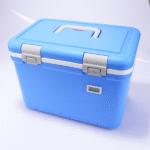
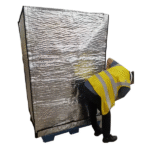
- Verwenden Sie geeignete Verpackung und Isolierung:Isolierte Kisten, Vakuumverpackung, Gel-Eisbeutel und Thermoeinlagen reduzieren thermische Schwankungen. Mit Fahrzeugen mit mehreren Temperaturen können Sie verschiedene Produkte transportieren, ohne den Fisch zu beeinträchtigen.
- Übernehmen Sie bewährte Hygienepraktiken:Verwenden Sie sauberes Wasser und Sanitäreis; Schmutziges Eis überträgt Bakterien und beschleunigt den Verderb. Schulen Sie Ihr Personal, um Kreuzkontaminationen beim Umgang mit rohen und gekochten Meeresfrüchten zu vermeiden.
- Implementieren Sie eine kontinuierliche Überwachung:Rüsten Sie Container und Fahrzeuge mit IoT-Sensoren aus, die Temperatur und Luftfeuchtigkeit erfassen. Der FDA Food Code empfiehlt, Lagereinheiten alle vier Stunden zu überprüfen.
- Verwalten Sie Eis und Kältemittel:Bringen Sie ausreichend Eis für das Fangvolumen mit, Umgebungstemperatur und Fahrtdauer. Erwägen Sie Meerwassereis zur kälteren Lagerung; es schmilzt langsamer, erfordert jedoch möglicherweise eine zusätzliche Behandlung.
- Geräte kalibrieren:Überprüfen Sie Thermometer und Sensoren auf Genauigkeit; Ungenaue Messwerte können zu unbeabsichtigtem Temperaturmissbrauch führen.
Entscheidungstool zur Selbsteinschätzung
Nutzen Sie diese einfache Checkliste, um Ihre Abläufe zu bewerten. Für jede Frage, Antwort Ja oder NEIN.
Kühlen Sie Fisch dazu? 0 °C oder niedriger unmittelbar nach der Erfassung?
Sind Ihre Kühlgeräte in der Lage, bei frischem Fisch eine Temperatur von 0–5 °C und bei gefrorenem Fisch eine Temperatur von ≤ –18 °C aufrechtzuerhalten??
Verfügen Sie über eine Echtzeit-Temperatur- und Standortüberwachung über alle Transportphasen hinweg??
Sind Ihre Mitarbeiter in HACCP geschult?, GMP- und SSOP-Verfahren?
Ist alles Dokumentation (Temperaturen, Reinigung, Rückverfolgbarkeit) digital gespeichert und darin zugänglich 24 Std.?
Wenn Sie geantwortet haben NEIN auf jede Frage, Erwägen Sie die Investition in verbesserte Ausrüstung oder Schulung. Digitale Plattformen können die Temperaturverfolgung und -aufzeichnung automatisieren, Regelmäßige Audits helfen dabei, die Einhaltung zu überprüfen.
Ausstattungs- und Verpackungsmöglichkeiten
| Ausrüstung/Verpackung | Zweck | Vorteile | Wie es Ihnen hilft |
| Isolierte Boxen und Liner | Halten Sie die Temperatur während des Transports aufrecht | Reduzieren Sie thermische Schwankungen; wiederverwendbar und leicht | Behalten Sie den Fisch bei 0 °C; vor äußerer Hitze schützen |
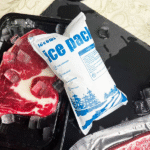
| Gel -Eisbeutel & Eutektische Platten | Sorgen Sie für anhaltende Kälte | Geben Sie die kalte Energie nach und nach frei; wiederverwendbar; weniger schmutzig als loses Eis | Nützlich für kleine Pakete und gemischte Ladungen |
| Vakuumverpackung & Verpackung mit modifizierter Atmosphäre (KARTE) | Reduzieren Sie die Sauerstoffexposition | Langsame Oxidation und Bakterienwachstum; Haltbarkeit verlängern | Ideal für Filets und verzehrfertige Produkte |
| IoT-Temperatursensoren und Datenlogger | Kontinuierliche Überwachung | Echtzeitwarnungen, wenn die Temperaturen abweichen | Verhindert Verstöße; unterstützt Compliance und Audits |
| Fahrzeuge mit mehreren Temperaturen | Segmentierte Fächer für unterschiedliche Temperaturzonen | Tragen Sie frische und gefrorene Meeresfrüchte zusammen; Logistikkosten reduzieren | Bewahren Sie die Produktintegrität und erfüllen Sie vielfältige Kundenbedürfnisse |
Interaktive Infografik
Zur Visualisierung der Kühlkette für Meeresfrüchte, Betrachten Sie die folgende Abbildung. Es zeigt in Kisten mit Eis verpackte Fische, ein Kühlwagen, und Sensoren verfolgen die Bedingungen in jeder Phase. Dieses Konzept beleuchtet den Fluss von der Ernte bis zum Markt und unterstreicht die Rolle der Temperaturkontrolle.
Wie unterstützen Rückverfolgbarkeit und Dokumentation die Compliance??
Falsche Etikettierung und die Notwendigkeit der Rückverfolgbarkeit
Komplexe Lieferketten machen Meeresfrüchte anfällig für Betrug. A 2025 Zusammenstellung von Metaanalysen 35 UNS. Studien fanden eine Gesamtrate falscher Etikettierung von 39.1 % mit Artenaustausch in 26.2 % von Proben. Eine solche falsche Kennzeichnung untergräbt das Vertrauen der Verbraucher und kann die Sicherheit gefährden. Die lückenlose Rückverfolgbarkeit reduziert Fehletikettierungen und ermöglicht gezielte Rückrufe.
Aufbau eines effektiven Rückverfolgbarkeitssystems
Erfassen Sie Fangdaten: Aufnahmedatum, Zeit, Spezies, Standort und Fangmethode unmittelbar nach der Ernte. Verzögerungen oder geschätzte Einträge erhöhen die Fehler- und Betrugsrate.
Weisen Sie eindeutige Kennungen zu: Kennzeichnen Sie jeden Fang oder jede Partie mit Chargennummern, QR-Codes oder RFID-Tags. Beim Aufteilen oder Zusammenführen von Chargen, Erstellen Sie Unterchargennummern und pflegen Sie Eltern-Kind-Beziehungen.
Datenformate standardisieren: Verwenden Sie GS1-Standards, um die Interoperabilität zwischen Schiffen sicherzustellen, Verarbeiter und Einzelhändler.
Implementieren Sie Echtzeit-Tracking: Setzen Sie GPS- und IoT-Sensoren ein, um Standort und Temperatur zu überwachen. Blockchain oder sichere Datenbanken liefern manipulationssichere Aufzeichnungen.
Informieren und zusammenarbeiten: Fischer ausbilden, Auftragsverarbeiter und Fahrer über die korrekte Dateneingabe und ordnungsgemäße Handhabung. Arbeiten Sie mit Regierungsbehörden und NGOs zusammen, um Beratung und Finanzierung zu erhalten.
Automatisieren Sie die Berichterstattung: Nutzen Sie digitale Plattformen, um HACCP zu generieren, FSMA- und GFSI-Konformitätsberichte automatisch.
Vorteile der Rückverfolgbarkeit
Effektive Systeme ermöglichen schnellere Rückrufe, Schützen Sie das Markenvertrauen und verhindern Sie betrügerische Praktiken. Zum Beispiel, Ein Verarbeiter implementierte QR-Codes und digitale Protokolle für jeden Fang. Wenn während des Transports eine Temperaturabweichung aufgetreten ist, Sie konnten das Problem auf eine bestimmte Charge zurückführen und innerhalb von Minuten Kontakt zu den Händlern aufnehmen. Dieser gezielte Rückruf bewahrte sie davor, eine ganze Lieferung aus den Regalen zu nehmen.
Häufige Fallstricke und wie man sie vermeidet
Dabei geben Vorschriften und Technologie den Rahmen vor, Betriebsstörungen können dennoch Ihre Kühlkette untergraben. Hier sind häufige Probleme und Möglichkeiten, sie zu beheben:
Temperaturmissbrauch beim Laden: Fische an den Rändern einer Ladung erwärmen sich schneller als solche in der Mitte; Sorgen Sie für eine gleichmäßige Verstauung und vermeiden Sie offene Türen.
Schlechte Verpackung und Lagerung: Falsche Temperatureinstellungen oder unzureichende Isolierung können zu Erwärmung oder Gefrieren führen. Verwenden Sie eine ordnungsgemäße Verpackung und vermeiden Sie eine Überladung der Paletten.
Verwendung von Kühltransporten zum Kühlen von Fisch: Fahrzeuge sollten die Temperatur aufrechterhalten, kein kühles, warmes Produkt. Kühlen Sie Meeresfrüchte vor dem Verladen vor.
Unzureichende Luftzirkulation: Sorgen Sie für Belüftung in Containern und Kühlcontainern, damit die kalte Luft gleichmäßig zirkulieren kann.
Unkalibrierte Thermometer: Kalibrieren Sie Sensoren und Thermometer regelmäßig, um falsche Messwerte zu vermeiden.
Ungeschultes Personal: Investieren Sie in Schulungsprogramme für HACCP, GMP und SSOP. Schulen Sie Ihre Mitarbeiter gegenseitig, damit jeder auf Temperaturalarme reagieren kann.
2025 Trends und Innovationen in der Kühlkette für Meeresfrüchte
Marktwachstum und Nachhaltigkeit
Der globale Markt für Kühlkettenlogistik boomt. Precedence Research schätzt die Marktgröße wird von 436,30 Milliarden US-Dollar im Jahr steigen 2025 auf rund 1.359,78 Milliarden US-Dollar 2034, eine durchschnittliche jährliche Wachstumsrate von 13.46 %. Der asiatisch-pazifische Raum wird voraussichtlich um etwa wachsen 14.3 % jährlich. Ebenso auffällig ist der Anstieg beim Konsum von gefrorenen Meeresfrüchten: Es wird prognostiziert, dass der weltweite Markt für gefrorene Meeresfrüchte von 24,78 Milliarden US-Dollar im Jahr wachsen wird 2025 auf 42,58 Milliarden US-Dollar 2034. Nachhaltigkeit steht im Mittelpunkt dieser Expansion; Unternehmen setzen auf umweltfreundliche Verpackungen und energieeffiziente Kühlung, um die Umweltbelastung zu reduzieren.
Technologische Innovationen
IoT und Echtzeitüberwachung: Vernetzte Sensoren sind zu Grundvoraussetzungen für die Überwachung der Fischkühlkette geworden. Sie liefern kontinuierlich Temperatur- und Luftfeuchtigkeitsdaten und lösen bei Verstößen Alarme aus.
KI-gesteuerte Routenoptimierung: Künstliche Intelligenz hilft Logistikdienstleistern, Lieferwege zu optimieren, Reduzierung der Laufzeiten und des Energieverbrauchs.
Blockchain und digitale Rückverfolgbarkeit: Blockchain bietet manipulationssichere Aufzeichnungen und Transparenz auf Verbraucherebene. Es wird erwartet, dass der Markt für Rückverfolgbarkeitssoftware für Meeresfrüchte von 705 Millionen US-Dollar im Jahr ansteigen wird 2024 auf 1,84 Milliarden US-Dollar 2033.
Umgebungs-IoT und batterielose Sensoren: Neue Tags gewinnen Energie aus Radiowellen, niedrige Kosten ermöglichen, wartungsfreie Überwachung.
Solarbetriebene Kühlung: Steigende Strompreise treiben die Einführung solarbetriebener Kühlkettensysteme voran. UNS. Die kommerziellen Solartarife liegen zwischen 3,2 und 15,5 Cent pro kWh, im Vergleich zu einem durchschnittlichen Versorgungspreis von 13.1 Cent pro kWh in 2024.
Schwerpunkt Cybersicherheit: Mit zunehmender IoT-Akzeptanz, Regierungen und Unternehmen legen Wert auf die Sicherung von Sensoren und Netzwerken.
Neue Protokolle und Brancheninitiativen
Im Juli 2025, Die Globale Kühlkettenallianz (GCCA) und das American Frozen Food Institute (AFFI) hat ein Protokoll zur Standardisierung der Temperaturüberwachung in der gesamten Tiefkühlkost-Lieferkette veröffentlicht. Das Protokoll bietet eine einheitliche, datengesteuerter Ansatz zur Verfolgung von Temperaturschwankungen von der Produktion bis zum Vertrieb. Zu seinen Leitlinien gehört die Identifizierung kritischer Überwachungspunkte, Festlegung grundlegender Messungen und Einführung bewährter Verfahren für das Datenmanagement. Die Umsetzung verspricht eine Verbesserung der betrieblichen Effizienz, Verbesserung der Lebensmittelqualität und Unterstützung der Nachhaltigkeit. Zukünftige Phasen werden sich mit der Optimierung der Haltbarkeitsdauer und der Energiemessung befassen.
Regionale Entwicklungen und regulatorische Aktualisierungen
Auf der ganzen Welt, Regierungen verschärfen die Anforderungen und investieren in die Infrastruktur. Europa führt digitale Rückverfolgbarkeit und Schiffsverfolgung für Meeresfrüchte ein, und Indonesien und andere Nationen schließen sich dem an GDST Standards. In Nordamerika, Das Wachstum des E-Commerce treibt Investitionen in Kühllager und Mehrtemperaturfahrzeuge voran. Die Regulierungsbehörden schlagen außerdem eine Erweiterung des FSMA vor 204 Compliance-Frist bis Juli 2028, Aber proaktive Unternehmen führen jetzt Rückverfolgbarkeitssysteme ein, um sich einen Wettbewerbsvorteil zu verschaffen.
Häufig gestellte Fragen
Q1: Bei welcher Temperatur sollte frischer und gefrorener Fisch gelagert werden??
Zwischendurch sollte frischer Fisch aufbewahrt werden 0 °C und 5 °C, und gefrorener Fisch muss bei –18 °C oder kälter bleiben. Zur allgemeinen Kalthaltung, die FDA verlangt 41 ° F (5 °C) oder unten.
Q2: Welche Dokumente sind für den Export von Fisch erforderlich??
Sie benötigen einen Kaufvertrag, Versandschein, Ursprungszeugnis, Gesundheitszeugnisse und Nachweis von HACCP/FSSC 22000 Zertifizierung. Die Führung digitaler Aufzeichnungen beschleunigt die Zollabfertigung.
Q3: Was ist FSMA? 204, und wie trifft es auf Meeresfrüchte zu??
Die FSMA-Regel zur Rückverfolgbarkeit von Lebensmitteln verlangt von Fisch- und Meeresfrüchteunternehmen, bei jedem kritischen Rückverfolgungsereignis wichtige Datenelemente aufzuzeichnen und der FDA innerhalb dieser Frist Aufzeichnungen vorzulegen 24 Std.. Die Einhaltungsfristen können bis Juli verlängert werden 2028, eine frühzeitige Einführung wird jedoch empfohlen.
Q4: Wie kann ich eine falsche Etikettierung in meinem Fischangebot verhindern??
Verwenden Sie eindeutige Kennungen (Chargennummern, QR-Codes oder RFID-Tags), Führen Sie genaue digitale Aufzeichnungen und implementieren Sie eine Echtzeitverfolgung. Standardisieren Sie Datenformate und führen Sie regelmäßige Audits durch.
Q5: Gibt es Unterschiede zwischen der EU und den USA?. Vorschriften?
Beide Frameworks erfordern eine strenge Temperaturkontrolle und Rückverfolgbarkeit. Die EU legt Wert auf Hygienegrundsätze und digitale Schiffsverfolgung, während die USA. Der Schwerpunkt liegt auf Hygienetransporten und der Führung von Aufzeichnungen gemäß FSMA.
Q6: Was passiert, wenn Meeresfrüchte oben gelagert werden? 5 °C?
Im Temperatur-Gefährdungsbereich vermehren sich Bakterien rasant. Schon geringe Abweichungen beschleunigen den Verderb und können Rückrufe auslösen. Kontinuierliche Überwachung und sofortige Korrekturmaßnahmen sind unerlässlich.
Q7: Welche Innovationen sollte ich zuerst übernehmen??
Beginnen Sie mit IoT-Sensoren und digitaler Aufzeichnung zur Echtzeitüberwachung. Nächste, Erkunden Sie KI-gesteuerte Routenoptimierung und Blockchain zur Rückverfolgbarkeit.
Zusammenfassung und Empfehlungen
Schlüsselpunkte
Halten Sie die richtigen Temperaturen ein: Halten Sie zwischendurch frische Meeresfrüchte bereit 0 °C und 5 °C und Tiefkühlprodukte bei −18 °C oder kälter. Befolgen Sie die Vorgaben der FDA 41 ° F (5 °C) Kalthaltegrenze.
Halten Sie sich an die Vorschriften: HACCP verstehen, GMP/SSOP, FSMA- und EU-Vorschriften. Dokumentieren Sie jeden Schritt und bleiben Sie über FSMA auf dem Laufenden 204 Fristen.
Investieren Sie in Ausrüstung und Überwachung: Verwenden Sie isolierte Verpackungen, Gel -Eisbeutel, Multi-Temperatur-Fahrzeuge und IoT-Sensoren. Kalibrieren Sie Instrumente regelmäßig.
Erstellen Sie Rückverfolgbarkeitssysteme: Erfassen Sie Fangdaten, Vergeben Sie eindeutige IDs, Standardisieren Sie Formate und implementieren Sie Echtzeit-Tracking. Die Rückverfolgbarkeit reduziert Fehletikettierungen und ermöglicht gezielte Rückrufe.
Bleiben Sie den Trends immer einen Schritt voraus: IoT übernehmen, KI- und Blockchain-Technologien; Entdecken Sie solarbetriebene Kühlung und Umgebungs-IoT-Sensoren. Achten Sie auf GCCA/AFFI-Protokolle und regionale Entwicklungen.
Aktionsplan
Überprüfen Sie Ihre Kühlkette: Nutzen Sie die Checkliste zur Selbsteinschätzung, um Lücken zu identifizieren. Überprüfen Sie die Kühlpraktiken, Ausrüstung und Dokumentation.
Implementieren Sie digitale Rückverfolgbarkeit: Übernehmen Sie GS1-Standards, Weisen Sie Chargenkennungen zu und investieren Sie in IoT-Sensoren.
Trainiere dein Team: Stellen Sie HACCP bereit, GMP- und SSOP-Schulung; Betonen Sie den hygienischen Transport und die Führung von Aufzeichnungen.
Arbeiten Sie mit Regulierungsbehörden und Branchengruppen zusammen: Überwachen Sie Updates für FSMA 204 und EU-Vorschriften; Nehmen Sie an GCCA/AFFI-Initiativen teil.
Entdecken Sie nachhaltige Technologien: Erwägen Sie solarbetriebene Kühlung und umweltfreundliche Verpackungen.
Über Tempk
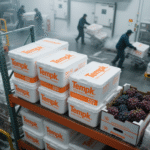
Tempk ist ein führender Anbieter von Kühlkettenverpackungslösungen und temperaturkontrollierte Logistik. Wir entwickeln Isolierboxen, Gel-Eisbeutel und wiederverwendbare Thermobehälter zur Aufbewahrung von Meeresfrüchten, Arzneimittel und andere verderbliche Güter innerhalb strenger Temperaturbereiche. Unsere Produkte basieren auf Forschung, Qualitätszertifizierungen und ein spezielles R&D-Mitte. Wir integrieren IoT-Überwachung, um eine Temperaturverfolgung in Echtzeit zu ermöglichen, Wir helfen Ihnen bei der Einhaltung von HACCP, FSMA- und EU-Standards. Durch den Fokus auf Nachhaltigkeit und Innovation, Wir vereinfachen die Einhaltung von Vorschriften und ermöglichen es Ihnen, Ihren Kunden hochwertige Meeresfrüchte zu liefern.
Aufruf zum Handeln: Kontaktieren Sie unsere Experten, um zu besprechen, wie die Lösungen von Tempk Ihre Kühlkettenabläufe unterstützen können. Ob Sie eine Verpackungsberatung benötigen, IoT-Überwachungssysteme oder helfen bei der Bewältigung regulatorischer Anforderungen, Wir sind hier, um Ihnen beim Schutz Ihrer Produkte zu helfen, Stellen Sie die Aufsichtsbehörden zufrieden und stärken Sie Ihren Ruf für Zuverlässigkeit.