Auswählen eines 20 Liter Vaccine Ice Box Supplier With Evidence
Eine glaubwürdige 20 Liter Lieferant von Impfstoff-Eisboxen should be able to turn five inputs into a controlled proposal: Produkttemperaturanforderungen, tatsächliche Nutzlastabmessungen, Streckenbelichtung, Vorbereitungsressourcen, und Qualitätsdokumentationsanforderungen. „20 Liter“ ist nur eine Startkategorie. Ausschlaggebend ist der nutzbare Nutzlastraum nach Einbau von Kühlmittel und Schutzkomponenten. Der maßgebliche Leistungsanspruch ist keine pauschale Stundenzahl, aber Beweise, die an die genaue Box gebunden sind, laden, Kühlmittel, Umgebungsprofil, und Betriebsverfahren, das Sie verwenden möchten.
Begin With Five Non-Negotiable Inputs
Supplier comparisons become confusing when each vendor fills missing information with a different assumption. Geben Sie eine gemeinsame Anforderungsbeschreibung heraus, damit die Vorschläge eine gemeinsame Grenze haben.
Erste, Geben Sie den genehmigten Transportzustand des Produkts an. Weisen Sie keinen generischen Kühlbereich zu, nur weil es sich bei der Nutzlast um einen Impfstoff handelt. Einfrierempfindlichkeit, Stabilität, Verpackung, und Programmregeln können je nach Produkt unterschiedlich sein.
Zweite, Geben Sie Details zur Nutzlast an. Zählen Sie mit, Außenmaße des Kartons, Ausgangsbedingung, ungefähre Masse, Orientierungsgrenzen, und ob die Menge variiert. Dritte, Kartieren Sie die Fahrspur. Gesamtdauer beachten, Transfers, Inszenierung, Fahrzeugtypen, heiße und kalte Jahreszeiten, und glaubwürdige Verzögerungsszenarien.
Vierte, Beschreiben Sie betriebliche Ressourcen. Können Mitarbeiter einfrieren?, kühlen, oder das Kühlmittel unter kontrollierten Bedingungen auf andere Weise konditionieren? Gibt es Platz für Bühnenpakete?? Wer packt und prüft die Box? Endlich, Identifizieren Sie Beweise und Dokumentationserwartungen. Dazu kann eine kontrollierte Auspackung gehören, thermischer Bericht, Rückverfolgbarkeit der Komponenten, Änderungsmitteilung, und Empfangen von Aufzeichnungen.
| Eingang | Mindestinformationen | Warum es das Design ändert |
|---|---|---|
| Produkt | Zugelassene Temperaturbedingungen und Empfindlichkeit | Definiert Akzeptanzgrenzen und Frost-/Hitzerisiko |
| Nutzlast | Kartongröße, zählen, Masse, und Abwechslung | Bestimmt die nutzbare Hülle und die thermische Masse |
| Route | Dauer, Umgebungseinflüsse, Transfers, Verzögerungen | Legt die Herausforderung fest, die das System bewältigen muss |
| Operationen | Konditionierungsausrüstung, Arbeit, Inszenierung, Wiederverwendung | Bestimmt, ob das Packout zuverlässig ausgeführt werden kann |
| Qualität | Prüfen, Aufzeichnungen, Rückverfolgbarkeit, und Veränderungsbedürfnisse | Definiert die für die Genehmigung erforderlichen Nachweise |
Dieses Briefing mit fünf Eingaben zeigt auch, wann eine andere Produktklasse benötigt wird. Bei beladenem Gewicht, Dauer, oder die Nutzlastgeometrie ist ungeeignet, weg von einem Nominalwert 20 L-Anfrage ist besser, als die Sendung hineinzuzwingen.
Kapazität: Lösen Sie die Definition vor der Zeichnung auf
Drei Lieferanten können ein Angebot abgeben 20 L-Box mit drei verschiedenen Interpretationen. Man kann den leeren Hohlraum berechnen. Ein anderer verwendet möglicherweise einen abgerundeten Modellnamen. Ein Drittel kann sich auf eine nominelle Familie beziehen. Keine beschreibt notwendigerweise den verfügbaren Impfstoffraum nach Beipackpackungen, Top-Packungen, Trenner, und eine Überwachungseinrichtung vorhanden sind.
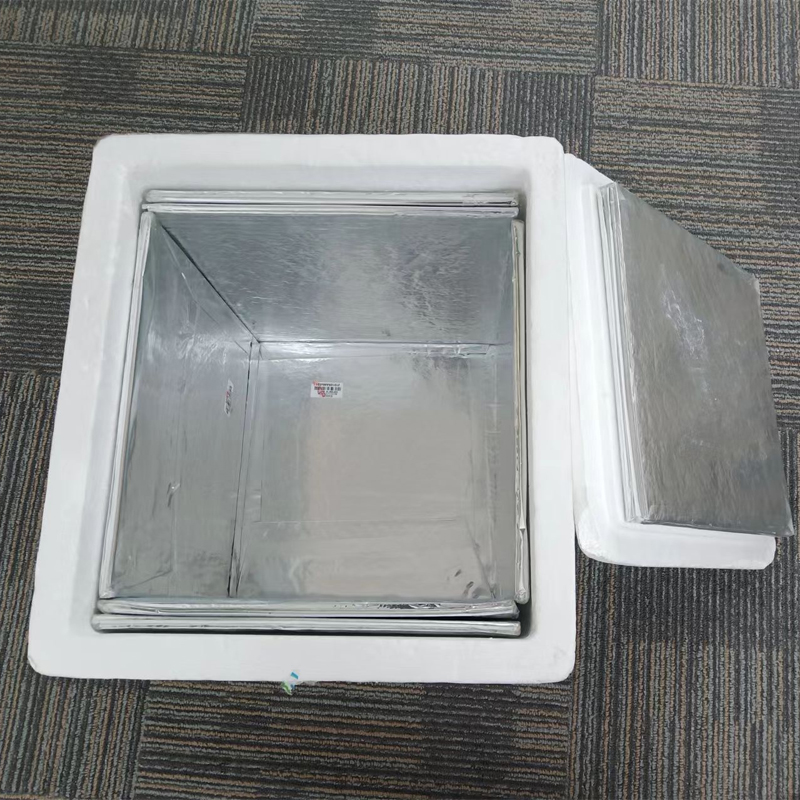
Außenmaße anfragen, Innenkonturen, und einen dimensionierten Nutzlastumschlag für die vorgeschlagene Verpackung. Überprüfen Sie konische Wände, abgerundete Ecken, Deckelaussparungen, Rippen, und hervorstehende Hardware. Führen Sie dann einen Test zur physischen Passform mit produktionsäquivalenten Kartons durch. Die Volumenberechnung kann nicht zeigen, ob eine erforderliche Kartonausrichtung den Deckel freigibt oder ob das Personal einen Karton entnehmen kann, ohne das Kühlmittel zu stören.
Die minimale Nutzlast ist ebenso wichtig wie die maximale Nutzlast. Ein unterfüllter Kasten hat möglicherweise weniger thermische Masse und mehr freie Luft als die getestete Anordnung. Wenn die Versandmenge variiert, Fragen Sie nach, ob mehrere Packouts genehmigt wurden, Ersatzlasten, oder ein kleineres Format ist besser geeignet. Jeder Füllstoff muss mit dem System kompatibel sein und in der Anleitung kontrolliert werden.
Die Gesamtlastmasse vervollständigt die Kapazitätsdefinition. Wiegen Sie die Schale, Isolierung, Kühlmittel, Nutzlast, Logger, Siegel, und Dokumente. Verwenden Sie dieses Ergebnis für die manuelle Bearbeitung, Nutzlast des Fahrzeugs, Fracht, und Lagerplanung.
Draw a Line Between Product Features and Thermal Proof
A robust shell, dicke Isolierung, fester Deckel, and premium coolant may all be useful. They remain design features until the assembled configuration is evaluated. Product approval should keep four layers separate:
Container construction: Hülse, Isolierung, Deckel, Hardware, and internal geometry
Thermische Komponenten: Kühlmitteltyp, Menge, Zustand, und Platzierung
Betriebsweise: Vorbereitung der Nutzlast, Ladereihenfolge, Schließung, and opening rules
Beweis: protocol and results under defined ambient and payload conditions
This separation prevents overstatement. A plastic outer shell does not make a box temperature controlled. VIP material does not qualify a route. A temperature logger does not protect the product. A test standard named on a brochure does not establish that the exact offered configuration met the relevant acceptance criteria.
WHO publishes performance specifications and type-testing approaches for defined vaccine cold-box categories. ISTA stellt Standards und Profile zur Bewertung von Thermotransportverpackungen in Paketumgebungen bereit. Diese können ein Programm informieren, Die Anforderungen hängen jedoch von der Anwendung ab. Überprüfen Sie, ob ein Produkt offiziell gelistet oder unabhängig getestet ist, wenn dieser Status von Bedeutung ist. Wenn ein Lieferant eine Norm als Referenz verwendet, Fragen Sie genau nach welcher Methode, Ausgabe, Profil, Konfiguration, und Ergebnis gelten.
Lesen Sie einen thermischen Bericht wie eine Entscheidungsaufzeichnung
Der Bericht sollte drei Fragen beantworten: Was wurde getestet? Unter welcher Herausforderung? Was ist passiert?
Wofür,”Bestätigen Sie das Modell, Materialien, Komponentenrevisionen, Kühlmittel, Auspacken, Nutzlast, Logger- und Sensorpositionen. Für „Herausforderung,„Überprüfen Sie die Umgebungstemperatur im Vergleich zur Zeit, Vorkonditionierung, Ausgangstemperaturen, Dauer, Öffnungen, und jegliche Fahrsimulation. Für „bestanden,” Identifizieren Sie den Akzeptanzbereich, der Sensor oder die Bedingung, die das Ergebnis bestimmt hat, Abweichungen, und Zustimmung.
Do not reduce the report to its headline duration. A 48-hour test and a 48-hour route are not equivalent simply because the numbers match. Route exposure may begin before dispatch, include a severe ramp or delay, and continue during receiving. The test payload may also have different thermal mass. Your quality process should determine how the evidence applies and what margin is needed.
Sensor placement deserves scrutiny. Cold points may occur near frozen coolant; warm points may occur near a lid or thermal bridge. Air readings can respond differently from a product-simulating load. The report should explain why locations represent the intended risk. Calibrated instrumentation and intact data records support confidence, but no sensor layout proves unmonitored locations without a sound study design.
Eine praktische Rezensionssequenz
- Ordnen Sie jede getestete Komponente der angebotenen Stückliste zu.
- Rekonstruieren Sie die Verpackung anhand der Anweisungen.
- Vergleichen Sie die getestete Nutzlast mit der geplanten Mindest- und Höchstlast.
- Vergleichen Sie das Umgebungsprofil mit dem Routenrisiko, inklusive Inszenierung.
- Überprüfen Sie ggf. sowohl die Warm- als auch die Kaltakzeptanz.
- Lücken als Maßnahmen erfassen, keine Annahmen.
Entwerfen Sie Operatorvariationen
Passive Verpackungen sind auf den Menschen angewiesen. Ein Design, das nur funktioniert, wenn ein Experte jede Packung anpasst, ist schwer zu skalieren. Der Lieferant sollte dabei helfen, eine wiederholbare Sequenz mit klaren Komponentenidentitäten zu erstellen, definierter Kühlmittelzustand, Ladereihenfolge, Platzierung, Verschlusskontrolle, und gegebenenfalls die maximal zulässige Vorbereitungszeit.
Verwenden Sie angepasste Komponenten oder visuelle Hinweise, wo sie Mehrdeutigkeiten reduzieren. Ein Basispaket sollte nicht mit einem Seitenabstandshalter austauschbar sein, es sei denn, das Design lässt dies wirklich zu. Anweisungen sollten den korrekten Endzustand anzeigen, einschließlich der obersten Schicht, die Bediener oft vergessen. Die Anzahl der Komponenten kann vor dem Schließen erfasst werden.
Die Kühlmittelaufbereitung ist eine Hauptursache für Abweichungen. Gefriertemperatur, Stapeln von Paketen, Laden der Ausrüstung, und Zeit außerhalb der kontrollierten Lagerung kann den Zustand beeinträchtigen. Anweisungen sollten einen objektiven Zustand oder ein validiertes Verfahren angeben, das für das Kühlmittel geeignet ist. Für frostempfindliche Impfstoffe, Die Verpackung sollte den direkten Kontakt und das lokale Kälterisiko kontrollieren, anstatt sich auf allgemeine Vorsicht zu verlassen.
Stellen Sie sich zwei Lagerschichten vor, die dieselbe Kiste verwenden. Eine Schicht sortiert alle Komponenten der Reihe nach und schließt den Deckel sofort; der andere bringt Kühlmittel frühzeitig zur Werkbank und sucht nach fehlenden Distanzstücken, während die Box offen bleibt. Auch wenn beide die richtigen Teile verwenden, Die Ausgangsbedingungen sind unterschiedlich. Eine voll ausgestattete Verpackung, Checkliste vor dem Gebrauch, und Staging-Limit kann diese Variation reduzieren.
Überwachung und Reaktion auf Abweichungen
Die Überwachung ist die Beweisschicht während des Transports. Wählen Sie je nach Produkt und Prozess einen Logger aus: entsprechenden Messbereich, Genauigkeit, Kalibrierungsstatus, Intervall, Dauer, Alarmlogik, Datenzugriff, und Aufbewahrung von Aufzeichnungen. Überprüfen Sie bestimmte Parameter anhand der aktuellen Gerätedokumentation, anstatt davon auszugehen, dass alle Pharma-Logger austauschbar sind.
Hilfreiche Entscheidungshilfen
Überprüfen Sie die Details, bevor Sie sich für die Verpackung entscheiden
Mit diesen schnellen Tools können Sie das Routenrisiko vergleichen, Größenanforderungen, Kühlmittelauswahl, und Verpackungsdetails, bevor Sie ein Angebot anfordern.
Eisbeutel-Rechner
Schätzen Sie die Menge an Gel-Eisbeuteln für gekühlte Sendungen und nutzen Sie die praktische Routenplanung.
Schätzen Sie EisbeutelReferenz zu Isoliermaterialien
Vergleichen Sie die Auswahl an Isoliermaterialien für unterschiedliche Kühlkettenverpackungsanforderungen.
Vergleichen Sie MaterialienVerpackungsauswahl
Vergleichen Sie isolierte Verpackungsoptionen nach Produkt, Route, und Temperaturbedarf.
Verpackung findenPlatzieren Sie den Sensor entsprechend dem Qualifizierungsgrundsatz. Vermeiden Sie eine zufällige Platzierung neben einer gefrorenen Packung, in einer leeren Ecke, oder direkt unter dem Deckel, es sei denn, dieser Punkt wird absichtlich überwacht. Schulen Sie das Empfangspersonal darin, anzuhalten und die Akte abzurufen, ohne die Verwahrungsinformationen zu verlieren.
Ein Alarm ist keine automatische Freigabe- oder Verwerfungsentscheidung. Legen Sie fest, wer den Zeit-Temperatur-Verlauf überprüft, welche unterstützenden Sendungsinformationen erfasst werden, where product is held during assessment, and who has authority for disposition. The packaging supplier may explain the box and test, but product stability decisions belong to the responsible quality and health functions.
Production Approval Is Part of Thermal Control
Nach der Qualifikation, the supplier must repeatedly manufacture the approved design. Create a specification that identifies critical materials, Abmessungen, Komponentenschnittstellen, coolant characteristics, und Funktionskontrollen. Link the specification to a controlled reference sample and current drawings.
Potentially meaningful changes include resin or colorant, foam formulation or density, Isolierlieferant, VIP-Geometrie, Klebstoff, Dichtung, Kühlmittelfilm oder -füllung, molding tool, and production location. Not every change requires a new thermal study, but each should pass a documented impact assessment. Agree on notification rules before ordering.
Receiving inspection should verify identity and visible condition, not attempt to repeat qualification on every unit. Appropriate checks can include model marking, Komponentenanzahl, Abmessungen, lid or latch function, Zustand der Dichtung, coolant seal quality, Etikettengenauigkeit, und Transportschäden. Trend failures and link them back to supplier corrective action.
Für wiederverwendbare Einheiten, inspection continues after every return according to risk. Risse, verziehen, beschädigte Isolierung, Gerüche, Kontamination, fehlende Komponenten, or unreliable closure may trigger cleaning, reparieren, Untersuchung, oder Ruhestand. Set rules before boxes accumulate in the warehouse.
Compare Total Cost at the Same Configuration
Price comparison should begin only after configuration normalization. Identify whether each quote includes the shell, Isolierung, Kühlmittel, spacer set, Trenner, logger accessories, Siegel, Kunstwerk, Exportkarton, technische Dokumente, und Ersatzteile. Separates Werkzeug, sample work, Testen, und Fracht.
Zur Einwegverteilung, calculate landed cost and dimensional freight, Berücksichtigen Sie dann die Verpackungsarbeit und die Entsorgungspflichten. Zur Wiederverwendung, Modellkosten pro erfolgreich abgeschlossenem Zyklus, inklusive Rücktransport, Reinigung, Inspektion, Lagerung, Verfolgung, Verlust, Schaden, und Ersatz. Vermeiden Sie es, einen unbestätigten Anspruch auf maximale Wiederverwendung als finanzielle Tatsache zu betrachten.
Nachhaltigkeitsvergleiche erfordern die gleiche Disziplin. Berücksichtigen Sie den Materialeinsatz, Fracht in beide Richtungen, Reinigung, Lebensdauer, Verlust, und End-of-Life-Routen. Eine wiederverwendbare Box passt möglicherweise in einen dichten geschlossenen Kreislauf; Ein Transporter mit begrenzter Nutzung der richtigen Größe passt möglicherweise in eine abgelegene Einbahnstraße. Wählen Sie nach Systemgrenzen und untermauern Sie öffentliche Ansprüche mit Beweisen.
Lieferantenauswahlliste: Zehn entscheidende Fragen
Wie ist das 20 L-Kapazität definiert?
Was ist die genaue nutzbare Nutzlasthülle in der vorgeschlagenen Verpackung??
Welche Produkttemperaturbedingungen und Routenannahmen leiteten das Design??
Welches Kühlmittel, Konditionierungsprozess, und Trennmethode angegeben werden?
Welcher Bericht unterstützt die genaue angebotene Konfiguration??
Welches Umgebungsprofil, Nutzlast, Sensoren, und Akzeptanzkriterien wurden verwendet?
Wie werden kritische Materialien und Produktionsprozesse kontrolliert??
Welche Änderungen lösen eine Kundenbenachrichtigung aus??
Welche Dokumente und Muster werden mit Genehmigung geliefert??
Wie werden wiederverwendbare Einheiten überprüft?, gereinigt, repariert, und im Ruhestand?
Diese Fragen begünstigen transparente Anbieter, ohne ungestützte Sicherheit zu fordern. Ein Anbieter, der eine Datenlücke identifiziert und einen Test vorschlägt, ist oft sicherer als einer, der behauptet, dass alle Routen bereits abgedeckt seien.
Häufig gestellte Fragen
Ist der nutzbare Impfraum immer kleiner als 20 Liter?
Oftmals ist er kleiner als der aufgrund des Kühlmittels leere angegebene Hohlraum, Abstandshalter, und Trennwände nehmen Platz ein, aber die Definitionen variieren. Einige Modelle verwenden 20 L nur als Kategorie. Fragen Sie nach der Messmethode des Lieferanten und einem dimensionierten Nutzlastraum. Bestätigen Sie den Sitz anhand der tatsächlichen Kartons und der vollständigen vorgeschlagenen Verpackung.
Welche Isolierung eignet sich am besten für eine Impf-Eisbox??
Kein Material ist allgemein das Beste. EVP, Schaumkern-Kunststoffkonstruktionen, und VIP-erweiterte Systeme bieten unterschiedliche Ausgewogenheiten des Wärmewiderstands, Wandstärke, Haltbarkeit, Schadensempfindlichkeit, Gewicht, und Kosten. Bewerten Sie die fertige Konfiguration, Produktionskontrollen, Route, und prüfen Sie Beweise, anstatt nur anhand des Materialnamens auszuwählen.
Kann ein Packout im Sommer und Winter funktionieren??
Möglicherweise, aber davon sollte man nicht ausgehen. Warme und kalte Einwirkungen können unterschiedliche Ausfallrisiken mit sich bringen, einschließlich Überhitzung und Unterkühlung. Überprüfen Sie die Beweise für den beabsichtigten saisonalen Bereich. Einige Programme verwenden saisonale Packouts; andere unterstützen eine Konfiguration über definierte Bedingungen hinweg. Die Entscheidung muss sich an den Testdaten und der Streckenbewertung orientieren.
Was passiert, wenn sich die Nutzlastmenge ändert??
Eine Änderung der Nutzlastmenge kann die thermische Masse verändern, Luftstrom, und Kühlmittel-Produkt-Beziehungen. Verwenden Sie nur einen von der Bewertung unterstützten Nutzlastbereich. Wenn Teilladungen an der Tagesordnung sind, Entwickeln Sie eine genehmigte Vereinbarung unter Verwendung eines gerechtfertigten kleineren Systems, kontrollierter Füllstoff, oder eine alternative Verpackung, anstatt den Betreibern die Möglichkeit zu geben, zu improvisieren.
Garantiert die WHO- oder ISTA-Referenz die Akzeptanz??
NEIN. Eine Referenz kann eine Methode beschreiben, Profil, oder Produktkategorie, Die Akzeptanz hängt jedoch von der Erfüllung der geltenden Anforderungen und der Anpassung des getesteten Produkts an den vorgesehenen Verwendungszweck ab. Überprüfen Sie bei Bedarf die genaue Auflistung oder Zertifizierungsansprüche, Überprüfen Sie den Bericht, und bestätigen Sie alle lokalen Ausschreibungen, regulatorisch, oder Qualitätssystemverpflichtungen.
Abschluss
A 20 Der Lieferant von Kühlboxen für Liter-Impfstoffe sollte anhand einer Beweiskette ausgewählt werden, kein Katalogvergleich. Definieren Sie das Produkt, Nutzlast, Route, Operationen, und Dokumentation zuerst. Nutzbares Volumen und geladene Masse auflösen. Bewerten Sie die Isolierung und das Kühlmittel im gesamten Paket. Lesen Sie thermische Berichte im Vergleich zum tatsächlichen Fahrspurrisiko, Steuern Sie dann die qualifizierte Konstruktion bis zur Produktion, Empfang, und wiederverwenden. Normalize configuration before comparing cost. This framework gives procurement, Logistik, and quality teams a common basis for approval.
Über Tempk
Tempk, Teil von Shanghai Tempk, Angebote Kühlkettenverpackung Kategorien, die Folgendes umfassen medizinische Kühlboxen, EPP-Formate, VIP-related insulated solutions, Plastikboxen, und Kühlmitteloptionen. These categories provide design choices for different payload, Handhabung, und Routenanforderungen; they do not remove the need for configuration-specific review. A productive inquiry describes the intended product condition, actual payload geometry, Umgebungsherausforderung, operating resources, and required evidence so the available packaging direction can be assessed against clear boundaries.
Contact Tempk with your route brief and payload layout to discuss sample options, Packout-Komponenten, and the documentation needed for the next evaluation step.