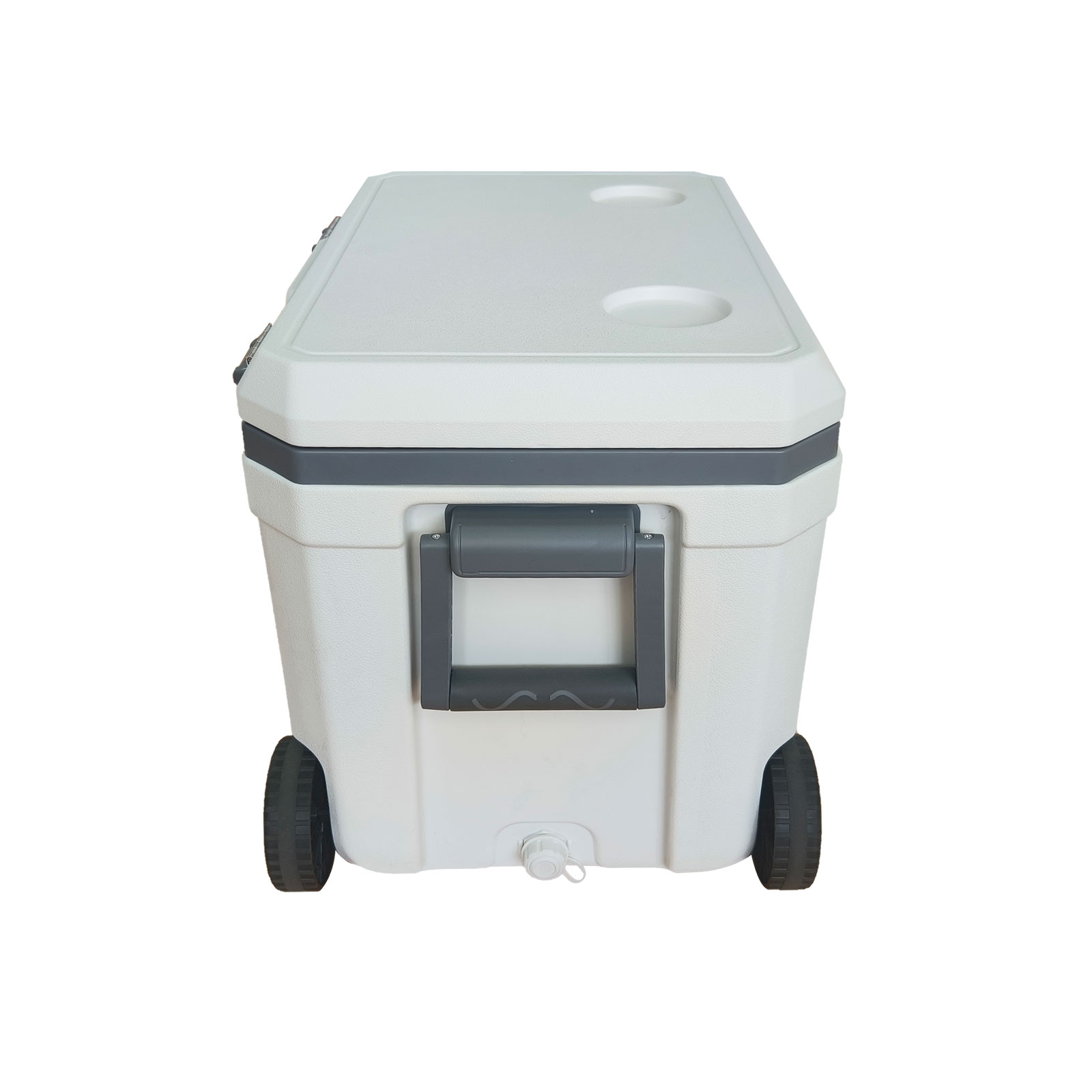
A Practical Framework for Choosing a Stackable Plastic Tote Maker for Frozen Food Transport
Ein Crate-Projekt scheitert, wenn ein Team eine Funktion kauft, während ein anderes Team die Konsequenzen erbt. A stackable tote organizes and protects frozen products but does not create frozen conditions. The vehicle, Gefrierschrank, Isolierte Verpackung, Kühlmittel, Streckenzeit, and operating discipline determine temperature performance. Das folgende Framework kombiniert Design, Beschaffung, Validierung, und betriebliche Kontrollen in einem Entscheidungspfad.
Supplier Controls for Frozen Food Transport Procurement
Write the job of the stackable Plastiktasche in einem Satz: Schützen und organisieren Sie Tiefkühlgerichte, Packungen mit Meeresfrüchten, Fleischprodukte, Desserts, Backwaren, and sealed ingredient packs while moving through blast or static freezing, Gefrierbereitstellung, pflücken, Laden, Kühltransport, Lieferung, leere Rückgabe, Waschen, und wiederverwenden. Schreiben Sie dann, was davon nicht erwartet werden darf. Abhängig von der Route, dazu kann auch Sterilität gehören, Zulassung für Lebensmittelkontakt, Leckageeindämmung, Gefahrgutverpackung, oder Temperaturregelung. Diese zweizeilige Grenze verhindert, dass das Projekt inkompatible Erwartungen unter einem Produktnamen sammelt.
Rank the credible consequences for freezer storage, Kühlverteilung, and repeated handling of packaged frozen foods. Berücksichtigen Sie Produktschäden, Kontamination, instabiles Stapeln, Arbeitsunfall, fehlende Rückverfolgbarkeit, verzögerter Empfang, Thermalausflug, Routenablehnung, und Verlust des wiederverwendbaren Vermögenswerts. Die höchste Konsequenz ist nicht immer das häufigste Ereignis. Eine praktische Vorgabe räumt der Schweregradkombination den Vorrang ein, Wahrscheinlichkeit, und Erkennbarkeit und nicht das Merkmal, das am einfachsten zu zitieren ist.
Setzen Sie rote Linien, bevor Sie Lieferanten vergleichen. Eine rote Linie könnte eine nicht unterstützte thermische Dauer sein, keine Rückverfolgbarkeit des Materials, eine nicht reinigbare Verbindung, Keine Produktionsänderungsmitteilung, ein instabiler Mischlaststapel, oder ein Design, das nicht wirtschaftlich zurückgegeben werden kann. Rote Linien beschleunigen die Auswahl, da sie disqualifizierende Unsicherheiten von Funktionen trennen, die später optimiert werden können. Die Lieferantenüberprüfung sollte festlegen, wie die Änderungskontrolle nach der Skalierung kontrolliert bleibt.
Standards Support Decisions; They Do Not Replace Them
The stackable plastic tote should be described by function, nicht durch Adjektive. Zu seinen nachgewiesenen Funktionen kann das Tragen gehören, Stapelung, verschachteln oder falten, sich einer definierten Handhabung widersetzen, unterstützende Etiketten, Annahme von Beilagen, und Präsentieren von Oberflächen zur Reinigung. Behauptungen wie wasserdicht, medizinisch, Lebensmittelqualität, pharmazeutisch, Thermal-, oder temperaturgesteuert erfordern zusätzliche Definitionen und Nachweise. Der Begriff darf niemals eine umfassendere Systemgenehmigung implizieren, als der Lieferant nachweisen kann.
Bei Lebensmittelanwendungen ist ein Nachweis über den vorgesehenen Kontakt und Transportzustand erforderlich. UNS. Hygienevorschriften für den Transport regeln die Praktiken der Parteien in der Transportkette, und EU-Lebensmittelkontaktkontrollen befassen sich mit der Zusammensetzung und Migration von Kunststoffen für entsprechende Artikel. Käufer müssen den fertigen Bau noch bestätigen, Zusatzstoffe, Reinigungsmethode, Lebensmitteltyp, Temperatur, und Zielanforderungen. Use wash-cycle evaluation where it represents the intended route, laden, und Fehlermodus.
Nutzen Sie Standards als Hilfsmittel im Evidenzplan. Kompression, Stapelung, Vibration, fallen, und thermische Profile können Lieferantenergebnisse bei der Probenahme vergleichbar machen, Nutzlast, Konditionierung, und Akzeptanzkriterien sind die gleichen. Ein Standardname auf einer Broschüre reicht nicht aus, und ein positives Ergebnis garantiert keine andere Route. Das Qualitäts- oder Technikteam des Käufers sollte entscheiden, wie der Test die beabsichtigte Verwendung unterstützt. The report should connect thermal contingency trial to a written acceptance rule.
Eine Spezifikation, die Vorteile mit Nebenwirkungen verknüpft
Erstellen Sie die Spezifikation in fünf Blöcken: Nutzlast, Geometrie, Umfeld, Betrieb, und Beweise. Die Nutzlast deckt die Abmessungen ab, Gewicht, Zerbrechlichkeit, Kontakt, und Temperaturempfindlichkeit. Die Geometrie deckt den nutzbaren Raum ab, Schließung, Stapel, Handhabung, und Schnittstellen. Die Umwelt deckt die Zeit ab, Temperatur, Feuchtigkeit, Chemikalien, und UV. Der Vorgang umfasst das Verpacken, Transport, Reinigung, zurückkehren, und Ruhestand. Der Beweis umfasst Zeichnungen, Erklärungen, Tests, Inspektion, und Änderungskontrolle. Connect the requirement to barcode recesses and a representative payload.
Übersetzen Sie die Designdiskussion in die hier wichtigen Funktionen: tragende Ecken, lid or open-top stack interface, Anti-Rutsch-Eigenschaften, handholds usable with gloves, conveyor compatibility, and barcode recesses. Für jede Funktion, Erfassen Sie den beabsichtigten Nutzen und eine mögliche Nebenwirkung. Eine Entlüftung kann den Luftstrom verbessern, aber die Eindämmung verringern. Eine Verjüngung kann die Verschachtelung verbessern, aber das Volumen verringern. Eine Dichtung kann das Durchsickern verhindern, erfordert jedoch Reinigung und Austausch. Ein isolierter Einsatz kann die Wärmeleistung verbessern, aber die Nutzlast verringern und das Beladen erschweren. The controlled specification should also make replacement parts visible.
Halten Sie wesentliche Fragen gleichermaßen spezifisch: impact at operating temperature, Spannungsrisse, resin lot consistency, Waschmittelverträglichkeit, color and brittleness inspection, and UV exposure during staging. Fordern Sie den Beweis für das fertige Produkt an, der der Behauptung entspricht. Ein Harzname unterstützt die Materialidentifizierung; es beweist keinen Halt, Scharnier, schweißen, Randversiegelung, Etikett, oder montierter Deckel. Ebenfalls, Eine Maßzeichnung unterstützt die Passform; Es legt keine Stapellebensdauer fest, Leckage, Reinigbarkeit, oder ein Temperaturprofil. Apply the requirement to the actual freezer storage, Kühlverteilung, and repeated handling of packaged frozen foods workflow.
| Tor | Genehmigungsfrage | Mindestleistung | Eigentümer |
|---|---|---|---|
| 1. Anwendungsfall | Welche Aufgabe und welche Grenzen sind definiert?? | Genehmigte Anforderungsbeschreibung | Betrieb und Qualität |
| 2. Design | Passt die Probe und bewältigt sie die Nutzlast?? | Zeichnung und Musterprüfung | Maschinenbau |
| 3. Beweis | Sind Ansprüche an Prüfbedingungen geknüpft?? | Berichte und Sachdokumente | Qualität |
| 4. Pilot | Funktioniert es in der eigentlichen Schleife?? | Pilotenbericht und Liste offener Probleme | Operationen |
| 5. Produktion | Entspricht die Produktion dem genehmigten Muster?? | Inspektionsplan und Änderungskontrolle | Beschaffung und Lieferant |
| 6. Lebenszyklus | Wie läuft die Reinigung ab?, reparieren, Verlust, und Ruhestand kontrolliert? | Flotten-SOP und -Metriken | Programminhaber |
Treat each gate for freezer storage, Kühlverteilung, and repeated handling of packaged frozen foods as a decision record. Fortschritt nur, wenn der Eigentümer, Beweis, und ungelöste Risiken sind für das funktionsübergreifende Team sichtbar.
A Practical Decision Point for Freezer Storage, Refrigerated Distribution, and Repeated Handling of Packaged Frozen Foods
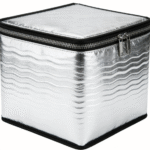
Entscheiden Sie zunächst, ob die Temperaturregelung zum Kistenprojekt gehört. Wenn das Fahrzeug oder der Raum bereits eine zuverlässige Kontrolle bietet und die Nutzlast bei jeder Übergabe geschützt ist, Die Kiste benötigt möglicherweise nur Luftzirkulation und mechanische Kompatibilität. Wenn Lücken vorhanden sind, eine isolierte Auskleidung, Kühler, Palettenabdeckung, konditionierte Gelpackung, PCM-Paket, Trockeneissystem, Möglicherweise ist eine aktive Lösung erforderlich. Die Antwort sollte sich an der Produktspezifikation und dem Fahrspurrisiko orientieren. Keep the result traceable through replacement parts.
Wenn passiver Schutz erforderlich ist, define freezer and vehicle setpoint verification, pre-frozen payload, insulated liner or lid option, backup coolant, Türöffnungsfrequenz, and temperature data before selecting components. Das Design muss die Starttemperatur der Nutzlast berücksichtigen, leerer Raum, Isolationsbrücken, Kühlmittelaufbereitung, Produkttrennung, Umgebungseinflüsse, und Eröffnung. Jede Änderung dieser Variablen kann die Leistung beeinträchtigen. Die getestete Konfiguration eines Lieferanten ist nur dann sinnvoll, wenn die vorgeschlagene Ausstattung wirklich vergleichbar ist. Use lid retention if it represents the intended operating risk.
Qualifizierung und Routineüberwachung dienen unterschiedlichen Zwecken. Entwicklungstests stellen fest, ob ein kontrollierter Packout das Akzeptanzkriterium unter einem definierten Profil erfüllen kann. Die Streckenüberwachung prüft, was im Einsatz passiert ist. Ein Logger kann die Freigabe oder Untersuchung unterstützen, aber es kann einen Mangel nicht ausgleichen Kühlmittelpaket, eine warme Ladung, ein offener Deckel, oder eine unqualifizierte Route. Der Erhalt von Anweisungen muss die Daten mit einem klaren Entscheidungsprozess verbinden. Apply the point to the approved stackable plastic tote in freezer storage, Kühlverteilung, and repeated handling of packaged frozen foods.
Challenge the Failure Modes, Not the Feature List
Wählen Sie den Hersteller anhand der Qualität seiner Beweise aus. Fordern Sie eine genehmigte Zeichnung an, Materialdeklaration, Bericht über kritische Dimensionen, Produktionsabsichtsmuster, entsprechende Prüfberichte, Reinigungs- oder Verpackungsanweisungen, Chargenidentifikation, und Änderungskontrollbedingungen. Für diese Anwendung, also review cold-impact evidence, load definition, sample production, lid interchangeability, Ersatzteile, und Änderungskontrolle. In den Dokumenten sollten die Konfiguration und die Bedingungen aufgeführt sein, nicht einfach eine Marketingaussage wiederholen. Die Prüfung sollte das aufgeführte Risiko explizit einbeziehen: testing only at room temperature.
Verwenden Sie eine Beweishierarchie. Eine mündliche Aussage ist am niedrigsten. Ein generisches Datenblatt ist besser, stimmt aber möglicherweise nicht mit der Baugruppe überein. Ein Lieferantentest der vorgeschlagenen Konfiguration ist aussagekräftiger. Ein Bericht eines unabhängigen oder akkreditierten Labors kann das Vertrauen erhöhen, wenn die Methode und die Probe relevant sind. Der höchste praktische Beweis ist ein kontrollierter Pilot auf der Route des Käufers, unterstützt durch rückverfolgbare Produktionseinheiten und einen Plan für laufende Inspektionen. Convert the failure mode 'overloading the bottom tote' into an owned verification item.
Fordern Sie die Fehlermodi direkt heraus: testing only at room temperature, overloading the bottom tote, ice buildup in nesting or stacking features, blockierter Luftstrom, and assuming the tote protects against vehicle failure. Fragen Sie, welches Designmerkmal jedes Ereignis verhindert, wie diese Funktion getestet wurde, und wie Produktionskontrollen es bewahren. Wenn der Lieferant nicht antworten kann, Wandeln Sie die Unsicherheit in einen Stichprobentest um oder entfernen Sie den Anspruch aus der Spezifikation. Dadurch bleiben die kommerziellen Verhandlungen an das Risiko und nicht an die Anzahl der Funktionen gebunden. For freezer storage, Kühlverteilung, and repeated handling of packaged frozen foods, decide what control addresses the failure mode 'ice buildup in nesting or stacking features'.
Hilfreiche Entscheidungshilfen
Überprüfen Sie die Details, bevor Sie sich für die Verpackung entscheiden
Mit diesen schnellen Tools können Sie das Routenrisiko vergleichen, Größenanforderungen, Kühlmittelauswahl, und Verpackungsdetails, bevor Sie ein Angebot anfordern.
Routenrisiko-Checker
Überprüfen Sie die Fahrspurbedingungen, bevor Sie die Verpackung entsprechend den tatsächlichen Betriebsanforderungen auswählen.
Streckenrisiko prüfenEisbeutel-Rechner
Schätzen Sie die Menge an Gel-Eisbeuteln für gekühlte Sendungen und nutzen Sie die praktische Routenplanung.
Schätzen Sie EisbeutelKühlmittel & PCM-Referenz
Vergleichen Sie Kühlmittel- und PCM-Optionen, wenn eine Route zusätzliche Temperaturunterstützung benötigt.
Vergleichen Sie OptionenVon der Probe bis zum kontrollierten Service
Nutzen Sie vier Genehmigungstore. Tor eins ist fit: die Nutzlast lädt, schließt, entlädt, und bleibt identifizierbar. Tor zwei ist ein kontrollierter Test: mechanisch, Reinigung, Leckage, oder thermische Versuche adressieren die definierten Risiken. Gate drei ist ein operativer Pilot: Normale Mitarbeiter nutzen die Produktionseinheiten im gesamten Kreislauf. Gate vier ist die Produktionsfreigabe: Eingangskontrolle und Änderungskontrolle zeigen, dass die skalierten Einheiten dem genehmigten Design entsprechen. The fleet review should show how repair and lid replacement affects cost and reliability.
Die Pilotenakte sollte Ausnahmen enthalten, nicht nur Durchschnittswerte. Beachten Sie die schwersten und leichtesten Lasten, schwierige Eröffnungen, nasse Renditen, verspätete Übergaben, gemischte Stapel, fehlendes Zubehör, Schaden, nachwaschen, und jede Temperaturabweichung. Ausnahmen offenbaren Designspielräume und Schulungslücken. Ein Programm, das nur erfolgreiche Fahrten aufzeichnet, kann eine versteckte Schwäche beseitigen. Vor der Skalierung, assign ownership for return distance.
Nach dem Start, Verwalten Sie den Container als Vermögenswert. Vergeben Sie ggf. IDs, Schadensgründe erfassen, separate reparierbare Komponenten, Definieren Sie den Wasch- und Inspektionsstatus, Ersatzbestand pflegen, und unsichere Einheiten aus dem Verkehr ziehen. Überprüfen Sie die Felddaten, bevor Sie Lieferanten- oder Komponentenänderungen genehmigen. Die Lebenszykluskontrolle ist der Schritt, der aus einer wiederverwendbaren Idee ein zuverlässiges Programm macht. Use field records to verify whether fleet utilization supports the business case.
Failure Modes That Matter in Freezer Storage, Refrigerated Distribution, and Repeated Handling of Packaged Frozen Foods
Annahme eins: Das angegebene Volumen entspricht dem Nutzlastraum. Möglicherweise nicht nach der Verjüngung, Deckel, Trenner, Isolierung, und Kühlmittel. Annahme zwei: Ein Materialname beweist Leistung. Es beweist nicht die fertige Geometrie. Annahme drei: Eine Stapelbewertung deckt jede Dauer und Temperatur ab. Es kann aus einem anderen Test stammen. Jede Annahme sollte durch eine Zeichnung ersetzt werden, Probe, und relevante Testbedingung. The supplier discussion should connect the failure mode 'assuming the tote protects against vehicle failure' to a feature, prüfen, und Disposition.
Annahme vier: Ein wiederverwendbares Format ist automatisch nachhaltig. Die Rückstrecke, Verlust, Reinigung, reparieren, und Ruhestandsweg bestimmen das Ergebnis. Annahme fünf: Ein Thermoetikett beweist die Temperaturkontrolle. Das komplette System, Startbedingungen, Umgebungsprofil, Auspacken, und Betriebsdisziplin bestimmen das Ergebnis. Diese Annahmen sind teuer, da sie in der Regel nach dem Kauf von Werkzeugen oder Flotten scheitern. Die Prüfung sollte das aufgeführte Risiko explizit einbeziehen: testing only at room temperature.
The project-specific warning signs are testing only at room temperature, overloading the bottom tote, ice buildup in nesting or stacking features, blockierter Luftstrom, and assuming the tote protects against vehicle failure. Setzen Sie sie auf die Checkliste für die Probenprüfung. Bei einem funktionsübergreifenden Team ist es wahrscheinlicher, dass sie im operativen Bereich erkannt werden, Qualität, Maschinenbau, Hygiene, und Logistik sehen unterschiedliche Teile des Risikos. Die Checkliste sollte kurz sein, besessen, und an eine Disposition gebunden: akzeptieren, überarbeiten, prüfen, Quarantäne, oder ablehnen. Convert the failure mode 'overloading the bottom tote' into an owned verification item.
Use a Credible Deviation to Test the Decision
A cross-functional workshop for freezer storage, Kühlverteilung, and repeated handling of packaged frozen foods can be completed around one production-intent sample. Platzieren Sie die repräsentative Nutzlast, Etiketten, Dunnage, thermische Komponenten bei Bedarf, und Handhabungswerkzeuge auf dem Tisch. Bitten Sie den Betrieb, es zu verpacken, Logistik, um es zu bewegen und zu stapeln, Qualität, um die Beweise zu prüfen, und Hygiene, um es zu reinigen und zu trocknen. Notieren Sie, wo der Prozess von Urteilsvermögen oder Problemumgehung abhängt.
Dann simulieren Sie eine glaubwürdige Abweichung: eine verspätete Übergabe, Teillast, nasse Rückkehr, Kälteeinwirkung, fehlender Deckel, oder unerwartete Inspektion. Das Team sollte entscheiden, ob der Entwurf das Ereignis beinhaltet, ob der Zustand erkennbar ist, und welche Anweisung folgt. Diese Übung bringt oft eine sinnvollere Anforderung zum Vorschein als ein anderer allgemeiner Haltbarkeitsanspruch. For this stackable plastic tote, keep the conditions for wash-cycle evaluation traceable to the approved sample.
Schließen Sie den Workshop mit benannten Aktionen ab, überarbeitete Zeichnungspunkte, Tests, Besitzer, und Abnahmetermine. Der Lieferant erhält eine kontrollierte Liste und keine widersprüchlichen Kommentare aus verschiedenen Abteilungen. Wenn die nächste Probe eintrifft, Dasselbe Team kann die Änderungen überprüfen und entscheiden, ob der Entwurf für einen Routenpiloten bereit ist. The verification matrix should show who reviews the result of thermal contingency trial.
Häufig gestellte Fragen
What is the first document to prepare before contacting a stackable plastic tote maker for frozen food transport?
Bereiten Sie eine prägnante Anwendungsfallbeschreibung zur Nutzlast vor, nutzbare Abmessungen, maximale Belastung, Route, Umweltbelastung, Handhabung, Reinigung, zurückkehren, Identifikation, und jede Temperaturanforderung. Fügen Sie die Ansprüche hinzu, die unterstützt werden müssen, und die Bedingungen, die ein Design disqualifizieren würden. Dadurch erhalten Lieferanten eine gemeinsame Angebotsbasis. Für dieses Projekt, Halten Sie die Änderungskontrolle auf das genehmigte Muster rückverfolgbar.
Wie trenne ich eine Kistenanforderung von einer Kühlkettenanforderung??
Beauftragen Sie die mechanische Handhabung, Stapelung, Schließung, Hygiene, und Identifizierung der Kiste. Isolierung zuweisen, Kältemittel, aktive Kühlung, Auspacken, Vorkonditionierung, Überwachung, und thermische Qualifizierung des Temperaturkontrollsystems. Sie müssen korrekt verbunden sein, aber das eine sollte nicht als Beweis für das andere verwendet werden. For this frozen food transport project, Bestätigen Sie die Antwort anhand eines produktionsbezogenen Musters, anstatt eine Katalogäquivalenz anzunehmen.
Welcher Lieferantennachweis sollte das größte Gewicht haben??
Geben Sie konfigurationsspezifischen Zeichnungen mehr Gewicht, materielle Dokumente, produktionsabsichtliche Muster, Testberichte mit vollständigen Bedingungen, und einen erfolgreichen Streckenpiloten als auf generische Broschüren. Unabhängige Tests können das Vertrauen erhöhen, wenn die Methode und die Probe relevant sind. Die Änderungskontrolle ist unerlässlich, damit die Beweise mit der Produktion in Verbindung bleiben. Für dieses Projekt, keep load definition traceable to the approved sample.
Wie viele Muster werden vor einem Flottenkauf benötigt??
Es gibt keine universelle Zahl. Verwenden Sie genügend Proben, um die Passform zu überprüfen, Produktionsvariation, Handhabung, Reinigung, und die glaubwürdigen Fehlermodi. Ein Pilotprojekt sollte sowohl für die Produktion vorgesehene Einheiten als auch normale Bediener umfassen. Der Musterplan sollte risikobasiert sein und von der Technik oder der Qualität abgestimmt werden und nicht nur aus Bequemlichkeitsgründen gewählt werden. Base the decision on vibration with frozen payload under the intended route and load.
Was soll passieren, nachdem der Container in Betrieb genommen wurde??
Kontrollidentifikation, Reinigungsstatus, Inspektion, reparieren, Zubehöraustausch, Schadenskodierung, Verlust, und Ruhestand. Überprüfen Sie regelmäßig Felddaten und Lieferantenänderungen. Wiederverwendbare Verpackungen bleiben nur dann zuverlässig, wenn das Betriebssystem den ursprünglich genehmigten Zustand und die Konfiguration beibehält. For this frozen food transport project, Bestätigen Sie die Antwort anhand eines produktionsbezogenen Musters, anstatt eine Katalogäquivalenz anzunehmen.
Endgültige Entscheidung
Select a stackable plastic tote maker for frozen food transport through a controlled sequence: Definieren Sie den Job und die roten Linien, Überprüfen Sie verwendbare Geometrie- und Materialnachweise, Entscheiden Sie, ob eine thermische Kontrolle erforderlich ist, Testen Sie die relevanten Fehlermodi, Steuern Sie den gesamten Betriebskreislauf, und bewahren Sie das genehmigte Design durch Inspektion und Änderungskontrolle. Halten Sie jeden Anspruch an die Bedingungen und den Eigentümer gebunden.
Über Tempk
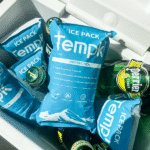
Tempk-Lieferungen Kühlkettenverpackung Komponenten wie z Gelpackungen, Eisziegel, PCM -Packungen, Isolierte Einlagen und Taschen, EPP und andere Isolierboxen, Kaltversandkartons, Und Thermopalettenabdeckungen. Hier, the practical focus is providing insulated liners, Eisziegel, Gelpackungen, EPP -Boxen, and thermal covers for frozen-food routes that need passive backup or last-mile protection. Produktspezifische Anforderungen, Streckenqualifikation, und die Qualitätsbewertung durch den Kunden bleiben die Grundlage für jede endgültige Auswahl.
Fordern Sie eine praktische Rezension an
Für eine integrierte Container- und Kühlkettenüberprüfung, share the frozen product, Streckendauer, Fahrzeugbedingungen, tote load, and contingency needs to compare suitable thermal components.