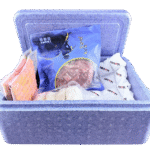
kleine EPP-Schaumbox: So wählen Sie die richtige Box aus, ohne die Leistung zu überfordern
Eine kleine EPP-Schaumstoffbox ist eine Überlegung wert, wenn Sie eine wiederverwendbare Isolierung benötigen, Aufprallschutz, und praktische Handhabung in einem temperaturempfindlichen Arbeitsablauf. Es sollte nicht als magische Lösung für jedes Kühlkettenproblem betrachtet werden. Die Kiste, Kühlmittel, Nutzlast, Schließung, Streckenbelichtung, und Dokumentationsprozess arbeiten alle zusammen. Für einen ernsthaften Käufer, Ziel ist es, zunächst die Betriebsbedingungen zu definieren, dann fragen Sie, ob die EPP-Box kann sie mit Beweisen untermauern, Proben, und konsistente Produktion.
Die praktische Antwort: Wählen Sie es, wenn Ihre Sendung oder Ihr Lieferprogramm von wiederverwendbarer Isolierung profitiert, geformte Schlagfestigkeit, und einfachere manuelle Handhabung. Wählen Sie es nicht nur, weil der Produktname attraktiv klingt. Bestätigen Sie die Nutzlast, erforderlichen Temperaturbereich, Streckendauer, Kühlmittelplan, Reinigungsroutine, und Lieferantenunterstützung, bevor Sie eine Großbestellung aufgeben.
Der Entscheidungsrahmen: Material, Route, Nutzlast, und Beweis
Eine kleine EPP-Schaumbox sollte im Vergleich zur gesamten Arbeitsspur bewertet werden, nicht nur gegen den Zeitpunkt der Lieferung. Vor dem Versand, Die Box kann in einem Lagerhaus gelagert werden. Während des Transports, es kann in einem Van sitzen, LKW, Flugzeugannahmebereich, Restaurantregal, oder Veranstaltungsraum im Freien. Nach der Ankunft, es kann erneut warten, bis die Nutzlast entpackt wird. Jeder Wartepunkt ist wichtig.
Wenn es sich bei der Sendung um Arzneimittel oder andere regulierte Produkte handelt, die Streckenüberprüfung wird noch strenger. Produkttemperaturgrenzen müssen bestätigt werden, und Qualitätsteams können dokumentierte Handhabungsverfahren erwarten, Überwachung, und Nachweis, dass das gewählte Verpackungssystem für den vorgesehenen Verwendungszweck überprüft wurde. Zum Essen und Mitnehmen, Die Regelungssprache kann unterschiedlich sein, Aber Hygiene und Produktqualität hängen immer noch von einem disziplinierten Prozess ab.
Die sicherste Kaufgewohnheit besteht darin, die Fahrspurannahmen aufzuschreiben, bevor Sie ein Angebot anfordern. Geben Sie die Nutzlast an, gewünschte Verwendung, Häufigkeit der Handhabung, ungefähres Streckenprofil, Reinigungsprozess, und ob die Box Teil eines temperaturgesteuerten Systems ist. Dies gibt dem Lieferanten die Möglichkeit, verantwortungsbewusst zu empfehlen, anstatt zu raten.
Wo eine EPP-Box hilft und wo sie nicht ausreicht
EPP ist für Transportverpackungen attraktiv, weil es mehrere Eigenschaften vereint, die im Logistikalltag nur schwer unter einen Hut zu bringen sind. Es ist leicht genug, um es in der Hand zu tragen, robust genug für wiederholte Handhabung, und isolierend genug, um ein passives Packout zu unterstützen. In einer kleinen EPP-Schaumbox, Diese Eigenschaften sind am wertvollsten, wenn Mitarbeiter häufig Waren bewegen müssen, anstatt den Karton als Einweg-Versandhülle zu verwenden.
Das Wort isoliert sollte sorgfältig gelesen werden. Die Isolierung verlangsamt die Wärmebewegung; Die gewählte Temperatur wird nicht automatisch aufrechterhalten. Wenn Ihre Waren hitze- oder frostempfindlich sind, Die kleine EPP-Schaumbox sollte mit dem richtigen Kältemittel oder PCM gepaart werden, ein klares Verpackungslayout, und einen Empfangsprozess, der den Produktzustand prüft. Dies ist besonders wichtig für das Gesundheitswesen, Meeresfrüchte, Molkerei, Zubereitete Mahlzeiten, oder andere risikoreiche Ladungen.
Überprüfen Sie die Form der Nutzlast, Kühlmittelplatzierung, Etikettenbereich, Verschlusssicherheit, und Eingangskontrolle vor der Bestellung von Kleinformaten. Diese einfache Frage unterscheidet ein echtes Verpackungsgespräch von einem oberflächlichen Verkaufsgespräch. Ein Lieferant, der Materialgrenzen und Betriebsbedingungen besprechen kann, ist in der Regel nützlicher als einer, der nur allgemeine Angaben wiederholt.
Verifizierungspunkte vor der Bestellung
| Kaufentscheidung | Was zu überprüfen ist | Warum es das Ergebnis beeinflusst |
|---|---|---|
| Streckentauglich | Dauer, Wartepunkte, Fahrzeugbedingungen, und Übergaben | Die Isolationsleistung wird davon beeinflusst, wie die Box bei realen Bewegungen gehandhabt wird. |
| Zuladung passt | Form, Gewicht, Zerbrechlichkeit, und Platz, der nach dem Kühlmittel verbleibt | Ein zu großer oder zu enger Karton kann zu Verpackungsfehlern führen. |
| Verschluss- und Deckeldisziplin | Deckelsitz, Dichtungsdruck, Latchverhalten, und Benutzergewohnheiten | Der Wärmegewinn erfolgt häufig durch Lücken, wiederholtes Öffnen, oder schlechter Abschluss. |
| Programm wiederverwenden | Reinigung, Inspektion, Rückgabelager, und Schadensbegrenzung | Der wiederverwendbare Wert hängt von der operativen Disziplin ab, nicht nur die Recyclingfähigkeit des Materials. |
| Lieferantenbeweis | Proben, Datenblätter, Testbasis, und Produktionskonsistenz | Nachweise tragen dazu bei, nicht belegte Leistungs- oder Qualitätsansprüche zu verhindern. |
Eine kleine EPP-Schaumbox ist ein praktischer Behälter, aber die Entscheidung sollte als Systementscheidung getroffen werden. Die Tabelle hilft dabei, sichtbare Merkmale von den Prüfungen zu trennen, die sich tatsächlich auf die Feldleistung auswirken. Es gibt auch Beschaffung, Operationen, und Qualitätsteams eine gemeinsame Sprache für die Überprüfung von Proben.
Verwendung der Box in einer echten Verpackung
Die Verpackung ist die eigentliche Arbeitsanordnung in der kleinen EPP-Schaumbox. Dazu gehört auch die Produktplatzierung, Kühlmittel- oder Eisbeutelposition, Trenner, Liner, Unterlagen, leerer Raum, und die Reihenfolge, in der die Arbeiter den Deckel schließen. Zwei Käufer können dieselbe Box verwenden und unterschiedliche Ergebnisse erzielen, wenn eine Auspackung diszipliniert und die andere improvisiert ist.
Kühlmittelkontakt ist ein häufiges Beispiel. Manche Waren sollten nicht direkt an gefrorenen Packungen anliegen; andere benötigen eine engere thermische Pufferung. Verderbliche Lebensmittel, Restaurant zum Mitnehmen, Getränke im Freien, medizinische Materialien, und Laborproben verhalten sich alle unterschiedlich. Aus diesem Grund sollte der Lieferant wissen, ob es sich um ein gekühltes Halten handelt, eingefrorene Unterstützung, einfacher Hitzeschutz, oder allgemeine isolierte Handhabung.
Der sicherste Ansatz besteht darin, einen einfachen Verpackungsvorgang während der Probenprüfung zu dokumentieren. Markieren Sie, wohin die Nutzlast geht, wie das Kühlmittel konditioniert wird, Wie viel freier Speicherplatz ist akzeptabel?, wenn die Box geschlossen ist, und wie es beim Empfang überprüft wird. Eine kleine EPP-Schaumstoffbox wird zuverlässiger, wenn die Benutzer nicht raten müssen.
Beschaffungshinweise zur Kontrolle von der Probe bis zur Produktion
Die Beschaffung sollte eine kleine EPP-Schaumstoffbox nicht als einfache Ware behandeln, bis der Arbeitsablauf definiert ist. Die gleiche Box kann für einen Käufer eine gute Wahl sein, für einen anderen jedoch aufgrund der Nutzlastform eine schlechte Wahl sein, Streckenlänge, Rückgabeprozess, Reinigung, Lagerung, und die Qualitätserwartungen variieren.
Hilfreiche Entscheidungshilfen
Überprüfen Sie die Details, bevor Sie sich für die Verpackung entscheiden
Mit diesen schnellen Tools können Sie das Routenrisiko vergleichen, Größenanforderungen, Kühlmittelauswahl, und Verpackungsdetails, bevor Sie ein Angebot anfordern.
Trockeneisrechner
Schätzen Sie vor dem Verpacken den Bedarf an Trockeneis für gefrorene oder ultrakalte Sendungen.
Schätzen Sie TrockeneisBoxliner & Dimensionierung der Palettenabdeckung
Überprüfen Sie die Größenlogik für Kartoneinlagen und Palettenabdeckungen für isolierte Verpackungsprojekte.
Schätzen Sie die GrößeReferenz zu Isoliermaterialien
Vergleichen Sie die Auswahl an Isoliermaterialien für unterschiedliche Kühlkettenverpackungsanforderungen.
Vergleichen Sie MaterialienEine sinnvolle Angebotsanfrage beinhaltet mehr als nur einen Richtpreis. Es umfasst die erwartete Nutzung, Innen- und Außenmaße sofern bekannt, Nutzlasttyp, Trageweise, gewünschte Individualisierung, Bestellmengenbereich, Stichprobenerwartungen, und ob die Box mit gepaart wird Gelpackungen, Eisziegel, PCM, Trockeneis, oder eine andere Kältequelle. Wenn diese Details unbekannt sind, Geben Sie die Unsicherheit an und fragen Sie nach Optionen.
Die beste Antwort eines Lieferanten wird in der Regel eher spezifisch als dramatisch sein. Suchen Sie nach Erklärungen für Kompromisse: leichter versus stärker, größere Kapazität im Verhältnis zur Temperaturmarge, Griffkomfort versus Stapelbarkeit, Premium-Aussehen im Vergleich zu Kosten, und wiederverwendbares Design im Vergleich zum Reinigungsaufwand. Kompromissausdrücke sind ein Zeichen dafür, dass der Lieferant die Abläufe versteht.
Risikohinweise, die Käufer nicht auslassen sollten
Wenn Käufer eine kleine EPP-Schaumbox bewerten, tauchen immer wieder mehrere Fehler auf. Bei den meisten handelt es sich zunächst nicht um technische Ausfälle; es handelt sich um Annahmefehler. Die Box soll Probleme lösen, die bei der Routenplanung bereits früher hätten definiert werden sollen, Packout-Rezension, oder Lieferantenqualifikation.
- Gehen Sie nicht davon aus, dass die Formulierung „kleine EPP-Schaumbox“ beweist, dass die Box genau für Ihre Sendung geeignet ist. Die Qualifikation hängt von der Bewerbung ab, Route, Auspacken, und Beweise.
- Vergleichen Sie nicht den Preis, ohne das nutzbare Volumen zu vergleichen. Kühlmittel, Unterlagen, Trenner, und der Schutz der Ladung kann aus einem groß aussehenden Karton eine enge Verpackung machen.
- Ignorieren Sie das Abschlussverhalten nicht. Schlechter Deckelsitz, wiederholtes Öffnen, oder verschmutzte Dichtflächen können den Gebrauchswert der Isolierung mindern.
- Genehmigen Sie ein individuelles Design nicht allein anhand von Zeichnungen. Griffe, Deckel, Ecken, und Faltlinien sollten nach Möglichkeit mit geladenen Proben überprüft werden.
- Lassen Sie nicht zu, dass Nachhaltigkeitsansprüche die operative Planung ersetzen. Wiederverwendung, Reinigung, Retourenlogistik, und End-of-Life-Sortierung bestimmen, ob die umweltfreundlichere Idee in der Praxis funktioniert.
Typisches Szenario: Korrektur der Spezifikation vor dem Großeinkauf
Stellen Sie sich einen Käufer vor, der sich darauf vorbereitet, eine kleine EPP-Schaumbox für kleine Lebensmittelbestellungen zu verwenden, Laborproben, Medizin handgeführte Bewegungen, Diagnosekits, und gekühlte Kurzstreckenartikel. Die erste Probe sieht stark aus, und die leere Box ist leicht zu tragen. Während eines Prozesses, Das Team stellt fest, dass Kühlmittel und Trennwände hinzugefügt wurden, Der tatsächliche Nutzlastraum ist kleiner als erwartet. Ein zweites Problem tritt während der Reinigung auf: Essensreste oder Etikettenkleber sammeln sich um eine Griffmulde herum. Die Box ist kein schlechtes Produkt, aber in der ersten Spezifikation fehlten die Arbeitsdetails. Der Käufer aktualisiert die Verpackung, bittet den Lieferanten, Griff- und Oberflächenoptionen zu bestätigen, und führt eine einfache Empfangscheckliste durch, bevor eine größere Bestellung aufgegeben wird. Diese Art von Test ist nützlicher, als sich auf eine Schlagzeile zu verlassen, da sie zeigt, wie sich die Box im realen Prozess des Käufers verhält.
Die Lehre daraus ist nicht, dass jeder Käufer mit dem gleichen Problem konfrontiert sein wird. Die Lehre daraus ist, dass ein wiederverwendbarer Isolierbehälter durch einen Arbeitsversuch zugelassen werden sollte, nicht nur durch das Aussehen, Preis, oder ein breiter materieller Anspruch. Wenn der Versuch den echten Umgang erfasst, Die Spezifikation wird sowohl für den Käufer als auch für den Lieferanten nützlicher.
Operative Details, die normalerweise über den langfristigen Wert entscheiden
Der langfristige Wert hängt vom Nutzungsrhythmus ab. Eine kleine EPP-Schaumstoffbox kann bei einem kontrollierten Versuch gut funktionieren, hat aber Probleme, wenn die Arbeiter in Eile sind, Fahrzeuge sind überfüllt, oder zurückgegebene Kartons werden ohne Inspektion gestapelt. Legen Sie fest, wem die Box nach der Lieferung gehört, wo es gespeichert ist, wer reinigt es, Wer prüft den Schaden?, und wie fehlende Deckel oder kaputte Griffe erfasst werden. Diese gewöhnlichen Kontrollen entscheiden oft darüber, ob wiederverwendbare Verpackungen zu einem Vorteil oder zu Verwirrung führen.
Die Kennzeichnung verdient mehr Aufmerksamkeit, als viele Käufer ihr schenken. Kisten, die in Lebensmitteln verwendet werden, medizinisch, oder Lieferprogramme benötigen möglicherweise Produktidentifikatoren, Routencodes, Rückgabeanweisungen, Reinigungsstatusmarkierungen, oder kundenorientiertes Branding. Etiketten sollten lesbar sein, ohne die Verschlussoberflächen zu blockieren oder Rückstände zu hinterlassen, die die Reinigung erschweren. Wenn die Box individuell angepasst ist, Planen Sie den Etikettenbereich zusammen mit dem Griff- und Stapeldesign, anstatt ihn am Ende hinzuzufügen.
Lagerung ist ein weiterer versteckter Kostenfaktor. Starre Kartons brauchen Platz; zusammenklappbar, faltbar, oder schachtelbare Systeme benötigen eine Bestätigung, dass die platzsparende Funktion die Arbeitsstruktur nicht schwächt. Für eine Großbestellung, Lagerteams sollten Teil der Überprüfung sein. Sie können Ihnen sagen, ob die Kisten leicht zu zählen sind, Stapel, wählen, zurückkehren, und bei Beschädigung trennen.
FAQ
Für den temperaturgeführten Versand reicht eine kleine EPP-Schaumbox?
Nicht von alleine. Eine kleine EPP-Schaumbox kann für Isolierung und Aufprallschutz sorgen, Aber Temperaturkontrollierte Schifffahrt hängt auch von der Produktanforderung ab, Kühlmittel oder PCM, Packout-Layout, Streckenbelichtung, Bearbeitungszeit, und ggf. Überwachung bzw. Dokumentation. Behandeln Sie die Box als eine Komponente in einem System, insbesondere für Arzneimittel, Meeresfrüchte, Molkerei, oder andere sensible Güter.
Was ist die wichtigste zu vergleichende Spezifikation??
Es gibt keine einheitliche Spezifikation, die über den Kauf entscheidet. Nutzbarer Nutzlastraum, Verschlusszuverlässigkeit, Tragekomfort, Stapelbarkeit, Reinigungspassform, und Packout-Kompatibilität sind oft wichtiger als eine einzelne Schlagzeilendimension. Ob die Box die Kühlkette unterstützt, Fragen Sie, wie es mit Kühlmittel verwendet wird und wie die Leistung für die vorgesehene Spur überprüft wird.
Wie soll ich ein Muster vor der Freigabe testen??
Beladen Sie es mit der echten Nutzlast oder einem ähnlichen Ersatz, Fügen Sie bei Bedarf das erwartete Kühlmittel hinzu, Schließen Sie den Deckel, wie es die Arbeiter tun würden, trage es, stapeln Sie es, reinige es, und überprüfen Sie es nach Gebrauch. Ziel ist es zu sehen, ob die Box zum Workflow passt, nicht nur, ob es im leeren Zustand richtig aussieht.
Ist EPP recycelbar und wiederverwendbar??
EPP gilt allgemein als recycelbar und wird häufig in wiederverwendbaren Formverpackungen verwendet. Das praktische Nachhaltigkeitsergebnis hängt immer noch von Ihrer Rücklaufschleife ab, Reinigungsprozess, Schadensrate, lokaler Recyclingweg, und Altersvorsorge. Käufer sollten prüfen, wie gebrauchte Kartons abgeholt werden, sortiert, und am Ende der Lebensdauer behandelt.
Wann sollte ich diese Art von Box meiden??
Vermeiden Sie es, wenn Ihr Team die Route nicht definieren kann, Produktanforderung, Reinigungsroutine, oder Nutzlast passen. Vermeiden Sie es außerdem, eine Box als qualifiziert zu behandeln Kühlkettenverpackung ohne Packout-Beweis. Wenn die Sendung einen hohen Wert hat, reguliert, oder sehr temperaturempfindlich, beinhalten Qualität, Logistik, und Verpackungsteams vor der Genehmigung.
Abschluss
Die richtige kleine EPP-Schaumbox wird ausgewählt, indem die Materialvorteile mit der Betriebsrealität in Einklang gebracht werden. EPP kann geringes Gewicht tragen, wiederverwendbare Handhabung, Isolierung, und Aufprallschutz, Aber diese Vorteile kommen erst dann zum Tragen, wenn die Box zur Route passt, Nutzlast, Kühlmittelplan, Reinigungsprozess, und Lieferantenkontrollen. Vor dem Kauf, Definieren Sie den Anwendungsfall, Testen Sie eine Probe, Überprüfen Sie alle Leistungsansprüche, und stellen Sie sicher, dass das genehmigte Design in der Produktion wiederholt werden kann.