Lieferant von Trockeneisbeuteln für den Fleischtransport: So wählen Sie das richtige Packout aus
Ein Lieferant Trockeneisbeutel Für den Fleischtransport lohnt sich der Kauf nur, wenn es zum Produkt passt, die Route, und die Beweise, die Sie nach der Lieferung benötigen. Für Fleisch, Die praktische Frage ist nicht nur, wie kalt der Rucksack ist. Käufer sollten bestätigen, ob sie festes CO2-Trockeneis benötigen, eine wiederverwendbare Packung im Trockeneis-Stil, PCM, Gelpackungen, oder ein qualifizierter Isolierter Versender, Überprüfen Sie dann, wie sich diese Wahl unter den realen Nutzlast- und Handhabungsbedingungen verhält.
Die praktische Entscheidung in einem Absatz
Für Fleisch, Beginnen Sie nicht mit der kältesten Packung. Beginnen Sie mit dem zulässigen Produktzustand, Wählen Sie dann die Kältequelle mit dem geringsten Risiko, die die Route unterstützen kann. Trockeneis kann bei der Belüftung von gefrorenen Fleischbahnen nützlich sein, Beschriftung, Handhabung, Isolierung, und Empfangsverfahren sind geplant, Bei gekühltem Fleisch, das nicht gefrieren darf, oder bei Sendungen, bei denen der Spediteur kein Trockeneis annehmen kann, kann Trockeneis zu viel sein. Der Lieferant sollte Ihnen dabei helfen, die Übereinstimmung mit der tatsächlichen Box zu überprüfen, Nutzlast, und Abwicklungsprozess.
Definieren Sie in Ihrer Einkaufsbeschreibung, was Trockeneisbeutel bedeutet
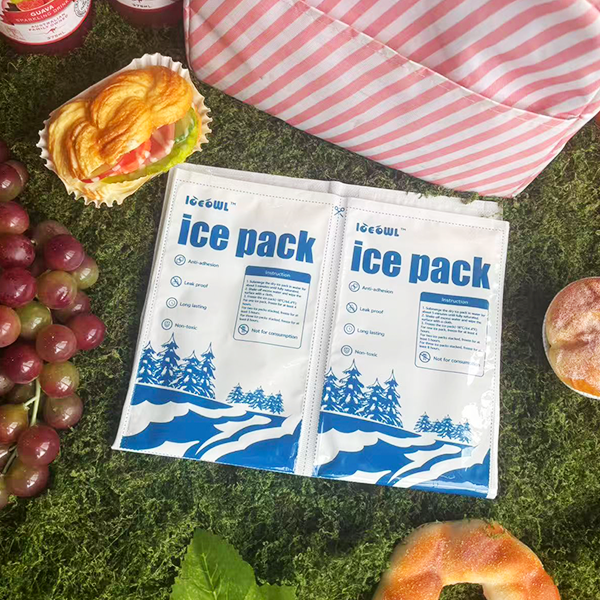
Der Begriff Trockeneisbeutel sollte in jeder Einkaufsbeschreibung geklärt werden. Wenn es sich um festes Kohlendioxid-Trockeneis handelt, Der Käufer muss mit extremer Kälte rechnen, Gasentlüftung, Trockeneismarkierungen, Sicherheit im Umgang, und Carrier-Akzeptanz. Wenn es sich um eine wiederverwendbare Trockeneispackung handelt, Der Käufer sollte das Material bestätigen, Hydratations- oder Gefriermethode, Kühlmittelverhalten, Dichtungsqualität, und ob die Packung zum Kühlen gedacht ist, gefroren, oder gepufferter Einsatz.
Diese Definition ist kein Wortlautdetail. Für Fleisch, es beeinträchtigt die Produktsicherheit, Verpackungsauswahl, Lagerarbeit, Kundenanweisungen, und Logistikkosten. Ein Lieferant, der den Unterschied nicht erklären kann, verkauft möglicherweise trotzdem eine Packung, Es bleibt jedoch dem Käufer überlassen, die Beschränkung im Rahmen der Reklamation festzustellen, abgelehnte Lieferungen, oder eine fehlgeschlagene Probelieferung.
Die besten Einkaufsbriefe beschreiben das Produkt, den geforderten Lieferzustand aufweisen, die Streckenlänge, Die Isolierung ist bereits geplant, die erwartete Umgebungsexposition, und alle Unterlagen, die das Empfangsteam benötigt. Mit diesen Informationen, Ein Lieferant kann eine Verpackungsrichtung empfehlen, anstatt eine allgemeine Packungsgröße anzugeben.
Passen Sie die Verpackung dem Fleischrisiko an, nicht auf einen generischen Daueranspruch
Viele Käufer verlangen einen Trockeneisbeutel, der eine bestimmte Anzahl von Stunden hält. Diese Frage ist verständlich, aber es ist unvollständig. Die Haltezeit hängt von der Box ab, Nutzlastmasse, Packungsmenge, Umgebungsprofil, Packposition, wie das Paket versiegelt ist, und wie der Empfänger damit umgeht. Zur Überprüfung kann eine Nummer aus einem Lieferantendatenblatt hilfreich sein, Dies sollte jedoch nicht als Garantie für jede Spur angesehen werden.
Die bessere Frage ist: Welchen Zustand muss das Fleisch am Ende der Strecke erfüllen?, und welche Beweise werden es beweisen? Sobald das definiert ist, Das Verpackungsteam kann Trockeneis vergleichen, Trockeneis-Packungen, Gelpackungen, PCM -Packungen, und Isolierungsoptionen mit weniger Rätselraten. Dieser Ansatz erleichtert auch die Erklärung des Packouts für das Betriebspersonal.
Für Fleisch, Die Verpackung sollte so gestaltet sein, dass sie den Wärmefluss kontrolliert, nicht nur um mehr kalte Masse hinzuzufügen. Pufferschichten, Produktplatzierung, Kartonfüllung, Abschlussdisziplin, und Vorkonditionierung sind oft genauso wichtig wie die Packung selbst.
Entscheidungstabelle für die Einkaufsbewertung
| Frage vor der Bestellung | Bessere Antwort des Käufers | Risiko, wenn es ignoriert wird |
|---|---|---|
| Was ist eigentlich in der Packung enthalten?? | Festes CO2, hydratisierte Trockeneispackung, Gel, oder PCM | Falsche Handhabung und falsche Temperaturannahme |
| Welcher Produktzustand muss vorliegen?? | Gekühlt, gefroren, Ultra-kalte, oder einfach cool | Frostschäden oder warme Lieferung |
| Welche Box und Nutzlast wurden getestet? | Gleiche Isolierung, Produktmasse, und Packungsposition, die für die Verwendung vorgesehen ist | Die Wartezeit des Lieferanten entfällt möglicherweise |
| Wer kümmert sich um die Dokumentation?? | Qualität, Logistik, Träger, und Empfangsmannschaften | Abgelehnte Sendungen oder fehlende Beweise |
| Kann die Probe wiederholt werden?? | Gesperrte Spezifikation und Produktionskontrolle | Die Großbestellung variiert von der genehmigten Probe |
Die Tabelle ist nicht als Ersatz für einen Packout-Test gedacht. Es hilft Käufern, die richtigen Fragen zu stellen, bevor ein Muster bestellt wird, Daher ist der erste Test näher an den realen Betriebsbedingungen. Wenn ein Lieferant einen dieser Punkte nicht beantworten kann, Behandeln Sie es als einen Gegenstand zur Überprüfung und nicht als einen Grund für Vermutungen.
Eine Kaufcheckliste für die Kontrolle vom Muster bis zur Produktion
Eine Probe kann erfolgreich aussehen, weil sie von einer erfahrenen Person sorgfältig verpackt wurde. Produktionsläufe sind unterschiedlich. Es sind mehr Arbeitnehmer beteiligt, Die Gefrierzeit der Packung kann variieren, Box-Ersetzungen können vorkommen, und Versandfristen können den Prozess verkürzen. Für Fleisch, Käufer sollten entscheiden, wie der erfolgreiche Test in eine wiederholbare Arbeitsanweisung umgesetzt werden soll.
- Sperren Sie den Pakettyp, Größe, Materialbeschreibung, und Konditionierungsmethode vor dem Produktionsauftrag.
- Notieren Sie den isolierten Versender, Liner, Nutzlastmasse, und Packungsposition, die im Versuch verwendet wurde.
- Bestätigen Sie, ob das gleiche Packout sowohl in der warmen als auch in der kühlen Jahreszeit funktioniert oder eine saisonale Anpassung erfordert.
- Schulen Sie Packer in Bezug auf Trennschichten und Direktkontaktbeschränkungen.
- Definieren Sie, welche Empfangsteams prüfen und welche Beweise sie aufbewahren sollen.
Diese Checkliste ist besonders wichtig für die Lieferantenbewertung, da die Kosten für Inkonsistenzen normalerweise erst dann auftreten, wenn die Bestellung das Lager verlässt. Eine günstigere Verpackung, die eine unklare Handhabung erfordert, kann teurer sein als eine etwas strukturiertere Verpackung.
Verwenden Sie vorsichtige Aussagen, wenn Qualitäts- oder Regulierungsteams beteiligt sind
Für Fleisch, Starke Verpackungsaussagen sollten sorgfältig behandelt werden. Ein Lieferant kann Verpackungsmaterialien beschreiben, Verwendungszweck, Konditionierungsschritte, und verfügbare Testunterstützung, Die endgültige Entscheidung hängt jedoch von den Produktanforderungen und dem Versandprozess ab. Dies ist besonders wichtig, wenn es sich bei der Sendung um medizinische Sendungen handelt, pharmazeutisch, oder Impfstoffverteilung, wo Dokumentation und Qualitätsprüfung erforderlich sein können.
Für echtes Trockeneis, Der Versender sollte vor dem Versand die Gefahrgut- und Spediteuranforderungen überprüfen. Pakete müssen im Allgemeinen eine Gasfreisetzung ermöglichen, und Markierungen können für den Lufttransport erforderlich sein. Für CO2-freie Trockeneis-Packungen, Der Käufer sollte dennoch die Anweisungen zum Einfrieren prüfen, Einschränkungen bei direktem Kontakt, und ob die Packung im vorgesehenen Versender getestet wurde.
Die sicherste Lieferantensprache ist praktisch und bedingt. Es erklärt, wo das Paket angebracht ist, was überprüft werden muss, und was nicht angenommen werden sollte. Eine solche Formulierung mag weniger dramatisch klingen als ein umfassendes Leistungsversprechen, aber es schützt sowohl den Käufer als auch den Endverbraucher.
Ein praktisches Beispiel für die Vermeidung der falschen Kältequelle
Ein Beschaffungsteam fordert eine Trockeneis-Verpackungslösung, da sich frühere Lieferungen während des Transports erwärmt haben. Nach Prüfung der Produktanforderung, Das Team stellt fest, dass das Fleisch kühl bleiben muss, aber keinem extremen Gefrieren ausgesetzt werden sollte. Anstatt direkt auf echtes Trockeneis umzusteigen, Das Team bittet Lieferanten, Trockeneis-Packungen zu vergleichen, Gelpackungen, PCM -Packungen, und Isolationsänderungen.
Der Lieferantenvorschlag, der die beste Leistung erbringt, ist nicht unbedingt der kälteste. Es ist derjenige, der die Produkttrennung erklärt, Packungskonditionierung, Box passen, Routenrisiko, und Beweise, die für die Genehmigung erforderlich sind. Das Team führt einen Test mit der tatsächlichen Nutzlast durch und zeichnet den Empfangszustand auf, bevor es die Großbestellung freigibt.
Dieses Beispiel zeigt, warum Käuferdisziplin wichtig ist. Das Ziel besteht nicht darin, ein stärkeres Kältemittel hinzuzufügen; Ziel ist es, das Produkt so zu schützen, wie das Lager, Träger, Empfänger, und das Qualitätsteam kann es wiederholen.
Warnsignale in Lieferantenvorschlägen
Ein Vorschlag für Fleisch sollte Anlass zur Sorge geben, wenn er universelle Eignung verspricht, vermeidet die Definition des Pakettyps, Bietet eine Haltezeitzahl ohne Testbedingungen, oder ignoriert den Unterschied zwischen gekühlt, gefroren, und extrem niedrige Anforderungen. Es sollte auch Anlass zur Sorge geben, wenn der Lieferant nicht erklären kann, wie die Packung gelagert werden soll, konditioniert, und von der Nutzlast getrennt.
Hilfreiche Entscheidungshilfen
Überprüfen Sie die Details, bevor Sie sich für die Verpackung entscheiden
Mit diesen schnellen Tools können Sie das Routenrisiko vergleichen, Größenanforderungen, Kühlmittelauswahl, und Verpackungsdetails, bevor Sie ein Angebot anfordern.
Boxliner & Dimensionierung der Palettenabdeckung
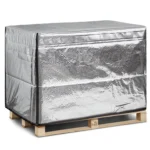
Überprüfen Sie die Größenlogik für Kartoneinlagen und Palettenabdeckungen für isolierte Verpackungsprojekte.
Schätzen Sie die GrößeVerpackungsauswahl
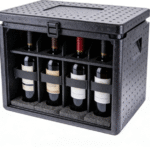
Vergleichen Sie isolierte Verpackungsoptionen nach Produkt, Route, und Temperaturbedarf.
Verpackung findenReferenz zu Isoliermaterialien
Vergleichen Sie die Auswahl an Isoliermaterialien für unterschiedliche Kühlkettenverpackungsanforderungen.
Vergleichen Sie MaterialienEin weiteres Warnsignal ist ein Vorschlag, der die Dokumentation als nachträglichen Gedanken behandelt. Auch für Lebensmittelrouten, Käufer benötigen möglicherweise Inspektionsbescheinigungen, Unterstützung bei der Schadensermittlung, oder einfache Packout-Aufzeichnungen. Für medizinische und pharmazeutische Routen, Dokumentationserwartungen können formeller sein und sollten frühzeitig definiert werden.
Ein starker Vorschlag ist normalerweise spezifischer. Es beschreibt den Verwendungszweck, die Grenzen, was muss getestet werden, und welche Informationen der Käufer vor der Bestellung angeben sollte. Das macht die Kaufentscheidung sicherer, auch wenn der Lieferant nicht jedes Routenergebnis garantieren kann.
FAQ
Wie soll ich Lieferanten für Trockeneisbeutel für den Fleischtransport vergleichen??
Vergleichen Sie, wie klar jeder Lieferant den Verpackungstyp definiert, vorgesehene Temperatureinsatz, Konditionierungsmethode, Packout-Layout, Testnachweise, und Produktionskonsistenz. Ein Anbieter, der Sie nach der Route und dem Produktrisiko fragt, gibt in der Regel eine sicherere Empfehlung als einer, der nur Angaben zur Packungsgröße macht.
Welche Informationen soll ich dem Lieferanten geben??
Geben Sie den Produkttyp an, Sollzustand bei Auslieferung, Kastengröße, Nutzlastgewicht, Streckenlänge, Trägermodus, wahrscheinlich Umgebungsexposition, und ob eine Dokumentation erforderlich ist. Für Fleisch, Erklären Sie auch etwaige Frostempfindlichkeit, Feuchtigkeit, Druck, oder Präsentationsschäden.
Kann ich mich auf eine angegebene Haltezeit verlassen??
Verwenden Sie es nur als ersten Prüfpunkt, es sei denn, der Lieferant erläutert die Testbedingungen. Die Haltezeit ändert sich mit der Isolierung, Nutzlast, Packungsmenge, Umgebungstemperatur, Eröffnungsveranstaltungen, und Empfängerverhalten.
Auch Empfänger beeinflussen das Ergebnis. Für Fleisch, Das Empfangsteam sollte wissen, ob das Paket sofort geöffnet werden muss, ob restliches Kühlmittel mit Handschuhen gehandhabt werden sollte, und welcher Zustand des Produkts vor der Annahme der Sendung überprüft werden sollte. Klare Empfangsanweisungen reduzieren vermeidbare Reklamationen.
Ein nützlicher Pilot muss nicht kompliziert sein, aber es sollte ehrlich sein. Verpacken Sie das echte Produkt oder eine repräsentative Nutzlast, Verwenden Sie die dafür vorgesehene Box, Folgen Sie dem normalen Lagerprozess, und die Sendung einer Route aussetzen, die einer zukünftigen Verwendung ähnelt. Ein perfektes reines Laborergebnis zeigt möglicherweise keine Lagervariabilität an.
Wenn die Sendung verkehrsträgerübergreifend ist, wie zum Beispiel vom LKW zum Flugzeug oder vom Lager zum Paketdienstleister, Anforderungen können sich ändern. Tatsächliches Trockeneis kann Trägerverfahren auslösen, und einige Fluggesellschaften schränken die Akzeptanz nach Serviceart oder Zielort ein. Überprüfen Sie diese Details, bevor sich ein Käufer zu einer Verpackung verpflichtet, die auf Trockeneis basiert.
Bevor eine Großbestellung freigegeben wird, sollte die Saisonalität überprüft werden. Bei Sommereinwirkung ist möglicherweise eine stärkere Isolierung oder ein anderes Serviceniveau erforderlich, während die Wintereinwirkung das Risiko des Einfrierens von Produkten erhöhen kann, die nur einen Kühlschutz benötigen. Eine gute Verpackung ist nicht nur eine sommerliche Wärmelösung; Es berücksichtigt auch die Unterkühlung bei kaltem Wetter.
Die Produktpräsentation ist Teil der Kühlkette. Nasse Kartons, verzogene Etiketten, trübe Deckblätter, undichte Nutzlasten, oder Frostflecken können das Vertrauen des Kunden schädigen, auch wenn das Produkt weiterhin verwendbar ist. Für Fleisch, Die Verpackung soll sowohl den technischen Zustand als auch das Aussehen der Sendung beim Empfang schützen.
Beim Vergleich von Vorschlägen, Bitten Sie jeden Lieferanten, nachgewiesene Fakten von Annahmen zu trennen. Zu den nachgewiesenen Fakten kann eine Materialbeschreibung gehören, Packmaße, Konditionierungsanweisungen, oder ein Test, der unter definierten Bedingungen durchgeführt wird. Annahmen umfassen die Leistung auf einer neuen Route, in einer anderen Box, oder mit einer anderen Nutzlast.
Der Kostenvergleich sollte das Arbeits- und Ausfallrisiko berücksichtigen. Eine Packung, die pro Stück günstig ist, erfordert möglicherweise eine sorgfältigere Konditionierung, mehr Trennmaterial, mehr Ausbildung, oder mehr Kundendiensteingriffe. Eine etwas kontrolliertere Verpackung kann im Vergleich zu wiederholten Sendungen günstiger sein, wenn dadurch Reklamationen und Nacharbeiten reduziert werden.
Für Nachbestellungen, Führen Sie ein Revisionsprotokoll. Wenn Filmmaterial, Packungsgröße, Gelformulierung, Kartondesign, Lieferantenquelle, oder Änderungen der Packplatzierung, Die vorherige Testversion entspricht möglicherweise nicht mehr dem aktuellen Packout. Change Control ist nicht nur eine pharmazeutische Idee; es ist auch praktische Verpackungsdisziplin.
Für Lieferantenkäufer, Verpackungskommunikation kann zu versteckten Kosten werden. Wenn Vertriebsteams, Lagerpersonal, und Kunden verwenden den Ausdruck Trockeneisbeutel anders, das Programm kann driften. Legen Sie fest, ob es sich bei dem Produkt um festes CO2-Trockeneis handelt, eine hydrierte Packung, eine Gelpackung, oder ein PCM-Paket in allen internen Dokumenten.
Der Wortschatz rund um die Fleischlogistik, Versand von gefrorenem Fleisch, Leckverhinderung, Der isolierte Versandkarton kann verwirrend sein, Daher sollte der Käufer in der Kaufbeschreibung einfache Beschreibungen verwenden. Beschreiben Sie das Produkt, die Route, den Lieferzustand, und die Handhabungsbeschränkungen. Lassen Sie den Lieferanten die Kältequelle erst empfehlen, wenn diese Fakten bekannt sind.
Wann sollte ich echtes Trockeneis meiden??
Vermeiden Sie echtes Trockeneis, wenn das Produkt nicht gefrieren darf, wenn der Spediteur es nicht annehmen kann, wenn das Personal nicht sicher damit umgehen kann, oder wenn die Verpackung kein Kohlendioxidgas abgeben kann. Erwägen Sie Gelpackungen, PCM -Packungen, oder stattdessen eine andere Versandart wählen.
Abschluss
Ein Lieferanten-Trockeneisbeutel für den Fleischtransport ist eine praktische Anschaffung, wenn der Käufer ihn als Teil einer kontrollierten Verpackung betrachtet. Definieren Sie den erforderlichen Zustand des Produkts, Bestätigen Sie, ob Trockeneis geeignet ist, Überprüfen Sie die Isolierung und die Packungsposition, und bitten Sie um Beweise, die zu Ihrer Route passen. Die sicherste Entscheidung ist meist die mit klaren Grenzen, nicht der größte Kühlanspruch.
Über Tempk
Tempk ist das Kühlkettenverpackung Marke von Shanghai Tempk Industrial Co., Ltd. Wir unterstützen Käufer, die praktische Verpackungsoptionen für Lebensmittel benötigen, pharmazeutisch, medizinisch, und andere temperaturempfindliche Sendungen. Für Fleisch, Unsere Aufgabe ist es, dabei zu helfen, die Kältequelle zu verbinden, Isolierte Verpackung, Nutzlast, und Abwicklungsprozess, sodass der Käufer von der Musterprüfung zu einem wiederholbareren Bestellplan übergehen kann.
Senden Sie Tempk Ihre Produktanforderung, Streckenprofil, Nutzlast, und Kaufphase. Wir können Ihnen helfen, praktische Verpackungsoptionen zu vergleichen, bevor Sie von der Musterbestellung zur Großbestellung übergehen.