Auswahl von Palettenabdeckungen mit Temperaturregelung für Farben und Beschichtungen von Cargo, Fahrbahn, und Beweise
Das Recht Palettenabdeckungen zur Temperaturkontrolle für Farben und Lacke werden ab der Lieferung rückwärts angegeben. Beginnen Sie mit der Bedingung, dass die Palettierung auf Wasserbasis erfolgt, lösungsmittelhaltig, Pulver, zweikomponentig, und Spezialbeschichtungsprodukte mit formulierungsspezifischen Lager- und Transportgrenzen müssen eingehalten werden, Identifizieren Sie das unkontrollierte Segment, das es bedroht, und entscheiden Sie, ob eine passive Abdeckung dieses Risiko verringern kann, ohne die aktive Ausrüstung zu beeinträchtigen, Handhabung, Sicherheit, oder Compliance. Eine Palettenabdeckung verlangsamt die Wärmeübertragung, erwärmt oder kühlt das Produkt jedoch nicht aktiv, eine beschädigte Formulierung wiederherstellen, oder eine brennbare oder anderweitig regulierte Beschichtung außerhalb der zugelassenen Verpackungs- und Handhabungskontrollen versandsicher machen. Zu einem fundierten Einkaufsprozess gehört daher die Routenplanung, Palettentauglich, Material- und Verschlussüberprüfung, repräsentativer Beweis, und ein klares Betriebsverfahren.
Verzögerung einbeziehen, Inspektion, und Entfernung in der Streckenkarte
Zeichnen Sie die Route als Abfolge von Umgebungen und nicht als Linie zwischen Städten. Markieren Sie die Produktkonditionierung, Palettenbau, kontrollierte Lagerung, Dock-Staging, Laden, Endverweilen, Zoll- oder Sicherheitskontrolle, Linientransport, überweisen, Zielbereitstellung, und Empfangen. Für jeden Schritt, Zeichnen Sie die wahrscheinliche Umgebungsherausforderung auf, normale Dauer, glaubwürdige Verzögerung, Gewahrsam, und ob die Abdeckung geschlossen ist, geöffnet, oder entfernt.
Die kritische Exposition kann kurz und intensiv oder lang und mäßig sein. Direkte Sonneneinstrahlung auf der Oberseite einer Palette kann zu einem anderen Designproblem führen als ein kalter Boden, Wind auf einem Flughafen, Luftfeuchtigkeit in einem Behälter, oder eine Verspätung am Wochenende an einem LTL-Terminal. Eine einzige durchschnittliche Umgebungstemperatur verbirgt diese Unterschiede. Die Spezifikation sollte sich auf das plausibelste Segment konzentrieren, das mit der Abdeckung abgedeckt werden soll.
Identifizieren Sie auch die nächste Umgebung. Wenn die Palette in die aktive Kühlung gelangt, Möglicherweise muss die Abdeckung geöffnet oder abgenommen werden, um eine Luftzirkulation zu ermöglichen. Wenn eine kalte Palette in warme, feuchte Luft gelangt, Die Entfernung muss möglicherweise verzögert oder gesteuert werden, um die Kondensation zu begrenzen. Wenn Inspektoren Zugang benötigen, Die Abdeckung benötigt eine wiederholbare Methode zum Öffnen und Wiederverschließen. Der nachgelagerte Prozess ist Teil der Covergestaltung.
Genehmigen Sie die Abdeckung der gesicherten Ladeeinheit
Messen Sie die fertig beladene Palette ab. Standard-Basisabmessungen berücksichtigen keinen Lastüberhang, ungleichmäßige Stapelung, Eckbretter, Top-Kappen, oder Höhenänderungen. Die Abdeckung muss ausreichend überlappen, um gleichmäßig zu schließen, ohne zu stark zu ziehen oder den Zugang für den Gabelstapler zu blockieren. Wenn mehrere Palettenaufbauten erwartet werden, Entscheiden Sie, ob ein anpassbares Design oder mehrere spezielle Größen für eine bessere Kontrolle sorgen.
Untersuchen Sie das Cover als fertigen Artikel. Schauen Sie sich die Nähte an, Ecken, Fenster, Griffe, Klappen, Reißverschlussenden, Klettflächen, und der untere Umfang. Diese Stellen konzentrieren die mechanische Belastung und können zu Wärmeflusspfaden werden. Bringen Sie den Bezug mit den vorgesehenen Bändern an, Stretchfolie, Netze, oder Container so sichern, dass Kompression und Hängenbleiben vor der Genehmigung sichtbar sind.
Der Zugang ist ein weiterer Kompromiss. Ein Fenster kann das Scannen von Barcodes verhindern, Es muss jedoch möglicherweise verstärkt werden und kann sich thermisch von der umgebenden Platte unterscheiden. Eine Klappe kann die Inspektion unterstützen, aber nur, wenn die Handler wissen, wie man es schließt. Eine versiegelte Einwegabdeckung kann einfacher sein, während ein wiederverwendbares Design reparierbare Verschlüsse rechtfertigen kann. Wählen Sie Funktionen aus, die bekannte Aufgaben lösen, anstatt die Komplexität aus hypothetischen Gründen zu erhöhen.
Beginnen Sie mit der Funktion, die der Sendung noch fehlt
Der stärkste Anwendungsfall ist eine definierte Exposition zwischen kontrollierten Schritten. In Farbe, Beschichtung, Klebstoff, Tinte, und formulierte chemische Verteilung, Diese Exposition kann ein Einfrieren beinhalten, übermäßige Hitze, wiederholter Temperaturwechsel, Behälterverformung, Viskositätsänderung, Trennung, Probleme heilen, und Sicherheitsrisiken, die sich je nach Formulierung unterscheiden. Eine Abdeckung kann die Reaktion der Palette verlangsamen, während das Team den Ladevorgang abschließt, überweisen, Inspektion, oder empfangen. Weniger überzeugend ist es, wenn es auf der Strecke über einen längeren Zeitraum an einer geeigneten Temperaturkontrolle mangelt oder wenn das Produkt außerhalb seines Sollzustands startet.
Diese Unterscheidung unterstützt eine einfache Entscheidung. Verwenden Sie passive Isolierung, um eine begrenzte thermische Herausforderung zu bewältigen, die nach der Einführung guter Prozesskontrollen bestehen bleibt. Aktive Kühlung nutzen, Heizung, konditionierte Lagerung, oder ein anderer Dienst, wenn die Umgebung kontrolliert und nicht nur gepuffert werden muss. Verwenden Sie eine Überwachung, wenn ein Nachweis einer Exposition erforderlich ist. Diese Tools können einander ergänzen, aber sie erfüllen nicht die gleiche Funktion.
Die Frachtanforderung muss spezifisch sein. Beschichtungen sind formulierte Systeme. Die Temperatur kann die Stabilität der Emulsion beeinflussen, Lösungsmittelverhalten, Viskosität, Pigmentdispersion, Reaktionsgeschwindigkeit, Paketdruck, und Anwendungsleistung. Der relevante Fehlermechanismus und der akzeptable Bereich müssen aus produktspezifischen technischen Informationen stammen. Der Versender sollte die akzeptablen Ausgangsbedingungen festlegen, Ausflugspolitik, Qualitäts- oder Sicherheitsbedenken, und Erhalt der Entscheidung. Ohne diese Informationen, Der Anbieter kann nur eine generische Deckung anbieten, und der Käufer kann nicht feststellen, ob das Ergebnis geeignet ist.
Eine praktische Struktur zum Vergleichen von Angeboten
| Spezifikationsbereich | Informationen zur Verfügung zu stellen | Beweise oder Entscheidung erforderlich |
|---|---|---|
| Frachtbedarf | Produkt, Paket, Ausgangsbedingung, akzeptable Belichtung, und Konsequenz der Abweichung | Vom Eigentümer genehmigte Versand- und Empfangskriterien |
| Beladene Palette | Fertiger Fußabdruck, Höhenbereich, Überhang, Gewichtsverteilung, Ecken, wickeln, und Zurückhaltung | Prüfung der körperlichen Passgenauigkeit auf einer repräsentativen Palette |
| Routenbelichtung | Umgebungsprofil, Sonnen- oder Windeinwirkung, verweilen, Verzögerung, Bodenkontakt, und Modusänderungen | Normale und am schlechtesten plausible Spurkarte |
| Cover-Design | Schichten, Fertigmaße, Schließung, überlappen, Zugang, Fenster, Basis- und Oberschutz | Genehmigte Muster- und Produktionstoleranzen |
| Leistungsnachweise | Nutzlast, Startbedingung, Umgebungstest, Sensoren, Öffnungen, und Akzeptanzregel | Repräsentativer Vergleich, Kammerstudie, oder Pilot |
| Betrieb und Wiederverwendung | Anwendung, Entfernung, Inspektion, Reinigung, Trocknen, reparieren, Lagerung, zurückkehren, und Ruhestand | SOP, Ausbildung, und Eigentum |
Dieser Rahmen trägt dazu bei, den Kauf über eine einzige Nummer zu verhindern. Wärmeleitfähigkeit, Dicke, oder eine angegebene Dauer kann die Entscheidung beeinflussen, Aber ohne den Test- und Assembly-Kontext reicht keines aus. Der Einkauf sollte in der Lage sein, jeden wichtigen Anspruch anhand einer Produktzeichnung nachzuvollziehen, Materialdeklaration, Testbedingung, oder Betriebsregel.
Beurteilen Sie die Isolierung zusammen mit Handhabung und Feuchtigkeit
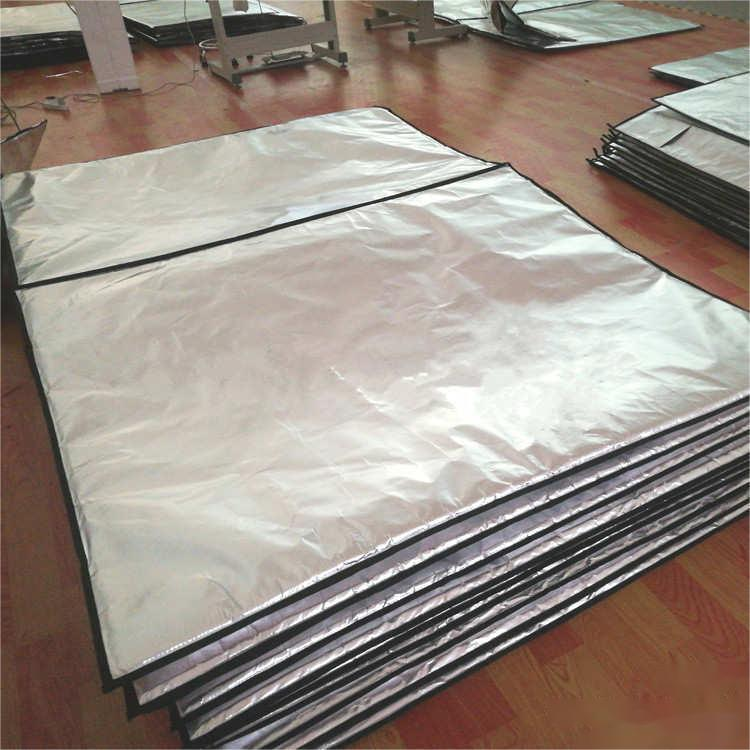
Eine reflektierende Oberfläche, Schaumschicht, Blasenstruktur, oder schwere Textilien stellen keine eigenständige Bestimmung der Versandleistung dar. Reflektierende Schichten wirken bei entsprechender Ausrichtung und Bedingung vor allem der Strahlungswärme entgegen. Isolierschichten reduzieren den leitenden Wärmefluss, können jedoch bei Kompression oder Nässe an Wirksamkeit verlieren. Eine Verstärkung verbessert die Haltbarkeit, kann jedoch die Steifigkeit erhöhen, Nähte, und Gewicht. Die fertige Abdeckung muss den Wärmewiderstand mit der Anwendung in Einklang bringen, Zugang, Reinigung, und Streckensicherheit.
Fordern Sie eine klare Schichtbeschreibung an und fragen Sie, was sich zwischen Muster und Produktion ändern kann. Klebstoffe, Filme, Schäume, Beschichtungen, Faden, Schließungen, und Plattenabmessungen können das Verhalten beeinflussen. Besonders wichtig ist eine Change-Control-Vereinbarung bei Nachbestellungen oder qualifizierten Bewerbungen. Die Eingangskontrolle kann Abmessungen umfassen, Nahtzustand, Verschlussfunktion, Sauberkeit, Geruch, sichtbare Mängel, und alle wichtigen Materialdeklarationen.
Das Produktetikett, Sicherheitsdatenblatt, Technisches Datenblatt, Transportklassifizierung, Verpackungsgenehmigung, und die Regeln des Spediteurs sollten den Versand leiten. Einige Farben und Beschichtungen gelten möglicherweise als Gefahrstoffe, während andere es nicht sind; Das Cover kann nicht allein aus dem Namen der Produktkategorie ausgewählt werden. Produktspezifische Grenzwerte und aktuelle Transportanforderungen sollten durch die verantwortliche Qualität überprüft werden, regulatorisch, Lebensmittelsicherheit, EHS, oder Gefahrgutteam. Die sicherste Lieferantensprache beschreibt die Konstruktions- und Testbedingungen der Abdeckung, ohne eine allgemeine Genehmigung zu implizieren.
Schließen Sie die Lücke zwischen Qualifikation und Lagerverhalten
Am Ursprung, Überprüfen Sie, ob das Produkt und die Palette zum Verschließen bereit sind. Überprüfen Sie die Identität und den Zustand der Abdeckung, Wenden Sie es in der definierten Ausrichtung an, Schließen Sie alle Überlappungen, Halten Sie Etiketten und erforderliche Markierungen sichtbar, Platzieren Sie Überwachungsgeräte wie zugelassen, und prüfen Sie die Basis und die Ecken. Zeichnen Sie die Anwendung auf, wenn Rückverfolgbarkeits- oder Qualitätsverfahren dies erfordern.
Hilfreiche Entscheidungshilfen
Überprüfen Sie die Details, bevor Sie sich für die Verpackung entscheiden
Mit diesen schnellen Tools können Sie das Routenrisiko vergleichen, Größenanforderungen, Kühlmittelauswahl, und Verpackungsdetails, bevor Sie ein Angebot anfordern.
Routenrisiko-Checker
Überprüfen Sie die Fahrspurbedingungen, bevor Sie die Verpackung entsprechend den tatsächlichen Betriebsanforderungen auswählen.
Streckenrisiko prüfenReferenz zu Isoliermaterialien
Vergleichen Sie die Auswahl an Isoliermaterialien für unterschiedliche Kühlkettenverpackungsanforderungen.
Vergleichen Sie MaterialienBoxliner & Dimensionierung der Palettenabdeckung
Überprüfen Sie die Größenlogik für Kartoneinlagen und Palettenabdeckungen für isolierte Verpackungsprojekte.
Schätzen Sie die GrößeWährend des Transports, Legen Sie fest, ob Hundeführer die Abdeckung öffnen dürfen und was sie danach tun müssen. Geben Sie eine Eskalationsregel für Tränen an, Benetzung, Kontamination, Lecks, verpasste Verbindungen, längere Verweildauer, Ausfall der aktiven Ausrüstung, oder eine Last, die außerhalb der geplanten Umgebung gefunden wird. Die Anweisung sollte die Sendung einer geeigneten Kontrolle unterziehen und sich nicht auf die Abdeckung verlassen, die über ihren vorgesehenen Verwendungszweck hinausgeht.
Am Ziel, Vor dem Öffnen prüfen, Befolgen Sie alle Akklimatisierungs- oder Luftstromverfahren, Temperatur- oder Zustandsaufzeichnungen auswerten, und trennen Sie beschädigte oder kontaminierte wiederverwendbare Abdeckungen. Reinigen und trocknen Sie die Abdeckungen nach einer zugelassenen Methode, Überprüfen Sie Verschlüsse und Isolierungen, Notieren Sie bei Bedarf Reparaturen, und Einheiten, die keine konsistente Passform oder Hygiene bieten können, werden aus dem Verkehr gezogen.
Wählen Sie vor dem Scale-up das richtige Studienniveau
Verwenden Sie Tests, die zur Entscheidung passen. Eine Side-by-Side-Screening-Studie kann zeigen, welche Abdeckung die Temperaturänderung bei einer kontrollierten Exposition effektiver verlangsamt. Eine Kammerstudie kann ein definiertes Umgebungsprofil und eine definierte Verzögerung reproduzieren. Ein überwachter Lotse kann zeigen, ob Mitarbeiter die Abdeckung korrekt anbringen und ob die Route ungeplante Öffnungen beinhaltet. Bei Sendungen mit hohem Risiko kann eine formellere Abfertigung erforderlich sein, dokumentierte Qualifizierung im Rahmen des Qualitätssystems des Eigentümers.
Jeder Test sollte die Nutzlast dokumentieren, Ausgangsbedingung, Palettenabmessungen, Cover-Muster, Umgebungsherausforderung, Bodenkontakt, Sensorpositionen, Eröffnungsveranstaltungen, und Akzeptanzkriterien. Temperaturkurven ohne diesen Kontext sind schwer zu interpretieren. Eine angegebene Schutzzeit sollte niemals von den Bedingungen getrennt werden, die sie erzeugt haben.
Überwachung ist kein Ersatz für Schutz, und Schutz ist kein Beweis für den Zustand. Entscheiden Sie, was die Sensoren anzeigen sollen. Ein Umgebungssensor unterstützt die Routenanalyse; Ein Oberflächensensor zeigt die freiliegende Kante an; Ein mittlerer Sensor reagiert möglicherweise langsam; Ein Produktsimulator kann das thermische Verhalten annähern. Im Dispositionsprozess sollte angegeben werden, wer die Daten prüft und in welchem Zusammenhang sie mit der Produktakzeptanz stehen.
Häufige Fehler, die aus der Bestellung entfernt werden müssen
- Anfordern einer festen Anzahl von Schutzstunden, ohne die Nutzlast und das Umgebungsprofil zu definieren.
- Geben Sie nur die Palettenbasis an und ignorieren Sie die Ladehöhe, Überhang, Verschlussüberlappung, und Zugang.
- Behandlung von reflektierendem Aussehen, Dicke, oder „wiederverwendbare“ Sprache als Nachweis der abgeschlossenen Leistung.
- Etiketten hinterlassen, Zurückhaltung, Luftstrom, Inspektion, Hygiene, oder Gefahrgut-Interaktion, damit der Betrieb sie später entdecken kann.
- Genehmigung eines Musters ohne Kontrolle der Produktionsmaterialien, Abmessungen, Nähte, und Schließungen.
- Führen Sie einen Temperaturtest durch, zeichnen Sie jedoch keine Handhabungsereignisse oder sichtbaren Zustände auf.
- Nutzen Sie die Deckung, um eine längere Exposition zu rechtfertigen, anstatt die Sendung zu eskalieren, wenn die Bedingungen über den Plan hinausgehen.
Eine realistische Anwendung
Ein Händler versendet wasserbasierte Bautenanstriche über eine Winter-LTL-Spur. Das Produkt muss gemäß den Herstellerangaben vor Frost geschützt werden. Eine angepasste Palettenabdeckung kann die kurze Dock- und Terminalbelastung reduzieren, aber die Bahn braucht noch eine entsprechende Ausstattung, Verzögerungskontrollen, und Eingangskontrolle.
Diese Anwendung ist nur dann erfolgreich, wenn die Abdeckung eine definierte Kontrolle innerhalb der breiteren Spur bleibt. Die Ausgangsbedingung, aktiver Transport, Zeitpunkt der Übergabe, Inspektion, und Eskalationsprozess tragen weiterhin die Verantwortung für den Produktschutz.
Fragen des Käufers vor der Genehmigung
- Welche Temperatur- und Handhabungsgrenzen sind für die genaue Rezeptur angegeben??
- Ist das Produkt für die geplante Art und Menge reguliert??
- Hinterlässt der Verschluss Produktetiketten?, Gefahrenhinweise, und Orientierungsinformationen sichtbar?
- Wie verhält sich die Abdeckung, wenn die Palette an einem unbeheizten oder der Sonne ausgesetzten Terminal wartet??
- Welche Inspektion wird der Empfänger verwenden, um das Einfrieren festzustellen?, Leckage, prall, oder Trennungssorgen?
Häufig gestellte Fragen
Kann eine Palettenabdeckung verhindern, dass Farbe über Nacht gefriert??
Es kann die Abkühlung verlangsamen, Ohne repräsentative Tests kann jedoch kein Frostschutz für eine bestimmte Zeit gewährleistet werden. Ausgangsprodukttemperatur, Palettenmasse, Wind, Umgebungsbedingungen, Bodenkontakt, fit, und Deckenkonstruktion sind alle wichtig.
Bei allen Farbsendungen handelt es sich um gefährliche Stoffe?
NEIN. Die Einteilung hängt von der Formulierung ab, Eigenschaften, Menge, Verpackung, und Transportregeln. Überprüfen Sie das aktuelle Sicherheitsdatenblatt und lassen Sie die geltenden Anforderungen von geschultem Personal ermitteln.
Wird die Isolierung Frost-Tau-Schäden rückgängig machen??
NEIN. Sobald eine Formulierung beschädigt ist, Eine spätere Erwärmung stellt die Leistung möglicherweise nicht wieder her. Befolgen Sie die Entsorgungsanweisungen des Herstellers und gehen Sie nicht davon aus, dass das Produkt wieder verwendbar ist, weil sich die Temperatur erholt hat.
Was sollte ein Empfänger unter der Abdeckung prüfen??
Auf Undichtigkeiten prüfen, beschädigte Behälter, prall, Fleckenbildung, ungewöhnliche Trennung, und alle im Qualitätsplan geforderten Temperaturnachweise. Die Produktakzeptanz sollte den technischen und qualitativen Kriterien des Herstellers folgen.
Abschluss
Wählen Sie Palettenabdeckungen mit Temperaturregelung für Farben und Beschichtungen, indem Sie fünf Dinge miteinander verbinden: der Ladungsbedarf, der freigelegte Streckenabschnitt, die fertige Palettengeometrie, den Betriebsablauf, und Beweise, die die beabsichtigte Verwendung darstellen. Eine Abdeckung ist am besten zu verteidigen, wenn sie schmal ist, explizite Rolle und wenn ihre Einschränkungen im Transportplan festgeschrieben sind.
Der nächste Schritt ist keine Großbestellung. Es handelt sich um ein repräsentatives Muster auf der tatsächlichen Palette, Anschließend erfolgt eine Überprüfung der Passform und Handhabung sowie ein geeigneter thermischer Vergleich oder Pilotversuch. Sobald das Team versteht, wie die Abdeckung funktioniert und wie die Mitarbeiter sie verwenden, Der Einkauf kann eher eine kontrollierte Spezifikation als einen Marketinganspruch skalieren.
Über Tempk
Tempk-Lieferungen Kühlkettenverpackung Und Thermo-Palettenabdeckung Optionen für B2B-Versandanwendungen. Für Farb- und Beschichtungsstraßen, in denen produktspezifische Frost- und Hitzegrenzwerte eingehalten werden müssen, ohne die Sicherheitskontrollen zu schwächen, Wir können dabei helfen, eine Diskussion über die Palettengröße zu organisieren, Materialkonstruktion, Schließungen, Zugang, Einweg- oder Mehrweggebrauch, und Probenauswertung. Wir betrachten eine passive Deckung nicht als Ersatz für die vom Kunden geforderten Transportkontrollen oder produktspezifischen Qualifizierungen.
Teilen Sie Ihren Palettenaufbau, Frachtbedarf, Streckenbelichtung, und Handhabungsprozess mit Tempk, um ein praktisches Muster zu vergleichen und die vor der Produktion erforderlichen Prüfungen zu definieren.