Der praktische Kaufratgeber für Gel-Eisbeutel für Lebensmittel Kaltkette
Ein Lebensmittelhersteller kauft nicht Gel -Eisbeutel um Pakete zu kaufen. Ziel ist es, die Produktqualität und Lebensmittelsicherheit auf einem Weg zu gewährleisten, der auch Warmdocks umfassen kann, Verzögerungen beim Spediteur, und Zustellung auf der letzten Meile. Die zuverlässigste Wahl ergibt sich normalerweise aus der Kombination praktischer Routenanpassung, technische Disziplin, und realistisches Lieferantenscreening.
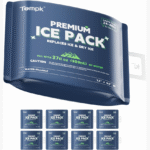
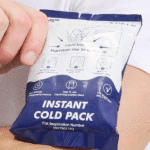
A Kalte Gelpackung Wenn Sie einen Reiniger wünschen, wird im Lebensmittelversand normalerweise ein Gel-Eisbeutel oder ein Gel-Eisbeutel gewählt, handlicheres Kältemittel als loses Eis und eine einfachere Option als Trockeneis für viele gekühlte Lebensmittel. Es funktioniert gut, wenn das Ziel darin besteht, die Erwärmung in isolierten Kartons zu verlangsamen, Liner-Mailer, und Essenspakete. Der Schlüssel liegt darin, dass die Lebensmittelprogramme sehr unterschiedlich sind. Manche Gegenstände müssen nur vor mäßiger Hitze geschützt werden, während andere zuverlässig gekühlt bleiben müssen, und vollständig gefrorene Lebensmittel erfordern oft eine Kältestrategie, als Standard-Gelpackungen auf längeren Strecken bieten können. Die Entscheidung wird viel einfacher, wenn Sie drei Fragen trennen: welche Temperatur das Produkt wirklich braucht, wie sich die Route verhält, und wie konsistent der Lieferant das gewählte Format reproduzieren kann.
Was das richtige Paket eigentlich leisten sollte
Im Klartext, Ein Gel-Eisbeutel ist ein flexibler oder halbstarrer Kühlmittelbeutel, der in isolierten Lebensmittelversandsystemen verwendet wird. In vielen Lieferketten fungiert es eher als wiederverwendbarer oder wegwerfbarer Kältemitteleinsatz als als eigenständiges Versandsystem. Es kann als Gelpackung für den Lebensmittelversand bezeichnet werden, ein Kühlmitteleinsatz, oder ein anderer Handelsname, je nach Branche. Für den Käufer kommt es weniger auf das Etikett als vielmehr auf die Größenkombination an, Füllmasse, Phasenverhalten, Haltbarkeit des Films, und wie die Packung zum Isolierbehälter passt.
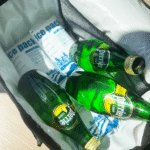
Gel-Eisbeutel sind das Standardkältemittel für viele Kühlprogramme für Lebensmittel, da sie einfacher zu handhaben sind als Trockeneis und leichter in paketfertige Kartons passen. Die meisten Standard-Gelformate funktionieren, indem sie während der Gefrierkonditionierung Kälteenergie speichern und dann beim Auftauen Wärme absorbieren. Die praktische Haltezeit hängt nicht nur von der Packung allein ab: Isolationsqualität, Produktmasse, anfängliche Produkttemperatur, Packungsplatzierung, und die Einwirkung von außen verändern das Ergebnis. Aus ingenieurwissenschaftlicher Sicht, Der Käufer verwaltet tatsächlich den Wärmefluss durch den gesamten Verpackungsstapel. Eine dickere Wand oder eine bessere Auskleidung kann die Anzahl der benötigten Kältemittelpakete verringern, während ein schlecht isolierter Transporter den Vorteil eines schwereren Kühlmittels zunichte machen kann.
Bei den meisten Lebensmittelgelpackungen handelt es sich um wasserbasierte Kältemittel, die in Plastikfolie versiegelt sind. Sie absorbieren beim Auftauen Wärme und tragen dazu bei, Temperaturschwankungen innerhalb der isolierten Verpackung zu stabilisieren. Ihre Leistung hängt von der Packungsmasse ab, Starttemperatur, Isolierung, Kastengröße, Produktladung, und Umgebungseinflüsse. Die Packung selbst ist wichtig, Aber das System um ihn herum entscheidet darüber, ob die Nahrung in Reichweite bleibt.
Lebensmittelhersteller sollten gekühlt getrennt werden, gefroren, und lediglich hitzeempfindliche Produkte, bevor sie anfangen, Packungsgewichte oder Preise zu vergleichen.
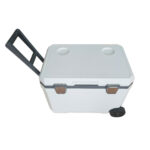
Es ist auch wichtig, eine schützende Umverpackung von einer qualifizierten Person zu trennen temperaturgesteuertes Versandsystem. Eine Gelpackung oder ein Ziegelstein kann dabei helfen, die Temperatur zu kontrollieren, die Sendung wird dadurch jedoch nicht automatisch konform oder validiert. Die Anforderungen können je nach Produkt variieren, Route, Handhabungsbedingungen, und die Qualitätsverfahren des Versenders.
So wählen Sie eine Route aus, Produkt, und Umgang mit der Realität
In vielen Fällen, Gel-Eisbeutel sind am nützlichsten, wenn Teams eine Kältequelle benötigen, die wiederholt platziert werden kann, sauber gehandhabt, und auf mehrere Sendungen skalierbar. Typische Nutzlasten sind Fertiggerichte, frische Proteine, Molkerei, Snackboxen, Käse und Feinkostprodukte, und saisonale Spezialitäten. Das bedeutet nicht, dass jede Nutzlast das gleiche Paket benötigt. Das bedeutet, dass das Format angepasst werden kann, wenn der Käufer die Route und Produktbeschränkungen klar definiert.
Zu den Routenrisiken, die Käufer normalerweise einplanen müssen, gehören verdorbene oder warme Lieferungen, durchnässte Wellpappe durch Kondenswasser, Frostschäden an empfindlichen Lebensmitteln, saisonale Parzellenvariabilität, und unzureichende Haltezeit, weil die Packungsgröße nicht zum Versender passt.
Eine gekühlte Dessertlieferung, eine Essensbox mit Proteinen und Produkten, und ein Premium-Feinkostprobennehmer kann alle Gelpackungen verwenden, Doch die richtige Verpackung ist nicht gleich. Manche Käufer benötigen eine breite Wandabdeckung in einem Liner-Mailer. Andere benötigen eine strukturierte Platzierung der Steine, um schwerere Kartons beim Pakethandling zu schützen. Der gemeinsame Nenner ist, dass das Verpackungsformat sowohl zur Produktempfindlichkeit als auch zur Kartongeometrie passen muss.
Ein häufiger Fehler ist die Annahme, dass kälter immer besser ist. Schokoladenüberzüge können ausblühen, Emulgierte Lebensmittel können Texturschäden erleiden, und bei frischen Produkten kann es zu Qualitätsproblemen kommen, wenn der direkte Kontakt zu kalt ist. Ein besseres Ernährungsprogramm zielt auf den richtigen Temperaturbereich ab, nicht die niedrigste Temperatur, die ein Gefrierschrank erzeugen kann.
Gleichzeitig, Käufer sollten die Grenzwerte respektieren: Eine Standardpackungsgröße deckt selten alle Lebensmittel-SKUs ab; Für gefrorene Lebensmittel ist möglicherweise Trockeneis oder ein schwereres Gefriersystem erforderlich; Wenn die Feuchtigkeit nicht kontrolliert wird, kann es zu Schäden an Etikett und Karton kommen; und die Lebensmittelsicherheit hängt immer noch von vollständiger Prozesskontrolle und Routendisziplin ab.
Auswahlschnappschuss
| Option | Wo es am besten passt | Hauptstärke | Was zu überprüfen ist |
| Loses Eis | Einige lokale Verteilung gekühlter Lebensmittel | Vertraut und sehr kalt | Erzeugt Schmelzwasser und schwächt viele Kartons |
| Flache Gelpackung | Mahlzeiten, Feinkostartikel, und Paketliner | Flexible Platzierung und einfache Handhabung | Kann bewegt werden und passt möglicherweise nicht zu schwereren Kartons |
| Gel-Eisstein | Kartons mit höherer Beladung und wiederholbarer Packungsgeometrie | Konsistentere Platzierung und Stapelbarkeit | Erhöht das Gewicht und kann zu kalten Stellen führen, ohne dass es zu einer Trennung kommt |
| Trockeneis | Tiefkühlkost und längere Tiefkühlstrecken | Hält stärkere Frostbedingungen aufrecht | Betriebsbedingte Einschränkungen und für viele gekühlte Lebensmittel nicht ideal |
Die Lieferanten-Checkliste, die wirklich zählt
Bei der Auswahl eines Herstellers geht es weniger darum, die niedrigsten Stückkosten zu finden, als vielmehr darum, zu bestätigen, dass das Werk die von Ihnen tatsächlich benötigten Spezifikationen reproduzieren kann. Die besten Kaufgespräche verbinden Produktdesign, Umgang mit der Realität, und Lieferzuverlässigkeit in einer Scorecard, anstatt sie als separate Entscheidungen zu behandeln.
Bevor Sie eine Großbestellung aufgeben, Käufer sollten das Versandproblem in einer schriftlichen Verpackungsbeschreibung darlegen. Dieser Auftrag sollte den Zieltemperaturbereich abdecken, Nutzlasttyp, Abmessungen des Versenders, voraussichtliche Laufzeit, Umgebungsstress, Ladereihenfolge, und Empfangsbedingungen. Sobald diese Punkte aufgeschrieben sind, Diskussionen über MOQ, Werkzeuge, Lagerung, oder Preis werden viel produktiver, weil alle über das gleiche technische Ziel sprechen.
Hilfreiche Entscheidungshilfen
Überprüfen Sie die Details, bevor Sie sich für die Verpackung entscheiden
Mit diesen schnellen Tools können Sie das Routenrisiko vergleichen, Größenanforderungen, Kühlmittelauswahl, und Verpackungsdetails, bevor Sie ein Angebot anfordern.
Trockeneisrechner
Schätzen Sie vor dem Verpacken den Bedarf an Trockeneis für gefrorene oder ultrakalte Sendungen.
Schätzen Sie TrockeneisEisbeutel-Rechner
Schätzen Sie die Menge an Gel-Eisbeuteln für gekühlte Sendungen und nutzen Sie die praktische Routenplanung.
Schätzen Sie EisbeutelReferenz zu Isoliermaterialien
Vergleichen Sie die Auswahl an Isoliermaterialien für unterschiedliche Kühlkettenverpackungsanforderungen.
Vergleichen Sie Materialien- Bestätigen Sie die Innen- und Außenmaße nach dem Einfrieren, nicht nur Nennmaße bei Raumtemperatur.
- Fragen Sie nach der Füllgewichtstoleranz, nutzbare Kaltmasse, und die Zielkonditionierungsmethode vor dem Versand.
- Überprüfen Sie die Harz- oder Filmstruktur, Nahtdesign, und Erwartungen an die Leckagebeständigkeit unter realer Handhabungsbelastung.
- Prüfen Sie, wie die Packung in den isolierten Versandbehälter passt, inklusive Wandverkleidung, Deckelstörung, und Produkttrennung.
- Überprüfen Sie die Stapelbarkeit, Verschachtelung, und Rückkehreffizienz, wenn das Paket in wiederverwendbaren Programmen oder Tote-Loops verwendet wird.
- Fragen Sie, wie Etiketten, Barcodes, Datumskodierung, oder Chargenrückverfolgbarkeit angewendet und kontrolliert werden.
- Fordern Sie den Nachweis an, dass die Probenqualität mit der Produktionsqualität übereinstimmt, einschließlich aller Änderungskontrollprozesse für Materialien oder Abmessungen.
- Fordern Sie Packout- oder Wärmeleistungsdaten an, die Ihre Nutzlastmasse widerspiegeln, Versendertyp, und realistisches Umgebungsprofil.
- Klären Sie, was passiert, wenn Rohstoffe verwendet werden, Gelformulierung, Filmdicke, oder Änderungen des Produktionsstandorts nach Genehmigung.
- Fragen Sie nach, ob der Hersteller sowohl Standard- als auch No-Sweat-Folien anbietet.
- Überprüfen Sie die Packungsgewichte, die zu den gekühlten Proteinen passen, Molkerei, oder Sommerpaketrouten ohne übermäßige Frachtkosten.
- Fordern Sie Beratung zur Leistung der Packungen mit der von Ihnen gewählten Isolierungsart und Kartongröße an.
Fordern Sie Daten an, die die vollständige Packung widerspiegeln, und nicht einen eigenständigen Kältemitteltest. Ein nützlicher Datensatz zeigt normalerweise den Versendertyp, Isolationsniveau, Nutzlastmasse, Umgebungsherausforderung, Packungsplatzierung, und Testdauer. Ohne diesen Kontext, Zwei Lieferanten können ähnliche Haltezeitansprüche geltend machen und gleichzeitig völlig unterschiedliche Testbedingungen beschreiben. Ernsthafte Käufer möchten die Randbedingungen verstehen, nicht nur das Schlagzeilenergebnis.
Lebensmitteltransportprogramme erfordern Hygienekontrollen und eine geeignete Kältequelle, Die Packung muss jedoch als Teil des gesamten Versenders bewertet werden. Wenn eine Komponente für den Kontakt mit Lebensmitteln vorgesehen ist, Die Eignung des Materials für die vorgesehenen Einsatzbedingungen ist zu prüfen. Die allgemeinen Lebensmittelversandpraktiken sind immer noch auf eine stabile Umverpackung angewiesen, Isolierung, und ein streckengerechtes Kältemittel. Für regulierte oder qualitätssensible Sendungen, Verpackungsangaben sollten sorgfältig gelesen werden. A Kühlmittelpaket kann Compliance-Ziele unterstützen, aber es ist normalerweise nur ein Teil des dokumentierten Prozesses. Ausbildung, Verpackungsanweisungen, Erhalt von Schecks, Streckenqualifikation, und produktspezifische Anforderungen haben Einfluss darauf, ob die Sendung tatsächlich geeignet ist.
Auf der Nachhaltigkeits- und Betriebsseite, Käufer legen oft Wert darauf, dass durch die Reduzierung von Überpackungen häufig mehr CO2 eingespart wird als durch eine alleinige Änderung der Gelchemie; Abflusssichere oder recycelbare Optionen können die Frustration der Endbenutzer bei der Entsorgung verringern; und Mehrwegverpackungen sind für lokale Milkruns oder geschlossene Verteilerkreisläufe sinnvoll. In der Praxis, Käufer bewerten zunehmend die gesamten betrieblichen Auswirkungen: Frachtgewicht, Stauraum im Gefrierschrank, Leichtigkeit des Empfangs, Abfallbehandlung, und das Risiko eines Produktverlusts, wenn die Route instabil wird. Eine haltbarere oder zielgerichtetere Verpackung kann im Vorfeld manchmal mehr kosten und dennoch die tatsächlichen Kosten des Versandprogramms senken.
Häufige Kauffehler
Für Lebensmittel, die gefroren bleiben müssen, Ein normaler Gel-Eisbeutel allein reicht für lange oder warme Strecken möglicherweise nicht aus.
Sobald ein Paket genehmigt wurde, Die Änderungskontrolle wird entscheidend. Kleine Unterschiede beim Folienlieferanten, Gelverhältnis, Füllvolumen, Drucklayout, oder Fertigungslinieneinstellungen können die Abmessungen ändern, Auslaufsicherheit, oder Packverhalten. Professionelle Lieferanten dokumentieren diese Änderungen und kommunizieren sie, bevor sie sich auf Live-Lieferungen auswirken.
Die Empfangsbedingungen sind wichtiger, als viele Käufer erwarten. Wenn Kartons in einem Hot Dock geöffnet werden, vor der Inspektion auf dem Boden liegen gelassen, oder bei Raumtemperatur umgepackt werden, Das gewählte Kältemittel muss sowohl betriebliche Schwankungen als auch Transportbelastungen ausgleichen. Deshalb Beschaffung, Operationen, und Qualitätsteams sollten den Arbeitsablauf am Bestimmungsort gemeinsam überprüfen, anstatt das Kältemittel nur als Kaufentscheidung zu behandeln.
Der Stückpreis ist nur ein Teil der Wirtschaftlichkeit. Eine größere oder billigere Packung kann die Frachtkosten erhöhen, Reduzieren Sie die Produktnutzlast, langsame Verpackungslinien, oder beim Empfang mehr Abfall erzeugen. Dagegen, Eine besser passende Verpackung kann manchmal die Gesamtkosten senken, da sie den Produktverlust reduziert, vermeidet Überpacken, und vereinfacht die Handhabung. Gute Lieferantengespräche vergleichen daher die Gesamtnutzungskosten, nicht nur der Preis pro Packung.
Betriebsdetails, die nicht ignoriert werden sollten
Auch die Lager- und Gefrierkapazität sollte frühzeitig berücksichtigt werden. Ein Programm, das auf dem Papier attraktiv aussieht, kann schwierig werden, wenn die Stellfläche der Packung Platz im Gefrierschrank verschwendet, erfordert lange Konditionierungszeiten, oder benötigt mehr Bereitstellungsfläche, als die Site unterstützen kann. Die betriebliche Eignung am Ursprungsort ist Teil der Produkteignung.
Auch die Abwicklung am Ende der Lebensdauer ist Teil des Käufererlebnisses. Den Empfängern kann es wichtig sein, ob die Packung wiederverwendet werden kann, wie viel Flüssigkeit noch zur Verfügung steht, und ob die Entwässerung oder die Abfallentsorgung im Empfangsbereich zu einem Ärgernis wird. Diese Details erscheinen selten oben auf einem Angebotsblatt, Dennoch beeinflussen sie die Lieferantenzufriedenheit nach der Einführung stark.
FAQ
Sind Gelpackungen für den Lebensmittelversand sicher??
Sie werden häufig bei Lebensmittellieferungen eingesetzt, Käufer sollten jedoch dennoch die Materialeignung prüfen, Auslaufsicherheit, und ob eine Komponente mit Lebensmitteln oder einer Lebensmittelkontaktoberfläche in Kontakt kommen könnte.
Brauchen alle gekühlten Lebensmittel das gleiche Verpackungsformat??
NEIN. Backwaren, Fertiggerichte, Meeresfrüchte, Molkerei, und Süßwaren können unterschiedlich auf Kälteeinwirkung und Transportzeit reagieren.
Wann ist Trockeneis besser als ein Gelpack??
Trockeneis eignet sich oft besser für Produkte, die gefroren bleiben müssen, vor allem auf längeren oder wärmeren Strecken.
Letztes Wort
Das stärkste Ergebnis erzielt man in der Regel durch die Kombination praktischer Packungsauswahl, technische Disziplin, und realistisches Lieferantenscreening. Das macht Gel-Eisbeutel von einer generischen Kältequelle zu einem zuverlässigen Bestandteil Ihres Vertriebsprozesses.
Über Tempk
Und Tempk, Wir konzentrieren uns auf temperaturkontrollierte Verpackungen für Kühlkettenversand. Gegründet in 2011 als Marke von Shanghai Huizhou Industrial, Wir bieten Gel-Eisbeutel an, Gefriersteine, Isolierte Kisten, Liner, Und Kaltkettenverpackung für frische Lebensmittel und Biopharmazeutika. Unsere Entwicklungsarbeit wird von einem R. unterstützt&D-Zentrum, das mit CNAS- und ISTA-ausgerichteten Praktiken arbeitet, und unser Produktionsnetzwerk umfasst ISO-zertifizierte Einrichtungen in China. Diese Mischung hilft uns, sowohl Standardlieferungen als auch kundenspezifische Verpackungsformate für den temperaturempfindlichen Vertrieb zu unterstützen.
Nächster Schritt: Eine klare Beschreibung der Produktempfindlichkeit, Streckendauer, Die Auspackgeometrie erleichtert die Auswahl des richtigen Kältemittelformats oder des richtigen Großversorgungsplans erheblich.