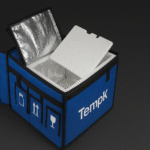
Wählen zwischen Thermo-Box-Liner Die Suche nach Lieferanten ist einfacher, wenn man die Isolierung nicht mehr als bloßen Materialeinkauf betrachtet. Sie entscheiden sich für einen Systempartner, der die Produkttemperatur beeinflusst, Verpackungsgeschwindigkeit, Versandkosten, und Kundenzufriedenheit. In 2026, Die besten Anbieter sind diejenigen, die alle vier miteinander verbinden können.
Ein starker Lieferant hilft Ihnen, praktische Fragen schnell zu beantworten. Welcher Liner passt richtig zu Ihrem Karton?? Wie viel Kältemittel benötigen Sie?? Mit welchem Leistungsfenster können Sie im Sommer rechnen?? Kann derselbe Liner für zwei Kartongrößen verwendet werden?? Kann Ihr Team es konsistent und maßstabsgetreu packen?? Das sind die Fragen, die die Marge schützen.
Dieser Artikel hilft Ihnen bei der Beantwortung:
- Was starke Anbieter von Thermokartoneinlagen von durchschnittlichen Anbietern unterscheidet
- Welche Linermaterialien eignen sich am besten für verschiedene Versandszenarien?
- So vergleichen Sie den Preis, Leistung, und arbeiten, ohne sich irreführen zu lassen
- Welche Compliance- und Testthemen sind am wichtigsten? 2026
- So erstellen Sie eine RFQ- und Lieferanten-Scorecard, die Ihren Einkaufszyklus verkürzt
Worauf sollten Sie bei Anbietern von Thermobox-Auskleidungen zuerst achten??
Informieren Sie sich über die Verpackung, bevor Sie einen Blick auf die Preisliste werfen. Gute Lieferanten von Thermokartonverpackungen fragen nach der Produktempfindlichkeit, Versanddauer, Spurrisiko, Kartongröße, Nutzlastgewicht, Kältemitteltyp, und Verpackungsbedingungen, bevor sie ein Design empfehlen.
Das ist wichtig, weil Thermoverpackung ist ein System. Der Liner arbeitet mit der Box zusammen, die Nutzlast, und das Kältemittel. Ein Lieferant, der sich mit Systemdesign auskennt, kann häufig Überverpackungen reduzieren, Leerraum verkleinern, und erleichtern die Montage. Ein Lieferant, der nur Lagerartikel anbietet, bietet möglicherweise dennoch einen niedrigen Stückpreis an, aber dieser niedrige Preis verschwindet schnell, wenn er zum Verderb führt, umpackt, oder höhere Fracht.
Eine schnelle Checkliste für die Lieferantenauswahl
- Können sie klare Liner-Spezifikationen bereitstellen??
- Können sie flache Zeichnungen oder Anleitungen mit angepassten Maßen liefern??
- Können sie erklären, wo der Liner am besten funktioniert und wo nicht??
- Können sie Proben schnell unterstützen??
- Können sie die Konsistenz der Verpackung besprechen?, nicht nur materielle Ansprüche?
Können sie mit Ihrem MOQ umgehen?, Vorlaufzeit, und saisonale Volumenschwankungen?
Wenn die Antwort in diesen Punkten Ja lautet, Sie haben es wahrscheinlich mit einem Lieferanten zu tun, der eine ernsthafte Prüfung wert ist.
Welches Linerformat das richtige für Ihr Versandsystem ist?
Der richtige Liner ist derjenige, der gleichzeitig zu Ihrer Fahrspur und Ihren Abläufen passt. Folienblasenformate sind beliebt, weil sie leicht sind, reflektierend, und schnell aufgebaut. Papierbasiert Thermofutter werden immer attraktiver, wenn Käufer eine stärkere, auf dem Papier basierende Geschichte wünschen. Schaumsysteme können eine starke Isolierung bieten, Sie erfordern jedoch in der Regel mehr Lagerraum und können Entsorgungsgespräche erschweren.
Stellen Sie sich die Linerauswahl als ein Gleichgewicht zwischen vier Drücken vor: thermische Haltezeit, Würfeleffizienz, Arbeitsgeschwindigkeit, und Verpackungsgeschichte. Wenn ein Format drei dieser vier für Ihr Unternehmen gewinnt, es ist oft die richtige Antwort, auch wenn ein anderes Format im engen Materialvergleich stärker aussieht.
Gängige Liner-Auswahl im Vergleich
- Was zählt mehr als Material allein?
- Kartontauglich
- Eckenabdeckung
- Top-Verschlussstil
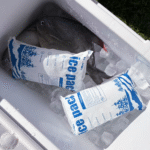
- Platzierung des Kältemittels
- Wiederholbarkeit der Montage
- Stapelverhalten
Ein Liner, der in einem Musterraum perfekt funktioniert, kann in einem geschäftigen Logistikzentrum eine schlechte Leistung erbringen, wenn er sich zusammenzieht, Tränen, oder verlangsamt die Packlinie. Aus diesem Grund denken die besten Lieferanten von Thermobox-Auskleidungen genauso viel über das Verhalten im Lager nach wie über Barriereschichten.
Wie vergleicht man die Gesamtkosten richtig??
Vergleichen Sie Liner niemals nur anhand des Stückpreises. Vergleichen Sie sie hinsichtlich der gesamten Schifffahrtsökonomie. Darin sind auch die Linerkosten enthalten, Frachtwürfel, Stauraum, Verpackungsarbeit, benötigtes Kältemittel, Schadens- oder Abweichungsansprüche, und Kundenbeschwerdenrisiko.
Hier ist eine einfache Möglichkeit, darüber nachzudenken. Wenn ein Liner ein paar Cent mehr kostet, Sie aber einen kleineren Karton verwenden können, schneller packen, und Sommerausfälle reduzieren, Es kann insgesamt die günstigere Option sein. Dies gilt insbesondere für Direct-to-Consumer-Programme und Premium-Lebensmittel, bei denen selbst eine geringe Fehlerquote die Einsparungen durch kostengünstige Materialien zunichte machen kann.
Eine praktische Bewertungstabelle
Ein Tool zur Käuferentscheidung
Geben Sie jedem Lieferanten eine Punktzahl von 1 Zu 5 auf thermische Passform, Einfache der Montage, Dokumentation, Vorlaufzeit, und Gesamtbetriebskosten. Addieren Sie die Noten. Der Gewinner ist oft nicht der günstigste Anbieter; es ist der Anbieter mit den wenigsten Schwachstellen.
Welche Compliance und Dokumentation sollten Sie verlangen??
Fordern Sie frühzeitig Unterlagen an, nicht, nachdem Sie den Liner ausgewählt haben. Wenn Sie Lebensmittel versenden, Bitten Sie den Lieferanten, die Materialschichten und den Verwendungszweck der Verpackungskomponenten zu erläutern. Wenn Sie Gesundheitsprodukte oder sensible Spezialprodukte versenden, Fragen Sie, ob der Lieferant die Verpackungsqualifizierung unterstützen kann, Spurbewertung, oder die Kontrolle ändern.
In 2026, Die Glaubwürdigkeit der Lieferanten hängt zunehmend davon ab, wie klar sie diese Fragen beantworten. Die FDA sagt Bestandteile von Lebensmitteln Verpackungsmaterialien in Übereinstimmung mit verwendet 21 CFR 174-179 bedarf keiner weiteren FDA-Überprüfung. ISTA gibt an, dass seine 7E-Profile der neue Standard für Wärmetransporttests sind und dass sie auf realen Fahrspurdaten basieren. IATA sagt das 2026 Die Temperaturkontrollvorschriften enthalten die Anforderungen, die für einen konformen Versand erforderlich sind temperaturempfindliche Produkte. Deshalb sprechen kompetente Anbieter zunehmend die Sprache des Verwendungszwecks, Route fit, und Packout-Disziplin statt allgemeiner Isolierungsansprüche. (UNS. Food and Drug Administration)
Hilfreiche Entscheidungshilfen
Überprüfen Sie die Details, bevor Sie sich für die Verpackung entscheiden
Mit diesen schnellen Tools können Sie das Routenrisiko vergleichen, Größenanforderungen, Kühlmittelauswahl, und Verpackungsdetails, bevor Sie ein Angebot anfordern.
Boxliner & Dimensionierung der Palettenabdeckung
Überprüfen Sie die Größenlogik für Kartoneinlagen und Palettenabdeckungen für isolierte Verpackungsprojekte.
Schätzen Sie die GrößeTrockeneisrechner
Schätzen Sie vor dem Verpacken den Bedarf an Trockeneis für gefrorene oder ultrakalte Sendungen.
Schätzen Sie TrockeneisCompliance-Checklisten-Generator
Erstellen Sie eine praktische Checkliste für die Verpackungsüberprüfung, Versand, und Dokumentation.
Checkliste erstellenFür Pharma- und Gesundheitssysteme, Laut der Europäischen Arzneimittel-Agentur legt das GDP Mindeststandards fest, um die Qualität und Integrität von Arzneimitteln in der gesamten Lieferkette aufrechtzuerhalten, In den EU-GDP-Transportrichtlinien heißt es, dass die erforderlichen Lagerbedingungen innerhalb definierter Grenzen bleiben müssen, während die Transportausrüstung eine Exposition verhindern muss, die die Produktqualität oder die Verpackungsintegrität beeinträchtigen könnte. Wenn Ihr Unternehmen irgendwo in der Nähe dieser Umgebung liegt, Die Qualität des Lieferantensupports ist ebenso wichtig wie die Qualität der Auskleidung. (Europäische Arzneimittel-Agentur (EMA))
Was sind die Größten? 2026 Trends, die Lieferanten von Thermokartoneinlagen betreffen?
Der größte Trend ist intelligenter, schlanker Isolierte Verpackung. Käufer wollen weniger verschwendeten Platz, klarere materielle Kommunikation, und weniger unnötige Schichten. Das zwingt Lieferanten dazu, Passform und Leistung zu optimieren, anstatt einfach nur mehr Dicke hinzuzufügen.
Diese Verschiebung spiegelt auch den allgemeinen Verpackungsdruck wider. Nach Angaben der Europäischen Kommission ist das PPWR im Februar in Kraft getreten 11, 2025 und gilt grundsätzlich ab August 12, 2026. Eurostat berichtet, dass Verpackungsabfälle in der EU angekommen sind 79.7 Millionen Tonnen in 2023, gleich 177.8 kg pro Person, wobei Papier und Pappe den größten Anteil ausmachen. Die EPA stellt außerdem fest, dass eine leichtere und effizientere Verpackungskonstruktion den Abfall reduzieren und Geld sparen kann. Für Käufer, Das bedeutet, dass die stärksten Anbieter von Thermokartonfolien diejenigen sind, die die Würfelmenge reduzieren können, Erklären Sie die Materialauswahl ehrlich, und trotzdem die Sendung schützen. (Umfeld)
2026 Trendschnappschuss
- Mehr streckenspezifische Linienqualifikation: weniger generische „Ganzjahres“-Aussagen
- Mehr Druck auf die Materialeffizienz: Käufer wünschen sich weniger Leerraum und weniger Überverpackung
- Höhere Nachfrage nach Dokumentation: Das Vertrauen der Lieferanten hängt jetzt davon ab, wie klar die Spezifikationen erklärt werden
- Mehr operativer Fokus: einfach zu falten, Schneller verpackte Liner erfreuen sich im Fulfillment-Umfeld großer Beliebtheit
Wie viele Anbieter von Thermokartonfolien sollte ich vergleichen??
Drei ernsthafte Kandidaten reichen in der Regel aus. Das ermöglicht Ihnen einen echten Vergleich, ohne dass es zu Beschaffungslärm kommt.
Was zählt mehr: Linermaterial oder Box-Fit?
Beides ist wichtig, Doch im realen Einsatz ist die Passform oft der entscheidende Faktor. Eine schlechte Passform kann den Isolationswert beeinträchtigen und das Packen verlangsamen.
Kann ein leichterer Liner immer noch eine gute Leistung erbringen??
Ja. Ein leichterer Liner kann bei der Barrierekonstruktion sehr gute Ergebnisse erzielen, fit, und Kältemittelstrategie für die Fahrspur geeignet sind.
Sollte ich einen Liner für alle Jahreszeiten qualifizieren??
Manchmal, Viele Marken erzielen jedoch mit einer Auskleidung und unterschiedlichen saisonalen Kältemittelfüllungen eine bessere Leistung, oder mit separaten Sommer- und Nicht-Sommerprogrammen.
Was ist der häufigste Kauffehler??
Wählen Sie anhand des Stückpreises aus, bevor Sie den Verpackungsaufwand überprüfen, Würfeleffizienz, und Leistungspassform. Dies führt häufig zu höheren Gesamtkosten.
Zusammenfassung und Empfehlung
Die richtige Wahl unter den Anbietern von Thermokartonauskleidungen hängt vom Systemdenken ab. Suchen Sie nach Lieferanten, die Ihre Branche verstehen, Ihren Karton, Ihre Nutzlast, und Ihren Verpackungsbetrieb. Vergleichen Sie sie dann mit derselben Scorecard, die gleichen Packout-Annahmen, und die gleichen Dokumentationsstandards.
Beginnen Sie mit einer klaren Angebotsanfrage, Testen Sie drei ausgewählte Lieferanten, und bewerten Sie die Gesamtkosten anstelle des Rohpreises. Das gibt Ihnen die besten Chancen, einen Liner-Partner zu finden, der die Produktqualität schützt und gleichzeitig die Abläufe sauber und skalierbar hält.
Über Tempk
Und Tempk, Wir entwerfen und unterstützen isolierte Verpackungslösungen für temperaturempfindliche Lebensmittelsendungen, Gesundheitspflege, und Speziallogistik. Bei uns steht die praktische Leistung im Vordergrund, bessere Verpackungseffizienz, und Linerformate, die sich leichter an die tatsächlichen Versandbedingungen anpassen lassen.
Wenn Sie Lieferanten für Thermokartonauskleidung prüfen, Wir können Ihnen dabei helfen, Optionen im Hinblick auf ihre Passform zu vergleichen, materielle Logik, und Alltagstauglichkeit, damit das endgültige Verpackungssystem die Leistung erbringt, die Ihr Team benötigt.