So wählen Sie thermische Versandabdeckungen für Fracht für echte Versandbedingungen aus
Thermo-Versandhüllen für Fracht sollte entsprechend der Produktempfindlichkeit ausgewählt werden, Streckenbelichtung, Palettengeometrie, und Nachweisanforderungen. Für den Güterverkehr auf der Straße, Luft, oder multimodale Netzwerke, Eine Abdeckung kann kurzfristige thermische Belastungen während der Bereitstellung oder Übergabe reduzieren, Es kann jedoch eine schlechte Vorkonditionierung nicht korrigieren, unsichere Handhabung, oder ein ungeeignetes Transportmittel. Die beste Kaufentscheidung verbindet das Cover mit einem schriftlichen Workflow: wenn es angewendet wird, wie es gesichert ist, Welche Beweise stützen seine Verwendung?, und was das empfangende Team prüft.
Schnelle Antwort: Verwenden Sie Thermo-Transportabdeckungen für Fracht, wenn Ihre palettierte Ladung während des Transports vorübergehenden passiven Schutz benötigt, Inszenierung, oder Empfangsverzögerungen. Verwenden Sie sie nicht als Beweis für die Temperaturkonformität, es sei denn, der gesamte Verpackungsprozess enthält Beweise für Ihr Produkt, Route, und Akzeptanzkriterien.
Die nützliche Grenze: Schutz, keine Magie
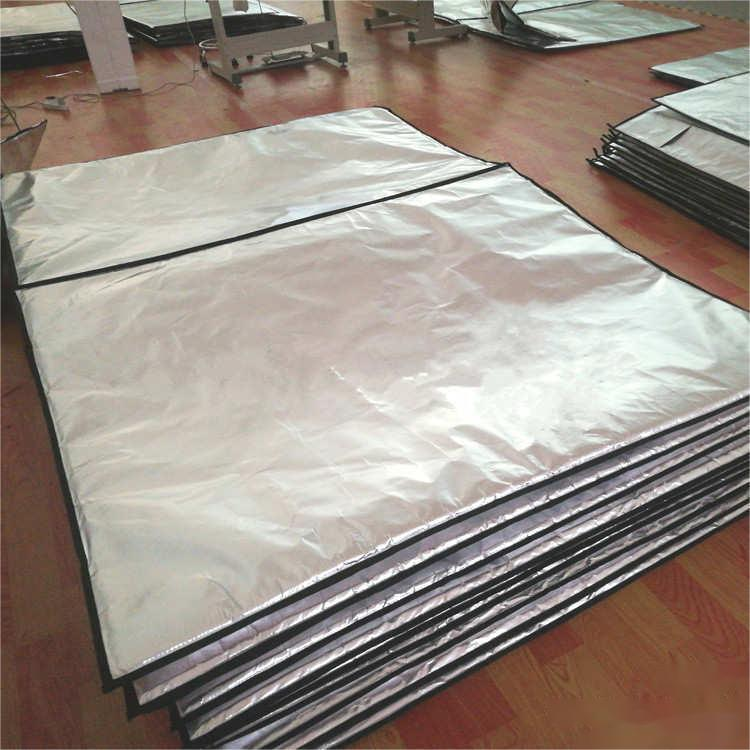
A Palettenabdeckung ist eine passive Schutzschicht. Es kann die direkte Strahlungswärme reduzieren, langsamer konvektiver Austausch um Kartons herum, und fügen Sie während der Belichtung eine abnehmbare Barriere hinzu. Es erzeugt keine kalte Luft, die Ladung aktiv erwärmen, oder überprüfen Sie, ob die Sendung innerhalb eines erforderlichen Bereichs blieb. Aus diesem Grund sollten thermische Versandabdeckungen für Fracht als Teil eines Temperaturmanagementprozesses beschrieben werden, nicht als der gesamte Prozess.
Die Betriebsgrenze ist besonders wichtig für den Güterverkehr auf der Straße, Luft, oder multimodale Netzwerke. Beim Frachtschutz geht es oft darum, kurze, aber wiederholte Expositionsereignisse über mehrere Übergaben hinweg zu kontrollieren. Wenn das Produkt das Lager bereits warm verlässt, nass, beschädigt, oder außerhalb des erforderlichen Zustands, Die Hülle kann das Problem bis zum Erhalt einfach verdecken. Ein stärkerer Arbeitsablauf beginnt, bevor die Abdeckung angebracht wird: Bestätigen Sie den Produktzustand, Stellen Sie sicher, dass die Palette stabil ist, Decken Sie dann die Ladung für ein definiertes Belichtungsfenster ab.
Nutzen Sie die Deckung dort, wo sie dem Risiko entspricht: Verwendung abnehmbarer Thermoabdeckungen zum Schutz der Fracht während der Bereitstellung, überweisen, und vorübergehende Exposition außerhalb kontrollierter Bereiche. Vermeiden Sie es, es als Ersatz für eine kontrollierte Lagerung zu betrachten, qualifizierte verpackung, Fahrzeugtemperaturregelung, oder produktspezifische Anweisungen. Sie sind kein Ersatz für eine aktive Temperaturregelung, validierte Verpackung, oder Handhabungsanweisungen des Spediteurs.
Beginnen Sie mit der Spur, nicht das Katalogfoto
Die richtige Abdeckungsspezifikation lässt sich leichter definieren, wenn Sie die Route auf Papier zeichnen. Berücksichtigen Sie jeden Ort, an dem eine Palette geparkt wird, inspiziert, neu beschriftet, konsolidiert, oder zwischen Temperaturzonen bewegt werden. Zu diesem Thema, Die gemeinsame Route kann Flughafenrampen umfassen, Frachtterminals, LKW-Docks, Containerfrachtbahnhöfe, und Konsolidierungslager. Diese Standorte sind nicht identisch. Einige haben offene Docktüren, einige haben direkte Sonne, Einige haben einen Stau mit Gabelstaplern, und bei einigen kommt es zu Verzögerungen beim Papierkram.
Eine nützliche Routenkarte sollte bei jedem Schritt erkennen, wem die Palette gehört. Der Versender kann die Deckung übernehmen, Ein Spediteur kann es zur Inspektion entfernen, Ein Lagerhaus kann die Palette neu verpacken, und der Empfänger muss möglicherweise die Abdeckung zurückgeben. Wenn niemand diese Stufen besitzt, das Deckungsprogramm wird inkonsistent. Möglicherweise sehen Sie auf einer Spur gute Ergebnisse und auf einer anderen schlechte Ergebnisse, sogar mit dem gleichen Produkt und dem gleichen Bezug.
Bitten Sie die Teams, die tatsächlichen Verweilpunkte anzugeben, nicht die geplanten Aufenthaltspunkte. Ein Zeitplan könnte einen kurzen Transfer anzeigen, während tatsächliche Operationen verpasste Termine einschließen, Zollkontrollen, LKW-Warteschlangen, oder Inszenierung in einer wärmeren Zone. Diese Realität sollte die Deckungsgröße beeinflussen, Verschlussdesign, Kennzeichnung des Zugangs, und ob eine zusätzliche Überwachung erforderlich ist.
Risikohinweise für den Güterverkehr auf der Straße, Luft, oder multimodale Netzwerke
Die Hauptrisiken, die es zu beachten gilt, sind Rampenhitze, LKW-Wartezeit, Cross-Dock-Fehler, Regen- oder Staubeinwirkung, und Abdeckungen zur Inspektion entfernt und nicht richtig ersetzt. Diese Risiken werden nicht durch Isolierung allein gelöst. Sie erfordern eine Entscheidung darüber, wann die Ladung zur Deckung bereit ist, wie lange es warten kann, wie die Route überwacht wird, und was Empfangsteams tun, wenn der Verpackungszustand fraglich erscheint.
Für den Güterverkehr auf der Straße, Luft, oder multimodale Netzwerke, Das Cover sollte die Produktanweisungen unterstützen und nicht außer Kraft setzen. Wenn das Etikett, Sicherheitsdatenblatt, Kundenspezifikation, oder Qualitätsvereinbarung definiert eine erforderliche Bedingung, Verwenden Sie dieses Dokument als Ausgangspunkt. Wenn die erforderliche Bedingung unklar ist, Wählen Sie einen Versicherungsschutz nicht aufgrund eines allgemeinen Anspruchs aus. Bitten Sie den Produkteigentümer oder das Qualitätsteam, den akzeptablen Bereich und die zulässigen Handhabungsbedingungen zu bestätigen.
Die praktischste Frage zur Produktanpassung ist einfach: Welches Problem versuchen Sie zu reduzieren?? Bei vorübergehender Sonneneinstrahlung kann eine Abdeckung hilfreich sein, kurze Inszenierung außerhalb eines kontrollierten Raumes, oder Temperaturschwankungen während der Übergabe. Es kann das falsche Werkzeug sein, wenn die Route eine aktive Kühlung erfordert, ein validierter Versender, eine Kältemittelverpackung, oder dokumentierte Temperaturaufzeichnungen auf einem Niveau, das die Abdeckung nicht liefern kann.
Lieferantenfragen, die teure Fehlanpassungen verhindern
| Was zu bestätigen ist | Grund der Frage | Gutes Kaufsignal |
|---|---|---|
| Palettengröße und -höhe passen | Lücken verringern den Schutz und machen die Handhabung umständlich. | Der Lieferant fragt nach den Abmessungen der beladenen Palette, nicht nur Palettenstellfläche. |
| Verschluss und Etikettenzugriff | Abdeckungen können entfernt werden, wenn Etiketten nicht gescannt werden können. | Das Design ermöglicht das Scannen, Inspektion, und Wiederverschließen. |
| Thermischer Beweis | Die Leistung hängt von der Belichtung und Belastung ab. | Der Lieferant erklärt die Testbedingungen oder gibt die Grenzwerte klar an. |
| Reinigung und Wiederverwendung | Wiederverwendbare Artikel benötigen Hygiene und Zustandskontrolle. | Reinigungshinweise und Inspektionskriterien sind verfügbar. |
| Konsistenz beim Scale-up | Großbestellungen sollten mit genehmigten Mustern übereinstimmen. | Der Lieferant definiert die Musterfreigabe und die Kommunikation über Materialänderungen. |
Für den Güterverkehr auf der Straße, Luft, oder multimodale Netzwerke, Der beste Lieferant ist nicht derjenige mit dem umfassendsten Versprechen. Es hilft Ihnen dabei, Annahmen zu definieren und zu überprüfen, ob diese Annahmen mit Ihrer Route übereinstimmen.
Die Tabelle soll den Einkauf nicht bremsen. Es verhindert ein häufiges Fehlermuster: Ein Käufer wählt ein Cover basierend auf der allgemeinen Produktsprache aus, Dann stellen die Lagerteams fest, dass es nicht auf die Palette passt, blockiert Etiketten, wird nass, oder es fehlen die für ein sensibles Konto erforderlichen Beweise.
Erstellen Sie eine Deckungs-SOP, die die Arbeiter tatsächlich verwenden
Ein funktionsfähiger Prozess beginnt, bevor die Palette die Tür erreicht. Bestätigen Sie den Produktzustand, Verpackungsintegrität, Stabilität der Palette, und jede spezielle Anweisung. Bringen Sie dann die Abdeckung in einem definierten Bereich an, sichere Verschlüsse, Halten Sie die erforderlichen Etiketten sichtbar, und notieren Sie jede Ausnahme. Für den Güterverkehr auf der Straße, Luft, oder multimodale Netzwerke, Dieser Schritt ist oft wichtiger als kleine Unterschiede zwischen ähnlich aussehenden Covern.
Während des Transports oder der Bereitstellung, Das Personal sollte wissen, ob der Deckel zur Inspektion geöffnet werden darf und wie er wieder verschlossen werden muss. Wenn eine Palette geteilt wird, überarbeitet, oder umetikettiert, Der Abdeckvorgang sollte nicht verschwinden. Der Empfänger sollte sowohl die Produktverpackung als auch den Zustand der Hülle prüfen, weil Nässe, Geruch, reißend, oder ein fehlender Verschluss kann auf ein Handhabungsproblem hinweisen.
Für nicht regulierte Güter kann eine einfache Aufzeichnung ausreichen: Zeit abgedeckt, Standort, Verantwortlicher, sichtbarer Zustand, und Empfangen von Notizen. Bei Sendungen mit höherem Risiko sind möglicherweise Temperaturaufzeichnungen erforderlich, Qualitätsbewertung, oder dokumentierte Abweichungsbehandlung. Der Umfang der Dokumentation sollte dem Produktrisiko und den Erwartungen des Käufers entsprechen, Träger, und Empfänger.
Verwenden Sie vorsichtige Aussagen auf regulierten oder sicherheitsrelevanten Spuren
Für gemischte Fracht- und Logistikprogramme, Die Einhaltung hängt davon ab, was sich in der Palette befindet. Essen, Gesundheitspflege, chemisch, und hochwertige Fracht können jeweils unterschiedliche Anforderungen an die Handhabung und Dokumentation stellen. Der Versicherungsschutz sollte genau als passiver Schutz beschrieben werden, es sei denn, ein spezifisches Test- oder Qualifizierungspaket stützt einen stärkeren Anspruch.
Gesundheitspflege, Essen, und chemische Fracht erfordern möglicherweise dokumentierte Kontrollen, die über eine Deckung hinausgehen, insbesondere wenn ein Kundenvertrag oder eine Kundenverordnung Handhabungsanforderungen definiert. Verwenden Sie in Spezifikationen und Verträgen eine vorsichtige Sprache. Bevorzugen Sie Formulierungen wie „unterstützt den Schutz vor vorübergehender Exposition“.,' 'im Rahmen eines dokumentierten Handhabungsprozesses verwendet,' oder 'zur Auswertung anhand der Sendungsspur.' Vermeiden Sie Aussagen, die eine allgemeine Compliance suggerieren, garantierte Temperaturerhaltung, oder Eignung für jede Route.
Wenn eine formelle Qualifikation erforderlich ist, Fragen Sie nach welchem Standard, Profil, Nutzlast, und Akzeptanzkriterien wurden verwendet. Thermische Testdaten von einem Isolierter Versender oder ein anderes Verpackungsformat soll nicht automatisch auf eine Palettenhülle übertragen werden. Wenn die Anwendung wichtig ist, Qualifizieren Sie das System unter Bedingungen, die der tatsächlichen Route ähneln.
Hilfreiche Entscheidungshilfen
Überprüfen Sie die Details, bevor Sie sich für die Verpackung entscheiden
Mit diesen schnellen Tools können Sie das Routenrisiko vergleichen, Größenanforderungen, Kühlmittelauswahl, und Verpackungsdetails, bevor Sie ein Angebot anfordern.
Kühlmittel & PCM-Referenz
Vergleichen Sie Kühlmittel- und PCM-Optionen, wenn eine Route zusätzliche Temperaturunterstützung benötigt.
Vergleichen Sie OptionenRoutenrisiko-Checker
Überprüfen Sie die Fahrspurbedingungen, bevor Sie die Verpackung entsprechend den tatsächlichen Betriebsanforderungen auswählen.
Streckenrisiko prüfenBoxliner & Dimensionierung der Palettenabdeckung
Überprüfen Sie die Größenlogik für Kartoneinlagen und Palettenabdeckungen für isolierte Verpackungsprojekte.
Schätzen Sie die GrößeVom Muster bis zum Rollout: die Schecks, die Käufer vergessen
Bevor Sie nach dem Preis fragen, Definieren Sie die Betriebsannahmen. Bestätigen Sie die Abmessungen der beladenen Palette, Produktkategorie, Spurbelichtung, erwartete Deckungsdauer, Reinigungsmethode, Stauraum, und ob Abdeckungen zum Ursprung zurückkehren. Für den Güterverkehr auf der Straße, Luft, oder multimodale Netzwerke, Bestätigen Sie auch die Transportart, Rampen- oder Dock-Exposition, und Witterungseinflüsse. Diese Angaben bestimmen, ob die von Ihnen erhaltene Probe aussagekräftig ist.
Während der Probenprüfung, Vermeiden Sie es, nur das optische Erscheinungsbild zu genehmigen. Lassen Sie Lagerarbeiter die Abdeckung unter normalem Zeitdruck anbringen und entfernen. Bewegen Sie die Palette durch Türen, um enge Kurven, und in der Nähe von Scanpunkten. Prüfen Sie, ob die Abdeckung schleift, Tränen, blockiert Etiketten, oder es entsteht ein Sicherheitsproblem. Bitten Sie dann die Qualität oder den Betrieb, Kriterien für „Bestanden“ oder „Nicht bestanden“ zu definieren, bevor Sie zu einer Großbestellung übergehen.
Zum wiederholten Kauf, Fragen Sie, wie der Lieferant mit Materialsubstitutionen umgeht, Produktionsänderungen, Verpackung der Bezüge selbst, und Konsistenz von Charge zu Charge. Der Käufer muss nicht jede Bestellung in ein Laborprojekt verwandeln, Der Masseneinsatz sollte jedoch nicht auf einer einzigen informellen Probe beruhen, wenn die Abdeckung Teil eines kontrollierten Versandprozesses ist.
Nachhaltigkeit gehört zum Betriebsmodell, nicht nur die Broschüre
Der Nachhaltigkeitswert von wiederverwendbaren Bezügen hängt von der Wiederherstellung nach der Lieferung und einem realistischen Reparaturplan ab. Das ist die ausgewogene Sichtweise. Wiederverwendbare Hüllen können eine sinnvolle Alternative zu Einwegeinlagen oder wiederholten Notfallverpackungen sein, Sie erfordern aber auch eine umgekehrte Logistik, Arbeit, Lagerung, Inspektion, und Reinigung. Wenn Bezüge nach der Lieferung verschwinden oder verunreinigt zurückgegeben werden, Die Nachhaltigkeitsgeschichte wird schwach.
Wenn Nachhaltigkeit Teil der Kaufentscheidung ist, Fragen Sie eher nach praktischen Antworten als nach allgemeinen Behauptungen. Wie oft soll die Abdeckung unter Ihren Handhabungsbedingungen verwendet werden?? Wie werden beschädigte Abdeckungen erkannt?? Wo trocknen nasse Bezüge?? Wer bezahlt die Rücksendung?? Welche Verpackung wird für den Versand der Bezüge selbst verwendet?? Diese Fragen helfen dem Programm, über die erste Bestellung hinaus zu überleben.
Für den Güterverkehr auf der Straße, Luft, oder multimodale Netzwerke, Nachhaltigkeit sollte niemals auf Kosten der Produktsicherheit gehen, Hygiene, oder dokumentierte Handhabung. Eine haltbarere Abdeckung ist nur dann wertvoll, wenn sie für die zu schützenden Güter weiterhin geeignet ist. Wenn Reinigung, Geruch, Rückstand, oder Sachschäden können nicht kontrolliert werden, Ein anderer Verpackungsansatz kann sicherer sein.
Praxisbeispiel: Ein Beispiel, das gut aussieht, aber den Weg verfehlt
Stellen Sie sich vor, ein Käufer benötigt Thermo-Transportabdeckungen für Frachttransporte auf der Straße, Luft, oder multimodale Netzwerke, die sich über eine Route mit einem Lagerbereitstellungsbereich bewegen, eine Trägerübergabe, und ein Empfänger, bei dem es häufig zu einer Überlastung des Docks kommt. Die erste Anfrage mag einfach klingen: Bereitstellung einer wiederverwendbaren Abdeckung für Standardpaletten. Eine bessere Anfrage umfasst die Abmessungen der beladenen Palette, erwartete Verweilpunkte, ob die Palette während des Transports kontrolliert werden darf, wie Etiketten scannbar bleiben müssen, und welche Empfangsbestätigungen erforderlich sind, wenn der Umschlag nass ankommt, zerrissen, oder fehlt.
Der Lieferant kann dann einen Einbandstil empfehlen und dessen Grenzen erläutern. Der Betrieb kann die Geschwindigkeit und Eignung von Anwendungen testen. Die Qualität kann darüber entscheiden, ob weitere Beweise erforderlich sind. Der Einkauf kann den Stückpreis mit der Wiederverwendung vergleichen, Verlust, Reinigung, und Speicherung. Bei diesem Beispiel handelt es sich nicht um einen Kundenfall; Dies ist eine praktische Möglichkeit, einen häufigen Kauffehler zu vermeiden: Behandeln Sie eine passive Abdeckung als einfaches Zubehör, obwohl sie tatsächlich mehrere Abteilungen betrifft.
Vermeiden Sie diese Fehlerquellen, bevor Sie eine Skalierung durchführen
- Deckt den Güterverkehr auf der Straße ab, Luft, oder multimodale Netzwerke, bevor sichergestellt wird, dass sich die Ladung im richtigen Ausgangszustand befindet.
- Kaufen Sie nur nach Paletten-Grundfläche und ignorieren Sie die Ladehöhe, Überhang, Etiketten, und Zugangspunkte.
- Es bleiben Abschlussspalte, die einen Luftaustausch an Ecken ermöglichen, Nähte, oder den Palettenboden.
- Verwendung einer wiederverwendbaren Abdeckung ohne Reinigung, Trocknen, Inspektion, und Ruhestandsprozess.
Diese Fehler sind von Bedeutung, da thermische Versandabdeckungen für Fracht normalerweise am Rande eines kontrollierten Prozesses verwendet werden: die Tür, die LKW-Warteschlange, das Cross-Dock, der Inspektionspunkt, oder der Kundenannahmebereich. Da häufen sich kleine Aktionen. Eine lose Klappe, eine nasse Abdeckung, oder ein verspäteter Ersatz kann den Wert eines ansonsten angemessenen Produkts mindern.
Die Präventionsmethode ist nicht kompliziert. Schreiben Sie die Regel, Trainieren Sie die Personen, die die Palette berühren, und prüfen Sie den Prozess während realer Sendungen. Wenn die Abdeckung wichtig genug ist, kaufen Sie sie, Es ist wichtig genug, um es im Arbeitsablauf sichtbar zu machen.
FAQ
Gewährleisten thermische Versandabdeckungen für Fracht einen bestimmten Temperaturbereich??
NEIN. Sie sind passive Schutzprodukte und schaffen selbst keinen garantierten Temperaturbereich. Die Leistung hängt vom Ausgangszustand des Produkts ab, Palettenmasse, Abdeckung fit, Umgebungseinflüsse, Bearbeitungszeit, und der Rest des Transportsystems. Wenn ein bestimmter Temperaturbereich erforderlich ist, Bestätigen Sie dies anhand der Produktanweisungen und fragen Sie, welche Beweise den Verpackungsaufbau stützen.
Wann sollte ich thermische Versandabdeckungen für Fracht verwenden??
Verwenden Sie sie, wenn das Hauptrisiko in einer vorübergehenden Exposition während des Ladens besteht, Entladung, Inszenierung, Inspektion, oder Transfer zwischen kontrollierten Bereichen. Sie sind besonders nützlich, wenn die Route vorhersehbare Übergabepunkte aufweist und das Personal die Abdeckung korrekt anbringen und entfernen kann. Als Ersatz für die aktive Kühlung sind sie weniger geeignet, qualifizierte verpackung, oder eine vollständige Neugestaltung der Route.
Was sollte ich überprüfen, bevor ich eine Großbestellung aufgebe??
Bestätigen Sie die Abmessungen der beladenen Palette, Cover-Verschluss-Design, Etikettenzugriff, Reinigungsanforderungen, Retourenlogistik, und Konsistenz zwischen Muster und Produktion. Für den Güterverkehr auf der Straße, Luft, oder multimodale Netzwerke, Überprüfen Sie auch die Transportart, und Rampen- oder Dockexposition. Eine Großbestellung sollte auf einem echten Palettenversuch basieren, nicht nur eine Zeichnung oder ein Produktfoto.
Kann eine wiederverwendbare Abdeckung zu Hygiene- oder Kontaminationsproblemen führen??
Ja, Dies kann der Fall sein, wenn der Bezug wieder nass wird, schmutzig, riechend, zerrissen, oder inkompatiblen Gütern ausgesetzt sind. Wiederverwendbare Programme benötigen eine Reinigungsanleitung, Prüfkriterien, Aufbewahrungsregeln, und eine Möglichkeit, beschädigte Abdeckungen außer Betrieb zu nehmen. Für Essen, Labor, oder sensible Industriesendungen, Vor der Einführung sollte eine Hygieneüberprüfung erfolgen.
Welche Nachweise sollte ein Lieferant erbringen??
Fordern Sie eine Spezifikation an, in der die Materialien erläutert werden, Abmessungen, Verschlussstil, Verwendungszweck, Reinigungsanleitung, und jede verfügbare thermische Bewertung. Wenn der Lieferant Tests erwähnt, Fragen Sie nach den Testbedingungen, Nutzlast, Umgebungsprofil, und Akzeptanzkriterien. Die Nachweise sollten so gut mit Ihrem Antrag übereinstimmen, dass sie die Entscheidung stützen.
Abschluss
Thermo-Transportabdeckungen für Fracht sind dann sinnvoll, wenn sie an ein klares Routenproblem gebunden sind, ein definiertes Produktrisiko, und ein wiederholbarer Handhabungsprozess. Für den Güterverkehr auf der Straße, Luft, oder multimodale Netzwerke, Konzentrieren Sie sich auf den Ausgangszustand der Last, die tatsächlichen Übergabepunkte, die Passform der Abdeckung, und die Beweise für jeden Lieferantenanspruch. Die sicherste Entscheidung ist nicht das dramatischste Versprechen; Es ist Ihr Lager, Träger, Qualitätsteam, und Empfänger können konsistent wiederholen.
Vor dem Kauf, Bestätigen Sie den erforderlichen Produktzustand, Testen Sie ein Muster auf einer echten Palette, den Arbeitsablauf dokumentieren, und entscheiden Sie, welche Empfangsteams prüfen sollen. Dieser praktische Ansatz schützt sowohl die Produktqualität als auch das Vertrauen der Beschaffung.
Über Tempk
Tempk unterstützt Kühlketten- und temperaturempfindliche Logistikteams, die praktische Verpackungsoptionen für palettierte Fracht benötigen. In einer Diskussion über thermische Versandabdeckungen für Fracht, Wir konzentrieren uns auf die Details, die den täglichen Gebrauch beeinflussen: Palettengröße, Streckenbelichtung, Abdeckung fit, Materialkonstruktion, Handhabungsworkflow, und die Grenzen des passiven Schutzes. Wir vermeiden es, ein einziges Cover als universelle Antwort zu betrachten, weil verschiedene Produkte, Gassen, und Dokumentationsanforderungen erfordern unterschiedliche Verpackungsentscheidungen.
CTA
Teilen Sie Ihre Palettenmaße mit, Produkttyp, Streckenbelichtung, und erwartete Handhabungsschritte mit Tempk. Wir können Ihnen dabei helfen, thermische Versandabdeckungen für Frachtoptionen zu vergleichen, bevor Sie von der Musterprüfung zu einer größeren Bestellung übergehen.