Ein praktischer Leitfaden für Thermo-Versandhüllen für den Arzneimittelvertrieb
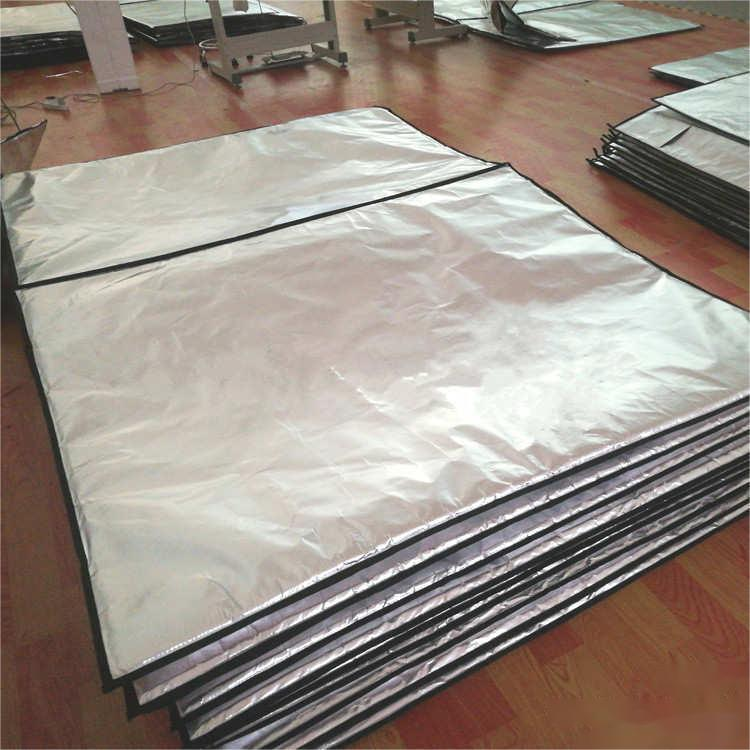
Thermo-Versandhüllen Unter Arzneimittelvertrieb versteht man am besten eine Risikokontrolle auf Palettenebene für den Moment, in dem Medikamente eingenommen werden, Impfungen, Diagnoseprodukte, und Gesundheitssendungen auf Paletten verlassen den am besten geschützten Teil der Kühlkette. Sie können die Wärmeübertragung verlangsamen, Reduzieren Sie die Exposition bei Übergaben, und unterstützen ein einheitlicheres Versandverfahren. Sie sollten nicht als universeller Ersatz für Kühlgeräte betrachtet werden, qualifizierte verpackung, Überwachung, oder produktspezifische Handhabungsregeln.
Die richtige Wahl beginnt bei der Fahrspur. Fragen Sie, wo die Palette steht, wer kümmert sich darum, wie lange es belichtet werden darf, ob der Boden und die Ecken geschützt sind, und welche Nachweise Ihr Team benötigt, bevor es eine wiederholte Verwendung genehmigt. Wenn diese Fragen beantwortet sind, Die Abdeckung wird zu einem praktischen Werkzeug und nicht zu einer dekorativen Schicht um die Palette.
Definieren Sie den Job, bevor Sie das Produkt definieren
Ein häufiger Fehler beim Kauf besteht darin, mit einer Produktspezifikation zu beginnen und diese dann auf allen Seiten durchzusetzen. Eine bessere Methode besteht darin, den Job zu definieren. Für Pharmaversand, Die Aufgabe kann darin bestehen, eine Palette während des Ladens zu schützen, Reduzieren Sie die kurze Dockexposition, Abschirmung der Ladung während eines Flughafentransfers, Unterstützung der Lagerbereitstellungsdisziplin, oder fügen Sie bei saisonaler Hitze oder Kälte einen Puffer hinzu. Jeder Job weist auf ein anderes Coverdesign hin.
Wenn es sich bei dem Job um eine kurze Inszenierung handelt, Geschwindigkeit und Benutzerfreundlichkeit sind möglicherweise wichtiger als eine starke Isolierung. Wenn es sich bei dem Job um die Exportabwicklung handelt, Eine empfängerfreundliche Entfernung und eine klare Kennzeichnung könnten wichtiger sein. Bei Wiederholung der Tätigkeit erfolgt eine regionale Verteilung, Rücknahme und Reinigung können darüber entscheiden, ob Mehrwegbezüge wirtschaftlich sind. Wenn es sich bei dem Auftrag um sensible Gesundheitsfürsorge oder hochwertige Fracht handelt, Dokumentation und Qualitätsprüfung können genauso viel Gewicht haben wie die Materialkonstruktion.
Dieser Ansatz verhindert auch eine Überforderung. Die Abdeckung verringert das Expositionsrisiko rund um eine Palette; es allein qualifiziert die Sendung nicht. Es unterstützt den Prozess nur, wenn der Prozess definiert ist. Bevor Sie sich fragen, welche Abdeckung die beste ist, Fragen Sie, welches Problem das Cover lösen soll und welches Ergebnis als Erfolg gelten würde.
Kartieren Sie die tatsächliche Belichtung der Palette
Die nützlichste Spurkarte beginnt in dem Moment, in dem die Palette fertig ist. Von dort, Verfolgen Sie jeden Schritt im Pharmalager, Fluggesellschaft, Kühlwagen, Cross-Dock, und Empfangsspuren. Beachten Sie, wann die Palette einen kontrollierten Bereich verlässt, ob es in der Nähe einer Docktür wartet, wie es geladen wird, ob es ein Terminal passiert, und was passiert beim Empfang. Viele Teams stellen fest, dass das Hauptrisiko nicht der längste Reiseabschnitt, sondern eine kurze unkontrollierte Wartezeit ist.
Für Medikamente, Impfungen, Diagnoseprodukte, und Gesundheitstransporte auf Paletten, Die Karte sollte den Produktstatus zu Beginn der Auslieferung enthalten. Eine Abdeckung ist effektiver, wenn sich die Ladung bereits im vorgesehenen Zustand befindet. Wenn das Produkt noch kühlt, nicht vollständig konditioniert, oder außerhalb der Spezifikation, Wenn Sie es abdecken, kann die Korrektur verlangsamt werden. Verwenden Sie deshalb das Produktetikett, Qualitätsprotokoll, und Spurqualifizierungsdaten, um den akzeptablen Temperaturbereich zu definieren.
Die Karte sollte auch zeigen, wer an welcher Stelle verantwortlich ist. Eine Abdeckung, die vom Ursprungsteam angebracht, aber vom Spediteur zu früh entfernt wird, schützt möglicherweise nicht die beabsichtigte Gefährdung. Eine wiederverwendbare Hülle, die ohne Rücksendeanweisungen beim Empfänger ankommt, kann verschwinden. Der Besitz von Prozeduren verwandelt passive Geräte in eine verwaltete Steuerung.
Passen Sie den Aufbau der Abdeckung an die Route an
Die Abdeckungsstruktur sollte den Routenanforderungen entsprechen. Reflektierende Oberflächen sind dort nützlich, wo Strahlungswärme und Sonnenlicht wichtig sind. Isolierkerne verlangsamen die Wärmebewegung um die Palette herum. Verstärkte Nähte und Verschlüsse sind dort wichtig, wo Paletten durch Gabelstapler transportiert werden, Anhänger, oder Terminals. Wenn die Palette auf heißem Asphalt steht, kann eine Bodenplatte oder eine Bodenstrategie von Bedeutung sein, kalte Böden, oder Dockplatten.
Für Pharmakäufer, Die Passformdetails sind oft wichtiger als der Marketingname des Produkts. Überprüfen Sie die Höhe der verpackten Palette, Kartonwölbung, Eckenschutz, Fenster beschriften, Riemen, und Scannerzugriff. Erkundigen Sie sich, ob die Abdeckung von Arbeitern, die Handschuhe tragen oder schnell arbeiten, gesichert werden kann. Durch ein kleines Passungsproblem kann ein Luftkanal entstehen, gesperrter Barcode, oder Bedienerverknüpfung.
Bei der Materialentscheidung sollten auch Reinigung und Lagerung berücksichtigt werden. Durch die Wiederverwendung kann der Abfall auf wiederholten Spuren reduziert werden, Aber auch pharmazeutische Betriebe müssen gereinigt werden, Rückverfolgbarkeit, und Disziplin bei der Änderungskontrolle. Wenn die Route eine Einbahnstraße ist oder der Empfänger keine Rücksendungen verwalten kann, ein anderes Format könnte realistischer sein. Wenn es sich bei der Route um eine geschlossene Route handelt, Eine haltbarere wiederverwendbare Abdeckung könnte eine Überlegung wert sein, vorausgesetzt, Inspektion und Reinigung sind in den Prozess integriert.
Was ist bei Lieferanten zu überprüfen?
| Käuferfrage | Warum es für dieses Schlüsselwort wichtig ist | Risiko, wenn es ignoriert wird |
|---|---|---|
| Wird die Abdeckung als zusätzlicher Palettenschutz oder als Teil eines qualifizierten Versandsystems verkauft?? | Bestätigt die körperliche Eignung und die Rolle in der Route | Die Abdeckung kann Lücken hinterlassen oder für den falschen Zweck verwendet werden |
| Welche dokumentierten Tests unterstützen die beabsichtigte Spur- und Palettenkonfiguration?? | Verknüpft Leistung mit Fahrbahnbedingungen | Ansprüche gelten möglicherweise nicht für Ihre Palette oder Ihr Expositionsprofil |
| Wie wirkt sich die Abdeckung auf die Sichtbarkeit des Etiketts aus?, Scannen, Sicherheitssiegel, und Logger-Zugriff? | Sorgt dafür, dass die Abläufe beim Versand und Empfang funktionsfähig bleiben | Etiketten, Holzfäller, oder Inspektionsschritte können blockiert sein |
| Welche Material- oder Konstruktionsänderungen erfordern eine Überprüfung durch den Käufer vor Nachbestellungen?? | Unterstützt Wiederholbarkeit und Qualitätsprüfung | Ein geändertes Material oder ein schlechter Rückgabeprozess können zu Inkonsistenzen führen |
| Wie sollten gebrauchte Bezüge überprüft werden?, gereinigt, und vor der Wiederverwendung gespeichert? | Zeigt an, ob der Lieferant die Einkaufsprüfung unterstützen kann | Dem Käufer fehlen möglicherweise Beweise für die Genehmigung oder Erweiterung |
Bei dieser Lieferantenbewertung geht es nicht darum, den Kauf zu erschweren. Es geht darum, zu verhindern, dass eine billige Probe zu einem teuren Betriebsproblem wird. Wenn ein Lieferant diese Fragen klar beantworten kann, Der Käufer kann Optionen anhand der Routentauglichkeit und nicht nur anhand des Preises vergleichen.
Wenn Palettenabdeckungen gut passen
Thermo-Versandabdeckungen für den Arzneimittelvertrieb eignen sich gut, wenn das Risiko nur vorübergehend ist, sichtbar, und wiederholbar. Sie sind nützlich, wenn sich eine Palette durch eine kurze unkontrollierte Zone bewegt, wartet während des Ladens, durchläuft ein Terminal, oder einen zusätzlichen Schutz benötigen und dennoch auf den Hauptkühlkettenprozess angewiesen sind. Sie können auch dazu beitragen, das Verhalten im Lager zu standardisieren, indem sie dem Personal klare Handlungsanweisungen geben, wenn eine Palette den kontrollierten Bereich verlässt.
Hilfreiche Entscheidungshilfen
Überprüfen Sie die Details, bevor Sie sich für die Verpackung entscheiden
Mit diesen schnellen Tools können Sie das Routenrisiko vergleichen, Größenanforderungen, Kühlmittelauswahl, und Verpackungsdetails, bevor Sie ein Angebot anfordern.
Kühlmittel & PCM-Referenz
Vergleichen Sie Kühlmittel- und PCM-Optionen, wenn eine Route zusätzliche Temperaturunterstützung benötigt.
Vergleichen Sie OptionenReferenz zu Isoliermaterialien
Vergleichen Sie die Auswahl an Isoliermaterialien für unterschiedliche Kühlkettenverpackungsanforderungen.
Vergleichen Sie MaterialienRoutenrisiko-Checker
Überprüfen Sie die Fahrspurbedingungen, bevor Sie die Verpackung entsprechend den tatsächlichen Betriebsanforderungen auswählen.
Streckenrisiko prüfenSie eignen sich nicht gut, wenn es auf der Route keine Temperaturkontrolle gibt, wenn Produkte regelmäßig außerhalb ihres Sollzustands starten, wenn die Belichtung länger dauert, als die Abdeckung vorgesehen ist, oder wenn niemand die Anwendung und Entfernung besitzt. Für Pharmafracht, Sie können auch unzureichend sein, wenn das Produkt eine benötigt qualifizierter Versender, Aktiver Container, überwachter Kühlcontainer, oder formelle Lane-Qualifikation.
Die beste Antwort ist manchmal eine Kombination. Eine Palettenabdeckung kann mit einem Kühltransport kombiniert werden, isolierte Liner, Kühlmittelpakete, oder eine stärkere Staging-SOP. Die Abdeckung muss nicht jedes Problem lösen, um wertvoll zu sein. Es muss den richtigen Teil des Problems lösen.
Ein realistischer Implementierungsworkflow
- Identifizieren Sie die Produktanforderung und bestätigen Sie den akzeptablen Zustand für Arzneimittel, Impfungen, Diagnoseprodukte, und Gesundheitstransporte auf Paletten.
- Zeichnen Sie die Route auf und markieren Sie jeden unkontrollierten oder halbkontrollierten Belichtungspunkt.
- Messen Sie eine vollständig verpackte Palette, inklusive Spitzenhöhe, Ecken, Etiketten, und jedes Überwachungsgerät.
- Testen Sie während des eigentlichen Lade- oder Bereitstellungsvorgangs gemeinsam mit Lagermitarbeitern einen Musterbezug.
- Überprüfen Sie die verfügbaren thermischen Nachweise und prüfen Sie, ob die Testbedingungen der Route ähneln.
- Schreiben Sie ein einfaches Verfahren für die Bewerbung, Entfernung, Inspektion, Lagerung, Reinigung, und zurück.
- Nutzen Sie das Empfangen von Feedback und, gegebenenfalls, Temperaturüberwachung, um zu entscheiden, ob die Abdeckung für wiederholte Lieferungen skaliert werden soll.
Durch diesen Workflow bleibt die Entscheidung mit realen Vorgängen verknüpft. Außerdem wird ein Datensatz über die Beschaffung erstellt, Logistik, und Qualitätsteams können gemeinsam diskutieren. Diese gemeinsame Überprüfung ist besonders nützlich, wenn die erste Probe akzeptabel erscheint, das Unternehmen sich jedoch auf größere oder regelmäßigere Lieferungen vorbereitet.
Praxisbeispiel: von der Probe bis zur Wiederholungsspur
Stellen Sie sich einen Käufer vor, der thermische Versandabdeckungen für den Arzneimittelvertrieb prüft, nachdem er auf einer Route Ausnahmen festgestellt hat. Das Team bestätigt zunächst, dass die wichtigsten Lager- und Transportgeräte funktionieren. Dann überprüft es die Spur und stellt fest, dass während der Routensequenzierung Paletten in der Nähe einer Tür warten. An der real verpackten Palette wird eine Musterhülle getestet, mit Personal-Timing-Anwendung und Überprüfung des Etikettenzugriffs. Der Empfänger erfasst, ob die Abdeckung korrekt montiert ankommt und ob der Zustand der Palette akzeptabel ist.
Nach dem Prozess, Der Käufer stimmt der Abdeckung nicht zu, nur weil sie stabil aussah. Der Käufer prüft, ob die Abdeckung an der richtigen Stelle eingesetzt wurde, ob die Mitarbeiter es praktisch fanden, ob die Dokumentation ausreichend war, und ob sich das Routenverhalten verbessert hat. Wenn die Antwort ja ist, Die Abdeckung kann zur SOP hinzugefügt werden. Wenn die Antwort nein ist, Das Team kann den Staging-Prozess anpassen, Wählen Sie eine andere Coverstruktur, oder verwenden Sie eine andere Temperaturkontrollmethode.
FAQ
Reichen thermische Versandabdeckungen für den Arzneimittelvertrieb für eine vollständige Temperaturkontrolle aus??
NEIN. Thermo-Versandabdeckungen für den Arzneimittelvertrieb bieten passive Isolierung und Oberflächenschutz, Sie kühlen oder erwärmen die Last jedoch nicht aktiv. Sie sind am nützlichsten, wenn sie die Exposition an vorhersehbaren Risikopunkten wie dem Staging reduzieren, aushändigen, und laden. Für strenge Temperaturanforderungen, Sie benötigen weiterhin produktspezifische Handhabungsregeln, geeignetes Transportgerät, und einen Überwachungsplan.
Was sollte vor der Bestellung von Palettenabdeckungen überprüft werden??
Beginnen Sie mit der Qualitätsgenehmigung, angegebenen Lagerbedingungen, Spurbelichtung, Überwachungsplan, und Dokumentenkontrolle. Dann fragen Sie nach den tatsächlichen Einbaumaßen, Materialkonstruktion, Verschlussdesign, Reinigungsmethode, und jegliche Testdokumentation, die Ihrer erwarteten Spur entspricht. Ein Einband, der in einem Katalog passend aussieht, funktioniert möglicherweise nicht auf einem Einband, ungleichmäßig, oder eine Palette, die höher als die Standardpalette ist.
Kann eine Palettenabdeckung eine Arzneimittelsendung GDP-konform machen??
Eine Palettenabdeckung allein kann eine Sendung nicht konform machen. BIP-orientierte Operationen erfordern in der Regel definierte Verantwortlichkeiten, passende Ausrüstung, dokumentierte Verfahren, und Nachweis, dass die Produktqualität erhalten bleibt. Eine Abdeckung kann einen kontrollierten Prozess unterstützen, Das Qualitätsteam sollte jedoch überprüfen, wie es verwendet wird, überwacht, und dokumentiert.
Wo sollen Temperaturdatenlogger bei Verwendung einer Abdeckung platziert werden??
Die Platzierung des Loggers sollte das Risiko widerspiegeln, das Sie bewerten müssen. Verstecken Sie den Monitor nicht dort, wo er nur eine geschützte Tasche misst oder wo das Personal ihn beim Empfang nicht herausholen kann. Für empfindliche Bahnen, Der Überwachungsplan sollte mit dem Produkteigentümer besprochen werden, Träger, und Qualitätsteam.
Abschluss
Der beste Nutzen von Thermo-Versandhüllen für den Arzneimittelvertrieb besteht nicht darin, eine perfekte Temperaturkontrolle zu versprechen, sondern um die bekannte Belastung auf Palettenebene zu reduzieren. Beginnen Sie mit der Produktanforderung, die Route kartieren, Bestätigen Sie, wie lange die Palette außerhalb der vorgesehenen Zone stehen darf, und prüfen Sie, ob die Abdeckung im realen Betrieb zur umwickelten Ladung passt. Bitten Sie dann um Dokumentation, die das Material unterstützt, Abmessungen, und Verwendungszweck. Wenn diese Grundlagen klar sind, Eine Palettenabdeckung wird zu einem praktischen Teil des Kühlkettenplans und nicht zu einem hoffnungsvollen Zusatz.
Über Tempk
Tempk arbeitet mit B2B-Käufern zusammen und vergleicht Kühlkettenverpackung für echte Bahnen, einschließlich Palettenabdeckungen, Isoliertaschen, Liner, Kühlboxen, und Kühlakkus. Zu diesem Thema, Unsere Aufgabe ist es, Ihnen dabei zu helfen, die richtigen Fragen zu stellen: was versendet wird, wo die Exposition stattfindet, wie mit der Palette umgegangen wird, und welche Beweise Ihr Team benötigt, bevor es von Muster- auf Nachbestellungen umsteigt.
Senden Sie Tempk die Produktkategorie, Palettenformat, und Schifffahrtsweg, den Sie schützen möchten, und wir helfen Ihnen, praktische Verpackungsmöglichkeiten zu identifizieren.