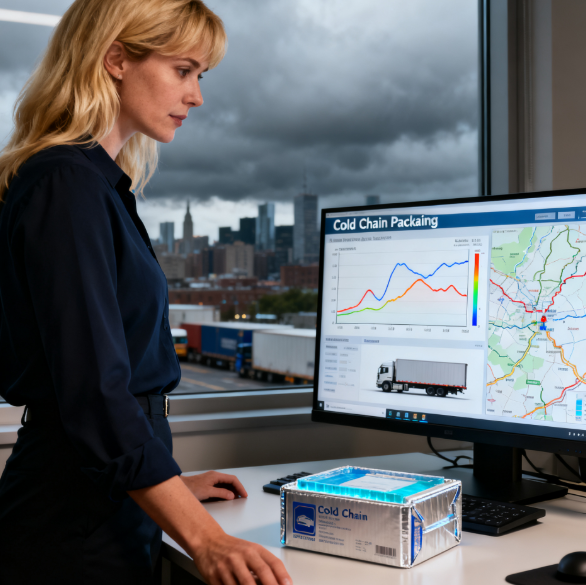
validierte Kühlkettenverpackung: Eine praktische Möglichkeit, die Verpackung anzupassen, Route, und Beweise
The safest way to evaluate validated Kühlkettenverpackung besteht darin, mit der Produktanforderung zu beginnen und sich nach außen zur Route vorzuarbeiten, Auspacken, Überwachungsplan, und Dokumentation. Unter einer validierten Kühlkettenverpackung ist eine Verpackung zu verstehen, die im Rahmen eines dokumentierten Prozesses verwendet wird, der zeigt, dass das Produkt unter definierten Bedingungen innerhalb seiner erforderlichen Grenzen bleiben kann. Das Paket mag einfach aussehen, aber die Entscheidung ist nicht. Eine zuverlässige Wahl hängt davon ab, ob der Lieferantennachweis mit Ihrer Nutzlast übereinstimmt, Deine Spur, Ihre Verzögerungsspanne, und die Art und Weise, wie die Sendung nach der Lieferung geöffnet und angenommen wird.
Beginnen Sie mit der Produktanforderung, nicht der Paketanspruch
Unter einer validierten Kühlkettenverpackung ist eine Verpackung zu verstehen, die im Rahmen eines dokumentierten Prozesses verwendet wird, der zeigt, dass das Produkt unter definierten Bedingungen innerhalb seiner erforderlichen Grenzen bleiben kann. Dieser Satz klingt einfach, Aber es ist der Schritt, der viele schwache Verpackungsentscheidungen verhindert. Ein Paket kann erst beurteilt werden, wenn der akzeptable Bereich definiert ist. Ein Etikett wie „gekühlt“., gefroren, Cool, Ambient, oder die Raumtemperatur ist möglicherweise zu vage für Beschaffung und Betrieb. Der Käufer sollte die Anforderung in einen Bereich umwandeln, eine Versanddauer, eine Verzögerungsspanne, und etwaige besondere Einschränkungen.
Sobald die Produktanforderung klar ist, Der Paketanspruch kann richtig gelesen werden. Ein Lieferant kann angeben, dass ein System über einen bestimmten Zeitraum getestet wurde, aber der Käufer muss fragen, was diese Aussage bedeutet. War die Nutzlast ähnlich?? War das Umgebungsprofil realistisch?? Wurde das Kühlmittel auf die gleiche Weise konditioniert, wie es im Lagerhaus konditioniert wird?? Das Erfolgskriterium basierte auf der Produkttemperatur oder der Lufttemperatur? Diese Fragen tragen dazu bei, zu verhindern, dass aus einer Marketingaussage eine unbegründete Qualitätsannahme wird.
Verwandeln Sie die Spur in Verpackungsanforderungen
Ein Beschaffungsteam erhält möglicherweise eine Lieferantenerklärung, dass ein Versender über einen langen Zeitraum getestet wurde. Bevor Sie es akzeptieren, Die Qualitätssicherung sollte nach dem Umgebungsprofil fragen, Nutzlast, Kühlmittelaufbereitung, Platzierung des Loggers, und Akzeptanzgrenzen verwendet wurden. Eine Anfahrtsskizze sollte mehr als nur Abholung und Lieferung beinhalten. Es sollte die Bereitstellung vor der Abholung zeigen, Trägerübergabe, Sortierung oder Flughafenabfertigung, gegebenenfalls Zoll- oder Sicherheitskontrollen, Lieferung auf der letzten Meile, und Empfangen. Jede Stufe kann die Hitzeeinwirkung erhöhen, Kälteexposition, Verzögerung, oder Öffnungsrisiko. Sobald diese Punkte sichtbar sind, Der Käufer kann entscheiden, ob die Verpackung mehr Wärmepuffer benötigt, klarere Kennzeichnung, anderes Kühlmittel, ein Datenlogger, oder eine andere Trägervereinbarung.
Dieser routenbasierte Ansatz hilft auch, Überdesign zu vermeiden. Einige Fahrspuren sind kurz, direkt, und kontrolliert. Andere sind unberechenbar und benötigen einen konservativeren Schutz. Jede Sendung gleich zu behandeln, kann entweder Geld verschwenden oder ein Risiko darstellen. Ein besseres System gruppiert Routen nach Risiko und weist Verpackungen zu, Überwachung, und Empfangsverfahren für jede Gruppe.
Was Sie überprüfen müssen, bevor Sie eine Verpackung genehmigen
| Entscheidungsbereich | Was zu überprüfen | Warum es die Sendung schützt |
|---|---|---|
| Temperaturbereich | Verwenden Sie das Etikett, Stabilitätsdatei, oder Qualitätsunterricht. | Verhindert, dass durch vage Formulierungen Akzeptanzgrenzen verdeckt werden. |
| Zuladung passt | Nutzfläche prüfen, Masse, Luftspalte, und Produktplatzierung. | Hält die getestete Verpackung nah an der echten Sendung. |
| Thermischer Beweis | Überprüfen Sie die Testdauer, Umgebungsprofil, Kühlmittel, und Akzeptanzkriterien. | Zeigt an, ob der Anspruch auf Ihre Fahrspur zutrifft. |
| Abwicklungsprozess | Bestätigen Sie, wer packt, Stufen, Schiffe, erhält, und überprüft Alarme. | Reduziert Fehler bei Übergaben und der täglichen Lagerarbeit. |
| Lieferantenänderungskontrolle | Fragen Sie, welches Material, Größe, oder Kühlmittelwechsel lösen eine Benachrichtigung aus. | Schützt die Wiederholbarkeit nach der Probenfreigabe. |
Diese Tabelle kann als kurze Genehmigungscheckliste vor dem routinemäßigen Versand verwendet werden. Es ersetzt nicht Ihren Qualitätsprozess, aber es hilft bei der Beschaffung, Operationen, und QA stellen die gleichen Fragen. Wenn eine der Antworten fehlt, Die sicherste Entscheidung besteht darin, es als Verifizierungselement zu behandeln, anstatt davon auszugehen, dass sich das Paket wie erhofft verhält.
Der Qualifikationsnachweis sollte mit der Art Ihres Versands übereinstimmen
BIP-Leitlinie der WHO, USP gute Lagerungs- und Vertriebspraktiken, IATA-Temperaturkontrollpraktiken, und die thermischen Prüfnormen der ISTA unterstützen alle risikobasiertes Denken, Der Validierungsnachweis muss jedoch mit der durchgeführten Sendung übereinstimmen. Diese Referenzen sind wertvoll, weil sie definierte Vorgehensweisen fördern, Temperaturbereichskommunikation, und risikobasierte Überprüfung. Sie sollten nicht als Abkürzungen verwendet werden. Ein unter einem Profil getestetes Packout passt möglicherweise nicht zu einer anderen Route. Der erfolgreiche Labortest eines Lieferanten deckt möglicherweise nicht die Nutzlast eines Käufers ab, Streckensaison, oder eine Praxis erhalten.
Gute Beweise haben normalerweise einen engen Umfang. Es gibt die Paketkonfiguration an, Kühlmitteltyp und Konditionierung, Nutzlast oder Simulator, Sondenstandorte, externes Profil, Dauer, und Akzeptanzgrenzen. Ein eng gefasster Anspruch ist nützlicher als ein weit gefasstes Versprechen, da er dem Käufer genau sagt, was unterstützt wird. Wenn eine Sendung außerhalb dieses Geltungsbereichs liegt, Der Käufer kann entscheiden, ob zusätzliche Tests erforderlich sind, eine konservative Verpackung, oder es ist ein anderer Servicelevel erforderlich.
Der Packout muss von echten Menschen wiederholbar sein
Kühlkettenverpackungen scheitern oft eher im normalen Betrieb als in Designbesprechungen. Ein Packer wählt möglicherweise das falsche Kühlmittel, Überspringen Sie einen Abstandshalter, einen Deckel schlecht schließen, oder stellen Sie eine Kiste zu lange vor dem Versand bereit. Ein Empfangsteam kann die Sendung bei Umgebungsbedingungen verlassen, während die Unterlagen überprüft werden. Das sind keine ungewöhnlichen Fehler; Sie sind vorhersehbare Punkte im Prozess. Verpackungsanweisungen sollten daher visuell sein, kurz, und einfach zu prüfen.
Die Wiederholbarkeit hängt auch vom Verpackungszustand ab. Mehrwegbehälter benötigen Schadenskontrollen und Reinigungsvorschriften. Versender von Einwegartikeln benötigen konsistente Materialien und klare Komponentensätze. Wenn eine Sendung von mehreren Standorten verpackt wird, Jeder Standort sollte dieselbe Version der Anweisung und dieselbe Komponentenliste verwenden. Je empfindlicher das Produkt, desto weniger Raum gibt es für informelle Vertretung.
Wenn das Paket nicht ausreicht
Ein passives Paket reicht möglicherweise nicht aus, wenn die Dauer ungewiss ist, Die Route durchquert schwierige klimatische Bedingungen, Die Nutzlast ist hochsensibel, oder die Empfangsstelle kann nicht schnell reagieren. In diesen Fällen, Käufer benötigen möglicherweise einen anderen Transportdienst, aktiv temperaturgeführter Transport, zusätzliche Überwachung, Geänderte Lieferzeiten, oder eine spurspezifische Qualifikation. Die Verpackung ist eine Kontrollebene, nicht die gesamte Kühlkette.
Das gleiche Prinzip gilt für Daten. Ein Logger ist wertvoll, aber es hält die Temperatur nicht aufrecht. Ein Alarm teilt dem Qualitätsteam mit, dass eine Überprüfung erforderlich ist; Es entscheidet nicht allein über die Produktdisposition. Die zuverlässigsten Systeme verbinden die physische Verpackung mit den Anweisungen des Spediteurs, Empfangsregeln, Überwachungsaufgaben, und Eskalationsschritte.
Ein praktisches Beispiel für ein besseres Genehmigungsgespräch
Anstatt einen Lieferanten nach einer allgemeinen Paketempfehlung zu fragen, Ein Käufer kann sagen: Die Sendung muss innerhalb eines definierten Bereichs bleiben, Die erwartete Transitzeit ist ein bestimmter Zeitraum mit einer Verzögerungsmarge, Die Nutzlast hat diese Abmessungen und Masse, Die Route beinhaltet diese Übergaben, und das Wareneingangsteam kann die Waren innerhalb eines definierten Workflows ins Lager überführen. Der Lieferant kann dann eine spezifische Isolierungs- und Kühlmittelkonfiguration besprechen, Verpackungsgröße, Platzierung des Loggers, und Beweispaket.
Hilfreiche Entscheidungshilfen
Überprüfen Sie die Details, bevor Sie sich für die Verpackung entscheiden
Mit diesen schnellen Tools können Sie das Routenrisiko vergleichen, Größenanforderungen, Kühlmittelauswahl, und Verpackungsdetails, bevor Sie ein Angebot anfordern.
Eisbeutel-Rechner
Schätzen Sie die Menge an Gel-Eisbeuteln für gekühlte Sendungen und nutzen Sie die praktische Routenplanung.
Schätzen Sie EisbeutelRoutenrisiko-Checker
Überprüfen Sie die Fahrspurbedingungen, bevor Sie die Verpackung entsprechend den tatsächlichen Betriebsanforderungen auswählen.
Streckenrisiko prüfenFallfestigkeit des Isolationsmaterials
Überprüfen Sie die Fallfestigkeit und die Handhabungsfaktoren, bevor Sie Isoliermaterialien auswählen.
Widerstand prüfenDieses Gespräch ist für beide Seiten nützlicher. Der Käufer vermeidet die Zahlung für Funktionen, die das Risiko nicht berücksichtigen. Der Lieferant vermeidet Mutmaßungen. Das Qualitätsteam erhält eine klarere Grundlage für die Freigabe. Am wichtigsten, Lagerteams erhalten eine wiederholbare Auspackung, Kein Design, das nur funktioniert, wenn jede verborgene Annahme perfekt ist.
Eine verwendbare Genehmigungsdatei für validierte Kühlkettenverpackungen
Eine praktische Genehmigungsakte sollte kein Stapel unzusammenhängender Broschüren sein. Es sollte Produkttemperaturgrenzen verbinden, Streckenbedingungen, Packout-Design, Komponentenspezifikationen, Testnachweise, Logger-Verfahren, Trainingserwartungen, und Änderungskontrolle. Wenn der Versand ein hohes Risiko darstellt, Für die Qualitätssicherung sind möglicherweise zusätzliche Qualifikations- oder Spurdaten erforderlich. Wenn es sich bei der Sendung um ein geringes Risiko handelt, Eine einfachere Datei kann akzeptabel sein. Der Umfang sollte gewollt sein.
In der Genehmigungsakte sollte auch angegeben werden, was außerhalb des Geltungsbereichs liegt. Zum Beispiel, eine andere Nutzlastmasse darf nicht abgedeckt werden, eine längere Verzögerung, ein anderes Kühlmittel, ein anderer Träger, oder eine neue Klimazone. Durch schriftliche Ausschlüsse wird der Käufer eindeutig davor geschützt, Beweismittel über den vorgesehenen Zweck hinaus wiederzuverwenden.
Zusätzliche Käuferkontrollen vor dem routinemäßigen Versand
Bevor der Routineversand beginnt, Vergleichen Sie die Verpackung mit der Art und Weise, wie der Vorgang tatsächlich funktioniert. Stellen Sie sicher, dass im Packbereich genügend Platz vorhanden ist, dass Kapazität zur Kühlmittelaufbereitung vorhanden ist, dass die Beschriftungen der Komponenten klar sind, und diese Bereitstellungszeit wird kontrolliert. Eine validierte Kühlkettenverpackung sollte nicht davon abhängen, dass ein erfahrener Verpacker sich an informelle Schritte erinnert. Es sollte von einem geschulten Team wiederholbar sein und jedes Mal dieselben Materialien und dieselben Anweisungen verwenden.
Überprüfen Sie auch, wie Ausnahmen behandelt werden. Wenn ein Kurier zu spät kommt, Kann die geschlossene Verpackung zur kontrollierten Lagerung zurückgegeben werden?, Oder muss es neu verpackt werden? Wenn eine Komponente fehlt, ist eine Substitution erlaubt? Wenn ein Temperaturalarm auftritt, Wer entscheidet, ob das Produkt verwendet werden darf?? Diese Angaben können beim Kauf leicht übersprungen werden, Aber sie entscheiden darüber, wie gut die Verpackung unter Druck funktioniert.
Der Erhalt von Schecks ist Teil der Paketentscheidung
Die Kühlkette endet nicht, wenn das Paket die Zieltür erreicht. Das Empfangspersonal sollte wissen, wohin es die Nutzlast transportieren muss, wann die Temperaturaufzeichnung gelesen oder heruntergeladen werden soll, wie man das Paket prüft, und an wen Sie sich wenden können, wenn ein Alarm oder ein sichtbarer Schaden auftritt. Wenn das Paket ungeöffnet in einem unkontrollierten Bereich liegt, während der Papierkram erledigt ist, Eine gut gestaltete Verpackung kann dennoch ihren Sicherheitsspielraum verlieren.
Für Käufer, Dies bedeutet, dass bei der Lieferantenauswahl auch die Verwendbarkeit am Zielort berücksichtigt werden sollte. Klare Etiketten, einfache Öffnungsschritte, sichtbare Komponentenreihenfolge, und ein definierter Logger-Abrufpunkt reduzieren Verwirrung. Ein Verpackungssystem, das eine besondere Interpretation durch den Absender erfordert, ist möglicherweise nicht für verteilte Kliniken geeignet, Apotheken, Depots, oder internationale Receiver mit unterschiedlichem Ausbildungsstand.
FAQ
Was ist der erste Schritt bei der Auswahl validierter Kühlkettenverpackungen??
Definieren Sie die Anforderungen an die Produkttemperatur und die Routenbedingungen, bevor Sie die Paketansprüche bewerten. Der Lieferant braucht das Sortiment, Dauer, Verzögerungsspielraum, Nutzlast, Transportart, und Handhabungseinschränkungen, um eine Verpackung mit realistischen Beweisen zu empfehlen.
Wie soll ich einen Haltezeit- oder Leistungsanspruch lesen??
Lesen Sie es als Testergebnis unter bestimmten Bedingungen. Fragen Sie nach dem Umgebungsprofil, Nutzlast, Kühlmittelaufbereitung, Packout-Diagramm, Platzierung der Sonde, Dauer, und Akzeptanzkriterien. Wenn diese Angaben nicht mit Ihrer Sendung übereinstimmen, Die Behauptung kann zwar immer noch informativ sein, sollte aber nicht als direkter Beweis betrachtet werden.
Was sollte in einer Genehmigungsdatei für eine Kühlkettenverpackung enthalten sein??
Eine praktische Datei kann Produkttemperaturgrenzwerte enthalten, Wegbeschreibung, Verpackungsspezifikation, Verpackungsanweisung, thermischer Beweis, Protokollierungsvorgang, Unterricht erhalten, und Erwartungen der Lieferanten an die Änderungskontrolle. Die genaue Datei hängt vom Produktrisiko und den Qualitätsanforderungen ab.
Wann sollte ein Käufer die Verpackung noch einmal überprüfen??
Überprüfen Sie die Verpackung, wenn sich die Route ändert, Versanddauer ändert sich, Nutzlaständerungen, Kühlmittel- oder Isolierungsänderungen, Änderungen des Netzbetreiberdienstes, Die saisonale Exposition nimmt zu, oder Temperaturaufzeichnungen zeigen wiederholte Alarme. Eine Verpackungsentscheidung ist nicht dauerhaft, wenn sich die Betriebsbedingungen ändern.
Abschluss
Eine gute Entscheidung für eine validierte Kühlkettenverpackung basiert auf vier zusammenhängenden Fakten: die Produktpalette, das Streckenrisiko, die getestete Verpackung, und den betrieblichen Ablauf. Verlassen Sie sich nicht auf die Kartongröße, beworbene Dauer, oder nur eine generische Compliance-Sprache. Fragen Sie, was getestet wurde, was wird wiederholt, was überwacht wird, und wer das Ergebnis überprüft. So wird die Verpackung zu einem kontrollierten Teil der Kühlkette und nicht zu einem Last-Minute-Kauf.
Über Tempk
Tempk hilft Käufern dabei, Kühlkettenverpackungen praktisch zu besprechen: erforderliche Reichweite, Auspacken, Streckendauer, Überwachung, und Dokumentation. Für validierte oder qualifikationsbewusste Projekte, Das bedeutet, dass geklärt werden muss, welche Beweise verfügbar sind und was noch vom Qualitätsteam des Käufers überprüft werden muss.
Besprechen Sie Ihre Sendung mit Tempk
Bitten Sie Tempk, Ihre Route zu überprüfen, Nutzlast, erforderlichen Temperaturbereich, und belegen Sie die Erwartungen, bevor Sie die Auswahl einer Kühlkettenverpackung von der Probe bis zum regulären Versand skalieren.