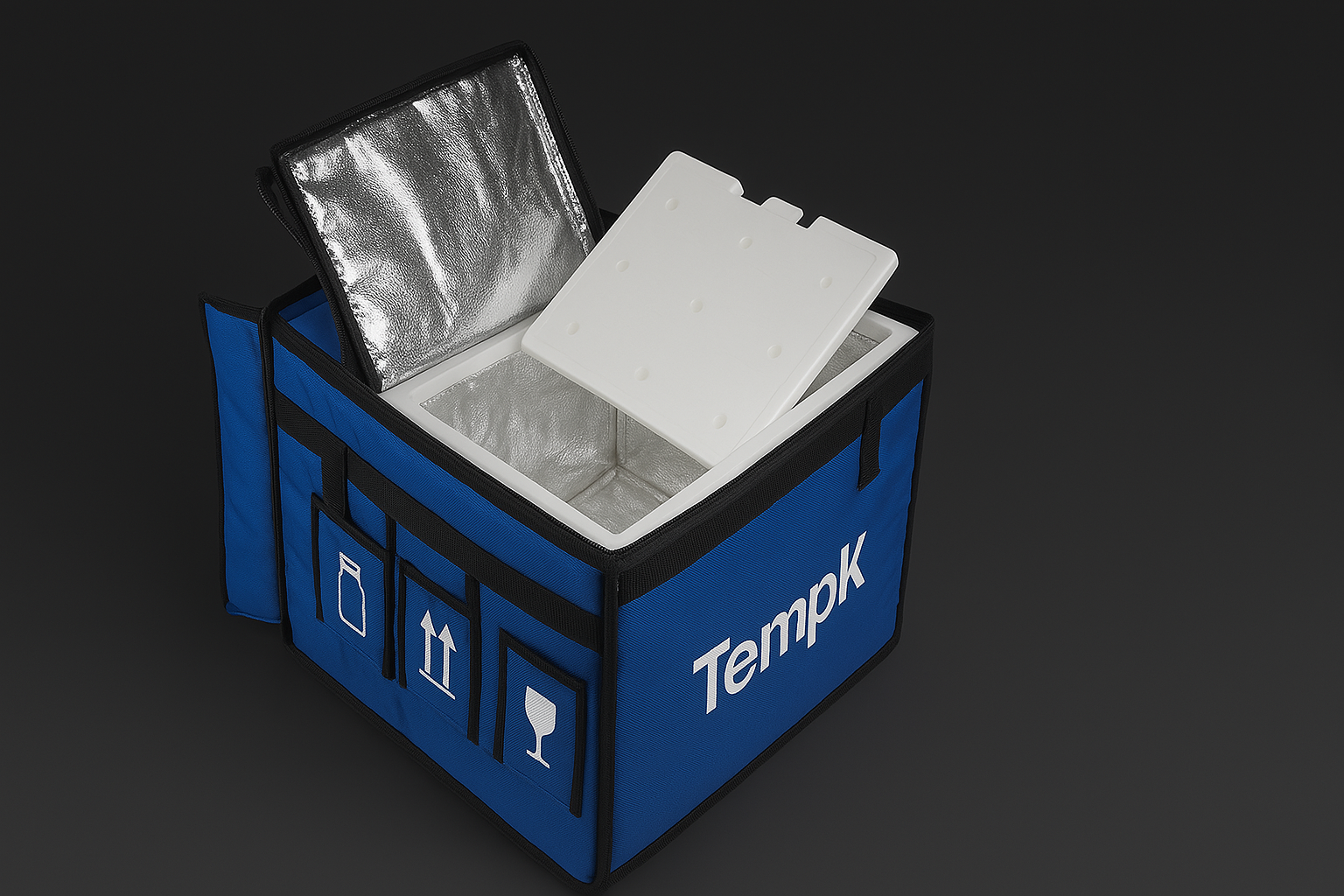
VIP-Kühlversandbox für Biotech-Transporte: Einkaufsführer für Kühlkettenteams
Biotech-Lieferungen sind oft klein, wertvoll, und unversöhnlich. Eine VIP-Kühlversandbox für Biotech-Transporte sollte nicht nur nach der Isolationsstärke beurteilt werden, Katalogfotos, oder eine weit gefasste Aussage wie „wiederverwendbar“., recycelbar, gekühlt, oder konform. Die praktische Frage ist, ob die fertige Verpackung die Nutzlast auf der von Ihnen tatsächlich genutzten Strecke schützen kann. Das bedeutet, den erforderlichen Temperaturbereich zu bestätigen, das Nutzlastvolumen, Kühlmitteltyp, Übergabebedingungen, und die Nachweise, die Ihr Qualitäts- oder Betriebsteam nach Erhalt benötigt. In diesem Artikel wird die Entscheidung aus Käufersicht betrachtet, wobei der Fokus eher auf nützlichen Prüfungen als auf allgemeiner Produktsprache liegt.
Was das für Ihr Team bedeutet
Sie kaufen keinen generischen Kühler. Sie wählen ein wiederholbares Verpackungssystem für den Versand von Biologika, Reagenzien, Zellkulturmaterialien, oder Forschungsproben auf kurzen und mittleren Wegen. Der sichere Weg besteht darin, den erforderlichen Temperaturbereich zu definieren, Streckenbelichtung, Nutzlast, Kühlmittel, Abwicklungsprozess, und notieren Sie die Anforderungen, bevor Sie die Box-Spezifikation festlegen.
Was eine VIP-Kühlversandbox für Biotech-Sendungen vor dem Kauf beweisen muss
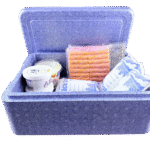
Unter einer VIP-Kühlversandbox für Biotech-Transporte versteht man im Allgemeinen einen passiv isolierten Container, der mithilfe der vakuumisolierten Panel-Technologie die Wärmeübertragung um eine temperaturempfindliche Nutzlast herum reduziert. Passiv bedeutet, dass der Behälter selbst keine Kälte erzeugt. Es funktioniert konditioniert Gelpackungen, PCM -Packungen, ggf. Trockeneis, oder eine andere Kältemittelstrategie. Der Satz gekühlt, wenn es in diesem Zusammenhang verwendet wird, bedeutet in der Regel, dass das Versandsystem für Kühltransporte ausgelegt ist, nicht, dass die Box eine elektrische Kühleinheit enthält.
Dieser Unterschied ist wichtig, da Käufer Kartons manchmal so vergleichen, als ob allein die Isolierung der ausschlaggebende Faktor wäre. In der Praxis, Die Box ist Teil einer Verpackung. Das Kühlmittel muss ordnungsgemäß konditioniert sein, Die Nutzlast muss passen, ohne den Luftstrom oder die Abscheider zu beeinträchtigen, und der Deckel muss gleichmäßig schließen. Wenn die Sendung Teil eines Arzneimittels ist, diagnostisch, Biotech, oder Krankenhaus-Workflow, Ihr Qualitätsteam benötigt möglicherweise auch dokumentierte Verfahren, Temperaturaufzeichnungen, Abweichungsregeln, und Nachweis, dass das gewählte System für das Produkt und die Spur geeignet ist.
Eine sinnvolle Möglichkeit, die Verpackung zu bewerten, besteht darin, drei Fragen zu trennen. Erste, Was muss das Produkt während des Transports erleben?? Zweite, Was kann das Verpackungssystem unter relevanten Test- oder Betriebsbedingungen nachweisen?? Dritte, Was muss Ihr Team beim Versand und Empfang überprüfen?? Die Trennung dieser Fragen verhindert, dass breite Behauptungen praktische Beweise ersetzen. Es hilft Ihnen auch, Lieferanten zu vergleichen, ohne davon auszugehen, dass jeder VIP -Box verhält sich nach dem Packen genauso, gehandhabt, zurückgegeben, und wiederverwendet.
Beginnen Sie mit der Nutzlast, Route, und Beweise
Beginnen Sie mit der Nutzlast, nicht die Box. Die Außenmaße geben Aufschluss darüber, wie das Paket zu einem Fahrzeug passt, Kurierroute, oder Lagerregal, Aber das nutzbare Innenvolumen gibt Aufschluss darüber, ob das Produkt und das Kühlmittel hineinpassen, ohne dass Druckstellen oder thermische Kurzschlüsse entstehen. Für kleine Fläschchen oder Kits kann ein schmaler Nutzlasthohlraum akzeptabel sein, während ein sperrigeres Produkt möglicherweise mehr Abstand benötigt, Separatoren, oder eine andere Kühlmittelanordnung. Fragen Sie, ob es sich bei der angegebenen Kapazität um das Bruttoinnenvolumen oder den nutzbaren Nutzlastraum handelt, nachdem Kühlmittel und Trennwände installiert wurden.
Nächste, Definieren Sie die Route. Eine Route ist nicht nur die Fahr- oder Flugzeit. Es beinhaltet die Vorkonditionierung, Lagerbereitstellung, Laden, Trägerübergabe, Zoll festhalten, Verspätungsrisiko am Wochenende, Empfangsdockzeit, und die erste Inspektion nach der Lieferung. In diesen Übergangszonen kommt es zu vielen Temperaturschwankungen, weil die Verantwortung den Besitzer wechselt. Ein VIP-Kühlversandkarton für Biotech-Sendungen sollte daher anhand des längsten realistischen Expositionsmusters bewertet werden, nicht nur das geplante Transitfenster.
Endlich, Entscheiden Sie, welche Beweise akzeptabel sind, wenn etwas schief geht. Ein Käufer, der Medikamente transportiert, Diagnosematerialien, oder Life-Science-Produkte benötigen möglicherweise einen Loggerbericht, ein Packout-Rekord, ein Foto des geschlossenen Pakets, eine Aufzeichnung der Kühlmittelaufbereitung, oder eine Empfangscheckliste. Eine Box, die bei einer Demonstration gut funktioniert, aber keine wiederholbare Dokumentation unterstützt, kann später zu Arbeit für das Qualitätsteam führen. Die bessere Kauffrage ist nicht „Wie kalt ist es?“.?‘, sondern ‚Kann sich unser Team wiederholen?‘, dokumentieren, und überprüfen Sie diese Verpackung unter normalem Betriebsdruck?'
Käufer-Checkliste für die Musterbewertung
| Käuferfrage | Warum ist es wichtig | Was Sie den Lieferanten fragen sollten |
|---|---|---|
| Was ist der erforderliche Produkttemperaturbereich?? | Das Feld kann die Produktanforderung nicht definieren. | Erkundigen Sie sich, wie die Verpackung auf das angegebene Sortiment und die Produktempfindlichkeit abgestimmt ist. |
| Wie groß ist der nutzbare Nutzlastraum?? | Kühlmittel und Abscheider verringern das verfügbare Volumen. | Bestätigen Sie das nutzbare Volumen nach dem Kühlmittel, nicht nur Bruttoinnenmaße. |
| Anhand welcher Route wurde das System bewertet?? | Labor- oder Mustervorführungen passen möglicherweise nicht zu Ihrer Spur. | Fordern Sie das Testprofil an, Nutzlastannahmen, Umgebungseinflüsse, und Akzeptanzkriterien. |
| Wie wird mit der Box nach Gebrauch umgegangen?? | Die Wiederverwendung kann die Leistung verändern, wenn ein Schaden übersehen wird. | Fragen Sie nach Kontrollpunkten, Reinigungsanleitung, und Prüfung auf Beschädigungen der Schalttafeln. |
| Welche Datensätze können geliefert werden?? | Qualitätsteams brauchen Beweise, keine Slogans. | Fordern Sie Datenblätter an, Verpackungsanweisungen, und jegliche verfügbare Qualifizierungsunterstützung. |
Ein Käufer kann diese Fragen verwenden, bevor er Muster oder Angebote anfordert. Sie halten die Diskussion auf die Routentauglichkeit konzentriert, Nutzlast passt, und Beweise. Dies führt in der Regel zu einem sinnvolleren Gespräch mit dem Lieferanten, als wenn man um eine möglichst lange Wartezeit bittet, ohne das Produkt und die Produktlinie zu erläutern.
VIP-Materialien, Wiederverwendung, und Rückforderungsansprüche
Die VIP-Technologie ist attraktiv, weil sie eine hohe Isolierung in einer dünneren Wand als viele herkömmliche Schäume bieten kann. Dadurch kann bei gleicher Außenfläche mehr Nutzlastraum entstehen. Der Vorteil ist nützlich, wenn Sie wertvolle Kleinteile versenden, Sie benötigen eine kompakte, kurierfreundliche Box, oder die Kältemittelbelastung reduzieren möchten. Doch dünnere Wände bedeuten nicht automatisch eine einfachere Bedienung. VIP-Panels müssen vor Pannen geschützt werden, zerquetschen, Kantenschäden, und Feuchtigkeitseinwirkung. Ein beschädigtes Panel verhält sich möglicherweise nicht wie ein neues Panel, auch wenn die äußere Verpackung noch akzeptabel aussieht.
Für wiederverwertbare Materialien oder Mehrzweckprogramme, Eine weitere praktische Frage ist die Materialtrennung. Eine Box kann eine recycelbare Außenhülle haben, wiederverwendbare Trennwände, austauschbare Paneele, Und Kühlmittelpakete die einem anderen Wiederherstellungspfad folgen. Das gesamte Schifffahrtssystem sollte nicht mit einer einzigen Umweltaussage beschrieben werden, es sei denn, die Aussage kann auf dem Markt, auf dem es verkauft oder genutzt wird, untermauert werden. Wenn Nachhaltigkeit zum Kaufgrund gehört, Fragen Sie, wie der Lieferant Wiederverwendung definiert, Was passiert am Ende des Lebens?, und ob die lokale Recyclinginfrastruktur die entsprechenden Komponenten verarbeiten kann.
Der sicherste Ansatz besteht darin, das System genau zu beschreiben. Eine VIP-Loge kann einen reduzierten Materialverbrauch unterstützen, wiederholter Gebrauch, oder Wiederherstellung ausgewählter Komponenten, aber das sind unterschiedliche Behauptungen. Sie sollten getrennt von der thermischen Leistung überprüft werden. Ihre Verpackungsspezifikation kann beide Seiten umfassen: wie das System schützt temperaturempfindliche Produkte und wie es zurückgegeben werden soll, inspiziert, gereinigt, getrennt, oder im Ruhestand.
Compliance-Sprache, ohne zu viel zu versprechen
Life-Science- und Biotech-Transporte bewegen sich oft zwischen Forschungsflexibilität und regulierter Disziplin. Nicht jede Lieferung ist ein kommerzielles Arzneimittel, Dennoch sind viele Materialien teuer, instabil, oder schwer zu ersetzen. Bei der Verpackungsentscheidung sollte daher auch bei unterschiedlichen formalen regulatorischen Anforderungen eine qualitätsorientierte Denkweise zum Einsatz kommen. Bestätigen Sie den zulässigen Temperaturbereich des Materials, Gefrierempfindlichkeit, Lichtempfindlichkeit, Kontaminationsrisiko, Dokumentationsbedarf, und was das Empfangspersonal vor der Annahme der Sendung prüfen muss.
Wenn es sich bei dem Material um ein Arzneimittel handelt, biologisch, klinische Versorgung, diagnostische Probe, oder regulierte Probe, Es können zusätzliche Anforderungen gelten. Die Box sollte als eine Komponente in einem kontrollierten Verteilungsprozess betrachtet werden. Es kann die Wärmeübertragung verlangsamen und die Nutzlastumgebung schützen, aber es kann das Material nicht klassifizieren, Erstellen Sie eine Sorgerechtskette, oder entscheiden Sie, ob eine Temperaturabweichung akzeptabel ist. Diese Entscheidungen gehören in schriftliche Verfahren und Qualitätsprüfungen.
Im Beschaffungsalltag, Das bedeutet, dass Dokumente angefordert werden müssen, die dem Risikograd der Sendung entsprechen. Für eine Lebensmittel- oder interne Probenroute mit geringem Risiko sind möglicherweise einfache Verpackungsanweisungen und Empfangskontrollen erforderlich. Ein pharmazeutischer oder diagnostischer Arbeitsablauf erfordert möglicherweise formellere Nachweise, Änderungskontrolle, und Qualitätsfreigabe. Der Ausdruck „konform“ sollte immer zu einer Folgefrage führen: konform mit welchem Verfahren, Produktanforderung, Testbasis, Route, und Markt?
Hilfreiche Entscheidungshilfen
Überprüfen Sie die Details, bevor Sie sich für die Verpackung entscheiden
Mit diesen schnellen Tools können Sie das Routenrisiko vergleichen, Größenanforderungen, Kühlmittelauswahl, und Verpackungsdetails, bevor Sie ein Angebot anfordern.
Fallfestigkeit des Isolationsmaterials
Überprüfen Sie die Fallfestigkeit und die Handhabungsfaktoren, bevor Sie Isoliermaterialien auswählen.
Widerstand prüfenBoxliner & Dimensionierung der Palettenabdeckung
Überprüfen Sie die Größenlogik für Kartoneinlagen und Palettenabdeckungen für isolierte Verpackungsprojekte.
Schätzen Sie die GrößeRoutenrisiko-Checker
Überprüfen Sie die Fahrspurbedingungen, bevor Sie die Verpackung entsprechend den tatsächlichen Betriebsanforderungen auswählen.
Streckenrisiko prüfenEine typische Sendung, bei der es auf die Details ankommt
Stellen Sie sich ein Team vor, das am Donnerstagnachmittag eine Lieferung vorbereitet. Das Produkt ist ordnungsgemäß verpackt, Das Kühlmittel wurde konditioniert, und die Route wird voraussichtlich am nächsten Morgen eintreffen. Dann verpasst das Paket die erste Verbindung, wartet an einem Dock, und erreicht den Empfänger erst spät. Die Frage ist nicht, ob die VIP-Kühlversandbox für Biotech-Sendungen beim Versand professionell aussah. Die Frage ist, ob das Packout auf eine realistische Verzögerung ausgelegt ist, ob der Empfänger das Paket zeitnah prüfen kann, und ob die Temperaturaufzeichnung oder der Abnahmeprozess dem Team sagt, was als nächstes zu tun ist.
Dieses typische Szenario zeigt, warum Käufer sich nicht nur auf die nominale Transitzeit konzentrieren sollten. Eine VIP-Loge kann thermische Marge kaufen, aber die Marge wird durch das Staging verbraucht, Öffnung, Umpacken, schlechter Abschluss, und unerwartete Umgebungseinflüsse. Kleine Sendungen können besonders trügerisch sein, da die Nutzlast eine geringere thermische Masse hat. Ein paar Fläschchen, Testkits, oder Reagenzflaschen können sich schneller erwärmen oder abkühlen als eine schwerere Ladung, sogar innerhalb derselben Box. Wenn das Packout mit einer anderen Nutzlast getestet wurde, Das Ergebnis wird möglicherweise nicht sauber übertragen.
Für wiederholte Bahnen, Die praktische Antwort besteht darin, den Arbeitsablauf zu standardisieren. Definieren Sie, wer das Kühlmittel aufbereitet, wie die Nutzlast angeordnet ist, wo der Logger platziert wird, falls er verwendet wird, Wie lange darf die Box bis zur Abholung warten?, welches Etikett oder welche Anweisung der Empfänger sieht, und was passiert mit zurückgegebener Verpackung?. Eine einfache schriftliche Verpackung kann mehr Ausfälle verhindern als eine uneinheitlich genutzte Premium-Box.
Beschaffungsfragen, die kostspielige Fehlanpassungen verhindern
Eine praktische Lieferantenbewertung für einen VIP-Kühlversandkarton für Biotech-Sendungen sollte so spezifisch sein, dass zwei Anbieter nicht mit der gleichen allgemeinen Broschüre antworten können. Fragen Sie nach Innen- und Außenmaßen, nutzbarer Laderaum nach Kühlmittel, kompatible Kältemitteloptionen, Verschluss- und Deckeldesign, Reinigungsanleitung, Inspektionspunkte wiederverwenden, und verfügbare Dokumentation. Wenn ein Lieferant einen Anspruch auf Wartezeit geltend macht, Fragen Sie, welches Testprofil, Nutzlast, Kühlmittelbelastung, und Akzeptanzkriterien wurden verwendet. Wenn die Antwort nicht verfügbar ist, Behandeln Sie die Reklamation eher als erste Schätzung denn als Kaufentscheidung.
Zur Probenauswertung, Verpacken Sie die Probe mit dem tatsächlichen Produkt oder einem realistischen Ersatz. Verwenden Sie das vorgesehene Verfahren zur Kühlmittelaufbereitung. Lassen Sie die Personen, die die Sendung verpacken und entgegennehmen, mit dem Karton umgehen, nicht nur das Engineering-Team. Möglicherweise bemerken sie praktische Probleme, die in einem Datenblatt nicht aufgeführt sind: ein Deckel, der schwer zu schließen ist, ein Nutzlasthohlraum, der eine falsche Platzierung begünstigt, ein zu kleiner Etikettenbereich, oder ein Rückreinigungsschritt, der für den täglichen Betrieb unrealistisch ist.
Vor der Skalierung vom Muster zur Produktion, Bestätigen Sie die Erwartungen an die Änderungskontrolle. Wird der Lieferant Sie über die Panelstruktur informieren?, Außenhüllenmaterial, Kühlmittelspezifikation, oder Abmessungen ändern sich? Sind Ersatzteile verfügbar?? Können Produktionseinheiten mit dem genehmigten Muster übereinstimmen?? Für regulierte oder qualitätssensible Ladung, Kleine Änderungen an Verpackungskomponenten können das thermische Verhalten beeinflussen. Der Einkauf sollte daher qualitätsorientiert funktionieren, Operationen, und Logistik vor der Genehmigung von Großbestellungen.
FAQ
Ist eine VIP-Kühlversandbox für Biotech-Sendungen automatisch für alle Kühlsendungen geeignet?
NEIN. Es kann für einige Kühlsendungen geeignet sein, sondern die Produktpalette, Nutzlast, Kühlmittel, Route, und Akzeptanzkriterien müssen bestätigt werden. Eine passive VIP-Box verlangsamt die Wärmeübertragung; Es definiert weder den erforderlichen Temperaturbereich noch macht es eine Packout-Validierung überflüssig. Käufer sollten eine Dokumentation anfordern, die zu ihrem Produkt und ihrer Spur passt.
Was sollte ich fragen, bevor ich Muster bestelle??
Fragen Sie nach nutzbarem Laderaum, kompatible Kühlmitteloptionen, Packout-Anleitung, Details zum Panelschutz, Reinigungs- oder Wiederverwendungsanweisungen, und die Grundlage eines etwaigen Haltezeitanspruchs. Teilen Sie Ihr Produktsortiment, Route, Nutzlast, und Empfangen von Anforderungen, damit der Lieferant ein System anstelle einer generischen Box empfehlen kann.
Sollte ich Gelpackungen verwenden?, PCM -Packungen, oder Trockeneis mit VIP-Loge?
Die Auswahl hängt von der Produktpalette und der Route ab. Gelpackungen eignen sich für viele gekühlte oder gekühlte Anwendungen; PCM-Pakete sind nützlich, wenn ein engerer Phasenübergangspunkt benötigt wird; Trockeneis wird für einige Tiefkühlanwendungen verwendet, erfordert jedoch gesonderte Handhabungs- und Etikettierungsaspekte. Das Kühlmittel muss auf die Produktempfindlichkeit und die getesteten Packout-Annahmen abgestimmt sein.
Wo soll ein Temperaturlogger platziert werden??
Die Platzierung der Logger sollte widerspiegeln, was Ihr Qualitätsteam wissen muss. Es sollte nicht dort platziert werden, wo es zu einer irreführenden Lesart führt, blockiert den Deckel, oder das Kühlmittel auf eine Weise berührt, die nicht die Nutzlast darstellt. Für Hochrisikosendungen, Definieren Sie die Position des Loggers in der Packout-Anweisung und halten Sie den Ansatz konsistent.
Wie vergleiche ich Lieferanten, ohne mich auf Marketingaussagen zu verlassen??
Geben Sie jedem Lieferanten das gleiche Versandszenario vor und fordern Sie die gleichen Informationen an: nutzbares Volumen, Kühlmittelkonfiguration, Routenannahmen, Testbasis, verfügbare Dokumentation, Inspektionsschritte, und Change-Control-Erwartungen. Ein klares, Eine begrenzte Antwort ist oft nützlicher als eine allgemeine Aussage, die Leistung für jede Route verspricht.
Abschluss
Eine VIP-Kühlversandbox für Biotech-Sendungen kann eine starke Kühlkettenoption sein, wenn sie als Teil eines Systems behandelt wird. Die Box verlangsamt die Wärmeübertragung; Das Kühlmittel verwaltet die Wärmequelle; Die Verpackung steuert das Layout; Die Route bestimmt die Belichtung; und der Empfangsprozess entscheidet, ob die Sendung angenommen werden kann. Käufer, die diese Rollen trennen, treffen bessere Entscheidungen als Teams, die sich auf breite Produktetiketten verlassen.
Vor der Bestellung, Bestätigen Sie den erforderlichen Bereich des Produkts, nutzbarer Nutzlastraum, Kühlmittelplan, Streckenbedingungen, Beweisbedarf, und Wiederverwendungs- oder Wiederherstellungsprozess. Für qualitätssensible Produkte, Beziehen Sie Betrieb und Qualität frühzeitig ein. Die zuverlässigste Verpackungswahl ist normalerweise die, die Ihr Team wiederholen kann, überprüfen, und unter normalen Arbeitsbedingungen dokumentieren.
Über Tempk
Tempk konzentriert sich auf Temperaturkontrollierte Verpackung Lösungen wie VIP medizinische Kühlboxen, EPP Cooler Boxen, Gelpackungen, PCM -Packungen, und verwandt Kühlkettenverpackung Komponenten. Für Käufer, die eine VIP-Kühlversandbox für Biotech-Sendungen bewerten, Bei dem nützlichen Gespräch geht es nicht nur um die Kastengröße oder die Art der Isolierung. Es geht darum, das Paket auf das Produktsortiment abzustimmen, Nutzlast, Route, Kühlmittel, und Abwicklungsprozess. Tempk kann Teams dabei helfen, praktische Verpackungsoptionen zu vergleichen und klarere Fragen vorzubereiten, bevor sie von Mustern zu wiederholten Lieferungen übergehen.
Teilen Sie Ihre Route, Nutzlastgröße, Produkttemperaturbereich, und Wiederverwendungsziel mit Tempk, um praktische VIP-Kühlversandboxen für Biotech-Versandoptionen zu vergleichen, bevor Sie eine Großbestellung aufgeben.