VIP-Versandkoffer für GDP-konformen Versand: Praktischer Auswahlleitfaden
Der sicherste Weg, einen VIP-Versandkoffer zu bewerten GDP-konformer Versand besteht darin, es als Teil eines kontrollierten Packout-Systems zu behandeln. VIP-Isolierung kann einen starken Wärmewiderstand in einer kompakten Struktur bieten, Es kann jedoch nicht Ihren erforderlichen Temperaturbereich definieren, Konditionieren Sie Ihr Kühlmittel, verhindern eine schlechte Beladung, oder schreiben Sie Ihr Empfangsverfahren. Für GDP-konformen Versand, Die sinnvolle Entscheidung ist, ob der Container, Kühlmittel, Nutzlastschutz, Überwachung, und Dokumentation passen alle zu der Route, die Sie tatsächlich versenden.
Praktische Antwort, bevor Sie Lieferanten in die engere Auswahl nehmen
Ein VIP-Versandkarton für den GDP-konformen Versand ist eine gute Wahl, wenn Ihr aktuelles Paket zu groß ist, zu nahe an den Temperaturgrenzen, an Übergabepunkten zu schwach, oder zu schwer zu dokumentieren. Es ist nicht automatisch für jede Sendung die richtige Lösung. Der erforderliche Temperaturbereich, Streckendauer, Nutzlastgeometrie, Kühlmittelwahl, und Evidenzerwartungen sollten definiert werden, bevor Sie Proben vergleichen.
Ordnen Sie die Sendung zu, bevor Sie den Karton genehmigen
Die erste Spezifikation ist nicht die Außenabmessung, Wandstärke, oder Preis. Es ist die Route. Eine Route beinhaltet die Transitzeit, Inszenierungszeit, Fahrzeug- oder Flugzeugübergaben, Zoll- oder Lagerverweildauer, saisonale Exposition, und den Empfangsprozess. Für GDP-konformen Versand, Diese Punkte stellen das meiste praktische Risiko dar, da sich das Produkt bei einem Transport häufig außerhalb der idealen Lagerbedingungen befindet, Überprüfung, oder warten.
Ein gut ausgewählter VIP-Container bietet Ihnen eine höhere Isolationseffizienz als viele herkömmliche Schaumstoff- oder Plastikboxen im gleichen Paketvolumen. Dieser Vorteil ist wichtig, wenn Ihr Versandziel darin besteht, die Produktqualität während des Transports aufrechtzuerhalten und gleichzeitig den Nachweis der Lagerbedingungen zu erbringen, Übergaben, und Abweichungen wurden kontrolliert. Es ist weniger wichtig, wenn die Sendung kurz ist, vorhersehbar, niedriger Wert, und bereits mit einem einfacheren Paket bewährt. Der Container sollte erst ausgewählt werden, wenn Sie wissen, wo das aktuelle Paket scheitert oder wo der nächste Weg schwieriger wird.
Schreiben Sie die Spur als einfache Betriebsgeschichte auf, bevor Sie ein Muster anfordern: Produkt verlässt das Lager, Bediener konditionieren das Kühlmittel, Die Nutzlast ist geladen, Der Deckel ist geschlossen, Ein Spediteur holt die Kiste ab, Übergaben erfolgen, die Sendung kommt an, und der Empfänger öffnet es. Bei jedem Schritt, Fragen Sie, was die Temperatur ändern könnte, die Nutzlast beschädigen, oder den Beweis schwächen. Diese eine Übung liefert normalerweise bessere Kaufkriterien als eine lange Liste allgemeiner Angaben zur Isolierung.
Warum ein Versandkarton allein eine Sendung nicht GDP-konform macht
Das BIP ist ein Rahmen für die Verteilungsqualität. Es handelt sich nicht um einen Aufkleber, den ein Behälter allein verdient. Ein VIP-Fall kann einen BIP-konformen Versand unterstützen, wenn der Fall ausgewählt wird, gepackt, überwacht, gehandhabt, und nach anerkannten Verfahren dokumentiert. Ohne diese Verfahren, Selbst ein hochleistungsfähiger Fall kann dazu führen, dass das Qualitätsteam mit schwachen Beweisen zurückbleibt.
Ein GDP-bewusster Käufer sollte fragen, ob die Lieferung nachweisen kann, dass das Arzneimittel keinen Bedingungen ausgesetzt war, die die Qualität beeinträchtigen könnten. Dafür ist ein definierter Temperaturbereich erforderlich, eine Risikobewertung der Route, eine geeignete Transportmethode, Ausbildung, Temperaturaufzeichnungen, wo nötig, und einen Abweichungsplan. Die Verpackung ist eine Kontrolle innerhalb dieses Systems.
Aufgabe des Lieferanten ist es, den Verpackungsnachweis zu erbringen, Konfigurationsunterstützung, und klare Grenzen. Ihr Qualitätsteam entscheidet weiterhin, ob die Nachweise für das Produkt ausreichend sind, Markt, Fahrbahn, und interner Ablauf. Diese Unterscheidung verhindert Überforderungen und hilft dem Einkauf dabei, die Formulierung „GDP-konforme Box“ zu vermeiden, wenn Sie eigentlich einen GDP-konformen Versandprozess benötigen.
Behandeln Sie die VIP-Isolierung als Wärmereserve, keine Garantie
Vakuumisolierte Paneele tragen dazu bei, die leitende Wärmeübertragung durch die hauptsächlich isolierten Oberflächen zu reduzieren. In einem Versandbehälter, Dadurch kann mehr nutzbarer Innenraum oder ein stärkerer Wärmepuffer geschaffen werden als bei einer dickeren herkömmlichen Wand. Der Vorteil ist besonders wertvoll, wenn die Nutzlast einen hohen Wert hat, Die Box muss kompakt bleiben, oder die Frachtkosten werden durch das Dimensionsgewicht beeinflusst.
Die praktische Einschränkung besteht darin, dass eine echte Box kein Laborpanel ist. Durch den Deckel kann dennoch Wärme eindringen, Ecken, Plattenverbindungen, beschädigte Bereiche, und überall dort, wo der Bediener eine Lücke lässt. Auch Kühlmittel kann zu einem Risiko werden, wenn es nicht ausreichend konditioniert ist, überkonditioniert, direkt an frostempfindlichen Gütern platziert werden, oder so angeordnet sein, dass sich die Luft innerhalb der Verpackung nicht wie vorgesehen bewegen kann.
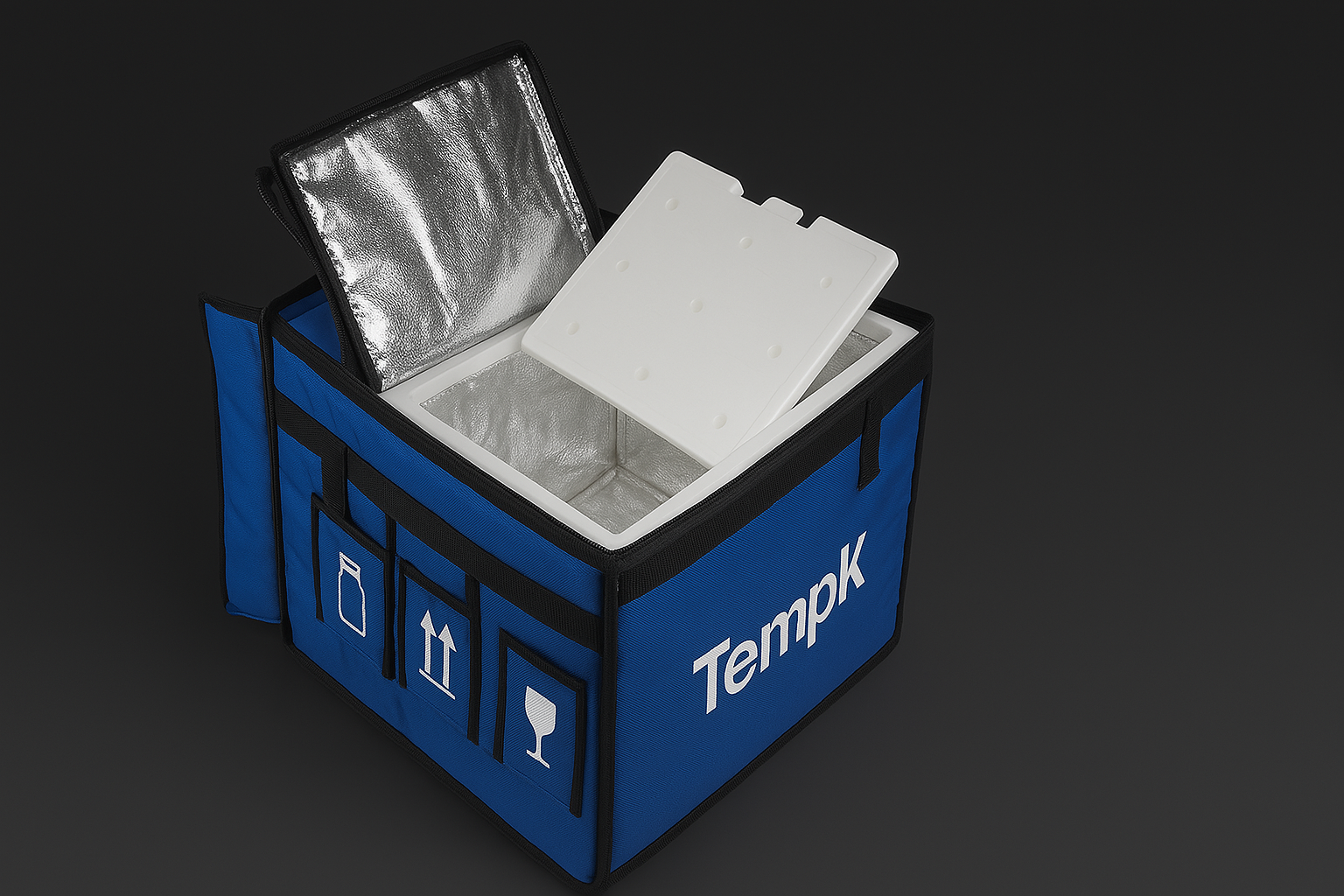
Für GDP-konformen Versand, Das Paket sollte als System beschrieben werden: Außenbehälter, VIP-Schicht, Schutzfolie, Kühlmittel oder PCM, Nutzlastteiler, Bei Bedarf absorbierende oder Barrierematerialien verwenden, Temperaturüberwachung, Etikett, und Anweisungen. Wenn sich ein Teil ändert, Die Leistung des gesamten Systems kann sich ändern. Aus diesem Grund sollte bei der Musterfreigabe auch die Verpackung des Kartons berücksichtigt werden, nicht nur, wie es hergestellt wird.
Bauen Sie den Nachweis von Anfang an in die Verpackung ein
Der Container allein schafft keine Compliance. Es unterstützt einen Prozess. Je nach Produkt und Markt, Ihr Team benötigt möglicherweise schriftliche Verfahren, Risikobewertung der Route, qualifizierte verpackung, Temperaturüberwachung, Eingangskontrolle, und Abweichungsbehandlung. Für GDP-konformen Versand, Der nützlichste Verpackungsnachweis ist der Beweis, der dem Empfänger bei der Entscheidung hilft, ob die Sendung angenommen werden kann.
Relevante Quellrahmen können EU-BIP-Leitlinien umfassen, Zeit- und temperaturabhängige pharmazeutische Leitlinien der WHO, IATA-Frachtpraktiken für das Gesundheitswesen, und interne Qualitätssysteme. Diese Quellen gelten nicht alle in gleicher Weise für jede Sendung. Eine Lebensmittelroute, ein medizinischer Weg, und ein kosmetischer E-Commerce-Weg kann unterschiedliche rechtliche und qualitative Erwartungen haben. Der Käufer sollte die geltenden Regeln mit der Qualität bestätigen, regulatorisch, oder Lebensmittelsicherheitsteam, anstatt den Verpackungslieferanten zu bitten, ein allgemeines Compliance-Versprechen abzugeben.
Ein praktisches Nachweispaket umfasst häufig Qualifikationsnachweise, Risikobewertung, Temperaturaufzeichnung, Verpackungs-SOP, Hinweise zur Änderungskontrolle, und Erhalt von Akzeptanzkriterien. Die spezifischen Datensätze hängen von Ihrem Produkt und Ihrer Route ab, aber das Prinzip ist stabil: Verlassen Sie sich nicht auf eine Verpackungsaussage, die nicht auf eine definierte Verpackung und einen definierten Betriebszustand zurückgeführt werden kann.
Nehmen Sie den Container mit praktischen Beweisen in die engere Auswahl
| Käuferfrage | Was Sie den Lieferanten fragen sollten | Was für eine nützliche Antwort sollte zeigen |
|---|---|---|
| Temperaturanforderung | Für welches Warensortiment und welche Ausflugsregeln ist die Verpackung konzipiert?? | Ein produktspezifisches Sortiment, keine generische Kühlkettenaussage |
| Anspruch auf Wartezeit | Welches Umgebungsprofil, Nutzlast, Kühlmittel, und Bestehenskriterien stützen den Anspruch? | Ein Testkontext oder eine klare Aussage, dass eine weitere Qualifikation erforderlich ist |
| Nutzbarer Nutzlastraum | Enthält das Volumen Kühlmittel?, Trenner, und überwachen Sie die Platzierung? | Eine geladene Verpackungszeichnung oder ein Foto, nicht nur Bruttoinnenmaße |
| Kühlmittelkompatibilität | Welches Gelpack, PCM, Eis, oder Trockeneisweg vorgesehen ist? | Konditionierungshinweise und Trennung von empfindlicher Ware |
| Handhabung und Wiederverwendung | Wie sollten Panels, Siegel, Liner, und Verschlüsse überprüft werden? | Eine praktische SOP, die Betreiber immer wieder befolgen können |
| Dokumentation | Welche Datensätze unterstützen Versand- und Empfangsentscheidungen?? | Logger-Plan, Checkliste zum Auspacken, Abweichungsschritte, und Empfangskriterien |
Diese Tabelle soll den Einkauf nicht verlangsamen. Es verhindert, dass die falsche Probe attraktiv aussieht. Für GDP-konformen Versand, Eine Probe, die zur Nutzlast passt, aber keine klaren Kühlmittelanweisungen enthält, kann ein höheres Betriebsrisiko darstellen als ein etwas größeres Paket mit besseren Beweisen.
Verwenden Sie die Tabelle bei Lieferantenanrufen und internen Überprüfungen. Wenn keine Antwort verfügbar ist, Behandeln Sie es als Überprüfungspunkt und nicht als Grund, den Lieferanten sofort abzulehnen. Gute Verpackungsgespräche beginnen oft mit Unbekannten; Der wichtige Punkt besteht darin, sie vor Produktionsaufträgen oder Live-Lieferungen zu identifizieren.
Hilfreiche Entscheidungshilfen
Überprüfen Sie die Details, bevor Sie sich für die Verpackung entscheiden
Mit diesen schnellen Tools können Sie das Routenrisiko vergleichen, Größenanforderungen, Kühlmittelauswahl, und Verpackungsdetails, bevor Sie ein Angebot anfordern.
Boxliner & Dimensionierung der Palettenabdeckung
Überprüfen Sie die Größenlogik für Kartoneinlagen und Palettenabdeckungen für isolierte Verpackungsprojekte.
Schätzen Sie die GrößeTrockeneisrechner
Schätzen Sie vor dem Verpacken den Bedarf an Trockeneis für gefrorene oder ultrakalte Sendungen.
Schätzen Sie TrockeneisEisbeutel-Rechner
Schätzen Sie die Menge an Gel-Eisbeuteln für gekühlte Sendungen und nutzen Sie die praktische Routenplanung.
Schätzen Sie EisbeutelBeispiel: Aus einer vagen Anfrage einen brauchbaren Auftrag machen
Ein Händler muss ein temperaturempfindliches Arzneimittel über eine Wochenendübergabe transportieren und muss nachweisen, dass es sich um den ausgewählten Fall handelt, Kühlmittel, und Überwachungsplan angemessen sind. Die erste Anfrage mag einfach klingen: „Bitte geben Sie einen VIP-Versandkarton für den GDP-konformen Versand an.“ Eine bessere Beschreibung beschreibt das Produkt, der erforderliche Temperaturbereich, die Menge pro Sendung, die Streckendauer, voraussichtliche Übergabepunkte, Öffnungsregeln, und wer die Sendung bei Ankunft prüft.
Mit diesem Brief, Der Lieferant kann besprechen, ob eine VIP-Isolierung angemessen ist, Welche Kühlmittelfamilie sollte berücksichtigt werden?, Wie viel nutzbarer Nutzlastraum verbleibt nach Kühlmittel und Trennwänden?, und wo der Monitor sitzen sollte. Der Käufer kann dann nicht nur den Preis, sondern auch die Verpackungsschwierigkeiten vergleichen, Beweisqualität, und wie viel Routenunsicherheit das Design tolerieren kann.
Dies ist ein hypothetisches Beispiel, kein Leistungsversprechen. Das endgültige Paket sollte anhand der tatsächlichen Produktanforderungen überprüft werden, wo nötig, ein Testprofil oder eine Spurqualifikation. Der Wert des Beispiels liegt in der Kauflogik: Rechnen Sie das Produktrisiko in Verpackungsanforderungen um, bevor Sie über die Verpackungsdetails verhandeln.
Was Sie bestätigen müssen, bevor Sie von Muster- zu Nachbestellungen wechseln
Ein intensives Lieferantengespräch ist spezifisch. Fragen Sie nach Innenmaßen und Außenmaßen, Fragen Sie aber auch, wie sich diese Abmessungen ändern, nachdem das Kühlmittel und die Teiler geladen wurden. Fragen Sie, ob das Muster aus den gleichen Materialien und in der gleichen Bauweise wie die Produktionseinheiten besteht. Fragen Sie, wie Plattenschäden erkannt werden, wie Deckel und Dichtungen geprüft werden, und welche Substitutionen zulässig sind, wenn eine Komponente nicht vorrätig ist.
Wenn der Behälter wiederverwendbar ist, Das Geschäftsmodell sollte eine Rückwärtslogistik umfassen. Wem gehört die Box nach der Lieferung?? Wer reinigt es?? Wer prüft VIP-Panels und -Verschlüsse?? Was passiert, wenn ein Empfänger eine Komponente verliert?? Wiederverwendbare Verpackungen können den Abfall bei wiederholten Transportwegen reduzieren, aber nur, wenn die Rückführungsschleife ausreichend kontrolliert ist, um Leistung und Kosten zu schützen.
Für Einkäufer der Pharmalogistik, BIP-Verantwortliche, Qualitätssicherungsteams, und Großhandelsvertriebsplaner, Die beste Auswahlliste ist selten der Lieferant mit der eindrucksvollsten Leistungsaussage. Es ist der Lieferant, der Grenzen erklären kann, Zeigen Sie, wie die Verpackung zusammengebaut wird, und helfen Sie Ihrem Team zu definieren, was überprüft werden muss, bevor der Versand zur Routine wird.
Vermeiden Sie diese Genehmigungsabkürzungen
Die meisten Ausfälle werden nicht durch ein schwaches Material verursacht. Sie entstehen durch ein Missverhältnis zwischen den Produktanforderungen und der Art und Weise, wie die Verpackung verwendet wird. Für GDP-konformen Versand, Achten Sie besonders darauf, dass allein der Fall Compliance schafft, Fehlende Risikobewertung der Route, schwache SOPs, unbestätigte Haltezeit, Schlechte Logger-Platzierung, und unvollständige Abweichungsbehandlung.
- Genehmigung des Außenbehälters ohne Genehmigung der beladenen Verpackung.
- Vergleichen Sie das Bruttovolumen und ignorieren Sie dabei den Platzbedarf des Kühlmittels, Trenner, und den Verbrauch überwachen.
- Verwenden eines Haltezeitanspruchs, ohne das Umgebungsprofil und die Nutzlast dahinter zu überprüfen.
- Lassen Sie den Bediener die Kühlmittelposition ändern, weil die Anweisungen unklar sind.
- Platzieren Sie den Temperaturlogger dort, wo es praktisch ist, und nicht dort, wo das Nutzlastrisiko besteht.
- Angenommen, ein wiederverwendbarer Behälter ist nachhaltig, ohne dass eine realistische Rendite erzielt wird, Reinigung, und Inspektionsprozess.
Eine einfache Möglichkeit, diese Fehler zu reduzieren, besteht darin, die genehmigte Verpackung als Betriebsdokument einzufrieren. Fügen Sie Fotos hinzu, Anweisungen zur Kühlmittelaufbereitung, Ladereihenfolge, akzeptable Substitutionen, Standort überwachen, Verschlussmethode, und Erhalt von Schecks. Wenn eine Änderung erforderlich ist, Notieren Sie, warum die Änderung vorgenommen wird und ob eine weitere Überprüfung erforderlich ist.
FAQ
Ist ein VIP-Versandkoffer für den GDP-konformen Versand dasselbe wie ein aktiver Kühlcontainer??
NEIN. In den meisten Käufergesprächen, A VIP-Versandkarton oder Container ist eine passiv isolierte Verpackung. Es nutzt eine Hochleistungsisolierung und eine ausgewählte Kühlmittel- oder PCM-Strategie, Die Nutzlast wird jedoch nicht mechanisch gekühlt, es sei denn, ein separates angetriebenes System ist angegeben. Behandeln Sie es als passive Verpackung, die noch ein Verpackungsdesign benötigt, Konditionierung, Überwachung, und Handhabungskontrolle.
Was muss ich überprüfen, bevor ich ein VIP-Versandmuster genehmige??
Überprüfen Sie den erforderlichen Temperaturbereich, Nutzlastmenge, nutzbarer Innenraum, Kühlmitteltyp, Methode zur Kühlmittelkonditionierung, Standort überwachen, Streckendauer, Übergaberisiko, und Empfangskriterien. Für GDP-konformen Versand, bestätigen auch die produktspezifischen Risiken, die am wichtigsten sind, wie Frostempfindlichkeit, Schmelzwasser, Kontamination, Formelstabilität, oder Dokumentationspflichten.
Kann die angegebene Wartezeit eines Anbieters direkt für meine Route genutzt werden??
Nicht ohne Kontext. Die Haltezeit hängt vom Umgebungsprofil ab, Nutzlast, Kühlmittelmasse, Kühlmittelaufbereitung, Kastenöffnung, Produktstarttemperatur, und Akzeptanzkriterien. Nutzen Sie die Daten eines Lieferanten als Ausgangspunkt. Für regulierte oder hochwertige Sendungen, Bestätigen Sie, ob zusätzliche Tests durchgeführt werden, Spurqualifikation, oder es ist eine Qualitätsgenehmigung erforderlich.
Wann ist die VIP-Isolierung den zusätzlichen Aufwand nicht wert??
Bei kurzen Strecken ist eine VIP-Isolierung möglicherweise nicht erforderlich, Das Produkt ist risikoarm, Das bestehende Paket ist bereits bewährt, oder die Bediener können die erforderliche Verpackung nicht bewältigen. Es kann auch ungeeignet sein, wenn Sendungen keine Produktspezifikation enthalten, Spurprofil, SOP, Logger-Plan, oder Empfangsverfahren definiert wurde. Die Entscheidung sollte die Risikominderung vergleichen, Auswirkungen auf die Fracht, Wiederverwendungskontrolle, und Beweisbedarf.
Verbessern wiederverwendbare VIP-Verpackungen automatisch die Nachhaltigkeit??
Nicht automatisch. Durch die Wiederverwendung kann die Menge an Einwegmaterial auf mehreren Bahnen reduziert werden, aber nur bei der Rückhollogistik, Reinigung, Komponenteninspektion, und Verlustraten werden kontrolliert. Ein wiederverwendbarer VIP-Behälter, der häufig verloren geht, beschädigt, oder ineffizient zurückgeschickt werden, bringt möglicherweise nicht den erwarteten betrieblichen oder ökologischen Nutzen.
Abschluss
Ein VIP-Versandkoffer für den GDP-konformen Versand kann eine gute Wahl sein, wenn Ihre Sendung einen kompakten Wärmeschutz benötigt, besserer Routenspielraum, und klarere Beweise, als eine einfache isolierte Verpackung liefern kann. Es sollte entsprechend der Produktspezifikation ausgewählt werden, Streckenbedingungen, Kühlmittelstrategie, Nutzlastanordnung, Überwachungsplan, und Empfangsprozess. Die wichtigste Kaufregel ist einfach: das System genehmigen, nicht nur die Box.
Für GDP-konformen Versand, Die Entscheidung mit dem höchsten Wert besteht darin, das Versandproblem zu definieren, bevor ein Angebot eingeholt wird. Wenn das Risiko klar ist, VIP-Isolierung wird zum praktischen Werkzeug. Wenn das Risiko vage ist, Selbst ein Hochleistungscontainer kann zu einer teuren Angelegenheit werden.
Über Tempk
Tempk-Lieferungen Kühlkettenverpackung Lösungen für temperaturempfindliche B2B-Sendungen, einschließlich VIP und EPP medizinische Kühlboxen, Gelpackungen, PCM -Packungen, Isolierte Kisten, und zugehörige Verpackungsmöglichkeiten. Für GDP-konformen Versand, Wir helfen Käufern bei der Besprechung der Streckenbedingungen, Zieltemperaturbereich, Nutzlast passt, Kühlmittelrichtung, und Verpackungsdetails, bevor sie von der Probenprüfung zur Planung wiederholter Lieferungen übergehen. Pharmaeinkäufer strukturieren GDP-bewusste Verpackungsdiskussionen rund um das Routenrisiko, erforderlichen Temperaturbereich, Dokumentationserwartungen, und praktische Auspackkontrolle.
Teilen Sie Ihre Route, Nutzlast, Zieltemperaturbereich, und Bearbeitungsgrenzen mit Tempk, um zu vergleichen, ob ein VIP-Versandkoffer für den GDP-konformen Versand die richtige Richtung ist. Eine praktische Empfehlung sollte mit Ihren Versandbedingungen beginnen, nicht nur eine Kartongröße allein.