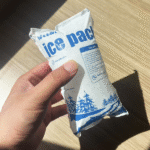
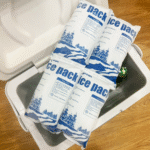
Der Großeinkauf von Eisbeuteln mit Wassereinspritzung ist zu einem strategischen Hebel für Kosten und Compliance im modernen Kühlkettenversand geworden. Aktualisiert im Februar 11, 2026, Dieser Artikel erklärt, wie leer, Das Befüllen von Kühlmittelpaketen vor Ort verändert die eingehende Fracht, Gefrierbetriebe, und Risikokontrolle. Sie sehen Spezifikations-Benchmarks, Validierungsstandards, und Entscheidungshilfen für die Pharmaindustrie, Essen, und Laborverteilung. Das Ziel ist praktisch: helfen Ihnen, das richtige Paket zu finden, bei der richtigen Mindestbestellmenge, mit messbarer Leistung.
Marktkontext für Eisbeutel mit Wassereinspritzung in großen Mengen
Das Wachstum der Kühlkette beschleunigt sich, und Produktmixe verlagern sich in Richtung temperaturempfindlicher SKUs. Marktforschungen schätzen den weltweiten Kühlkettenmarkt auf etwa 371 Milliarden US-Dollar 2025. Es wird erwartet, dass es etwa 437 Milliarden US-Dollar erreichen wird 2026. Das bedeutet, dass mehr Fahrspuren qualifiziert werden müssen, wiederholbare Temperaturregelung.
In Arzneimitteln, Die Portfolioverschiebung ist strukturell, nicht zyklisch. Eine IQVIA-Analyse geht davon aus, dass etwa die Hälfte der über einen Zeitraum von fünf Jahren auf den Markt gebrachten neuen Medikamente eine Kühlkettenlagerung erfordern. Das ist ein Anstieg gegenüber etwa einem Drittel im Zeitraum 2013–2017. Die Anteilserhöhung erhöht den Einsatz für die Wiederholbarkeit der Verpackung und die dokumentierte Leistung.
Operativ, Unter „Kühlkette“ versteht man nicht nur die gekühlte Lagerung. Es handelt sich um einen End-to-End-Prozess, der Transport- und Handhabungsschritte umfasst. Die Centers for Disease Control and Prevention weisen darauf hin, dass unsachgemäße Lagerungsbedingungen die Wirksamkeit verringern können, und verlorene Potenz kann nicht wiederhergestellt werden. Es wird auch hervorgehoben, dass eine einmalige Einwirkung von Temperaturen unter dem Gefrierpunkt die Wirksamkeit einiger Impfstoffe zerstören kann.
Die Anforderungen an Compliance und Nachhaltigkeit steigen, zu. Die Verpackungs- und Verpackungsabfallverordnung der Europäischen Union ist im Februar in Kraft getreten 2025. Der allgemeine Bewerbungstermin ist August 2026. Dies treibt das Verpackungsdesign in Richtung Recyclingfähigkeit und Kreislaufwirtschaft voran. Globale Zulieferer harmonisieren häufig ihre Spezifikationen anhand solcher Regeln.
Hier ist die große Menge Wasserinjektions-Eisbeutel mehr als nur ein Rohstoffkauf. Die PQS-Richtlinie der Weltgesundheitsorganisation definiert ein Kühlmittelpaket als ein speziell entwickeltes Kühlmittel, Auslaufsicherer, mit Kühlmittel gefüllter Behälter. Derselbe Leitfaden warnt Käufer davor, vorgefüllte Kühlmittelpackungen für Routineimpfungen zu kaufen. Es wird auch auf Sicherheit hingewiesen, Einfachheit, und niedrige Transportkosten für wasserbasierte Packungen, die im Land abgefüllt werden.
Funktionsweise von Eisbeuteln mit Wassereinspritzung in Kühlkettenverpackungen
Definition und Kernidee der Wasserinjektions-Eisbeutelmasse
In der Praxis, „Wassereinspritz-Eisbeutel in loser Schüttung“ bezeichnet leere Kühlmittelpackungen, die in Kartons oder Paletten versandt werden. Die Teams füllen sie dann am Einsatzort mit Wasser. Das ist passive Kühlung: Gefrorenes Wasser absorbiert Wärme von der Nutzlast. Die Isolierung verlangsamt den externen Wärmeeintrag in den Transporter.
Die Beschaffungslisten des Kinderhilfswerks der Vereinten Nationen untermauern die logistische Logik hinter der Wasserinjektion großer Eisbeutel. Standardverpackungen werden „leer geliefert“ und mit geringen Stückgewichten versendet. Dieses Design vermeidet den Transport von 0,25–0,60 kg Wasser pro Einheit über Ihre Eingangsspuren.
Wasserinjektions-Eisbeutel im Vergleich zu Gel-Packs und PCMs
Der Eisbeutel mit Wassereinspritzung konkurriert mit drei anderen gängigen Kältemitteln. Dabei handelt es sich um vorgefüllte Gelpackungen, PCM-Packungen sind so konstruiert, dass sie bei bestimmten Temperaturen schmelzen, und Trockeneis für tiefgefrorene Profile. Im Glossar der WHO zur Arzneimittelverteilung werden Eisbeutel und Gelbeutel unter „temperaturstabilisierende Medien“ zusammengefasst. Darüber hinaus werden fortschrittliche PCMs als Materialien definiert, die so konstruiert sind, dass sie bei anderen Temperaturen als 0 °C schmelzen und gefrieren.
Für die routinemäßige Verteilung bei 2 °C–8 °C, Das Einfrierrisiko ist oft der erste Entscheidungsfilter. Die UNICEF-Leitlinien unterscheiden Anwendungsfälle. Darin heißt es, dass gefrorene Kühlakkus nur für Impfstoffe verwendet werden, die nicht durch Einfrieren beschädigt wurden. Für frostempfindliche Impfstoffe, Es werden klimatisierte Kühlakkus oder Kaltwasserakkus zwischen 2 °C und 8 °C empfohlen.
Die Eisbeutelmasse mit Wassereinspritzung kann diese Risikokontrolle unterstützen, wenn Sie die Konditionierung anpassen, Platzierung, und Menge zur Nutzlast. Die Feldführung wiederholt grundlegende Steuerungen. Füllen Sie bis zur markierten Linie, Ziehen Sie die Kappe fest, auf Undichtigkeiten prüfen, und kein Salz hinzufügen. Diese Schritte reduzieren die Schwellung, Kappenfehler, und unbeabsichtigte Temperaturen unter Null.
Grundlagen der Wasserinjektions-Massenkonditionierung von Eisbeuteln für den realen Betrieb
Konditionierung ist ein SOP-Problem, bevor sie ein Beschaffungsproblem ist. In Schulungsmaterialien zur Kühlkette von Impfstoffen wird die Konditionierung als Warten beschrieben, bis sich flüssiges Wasser in der Packung befindet. Dies deutet auf ein Nahestehen hin-0°C-Zustand statt einer tiefgefrorenen Packung. Schlecht konditionierte Verpackungen können lokale Kältebrücken verursachen und angrenzende Produkte einfrieren.
Für den Notfalltransport, Die CDC-Richtlinien warnen vor der Wiederverwendung bestimmter Kühlmittelpackungen aus Originalversandbehältern. Wiederverwendete Kühlmittelpackungen können das Risiko des Einfrierens gekühlter Impfstoffe erhöhen. Dies ist eine Erinnerung daran, dass es sich bei „Kältepackung“ nicht um ein einzelnes thermisches Verhalten handelt. Geometrie, Füllmedium, und die Starttemperatur sind alle wichtig.
Spezifikationen und Leistungskennzahlen für Wassereinspritz-Eisbeutel
Standardgrößen und technische Benchmarks für Eisbeutel mit Wassereinspritzung
Wenn Sie eine global portable Spezifikationssprache benötigen, Beginnen Sie mit PQS-Standardgrößen. In den PQS-Leitlinien der WHO heißt es, dass für Impfgeräte drei Standardgrößen von Kühlmittelpackungen zulässig sind: 0.3 Liter, 0.4 Liter, Und 0.6 Liter. Diese Größen spiegeln sich weitgehend in den Ökosystemen des öffentlichen Beschaffungswesens wider.
UNICEF-Vorgaben enthalten konkrete Richtwerte zum Wassergehalt, Außenmaße, Siegel, und leere Gewichte. Die folgende Tabelle fasst gängige Eisbeutel-Großformate mit Wassereinspritzung unter Verwendung dieser UNICEF-Artikelspezifikationen zusammen.
Tisch: Vergleich der Spezifikationen für Großkühlmittelpakete (befüllbare Wasserbeutel)
| Spec-Attribut | 0.3 L-Packung (Typ2) | 0.4 L-Packung | 0.6 L-Packung |
|---|---|---|---|
| Nennkapazität | 0.3 L | 0.4 L | 0.6 L |
| Wassergehaltsbereich | 0.25–0,3 l | 0.35–0,4 l | 0.55–0,6 l |
| Außenmaße | 163×90×34 mm | 163×94×34 mm | 190×120×34 mm |
| Wird leer geliefert | Ja | Ja | Ja |
| Designhinweise für Siegel | Schraubverschluss + interne Wasserdichtung | Schraubverschluss + interne Wasserdichtung | Schraubverschluss + interne Wasserdichtung |
| Fülllinie | Angezeigt | Angezeigt | Angezeigt |
| Leeres Versandgewicht (typisch) | ~80 g | ~100 g | ~120 g |
| Berechnetes Füllgewicht (typisch)* | ~330–380 g | ~450–500 g | ~670–720 g |
*Berechnet als (Wassergehalt in kg) + (Leergewicht der Packung in kg), unter Verwendung der Wasserdichte ≈ 1 kg/l.
Quell-Benchmarks: UNICEF-Artikelspezifikationen für 0.3 L, 0.4 L, Und 0.6 L-Packungen.
Haltbarkeit und Auslaufkontrolle des Eisbeutels mit Wassereinspritzung
„Auslaufsicher“ ist bei Kühlkettenverpackungen keine Option. Die WHO definiert eine Kühlmittelpackung bewusst als auslaufsicher. Außerdem verknüpft es die Eignung mit Leistungsspezifikationen und Verifizierungsprotokollen. Dieser Rahmen unterstützt eine Beschaffungshaltung, bei der die Leckrate zum Akzeptanzkriterium wird.
Technische Spezifikationen der Regierung wiederholen oft die gleichen Designelemente wie UNICEF. Dazu gehören verstärkte Wände, um Schwellungen zu verhindern, eine abnehmbare Kappe mit Innendichtung, und eine sichtbare Fülllinie. In einigen Spezifikationen werden auch die Belastungen bei der Handhabung im gefrorenen Zustand erörtert, einschließlich Fallereignisse und Dickengrenzen nach dem Einfrieren.
Zur Wassereinspritzung von Eisbeuteln, Leckagen sind in der Regel auf drei Fehlerarten zurückzuführen. Das Drehmoment der Kappe variiert je nach Bediener. Dichtungen nehmen bei Frost-Tau-Wechseln einen Druckverformungsrest an. Bei niedrigen Temperaturen können sich Mikrorisse ausbreiten. Ihr QS-Plan sollte jeden Fehlermodus explizit abdecken.
Validierung und Teststandards für Eisbeutel mit Wassereinspritzung
Käufer sprechen oft von „Stunden Wartezeit“. Auditoren fragen nach Testbedingungen und Protokollen. ASTM International D3103 wird verwendet, um die Qualität der Wärmedämmung anhand von Temperaturunterschieden zu bestimmen. Es eignet sich für Pakete mit oder ohne interne Kältemittel. Dies macht es nützlich, die Isolierung zu vergleichen, wenn das Kältemittel konstant bleibt.
Zur verteilungsorientierten thermischen Belastung, Verfahren der International Safe Transit Association werden häufig für die Entwicklung von Transportverpackungen und vergleichende Analysen verwendet. ISTA erklärt außerdem, dass seine Tests von frühen Design-Screenings bis hin zu umfassenderen Versandsimulationen reichen. Diese Aussage ist wichtig, wenn Sie entscheiden, ob ein Test ein „Design-Screen“ oder ein „Release-Gate“ ist.
In regulierten Umgebungen, Eisbeutel mit Wassereinspritzung sollten wie eine Komponente in einem qualifizierten System behandelt werden. Die TTSPP-Leitlinie der WHO definiert URS, DQ, und Transporttemperaturprofile als Kernqualifikationsartefakte. Dies steht im Einklang mit der DQ/IQ/OQ/PQ-Validierungssprache in Pharmabetrieben.
Beschaffung großer Mengen Eisbeutel mit Wassereinspritzung für Beschaffung und Qualitätssicherung
Checkliste für die Überprüfung von Großlieferanten für Eisbeutel mit Wassereinspritzung
Eine Beschaffungsstrategie für Eisbeutel mit Wassereinspritzung sollte mit dem beginnen, was Sie nachweisen müssen. In den EU-GDP-Leitlinien heißt es, dass die Auswahl der Verpackung auf den Lagerungs- und Transportanforderungen des Produkts basieren sollte. Es weist auch auf die erwarteten extremen Außentemperaturen und die Transportdauer als wichtige Inputfaktoren hin. Dabei handelt es sich sowohl um eine Dokumentationspflicht als auch um eine technische Entscheidung.
Verwenden Sie diese Checkliste zur Lieferantenüberprüfung als Grundlage für Ausschreibungen und Audits:
Bestätigen Sie das Material und den vorgesehenen Anwendungsfall (Essen, Pharma, allgemein).
Erfordern Zeichnungen mit Toleranzen, sowie Materialspezifikationen für Kappen und Dichtungen.
Fragen Sie nach der Methode zur Dichtheitsprüfung und den Akzeptanzgrenzen bei kalten Temperaturen.
Fordern Sie einen Nachweis über die Quellkontrolle und die verstärkte Wandkonstruktion an.
Definieren Sie einen Testplan für den Gefrier-Tau-Lebenszyklus und eine Probenahmehäufigkeit.
Erfordern klare Anweisungen zum Füllstand und zu den Konditionierungsschritten.
Wo relevant, Halten Sie sich an die Warnung der WHO zu unbekannten Flüssigkeiten. Vermeiden Sie unbekannte vorgefüllte Chemikalien, wenn Sie im Land sicher Wasser einfüllen können. Dies unterstützt die Rückverfolgbarkeit und verringert die toxikologische Unsicherheit im Routineeinsatz.
Entscheidungshilfe für große Eisbeutel mit Wassereinspritzung zur Auswahl des richtigen Formats
Ein Entscheidungstool hilft funktionsübergreifenden Teams, sich schnell aufeinander abzustimmen. Bewerten Sie jede Spur und SKU-Familie mit der folgenden Selbsteinschätzung. Wählen Sie dann eine Kältemittelstrategie, die dem Risikoprofil entspricht.
Bewertung der Selbsteinschätzung (0jeweils –3):
Einfrierempfindlichkeit (0 = unempfindlich, 3 = hochsensibel).
Variabilität der Transitdauer (0 = stabil, 3 = sehr variabel).
Extreme Temperaturen auf der Fahrspur (0 = mild, 3 = schwerwiegend).
Rückgabefähigkeit und Wiederverwendungsmöglichkeit (0 = keine, 3 = stark).
Site-Fähigkeit zum Befüllen, Kappe, und gleichmäßig einfrieren (0 = schwach, 3 = stark).
Interpretation:
Hohe Frostempfindlichkeit + Starke Standortfähigkeit → Priorisieren Sie die Wassereinspritzung von Eispackungen mit kontrollierter Konditionierung.
Hohe Variabilität der Dauer + Schwache Standortfähigkeit → Ziehen Sie technische PCMs oder wiederverwendbare qualifizierte Verlader in Betracht.
Tiefgefrorene Bedürfnisse + Lufttransport → Gefahrgutkontrollen frühzeitig beurteilen.
Entscheidungsfluss im Meerjungfrauen-Stil (Passen Sie es an Ihre SOP an):
Ja
NEIN
Ja
NEIN
Definieren Sie den Produkttemperaturbereich
Frostempfindlich?
Pick water injection ice pack bulk\n+ conditioning SOP
Muss tiefgefroren werden?
Assess dry ice compliance\nand venting requirements
Compare gel packs vs water injection ice pack bulk\nby lane cost and risk
Validieren Sie die Verpackung mit anerkannten Protokollen
Hinweis zur Einhaltung der Luftverkehrsvorschriften: wenn Trockeneis verwendet wird, Internationale Luftverkehrsvereinigung (Iata) Die Vorschriften erfordern Verpackungen, die CO₂-Gas freisetzen können, um einen Druckaufbau zu verhindern. Die IATA veröffentlicht auch Akzeptanzchecklisten für Trockeneissendungen, spiegelt die Anforderungen der aktuellen Ausgabe wider.
SOP-Kontrollen für den Betrieb von Wassereinspritz-Eisbeuteln
Eisbeutel mit Wassereinspritzung sind erfolgreich, wenn Beschaffung und Betrieb einen gemeinsamen Kontrollplan haben. Die Feldführung hebt eine Reihe bekannter Schritte hervor: bis zur Markierung füllen, kein Salz hinzufügen, Ziehen Sie die Kappe fest, auf Undichtigkeiten prüfen, und vollständig einfrieren. Diese Schritte sind kostengünstig, aber sie verhindern Wiederholungsausfälle.
Für Spuren mit frostempfindlicher Nutzlast, Bauen Sie einen Konditionierungskontrollpunkt in die Verpackungslinie ein. Die Konditionierung wird durch sichtbares flüssiges Wasser im Inneren der Packung bestätigt. Dies kann auch durch die Eisbewegung bestätigt werden, wenn die Packung leicht geschüttelt wird. Beide Prüfungen zeigen nahe an-0°C-Bedingungen.
Auswirkungen der Wassereinspritzung von Eisbeuteln auf die Lieferkette
Mathematik für die Massenlogistik von Eisbeuteln mit Wassereinspritzung, die Käufer vermissen
Der erste Vorteil von Eispackungen mit Wassereinspritzung ist die Effizienz der eingehenden Fracht. UNICEF ist gemeinsam 0.6 Der L-Icepack wird schätzungsweise leer geliefert 120 G. Sein Wassergehalt beträgt 0,55–0,6 L. Das bedeutet ein Füllgewicht von ca. 670–720 g. Sie vermeiden den eingehenden Versand von etwa 550–600 g Wasser pro Packung.
Dieses eingehende Delta setzt sich palettenübergreifend zusammen. Die folgende Grafik zeigt das geschätzte eingehende Gewicht pro 1,000 Packungen. Es nutzt UNICEFs 0.6 L-Format als Maßstab.
Eingehendes Gewicht pro 1,000 Packungen (0.6 L-Benchmark)
Nur leere Packungen : ████▏ 120 kg
Gefüllte Packungen : ████████████████████████▏ 670–720 kg
Wassereinsparung bei der eingehenden Fracht: ~550–600 kg
Annahmen: 120 g pro Leerpackung; 0.55–0,6 kg Wasser pro gefüllter Packung; Wasserdichte ≈ 1 kg/l. Spezifikationsquelle: UNICEF 0.6 Auflistung der L-Eisbeutel.
Szenarien mit den Massenkosten pro Einheit für Eisbeutel mit Wassereinspritzung
Die Kosten variieren je nach Region, Frachtmodus, und Lohnsätze. Trotzdem, Ein Szenariomodell hilft Ihnen, blinde Flecken zu vermeiden. Ein häufiger blinder Fleck ist „Stückpreis“ versus „Einstandskosten“. Verwenden Sie die Tabelle unten als Vorlage und ersetzen Sie die Nummern durch Ihre lokalen Tarife.
Tisch: Kosten-pro-Einheit-Szenarien für Eisbeutel mit Wassereinspritzung (illustrative Vorlage)
| Szenario | Was Sie kaufen | Eingehende Frachtbelastung | Arbeit vor Ort & Dienstprogramme | Typische Risikotreiber | Wenn es gewinnt |
|---|---|---|---|---|---|
| A: Befüllung vor Ort | Eisbeutel mit Wassereinspritzung (leer) | Niedrig | Medium | Drehmoment begrenzen, Füllvarianz, Gefrierkapazität | Hochvolumige Lanes mit stabilen SOPs |
| B: Gebrauchsfertig | Vorgefüllte Gelpackungen | Mittel–hoch | Niedrig | Rückverfolgbarkeit des Gels, Kondensation | Standorte mit geringem Arbeitsaufwand, schnelles Packen |
| C: Konstruierte Steuerung | PCM -Packungen (nicht-0°C schmelzen) | Mittel–hoch | Medium | Höhere Stückkosten, Konditionierungspräzision | Frostempfindliche SKUs, schmale Bänder |
| D: Tiefgefrorene Luft | Trockeneis (UN1845) + Isolierung | Not a “pack” inbound | Medium | Dangerous goods rules, Entlüftung, Beschriftung | Ultra-kalte / deep frozen lanes |
Hinweis zur Einhaltung der Luftverkehrsvorschriften: IATA requires venting design features when dry ice is used. It also provides acceptance checklists to support compliant handling.
To make the trade-off concrete, the table below models one pack using the UNICEF 0.6 L-Benchmark. It uses the published empty shipping weight and water content range from UNICEF. Only the freight rate and a simple labor assumption change across lanes. Replace the assumed unit prices and labor rates with your own numbers.
Tisch: Example cost-per-unit scenarios for water injection ice pack bulk (illustrative numbers)
| Spurtyp (inbound refrigerant supply) | Assumed freight rate | Freight cost per empty pack (0.12 kg) | Freight cost per filled pack (0.67–0.72 kg) | Assumed pack price | Fill labor + QC (empty pack) | Estimated landed cost (water injection ice pack bulk) | Estimated landed cost (prefilled gel pack) |
|---|---|---|---|---|---|---|---|
| Premium-Express | $8.00/kg | $0.96 | $5.36–5,76 $ | $0.35 (leer) / $0.70 (Gel) | $0.13 | $1.44 | $6.06–6,46 $ |
| Internationaler Standard | $0.80/kg | $0.10 | $0.54– 0,58 $ | $0.35 (leer) / $0.70 (Gel) | $0.13 | $0.58 | $1.24–1,28 $ |
| Lokal oder regional | $0.20/kg | $0.02 | $0.13–0,14 $ | $0.35 (leer) / $0.70 (Gel) | $0.13 | $0.50 | $0.83–0,84 $ |
Annahmen (illustrativ): Leerpackungspreis $0.35; Preis für Gelpacks $0.70; Arbeit füllen + QC $0.13 pro Packung; Wasserkosten ignoriert; Füllgewicht berechnet aus UNICEF-Wassergehalt plus Leergewicht. Spezifikationsquelle für die 0.6 L-Benchmark: Auflistung der UNICEF-Eisbeutel.
Tabelle mit den Auswirkungen von Wasserinjektions-Eisbeuteln in großen Mengen auf die Lieferkette
Die Auswirkungen von Wasserinjektions-Eisbeuteln auf die Lieferkette gehen weit über die Kosten hinaus. Es verändert den Speicher, Handhabung, Einhaltung, und Nachhaltigkeitsentscheidungen. Die folgende Matrix kann in einem Lane-Qualifizierungsmeeting verwendet werden.
Tisch: Vergleich der Auswirkungen auf die Lieferkette (Wasserinjektions-Eisbeutel im Vergleich zu Alternativen)
| Faktor | Eisbeutel mit Wassereinspritzung | Vorgefüllte Gelpackungen | Trockeneis (UN1845) |
|---|---|---|---|
| Effizienz im Inbound-Frachtverkehr | Hoch (Schiffe leer) | Untere (Schiffe gefüllt) | Nicht zutreffend |
| Temperaturprofilsteuerung | Mäßig (0°C-Phasenwechsel) | Mäßig (variiert je nach Gel) | Hoch für tiefgefroren |
| Frostgefahr bei gekühlter Nutzlast | Mit Konditionierung beherrschbar | Variiert je nach Geltyp | Hoch ohne Barrieren |
| Operative Komplexität | Medium (füllen + SOP einfrieren) | Niedrig | Hoch (Gefahrgut-SOP) |
| Leckagemanagement | Kappe + Dichtung kritisch | Filmschweißung kritisch | Die CO₂-Entlüftung ist von entscheidender Bedeutung |
| Nachhaltigkeitshebel | Weniger eingehendes Gewicht; Wiederverwendung möglich | Hängt von Chemie und Film ab | Bedenken hinsichtlich einer höheren Kohlenstoffintensität |
| Typische Governance-Artefakte | SOP + eingehende Qualitätskontrolle | Echtheitszertifikat des Lieferanten + SOP | Abnahmeprüfungen + DGR-Kontrollen |
Hinweis zu Pharma-Definitionen: Die WHO behandelt ausdrücklich Eisbeutel, Gelpackungen, und Wasserpackungen als temperaturstabilisierende Medien in Transportsystemen.
Wasserinjektions-Eisbeutelmasse und Nachhaltigkeitssignale
In 2026, Nachhaltigkeit ist zunehmend „regulierte Nachhaltigkeit“. Ab August gelten die Verpackungsvorschriften der EU 2026 und Recyclingfähigkeit und zirkuläre Ergebnisse in den Marktzugang einbetten. Auch außerhalb der EU, Ausschreibungen spiegeln diese Erwartungen oft wider.
Bei der Ökobilanzierung in der Kühlkettenlogistik wird häufig festgestellt, dass die Wiederverwendung Einwegsystemen überlegen sein kann. Eine veröffentlichte Ökobilanz zum Vergleich von wiederverwendbaren VIP-Boxsystemen und Einweg-EPS-Systemen ergab eine bessere Umweltleistung für das wiederverwendbare VIP-System in den bewerteten Kategorien. Dies unterstützt eine Gesamtsystemansicht von Verpackungsentscheidungen.
Es gibt auch eine wichtige Nuance für 2026 Mannschaften. A 2024 Analysen berichten, dass der Ersatz von Kunststoffen durch Alternativen die Emissionen über den gesamten Lebenszyklus in vielen aktuellen Anwendungen erhöhen kann. Das spricht für die richtige Dimensionierung, Wiederverwendung, und verbesserte Recyclingkompatibilität. Es spricht nicht für ein Material in jeder Spur.
FAQ und Schema für Eisbeutel mit Wassereinspritzung in großen Mengen
Häufig gestellte Fragen zu Wasserinjektions-Eisbeuteln
Was ist der ideale Füllstand für Großpackungen mit Wassereinspritz-Eisbeuteln??
Füllen Sie bis zur geformten oder gedruckten Fülllinie, nicht bis zum Rand. Bei der Schulungsberatung wird der Schwerpunkt auf das Ausfüllen „zur Markierung“ gelegt,“ und dann die Kappe festziehen, auf Undichtigkeiten prüfen, und vollständig einfrieren.
Wie hilft die Eispackung mit Wassereinspritzung dabei, Frostschäden zu verhindern??
Frostschäden entstehen häufig durch den Einsatz tiefgefrorener Verpackungen gegen empfindliche Nutzlasten. Die UNICEF-Richtlinien empfehlen konditionierte Eisbeutel oder Kühlwasserbeutel für gefrierempfindliche Impfstoffe. Die CDC-Leitlinien betonen außerdem, dass das Einfrieren die Wirksamkeit einiger Impfstoffe zerstören kann.
Ist die Wassereinspritzung von Eisbeuteln in großen Mengen im regulierten Arzneimittelvertrieb akzeptabel??
Ja, wenn es als Teil eines validierten Verpackungssystems qualifiziert ist. Die EU-BIP-Richtlinien erfordern eine Verpackungsauswahl basierend auf den Produktanforderungen und den extremen Außentemperaturen. Die TTSPP-Leitlinien der WHO rahmen die Qualifikation mit einem URS und einem Transporttemperaturprofil ein.
Welche Tests sollten den Anspruch einer Großpackung mit Wasserinjektions-Eisbeuteln untermauern??
Nutzen Sie eine Kombination aus thermischen Leistungstests und verteilungsrelevanten Profilen. ASTM D3103 unterstützt die Prüfung der Isolationsqualität für Systeme mit oder ohne Kältemittel. ISTA-Verfahren helfen bei der Strukturierung von Außentemperaturprüfungen für Transportverpackungen.
Wann sollte ich große Eisbeutel mit Wassereinspritzung vermeiden und stattdessen Trockeneis verwenden??
Wählen Sie Trockeneis nur dann, wenn tiefgefrorene oder extrem kalte Bedingungen erforderlich sind und Ihre SOPs die Gefahrgutkontrollen verwalten können. Die IATA-Richtlinien legen Wert auf die Entlüftung, um den Aufbau von CO₂-Druck zu verhindern. Darüber hinaus werden aktualisierte Abnahmechecklisten zur Unterstützung der konformen Abwicklung bereitgestellt.