Was ist Kühlkettenversand und wie funktioniert er??
Aktualisiert: November 14, 2025
Kühlkettenversand keeps temperature-sensitive goods safe from spoilage by maintaining strict temperature ranges during storage and transport. This process preserves the integrity of products like vaccines, frische Produkte und Tiefkühlkost, safeguarding public health and reducing waste. By combining refrigeration, insulation and real time monitoring, cold chain shipping ensures products arrive in optimal condition, even across global distances.
The definition and process of cold chain shipping, including key steps and equipment
The industries and products that rely on cold chain logistics and their specific needs
Common challenges such as temperature control, visibility and regulatory compliance
Innovative solutions and best practices for maintaining product integrity
Emerging trends shaping cold chain shipping in 2025 und darüber hinaus
How Does Cold Chain Shipping Work?
Cold chain shipping is a specialized logistics process that keeps products within defined temperature ranges from origin to delivery. It involves a series of carefully controlled steps, starting with proper packaging, continuing through temperature regulated storage and transportation, and ending with verified delivery. Each phase uses dedicated equipment and protocols to prevent temperature excursions that could degrade quality. Because temperature sensitivity varies—from chilled dairy products to ultra cold vaccines—operators select the right combination of refrigeration units, insulated containers and monitoring systems to match the product’s needs.
Maintaining a continuous cold chain requires coordination among producers, Träger, warehouse operators and retailers. Erste, products are packed in insulated containers with cooling agents such as gel packs, Trockeneis oder Phasenwechselmaterialien. Then they enter cold storage facilities designed with blast freezers, multi temperature zones and air tight doors to minimize heat transfer. Während des Transports, Kühlwagen, containers or air cargo units maintain the required temperature range. Sensors and Internet of Things (IoT) devices monitor temperature, Feuchtigkeit und Vibration, sending real time alerts if conditions deviate. Bei der Ankunft, receiving teams verify the temperature logs and complete documentation to confirm compliance.
Modern cold chain shipping uses advanced IoT and data analytics to optimize routes and predict equipment failures. According to industry experts, technology adoption is accelerating, and sensors now provide real time visibility into cargo conditions. Predictive analytics tools combine historical temperature data with external variables, such as weather, to anticipate and prevent temperature excursions. These innovations enable companies to address issues proactively, reducing spoilage and ensuring compliance with stringent regulations.
Temperature Controlled Packaging Solutions
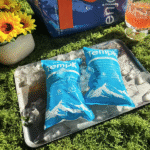
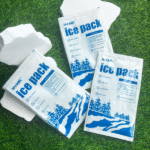
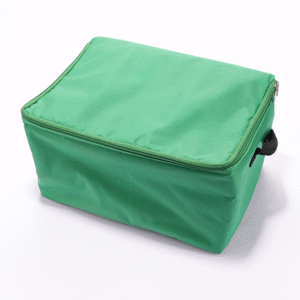
Packaging is the first line of defense in cold chain shipping. Isolierte Kisten, thermal bags and liners create barriers against external temperature fluctuations. Gel packs and dry ice provide active cooling, while high performance vacuum panels (VIPs) and phase change materials extend hold times. These solutions must balance insulation, Gewicht und Kosten, especially for last mile deliveries where exposure to ambient temperatures is greatest. Selecting the appropriate packaging depends on the product’s temperature requirements, Versanddauer und regulatorische Einschränkungen. Zum Beispiel, pharmaceuticals often use vacuum insulated containers with integrated data loggers to ensure traceability, whereas meal kit deliveries may rely on insulated liners and gel packs for short distance transport.
| Verpackungstyp | Isolationsniveau | Wiederverwendbarkeit | Praktischer Nutzen |
| Gelpackungen & insulation liners | Mäßig | Wiederverwendbar | Suitable for short deliveries; easy to pack and dispose |
| Vakuumisolierte Paneele (VIPs) | Hoch | Limited reuse due to cost | Maintain temperatures for long durations; Ideal für Arzneimittel |
| Phasenwechselmaterialien | Hoch | Wiederverwendbar | Provide steady temperature without dry ice; reduce risk of freezing |
| Dry ice in insulated containers | Sehr hoch | Einmalgebrauch | Achieves ultra low temperatures for vaccines and biologics |
Practical Tips for Cold Chain Packaging
Für kurze Lieferungen: Use gel packs with insulated liners and ensure minimal handling between storage and delivery.
Für ultrakalte Produkte: Choose dry ice or specialized phase change materials rated for the product’s temperature range.
Für Nachhaltigkeit: Opt for reusable thermal bags or vacuum panels when possible and implement a return program.
Beispiel aus der Praxis: Während der COVID-19-Pandemie, vaccine manufacturers shipped doses in containers equipped with real time temperature sensors and phase change materials. These containers maintained ultra low temperatures for up to 10 Tage, enabling safe global distribution.
Which Components and Industries Rely on Cold Chain Shipping?
Cold chain shipping depends on a network of specialized components that work together to preserve product integrity. These components include temperature controlled storage, transport equipment, monitoring systems and trained personnel. Understanding how these elements interact helps businesses select the right partners and avoid product loss. Industries ranging from food and healthcare to chemicals and cosmetics rely on cold chain logistics to meet safety standards and consumer expectations.
The backbone of cold chain shipping consists of refrigerated warehouses, Kühlfahrzeuge, air cargo units and insulated packaging. Cold storage facilities use blast freezers, chilled zones and humidity control to preserve raw materials and finished goods. Während des Transports, reefer containers and trucks maintain specific temperature ranges, often managed by automated thermostats and telematics that adjust refrigeration levels based on ambient conditions. Real time monitoring systems track location, Temperatur und Luftfeuchtigkeit, providing alerts when deviations occur and offering proof of compliance.
Multiple industries depend on cold chain logistics. The food sector uses it to maintain freshness and safety, reducing billions of dollars in annual food losses. Healthcare and pharmaceuticals require precision in handling vaccines, biologics and temperature sensitive medicines; even brief exposure to incorrect temperatures can render shipments unusable. Other sectors include chemicals, Kosmetika, und Gartenbau, all of which demand strict temperature control and robust documentation.
A report from MarketsandMarkets projects the global cold chain monitoring market to reach USD 17.8 Milliarden von 2025. This growth reflects rising demand for perishable products and increased investments in monitoring technologies. As global trade expands, these components and industries will continue to evolve, emphasizing resilience and real time visibility.
Industries Dependent on Cold Chain Shipping
Different industries have unique requirements for cold chain shipping:
Essen und Getränk: Perishable foods like meat, Molkerei, fruits and vegetables require strict temperature ranges to prevent spoilage. Cold chain logistics extends shelf life and reduces waste, saving billions annually.
Pharmazeutika und Biotechnologie: Impfungen, insulin and biologics demand ultra cold conditions and rigorous traceability to ensure efficacy. Temperature deviations can lead to product recalls and severe health consequences.
Chemicals and industrial materials: Certain chemicals and adhesives must be kept within specific temperature ranges to maintain their properties. Failure to do so can result in dangerous reactions or product failure.
Cosmetics and personal care: Many cosmetics contain natural oils and ingredients sensitive to heat. Proper temperature control prevents separation, discoloration and degradation.
Horticulture and floriculture: Flowers and live plants require controlled climates during transport to retain freshness and quality.
| Komponente | Zweck | Industries Served | What It Means for You |
| Cold storage warehouse | Maintains constant temperatures using blast freezers and humidity control | Essen, Arzneimittel, Chemikalien | Protects inventory during production and staging |
| Reefer trucks and containers | Transport goods under controlled temperature ranges | Essen, Pharma, Gartenbau, Chemikalien | Enables long distance shipping without spoilage |
| IoT -Überwachungssysteme | Stellen Sie Echtzeitdaten zur Temperatur bereit, Luftfeuchtigkeit und Standort | All cold chain industries | Offers transparency and immediate alerts to prevent product loss |
| Skilled personnel and SOPs | Gewährleisten Sie das richtige Handling, documentation and regulatory compliance | Lebensmittelsicherheit, Gesundheitspflege, Gefahrstoffe | Reduces human error and meets strict regulations |
How to Choose the Right Cold Chain Partner
Verify industry expertise: Ensure your logistics provider has experience with your specific product category and understands relevant regulations.
Check technology capabilities: Look for providers offering real time monitoring, predictive analytics and automated reporting.
Bewerten Sie die Infrastruktur: Evaluate the condition and location of warehouses, reefer vehicles and last mile delivery options.
Praktischer Fall: A leading seafood exporter partnered with a logistics provider specializing in ultra low temperature shipping. By integrating real time sensors and predictive analytics, the exporter reduced spoilage rates by 30% and extended shelf life, leading to higher profits and improved customer satisfaction.
What Challenges Does Cold Chain Shipping Face?
Cold chain shipping faces a variety of challenges that can compromise product quality and increase costs. These challenges include maintaining precise temperature ranges, ensuring real time visibility across the supply chain, adhering to regulatory requirements and managing high operational costs. Recognizing these obstacles helps businesses design strategies to mitigate risks and protect their cargo.
Maintaining precise environmental conditions is one of the biggest challenges in cold chain shipping. Temperature and humidity breaches during loading or transit can spoil vaccines, Lebensmittel oder Chemikalien, leading to costly losses or health risks. Real time visibility remains limited in many operations because shipments rely on manual logs or infrequent checks, turning cargo into “black boxes”. Regulatory compliance adds another layer of complexity; pharmaceutical products and high value foods require exhaustive documentation and tamper proof audit trails across different regions.
Infrastructure constraints also strain the cold chain. Rapid urbanization and rising demand often outpace the development of refrigerated warehouses and transport vehicles, creating capacity shortages. Rising energy costs and fuel surcharges increase operating expenses, and specialized equipment like refrigerated trucks and freezers require significant capital investment. The last mile is particularly challenging, as deliveries must navigate urban traffic or remote locations while maintaining temperature control. Data overload and system integration issues further complicate matters: companies use multiple monitoring devices and platforms, making it hard to gain actionable insights or share information seamlessly.
Seasonal demand fluctuations and multi temperature storage requirements add variability, while fragmented logistics reduce accountability and increase the risk of mishandling. According to a Cornell University study, optimizing temperature control in refrigerated trucks through advanced planning techniques can reduce fuel usage by up to 40%. This finding underscores the importance of technology and process improvements in overcoming challenges.
Key Pain Points in Cold Chain Shipping
Common pain points include:
Präzise Temperaturregelung: Even short excursions can spoil goods or render vaccines ineffective.
Mangelnde Echtzeit-Sichtbarkeit: Without constant monitoring, managers may learn about problems only after they occur.
Vorschriftenregulierung: Stringent documentation requirements increase workload and risk of error.
Infrastructure shortages: Limited cold storage capacity and reefer vehicles lead to delays and spoilage.
Steigende Kosten und Energieeffizienz: Specialized equipment and fluctuating fuel prices pressure margins.
Komplexe Zustellung auf der letzten Meile: Coordinating deliveries through dense urban areas or remote regions while maintaining temperature is challenging.
Datenüberflutung und Integration: Multiple monitoring systems create data silos that limit actionable insights.
Nachhaltigkeitsbedenken: Kunden und Regulierungsbehörden fordern umweltfreundlichere Praktiken, but businesses worry about costs.
| Herausforderung | Impact on Supply Chain | Warum es Ihnen wichtig ist |
| Temperaturexkursionen | Causes product spoilage and health risks | Leads to financial losses, Rückrufe und Reputationsschäden |
| Eingeschränkte Sicht | Delays in identifying issues | Prevents proactive intervention and compliance reporting |
| Compliance-Komplexität | Requires detailed documentation and audits | Increases administrative costs and potential penalties |
| Infrastrukturlücken | Insufficient cold storage and vehicle capacity | Limits growth and scalability |
| Hohe Energiekosten | Raises operating expenses | Pressures profit margins and sustainability efforts |
| Last mile risks | Increases potential for temperature breach | Threatens customer satisfaction and brand trust |
| Data fragmentation | Creates information silos and delays | Hinders decision making and continuous improvement |
Strategies to Mitigate Cold Chain Challenges
Investieren Sie in Echtzeitüberwachung: Verwenden Sie Sensoren, GPS and IoT devices to track temperature and location continuously.
Entwickeln Sie Notfallpläne: Prepare backup refrigeration options and alternative routes for unexpected delays.
Personal schulen: Educate staff on temperature control procedures, documentation and regulatory requirements.
Arbeiten Sie mit Partnern zusammen: Share data across suppliers, carriers and customers to improve visibility and accountability.
Fallstudie: A pharmaceutical shipper implemented an integrated monitoring platform across its supply chain. Real time alerts enabled immediate corrective actions, reducing temperature deviations by 60% and eliminating costly product recalls.
What Solutions and Best Practices Improve Cold Chain Shipping?
Um diese Herausforderungen zu meistern, companies deploy a combination of technology, process improvements and training. Echtzeitüberwachung, prädiktive Analytik, automation and optimized packaging all play a role in safeguarding temperature sensitive goods. By adopting best practices, Unternehmen können Abfall reduzieren, improve customer satisfaction and comply with regulatory standards.
Implementing connected monitoring devices is one of the most effective ways to improve visibility and environmental control. Multi sensor trackers provide real time GPS location and measure temperature and humidity, sending instant alerts if readings drift outside preset limits. These devices also store thousands of data records to maintain a complete audit trail during network outages. Deployment on pallets, containers or vehicles gives companies end to end visibility and allows them to intervene quickly to adjust conditions or reroute shipments before spoilage occurs. Mobile apps and cloud platforms enable operators and customers to monitor shipment health from anywhere, building trust and facilitating regulatory compliance.
Data analytics and predictive management transform historical data into actionable insights. Predictive tools combine temperature logs with external factors like weather forecasts and vehicle performance data to anticipate when problems may occur. Zum Beispiel, if a particular route in summer typically causes refrigeration units to work harder, planners can select alternate routes or enhance insulation for that leg. Die Integration von Sensordaten in Lagerverwaltungssysteme unterstützt die dynamische Bestandskontrolle: if an IoT tracker indicates rising temperatures in a cold room, operators can reroute goods to alternate storage or increase cooling power. Machine learning algorithms help identify which shipments are at highest risk of delay or spoilage, allowing targeted monitoring and preventive maintenance.
Automation and process optimization reduce human error and improve efficiency. Automatisierte Lager- und Bereitstellungssysteme, digital conveyor systems and automated loading bays maintain consistent temperatures and speed up operations. Transportmanagementsysteme (TMS) automate alert workflows so that alerts trigger notifications to relevant personnel via text or email. Some cold chain operators experiment with automated guided vehicles (AGVs) and drones for last mile delivery, which promise faster transit times and reduced exposure to heat.
Cost control measures focus on optimizing routes, improving fuel economy and increasing energy efficiency. Telematics systems analyze real time traffic data to minimize idling, reducing fuel consumption and temperature fluctuations. Upgrading warehouses with LED lighting, variable speed compressors and better insulation can cut electricity use dramatically. Some companies adopt solar panels or green energy programs to offset costs and carbon output, while packaging innovations like high performance insulated blankets and phase change gel packs help maintain temperatures longer and reduce losses. Mitarbeiterschulung, routine equipment checks and strict loading procedures also contribute to consistent temperatures and reduced waste.
Innovative Solutions for Cold Chain Shipping
Zu den wichtigsten Innovationen gehören:
IoT tracking devices: Multi sensor trackers provide real time temperature and location data, enabling proactive intervention and automated reporting.
Prädiktive Analysen: Analytics platforms use historical data and external variables to forecast potential failures and optimize routes.
Automatisierung: Automated storage systems, TMS and AGVs reduce manual handling and maintain temperature consistency.
Intelligente Verpackungen: High performance insulated blankets, vacuum panels and phase change materials extend temperature control while reducing weight and waste.
Sustainable energy: Solar panels and energy efficient refrigeration systems cut operating costs and carbon emissions.
| Lösung | Beschreibung | Vorteile |
| IoT sensors and trackers | Geräte, die die Temperatur messen, Luftfeuchtigkeit und Standort in Echtzeit | Erhöhen Sie die Sichtbarkeit, prevent spoilage and automate compliance |
| Predictive analytics software | Uses historical data to forecast potential temperature excursions and equipment failures | Supports preventive maintenance and route optimization |
| Automated storage and retrieval | Robotics and AGVs to handle goods with minimal human contact | Reduce handling errors and maintain stable temperatures |
| High performance packaging | VIPs, phase change materials and insulated blankets | Extend cooling duration and reduce waste |
| Renewable energy investments | Sonnenkollektoren, LED lighting and efficient compressors | Reduce operating costs and carbon footprint |
Best Practices for Reliable Cold Chain Shipping
Implement end to end monitoring: Equip every pallet or container with sensors and integrate data into a unified dashboard.
Nutzen Sie Daten, um Entscheidungen voranzutreiben: Leverage analytics to plan routes, schedule maintenance and select appropriate packaging.
Prioritize automation: Adopt automated systems for loading, storage and documentation to minimize human error.
Invest in sustainable technology: Explore renewable energy sources and eco friendly refrigerants to reduce costs and environmental impact.
Beispiel: A leading grocery delivery service invested in telematics and solar panels for its distribution centers. By optimizing route planning and reducing electricity consumption, the company lowered energy costs by 25% while improving on time deliveries.
2025 Latest Developments and Trends in Cold Chain Shipping
Die Kühlkettenbranche entwickelt sich rasant weiter, Und 2025 brings a range of new trends and innovations. Globales Marktwachstum, technology adoption and sustainability initiatives are reshaping the way temperature sensitive goods are shipped. Staying informed about these developments helps businesses remain competitive and responsive to changing consumer demands.
Das Marktwachstum bleibt stark. In 2023 the global cold chain logistics market was valued at USD 293.58 billion and is projected to grow from USD 324.85 Milliarden in 2024 in USD 862.33 Milliarden von 2032, Dies entspricht einer durchschnittlichen jährlichen Wachstumsrate (CAGR) von 13%. This expansion is driven by rising demand for fresh food, plant based protein and temperature sensitive pharmaceuticals. Plant based foods alone could represent 7.7% des globalen Proteinmarktes, valued at over USD 162 Milliarden von 2030. The pharmaceutical sector is also expanding, with revenue expected to grow at a CAGR of 4.71% aus 2024 Zu 2029.
New technology trends include increased investment in supply chain visibility software and real time monitoring tools. Businesses are deploying advanced sensors, blockchain systems and AI enabled platforms to gain uninterrupted data across the entire cold chain. Upgraded cold storage facilities are another focus area; ageing infrastructure built 40 50 years ago is being replaced with automated, energieeffiziente Lagerhallen. Environmental regulations are driving the phase out of synthetic refrigerants, prompting investments in natural refrigerants and energy efficient systems. Enhanced distribution networks are emerging, with larger facilities and port centric locations designed to accommodate growing trade volumes and provide faster last mile delivery.
Industry participants expect stronger visibility and resilience through integrated logistics partnerships. To cope with geopolitical disruptions and market volatility, companies are focusing on partnerships that offer comprehensive supply chain integration and reliable capacity. As more small and medium sized businesses enter the cold chain market, there is growing demand for expert logistics providers who can navigate complex requirements and scale operations.
Latest Innovations in Cold Chain Shipping
Schlüsseltrends für 2025 enthalten:
Market resilience and growth: Despite geopolitical disruptions, the cold chain market remains stable due to strong demand for food and pharmaceuticals. Companies are investing in larger cold storage facilities and integrated networks.
Verbesserte Sichtbarkeit: Continued investment in software and IoT devices is providing uninterrupted data and better location tracking.
Neue Produktkategorien: Plant based proteins and specialty foods require precise temperature control, prompting customized logistics solutions.
Modernisierung der Infrastruktur: Aged cold storage facilities are being upgraded with automation, renewable energy systems and compliant refrigerants.
Strategische Partnerschaften: Businesses are increasing collaborations with logistics providers to gain resilience and capacity in volatile markets.
| Trend | Beschreibung | Implikation |
| Marktwachstum und Diversifizierung | Expanding market value driven by food and pharmaceutical demand | More opportunities for new entrants and specialized services |
| Transparenz der Lieferkette | Investition in IoT, blockchain and software platforms for continuous monitoring | Verbesserte Compliance, reduced spoilage and enhanced trust |
| Modernisierung der Infrastruktur | Upgrading aged facilities with automation and natural refrigerants | Increased efficiency and reduced environmental impact |
| Nachhaltige Praktiken | Adoption of eco friendly packaging and renewable energy | Aligns with customer expectations and regulatory requirements |
| Partnership and integration | Collaboration between shippers, carriers and tech providers | Strengthens resilience and scalability |
Staying Ahead of 2025 Kaltkette Trends
Adopt visibility tools: Invest in end to end monitoring platforms that integrate sensors, analytics and blockchain.
Update infrastructure: Plan upgrades to cold storage and transport equipment to comply with new refrigerant regulations.
Diversify offerings: Consider plant based and specialty products that require tailored cold chain solutions.
Partnerschaften stärken: Work with integrated logistics providers who can offer resilience during geopolitical disruptions.
Einblick: Laut Maersk 2025 Trendbericht, the cold chain logistics market is prepared for upcoming disruptions thanks to investments in visibility and capacity.
Häufig gestellte Fragen
What is the difference between cold chain shipping and regular shipping?
Cold chain shipping involves maintaining strict temperature control throughout storage and transport, whereas regular shipping does not require temperature regulation. Cold chain shipping uses specialized equipment, monitoring systems and documentation to keep products safe and compliant.
Why is cold chain shipping important for vaccines?
Vaccines are sensitive to temperature fluctuations; even brief exposure to heat can render them ineffective. Cold chain shipping ensures vaccines remain within ultra low temperature ranges from manufacture to administration.
How can businesses reduce cold chain shipping costs?
Businesses can optimize routes with telematics, Umrüstung auf energieeffiziente Kühlung, and invest in predictive analytics to prevent waste. Selecting appropriate packaging and training staff also helps control costs.
What regulations apply to cold chain shipping?
Regulations vary by region and product but typically include guidelines from agencies like the FDA, WHO and EU GDP. These rules require detailed temperature records, validated equipment and adherence to Good Distribution Practices.
What role does technology play in cold chain shipping?
Technology provides real time monitoring, prädiktive Analytik, automation and data integration, enabling proactive interventions and improved compliance.
Zusammenfassung und Empfehlungen
Cold chain shipping is a specialized logistics process that maintains strict temperature control from production to delivery. It relies on insulated packaging, refrigerated storage and transport, IoT monitoring and trained personnel to protect perishable goods and pharmaceuticals. Key challenges include temperature excursions, eingeschränkte Sicht, compliance complexities and high energy costs. Um diese Herausforderungen zu meistern, businesses should invest in real time sensors, prädiktive Analytik, automation and energy efficient infrastructure. Embracing these solutions enhances product quality, reduces waste and prepares companies for the rapid growth and innovation expected in 2025.
To get started with reliable cold chain shipping:
Bewerten Sie Ihre aktuellen Prozesse: Identifizieren Sie Lücken in der Temperaturüberwachung, documentation and storage capacity.
Investieren Sie in Technologie: Equip shipments with IoT sensors and adopt analytics platforms to forecast risks.
Trainiere dein Team: Ensure staff understand handling procedures, regulatorische Anforderungen und Notfallprotokolle.
Strategisch zusammenarbeiten: Work with integrated logistics providers who offer comprehensive cold chain solutions.
Planen Sie Nachhaltigkeit: Upgrade facilities with energy efficient refrigeration and explore reusable packaging.
Bereit, Ihre Kühlkette zu stärken? Contact us today to discuss tailored solutions that protect your products and support your business growth.
Über Tempk
Tempk is a global provider of innovative cold chain solutions. We specialize in insulated packaging, temperature controlled containers and real time monitoring systems that help businesses preserve product integrity. Our team combines decades of experience with cutting edge technology to deliver reliable, efficient and sustainable cold chain services. We pride ourselves on our commitment to quality and our ability to tailor solutions to diverse industries—from food and pharmaceuticals to chemicals and cosmetics. With Tempk as your partner, you gain access to a network of experts dedicated to protecting your products and supporting your growth.
Aufruf zum Handeln: Consult our experts today to design a cold chain strategy that meets your specific needs and compliance requirements.