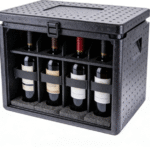
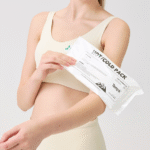
Wenn Sie Kaltware versenden, Eine recycelbare Isolierbox ist eine der schnellsten Möglichkeiten, Schaumstoffabfälle zu reduzieren, ohne die Produktqualität zu gefährden. Wenn es richtig verpackt ist, Viele Bahnen können 24–48 Stunden lang in der „sicheren Zone“ von 2–8 °C bleiben, und einige können erreichen 72 Stunden mit Validierung. In 2026, Auch der „grüne“ Teil ist wichtiger – denn Vorschriften und Kunden erwarten zunehmend Verpackungen, die in der Praxis recycelbar sind, nicht nur auf einem Etikett.
Dieser Ratgeber wird Ihnen dabei helfen:
Wählen Sie für die Lebensmittellieferung eine recycelbare Isolierbox, die das Schmelzen reduziert, Lecks, und Beschwerden
Verwenden Sie recycelbare Materialien Isolierte Verpackung für Arzneimittel, ohne Rückschlüsse auf die Compliance zu ziehen
Erfahren Sie, wie man recycelt Isolierte Versandkartons mit klar, einfache Schritte
Vergleichen Sie die Kosten einer recycelbaren Isolierbox mit einem EPS-Kühler, Leistung, und Entsorgung
Erstellen Sie einen wiederholbaren Packout, den Sie in wenigen Minuten trainieren können (Nicht Stunden)
Eine recycelbare Isolierbox ist nur dann „recycelbar“, wenn Ihr Kunde (oder Empfangsmannschaft) trennen kann, Sortieren, und die Hauptteile schnell recyceln. Wenn Recycling zehn Schritte erfordert, es wird nicht passieren. Ihr Ziel ist ein Rudel, das sich offensichtlich anfühlt: „Entferne das, recyceln Sie das.“
Stellen Sie sich Recyclingfähigkeit als eine Checkliste für die Praxis vor:
Sammlung: wird es abgeholt? (Bordsteinkante oder vor Ort akzeptiert)?
Sortierung: können Einrichtungen es ohne besonderen Aufwand trennen?
Endmärkte: wird es tatsächlich zu neuem Material verarbeitet??
Tabelle der Recyclingfähigkeitskontrollpunkte (Verwenden Sie dies während der Beschaffung)
| Komponente | Wählen | Vermeiden | Was es für Sie bedeutet |
|---|---|---|---|
| Äußerer Versender | Normaler Wellpappekarton | Kunststoffbeschichtete oder gewachste Oberflächen | Höherer Recyclingerfolg, weniger Streitigkeiten |
| Isolierung | Faser, geformter Zellstoff, Papiertafeln, teilbares Monomaterial | An die Wände geklebter Schaumstoff | Weniger „Standardmüll“-Ergebnisse |
| Liner | Abziehen, gefaltet, oder einsteckbarer Liner | Permanentes Mehrschichtlaminat | Schnellere Trennung und besseres Recyclingverhalten |
| Klebeband/Etiketten | Minimal, leicht zu entfernen | Überall schweres Plastikband | Saubererer Faserstrom und weniger Sortierfehler |
| Kühlmittel | Klar gekennzeichnete Gel-/PCM-Packungen | Unbeschriftetes „Mystery-Gel“ | Weniger Kundenfragen und Support-Tickets |
Der 60-sekündige „Busy Person“-Test (interaktiv)
Geben Sie einen ungeöffneten Versandkarton an jemanden außerhalb Ihres Teams weiter. Bitten Sie sie, es unten zu recyceln 60 Sekunden, ohne online suchen zu müssen.
Passieren: Sie trennen Teile richtig und sicher
Grenze: sie zögern, Fragen stellen, oder Komponenten auseinanderreißen
Scheitern: Sie werfen es weg, weil es verwirrend ist
Warum ist das wichtig: Die beste recycelbare Isolierbox ist die, die recycelt wird, wenn es eilig ist.
Wie hält eine recycelbare Isolierbox die Produkte unterwegs kalt??
Eine recycelbare Isolierbox macht nicht „kalt“. Es verlangsamt die Erwärmung. Stellen Sie sich eine Winterjacke vor: Es fängt ruhende Luft ein, sodass die Außenwärme langsamer eindringt.
Ihre Haltezeit wird von fünf Grundlagen bestimmt:
Außentemperatur (Die Sommerzeit auf der Veranda ist brutal)
Kartongröße (Ein größeres Luftvolumen erwärmt sich schneller)
Produktstarttemperatur (Ein warmes Produkt verbrennt Ihr kaltes Budget)
Art und Masse des Kältemittels (Gel vs. PCM vs Trockeneis)
Verpackungsqualität (Hohlräume, Lücken, Eine schlechte Platzierung führt zu heißen Ecken)
Gängige Isolierungsansätze (und was sie für Sie bedeuten)
| Isolierungsansatz | Typische Materialien | Praktischer Nutzen | Geeignete Routen |
|---|---|---|---|
| Lufteinschließende Faserstrukturen | Geformter Zellstoff, Papierfaser | Einfache Recyclinggeschichte + Dämpfung | Lebensmittel Lieferung, D2C-Spuren |
| Dicht montierte Paneele | Papiertafeln, geformte Formen | Weniger Lücken, ständigere Temperaturen | 2–8°C Pharmaspuren |
| Teilbare Einsätze aus Monomaterial | PP-basierte Designs | Dauerhaft, wiederholbare Leistung | Wiederverwendung von Programmen oder kontrollierte Rückgaben |
| Hybride „leicht trennbare“ Systeme | Karton + herausnehmbares Futter | Bessere Feuchtigkeitskontrolle | Gemischte Saison, gemischte Produkte |
Praktische Tipps zur Temperaturstabilität (Sie können sich noch heute bewerben)
Konditionieren Sie das Produkt vor dem Verpacken auf die Zieltemperatur
Blockieren Sie den Luftstrom, indem Sie Hohlräume füllen (Leere Luft erwärmt sich schnell)
Zentrieren Sie die Nutzlast so, dass sie die Außenwände nicht berührt
Platzieren Sie das Kältemittel dort, wo Wärme eindringt (oft oben und an den Seiten)
Trainieren Sie ein Standardlayout, damit die Packouts nicht je nach Person oder Schicht schwanken
Muster aus der realen Welt: wenn ein Versender „größtenteils kalt“ ankommt, aber nicht konform ist, Die Lösung liegt oft in der Packout-Disziplin, keine dickere Isolierung.
Recycelbare Isolierbox vs. EPS-Schaumkühler vs. wiederverwendbare Produkte: was gewinnt?
Es gibt keinen universellen Gewinner. Die richtige Wahl hängt davon ab, ob Sie die Rendite kontrollieren, wie Ihre Kunden Verpackungen entsorgen, und wie streng Ihr Temperaturrisiko ist.
Schneller Vergleich (Leistung + Operationen)
| Faktor | Recycelbare Isolierbox | EPS-Schaumkühler | Wiederverwendbarer Versandbehälter |
|---|---|---|---|
| Erfahrung in der Kundenentsorgung | Normalerweise einfacher | Oft frustrierend | Gemischt (muss zurückkehren) |
| Rückwärtslogistik erforderlich | NEIN | NEIN | Ja |
| Lagerhaltung | Wird oft flach versendet / modular | Sperrig | Moderat |
| Feuchtigkeitsverhalten | Benötigt Liner-Planung | Von Natur aus wasserbeständig | Hängt vom Design ab |
| Compliance-Risiko (Kennzeichnung/Aussagen) | Kann klar verwaltet werden | Zunehmende Kontrolle | Starke, wenn kontrollierte Schleife |
| Geeignete Routen | D2C, gemischte Renditen, Markenfokus | Kostengünstigste Isolierung | B2B-Laufspuren mit geschlossenem Regelkreis |
Entscheidungstool: Wählen Sie Ihre Spur 3 Minuten (interaktiv)
Beantworten Sie diese:
Haltezeit erforderlich: 0- 24 Stunden / 24-48h / 48-72H
Zielbereich: 2–8 ° C / 15–25°C / gefroren
Schlechteste Saison: Sommer / Winter / beide
Risiko der letzten Meile: niedrig / Medium / hoch (Zeit auf der Veranda, Lieferung fehlgeschlagen)
Hilfreiche Entscheidungshilfen
Überprüfen Sie die Details, bevor Sie sich für die Verpackung entscheiden
Mit diesen schnellen Tools können Sie das Routenrisiko vergleichen, Größenanforderungen, Kühlmittelauswahl, und Verpackungsdetails, bevor Sie ein Angebot anfordern.
Kühlakku-Rechner
Schätzen Sie die Menge an Gel-Eisbeuteln für gekühlte Sendungen und nutzen Sie die praktische Routenplanung.
Schätzen Sie EisbeutelBoxliner & Dimensionierung der Palettenabdeckung
Überprüfen Sie die Größenlogik für Kartoneinlagen und Palettenabdeckungen für isolierte Verpackungsprojekte.
Schätzen Sie die GrößeFallfestigkeit des Isolationsmaterials
Überprüfen Sie die Fallfestigkeit und die Handhabungsfaktoren, bevor Sie Isoliermaterialien auswählen.
Widerstand prüfenEntsorgungsrealität: stark / gemischt / schwach
Einfache Faustregel (keine Labormathematik):
Wenn Sie 48–72 Stunden versenden, Behandeln Sie es als hohes Risiko, bis Sie Spurdaten haben.
Bei gemischten Entsorgungsgewohnheiten, Bevorzugen Sie Fiber-First-Designs mit offensichtlichen Schritten.
| Spurprofil | Empfohlener recycelbarer Isolierbox-Stil | Kühlmittelstrategie | Was es für Sie bedeutet |
|---|---|---|---|
| Lokal 0–24h gekühlt | Dünner Faserliner | Kleine Gelpackungen | Niedrigste Kosten + einfachste Recycling-Geschichte |
| Regional 24–48h gekühlt | Mittlere Faser-/Panel-Passform | Gelpackungen + enge Verpackung | Beste Leistungsbalance + Einfachheit |
| 48–72h gekühlt | Validiertes System mit höherer Leistung | PCM oder Schichtgel | Muss validiert werden + strengere SOP |
| Gefroren | Isoliert + Trockeneis oder PCM | Trockeneis oder gefrorenes PCM | Mehr Komplexität, höheres Risiko |
So erstellen Sie eine Standard-Packout-SOP (und warum es wichtiger ist als die technischen Daten der Box)
Eine recycelbare Isolierbox ist nur so gut wie die Verpackung. Wenn jede Schicht anders packt, Sie werden inkonsistente Temperaturen und Kundenbeschwerden sehen.
Packout-SOP-Vorlage (Passen Sie es an Ihren Betrieb an)
| Schritt | Aktion | Warum ist es wichtig |
|---|---|---|
| 1 | Produkt auf Zieltemperatur vorkühlen | Warme Produkte verbrennen Ihr kaltes Budget |
| 2 | Box zusammenbauen + Liner | Liner kontrolliert Feuchtigkeit und Trennung |
| 3 | Legen Sie das untere Kühlmittel ein (falls erforderlich) | Schützt vor Bodenhitze |
| 4 | Mittelprodukt mit Puffer | Vermeiden Sie Wandkontakt und Frostgefahr |
| 5 | Füllen Sie Hohlräume mit Staumaterial | Leere Luft erwärmt sich schnell |
| 6 | Kühlmittel oben auflegen | Wärme dringt von oben und von den Seiten ein |
| 7 | Liner schließen, dann Box | Die Kaltzone abdichten |
| 8 | Bringen Sie eine Entsorgungstafel oder ein Etikett an | Sagt dem Kunden, was er tun soll |
Trainingstipp: fotobasierte SOPs
Machen Sie Fotos von jedem Schritt. Drucken Sie diese an der Packstation auf eine laminierte Karte. Neue Mitarbeiter können innerhalb von Minuten folgen.
Beschriftung, Einhaltung, und was „recycelbar“ wirklich bedeutet 2026
Angaben zur Wiederverwertbarkeit werden genauer unter die Lupe genommen. Wenn Sie „recycelbar“ sagen, die Kiste aber auf der Mülldeponie landet, Sie riskieren Beschwerden, kehrt zurück, und regulatorische Aufmerksamkeit.
Wichtige Vorschriften und Leitlinien (Klartext)
Kalifornien SB 343: Dieses Gesetz zielt darauf ab, die Kennzeichnung als „recycelbar“ einzuschränken, es sei denn, Materialien werden in realen Systemen in großem Maßstab gesammelt und verarbeitet.
US-Marketing-Leitfaden: die Green Guides der FTC (16 CFR -Teil 260) Erläutern Sie, wie Sie irreführende Umweltaussagen vermeiden und Ansprüche richtig qualifizieren.
EPR-Dynamik: Die EPR-Programme für Verpackungen wurden auf sieben Bundesstaaten ausgeweitet (seit neuestem 2025), was die Berichterstattung verändern kann, Gebühren, und Anreize für das Verpackungsdesign.
Einfach, vertretbare Kennzeichnungsschritte (Tun Sie dies auch, wenn Sie nicht „reguliert“ sind)
Schreiben Sie Entsorgungsanweisungen für jede Komponente auf (Kasten / Isolierung / Liner / Kühlmittel)
Vermeiden Sie absolute Aussagen wie „100 % überall recycelbar“, es sei denn, Sie können dies beweisen
Bewahren Sie einen Dokumentationsordner auf: Spezifikationen, Lieferantenerklärungen, und Testnotizen
Platzieren Sie Anweisungen dort, wo die Aktion stattfindet: in der oberen Klappe
Notiz: Dies ist eine praktische Anleitung, keine Rechtsberatung. Ihr sicherster Schritt sind „klare Schritte“. + Wahrheit auf Komponentenebene.“
2026 Trends, die das Design recycelbarer Isolierboxen prägen
In 2026, Die besten recycelbaren Isolierbox-Designs sehen einfacher aus, aber sie sind leistungsfähiger, weil sie auf echtes Verhalten ausgelegt sind:
Der neueste Fortschritt wird Ihnen am häufigsten angezeigt
Fiber-First-Isolierung im großen Maßstab: Die Optionen für geformten Zellstoff und Papierfasern sind einfacher zu erklären und zu sortieren
Abziehbare Liner und Klebeverbindungen mit geringer Klebrigkeit: Die Trennung wird schnell und befriedigend
Intelligentere Kältemittelpaarung: Immer mehr Teams verwenden PCM, wenn das Risiko eines Einfrierens hoch ist
Verpackung „UX“-Design: Große Innenflächen im Deckel verhindern Verwirrung beim Auspacken
Datengesteuerte richtige Dimensionierung: Auf die Spurprofile abgestimmte Packouts reduzieren Kosten und Variabilität
Market insight (Klartext)
„Nachhaltig“ ist kein Schlagwort mehr. Käufer wollen Einfachheit, nachweisen, und Wiederholbarkeit. Die recycelbare Isolierbox, die gewinnt, ist die, die Ihr geschäftigster Mitarbeiter an einem Montagmorgen richtig packen kann.
Häufige Fragen zu einer recycelbaren Isolierbox
Q1: Kann eine recycelbare Isolierbox Schaumstoffkühler vollständig ersetzen?? Oft ja für kurze bis mittlere Fahrspuren, insbesondere 0–48 Stunden. Der Schlüssel liegt in der richtigen Größe und einer wiederholbaren Verpackung. Für 48–72 Stunden, Validieren Sie zunächst mit Temperaturloggern, bevor Sie skalieren.
Q2: Sind recycelbar Isolierte Kisten teurer? Der Stückpreis kann etwas höher sein, aber die Gesamtkosten können sinken. Wenn Sie die Reibung bei der Entsorgung berücksichtigen, Stauraum, Kundenbeschwerden, und Rücksenderisiko, Eine recycelbare Isolierbox hat oft die Nase vorn.
Q3: Wie lange hält eine recycelbare Isolierbox 2–8°C aus?? Viele Systeme können 24–48 Stunden durchhalten, wenn das Produkt vorgekühlt ist und die Kühlmittelmenge für die schlechteste Jahreszeit ausgelegt ist. Längere Haltezeiten sind möglich, sollte aber auf Ihren tatsächlichen Fahrspuren nachgewiesen werden.
Q4: Wie verhindere ich das Einfrieren in einer recycelbaren Isolierbox?? Vermeiden Sie direkten Eiskontakt. Fügen Sie eine Pufferschicht hinzu und erwägen Sie PCM-Pakete, die in der Nähe Ihres Zielbereichs abgestimmt sind. Stellen Sie sich PCM als „Eis, das nicht zu kalt wird“ vor.
Q5: Was ist der größte Fehler beim Umstieg auf eine recycelbare Isolierbox?? Wechseln Sie den Karton, behalten Sie aber die alte Verpackung. Faserbasierte Systeme erfordern häufig eine engere Passform, bessere Hohlraumfüllung, und gleichmäßige Platzierung, um heiße Ecken zu vermeiden.
Q6: So recyceln Sie isolierte Versandkartons, wenn die Isolierung nass ist? Wenn möglich trocknen lassen. Saubere Faserteile recyceln, aber durchnässte Isolierung entsorgen, Lebensmittelflecken, oder mit Gel verunreinigt. Bessere Liner verringern dieses Problem.
Zusammenfassung und Empfehlungen
Eine recycelbare Isolierbox hilft Ihnen, Kühlsendungen zu schützen und gleichzeitig Abfall und Reibungsverluste bei der Entsorgung zu reduzieren. Die größten Erfolge entstehen durch einfache Trennung, richtige Größe, und eine wiederholbare Verpackungs-SOP. Wenn Sie in der schlechtesten Jahreszeit mit Temperaturloggern testen und standardisieren, was funktioniert, Sie reduzieren die Rückerstattungen, Abweichungen, und Kundenverwirrung – ohne übermäßig viel Verpackung.
Ihr nächster Schritt (klarer CTA)
Wählen Sie eine Spur mit hohem Volumen aus und führen Sie eine einwöchige Validierung durch:
Sperren Sie eine Boxgröße
Sperren Sie eine Packout-SOP mit Fotos
Fügen Sie eine einfache Entsorgungsplatte im Deckel hinzu. Erweitern Sie dann mit der gleichen Methode auf die nächste Spur.
Über Tempk
Und Tempk, wir bauen Kühlkettenverpackung das funktioniert im realen Betrieb, nicht nur unter perfekten Bedingungen. Wir helfen Ihnen bei der Auswahl einer recycelbaren Isolierbox, die zu Ihrer Fahrzeit passt, Saisonrisiko, und Entsorgungsrealität. Wir unterstützen auch die Verpackungsstandardisierung und Validierungsplanung, So kann Ihr Team sicher versenden und gleichzeitig Verpackungsmüll reduzieren.
Aufruf zum Handeln: Teilen Sie Ihren Zieltemperaturbereich mit, Haltezeit (24/48/72H), und Versandregion – und wir schlagen Ihnen eine praktische Startverpackung zum Testen vor.