Großhandel mit Trockeneisbeuteln für die Insulinlogistik: From Product Label to Controlled Scale-Up
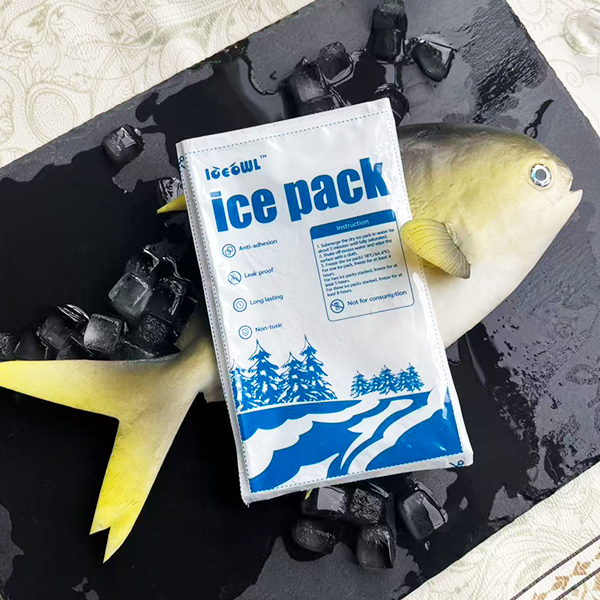
Buying a wholesale Trockeneisbeutel for insulin logistics should begin with a terminology check and end with an approved operating system. In diesem Zusammenhang, Das Produkt ist eine durch Wasser aktivierte Folie, die hydratisiert und gefroren wird. Es handelt sich nicht um festes Kohlendioxid. Das gefrorene Blech kann in einer isolierten Verpackung für Kühlung sorgen, Es kann aber neben gefrierempfindlichem Insulin auch einen Kältefleck erzeugen.
Das Einkaufsziel ist daher präzise: Sorgen Sie für eine gleichmäßige Kühlmittelkomponente, Integrieren Sie es in eine Verpackung, die genau auf dem Insulinetikett basiert, Nachweis der vollständigen Konfiguration unter begründeten Bedingungen, und bewahren Sie diesen Zustand während der routinemäßigen Verteilung auf.
Entscheidung eins: Confirm What Must Be Protected
Insulin is not a single logistics specification. Viele ungeöffnete Produkte sind für eine gekühlte Lagerung bei etwa 2 °C bis 8 °C gekennzeichnet und enthalten eine Warnung vor dem Einfrieren, sondern die aktuellen Hinweise zur genauen Formulierung und Präsentationskontrolle. In Gebrauch befindlicher Speicher, genehmigte Ausflüge, and handling may differ.
Create a product requirement brief before contacting suppliers. Es sollte identifizieren:
- Product name and presentation
- Labeled storage and transport conditions
- Approved internal guidance for excursions, falls verfügbar
- Shipment unit and payload range
- Origin and destination storage
- Route, Übergaben, und glaubwürdige Verzögerungen
- Saisonale Exposition
- Required monitoring and records
- Receiving and quarantine procedure
This brief separates three responsibilities. The medicine manufacturer or product owner defines the product requirement. Packaging engineering develops the system. Quality approves evidence and disposition procedures. The coolant supplier provides a controlled component and relevant information; it does not authorize insulin use after an excursion.
A direct answer for buyers
A frozen hydration sheet can be considered for an insulin packout, but it should not be placed in direct contact by assumption. Ein Trennzeichen, controlled coolant condition, and qualified arrangement are usually central to evaluating freeze-sensitive payloads. More cooling is not automatically safer.
Entscheidung zwei: Separate the Component From the System
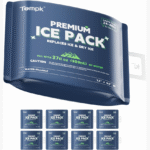
A hydration sheet begins as a dry cellular pack. After it absorbs clean water and freezes, it becomes a flexible heat sink. This format may simplify inbound storage and allow placement around a payload. It also makes on-site preparation part of the controlled process.
The sheet cannot establish a refrigerated range alone. System behavior depends on insulation, Schließung, Kühlmittelmenge, vorbereiteter Zustand, Trennung, Nutzlast, leerer Raum, Anfangsbedingungen, Umgebungsherausforderung, und Zeit. A hold-time claim that does not identify these variables cannot be applied responsibly to insulin.
The language used in purchasing documents should reflect this boundary:
- Coolant component: the prepared hydration sheet
- Isolierter Versender: die Kiste, Liner, or container that resists heat transfer
- Passive temperature-controlled system: the defined combination of shipper, Kühlmittel, Nutzlast, und Verpackungsmethode
- Qualified configuration: a specific system supported by documented testing for defined conditions
- Temperaturlogger: a device that records evidence but does not protect the payload
Solid carbon dioxide belongs outside this equivalence. It has different physical behavior, transport controls, and very-low-temperature use cases. Never substitute it for a water-based sheet, or substitute a sheet for it, based on the shared words "dry ice."
Entscheidung drei: Control the Cold Boundary
Heat enters a passiver Versender through walls, Nähte, Deckel, und Öffnungen. Frozen coolant absorbs that heat as it warms and melts. Gleichzeitig, the coolant draws heat from nearby objects. This second path is what creates insulin freeze risk.
Direct conduction can overcool the carton next to a frozen sheet even while central air remains within the expected range. Overlapping sheets can create another concentrated cold region. A small payload can be more vulnerable than a full load because it has less thermal mass relative to the coolant.
Design controls may include:
- A defined spacer or thermal barrier
- A controlled coolant-conditioning method
- Fixed sheet pockets or orientation
- Separate packouts for minimum and maximum payloads
- Void-fill rules
- Limits on packing time and coolant exposure before closure
- Seasonal variants supported by evidence
Each control must appear in both the test configuration and the warehouse instruction. Replacing a separator with whatever corrugated sheet is available can change heat transfer. Adding a "safety pack" during hot weather can create freezing. Removing a pack from a partial order can create late-route warming. Controlled systems avoid such improvisation.
Why sensor placement is part of design
A single central sensor answers a narrow question about that location. It may not detect a carton surface against coolant or a warm region near the lid. Qualification should place sensors where thermal reasoning predicts cold and warm hazards. Routine monitoring placement can then follow the evidence and risk plan.
A Five-Gate Path From Inquiry to Wholesale Release
Der Großhandelseinkauf funktioniert am besten, wenn die kommerzielle Genehmigung den technischen Toren folgt und nicht ihnen vorauseilt.
| Tor | Beweise vorlegen | Stoppbedingung |
|---|---|---|
| 1. Produkt- und Routendefinition | Aktueller Insulinbedarf, Nutzlastkoffer, Streckenkarte, Akzeptanzkriterien | Das genaue Produkt oder der erforderliche Zustand ist unklar |
| 2. Komponentenscreening | Produktidentität, Spezifikation, Aktivierungsmethode, Passform vorbereitet, Integritätsbeobachtungen | Blatt wird mit festem CO2 verwechselt oder kann nicht einheitlich aufbereitet werden |
| 3. Packout-Entwicklung | Definierte Isolierung, Separatoren, Kühlmittelpositionen, Nutzlast, Schließung, Sensorbegründung | Das Risiko des direkten Kontakts oder der Mindestlast bleibt ungelöst |
| 4. Qualifizierung und Betriebserprobung | Genehmigtes Protokoll, thermische Ergebnisse, Verpackungsanweisung, Beobachtungen geschulter Benutzer | Die Beweise stellen keine beabsichtigten Zustände dar oder das Personal kann sie nicht reproduzieren |
| 5. Produktionsfreigabe | Zugelassene Spezifikation, eingehende Schecks, Loskontrolle, Änderungsmitteilung, Notfallpfad | Das Produktionsmaterial weicht erheblich vom bewerteten Muster ab |
Die Tore verhindern, dass aus einem attraktiven Einheitsangebot eine unkontrollierte Systembindung wird. Sie schaffen auch eine gemeinsame Sprache für die Beschaffung, Maschinenbau, Qualität, Operationen, und der Lieferant.
Schreiben Sie die Lieferantenanfrage rund um die Leistung im vorbereiteten Zustand
Trockenmaße sind für Lagerung und Handhabung wichtig, aber Insulin-Packouts verwenden das Produkt nach der Flüssigkeitszufuhr und dem Einfrieren. Die Angebotsanfrage sollte sich an beide Staaten richten.
Komponenteninformationen
Fragen Sie nach Maßen und Toleranzen, Zellmuster, Baubeschreibung, Trockenverpackung, Aufbewahrungshinweise, Hydratationsmethode, Anleitung zum Einfrieren, Losidentifikation, Prüfkriterien, und Änderungsmitteilungspraxis. Wenn Anpassung besprochen wird, Identifizieren Sie, welche Attribute sich ändern und wie neues Material bewertet wird.
Informationen zum vorbereiteten Zustand
Fragen Sie, wie die Flüssigkeitszufuhr kontrolliert wird, Auf welche Zubereitungsvariante sollten Nutzer achten?, wie das Blatt in einem Gefrierschrank angeordnet werden sollte, und welche Handhabung es beschädigen kann. Überprüfen Sie die hydratisierte Passform, Dicke, Flexibilität, Nahtbeanspruchung, und Zustand nach dem Auftauen.
Systembeweis
Wenn der Lieferant thermische Daten bereitstellt, Stellen Sie fest, ob es den gesamten vorgeschlagenen Versender abdeckt. Der Bericht soll die Dämmung vornehmen, Nutzlast, Kühlmittelanordnung, Vorbereitung, Umgebungsprofil, Dauer, Sensorpositionen, und Erfolgskriterien verständlich. Ein generisches Diagramm ohne diese Details ist keine Grundlage für eine Veröffentlichung.
Handels- und Qualitätskontrollen
Bestellverpackung klären, Probenahme, Chargenrückverfolgbarkeit, Annahme fehlerhafter Ware, Kommunikation über Korrekturmaßnahmen, und Skalierung. Behandeln Sie Mindestbestellmenge und Lieferzeit als angegebene kommerzielle Variablen und nicht als dauerhafte Produkteigenschaften. Fragen Sie, was passiert, wenn ein Rohstoff, Versiegelungsprozess, Zellgeometrie, oder Produktionsstandortwechsel.
Machen Sie Hydratation und Gefrieren reproduzierbar
Der Betriebsstandort fügt Wasser hinzu und führt Wärme ab, Daher hängt der endgültige Kühlmittelzustand teilweise von der örtlichen Ausführung ab. Erstellen Sie Vorbereitungskontrollen vor der ersten kommerziellen Lieferung.
Eine praktikable Anleitung deckt ab:
1. Freigabestatus der Trockenblattcharge
2. Reinigen Sie den Vorbereitungsbereich und die Wasserquelle
3. Chargengröße und Hydratationsanordnung
4. Entwässerung oder Handhabung nach der Aktivierung
Hilfreiche Entscheidungshilfen
Überprüfen Sie die Details, bevor Sie sich für die Verpackung entscheiden
Mit diesen schnellen Tools können Sie das Routenrisiko vergleichen, Größenanforderungen, Kühlmittelauswahl, und Verpackungsdetails, bevor Sie ein Angebot anfordern.
Boxliner & Dimensionierung der Palettenabdeckung
Überprüfen Sie die Größenlogik für Kartoneinlagen und Palettenabdeckungen für isolierte Verpackungsprojekte.
Schätzen Sie die GrößeKühlmittel & PCM-Referenz
Vergleichen Sie Kühlmittel- und PCM-Optionen, wenn eine Route zusätzliche Temperaturunterstützung benötigt.
Vergleichen Sie OptionenReferenz zu Isoliermaterialien
Vergleichen Sie die Auswahl an Isoliermaterialien für unterschiedliche Kühlkettenverpackungsanforderungen.
Vergleichen Sie Materialien5. Beladungsmuster und Identifizierung des Gefrierschranks
6. Überprüfung, ob die Vorbereitung abgeschlossen ist
7. Konditionierungsmethode, falls erforderlich
8. Maximale Bearbeitungszeit vor dem Verpacken
9. Aussonderung beschädigter oder fragwürdiger Blätter
10. Lagerung und Rotation des vorbereiteten Inventars
Die Schulung sollte erklären, warum diese Schritte wichtig sind. Ein Packer, der versteht, dass überlappende gefrorene Bleche eine Kältestelle bilden können, ist weniger wahrscheinlich, dass dies der Fall ist "verbessern" eine Konfiguration während einer geschäftigen Schicht. Visuelle Hilfsmittel können die richtige Orientierung anzeigen, Platzierung des Trennzeichens, und Nutzlastvarianten, aber die kontrollierte schriftliche Anweisung bleibt die Referenz.
Die Gefrierkapazität sollte bei Spitzenbedarf bewertet werden, keine durchschnittliche Lautstärke. Blätter benötigen die richtige Anordnung und ausreichend Zeit, um ihren gewünschten Zustand zu erreichen. Wartung, Abtauzyklen, und Stromunterbrechung gehören in die Notfallplanung. Wenn der Standort das Kühlmittel nicht gleichmäßig vorbereiten kann, Eine andere Komponente oder ein anderes Versorgungsmodell ist möglicherweise besser geeignet.
Qualifizieren Sie die Spur, ohne so zu tun, als wäre sie vorhersehbar
Routeninformationen sind unerlässlich, Ein Streckenprofil ist jedoch keine Garantie. Es beschreibt beobachtete oder erwartete Bedingungen, die zum Aufbau einer berechtigten Herausforderung beitragen.
Ordnen Sie die Etappen zu: Packraum, Sammeldock, erstes Fahrzeug, Sortierzentrum, Linienverkehr, überweisen, Zieldepot, Lieferfahrzeug, und Empfangsbereich. Berücksichtigen Sie verpasste Verbindungen, verspätete Lieferung, Wochenende geschlossen, und äußere Kälte, soweit relevant. Stellen Sie bei jeder Übergabe fest, wer das Sorgerecht hat und ob tatsächlich eine temperaturgeführte Lagerung zur Verfügung steht.
Die Qualifizierung sollte vorab Akzeptanzkriterien definieren und die beabsichtigte Auslastung genau abbilden. Dabei sollten sowohl warme als auch kalte Herausforderungen berücksichtigt werden, relevante Nutzlastextreme, und Betriebsvariation. Die Instrumente müssen geeignet und platziert sein, um vorhergesagte heiße und kalte Stellen zu untersuchen.
Der Abschlussbericht sollte einen Link zu einer genehmigten Verpackungsanweisung enthalten. Wenn das Testteam sorgfältige manuelle Anpassungen vorgenommen hat, die nicht in der Anleitung aufgeführt sind, Bei Routinesendungen wird das Ergebnis nicht reproduziert.
Die Sendungsüberwachung prüft dann die tatsächlichen Fahrten nach einem risikobasierten Plan. Gerätekonfiguration festlegen, Platzierung, Datenassoziation, Abruf, Alarmüberprüfung, Eskalation, und Verantwortung für die Produktdisposition. Temperaturdaten sind Beweismittel; Nur ein autorisierter Prozess entscheidet, was eine Abweichung für das Insulin bedeutet.
Kontrollskala, Ändern, und Ausnahmen
Der Übergang vom Pilot- zum Großhandelsvolumen verändert den Prozess, auch wenn das Blatt gleich bleibt. Mehr Schichten, größere Trinkmengen, vollere Gefrierschränke, mehrere Nutzlastvarianten, und zusätzliche Websites können für Abwechslung sorgen.
Vor der Skalierung:
- Stellen Sie sicher, dass jeder Standort über geeignete Vorbereitungs- und Gefrierkapazitäten verfügt
- Vergleichen Sie die Ausgabe im vorbereiteten Zustand für alle Geräte und Schichten
- Überprüfen Sie die Produktionschargen anhand der genehmigten Probe
- Schulen Sie Packer und Empfangspersonal
- Erstellen Sie Chargen- und Versandprotokolle
- Definieren Sie eine regelmäßige Überprüfung von Mängeln, Ausflüge, und Verpackungsabweichungen
- Genehmigen Sie bei Bedarf Backup-Komponenten oder Packouts
Die Änderungskontrolle sollte das Blatt decken, Isolierung, Separator, Außenkarton, Logger, Nutzlastanordnung, Anweisungen, und Route. Nicht jede Änderung erfordert die gleiche Reaktion, Aber jede wesentliche Änderung verdient eine Bewertung. Ein neues Blatt mit der gleichen Grundfläche kann Wasser anders absorbieren. Ein neuer Spediteur kann die Aufenthalts- und Übergabebedingungen ändern. Ein neues Bestellmuster in der Apotheke kann zu einer Erhöhung der Mindestbeladungsmengen führen.
Ausnahmen erfordern einen einfachen Workflow. Wenn ein Blatt undicht ist, Es ist die falsche Nutzlastvariante gepackt, eine Sammlung wird versäumt, oder ein Logger-Alarm, Das Personal sollte wissen, ob es aufhören soll, Quarantäne, eskalieren, oder neu verpacken. Geschwindigkeit kommt von vordefinierter Autorität, nicht aus der Umgehung der Überprüfung.
Kosten und Nachhaltigkeit folgen der Kontrolle
Hydratationstücher können das Gewicht des einströmenden Wassers und das Trockenspeichervolumen reduzieren. Diese potenziellen Effizienzgewinne sollten gegen die Hydratationsarbeit abgewogen werden, Wasser, Gefrierenergie, Vorbereitungsverluste, Separatoren, beschädigtes Material, und Bedienelemente.
Vergleichen Sie Alternativen auf Versandsystemebene:
- Material und Umverpackung
- Vorbereitungs- und Verpackungsarbeiten
- Geräte- und Gefriernutzung
- Überwachung und Datenverarbeitung
- Erwartete Belastung durch Rückwärtslogistik
- Abfall durch Beschädigung oder falsche Zubereitung
- Kosten für Qualifizierung und kontrollierte Änderungen
- Folgen einer Verspätung oder Abweichung
Bei einem geschlossenen System kann eine Wiederverwendung sinnvoll sein, vorhersehbare Schleife, aber nur mit Besichtigung, Hygiene, Rückverfolgbarkeit, Rehydrierung, Lagerung, und Ruhestandsregeln. Ein offenes Paketnetz sendet möglicherweise nicht genügend Blätter zurück, um dieses Modell zu rechtfertigen. Beanspruchen Sie nicht nur durch das Wort einen Nutzen für die Umwelt "wiederverwendbar." Messen Sie den Materialfluss und wahren Sie die gleichen thermischen Akzeptanzkriterien.
Häufig gestellte Fragen
Was ist die erste Frage, die man einem Großhändler für Trockeneisbeutel stellen sollte??
Bitten Sie den Lieferanten um Bestätigung, ob es sich bei dem Produkt um eine durch Wasser aktivierte Hydratationsschicht oder tatsächlich um festes Kohlendioxid handelt. Geben Sie dann den genauen Insulinbedarf und die vorgesehene Packung an. Die Produktidentität muss vor dem Preis geklärt werden, Menge, oder thermische Ansprüche können verglichen werden.
Warum ist direkter Kontakt für Insulin riskant??
Viele Insulinetiketten warnen vor dem Einfrieren. Eine gefrorene Folie auf Wasserbasis kann einem angrenzenden Karton schnell Wärme entziehen, Dadurch entsteht ein lokaler Kältezustand, den ein zentraler Luftlogger möglicherweise nicht anzeigt. Verwenden Sie das Trennzeichen, Konditionierung, Platzierung, und Nutzlastanordnung, die durch die genehmigte Verpackung festgelegt wird.
Kann eine qualifizierte Box jede Bestellgröße abdecken??
Nur wenn Beweise den definierten Konfigurationsbereich unterstützen. Die Mindestzuladung kann zum Einfrieren schwerwiegend sein, während eine größere Ladung den Schutz auf der warmen Seite erschweren kann. Bei der Kühlmittelmenge oder der Hohlraumfüllung sollten Sie nicht improvisieren. Qualifizieren Sie die Nutzlastfälle und benennen Sie jede genehmigte Konfiguration eindeutig.
Welche Lieferantenwechsel sind am wichtigsten??
Änderungen an der Zellgeometrie, Abmessungen, absorbierende Struktur, Film, Siegel, Zubereitungshinweise, oder der Produktionsprozess können die Flüssigkeitszufuhr beeinflussen, fit, Integrität, und thermisches Verhalten. Auch Verpackungs- und Logistikänderungen können von Bedeutung sein. Fordern Sie eine Benachrichtigung an und bewerten Sie jede Änderung anhand des Qualitätsprozesses des Kunden.
Macht ein Temperaturlogger eine unqualifizierte Verpackung akzeptabel??
NEIN. Ein Logger zeichnet die Bedingungen an seinem Standort auf; es verhindert weder Wärmeübertragung noch Gefrieren. Nutzen Sie die Qualifizierung zur Feststellung der Verpackung und die Überwachung zur Bereitstellung von Versandnachweisen. Verknüpfen Sie Alarme und Abweichungen mit einem definierten Überprüfungs- und Dispositionsprozess.
Abschluss: Genehmigen Sie den Prozess, Nicht nur das Rudel
Ein feuchtigkeitsspendender Trockeneisbeutel kann für einige Insulinwege eine praktische Kühlmittelkomponente sein, Der Handelsname begründet jedoch keine Eignung. Stellen Sie sicher, dass es sich nicht um festes CO2 handelt, Befolgen Sie die genaue Insulinetikette, verhindern unkontrollierten Gefrierkontakt, und qualifizieren Sie die gesamte Versandkonfiguration.
Der Erfolg im großen Stil beruht auf Reproduzierbarkeit. Kontrollieren Sie die Flüssigkeitszufuhr, Einfrieren, Verpackung, Überwachung, Produktionslose, und Änderungen mit der gleichen Sorgfalt, mit der Sie das Blatt ausgewählt haben. So wird aus einem Sample ein zuverlässiges Betriebssystem.
Über Tempk
Tempk bietet Flüssigkeitszufuhr, Kühlplatten und Isolierung Kühlkettenverpackung Optionen für Geschäftskäufer. Für die Insulinlogistik, Wir können das physische Paketformat überprüfen, Zubereitungsmethode, vorgeschlagene Isolierung, Nutzlastanordnung, Streckenbedingungen, und die Großhandelsabwicklung muss eine gezielte Probenauswertung unterstützen. Wir vermeiden es, eine Komponente als Universallösung zu betrachten. Endgültige Konfiguration, thermische Qualifizierung, Überwachung, und die Produktfreigabe sollte den genehmigten Anforderungen und dem Qualitätssystem des Kunden entsprechen.
CTA: Senden Sie Tempk Ihren Produktzustand, Nutzlastkoffer, Verpackungszeichnung, Streckenprofil, und Vorbereitungsbeschränkungen für die Planung einer technisch sinnvollen Großhandelsprobenprüfung.