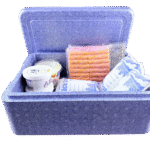
Heat insulating expanded polypropylene box: how it transforms cold chain logistics
Dezember aktualisiert 2025 – As a cold chain professional, you know that delivering temperature sensitive products requires more than gel packs and careful scheduling. A heat insulating expanded polypropylene box ist ein Leichtgewicht, reusable container built to maintain stable temperatures for days, even under rough handling. With global demand for durable, recyclable packaging soaring to around USD 1.17 Milliarden in 2024 und voraussichtlich erreichen USD 1.82 Milliarden von 2032 bei a 6.5 % CAGR, mastering this advanced box will help you lead the cold chain revolution.
What makes a heat insulating expanded polypropylene box unique? Discover how its closed cell structure traps air to slow heat transfer and why it can be reused hundreds of times.
How can you design and customize the right EPP box? Learn the step by step process for selecting foam density, choosing refrigerants and integrating smart sensors.
Which industries benefit most from these boxes? Explore applications from meal delivery to pharmaceuticals and seafood.
Was sind die 2025 Markttrends und Innovationen? Get the latest insights on the booming EPP insulation box market, including IoT enabled packaging, recycled materials and hybrid insulation.
Frequently asked questions answered. Find clear, concise answers to common questions about performance, recyclability and safety.
What makes heat insulating expanded polypropylene boxes unique?
A heat insulating expanded polypropylene (EVP) box is a rugged, closed cell foam container that offers exceptional insulation, shock absorption and reusability. Rigid EPP foam is molded under heat and pressure, forming a lattice that traps air pockets and slows heat transfer. When paired with gel packs or eutectic plates, a well designed EPP box can maintain safe temperatures for 24–72 Stunden Und, with phase change plates, bis zu 96 Std.. Unlike brittle expanded polystyrene (EPS), EPP rebounds from dents and withstands drops of about 1.5 M, and it remains stable across a wide temperature range of –40 °C bis +110 °C. Its dark color hides stains and allows the box to look presentable after repeated reuse, making it both practical and professional.
EPP’s versatility extends beyond insulation. The foam absorbs less than 5 % Wasser, resists chemicals and oils and can be recycled or remolded into new boxes. Because of its strength to weight ratio, manufacturers can tailor densities (15–100 kg/m³) to support heavy loads while keeping the box light. High density variants handle bulk seafood or medical supplies, whereas low density versions suit meal kits or consumer electronics. These characteristics make EPP boxes ideal for return and reuse programs, reducing packaging waste and total cost of ownership.
Comparing EPP boxes to other foam containers
EPP competes with foams like EPS (erweiterter Polystyrol), EPE (expandiertes Polyethylen) und Polyurethan (Pu) in Kühlkettenverpackung. The table below summarizes key differences and why they matter for your operation.
| Eigentum | EPP-Box | EPS/EPE/PU foams | Was bedeutet dies für Sie |
| Dichte (kg/m³) | 15–100 (anpassbar) | 15–30 (EPS) and varied for EPE/PUR | Higher densities improve insulation and load support; you can choose the right density for seafood crates or vaccine vials. |
| Wärmeleitfähigkeit (W/m · k) | ≈ 0.25–0.26 | 0.034–0.04 for EPS/EPE | Although EPP’s conductivity is higher, thick walls and air pockets give 24–96 hours of temperature control. |
| Schlagfestigkeit | High – rebounds after compression | Niedrig bis mäßig | EPP boxes survive drops and rough handling, reducing product loss and claims. |
| Wasseraufnahme | < 5 % | 2–4 % für EPS | Low moisture uptake prevents mould, simplifies cleaning and maintains insulation integrity. |
| Temperaturbereich | –40 °C bis +110 °C | –30 °C bis +70 °C (EPS) or –60 °C to +80 °C (EPE/PUR) | EPP handles deep frozen vaccines, chilled meals and warm deliveries within one container. |
| Wiederverwendbarkeit | 500+ Zyklen | Einzelnutzung oder begrenzte Nutzung | High reuse counts cut long term costs and support sustainability initiatives. |
| Recyclingfähigkeit | 100 % recycelbar | Difficult or limited recycling | EPP fits circular economy programs and meets regulations on packaging waste. |
Praktische Tipps und Vorschläge
Precondition with coolant: Always chill gel packs or eutectic plates alongside your EPP box before packing. Preconditioning can add several hours of cold retention, ensuring your shipment remains within target temperatures.
Load efficiently: Fill void spaces with inserts or dividers. Excess air increases temperature fluctuations.
Richtig abdichten: Use boxes with grooves and clips; proper sealing improves insulation by bis zu 30 %.
Überwachen Sie die Temperaturen: Integrate IoT sensors or data loggers to track internal conditions in real time. These alerts let you reroute shipments before temperature excursions jeopardize quality.
Reinigen und desinfizieren: Nach jedem Gebrauch, wash your EPP box with mild detergent and let it dry. Low water absorption makes cleaning easy.
Fall aus der realen Welt: In a European pilot program, consumer electronics were shipped in reusable EPP packaging. Devices experienced significantly less damage and the boxes were easier to handle. Although the initial costs were higher, the study showed that reusability and reduced product loss made EPP more economical.
How can you design and customize a heat insulating EPP box?
Designing your own heat insulating EPP box starts with understanding your product’s dimensions, Gewicht, gewünschter Temperaturbereich und Transitdauer. Regulatory guidelines for pharmaceuticals (such as maintaining 2–8 °C) or food safety need to be considered. Customization goes far beyond printing a logo; it encompasses dimensions, Einsätze, Deckel, Schaumdichte, color and smart features. Because EPP is molded rather than cut, manufacturers can create slim cases for vaccine vials, large bins for seafood or multi compartment boxes for laboratory samples. The material’s stability from –40 °C bis +110 °C means a single design can serve frozen, chilled and warm applications.
Step by step customization guide
Anforderungen definieren: Write down product dimensions, Gewicht, Zieltemperaturbereich, shipping duration and regulatory requirements. Decide whether inserts or compartments are needed for separation.
Select foam density and insulation strategy: EPP densities range from 15 kg/m³ bis 100 kg/m³. Higher densities enhance strength and insulation but add weight; lower densities save weight. Choose cooling elements—gel packs, Eutektische Platten, phase change materials or dry ice—based on temperature needs. Zum Beispiel, eutectic plates with EPP keep shipments cold for 72–96 Stunden, while dry ice enables ultra low temperatures for frozen goods.
Integrate smart features: Modern cold chain packaging often includes IoT sensors, RFID tags or temperature loggers. These devices monitor temperature, Luftfeuchtigkeit und Standort in Echtzeit, providing proof of compliance and alerting you to deviations.
Prototyp, test and refine: Produce prototypes with your supplier, then conduct thermal tests by preconditioning the box and coolant, loading with simulated payloads and monitoring interior temperatures over the expected duration. Perform drop tests (1.5 m height) to assess resilience. Adjust wall thickness, foam density or lid design based on results and repeat until performance targets are met.
Finalize aesthetics and brand elements: Mold logos or labels into the foam and choose colors that align with your brand. For consumer facing boxes, consider matte finishes and ergonomic handles; für Arzneimittel, select tamper evident seals.
Implement and monitor: Schulung des Personals zur Vorkonditionierung, packing and sealing procedures. Monitor shipments using sensors and adjust logistics if deviations occur. Maintain boxes by cleaning after each trip.
Which industries benefit most from these boxes?
Heat insulating expanded polypropylene boxes support a broad spectrum of industries by preserving temperature, absorbing shocks and enabling reuse. Food and meal delivery companies rely on consistent temperatures to preserve freshness and meet regulatory requirements; the food sector accounts for around 60 % of the EPP insulation box market. A mid density EPP box with hinged lids and bright colors can keep ingredients fresh for 72 Std. and be returned for reuse, lowering packaging waste and cost.
In Pharmazeutika und Biotechnologie, EPP’s ability to maintain 2 ° C bis 8 °C and absorb shocks makes it a preferred material. Schaumstoff mit hoher Dichte, tamper evident closures and compartments for vials or syringes protect sensitive vaccines and biologics. Built in sensors track temperature for regulatory compliance. Because EPP boxes can be reused over 500 Zyklen, pharmaceutical companies save packaging costs while meeting sustainability mandates.
Elektronik und Präzisionsinstrumente benefit from EPP’s shock absorption and thermal stability. Custom inserts hold devices securely, and IoT sensors monitor conditions. Many electronics suppliers implement return loops so customers return the box after receiving products, allowing each container to be used hundreds of times and reducing environmental impact.
Für seafood and perishable exports, EPP boxes withstand –40 °C and resist moisture. Larger sizes and high density foam keep products frozen for long international shipments, while reusable containers support traceability via QR codes or RFID tags.
Beyond these core sectors, specialty applications include chemical transport, organ transplantation and high end cosmetics. EPP is chemically inert and resists oils and solvents, protecting the integrity of sensitive contents. Cosmetic companies use compartments and colors matching their brand to transport delicate skincare lines.
Real world benefits at a glance
Lebensmittel Lieferung: Temperature stability ensures freshness; hinged lids enable easy packing; boxes return for reuse, Abfall schneiden.
Pharmazeutika: Compartments and tamper seals protect vials; sensors provide compliance data; reusability lowers cost.
Elektronik: Shock absorbing foam prevents damage; reusable loops reduce carbon footprint.
Exporte von Meeresfrüchten: High density foam keeps products frozen; moisture resistance maintains quality.
Specialty goods: Chemical inertness and customizable designs meet unique needs.
2025 market growth and innovations in EPP insulation
Der global expanded polypropylene (EVP) insulation box market boomt. Market analysis estimates the industry to be worth etwa USD 2 Milliarden in 2025 mit einer projizierten 7 % durchschnittliche jährliche Wachstumsrate durch 2033. Several forces drive this expansion:
E commerce and cold chain logistics: The surge in online grocery deliveries and direct to consumer pharmaceuticals has led to higher demand for durable, Wiederverwendbare Verpackung.
Nachhaltigkeitsmandate: Regulations and consumer expectations push companies toward reusable, Recycelbare Verpackung. EPP’s 100 % recyclability and long life support these goals.
Innovation and customization: The ability to mold EPP into various shapes, integrate smart sensors and adjust densities encourages adoption across sectors.
Regionales Wachstum: North America and Europe hold significant market share, while Asia Pacific is the fastest growing region due to expanding middle classes and cold chain infrastructure.
2025 Einsichten
Food sector dominance: Food accounts for around 60 % of EPP insulation box consumption; pharmaceuticals represent about 25 %.
Volumen: Etwa 150 Millionen Einheiten of EPP insulation boxes are produced annually, with concentration in North America and Europe.
Innovation focus: Research aims to improve insulation, adopt recycled materials and optimize designs such as stackable or collapsible boxes.
Regulatorische Dynamik: Stringent food safety and pharmaceutical transport regulations accelerate adoption because EPP outperforms alternatives in insulation and recyclability.
Neueste Innovationen und Trends
IoT and data driven packaging: Boxes now embed temperature and location sensors that connect to cloud platforms, providing real time alerts and analytics for supply chain optimization.
Recycled and bio based EPP: Manufacturers incorporate recycled polypropylene or bio based resins to reduce carbon footprints while maintaining performance.
Stackable and collapsible designs: Interlocking lids and collapsible walls save space on return trips, reducing back haul costs and encouraging reuse.
Hybridisolierung: Combining EPP with vacuum insulation panels (VIPs) or phase change materials extends cold retention beyond 96 Std., enabling ultra long shipments.
Personalization: Color matched boxes, molded logos and QR codes turn logistics packaging into a customer experience touchpoint.
To visualize the market growth, the following bar chart illustrates the rising value of the global EPP market from 2024 durch 2032.
Häufig gestellte Fragen
Q1: What is the difference between EPP, EPS and EPE? EPP is a closed cell polypropylene foam that rebounds after compression and can be reused over 500 Zyklen, whereas EPS and EPE are lighter but brittle and generally single use. EPP’s resilience means fewer breakages and a longer service life.
Q2: How long can a heat insulating expanded polypropylene box keep contents cold? With gel packs, an EPP box maintains stable temperatures for 24–72 Stunden; adding eutectic plates or hybrid insulation extends hold time to 72–96 Stunden.
Q3: Are EPP boxes safe for hot deliveries? Ja. EPP remains stable from –40 °C bis +110 °C, allowing one box to transport frozen vaccines, chilled seafood and hot meals without deformation.
Q4: Können EPP-Boxen recycelt werden?? Absolut. EPP ist 100 % recycelbar. Many manufacturers offer take back programs that shred and remold boxes into new products, supporting circular economy goals.
Q5: How do I choose the right EPP box size and density? Measure your product and required coolant, then select a box with minimal void space. Berücksichtigen Sie die Versanddauer, temperature target and whether the box will be reused. Suppliers can help match density and insulation thickness to your needs.
Q6: What maintenance do reusable EPP boxes require? Nach jedem Gebrauch, wash the box with mild detergent and allow it to dry. Low water absorption simplifies cleaning and prevents mould.
Anregung
Key Takeaways: A heat insulating expanded polypropylene box is a robust, reusable container that provides 24–96 Stunden of temperature control with the right coolant. Its high impact resistance and dimensional stability protect sensitive products from drops. EPP’s < 5 % water absorption Und –40 °C bis +110 °C stability support a wide range of applications. With recyclability and reuse across 500+ Zyklen, the box aligns with sustainability mandates and reduces long term costs. Market growth and innovations—from IoT sensors to recycled materials—make EPP boxes a future proof investment.
Actionable suggestions:
Evaluate your product needs. Determine dimensions, Gewicht, temperature requirements and regulatory conditions to specify your custom EPP box.
Invest in customization. Choose foam density, Einsätze, lids and smart features to match your product’s journey. A tailored box improves thermal efficiency and brand recognition.
Führen Sie Rückgabeprogramme durch. Adopt a closed loop model where customers return boxes for reuse. This cuts packaging costs and supports sustainability.
Bleiben Sie den Trends immer einen Schritt voraus. Integrate IoT sensors for real time monitoring; explore recycled or bio based EPP variants; and consider stackable or collapsible designs for space savings.
Bilden Sie Ihr Team weiter. Schulung des Personals zur Vorkonditionierung, packing and cleaning procedures to maximize performance and extend the life of each box.
Um Tempk
Tempk is a leading cold chain packaging company specializing in advanced insulation solutions. Wir design and manufacture heat insulating expanded polypropylene boxes and other eco friendly packaging to help businesses maintain product quality, Reduzieren Sie Abfall und erfüllen Sie gesetzliche Anforderungen. Unser r&D team continuously explores innovations such as recycled materials, IoT enabled packaging and hybrid insulation to deliver superior performance. Mit jahrzehntelanger Erfahrung, we support clients across food, pharmazeutisch, medical and technology sectors, ensuring that every shipment arrives safely and sustainably.
Nehmen Sie Kontakt auf: Contact our experts to discuss customized EPP boxes for your specific application and learn how Tempk can help you optimize your cold chain logistics.