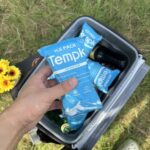
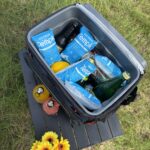
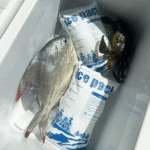
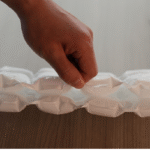
Ja – wird Trockeneis einen versiegelten Beutel platzen lassen wenn das Gas nicht entweichen kann. Trockeneis wird direkt zu CO₂-Gas; um 1 Pfund ergibt ungefähr 250 Liter. Wenn Sie das Gas in einer versiegelten Folie einschließen, Der Druck steigt, bis der Beutel anschwillt oder versagt. Im nächsten 7 Minuten, Du lernst, wie man Luft macht, Größe, und kennzeichnen Sie die Verpackung, damit Sie sicher sind, konform, und kalt.
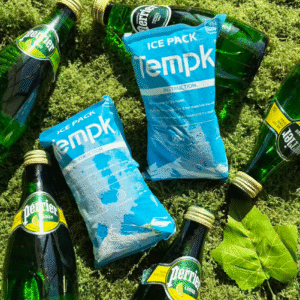
Die Physik hinter Druck: Warum Wille Trockeneis platzte in einem versiegelten Beutel in gemeinsamen Gassen
Entlüften, das tatsächlich funktioniert: einfach, validierte Möglichkeiten, Bursts während des Transports zu stoppen
Containerauswahl, die zählt: welche Kastenkonstruktionen das CO₂-Risiko erhöhen oder senken
Trockeneis in der richtigen Größe: Praktische Regeln, damit Sie Ihrem Versender nicht zu viel Gas geben
2025 Aktualisierungen: Trends und SOP-Upgrades, die Sicherheit und Compliance verbessern
Warum platzt Trockeneis beim Versand in einem versiegelten Beutel??
Denn bei der Sublimation entsteht weit mehr Gas, als eine versiegelte Folie aufnehmen kann, Wird Trockeneis einen versiegelten Beutel platzen lassen? ohne Entlüftungsweg. Trockeneis hat eine Temperatur von −78,5 °C und überspringt die flüssige Phase, so dass das Gasvolumen sprunghaft ansteigt. Wärmere Abschnitte beschleunigen dies. Ein versiegelter Reißverschluss, Heißsiegel, Der metallisierte Beutel fängt CO₂ ein und verwandelt Ihren Beutel in ein unter Druck stehendes Gefäß.
Aus Ihrer Sicht: Sie brauchen keine Gleichungen, um das Risiko zu erkennen. Stellen Sie sich zwei Badewannen mit Gas von nur 1 kg vor. Platzieren Sie das hinter einer perfekten Dichtung in einem dichten Kühler und die Schwachstelle – normalerweise die Naht – gibt nach. Die Lösung ist bescheiden: versiegeln Sie es nicht; das Gas herausführen. Verwenden Sie Mikroentlüftungsöffnungen, ein faltbarer Mund, oder ein konstruierter Schlitz. Fügen Sie im äußeren Shipper einen Entlüftungspfad hinzu, zu.
Wie viel CO₂ reicht aus, um einen versiegelten Beutel zum Versagen zu bringen??
Faustregel: 1 lb ≈ 250 L CO₂ bei Raumbedingungen. Die Fläche ist wichtig; Pellets sublimieren schneller als Blöcke, Daher steigt der Druck früher an. Um die Kontrolle zu behalten, Entwerfen Sie eine vorhersehbare Entlüftung, sodass der „Fehlermodus“ vorliegt absichtliches Entlüften, kein zufälliger Nahtbruch.
| Was soll ich dimensionieren? | Typische Figur | Warum ist es wichtig | Was es für Sie bedeutet |
|---|---|---|---|
| Gas pro 1 lb | ~250 L CO₂ | Übersteigt das Taschenvolumen bei weitem | Entlüften Sie die Innenhülle – immer |
| Pellets vs. Block | Pellets vergasen schneller | Mehr Oberfläche | Für Pellets bevorzugen Sie eine belüftete Folie |
| Warmes Segment | >20 °C für 6+ H | Beschleunigt die Sublimation | Entlüftungsöffnungen hinzufügen und Masse teilen |
| VIP -Versender | Sehr geringer Wärmegewinn | Es sammelt sich immer noch Gas an | Entlüftung innen + Außenkonstruktion |
Praktische Tipps, die Brüche verhindern
Kleine Packungen (≤ 5 lb): Falten und verstauen Sie es mit einem Spalt von 3–4 mm oder 1–2 Mikrolüftungsöffnungen im oberen Bereich.
Mittlere Packungen (5–15 lb): zwei Mikro-Belüftungsöffnungen auf gegenüberliegenden Seiten, oder ein schmaler, unversiegelter Streifen.
Große Packungen (>15 lb): In zwei kleinere, belüftete Beutel aufteilen; Fügen Sie eine äußere Entlastungsöffnung hinzu.
Barrierefolien (Z.B., Mylar): Nur mit technischen Lüftungsöffnungen verwenden; niemals vollständig abdichten.
Validierung: Testen Sie bei warmer Umgebung über die gesamte Spurdauer +20% Puffer; Protokolltemperatur und CO₂.
Schnappschuss aus der realen Welt: Bei einem Pharmakonzern kam es nach der Umstellung von einem versiegelten Barrierebeutel auf zwei kleinere Beutel zu mehr als der Hälfte, Belüftete Beutel in einem EPS-Versandbehälter mit Deckelkerbe. Die Temperaturleistung blieb über sechs Monate hinweg innerhalb der Bandbreite.
Wie sollte man verpacken, damit Trockeneis den versiegelten Beutel nicht platzen lässt??
Fangen Sie einfach an: falten, nicht versiegeln. Stellen Sie dann sicher, dass das Gas auch entweichen kann äußere Absender.
Schritt für Schritt (Bedienerbereit):
Wählen Sie das Innere: Offenes mehrlagiges Kraftpapier für Blöcke; Belüftete/mikroperforierte Folie für Pellets.
Schließen Sie den Mund: falten und stecken; wenn Taping, Lassen Sie an der Falte einen freien Fluchtweg.
Entlüften Sie das Äußere: Kerben Sie den Schaumstoffdeckel ein, Öffnen Sie einen Kühlerabfluss, oder verwenden Sie einen gefilterten Entlüftungsstopfen.
Eis in der richtigen Größe: Vermeiden Sie gewohnheitsmäßiges Übereisen; Teilen Sie die Masse auf die Beutel auf, um eine gleichmäßigere CO₂-Freisetzung zu erreichen.
Markieren Sie den Versender: „Trockeneis – UN1845“ und Netto-Trockeneisgewicht (kg). Schulen Sie Ihre Teams im sicheren Öffnen.
Welche Materialien verringern die Wahrscheinlichkeit, dass Trockeneis einen versiegelten Beutel platzen lässt??
Belüftetes LDPE/HDPE Funktioniert, wenn Sie Haltbarkeit und Pelletkontrolle benötigen. Kraft + leichtes PE ist fehlerverzeihend und atmet im gefalteten Zustand natürlich. Metallisiertes Haustier (Mylar) bietet aber eine große Barriere muss Entlüftungsöffnungen einschließen.
| Material | CO₂-Verhalten | Wann zu verwenden | Für dich |
|---|---|---|---|
| Belüftetes LDPE/HDPE | Kontrollierte Freisetzung | Pellets, allgemeine Fahrspuren | Weniger Nahtfehler |
| Kraft + PE-Liner | Atmungsaktive Falte | Blöcke, Einzelhandelsübergaben | Einfach, ESG-freundlich |
| Mylar (metallisiert) | Fängt Gas ein | Nur mit technischen Belüftungsöffnungen | Barriere + Sicherheit, wenn entlüftet |
Lässt Trockeneis einen versiegelten Beutel in gewöhnlichen Behältern platzen??
Es kann – gehen Sie also davon aus, ja. Eine bessere Isolierung verlangsamt die Hitze, beseitigt aber nicht das Gas. VIPs können Zunahme Überdruckgefahr, wenn Sie die Entlüftungsöffnungen vergessen, da sich das Gas geräuschlos ansammelt.
EPS -Schaum: Kerben Sie eine Deckelecke ein, um einen sauberen Fluchtweg zu gewährleisten.
Pur / starre Tragetaschen: Verwenden Sie einen Entlüftungsstopfen oder einen Deckelabstandshalter.
Hilfreiche Entscheidungshilfen
Überprüfen Sie die Details, bevor Sie sich für die Verpackung entscheiden
Mit diesen schnellen Tools können Sie das Routenrisiko vergleichen, Größenanforderungen, Kühlmittelauswahl, und Verpackungsdetails, bevor Sie ein Angebot anfordern.
01Wahl der VerpackungVerpackungsauswahl
Vergleichen Sie isolierte Verpackungsoptionen nach Produkt, Route, und Temperaturbedarf.
Verpackung finden02KühlmittelauswahlKühlmittel & PCM-Referenz
Vergleichen Sie Kühlmittel- und PCM-Optionen, wenn eine Route zusätzliche Temperaturunterstützung benötigt.
Vergleichen Sie Optionen03Umgang mit RisikenFallfestigkeit des Isolationsmaterials
Überprüfen Sie die Fallfestigkeit und die Handhabungsfaktoren, bevor Sie Isoliermaterialien auswählen.
Widerstand prüfenVIP-Kartons: Kombinieren Sie innere Mikroentlüftungen mit einer äußeren gefilterten Entlüftung; Fügen Sie ein CO₂-Warnschild hinzu.
Wie viel Entlüftung ist „ausreichend“, damit Trockeneis einen versiegelten Beutel nicht platzen lässt??
Design für das schlechteste Segment. Mehr Masse, höhere Temperaturen, engere Boxen, und Hochbarrierefolien erfordern mehr Entlüftung. Nutzen Sie diesen schnellen Selbstcheck, um vor dem Auspacken eine Entscheidung zu treffen.
Selbstprüfung des Berstrisikos (1-Minute)
Antwort Ja/Nein zu jedem – zwei „Ja“-Antworten bedeuten Entlüftungs- oder Spaltmasse hinzufügen.
Ist der Innenbeutel vollständig versiegelt und es gibt keinen Fluchtweg??
Ist die Folie hochbarrierefrei? (Z.B., metallisiertes PET)?
Ist die Last ≥5 lb (2.3 kg) pro Beutel?
Ist die äußere Verpackung luftdicht oder abgedichtet??
Wird es warme Abschnitte durchqueren? (>20 ° C) für 6+ Std.?
Welche Dokumentation verhindert Vorfälle, bei denen Trockeneis einen versiegelten Beutel zum Platzen bringt??
Compliance ist einfach, wenn Sie standardisieren.
Etiketten: „Trockeneis – UN1845“, Nettogewicht (kg), Klasse 9 Markierung für Luft.
Sops: Formulieren Sie die Entlüftungsmethoden nach Gewichtsklasse; Fügen Sie Fotos von akzeptablen Falten/Lüftungen bei.
Protokolle: Datenlogger-Spuren für Temp; Beachten Sie etwaige Verformungen des Kastens; Notieren Sie bei jeder Bestellung das Packungsgewicht.
Ausbildung: Handschuhe und Augenschutz; „Vor dem Öffnen entlüften“-Schilder auf Behältern und Kühlboxen.
2025 Entwicklungen und Trends bei Trockeneisverpackungen
Was ist neu in 2025? Drei Fronten: intelligentere Filme, Intelligentere Boxen, und intelligentere Planung. Wird Trockeneis einen versiegelten Beutel platzen lassen? seltener, wenn Sie es verwenden Druckempfindliche Mikrobelüftungsöffnungen die sich bei niedrigem PSI öffnen und im Ruhezustand wieder schließen. Äußere Versender versenden jetzt mit integrierte Entlüftungsstopfen und Gasdiffusionskanäle. Die Teams adoptieren digitale Spurmodellierung um Eismasse und Entlüftung stundengenau anzupassen, Schnittfehler und Materialverschwendung.
Das Neueste auf einen Blick
Intelligente Belüftungsöffnungen: Folien, die sich bei geringem Druck öffnen, um Nahtplatzer zu vermeiden.
Belüftete Deckel: Geformte Kanäle und gefilterte Stopfen halten die Isolierung aufrecht, lassen aber CO₂ ab.
Spurmodellierung: Schnelle Werkzeuge zur richtigen Eisgröße und Entlüftung anhand der Routenzeit und der Umgebungskarte.
Market insight: Wachstum bei Biologika, Mahlzeiten, und grenzüberschreitende Tiefkühlkost bevorzugt Designs, die Leistung und Sicherheit in Einklang bringen. Entlüftungsbewusste SOPs reduzieren Ausschuss, Verbesserung der Audit-Ergebnisse, und geringere Schadensgutschriften.
FAQ
Q1: Wird Trockeneis einen versiegelten Beutel platzen lassen??
Ja. Die Gasausdehnung in einer luftdichten Folie erhöht den Druck, bis der Beutel anschwillt oder versagt. Verwenden Sie einen Faltverschluss oder spezielle Mikrobelüftungsöffnungen.
Q2: Verhindern Kühler Ausfälle??
NEIN. Ein versiegelter Innenbeutel kann in einer Kühlbox dennoch platzen. Entlüften Sie sowohl die innere Verpackung als auch den äußeren Versandkarton.
Q3: Kann ich nur ein Loch stechen??
Oft für ≤5 Pfund, Ein 2–3 mm großes Loch in der Nähe der Falte funktioniert – aber bei warmer Umgebung überprüfen. Größere Lasten erfordern eine verteilte Entlüftung oder einen nicht abgedichteten Streifen.
Q4: Sind Mylar-Beutel sicher??
Nur wenn entlüftet. Metallisierte Folien sind ausgezeichnete Barrieren und darf nicht vollständig um Trockeneis herum abgedichtet sein.
Q5: Wie viel Trockeneis pro 24 Std.?
Hängt vom Versender und der Route ab. Viele Fahrspuren landen in der Nähe von 5–10 Pfund pro 24 Stunden – modellieren Sie Ihre Fahrspur und vermeiden Sie gewohnheitsmäßige Übereisung.
Zusammenfassung & Empfehlungen
Schlüsselpunkte: Wird Trockeneis einen versiegelten Beutel platzen lassen? wenn Sie CO₂ einfangen. Verhindern Sie dies mit einer belüfteten Innenhülle, ein Entlastungsweg im Außenschiff, und Eis in der richtigen Größe. Teilen Sie große Mengen auf kleinere, belüftete Beutel auf. Validieren Sie bei warmer Umgebung mit einem kleinen Zeitpuffer und dokumentieren Sie Ihre SOPs.
Was als nächstes zu tun ist: Standardisieren Sie zwei Entlüftungsmuster nach Gewichtsklasse; Fügen Sie Ihrem Transportbehälter eine Deckelkerbe oder einen Entlüftungsstopfen hinzu; und fügen Sie ein einfaches „Paket entlüftet“ hinzu?”Erkundigen Sie sich bei der Qualitätssicherung Ihrer Verpackungslinie. CTA: Benötigen Sie eine spurspezifische SOP mit Fotos und Annahmetexten? Sprechen Sie mit unseren Verpackungsingenieuren.
Über Tempk
Wir entwerfen Kühlkettenverpackungen, die ein ausgewogenes Verhältnis von Sicherheit bieten, Leistung, und Nachhaltigkeit. Unser Portfolio umfasst belüftete Trocken-Eisbeutel, Hybrid-Mylar-Kraft-Lösungen, und für die Pharmaindustrie validierte CO₂-Entlastungsversender, Biotech, und Tiefkühllogistik. Mit Spurmodellierungs- und QA-Playbooks, Wir helfen Ihnen, kälter zu versenden, sicherer, und schlauer.
Nächster Schritt: Fordern Sie eine kostenlose Vorlage für die „belüftete Verpackung“ an, die auf die Größe Ihres Versenders zugeschnitten ist, Streckenzeit, und Trockeneisformat.