30 Fabricante de cajas de hielo para vacunas de un litro: Un marco de selección de proveedores basado en evidencia
La respuesta correcta a 30 litro fabricante de cajas de hielo para vacunas comienza con un caso de uso controlado, no es un modelo de catalogo. Definir la carga útil, condición requerida, ruta, exposición ambiental, empacar, manejo, limpieza, evidencia, y volumen comercial antes de elegir la caja. El producto final debe juzgarse por su capacidad utilizable., construcción, ajuste operativo, consistencia de producción, y costo total de entrega.
El objetivo práctico es si el formato nominal de 30 litros proporciona la capacidad de almacenamiento de vacunas requerida después del refrigerante., espaciadores, cestas, monitores, y se instalan medidas de prevención de heladas. El siguiente marco de decisión reúne el producto más útil., técnico, cumplimiento, operacional, y consideraciones de compra manteniendo todas las declaraciones de desempeño vinculadas a las condiciones que realmente las respaldan..
La protección contra el refrigerante y la congelación cambia la capacidad
El volumen nominal generalmente se calcula a partir de una cavidad o convención de marketing., pero los compradores operan con volumen utilizable. El paquete final debe contener cajas de vacunas., diluyentes cuando corresponda, acondicionado paquetes de refrigerante, separadores, y un dispositivo de monitoreo de temperatura dispuesto de acuerdo con un paquete controlado. Espesor del aislamiento, radios de esquina, intrusión en la tapa, cestas, divisores, refrigerante, barreras de congelación, y el espacio del monitor reducen lo que se puede cargar. Las dimensiones internas mínimas y las dimensiones de apertura suelen ser más útiles que un valor de un solo litro. en la decisión final, revisar este punto para la configuración de vacuna de 30 litros con operaciones y calidad.
Mida la carga útil real en su configuración de envío. Construya un bloque dimensional o utilice cajas de cartón reales.. Coloque el refrigerante propuesto y los accesorios a su alrededor., luego verificar el cierre, levantamiento, visibilidad de la etiqueta, y vías aéreas o de contacto.. Este ejercicio expone conflictos antes de las pruebas térmicas.. También evita que un proveedor aumente la capacidad anunciada a través de una dimensión que no ayuda a la carga útil.. Antes del lanzamiento final, asignar un propietario y un método de aceptación para la configuración de vacuna de 30 litros.
El peso empaquetado merece una revisión aparte. El refrigerante puede representar una gran parte de la masa levantada., y los usuarios de campo pueden cargar la caja a través de las escaleras., clínicas, almacenes, o terreno accidentado. Definir si es aceptable el manejo por una o dos personas, donde se encuentra el centro de gravedad, y si el sistema de mango sigue siendo cómodo con guantes o con las manos mojadas. Una cavidad técnicamente adecuada aún puede ser operativamente incorrecta si la unidad cargada no es segura o es lenta de manejar.. Antes del lanzamiento final, registrar este punto para la configuración de vacuna de 30 litros como requisito controlado.
Definir el trabajo de distribución antes del producto
La primera especificación debe describir el trabajo operativo.: Lleve cajas de vacunas y refrigerante en un contenedor pasivo de tamaño mediano mientras mantiene las condiciones específicas del producto y protege los productos sensibles a la congelación.. Debe identificar a los usuarios., el lugar de carga, la ubicación de recepción, los traspasos esperados, y el momento en el que cambia la responsabilidad de la temperatura. Esto evita que el proveedor llene incógnitas con suposiciones.. También permite operaciones, calidad, y equipos de adquisiciones para revisar el mismo requisito en lugar de mantener versiones informales separadas.
La definición de carga útil necesita más detalles que un peso o volumen nominal. La carga prevista puede incluir cajas de vacunas., diluyentes cuando corresponda, paquetes de refrigerante acondicionados, separadores, y un dispositivo de monitoreo de temperatura dispuesto de acuerdo con un paquete controlado. Registre las dimensiones del paquete primario., límites de orientación, numero de unidades, condición térmica en el embalaje, espacio para la cabeza, zonas frágiles, y si la carga debe permanecer separada del refrigerante. Una cavidad que parece lo suficientemente grande puede quedar inutilizable si la abertura es estrecha., las esquinas están muy redondeadas, o una canasta y un divisor consumen las dimensiones críticas. Antes del lanzamiento final, Verifique este punto en las unidades representativas utilizadas para la configuración de vacuna de 30 litros..
El mapeo de rutas es igualmente importante. Para distribución regional, reposición clínica, sesiones de extensión, traslado de emergencia, y programas móviles de vacunación con exposición ambiental variada., tenga en cuenta el tiempo de tránsito planificado, probable retraso, temperatura de puesta en escena, sol directo, circulación de aire del vehículo, apertura repetida, transferencia entre transportistas, y recibir inspección. Estas entradas no producen por sí solas un tiempo de espera garantizado., pero definen las condiciones que un proveedor o laboratorio de pruebas debe reproducir. sin ellos, una cotización solo puede cubrir una caja genérica, no es un proceso de distribución confiable. en la decisión final, incluir este límite en las instrucciones de funcionamiento para la configuración de vacuna de 30 litros.
Haga que el embalaje correcto sea fácil de repetir
Una caja se mueve entre personas y lugares., no sólo a través de una cámara térmica. El plan operativo debe cubrir el acondicionamiento previo., embalaje, cierre, etiquetado, activación del monitor, Entregar, recepción, descarga, limpieza, el secado, inspección, almacenamiento, y regresar. Para distribución regional, reposición clínica, sesiones de extensión, traslado de emergencia, y programas móviles de vacunación con exposición ambiental variada., el mayor riesgo puede ser un muelle de carga o una entrega fallida en lugar del tiempo planificado del vehículo.
Las instrucciones deben ser visuales y específicas de configuración.. Mostrar posición del refrigerante, orientación del producto, colocación del divisor, monitorear la ubicación, secuencia de cierre, y criterios de rechazo. Utilice etiquetas que sobrevivan al entorno de limpieza y ruta.. Si la caja tiene desagües, correas, ruedas, juntas reemplazables, o asas de cuerda, incluir puntos de inspección para esos componentes. La complejidad debe reducirse siempre que sea posible porque los usuarios ocasionales no recuerdan los procedimientos largos.. Antes del lanzamiento final, resolver este punto para la configuración de vacuna de 30 litros antes de la calificación térmica.
Los equipos receptores necesitan un camino de decisión. Deberían saber inspeccionar el sello., leer el monitor, identificar daños, grabar una excursión, poner en cuarentena la carga útil, y póngase en contacto con la persona responsable de calidad. Las cajas devueltas no deberían volver automáticamente a la flota limpia. Un simple paso de cuarentena e inspección evita que las cáscaras se rompan, enchufes faltantes, mangos contaminados, o el refrigerante cambiado debilite silenciosamente el sistema. en la decisión final, indicar las condiciones aplicables para la configuración de vacuna de 30 litros en la respuesta del proveedor.
Cómo se ve la decisión en la práctica
Considere esta situación típica: un equipo de extensión espera 30 litros de espacio para vacunas, pero el conjunto de refrigerante y la barrera contra la congelación necesarios reducen el compartimento utilizable para la vacuna y hacen que la caja empaquetada sea demasiado pesada para una sola persona.. La primera respuesta no debería ser seleccionar un tamaño de catálogo. El equipo debe medir la carga útil., construir el paquete propuesto, trazar la ruta, y observar cómo los usuarios levantan, seguro, abierto, limpio, y devolver la caja. Esto crea un registro compartido de las restricciones reales.. Para la aprobación del proveedor, Probar esta suposición para la configuración de vacuna de 30 litros comparándola con la ruta prevista..
De eso, el comprador debería solicitar dos o tres alternativas controladas en lugar de un catálogo largo. Una opción puede priorizar el menor peso, otra durabilidad repetida, y otra de mayor resistencia térmica o de mayor volumen aprovechable. Cada opción debe enumerar lo que está incluido., ¿Qué evidencia existe?, lo que aún necesita pruebas, y qué cambios operativos requiere. Luego, el equipo puede comparar compensaciones en lugar de discutir sobre características aisladas..
Completa la secuencia a través de una muestra de ingeniería., prueba de paquete, producción piloto, y liberación formal. Registrar medidas dimensionales y manejar observaciones., no solo fotografías. Para usos sensibles a la temperatura, confirmar el paquete completo bajo un perfil apropiado y definir cómo se manejarán las excursiones. El resultado es una decisión de adquisición ligada a la evidencia y al flujo de trabajo., no a una promesa que no puede ser reproducida más tarde. en la decisión final, Verifique este punto en las unidades representativas utilizadas para la configuración de vacuna de 30 litros..
Separe los reclamos de contenedores de los reclamos de embalaje
La hielera para vacunas de 30 litros proporciona una barrera al flujo de calor y un recinto protector.. No genera por sí solo una temperatura controlada. El rendimiento pasivo depende del aislamiento., tipo de refrigerante y acondicionamiento, masa refrigerante, masa de carga útil, temperatura inicial del producto, arreglo interno, perfil ambiental, comportamiento de apertura, y criterios de aceptación. Un cambio en cualquiera de estos puede afectar los resultados incluso cuando el cuadro exterior no se modifica..
Esta distinción es especialmente importante para los alimentos., farmacéutico, vacuna, y usos en ensayos clínicos. Una prueba estructural puede mostrar que un mango o ranura sobrevive a una carga definida.. Una declaración de material puede mostrar que un componente es adecuado para una condición de contacto prevista.. Un informe térmico puede mostrar cómo se comportó un paquete bajo un perfil. Una calificación de ruta puede entonces evaluar el carril de operación.. Estos documentos responden a diferentes preguntas y no deben sustituirse entre sí.. En el lanzamiento de producción, Probar esta suposición para la configuración de vacuna de 30 litros comparándola con la ruta prevista..
Solicite al proveedor que indique cada afirmación de rendimiento con su configuración.. La declaración debe identificar el tamaño de la caja y la revisión., carga útil, refrigerante, acondicionamiento, diagrama de carga, posición del monitor, perfil ambiental, duración, y rango de aceptación. Si el proveedor no puede proporcionar ese contexto, Trate la reclamación únicamente como una indicación de selección.. El resultado útil es no exigir un informe de laboratorio para cada conversación inicial., pero para evitar que un titular no respaldado se convierta en una especificación de compra. en la decisión final, Confirme el alcance de la evidencia para la configuración de vacuna de 30 litros antes de la compra..
La logística de las vacunas requiere un control de temperatura específico del producto
Muchas vacunas refrigeradas se almacenan y distribuyen entre 2 °C y 8 °C., pero ese rango nunca debe asumirse para cada vacuna o cada etapa. El etiquetado de los productos sigue siendo la fuente autorizada, y algunos productos requieren condiciones congeladas u otras. La exposición a la congelación puede dañar permanentemente ciertas vacunas refrigeradas, por lo que un refrigerante más frío no es automáticamente más seguro. El embalaje debe proteger tanto contra el aumento de calor como contra la congelación involuntaria.. En el lanzamiento de producción, vincular esta decisión para la configuración de la vacuna de 30 litros con el dibujo y el paquete aprobados.
El PQS de la OMS mantiene especificaciones de desempeño y protocolos de verificación separados para las cajas frías y los transportadores de vacunas., incluidas categorías con tecnología de prevención de congelación. Esta clasificación importa. Un refrigerador de uso general puede ser útil para tareas no relacionadas con el programa, pero no debe representarse como una caja fría para vacunas precalificada por la OMS a menos que el producto exacto esté listado y respaldado por la documentación aplicable.. Los compradores deben verificar el modelo., categoría de especificación, protocolo de prueba, y estado actual del listado. Antes del lanzamiento final, proteger la decisión sobre la configuración de la vacuna de 30 litros mediante el control de cambios.
El control operativo es tan importante como el equipo.. Los paquetes de refrigerante necesitan el tipo y acondicionamiento correctos. Los envases de vacunas necesitan un espaciado controlado. Se debe colocar y leer un monitor según el procedimiento.. Los usuarios necesitan diagramas de embalaje simples, controles de daños, instrucciones de limpieza, y orientación para excursiones. Las directrices de los CDC y la OMS enfatizan que la calidad de la cadena de frío es un proceso compartido desde el almacenamiento y el transporte hasta la recepción y el uso.; una caja cara no puede compensar un flujo de trabajo incontrolado. Antes del lanzamiento final, conectar este artículo para la configuración de vacuna de 30 litros a un criterio de aceptación mensurable.
Preguntas de proveedores que revelan capacidad real
La pregunta central del proveedor es si el formato nominal de 30 litros proporciona la capacidad de almacenamiento de vacunas necesaria después del refrigerante., espaciadores, cestas, monitores, y se instalan medidas de prevención de heladas. Un fabricante creíble debería poder traducir ese requisito en dibujos., definiciones de materiales, puntos de inspección, y un plan de prueba. La conversación debería pasar de afirmaciones amplias a detalles controlados.. Pregunta quién es el dueño del molde., qué operaciones se realizan internamente, cómo se aprueban los proveedores de componentes críticos, y cómo se mantiene la lista de materiales. Un catálogo amplio puede resultar útil, pero no es evidencia de control del proceso. en la decisión final, asignar un propietario y un método de aceptación para la configuración de vacuna de 30 litros.
Un plan de muestreo por etapas reduce las sorpresas en la producción. Una muestra de ingeniería revisada confirma los materiales., guarniciones, etiquetas, y ajuste empaquetado. La primera muestra confirma las dimensiones básicas y la ergonomía.. Un lote piloto comprueba las herramientas de producción, asamblea, inspección, embalaje, y variación entre múltiples unidades. La muestra de oro aprobada debe estar vinculada a dibujos y criterios de aceptación mensurables.. Aprobar una muestra especialmente preparada sin este puente es una fuente común de sorpresas en la producción en masa.. Para la aprobación del proveedor, Probar esta suposición para la configuración de vacuna de 30 litros comparándola con la ruta prevista..
Herramientas útiles para tomar decisiones
Comprueba los detalles antes de elegir el embalaje.
Estas herramientas rápidas pueden ayudarle a comparar el riesgo de la ruta, necesidades de dimensionamiento, opciones de refrigerante, y detalles del embalaje antes de solicitar una cotización.
refrigerante & Referencia PCM
Compare las opciones de refrigerante y PCM cuando una ruta necesite soporte de temperatura adicional.
Comparar opcionesEvaluador de riesgo de ruta
Revise las condiciones del carril antes de seleccionar el embalaje para requisitos operativos reales..
Comprobar riesgo de rutaResistencia a la caída del material aislante
Revise la resistencia a caídas y los factores de manipulación antes de elegir materiales aislantes..
Comprobar resistenciaLa revisión de calidad debe centrarse en el control dimensional interno., sellado de tapa, continuidad del aislamiento, compatibilidad con refrigerante, manejar la fuerza, inspección de daños en el campo, y cambios de producción rastreables. Pregunte cómo se identifican las unidades no conformes., si las mediciones se registran, cómo se investigan las quejas, y cómo se comunican los cambios de ingeniería. Para programas de alto control, Requerir aprobación previa antes de realizar sustituciones.. Para uso del consumidor de menor riesgo, el sistema puede ser más simple, pero dimensiones críticas, materiales, y las características de seguridad aún necesitan criterios de aceptación objetivos. Para la aprobación del proveedor, registrar este punto para la configuración de vacuna de 30 litros como requisito controlado.
El marco de decisión final
| Puerta | Pregunta | Liberar evidencia |
|---|---|---|
| Puerta de casos de uso | ¿Es la carga útil, ruta, condición, y proceso de manipulación definido? | Requisito de usuario aprobado |
| Montar puerta | ¿El paquete final encaja con un levantamiento y cierre seguros?? | Dibujo de embalaje y muestra medida. |
| Puerta de evidencia | ¿Están las reclamaciones vinculadas al material correcto?, caja, empacar, o carril? | Mapa de evidencia e informes de prueba. |
| Puerta de calidad | ¿Puede la producción reproducir la configuración aprobada?? | Plan de revisión e inspección del lote piloto |
| puerta de costos | ¿Las cotizaciones están normalizadas al mismo alcance y base de entrega?? | Modelo de costos de aterrizaje y ciclo de vida. |
| Puerta de operaciones | ¿Pueden los usuarios empacar?, recibir, limpio, inspeccionar, y devolverlo correctamente? | Instrucciones controladas y plan de entrenamiento. |
| Cambiar puerta | ¿Las sustituciones requerirán revisión?? | Lista de materiales y acuerdo de control de cambios. |
| Puerta de aplicación | Si el formato nominal de 30 litros proporciona la capacidad de almacenamiento de vacunas necesaria después del refrigerante, espaciadores, cestas, monitores, y se instalan medidas de prevención de heladas | Lista de requisitos firmados y supuestos no resueltos |
Trate la tabla como una revisión interfuncional para adquisiciones, operaciones, ingeniería, y calidad. Convierte las preferencias generales en evidencia revisable y expone los supuestos faltantes antes de la negociación de precios.. No todos los proyectos necesitan la misma profundidad, pero cada reclamo crítico debe tener un dueño y una forma definida de verificarlo.. en la decisión final, proteger la decisión sobre la configuración de la vacuna de 30 litros mediante el control de cambios.
La sostenibilidad depende del circuito operativo
La cuestión relevante de la sostenibilidad son los equipos duraderos., componentes reemplazables, acondicionamiento correcto, mantenimiento preventivo, y un sistema de devolución que mantiene cajas y paquetes de refrigerante disponibles para campañas repetidas. Una caja reutilizable puede reducir el consumo de envases en un circuito cerrado estable, pero también requiere más material, limpieza, almacenamiento, y transporte de regreso. Un sistema liviano unidireccional puede ser preferible en un carril disperso donde las tasas de retorno son bajas. La elección debe hacerse desde la red operativa y no desde un único atributo de marketing.. Para la aprobación del proveedor, confirmar que los controles de producción preservan este punto para la configuración de vacuna de 30 litros.
El tamaño correcto suele ser la mejora más rápida. El exceso de volumen aumenta el área de aislamiento., demanda de refrigerante, cubo de carga, y espacio de almacén. El hardware sobreconstruido agrega masa. Los productos insuficientemente construidos fallan temprano y generan desperdicios de reemplazo. Un buen diseño utiliza suficiente material en los lugares correctos., protege las piezas de desgaste reemplazables, y permite la inspección antes de que una unidad dañada vuelva a entrar en servicio. Antes del lanzamiento final, indicar las condiciones aplicables para la configuración de vacuna de 30 litros en la respuesta del proveedor.
Realice un seguimiento de un pequeño conjunto de indicadores prácticos: tasa de retorno, viajes por activo, motivo del daño, tiempo de lavado, tiempo de secado, componentes perdidos, cubo de retorno vacío, y ruta de retiro. Estos datos muestran si el sistema está mejorando. Las afirmaciones de sostenibilidad deben actualizarse cuando cambie la ruta.. Una caja utilizada para cincuenta viajes locales controlados tiene una huella diferente a la de la misma caja enviada una vez a través de una ruta internacional y nunca devuelta.. En el lanzamiento de producción, documentar la limitación para la configuración de la vacuna de 30 litros en lugar de implicar la idoneidad universal.
Compare el costo de entrega y el del ciclo de vida, No es una cotización de unidad aislada
La estructura de costos incluye la construcción de cajas frías., conjunto de refrigerante, monitor, divisores, etiquetas, piezas de repuesto, pruebas, capacitación, embalaje de distribución, y mantenimiento de campo. Los proveedores pueden cotizar precios muy diferentes aunque todos parezcan ofrecer el mismo tamaño.. Las diferencias pueden deberse al espesor del aislamiento., grado del material, proceso, hardware, inspección, embalaje, o simplemente de artículos excluidos. Una comparación justa requiere una hoja de configuración y una tabla de comparación comercial.. Para la aprobación del proveedor, Verifique este punto en las unidades representativas utilizadas para la configuración de vacuna de 30 litros..
Separe los costos únicos de los costos recurrentes. Estampación, moldes, obra de arte, ingeniería, y algunas pruebas pueden ser únicas o amortizadas. Construcción de unidades, accesorios, inspección, cajas de cartón, y el flete se repite. Luego separe el costo de adquisición del costo operativo.: refrigerante acondicionador, lavado, el secado, almacenamiento, seguimiento de activos, transporte de regreso, daño, reparar, y reemplazo. La mejor métrica puede ser el costo por ruta exitosa en lugar del precio de compra por caja.. en la decisión final, incluir este límite en las instrucciones de funcionamiento para la configuración de vacuna de 30 litros.
El transporte de mercancías merece atención inmediata porque las cajas aisladas pueden ser voluminosas. Dimensiones exteriores, anidando, colapsabilidad, cantidad de caja, patrón de paleta, y la carga de contenedores puede cambiar el costo de descarga más que una pequeña diferencia en el precio de fábrica. Solicite a los proveedores que coticen el mismo plazo de entrega y configuración de embalaje.. Cuando las cajas reutilizables regresan vacías, el cubo inverso y la mano de obra de manipulación también deben entrar en el modelo. Para la aprobación del proveedor, Probar esta suposición para la configuración de vacuna de 30 litros comparándola con la ruta prevista..
Atajos de adquisiciones que aumentan el riesgo
Vale la pena comprobar los puntos siguientes antes de fabricar herramientas o producir en masa.. Cada uno de ellos puede crear retrabajos evitables cuando quedan sin resolver durante la selección de proveedores.. en la decisión final, verifique el punto de la configuración de la vacuna de 30 litros con la carga útil real.
- Bloqueador de liberación: asumiendo que todas las vacunas comparten un requisito de temperatura.
- Bloqueador de liberación: Utilizar paquetes totalmente congelados frente a cartones sensibles al congelamiento..
- Bloqueador de liberación: tratar la capacidad nominal como capacidad de almacenamiento de vacunas.
- Bloqueador de liberación: ignorando el peso del refrigerante y los accesorios.
- Bloqueador de liberación: llamar a un refrigerador general precalificado por la OMS sin evidencia específica del producto.
Una señal de advertencia no necesariamente elimina la consideración de un proveedor. Debería dar lugar a una aclaración específica., control de muestra, o solicitud de evidencia. El objetivo de la decisión es resolver la incertidumbre mientras los cambios aún sean económicos.. La fábrica en revisión que responde con dibujos, condiciones, y las acciones correctivas son más útiles que una que repite una afirmación amplia. Antes del lanzamiento final, proteger la decisión sobre la configuración de la vacuna de 30 litros mediante el control de cambios.
La entrevista de la lista corta
Para esta hielera para vacunas de 30 litros, Las siguientes preguntas crean más valor que preguntar si el proveedor es confiable.. Fuerzan la discusión hacia el uso previsto., especificaciones medibles, y evidencia. en la decisión final, confirmar que los controles de producción preservan este punto para la configuración de vacuna de 30 litros.
- Pregunta de liberación: ¿La cifra de 30 litros es el volumen interno bruto o la capacidad de almacenamiento de vacunas utilizable??
- Pregunta de liberación: ¿Qué vacunas?, diluyentes, tamaños de cartón, y las condiciones de almacenamiento requeridas están involucradas?
- Pregunta de liberación: ¿Cómo se acondicionan y separan los paquetes de refrigerante de los productos sensibles a la congelación??
- Pregunta de liberación: ¿Qué especificación de rendimiento o protocolo de prueba se aplica al programa previsto??
- Pregunta de liberación: ¿Cuál es el método de manipulación y peso de transporte completamente embalado??
- Pregunta de liberación: ¿Cómo se controlará la temperatura?, limpieza, mantenimiento, y la inspección de campo se gestionará?
Una respuesta completa puede ser un dibujo., mesa, muestra, plan de prueba, o limitación documentada. Un proveedor no necesita tener todos los informes finales antes del desarrollo inicial., pero debería poder indicar lo que se sabe, lo que se supone, ¿Qué se puede personalizar?, y que hay que probar. Que la transparencia es una mejor señal de riesgo que una larga lista de certificaciones no respaldadas. en la decisión final, vincular esta decisión para la configuración de la vacuna de 30 litros con el dibujo y el paquete aprobados.
Control de cambios después del primer pedido
No lance un nuevo lote únicamente por la apariencia. Seleccione varias unidades de diferentes cajas. Confirmar dimensiones internas críticas, cierre de tapa, hardware, etiquetas, accesorios, y embalaje según las especificaciones aprobadas. Registre los resultados para que las quejas posteriores puedan compararse con el lote original en lugar de con la memoria o una sola muestra.. Antes del lanzamiento final, asignar un propietario y un método de aceptación para la configuración de vacuna de 30 litros.
Crear una reparación clara, cuarentena, y regla de jubilación. Grietas, sellos deformados, enchufes faltantes, manijas deshilachadas, anclajes sueltos, superficies contaminadas, paneles perforados, o refrigerante no aprobado debería desencadenar la cuarentena. Algunos artículos se pueden reparar con piezas controladas.; otros deberían estar jubilados. Una regla clara impide que los usuarios mantengan en servicio una caja visiblemente dañada simplemente porque todavía está cerrada. Para la aprobación del proveedor, revisar este punto para la configuración de vacuna de 30 litros con operaciones y calidad.
Registrar cambios aprobados al material., proveedor, moho, proceso, dimensiones, etiquetas, embalaje, y empacar. Revisar si cada cambio afecta el estado del contacto, evidencia térmica, pruebas estructurales, transporte, limpieza, o instrucciones de usuario. Esta disciplina no se limita a programas regulados.. Protege a cualquier comprador de cambios graduales en la configuración a través de pedidos repetidos.. Para la aprobación del proveedor, confirmar que los controles de producción preservan este punto para la configuración de vacuna de 30 litros.
Preguntas frecuentes
¿Es suficiente una hielera para vacunas de 30 litros para controlar la temperatura??
No. La unidad aislada ralentiza la transferencia de calor., pero el resultado completo depende del refrigerante., carga útil, temperatura inicial, patrón de carga, exposición ambiental, manejo, y monitoreo. Cualquier duración indicada debe identificar la configuración probada y los criterios de aceptación.. Para productos regulados o de alto valor, Es posible que se requiera un paquete adicional o calificación de carril.. En el lanzamiento de producción, colocar este requisito para la configuración de vacuna de 30 litros en la lista de verificación de recepción.
¿La capacidad en litros indicada equivale al volumen de carga útil utilizable??
Por lo general no. La capacidad nominal puede describir la cavidad bruta.. El espacio útil se reduce debido a la geometría del aislamiento., intrusión en la tapa, refrigerante, divisores, cestas, barreras de congelación, y monitorear la colocación. Los compradores deben solicitar dimensiones internas mínimas y confirmar que se ajustan al paquete final en lugar de depender únicamente de los litros.. En el lanzamiento de producción, indicar las condiciones aplicables para la configuración de vacuna de 30 litros en la respuesta del proveedor.
¿Se puede utilizar un resultado del tiempo de espera del laboratorio para cada ruta??
No, no como una regla universal. Un resultado de laboratorio se aplica al perfil ambiental probado., carga útil, refrigerante, posiciones de monitor, y rango de aceptación. Puede soportar la planificación de rutas., pero diferencias significativas en el retraso, sol directo, frecuencia de apertura, condiciones del vehículo, o la carga útil puede requerir una evaluación o calificación adicional. en la decisión final, revisar este punto para la configuración de vacuna de 30 litros con operaciones y calidad.
¿Cuál es la mejor primera prueba de muestra??
La primera revisión de muestra debe centrarse en el ajuste y el flujo de trabajo del usuario.. Cargar la carga útil real, refrigerante, divisor, monitor, etiquetas, y accesorios. Cierre de cheques, levantamiento, acceso, limpieza, y tiempo de embalaje. Una vez que la configuración física sea estable, Las pruebas térmicas y estructurales se vuelven más significativas y es menos probable que se repitan después de un cambio de diseño.. En el lanzamiento de producción, asignar un propietario y un método de aceptación para la configuración de vacuna de 30 litros.
¿Cómo deberían los compradores gestionar los cambios de producción??
Controlar materiales críticos, dimensiones, y componentes a través de la lista de materiales. Requerir que el proveedor notifique los cambios antes de la implementación y proporcione evidencia para su revisión.. Cambios en el aislamiento., refrigerante, juntas, pigmentos, etiquetas, manijas, o el proceso de fabricación puede afectar el ajuste, estado de contacto, durabilidad, o desempeño calificado. en la decisión final, Verifique este punto en las unidades representativas utilizadas para la configuración de vacuna de 30 litros..
Antes de liberar el pedido
La selección final para 30 El fabricante de cajas de hielo para vacunas de un litro debe pasar seis pruebas.: ajuste del caso de uso, capacidad utilizable, evidencia, consistencia de producción, simplicidad operativa, y costo total. Un proveedor que establece suposiciones, limitaciones de documentos, y apoya la verificación piloto es más valiosa que una que ofrezca reclamos universales. Libere el pedido solo cuando la configuración y las responsabilidades sean lo suficientemente claras para repetir.
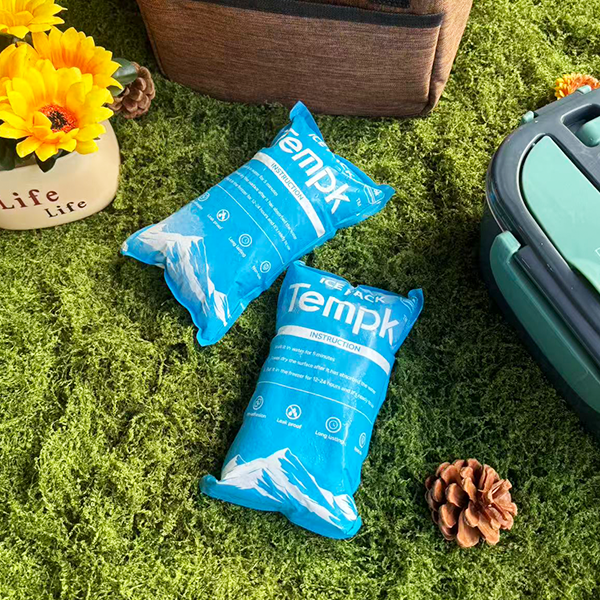
Acerca de Tempk
Tempk es el embalaje de cadena de frío Marca de Shanghai Tempk Industrial Co., Limitado. La empresa desarrolla y suministra productos que incluyen paquetes de gel, rígido ladrillos de hielo, bolsas aisladas, Cajas EPP, refrigeradores médicos, revestimientos aislados, y cubiertas de palets. Para proyectos que involucran cajas aisladas, Tempk puede discutir la capacidad, estructura de aislamiento, compatibilidad con refrigerante, características personalizadas, y requisitos de embalaje. La idoneidad y el rendimiento del producto deben confirmarse con respecto a la carga útil específica., ruta, condición de temperatura, y pruebas requeridas por el comprador. Para la aprobación del proveedor, proteger la decisión sobre la configuración de la vacuna de 30 litros mediante el control de cambios.
Siguiente paso
Antes de la selección final del proveedor, proporcionar los tamaños de las cajas de vacunas, condiciones requeridas, duración de la ruta, perfil ambiental, método de refrigerante, y limitaciones de manejo en el campo para revisar un diseño de clase de 30 litros.