Envío de aguacates por mensajería, tienda de comestibles, o las rutas de comercio electrónico requieren un plan de cadena de frío específico para el producto porque la pérdida de frescura no es causada únicamente por la temperatura. Humedad, presión del cartón, flujo de aire, preenfriamiento, colocación de refrigerante, y el tiempo de permanencia afectan la calidad de llegada.
Los aguacates no deben tratarse como bayas. Más frío no siempre es más seguro porque pueden aparecer lesiones por frío después del parto. Un paquete genérico de productos frescos puede mantener fría la caja., pero aún puede fallar si crea condensación, bloquea las rejillas de ventilación, aplasta el paquete minorista, o utiliza refrigerante demasiado frío para el producto.
Recommended cadena de frío range
Para planificar rutas, los aguacates deben manipularse alrededor 5-13 do, dependiendo de la madurez y madurez con humedad relativa alrededor 85-95% RH. Estos valores son rangos de planificación basados en la guía de almacenamiento de productos comerciales y deben compararse con las especificaciones del producto del proveedor., formato de cartón, etapa de madurez, y clima de destino.
La regla práctica más importante es eliminar el calor del campo antes de empacar.. Un cargador aislado está diseñado para retardar la ganancia de calor durante el tránsito; no es un sustituto del preenfriamiento.
Comparación con productos frescos similares
| Producto | Temperatura de planificación | Humedad relativa | Sensibilidad al daño | Preenfriamiento | Prioridad de embalaje |
|---|---|---|---|---|---|
| aguacates | 5-13 do | 85-95% | Medio | Estabilizar por etapa de madurez. | Evite lesiones por frío y hematomas. |
| Hongos | 0-2 do | 95% | Alto | Preenfriar y ventilar | Evite la condensación y el oscurecimiento de la tapa. |
| Uvas de mesa | -1-0 do | 90-95% | Medio | Cajas preenfriadas | Carril más frío con control de potencia |
Tabla de planificación de rutas y paquetes
| variable de ruta | Requisito específico del producto | Respuesta de empaquetado de Tempk |
|---|---|---|
| Temperatura | 5-13 do, dependiendo de la madurez y madurez | Seleccione el espesor del aislamiento y el refrigerante acondicionado o PCM para el carril probado. |
| Humedad | 85-95% RH | Utilice separadores, control absorbente, desfogue, o barreras contra la humedad según el paquete minorista. |
| Preenfriamiento | Estabilizar la fruta en la etapa de envío acordada antes del embalaje.; no golpee la fruta madura con refrigerante congelado. | No confíe en el transportista para eliminar el calor del campo; debe preservar la condición inicial. |
| Presión de embalaje | Moderado-bajo. Utilice soporte de cartón y amortiguación para reducir los hematomas en los hombros., impacto de esquina, y puntos blandos. | Soporte de cartón Match, relleno de vacíos, y posición del refrigerante según la sensibilidad al aplastamiento del producto.. |
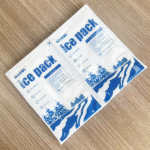
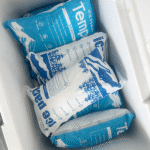
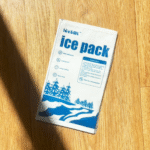
| Posición del refrigerante | Utilice paquetes de gel acondicionados o 8-12 C PCM separado de las cajas; Evite el enfriamiento directo por contacto congelado. | Mantenga el refrigerante alejado del contacto directo con el paquete minorista y pruebe la temperatura del espacio del producto.. |
| Duración del tránsito | 24-72 horas con prueba de ruta. Evite las retenciones de fin de semana cuando envíe fruta cerca de su madurez lista para el consumo.. | Validar la ruta en tiempo de permanencia real, manejo de depósito, y exposición a domicilio. |
Cómo elegir un paquete para 24, 48, y 72 rutas de horas
| Tipo de envío | Lógica de embalaje | Que verificar |
|---|---|---|
| Fruto verde firme | Utilice refrigeración moderada y soporte de cartón para retardar la maduración sin enfriar demasiado. | Comprobar la firmeza de llegada y los síntomas de escalofrío retardado.. |
| Fruta que se rompe o madura | Utilice un plan de ruta más estrecho y evite las compresas frías que se colocan directamente contra las cajas de cartón.. | Los plazos de entrega más cortos son más seguros. |
| Pedidos de comestibles o regalos DTC | Utilice amortiguación, orientación del cartón, y pruebas de ruta para proteger la consistencia de la madurez. | Evite las retenciones de fin de semana y la exposición incontrolada a domicilio.. |
Para rutas más largas, evite resolver todos los problemas agregando más congelados paquetes de gel. El refrigerante adicional puede crear puntos fríos, marcas de agua, flujo de aire bloqueado, o presión del producto. El mejor enfoque es ajustar el aislamiento., acondicionamiento del refrigerante, diseño del separador, ajuste de cartón, y cronometraje de ruta juntos.
Patrones de pérdida comunes
Las principales pérdidas por tránsito a tener en cuenta son la sobremaduración., madurez desigual, lesión por frío, oscurecimiento de la piel, dorado interno, moretones, y puntos blandos. Estos problemas generalmente provienen del tiempo de permanencia cálido., preenfriamiento insuficiente, mala separación del refrigerante, cajas trituradas, ventilación bloqueada, o condensación dentro del paquete minorista.
Herramientas útiles para tomar decisiones
Comprueba los detalles antes de elegir el embalaje.
Estas herramientas rápidas pueden ayudarle a comparar el riesgo de la ruta, necesidades de dimensionamiento, opciones de refrigerante, y detalles del embalaje antes de solicitar una cotización.
Calculadora de bolsa de hielo
Estimación de la cantidad de bolsas de hielo en gel para envíos refrigerados y planificación práctica de rutas.
Estimar las bolsas de hielorefrigerante & Referencia PCM
Compare las opciones de refrigerante y PCM cuando una ruta necesite soporte de temperatura adicional.
Comparar opcionesReferencia del material aislante
Compare opciones de materiales aislantes para diferentes necesidades de embalaje de la cadena de frío.
Comparar materialesAl revisar un envío fallido, Inspeccionar el producto y el embalaje juntos.. Las etiquetas mojadas pueden indicar condensación; Los hematomas pueden indicar presión vertical.; La temperatura desigual puede indicar una mala colocación del refrigerante.; y los buenos datos del registrador con mala apariencia pueden indicar la presión o la humedad del embalaje en lugar de la temperatura..
Recomendación de embalaje Tempk
Una caja o revestimiento aislado, PCM moderado, espacio de flujo de aire, amortiguación de cartón, y validación del registrador basada en el estado de madurez. Para uso comercial, El embalaje debe probarse con el peso real de la carga útil., paquete al por menor, tamaño del cartón, duración de la ruta, y la ruta de entrega más cálida esperada.
Tempk puede soportar la selección de paquetes con cajas aisladas, revestimientos aislados, paquetes de gel, Paquetes de PCM, capas de separación para control de humedad, soporte de cartón, y validación de ruta. El diseño final debe proteger tanto el rango de temperatura objetivo como la calidad visible del producto al por menor..
Lista de verificación de validación antes de escalar
- Confirme la pulpa inicial del producto o la temperatura del espacio del producto antes de empacar.
- Coloque un registrador de temperatura cerca del producto., no sólo contra la pared exterior del cargador.
- Ejecute la prueba a través de la línea de entrega real, incluyendo recogida, depósito habitar, cargando furgoneta, y tiempo en la puerta.
- Inspeccionar la humedad, olor, moretones, condición del tallo o la punta, fuerza del cartón, condición de la etiqueta, y apariencia del paquete minorista después de desembalar.
- Repetir validación cuando temporada., transportador, recuento de cajas, peso de carga útil, o cambios en el tiempo de entrega.
Información a enviar antes de solicitar un packout
Recomendar un paquete práctico de Tempk, compartir el peso del producto por envío, tipo de paquete al por menor, dimensiones del cartón, temperatura inicial, duración de la ruta objetivo, clima de destino, temperatura ambiente máxima esperada, y si el envío es paquete, entrega de comestibles, carga aérea, o mensajería local.
base de datos
Los rangos de planificación anteriores se basan en el Manual de agricultura del USDA-ARS. 66 guía de almacenamiento de productos básicos, práctica común de manejo poscosecha, y métodos de validación de paquetes aislados Tempk. La configuración final del envío debe confirmarse mediante pruebas de ruta en vivo..
Llamado a la acción
Si envía aguacates a través de mensajería cálida, tienda de comestibles, o carriles de comercio electrónico, Tempk puede revisar su carga útil, tamaño del cartón, el tiempo de entrega, y exposición climática para recomendar un paquete aislado para las pruebas.