La mejor bolsa de hielo seco: Cómo elegir en 2025
Actualizado: Octubre 13, 2025
Encontrar el mejor paquete de hielo seco comienza con la seguridad y termina con la previsibilidad. En la primera caja que empacas, asegurar desfogue, correcto UN1845 etiquetado para aire, y un ajuste que mantiene los productos congelados sin rupturas ni reelaboraciones. Reducirás las pérdidas, pasar controles de aceptación, y envíe con confianza, carril tras carril.
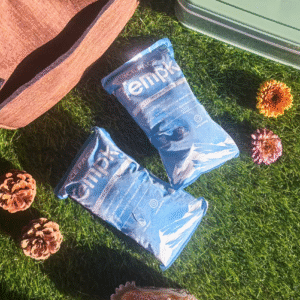
¿Cómo funciona el mejor paquete de hielo seco evitar explosiones y pasar controles?
¿Cuánto hielo seco o gel necesitas para 24–72 horas?
¿Qué materiales, espesores, y los caminos de ventilación funcionan mejor en carriles reales?
¿Cuándo el gel/PCM es la mejor opción que el hielo seco para objetivos refrigerados??
Qué 2025 las innovaciones importan: respiraderos inteligentes, monomateriales, y validación digital?
¿Qué hace que el mejor paquete de hielo seco más seguro y compatible?
Respuesta corta: Desfogue, adaptar, y durabilidad. El mejor paquete de hielo seco siempre incluye una ruta de ventilación controlada, utiliza una bolsa que se adapta al bloque o pellets sin sellar demasiado, y sobrevive a caídas y vibraciones en la automatización. Los paquetes no deben ser herméticos., y las bolsas interiores son doblado, no sellado—un detalle de aprobación/rechazo en las listas de verificación de aceptación.
Por qué esto te importa: El hielo seco se sublima y produce gas.. Una bolsa sellada atrapa la presión y puede romperse, dañar al transportista, o no aceptar. Los usos del paquete estándar más seguro bolsas interiores amigables con la ventilación y un cargador exterior ventilado, marcado UN1845 con peso neto para aire. Ese cambio reduce drásticamente el retrabajo y los reclamos en carriles congelados..
Opciones de materiales para el mejor paquete de hielo seco
| Material | Barrera | Comportamiento de ventilación | Durabilidad | Lo que significa para ti |
|---|---|---|---|---|
| HDPE 5–6 mil | Medio | Equilibrado | Alto | Robusto en automatización, buen todoterreno. |
| LDPE 4–5 mil | Medio-bajo | Bien | Flexible | Manejo más fácil; todavía necesita ventilación plegable. |
| Metalizado/milar | Alto | Bajo sin respiraderos | muy alto | Úselo solo con microventilaciones o espacios plegables. |
| kraft + laminados de PE | Medio | Ventilación natural | Moderado | Elección ecológica; ideal para pellets/bloques. |
Consejos prácticos que puede aplicar hoy
Doblar, no sellar cualquier bolsa interior que contenga hielo seco.
mantener una clara canal de espacio de cabeza desde las bolsas interiores hasta el respiradero/tapón del transportista.
Marcar envíos aéreos "Dióxido de carbono, sólido (UN1845)" con Kg neto.
Entrena equipos con la frase "El paquete está ventilado".
Caso del mundo real: Una marca nacional de alimentos cambió de fundas de película selladas a bolsas de HDPE plegadas más un refrigerador ventilado. Reducen roturas y retrabajos mientras mejoran la entrega a tiempo en dos dígitos en los carriles de verano.
¿cuanto del mejor paquete de hielo seco necesitas?
Respuesta corta: Comience con un regla general basada en carriles y luego validar. Para carriles congelados, planificar aproximadamente 5–10 lb por 24 Horas por remitente, dependiendo del aislamiento y del ambiente. Para enfriar (0–8 ° C), use gel/PCM dimensionado por horas y carga de calor; no necesita UN1845 para envíos de gel únicamente.
Expandir: Los bloques duran más que los pellets debido a su menor superficie, Así que elija bloques para agarres prolongados y perdigones para un rápido descenso y llenado.. Siempre divida la masa total en seis posiciones (abajo/laterales/arriba) para estabilizar las temperaturas y preservar las vías de ventilación. Registra y sintoniza por temporada.
Reglas de tallas para 24 a 72 horas (empieza aquí)
| Objetivo | Paquete típico | Masa de planificación | que ajustar |
|---|---|---|---|
| 24 congelado | 2 abajo, 2 lados, 2 arriba | ~5 a 10 libras en total | Agregar tapa de espuma; asegurar el camino de ventilación. |
| 48 congelado | Seis puntos con bloques. | ~ 10 a 20 libras | Prefiere bloques sobre pellets. |
| 72 congelado | Seis puntos + transatlántico | ~ 20 a 30 libras | Mejorar el aislamiento antes de la masa.. |
| 24–48 h enfriado | 6 ladrillos de gel (600–900 gramos) | 4–6 unidades | Pase a PCM de mayor latencia para obtener calor. |
Estimador práctico (incrustar opcionalmente)
La mejor bolsa de hielo seco vs paquete de gel: ¿cuándo debería elegir cada uno??
Respuesta directa: Usar el mejor paquete de hielo seco (hielo seco real en envases ventilados) para congelado objetivos. Usar paquetes de gel/PCM para 0–8 ° C. Muchos listados en línea de “bolsas de hielo seco” significan gel/PCM y no están regulados como el CO₂. Escoger por temperatura primero, luego ajuste y cumplimiento.
Contexto: El hielo seco exige bolsas ventiladas y un transportador exterior ventilado con UN1845 marcas de aire. Gel/PCM no requiere nada de eso, pero no puede mantener los productos congelados. Evite mezclar a menos que recurra al POE de hielo seco..
Comparación de un vistazo
| Meta | La “mejor” elección | Por qué | Vigilancias | Para ti |
|---|---|---|---|---|
| Mantener los productos congelados | La mejor bolsa de hielo seco (interior ventilado + carcasa ventilada) | Retención congelada más fuerte | Nunca sellar bolsas de plástico; dejar las rejillas de ventilación abiertas | Menos fallos en carriles largos. |
| Mantener los productos entre 0 y 8 °C | Ladrillos de gel/PCM | entrenamiento sencillo; no UN1845 | No se mantendrá congelado | Menor carga de operaciones; embalaje más rápido. |
La mejor bolsa de hielo seco paquetes que pasan controles (24–72 h)
Respuesta corta: El patrón más indulgente es el paquete de seis puntos—dos abajo, dos lados, dos superiores, además de un canal de espacio libre para el respiradero o drenaje del transportista. Las bolsas interiores están plegadas., no sellado. Etiqueta UN1845 con kg netos para envíos aéreos.
Herramientas útiles para tomar decisiones
Comprueba los detalles antes de elegir el embalaje.
Estas herramientas rápidas pueden ayudarle a comparar el riesgo de la ruta, necesidades de dimensionamiento, opciones de refrigerante, y detalles del embalaje antes de solicitar una cotización.
Selector de embalaje
Compare las opciones de embalaje aislado por producto, ruta, y necesidad de temperatura.
encontrar embalajeCalculadora de acumuladores de frío
Estimación de la cantidad de bolsas de hielo en gel para envíos refrigerados y planificación práctica de rutas.
Estimar las bolsas de hieloReferencia del material aislante
Compare opciones de materiales aislantes para diferentes necesidades de embalaje de la cadena de frío.
Comparar materialescomo construirlo
Pesar & dividir el CO₂ total (regla general arriba).
Embolsar correctamente: sacos kraft o film doblado; no termosellado.
Lugar 2 abajo, 2 lados, 2 arriba alrededor de la carga útil (sin contacto directo con primarias).
Agregar tapa de espuma y mantenga una canal de ventilación al enchufe/ventilación del refrigerador.
Controlar etiquetas y elementos de aceptación (p.ej., “el paquete está ventilado”).
Pruebas de durabilidad que salvan reclamaciones
| Prueba | Objetivo | Tu beneficio |
|---|---|---|
| Gota (1.2 metro) | Sin ruptura | Sin contaminación, menos reempaques. |
| Aumento de presión | ≤0,2 barras | Confirma una fuga segura de CO₂. |
| 100+ selecciones | Sin desgarros | Listo para la automatización. |
| Humedad/baja temperatura | Sin grietas | Se mantiene a −78 °C. |
2025 tendencias para el mejor paquete de hielo seco
Qué hay de nuevo: Películas de ventilación inteligentes, monomateriales reciclables, lotes con seguimiento de carbono, y Modelado de sublimación asistido por IA ayudarle a realizar envíos más seguros y ecológicos sin agregar mano de obra. Estas innovaciones redefinen lo que significa "mejor" este año.
Último de un vistazo
Ventilaciones inteligentes: Los poros que se abren bajo presión reducen el riesgo de explosión en las rutas aéreas.
Paquetes monomaterial: Reciclaje más fácil e informes ESG más limpios.
Seguimiento digital de CO₂: Los lotes de QR alimentan las auditorías de Alcance-3.
Insight del mercado: Los transportistas estandarizan configuraciones ventiladas y idioma de la lista de verificación (“el paquete está ventilado”) para acelerar la aceptación y la capacitación: un pequeño cambio en la documentación que genera enormes ganancias en el cumplimiento.
Preguntas frecuentes
Q1: ¿Cuál es la característica más importante de la mejor bolsa de hielo seco??
A ruta de ventilación controlada—bolsa interior plegada más un cargador exterior ventilado. Ese es el núcleo de la seguridad y la aceptación..
Q2: ¿Puedo sellar con calor una bolsa de film para contener patatas fritas??
No. No coloque hielo seco en bolsas de plástico selladas. Dobla la boca o utiliza bolsas kraft para que el CO₂ pueda escapar..
Q3: paquetes de gel vs la mejor bolsa de hielo seco: ¿cómo elijo??
Escoger por temperatura objetivo: gel/PCM para 0–8 °C; hielo seco para congelarse. Luego mide la masa y elige materiales para tu carril..
Q4: Cuanto hielo seco 48 horas?
Empezar 10–20 lb, preferir bloques, luego pruebe con registradores de datos y ajuste según la temporada.
Q5: ¿Qué etiquetas se requieren para el aire??
Marca "Dióxido de carbono, sólido (UN1845)" con el peso neto y asegurar la el paquete está ventilado.
Resumen & Recomendaciones
Resumen: El mejor paquete de hielo seco es un configuración ventilada que mantiene los productos congelados sin sellar CO₂, utiliza materiales que sobreviven al manejo, y sigue UN1845 y el lenguaje de aceptación. Dosificación del tamaño adecuado con diseños de seis puntos, luego validar y documentar.
Siguientes pasos:
Tiempo y ambiente del carril del mapa; 2) Elige el tipo de paquete (hielo seco versus gel); 3) Establecer ventilación y etiquetas.; 4) Pilotar y registrar; 5) Estandarizar los POE; 6) Revisar ESG y reciclabilidad. Necesita un SOP de una página o un tamaño de carril? Contacta con nuestro equipo.
Acerca de Tempk
Diseñamos y validamos embalaje de cadena de frío para el rendimiento y la sostenibilidad. Nuestra cartera abarca HDPE, metalizado, y laminado kraft opciones con ventilaciones diseñadas, además de soluciones de gel/PCM para carriles refrigerados, todas validadas para la logística del mundo real. Ayudamos a los 3PL y a los transportistas a reducir el desperdicio, prevenir rupturas, y cumplir con los objetivos ESG. Hable con nuestros ingenieros para obtener especificaciones específicas de carril.