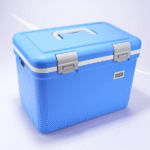
Este artículo te ayudará:
Comprenda cómo funciona una caja aislante biodegradable en la logística de la cadena de frío
Decida cuándo una caja aislante biodegradable es la opción correcta para su envío
Comparar materiales, actuación, y beneficios en el mundo real
Aplicar consejos prácticos para reducir costes, riesgo, y desperdicio
Prepárate para 2026 tendencias que configuran la sustentabilidad embalaje aislado
¿Por qué es importante una caja aislante biodegradable para el envío en cadena de frío??
Una caja aislante biodegradable protege productos sensibles a la temperatura mientras alinea sus operaciones con los objetivos de sostenibilidad. Combina aislamiento térmico con materiales que se descomponen naturalmente tras su uso., reducir el desperdicio a largo plazo. Para ti, esto significa entregas más seguras, menos preocupaciones regulatorias, y un mensaje de sostenibilidad más fuerte, sin sacrificar el rendimiento.
En operaciones diarias, Las fallas en la cadena de frío a menudo provienen del embalaje., no transporte. Una caja con aislamiento biodegradable reduce los cambios de temperatura causados por retrasos en el manejo o exposición en el último kilómetro. Si envías comida, medicamento, o muestras biotecnológicas, Este embalaje reduce directamente el riesgo de deterioro y las quejas de los clientes..
Cómo funcionan juntos el aislamiento y la biodegradabilidad
Una caja aislada biodegradable utiliza estructuras en capas, a menudo fibras de origen vegetal., pulpa moldeada, o bioespumas, para atrapar el aire. El aire atrapado ralentiza la transferencia de calor, muy parecido a un termo. La diferencia es lo que sucede después de su uso.: en lugar de permanecer en vertederos durante décadas, Estos materiales se descomponen naturalmente..
| Factor de rendimiento | Caja de espuma convencional | Caja aislada biodegradable | Lo que esto significa para ti |
|---|---|---|---|
| Tiempo de aislamiento | 24–72 horas | 24–96 horas | Ventana de protección más larga |
| Fin de vida | Desechos de vertedero | Descomposición natural | Menor carga de eliminación |
| Percepción de marca | Neutral | Eco-positivo | Mayor confianza del cliente |
| Ajuste regulatorio | Escrutinio cada vez mayor | Listo para el futuro | Menos riesgos de cumplimiento |
Consejos prácticos para ti
Entrega de comida a corta distancia: Utilice una caja aislada biodegradable con capacidad de 24 a 48 horas para reducir el exceso de ingeniería.
Muestras farmacéuticas o biotecnológicas.: Elija diseños de paredes más gruesas y revestimientos validados.
Envío de comercio electrónico: Haga coincidir el tamaño de la caja con la carga útil para evitar fugas de calor..
Ejemplo del mundo real: Un distribuidor regional de kits de comida reemplazó el embalaje de espuma por una caja aislante biodegradable y redujo las variaciones de temperatura en 18% durante las entregas de verano, al tiempo que se reducen casi por completo las quejas por eliminación.
¿Qué materiales se utilizan en una caja aislada biodegradable??
El rendimiento de una caja aislante biodegradable depende en gran medida de la estructura del material.. Comprender los materiales le ayuda a elegir correctamente y evitar pagar por funciones que no necesita.
La mayoría de las soluciones modernas de cajas aisladas biodegradables se basan en componentes renovables o de origen biológico.. Estos materiales equilibran el aislamiento., fortaleza, y compostabilidad.
Herramientas útiles para tomar decisiones
Comprueba los detalles antes de elegir el embalaje.
Estas herramientas rápidas pueden ayudarle a comparar el riesgo de la ruta, necesidades de dimensionamiento, opciones de refrigerante, y detalles del embalaje antes de solicitar una cotización.
Selector de embalaje
Compare las opciones de embalaje aislado por producto, ruta, y necesidad de temperatura.
encontrar embalajeComprobador de riesgos de ruta
Revise las condiciones del carril antes de seleccionar el embalaje para requisitos operativos reales..
Comprobar riesgo de rutaGenerador de listas de verificación de cumplimiento
Cree una lista de verificación práctica para la revisión del embalaje, envío, y documentación.
Crear lista de verificaciónExplicación de los materiales aislantes biodegradables comunes
pulpa moldeada: Hecho de fibras de papel reciclado; respirable, amortiguador, y compostable.
Espumas de origen vegetal: Derivado del almidón o celulosa; ligero con fuerte resistencia térmica.
Tableros de fibras naturales: Combine aislamiento y rigidez estructural para envíos apilables.
| Tipo de material | Nivel de aislamiento | Resistencia a la humedad | Mejor caso de uso |
|---|---|---|---|
| pulpa moldeada | Medio | Moderado | Comida fresca, producir |
| Bioespuma | Alto | Alto | Productos congelados o refrigerados |
| tablero de fibra | Medio-alto | Bajo-moderado | Productos secos o envueltos |
Consejos prácticos para ti
Ambientes húmedos: Empareje cajas de pulpa con revestimientos resistentes a la humedad.
Envíos congelados: Utilice inserciones de bioespuma dentro de una caja con aislamiento biodegradable.
Transporte apilado: Elija diseños reforzados con fibra para evitar daños por compresión..
Ejemplo del mundo real: Un exportador de productos del mar cambió a la bioespuma cajas aisladas y mantuvo temperaturas bajo cero durante 72 horas durante el transporte transfronterizo sin añadir refrigerantes adicionales.
¿Cuánto tiempo puede mantener la temperatura una caja aislada biodegradable??
Una caja aislada biodegradable puede mantener temperaturas estables desde 24 a 96 horas, dependiendo del diseño y combinación de refrigerantes. El factor clave para usted no es el número máximo, pero haciendo coincidir la duración con su tiempo de tránsito real.
La retención de temperatura depende del espesor del aislamiento., volumen de la caja, y como cargas los contenidos. Tanto el embalaje excesivo como el insuficiente reducen el rendimiento..
Factores que afectan la duración del aislamiento.
Espesor de pared y densidad del material.
Tipo y cantidad de paquetes de gel o materiales de cambio de fase
Exposición a la temperatura externa
Espacios de aire dentro de la caja.