La mantequilla parece estable porque es densa y rica en grasas., pero las rutas de paquetes cálidas aún pueden crear un ablandamiento visible, tinción de envoltura, engrasar, y deformación de la forma. Un paquete de mantequilla debería proteger la temperatura., condición del cartón, exposición al olor, y geometría de bloque. Esto es especialmente importante para la mantequilla cultivada de primera calidad., paquetes minoristas importados, kits de ingredientes de panadería, y cajas de comestibles refrigeradas mixtas.
Butter cadena de frío planning data
| Rango objetivo típico | 0-4 C para mantequilla refrigerada al por menor; Las rutas de mantequilla congelada necesitan un plan de validación de congelado separado.. |
|---|---|
| Humedad y condensación | Controle la humedad para envolver con papel de aluminio, cartón, etiquetas, y las fundas multipack no se ablandan ni manchan. |
| Preenfriamiento | Enfríe previamente los bloques y cartones de mantequilla antes de cargarlos.; la mantequilla tibia puede deformarse antes de que el paquete de gel estabilice la caja. |
| Presión de embalaje | Utilice cajas o fundas rígidas para evitar abolladuras en las esquinas., marcas de envoltorio, y bloquear la deformación bajo el peso del refrigerante. |
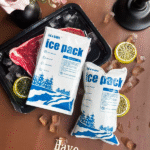
| Posición del refrigerante | Coloque paquetes de gel alrededor de la carga útil con una barrera plana.. Evite el contacto directo con productos congelados duros que pueden romper los envoltorios o crear marcas de humedad.. |
| Duración del tránsito | Adecuado para validado 24-72 h paquetes refrigerados según la masa de mantequilla, recuento de cajas, tamaño del listón, y perfil ambiental. |
| Pérdidas comunes | Reblandecimiento, engrasar, captación de olores, tinción de envoltura, aplastamiento de cartón, y daño al sabor de productos aromáticos cercanos. |
| Ajuste del embalaje Tempk | Remitente, paquetes de gel acondicionados, barrera contra la humedad, inserto rígido, separación de olores, y validación del registrador de temperatura. |
¿Por qué la mantequilla se diferencia de la leche y el yogur?
La mantequilla es menos frágil que los lácteos líquidos., pero es sensible al calor y la presión de una manera diferente. La leche y el yogur necesitan protección contra fugas y tapas de vasos; La mantequilla necesita protección de forma y separación de olores.. Si un paquete de gel congelado se coloca directamente sobre un bloque de mantequilla envuelto en papel, la superficie puede acumular humedad y transferir marcas. Si la ruta es demasiado cálida, la mantequilla puede ablandarse, perder bordes cuadrados, y llega con manchas de aceite en el envoltorio.
Para envíos de mantequilla refrigerada, Enfríe previamente el producto y utilice un transportador que mantenga las cajas planas sin permitir que las cargas pesadas paquetes de gel para presionar en el producto. Agregue una barrera contra la humedad entre el refrigerante y la mantequilla., luego use un inserto rígido o una pila de cartón apretada para evitar que los bloques se muevan. Cuando la mantequilla se envía con mariscos, carne, queso, o comida aromática, manténgalo en una bolsa interior sellada o en una cavidad separada para reducir la captación de olores..
Herramientas útiles para tomar decisiones
Comprueba los detalles antes de elegir el embalaje.
Estas herramientas rápidas pueden ayudarle a comparar el riesgo de la ruta, necesidades de dimensionamiento, opciones de refrigerante, y detalles del embalaje antes de solicitar una cotización.
Calculadora de hielo seco
Calcule las necesidades de hielo seco para envíos congelados o ultrafríos antes de empacar.
Estimar hielo secoReferencia del material aislante
Compare opciones de materiales aislantes para diferentes necesidades de embalaje de la cadena de frío.
Comparar materialesRevestimiento de caja & Dimensionamiento de la cubierta de paleta
Lógica de tamaño de revestimiento de cajas y cubiertas de paletas para proyectos de embalaje aislado.
Estimar el tamañoEnfoque de paquete Tempk recomendado
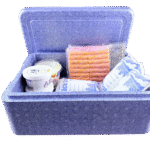
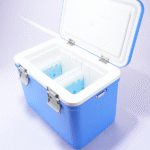
Tempk normalmente usaría un compacto caja aislada o remitente EPS, paquetes de gel acondicionados, una barrera protectora plana, y un inserto de soporte de cartón. Para paquetes minoristas premium, la validación debe incluir la forma del borde, sequedad del envoltorio, control de olores, y temperatura de llegada. Para mantequilla de panadería o restauración, el paquete puede ser más denso en carga útil, pero aún necesita un registro de temperatura y un patrón de carga que evite daños por carga superior.
FoodSafety.gov ofrece almacenamiento en frío orientación en 40 F (4 do) o debajo para alimentos refrigerados, y el Código Alimentario de la FDA se utiliza como modelo de protección de alimentos al por menor.. Para envío comercial, esas referencias son puntos de partida. El paquete final debe validarse con el formato exacto de mantequilla., ruta de palet o paquetería, perfil ambiental, acondicionamiento del refrigerante, y recibir estándar.