Un plan práctico para cajas aisladas a granel Envío controlado con temperatura
La compra de envío con temperatura controlada en cajas aisladas a granel más segura comienza con un informe de control, no es una muestra de caja. Ese resumen establece lo que necesita el producto., lo que la ruta puede hacerle, qué paquete se utilizará, ¿Qué evidencia es aceptable?, y cómo los equipos de producción y almacén mantendrán estable la configuración. Este enfoque evita dos atajos costosos: Tratar el aislamiento como control automático de temperatura y tratar un prototipo exitoso como prueba de consistencia en la producción en masa.. El resultado es un programa de embalaje que el departamento de adquisiciones puede obtener, la calidad puede defender, y los operadores pueden repetir.
Redacte el resumen de envío con temperatura controlada para cajas aisladas a granel
Una investigación vaga produce propuestas vagas. "Necesita una caja fría para tres días." no identifica una condición de temperatura aprobada, estado inicial, carga útil, desafío ambiental, o pasa el criterio. También invita a los postores a hacer diferentes suposiciones., lo que hace que los precios y las duraciones reportadas sean imposibles de comparar.
El resumen de control debe comenzar con la etiqueta del producto., información de estabilidad, u otro requisito de producto aprobado. Registre las condiciones aceptables y las sensibilidades conocidas., como intolerancia a la congelación o necesidad de permanecer congelado. Donde las decisiones de excursión dependen tanto del tiempo como de la temperatura, El propietario del producto debe definir cómo se tomarán esas decisiones.. Un proveedor de envases no debería inventar límites de aceptación de productos..
Describa la carga útil tal como se enviará realmente. Incluir dimensiones del paquete primario y secundario., masa, condición inicial, orientación, cargas mínimas y máximas, y cualquier separación requerida. Luego, mapee el reloj de ruta desde el inicio del embalaje hasta que el destinatario pueda colocar el producto en un lugar de almacenamiento adecuado.. El tránsito planificado es sólo una parte de ese reloj.. Ventanas de recogida del transportista, habitacion central, aduanas, fines de semana, intentos de entrega, y el retraso en el desembalaje puede determinar el verdadero desafío.
La información ambiental debe estar vinculada al carril y la temporada.. Si los datos históricos de la ruta están disponibles, Utilícelos para identificar exposiciones creíbles al frío y al calor.. Si se utilizan perfiles térmicos estandarizados, documentar por qué son apropiados y si se necesitan pruebas adicionales específicas de la ruta. Evite seleccionar una prueba extrema simplemente para que el número sea impresionante.; el perfil debe apoyar una decisión.
Finalmente, restricciones operativas estatales. ¿Se puede congelar el sitio de envío?, enfriar, o acondicionar los refrigerantes de manera consistente? ¿Cuánto espacio de montaje hay disponible?? ¿Quién empaca la caja?, y ¿cuánta complejidad puede soportar la línea?? ¿Están disponibles los procesos de manipulación de hielo seco y de mercancías peligrosas?? ¿El receptor devuelve los activos?? Un paquete técnicamente capaz que la red no puede ejecutar no es una solución viable.
Diseñe el paquete en torno a los modos de falla
La transferencia de calor encuentra el camino débil. Los paneles de pared anchos pueden funcionar bien mientras se unen las tapas., esquinas, penetraciones, o los huecos de montaje dominan la caja terminada. Por esa razón, Seleccione el aislamiento después de considerar la geometría completa.. Las espumas expandidas moldeadas pueden proporcionar formas livianas y características de ubicación de componentes. Los paneles de espuma rígida pueden soportar otros métodos de construcción. Los paneles de aislamiento al vacío pueden proporcionar una fuerte resistencia a través de un espesor limitado, pero sus bordes y envolturas protectoras requieren un diseño cuidadoso. La fibra y los elementos reflectantes pueden ser útiles en algunos sistemas., sujeto a la humedad, espaciado, y evidencia del paquete terminado.
El refrigerante es igualmente condicional.. Paquetes a base de agua, ladrillos rígidos, materiales especializados de cambio de fase, y el hielo seco cumplen diferentes requisitos. El comportamiento de fase, condición inicial, cantidad, ubicación, y la separación del producto influye en las zonas frías y calientes. Agregar componentes más fríos puede aumentar el riesgo de congelación cerca de las superficies de contacto. Agregar más componentes puede reducir la capacidad de carga útil y complicar el acondicionamiento. Cada cambio necesita juicio de ingeniería en lugar de una revisión general. "más es más seguro" regla.
Diseño contra errores predecibles:
- Un componente está colocado en la orientación incorrecta..
- Una carga útil parcial se aleja de su ubicación prevista.
- La tapa parece cerrada pero no está completamente asentada..
- Los refrigerantes se retiran del acondicionamiento demasiado pronto.
- Las partes de verano e invierno se mezclan en una estación de empaque..
- Un panel reutilizable dañado vuelve al servicio.
- Una instrucción obsoleta permanece junto a la actual.
Codificación mecánica, orden de capas simple, etiquetas inequívocas, controles de recuento de componentes, y una confirmación de cierre visible puede hacer que el paquete sea más tolerante. Estas características pueden ofrecer una confiabilidad más práctica que un diseño complejo cuyo éxito depende de una memoria perfecta..
Un comprador a granel típico puede tener una carga útil pequeña de gran volumen y una carga útil grande con menos frecuencia.. Usar la caja grande para ambos parece más sencillo, pero la pequeña carga puede moverse, crear espacios de aire variables, y consumir refrigerante y cubo de carga innecesarios. Una mejor evaluación compara un formato pequeño dedicado con un inserto controlado para la plataforma más grande. La elección debe basarse en evidencia térmica., riesgo de error de embalaje, carga de inventario, y costo total de entrega, no solo el recuento de cajas.
Utilice una escalera de evidencia antes de publicar el volumen
La evidencia debería volverse más específica a medida que la decisión se acerque al lanzamiento.. Las propiedades de los materiales ayudan a visualizar conceptos. Los dibujos y tolerancias de los componentes muestran si el diseño se puede producir.. Las pruebas de desarrollo revelan posibles ubicaciones frías y calientes. Las pruebas de calificación desafían la configuración completa. Los pilotos de las estaciones de embalaje y distribución revelan errores operativos. La inspección de producción y la revisión periódica muestran si el estado aprobado continúa.
| Puerta de liberación | Pregunta para responder | Evidencia mínima útil | Condición de parada |
|---|---|---|---|
| Concepto | ¿Puede el diseño adaptarse de manera plausible a la carga útil y la ruta?? | Geometría preliminar, fundamento material, concepto de refrigerante | La carga útil utilizable o el acondicionamiento del sitio son incompatibles |
| Muestra de producción | ¿La unidad propuesta es representativa y repetible?? | Dibujo controlado, materiales, tolerancias, controles del primer artículo | No se puede confirmar la fuente de la muestra o la construcción. |
| Revisión térmica | ¿El paquete definido cumple con el desafío establecido?? | Protocolo aprobado e informe con configuración., sensores, perfil, y criterios | El reclamo carece de condiciones de prueba o las ubicaciones requeridas fallan |
| Piloto operativo | ¿Puede el personal normal ejecutarlo y recibirlo?? | Observaciones, registro de errores, revisión de instrucciones, simulacro de excepción | Los pasos críticos siguen siendo ambiguos o inseguros |
| Lanzamiento masivo | ¿El primer lote coincide con el estado aprobado?? | Identidad del lote, inspecciones acordadas, cambiar estado, registros retenidos | Cambio no aprobado o no conformidad no resuelta |
Esta escalera evita que una hoja de datos del material se utilice como prueba de paquete y evita que una prueba de cámara se trate como una auditoría de producción.. Cada puerta aborda una incertidumbre diferente.. Un comprador puede escalar la formalidad al riesgo del producto., pero saltarse la pregunta no elimina el riesgo.
Estándar ISTA 20 puede proporcionar una estructura de proceso para contenedor de envío aislado calificación, e ISTA 7E ofrece perfiles térmicos estandarizados para los desafíos de entrega de paquetes. Guía de la OMS para el tiempo- y productos farmacéuticos sensibles a la temperatura aborda la calificación del contenedor de envío, perfil de ruta, y seguimiento del transporte. Las buenas prácticas de distribución de la UE y el material de riesgo de distribución de la USP también pueden informar a los sistemas de calidad farmacéutica.. El enfoque aplicable depende del producto., región, ruta, y procedimiento de la empresa; nombrar un estándar no hace que una caja sea universalmente compatible.
Un útil informe térmico identifica la revisión exacta del paquete., estado de la muestra, carga útil o simulante justificado, condiciones iniciales, perfil ambiental, duración, acondicionamiento del refrigerante, Ubicaciones del registrador y estado de calibración., criterios de aceptación, resultados, y desviaciones. Si un proveedor no puede mostrar las condiciones detrás de una declaración de tiempo de espera, convertir esa declaración en un elemento de verificación abierto en lugar de un hecho de compra.
Producción de cerraduras, Documentos, y empacar estaciones juntas
El suministro a granel crea tres fuentes de deriva. La fábrica puede alterar los materiales o la configuración del proceso., Los documentos controlados pueden cambiar., y las estaciones de embalaje pueden adaptar el método de manera informal. Un programa estable conecta los tres.
Herramientas útiles para tomar decisiones
Comprueba los detalles antes de elegir el embalaje.
Estas herramientas rápidas pueden ayudarle a comparar el riesgo de la ruta, necesidades de dimensionamiento, opciones de refrigerante, y detalles del embalaje antes de solicitar una cotización.
Calculadora de hielo seco
Calcule las necesidades de hielo seco para envíos congelados o ultrafríos antes de empacar.
Estimar hielo secoCalculadora de bolsa de hielo
Estimación de la cantidad de bolsas de hielo en gel para envíos refrigerados y planificación práctica de rutas.
Estimar las bolsas de hielorefrigerante & Referencia PCM
Compare las opciones de refrigerante y PCM cuando una ruta necesite soporte de temperatura adicional.
Comparar opcionesLa especificación de compra debe hacer referencia al dibujo aprobado y a la revisión., dimensiones críticas, descripciones de materiales, características de cierre, recuento de componentes, Límites de apariencia o daño., etiquetado, identificación del lote, y registros acordados. También debe definir la notificación de cambio.. Cambios en el aislamiento., resina, fuente del panel, película, adhesivo, refrigerante, estampación, sitio de fabricación, o dimensiones pueden afectar el desempeño y deben revisarse antes de la implementación de acuerdo con el riesgo..
La coherencia entre la muestra y la producción necesita un control deliberado. Aprobar muestras que estén hechas con las herramientas y materiales previstos cuando sea posible.. Revisar el primer lote de producción antes de su uso sin restricciones.. Mantenga una referencia controlada o criterios de inspección claros para que los equipos entrantes sepan qué "aprobación de coincidencias" medio. Una muestra de oro por sí sola puede envejecer o interpretarse de manera diferente, Así que combínalo con dibujos y características medibles..
en el almacen, emitir una instrucción por configuración aprobada. Las fotografías pueden mostrar el orden de las capas., pero los valores críticos y los pasos de aceptación deben permanecer en texto controlado. Definir acondicionamiento del refrigerante, tiempo máximo de transferencia cuando sea relevante, rango de carga útil, secuencia de componentes, control de cierre, colocación de etiquetas, Monitorear el inicio y la posición cuando se usa., y despedida final. Entrene tanto para las excepciones como para el caso normal.: componente faltante, caja dañada, carga útil incorrecta, refrigerante no disponible, transportista retrasado, o monitor que no arranca.
Recibir instrucciones cierra el ciclo. Es posible que el destinatario deba inspeccionar los daños y las características de manipulación., localizar el monitor, mover el producto al almacenamiento controlado, reportar una alarma, retener evidencia, y devolver componentes reutilizables. Si nadie es dueño de esos pasos, Los datos de calificación pueden no proteger la entrega final..
Por un sistema reutilizable, definir la compatibilidad de limpieza, el secado, inspección, autoridad de reparación, y jubilación. Una caja no es reutilizable simplemente porque sobrevive a otro viaje.. Debe estar apto para el próximo uso definido.. Realice un seguimiento de las devoluciones por activo o lote, según corresponda, e investigar pérdidas o daños repetidos antes de aumentar la vida esperada en un modelo de costo o sostenibilidad.
Administre el programa con un cuadro de mando útil
El precio unitario es una métrica débil del programa. Medir los factores que revelan el control y el costo total.: envíos por configuración, desviaciones del embalaje, daño, alarmas de temperatura, datos faltantes, entregas tardías, entrega al primer intento, tiempo de disposición del producto, inventario de cajas, disponibilidad de refrigerante, tasa de retorno reutilizable, rechazo de limpieza, residuos por material, y no conformidad del proveedor. No todas las operaciones necesitan todas las métricas. Seleccione aquellos vinculados a modos de falla y decisiones importantes..
Resultados de tendencias por carril y configuración en lugar de combinarlos en un promedio global. Una tasa de alarma general estable puede ocultar una ruta de aeropuerto difícil o una única estación de carga utilizando instrucciones obsoletas. Revisión de cuasi accidentes, como por ejemplo un defecto de cierre detectado antes del envío, porque exponen la debilidad del sistema sin pérdida de producto.
El modelado de costos totales debe incluir la cantidad de carga útil vendible por cubo externo., transporte, almacenamiento entrante, Energía y equipos de acondicionamiento de refrigerante., mano de obra, capacitación, escucha, desecho, logística inversa, limpieza, reparar, pérdidas, investigaciones, y riesgo del producto. Utilice rangos donde el retorno o retraso futuro sea incierto. No afirme que un sistema reutilizable es más barato o más ecológico hasta que se modele el circuito real..
La sostenibilidad pertenece al mismo cuadro de mando. El enfoque de materiales del ciclo de vida de la EPA respalda el análisis del uso del material desde la producción hasta la reutilización y el final de su vida útil.. Para embalaje, La eficacia protectora es parte de esa visión.. Tamaño correcto, componentes separables, rutas de recuperación locales creíbles, retornos eficientes, y un daño menor puede ser más significativo que una etiqueta ambiental amplia. Documentar los límites geográficos y operativos de cualquier reclamo..
La gobernanza no tiene por qué volverse lenta. Establecer un pequeño grupo de propietarios multifuncional, una lista de configuración aprobada, desencadenantes de cambio definidos, y una revisión periódica de excepciones. Puede ser necesaria una reevaluación cuando el producto, carga útil, ruta, transportador, sitio de paquete, proveedor, componente, monitor, o cambios de regulación. La profundidad de la revisión debe seguir el riesgo..
Preguntas frecuentes
¿Cuál es el primer documento que se debe crear para un proyecto de caja aislada a granel??
Crear un resumen de control que identifique las condiciones del producto., configuraciones de carga útil, desafío de ruta y retraso, restricciones operativas, evidencia requerida, y patrón de orden esperado. Esto brinda a los proveedores una base común para las propuestas y brinda a los equipos internos un registro de suposiciones.. Posteriormente puede convertirse en la base para la especificación de compra y el protocolo de calificación..
¿Puede una calificación cubrir varios tamaños de cajas o paquetes??
Sólo cuando se documente, enfoque técnicamente justificado apoya la agrupación. Cambios en la geometría, área de la pared, refrigerante, carga útil, y el espacio aéreo puede cambiar el comportamiento térmico. Una estrategia matricial o de bracketing puede reducir las pruebas, pero los extremos seleccionados y la lógica de aceptación deben ser aprobados. No asuma que pasar la caja más grande automáticamente cubre la más pequeña.
¿Quién debería aprobar un reclamo de tiempo de espera??
El proveedor puede proporcionar pruebas de prueba., Pero los propietarios técnicos y de calidad adecuados del comprador deben decidir si la configuración, perfil, duración, carga útil, y los criterios representan el uso previsto. El texto de marketing no es una base de aprobación. El reclamo final debe conservar sus condiciones y limitaciones para que no se reutilice para un carril o producto diferente..
¿Qué debería provocar la recalificación??
Los desencadenantes pueden incluir cambios en los requisitos del producto., carga útil, dimensiones de la caja, aislamiento, refrigerante, fuente, estampación, asamblea, sitio de paquete, acondicionamiento, ruta, transportador, perfil, monitor, o desviaciones repetidas. No todos los cambios requieren un programa de prueba completo. Una evaluación de riesgos documentada debe determinar si la revisión, verificación dirigida, o una recalificación más amplia es apropiada.
Conclusión
Se construye un programa confiable de envío con temperatura controlada en cajas aisladas a granel a través de cinco controles conectados: un resumen de envío preciso, un paquete diseñado en torno a modos de falla, una escalera de evidencia, documentos de producción y operación bloqueados, y un cuadro de mando que expone la deriva. Este método conserva las ventajas prácticas de la compra al por mayor sin tratar una caja., material, maderero, o nombre de la prueba como garantía.
Antes de solicitar cotizaciones finales, Solicite a cada postor que responda el mismo informe de control e identifique cada suposición.. Ese único paso hace que la técnica sea adecuada, calidad de la evidencia, carga útil utilizable, carga operativa, y términos comerciales mucho más fáciles de comparar.
Acerca de Tempk
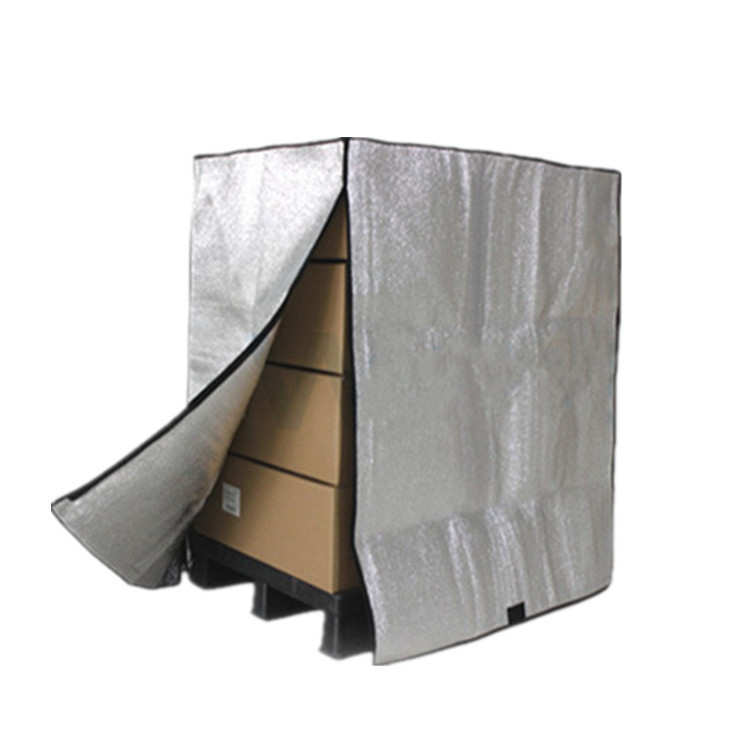
suministros temporales embalaje de cadena de frío formatos y componentes que incluyen Cajas aisladas de EPP, cajas de envío frías, revestimientos aislados, bolsas térmicas, cubiertas de paletas, paquetes de gel, y paquetes de hielo seco. Podemos utilizar la ruta del comprador., carga útil, proceso de manipulación, y condiciones requeridas para discutir qué categorías son candidatas sensatas para la evaluación. No tratamos la lista de componentes como prueba de un paquete terminado.. El sistema seleccionado debe estar respaldado por pruebas representativas de producción., instrucciones controladas, y la revisión de calidad adecuada al envío..
CTA: Comparta su informe de control con Tempk para comparar candidatos de envasado a granel y definir las preguntas que deben cerrarse antes del lanzamiento de producción..