Seleccionar una caja con aislamiento de burbujas de aluminio sin exageraciones
Se debe aprobar una caja con aislamiento de burbujas de aluminio como paquete de embalaje específico., no comprado como una promesa adjunta a una hoja brillante. La decisión es sencilla cuando los compradores hacen cuatro preguntas en orden.. ¿Se ajusta este formato al producto y ruta?? ¿Se conserva el espacio de aire reflectante previsto?? ¿La caja completa?, refrigerante, carga útil, y el cierre cumplen con los criterios de aceptación? ¿Pueden los operadores reproducirlo a escala?? La sostenibilidad y el precio vienen después, utilizando la estructura del material real y el circuito operativo. Esta secuencia protege a los compradores de valores R no respaldados, reclamaciones de tiempo de espera universal, y un revestimiento que ahorra espacio en el almacén pero crea trabajo incontrolado en la mesa de embalaje.
Decida si una caja con aislamiento de burbujas de aluminio pertenece a la ruta
Comience con una definición de carril de una página. Indique el rango de temperatura del producto., condición inicial, paquete primario, sensibilidad a la congelación o al calor, dimensiones de carga útil, carga mínima y máxima, duración prevista, traspasos, entorno del vehículo, exposición estacional, y retraso creíble. Agregue peligros físicos como caídas., apilado, punción, lluvia, o condensación. La familia de aislamiento correcta suele resultar más clara cuando estos hechos son visibles..
Vale la pena investigar un formato de burbuja de aluminio donde las paredes delgadas, tamaños flexibles, bajo volumen de almacenamiento entrante, o la conversión rápida de cajas de cartón tienen un valor operativo real. Puede convenir entrega local controlada, envíos de paquetes seleccionados, o un buffer secundario dentro de otro sistema de transporte. Es menos atractivo cuando la ruta exige una protección prolongada e incontrolada., el contenido es nítido, el paquete se llena habitualmente en exceso, la carcasa exterior se moja, o el proceso no puede mantener un pliegue y un espacio de aire consistentes.
Definir los requisitos del producto independientemente del paquete.. "Enfriado" y "congelado" no indique un rango aceptado. Medicamentos, alimentos, especímenes, quimicos, y la electrónica puede tener diferentes límites y consecuencias. Las regulaciones aplicables y los acuerdos con los clientes también varían.. El proveedor puede proponer el embalaje una vez conocido el requisito.; no debería crear el requisito.
Aclarar el papel de la caja.. El forro de burbujas de aluminio proporciona una capa térmica.. La caja exterior suele proporcionar forma., fuerza de compresión, y superficies para etiquetas y sellos. El refrigerante suministra una capacidad térmica finita. Los divisores gestionan el contacto y el movimiento.. El embalaje primario contiene el producto.. Un registrador registra la exposición. Llamando a todas esas funciones "la caja" oculta lagunas en la responsabilidad.
Utilice una regla de parada durante la evaluación. Si el proveedor no puede indicar el laminado, diseño de costura, cierre, refrigerante probado, carga útil, perfil ambiental, y límite de aceptación, no compares su duración con otra cotización. Solicite primero la base que falta.
Construya una escalera de evidencia desde la superficie hasta el carril
La evidencia debería subir cuatro niveles. La primera es la identidad material.: tipo de película reflectante, sustrato de burbujas, adhesivos, espesor, orientación de la superficie, y condición. El segundo es la prueba de muestras., que puede caracterizar un material plano bajo un método nombrado. La tercera es una prueba del paquete ensamblado con la caja de cartón real., transatlántico, refrigerante, carga útil, costuras, y cierre. El cuarto es la calificación o verificación de ruta que conecta el paquete con su entorno comercial..
Los niveles responden a diferentes preguntas.. ASTM C518 mide la transmisión térmica en estado estacionario a través de muestras planas. No recrea una caja plegada.. ASTM D3103 aborda el rendimiento del aislamiento térmico de los paquetes de distribución.. ISTA 7E proporciona perfiles térmicos para entrega de paquetes, y estándar ISTA 20 proporciona un proceso de diseño y calificación para contenedores de transporte aislados. Un método es útil cuando su alcance coincide con la pregunta.; ningún nombre estándar hace que una configuración no probada sea universal.
La física reflexiva se sitúa entre el primer y segundo nivel.. La lámina de baja emisión puede reducir el intercambio radiativo cuando se enfrenta a un espacio aéreo. Si esa cara se presiona contra un producto, refrigerante, o cartón, la conducción se vuelve importante. La guía sobre aislamiento reflectante del Departamento de Energía y de ASTM enfatiza el espacio aéreo adyacente.. Explican por qué es importante la instalación, pero la guía sobre aislamiento de edificios no es una calificación de la caja de envío.
Trate el valor R con el mismo límite. Una resistencia informada puede ser válida para un conjunto probado específico, temperatura, dirección del flujo de calor, y disposición del espacio aéreo. La regla del valor R de la FTC se aplica al aislamiento del hogar, no cajas de envío. Es un recordatorio útil de que las declaraciones de valor R necesitan pruebas y condiciones adecuadas., pero el envío aún necesita pruebas del paquete completo y una decisión de ruta.
A nivel de paquete, solicitar el protocolo de prueba y el contexto sin formato, no solo un resumen del pase. Busque revisiones de caja y componentes., temperaturas iniciales, acondicionamiento del refrigerante, disposición de carga útil, perfil externo, sensores, calibración, intervalo, límites de aceptación, recuento de carreras, desviaciones, y fotografías. Pregunte si la prueba utilizó la carga útil mínima., ya que la baja masa y el exceso de aire pueden ser un desafío. Verifique también la carga máxima de compresión y cierre..
El último nivel pregunta si la ruta comercial se mantiene dentro de los supuestos calificados.. Monitorear envíos piloto seleccionados, investigar las diferencias de permanencia y manejo, y definir desencadenantes de recalificación. La evidencia de ruta complementa la evidencia de laboratorio; Algunas entregas en buen tiempo no reemplazan el trabajo de desafío estacional..
Audite las reclamaciones de los proveedores antes de comparar precios
Traduce cada palabra atractiva en una solicitud de verificación. Esto es más rápido que debatir adjetivos y hace que las citas sean comparables..
| Reclamo de proveedor | Pregunta aclaratoria | evidencia de decisión |
|---|---|---|
| "Alto valor R" | que asamblea, espacios aéreos, método, temperaturas, y la dirección del flujo de calor lo produjo? | Informe de prueba original más revisión de relevancia |
| "Mantiene el frío durante días." | ¿Qué carga útil?, refrigerante, perfil ambiental, ubicaciones de sensores, y rango de aceptación? | Informe térmico de paquete completo |
| "Refleja la mayor parte del calor" | ¿Qué propiedad de la superficie se midió?, ¿Y dónde está el espacio de aire en la caja?? | Datos de superficie y plano de montaje. |
| "A prueba de fugas" | ¿Esta portada, costuras, cierre superior, puntas, y plegado repetido? | Prueba de fugas del revestimiento terminado o de condiciones de uso |
| "Reutilizable" | que limpieza, inspección, daño, y el proceso de retiro apoya la reutilización? | Protocolo de reutilización y ensayo representativo de producción. |
| "Reciclable" | Qué componentes completos se adaptan a qué flujo de recogida y reciclaje? | ABR, Clase Reciclada, reciclador, o evaluación específica del mercado |
| "Calificado" | ¿Qué configuración exacta y perfil de distribución fueron calificados?? | Informe controlado con revisión y alcance. |
El propósito no es rechazar cada reclamo.. Es ponerle un límite.. Un resultado plano puede respaldar la selección del diseño. Una prueba de agua del revestimiento terminado puede respaldar una contención limitada. Un informe térmico puede respaldar un paquete. Los compradores toman malas decisiones cuando extienden un límite a otro.
Mire de cerca las comparaciones de materiales delgados. Un revestimiento de burbujas de aluminio puede preservar el espacio de carga útil y reducir el cubo entrante. Un sistema de espuma o fibra puede ofrecer un equilibrio diferente de resistencia conductiva., estructura, respuesta a la humedad, y eliminación. Un híbrido puede combinar funciones.. Compara estas opciones con el mismo producto, perfil, refrigerante, y límites de aceptación, luego agregue el manejo físico y el costo operativo.
El contacto con alimentos y el cumplimiento farmacéutico también necesitan límites. Si el revestimiento toca la comida, verificar la documentación de contacto prevista para el mercado. Si los paquetes primarios sellados impiden el contacto, documentar ese acuerdo. Para productos farmacéuticos, estabilidad del producto, Controles de calidad relacionados con el PIB, escucha, y la calificación del carril permanecen separados del material. No acepte un resultado térmico como prueba de cumplimiento universal..
Las reclamaciones por hielo seco requieren mayor precaución. El hielo seco es extremadamente frío y libera dióxido de carbono.. Su uso puede afectar la compatibilidad del producto., seguridad de los trabajadores, desfogue, etiquetado, y requisitos del transportista. El revestimiento no debe tratarse como un recipiente a presión sellado ni como una autorización automática para el envío con hielo seco..
Haga que la geometría probada sea repetible en el banco de empaque
Un diseño reflectante puede ser más sensible a la instalación de lo que sugiere su simple apariencia.. El dibujo aprobado debe mostrar qué puntos de la cara donde, qué espacios aéreos son intencionales, cómo se pliegan las esquinas, donde se asienta el refrigerante, Cómo se separa el producto de las superficies frías., y como se cierra la tapa. Marque las líneas de pliegue o utilice un inserto ajustado si el espacio de aire depende de una geometría consistente.
Acondicionamiento de componentes de control. El producto debe ingresar dentro de su condición de lanzamiento.. El refrigerante debe seguir un método de acondicionamiento definido., no una instrucción informal como "congelar durante la noche." Si se utiliza un material de cambio de fase, su estado y preparación deben coincidir con la prueba.. Los revestimientos y las cajas deben estar secos., intacto, y almacenado lejos de la contaminación.
Herramientas útiles para tomar decisiones
Comprueba los detalles antes de elegir el embalaje.
Estas herramientas rápidas pueden ayudarle a comparar el riesgo de la ruta, necesidades de dimensionamiento, opciones de refrigerante, y detalles del embalaje antes de solicitar una cotización.
Calculadora de bolsa de hielo
Estimación de la cantidad de bolsas de hielo en gel para envíos refrigerados y planificación práctica de rutas.
Estimar las bolsas de hielorefrigerante & Referencia PCM
Compare las opciones de refrigerante y PCM cuando una ruta necesite soporte de temperatura adicional.
Comparar opcionesGenerador de listas de verificación de cumplimiento
Cree una lista de verificación práctica para la revisión del embalaje, envío, y documentación.
Crear lista de verificaciónInspeccionar las áreas propensas a fallas durante el embalaje.:
- pinchazos, poros, delaminación, y caras reflectantes desgastadas
- Zonas de burbujas aplastadas en las esquinas., debajo de las correas, o al lado de cargas útiles densas
- Cinta que levanta, arrugas, o salva el cierre
- Deformación del cartón que elimina el espacio de aire diseñado
- Exceso de espacio libre que permite el movimiento del producto y del refrigerante.
- Sobrellenado que impide el cierre completo del revestimiento y del cartón
- Humedad o residuos que afecten a la higiene y adherencia.
El receptor debe saber qué pruebas comprobar. Definir la inspección del estado del paquete, medición de temperatura aprobada, recuperación del registrador cuando se utiliza, desencadenantes de cuarentena, y autoridad de disposición. Una caja dañada no siempre significa producto defectuoso, y una caja de aspecto limpio no demuestra el cumplimiento de la temperatura. Utilice el proceso de calidad aprobado..
El control de cambios protege la evidencia. Una cinta diferente, grado de cartón, película de revestimiento, adhesivo, herramienta de burbuja, compresa fría, paquete de producto, o el plan del operador puede alterar el sistema. Solicitar al proveedor controles de producción y notificación previa. Internamente, revisar nuevas rutas, estaciones, cargas útiles, y ventanas de entrega.
Ejemplo práctico: Los ahorros de almacenamiento crean un problema de velocidad de línea.
Imagine que un distribuidor sustituye los refrigeradores preformados por láminas planas.-revestimientos de burbujas para liberar espacio en el almacén. La prueba térmica es aceptable cuando los ingenieros ensamblan cada revestimiento con cuidado.. Durante el primer piloto de embalaje, Los operadores necesitan varios intentos para formar las esquinas., el uso de la cinta varía, y algunos pliegues superiores se abren antes de que se cierre la caja.
El distribuidor no soluciona esto añadiendo más refrigerante.. Mide el tiempo de línea y el desperdicio., luego prueba un revestimiento preformado con pliegues marcados y un panel superior ajustado. La versión revisada consume un poco más de volumen entrante pero se ensambla de manera consistente. La prueba térmica se repite porque la costura y la geometría del espacio de aire cambiaron.. El modelo de costes final incluye el almacenamiento., mano de obra de montaje, cinta, chatarra, y rendimiento del paquete.
Este caso hipotético muestra que la repetibilidad operativa es un requisito técnico.. Un revestimiento perfecto para laboratorio que no se puede envasar a velocidad comercial no está listo para producción.
Elija el sistema de menor desperdicio, No es la palabra más verde
Comience en la cima de la jerarquía de residuos. Reduzca el material ajustando el tamaño de la caja, control de chatarra cortada, eliminando capas innecesarias, y evitando la sobreprotección en rutas fáciles. Prevenir la pérdida de productos también es importante porque un envío fallido puede desperdiciar tanto bienes como embalajes.. Utilice clases de ruta para que un paquete de exportación exigente no se utilice automáticamente para una entrega condicionada corta.
La reutilización necesita un circuito cerrado. Un revestimiento flexible puede sobrevivir a varios viajes., pero dobla la fatiga, punción, residuos de cinta, contaminación, y las piezas perdidas pueden hacer que el ciclo práctico cuente menos de lo esperado. Establecer la propiedad de la devolución, compatibilidad de limpieza, el secado, inspección, marcado de estado, y jubilación. Cuente los ciclos seguros reales; No comercializar un máximo teórico como un resultado logrado..
El reciclaje requiere un mapa de componentes. una capa metalica, películas de polímero, sustrato de burbujas, adhesivo, etiqueta impresa, cinta, caja de cartón, y paquete de refrigerante puede entrar en diferentes corrientes. La guía APR y RecyClass evalúa la compatibilidad de las características de diseño completas, no sólo el polímero principal. Confirmar la recogida y clasificación local en el mercado de destino.. Las instrucciones de separación deben ser realistas para el receptor..
Regulación (UE) 2025/40 sobre envases y residuos de envases se aplica generalmente a partir de agosto 12, 2026, con obligaciones detalladas y transiciones en torno a la minimización, diseño para el reciclaje, reutilizar, etiquetado, y sustancias. Los compradores de la UE deben obtener asesoramiento sobre la función y las fechas de su embalaje.. La frase medioambiental de un proveedor no sustituye a esa revisión.
El costo total debe incluir el revestimiento., caja de cartón, refrigerante, cubo entrante, mano de obra de montaje, equipo, chatarra, cubo de salida y peso, escucha, el producto retiene, logística de devolución, limpieza, y tarifas de final de vida. Compare el costo por envío entregado de forma segura en cada clase de ruta. Esa métrica puede respaldar una línea delgada en un carril y un sistema más robusto en otro sin forzar un falso ganador universal..
Preguntas frecuentes
¿Cuál es el primer documento a solicitar a un proveedor??
Solicite la construcción terminada y la base de embalaje juntos.. Necesitas las capas del forro., dimensiones, método de costura y cierre, caja de cartón, refrigerante, carga útil, perfil externo, y límites de aceptación. Una hoja de datos del material por sí sola no puede mostrar cómo se desempeña la caja cargada., mientras que una declaración de duración sin construcción no puede respaldar el control de cambios.
¿Funciona el papel de aluminio si no hay espacio de aire??
La superficie todavía existe, pero su contribución reflectante cambia cuando está en contacto directo porque la conducción se convierte en un camino importante.. Los sistemas reflectantes de baja emisión obtienen su beneficio distintivo en todo el espacio aéreo. Utilice la misma orientación y espaciado que la configuración probada., luego verifique el paquete completo.
¿Debería el revestimiento ser reutilizable??
Sólo si la red puede regresar, limpio, inspeccionar, identificar, y retirarlo de forma segura. Los laminados flexibles pueden desarrollar poros, fatiga del pliegue, delaminación, y residuos de cinta. Aprobar la reutilización a través de un circuito operativo real y realizar un seguimiento de los ciclos completados en lugar de asumir la durabilidad por la apariencia..
¿Cómo deberían los compradores comparar la burbuja de aluminio con otros aislamientos??
Pruebe sistemas representativos de producción con la misma carga útil, refrigerante, perfil externo, límites de aceptación, y peligros físicos. Luego compare el volumen utilizable, tiempo de embalaje, almacenamiento entrante, peso, respuesta a la humedad, controles de proveedores, y fin de la vida. Evite comparar el valor R de una hoja plana con la duración de un paquete completo.
¿Puede una prueba cubrir todos los tamaños de cajas??
No automáticamente. La geometría cambia el área expuesta., costuras, aire interno, relación refrigerante-carga útil, y cierre. El análisis de ingeniería puede respaldar una estrategia de bracketing, pero la justificación debe estar documentada.. No transfiera un resultado únicamente porque se utiliza el mismo material de revestimiento.
Conclusión
Una decisión creíble sobre una caja con aislamiento de burbujas sigue una secuencia: definir el carril, preservar la geometría reflectante del espacio aéreo, calificar el paquete completo, demostrar la repetibilidad del embalaje, y evaluar costos y desperdicios en toda la red real. Las afirmaciones materiales son insumos, no resultados del envío.
La mejor siguiente acción es construir una muestra representativa de la producción para la ruta prevista más difícil y la carga útil aprobada más liviana.. Esa prueba revelará si el fino formato reflectante ofrece un valor operativo genuino o si otro sistema de aislamiento proporciona un margen más seguro..
Acerca de Tempk
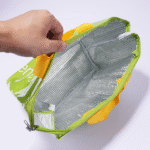
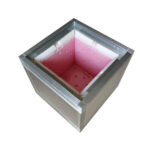
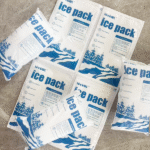
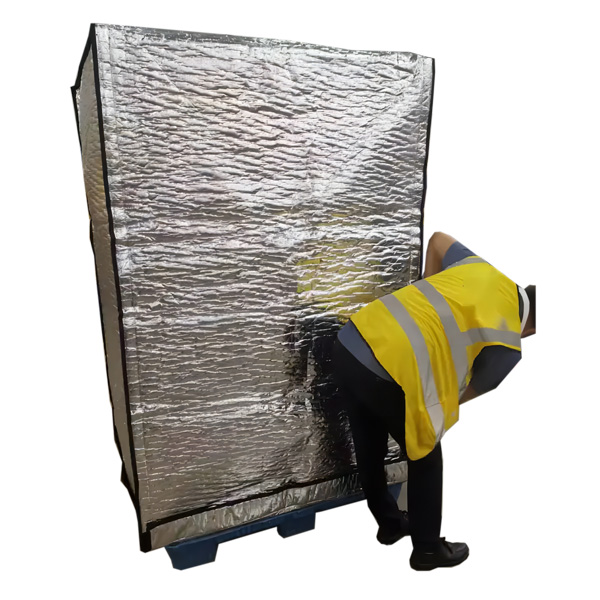
Tempk ofrece categorías de empaques para control de temperatura que incluyen cajas aisladas, bolsas aisladas, cubiertas térmicas para palets, y paquetes fríos. Podemos revisar un resumen de envío personalizado que cubra los requisitos del producto., dimensiones del cartón, refrigerante, exposición de ruta, método de montaje, y escala de pedidos. Tempk no publica una página de producto estándar para una caja con aislamiento de burbujas de aluminio, por lo que los compradores no deben asumir una construcción o desempeño fijo. Cualquier opción propuesta debe evaluarse a través de su muestra específica., documentos, y condiciones de prueba de paquete completo.
Comience con evidencia: Envíe a Tempk su resumen de ruta y su plano de carga mínima para comparar formatos de embalaje adecuados y definir qué se debe probar antes de una orden de producción..