Actualizado el: Puede 20, 2026
Cómo evaluar una caja aislada VIP para la logística de ensayos clínicos antes de escalar los envíos de la cadena de frío
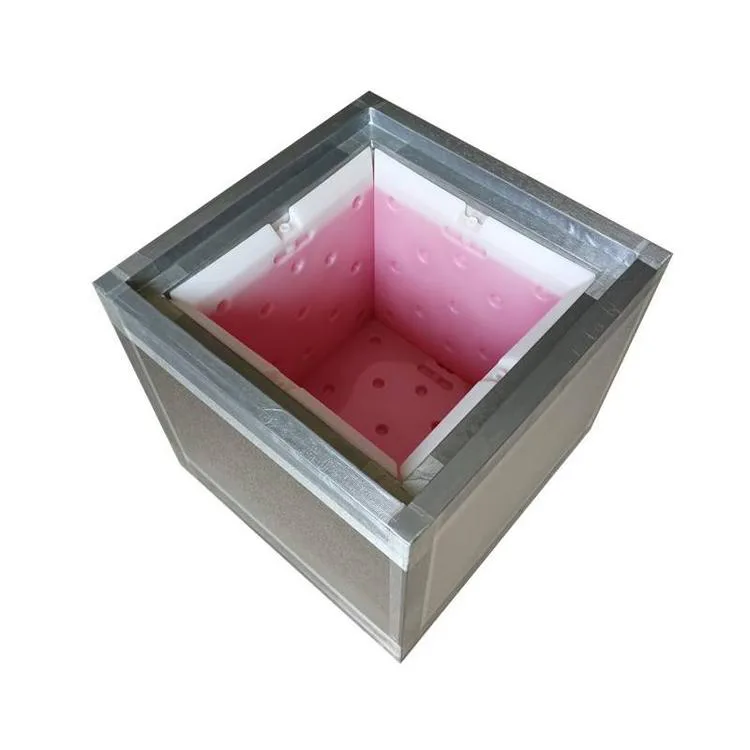
A Caja aislada VIP para ensayos clínicos la logística puede ser la elección correcta cuando se necesitan medicamentos en investigación., muestras biológicas, equipos, comparadores, o los suministros de prueba sensibles a la temperatura necesitan más margen térmico que el que puede proporcionar una caja de cartón aislada básica. La decisión aún debe tomarse como una decisión de proceso de cadena de frío., no es un atajo de embalaje. Comience con la condición del producto., exposición de ruta, mapa de carga útil, plan de refrigerante, y evidencia requerida al recibir. El aislamiento VIP puede mejorar el diseño., pero el embalaje completo y el procedimiento operativo deciden si el envío es confiable.
Para compradores, El objetivo práctico es evitar dos errores.: subproteger el envío y confiar demasiado en una caja sin pruebas. La caja puede parecer sencilla desde fuera., pero interactúa con la temperatura, tiempo, gente, documentos, y la incertidumbre de la ruta. Es por eso que una evaluación útil debe cubrir tanto el desempeño como las operaciones..
La pregunta correcta es adecuada., no material premium
El aislamiento VIP es atractivo porque puede proporcionar una fuerte resistencia térmica en un formato compacto.. Eso importa cuando el envío tiene espacio limitado, alto valor, o entregas inciertas. Pero una caja aislada VIP para la logística de ensayos clínicos no es automáticamente mejor para todos los carriles.. Si la ruta es corta, el requisito de temperatura es amplio, y el manejo está controlado, una solución aislada más simple puede ser suficiente. Si la ruta incluye distribución del depósito al sitio, devoluciones del sitio al laboratorio, recogida de prueba descentralizada, suministro transfronterizo, y reabastecimiento de emergencia, el amortiguador térmico más fuerte puede ser más fácil de justificar.
Una evaluación basada en el ajuste evita la compra excesiva y el diseño insuficiente. La sobrecompra ocurre cuando el equipo elige una caja premium sin verificar si la carga útil, transportador, y el receptor puede usarlo correctamente. El diseño insuficiente ocurre cuando el equipo elige un paquete de bajo costo que no puede manejar el riesgo real de traspaso.. Ambos problemas pueden generar desperdicio.. El mejor enfoque es describir el carril claramente y luego seleccionar el paquete que se ajuste al riesgo..
Para gerentes de logística de ensayos clínicos, equipos de operaciones del sitio, laboratorios centrales, patrocinadores, y equipos de adquisición de embalajes, el ajuste también incluye el flujo de trabajo. ¿Puede el personal de embalaje cargar la caja de forma rápida y consistente?? ¿Puede el receptor encontrar el registrador o los documentos?? ¿Se puede limpiar o devolver la caja si se planea reutilizarla?? ¿Se pueden identificar las unidades dañadas?? Estas preguntas pueden parecer básicas, pero a menudo deciden si el embalaje funciona después de los primeros envíos de muestra..
Construya el requisito en cinco capas.
La primera capa es la condición del producto.. Definir el requisito de temperatura exacto y las consecuencias de la exposición.. Algunos productos se ven perjudicados por el calor., algunos por congelación, algunos descongelando, y algunos mediante ciclos repetidos. Evite tomar prestado un rango de temperatura familiar de otra categoría de producto. El rango debe provenir de la especificación del producto., protocolo, etiqueta, archivo de calidad, o requisito del comprador.
La segunda capa es la exposición de la ruta.. El tiempo total de tránsito no es suficiente. Un paquete puede pasar tiempo en un banco de embalaje., en un muelle, en un vehículo de mensajería, en un aeropuerto, en aduanas, o en la puerta de una residencia. Cada punto puede crear un riesgo diferente. Una buena revisión del embalaje traza el recorrido desde el lanzamiento hasta la recepción, incluyendo retrasos que sean razonablemente previsibles.
La tercera capa es el paquete cargado.. Las dimensiones internas no son las mismas que el espacio de carga útil utilizable.. refrigerante, separadores, material absorbente, revestimiento, documentos, y dispositivos de monitoreo todos usan espacio. La cuarta capa es evidencia.: contexto de prueba, datos del carril piloto, documentación del proveedor, o un paquete de calidad aprobada. La quinta capa es el manejo de excepciones.. Si el envío llega tarde, dañado, o fuera del registro esperado, el equipo necesita un camino de decisión.
| Capa de evaluación | Punto de decisión | Error común del comprador |
|---|---|---|
| Condición del producto | Confirmar la temperatura requerida y la regla de aceptación.. | Utilizar una gama genérica que no pertenece al producto.. |
| Exposición de ruta | Puesta en escena del mapa, traspasos, tiempo de permanencia, y estacionalidad. | A juzgar únicamente por el tiempo de tránsito del servicio de mensajería. |
| Diseño de embalaje | Revisar refrigerante, separadores, mapa de carga útil, cierre, y monitorear la colocación. | Aprobar una muestra vacía sin una prueba cargada. |
| Evidencia | Haga coincidir los datos de prueba o los registros piloto con el carril planificado. | Tratar un reclamo de tiempo de espera general como universal. |
| Operaciones | Definir embalaje, recepción, reutilizar, limpieza, y procedimientos de excepción. | Suponiendo que el personal interpretará el proceso correctamente sin instrucciones escritas.. |
Estas capas mantienen el proceso de compra basado. Una conversación con el proveedor se vuelve más útil cuando el comprador puede describir el producto., ruta, empacar, nivel de evidencia, y proceso operativo. También hace que las cotizaciones sean más fáciles de comparar., porque cada proveedor responde al mismo requisito real en lugar de a una solicitud amplia de una caja aislada.
Donde el paquete completo puede fallar
El componente más visible es la caja., pero el fracaso muchas veces proviene de algo menos visible. El refrigerante puede estar acondicionado incorrectamente. Puede que falte un separador. La carga útil se puede cargar en una orientación diferente a la del mapa aprobado.. Es posible que una tapa no cierre completamente. Se puede colocar un registrador contra el refrigerante en lugar de cerca del área de riesgo de la carga útil.. Un equipo receptor puede abrir la caja., eliminar elementos, y olvídate de descargar el registro de temperatura.
Para este tema, el límite es importante: no reemplaza las instrucciones del protocolo, controles TRI, etiquetado, cadena de custodia, o procedimientos de manipulación cualificados. Por lo tanto, los compradores deben evitar declaraciones que hagan que la caja parezca todo el sistema de control.. Una afirmación más precisa es que la caja admite un empaque pasivo con temperatura controlada cuando se combina con el refrigerante adecuado., procedimiento de carga, escucha, y revisión de ruta específica.
Otro punto de falla es el cambio.. El paquete puede funcionar para un tamaño de carga útil pero no para otro. Puede funcionar en una temporada pero necesitar ajustes en otra.. Puede funcionar con un operador pero fallar cuando se transfiere a un nivel de servicio diferente. Puede ser aceptado por un receptor pero rechazado por otro porque el trámite o el proceso de registro difieren.. Una mentalidad de control de cambios es importante incluso para envases que parecen físicamente simples.
Ejemplo práctico: un modelo de aprobación que evita problemas posteriores
Imagine un patrocinador de un ensayo que suministra kits sensibles a la temperatura a sitios en diferentes climas y al mismo tiempo recibe muestras biológicas de esos sitios.. Durante la aprobación de la muestra, el equipo no sólo debe comprobar si la caja se cierra. Deberían cargar la carga útil o un equivalente realista., agregue el refrigerante, posicionar cualquier registrador, incluir documentos, y simular los pasos que seguirá el personal. Deben observar si la caja es fácil de cerrar., si las etiquetas encajan, si la carga útil está protegida del contacto directo con el refrigerante, y si el destinatario puede inspeccionar el envío sin confusión.
Este enfoque puede revelar problemas antes de que la orden de compra sea grande.. Quizás la carga útil se desplace durante el manejo.. Quizás la caja sea demasiado grande para un nivel de servicio de mensajería.. Quizás un diseño reutilizable necesite un proceso de eliminación de etiquetas más sólido. Quizás el plan de refrigerante sea demasiado complejo para una línea de cumplimiento ocupada. Estos hallazgos no son fallas de la muestra.. Son información útil que convierte una idea de packaging en un procedimiento operativo.
Herramientas útiles para tomar decisiones
Comprueba los detalles antes de elegir el embalaje.
Estas herramientas rápidas pueden ayudarle a comparar el riesgo de la ruta, necesidades de dimensionamiento, opciones de refrigerante, y detalles del embalaje antes de solicitar una cotización.
Generador de listas de verificación de cumplimiento
Cree una lista de verificación práctica para la revisión del embalaje, envío, y documentación.
Crear lista de verificaciónCalculadora de hielo seco
Calcule las necesidades de hielo seco para envíos congelados o ultrafríos antes de empacar.
Estimar hielo secoSelector de embalaje
Compare las opciones de embalaje aislado por producto, ruta, y necesidad de temperatura.
encontrar embalajePreguntas de proveedores que realmente importan
Al comparar proveedores de una caja aislada VIP para logística de ensayos clínicos, pregunta cómo están protegidos los paneles VIP, cuál es el volumen utilizable cargado, y si las unidades de producción coinciden con la muestra. Solicite instrucciones de embalaje y los supuestos de prueba detrás de cualquier declaración de rendimiento.. Pregunte si el proveedor puede soportar variaciones estacionales., inspección de caja dañada, componentes de repuesto, y repetir ordenes. Si el envío está regulado, preguntar qué proporciona el proveedor y cuál sigue siendo responsabilidad del comprador.
Las buenas conversaciones con los proveedores son específicas y, a veces, incómodas.. Un proveedor creíble debería estar dispuesto a discutir los límites., no solo ventajas. Si una casilla no ha sido evaluada para un carril, el proveedor no debe presentarlo como probado para ese carril. Si una afirmación de sostenibilidad depende de la reutilización, la tasa de retorno y el proceso de limpieza deben ser parte de la discusión. Si un reclamo de cumplimiento depende de los procedimientos del comprador, ese límite debe ser claro.
Para medicamentos en investigación, muestras biológicas, equipos, comparadores, o suministros de prueba sensibles a la temperatura, El equipo de compras también debe involucrar las operaciones desde el principio.. La adquisición puede comparar el precio., la calidad puede revisar la evidencia, La logística puede comprender el riesgo del transportista., y el personal del almacén puede saber si el embalaje se puede repetir. El paquete tiene éxito sólo cuando estos equipos se ponen de acuerdo sobre qué se espera que haga la caja y qué se debe verificar en cada paso..
Comprobaciones operativas antes del lanzamiento
La repetibilidad del personal merece su propia revisión. Una caja aislada VIP para la logística de ensayos clínicos puede parecer robusta durante la aprobación de la muestra, pero los envíos de rutina dependen de que las personas sigan los mismos pasos bajo presión de tiempo.. El personal de embalaje necesita un orden de trabajo claro: preparar la caja, condición del refrigerante, comprobar los revestimientos, cargar carga útil, colocar cualquier monitor, cerrar la tapa correctamente, aplicar etiquetas, y registrar la información de publicación. Si esos pasos no son fáciles de repetir, La ventaja térmica teórica del aislamiento VIP puede no convertirse en un rendimiento de envío confiable..
Los compradores también deben separar la aprobación del diseño de la aprobación de la compra.. La aprobación del diseño pregunta si el paquete protege los medicamentos en investigación, muestras biológicas, equipos, comparadores, o suministros de prueba sensibles a la temperatura en condiciones realistas. La aprobación de compras pregunta si el proveedor puede entregar unidades consistentes., piezas de repuesto, instrucciones de embalaje, y apoyo cuando las rutas cambian. Una cotización baja es menos atractiva si las dimensiones de la caja varían, si el ajuste de la tapa cambia entre lotes, o si el proveedor no puede explicar cómo se evaluó el paquete.
Los equipos receptores también merecen atención. Un paquete puede salir del almacén correctamente y aun así no pasar la inspección si el sitio de recepción no sabe dónde está el registrador., ¿Qué evidencia de temperatura revisar?, cómo juzgar el daño físico, o qué hacer con una entrega retrasada. Para envíos controlados, La lista de verificación de recepción debe escribirse antes de escalar el embalaje., porque define cómo se ve el éxito al final del camino.
No trates la estacionalidad como un detalle menor. Rutas de clima cálido, rutas de clima frio, envío de fin de semana, tiempo de permanencia en el aeropuerto, y la congestión durante las vacaciones puede cambiar el perfil de riesgo. Una caja con aislamiento VIP para la logística de ensayos clínicos debe revisarse teniendo en cuenta estas condiciones antes de su uso generalizado.. Cuando faltan pruebas, solicitar un envío piloto, una prueba de cámara, o una revisión documentada del paquete en lugar de confiar en una afirmación amplia sobre el rendimiento del aislamiento.
La revisión comercial debe incluir soporte postventa.. Pregunte cómo maneja el proveedor las unidades dañadas., revestimientos de repuesto, obra de arte revisada, instrucciones de carga actualizadas, y repetir la producción. Esto importa porque embalaje de cadena de frío rara vez es una compra única. Una vez que una caja aislada VIP para la logística de ensayos clínicos pasa a formar parte de un programa de envío, Pequeños cambios de proveedor pueden afectar la velocidad de embalaje., recibiendo cheques, y confianza en el registro de envío.
Preguntas frecuentes
¿Qué diferencia una caja aislada VIP para logística de ensayos clínicos de una caja aislada básica??
La principal diferencia es el uso de paneles aislantes al vacío para reducir la transferencia de calor en un perfil aislante más delgado.. Eso puede ayudar a preservar el espacio de carga útil o mejorar el margen térmico.. La diferencia sólo importa cuando el paquete completo se diseña y utiliza correctamente.
¿Puedo confiar en los reclamos de tiempo de espera del proveedor??
Úsalos como punto de partida, no como una promesa universal. Pregunta por la carga útil, refrigerante, perfil ambiental, colocación del sensor, y criterios de aceptación detrás del reclamo. Si su carril es diferente, solicitar una revisión piloto o una evaluación específica de la ruta.
¿Este tipo de embalaje es apto para envíos regulados??
Puede admitir envíos regulados, pero la caja por sí sola no genera cumplimiento. Los bienes regulados pueden necesitar clasificación, Sops, personal capacitado, escucha, documentación, manejo de desviaciones, o requisitos de embalaje específicos. El comprador debe confirmar los requisitos con el equipo regulador o de calidad..
¿Cuál es el control de muestra más importante??
Aprobar el paquete cargado, no la caja vacía. Confirmar espacio utilizable, posición del refrigerante, colocación del separador, calidad del cierre, área de etiqueta, Colocación del monitor, y recibiendo pasos. Esto evita sorpresas cuando el paquete pasa de la revisión de muestra a la operación de rutina..
¿Puede este embalaje apoyar los objetivos de sostenibilidad??
Puede, especialmente cuando reduce los envíos fallidos, sobreembalaje, o residuos de un solo uso. Pero las afirmaciones de carbono neutral o bajo en carbono necesitan evidencia mesurada. Reutilizar, logística de devolución, limpieza, tasas de daño, y el manejo al final de su vida útil afectan el resultado..
Conclusión
Una caja aislada VIP para la logística de ensayos clínicos debe evaluarse como parte de un flujo de trabajo completo de la cadena de frío.. El aislamiento VIP puede ser valioso, Pero la decisión real depende de la condición del producto., exposición de ruta, mapa de carga útil, plan de refrigerante, evidencia, repetibilidad del personal, y recibir inspección. El proceso de adquisición más seguro requiere pruebas específicas, define límites, y comprueba si la muestra puede convertirse en un paquete de rutina fiable.
Acerca de Tempk
Tempk proporciona embalaje con temperatura controlada componentes como bolsas de hielo, Fuentes de frío relacionadas con PCM, cajas aisladas, refrigeradores médicos, revestimiento, y cubiertas de paletas para logística de cadena de frío. Para compradores que comparan una caja aislada VIP para logística de ensayos clínicos, Nos centramos en el ajuste de ruta., espacio utilizable, manejando realidades, y repetibilidad del paquete. Ese enfoque práctico ayuda a los equipos a evitar confusiones material aislante con un terminado, sistema de envío calificado.
Siguiente paso
Discutir el tipo de material de prueba., condición de temperatura del protocolo, flujo de trabajo del sitio, y logística de devolución con Tempk antes de escalar un programa de cajas VIP.